If you sit in a bank, a broker-dealer, or a mature fintech, the question is rarely «can it write code?». It is «can we prove what it wrote, why, and who approved it?».
Last updated: 2026. Written for engineering leaders, model risk owners, and AI governance teams evaluating code generation tools for regulated environments.
Executive Summary for Risk and Engineering Leaders
Three measurable benefits. Controlled trials show real acceleration: a randomized experiment found developers using GitHub Copilot completed an HTTP-server task 55.8% faster than the control group (Peng et al., GitHub Copilot RCT, 2023, N≈95); a Google enterprise RCT with 96 engineers measured roughly 21% faster task completion; and an internal enterprise cohort study of 300 engineers (DeputyDev, 2024–2025) recorded a 31.8% reduction in pull-request review cycle time.
Three material risks. First, correctness: on BigCodeBench (1,140 tasks, 60 models evaluated), the best large language models reached roughly 60% task accuracy versus 97% for human developers. Second, security: large-scale field analysis of AI-authored code found that AI currently introduces more vulnerabilities than it fixes, with 86.8% of AI-introduced vulnerabilities exposed through network attack vectors. Third, governance: a 2026 systematic review of 44 primary studies (2021–2025) documented recurring defects including hardcoded credentials, weak cryptography, and injection risks.
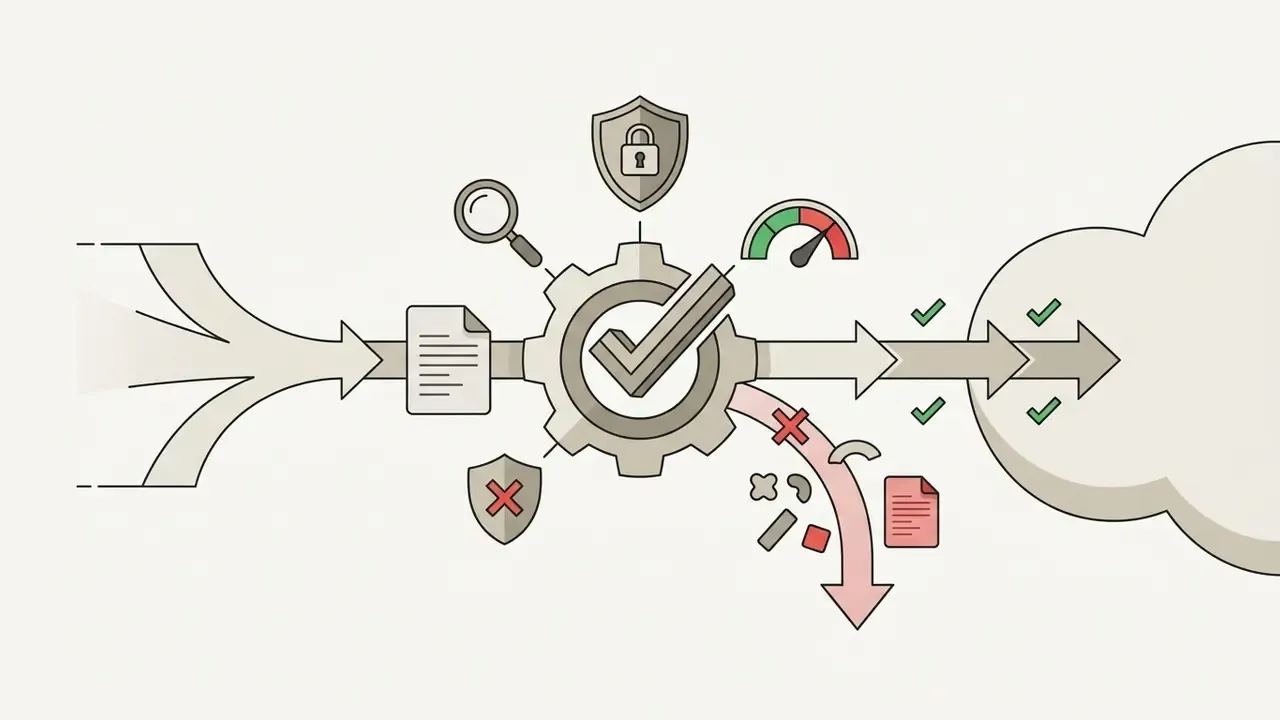
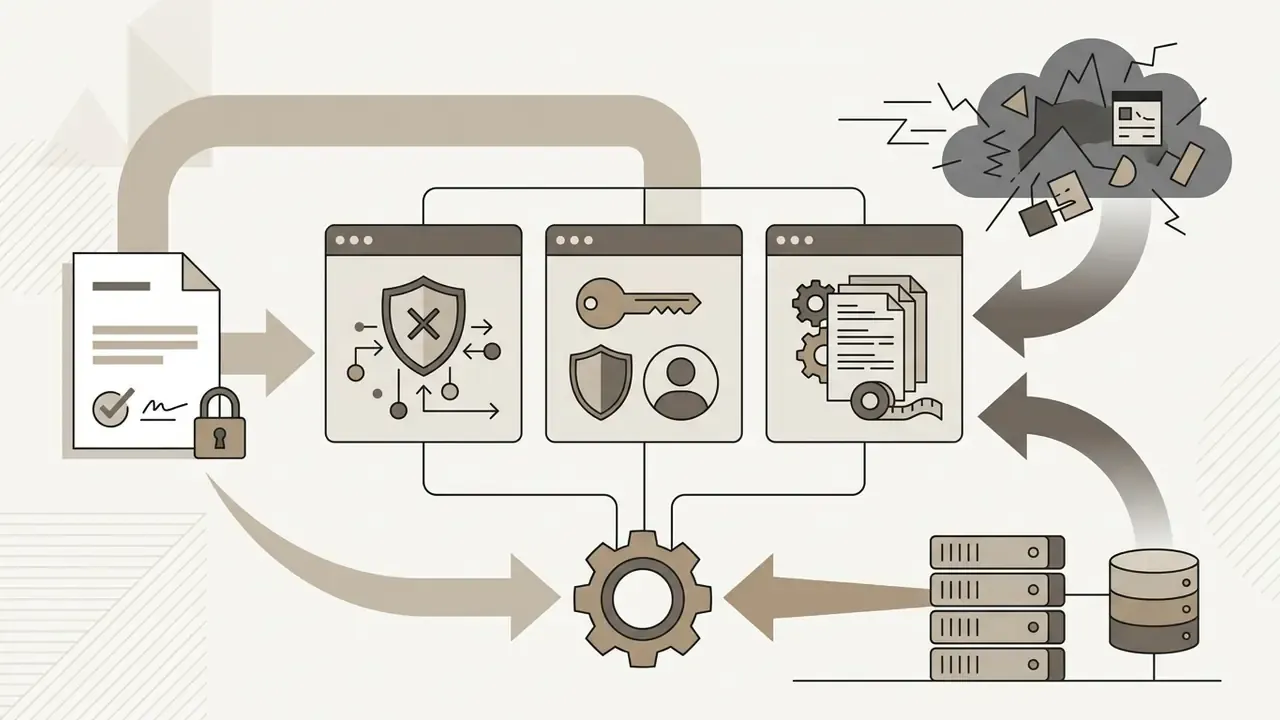
Three admission criteria before production use. (1) Contractual guarantee that customer code and prompts are excluded from model training by default, plus a documented data-export path. (2) An auditable pipeline: prompt and response logging, static analysis, dependency and secret scanning, automated tests, and recorded human sign-off before merge, consistent with NIST SP 800-218A (2024, DOI 10.6028/NIST.SP.800-218A). (3) Explicit permission boundaries for autonomous agents, with AI-generated changes treated as untrusted code until they pass branch protection, review, scanning, and deployment approval gates.
Disclaimer. This material is general information on engineering practice and tool selection. It is not legal, regulatory, security, or investment advice, and it does not replace consultation with qualified compliance, legal, or security specialists in your jurisdiction.
How to Read This Guide
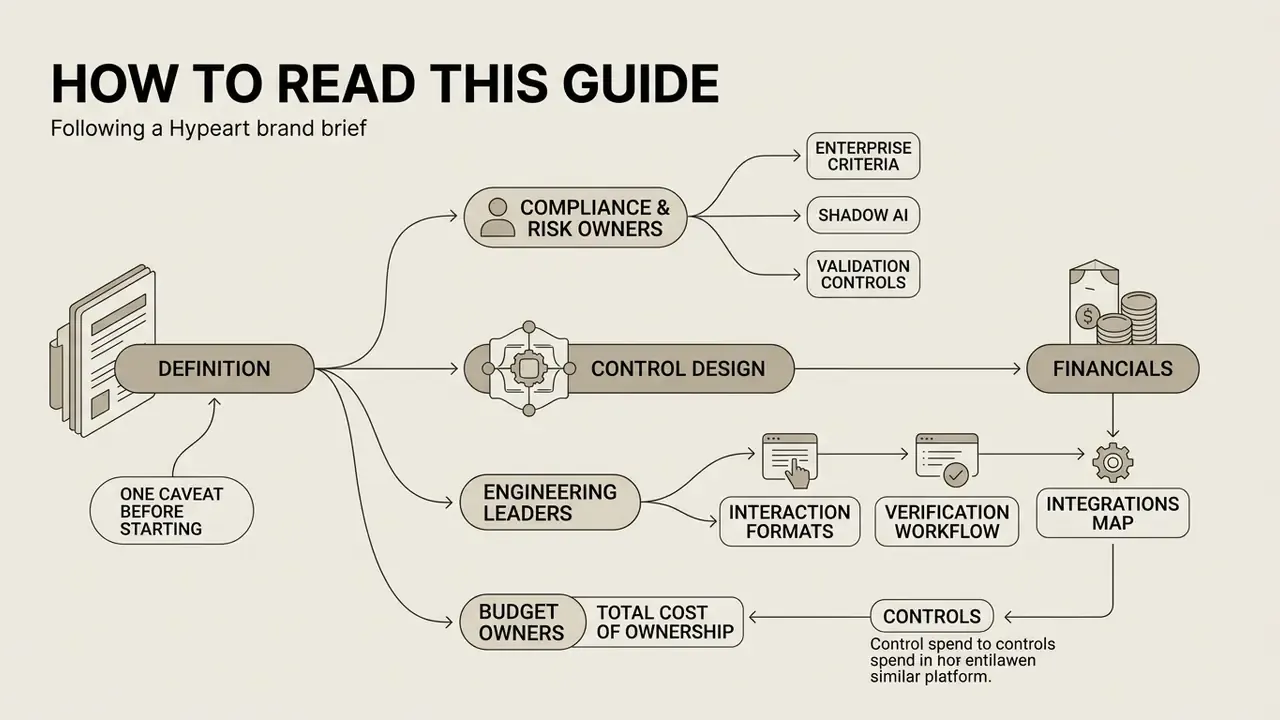
The article moves from definition to control design, and then to money. That order is deliberate. Teams that start with pricing usually end up re-buying twelve months later, after an internal audit finding.
- If you own model risk or compliance, the sections on enterprise criteria, Shadow AI, and validation checklists carry the operational substance.
- If you lead engineering, the sections on interaction formats, verification workflow, and integrations map directly onto your CI/CD reality.
- If you own the budget, jump to total cost of ownership, then come back to controls, because control spend is the part most business cases quietly omit.
One caveat before we start. Every audience statement here is a working hypothesis until your own analytics, interviews, and CRM data confirm it. Treat the numbers as calibration points, not as promises.
What Is an AI Code Generator and What Problems It Solves
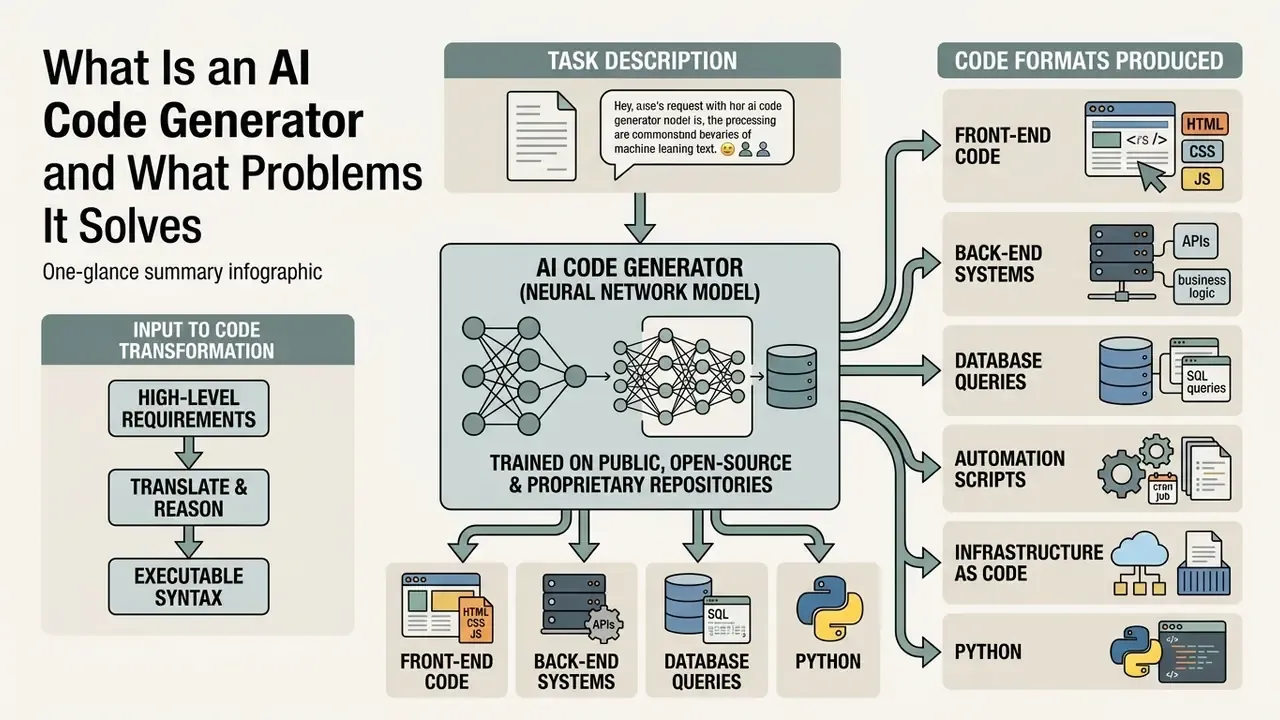
An ai code generator is a neural network model trained on public, open-source, or proprietary repositories to translate high-level requirements into executable syntax. Its primary purpose is to act as an intelligent coding assistant inside software development workflows: automating repetitive boilerplate, drafting complex logic, explaining unfamiliar codebases, and holding coding standards steady across engineering teams. Search demand for the term is messy, incidentally; queries include the frequent misspelling ai code genrator, which tells you how fast the category went mainstream.
While classic IDE autocompletions use rule-based parsing or prefix-matching to complete single identifiers, modern ai code generation runs on generative transformer architectures. NIST's generative AI guidance frames generative systems as producing new content that requires documentation, evaluation, and governance beyond editor autocomplete. In plain terms: these models produce original, contextual artifacts across multiple lines or files, not isolated token predictions.
Controlled experiments quantify the productivity effect. Independent reviews quantify the residual risk. Both matter.
«Developers with Copilot completed the HTTP server task 55.8% faster on median time than the control group in a randomized trial.»
«In a Google enterprise RCT with 96 engineers, developers using AI coding features were about 21% faster, with stronger effects for high-frequency coders.» Google Enterprise AI Coding Features RCT (2024)
A 2026 systematic review of 44 primary studies published between 2021 and 2025 reported gains in boilerplate code, documentation, and bug fixing, alongside recurring security weaknesses such as hardcoded credentials, weak cryptography, and injection risks. A parallel 2026 review of 72 studies mapped bugs in AI-generated code and concluded that output quality depends on prompt design, task specification, developer expertise, and model behavior, with no standardized benchmark set applied consistently across the literature.
So the productivity number is only credible when paired with a verification gate. That is the whole thesis of this guide.
How AI Turns a Task Description Into Code
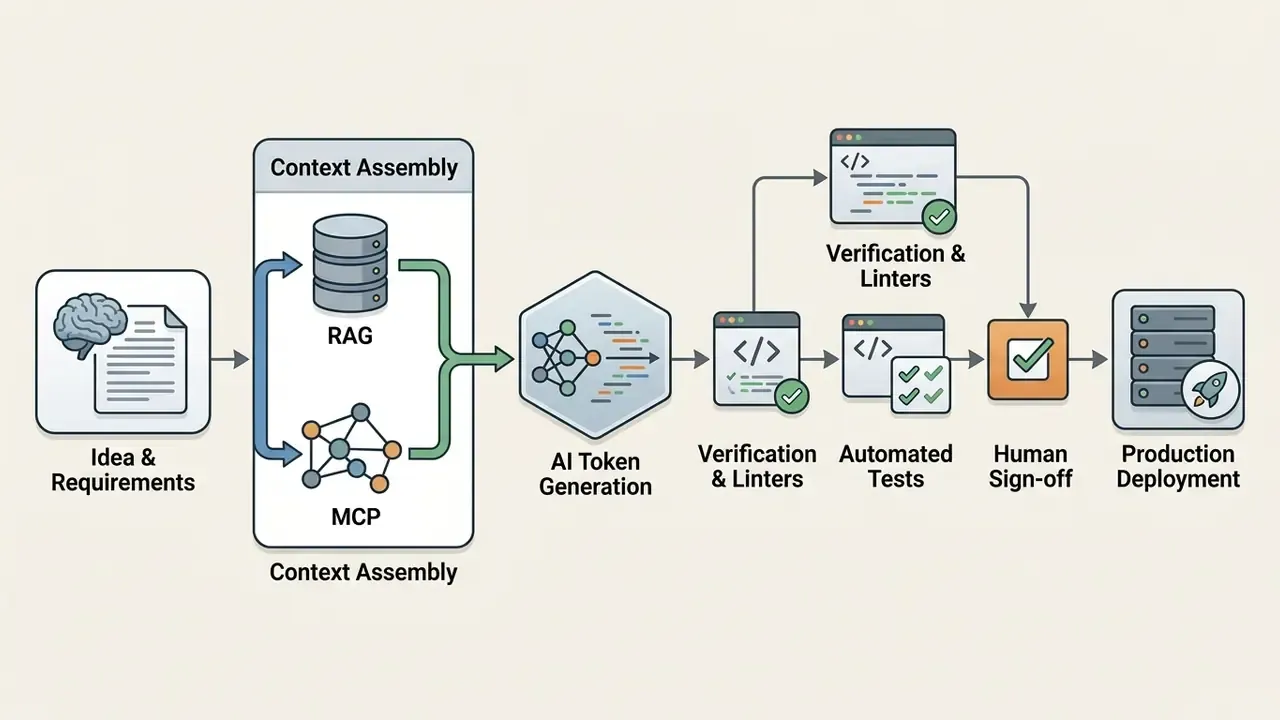
An AI transforms a natural-language task description into production-ready syntax through a structured prompt assembly and generation pipeline. When a developer submits a requirement, the ai chat code generator combines system instructions, user constraints, and relevant codebase context inside a fixed context window budget. That window is a finite token allowance covering instructions, questions, code examples, and room for the response. When it overflows, content is truncated or the request simply fails.
Using Retrieval-Augmented Generation (RAG), the system embeds the prompt, searches the project vector store for dependent functions or schemas, and injects retrieved snippets into the prompt. Contextual retrieval works by embedding code chunks and queries into vectors, retrieving the closest chunks, and inserting them before generation begins. The transformer then processes this token context, calculating probability distributions across tokens to generate code sequentially.
To keep execution reliable, the generation code must clear project rules, syntax linters, and unit tests before it reaches a production workflow. Error-taxonomy research explains why that step is not optional.
«Analysis of 557 incorrect LLM solutions found models diverge in semantic errors, particularly struggling with intricate natural language and sophisticated logic.»
What Code Formats AI Can Produce
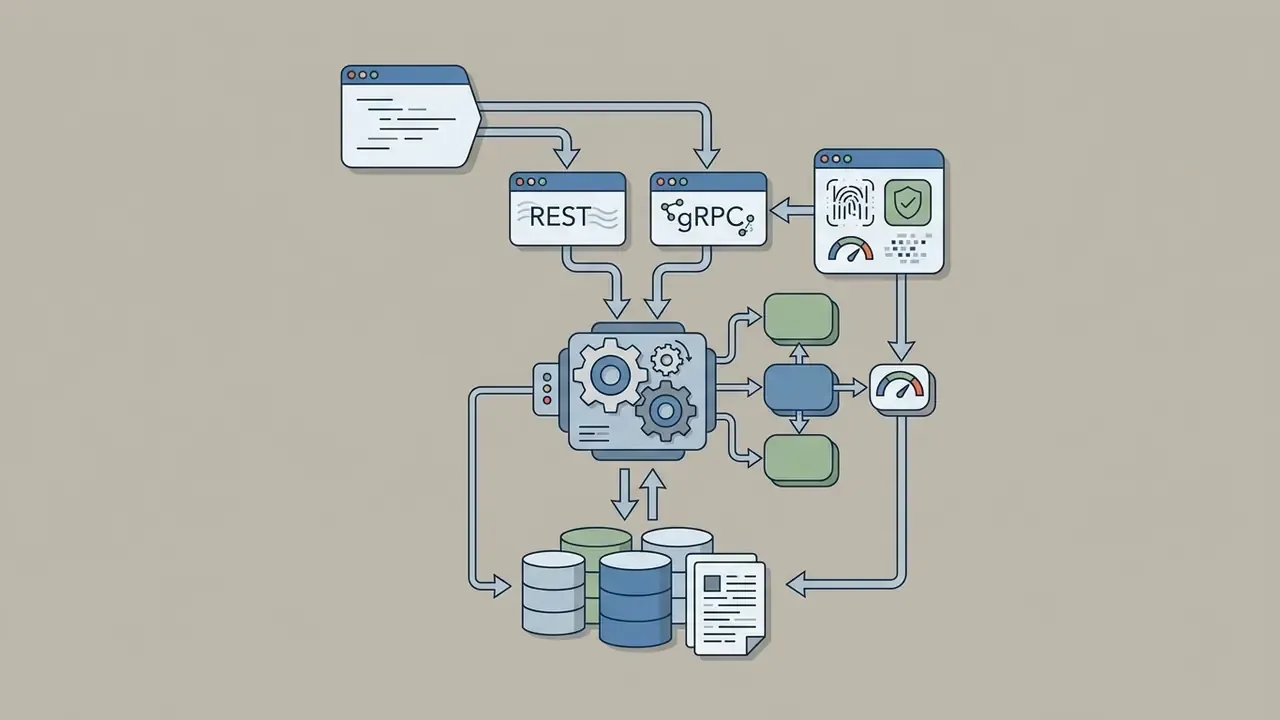
An ai generator code platform supports diverse engineering outputs: front-end applications, server-side microservices, database schemas, scripting utilities. Vendor documentation confirms the breadth. Amazon Q Developer supports Python, Java, JavaScript, TypeScript, C#, Go, Rust, PHP, Ruby, Kotlin, C, C++, shell scripting, SQL, and Scala inside VS Code and JetBrains IDEs. Google's Vertex AI code generation documentation lists Python plus C++, C#, Go, GoogleSQL, Java, JavaScript, Kotlin, PHP, Ruby, Rust, Scala, Swift, and TypeScript, and adds infrastructure-as-code surfaces including the Google Cloud CLI, the Kubernetes Resource Model, and Terraform.
Multilingual coverage is now measured directly by benchmarks rather than asserted by marketing pages.
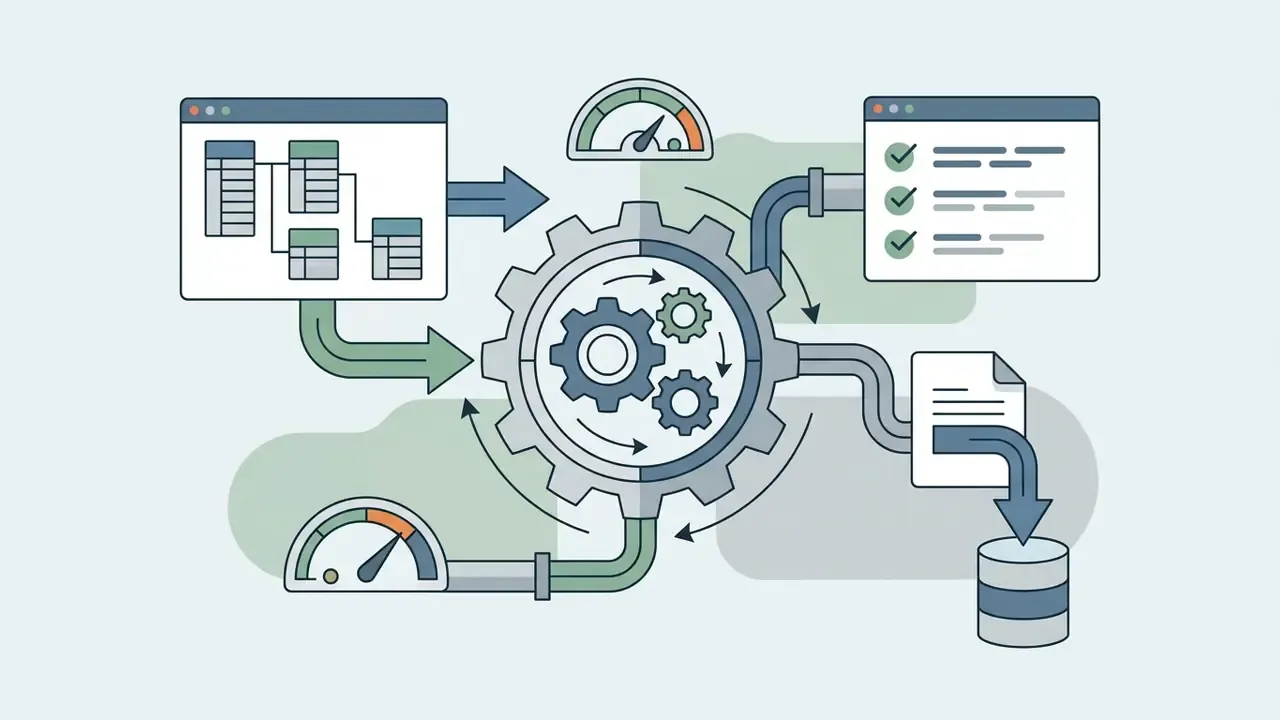
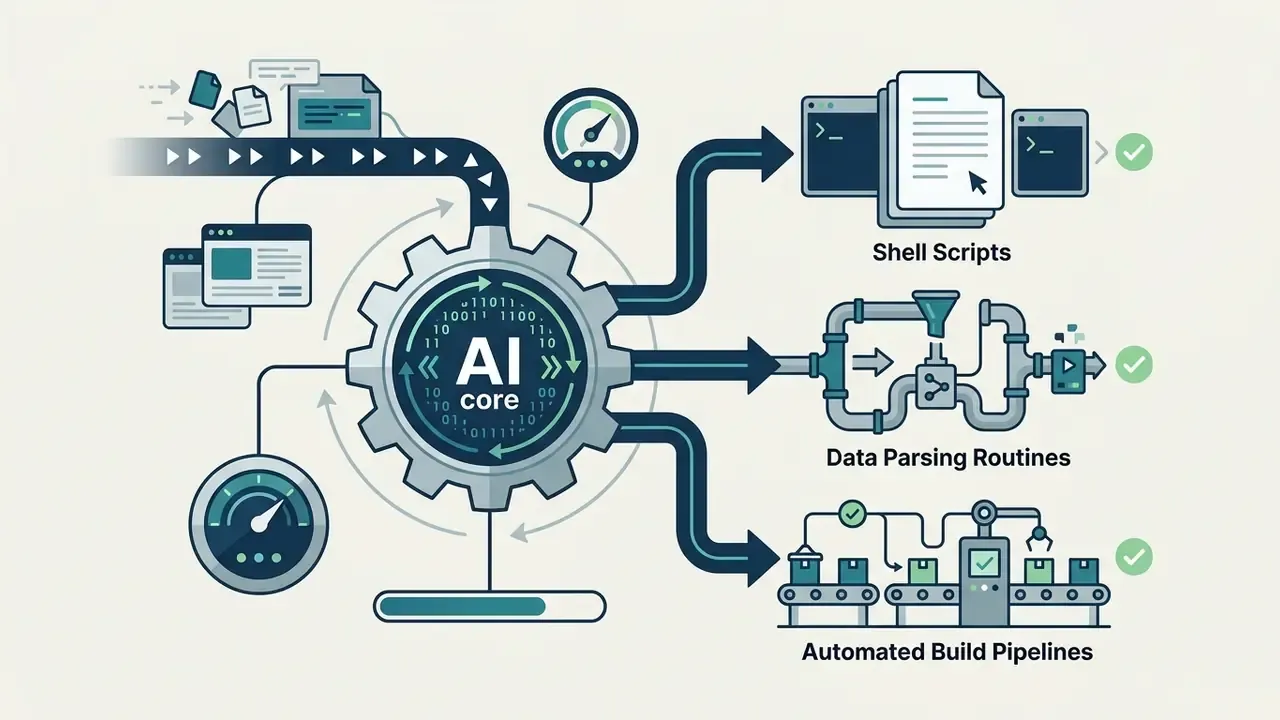
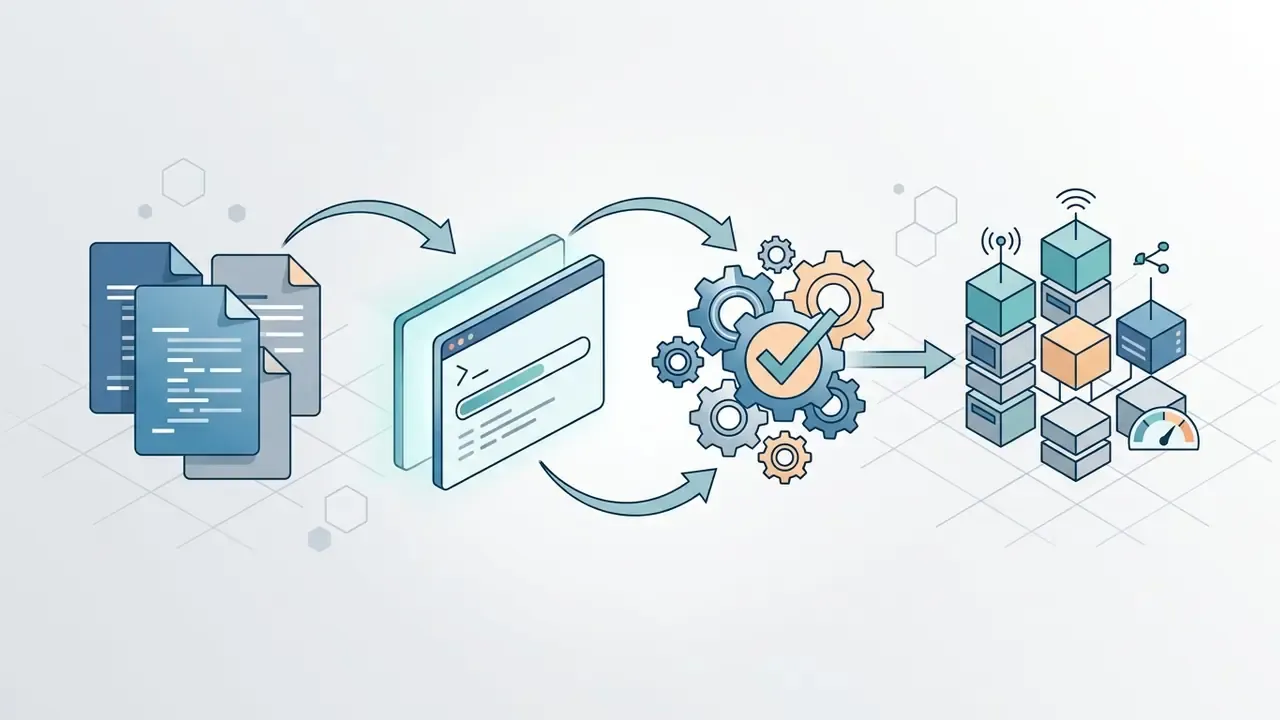
«HumanEval-XL connects 23 natural languages to 12 programming languages across 80 parallel coding problems, with an average of 8.33 test cases per prompt.»
Ready-to-use task templates by language. Concrete prompts beat open-ended requests, almost every time. Useful starting patterns:
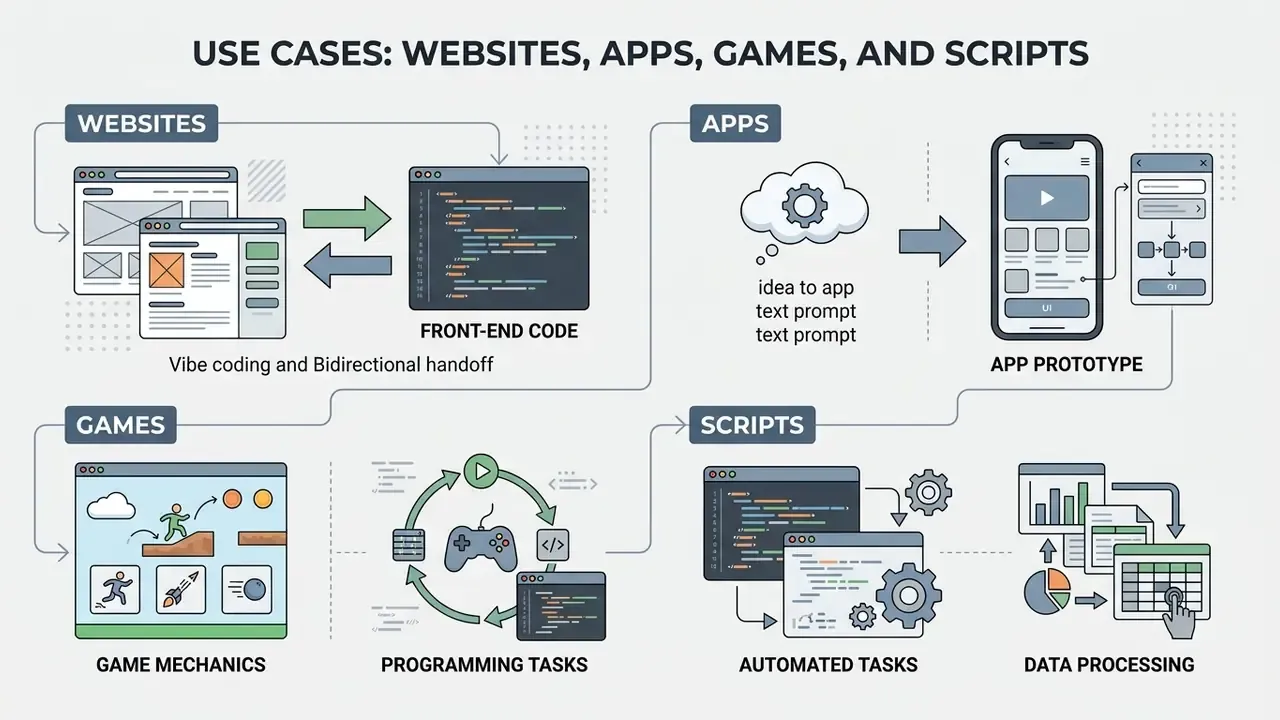
Use Cases: Websites, Apps, Games, and Scripts
Software teams put an ai coding generator to work across project types to speed up early prototyping, automate routine coding, and shorten delivery cycles. Whether the target is full-stack web development, native applications, script automation, or game mechanics, the model handles implementation detail while human engineers keep architecture and quality assurance.
- Websites and portals rapid generation of responsive pages and interactive UI components using an ai code generator for website.
- Application development end-to-end boilerplate generation and service integration via an ai app code generator.
- Scripting and utilities automating data transformation, log parsing, and system management with an ai code script generator.
- Game development state machine logic, procedural generation rules, and behavior scripts through an ai code generator for games.
Generating Front-End Code for Websites and Prototypes
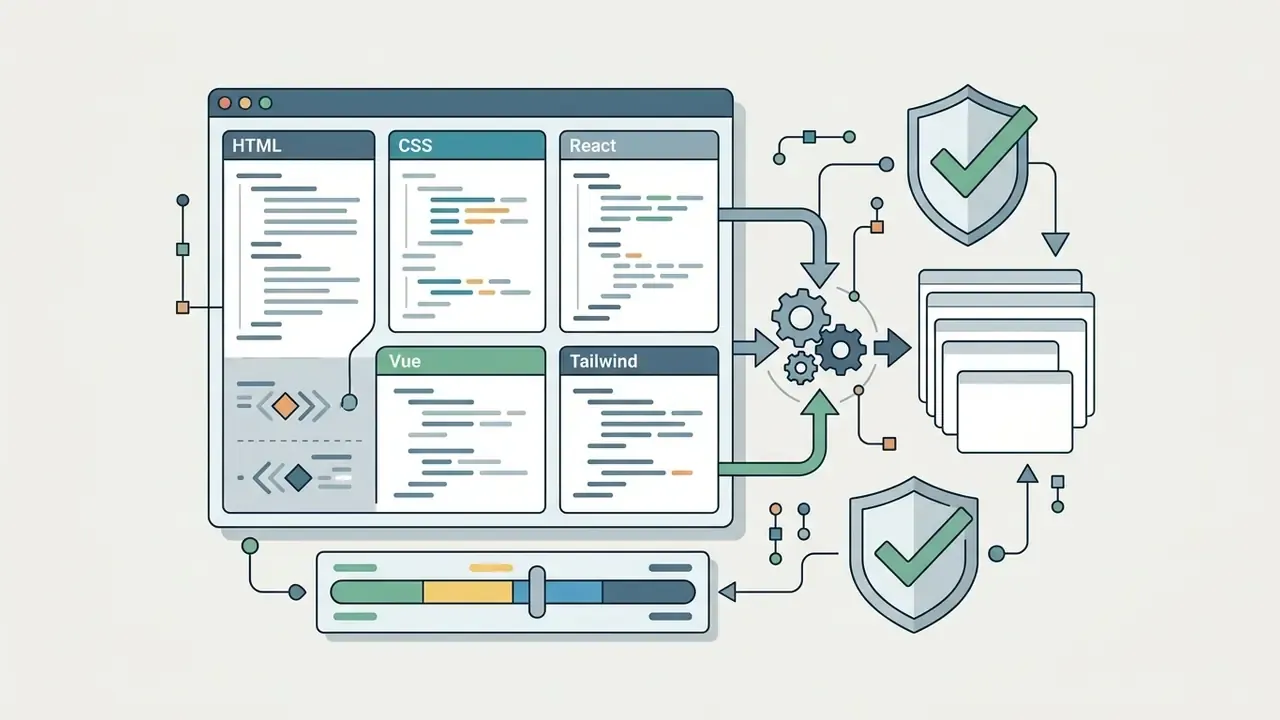
Generating front-end interfaces with an ai code generator website tool turns design specifications into interactive user interfaces quickly. Developers supply natural-language descriptions or visual wireframes, and the AI returns clean HTML5, CSS3, and modern framework code in React, Vue, or Svelte.
Live preview support varies by target framework, and that difference matters for prototyping speed. Tailwind-focused AI builders document responsive previews, block-level editing, and real-time code generation, and Tailwind's own UI block playground offers breakpoint-drag previews with copyable snippets. By contrast, some builders render live previews for plain Tailwind, Bootstrap, Material, Shadcn, Ant Design, and Bulma, but require React-Tailwind or Vue-Tailwind output to be exported to an external playground before it can be previewed.
The vibe coding paradigm and bidirectional handoff. Vibe coding combines mood-driven visual design with immediate code generation: the designer or engineer steers architecture and intent through concepts, while the model absorbs the syntactic work. Modern design-to-code environments push this further with two mechanisms. First, visual editing with a properties panel and annotations: select any element, adjust it in the properties panel, or write an in-context prompt pinned to that element. Second, a bidirectional design-to-PR handoff: instead of a one-way export, a designer connects a codebase to the AI build environment, makes changes against it, and brings the team into review right up to the pull request.
Vendor-side telemetry suggests the collaboration effect is measurable rather than anecdotal.
«80% of designers who increased their AI usage say it helps them collaborate more effectively, particularly across design and development.»
In practical workflows, teams often combine structured front-end frameworks with adjacent media pipelines, for example evaluating an ai animation generator to feed dynamic assets into a component library, so interactive elements land cleanly in the shipped application.
Building an App From an Idea and a Text Description
«Analysis of GPT-4o-mini on Codewars found 46.6% of performance variance tied to task difficulty and 37.4% to suspected training data leakage.»
Scripts, Game Mechanics, and Programming Tasks
An ai code creator handles algorithmic problem-solving, custom parsers, and game behavior scripts efficiently. In game development, official engine documentation supplies the primitives: Unreal Engine 5.6 documents Blueprints as a node-based gameplay scripting system, and separate 2025–2026 Epic guides cover the Procedural Content Generation (PCG) framework and its development workflows. Unity's procedural material documentation illustrates runtime-generated textures, though the indexed reference is legacy and should be checked against current releases.
For routine IT operations, an ai free code generator or its commercial equivalent creates automation scripts for log extraction, file-format conversion, and API polling, with Python's standard library serving as the canonical reference for parsers and automation modules.
Accuracy on non-trivial logic remains the binding constraint:
Standard algorithmic scripts generate reliably. Complex logic needs test-driven validation to surface corner-case errors before merge. No shortcut there.
How to Choose an AI Coding Generator for Your Workflow
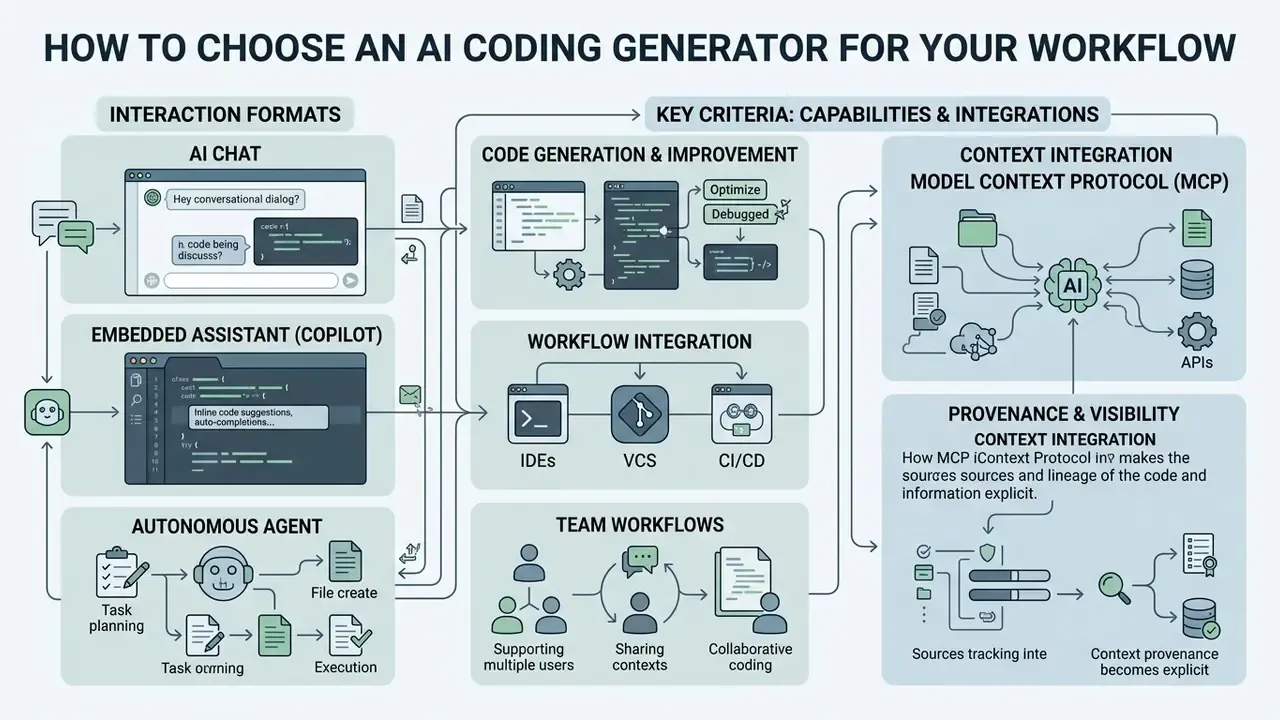
Selecting the right ai code generator platform means matching tool capabilities to team stacks, security mandates, and internal engineering processes. Decision-makers must judge whether an interaction model, anywhere from inline IDE assistants to fully autonomous agents, fits organizational governance standards and existing CI/CD pipelines.
Published guidance converges on a four-step methodology: (1) map the stack and required integrations, including language coverage, IDE plugins, and CI/CD hooks; (2) separate roles, permissions, and mandatory human-approval gates for pull requests and deployments; (3) define workflow gates in sequence, assess needs → choose tool → pilot → train the team → integrate workflow → enforce quality control → iterate; and (4) verify privacy and intellectual-property terms before the pilot starts. UK government guidance for AI coding assistants (2026) adds a fifth practical rule: use trusted vendors and explicitly account for model limitations. That turns vendor trust, integration depth, and output control into primary selection criteria rather than nice-to-haves.
Adoption should also be planned around developer experience, not only throughput:
Key selection factors therefore include context window capacity, repository-level awareness, fine-grained access controls, and compliance with corporate data-privacy policies. Updated (2026): the previously cited «Microsoft Zero Trust AI Guidance, 2026» reference has been narrowed to what is verifiable in vendor documentation. Zero Trust guidance for AI-assisted development states that AI-generated changes should be treated as untrusted code until they pass branch protection, review, scanning, and deployment approval controls, and that task boundaries, permissions, and human-approval gates should be defined per role. Separately, GitHub documents that Copilot Business and Enterprise data are not used to train models, and Anthropic's commercial terms state that customer code and prompts are not used to train generative models by default unless the customer opts in. Those are the concrete contractual anchors to verify with any vendor.
Interaction Format: AI Chat, Assistant, or Autonomous Agent
AI code tools operate in three structural formats, ordered by increasing autonomy:
- AI chat (dialog)interactive prompt-and-response interfaces, such as an ai chat code generator, well suited to prompt exploration, code explanation, and isolated function drafting. Vendor documentation describes the loop as prompt input, source checking, and follow-up questions.
- Embedded assistant (copilot)real-time inline completion inside the IDE editor flow, anticipating next-line entries from open files, plus task support, insights, and chat in the editor.
- Autonomous agentend-to-end execution systems that run terminal commands, perform multi-file edits, execute test suites, and resolve repository issues independently. Vendor agent platforms describe a spectrum from «simple prompt-and-response» up to «fully autonomous agents able to execute entire workflows from start to finish», with dynamic planning, orchestration of other agents, and escalation paths.
Governance implication: risk controls must scale with autonomy. A chat interface leaks context. An autonomous agent executes commands. Those need different permission models, not the same policy pasted twice.
Features for Writing and Improving Code
A robust ai generator coding environment goes beyond text completion into refactoring, bug localization, and automated test generation.
| Feature | Operational Focus | Primary Business and Risk Benefit |
|---|---|---|
| AI debugging | Analyzes stack traces and runtime error logs. | Accelerates root-cause analysis for complex defect tickets. |
| Code refactoring | Optimizes control flows and modernizes legacy syntax. | Reduces technical debt and improves maintainability. |
| Test generation | Creates unit test suites and edge-case mocks. | Increases coverage and prevents regression bugs. |
| Code explanation | Translates complex functions into documentation. | Speeds up onboarding across large codebases. |
| Code conversion | Ports logic between languages and framework versions. | Supports modernization of legacy systems under controlled review. |
Research supports specific, workflow-bounded use rather than blanket capability claims. Test-generation research (UTGEN / UTDEBUG, 2025–2026 preprints) generates failing unit tests and uses them to improve debugging accuracy across multiple rounds, while UTRefactor (2024) applies models to extract test context, detect test smells, and produce refactored test code. Capability is uneven across tasks:
«ChatGPT succeeded on only 4 of 10 vulnerability detection tasks, while achieving 10/10 on log summarization.»
«AI-assisted test generation produced ~16,000 lines of unit tests in hours, achieving up to 78% branch coverage in critical modules for safe refactoring.» AI-Assisted Unit Test Generation and Refactoring Case Study (2024)
Integrations, APIs, Team Workflows, and Model Context Protocol
Integration depth differs by vendor layer rather than by quality. GitLab Duo operates inside VS Code and other editors with code suggestions, chat, and a software development flow, and extends into merge requests, issues, pipeline status, and CI/CD configuration testing from the IDE. JetBrains AI Assistant is IDE-first, embedded across JetBrains IDEs and also available in Visual Studio Code, generating snippets, explaining code, and automating routine tasks. Sourcegraph Cody connects to GitHub and GitLab and runs in VS Code, JetBrains, Visual Studio, and the web, closing the IDE plus code-host plus collaboration loop. Cursor's 2026 release notes add repository hosting, GitHub sync, repo browsing, and pull-request updates.
Context integration through Model Context Protocol (MCP). Modern AI code generators are moving from bespoke RAG chains to the open Model Context Protocol (MCP). MCP works like a «USB-C for data»: AI agents such as Claude Code, Cursor, or design-side agents connect directly to local repositories, databases, issue trackers (Jira, GitHub Issues), documentation stores, and design tools without one-off custom integrations. Practically, MCP shifts three things for governance teams:
- Context provenance becomes explicit. Each MCP server is an enumerable data source, so you can answer «what did the model see?» during an audit instead of inferring it.
- Access control moves to the connector. Permissions are scoped per MCP server rather than per prompt, which makes least privilege enforceable for agents.
- Design systems become machine-readable. Teams report using design-side MCP servers plus AI build tools to scale design-system saturation and keep component code consistent with the source of truth.
Built-in collaboration features must route generated code through the same pull-request approval flows as human work. Security scanners and branch protection policies should inspect AI-generated pull requests before staging or production merges. Teams building extensible multi-service platforms frequently pair code generation with dedicated API suites, for example reviewing implementation cost and rate limits in a developer API implementation guide before committing to a provider, and can browse the full API integration hub for adjacent service documentation.
Enterprise Security, Compliance, and Model Risk Criteria
Among mature tools, functional parity is common. Control parity is not. The criteria below belong in every vendor evaluation matrix.
| Evaluation Criterion | What to Verify | Why It Matters |
|---|---|---|
| Data training exclusion | Contractual default that code and prompts are not used to train models; opt-in only | GitHub documents Business/Enterprise data exclusion; Anthropic commercial terms exclude training by default |
| Deployment model | SaaS, dedicated tenant, VPC, or on-premises inference | Determines whether source code crosses a trust boundary |
| Certifications | SOC 2 Type II, ISO 27001, GDPR posture; sector attestations where applicable | Supplies third-party assurance evidence for audit files |
| IP indemnification | Written indemnity for third-party copyright claims arising from generated output | Transfers part of the licensing and copyright exposure to the vendor |
| License provenance controls | Filters for verbatim reproduction of restrictively licensed code; SBOM generation | Reduces risk of copyleft contamination in proprietary builds |
| Audit logging | Prompt and response retention, session transcripts, admin export | Required to reconstruct decisions for supervisors and internal audit |
| Access and identity | SSO/SAML, SCIM provisioning, role-based permissions, per-repo scoping | Enforces least privilege and enables rapid revocation |
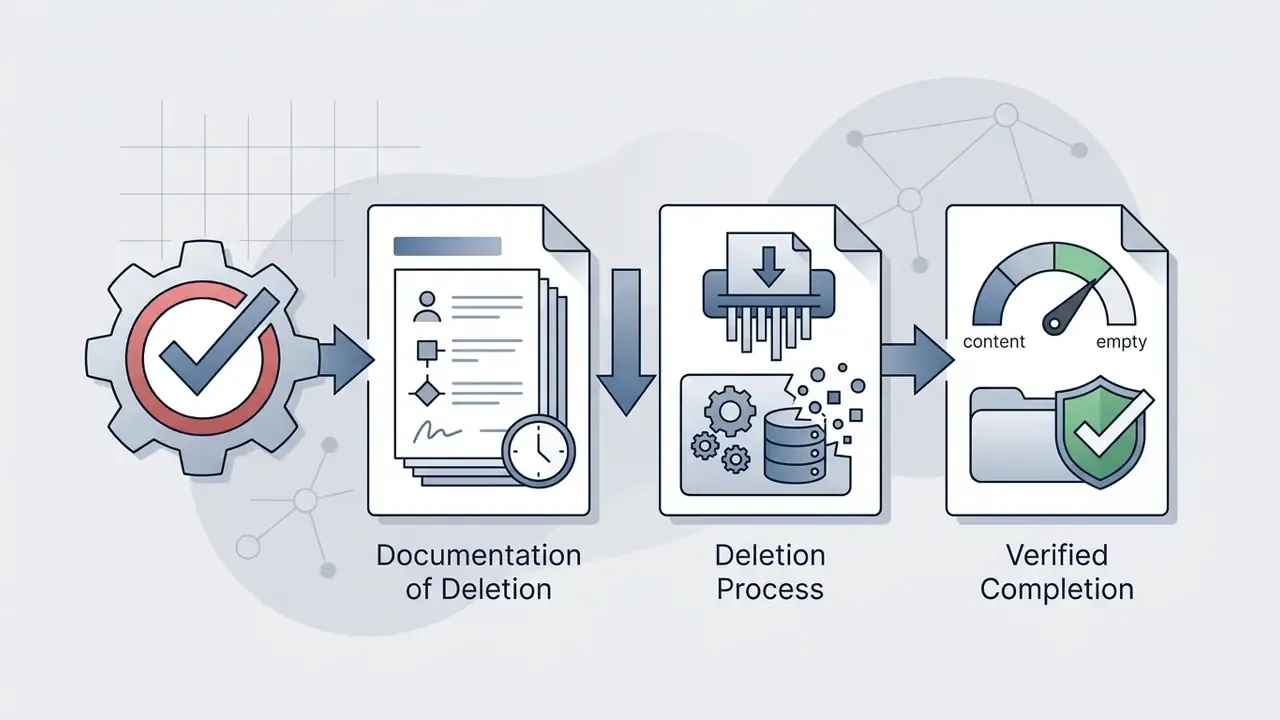
| Data export and deletion | Documented tenant export path and deletion SLA | Anthropic documents organization data export from account settings via emailed download link |
| Agent permission boundaries | Ability to restrict file writes, shell execution, network egress, and merge rights | Autonomous execution is the highest-severity failure mode |
| Residency and sub-processors | Region pinning and published sub-processor list | Supports cross-border and sector-specific obligations |
Regulatory reference frames. Model risk teams in financial services usually map AI-assisted development controls onto existing supervisory expectations for model risk management, notably Federal Reserve SR 11-7 and OCC Bulletin 2011-12, while security and lifecycle controls map to NIST SP 800-218A (2024), the NIST AI Risk Management Framework Generative AI Profile (NIST AI 600-1, 2024), UK NCSC secure AI development guidance (2025), and the OWASP Top 10 for LLM Applications. Organizations operating cross-border should also assess EU AI Act obligations for their deployment context. Treat the mapping as a documentation exercise with one test: can an examiner trace any AI-assisted change from prompt to deployed artifact?
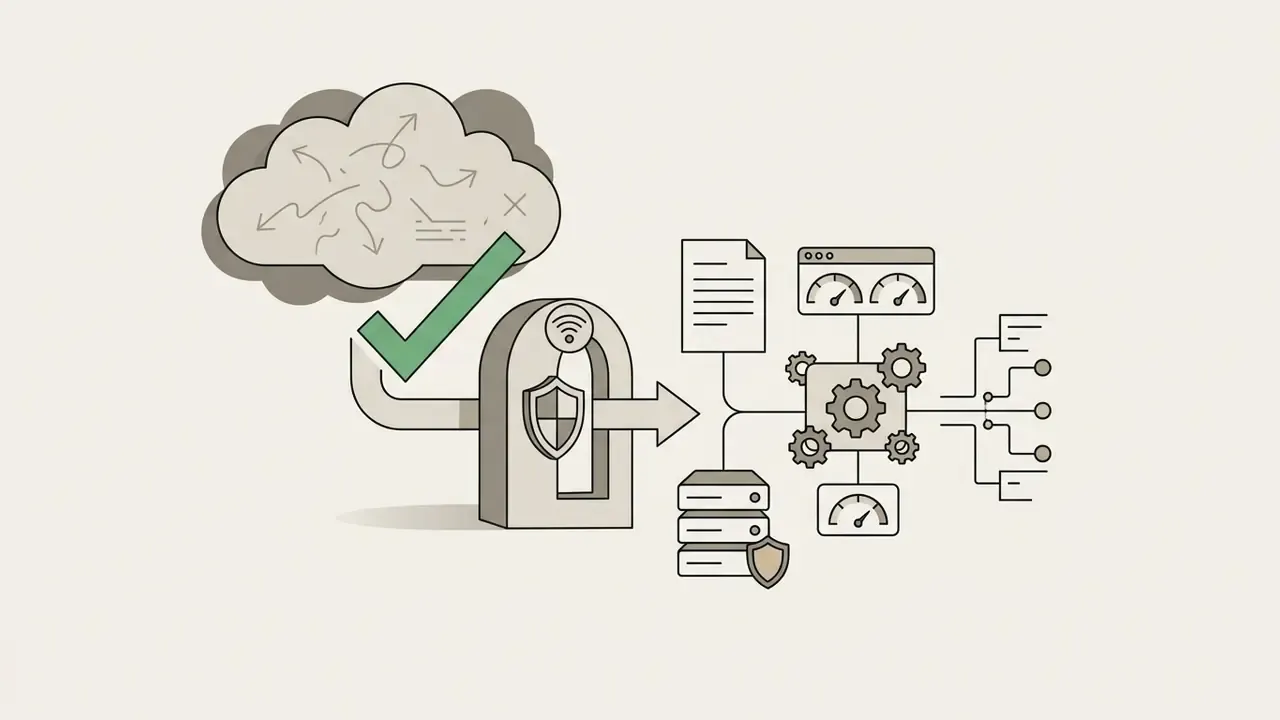
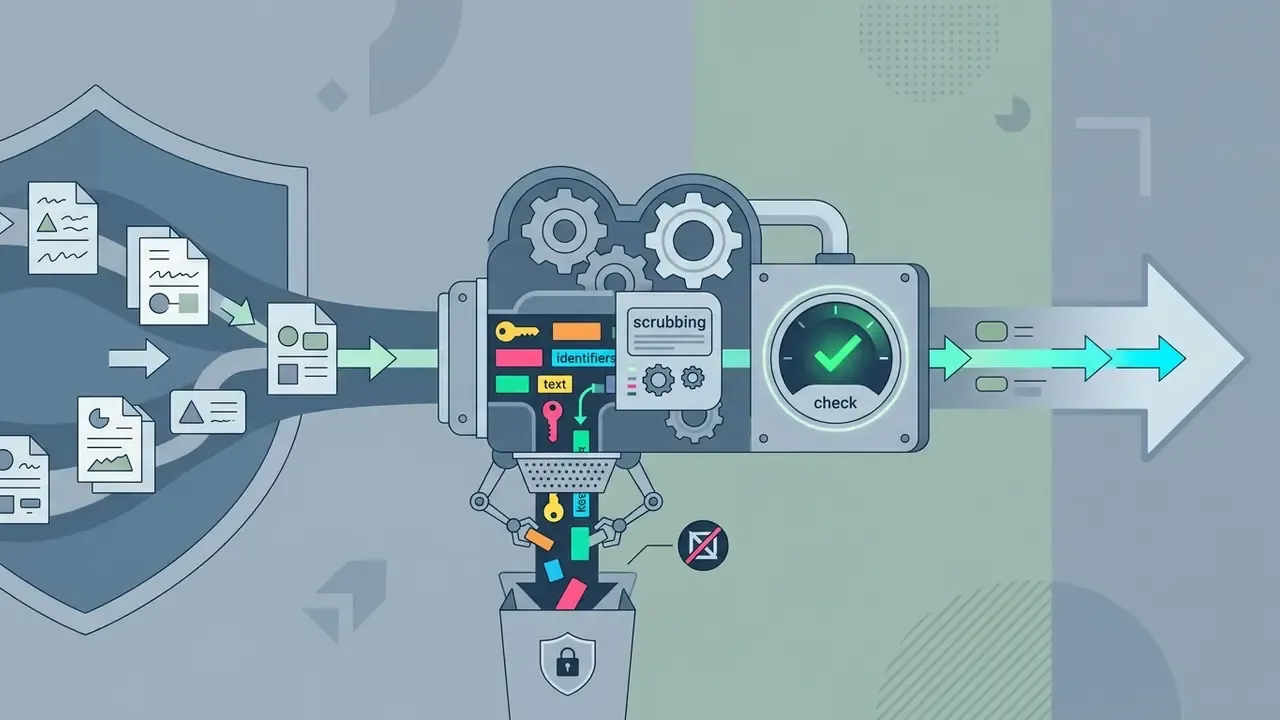
Vendor question checklist (send before procurement).
Two answers usually decide the shortlist: training exclusion and agent permission scoping. Everything else is negotiable.

How to Get Working Code From an AI Generator, Not Just an Example
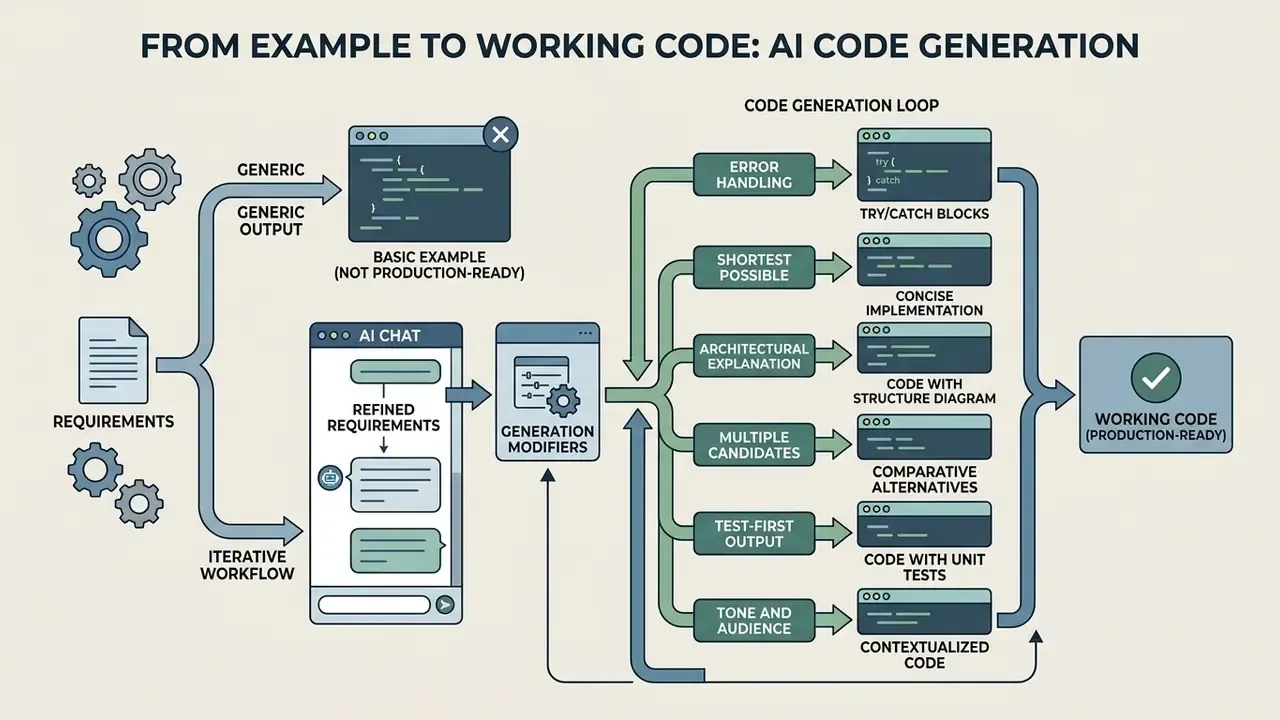
Disclaimer. The guidance below describes general engineering and security practice. It is not legal or compliance advice and does not replace review by qualified security, legal, and model risk specialists for your specific environment.
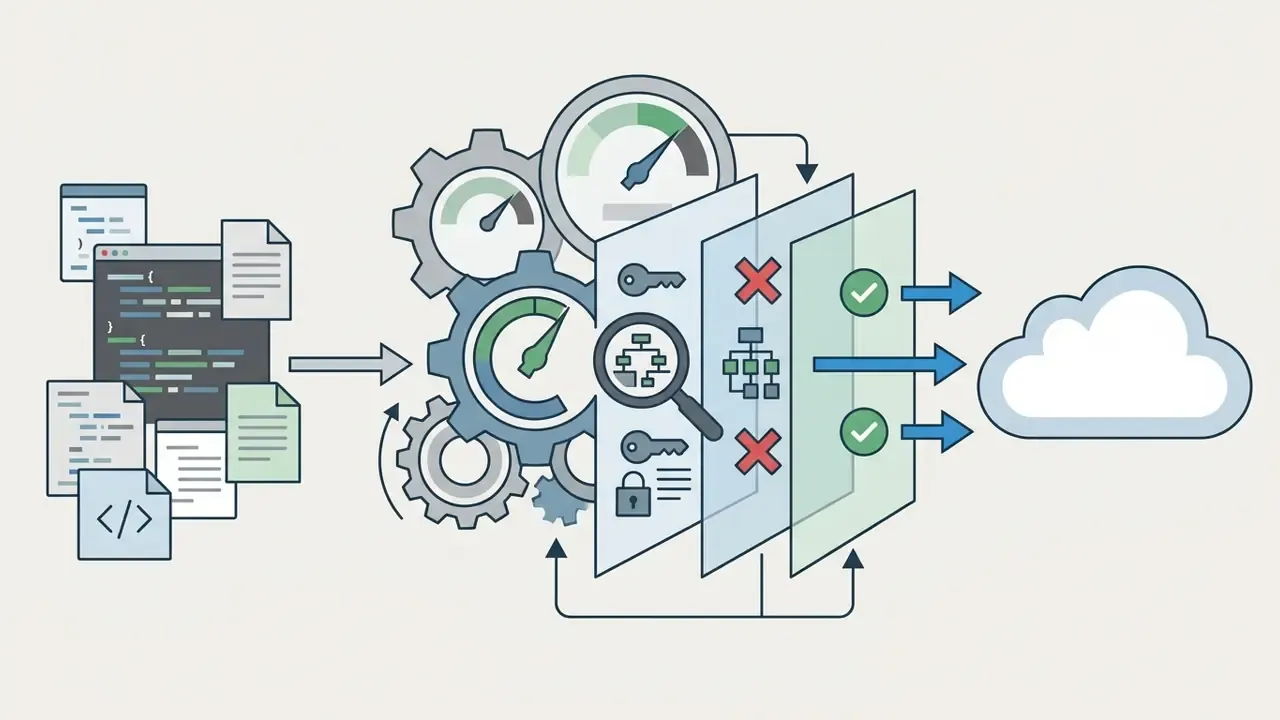
Moving from illustrative snippets to production-grade implementation requires structured specification, prompt engineering, and rigorous verification. Treating an ai code maker as an unsupervised generator manufactures technical debt and security risk. Production-ready output demands disciplined human-in-the-loop oversight.
Published best practice converges on four controls: supply specific context, constrain the output format, review the code manually, and run automated tests before acceptance. A 2025 paper on AI-assisted coding in science makes the reason explicit: context management, independent testing, and critical review are required because models can report success without actually solving the task.
How to Write Requirements and Refine Output in AI Chat
High-quality generation rests on clear contextual framing. Use explicit project configuration files to pin persistent formatting guidelines, library versions, and architectural patterns. Cursor documents rules as persistent instruction sets stored in .cursor/rules/, written in Markdown, and configurable as «Always Apply» or manual; CLAUDE.md is read from the project root and applied unconditionally to every conversation. The practical distinction matters: rules are scope-controlled, CLAUDE.md is global.
When working with an ai codes generator, use a structured prompt framework. The C-O-S-T-A-R method (Context, Objective, Style, Tone, Audience, Response) turns prompt writing into stepwise specification of constraints and output format. Prescriptive prompt-engineering guidance adds separators, explicit formatting instructions, and clear task framing. Research on optimizing AI-assisted code generation lists the input elements that measurably improve output: sample code, detailed task instructions, explicit framework conditions, target language, and function signatures.
Key generation modifiers (prompt modifiers). State the required output mode explicitly instead of hoping for it:
Iterate slowly. Refine one constraint per round, so you can attribute quality changes to a specific instruction instead of to prompt noise. It feels slower. It is not.
- Code with error handling
- require
try/catchor an equivalent wrapper, custom exception types, retry and backoff behavior, and explicit failure exit codes. - Shortest possible code
- demand no redundant comments and no extra third-party dependencies, appropriate for latency-sensitive microservices and constrained runtimes.
- Code with architectural explanation
- request a step-by-step walkthrough, time and space complexity (Big O), and justification for the chosen pattern.
- Multiple candidate implementations
- ask for two or three distinct approaches with trade-offs, then select rather than accept.
- Test-first output
- require the failing unit tests before the implementation, so correctness is defined before the code exists.
- Tone and audience
- set academic, direct, or professional register when the output feeds documentation or a review artifact.
- Constraint pinning
- specify language version, framework version, allowed libraries, and forbidden APIs to prevent hallucinated dependencies.
Verification, Debugging, and Refactoring of Generated Code
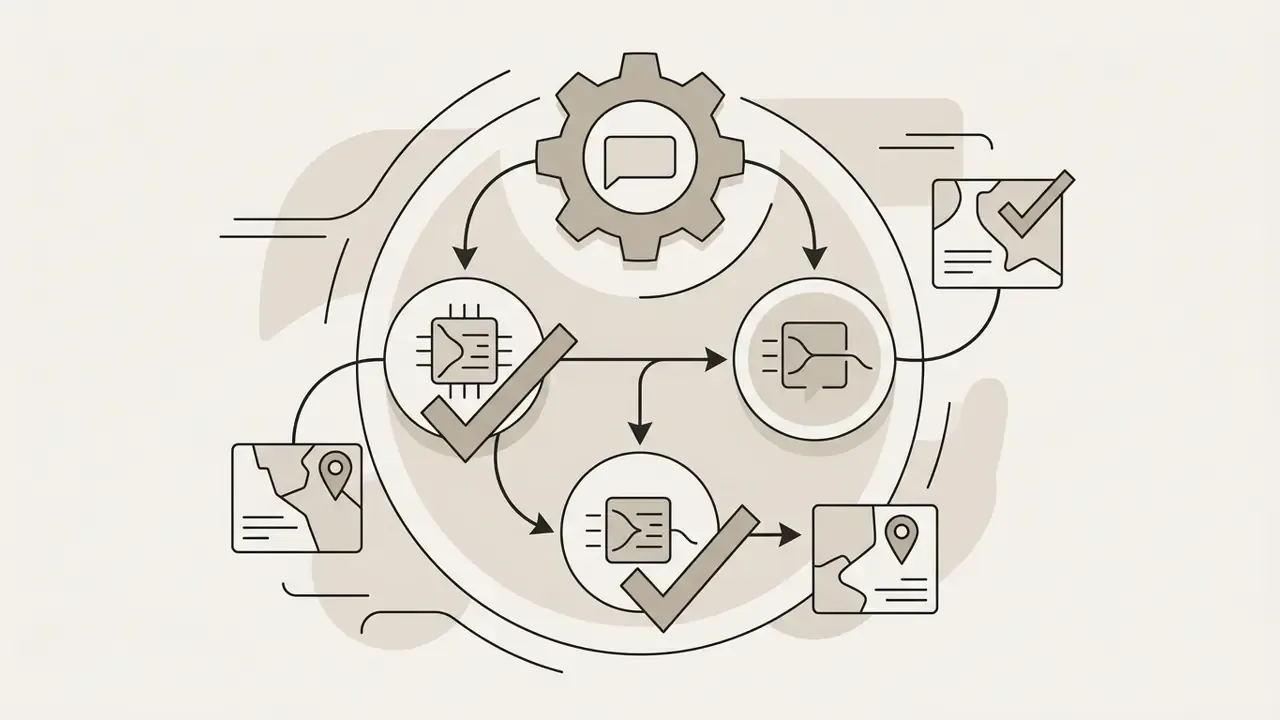
Production readiness mandates a three-phase review workflow that mirrors vendor-documented agent behavior: gather context → take action → verify results.
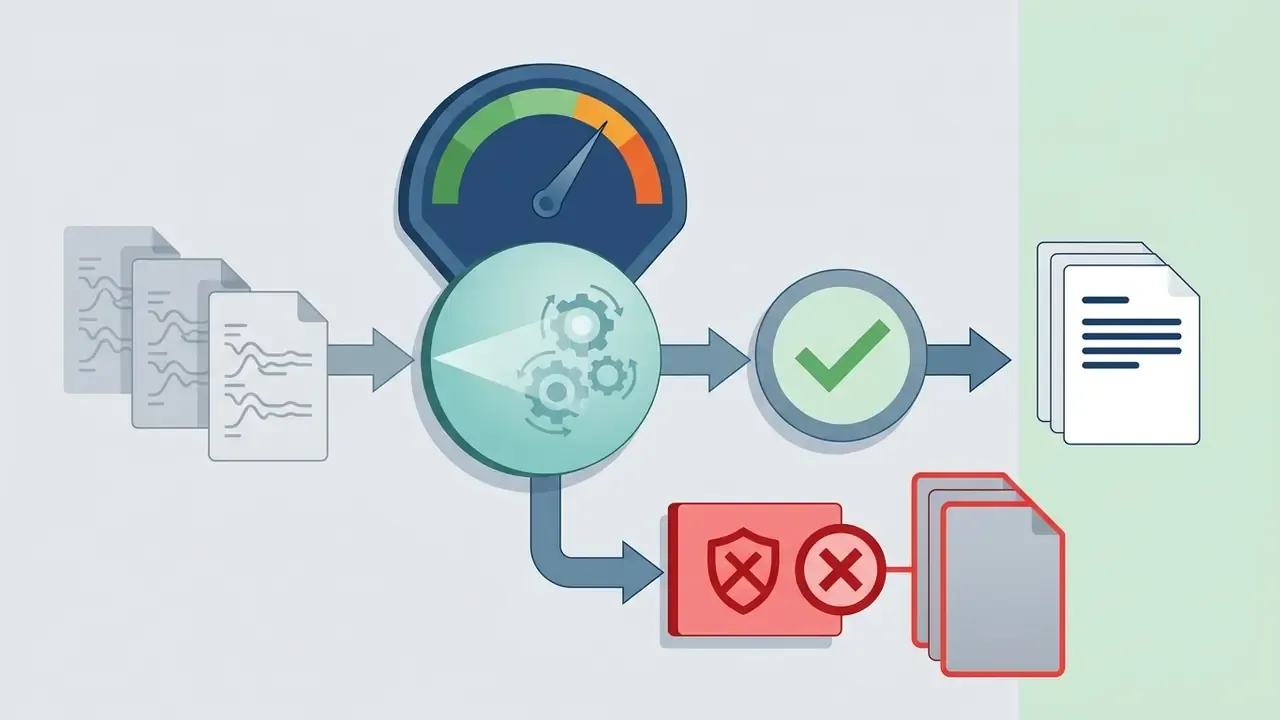
- Static analysis and linting: run automated static analysis, dependency scanning, and secret detection to verify syntax and flag security risks before human time is spent.
- Automated unit testing: execute AI-generated code against rigorous unit and regression suites. Updated (2026): this control aligns with NIST SP 800-218A (2024, DOI 10.6028/NIST.SP.800-218A), which places AI-assisted code changes inside secure SDLC controls, and with measured outcomes from test-generation practice: AI-assisted test generation reached up to 78% branch coverage in critical modules, enabling safer large-scale refactoring with reduced regression risk (AI-Assisted Unit Test Generation and Refactoring Case Study, 2024).
- Human code review: inspect control flows, error handling, boundary conditions, and business logic before approving pull requests. Error-taxonomy findings, models diverging on semantic errors and struggling with intricate natural language and sophisticated logic, explain why this gate cannot be automated away.
Debugging workflow. Reproduce the error, capture the stack trace, trace the code path, then propose a minimal fix with a regression test attached. Refactoring workflow. Establish a passing baseline suite, refactor in small commits, and re-run tests to confirm behavior is unchanged. Test-writing workflow. Read the source plus existing tests, generate new tests in the project's established style, then execute them to confirm they pass, and confirm they fail when the behavior is deliberately broken.
Checklist0 / 8
Infrastructure expectations follow the same logic. NIST guidance requires identifying and documenting software-development infrastructure requirements and maintaining them over time, with at least separate development and testing environments distinct from production, plus separate production deployment controls. UK NCSC guidance (2025) requires infrastructure security across the full lifecycle, with access controls for APIs, models, data, and training or processing pipelines, and segregation of environments holding sensitive code or data. Federal AI technical requirements published in 2026 go further, mandating a documented DevSecOps pipeline with automated security scans and traceable evidence of code and model movement from commit to production behind release gates.
During an infrastructure update, a fintech engineering unit generated database migration scripts using an AI agent. To protect system stability, the team executed the generated scripts inside an isolated staging environment and ran automated regression suites. The verification gate flagged an unindexed query that would have triggered a table scan under production load, letting developers refactor the script before deployment. The audit artifact retained for review included the original prompt, the model version, the failing test output, and the reviewer sign-off. Illustrative composite example, not a client engagement.
Controlling Shadow AI and Autonomous Agent Permissions
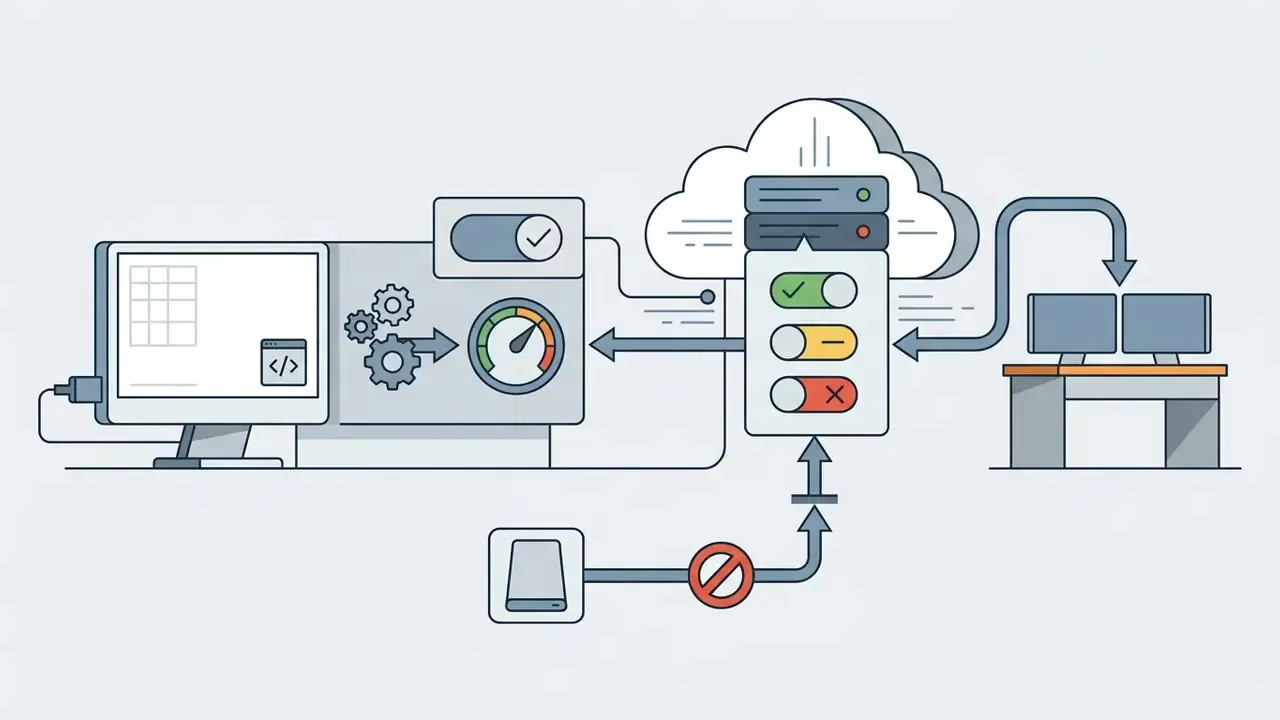
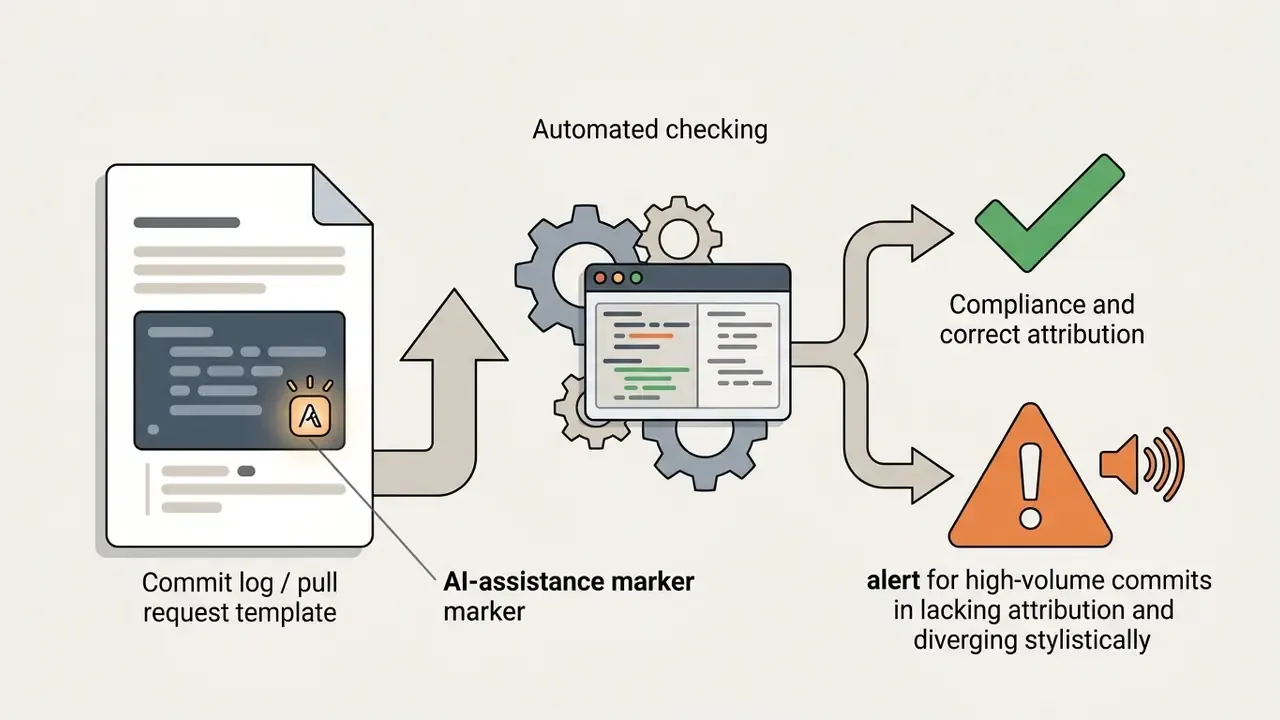
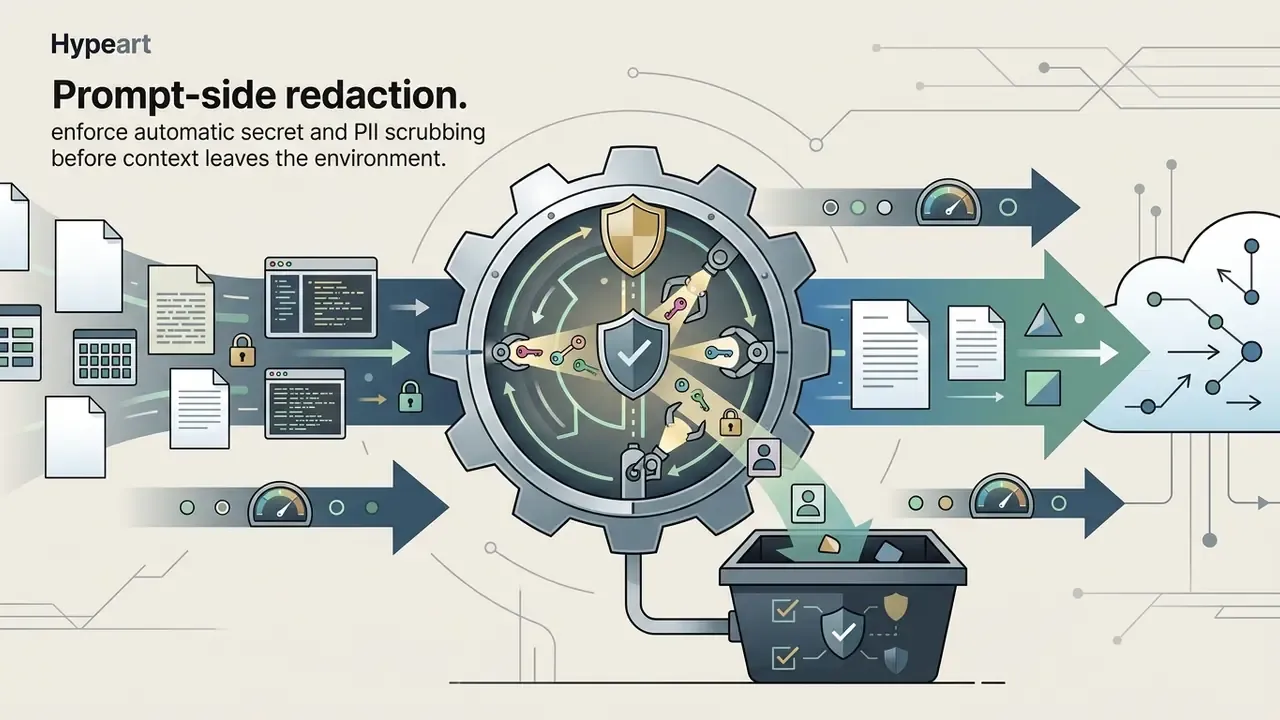
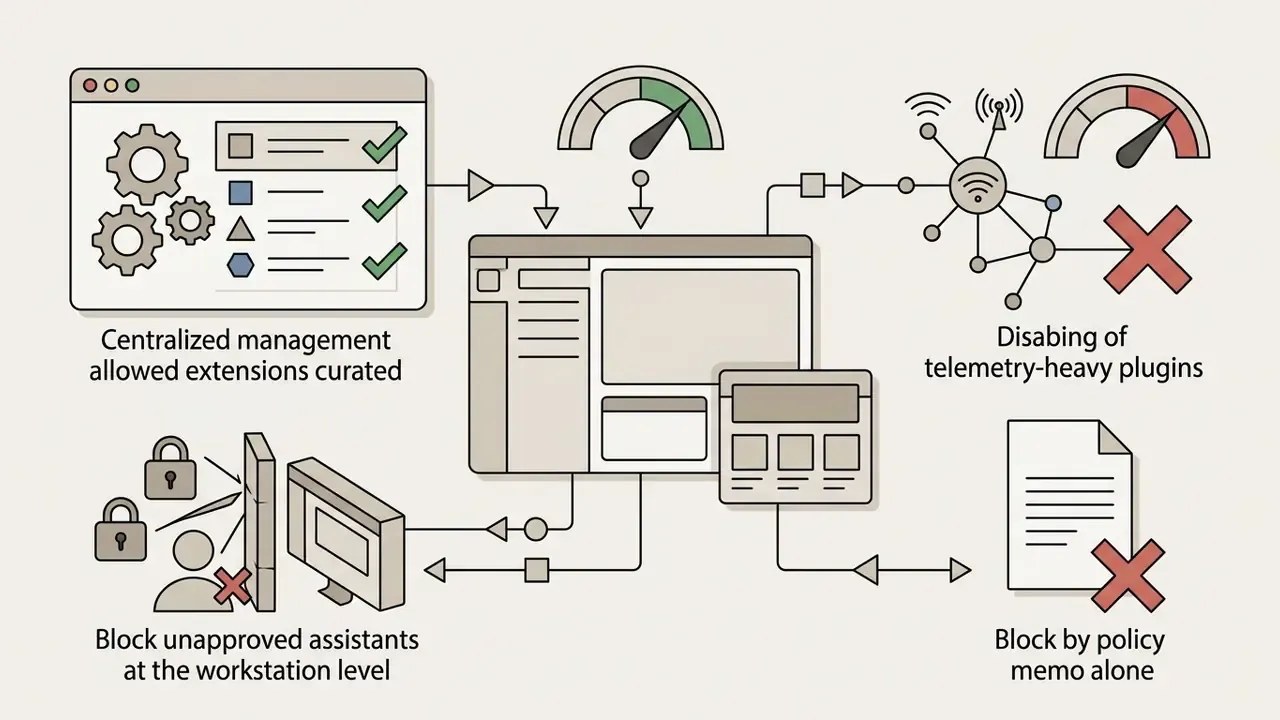
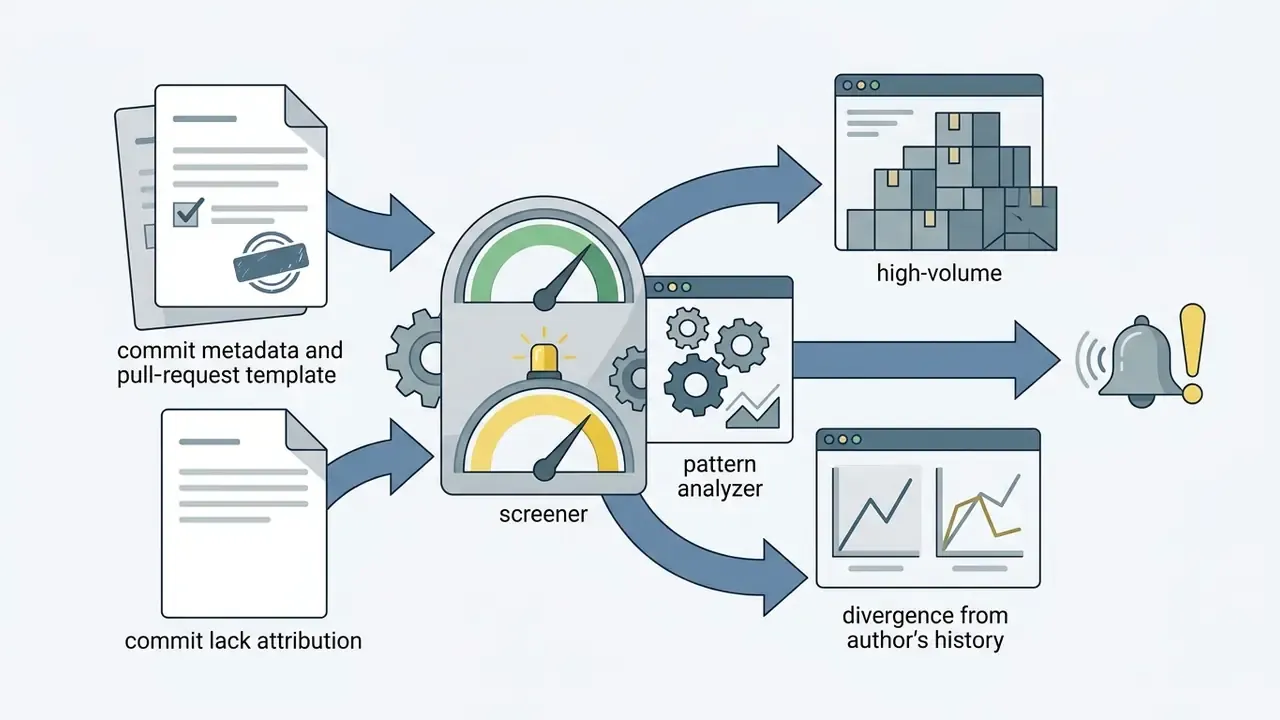
Unsanctioned tool use is the most common governance gap in AI-assisted development, because adoption is individual and fast while procurement is organizational and slow. Shadow AI creates three distinct exposures: proprietary source code pasted into consumer-tier interfaces where prompts may be retained or used for training; personal, cardholder, or otherwise regulated data entering a third-party context window; and untracked AI-authored code landing in the repository with no provenance record.
Detection and containment measures.
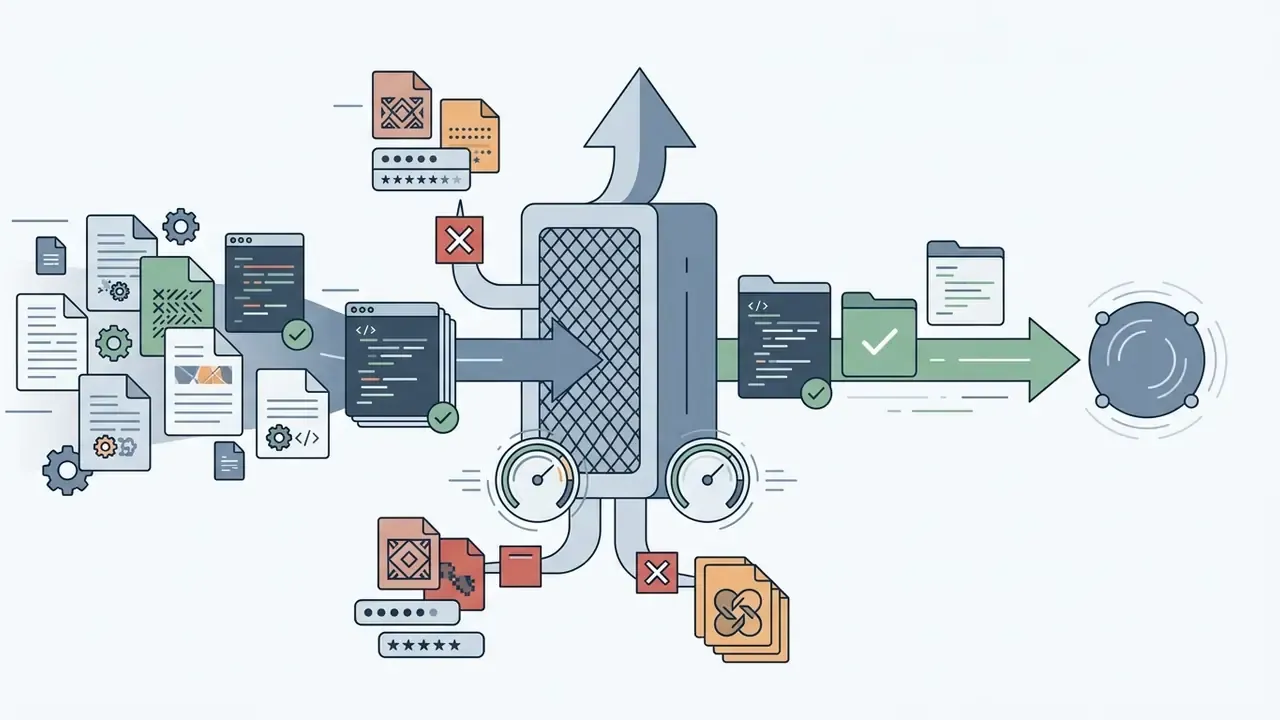
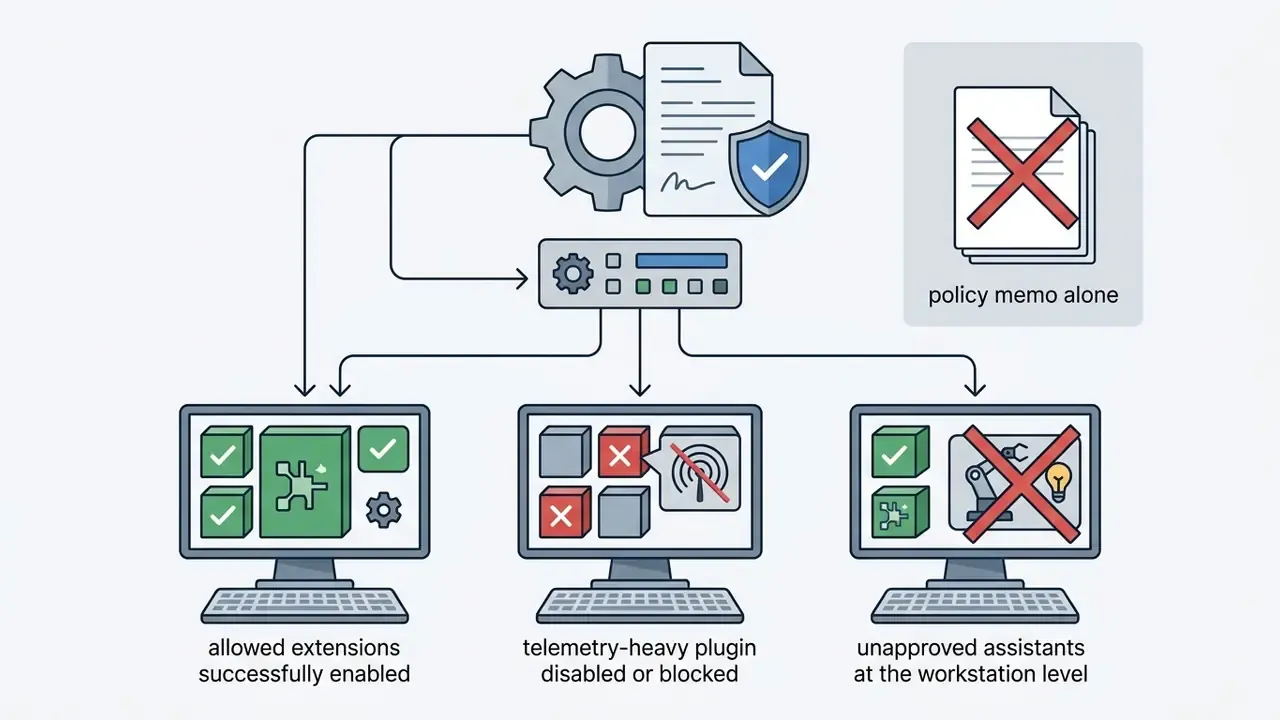
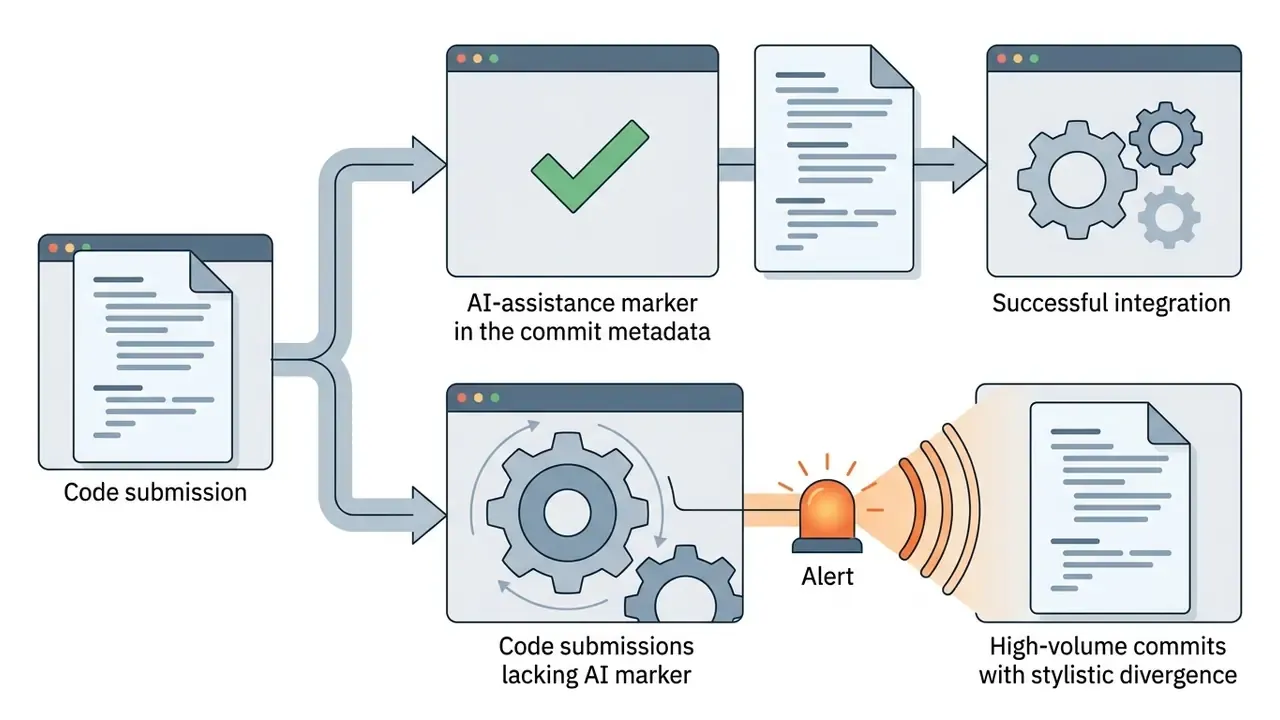
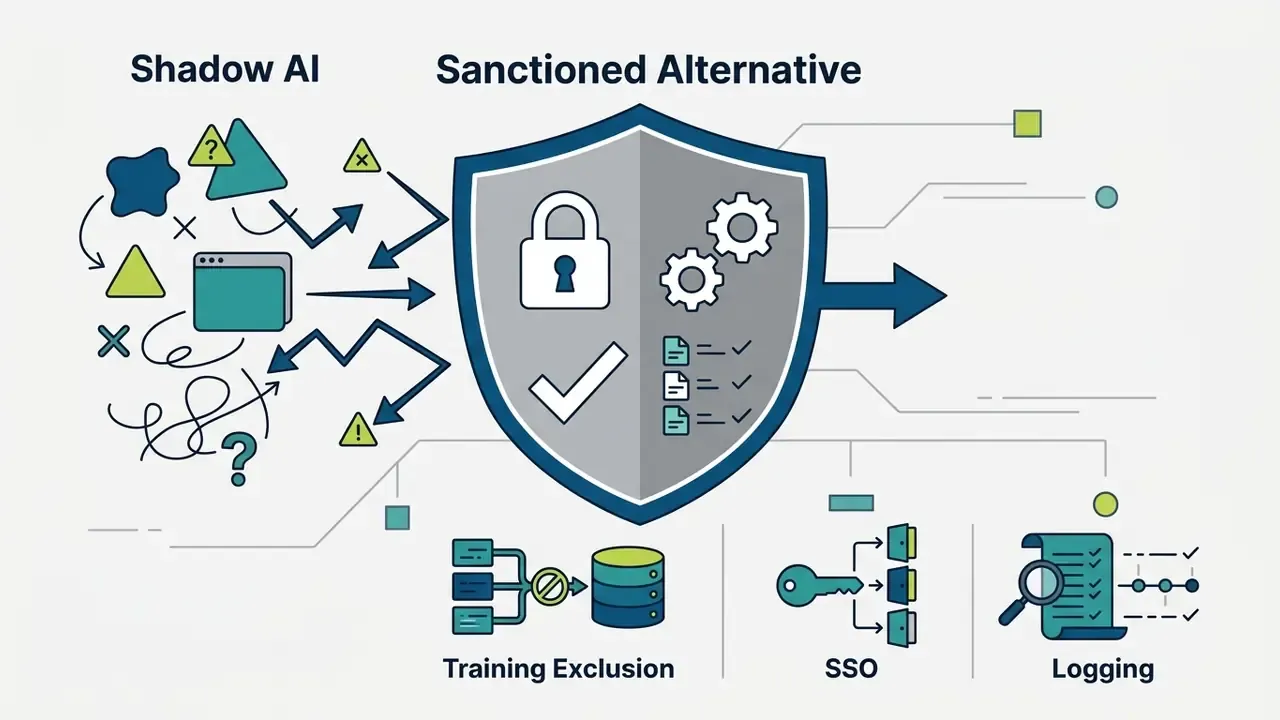
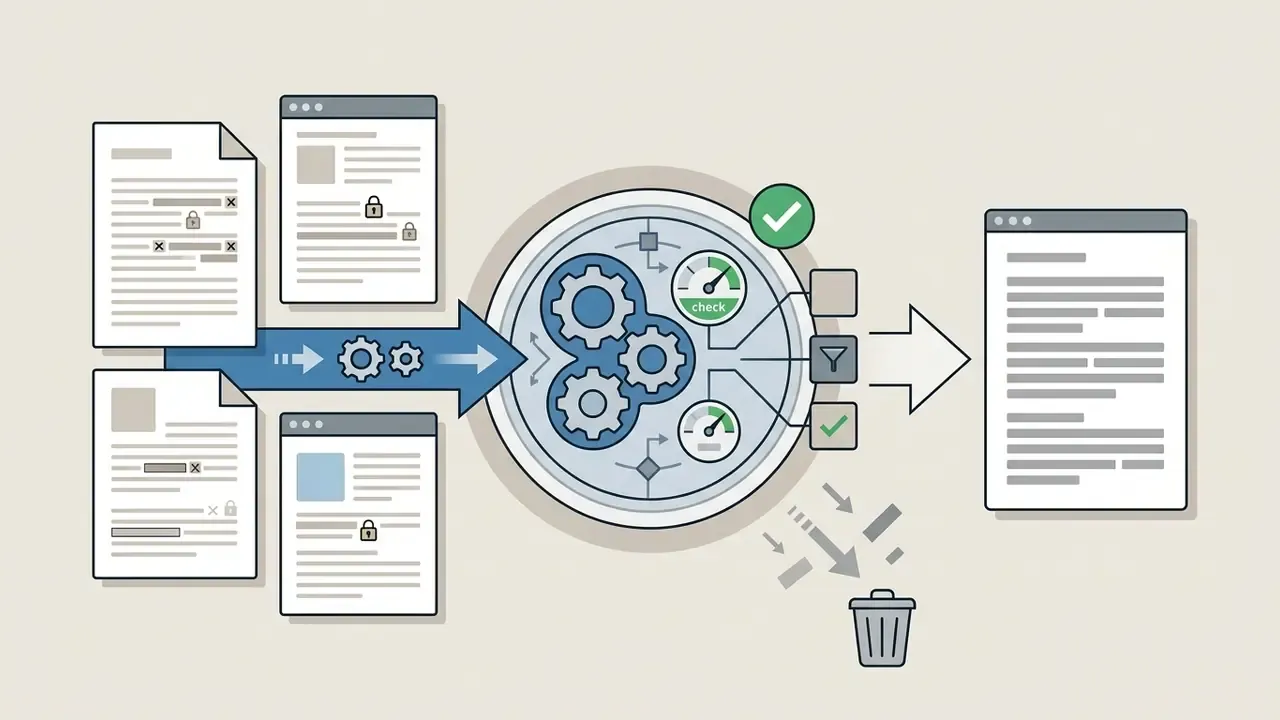
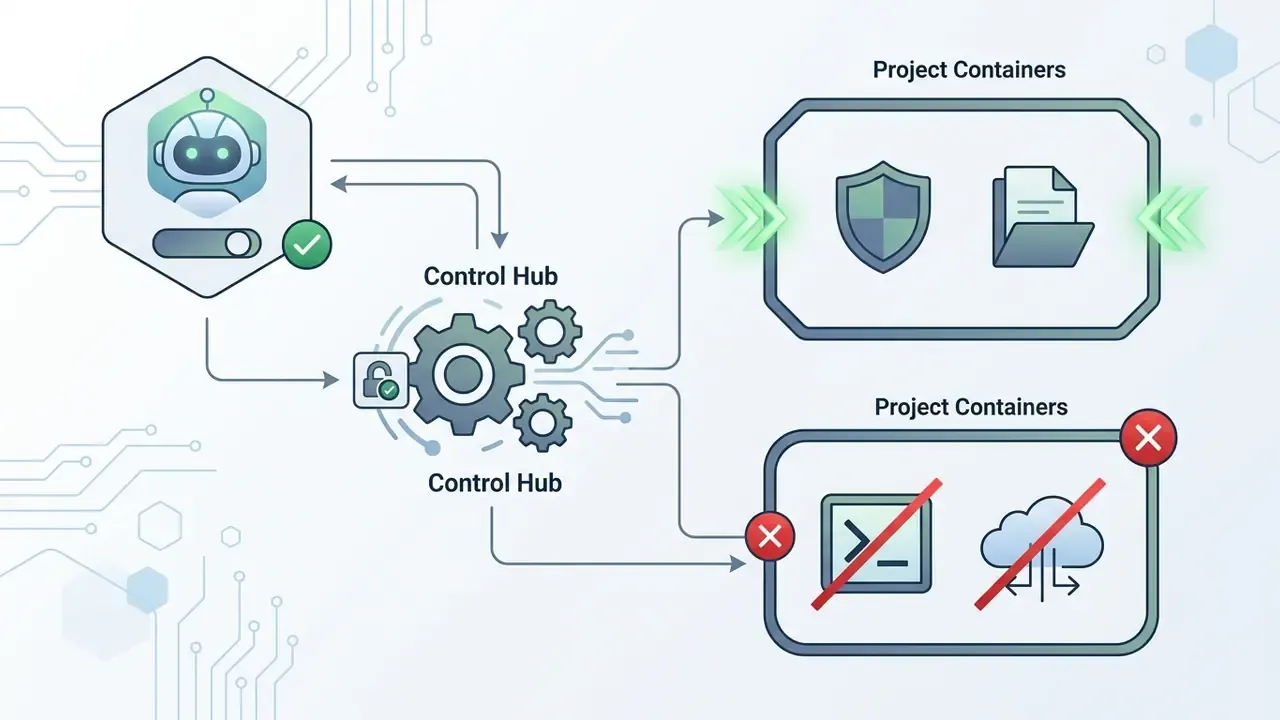
Autonomous agent guardrails. Treat every agent action as untrusted until it clears a control. Restrict file-write scope to specific directories; disable or allowlist shell command execution; deny network egress by default; forbid production credential access; cap the number of files an agent may modify in one task; require human approval for dependency additions, schema migrations, and infrastructure changes; and deny merge and deploy permissions entirely. Session transcripts and local compliance logging, which enterprise agent tooling now documents, should be retained as the primary audit evidence for agent behavior.
One open question, stated plainly: no supervisory framework yet prescribes validation methods for agentic code changes with the specificity SR 11-7 brings to statistical models. Until it does, documented compensating controls are the defensible position.
Popular AI Code Generator Websites and Platforms
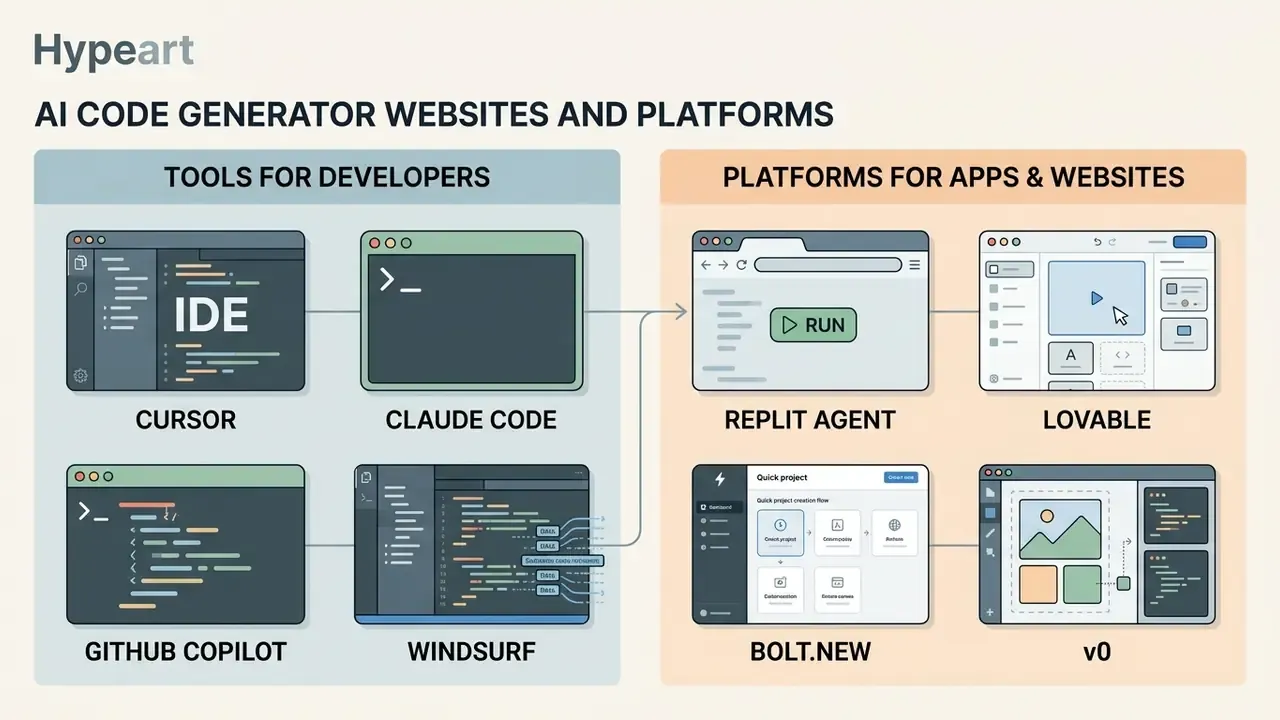
The ecosystem of ai code generator websites spans dedicated IDE editors, command-line terminal agents, web-based prototyping tools, and multimodal canvas interfaces. Each ai code generator online solution serves a specific operational intent, from low-code web building to complex enterprise refactoring.
Tools for Developers: Cursor, Claude Code, GitHub Copilot, and Windsurf
- Cursor an AI-native IDE built on VS Code foundations, documented as a coding agent for understanding codebases, planning and building features, fixing bugs, and reviewing changes. It provides deep repository indexing, multi-file edits, configurable
.cursor/rules/for project-specific constraints, MCP support, skills, a CLI, and a Cloud Agents API. Release notes from August 2026 add repository hosting, GitHub sync, repo browsing, and pull-request updates. - Claude Code a terminal-based agentic tool from Anthropic that executes codebase navigation, git operations, testing, and multi-step refactoring directly via CLI using natural-language commands. Documentation confirms MCP support, an auto mode, workflows, and, in enterprise releases, local session compliance logging and transcripts.
- GitHub Copilot an industry-standard coding assistant documented across GitHub, VS Code, Visual Studio, Xcode, JetBrains, Neovim, Azure Data Studio, Eclipse, and Raycast, offering inline completions, chat, multi-file editing, and pull-request automation. A Copilot coding agent was announced in 2025 for Enterprise and Pro+ users.
«In a randomized trial, developers using GitHub Copilot completed an HTTP server implementation 55.8% faster than the control group (N≈95).»
- Windsurf: documented as an agentic coding IDE focused on agent-style development and workflow automation for professional teams.
Platforms for Apps and Websites: Replit, Lovable, Bolt.new, and v0
Web-first development platforms enable instant generation and deployment of applications from natural-language prompts:
- Replit Agent generates full-stack architectures, installs dependencies, and deploys applications directly to cloud environments. Replit documentation also supports importing projects from Lovable and Bolt, with 2026 tiers listed as Starter (free), Core at $20/month, and Pro at $100/month.
- Lovable a prompt-to-app builder with a credit model: Free at $0 with 5 daily credits, and Pro at $25/month including 100 base monthly credits and custom domains (per Lovable's 2026 guide).
- Bolt.new a token-metered prompt-to-stack builder: Free at $0 with 300K tokens per day, and Pro at $25/month with no daily token limit and custom domains (per 2026 comparison data).
- v0 by Vercel a specialized generative tool for UI components and full layouts producing optimized React and Tailwind CSS code. Documentation indicates a free tier with $5 in monthly credits and 7 messages per day, GitHub sync, and Vercel deployment, with paid usage around $20/month on a credit basis.
Pricing and plan names on these platforms change frequently. Treat all figures as time-sensitive and re-verify against vendor pages at procurement.
AI for Design and Front-End: Figma Make and ChatGPT
UI-oriented multimodal tools translate visual designs and broad concepts into frontend interfaces. Figma Make converts design canvases into functional React prototypes, web apps, and interactive UI, accepting designs, images, videos, audio, text files, and PDFs as prompt attachments, and allowing manual code editing in a built-in editor. Its 2026 additions, a properties panel, in-context annotations, and codebase connection with review up to the pull request, are what turn design-to-code from an export into a workflow.
Concurrently, ChatGPT (Canvas / Codex) provides general-purpose multimodal code generation. GPT-4o accepts any combination of text, audio, image, and video input and can output text, audio, and images; Codex was introduced in 2025 as a cloud-based software engineering agent able to write features, fix bugs, answer codebase questions, and propose pull requests, expanding in 2026 across ChatGPT plans plus app, CLI, and IDE surfaces. Vision workflows documented in 2026 cover document understanding, dense scans, handwriting, charts, and bounding-box localization, which helps when specifications arrive as PDFs or screenshots rather than tickets.
Teams comparing design-and-code tool suites can compare pricing tiers across creative and development platforms before consolidating vendors.
| Platform | Primary Use Case | Target Audience | Key Feature | Pricing Model | Enterprise Controls to Verify |
|---|---|---|---|---|---|
| Cursor | Full codebase editing and indexing | Software engineers | Multi-file edits, project rules, MCP, Cloud Agents API | Freemium / subscription | Rules scoping, repo permissions, agent limits |
| Claude Code | Terminal-based agentic workflows | Senior developers and DevOps | Multi-step CLI execution, workflows, MCP | Usage-based API / token | No-training default, session transcripts, local compliance logs |
| GitHub Copilot | IDE inline completion and PR chat | Enterprise tech teams | Broad IDE and code-host ecosystem sync | Per-user monthly seat ($10 / $19 / up to $39–$60 by tier) | Business/Enterprise training exclusion, SSO, policy management |
| Replit | End-to-end cloud app creation | Founders and prototypers | Integrated cloud build and hosting | Credit-based / tiered (Free, $20, $100) | Deployment isolation, secrets management |
| v0 by Vercel | Frontend UI and component design | Frontend developers | Instant React/Tailwind preview | Freemium / credits (~$20/mo) | GitHub sync scope, deploy permissions |
| Figma Make | Design-to-app and interactive UI | Designers, PMs, makers | Properties panel, annotations, codebase connection to PR | Free Starter; publishing and code editing on paid plans | Publish permissions, MCP data scope |
| Gemini Code Assist | IDE assistance in Google Cloud stacks | Cloud-centric teams | Vertex AI language and IaC coverage | ~$22.80/user/month (Standard) | Region residency, project-level IAM |
AI Code Generator Free: What Is Free and What You Pay For
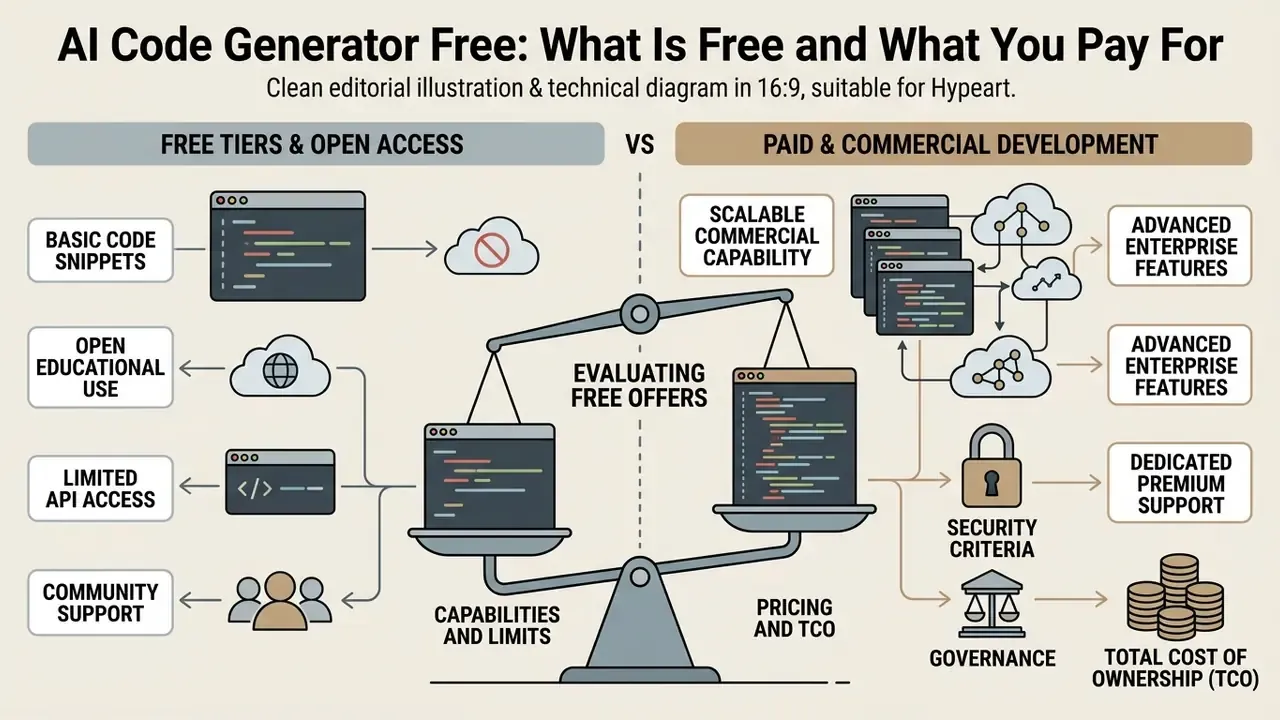
Evaluating an ai code generator free offer means separating open educational tiers from scalable commercial capability. An ai code generator free online option gives basic utility for small scripts and learning; enterprise applications demand predictable rates, guaranteed uptime, privacy controls, and team management. An ai coding generator free plan is a sandbox, not a supply chain.
Capabilities and Limits of Free Online Generators
Free tiers across AI coding services let developers test model capability, under fairly strict operational constraints:
- Rate and generation limits: daily request caps, message quotas, or credit thresholds. Documented examples include a shared 1,500 requests-per-day free limit across certain Gemini 2.5 model variants, and free aggregator access capped at 20 requests per minute and 50 requests per day, rising to 1,000 per day after a one-time credit threshold.
- Throughput limits: free access is often speed-limited rather than only volume-limited. Reported examples include roughly 6,000 tokens per minute on one provider and about 40 requests per minute on another.
- Model restrictions: free plans frequently route queries to smaller, lower-parameter models rather than flagship LLMs.
- Feature gates: an ai code maker free tier typically restricts live-preview exports, repository synchronization, or custom API endpoints. Documented examples include 5 lifetime AI requests on one builder's free plan versus 50 per month on its $39/month tier, with code export and app-store deployment gated behind the paid plan.
- Privacy posture: on consumer free tiers, inputs may be retained or eligible for training use unless the user opts out. That is precisely why free tools become Shadow AI problems in regulated environments.
How to Compare Pricing and Total Cost of Ownership for Commercial Development
Commercial software development demands explicit evaluation of vendor billing structures for both data protection and cost efficiency.
- Individual subscriptions: flat monthly rates, commonly around $10–$25 per month, with higher usage caps and access to premier models.
- Team and enterprise seats: per-user monthly tiers, commonly $19–$39 per user per month with bundles reaching higher, including admin consoles, SSO, and no-data-training protections by default.
- API pay-as-you-go: token-based pricing suited to custom tool integrations and background pipeline processing. Note that API billing sits separate from subscription billing and scales with context size, not seat count.
| Tool Tier | Free Plan Capabilities | Paid Tier Benefits | Data Privacy Rights |
|---|---|---|---|
| Developer free tiers | Limited daily queries, basic autocomplete, smaller models | Unlimited or high-cap access, flagship models | Inputs may be retained or used for training unless opted out |
| Commercial team plans | Trial only | Team governance, SSO, shared rules, admin policy | No-data-training by default under commercial terms |
| Enterprise tiers | Not applicable | Dedicated support, custom SLAs, deployment options | IP protections, audit logging, tenant data export |
Total cost of ownership. Seat price is the smallest line item in a regulated deployment. A defensible model:
TCO = subscriptions and API spend + control infrastructure (vector store, retrieval, logging, DLP) + validation and audit cost (test authoring, scanning, review hours, evidence retention) + enablement (training, prompt and rule maintenance) + residual risk reserve
Then compute net return as: Net ROI = (engineering hours saved × loaded hourly cost) − TCO, with hours saved measured against a control group rather than assumed.
Two calibration points matter. First, measured speed gains cluster in the 20–56% range for scoped tasks, not for end-to-end delivery. Second, review and verification cost rises with AI adoption. The same longitudinal research showing 84% perceived productivity improvement also recorded worsened developer experience nearly doubling from 14% to 27%, which typically shows up as review fatigue and rework. Vendor-side data also links AI adoption to perceived growth (41% versus 33% for teams whose usage stayed flat, per Figma's 2026 research), but perception metrics should never substitute for measured cycle time. Teams can model these inputs using the cost and ROI calculators hub.
A small confession from editing this section: the first draft treated control infrastructure as a rounding error. In regulated deployments it rarely is. Logging, DLP inspection, and evidence retention frequently rival seat cost in year one.
FAQ About AI Code Generators
Short answers to the questions that come up before engineering leaders wire AI coding tools into an enterprise governance framework.
Do You Need to Know How to Code to Build and Launch an App or Website?
For a prototype, no. For a production system, yes, at least basic proficiency. No-code AI builders let non-technical creators generate working prototypes and even deploy them, but launching and operating a production-grade web or mobile application still requires software engineering familiarity. Official developer learning tracks state that users should be comfortable with Python or JavaScript before starting an application-development path, and cloud walkthroughs that generate and deploy an app from a natural-language prompt still surface HTML, CSS, and TypeScript in the shipped artifact. AI reduces the amount of code you write. It does not remove code from the production path.
«82% of developers reported spending less time writing code after adopting AI assistants, yet human oversight remains essential for debugging and security.» Longitudinal Mixed-Methods Study on AI Coding Assistants and Developer Experience (2024–2025) Human developers stay essential for debugging unexpected runtime errors, verifying data security, managing backend integrations, handling authentication and authorization correctly, and maintaining continuous deployment pipelines.
What Is MCP, and Why Does It Matter for Code Generation?
Model Context Protocol is an open standard for connecting AI agents to data sources and tools: repositories, databases, issue trackers, documentation, design systems, without bespoke integrations. For engineering leaders its value is governance as much as convenience. MCP servers are enumerable, permissionable, and auditable, which makes «what context did the model receive?» an answerable question.
What Is Vibe Coding?
Vibe coding describes a workflow where the human directs intent, structure, and aesthetic through concepts and prompts while the model handles syntax and scaffolding. In mature tooling it pairs with visual editing, selecting an element, adjusting it in a properties panel, or attaching an in-context annotation, and with a bidirectional handoff that ends in a reviewable pull request rather than a hand-off document.
Can AI Generate Python, SQL, and Infrastructure Code?
Yes. Vendor documentation confirms coverage across Python, Java, JavaScript, TypeScript, C#, Go, Rust, PHP, Ruby, Kotlin, C, C++, shell, SQL, and Scala, plus infrastructure surfaces including Terraform and the Kubernetes Resource Model. Accuracy varies by task complexity, so test coverage matters more than language breadth.
Which AI Code Generator Is Best for a Regulated Environment?
There is no single answer, and any article claiming one is selling something. The defensible method is to filter first on controls, training exclusion, deployment model, certifications, IP indemnification, audit logging, and agent permission scoping, then compare functionality only among tools that pass. A tool that is 15% more capable and 100% non-compliant is not a candidate.
How Should We Measure Whether It Works?
Measure cycle time from first commit to merged pull request, defect escape rate to production, rework rate on AI-authored changes, review time per pull request, and the share of deployed code that is AI-assisted. Compare against a control cohort. Self-reported productivity is a leading indicator, not evidence.
What Is a Safe First Step for a Bank or Large Fintech?
Start narrow. Pick one non-customer-facing repository, one sanctioned tool with contractual training exclusion, one named accountable owner, and a fixed 60-day measurement window with a control cohort. Log everything. Then decide whether to extend, based on defect escape rate rather than enthusiasm.
Where Can We Read More?
For adjacent operational material, review the AI media support and troubleshooting hub, consult the comparison matrices library for structured tool evaluations, check commercial-use licensing guidelines before shipping generated assets, and review litigation and compliance precedents relevant to generated-content rights.
Appendix A: Verification Notes and Superseded Citations
Retained for transparency and audit traceability. The main text carries the corrected versions.
- Superseded: «Controlled enterprise experiments show that developers utilizing an ai code generator complete coding tasks significantly faster (GitHub Copilot RCT; Google Enterprise Study).» Replaced because the original citation carried no effect size, sample size, or methodology. Corrected text now reports 55.8% (Peng et al., 2023, N≈95) and ~21% (Google enterprise RCT, 2024, N=96).
- Superseded: «Research indicates that while AI models generate standard algorithmic scripts reliably, complex logic requires test-driven validation (BigCodeBench Benchmark, 2024).» Replaced because the original citation lacked measurable results. Corrected text now reports 1,140 tasks, 60 models, ~60% best-model accuracy versus 97% human accuracy.
- Needs external verification«Enterprise organizations generally prioritize tools that guarantee customer data is excluded from model training regimes (Microsoft Zero Trust AI Guidance, 2026).» The underlying principle is standard on enterprise tiers and is confirmed by GitHub's Business/Enterprise training-exclusion documentation and Anthropic's commercial terms; the specific guidance title and date still require confirmation against current vendor publications. The main text now cites the verifiable vendor statements instead.
- Retained and confirmedNIST SP 800-218A (2024, DOI 10.6028/NIST.SP.800-218A) governs secure software development practices for generative AI and dual-use foundation models and legitimately supports the unit-testing and secure-SDLC gate. The main text now pairs it with measured test-coverage outcomes.
- Unsupported estimate, reframedthe «40% reduction in initial setup time» figure in the fintech scaffolding example was a single-team internal estimate with no control group and is presented as directional only.
- Removeda block of FAQ links to unrelated consumer media topics (age filter, album cover, and animal image generators) that had no topical relationship to code generation. These were removed rather than relocated, because retaining them in any form would keep diluting topical authority. They have been replaced by MCP, vibe coding, measurement, first-step, and tool-selection FAQ entries plus topical hub links.
- Author attributionMarcus Hale, author.