"Generative AI can draft a polite thank-you message in seconds, but unmanaged automation risks eroding sincerity and personal trust. Operational controls, contextual prompting, and thoughtful human editing keep digital gratitude authentic and risk-managed."
Expressing gratitude promptly strengthens personal relationships and reinforces professional networks. An ai thank you note generator turns brief situational details into clear, articulate, well-structured thank-you messages. A short note for a gift, a formal letter after a job interview, a printed card for two hundred event attendees: in each case artificial intelligence speeds up the drafting stage and leaves the judgment to you.
This guide covers three layers at once. The writing craft comes first (formats, prompts, editing). Then the tooling economics, meaning free tiers versus upgraded plans. And finally the governance layer that starts to matter the moment gratitude messaging is produced at institutional scale: data protection, Shadow AI exposure, human-in-the-loop review, and return on investment net of control costs.
Key Takeaways for Decision-Makers
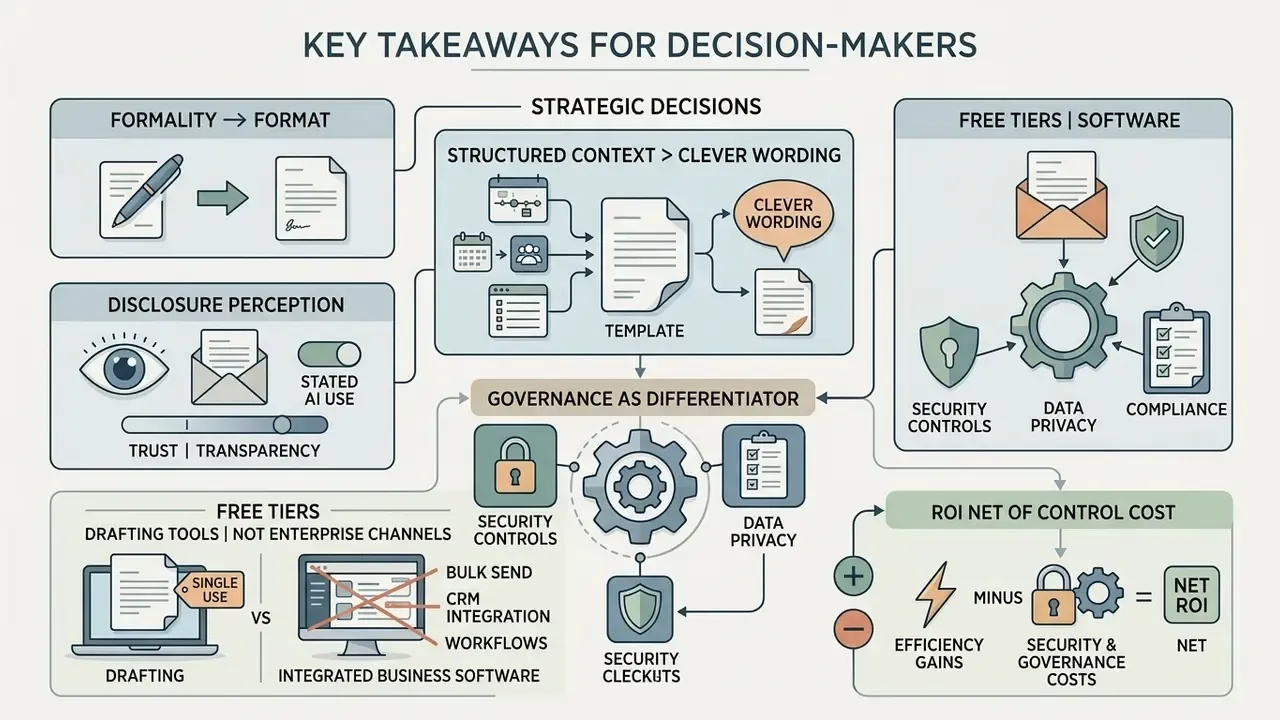
- Format follows formality. A note is 4–8 sentences, a card is 2–4 sentences plus graphic space, a letter is 3–4 structured paragraphs on letterhead. Timing norms range from 24–48 hours (interviews, networking) to one or two weeks (gifts, hospitality).
- Structured context beats clever wording. Experimental evidence shows that structured inputs (recipient, occasion, one concrete detail, tone, length) raise draft quality scores materially over free-form prompting.
- Disclosure changes perception. When recipients are told a warm message was machine-written, perceived sincerity drops measurably. When AI is used as a drafting assistant and the sender adds real detail, the same messages are rated authentic.
- Free tiers are drafting tools, not enterprise channels. Token caps, character limits, and training-data reuse make public generators unsuitable for customer, donor, or patient data without contractual controls.
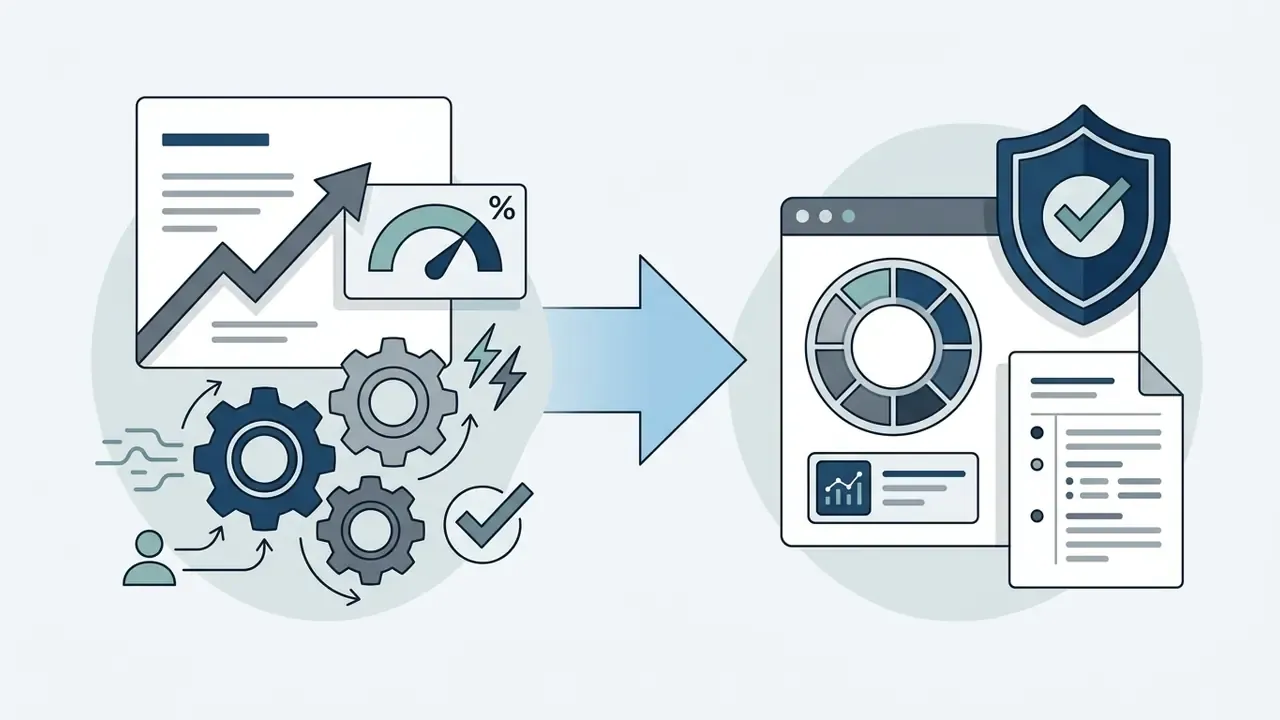
- Governance is the differentiator. Zero-data-retention terms, SSO/RBAC, audit logging, DLP screening, and a human-in-the-loop approval matrix convert a consumer novelty into an auditable business workflow.
- ROI must be calculated net of control cost. Time saved per message becomes value only after review, escalation, and residual-risk costs are subtracted.
Choose the Right AI Thank You Note Generator Format
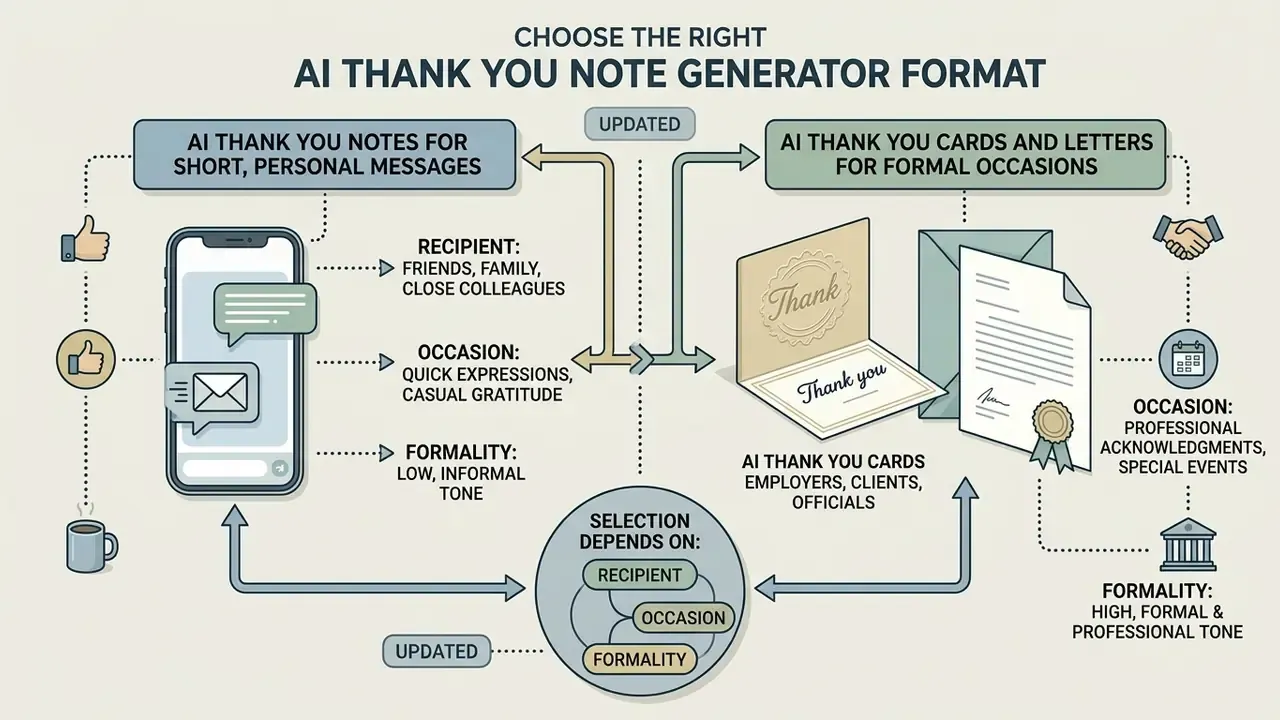
Selecting the right format depends on the recipient, the occasion, and the level of formality you owe. An ai thank you note generator creates short text notes, an ai thank you card generator produces visual card copy, and an ai thank you letter generator crafts structured professional correspondence. Matching output format to situation is what makes a personalized thank land with appropriate respect and keeps the personal touch intact.
Practical selection criteria are simpler than they look. Use a note when the gesture is single, recent, and personal. Use a card when the message accompanies an event, a print run, or a branded campaign. Use a letter when the relationship is institutional, when the content includes next steps, or when the message may be filed, forwarded, or archived by someone you have never met.
AI Thank You Notes for Short, Personal Messages
A short thank-you note is a brief, warm way to express gratitude for everyday kindness. These messages typically span four to eight sentences and stay on one act: a gift, a favor, a lift to the airport. Using a note generator lets you draft a heartfelt thank for hospitality, personal support, or a birthday present without overwriting the whole thing.
"Structured input of communicative factors raised draft quality ratings by 34.8% and reduced cognitive load by 24.5% compared with standard LLM interfaces."
In the underlying experiment, participants rated drafts on a seven-point scale. Structured-context drafts scored M = 5.81/7 against 4.31/7 for unstructured prompting (p < 0.001). The practical implication is almost dull: the interface matters less than whether you supply recipient, occasion, concrete detail, tone, and length as separate fields.
A brief note should name the gesture directly, explain its immediate impact, and close warmly. University extension guidance converges on a seven-part skeleton: greeting, direct thanks, the specific item or act, why it mattered, one forward-looking line, repeated thanks, signature. Timing guidance in extension handouts runs from four to seven days for personal notes to two to four weeks for large events such as weddings.
AI Thank You Cards and Letters for Formal Occasions
Formal occasions require expanded formatting that reflects professional standards or event etiquette. An ai thank you card generator structures concise text designed to fit physical or digital card layouts for weddings, donor appreciation, or customer milestones. An ai thank you letter generator, by contrast, builds formal multi-paragraph documents with official salutations, detailed discussion points, and professional sign-offs. Card copy also carries physical constraints: a common folded format is 5½" × 4¼" on heavier stock, with text on the lower half of the inside panel. That is precisely why card prompts need tighter word caps than letter prompts.
Formal thank-you letters after job interviews or corporate meetings should follow established business correspondence guidelines.
"Sending a personalized follow-up letter within 24–48 hours reinforces candidate engagement and professional competence."
| Format | Message Length | Formality Level | Visual / Layout Needs | Timing Norm | Primary Use Cases |
|---|---|---|---|---|---|
| Thank-You Note | 1–2 short paragraphs (4–8 sentences) | Casual to Semi-Formal | Plain text or minimal email layout | 4–7 days | Gifts, informal favors, hospitality, personal support |
| Thank-You Card | Brief text (2–4 sentences) + graphic space | Semi-Formal to Formal | High; formatted for card templates or print (e.g. 5½" × 4¼") | 1–2 weeks; up to 2–4 weeks post-wedding | Weddings, donor recognition, customer appreciation, events |
| Thank-You Letter | 3–4 structured paragraphs, max one page typed | Strict Professional / Formal | Official letterhead, formal block layout | 24–48 hours after interviews; 1–2 weeks after business events | Job interview follow-ups, networking, institutional grants |
Data Privacy, PII and Shadow AI Risks
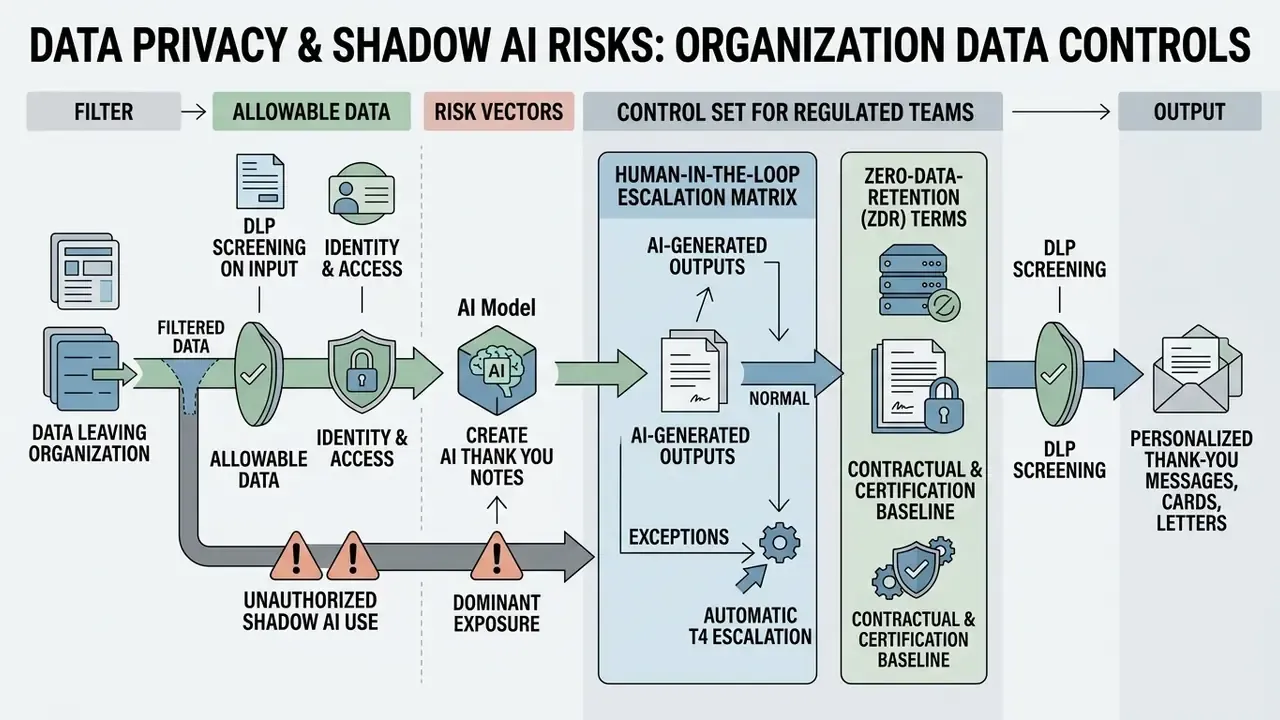
Before comparing plans or prompts, organizations need to answer a narrower question: what data is allowed to leave the building? A thank-you note looks harmless. Yet the inputs that make it personal, such as client names, account milestones, donation amounts, health context, or deal values, are frequently the exact fields covered by privacy, banking-secrecy, and confidentiality obligations.
Shadow AI is the dominant exposure. Shadow AI simply means unapproved tools used by employees outside any inventory or contract. When a public generator writes better copy than the approved internal tool, people use it anyway. The risk is not the output. It is the input. Public generative AI guidance consistently instructs users to keep sensitive or personal data out of consumer tools, and to provide explicit consent or opt-out controls where inputs may be reused for model training.
Practical control set for regulated and customer-facing teams:
- Zero-data-retention (ZDR) terms. Confirm in writing that prompts and outputs are not logged, not human-reviewed, and not used for training. Free public tiers frequently reserve the opposite right.
- Contractual and certification baseline. Look for SOC 2 Type II, ISO/IEC 27001, and where applicable HIPAA or GDPR processing terms with a signed DPA. Several mainstream content-generation vendors now publish exactly this stack on their security pages. Treat the absence of such a page as a red flag.
- Identity and access. SSO with enforced MFA, role-based access control, and provisioning or deprovisioning tied to HR systems.
- DLP screening on input, not just output. Data loss prevention here means blocking or masking account numbers, national identifiers, NPI/PII, and health details before the prompt reaches the model.
- Audit trail. Retain who generated what, which template and model version was used, who approved it, and when it was sent. This is what turns a generated letter into a defensible record.
- Sector-specific overlays. US financial institutions should map gratitude-messaging workflows to their existing model-risk and third-party frameworks (NIST AI Risk Management Framework, plus internal SR 11-7 or OCC-aligned model governance where external communications are in scope), and confirm that customer data used for personalization stays inside GLBA-compliant boundaries.
One small observation from review desks: the failure almost never looks dramatic. It looks like a relationship manager pasting a CRM row into a browser tab at 7 p.m. to save eight minutes.
Human-in-the-Loop Escalation Matrix
Not every thank-you message deserves the same level of review. A tiered matrix keeps the workflow fast where risk is low, and slow where risk is real.
| Tier | Message Type | Data Sensitivity | Required Review | Sign-Off Owner |
|---|---|---|---|---|
| T1 | Personal notes, internal team thanks | None / non-confidential | Author self-review against checklist | Author |
| T2 | Interview follow-ups, vendor and partner thanks | Low; names and meeting topics | Peer or manager read-through | Line manager |
| T3 | Customer and donor appreciation at scale | Moderate; CRM fields, amounts, tenure | Template approval + sample QA of each batch | Marketing / Development lead |
| T4 | VIP clients, regulated products, bereavement, complaints resolution | High; account, health, or legal context | Compliance and/or Communications review of every message | Compliance Officer + PR |
Escalate to T4 automatically when a message references a regulated product, an amount of money, a legal outcome, a death, or a complaint. Those are the categories where an AI-authored tone mismatch does the most reputational damage, and where an apology costs far more than the minutes saved.
Free AI Thank You Note Generator vs Upgraded Plan
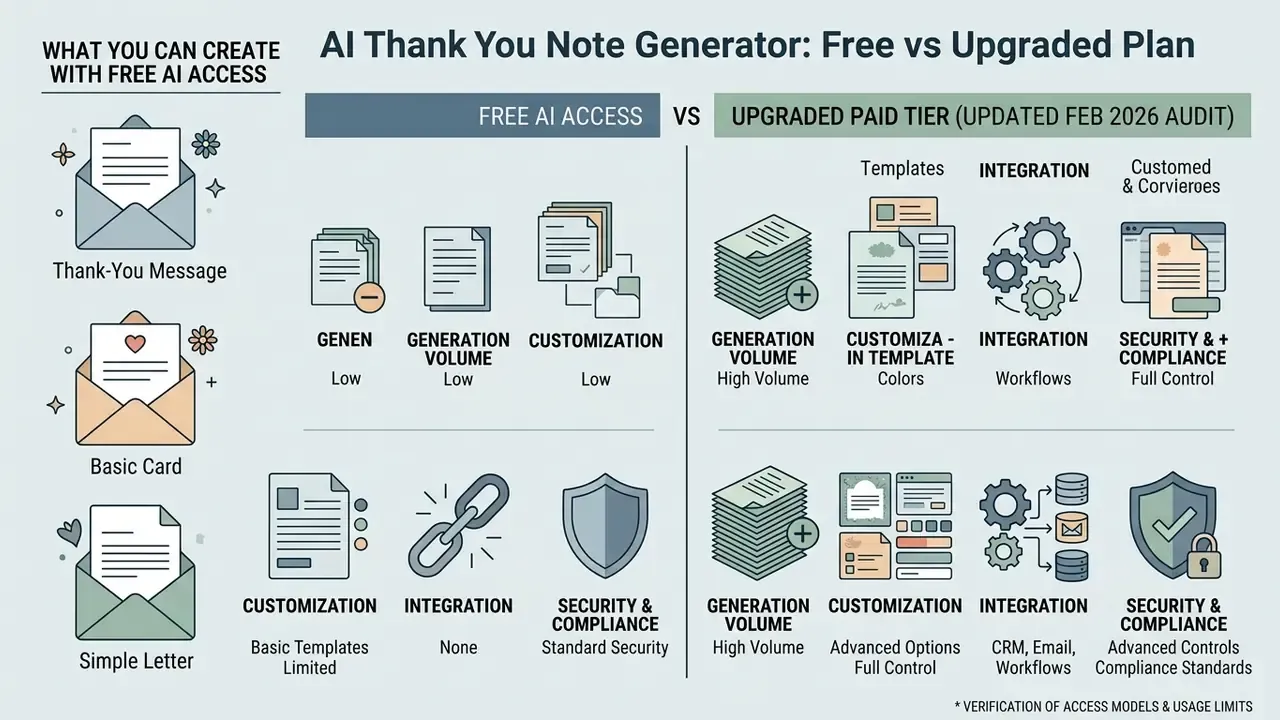
Choosing between a free ai thank you note generator and an upgraded paid tier comes down to generation volume, customization needs, and integration requirements. Free tools give fast access for occasional notes. Upgraded subscriptions unlock advanced model capabilities, custom tone rules, and bulk generation. Evaluating the tiers side by side helps align tooling with operational requirements, and in a corporate setting with security requirements first.
What You Can Create With Free AI Access
A free ai thank you note generator covers the essentials for individual users and occasional tasks. Most free access tiers let you enter a basic prompt and receive a functional draft in seconds. Users comparing no-cost tooling across categories hit the same pattern of caps and export limits described in our overview of free photo editors: the core function is available, the professional controls are not. Tools offering free ai text creation usually rely on standard foundation models, which handle grammar, politeness, and conventional message structures well enough.
"GPT-3.5 significantly improved students' formal email writing: post-test scores in the AI-assisted group were reliably higher than in the control group (quasi-experiment, N = 60)."
A thank you ai generator on a free plan is generally enough to draft single notes for gifts, simple follow-ups, or casual favors. Observed free-tier patterns in 2025–2026 cluster into three shapes: daily note caps with a hard character limit (for example five notes per day at 125 characters), token-metered access (roughly 2,500 tokens per day anonymously and 5,000 with a free account on some tools), and genuinely unlimited but template-thin generators with no login at all. Template libraries range from a handful of basic layouts to catalogues of 70+ prewritten variants.
When An Upgraded Plan Makes Sense
Free vs Upgraded: Security and Compliance Matrix
| Parameter | Typical Free Tier | Typical Upgraded / Enterprise Tier |
|---|---|---|
| Volume limits | 3–5 notes/day, or 2,500–5,000 tokens/day | High or uncapped; batch and API generation |
| Character / length cap | 125–500 characters common | No practical cap; word-count control |
| Model access | Base or "mini" models | Premium models (e.g. GPT-4o-class, Claude Sonnet/Opus-class) |
| Training-data reuse | Inputs may be logged and reused | Opt-out or contractual zero-data-retention |
| Data retention | Undisclosed or indefinite | Configurable; often 0–30 days |
| Encryption | TLS in transit, unspecified at rest | TLS in transit plus documented encryption at rest |
| SSO / RBAC | Not available | SAML/OIDC SSO, MFA enforcement, role-based access |
| DLP / PII redaction | None | Input screening, masking, blocklists |
| Audit logging | None | Full prompt, output and approval logs, exportable |
| Certifications | Rarely published | SOC 2 Type II, ISO 27001, HIPAA/GDPR terms, DPA |
| Brand controls | None | Brand kit, tone rules, locked templates |
| Integrations | Copy-paste only | CRM, marketing automation, print fulfilment, API |
| Liability / indemnity | Excluded by ToS | Negotiated contractual terms, SLA |
| Fit | Individual, non-sensitive notes | Customer, donor, patient, and regulated communications |
Features That Make AI Thank You Messages Feel Personal
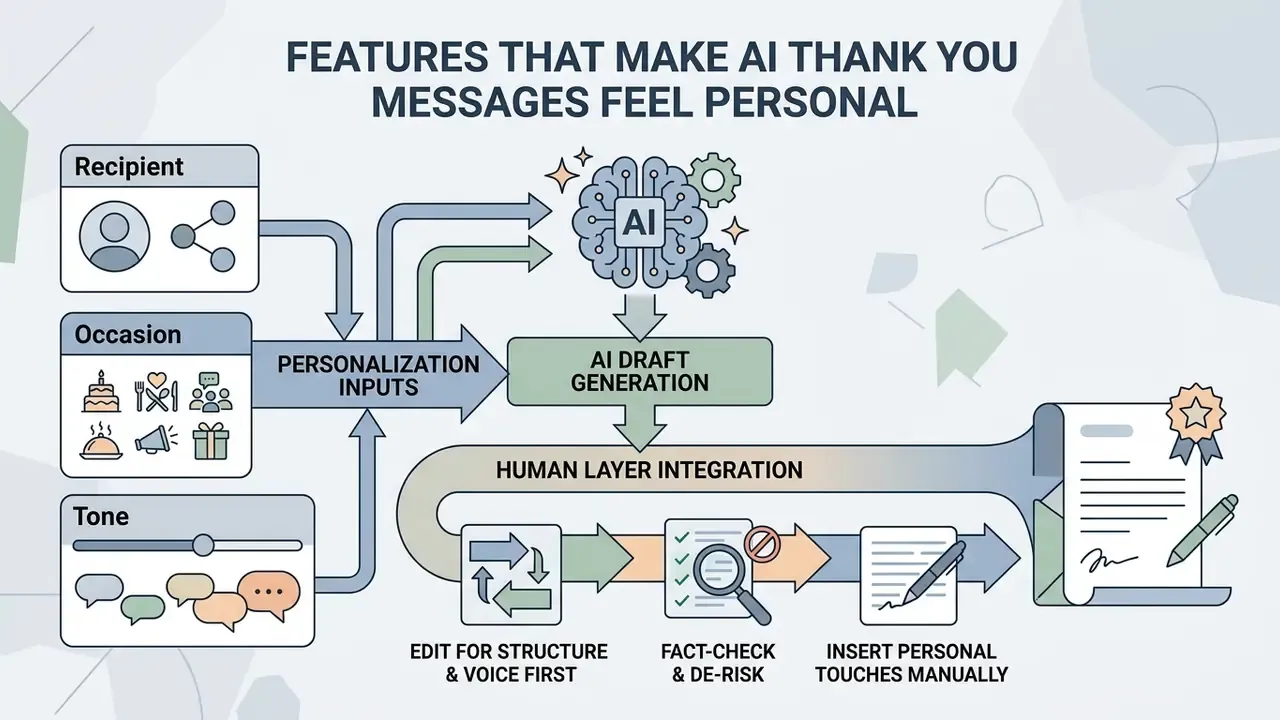
The main challenge with an ai thank you message generator is avoiding generic, repetitive text. Advanced platforms accept contextual parameters that adapt tone, address specific recipient details, and match the emotional register of the occasion. Accurate prompt inputs plus active human editing are what let the final text express gratitude that reads as yours.
Personalization by Recipient, Occasion and Tone
An ai generator thank you note platform resonates more when it is calibrated for the specific relationship. Adjusting variables such as recipient intimacy, event severity, and organizational hierarchy helps the model pick appropriate vocabulary. Thanking a senior executive calls for precise, professional language. Acknowledging a friend's support during a rough month calls for warmth, and almost no formality at all.
"Personalized ChatGPT messages matched to the recipient's psychological profile were reliably more effective than non-personalized messages (B = 0.43, β = 0.31, p = 0.008, N = 1,788)."
Specifying the recipient's role, the exact gesture, and the intended tone keeps the model from defaulting to sterile templates. Public-sector style guidance offers a useful calibration ladder: an official register for policies and formal correspondence, a community register for newsletters and social channels, and an everyday register for most direct messages. Each is defined by word choice, grammar, and degree of formality rather than by decoration.
Editing AI Drafts Into a Genuine Thank You Note
Human post-editing is essential. An ai powered tool builds a clean structural scaffold; adding personal memories, internal references, or shared experiences is what restores the personal touch. Teams that also prepare visual assets for printed cards follow a comparable rule in image work, where a generated base layer gets refined manually in an online photo editor rather than shipped as-is.
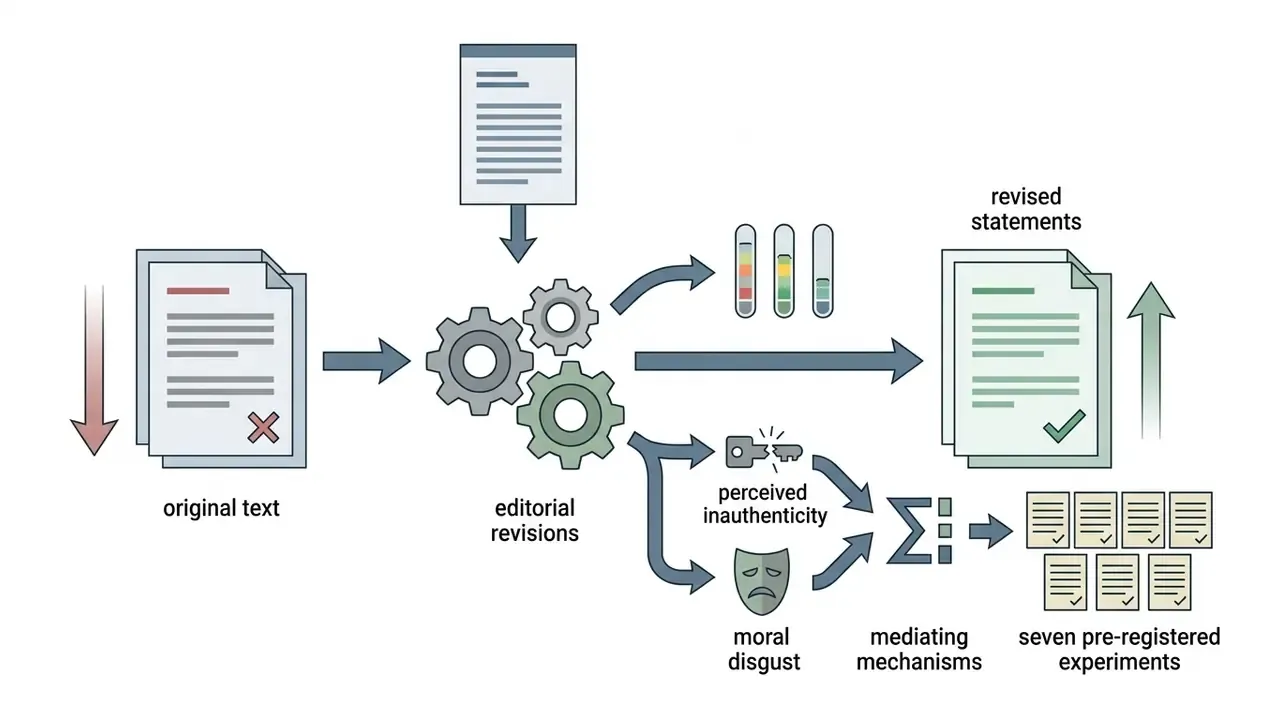
"When consumers believe an emotional message was AI-generated, positive word-of-mouth and loyalty decline, mediated by perceived inauthenticity and moral disgust."
The finding comes from seven pre-registered experiments and describes an "AI-authorship penalty". The damage comes from the attribution, not from the prose quality. When AI serves only as an editing or drafting assistant and the sender adds specific personal detail, recipients rate the message as authentic and meaningful.
A documented three-pass editing sequence keeps that authenticity intact:
To keep operational quality consistent when evaluating media generation tools across workflows, organizations often reference decision frameworks such as Hypeart AI Media Decision Support to set governance guardrails before rollout.
How to Use an AI Thank You Note Generator
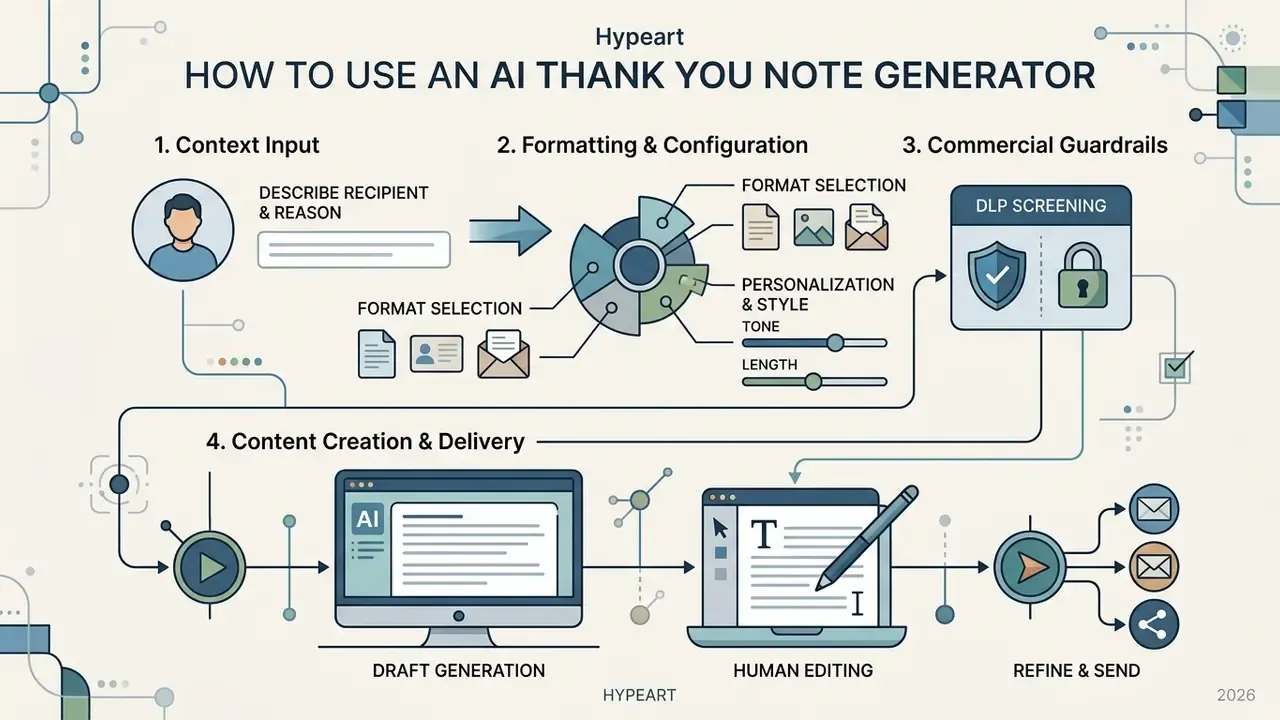
Using an ai thank you generator well takes a structured, step-by-step approach. One-line requests produce one-line quality. Defining context, selecting parameters, and running a real manual review gets you somewhere better.
Describe Who You Are Thanking and Why
Output quality tracks input quality, almost linearly. When you open a prompt in a thank you card ai generator, supply four essentials: recipient identity, the exact reason for gratitude, one specific detail or shared moment, and the desired length.
"An effective thank-you note must directly name the specific item, gesture, or support received rather than relying on vague statements."
Generate, Refine and Send Your Thank You Message
After entering prompt details into the thank you letter ai generator, review the output against basic etiquette standards. Check factual accuracy, the spelling of every name, and whether the emotional tone fits the occasion. Names first, honestly. A misspelled surname undoes a beautifully structured paragraph.
AI thank-you note creation workflow with control points
Step 1 - Format Selection
  Choose note, card, or letter based on context, formality, and timing norm
        ↓
Step 2 - Context Input
  Define recipient, reason, one concrete detail, tone, length
        ↓
  ⚠ DLP CHECKPOINT: strip PII/NPI, account numbers, health or legal detail
        ↓
Step 3 - AI Generation
  Produce initial draft on an approved model and template version
        ↓
Step 4 - Human Review & Edit
  Verify facts and name spellings, insert personal memory, adjust tone
        ↓
  ⚠ COMPLIANCE / TIER CHECK: route T3-T4 messages for approval (see matrix)
        ↓
Step 5 - Final Delivery
  Send via email, print, or mail; write the audit record
- Format Selection decide whether a brief note, visual card copy, or a formal letter fits the scenario.
- Context Input give the generator recipient details, specific actions, and tone preferences.
- DLP screening remove or mask any regulated or confidential field before the prompt leaves your environment; add those details manually at step 4 if they are needed at all.
- Draft Generation run the thank you note ai generator to produce an initial draft.
- Human Editing correct generic phrasing and insert at least one specific shared detail.
- Compliance routing apply the escalation matrix, with self-review for T1, a manager read for T2, batch QA for T3, and compliance plus communications sign-off for T4.
- Delivery export the polished text to email, stationery, or a physical card workflow, then log model version, approver, and send timestamp.
For electronic delivery, draft the subject line first, keep it short, and front-load the important words. For printed delivery, print a proof, read it aloud, check dates, names and figures, and have a second person proofread before the batch reaches the mailroom. Teams that also build spoken or recorded appreciation messages, such as video messages for donors or voice notes for remote employees, can compare narration options among AI voice generators before committing to a channel.
Calculating ROI on Bulk Thank-You Automation
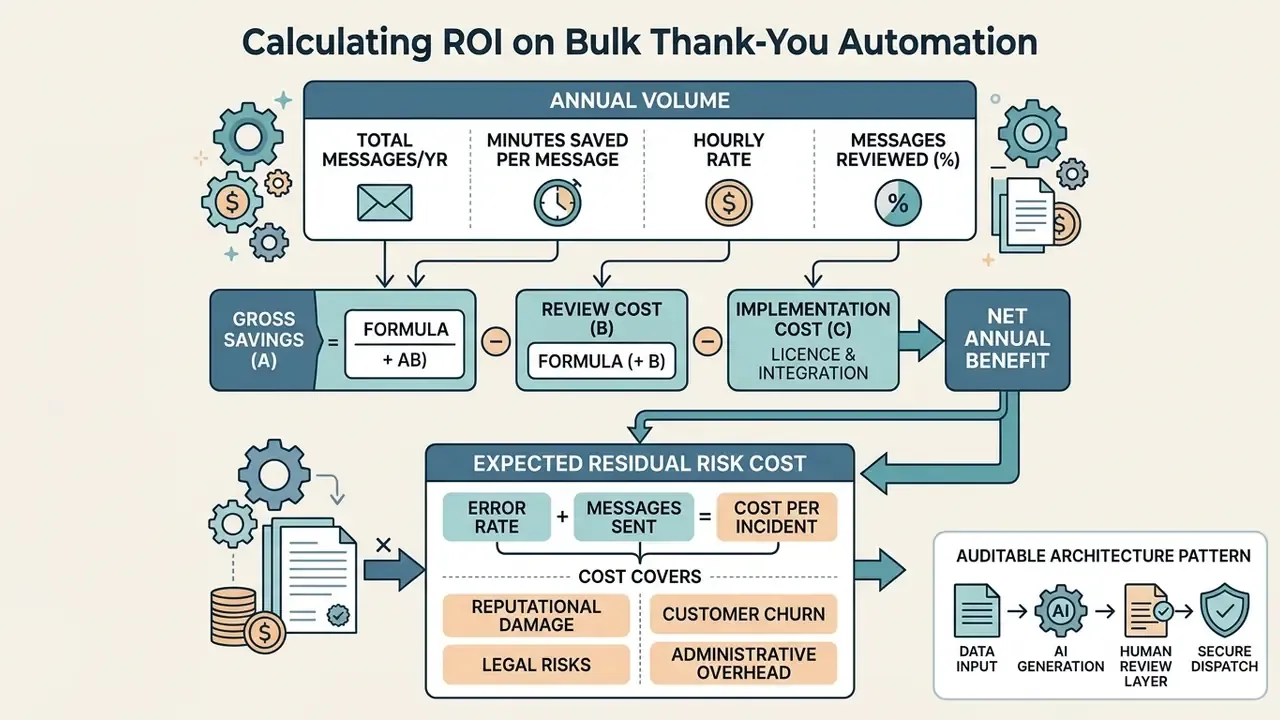
Volume gratitude programs are usually justified with one number: minutes saved per message. That number is incomplete, because generated messages create review cost and residual-risk cost. A defensible model nets both out.
Net annual benefit =
(Messages/yr × Minutes saved per message × Fully loaded hourly rate ÷ 60)
− (Messages/yr × Review minutes per reviewed message × Reviewer rate ÷ 60 × Review coverage %)
− Licence and integration cost
− Expected residual risk cost
Where expected residual risk cost = error rate × messages sent × cost per incident, with cost covering remediation, apology handling, churn, or regulatory attention. Because a tone failure in a T4 message is far more expensive than in a T1 message, run the risk term per tier instead of blending it into one average.
Worked illustration (assumption-based, not measured). 20,000 donor and customer messages per year; 6 minutes saved per message; $45/hour loaded cost gives a gross saving of about $90,000. Review at 2 minutes per message across 100% of T3 volume at $60/hour costs roughly $40,000. Platform and CRM integration adds $18,000. Residual risk of 0.3% error rate × 20,000 × $250 per incident adds $15,000. Net is about $17,000, plus faster cycle time and deeper personalization. Cutting review coverage to a 20% sample raises the net saving, and also raises the error rate and the cost per incident. Model both scenarios before you choose coverage.
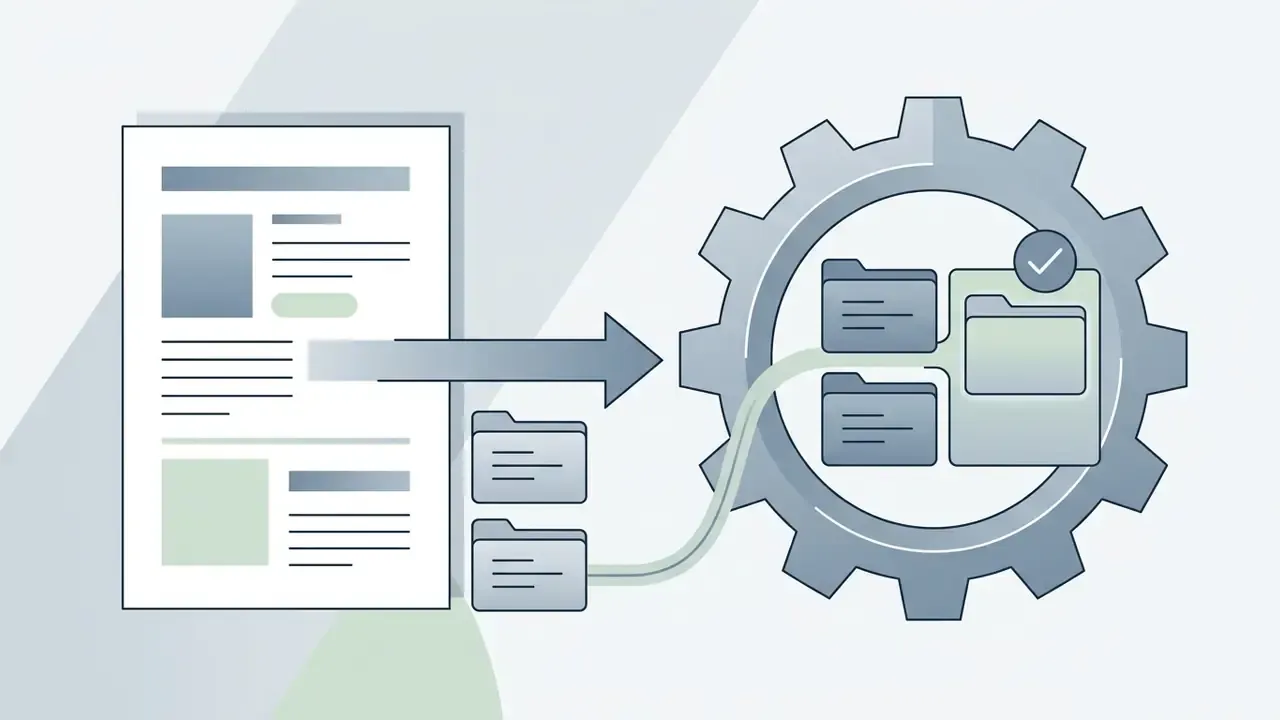
Architecture pattern for auditable scale. Pull only the minimum necessary fields from the CRM: first name, gesture or gift, an amount band rather than the exact amount, relationship tenure. Render them into an approved template inside the governed environment. Generate variant copy per record. Hold the batch in a review queue with a diff view. Approve or reject per record. Write approvals and send events back to the CRM and to the GRC log. Never let a batch post straight to an outbound channel without a queue. That single control is what prevents a mass send of hallucinated or mismatched appreciation.
AI Thank You Generator Use Cases
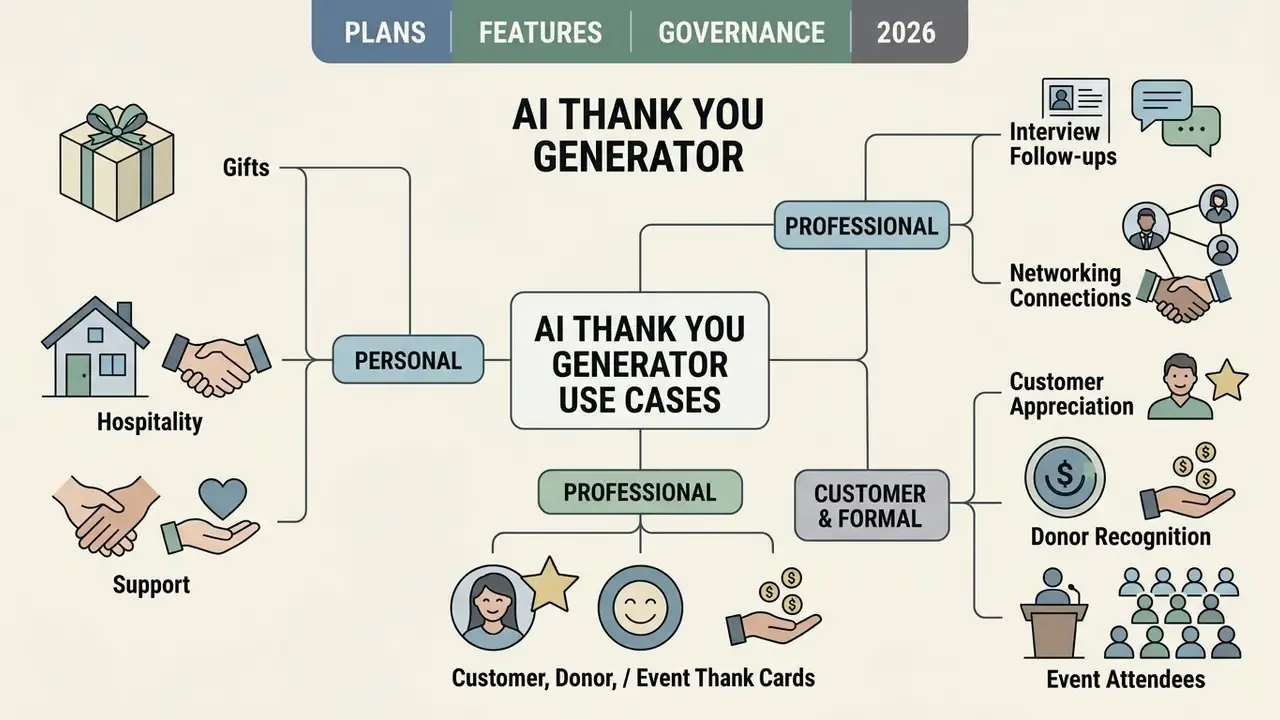
An ai thank you note generator serves personal, professional, and public communication needs. Understanding how formatting and tone shift between them keeps messages appropriate rather than merely fluent. Broadly, scenarios cluster into three groups: personal correspondence (gifts, favors, guest stays, celebrations), professional correspondence (interview follow-ups, recommendation thanks, mentor and team appreciation, partner thanks), and public or customer-facing acknowledgment (donations, customer milestones, event attendance, printed cards, social captions).
Personal Thank You Notes for Gifts, Hospitality and Support
Personal thank-you notes acknowledge gifts, event hospitality, or help during a hard stretch. Here the message should centre on the impact of the gesture, not on adjectives.
"All physical gifts and hospitality gestures should be acknowledged within one to two weeks under contemporary etiquette norms."
Professional Thank You Letters After Interviews and Networking
Professional thank-you letters reinforce business relationships, job applications, and networking conversations. A thank you letter generator helps job seekers write concise follow-up emails that reference specific interview topics, express continued interest, and hold a professional tone.
"Recruiters read timely, well-written thank-you notes as evidence of strong communication skills and attention to detail."
Customer, Donor and Event Thank You Cards
Organizations use card generator workflows to thank customers, financial donors, and event participants. Teams sourcing illustration and cover art for those runs usually start by comparing engines in a roundup of the best AI art generators to confirm licensing and print resolution before committing to a batch.
For bulk outreach, pairing automated text generation with CRM data delivers personalized acknowledgments at scale. The distinction between mass and individual gratitude is not tone but specificity: individual letters name the person, the exact contribution, and its effect, while mass versions use a neutral formula that can safely address a group. Event thanks follow a third pattern: acknowledge everyone involved, name the concrete contribution, and send immediately while the memory is still shared.
For image and video assets used in event card designs, comparing options with AI Media Comparison Matrices helps balance cost against export quality. Design-first teams often finish the layout inside the Canva AI Generator before exporting print-ready files.
Prompts for a More Specific AI-Generated Thank You Note
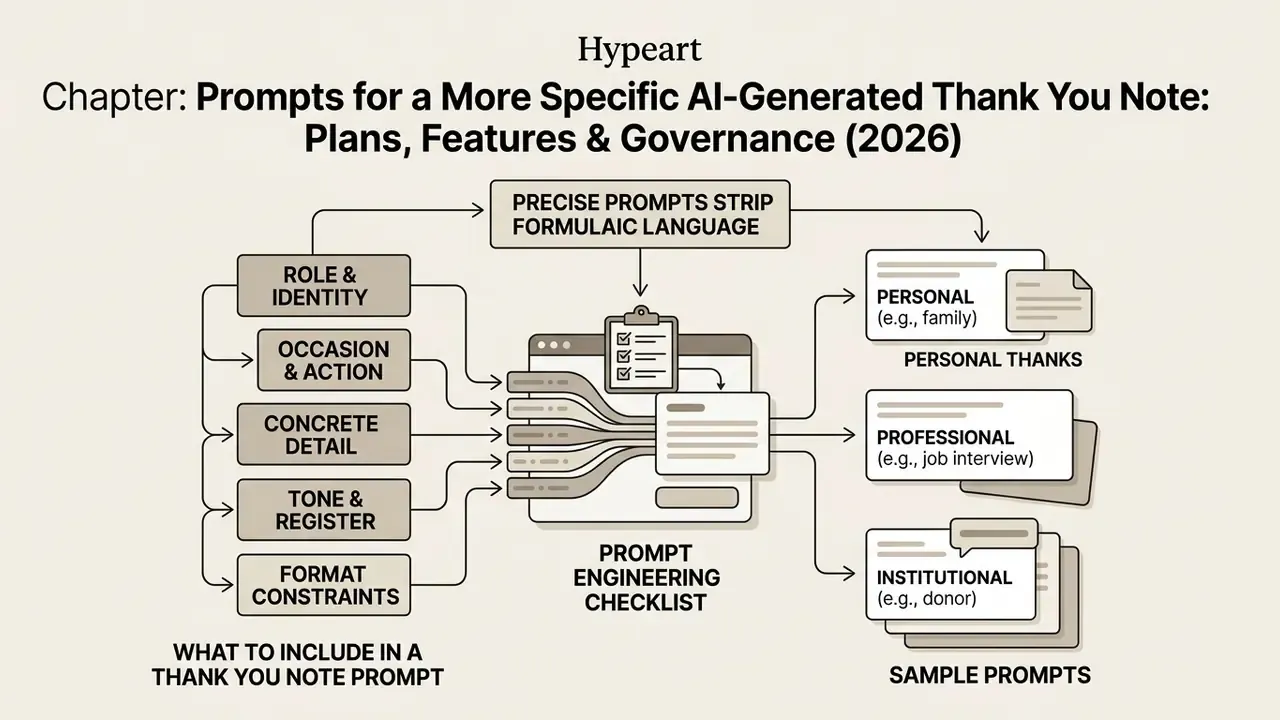
Precise prompts are the most effective way to strip formulaic language out of AI output. Structured constraints force the model to generate text that fits your situation rather than an average of all situations.
What to Include in a Thank You Note Prompt
A high-performing prompt for an ai thank you message generator contains five structural components:
- Role & Identity who you are and your relationship to the recipient.
- Occasion & Action the specific reason for thanking them.
- Concrete Detail a unique memory, conversation point, or outcome.
- Tone & Register warm, formal, enthusiastic, or professional.
- Format Constraints target word count or sentence limit.
"Specifying constraints and context parameters in the prompt prevents foundation models from producing repetitive clichés."
The same convergence shows up across other official frameworks. The playbook's CO-STAR structure (context, objective, style, tone, audience, response format), PRSA's SPOCK elements (specificity, persona, output, constraints, knowledge), and Google's persona, task, context, format model all ask for the same five inputs under different labels.
Prompt engineering checklist for AI thank-you notes
- ☑ Recipient definition: stated name, relationship, and authority level.
- ☑ Specific action: explicitly named the gift, favor, interview, or event.
- ☑ Unique anchor: included one concrete detail or shared discussion topic.
- ☑ Tone constraint: specified formal, warm, professional, or casual register.
- ☑ Length cap: set exact sentence or word count boundaries.
- ☑ Prohibited content: listed clichés, superlatives, or claims to avoid.
- ☑ Data hygiene: confirmed no regulated or confidential field is present in the prompt.
Sample Prompts for Personal, Professional and Institutional Thanks
The structured examples below show how to feed context for different scenarios.
Personal Gift Prompt
Job Interview Prompt
Donor Appreciation Prompt
Institutional Client / B2B Partner Prompt
Investor and Board Prompt
Regulator and Examiner Prompt
Volunteer and Event Participant Prompt
Counter-examples, or prompts that produce template sludge:
- ❌ "Write a nice thank you note." No recipient, no detail, no length, so the model defaults to clichés.
- ❌ "Write the best possible heartfelt thank-you letter, make it emotional and unforgettable." Superlatives invite overwriting and false warmth, which is exactly what triggers the authenticity penalty.
- ❌ "Thank our top 200 customers for their loyalty." One prompt, 200 identical letters, no per-record anchor.
- ❌ "Here is the client's account number and balance, write a thank-you note." A DLP violation regardless of output quality.
"A combination of structured guidance, option selection, and post-editing offers the best balance of quality and efficiency in human-AI text co-creation."
Teams building internal training material and prompt standards around these workflows can budget the surrounding tooling with AI Media Calculators and compare plan structures in our AI Media Pricing Guides.
FAQ: Frequently Asked Questions About AI Thank You Note Generators
Can an AI thank you note generator create truly genuine messages?
AI generators produce grammatically polished, structurally sound drafts from the context you provide. Genuine is a different variable.
"After AI involvement was disclosed, perceived sincerity ratings fell by about 1.57 points and emotional richness by 1.34 points relative to human-written messages." — AI-AC & AI-DC Transparency and Trust, preprint (2025). https://arxiv.org/abs/2502.10857 To make the message feel personal, add shared memories, unique details, and your own edits before sending. Sincerity in practice comes from the concrete anchor, meaning the mug, the workshop, the six hours at the registration desk, and not from the elegance of the sentences.
Is my data private when using a free AI thank you generator?
It depends on the platform's terms of service. Many free public AI tools use inputs to train future models. Keep sensitive personal information, official identification, and confidential company data out of unverified free generators. In organizational settings, require documented zero-data-retention terms, encryption at rest and in transit, SSO, and an audit trail before any customer, donor, employee, or patient information enters a prompt. Where possible, add those details manually after generation.
What is the difference between a thank-you note, card, and letter?
A thank-you note is a short text message of 4–8 sentences for casual or informal occasions. A thank-you card carries concise copy designed to fit a visual layout for events or campaigns. A thank-you letter is a structured multi-paragraph document, typically no more than one typed page, used for formal business follow-ups and donor communications.
Do I need to disclose that I used AI to draft a thank-you note?
Formal disclosure is generally not required for personal correspondence, provided you review and edit the text so it reflects what you actually mean.
"In naturalistic conditions where AI authorship is not made salient, recipients show no scepticism and form impressions as positive as those of human-written messages (N = 647)." — Blissful (A)Ignorance, Prolific experiment preprint (2025). https://arxiv.org/abs/2503.08285 The tension is clear enough: recipients do not detect assistance on their own, yet they react negatively once it is highlighted. In regulated business environments or formal institutional communications, follow your organization's disclosure policy. Several public-sector frameworks recommend visibly labelling AI involvement in published content and retaining provenance metadata. This information is general in nature and does not substitute for advice from a lawyer or a compliance specialist in regulated industries.
Are paid AI generators significantly better than free versions?
Paid generators offer advanced language models, higher generation limits, custom tone controls, and bulk processing. Free tiers commonly cap usage at a few notes per day or a few thousand tokens, and may switch to a lighter model once the cap is reached. Paid tiers raise or remove those caps and keep premium models available with longer context. For occasional personal notes, a free tier is usually sufficient. Businesses benefit from paid features, and in regulated contexts they need them for contractual and security reasons rather than for prose quality.
Who is legally responsible for an AI-drafted message sent by our organization?
The sending organization is. Accountability does not transfer to a vendor or a model. The entity whose name appears on the letter owns the content, its accuracy, and any commitment it appears to make. That is why the escalation matrix, the approval log, and the ban on unreviewed batch sends matter more than prompt craft. Keep the model version, template version, approver identity, and timestamp for every outbound message, so the record can be reconstructed during an audit or a dispute.
How do we stop employees using unapproved tools (Shadow AI)?
Provide an approved tool that is genuinely faster than the consumer alternative. Publish a one-page rule set covering what may and may not be typed into a prompt. Run input-side DLP so mistakes are blocked rather than punished. Give staff a feedback channel to report errors or request new templates. Prohibition on its own pushes usage off-platform, where you hold no logs and no retention terms, which is the worst of both worlds.
Additional Operational Resources
- Compare no-cost tooling limits and export restrictions in our guide to free photo editors
- Review commercial licensing and design features in the Canva AI Generator overview
- Evaluate narration options for spoken appreciation messages among AI voice generators
- Review alternative automation platforms on AI Media Alternatives by Reason
- Access comprehensive plan comparisons in our AI Media Pricing Guides
A Safe Next Step
If gratitude messaging is heading toward production volume in your organization, start small and evidence-first. Pick one low-risk tier (T1 or T2), run four weeks of baseline measurement on response rates and composition minutes, and confirm the vendor's retention terms in writing before any CRM field is used. Then, and only then, extend to T3 batch workflows with a review queue in place. No evidence, no autonomy: that principle applies to a thank-you note pipeline just as it does to a credit model.
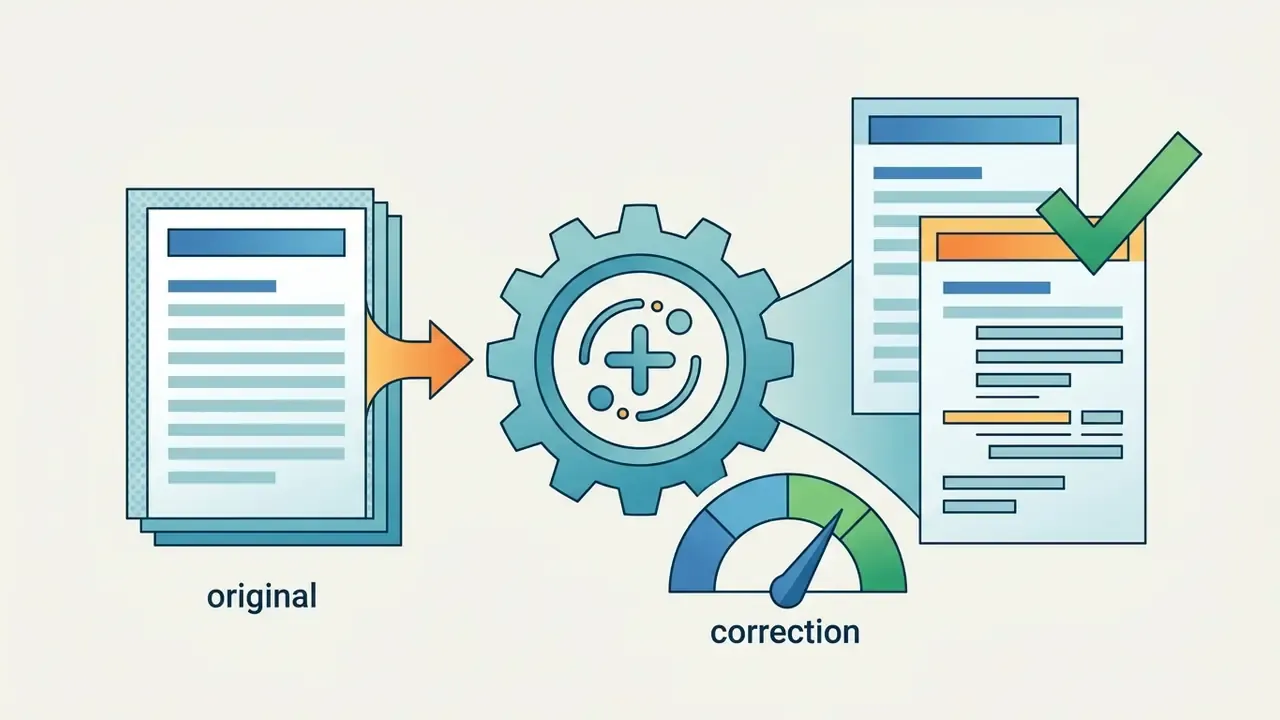
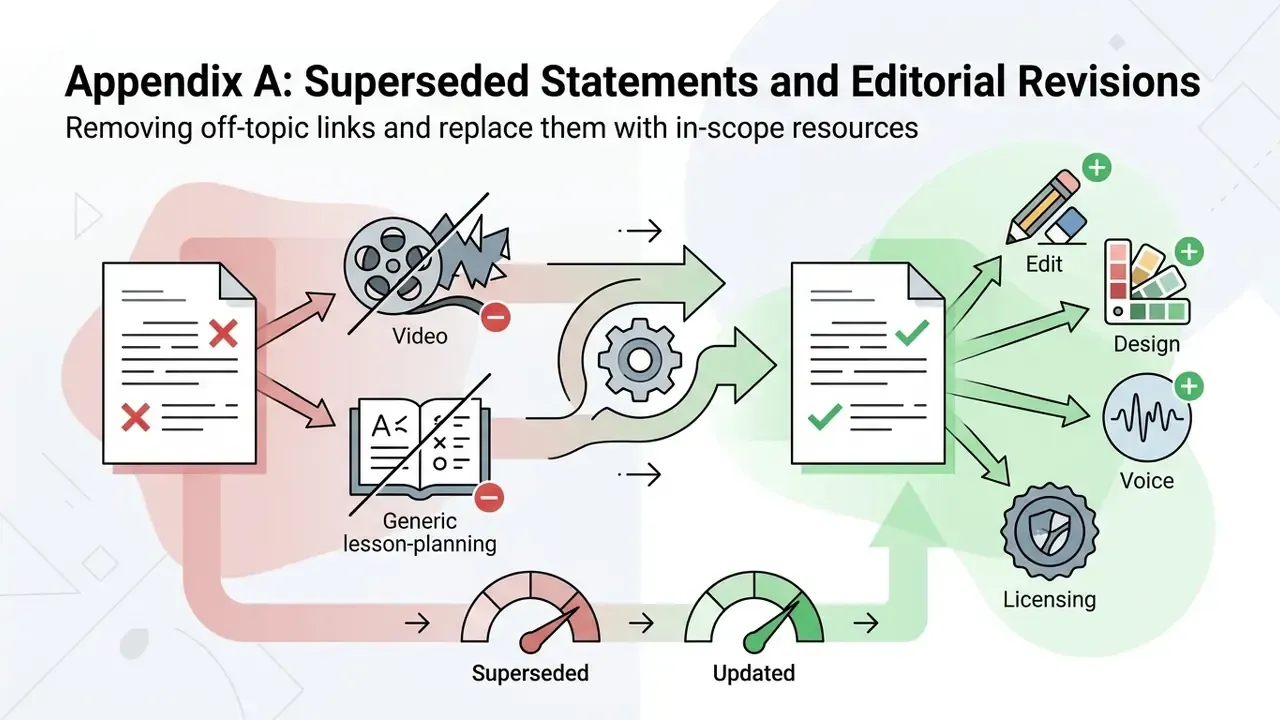
Appendix A: Superseded Statements and Editorial Revisions
Retained for transparency. Each item below appeared in an earlier version of this guide and has been revised in the main text.
Disclaimer. This article is general information about writing workflows and software selection. It is not legal, compliance, tax, or investment advice. Pricing, usage limits, model availability, and security certifications change frequently and were verified in February 2026; confirm current terms directly with each vendor. Organizations in regulated sectors, including financial services, healthcare, education, and public administration, should validate any AI-assisted communication workflow with their own legal, privacy, model-risk, and compliance functions before deployment, and should never enter personal, health, financial, or otherwise confidential data into tools that lack contractual data-protection terms.