Here is the uncomfortable part. The draft arrives fast. The credibility does not.
Decision Summary in 60 Seconds
- What you get: A structured multi-section draft (executive summary, business model, market analysis, strategy, and preliminary financials) in 15 to 30 minutes.
- What it costs: Free tiers cover previews, capped queries, and watermarked or browser-only output. Paid tiers run roughly $15 to $145 per month and unlock dynamic 3-to-5-year financial models, editable DOCX/XLSX exports, and collaboration.
- What still requires you: Roughly 3 to 8 hours of human review, market-data verification, and financial reconciliation before a plan is safe to show a lender, an investment committee, or a board.
- Who wins by tool: First-time founders → guided wizards (Bizplanr). Visual pitch material → Venturekit. Lender and SBA formatting → LivePlan. Accounting-linked forecasts → Upmetrics. Maximum prompt control → ChatGPT with a CO-STAR prompt.
- Biggest risk: Unverified projections and unsupported "AI-powered" claims presented to investors can be treated by regulators as materially misleading statements.
What an AI Business Plan Generator Creates
An ai business plan generator produces structured, multi-section business plan drafts by processing user-submitted business details through natural language processing models. The primary output is a generated business plan that converts unstructured ideas into standard strategic frameworks, operational outlines, and introductory financial projections.
An ai business generator is not an autonomous consultant. It is a guided starting point. It builds an organized baseline document, removes formatting friction, structures the narrative sections, and prepares preliminary quantitative models for human review and validation. Nothing more, and, to be fair, nothing less.
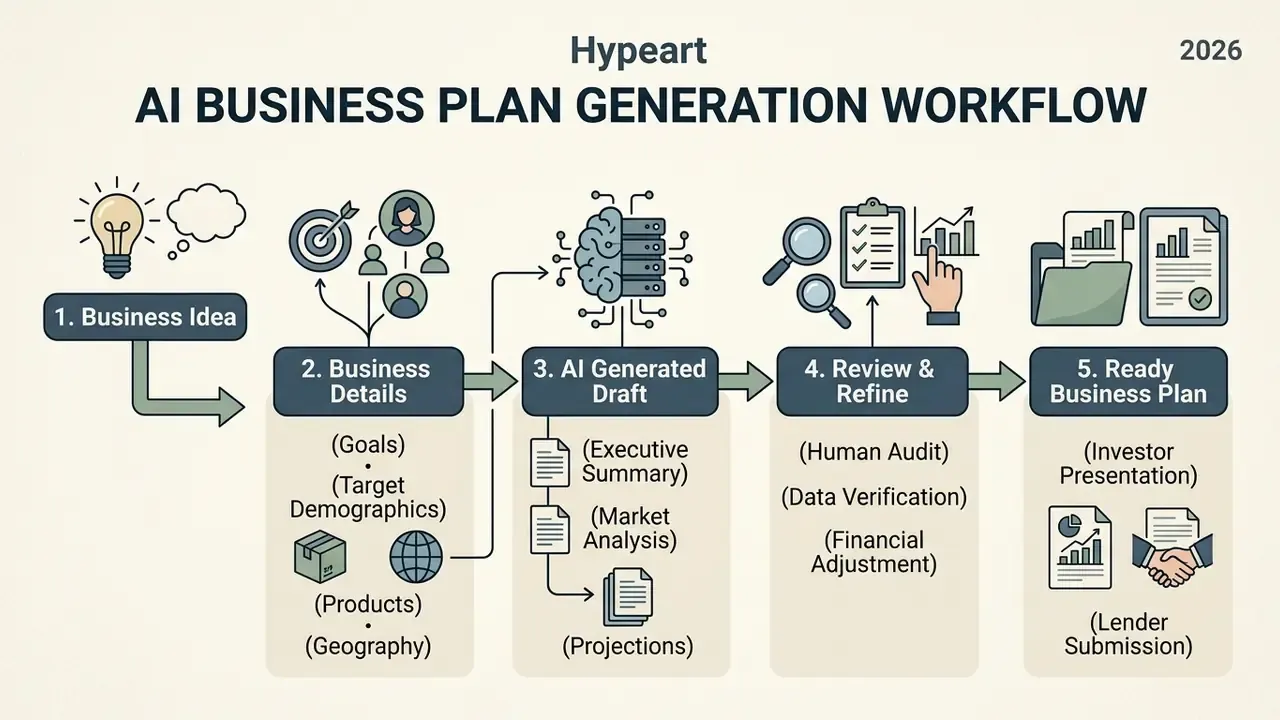
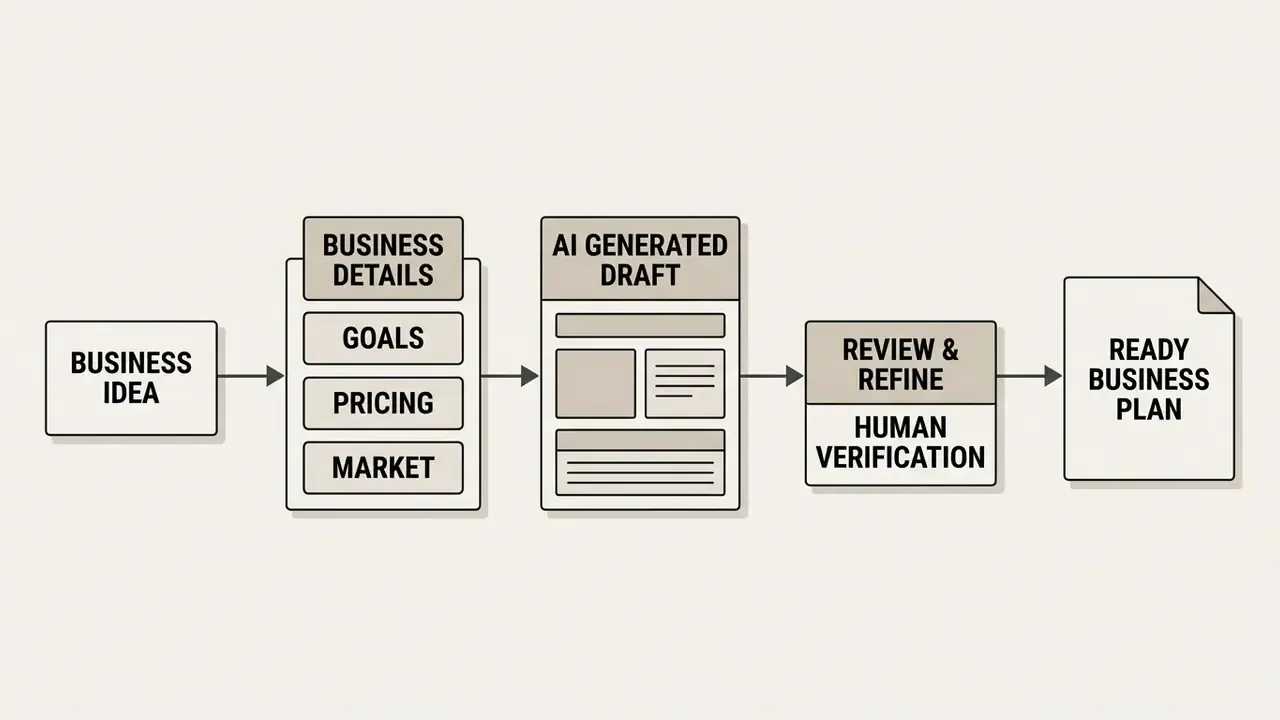
From a Business Idea to a Structured Business Plan
An ai business plan creator converts a basic business idea into a structured business plan through a sequential data-collection workflow. The software asks for core parameters (company name, target audience, primary revenue model, operational milestones) and uses those answers to assemble a cohesive first draft.
Input workflows differ widely. They range from short 200-word text prompts in general tools to multi-step guided questionnaires in specialized planning software (Canva AI Business Plan Generator Guide, 2026; BizPlanner AI documentation, 2026). Some questionnaires are deliberately minimal: BizPlanner AI states that a short set of questions about the business, market, and numbers is enough to draft an executive summary, company description, market and competitor analysis, marketing strategy, operations, staffing, SWOT, and a three-year financial model.
In one operational test of an automated planning workflow, an early-stage fintech team turned rough technical notes into a 12-page complete business plan draft in under three hours. The tool grouped scattered product specifications into clear corporate descriptions and market positioning sections, which let the team spend its energy on financial sanity checks instead of document formatting. That is the honest value proposition: not insight, but structure delivered early.
Business Plan Sections AI Can Draft
Modern language tools can draft every standard component of a planning document. The table below outlines the core business plan sections an ai business maker produces, plus the expected depth and the verification burden attached to each.
| Business Plan Section | AI Drafting Capabilities | Primary Data Inputs Required | Human Verification Level |
|---|---|---|---|
| Executive Summary | Synthesizes mission, core value proposition, and funding request into a concise overview. | High-level company goals, funding target, key services | High (must align perfectly with full plan facts) |
| Business Model | Outlines value creation, pricing structures, sales channels, and customer acquisition logic. | Product list, pricing strategy, distribution channels | Medium (verify operational feasibility) |
| Market Analysis | Drafts target customer profiles, industry trends, and competitive landscape overviews. | Target audience demographics, competitor names, geographic scope | High (cross-check AI statistics with primary research) |
| Business Strategy | Formulates go-to-market milestones, positioning statements, and expansion roadmaps. | Strategic priorities, key differentiators, timeline assumptions | Medium (align with actual team capacity) |
| Financial Projections | Generates revenue forecasts, expense budgets, cash flow statements, and break-even models. | Expected unit pricing, cost estimates, sales volume assumptions | Critical (requires formal model auditing) |
Empirical evaluations show that generative models draft structurally coherent narrative sections, yet unassisted systems fail most formal planning tests without human intervention.
«GPT-4 solves only about 12% of autonomously generated plan instances that satisfy formal constraint-based benchmarks without external verification.»
Structural quality, though, is a separate question from constraint satisfaction. In blind investor reviews of accelerator proposals, machine-drafted execution plans outperformed founder-written drafts once writing style was standardized:
«AI-generated plans were rated 0.14 standard deviations higher by investors than entrepreneur-written plans, holding writing quality constant.»
Who Should Use an AI Business Plan Generator
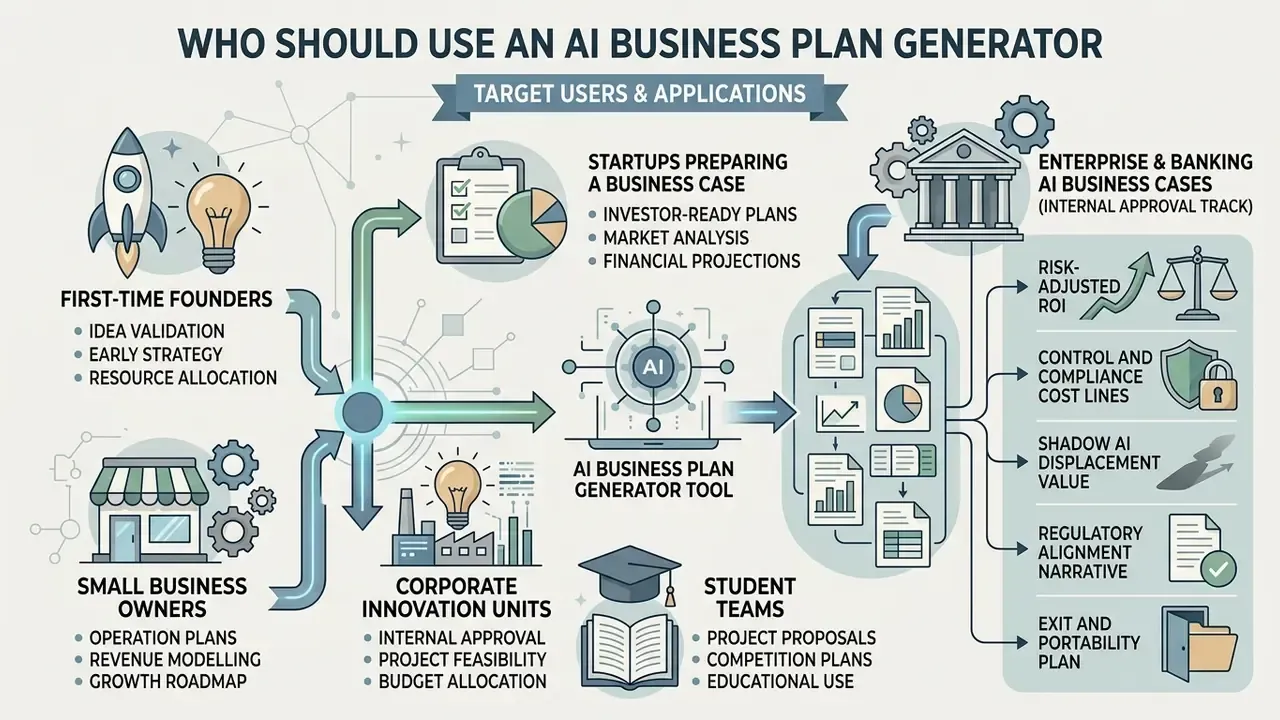
An ai business plan generator startup tool suits early-stage entrepreneurs, small business owners, corporate innovation units, enterprise AI governance leaders, and student teams who need to accelerate strategic planning. It delivers the most value as structural scaffolding, a way past the first blocking hurdle.
Different user groups use artificial intelligence for different jobs, from simple operational goal setting to producing a professional business plan for debt or equity financing, or an internal capital-allocation case inside a regulated institution.
First-Time Founders and Small Business Owners
First-time founders reach for automated planning tools mainly to beat the "blank page problem" and to get a clean business plan template. Novice entrepreneurs often hold strong technical or operational domain knowledge and no idea how to shape it into a standard corporate format.
Guided workflows fix that specific barrier by replacing an empty document with step-by-step prompts. Vendors describe the mechanism plainly: Upmetrics says users begin with guided questions "instead of an empty document," while Plania markets itself as "no consultant, no blank page." An ai based business plan generator will ask you to define business goals, customer segments, and primary cost drivers before it compiles the answers into a readable first draft.
The performance effect, however, is not uniform across operators. Field evidence shows a split outcome that depends on baseline skill:
«High-performing entrepreneurs using an AI assistant increased profits by roughly 15%, while low-performing entrepreneurs saw profits decline by about 8%.»
So the generator amplifies existing judgement rather than replacing it. Founders with weak baseline assumptions industrialize those weak assumptions faster, which is exactly why the validation stage in Section [21] is not a formality.
Startups Preparing a Business Case or Investor-Ready Plan
Growth-stage technology ventures use an ai business case generator to draft foundation material for venture capital pitches, grant applications, and commercial credit requests. These tools help founders organize market sizing (TAM/SAM/SOM), articulate unit economics, and structure a baseline pitch deck. Teams producing the supporting visual assets often pair planning software with a comparison of the best AI art generators to create consistent diagrams, cover art, and concept imagery without hiring a design contractor.
When the goal is an investor ready document, the software compiles initial financial frameworks, burn rate assumptions, and revenue streams. Pitch-deck engines go further: several platforms ingest Excel models, board memos, or data-room PDFs, extract the metrics, and chart the company's own figures instead of synthetic placeholders. Useful, yes. Still hypothetical. Founders evaluating wider media and financial tooling can review an AI Media Comparison to see how automated content generation slots into corporate workflows.
Enterprise and Banking AI Business Cases (Internal Approval Track)
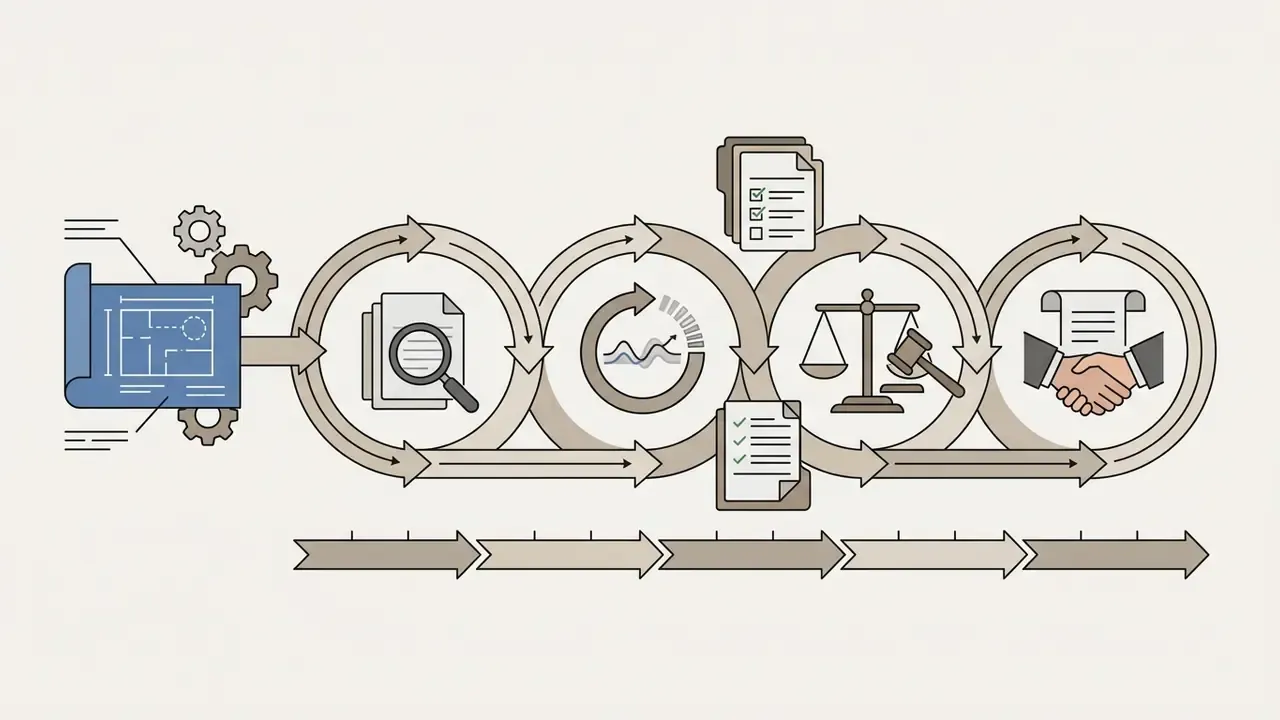
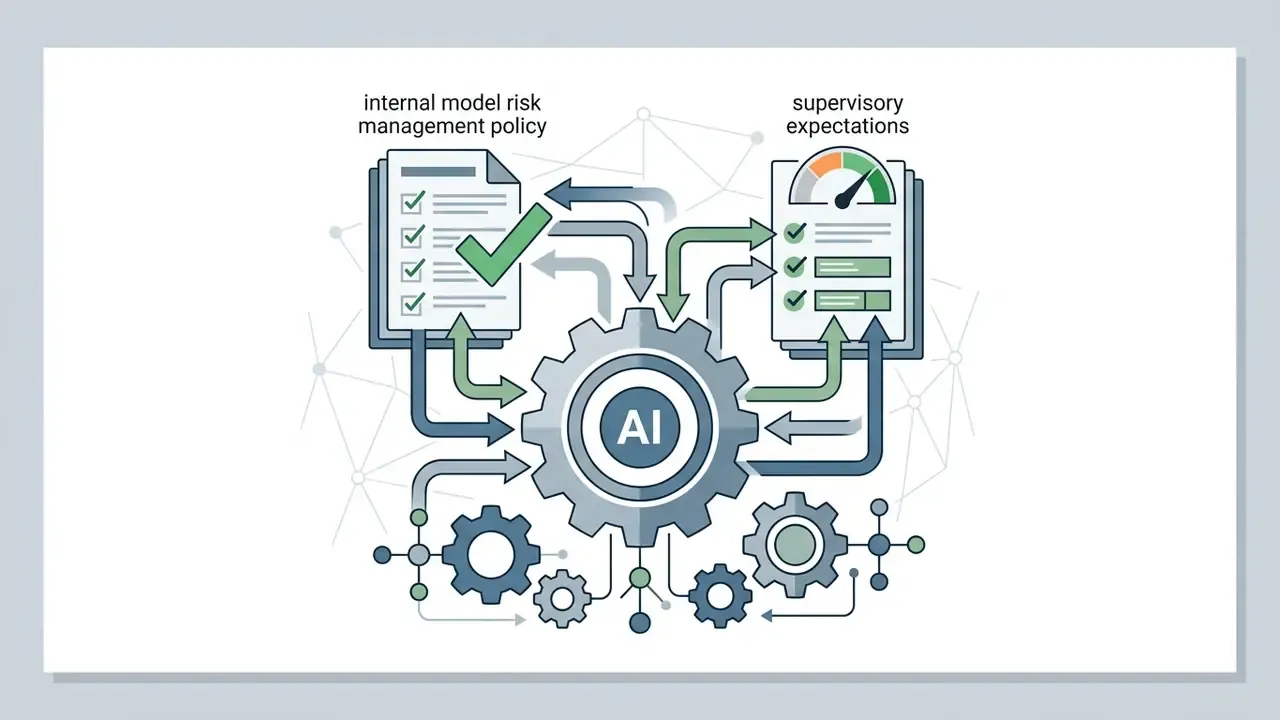
There is a second, less-discussed use case inside regulated institutions. Chief risk officers, heads of model risk, and AI governance leads increasingly use the same generators to draft internal business cases for AI platform adoption. Those documents must survive a CFO, an investment committee, and second-line control functions.
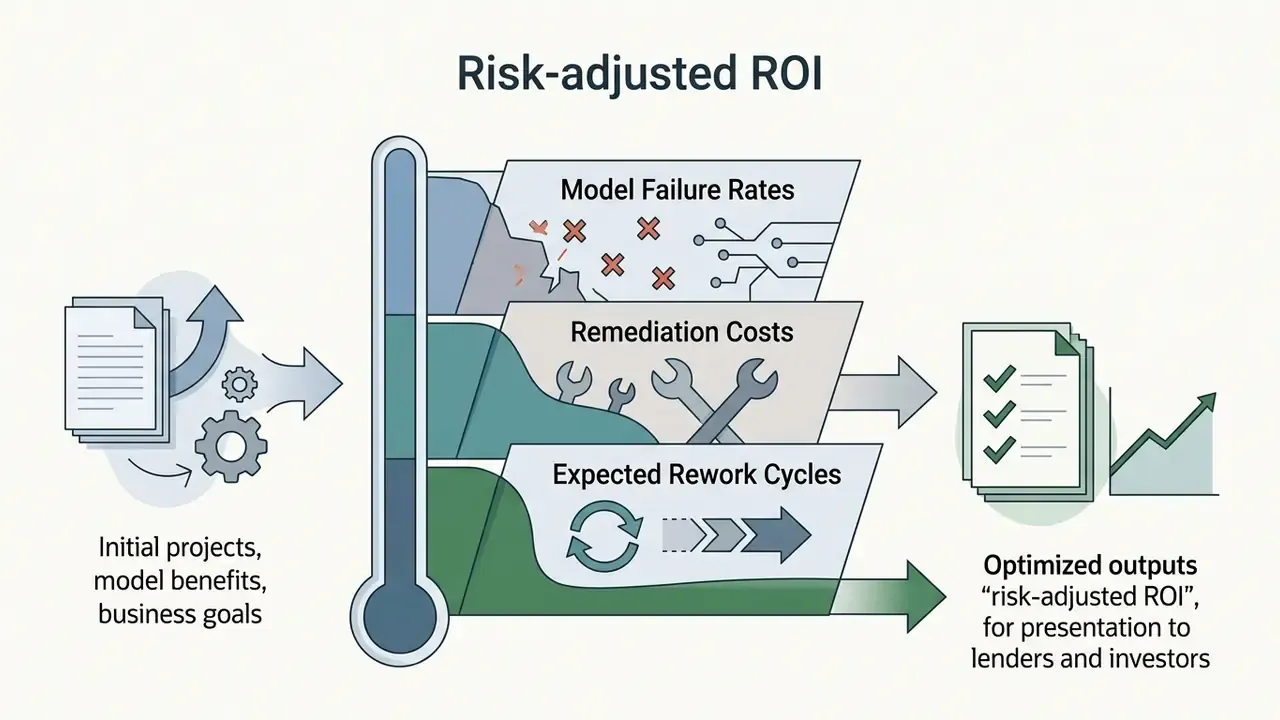
An enterprise AI business case differs structurally from a startup plan. It has to quantify not just expected benefit but the cost of control:
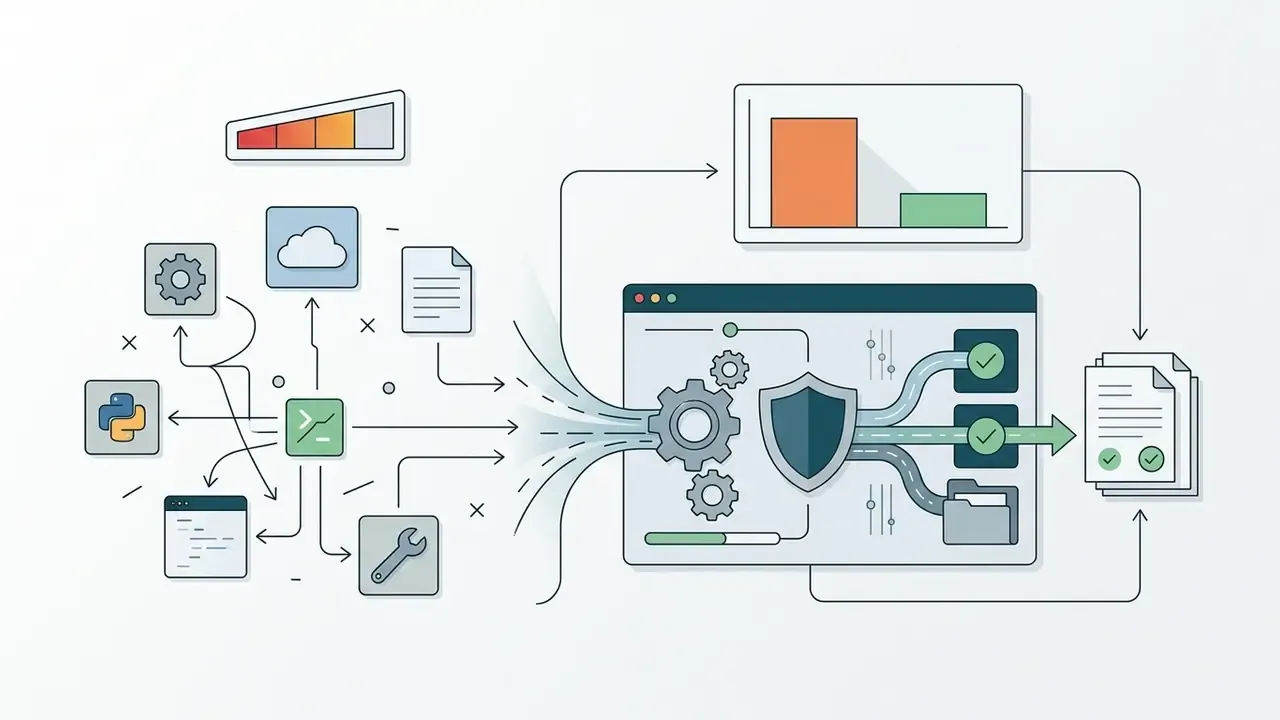
For this audience the generator drafts the narrative scaffolding: problem statement, options analysis, benefit hypothesis, implementation phasing. Every quantitative control cost and risk assumption stays owned by a named internal accountable party. No named owner, no number in the deck.
Specialized Business Plan Frameworks by Industry and Objective
A generic template collapses the moment a specific reader wants a specific mandatory section. A commercial lender looks for debt service coverage. A venture investor looks for defensibility and exit logic. A landlord or franchisor looks for operating feasibility. Decide which document you are producing before you generate anything.
| Plan Type / Industry | Primary Target Audience | Mandatory Included Sections | Key AI Prompt Focus |
|---|---|---|---|
| SBA / Bank Loan Plan | Commercial lenders, SBA-approved institutions | 3-year cash flow, debt service coverage ratio, collateral analysis, owner résumés | Debt repayment proof and deliberately conservative revenue |
| Venture Capital Pitch Plan | Angel networks and VC funds | TAM/SAM/SOM, moat and IP, unit economics, traction, exit strategy | Hyper-growth scaling and market disruption logic |
| Local Service, Restaurant or Food Truck | Local partners, landlords, licensing bodies | Foot traffic analysis, COGS and food cost %, local licensing, staffing plan | Hyper-local demographic baseline within a defined radius |
| E-commerce, Retail and Franchise | Franchisors, distributors, lenders | Supply chain risk, digital CAC, inventory turnover, unit-level P&L | Multi-channel acquisition mechanics and working capital cycle |
| Real Estate / Rental Property | Lenders, co-investors | Rent roll assumptions, occupancy sensitivity, capex reserve, amortization | Debt structure and downside occupancy scenarios |
| Salon, Barber and Personal Services | Landlords, equipment lessors, microlenders | Chair utilization, service mix margin, retail product sales, staffing ratios | Capacity math per station and repeat-visit frequency |
| Nonprofit, Grant and Coaching Plans | Grant committees, program officers | Theory of change, program budget, impact metrics, sustainability plan | Outcome measurement and restricted-funds budgeting |
| Internal Corporate / Expansion Plan | Executive committee, board | Options analysis, control costs, phasing, risk register | Risk-adjusted ROI and dependency mapping |
| Construction and Feasibility Plans | Lenders, project sponsors | Cost schedule, milestone draw schedule, permitting timeline, contingency | Feasibility thresholds and cost-overrun scenarios |
| Crypto, Web3 and Regulated Tech | Specialist investors, counsel | Token or revenue mechanics, jurisdictional compliance, custody risk | Regulatory exposure and conservative adoption curves |
Choosing the document type first also changes output length. A one page business plan, a lean startup canvas, a full long-form plan, and a lender submission package are four different deliverables, even when they come from the same inputs.
How to Choose an AI Business Plan Generator
Choosing an ai business plan generator service means checking a handful of technical criteria before you enter sensitive corporate data or buy a subscription: depth of plan sections, financial modeling capability, data privacy policy, and export flexibility. Buyers who want a wider view of how vendors structure limits and tiers across AI categories can study a comparison of AI tools by features and pricing before committing budget.
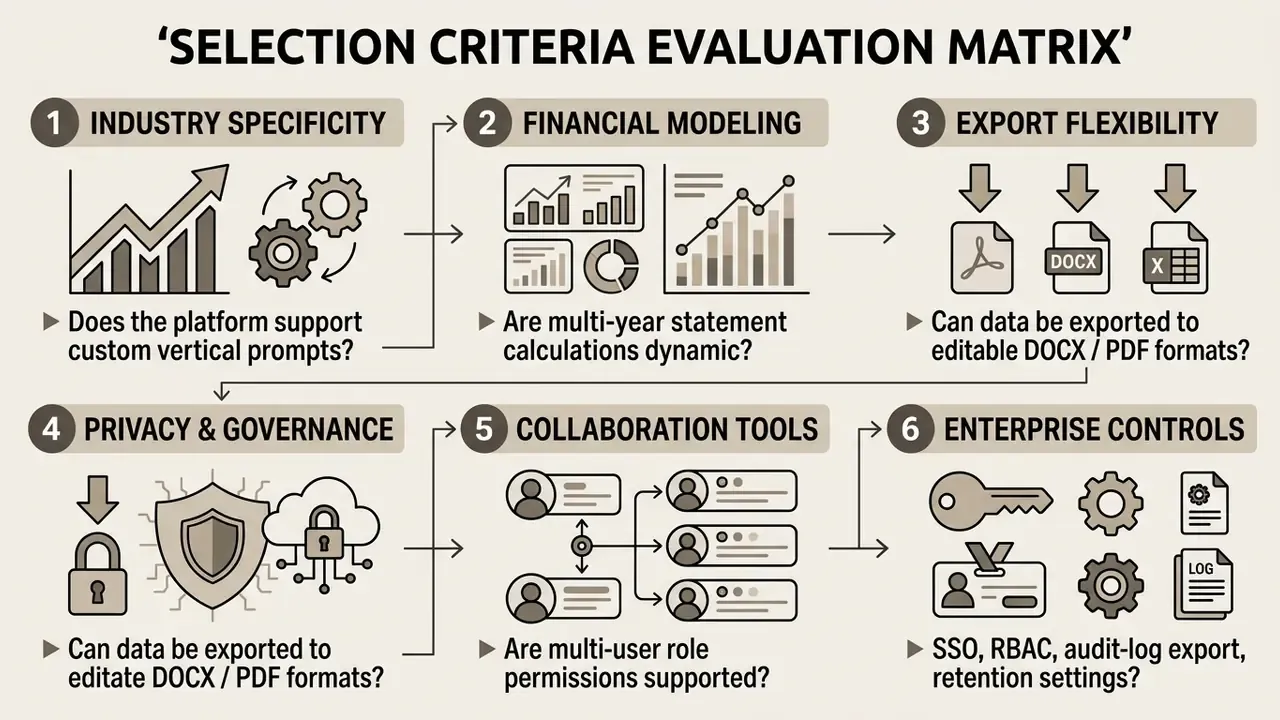
The table below lists the feature criteria worth scoring before purchase:
| Evaluation Criterion | Basic Service Level | Advanced Service Level | Strategic Value for Founders |
|---|---|---|---|
| Section Depth | Fixed top-level summaries | Unlimited custom subsections | Ensures full coverage of complex operational models. |
| Industry Specificity | Generic business prompts | Tailored vertical frameworks | Integrates relevant regulatory and market terminology. |
| Financial Modeling | Static text summaries | Dynamic 3-statement models | Provides customizable baseline revenue forecasts. |
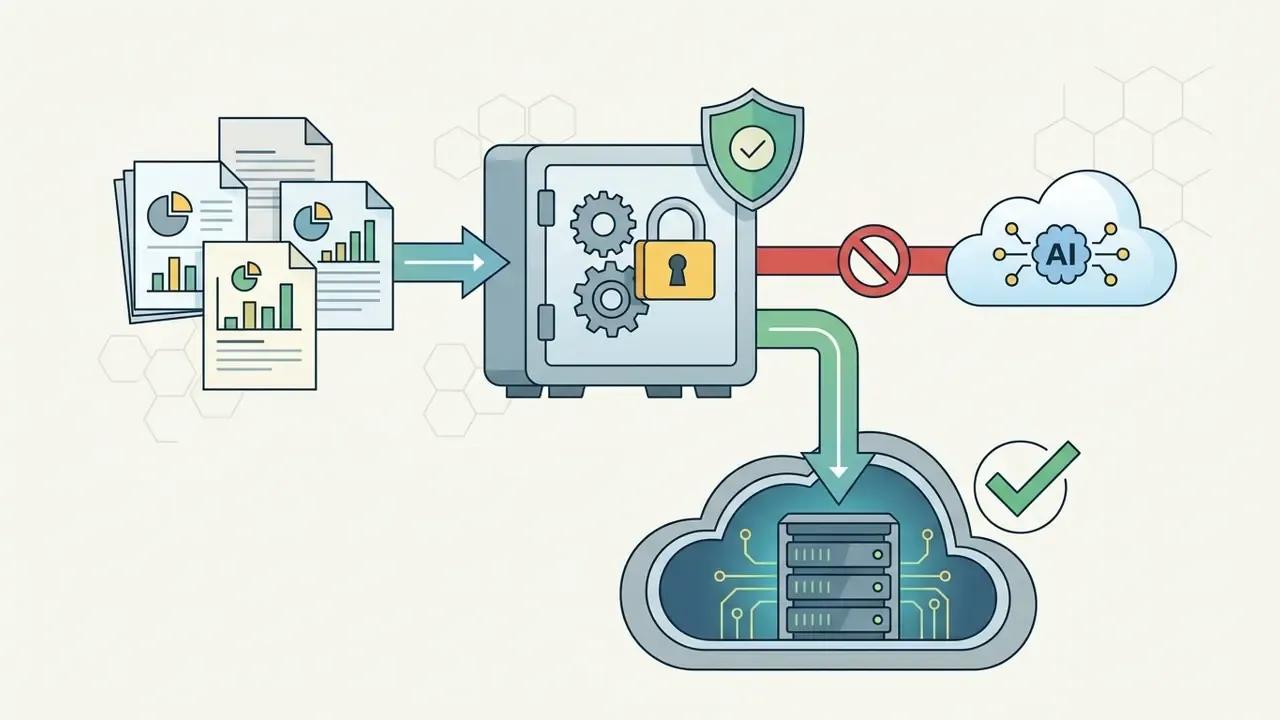
| Data Privacy | General data retention | Zero-training and account-isolated encryption | Protects proprietary IP and confidential financials. |
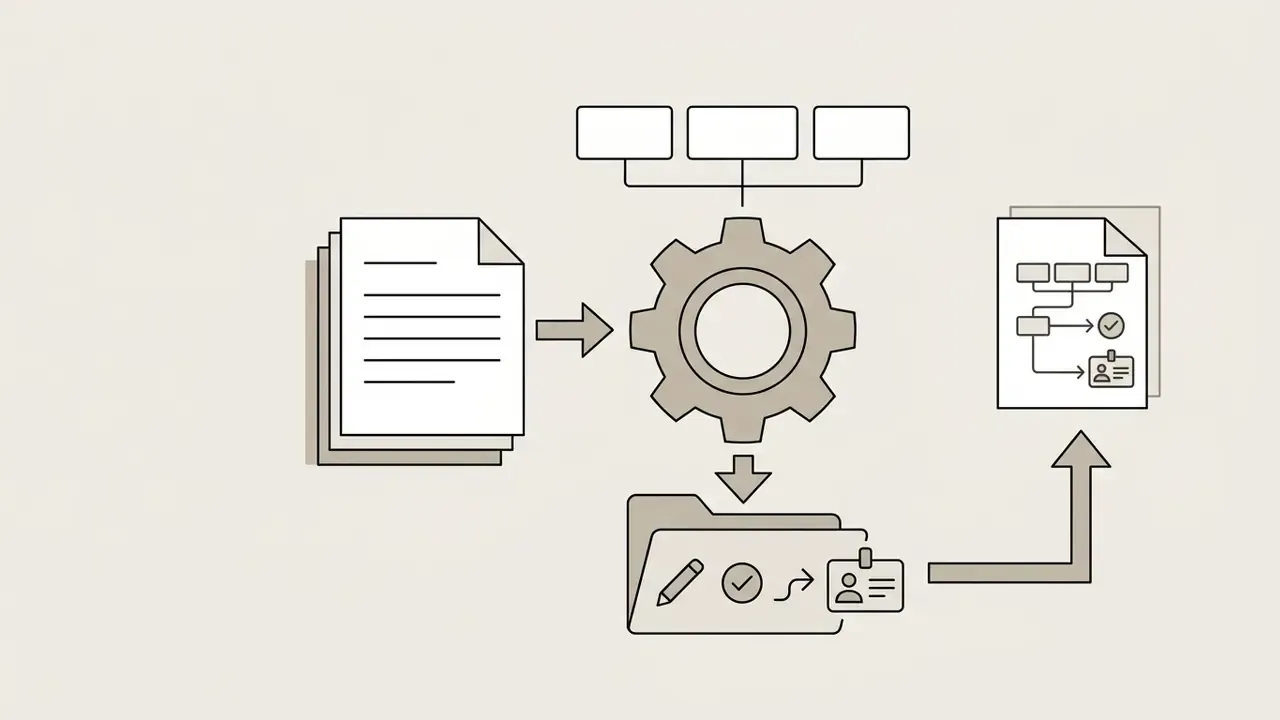
| Export Options | Browser-view or PDF only | Editable DOCX, PPTX, XLSX, and live links | Prevents software lock-in and allows post-AI editing. |
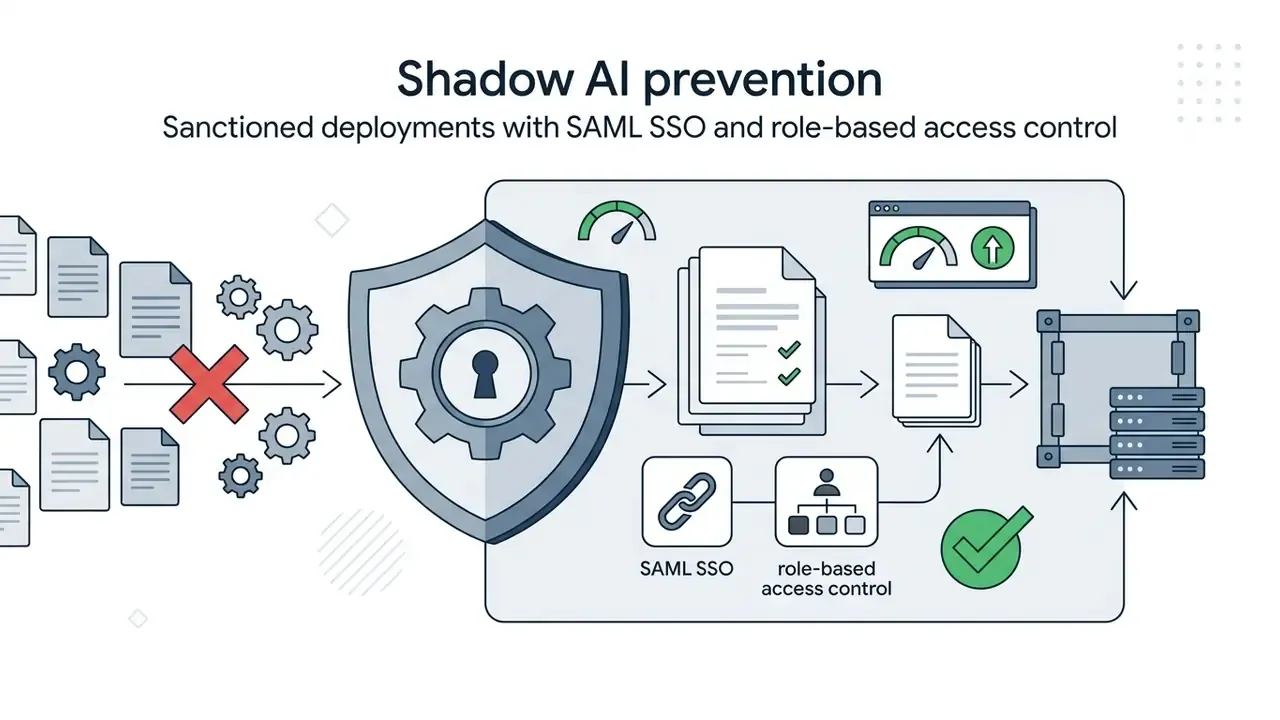
| SSO / RBAC Integration | Email login only | SAML single sign-on with role-based access control | Limits Shadow AI and enforces least-privilege access. |
| Audit Trail Export | No activity logging | Exportable logs of prompts, edits, and approvals | Produces reproducible evidence for internal or external audit. |
| Enterprise Data Residency | Undisclosed hosting region | Selectable region and defined retention windows | Supports jurisdictional and procurement requirements. |
| GRC / Storage Integration | Manual copy-paste | Connectors to corporate storage or governance systems | Keeps planning artifacts inside the sanctioned perimeter. |
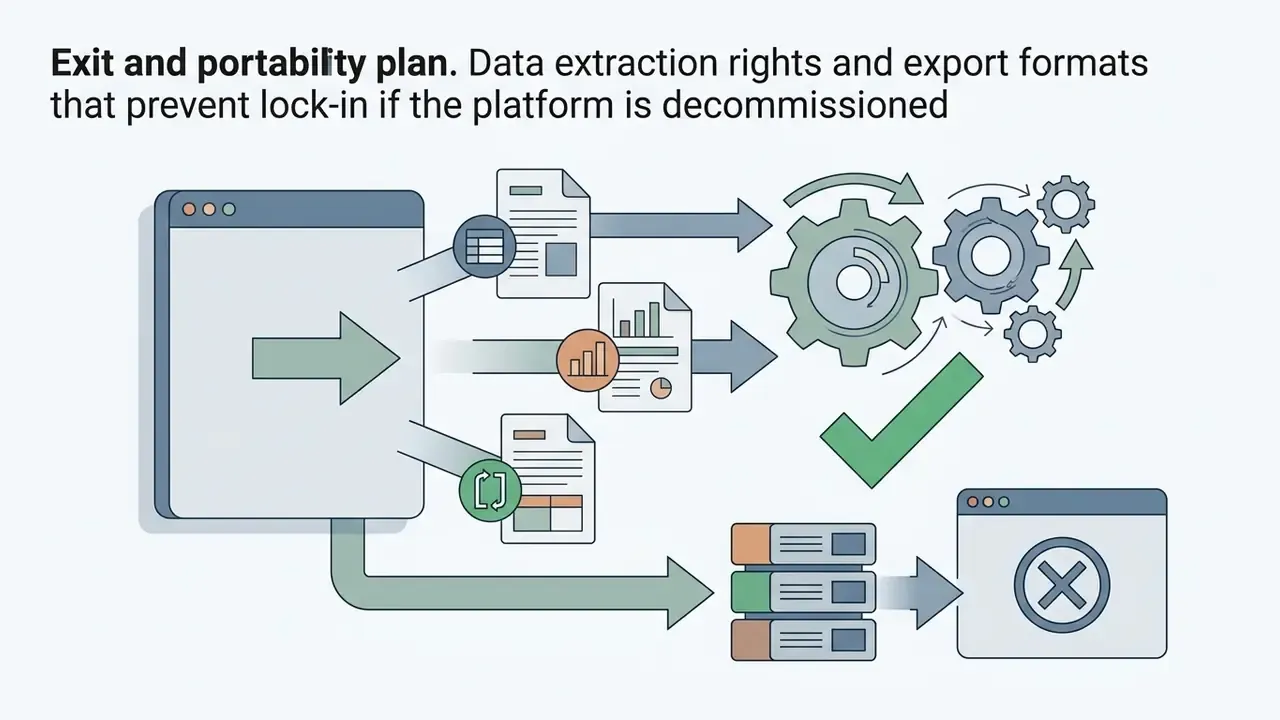
Public guidance reinforces two rows in particular. NIST's AI guidance for organizations recommends using only tools authorized by the security and privacy function, and following internal data policy before entering sensitive information. Separately, UCL's institutional AI tools checklist recommends confirming that outputs can be exported in standard, non-proprietary formats, so the work stays usable if the tool disappears. A direct hedge against vendor lock-in, and a cheap one.
Industry-Specific Questions and Customizable Outputs
Leading generators lean on structured prompt-engineering frameworks to adapt output terminology to a given sector. Updated: the most widely cited public framework is CO-STAR (Context, Objective, Style, Tone, Audience, Response), defined in the initial public draft of NIST SP 1353 (2026). That draft states explicitly that the Audience parameter sets abstraction level, terminology precision, and response structure. Which is precisely why the same business inputs should be prompted differently for a bank credit officer and for a seed-stage investor.
A tool tuned for retail, medical, or SaaS verticals asks detailed questions about local footprint, inventory turnover, customer acquisition channels, and regulatory compliance. That lets you customize business plan parameters so the final business plan format reflects real operational conditions rather than a template average.
Ready-to-Use CO-STAR Master Prompts for Business Planning
These prompts are built for copy-paste use. Replace the bracketed variables with your own figures. The more specific your numbers, the less the model invents.
1. SaaS and tech startup prompt (venture track):
2. Local retail and restaurant prompt (SBA loan focus):
3. Financial model stress-test prompt (validation stage):
4. Enterprise internal business case prompt (regulated environment):
5. Executive summary rewrite prompt (final polish):
Financial Projections, Market Analysis and Business Model Support
Serious planning platforms bolt quantitative modeling modules onto the text generation layer. A capable business model generator helps founders define recurring subscription dynamics, direct sales pipelines, and cost-of-goods-sold (COGS) structures.
Measured against manual spreadsheet work, decision-support tooling shows a quantifiable delta:
«AI-driven decision support systems improved decision accuracy by 16% and decision speed by 35% versus traditional spreadsheets across a sample of 400 startup founders.»
That gain depends on model governance, not on raw model power. A 2025 systematic review of AI-driven financial forecasting concludes that dependable use requires deliberate feature selection, explainability, and continuous validation to control drift and overfitting. Translation: treat current tools as assistive forecasting systems, never as autonomous financial decision engines.
For financial forecasting and market analysis, these tools draft competitive landscape matrices and automated TAM/SAM/SOM estimates, and they surface passable market insights for a first pass. Research on generative competitive mapping shows the same conditionality: automated extraction from annual reports produced usable strategic maps only after extracted metrics were cross-checked against the source reports. Founders who need media budgeting and ROI math alongside strategy can use the AI Media Calculators to project resource requirements.
Editing, Export Formats and Business Data Privacy
Voice-to-Plan Workflows and Multilingual Generation
Modern planning engines let founders skip typing and dictate instead. Combine speech-to-text with CO-STAR prompting and you can narrate a raw idea during a site visit, a supplier meeting, or a store walk-through, then convert the transcript straight into structured plan sections. Teams evaluating the speech layer can review a guide to AI voice generators and language support for accuracy, language coverage, and licensing differences between engines.
Several generators also support real-time translation and localization across 20+ languages, including Spanish, French, German, Italian, Hindi, Mandarin, Japanese, Russian, Turkish, Vietnamese, Thai, and Polish. Global founding teams can draft local operational plans in the language of the operating market while generating translated investor documentation in parallel. Two cautions apply, and both are practical: financial terminology and regulatory section names usually need native review, and translated figures must be re-checked against the source model, because number formatting and currency conventions differ by locale.
Fact Check & Feature Verification:
Top 7 AI Business Plan Generators Compared (2026)
Feature depth matters less than fit to your submission target. The table maps the most visible 2026 platforms to the job each one actually does well.
| Platform | Best Use-Case Category | Key Strengths | Export Capabilities | Pricing Tier (verify on vendor page) |
|---|---|---|---|---|
| Bizplanr | First-time founders | Roughly 15-minute guided wizard, funding-application framing, industry presets including non-profits and student projects | PDF free; Word/Excel on premium | Free core / paid Pro |
| Venturekit | Visual pitch material | 50+ section templates, dynamic charts and financial visuals, interactive chat suggestions, multi-user editing | PDF, shareable link | Freemium |
| PrometAI | Fast first draft | Step-by-step structure, industry benchmarks, vendor-claimed sub-2-minute generation | PDF, DOCX | Free / monthly subscription |
| Upmetrics | Accounting-linked forecasts | Guided questions instead of a blank document, accounting-tool integration, editable multi-year forecasts | DOCX, PDF, Excel | Paid (entry tiers from ~$7 to $15/mo) |
| LivePlan | Bank and lender approval | Lender-friendly formatting, benchmark comparison data, structured forecast builder | Editable DOCX, PDF, Excel | Standard ~$15 to $20/mo; Premium ~$30 to $40/mo |
| ChatGPT (paid tier) | Custom brainstorming and prompt control | Unlimited prompt flexibility, CO-STAR tailoring, iterative section rewriting, file analysis | Markdown, TXT, copy-to-doc | ~$20/mo (lower-cost entry tier also offered) |
| Copy.ai | Marketing-centric plans | Go-to-market workflows, template library for apps and restaurants, multi-model orchestration | DOCX, clipboard export | Free / Pro |
How to read this table. If your document lands in a credit file, weight lender formatting and editable spreadsheet export (LivePlan, Upmetrics). If it lands on a projector, weight visuals (Venturekit). If it becomes a living internal document with an unusual structure, weight raw prompt control (ChatGPT plus the prompts in Section [9]). Free-first testing is rational here: run the same inputs through two tools, then compare which one produced fewer unsupported figures. Cheapest diligence you will ever do.
Free vs Paid AI Business Plan Generators: What You Actually Get
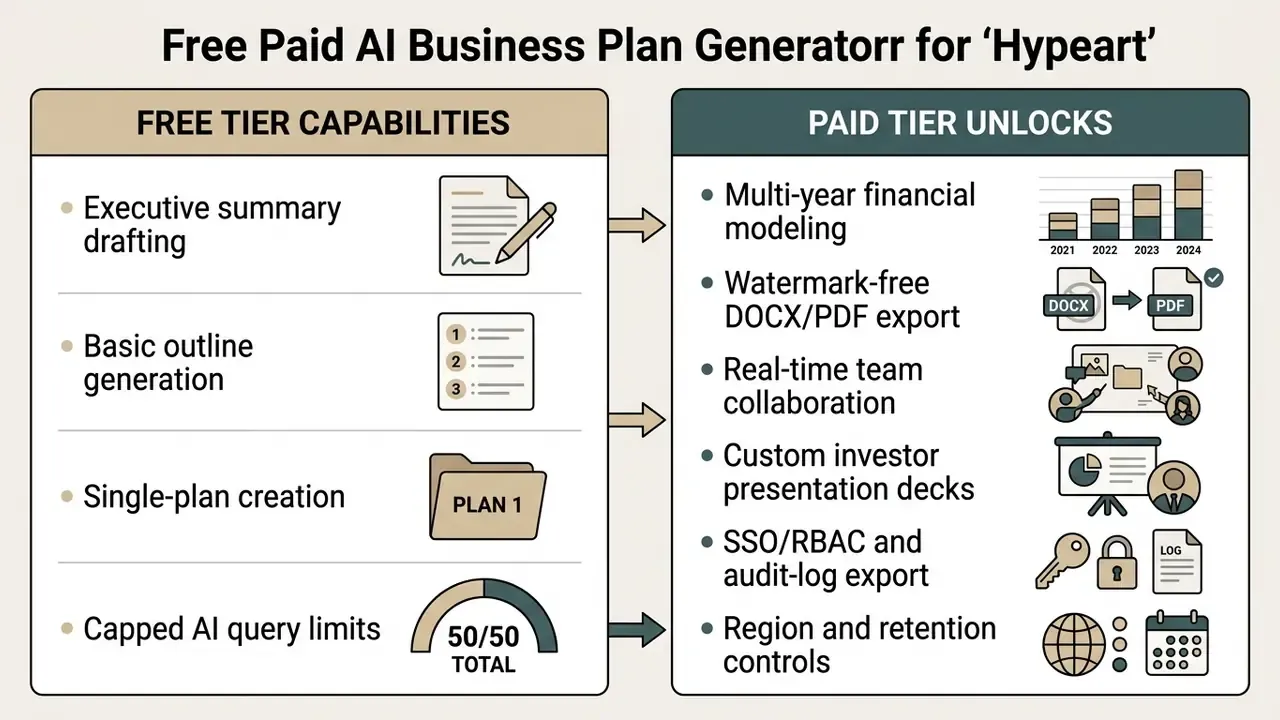
Understanding where an ai business plan generator free tier stops and a paid subscription begins is the core commercial question. A free version delivers an initial draft. A presentation for lenders or equity investors generally needs paid features.
Typical features across pricing tiers as of 2026:
| Feature / Capability | Free Entry-Level Tier | Paid Complete Tier ($15 to $145/mo) |
|---|---|---|
| Generation Quota | Capped (e.g., 1 plan, 25 requests, or 50 lifetime queries) | Unlimited or high monthly credit allocation |
| Financial Projections | Text-based overview or 1-year table | Dynamic 3-to-5 year financial modeling |
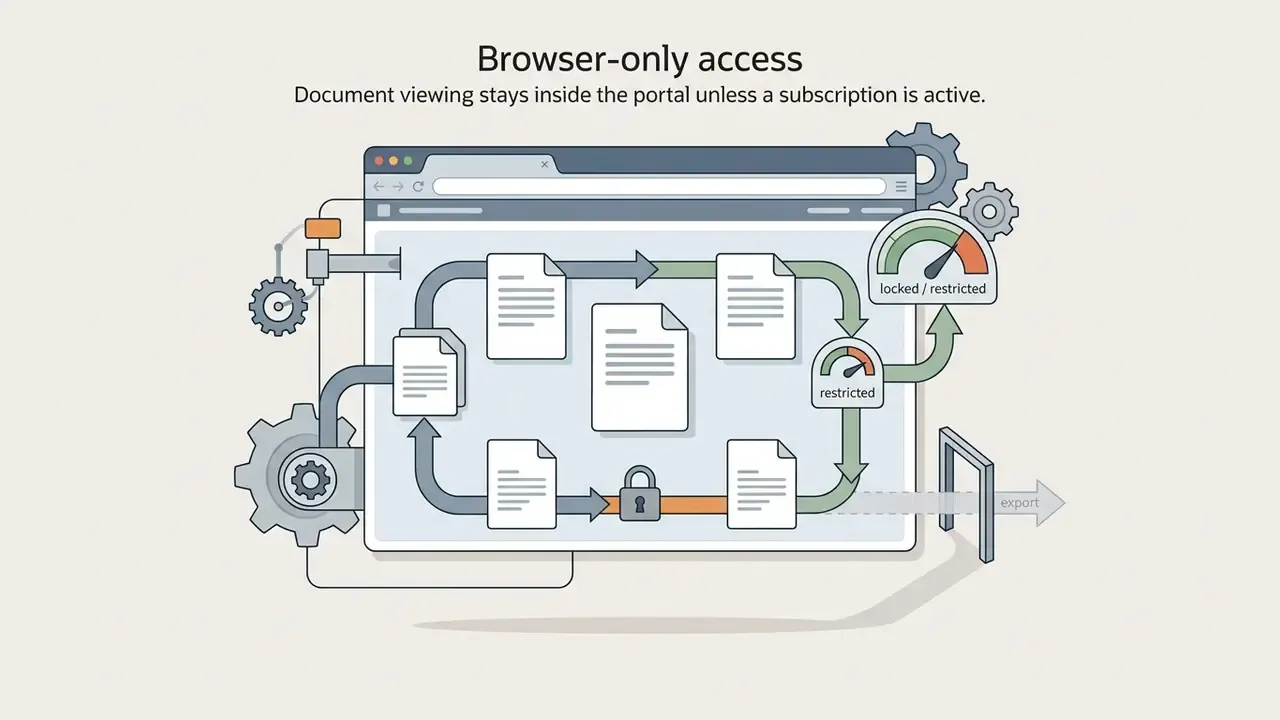
| Document Export | Online viewing or watermarked PDF | Editable DOCX, unwatermarked PDF, PPTX, XLSX |
| Team Collaboration | Single user access | Multi-user editing with role permissions |
| Data Privacy Standards | Standard web privacy policy | Compliance attestations, encrypted account isolation |
| Enterprise Governance | None | SSO, RBAC, audit-log export, retention configuration |
Credit packs, seat pricing, and annual discounts follow near-identical logic across AI categories, which makes adjacent markets a useful rehearsal. Buyers who want to see how tiers and credit burn behave in practice can study pay as you go ai video models, runway ai video tiers, sora ai video plans, pika labs ai credit packs, and pixverse ai pricing, then use the AI Video Plan Selector as a template for scoring planning subscriptions by output volume rather than by feature lists.
What a Free AI Business Plan Generator Can Do
A free ai business plan generator gives you a functional starting point for early idea validation. Anyone searching for an ai business plan generator online free can draft executive summaries, mission statements, and top-level market overviews with no upfront cost, and an ai business plan creator free tier is usually enough to test whether the idea even holds together on paper.
Free platforms, including the Canva AI Generator free tier and basic web tools, typically cap query allocations or restrict output to browser-based markdown text (Canva AI terms, 2026). Realistic free deliverables:
- A one page business overview with company description, problem, solution, and key services.
- An executive summary draft built from idea, mission, products, target market, and pricing inputs.
- A section outline that converts pasted notes into standard plan headings.
- A single-pass market overview naming likely customer segments and competitor categories.
A free business plan draft lets founders test strategic assumptions before spending money on full document production. What a free plan rarely delivers: a reconciled multi-year model, an editable spreadsheet, or an unwatermarked submission-ready file. If someone promises all three for free, read the export clause first.
When a Paid Complete Plan Is Worth Considering
Upgrading becomes necessary when a company must submit formal documentation to commercial banks, angel networks, or institutional venture funds.
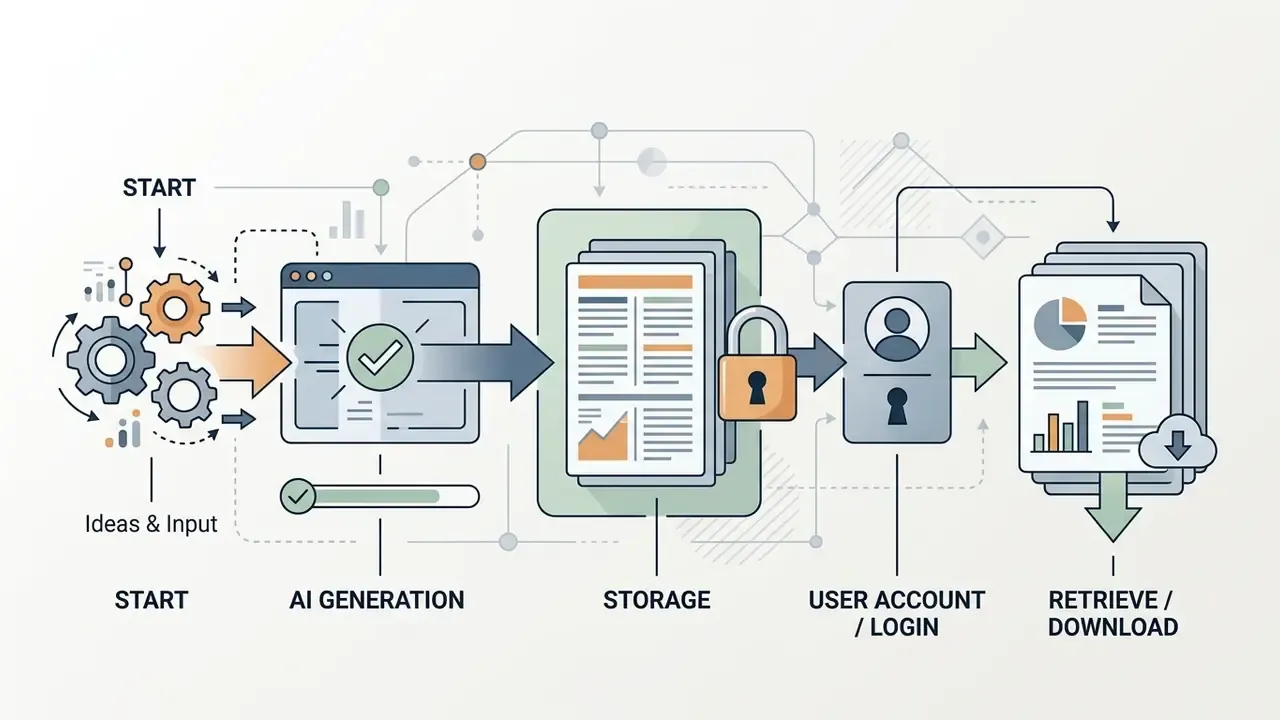
Free Download, Online Access and Export Restrictions
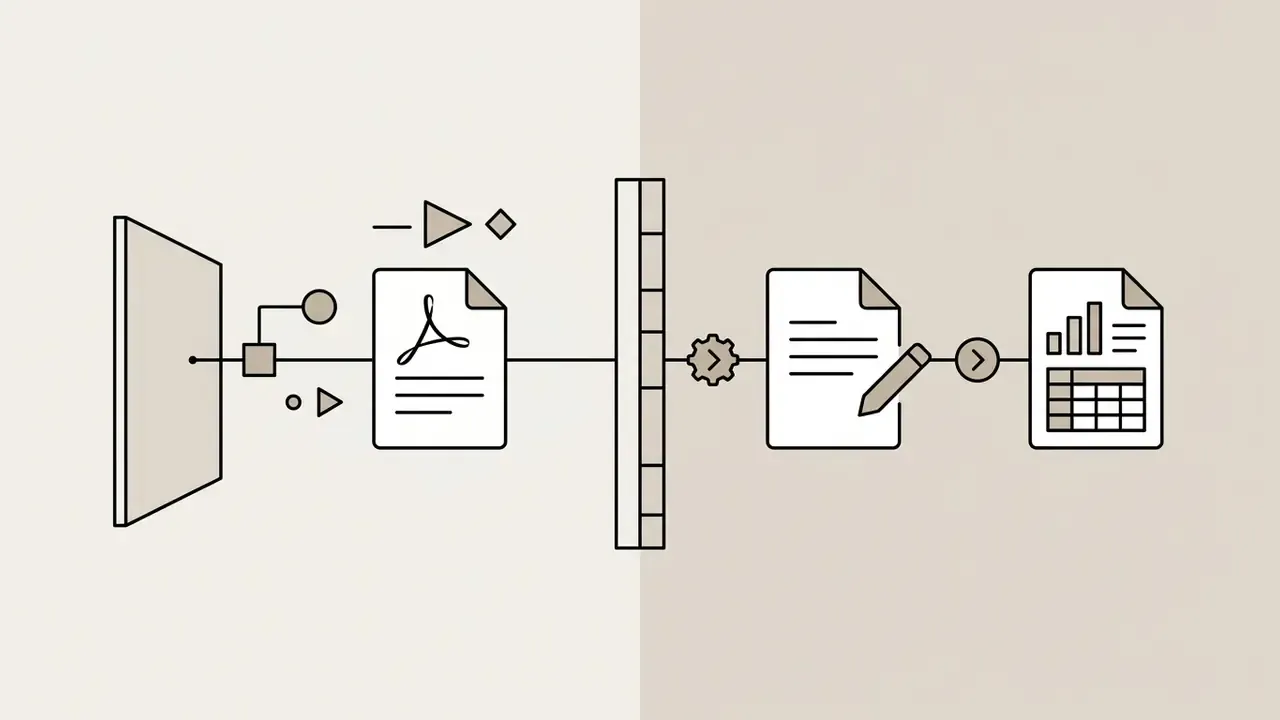
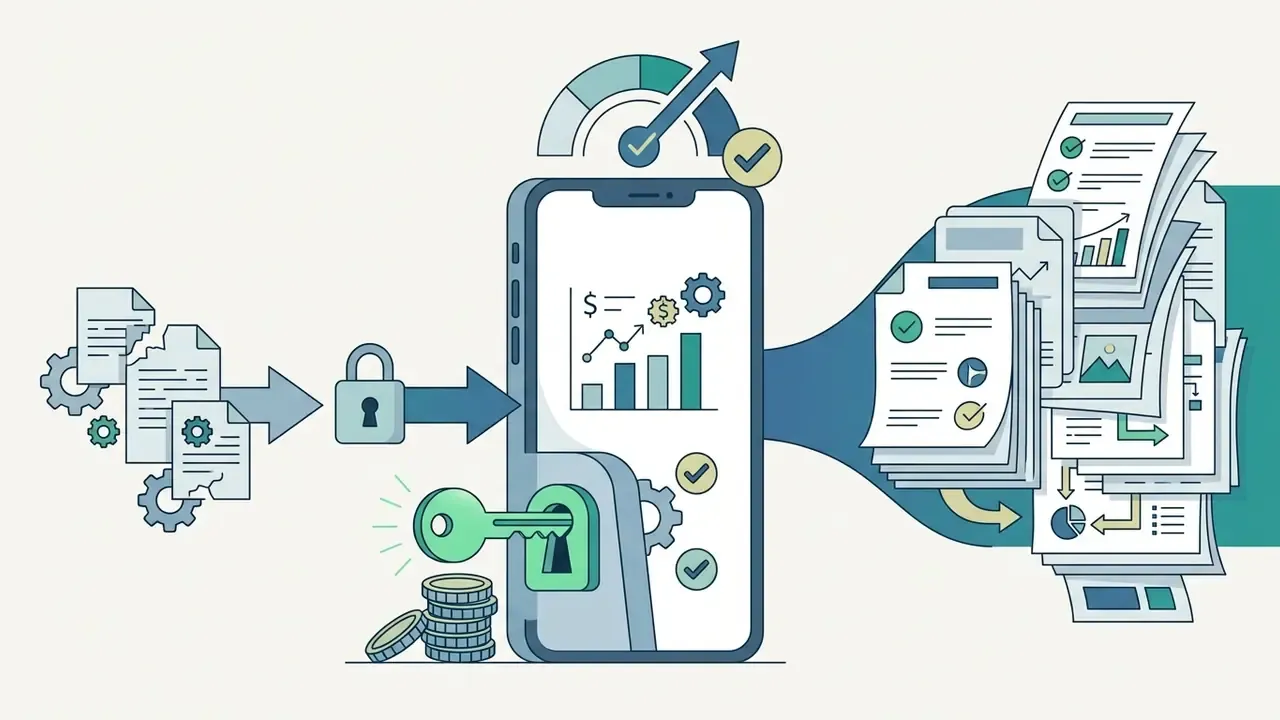
Freemium planning tools love a download paywall. An ai business plan generator free download headline may imply full document access, while the platform actually limits free downloads to a watermarked PDF and reserves editable Word files for paid accounts (Bizplanr public pricing documentation, 2026). The same gating logic documented in a guide to free editors, feature limits and export restrictions transfers almost unchanged to planning software.
Common restrictions:
How to Generate a Better Business Plan With AI
To get a defensible document out of a natural language model, follow a disciplined, iterative loop. Precise inputs, a systematic audit of generated text, and a reworked financial model turn generic output into something a credit committee can read without wincing.
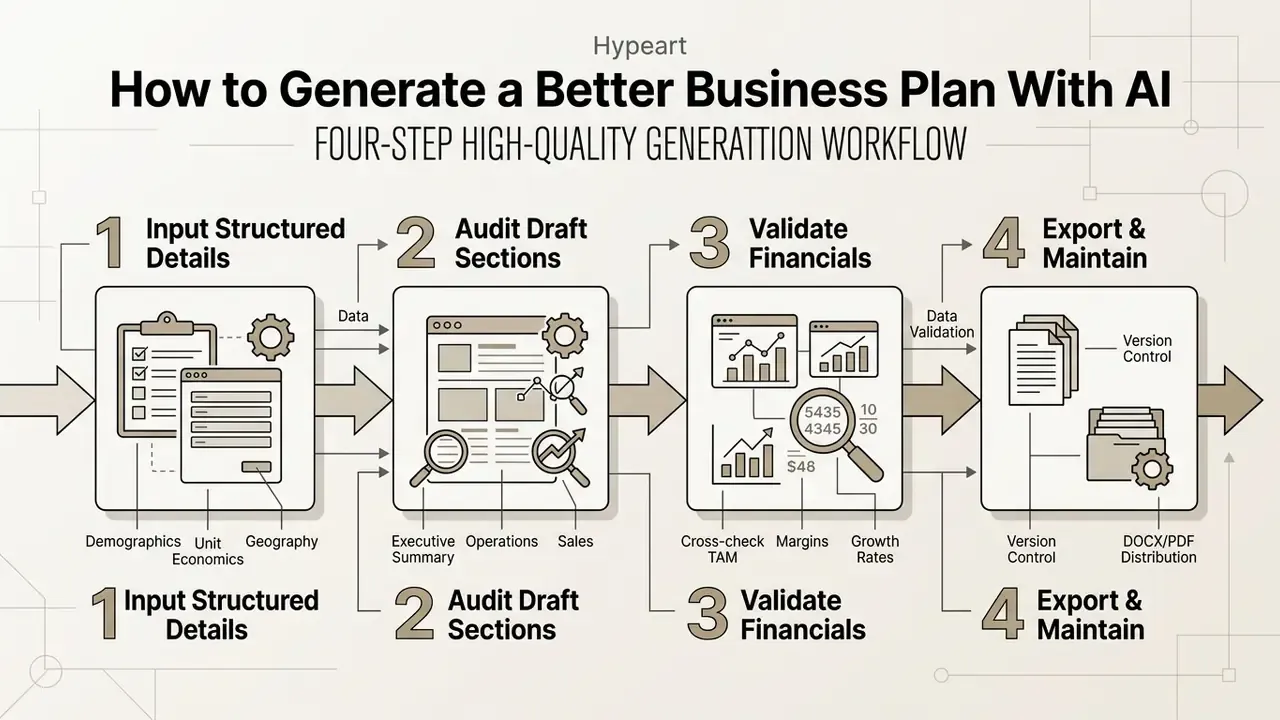
The prompt pattern that consistently beats ad-hoc requests is: objective + audience + business context + concrete metrics + required format + constraints + verification step. Vendor guidance converges on the same logic. LivePlan's prompt guidance recommends defining the objective, supplying specific parameters, and specifying format and tone, while broader AI writing assistance guidance recommends stating purpose, format, audience, and tone up front, then refining through follow-up feedback at every step.
Enter the Business Details AI Needs
Language models need specific operational data to produce tailored content. Feed them generic inputs and you get generic, unpersuasive prose. No way around it.
Four essential data pillars:
A practical fifth input is the constraint set: capacity limits, licensing requirements, lease terms, headcount ceilings. Models rarely invent constraints for you, and unconstrained plans are the single biggest source of implausible growth curves.
Enter the Business Details AI Needs
Target Audience
Customer demographics, buyer personas, decision-maker pain points.
Revenue Streams
Explicit pricing mechanics (monthly SaaS subscription, transaction fee, licensing, direct retail margin) plus expected ARPU.
Unit Economics
CAC, LTV, LTV:CAC ratio, gross margin, churn, payback period, contribution margin per unit.
Market Geography
A bounded focus (regional US market vs. global enterprise distribution), split into global TAM, serviceable SAM, and obtainable SOM.
Generate the First Draft and Review Each Plan Section
Once the details are in, the platform returns a document covering the executive summary, operations, and sales strategy. Audit each section for logical consistency and narrative alignment before you touch the formatting.
In one operational review of an AI-generated draft for an automated logistics venture, the output proposed aggressive national sales expansion that flatly contradicted the operations section's single-region warehouse footprint. The reviewer caught the discrepancy, adjusted the prompt to reflect phased regional rollout, and realigned the narrative across all sections. Ten minutes of reading saved an embarrassing meeting.
A repeatable audit order beats reading front to back:
- Executive summary first: confirm it stands alone and states problem, approach, and ask without boilerplate.
- Operations second: check assumptions, missing inputs, and whether stated capacity supports stated revenue.
- Marketing and sales third: test claimed market size, segments, competitors, and channels against the document's own numbers.
- Financials last: reconcile every revenue driver back to an operational constraint found in step 2.
Refine Market Analysis and Financial Forecasting Before Export
Market size figures and multi-year forecasts produced by artificial intelligence need strict manual validation before the document is final. Models happily extrapolate growth trends and adoption rates without any regard for regional competition or regulatory headwinds.
Updated: cross-check generated TAM/SAM/SOM statistics against primary market research and official economic datasets. Two supervisory sources set the standard of care. OECD analysis of AI and machine learning in finance states that AI-derived inputs should withstand established statistical model-validation methods, that key assumptions and data inputs must be documented, and that conservative adjustments should be applied. IOSCO adds that where a system's behaviour cannot be fully interpreted, market participants should develop methods to validate its outputs independently.
A workable triangulation routine:
- Build a bottom-up estimate from unit price × reachable customers × expected conversion, compare it to any top-down figure the model produced, and explain the variance in writing.
- Replace every AI-generated growth rate with either a cited statistic or a documented internal assumption labelled as such.
- State macro assumptions explicitly (stable macro conditions, continued infrastructure progress, no major adverse regulation) the way formal filings do.
- Run the downside scenario before export, not after a stakeholder asks for one.
Swap unsubstantiated growth claims for stress-tested assumptions built on verified industry benchmarks. That single move converts a pitch document into actionable strategies.
Download, Share and Reuse the Final Document
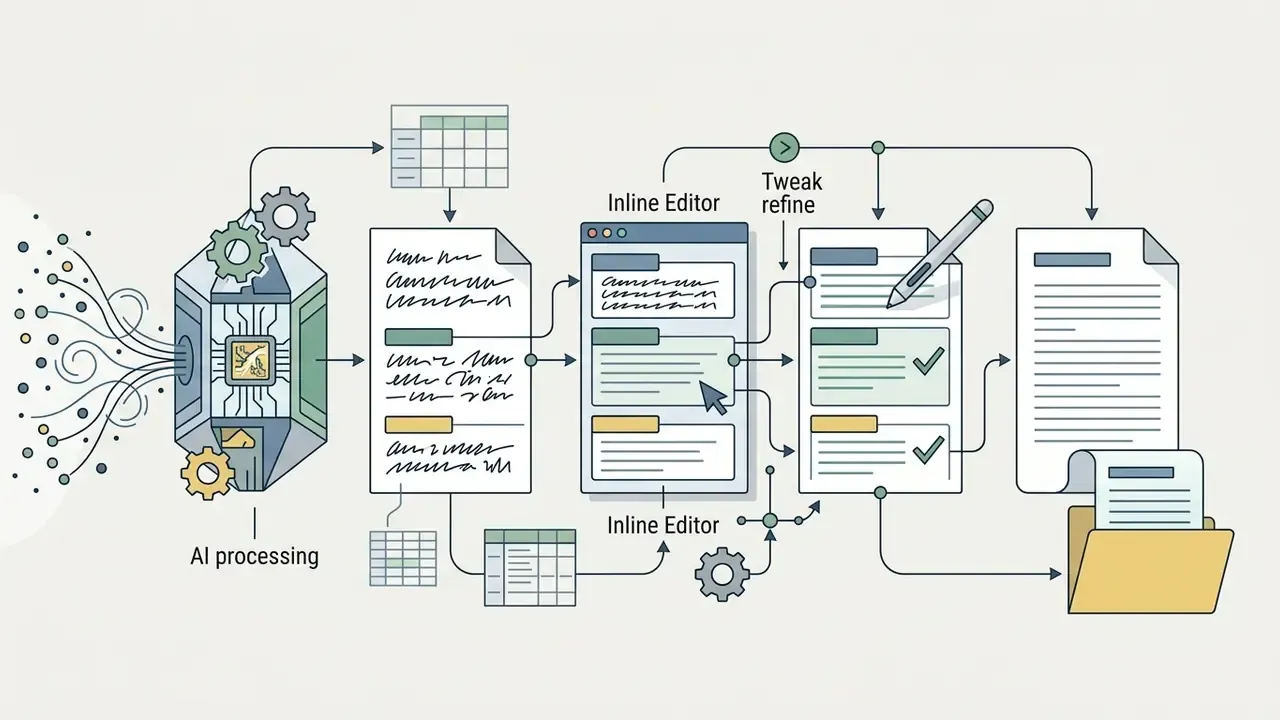
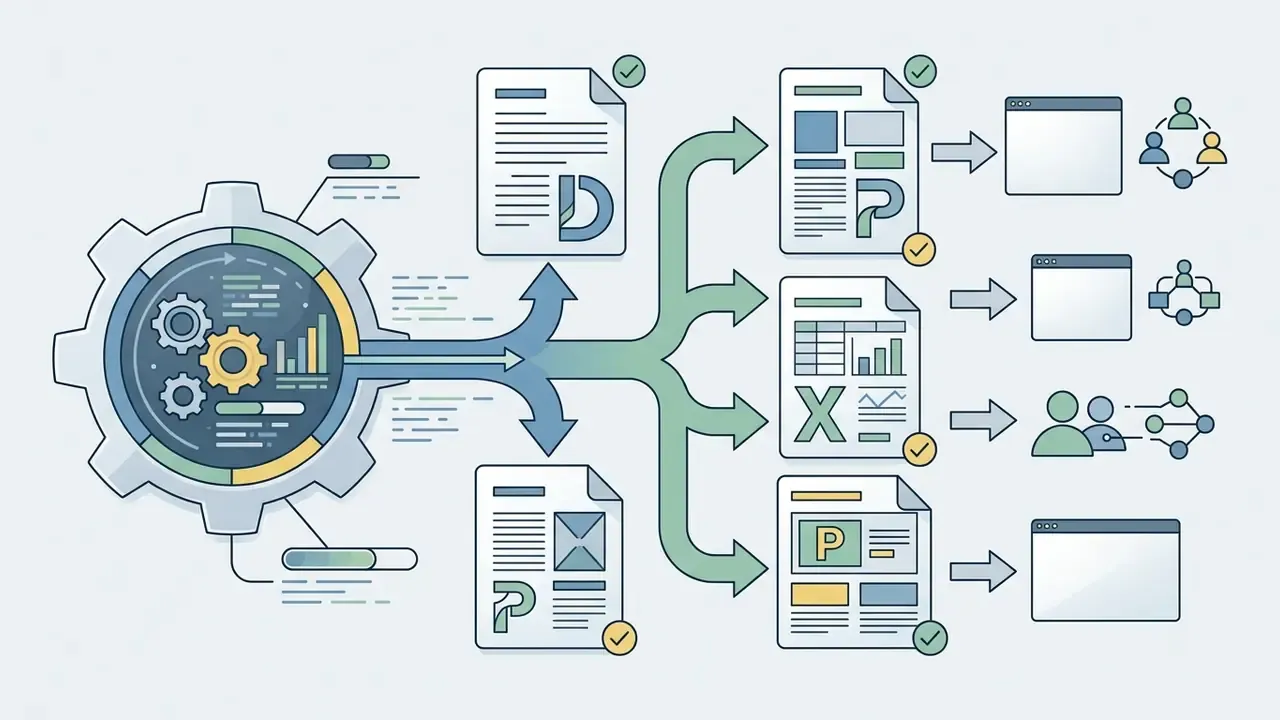
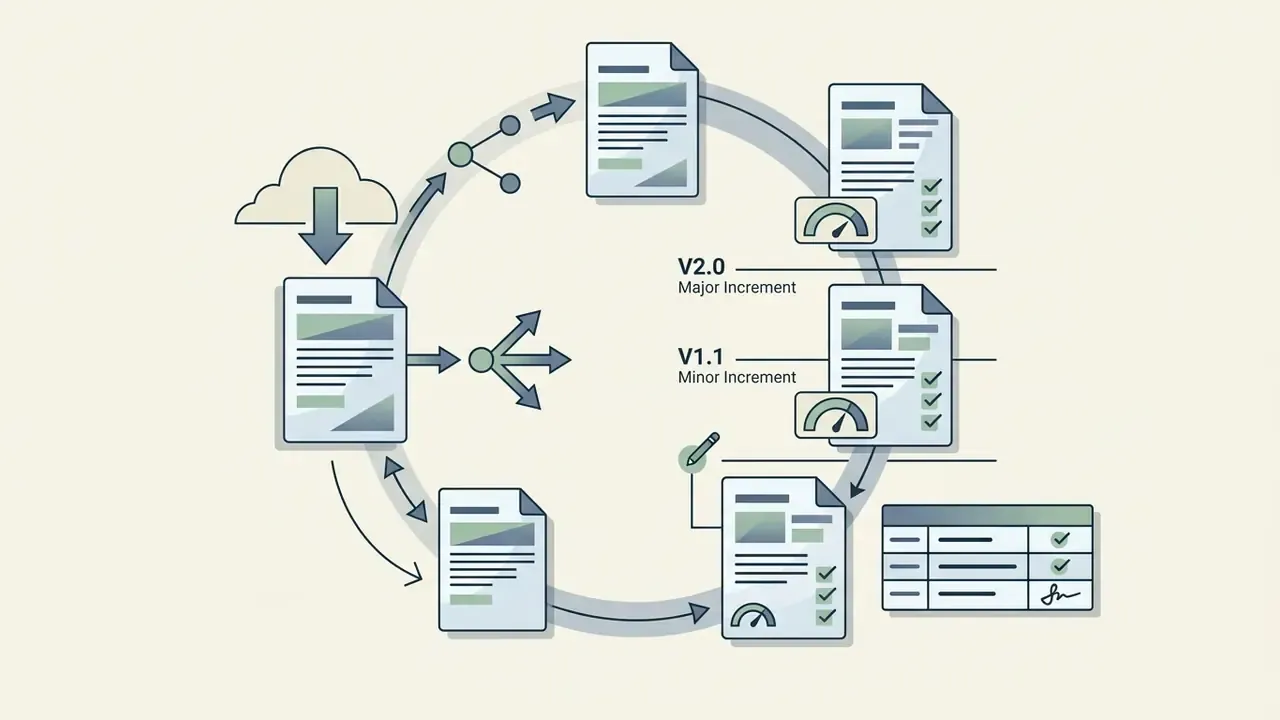
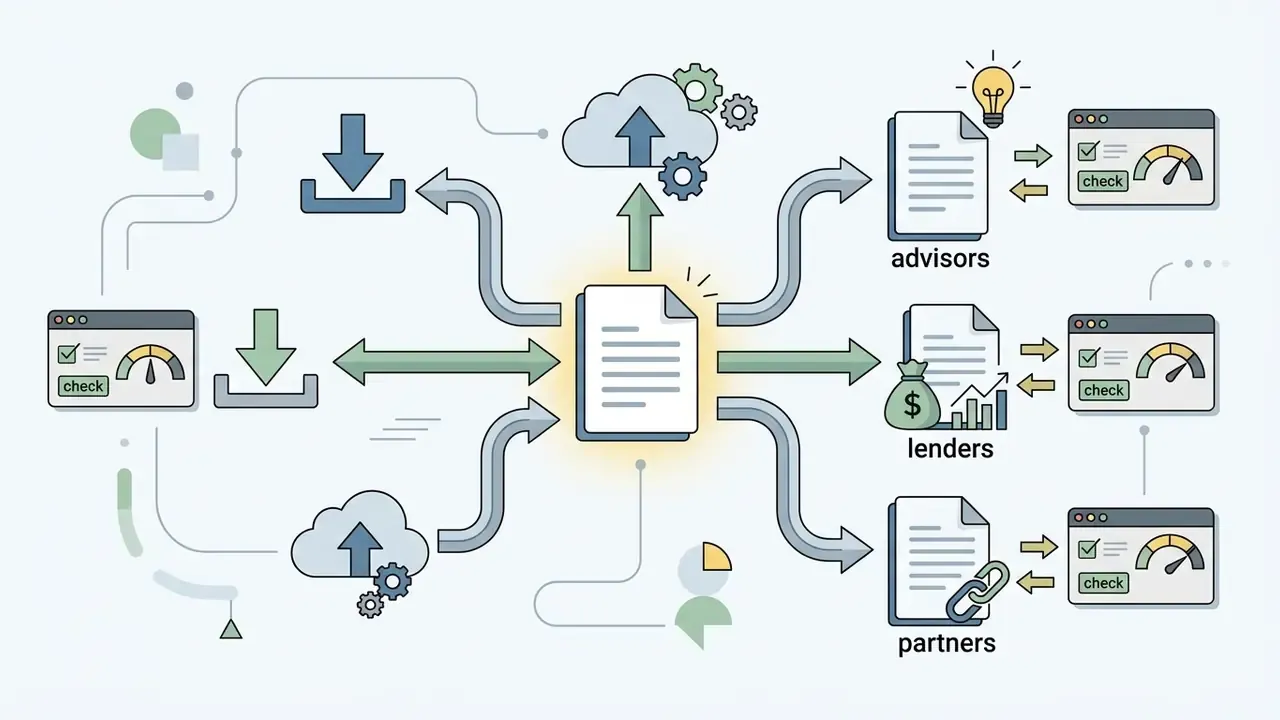
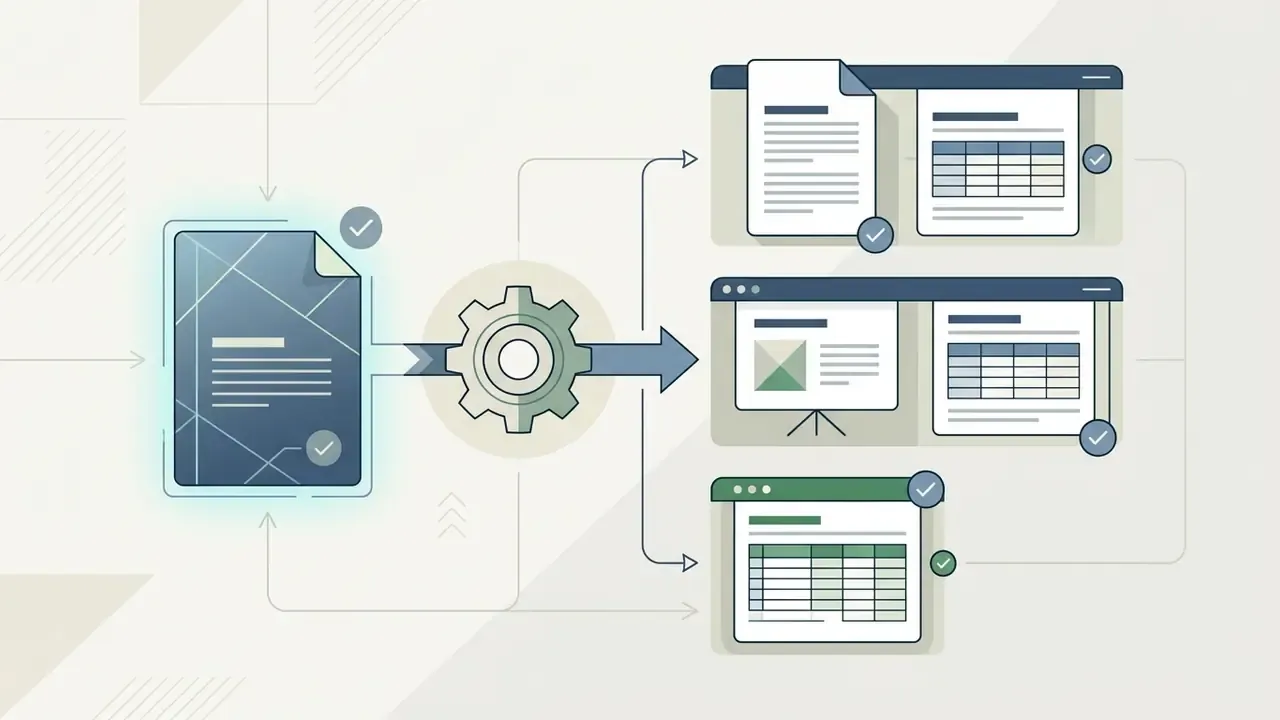
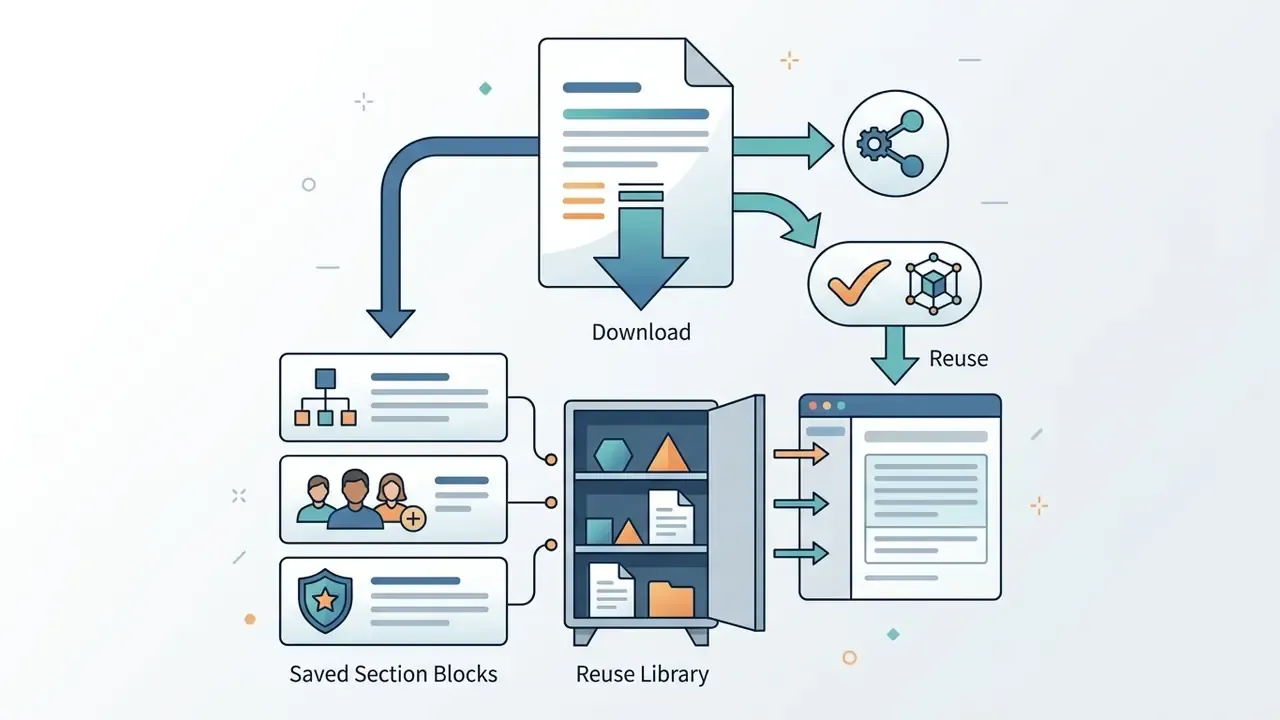
After manual adjustment and financial verification, export to both PDF (for distribution, because it preserves layout) and DOCX or XLSX (for ongoing editing and model updates). Secure storage and version control keep the plan an active operational playbook rather than a one-off artifact.
Maintenance practice that holds up:
Organizations running broader digital asset workflows can consult Hypeart AI Media Decision Support to align planning documents with media production and marketing execution.
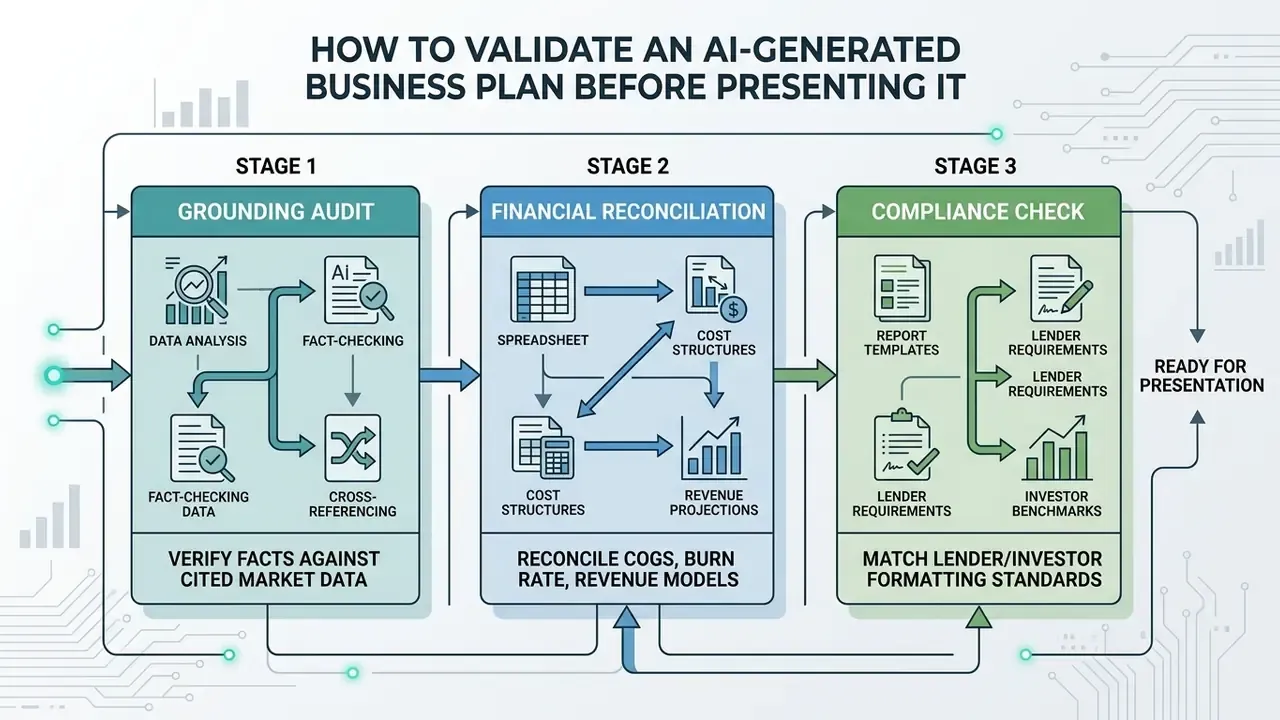
How to Validate an AI-Generated Business Plan Before Presenting It
Before an ai generated business plan reaches institutional investors, corporate lenders, or a board, run a verification audit. AI drafts are prone to factual errors, generic market claims, and financial projections mathematically disconnected from the operations section.
Single-pass AI judgement is itself unreliable, which is why one model's opinion of your plan is not validation:
«Individual LLM evaluations of business models are inconsistent; only aggregating multiple evaluations approaches expert-level ratings.»
Formal assurance standards point the same way. ISO/IEC DTS 42119-3 (2025) recommends that AI verification and validation cover both AI components and their non-AI interactions using formal methods, simulation, and evaluation. ISO/IEC TS 25058:2024 provides an AI system quality model for evaluation. NIST TN 2361 (2026) validates LLM-generated content against grounded technical documents and explicitly labels low source similarity as hallucination.
For readers inside regulated financial institutions, map this stage onto existing model risk management practice. The supervisory expectations familiar from Federal Reserve SR 11-7 and OCC Bulletin 2011-12 (effective challenge, independent validation, documented assumptions, ongoing monitoring) translate almost directly to AI-drafted strategic and financial documents.
Checklist0 / 7
Common Limits of AI-Powered Business Planning
Language models work from statistical word associations, not real-time economic reasoning. The resulting boundaries are predictable, and they have to be managed by a human:
- Lack of hyper-local data Tools rarely hold current neighborhood-level real estate, labor, or licensing data for a specific municipal market.
- Data latency Finance-focused reviews note that forecasting depends on historical data and periodic ingestion cycles, which dulls responsiveness to live market signals.
- Over-optimistic growth modeling Algorithms project smooth compound revenue growth and ignore seasonal churn, supply chain disruption, and macroeconomic downturns.
- Weak autonomous constraint logic As the arXiv benchmark in Section [3] shows, unaided models satisfy formal planning constraints only about 12% of the time.
- Run-to-run instability Strategy literature recommends repeating prompts and auditing reasoning, because outputs shift materially between generations.
- Risk of "AI washing" claims The US Securities and Exchange Commission warns that unsubstantiated AI claims or unverified financial predictions presented to investors can constitute materially misleading statements (SEC Investor Alert on Artificial Intelligence and Investment Fraud, 2024). SEC guidance from March 2024 states that AI-related projections must have a reasonable basis, and enforcement that month targeted advisers making false AI claims.
AI Business Plan Generator FAQ
How Long Does It Take to Create a Business Plan Using AI?
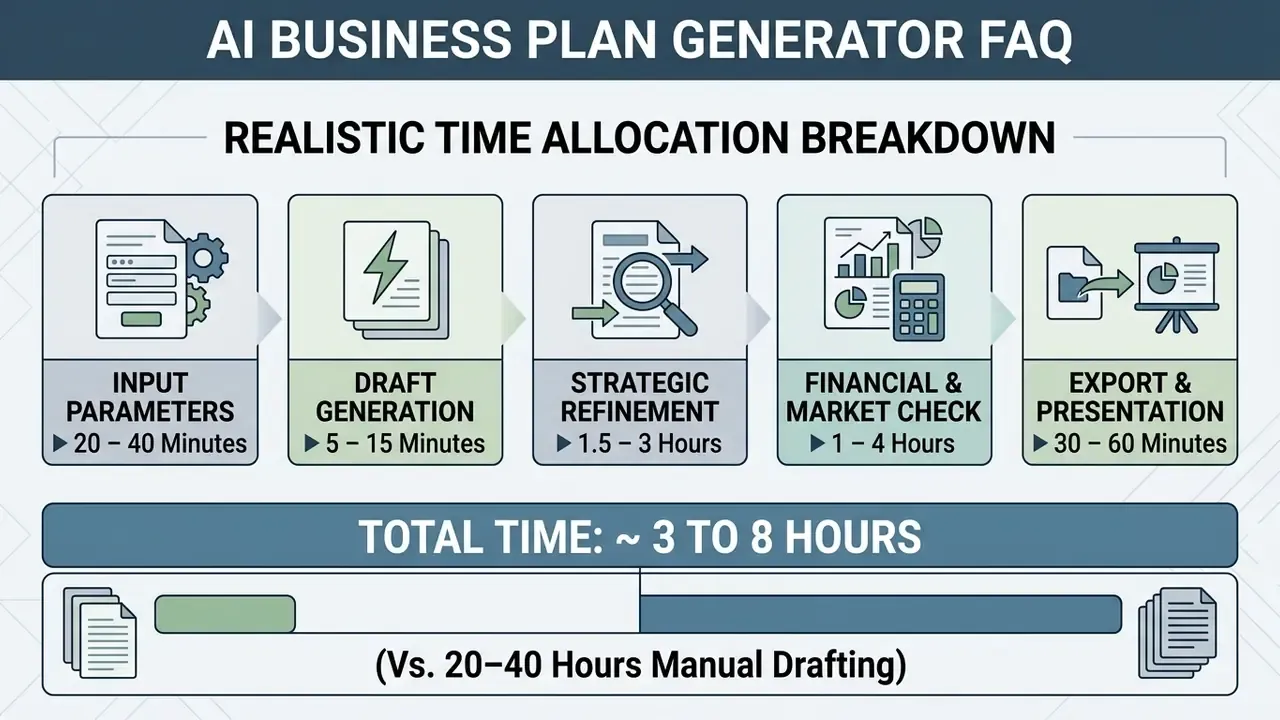
Generating an initial draft takes roughly 15 to 30 minutes. A fully audited, investor-ready business plan usually takes 3 to 8 hours in total, counting human review, data verification, and polishing.
Updated: discount vendor time claims heavily. One platform advertises an average completion time of 1.6 minutes, another claims 1 to 3 hours end to end, while independent practitioner reports put a full AI-assisted plan at 6 to 8 hours, including 3 to 5 hours of drafting and about an hour of final editing. The verified efficiency evidence is narrower and more credible:
«AI-driven decision support reduced decision time by 35% versus traditional spreadsheets in a startup decision-making context.» — Comparative Analysis of AI-Driven Decision Support Systems and Traditional Spreadsheets, SSRN (2025). https://ssrn.com/abstract=5089123
At the enterprise level, Boston Consulting Group's 2024 analysis of AI-driven integrated business planning reports planning cycle-time reductions of 30% to 40%, crediting part of the gain to automated data feeds shortening forecast development (Boston Consulting Group, 2024). Against traditional manual plan creation, generally 20 to 40 hours of writing and spreadsheet formatting, those numbers support a realistic time saving of roughly 60% to 80%. Not the near-instant output some vendor pages imply.
Do I Need Prior Business Planning Knowledge?
No formal planning background is needed to produce a draft. Guided tools collect business description, industry, target market, revenue model, pricing, and financial estimates through structured questions. Judgement is another matter. The SSRN evidence in Section [5] shows AI assistance helped strong operators and hurt weak ones, so the decisive skill is not drafting but assumption auditing.
Can an AI Generator Produce a Complete, Investor-Ready Plan on Its Own?
It produces a detailed first draft covering market analysis, goals, operations, and financial projections. It does not produce a submission-ready document, because market figures, unit economics, and compliance language must be verified and owned by a human. Vendors themselves recommend customizing output with proprietary insight and real data.
Which Industries Are Supported?
Practically all of them. Documented template coverage spans startups, consulting, construction, restaurants and food trucks, salons and barber shops, real estate and rental property, home care, coaching, conferences, crypto, franchise operations, and non-profits. Check the framework matrix in Section [7A] for the sections each reader type expects.
Can I Export to Word, Excel, or PowerPoint?
That depends on the tier. Free plans commonly allow PDF only or browser viewing, while editable DOCX, XLSX financial models, and PPTX decks are paid features. Confirm export formats before you build a plan you intend to iterate on, because a locked PDF forces you to rebuild the model elsewhere.
Can I Generate a Plan in Another Language?
Yes. Several generators support 20+ languages, including Spanish, French, German, Italian, Hindi, Chinese, Japanese, Russian, Turkish, Vietnamese, Thai, and Polish. Have a native speaker review financial and regulatory terminology, and re-check currency and number formatting against the source model.
Is There a Genuinely Useful Free Option?
For validation work, yes. An ai business generator free tier, or an ai business model generator free canvas builder, is usually enough to pressure-test a concept, draft a one-page overview, and decide whether the idea deserves a paid subscription. For anything entering a credit file, no.
Is It Safe to Enter Confidential Financials?
Only into tools approved by your organization's security and privacy function, and only after reading the retention and training clauses. Prefer vendors offering explicit no-training commitments, account-isolated encryption, SSO/RBAC, and audit-log export. Pasting internal documents into an unsanctioned consumer tool is the textbook Shadow AI incident.
What Is the Single Most Common Failure Mode?
Financial sections that sound confident and are arithmetically disconnected from operations. Revenue growth exceeding stated production or staffing capacity, for example. Catch it by auditing operations before financials, as described in Section [18].
Strategic Decision Summary
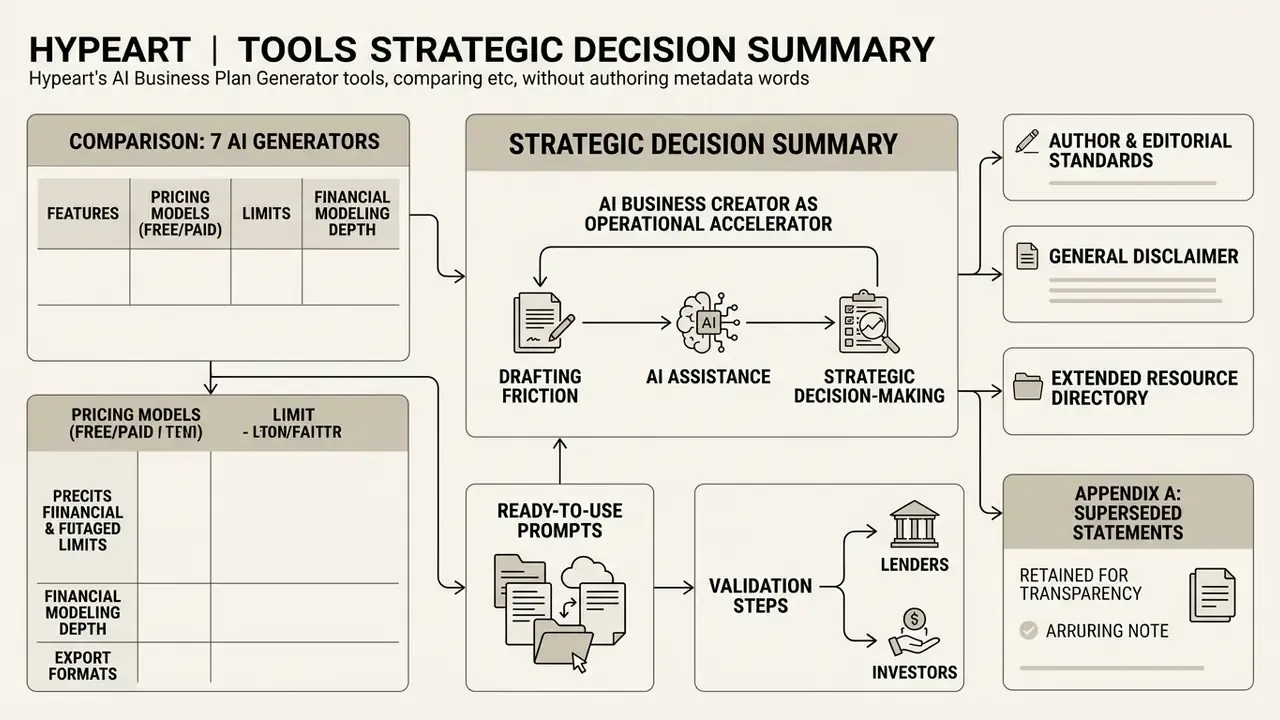
An ai business creator works best as an operational accelerator against drafting friction. It structures raw ideas into cohesive executive summaries, operational frameworks, and initial financial models, which lets founders move from concept to refined execution strategy in hours rather than weeks. Choose the platform by submission target (lender formatting, investor visuals, or raw prompt control) rather than by marketing claims about generation speed.
Governance is the other half of the deal. Verify market data, stress-test financial models against real economic benchmarks, label every unverified figure as an assumption with an owner, and hold the line on data privacy before any plan leaves the building. The measurable advantage belongs to operators who treat the business plan maker as a drafting engine under human accountability, not as a decision engine. No evidence, no autonomy.
Extended Resource Directory
To evaluate commercial software options, pricing frameworks, and adjacent AI capabilities used in business documentation, explore the specialized guides below:
- Tool Selection Frameworks: Compare platform capabilities and licensing side by side through AI Media Comparison.
- Pricing and Plan Evaluation: Review detailed subscription and credit-model breakdowns in our AI Media Pricing Guides.
- Plan Sizing by Output Volume: Score tiers against expected usage with the AI Video Plan Selector.
- Free-Tier Limits and Export Gating: Understand freemium watermark, quota, and download restrictions in our guide to free editors and their feature limits.
- Voice-to-Plan Input Layer: Evaluate dictation accuracy, language coverage, and licensing in our guide to AI voice generators.
- Visual Assets for Pitch Material: Select imagery tooling with our comparison of the best AI art generators.
- Platform-Specific Licensing: Review design-suite features, export options, and commercial terms in our Canva AI Generator overview.
- Resource and ROI Modeling: Project budget requirements with our AI Media Calculators.
- Alternative Selection: Explore competitive platform choices arranged by commercial use-case through AI Media Alternatives by Reason.
Appendix A: Superseded Statements Retained for Transparency
For auditability, the earlier phrasing of statements revised in this update is preserved below.