«An AI citation generator is fundamentally an automated processing engine for scholarly metadata. Without systematic validation against primary databases, automated references remain unverified model outputs subject to hallucination risks.»
Last updated: February 2026 · Reviewed by: editorial specialists in academic writing, model risk, and AI governance
Executive summary for researchers and risk owners
- What it does ingests a DOI, URL, ISBN, PDF, or raw text; extracts bibliographic metadata; normalizes fields; and formats output into APA, MLA, Chicago, Harvard, IEEE, Vancouver, AMA, or Turabian references, reference lists, bibliographies, and works cited pages.
- Where the risk sits ungrounded generative models fabricate references. Measured citation accuracy in commercial LLMs ranges from 12.9% to 78.6% depending on model and domain, and hallucination rates in large-scale audits span 14.23% to 94.93%.
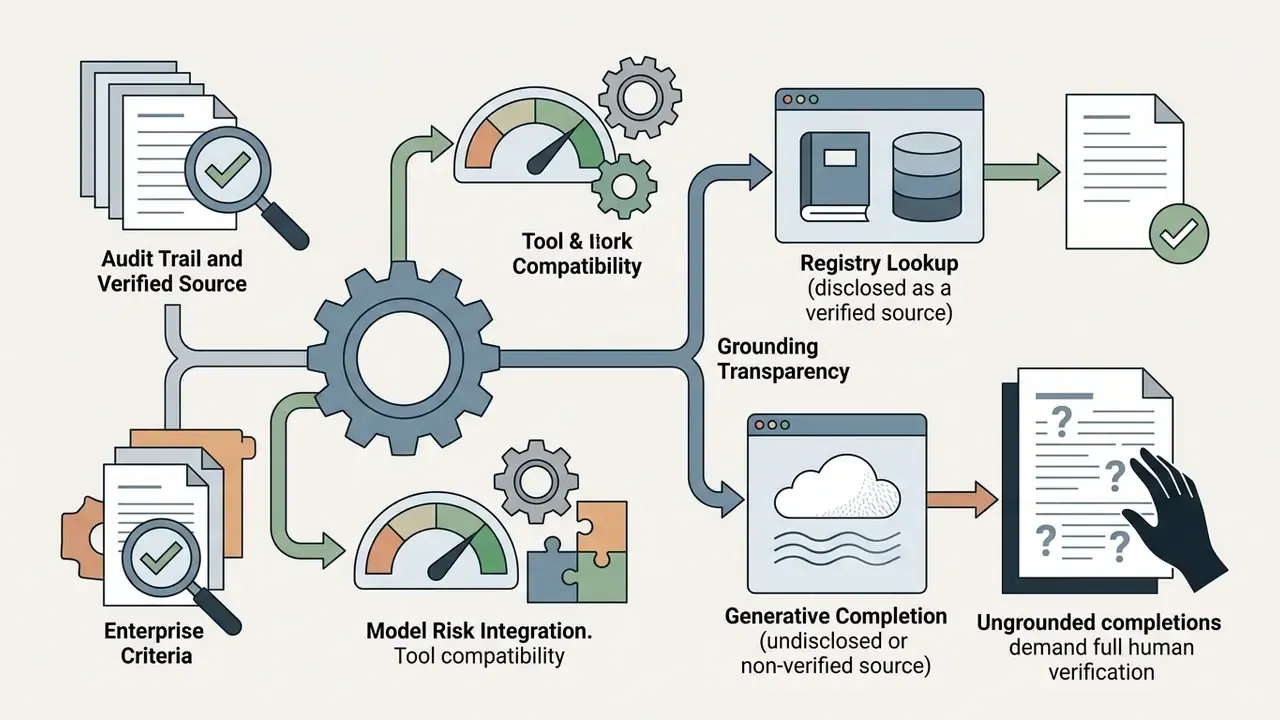
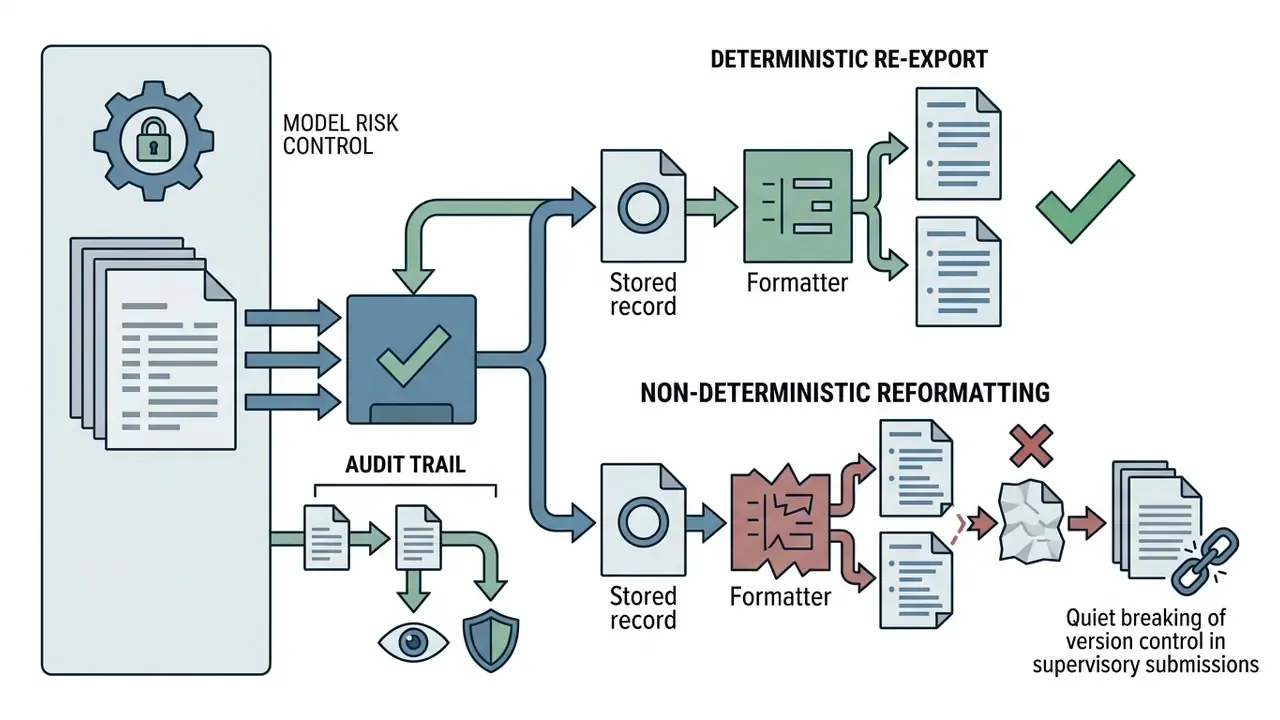
- What controls are mandatory existence check, metadata alignment, identifier resolution, contextual relevance, plus a documented audit trail if outputs enter regulated, clinical, or supervisory deliverables.
- Where the data goes browser-side tools (
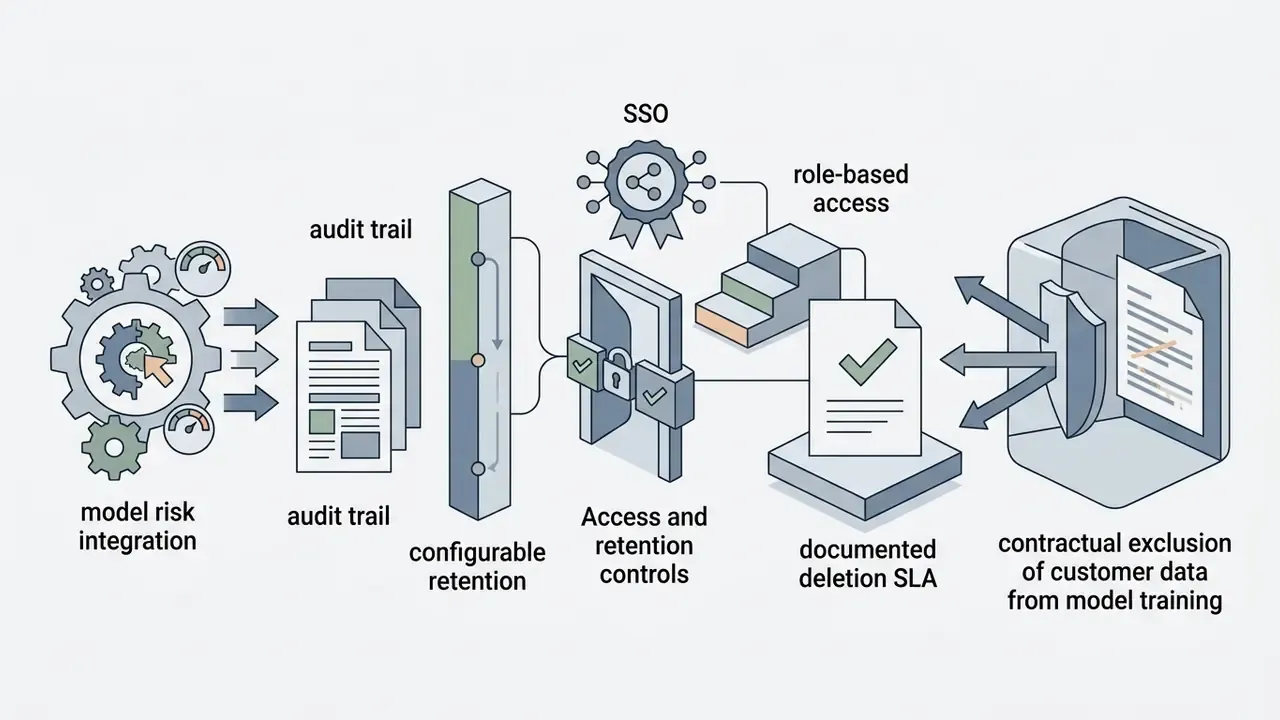
IndexedDB,localStorage) keep reference data on the device; account-based cloud tools retain uploads and export files for documented windows (30 to 90 days in published vendor policies, with usage logs sometimes retained up to 24 months). - What to standardize one approved generator, one export path (BibTeX / RIS / Word / Google Docs), one verification checklist, one Shadow AI policy.
Who this guide is for and how to read it
Two readerships tend to arrive here through very different doors.
Researchers, doctoral candidates, and technical writers usually want mechanics: which styles are covered, how to convert an entire manuscript from MLA to Vancouver, whether the free tier will survive a 200-item reference list. Governance readers, meaning heads of model risk, compliance officers, and AI oversight leads at banks and mature fintech firms, want something else. They want to know what evidence exists after the tool has run, and who signs for it.
A practical reading order: One caveat, stated early: audience assumptions in this piece are working hypotheses drawn from search intent and published vendor documentation, not from proprietary customer research.
- Start with the accuracy and verification sections if automated references will appear in anything reviewed by an examiner, an editor, or an audit committee.
- Move to the style sections once the verification protocol is agreed. Formatting fidelity is the easy part.
- Read the privacy and Shadow AI material before anyone uploads an unpublished manuscript or client-linked document.
- Use the enterprise criteria section to write the tool-approval memo.
What an AI citation generator is and how it builds citations
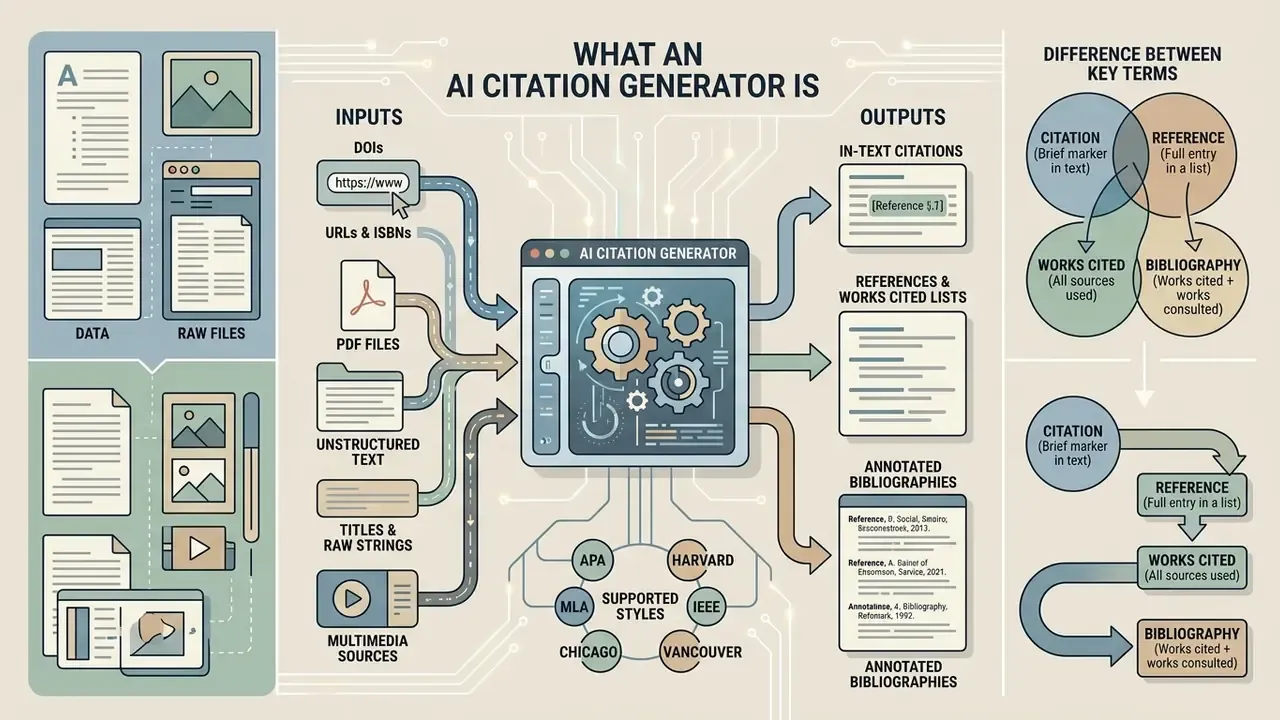
An ai citation generator (also called a citation generator ai or an ai citations generator) is a software tool that ingests source metadata or raw document text and returns structured academic references. Instead of hand-copying titles, publication years, and DOIs, researchers use these tools to convert inputs into compliant references across standardized styles.
Modern citation tools process inputs through a multi-stage pipeline: source ingestion, metadata field extraction (author names, publication titles, container details), field normalization, duplicate resolution, database cross-referencing, and stylistic transformation. When powered by large language models or API integrations with registries such as Crossref, DataCite, OpenAlex, and PubMed, a citation ai generator identifies structural components inside academic documents and formats them according to a specific publication manual. Several pipelines also strip URL tracking parameters and split page ranges into first_page and last_page fields, in line with Crossref's bibliographic metadata requirements.
In enterprise research and academic settings, evaluating these tools means weighing processing speed against factual integrity. Empirical work shows that generative systems operating in ungrounded "closed-book" mode produce plausible but entirely fabricated citations. The scale is measurable, not anecdotal:
«All 13 tested LLMs produced non-existent citations: hallucination rates ranged from 14.23% to 94.93% depending on the model and prompting conditions.»
Which data can be used to create a citation
An ai source generator or ai sources generator accepts several input modalities when building bibliographic entries, both structured identifiers and unstructured text:
- Digital Object Identifiers (DOIs) persistent links that pull validated metadata from registries such as Crossref or DataCite.
- URLs and ISBNs web links and book identifiers parsed through web scrapers and library catalogs.
- PDF files uploaded manuscripts analyzed with optical character recognition (OCR) and document structure parsing, including scanned files where the text layer has to be reconstructed before metadata extraction.
- Unstructured text an ai citation generator from text or ai reference generator from text pulls implicit metadata from raw abstracts, paragraphs, or unformatted reference lists.
- Titles and raw citation strings partially formatted references pasted from older drafts, which the parser re-maps to a canonical record.
- Multimedia and non-print sources extraction of timestamps, channel handles, episode numbers, production IDs, and repository DOIs for YouTube videos, podcasts, films, artworks, blog posts, online news articles, images, government reports, software repositories, preprints, and datasets hosted on Figshare, Zenodo, or institutional archives.
When you work with an ai reference generator from text, the software reads linguistic context to isolate author names, publication years, article titles, and journal venues before mapping them to target database schemas. Extraction quality is bounded by input quality. Messy inputs, meaning scanned PDFs, broken URLs, and inconsistent source strings, are documented causes of parsing failures, missing authors or DOIs, and wrong reference types. Vendor documentation confirms the pattern rather than a precision rate: DOI input pulls official metadata from Crossref, free-text input relies on probabilistic matching, and independent per-field accuracy benchmarks for text-only extraction remain limited public data.
The difference between citation, reference, bibliography, and works cited
Terminology matters when you configure an ai format generator for submission. These words get swapped around constantly, yet they carry distinct structural roles:
- Citation (or in-text citation)
- a brief inline pointer inside the narrative body, for example a parenthetical author-date pair or a superscript number, showing that a claim came from an external source.
- Reference
- a complete bibliographic record containing every descriptive field needed to locate one published work.
- Reference list
- an end-of-document collection holding only the sources actually cited in the manuscript body (standard in APA and Chicago author-date).
- Bibliography
- a broader inventory covering cited sources plus background material consulted during research (common in Chicago notes-bibliography style).
- Works Cited
- the MLA term for the alphabetized list of directly cited sources, mapped one-to-one against in-text citations.
How accurate are AI-generated citations, and what must be verified
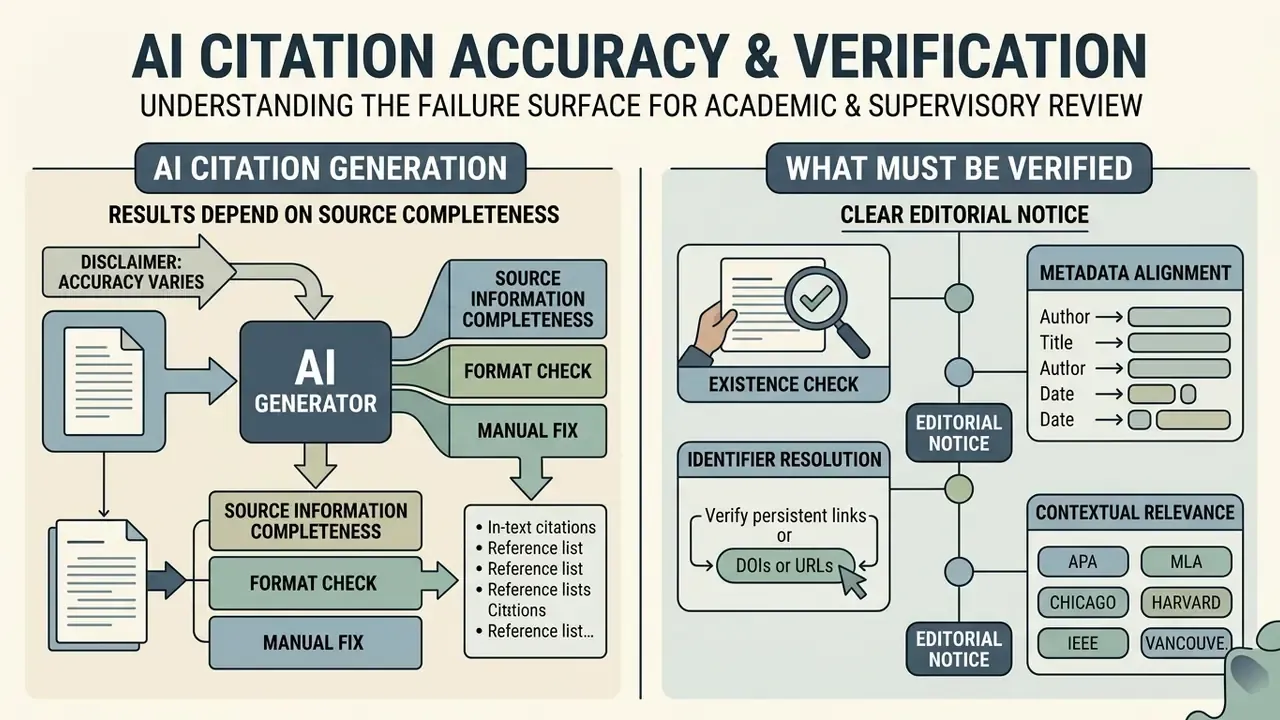
Before picking a style or assembling a list, anyone writing under academic, clinical, or supervisory review should understand the failure surface. An ai cite generator speeds up reference preparation, yes. Error-free it is not. Peer-reviewed studies show that unassisted generative models routinely produce fabricated or corrupted references, a phenomenon known as citation hallucination.
A 2026 study indexed in PubMed (PMID: 42161604) evaluated citation accuracy across commercial LLMs answering medical literature queries. Reported accuracy: 78.6% for DeepSeek, 51.4% for ChatGPT, 51.4% for Copilot, and 12.9% for Gemini. Dominant failure modes were non-existent DOIs, corrupted author lists, and irrelevant source attributions.
«In radiology, only 124 of 343 ChatGPT-supplied references were retrievable online, and just 47 actually supported the corresponding answers.»
A 2023 MedRxiv study on ChatGPT-3.5 and medical questions found something similar, and worse in proportion: 69% of evaluated references, 41 of 59, were completely invented, mixing real author names with titles that never existed.
«Of 59 verified references, 41 (69%) were fabricated: real author names were combined with non-existent article titles.»
And these errors no longer stay inside chat sessions. They reach the published record:
«An estimated 146,932 hallucinated references appeared across four major repositories in 2025: the share on arXiv was 0.39%, and on SSRN 1.91%.»
An independent 2024 study in the Journal of Medical Internet Research found generated citations were real 72.7% to 76.6% of the time and substantively accurate 61.7% to 67.3% of the time, putting overall reliability near 60%. A 2025 review indexed in PMC aggregated six studies covering 732 citations and found roughly 51% fabricated, with GPT-4 reducing but not eliminating fabrication relative to GPT-3.5.
Why results depend on the completeness of source information
Accuracy degrades sharply when input data is thin or ambiguous. Given a partial snippet or a broken URL, a generative model completes the pattern from statistical token correlations rather than a database lookup. Missing metadata pushes the model to invent a plausible year, journal venue, or volume number simply to satisfy the visual shape of a citation.
Quantified evidence, with attribution:
«Under temporal constraints on citable literature, none of the 13 evaluated models exceeded 47.5% verifiable references; the share of unresolvable citations rose sharply.»
The same body of research on retrieval-augmented pipelines documents that when models work from partial evidence instead of full-text grounding, reference accuracy falls from roughly 85% to 60% while fabrication climbs from 2% to 48%. More uncomfortable still: 72% of partial-evidence errors were emitted with model confidence above 0.7. High confidence is not a usable proxy for correctness. Ever.
A 2023 peer-reviewed review adds a non-technical driver of the same failure. Citing abstracts or secondary literature without reading the full paper structurally raises citation error rates, because the primary evidence was never examined. Human shortcut, machine amplification.
How to check format and manually fix a citation
Academic integrity here rests on a systematic protocol, not on vibes:
- Existence checkconfirm the document exists by querying its title or DOI in Google Scholar, PubMed, or Crossref.
- Metadata alignmentverify that author names, publication year, article title, and journal volume match the primary source exactly.
- Identifier resolutionclick the DOI link (
https://doi.org/...) and confirm it resolves to the publisher page. Broken and invented links are common at scale:
«An analysis of 53,090 URLs from 10 models showed that 3 to 13% of links were hallucinated and 5 to 18% did not resolve at all.»
- Contextual relevance: read the abstract and confirm the paper actually supports the claim made in your text.
Knowing how citations break shortens review time, because each failure mode needs a different repair:
«An analysis of 100 hallucinated NeurIPS 2025 citations identified five failure modes: full fabrication (66%), partial attribute corruption (27%), identifier substitution (4%), and others.»
Full fabrication means replacing the source. Attribute corruption means field-level repair from the registry record. Identifier substitution means re-resolving the DOI. Teams running verification at volume often pair this protocol with AI content detectors and provenance checks, mostly to document that outputs were reviewed rather than waved through.
Checklist0 / 10
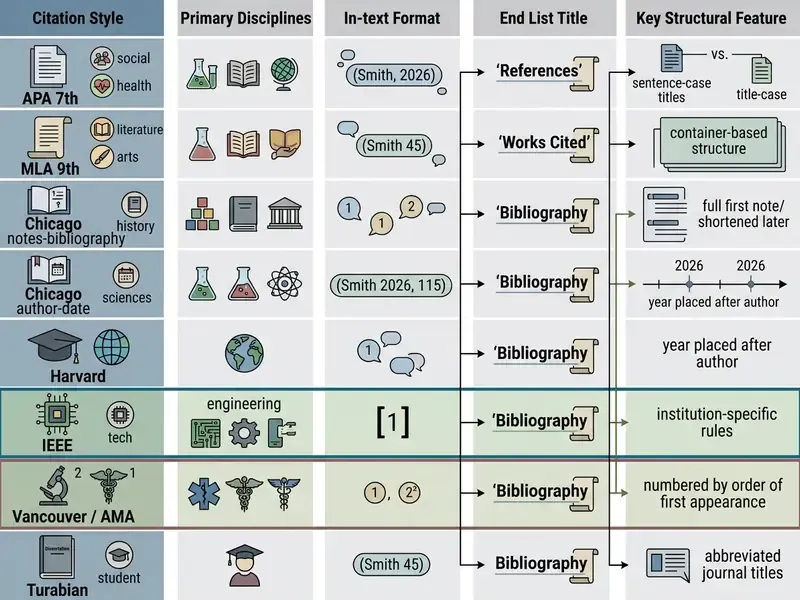
Which citation styles an AI citation generator supports
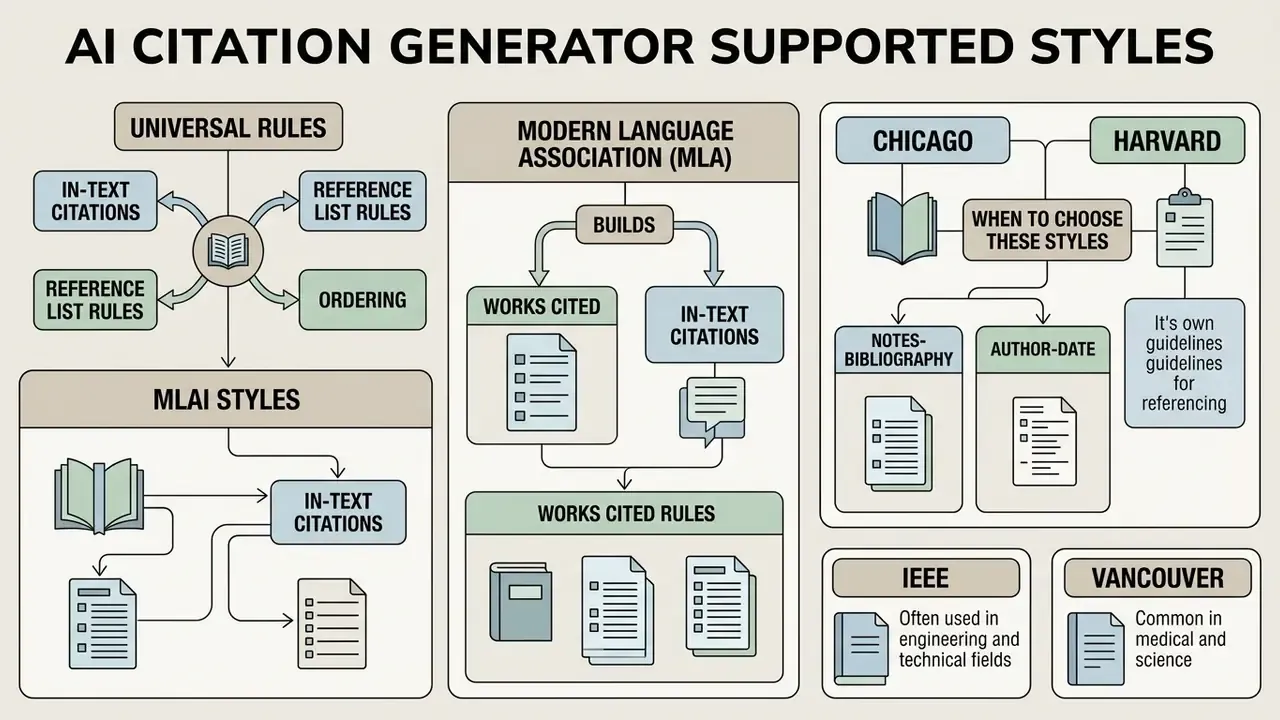
An ai generator citation platform covers the standard global styles used across disciplines. The four dominant systems, APA, MLA, Chicago, and Harvard, each impose their own rules on author capitalization, date placement, container titling, and locator punctuation. Numbered systems such as IEEE and Vancouver serve engineering and medical publishing.
Picking the right style is a compliance question, not an aesthetic one. Scientific and social science venues foreground publication recency through author-date markers, while humanities venues lean on page locators or detailed footnote commentary.
APA style (7th edition), from the American Psychological Association, dominates psychology, social sciences, education, business, and health.
Journal Article: Smith, J. A., & Hale, M. (2026). Generative AI in scholarly workflows. Journal of Academic Ethics, 14(2), 112-128. https://doi.org/10.1007/s10805-025-09511-x
Book: Smith, J. A. (2025). Digital research tools. Academic Press.
Website: Smith, J. A. (2026, January 14). How citation engines validate metadata. Research Notes. https://example.org/citation-metadata
- In-text citations
- author-date parentheticals, for example
(Hale, 2026)or(Hale & Smith, 2025, p. 42)for direct quotes. Narrative form puts the author in the sentence and the year in parentheses. - Reference list rules
- starts on a new page titled References, centered and bold. Entries use a 0.5-inch hanging indent, sentence-case article titles, italicized journal names in title case, and direct DOI URLs (
https://doi.org/...). Where both a DOI and a URL exist, the DOI wins. - Ordering
- alphabetical by first author surname; same-author entries by date, with "no date" first and same-year items lettered a/b/c.
MLA: works cited and in-text citations
MLA style (9th edition), from the Modern Language Association, governs literature, language studies, and the humanities.
- In-text citations author-page parentheticals such as
(Hale 114), with no comma between author and page. If the author is named in the sentence, only the locator appears; for unpaginated sources, use a timestamp, paragraph, chapter, or line number. - Works cited rules a separate end page titled Works Cited, alphabetized, hanging indents. MLA 9 uses a "containers" framework: author, title of source, title of container, other contributors, version, number, publisher, publication date, location.
Journal Article: Smith, John, and Marcus Hale. "Generative AI in Scholarly Workflows." Journal of Academic Ethics, vol. 14, no. 2, 2026, pp. 112-28.
Book: Smith, John. Digital Research Tools. Academic Press, 2025.
YouTube Video: "How Citation Engines Work." YouTube, uploaded by Research Notes, 14 Jan. 2026, youtube.com/watch?v=example. 04:12-05:30.
Chicago and Harvard: when to choose these styles
Chicago (17th and 18th editions) and Harvard get selected on institutional requirement and disciplinary habit:
- Chicago notes-bibliography preferred in history, fine arts, and trade publishing; numbered footnotes or endnotes plus a full bibliography.
- Chicago author-date close to APA, used in physical, natural, and social sciences, pairing parenthetical author-year citations with a reference list.
- Harvard style an author-date convention widely adopted in the UK, Australia, and continental Europe. Harvard is not one global manual but a family of institution-specific guides, so local university documentation rules the punctuation details.
Chicago Note: 1. John Smith and Marcus Hale, "Generative AI in Scholarly Workflows," Journal of Academic Ethics 14, no. 2 (2026): 115.
Chicago Shortened Note: 2. Smith and Hale, "Generative AI," 117.
Chicago Bibliography: Smith, John, and Marcus Hale. "Generative AI in Scholarly Workflows." Journal of Academic Ethics 14, no. 2 (2026): 112-28.
Harvard In-Text: (Smith and Hale, 2026, p. 115)
Harvard Reference List: Smith, J. and Hale, M. (2026) 'Generative AI in scholarly workflows', Journal of Academic Ethics, 14(2), pp. 112-128. doi: 10.1007/s10805-025-09511-x.
Numbered and discipline-specific systems: IEEE, Vancouver, AMA, Turabian
- Vancouver and IEEE the numbered families, essential in medicine (AMA/Vancouver) and engineering (IEEE). Inline markers are bracketed or superscript numerals such as
[1], keyed to a sequential end list ordered by first appearance rather than alphabet. - AMA style biomedical journals; superscript numerals in text, abbreviated journal titles, numerically ordered reference list.
- Turabian style the student-facing adaptation of Chicago, with streamlined rules for undergraduate papers, theses, and dissertations.
- CSE and ISO 690 CSE name-year lists run alphabetically by first author, with same-author works oldest first; ISO 690:2021 appears in internationally oriented generators for standards-based referencing.
IEEE: [1] J. Smith and M. Hale, "Generative AI in scholarly workflows," J. Acad. Ethics, vol. 14, no. 2, pp. 112-128, 2026.
Vancouver: 1. Smith JA, Hale M. Generative AI in scholarly workflows. J Acad Ethics. 2026;14(2):112-28.
Turabian (Bibliography): Smith, John, and Marcus Hale. "Generative AI in Scholarly Workflows." Journal of Academic Ethics 14, no. 2 (2026): 112-28.
Style coverage claims vary wildly by vendor, and they read as marketing scope rather than validated capability. Some tools document seven fully maintained styles (APA 7, Chicago 18, Harvard, IEEE, ISO 690:2021, MLA 9, Vancouver), while others advertise "1,000+", "7,000+", or "9,000+" CSL-derived styles. Independent benchmarks of style-level formatting fidelity across those libraries remain limited public data, so test your specific target style instead of trusting the headline number.
How to create a citation from a source or text
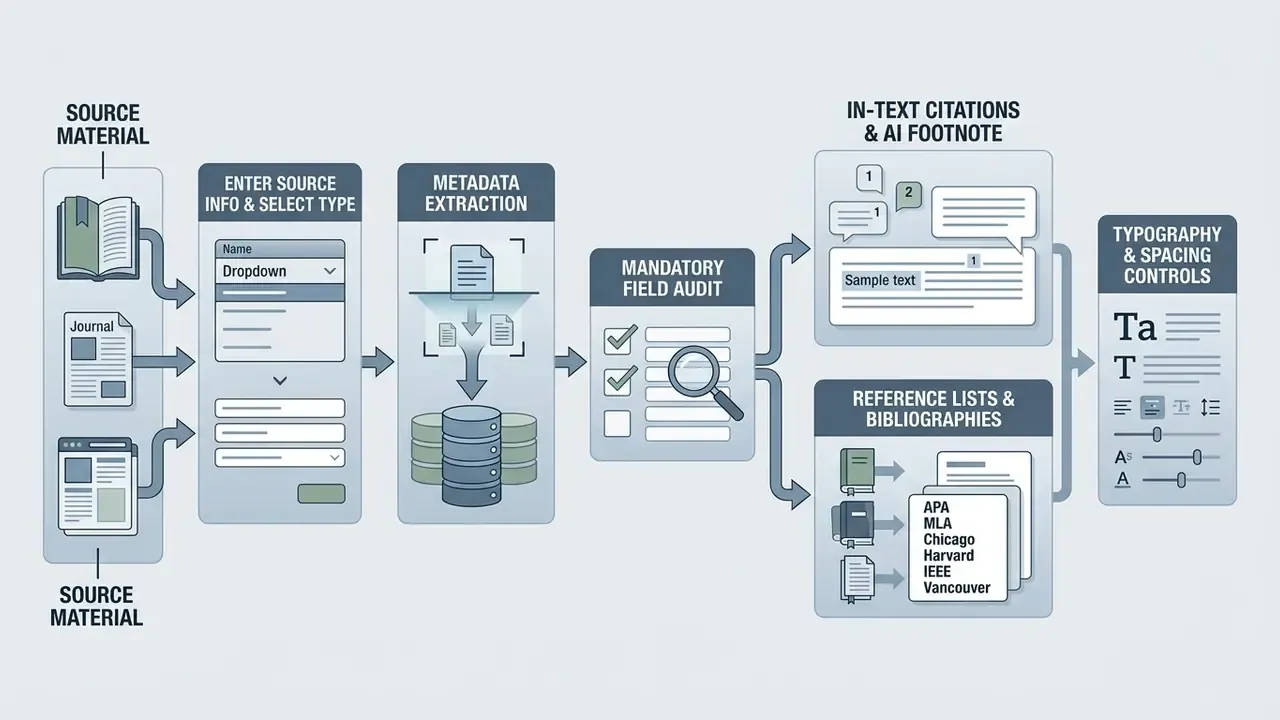
Producing a compliant citation means turning source material into structured bibliographic fields, then formatting those fields to a style specification. A modern ai citation maker or bibliography ai generator automates that path in a fixed workflow: choose style, import or enter references, validate and deduplicate, preview and repair flagged items, export.
Entering source information and selecting a source type
Generation begins with supplying metadata. Clean input, clean output:
- Select source type
- journal article, book chapter, website, conference proceeding, dataset, podcast, video, or government report.
- Input identifiers
- paste a DOI, ISBN, URL, or raw abstract into the ai reference generator.
- Metadata extraction
- the software pulls primary authors, publication date, article title, container journal, volume, issue, page ranges, publisher, and stable identifiers.
- Mandatory field audit
- confirm creator, title, publisher, publication year, and a persistent identifier are all present, the five properties required by DOI metadata schemas. Where no DOI exists, a stable URL or other persistent identifier substitutes.
In-text citations and the AI footnote generator
Beyond end-of-paper references, an ai in text citation generator produces the short body markers meant to sit inside narrative prose.
For Chicago manuscripts, an ai footnote generator builds full first-reference footnotes, shortened notes for repeat citations, and matching endnote markers from the same stored record. That dual output keeps inline citations synchronized with the document's master reference database, while the bibliography stays a separate end list rather than a byproduct of the notes. A small distinction, and one that reviewers notice immediately when it breaks.
Creating reference lists, bibliographies, and works cited pages
Once individual sources are parsed, an ai reference list generator, an ai bibliography generator, an ai references generator, or an ai work cited generator (also marketed as an ai works cited generator) compiles the inventory into one document section.
Mechanical sorting and layout get handled automatically:
- Alphabetizing entries by primary author surname, or numbering by order of first mention for IEEE and Vancouver.
- Ordering same-author entries chronologically, oldest first, with same-year items lettered where the style demands it.
- Applying 0.5-inch hanging indents.
- Enforcing style-specific capitalization, title case against sentence case.
- Removing duplicates across multi-author research drafts.
- Typography and spacing controls
- most generators let authors toggle manuscript styling between Times New Roman 12 pt, Calibri 11 pt, or Arial 11 pt, with preset hanging indents and double spacing compliant with APA 7 and MLA 9.
- Multi-level project organization
- nested folders, per-chapter lists, tags, notes, and bookmarks let large projects keep separate reference lists for each chapter, topic, or systematic-review screening stage, and still export one consolidated bibliography.
How to generate an annotated bibliography with AI
An ai annotated bibliography generator extends normal reference creation by adding a descriptive and evaluative paragraph beneath each cited work. A conventional reference list carries publication metadata only. An annotated bibliography judges relevance, methodological rigor, and background authority, usually in 150 to 200 words per entry.
When configured for annotations, the pipeline extracts narrative themes and assembles three components:
- Summarythe source's central argument, dataset, and scope in two or three sentences.
- Critical evaluationmethodology, sample size, potential bias, funding disclosure, source credibility.
- Applicationan explicit statement of how the source supports specific claims in your manuscript.
Because annotations are generative rather than extractive, they carry the highest hallucination exposure of any citation-tool output. Check each annotation against the abstract and methods section. Do not accept summary-by-default. Formatting follows the parent style: APA annotations are indented under the reference entry, MLA annotations follow the works-cited entry with the same hanging indent.
Free AI citation generator: access, saving, and privacy
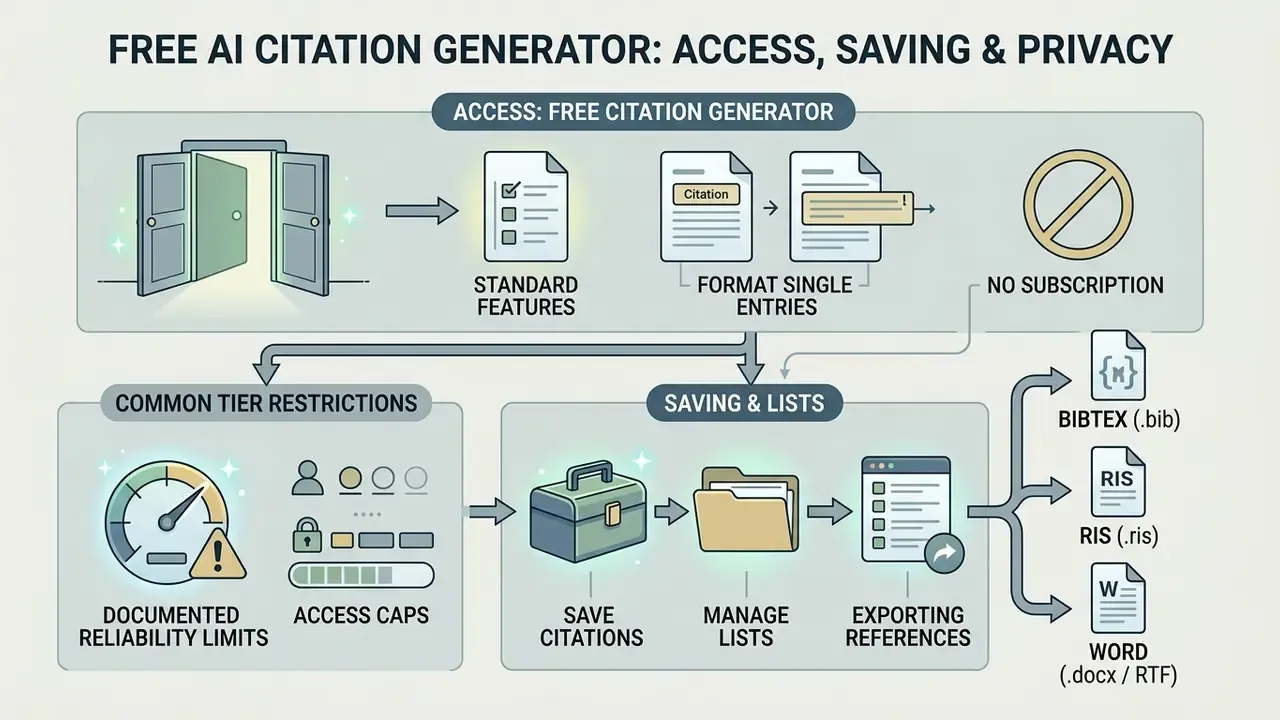
An ai citation generator free tool, or any free citation generator, lets researchers format single entries without a subscription. Many run entirely without an account, following the pattern documented for free AI generators that require no sign-up. Still, functional scope, export capability, and privacy terms deserve a read before the first upload.
What is available in a free citation generator
Free engines usually deliver core reference creation while capping the enterprise layer:
- Standard features single-source DOI/URL/ISBN lookups, primary styles (APA, MLA, Chicago, Harvard), manual entry, browser-local saving, manual copy to clipboard.
- Common tier restrictions daily lookup limits, no batch PDF processing, no cloud project sync, ad-supported interfaces, disabled bulk export formats.
- Documented reliability limits fabricated or partially corrupted entries, dependence on the completeness of the input record, link rot in web sources, and inconsistent locator granularity when a claim spans several pages.
Saving, lists, and exporting references
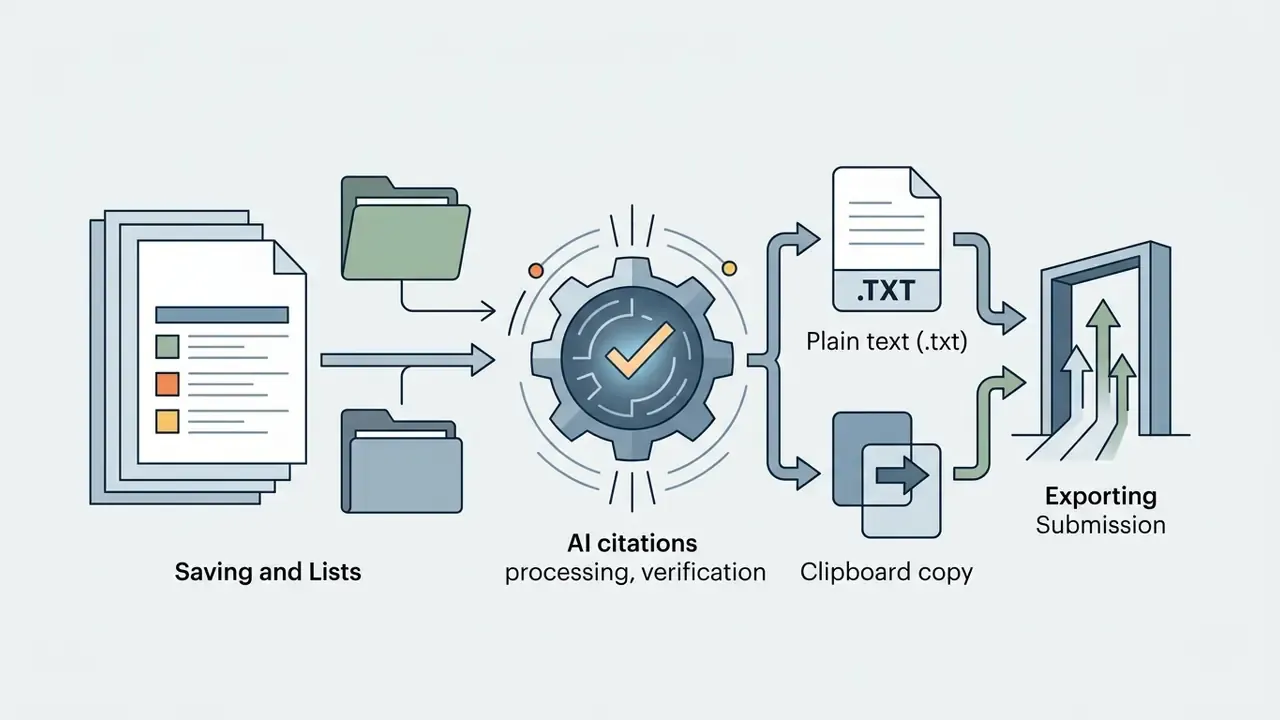
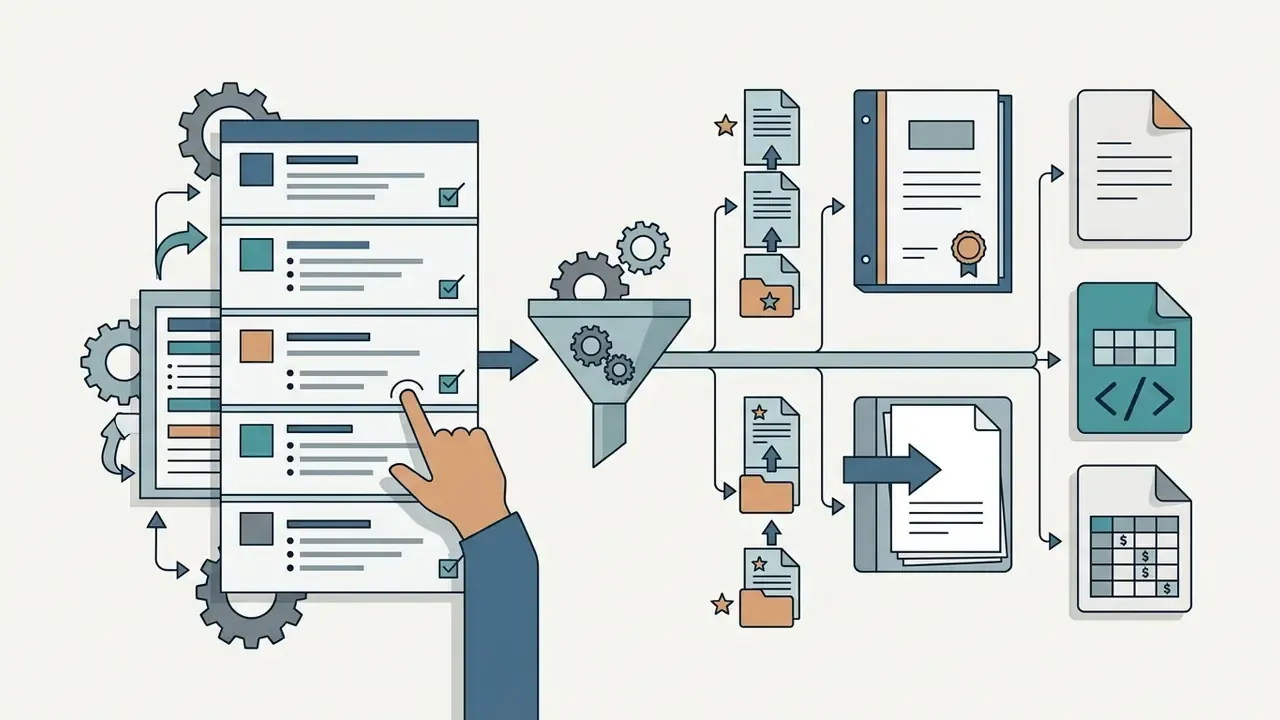
Managing literature across a large project depends on list handling and export breadth. Capable platforms support several output formats:
Teams juggling mixed document and asset pipelines often standardize export paths alongside adjacent utilities such as AI photo editors used to prepare figures for the same manuscript. Anyone comparing software tiers can open the hub to review service options.
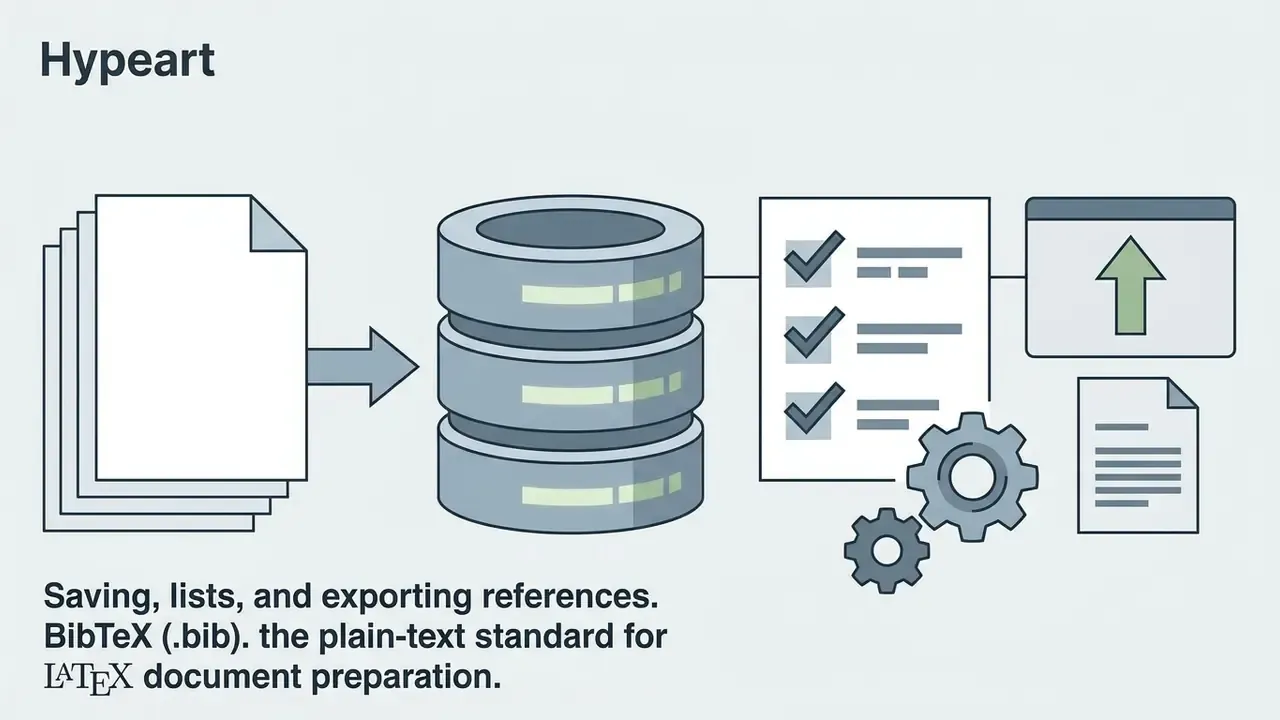
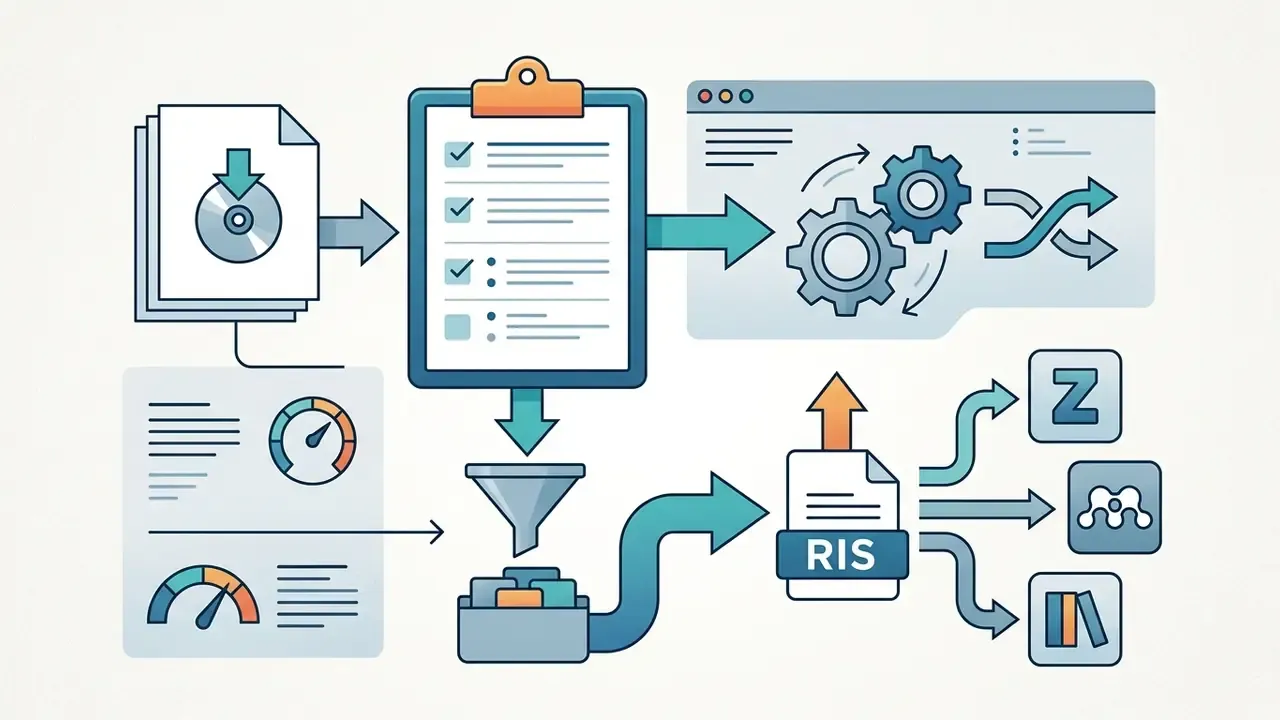
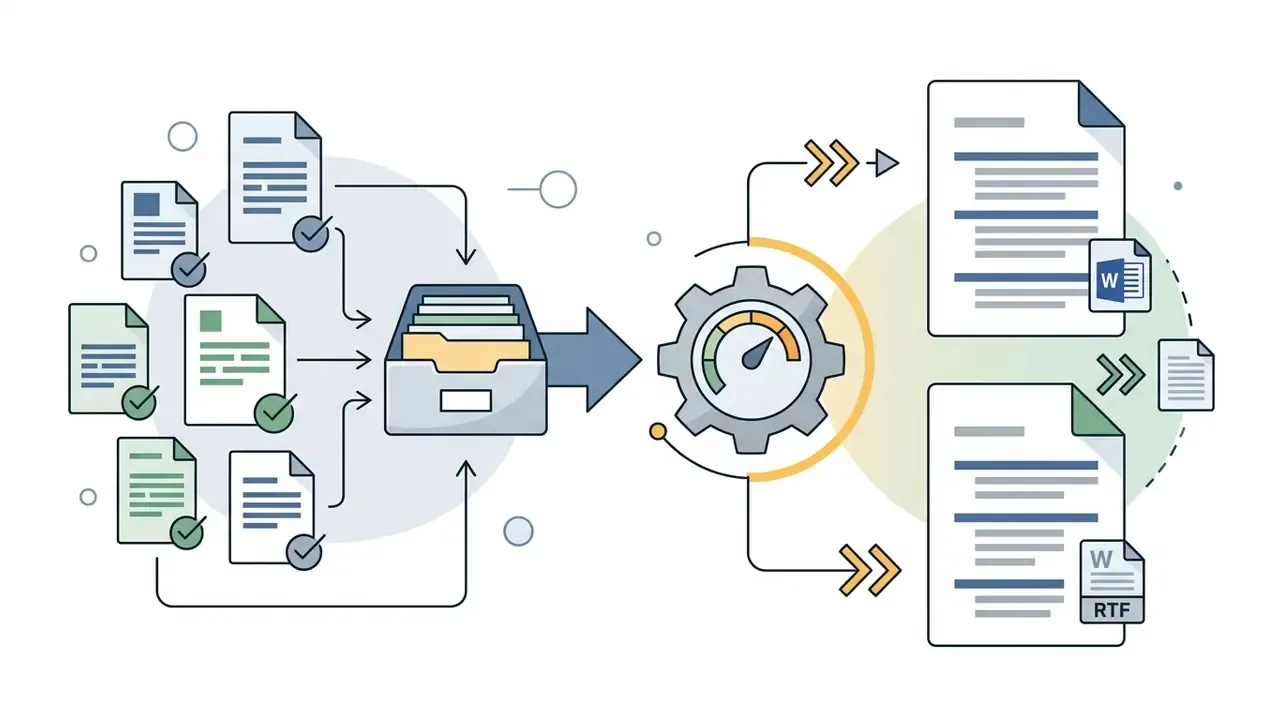
.docx.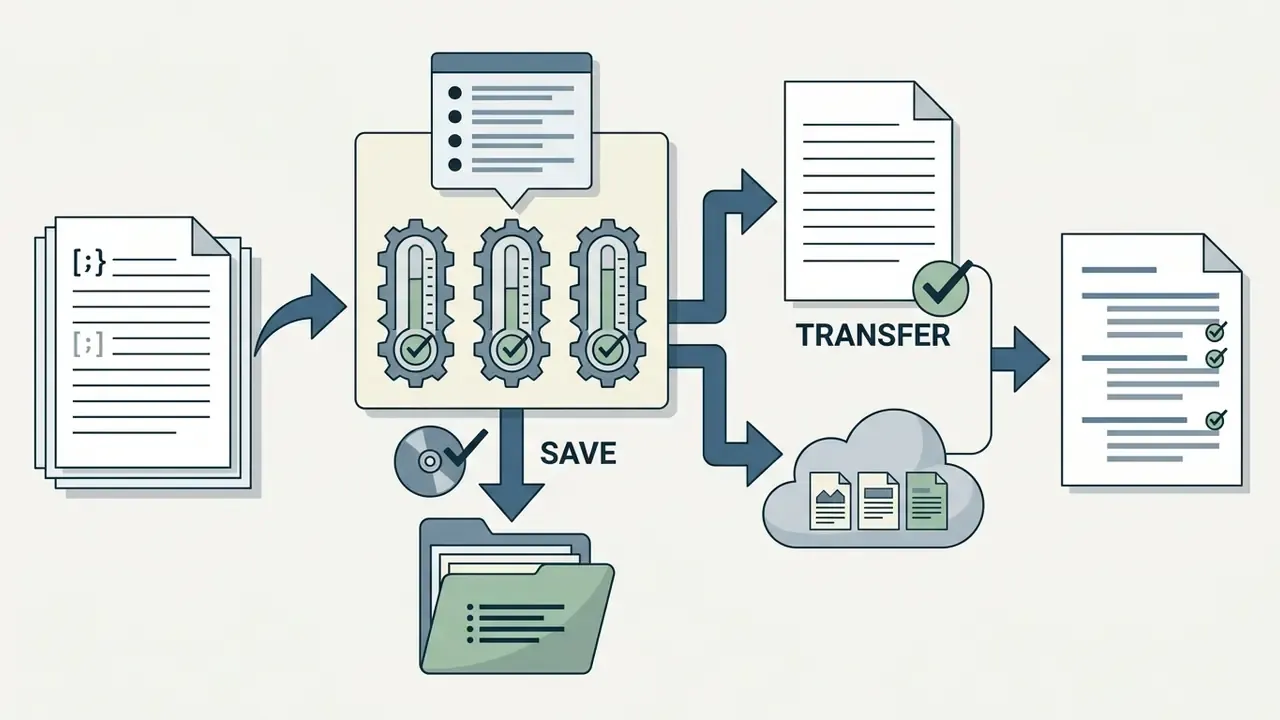
Privacy, Shadow AI, and secure handling of citation data
Uploading an unpublished manuscript or a proprietary research draft to an online citation tool is a data decision. Architecture dictates exposure:
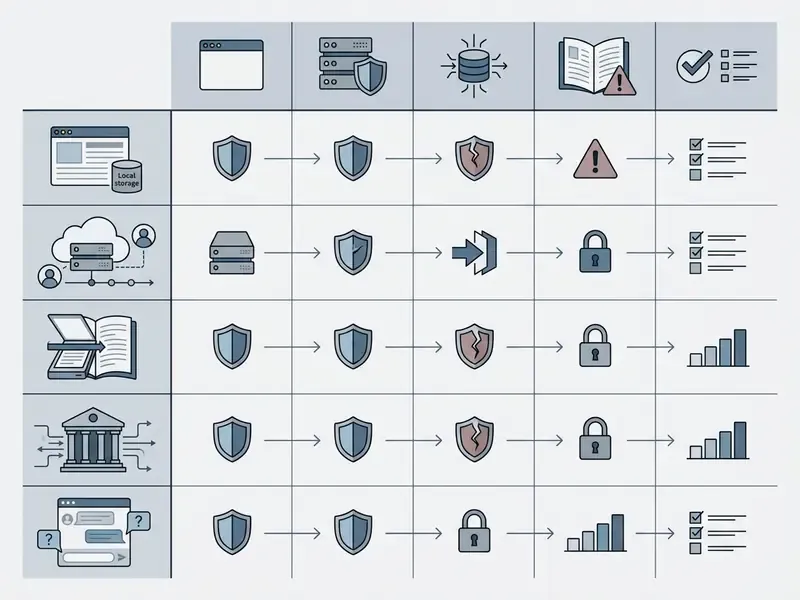
- Browser-side storage: tools using
IndexedDB,sessionStorage, orlocalStorageprocess reference data inside the browser, so document text never leaves the device. Published documentation from browser-only generators states plainly that citation data is not backed up to cloud servers. - Cloud vendor servers: services requiring an account transmit citation data outward. Published policies differ materially: one tool keeps thesis uploads until manual deletion and retains export files server-side for 90 days; another deletes or anonymizes account data within 30 days of closure while keeping usage and report data for up to 24 months. Some services forward citation snippets to third-party AI providers for processing. These are vendor-declared terms, not independently audited practice, and each needs reading before upload.
- Regulatory baseline: NIST SP 800-144 requires security and privacy controls to be planned before public cloud adoption, and U.S. federal guidance instructs users not to enter protected or non-public data into public generative AI tools without reviewing terms of use and data agreements. Organizations under GDPR or CCPA obligations must additionally confirm lawful basis, data-subject rights handling, sub-processor lists, and transfer mechanisms.
Checklist0 / 6
Institutions under strict data governance standards should review vendor terms against internal privacy policy before any unannounced research draft goes up. One overlooked upload is enough to create a disclosure problem.
How to choose the best AI citation generator for research and writing
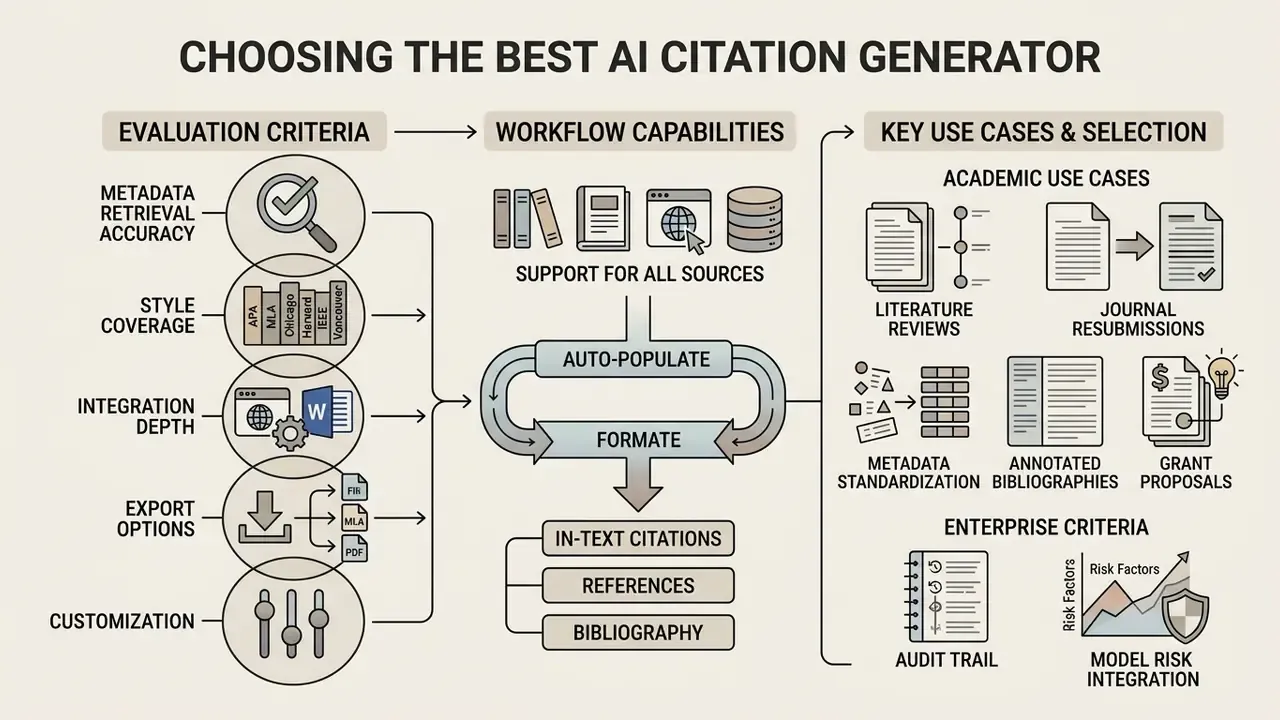
Identifying the best ai citation generator or best ai reference generator comes down to five variables: metadata retrieval accuracy, style coverage, integration depth, export breadth, and auditability. Note the order. Formatting polish sits last.
For teams evaluating corporate suites or deployment models, you can browse the hub for API integrations, compare options for enterprise licensing, or inspect legal disclosures on automated systems in litigation frameworks.
Support for sources, citation styles, and reference formats
A serious ai reference generator handles far more than journal articles: datasets, software repositories, government reports, preprints, standards, podcasts, multimedia.
Leading platforms also maintain style repositories covering discipline-specific manuals such as IEEE, Vancouver, ACS, AMA, ISO 690, and Turabian. Vendor-declared coverage runs from seven actively maintained styles up to catalogs advertised as 1,000+, 7,000+, or 9,000+ entries. No public independent audit of that catalog depth exists, so treat the figure as scope, not verified accuracy.
Style choice, importantly, does nothing for factual risk:
«Author-name fields degrade far more often than other citation fields, and the formatting style (APA/MLA) has no effect on hallucination frequency.»
Writing capabilities: citations, references, and bibliography in one workflow
Efficiency arrives when the citation tool lives inside the drafting environment. The documented 2026 pattern is a two-layer architecture: a browser capture layer plus a word-processor insertion layer. Browser extensions detect items on the page, capture citation metadata automatically, and retain the HTML source while researchers move through library databases; several also store highlighted quotes and notes next to the reference.
In parallel, word-processor plug-ins for Microsoft Word, LibreOffice, or Google Docs insert inline citations and refresh the end bibliography in real time, which removes manual reformatting entirely. LaTeX users route the same records through .bib export. Imports from Zotero and Mendeley preserve existing libraries, and export to .docx, LaTeX, or HTML keeps citation placement intact across long documents.
When an AI citation maker is especially useful for academic work
Certain scenarios return obvious operational value:
- Systematic literature reviews formatting hundreds of references across multi-author studies, with per-stage screening lists.
- Journal resubmissions converting an entire reference list from APA to Vancouver in one pass.
- Metadata standardization repairing incomplete references by pulling official DOIs from Crossref APIs.
- Annotated bibliographies and grant proposals producing summary-plus-evaluation blocks that reviewers can audit against the primary source.
How much you delegate matters, though:
«In fully autonomous AI-written reviews, up to 70% of references were inaccurate; a collaborative human-plus-AI mode reduced errors but raised text similarity indices.»
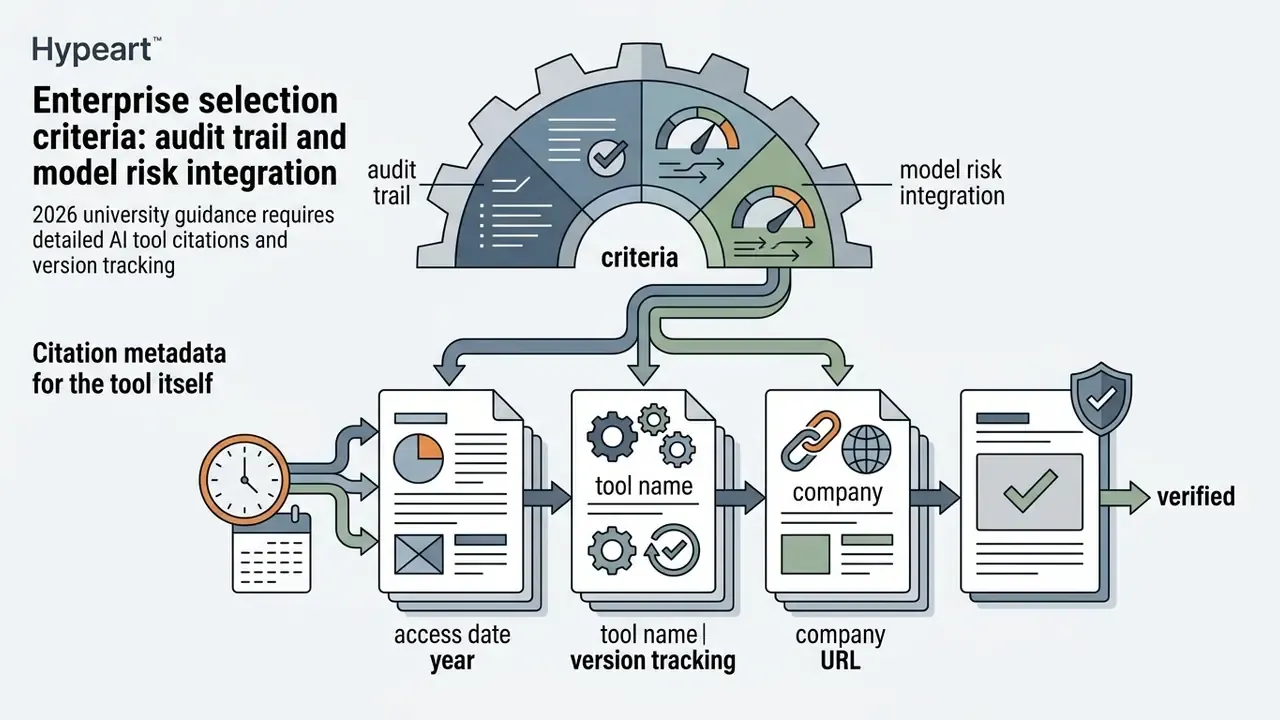
Enterprise selection criteria: audit trail and model risk integration
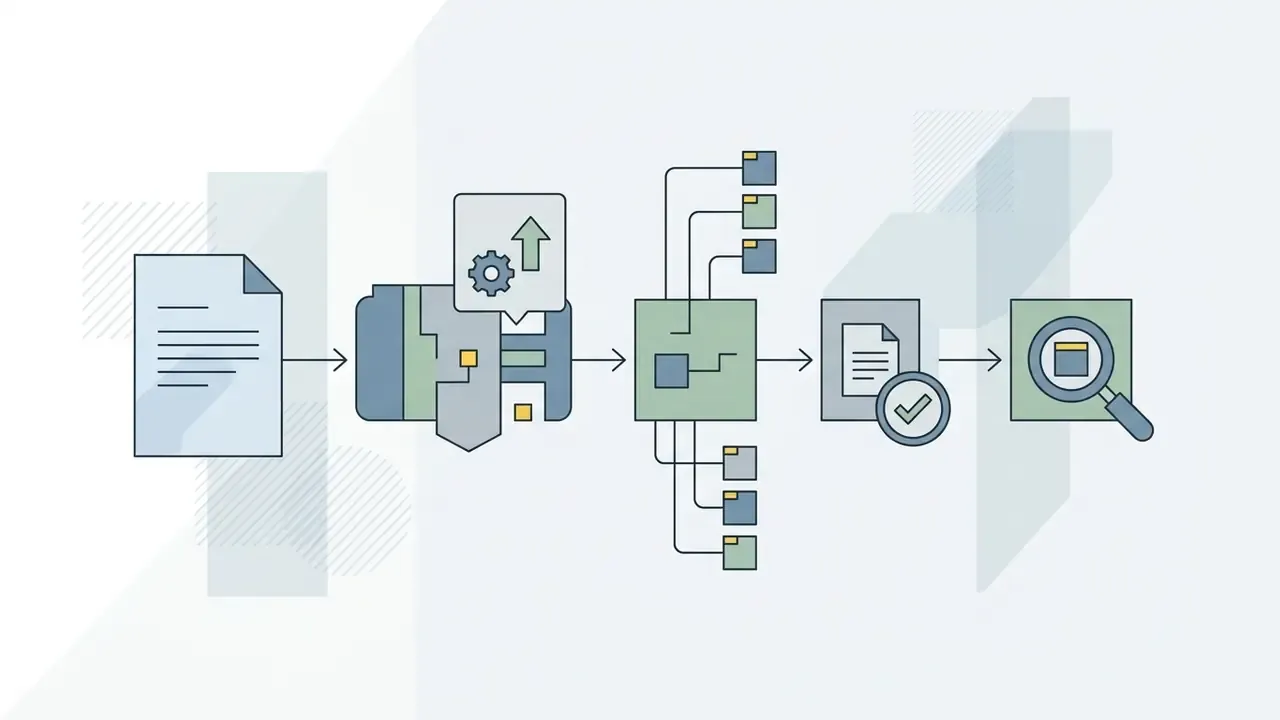
In regulated environments, selection goes past formatting fidelity into evidentiary control. A citation maker ai deployed inside a bank or a supervised fintech should satisfy these conditions:
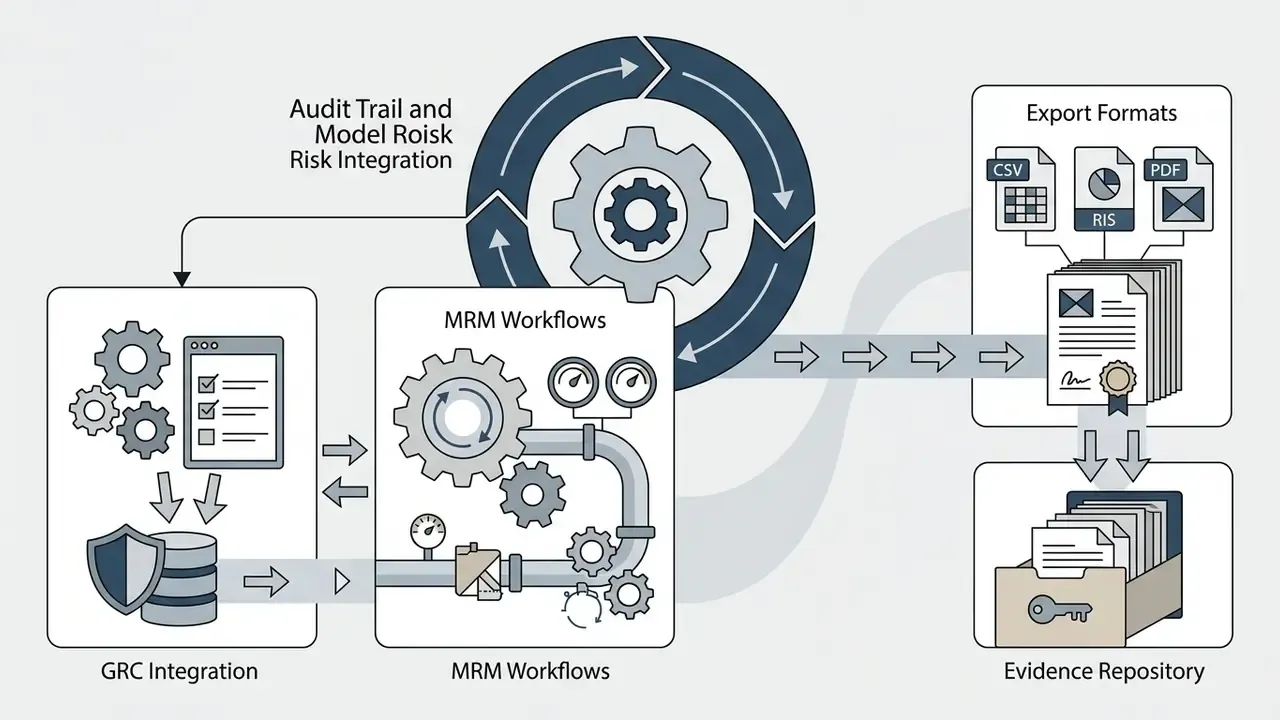
For support resources and technical assistance protocols, users can see the overview in the institutional support section.
Limitations, open questions, and a safe next step
Several things in this field remain genuinely unsettled, and pretending otherwise would be dishonest.
Per-field extraction accuracy for text-only inputs is not publicly benchmarked in any consistent way. Vendor style catalogs advertised at thousands of entries have never been independently audited for formatting fidelity. Hallucination rates vary so widely across studies (14.23% to 94.93%) that any single figure quoted in isolation is close to meaningless without the model, prompt conditions, and domain attached. And retention practices come from vendor terms of service, not from third-party attestation reports.
What follows from that? A modest, reversible next step rather than a platform-wide rollout.
Pick one team and one document class. Approve a single generator with registry grounding. Require the four-step verification protocol above on every reference. Log tool name, version, and reviewer. Then measure two numbers over a quarter: hours saved per manuscript, and the share of automated references that failed verification. If the failure share stays material, the answer is tighter grounding and narrower delegation, not a bigger licence. Evidence first, autonomy later.
FAQ
Are citations, references, and bibliographies the same thing?
No. "Citation" is the umbrella term and most often means the in-text marker. "Reference" usually denotes the full end-of-document entry. A "reference list" holds only cited works (APA, Chicago author-date). A "bibliography" may also include consulted background reading (Chicago notes-bibliography). "Works Cited" is the MLA term for the list matched one-to-one with in-text citations.
Can an AI citation generator be trusted without checking?
No. Measured citation accuracy in commercial LLMs ranges from 12.9% to 78.6%, hallucination rates in large audits run from 14.23% to 94.93%, and 3 to 13% of model-supplied URLs are hallucinated. Registry-grounded lookups (DOI to Crossref) are far more reliable than free-text generation, yet institutional policy still requires human verification before submission.
Which export formats should an academic tool support?
BibTeX and RIS for reference managers and LaTeX, Word or RTF for manuscripts, Google Docs and Google Drive for collaborative drafting, plus plain text, HTML, PDF, and CSV for review packets.
How do I cite YouTube videos, podcasts, or datasets?
Select the matching source type so the parser captures non-print fields: channel or host name, upload or episode date, timestamp or episode number, repository name, dataset DOI. Then confirm the identifier resolves before export.
Does an annotated bibliography differ from a normal bibliography?
Yes. Each entry adds a 150 to 200 word annotation with a summary, a critical evaluation of methodology and bias, and a statement of how the source applies to your argument. Check annotations against the source abstract and methods, since generative summaries carry the highest hallucination risk.
Is my uploaded manuscript stored?
It depends on architecture. Browser-only tools keep records in IndexedDB or localStorage on your device. Account-based cloud tools store data server-side, with published retention windows of roughly 30 to 90 days for uploads and export files and up to 24 months for usage logs. Read the vendor policy before uploading unpublished work.
Do numbered styles like IEEE and Vancouver sort differently?
Yes. Author-date styles (APA, MLA, Harvard, Chicago author-date, CSE name-year) alphabetize by first author, then order same-author works chronologically. IEEE and Vancouver number references by order of first appearance in the text.
Appendix A: superseded formulations and editorial changelog