Why should a risk or compliance leader care about a student writing tool? Because the same drafting habit shows up inside banks: an analyst pastes an internal memo into a browser tab to "make it sound better." That is the governance problem in miniature.
Last updated: February 2026 · Reviewed for: students, instructors, and governance leads responsible for AI-assisted written communication.
Key Takeaways in 60 Seconds
- What it is: A prompt-driven drafting assistant for initial discussion posts, peer replies, and instructor responses inside LMS platforms (Canvas, Blackboard, Moodle) and public forums.
- What works: Structured prompting frameworks such as CRAFT (Context, Role, Action, Format, Tone) plus pasted source readings produce drafts that need far less rewriting.
- What breaks: Fabricated citations, invented statistics, repeated boilerplate phrasing, and unintentional reproduction of training data.
- Non-negotiables: Human verification of every factual claim, personalization of voice, disclosure where institutional policy requires it, and a hard prohibition on pasting confidential, personal, or material non-public information into any public discussion board ai generator.
- Buying decision: Free tiers suit occasional coursework; controlled enterprise platforms are required whenever prompt logging, data isolation, no-training guarantees, and audit evidence matter.
- Citation formats: Ready-made APA 7 and MLA 9 templates for classroom discussion posts are included below.
Who This Guide Is Written For
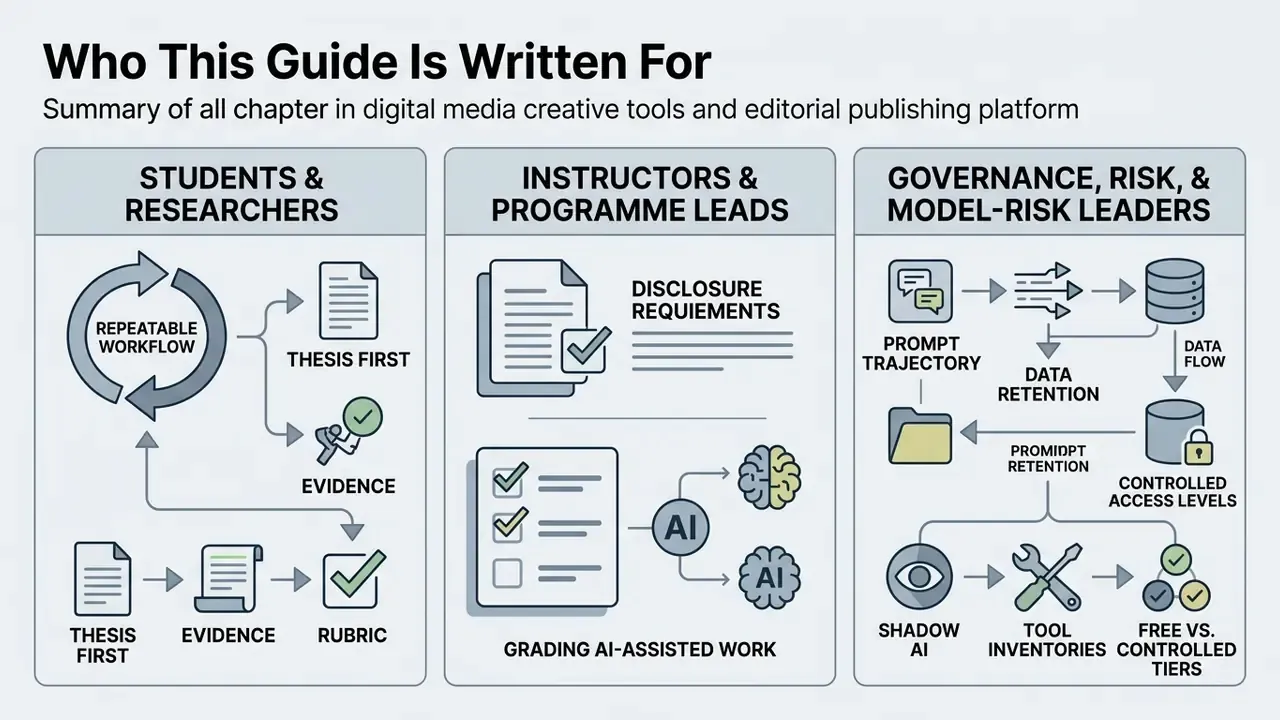
Three readers use this material differently, and the differences matter more than the shared vocabulary.
- Students and researchers want a repeatable prompting workflow that survives a rubric: thesis first, evidence traceable, tone appropriate, word count respected.
- Instructors and programme leads want to know what disclosure to require, how to grade AI-assisted contributions, and which failure patterns to look for in a thread.
- Governance, risk, and model-risk leaders want the boring part: where the prompt went, who retained it, what the human decided, and whether any of that can be reproduced for an internal auditor eight months later.
If you belong to the third group, sections on shadow AI, tool inventories, and free-versus-controlled tiers will be the ones that pay for the reading time. The rest is context you still need, because your analysts are already using these tools whether or not the policy exists.
What an AI Discussion Post Generator Does
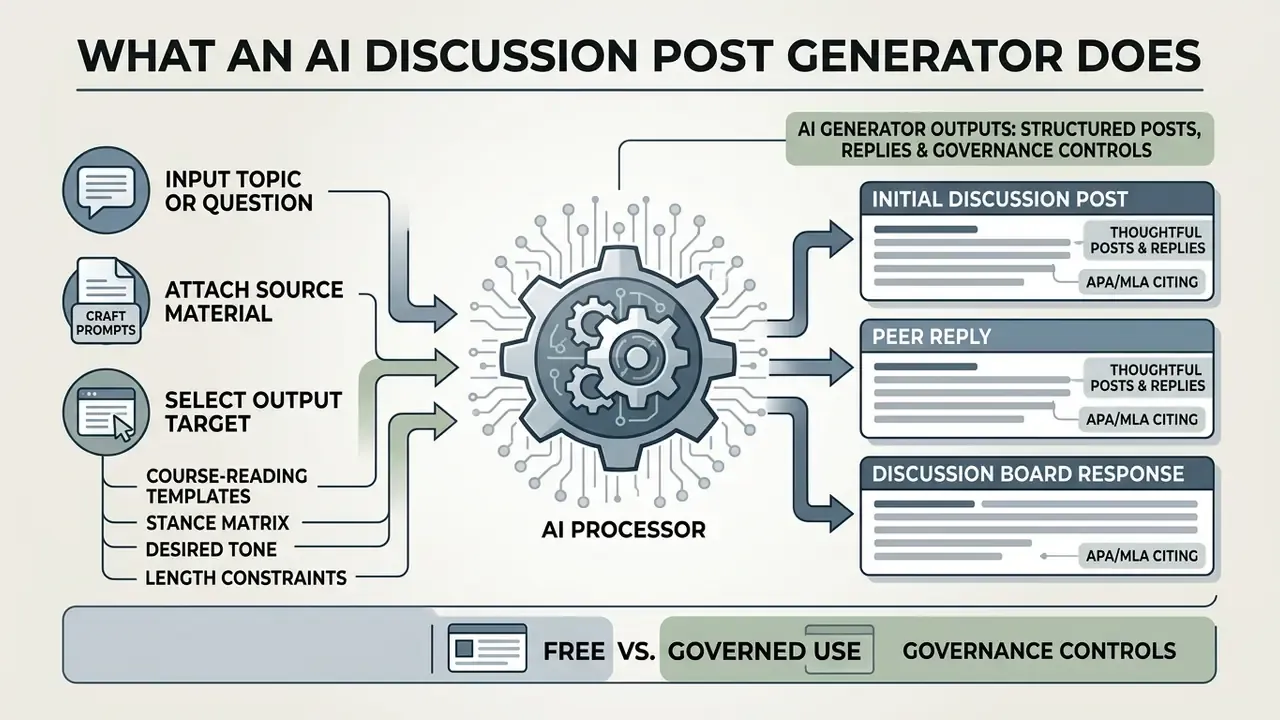
An ai discussion post generator processes user prompts, including discussion questions, course readings, desired tone, and length constraints, to produce structured written drafts for asynchronous online discussions. Rather than replacing critical reasoning, a discussion post ai generator works as an interactive drafting assistant that structures arguments and sharpens written expression.
Empirical evidence from higher education indicates that structured access to AI drafting tools raises student participation.
The same one-way analysis of variance found no statistically significant change in overall course engagement (p = 0.43), meaning the growth appeared inside the discussion component rather than being displaced from other coursework. Put plainly: these systems turn raw concepts into initial threads or context-aware replies without automatically cannibalizing attention elsewhere in a course. One study, one cohort. Treat it as directional.
Discussion post, reply, and response: what to generate
Each discussion board format serves a distinct communicative goal within online learning environments:
- Initial Discussion Post A primary thread contribution that answers the instructor's assignment prompt, establishes an argumentative stance, and integrates evidence from required readings.
- Peer Reply A secondary comment directed at a classmate's contribution that builds on their ideas, offers constructive critique, or asks clarifying questions to extend the conversation.
- Discussion Board Response A targeted follow-up aimed at answering an instructor's specific probing question, requiring complete topic coverage and analytical depth.
Understanding these distinctions lets users configure the response generator properly for each writing scenario. University discussion rubrics commonly require the initial post to be substantive, original, and grounded in course sources, with word counts frequently set between 250 and 350 words, while peer replies are shorter and evaluated on relevance and constructive tone.
When an AI generator is useful for discussions
An ai generator discussion tool earns its place when writers hit initial drafting friction or need to move complex thoughts into a formal academic register.
«Log analysis identified five dominant usage patterns: information seeking, content generation, language editing, metacognitive engagement, and conversation repair.»
The same analysis noted that structured, well-scoped tasks were the strongest predictors of repeat use: students returned to the tool when they had a concrete artefact to produce (a summary, an outline, a polished paragraph) rather than an open-ended request for "help."
Beyond writer's block, an ai discussion response generator lets users test several argumentative perspectives before committing to a final draft. Professional forum participants also use these tools to compress technical documentation into concise, respectful answers. Teams that extend written discussions into multimedia often evaluate adjacent tooling categories, including reference material on chatgpt video generation and the clipchamp video editor for lightweight asynchronous briefings.
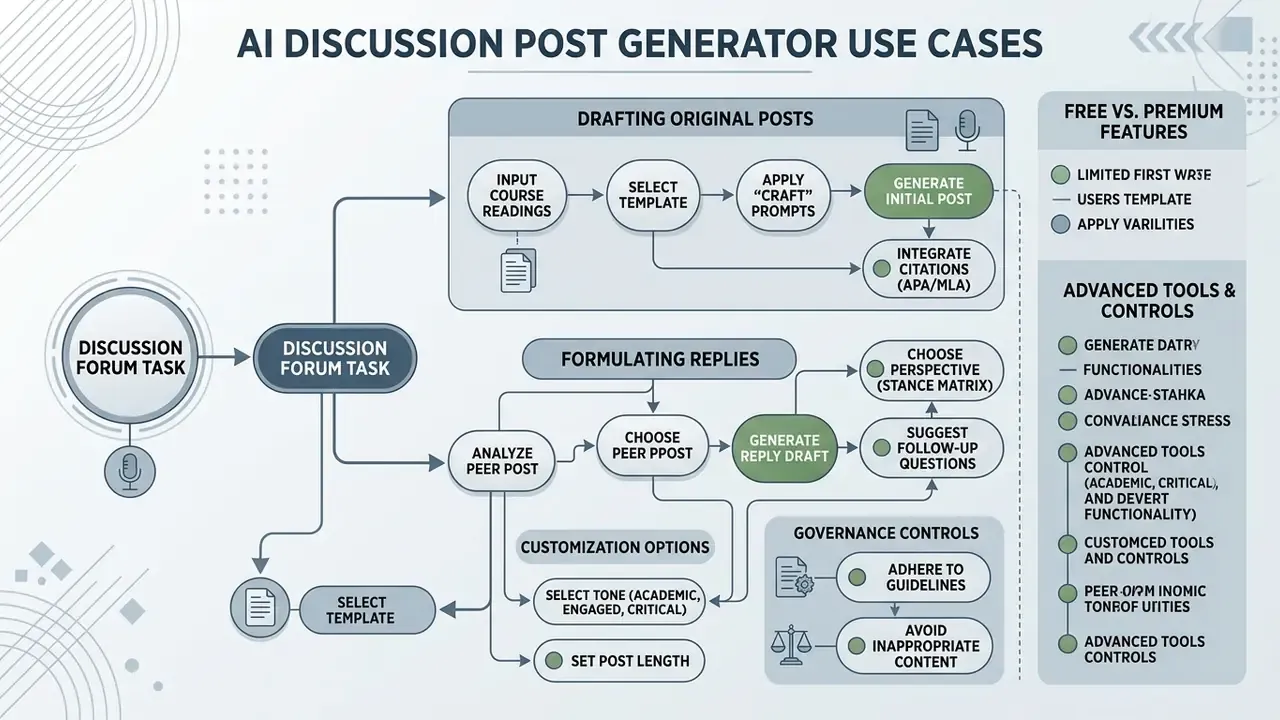
- Input topic or question
- Paste the discussion assignment or peer comment into the editor.
- Attach source material
- Paste the required readings, lecture notes, or regulatory excerpt the post must rely on.
- Select output target
- Choose between initial post, peer reply, or instructor response.
- Set stance
- Declare agreement, disagreement, or partial agreement, and list the micro-points to address.
- Configure tone and length
- Set the academic or professional register (for example: formal, analytical, 200 words).
- Execute generation
- Run the generator to produce two or three candidate drafts.
- Human review and personalization
- Fact-check citations, add personal perspective, and refine phrasing before submission.
How to Generate a Discussion Board Post or Reply
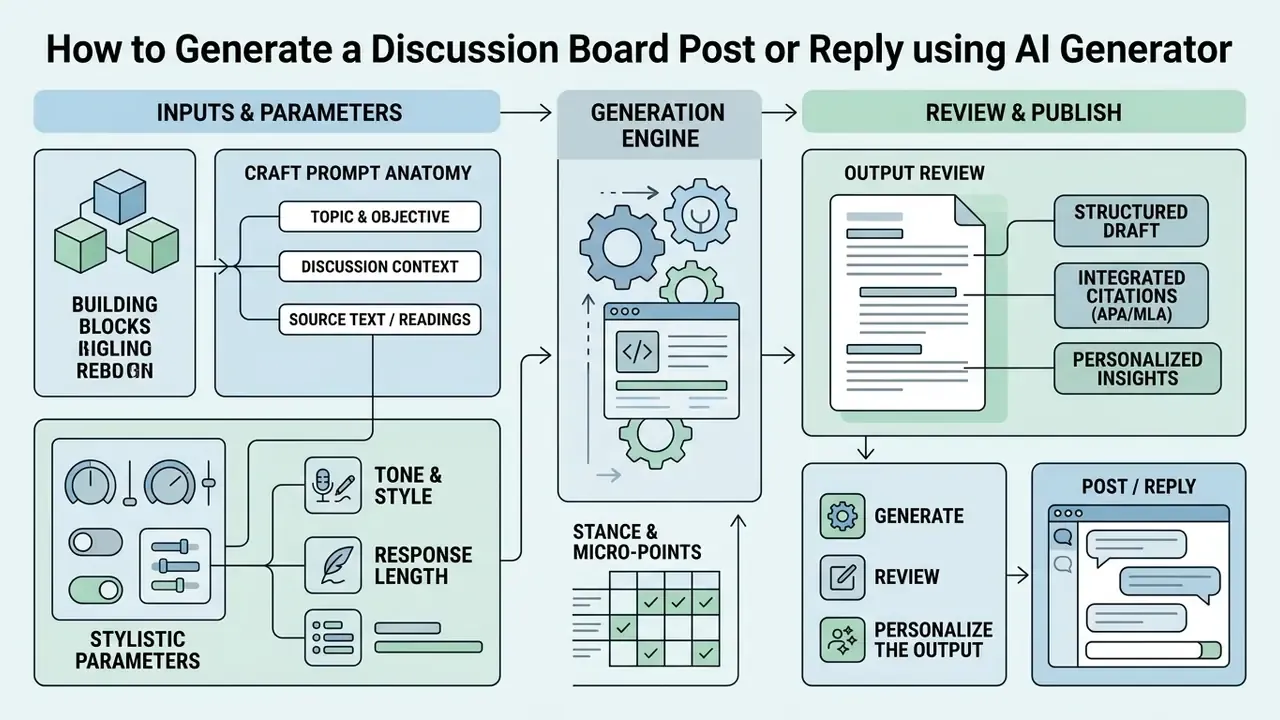
To generate an effective post with an ai discussion board generator, supply structured context, select stylistic parameters, and review the output without shortcuts. Systematic prompting frameworks keep the result aligned with academic rubrics and professional guidelines.
«Structured prompting frameworks, for example the CRAFT model (Context, Role, Action, Format, Tone), raise output relevance and reduce generic phrasing.»
CRAFT prompt anatomy for discussion boards
| CRAFT Element | What it controls | Discussion-board example |
|---|---|---|
| C. Context | Course, module, audience, assigned readings, regulatory frame | "Graduate seminar on model risk management; readings include SR 11-7 excerpts." |
| R. Role | The persona the model adopts | "Act as a second-year graduate student in financial technology." |
| A. Action | The concrete task and stance | "Write an initial post arguing that agentic AI breaks static validation assumptions." |
| F. Format | Structure, length, required elements | "250 words, thesis first, two evidence points, one closing question." |
| T. Tone | Register and emotional temperature | "Formal, objective, analytical; no rhetorical questions except the closing one." |
Filling all five slots converts a vague request into a testable specification. Prompt-design guidance from the University of Kansas Medical Center (2024) uses the same decomposition (role, task, context, format, tone), which suggests the model is not vendor-specific but a general prompting discipline. A disciplined workflow then moves from context setting to iterative human refinement. Definitions for every term used above are collected in our glossary of AI content terminology.
Add a specific topic, question, and discussion context
Explicit background information is the single strongest lever on relevance. A discussion generator ai needs precise inputs to avoid superficial or hallucinated claims.
Effective context input should include:
- The exact discussion prompt or assignment question.
- Key concepts or theoretical frameworks from assigned course readings.
- Specific constraints, such as required citation styles or word count targets.
- The stance you intend to defend, plus any point you explicitly refuse to concede.
When you reply to a peer, pasting the classmate's exact text keeps the generated reply anchored to their arguments rather than to generic assumptions.
Prompt template for integrating long course readings
Generic prompts invite hallucination precisely because the model has nothing concrete to lean on. The fix is to supply the source text and forbid outside invention. Most current models comfortably absorb 1,000 to 2,000 words of pasted reading; anything longer should be chunked.
Security-checked Prompt Template - Course Readings Integration "I am pasting an excerpt from [Reading Title / Author, e.g. SR 11-7 Supervisory Guidance on Model Risk Management]. Analyze the text and generate a 250-word initial discussion post that answers this question: [Insert instructor question]. Constraints: - Use DIRECT evidence from the excerpt below only. - Do not assume, extrapolate, or introduce external facts, statistics, or citations that are not present in the excerpt. - Quote no more than 20 consecutive words from the source. - If the excerpt does not answer part of the question, say so explicitly instead of inventing support. - Close with one open-ended question for classmates. Excerpt: [Paste up to 1,500 words of required reading]"Chunking procedure for readings longer than 2,000 words:
- Split the reading into thematic blocks of roughly 1,200 to 1,500 words.
- Ask the model to produce a claim-and-evidence table for each block (claim, supporting sentence, page or section marker) instead of prose.
- Paste the consolidated tables back in as the context for the final post.
- Instruct the model: "Build the post only from the claim-evidence table above; flag any claim you cannot locate in the table."
This two-pass method keeps every assertion traceable to a line you can personally re-read before submission, the same traceability logic used in academic
Choose tone, style, and response length
Register decides whether the text belongs in a graded LMS thread or a public forum.
«Academic and professional writing should use active voice, a neutral tone, and sentences averaging 15–20 words to preserve clarity and accessibility.»
The Leeds guidance adds a practical ceiling, generally no more than 25 words per sentence and one main idea per sentence, while San José State University's academic language guidance prohibits contractions, casual phrasing, and emotional exaggeration.
For academic settings, configure the ai discussion post reply generator for a formal, objective, analytical tone. For peer interactions, set a constructive, respectful, inquisitive style. Explicit length boundaries, say 150 words for peer replies or 350 for initial posts, stop the model from padding.
| Setting | Initial post (academic LMS) | Peer reply (academic LMS) | Public forum / Reddit |
|---|---|---|---|
| Register | Formal, third person | Formal-collegial, second person permitted | Conversational, direct |
| Length | 250–350 words | 100–150 words | 60–120 words |
| Evidence | Required, cited | At least one new source or example | Optional, linked |
| Openers | Thesis statement | Named acknowledgment of the peer | Direct answer, no preamble |
| Prohibited | Contractions, slang, emoji | Sarcasm, dismissal, "I agree" with no content | Copy-paste repetition across subreddits |
Generate, review, and personalize the output
Generating text is only the middle phase of the writing process; manual review and personalization stay mandatory.
«Across 11 classroom interventions in 19 countries, AI feedback improved grammar and structure but underperformed human feedback on argument development and dialogic guidance.»
The practical implication is a division of labour: let the model handle surface mechanics such as syntax, transitions, and paragraph shape, and reserve your own attention for logical coherence, evidence quality, and argumentative depth, which is exactly where automated feedback measurably falls short.
Internal practice note (requires further published data). In one internal financial-transformation evaluation of automated commentary generation for compliance forums, requiring analysts to reconcile every AI-generated summary against the primary regulatory text reduced drafting time by roughly 40% across 200 reviewed posts, with no compliance exceptions recorded. This figure comes from a single unpublished internal programme, is not peer-reviewed, and should be treated as directional rather than generalizable. Comparable published benchmarks are not yet available in the academic literature. I would not put that number in a board pack without a second study behind it.
Disclaimer: this material is general information and does not replace consultation with a qualified regulatory-compliance, legal, or model-risk specialist.
Always inspect the output to add personal insight, correct specialized terminology, and confirm every cited claim against a primary source. Teams that publish the resulting material beyond a classroom should confirm the applicable commercial use conditions before distribution.
- Topic and objectiveState the core thesis or main question to address.
- Source text and readingsPaste excerpts or key arguments from required source materials, chunked to 1,500 words or fewer.
- Stance and micro-pointsDeclare agreement, disagreement, or partial agreement, and list up to five specific points to engage.
- Target audience and toneDefine the required formality level (formal academic, professional peer, public forum).
- Structural constraintsSpecify word count, paragraph structure, and closing-question requirements.
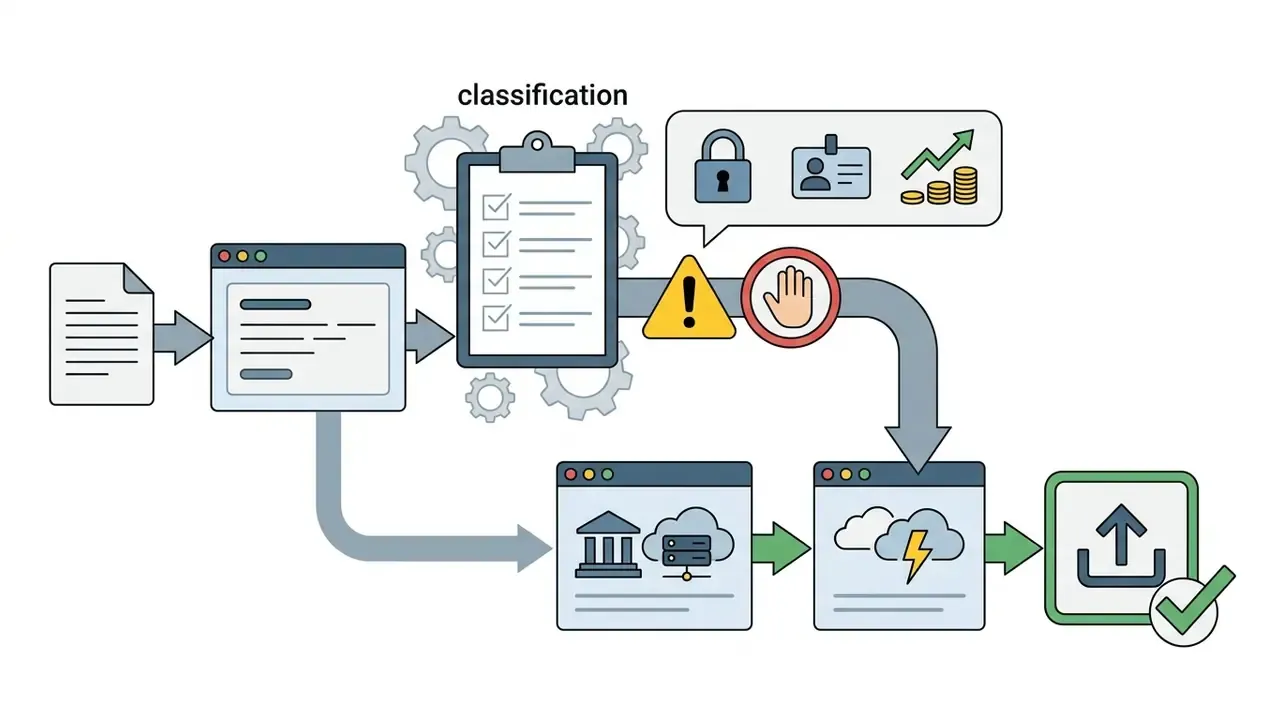
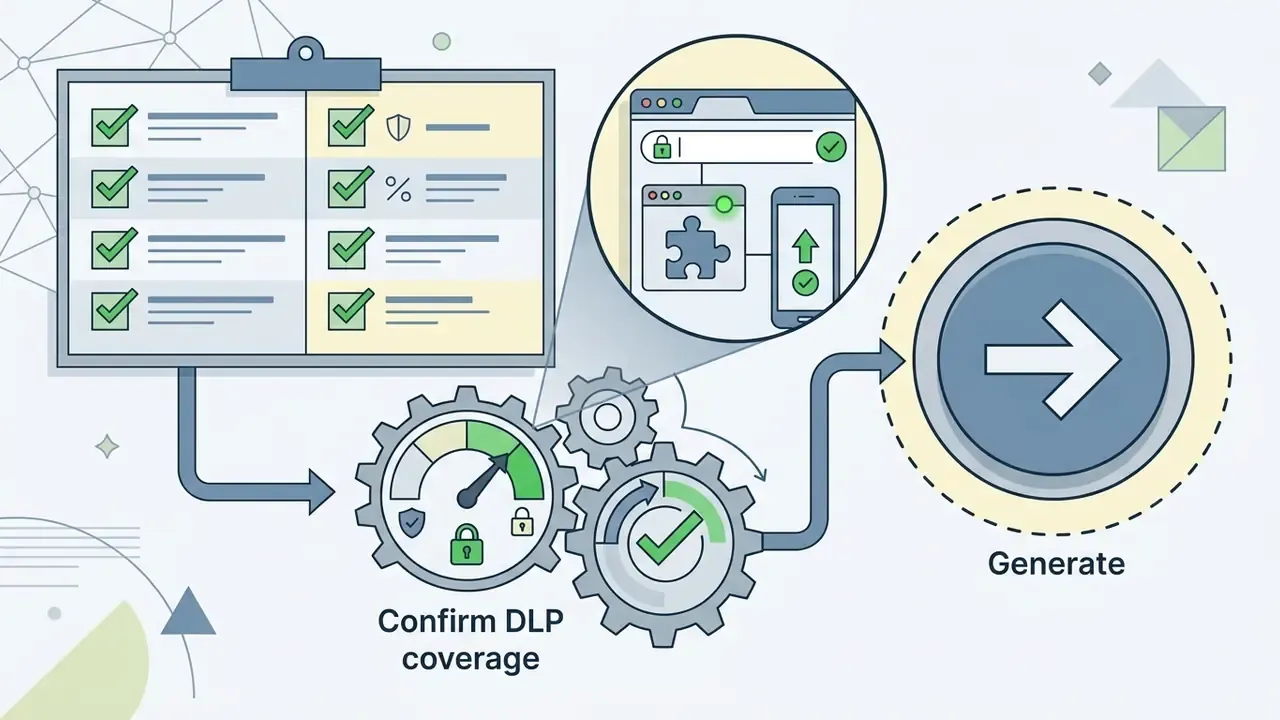
- Data safetyConfirm that no personal, confidential, or market-sensitive information appears in the prompt.
- Verification planReview output against primary course materials before posting.
What Makes an AI Discussion Response Thoughtful and Engaging
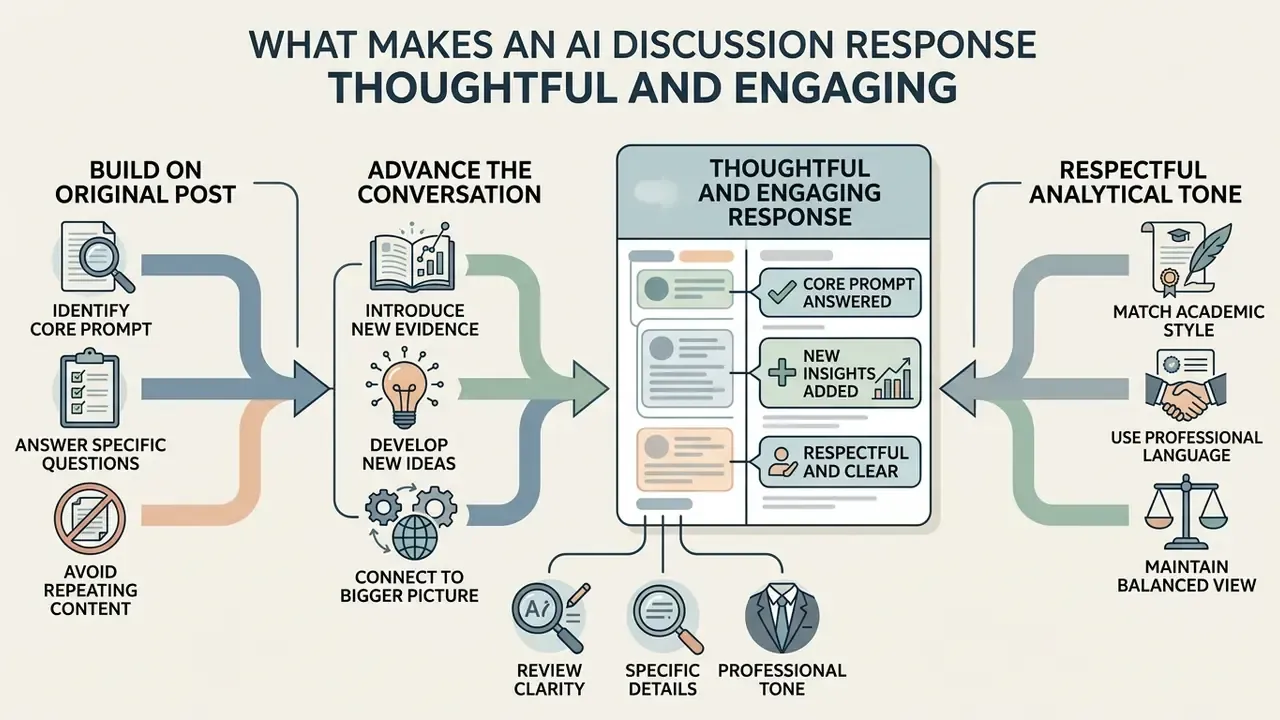
A thoughtful AI-assisted response answers the core prompt, advances the conversation with new evidence, and keeps a respectful analytical tone. Strong forum contributions skip empty praise and introduce concrete reasoning, counter-arguments, or probing questions.
Evaluative rubrics in online learning reward contributions that show "slow, visible thinking", the ability to externalize complex analysis for community critique.
«Asynchronous forums matter because they make thinking visible and persistent: students can re-read, contest, and revise reasoning, a function AI tutors do not reproduce.»
That distinction explains why discussion boards survive alongside conversational AI. A private chat with a model produces an answer; a forum produces a durable, contestable record of reasoning that a cohort can interrogate. Using a free ai discussion generator therefore still requires human judgment to turn basic text into something other people can argue with.
Build on the original post instead of repeating it
An effective reply extends the conversation rather than restating what a classmate already wrote. A discussion response generator ai should be instructed to name specific points of agreement or disagreement and add new perspective.
To build meaningful dialogue:
- Acknowledge a specific claim made by the original author, quoting or paraphrasing it precisely.
- Introduce a complementary example, a contrasting theoretical model, or a real-world application.
- Ask one clarifying question, such as "What do you mean by ___?", when a term in the original post carries hidden assumptions.
- Stop once ideas begin recycling; repetition signals the thread has exhausted its value.
- Conclude with a single open-ended question that prompts further inquiry.
This approach prevents the "I agree with your post" comment that adds nothing. University of Nevada, Reno guidance frames the minimum viable reply as agreement or disagreement plus a reason plus a question that keeps the thread alive; BMCC OpenLab adds a third move: validate, expand, then probe.
Match the academic or professional tone
Academic and professional environments expect a respectful, evidence-based, objective register.
«Institutional netiquette guidance prohibits texting shortcuts, excessive punctuation, and emotional hyperbole in academic discussion environments.»
Canvas discussion etiquette adds proper capitalization and punctuation, a formal greeting and closing, and explicit caution with sarcasm or humour, which reads poorly without vocal cues. Corporate professional-tone guidance is adjacent but not identical: know the audience, stay courteous, write confidently, and avoid inappropriate or discriminatory language.
When using an ai discussion reply generator, check that critique never slides into aggressive or dismissive phrasing. Professional forums reward a confident, non-discriminatory register focused on concepts rather than personalities. Note also that platform-level content filters differ sharply between tools, and reference material on the character ai nsfw filter off question illustrates how filter configuration changes what a generator will produce and what a community will tolerate.
Use specific details and review clarity before posting
Generic assertions weaken analytical quality. Before submitting an entry produced by an ai discussion response generator free of charge, confirm that every general claim rests on concrete facts, dates, or citations.
«Plain-writing review requires that the main point appear first, that organization follow reader questions, and that redundant filler be removed.»
The U.S. Office of Personnel Management plain-language guidance adds a numeric target, average sentences of 15 to 20 words, and Oregon's plain-language guide recommends testing the message on someone unfamiliar with the subject. Define technical terminology accurately on first use, and make sure every number carries a source you can name out loud.
Examples of AI-Generated Discussion Posts and Replies
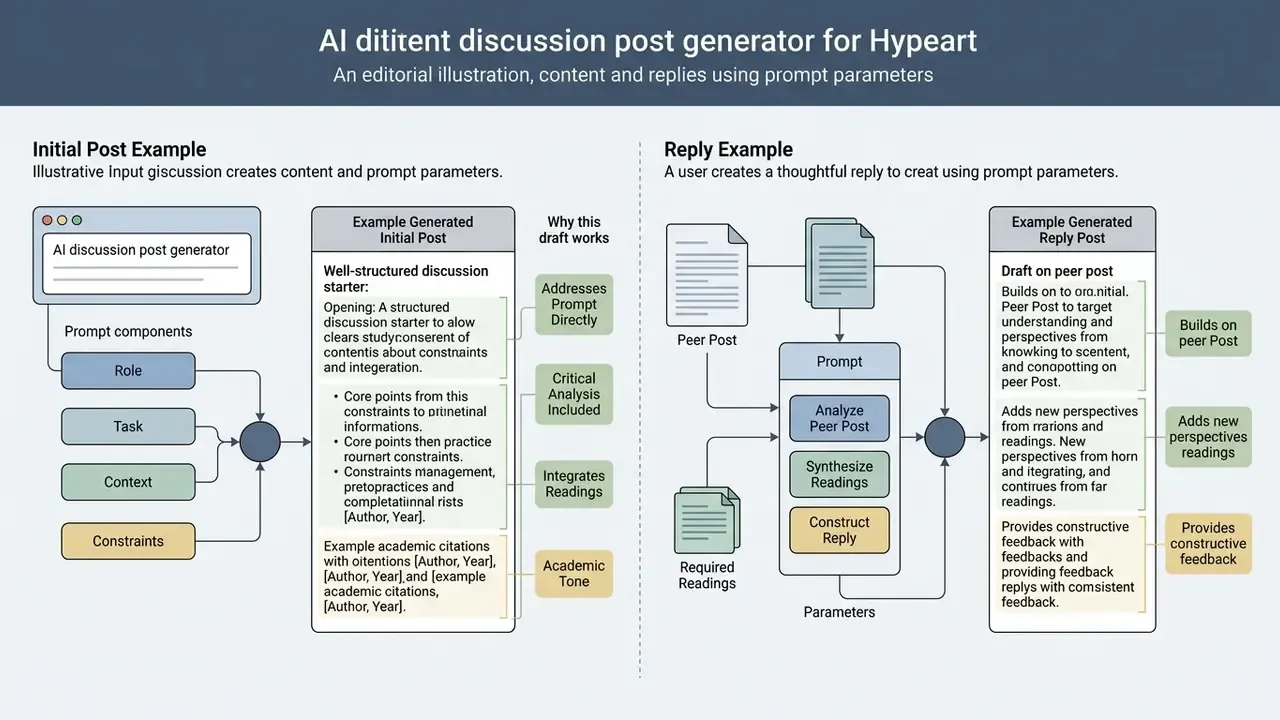
Looking at real prompt structures and their outputs shows how parameters shape the quality of an ai discussion post response generator result. Concrete instructions convert generic responses into focused academic contributions.
«Prompts that supply explicit constraints on persona, task, context, and format substantially reduce post-generation editing effort.»
Example prompt for an initial discussion post
Prompt configuration:
- Role Graduate student in financial technology.
- Task Write an initial discussion post on the risk implications of agentic AI in banking.
- Context Focus on model risk management (MRM) and regulatory compliance.
- Constraints 250 words, formal tone, state position in the first sentence, include two evidence points, end with one question.
Generated output draft:
"Agentic AI systems present novel model risk management challenges that existing governance frameworks designed for static risk models cannot adequately address. Unlike traditional quantitative models, agentic systems operate with multi-step autonomy, creating unpredictability in decision-making paths. First, non-deterministic outputs complicate auditability, making it difficult to establish a clear evidence chain for regulatory compliance under SR 11-7 guidelines. Second, unrestricted access to transactional databases creates shadow data paths that bypass standard access controls. To mitigate these exposure points, financial institutions must implement continuous human-on-the-loop oversight and automated kill switches. How can bank validation teams update traditional backtesting protocols to evaluate real-time agentic decision chains without stalling deployment velocity?"
Why this draft works: the position appears in sentence one, both evidence points are falsifiable and topic-specific, the regulatory reference is checkable, and the closing question invites a methodological rather than a yes/no answer. What still needs human work: the SR 11-7 reference must be read and confirmed in the primary supervisory letter, and the "automated kill switches" recommendation needs a concrete institutional example drawn from your own experience.
Example prompt for a discussion board reply
Prompt configuration:
- Task Write a peer reply to a classmate's post on decentralized data storage.
- Peer argument The peer argues that decentralized storage completely eliminates corporate data breach risks.
- Constraints 120 words, respectful tone, offer a counter-perspective based on key management risks, end with a clarifying question.
Generated output draft:
"Thank you for highlighting how decentralized architecture mitigates centralized server targets. While off-loading data storage reduces single-point hardware vulnerability, it introduces critical key-management dependencies that merit equal consideration. If individual encryption keys are compromised through phishing or endpoint vulnerabilities, data exposure still occurs regardless of storage distribution. Additionally, regulatory reporting under data privacy frameworks becomes significantly more complex when data shards span multiple legal jurisdictions. Have you considered how key recovery procedures might be audited within a fully decentralized framework without re-introducing centralized access points?"
Why this draft works: it names the peer's actual claim, concedes a genuine strength, introduces a mechanism the original post ignored (key compromise), and closes with a question that is answerable rather than rhetorical.
Advanced stance matrix: controlling agreement and disagreement
Most weak AI replies fail because the prompt never specified a stance. Declare one explicitly, then list the exact micro-points to engage; up to five is manageable inside a 150-word reply.
| Stance | Prompt instruction to use | Structural model | Typical failure to avoid |
|---|---|---|---|
| A. Constructive disagreement | "Identify 2 logical flaws in the original post regarding [topic]. Reframe them politely using a Point, Counterpoint, Question model." | Name the claim, show the flaw, offer the alternative, ask | Reading as a personal attack; attacking the author rather than the reasoning |
| B. Nuanced support | "Agree with the author's primary premise on [Point A], then introduce a critical edge case where their logic fails ([Point B])." | Concede, extend, bound the claim | Agreement so total that the reply adds nothing |
| C. Full agreement with extension | "Affirm the author's conclusion, then add one new source, dataset, or applied example not mentioned in the original post." | Affirm, add new evidence, ask | "Great post, I agree" with no new material |
| D. Methodological challenge | "Accept the conclusion but question the evidence base: identify which claim lacks a cited source and request clarification." | Accept, isolate weak evidence, request source | Sounding like an interrogation; soften with one genuine concession |
| E. Reframing / third position | "Neither fully agree nor disagree: propose a third framing that reconciles the author's claim with the opposing view in the thread." | Summarize both, propose synthesis, test it | Vagueness; the synthesis must be a concrete claim |
Micro-point input pattern:
Stance: Partial agreement (Option B)
I agree with: (1) the peer's claim that decentralization removes single points of failure.
I disagree with: (1) "eliminates all breach risk"; (2) the assumption that key custody is
solved; (3) the omission of cross-jurisdictional reporting duties.
Length: 130 words. Tone: collegial, non-dismissive. End with one clarifying question.
| Parameter | Initial post prompt | Peer reply prompt |
|---|---|---|
| Primary goal | Establish original thesis on assignment question | Critique and extend classmate's post |
| Typical length | 250–350 words | 100–150 words |
| Required context | Reading assignments, lecture concepts, topic constraints | Classmate's exact post text, specific counter-point |
| Stance control | Declared thesis, single position | Agree, disagree, or partial, with up to 5 micro-points |
| Core structure | Thesis statement, 2 evidence points, closing question | Acknowledgment, complementary or counter perspective, question |
| Review focus | Factual accuracy of citations, thesis clarity | Tone respectfulness, relevance to the peer's specific claims |
In short: the initial post sets a position, the reply tests one. Both need a named human owner before anyone hits submit.
How to Cite Discussion Posts in APA and MLA
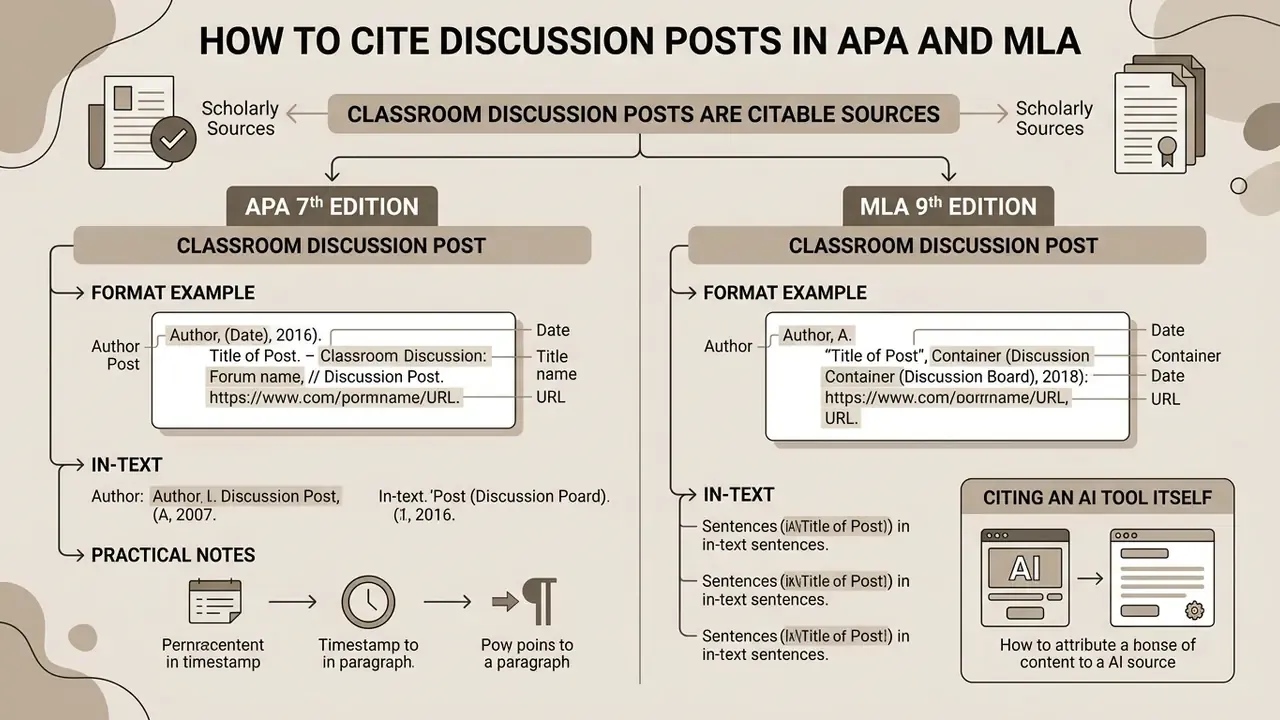
Classroom discussion posts are citable sources. Because they sit behind a login, both major style systems treat them as personal or restricted-access online communications, which changes how the reference entry is built.
APA 7th edition, classroom discussion post
Format:
Author, A. A. (Year, Month Day). Re: Title of discussion thread [Discussion post]. Platform/Course Name. URL
Example:
Smith, J. (2026, January 15). Re: Ethical implications of agentic AI [Discussion post]. University of Notre Dame Canvas. https://canvas.nd.edu/courses/12345/discussion_topics/67890
In-text: (Smith, 2026) or Smith (2026) argued that…
Practical notes:
- Because most course sites require a login, many instructors prefer that classmate posts be treated as personal communication:
(J. Smith, personal communication, January 15, 2026), with no reference-list entry. Confirm which convention your course requires. - Keep the "Re:" prefix only if it appears in the original thread title.
- Retain the original capitalization of the thread title; do not add a period inside the bracketed descriptor.
MLA 9th edition, classroom discussion post
Format:
Author Last, First. "Title of Post." Course Name, Platform, Day Month Year, URL.
Example:
Smith, Jordan. "Re: Ethical Implications of Agentic AI." FIN 620: Model Risk Management, Canvas, 15 Jan. 2026, canvas.nd.edu/courses/12345.
In-text: (Smith), since no page number exists for an untagged forum post.
Citing an AI tool itself
Data Privacy, Shadow AI, and Governance Controls
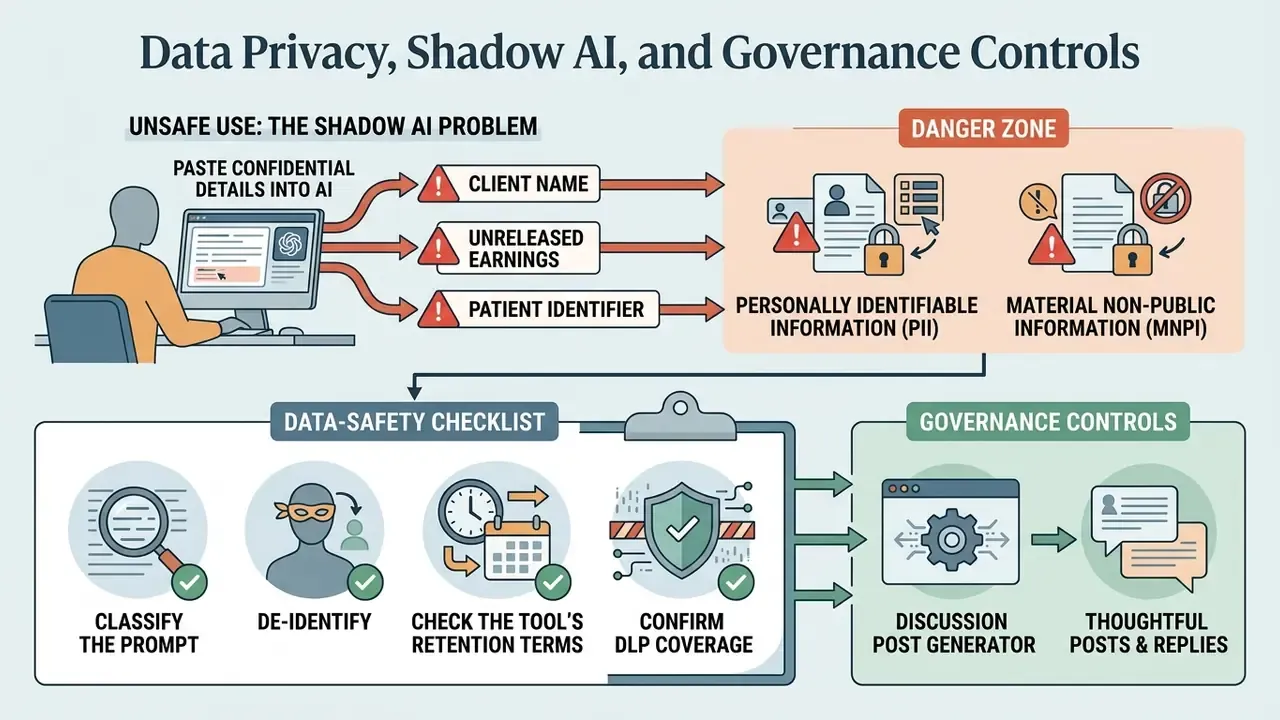
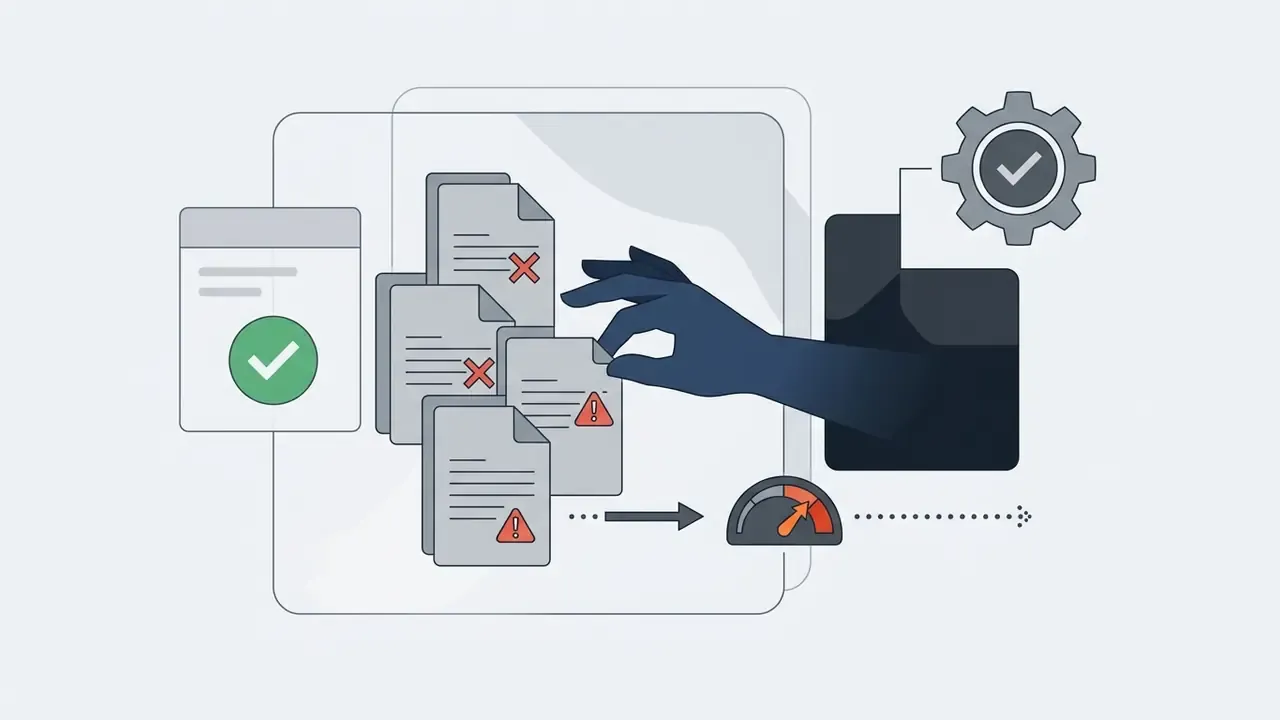
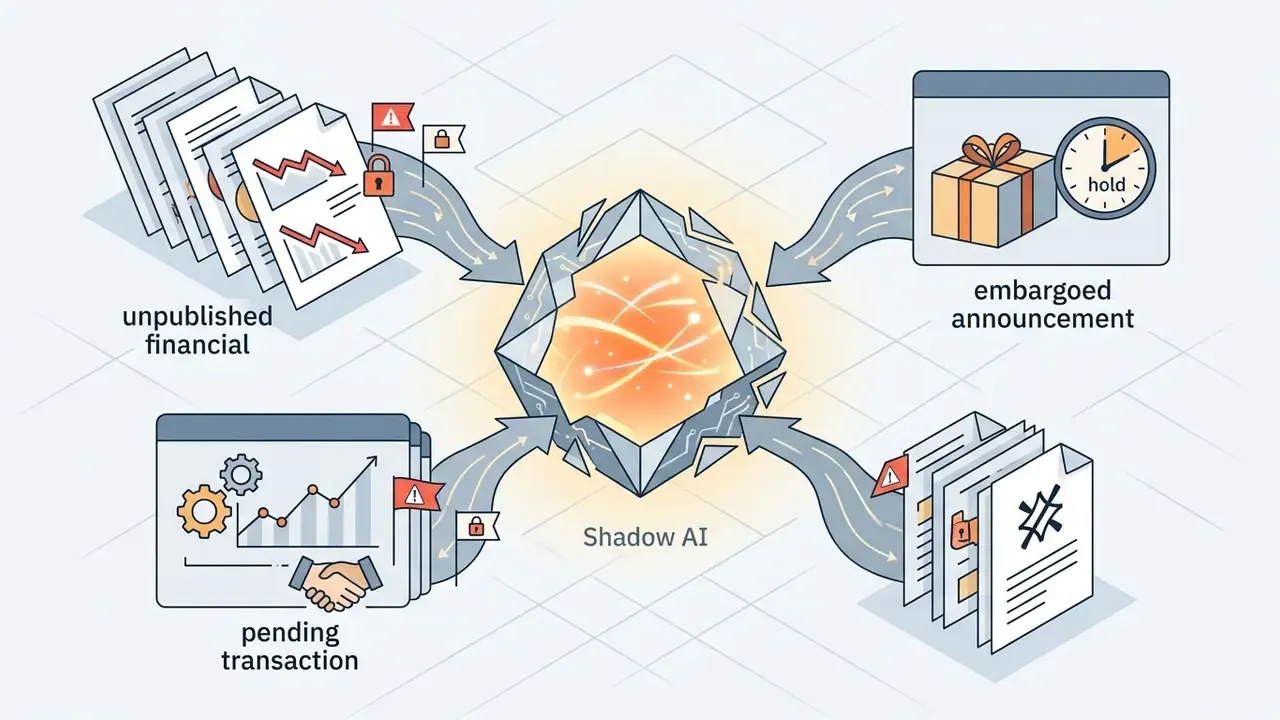
Discussion-post generation looks harmless until someone pastes a client name, an unreleased earnings figure, or a patient identifier into a public web form. For governance, risk, and compliance leaders the control question is not "is the text good?" but "where did the prompt go, who can prove it, and what did the human decide?"
The shadow AI problem
Shadow AI is unsanctioned use of public generative tools for work tasks. In discussion and commentary workflows it usually looks like this: an analyst pastes an internal memo into a free generator to smooth the prose, a trainee summarizes a confidential regulatory letter, or a team member drafts a client-facing forum answer inside a browser extension with unknown data retention.
Prohibited inputs for any public or unvetted generator:
- Protected health information, credentials, API keys, or security configurations.
- Client-attributable text, unreleased internal policy drafts, or privileged legal correspondence.
- Third-party copyrighted material provided under a licence that forbids onward transmission.
Reddit's Responsible Builder Policy (2024), for example, explicitly prohibits using platform data to train machine-learning models without written approval and forbids inferring sensitive traits such as health status or political affiliation. A useful reminder that data flowing out of a platform is governed just as tightly as data flowing in.
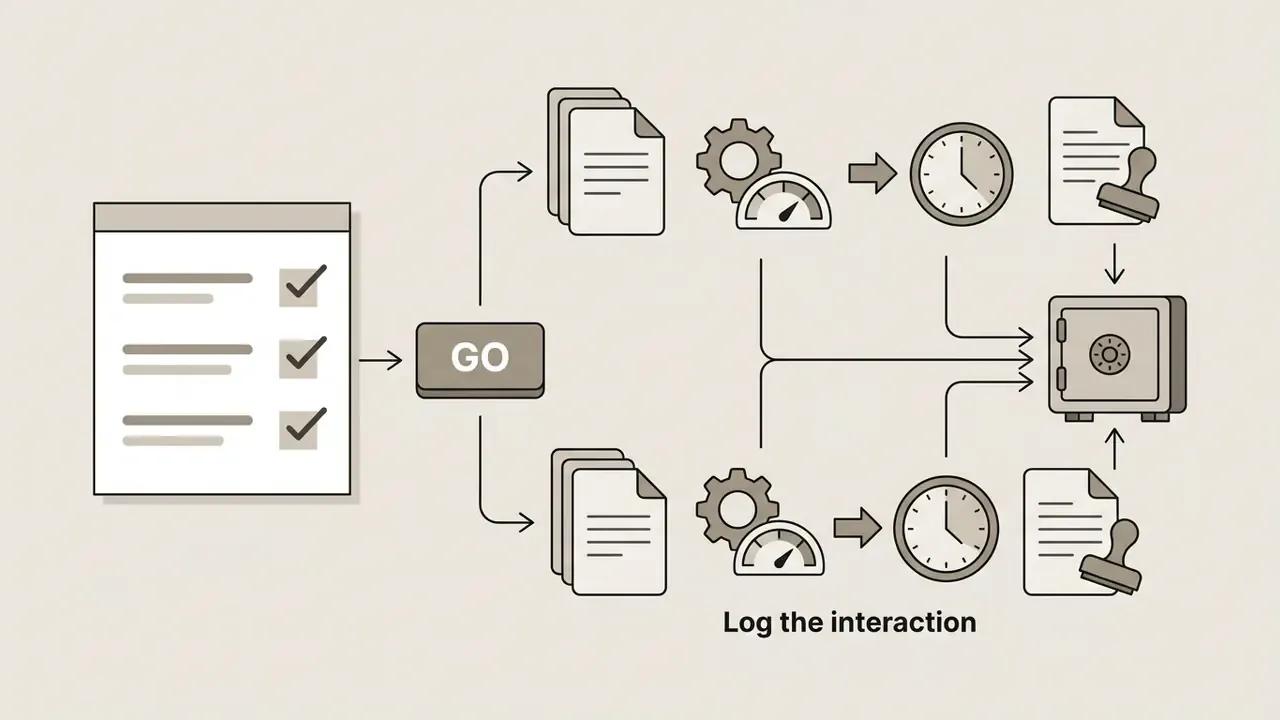
Data-safety checklist before you press "Generate"


Extending model-risk practice to text generation
Free AI Discussion Board Generator: Access, Limits, and Upgrades
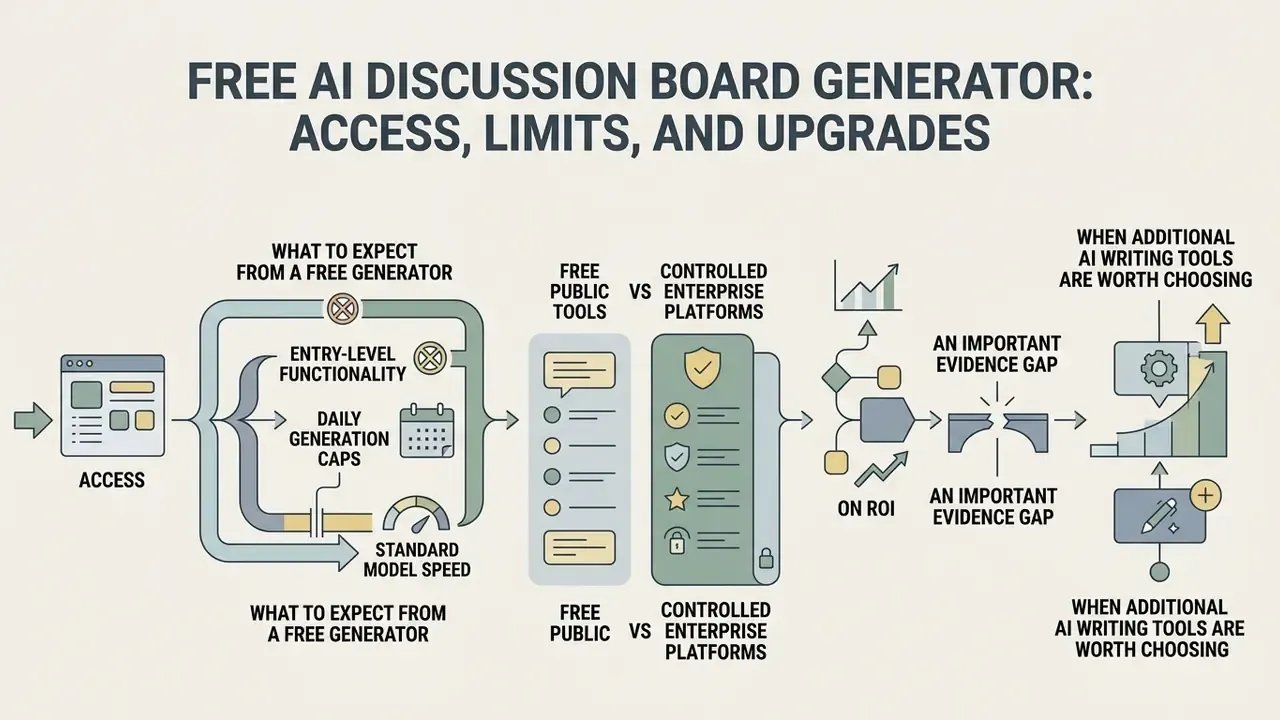
Many platforms offer an ai discussion board generator free of charge, providing entry-level functionality with daily generation caps and standard model speed. Understanding tier structures helps users match a tool to their writing volume and operational requirements.
«Free tiers commonly cap usage at 5–10 generations per day or monthly token allowances, while premium plans add custom tone controls and workflow integration.»
Vendor-published quotas vary widely: one discussion-specific tool advertises 10 generations per 24 hours; another offers limited free use with paid tiers at roughly $19.99 and $44.99 per month; general-purpose post generators publish tiers from 5 posts per month up to 300. These figures are commercial claims from vendor pages, not independently audited benchmarks, and they change frequently, so verify current limits before committing. Cost modelling across tiers can be sanity-checked with our usage calculators.
What to expect from a free discussion response generator
A free ai discussion post generator gives accessible support for occasional writing tasks. Most unpaid platforms open the basic generation algorithms for both initial posts and short replies, and the same is broadly true of an ai discussion board response generator free at guest level.
Common characteristics of free access include:
- Standard generation speed and public server queuing.
- Pre-set tone controls (general, formal, concise).
- Daily generation reset quotas, often around 500 to 1,000 words per session.
- Standard context windows that may truncate lengthy source materials.
- Rate limiting expressed per minute as well as per day; free API tiers commonly publish caps such as 15 requests per minute alongside daily request ceilings.
For students or professionals with light discussion board requirements, a free ai discussion response generator delivers enough drafting assistance. For anything client-facing, it does not.
Free public tools vs controlled enterprise platforms
Consumer quota comparisons are the wrong axis for institutional buyers. The decisive criteria are data handling, evidence, and integration.
| Criterion | Free public generator | Controlled / enterprise platform |
|---|---|---|
| Data retention | Often retained; terms may permit training on inputs | Contractual no-training commitment; configurable retention windows |
| Tenant isolation | Shared infrastructure, no isolation guarantee | Dedicated tenancy or logical isolation; regional hosting options |
| Security attestation | Rarely published | SOC 2 Type II, ISO/IEC 27001, ISO/IEC 42001 alignment |
| Prompt and output logging | Not available to the organization | Full audit trail exportable for internal audit and supervisory review |
| Access control | Individual accounts, no oversight | SSO, role-based access, group policies, offboarding controls |
| Context window | Standard, frequently around 2,000 tokens | Extended, 8,000+ tokens, suitable for long readings and policy texts |
| Style governance | Preset tones only | Custom brand or academic voice, enforced terminology lists |
| Integration | Browser only | API, LMS/GRC/DMS integration, workflow automation |
| Cost basis | $0 with quotas | Seat or consumption pricing plus oversight overhead (review time, validation, logging) |
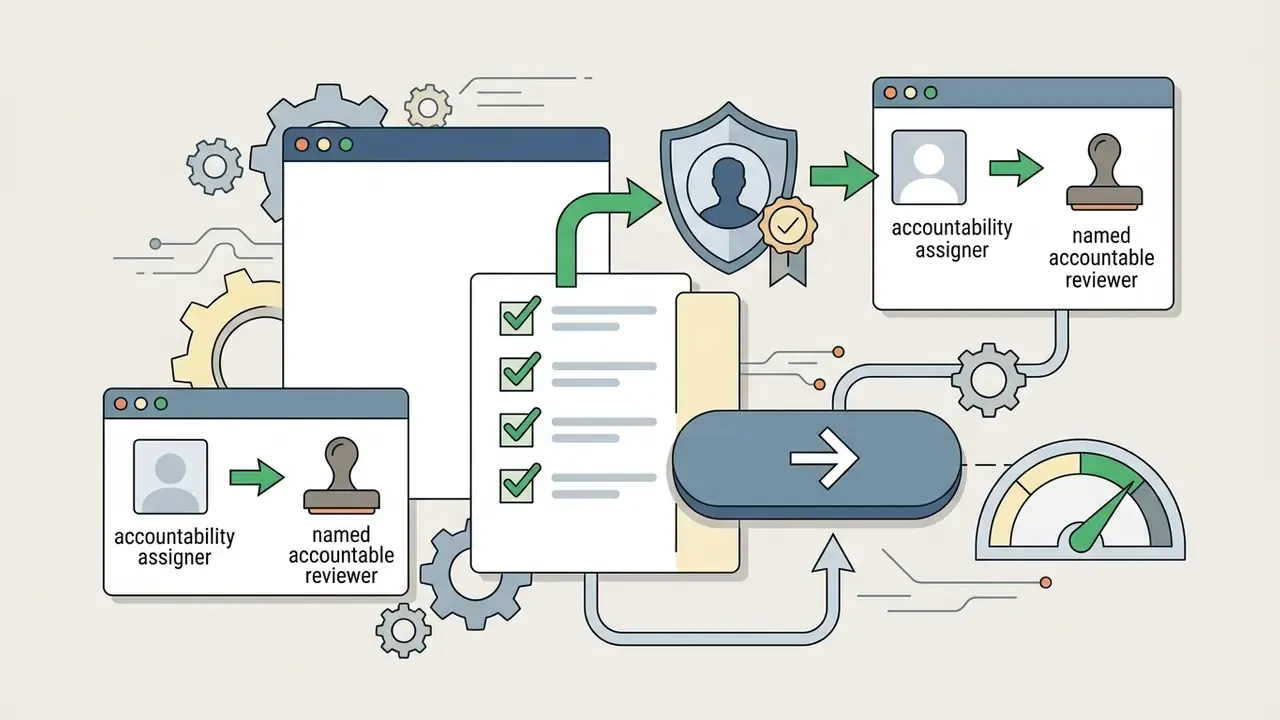
| Accountability | Individual user | Named owner, documented human-in-the-loop, decision ownership recorded |
On ROI: an honest business case prices the oversight overhead, not just the licence. If a 250-word post takes 12 minutes to draft manually and 4 minutes to generate plus 6 minutes to verify, the net saving is 2 minutes. Worthwhile at volume, negligible for a handful of posts, and negative if verification is skipped and a factual error reaches a client-facing forum.
An important evidence gap: the academic literature from 2023 to 2026 contains no peer-reviewed study comparing educational or productivity outcomes between free and paid tiers of AI writing tools. Systematic reviews of large language models in higher education document adoption patterns and feedback quality, but tier-level comparisons remain vendor-reported. Treat pricing-page claims accordingly.
When additional AI writing tools are worth choosing
| Access tier | Generation volume | Context window size | Tone customization | Typical use case |
|---|---|---|---|---|
| Free tier | 5–10 posts per day | Standard, approx. 2,000 tokens | Preset options (formal, casual) | Occasional class posts, short replies |
| Expanded tier | Unlimited or high quota | Extended, 8,000+ tokens | Fully customizable brand or academic voice | Heavy academic workloads, professional forums |
| Controlled / enterprise | Policy-governed quota | Extended plus document ingestion | Enforced style guide and terminology | Regulated commentary, auditable workflows |
Responsible Use of AI for Academic and Class Discussions
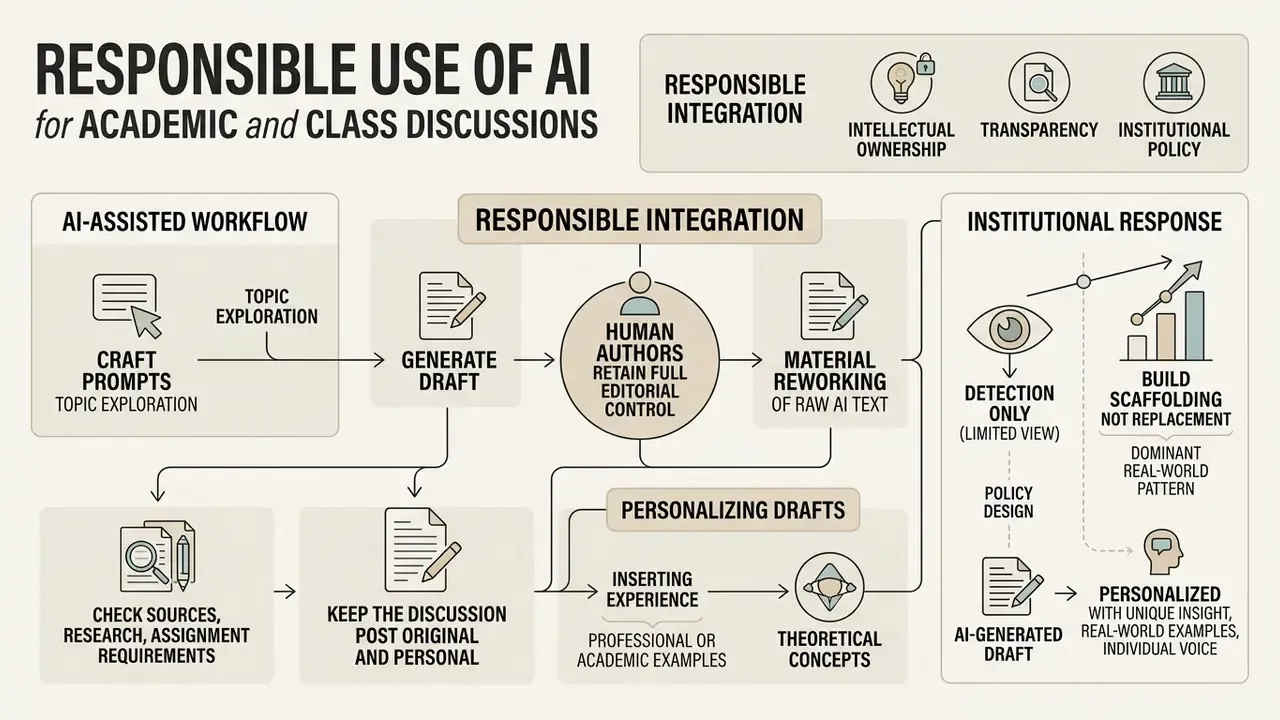
Responsible integration means keeping intellectual ownership, being transparent, and following institutional policy to the letter. Generators are drafting aids, not proxies for human learning and critical thought.
«Large language models can unintentionally reproduce fragments of training data without attribution, creating a risk of inadvertent plagiarism.»
Human authors therefore retain full editorial control and must materially rework raw AI text before submission or publication. U.S. Copyright Office guidance (2023) states that AI-generated material beyond a de minimis contribution should be excluded from an authorship claim or expressly disclosed; the FAO's editorial policy (2025) prohibits publishing raw, unedited AI text; and the U.S. Department of Energy's usage guidelines (2023) require a human in the loop and discourage verbatim chatbot output on the simple grounds that it is not your writing.
Researchers also argue that the institutional response cannot stop at detection: institutions should build AI literacy, redesign assessment toward critical thinking, and publish transparent disclosure policies rather than relying on prohibition alone (conceptual research on balancing innovation and integrity in generative AI use, 2024).
Keep the discussion post original and personal
An AI-generated draft should always be personalized with unique insight, real-world examples, and individual analysis. Submitting raw, unedited text from an ai discussion post generator free of charge produces generic responses that reflect nothing about your understanding.
«A global survey of 23,218 students across 109 countries found most use ChatGPT for brainstorming and summarizing rather than copying finished answers.»
That behavioural finding matters for policy design: the dominant real-world pattern is scaffolding, not substitution, which is exactly the pattern personalization guidance is meant to reinforce.
Methods for personalizing drafts include:
- Inserting professional or academic experience that illustrates a theoretical concept.
- Rewriting sentence structures and adjusting vocabulary to match your own voice.
- Stating explicitly where you agree or disagree with AI-suggested arguments.
- Varying sentence length and rhythm deliberately; official guidance on humanizing AI text recommends varying structure, matching vocabulary to the author, and adding real opinions and examples.
- Replacing at least one generic example with a specific, dated, verifiable case from your own reading.
An authentic personal voice is what keeps discussion boards worth reading.
Check sources, research, and assignment requirements
Verifying facts and citations from a discussion ai generator is mandatory, not optional. Large language models operate on probabilistic pattern matching and regularly invent references or misattribute data.
«Systematic reviews document that LLMs produce plausible but false citations and statistics; authors bear full responsibility for verifying every claim.»
«Across 99 studies, 73 reported predominantly positive responses to AI, 46 reported negative reactions such as fear and distrust, and 59 documented improved task outcomes with AI use.»
Expect a cohort where some peers welcome disclosure and others read it as an admission of shortcut-taking. A one-line methods note naming what the tool did and what you verified defuses most of that friction.
Where to Practice: Academic Discussion Hubs and Communities
Graded LMS threads are not the only place to build discussion skill. Public communities offer lower-stakes practice in stating a position, defending it, and conceding gracefully, with the caveat that each has its own rules and tolerance for AI-assisted text.
Reddit communities frequently used by students and researchers:
- r/AskAcademia norms, publishing, supervision, and career questions; expect blunt expert answers and low patience for generic text.
- r/GetStudying study habits and motivation; comparatively low-spam and discussion-oriented.
- r/Productivity workflow and time-management debates.
- r/GetDisciplined habit formation and accountability threads.
- r/ObsidianMD note-taking systems and knowledge management for coursework.
- r/Notetaking and analog-tool communities: method comparisons that translate directly into study workflows.
- r/Entrepreneur applied management, economics, and strategy discussions useful for business coursework.
Beyond Reddit: subject-specific Discord servers, Slack workspaces run by professional associations, Stack Exchange sites for technical disciplines, LinkedIn groups for industry commentary, and institution-hosted forums. Some of the most useful "discussion boards" are not online at all. Departmental reading groups, journal clubs, and local meetups often produce sharper debate than any thread.
Rules of engagement: read the local rules first, never cross-post identical AI-drafted text across multiple communities, disclose AI assistance where the community requires it, and match register to venue. The formal thesis-first structure that earns marks in Canvas reads as stilted on a public forum.
Pre-Submission Checklist Before You Hit "Submit"
- Prompt fidelityDoes the post actually answer the instructor's question, not an adjacent one?
- Source traceabilityCan every statistic, quote, and citation be located in a document you have personally opened?
- Reading integrationAre the required course readings referenced with specific claims rather than vague allusions?
- Stance clarityIs your position stated in the first two sentences?
- New valueFor a reply, does it add an example, source, counterpoint, or question the thread did not already contain?
- ToneNo contractions, slang, sarcasm, or dismissive phrasing; critique aimed at ideas, not people.
- Length and formatWord count, paragraph structure, and closing-question requirements met.
- Citation styleAPA 7 or MLA 9 formatting applied per syllabus, including any classmate-post references.
- VoiceAt least one sentence that only you could have written: a personal case, a professional observation, a specific reservation.
- Data safetyNo confidential, personal, or market-sensitive information appeared in the prompt or the post.
- DisclosureAI use declared if course or community policy requires it.
- Final read-aloudSentences average roughly 15 to 20 words and the main point lands first.
FAQ About AI Discussion Post and Response Generators
"Write the response in academic Spanish (nivel universitario). Apply the standard
regional academic terminology for [subject]. Maintain formal register (usted),
avoid anglicisms, and keep sentences under 25 words.
Then provide a second version in English for my own verification."
Do I need an account to use a free AI discussion generator?
Many web-based platforms allow immediate access to a free ai discussion generator without registration or login. Guest users can enter prompts, select basic tone settings, and generate short responses in the browser; several vendors advertise no sign-up, no credit card, and daily or monthly guest allowances (SocialBu, PostGen, RobinReach, Textbuddy product pages, 2025). Registering for a free account usually unlocks higher daily quotas, saved prompt history, and expanded tone parameters. Note the trade-off: no-account tools also give you no audit trail, which makes them unsuitable for any work-related or regulated writing.
Can the generator adapt to technical topics and different languages?
Yes, modern generators handle complex technical subjects, though quality varies across disciplines and non-English languages.
«Empirical evaluation shows AI models handle technical terminology effectively, but multilingual outputs in languages such as Arabic or Chinese exhibit quality variation relative to English drafts.» Multilingual LLM Performance Analysis (2025)
The measured gaps are substantial. In one 2025 study, Arabic outputs scored 0.36 to 1.67 standard deviations below English, and Chinese outputs 1.20 to 1.74 standard deviations below English, on completeness, relevance, actionability, and creativity, with the disadvantage widening on more technical tasks. A separate 2025 consistency study across 12 models and 30 languages reported material inconsistency in cross-language behaviour.
Prompting for non-English and ESL academic contexts. To generate posts in Spanish, German, French, or Portuguese, or to adapt academic English for ESL writers, add explicit language-level instructions:
Additional patterns that work well:
- Terminology lock: "Use these exact terms and do not translate them: [term list]."
- Register control: "Write in formal academic German (Sie-Form), Konjunktiv where appropriate."
- Back-translation check: ask for a literal English back-translation and compare it to your intent; the fastest way to catch a mistranslated technical term.
- ESL simplification: "Rewrite at CEFR B2 level while preserving all technical terms and citations."
Anyone writing on complex technical topics or in a second language should edit thoroughly to verify terminology and logical nuance before posting. Where you cannot personally validate the language, ask a native-speaking peer to read it.
Can I use an AI discussion response generator for forums and Reddit?
An ai discussion board response generator can draft responses for public forums, Reddit, and corporate communities, provided the output respects community rules and platform terms of service.
«Reddit's developer policy prohibits automated spam, repetitive posting, and bots that violate subreddit-specific moderation rules.» Reddit Responsible Builder Policy (2024)
Reddit's Moderator Code of Conduct further makes local subreddit rules binding on generated output, and NIST's generative-AI profile (AI 600-1, 2024) recommends human moderation wherever model performance is weak. On public forums, keep the tone concise, conversational, and direct, and drop the formal academic scaffolding typical of LMS platforms. Lead with the answer and keep replies to 60 to 120 words. For creative or visual threads on informal forums, contributors often reach for adjacent tooling such as a collage video or a chatgpt video generator when a short clip communicates faster than prose.
How do academic and professional tone requirements differ between LMS platforms and public forums?
Academic LMS environments (Canvas, Blackboard, Moodle) are graded, archived, and rubric-driven: they expect third person, formal greetings and closings, correct capitalization and punctuation, cited evidence, and no texting shortcuts or emoji. Public forums are reputation-driven rather than graded: they reward brevity, a direct answer in the first line, plain language, links instead of formal citations, and visible willingness to be corrected. Corporate internal forums sit between the two: courteous and audience-aware, confident but non-discriminatory, and subject to record-retention rules that classroom posts are not.
Can an instructor tell that a post was AI-generated?
There is no reliable detector, and universities increasingly warn against treating detection scores as proof. What instructors do notice is stylistic: uniformly balanced sentences, hedged conclusions, absent dates and named cases, citations that do not resolve, and a voice that changes abruptly between assignments. The durable defence is not evasion but substance: verified sources, a personal example, and a position specific enough that no generic model would have produced it.
What should I do if the generator invents a citation?
Delete the claim, not just the citation. A fabricated reference usually signals that the underlying assertion had no support in your source material either. Re-run the prompt with the source text pasted in and an explicit instruction that unsupported claims must be flagged rather than filled in. If you have already posted, correct it openly in a follow-up reply; visible correction costs far less academically than a discovered fabrication.
Limitations and Open Questions
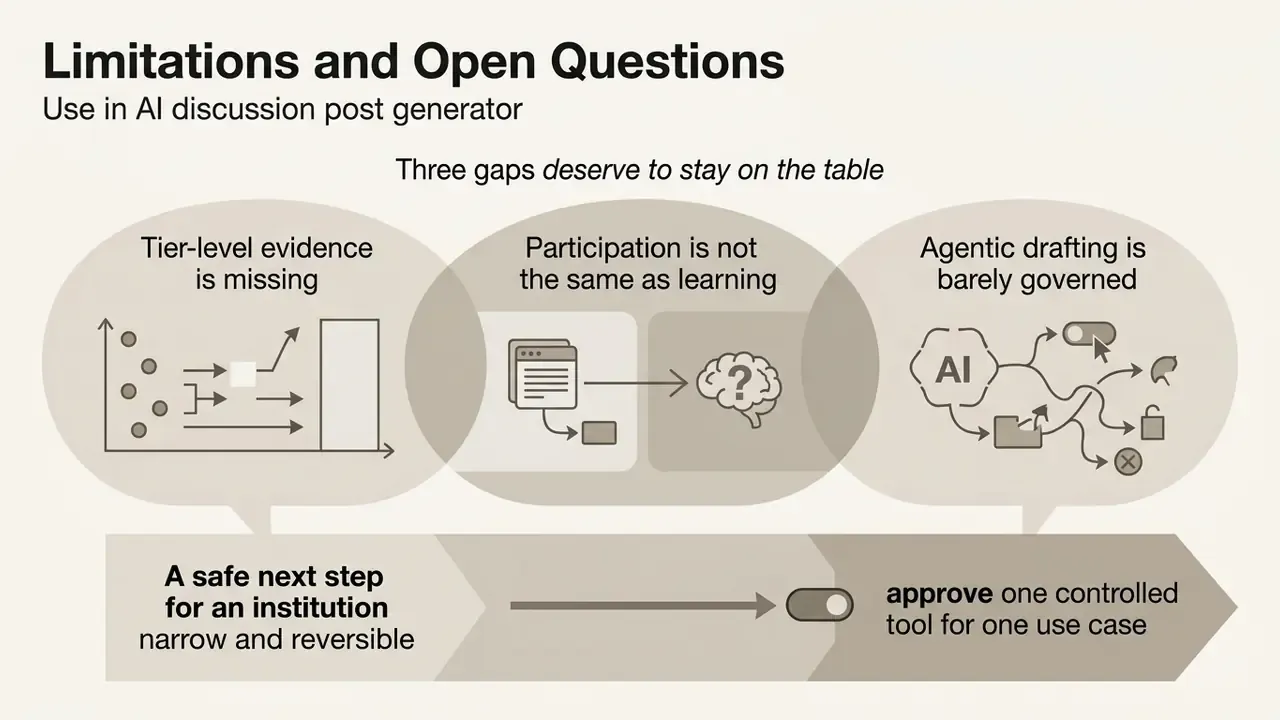
Three gaps deserve to stay on the table rather than be smoothed over.
- Tier-level evidence is missing. No peer-reviewed study yet compares learning or productivity outcomes between free and paid AI writing tiers. Buying decisions currently rest on vendor claims plus internal pilots.
- Participation is not the same as learning. The engagement gains reported in graded-discussion experiments measure volume of posts, not depth of understanding. Whether more posts produce better reasoning remains open.
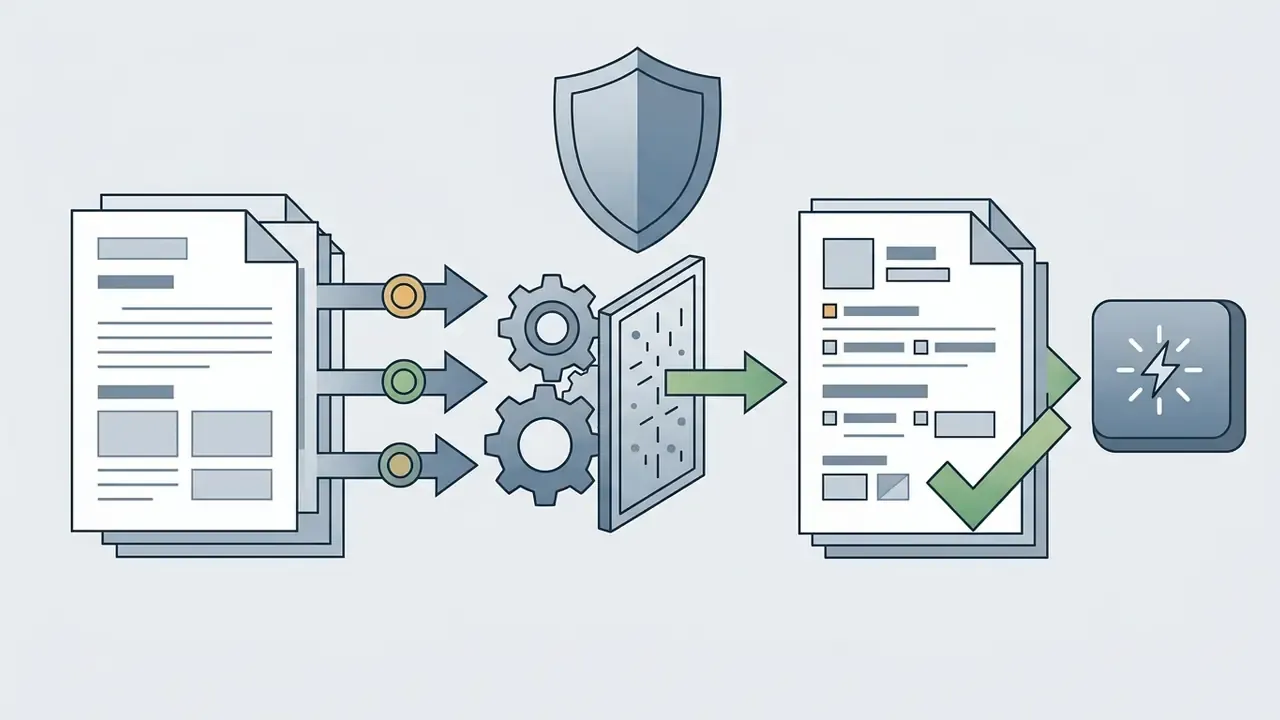
- Agentic drafting is barely governed. Once a tool can post autonomously into a thread or ticket queue, the classroom analogy breaks and full model-risk treatment applies: named owner, approved role, access limits, escalation path, audit trail, shutdown mechanism.
A safe next step for an institution is narrow and reversible: approve one controlled tool for one use case, require logged prompts and a named reviewer, and revisit after 90 days with the evidence in hand.
Resource Hub and Navigation
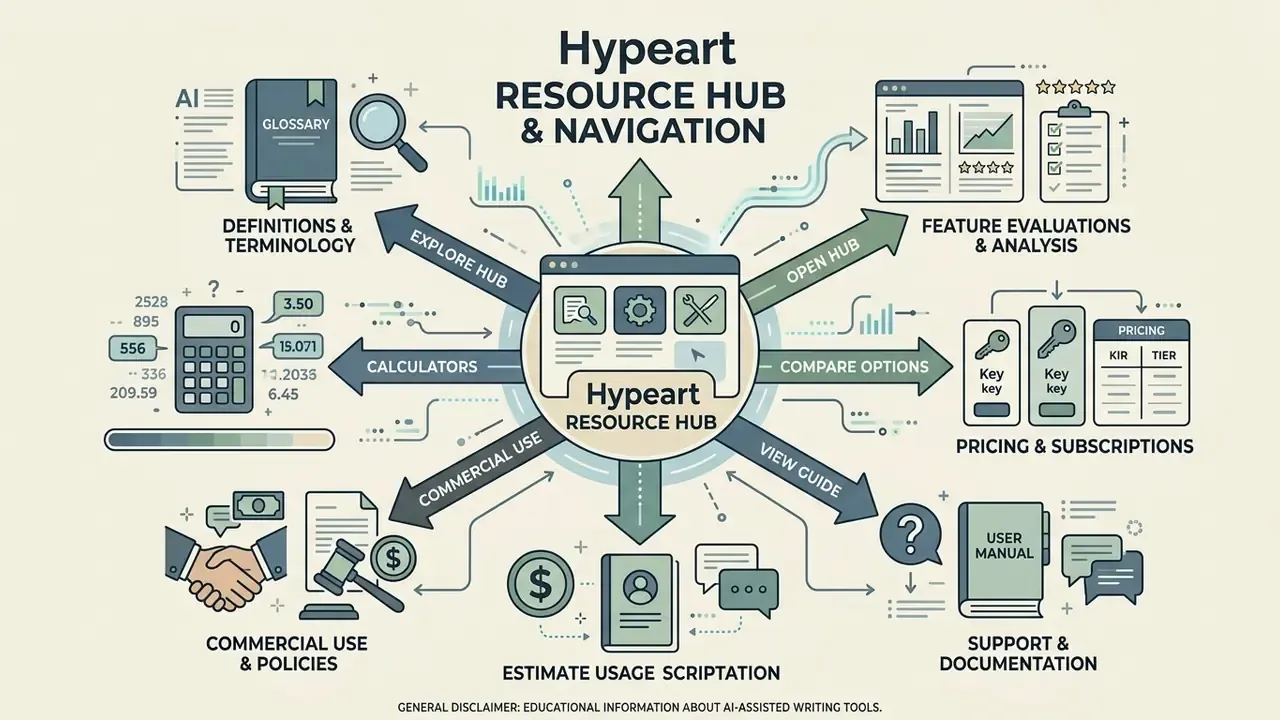
For additional technical resources, documentation, and operational guides on controlled automation and digital content tools:
- Access platform definitions and technical terminology: explore the hub.
- Review feature evaluations and comparative analysis: open the hub.
- Examine pricing structures and subscription tiers: compare options.
- Consult technical support and user documentation: view the guide.
- Analyze acceptable usage guidelines for commercial publishing: commercial use.
- Estimate usage costs with our calculators.
General disclaimer: This article provides general educational information about AI-assisted writing tools. It is not legal, regulatory, compliance, or academic-integrity advice. Institutional policies, supervisory expectations, and platform terms of service change frequently, so verify current requirements with your instructor, compliance function, or legal counsel before relying on any AI tool for graded or regulated communication. Marcus Hale, author.