Source status: Verified primary legal frameworks & platform terms | Last reviewed: August 2026
Key Definition (Quick Answer)
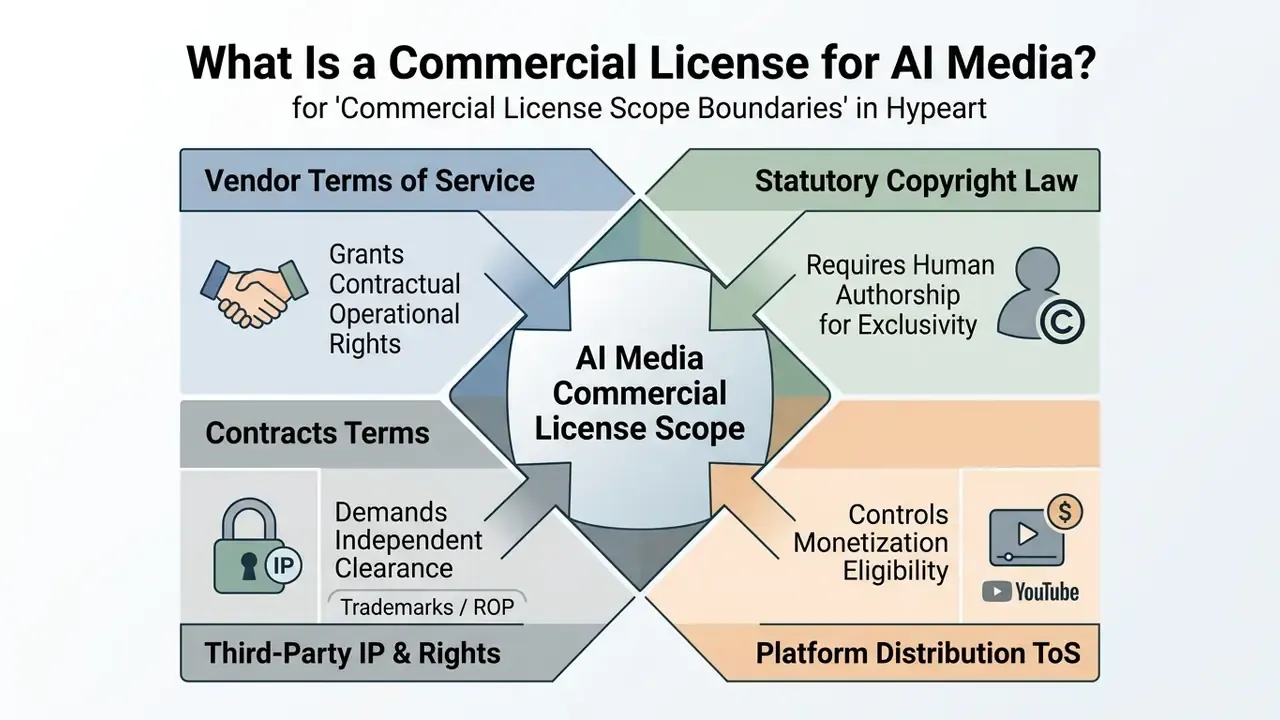
A commercial license for AI media is a legal contract between an AI platform vendor and a user that grants permission to use generated images, videos, audio, or text in revenue-generating or promotional activity. It defines contractual operational rights, such as publishing in advertising, selling physical merchandise, or embedding media in commercial products, while keeping vendor permission separate from statutory copyright ownership and third-party liability.
Short version for a busy risk officer: the license tells you what the vendor will not sue you for. It says nothing about what your competitors, a stock agency, or a celebrity's counsel can still do.
Not to Be Confused With: Adjacent Terms Risk Teams Mix Up
Different vendors use the same words for different rights. That ambiguity is where breaches happen.
| Term | What it actually covers | How it differs from a commercial license for AI media |
|---|---|---|
| Copyright ownership | Statutory exclusive rights in original human-authored expression. | A license is private permission; copyright is a public property right that no vendor can grant by contract. |
| Royalty-free stock license | Rights to reuse a pre-cleared human-made asset, usually with model and property releases already obtained. | AI output arrives without releases; third-party clearance stays with you. |
| Editorial use only | Permission for news, commentary, and non-promotional context. | Commercial license grants promotional deployment; editorial licenses explicitly do not. |
| IP indemnification | Vendor promise to defend and pay if a third party sues over the output. | A commercial license can exist with zero indemnity. Two separate clauses, two separate risks. |
| Model training rights | Vendor's right to reuse your prompts and outputs to improve the model. | Often bundled into the same terms document, and often the clause that leaks confidential briefs. |
| Monetization eligibility | A distribution platform's decision to serve ads against your asset. | Granted by YouTube or a social network, not by your AI vendor. |
Other Names People Search For
Buyers arrive at this question with wildly different phrasing: what is commercial license for ai media, commercial license for ai media meaning, commercial license for ai media definition, can I use AI generated images commercially, full commercial rights AI output, do AI companies allow commercial use, licensing AI content for ads. All of them resolve to the same three-part question. Who granted the right, what does statutory law protect, and which third parties still have standing to complain?
What Is a Commercial License for AI Media?
A commercial license for AI media is a vendor-granted contractual permission that lets an individual or an enterprise exploit AI-generated content for direct or indirect business gain. When a business generates media using artificial intelligence tools, the software vendor keeps ownership of its underlying model architecture and sets contractual boundaries around output deployment. Understanding the commercial license for ai media meaning requires separating vendor access permissions from public intellectual property law. A commercial license grants operational clearance under platform terms. It does not automatically grant exclusive copyright, and it does not shield the enterprise from third-party infringement claims.
«Commercial use is a key factor in assessing whether content use is lawful; it covers any exploitation aimed at generating revenue or advancing business interests.»
The formal commercial license for ai media definition specifies that any media, including synthetic images, videos, audio tracks, or generated text, used in marketing campaigns, client deliverables, commercial software interfaces, or monetized digital channels, requires explicit commercial deployment rights. For enterprise risk leaders in banking and fintech, evaluating an AI vendor's commercial terms is a foundational model risk control. Deploying generative assets without verifying licensing scope exposes institutions to breach of contract actions, programmatic removal of marketing assets, and unindemnified third-party copyright litigation.
Why this matters for the decision, not just the definition
Three business consequences follow, and each one carries a number attached to it.
Cost. A consumer tier at $20 per seat per month looks cheap until the revenue threshold clause bites. On Midjourney-class platforms, an institution grossing above $1,000,000 annually must sit on a Pro or Mega plan for the license to remain valid. The delta between tiers is trivial next to the cost of pulling a live campaign.
Rights. If the asset carries no protectable human authorship, you cannot stop a competitor from copying your hero image. That changes how you brief agencies and what you promise clients in a statement of work.
Support and evidence. Enterprise agreements are where you get training opt-outs, audit logs, seed retention, and an indemnity clause with a readable cap. Consumer accounts give you none of that, which is precisely why auditors dislike them.
What commercial use means for AI-generated content
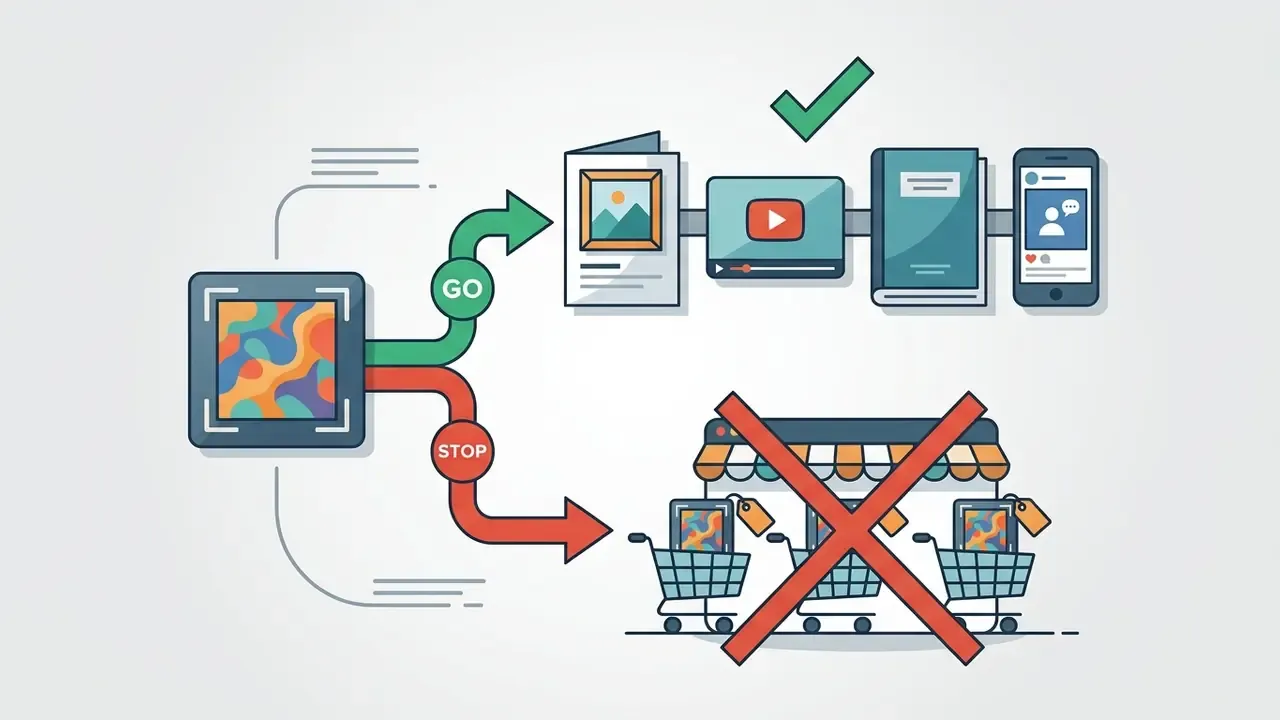
Commercial use applies to any deployment of AI-generated content designed to drive revenue, promote brand services, support paid client engagements, or enhance commercial products. Embedding an AI image produced with mainstream AI image generators in paid social advertisements, distributing synthetic voice tracks built with AI video generators in monetized podcasts, printing generated graphics on merchandise, or delivering AI video assets to corporate clients all fall squarely inside commercial scope.
US federal fair-use analysis treats the commercial character of a use as one of the statutory factors, alongside market impact, and platform contracts frequently import that distinction directly into their tier definitions.
«Copyright protects only the perceptible human-authored contributions to AI outputs: creative selection, coordination, arrangement, or modification of the material.»
Non-commercial use, by contrast, is restricted to private personal viewing, internal unpublished research drafts, unmonetized educational demonstrations, and non-profit academic study. Practical examples: a student coursework project, personal hobby imagery, an internal draft never published or sold, nonprofit teaching material distributed with no revenue intent. Corporate operators should note one trap. Internal use, such as generating marketing mockups for a board review, can still breach vendor plan restrictions if the terms prohibit business usage on consumer tiers. For teams mapping operational workflows, understanding the boundaries of commercial use rights for generative assets starts with an internal inventory and a written record of vendor license limits.
Worked example with numbers. In a composite enterprise deployment (illustrative, assumptions stated), a regional bank produced synthetic marketing imagery for a digital lending campaign using standard employee generative accounts. Media spend was already committed at roughly $180,000 across six weeks. During the pre-launch compliance audit, risk officers found the vendor's free tier limited outputs to non-commercial personal evaluation. The team paused the campaign for nine days, executed enterprise licensing with explicit commercial assignment clauses, and added an automated credential verification checkpoint. Total incremental license cost: under $6,000 annually. Avoided exposure: a contractual breach claim plus forced takedown of live creative. The root cause was classic Shadow AI. Consumer credentials, bought on personal cards, outside the model inventory and outside procurement review.
Platform distribution and monetization rules for AI content
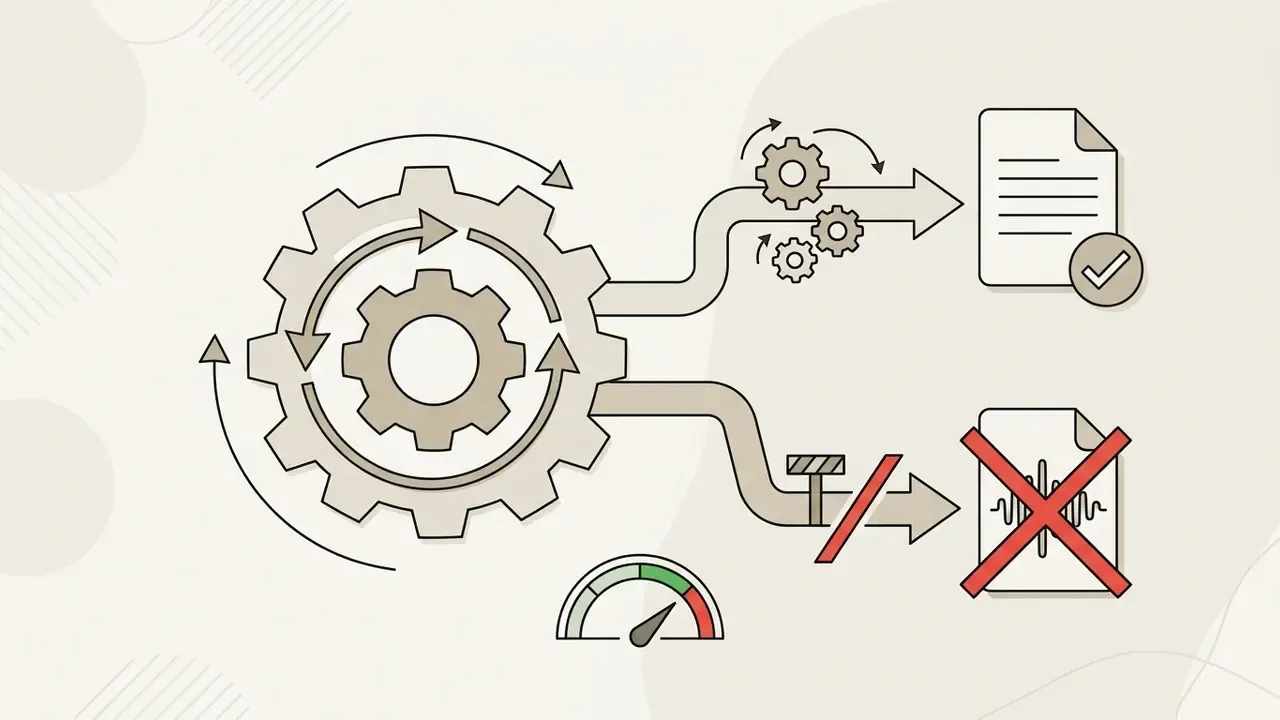
Contractual vendor permission does not guarantee platform monetization. Under distribution rules enforced since 15 July 2025, major video platforms including YouTube explicitly prohibit monetizing "inauthentic content", defined as mass-produced, repetitive, or minimally modified AI output. Think templated scripts voiced by synthetic narration over stock footage.
To keep commercial monetization eligibility, AI-generated media must show:
- Substantial human inputoriginal narrative drafting, script editing, manual scene compositing, and voice or audio customization.
- Transformative valueeducational commentary, an original analytical framework, independent testing, or custom artistic editing.
- Mandatory disclosure labelsexplicit platform metadata tags signaling synthetic audio or video, plus advertiser-friendly compliance (no sensationalism, no misinformation).
Allowed formats typically include documentaries with AI-narrated historical segments where visuals and script are creator-curated, or product reviews using a consistent synthetic voice alongside original hands-on testing. Prohibited patterns include reusing an identical AI voice and template across dozens of uploads (flagged as repetitious), undisclosed synthetic voices in sensitive contexts, and generic narration that drives high drop-off and algorithmic suppression. Teams publishing at scale should align their editing pipeline with platform-native tooling and disclosure fields; see the practical walkthrough of YouTube video editors and publishing workflows.
Compliance consequence for regulated firms: a bank can hold a valid enterprise commercial license and still lose ad revenue, channel standing, or campaign reach if the distribution platform classifies the asset as inauthentic. Monetization eligibility is a separate control point in the publishing checklist, not a by-product of the vendor contract.
Rights a commercial AI media license may grant
An enterprise-grade commercial AI media license typically grants non-exclusive, worldwide, royalty-free rights to reproduce, modify, display, publish, and distribute generated outputs across physical and digital channels. Depending on the agreement, full commercial rights let businesses build media into sellable software products, run assets in nationwide broadcast advertising, and execute client deliverables without ongoing royalty payments to the AI developer.
«OpenAI assigns to the customer all right, title, and interest it holds in generated Output, to the extent permitted by applicable law.»
Grants are rarely unlimited, though. Vendor licensing agreements commonly impose operational constraints:
Commercial License vs. Copyright: Why They Are Not the Same
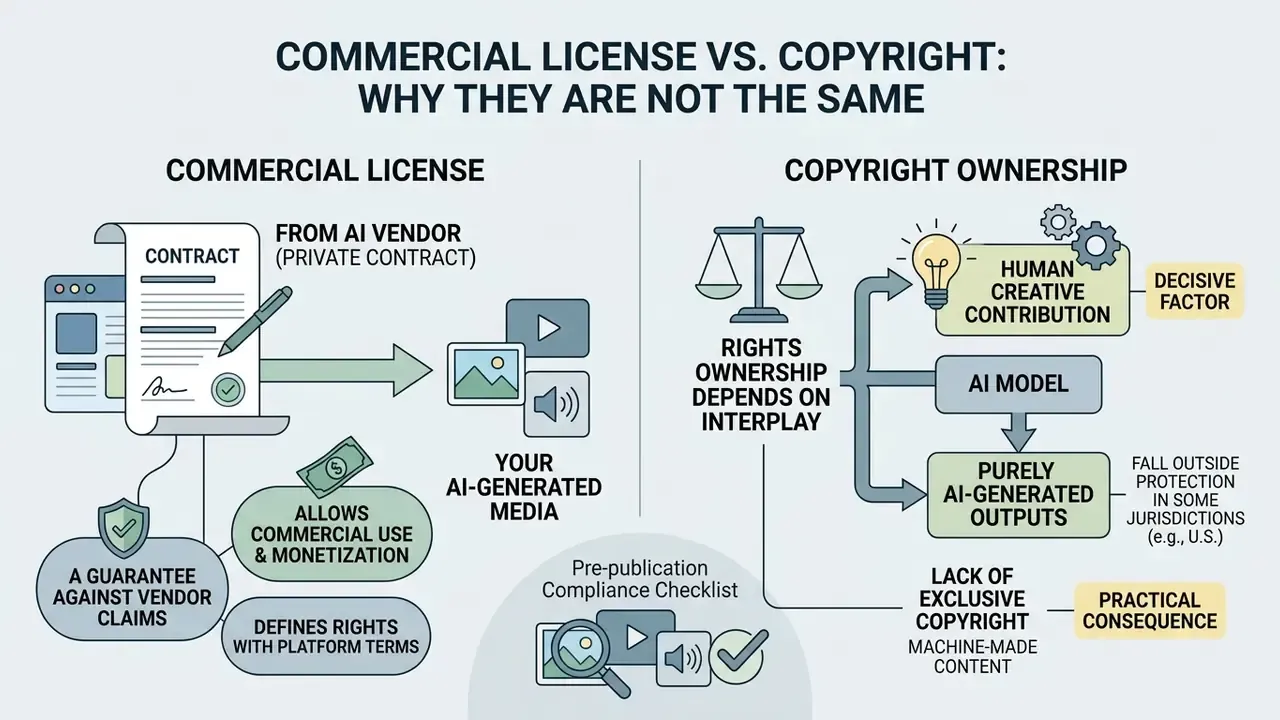
A commercial license from an AI vendor is a private contract. Copyright ownership is a statutory property right granted by government authority. A vendor can agree not to sue a customer for using generated media in commercial products, but the vendor cannot grant statutory copyright over material that the law deems ineligible for protection. That structural gap is a genuine compliance risk for financial institutions and digital publishers.
«A platform license governs the relationship between the user and the provider, but it does not create exclusive authorial rights recognized by law.»
| Feature / Aspect | Commercial License for AI Media | Copyright in Works Containing AI Media |
|---|---|---|
| Primary Subject | Contractual permission to use AI outputs under platform terms. | Statutory protection of original human-authored expression. |
| Granting Entity | Commercial AI platform vendor or software developer. | National IP offices (for example, the U.S. Copyright Office) and courts. |
| Permitted Rights | Operational use, modification, publication, and sale within scope. | Exclusive legal right to reproduce, distribute, and license the expression. |
| Key Limitations | No exclusivity; no shield against third-party IP claims. | No protection for purely machine-generated elements without human authorship. |
| Business Impact | Prevents vendor breach-of-contract action against the user. | Determines whether the business can legally block competitors from copying assets. |
Procurement and brand teams comparing contractual scope across vendors can benchmark output rights and plan gating across leading AI image generators before standardizing a single studio stack.
Who may own rights to an AI-generated image, video, or audio file
Rights ownership in AI-generated media depends on the interplay of human creative contribution, model developer terms, and statutory frameworks. Under standard vendor terms, major AI developers such as OpenAI or Midjourney contractually assign whatever right, title, and interest they hold in outputs to the user. If national law establishes that purely machine-generated output lacks statutory copyright, then neither the vendor nor the user holds an exclusive copyright asset. Nobody owns it. That is the uncomfortable part.
Human contribution is the decisive factor. When a user types text prompts into a generative model, courts and regulators view the prompt as an instruction rather than authorship. If the system autonomously determines expressive elements, visual composition, colour harmony, spatial lighting, or sonic pitch, the resulting output stays uncopyrightable. Rights attach only to original human additions: custom manual digital editing, complex arrangement of multiple elements, or substantial textual integration. The AI developer, notably, acquires no copyright in a customer's output merely by having built the model.
Why a license does not guarantee exclusive copyright
A commercial license guarantees that the platform vendor will not claim ownership over your generations. It cannot prevent identical or substantially similar media from being generated by competing users. Generative models operate probabilistically, synthesizing training data in response to prompts. Two independent users entering similar prompt sequences may receive near-identical visual or auditory results.
«Google expressly reserves the ability to generate similar or identical content for other users and claims no rights over individual outputs.»
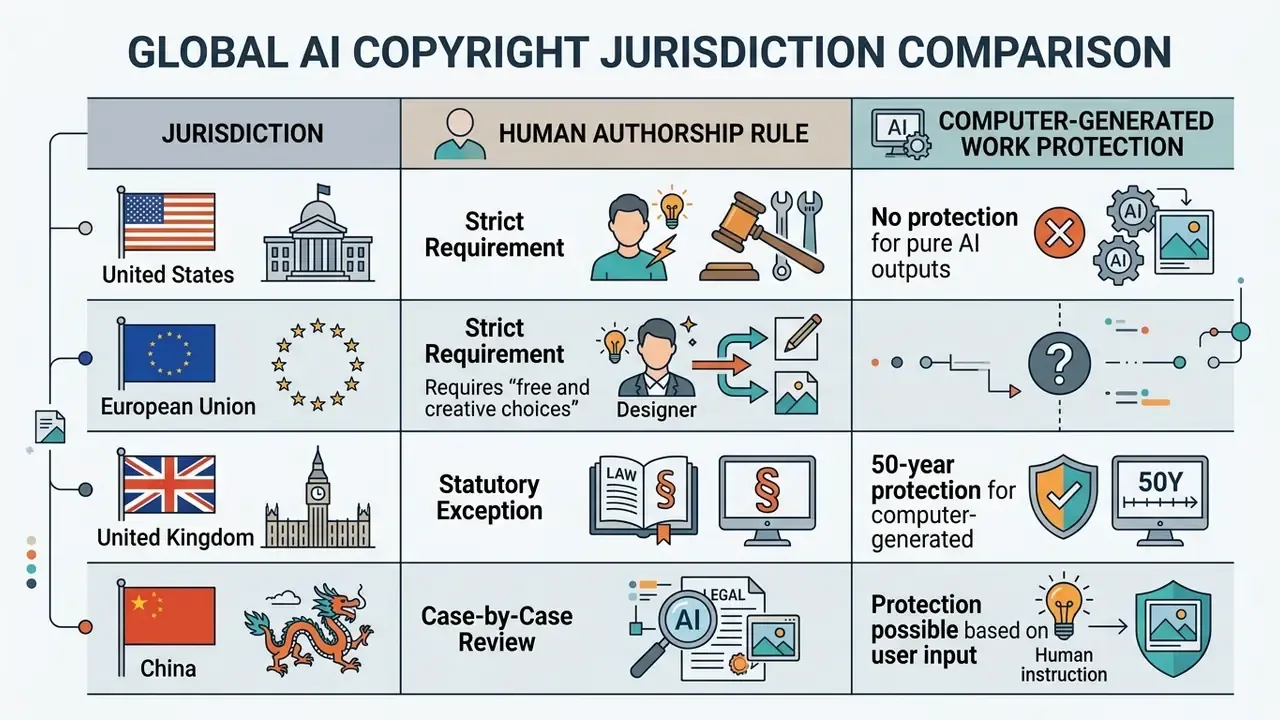
Because purely AI-generated outputs fall outside copyright protection in jurisdictions such as the United States, a business holding a commercial license cannot sue a third party for downloading and copying its raw generated marketing assets. A comparative review covering 13 jurisdictions confirms that statutory exclusivity, the precondition for enforcing infringement claims against competitors, does not attach to machine-only output.
«Across the 13 jurisdictions studied, copyright is limited to works involving human authorship; AI works without such involvement are unprotected in most countries.»
Practical consequence, consistent with U.S. Copyright Office registration practice: businesses that need defensible digital assets must either combine AI outputs with substantial, documented human authorship (registrable as to the human contribution) or protect the asset through alternative mechanisms such as registered trademarks, trade dress, and design rights. Enterprises planning to transfer IP to clients should state this limitation in the master services agreement before work begins. An unmodified AI output contains no copyright to assign.
Copyright Law and AI-Generated Media by Jurisdiction
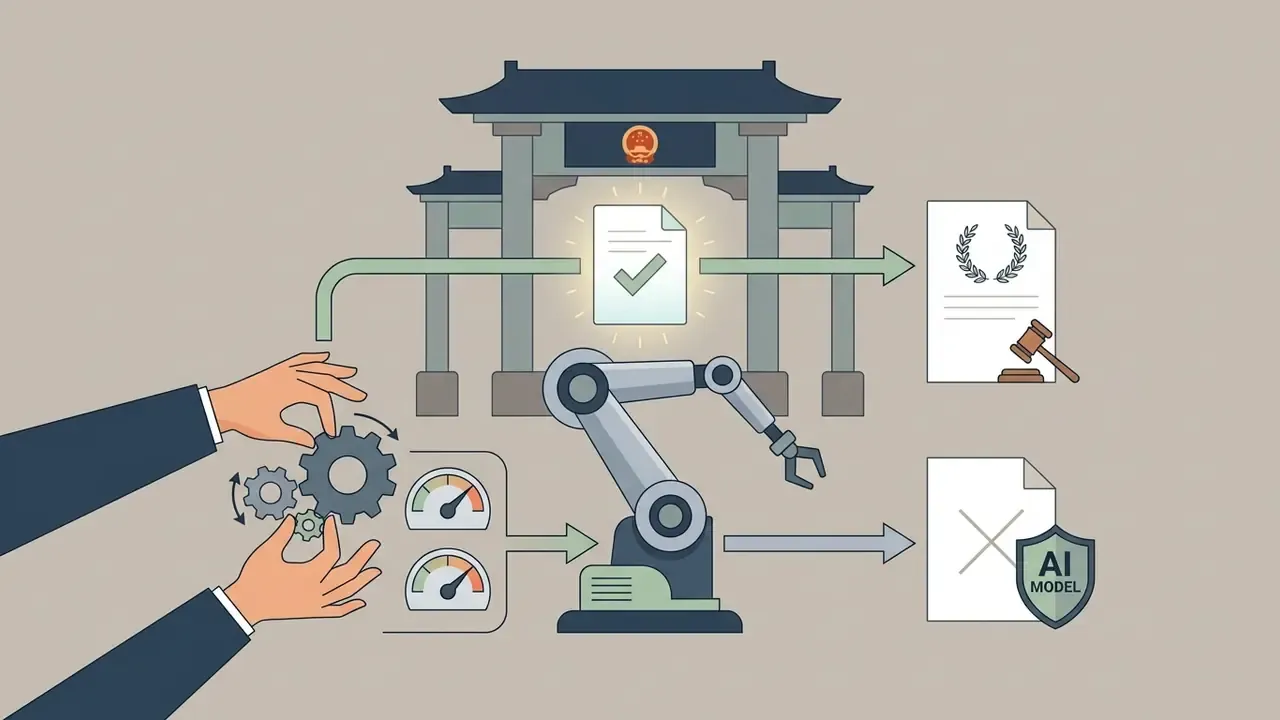
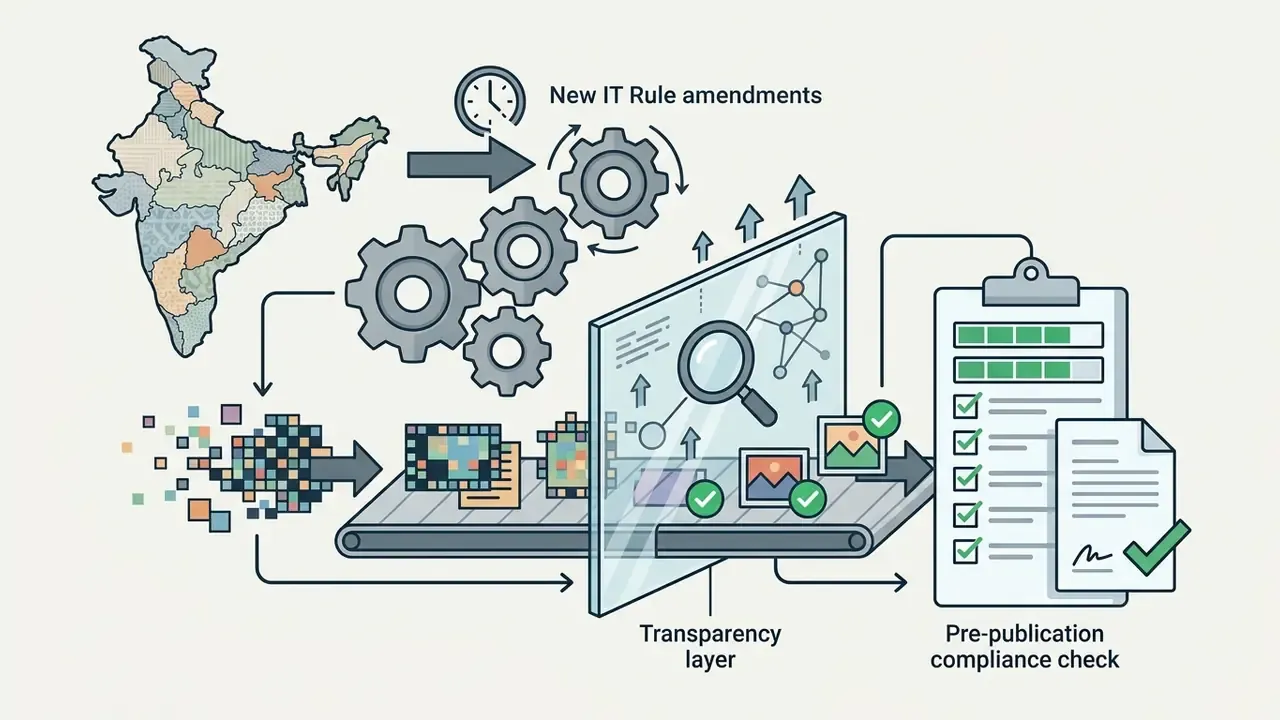
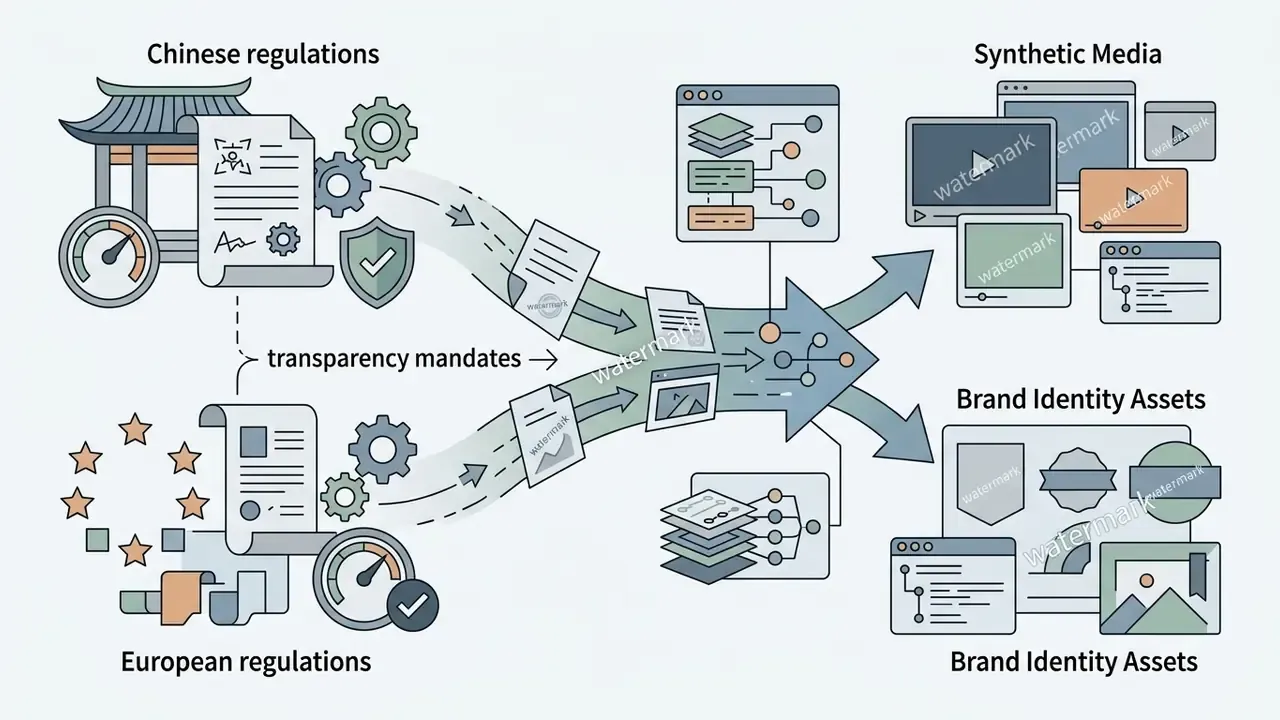
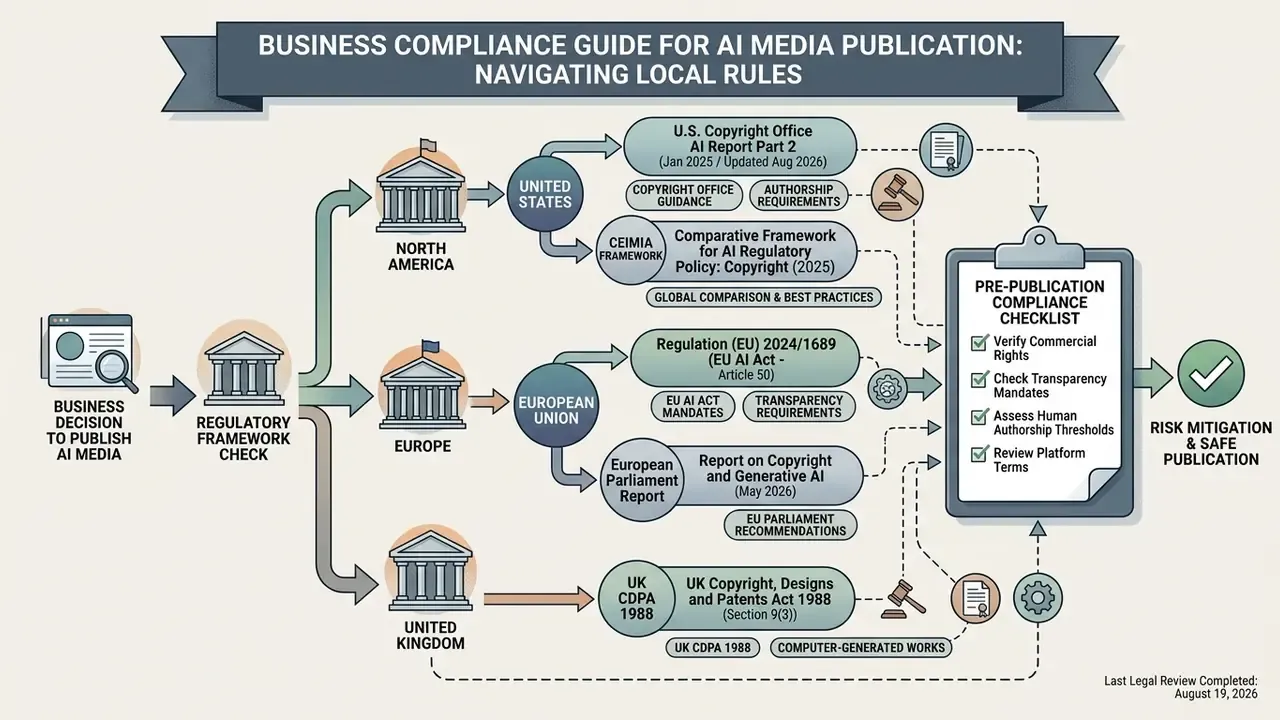
The legal enforceability of AI media copyrights varies sharply across jurisdictions. International businesses need to align commercial publishing strategy with local intellectual property frameworks, and with local labeling duties, which increasingly move faster than copyright law itself.
Why businesses should check local rules before publishing
Multinational enterprises running digital campaigns face localized requirements that differ in kind, not just in degree:
- United Kingdom: Section 9(3) of the Copyright, Designs and Patents Act recognizes "computer-generated works" where no human author exists, granting a 50-year term to the person who made the arrangements necessary for creation.
«Under the CDPA computer-generated works model adopted in the UK, AI-generated works may be protected where there is no human author in the traditional sense.»
How AI Platform Terms Determine Commercial Use Rights
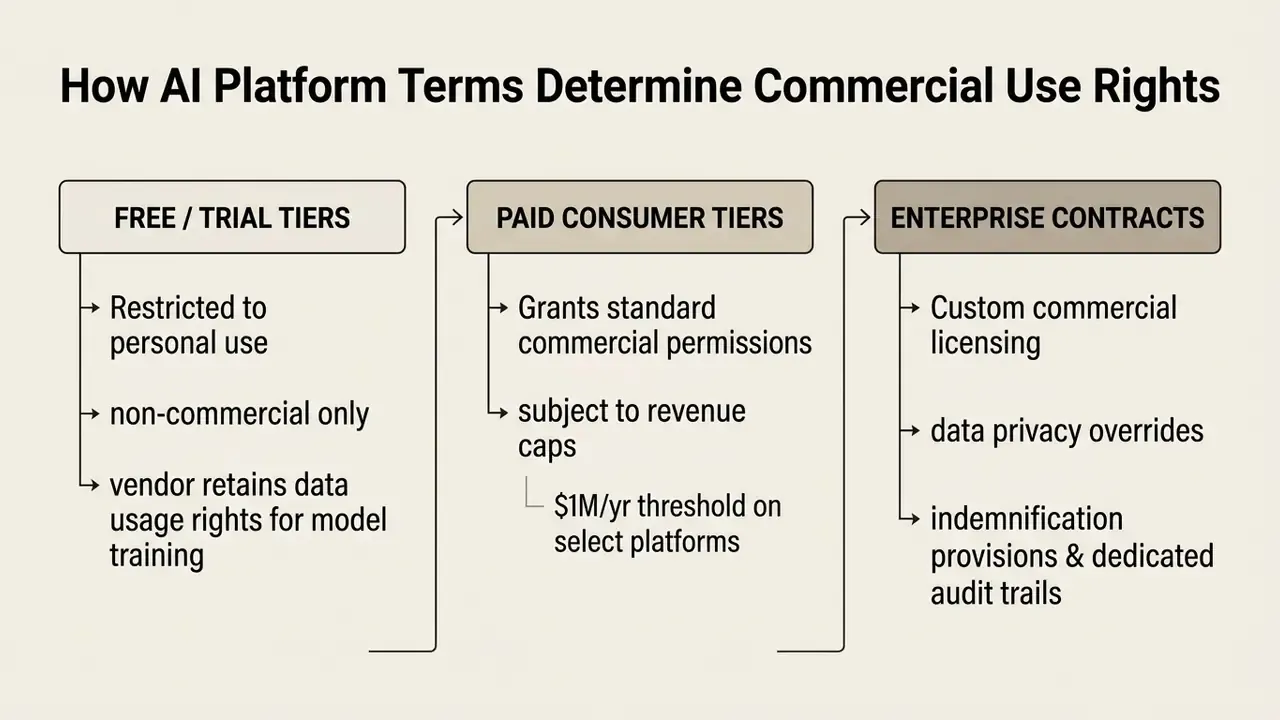
Platform Terms of Service work as the de facto licensing framework for commercial AI media. Because statutory law grants no automatic copyright over AI outputs, vendor contracts decide what businesses can and cannot do with generated content. Enterprise risk managers should read those terms before generative tools reach production workflows, not after the first campaign ships.
«Because statutory law grants no automatic protection to AI outputs, vendor contracts determine what a business may do with the generated content.»
Free plans, paid plans, and full commercial use
The split between free and paid subscription plans is the primary legal control in AI media management. Platform developers use tiered contracts to manage monetization:
- Free and trial tiers platforms offering Midjourney image generation state in their documentation that free or trial tiers grant non-commercial, personal-use rights only. Using free-tier assets in commercial marketing is a direct breach of contract. Watermarks on free exports are a signal, not a formality. They mark output that is not licensed for professional deployment.
- Standard paid tiers paid consumer tiers generally allow commercial use by small businesses and individual operators. Revenue thresholds still apply. Organizations grossing over $1,000,000 annually must move to Pro or Mega plans to keep valid commercial usage rights on Midjourney-class platforms.
- Enterprise tiers enterprise contracts provide explicit commercial rights grants, opt-out mechanisms for model retraining, and contractual indemnification against third-party copyright claims.
When shortlisting vendors, procurement teams should review cross-platform terms with a structured Commercial-Use AI Tools comparison framework, so software cost lines up with institutional risk tolerance.
Enterprise vendor comparison matrix: what risk officers must diligence
| Diligence Criterion | Why It Matters for a Bank | What to Demand in the Contract |
|---|---|---|
| IP indemnification for outputs | Transfers third-party copyright and trademark claim exposure from the institution to the vendor. | Uncapped or high-cap indemnity for output claims; defense-and-settle obligation; no "user-caused" carve-out that swallows the clause. |
| Training opt-out on inputs and outputs | Keeps confidential campaign briefs, unreleased product imagery, and customer data out of retraining corpora. | Contractual prohibition on training, evaluation, and human review; zero-retention or short-retention API mode. |
| Revenue-threshold gating | A tier valid at signature can become non-compliant as gross revenue grows. | Written confirmation of the applicable threshold plus an automatic upgrade trigger tied to reported revenue. |
| Modality carve-outs | Some tiers grant image rights but exclude synthetic voice or standalone audio redistribution. | Explicit per-modality schedule: image, video, voice, music, text. |
| Post-termination survival | Cancellation or downgrade must not retroactively strip rights in published assets. | Perpetual license for assets generated during a paid term; explicit survival clause. |
| Provenance and labeling support | Required for EU AI Act Article 50 and for platform disclosure fields. | C2PA metadata emission, exportable generation logs, seed and parameter retention. |
| Public vs. private generation | Public-channel generation destroys asset confidentiality and invites scraping. | Private workspace by default; no public gallery indexing; per-seat access control. |
| Unilateral amendment rights | Vendors can change terms after deployment. | Notice period, change log, and a right to terminate without penalty on adverse amendment. |
Model risk teams should file the completed matrix as vendor evidence in the third-party risk record, together with the plan tier, the invoice, and the exact terms version reviewed. Retail-facing creative stacks assembled from consumer apps, for example those benchmarked in comparisons of free AI video generators, routinely fail three or more of these criteria and belong in non-published prototyping only.
Output restrictions, privacy, and platform rights
Beyond basic permission, platform terms set controls on data privacy, asset confidentiality, and vendor reuse:
- Model training practices consumer terms often grant the vendor a perpetual, worldwide, sublicensable license to use prompts and outputs to train future models. Enterprise contracts need clauses that prohibit training on corporate inputs.
- Public vs. private generation tools operating in public channels, Discord-based generators being the obvious case, expose prompts and visual outputs by default. Public visibility does not strip commercial rights, but it destroys asset confidentiality and enables scraping. Many UGC-style terms also state that submissions are non-confidential, removing any vendor duty of secrecy.
- Unilateral term revisions vendors keep the right to change terms of service on their own. Corporate policy should mandate periodic legal review of vendor terms so downstream commercial rights survive product updates.
Enterprise B2B content revenue-sharing models
A parallel licensing market has emerged on the rights-holder side of the transaction. Emerging B2B publishing frameworks, such as the News/Media Alliance opt-in programs with Bria AI and ProRata AI, establish direct 50/50 revenue-share mechanisms. Publishers license textual and media content into a vendor's retrieval-augmented generation system, and proprietary attribution engines apportion 50% of resulting revenue back to the content owner. Bria's licensed system is further sublicensable as a white-label product to enterprise customers, while ProRata pays out on answer-engine monetization, whether served on its own properties or through distributed AI search.
Two implications for enterprise buyers. First, licensed-corpus vendors present a materially different risk profile from open-web-scraped models, and that distinction belongs in the vendor comparison matrix above. Second, financial institutions that publish research, market commentary, or educational media now hold a monetizable asset class: content licensing into answer engines, governed by 1:1 contracts even where the program is offered collectively.
Main Legal Risks When Using AI Media Commercially
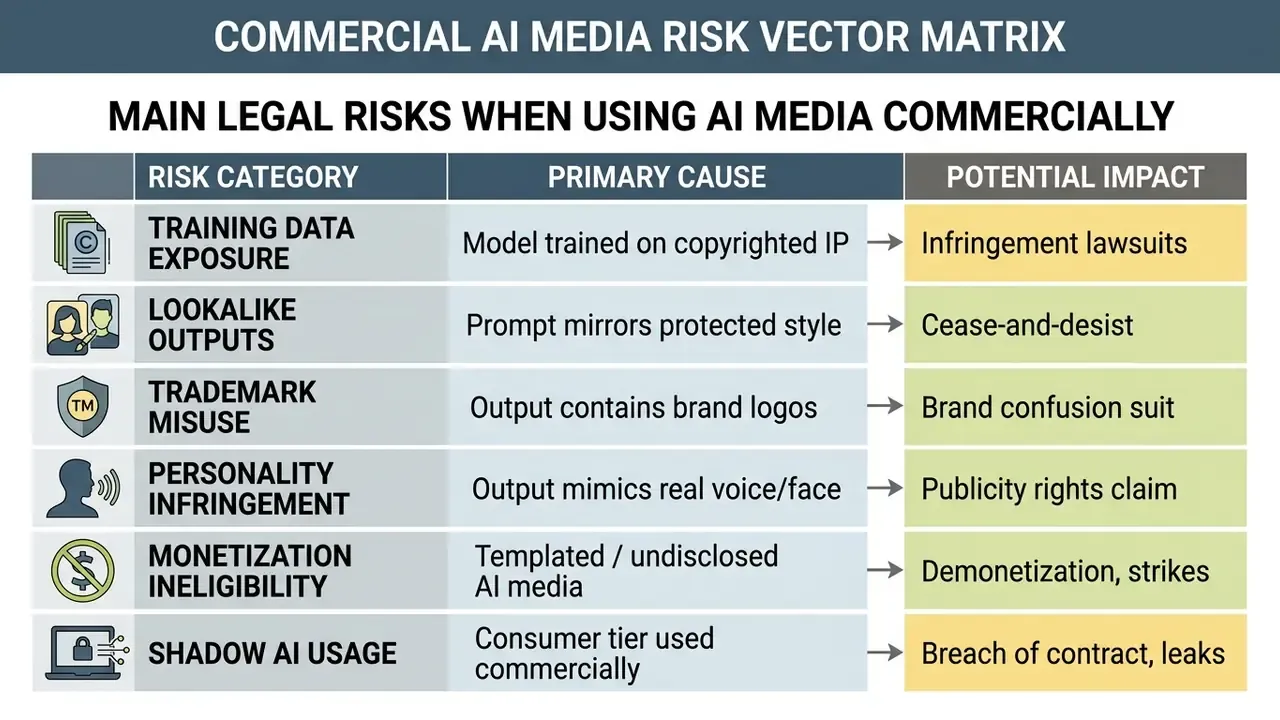
Deploying AI-generated media in commercial operations creates layered legal exposure. A commercial license covers contractual access to the platform. It offers zero protection against external claims from third-party rights holders.
Copyrighted inputs, training data, and lookalike outputs
Generative models are trained on datasets containing billions of copyrighted images, audio files, and documents scraped from the open web. When a model generates output, it synthesizes statistical patterns learned during training. Two distinct copyright risks follow.
- Upstream training data liability: high-profile litigation, notably Getty Images v. Stability AI, shows that models trained on proprietary datasets can produce outputs carrying recognizable copyright artifacts, including distorted stock agency watermarks.
«Getty alleged more than 12 million photographs were copied; generated images reproduced distorted but recognizable Getty watermarks in the same positions.»
To manage these vectors, institutions negotiating vendor contracts prioritize formal IP protection. Reviewing the contractual mechanics of IP Indemnification Explained gives risk officers clear parameters for pushing third-party copyright risk back to the software vendor. Operationally, teams should screen generated assets against reverse-image lookup databases and add AI image detectors to flag synthetic provenance before an asset enters a paid channel.
- Downstream output similarity
- if a user generates media substantially similar to a pre-existing copyrighted work, the owner can sue the commercial publisher for direct infringement, whether or not the user knew the source work existed. UK government analysis is explicit that reproducing a substantial part of a protected work can infringe, and that liability may attach to the user, the provider, or both.
People, brands, and products in commercial AI content
Commercial use of AI media depicting recognizable real-world elements triggers liability well outside copyright law:
- Right of publicity and digital replicas: generating the likeness, voice, or facial features of real individuals, celebrities or private citizens, for commercial advertising without explicit written consent violates state right-of-publicity statutes. The U.S. Copyright Office defines a "digital replica" as a video, image, or audio recording that is digitally created or manipulated to realistically but falsely depict an individual. Its 2024 to 2026 reports treat unauthorized commercial deployment of such replicas as a distinct liability category requiring affirmative consent rather than platform permission.
«Misappropriation of the right of publicity by generative AI platforms arises when a third party uses a generated image of a real person for commercial purposes without consent.»
Case in point: the synthetic voice problem. In the widely cited Jay-Z / Shakespeare enforcement episode (2020), an AI operator generated vocal tracks recreating the artist's distinctive timbre reciting historical text. No original copyrighted sound recordings were sampled, and the Shakespearean text was public domain. The deployment still raised right-of-publicity exposure by commercializing an individual's unconsented vocal identity, with a secondary risk of implied endorsement. Enterprise campaigns using synthetic voice clones, executive "digital twins", or recognizable visual personas face deceptive-trade-practice and publicity liability without explicit written releases. Institutions building narration pipelines should verify licensing scope per modality; see the guide to AI voice generators and commercial licensing.
- Trademarks and brand identifiers: generative models frequently output recognizable logos, brand trade dress, or proprietary product designs. Publishing advertisements containing synthetic representations of trademarked products creates exposure under federal dilution and consumer confusion doctrines.
«Brand owners often cannot control how their trademarks appear in AI image generators; models may reproduce them without an explicit user request.»
- False endorsement: synthetic media implying that a real brand or public figure endorses a product exposes the enterprise to Federal Trade Commission enforcement over deceptive practices. For US financial institutions, the same asset can simultaneously attract UDAAP scrutiny from prudential and consumer-protection regulators. That is why marketing compliance sign-off should sit in the same workflow as IP clearance, not in a separate queue two weeks later.
Commercial AI Media Compliance Workflow Before Publishing
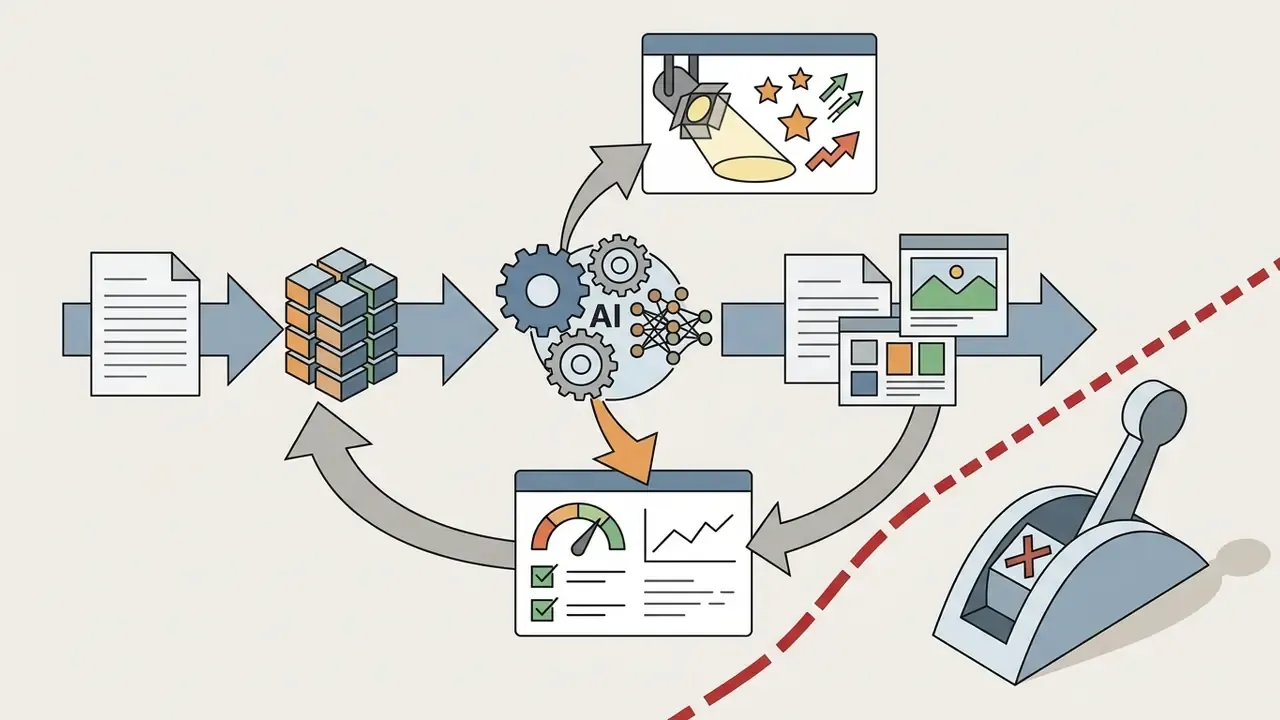
To contain contractual and IP risk, organizations need a formal compliance workflow before AI-generated media enters commercial projects. The checklist below works as an operational control framework for risk management and marketing teams alike.
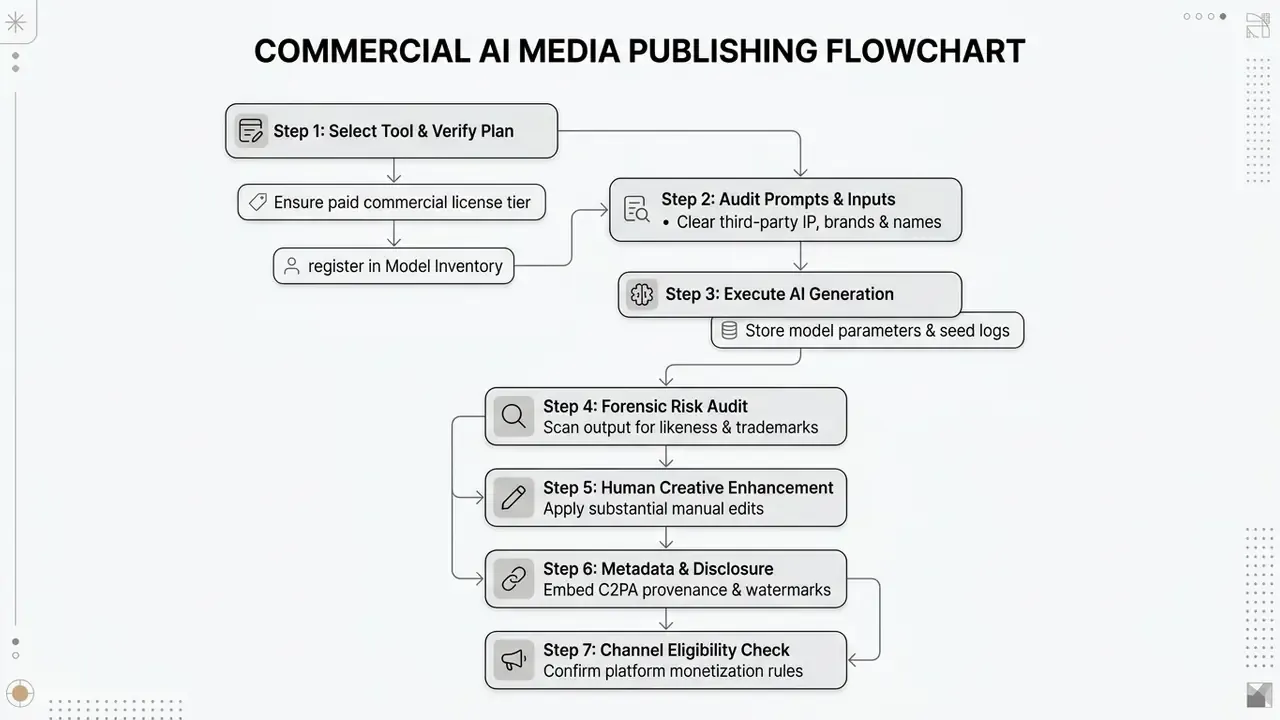
Operational compliance steps
Controlling Shadow AI in a regulated environment
The regional-bank incident above is the most common failure mode in financial services. An employee reaches for a free consumer account, produces a publishable asset, and the institution inherits a contractual breach plus a data-leakage event nobody approved. A workable control set:
- Single authorized tool register publish an allow-list of approved generative platforms and tiers. Anything outside it is prohibited for published work, including "just for the mockup".
- Network and SaaS controls block unapproved generative domains at the proxy, disable personal-account sign-in on managed devices, and require SSO with enterprise entitlement for approved tools.
- DLP rules for prompt channels classify unreleased campaign copy, pricing, customer records, and product imagery as blocked upload categories for public generative endpoints.
- Procurement gate no marketing invoice for AI tooling clears without a completed vendor comparison matrix and a recorded inventory entry.
- Attestation and training annual attestation from marketing and agency partners that all delivered assets were produced on licensed commercial tiers, naming tool and plan per deliverable.
- Agency flow-down require external creative agencies to warrant licensed-tier generation, disclose AI-assisted deliverables, and pass through indemnity.
Pre-generation checks for prompts and source materials
A commercial financial services firm set out to generate synthetic visual assets for a digital banking app interface (illustrative composite). During pre-generation auditing, the compliance team found the creative vendor using prompts that explicitly requested "imagery in the exact corporate visual style of [Major Competitor Bank]". The compliance officer intervened, rewrote the prompt guide around generic stylistic parameters, cleared custom internal colour reference files, and archived prompt logs. That single control removed trade dress and copyright infringement risk before software compilation.
Codify the lesson as four standing pre-generation checks: (1) prompt content free of third-party names, marks, artists, and verbatim protected text; (2) reference materials cleared for rights and free of confidential or trade-secret content; (3) brand identifiers, logos, slogans, characters, packaging, excluded from the source pack; (4) written acknowledgment that a prompt alone creates no copyrightable authorship, so authorship must be built downstream.
Output review before ads, products, and client delivery
Common mistakes that survive an internal review
Even mature teams repeat the same five errors. Worth naming them plainly.
- Treating the license as clearance.Vendor permission is one gate of four. Statutory copyright, third-party rights, and channel eligibility are separate.
- Assuming an upgrade heals the past.Assets generated on a free tier do not become commercially licensed when the account is later upgraded.
- Registering the seat, not the tool.Buying a subscription without an inventory entry leaves audit with an invoice and no control narrative.
- Confusing prompt effort with authorship.Forty iterations is labour, not free and creative choice in the output.
- Skipping the disclosure toggle.A platform label takes four seconds. A demonetization strike takes a quarter to unwind.
Pre-publication audit template (copy into your GRC record)
| # | Control | Evidence Required | Owner | Pass / Fail |
|---|---|---|---|---|
| 1 | Licensed commercial tier verified | Plan invoice + terms version reviewed | Marketing ops | |
| 2 | Tool registered in model/tool inventory | Inventory ID, risk tier, approval date | Model risk | |
| 3 | Revenue threshold compliance | Current gross revenue vs. vendor cap | Procurement | |
| 4 | Training opt-out in force | Contract clause reference | Vendor management | |
| 5 | Prompt log retained | Prompt text, model version, seed | Creative lead | |
| 6 | Reverse-image / similarity scan clean | Screenshot or tool report | Compliance | |
| 7 | Trademark sweep clean | Reviewer sign-off | Brand/legal | |
| 8 | Likeness/voice releases obtained | Signed release or fictional-person certification | Legal | |
| 9 | Substantial human edit documented | Editing history, layered source file | Design | |
| 10 | C2PA metadata + disclosure label applied | Metadata export, platform label screenshot | Publishing | |
| 11 | Channel monetization eligibility confirmed | Policy check note, non-templated attestation | Channel owner | |
| 12 | Final approval logged and scheduled | Approval record, publication date | Campaign owner |
Limitations and Open Questions
Honesty beats false precision here. Several parts of this picture are unsettled.
Litigation over training data is active and unresolved in both the US and the UK, so today's fair-use and fair-dealing assumptions may not hold in 2027. The threshold for "substantial" human contribution remains qualitative; the Copyright Office describes the principle but does not quantify it, which means registration outcomes still vary case by case. Federal digital-replica legislation in the US has been proposed repeatedly without a settled statute, leaving a patchwork of state right-of-publicity regimes. And platform monetization policies change without notice periods, unlike regulation. Our own confidence is highest on the license-versus-copyright distinction, moderate on jurisdictional mapping, and lowest on where enforcement lands next.
Roles: What This Term Changes for Each Owner
| Role | The decision this term drives | Evidence they should hold |
|---|---|---|
| CRO / Head of Model Risk | Whether generative tooling enters the inventory and at what risk tier | Inventory entry, validation scope note, monitoring cadence |
| CCO / Marketing compliance | Whether an asset ships, with what disclosure | Clearance record, releases, disclosure screenshot |
| Procurement / Vendor management | Which tier and which indemnity the institution accepts | Vendor matrix, terms version, invoice, survival clause |
| Internal audit | Whether the control can be reproduced without the first-line team | Prompt logs, hashes, approval trail |
| CFO / Finance transformation | Whether ROI includes control cost and residual risk | Tier cost, review hours, avoided-loss assumptions |
FAQ: Commercial AI Media Licensing Questions
Do I need to credit the AI tool when using AI media commercially?
Attribution depends entirely on platform terms. Most paid commercial subscriptions, Midjourney Pro or ChatGPT Plus for example, do not require public attribution in advertisements or video deliverables. Some open-source licenses (Creative Commons Attribution models) and specific free tiers do mandate explicit tool credit on publication. Separately, regulatory frameworks such as the EU AI Act require synthetic disclosure labels for photorealistic deepfakes regardless of vendor credit rules. Industry frameworks draw the practical line at materiality: consumer-facing disclosure is expected where AI materially affects authenticity, identity, or representation, so synthetic humans, digital twins, realistic voice. Routine colour correction and standard post-production do not trigger a label.
Can commercial rights change after I switch or cancel a plan?
For most established platforms, commercial rights granted for assets generated during an active paid subscription remain valid perpetually for those specific assets. Generate an image on a paid commercial tier, cancel later, and you keep commercial deployment rights for that image. Anything new produced after downgrading to a free tier falls under free-plan limits and is restricted to non-commercial personal use. The reverse does not apply: outputs created on a free or personal tier do not retroactively gain commercial rights when the account is upgraded. Confirm the survival clause in writing before publishing long-lived assets such as packaging or broadcast creative.
Do API and private-cloud deployments change my commercial license position?
Usually yes, and in the enterprise's favour, but only if the contract says so. API and dedicated deployment agreements typically add zero-retention or short-retention processing, a contractual prohibition on training against customer inputs, tenant isolation, and audit logging. That is why regulated institutions route production workloads through them rather than through consumer web apps. What API access does not change is copyright: statutory protection still depends on human expressive contribution, and the provider's indemnity still governs third-party claims. Review per-endpoint cost and rate architecture alongside legal scope; the Google Veo implementation and API cost breakdown illustrates how deployment mode, quotas, and commercial terms interact within a single vendor.
How do we stop employees from using free AI accounts for bank marketing?
Combine four controls. An allow-list of approved tools and tiers, enforced through SSO and proxy blocking. DLP rules that prevent uploads of unreleased creative, pricing, and customer data to public generative endpoints. A procurement gate that refuses AI tooling invoices without an inventory entry and a completed vendor matrix. And per-deliverable attestation from internal teams and external agencies naming the tool and plan used. Pair them with a documented incident path. The regional-bank case above was caught by a pre-launch credential verification checkpoint, which is far cheaper than post-publication remediation.
Can we hold copyright in an AI-generated asset our client expects to own?
Only in the human-authored portions, and only if those portions are substantial and documented. Under U.S. Copyright Office practice, registration covers a human's selection, arrangement, and modification, with AI-generated elements disclaimed. The CJEU line of cases requires free and creative choices visible in the final expression. If the deliverable is an unmodified generation, there is no copyright to assign, so state the scope of transferred rights in the statement of work before production starts, and consider protecting the asset through trademark or trade dress instead.
Does our commercial license guarantee we can monetize the asset on YouTube or social platforms?
No. Vendor permission and platform monetization eligibility are independent gates. Since mid-2025, major video platforms have refused monetization for inauthentic content, meaning mass-produced, repetitive, minimally modified AI output, regardless of license status. Eligibility requires substantial human input, transformative value, advertiser-friendly compliance, and the platform's own AI-disclosure labels. Treat channel eligibility as Step 7 of the publishing workflow.
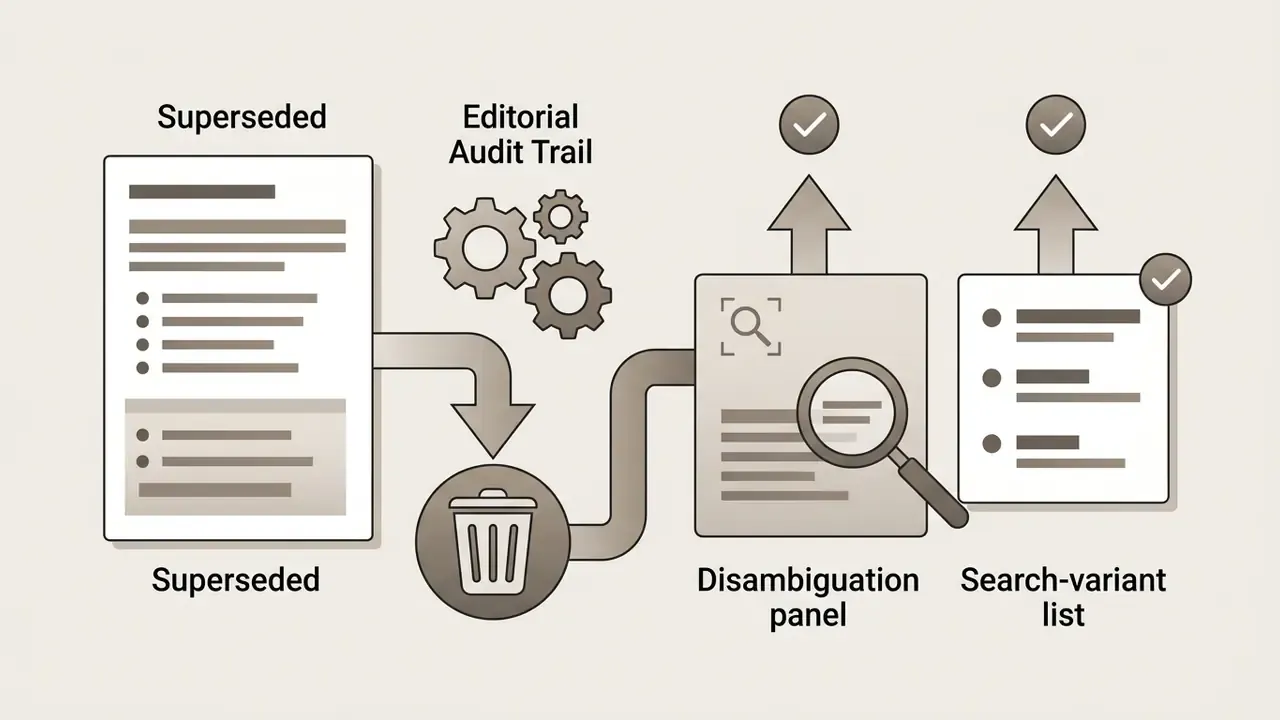
Appendix A: Superseded Formulations and Editorial Audit Trail
Retained for transparency and version control. Each entry below is an original formulation now superseded in the main text by a sourced or more precise version.
About this review. Editorial lead: Marcus Hale, AI Governance & Model Risk Editorial Lead. Marcus Hale, author. Legal frameworks cited were verified against primary sources (U.S. Copyright Office, EUR-Lex, UK legislation, European Parliament) on 19 August 2026. Regulatory positions change. Re-verify before relying on any single provision.
Disclaimer. This article provides general information on intellectual property, platform contracts, and compliance practice. It is not legal advice and creates no attorney-client relationship. Consult qualified intellectual property counsel in the relevant jurisdiction, plus your institution's compliance and model risk functions, before publishing AI-generated media commercially.
Primary keyphrase: commercial license for ai media | Audience: CROs, CCOs, AI governance leads, procurement and marketing compliance at US financial institutions and mature fintechs | Published / reviewed: August 2026