An AI plot generator is an artificial intelligence software tool that transforms high-level premises, character definitions, or central conflicts into structured narrative outlines, act breakdowns, and scene progressions. Authors, screenwriters, and narrative designers use these systems to accelerate early-stage planning, establish character arcs, organize subplots, and get past the friction of a blank first draft.
What You Will Learn Here
- What the tool is a structural assistant that converts a 1 to 3 sentence premise into acts, beats, character arcs, and a 300 to 600 word synopsis.
- The canonical structure nine plot beats distributed across three acts with 25% setup, 50% confrontation, and 25% resolution pacing.
- How to prompt it five mandatory prompt blocks (core idea, protagonist, motivation, antagonist, central conflict) plus UI selectors for POV, audience age, target word count, language, and tone.
- Scale limits short story (1k to 5k words), novella (20k to 40k), full novel (60k to 130k words, roughly 250+ printed pages).
- Legal position raw AI output is not automatically copyrightable; human authorship and platform terms determine what you can publish and sell.
- Governance reproducibility, audit trails, and data-retention controls matter as much as creativity if you generate content inside an organization.
Who This Guide Is Written For
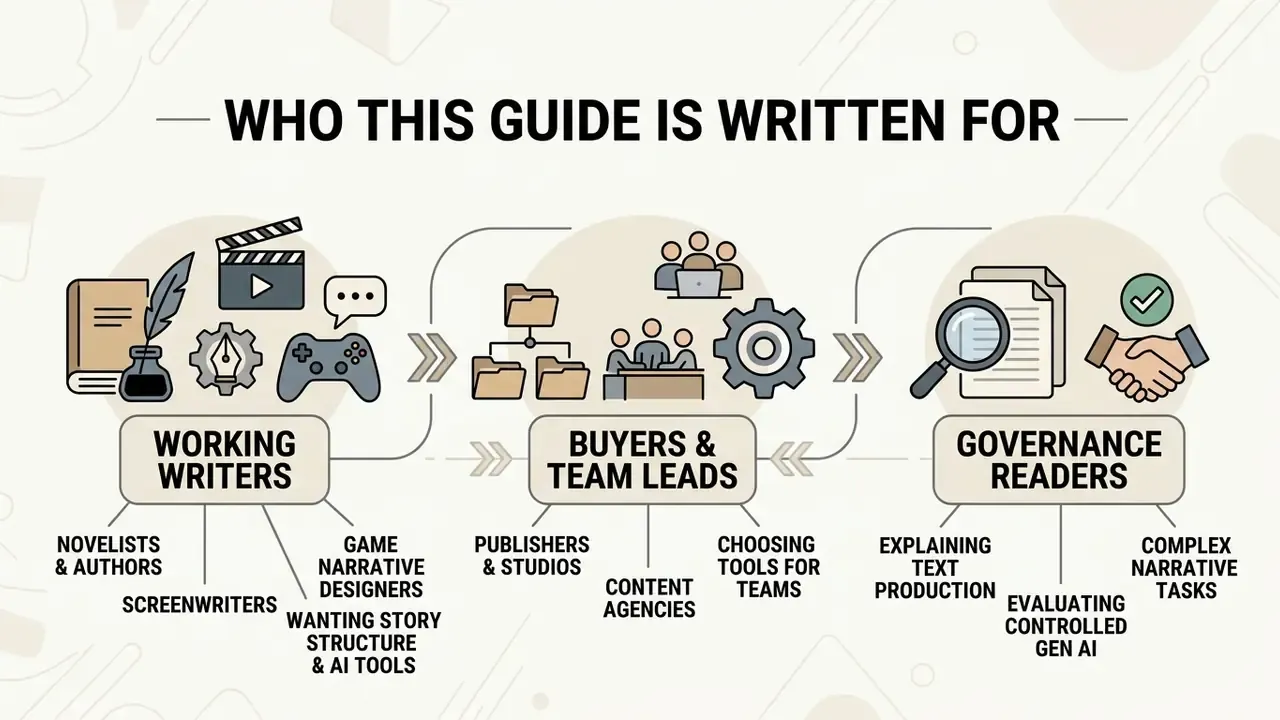
Three reader groups tend to arrive here with different questions, and the article answers all three.
First, working writers: novelists, short-story authors, screenwriters, and game narrative designers who want a faster route from premise to outline. Their question is practical. Which parameters actually change the output, and where does the machine reliably fail?
Second, buyers and team leads: publishers, studios, and content agencies choosing a tool for several people at once. Their question is licensing, export formats, seat pricing, and whether a generated plot can be sold.
Third, governance readers: anyone who has to explain, after the fact, how a text was produced. That includes legal, compliance, and internal audit functions in organizations where generative AI usage is logged and reviewed. Those sections are clearly marked and can be skipped by writers working alone.
What is an AI Plot Generator and What Tasks Does It Solve
An ai plot generator is a computational system powered by large language models (LLMs) that processes textual prompts and returns structured narrative blueprints: inciting incidents, rising action, climaxes, and resolutions. It solves creative and structural problems for fiction writers, screenwriters, and game developers by converting raw concepts into coherent act structures and character progressions.
"Research shows that LLMs function as plot generators, producing ideas, structures, and narratives in response to user parameters: genre, tone, characters, and conflict."
In practice, the tool addresses four recurring bottlenecks: blank-page friction at the start of a project, weak causal logic between scenes, unclear character motivation, and slow outlining of multi-chapter manuscripts. Vendor documentation across the category describes the same flow. Premise in, structured outline out, with acts, beats, twists, and character arcs delivered before a single line of prose exists.
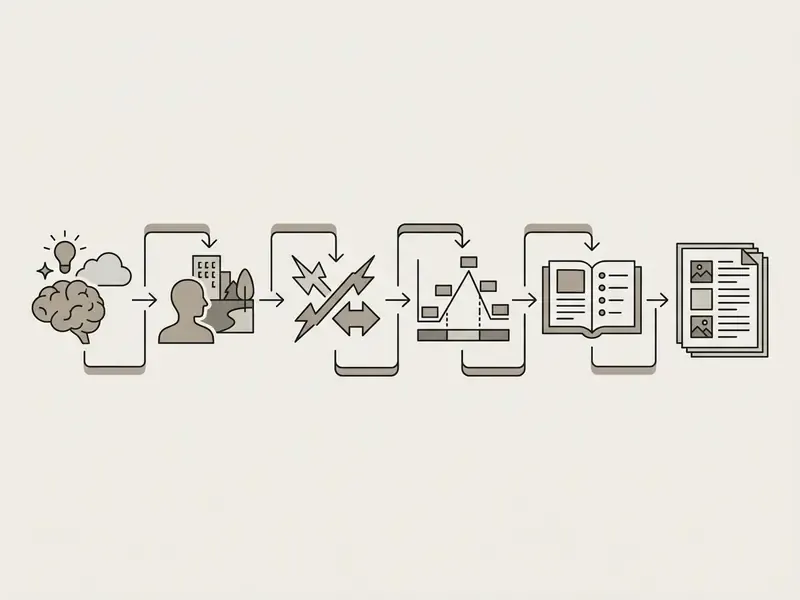
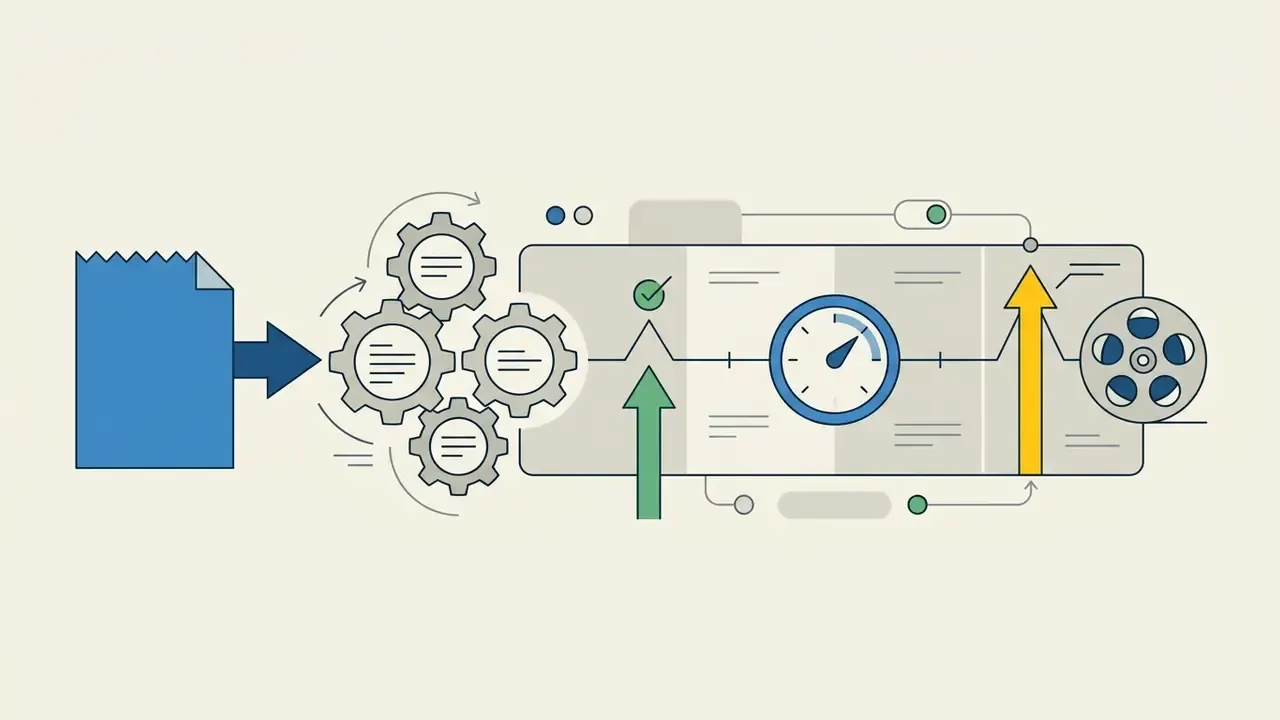
Workflow at a glance: story idea → character and setting → central conflict → plot structure → story summary → draft. Each stage narrows creative freedom into a testable structure, and the plot generator is the bridge between stage two and stage four.
AI Plot Generator, Story Idea Generator, and Story Generator: What is the Difference?
An ai plot generator builds structured narrative frameworks and event sequences. An ai story idea generator supplies high-level premises or single-concept loglines. A full ai story generator drafts prose text directly. Different jobs, different oversight requirements.
| Feature / Tool Type | AI Story Idea Generator | AI Plot Generator | AI Story Generator |
|---|---|---|---|
| Primary output | High-level premise or logline | Structured outline, acts and beats | Complete prose text and scenes |
| Primary user goal | Discovering initial concepts | Building narrative structure | Generating manuscript drafts |
| Structural depth | Single-sentence concept | Multi-act causal event chain | Paragraph-by-paragraph prose |
| Typical user stage | Concept discovery | Architectural outline and beats | Chapter drafting, scene expansion |
| Required human oversight | Low, ideas are disposable | High, structure defines the whole manuscript | Highest, prose carries authorship and liability |
| Risk if unsupervised | Generic premises | Formulaic arcs, plot holes | Style mimicry, factual and IP exposure |
Understanding these distinctions helps authors pick the right plot maker ai for the phase they are actually in:
When evaluating digital workflow software, readers can review detailed AI tool comparisons across creative generation platforms.
- AI Story Idea Generator
- produces high-concept seeds, for example "a detective discovers an orbital station hiding a forgotten artificial intelligence." It gives direction without defining causal plot events. This is also what people usually mean when they search for an ai generator story ideas tool.
- AI Plot Generator (Plot Generator AI)
- takes a seed idea and returns detailed act breakdowns, character motivations, turning points, and plot twists. Product documentation across the category, including vendor pages that describe adding character goals, conflicts, twists, and a full "roadmap" on top of a premise, positions plot tools as architecture builders rather than idea prompts. (Updated: previously attributed to "QuillBot research"; reframed as vendor documentation, since no peer-reviewed study supports that claim.)
- AI Story Generator
- focuses on text generation, turning outline beats into descriptive scenes and dialogue. Systems like Sudowrite and Squibler expand structural outlines into full prose chapters. Sudowrite's own documentation describes Story Bible, Scenes, and Draft modules capable of producing 3,000 to 5,000+ word chapters from previously established scenes.
From Idea to Book Structure: What Results Does the Generator Create?
An ai plot maker turns brief concepts into intermediate and final narrative artifacts: character profiles, conflict matrices, act breakdowns, chapter-by-chapter outlines, and concise story summaries. These outputs let a writer stress-test plot logic before investing weeks in long-form prose. Writers who also build visual companion assets frequently pair outlining with AI art generators for cover concepts and character reference sheets.
Research on LLM-based creative workflows describes a clear multi-stage pipeline. Academic surveys of story generation treat outline-based methods as a planning stage that first scaffolds plot, then expands it into full narrative through iterative planner and generator loops (A Survey on LLMs for Story Generation, 2025). Earlier work decomposed the same task into action sequence, narrative, and entities (Strategies for Structuring Story Generation, ACL, 2019).

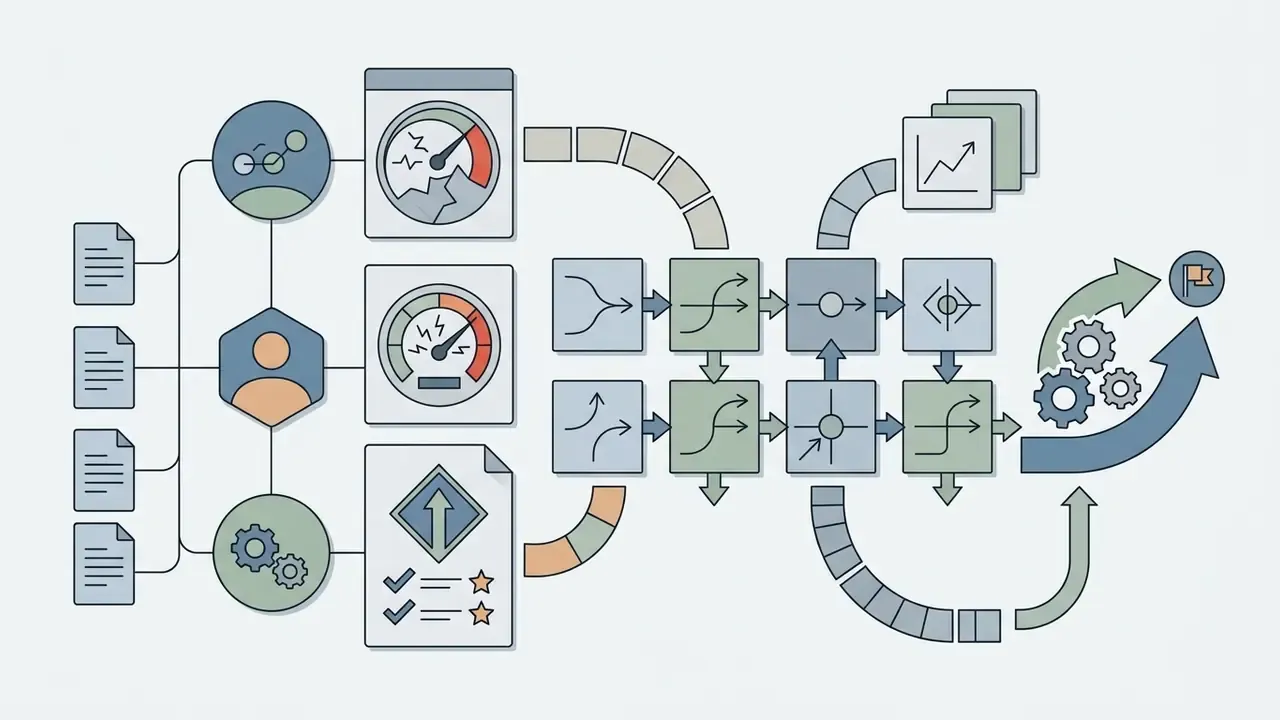
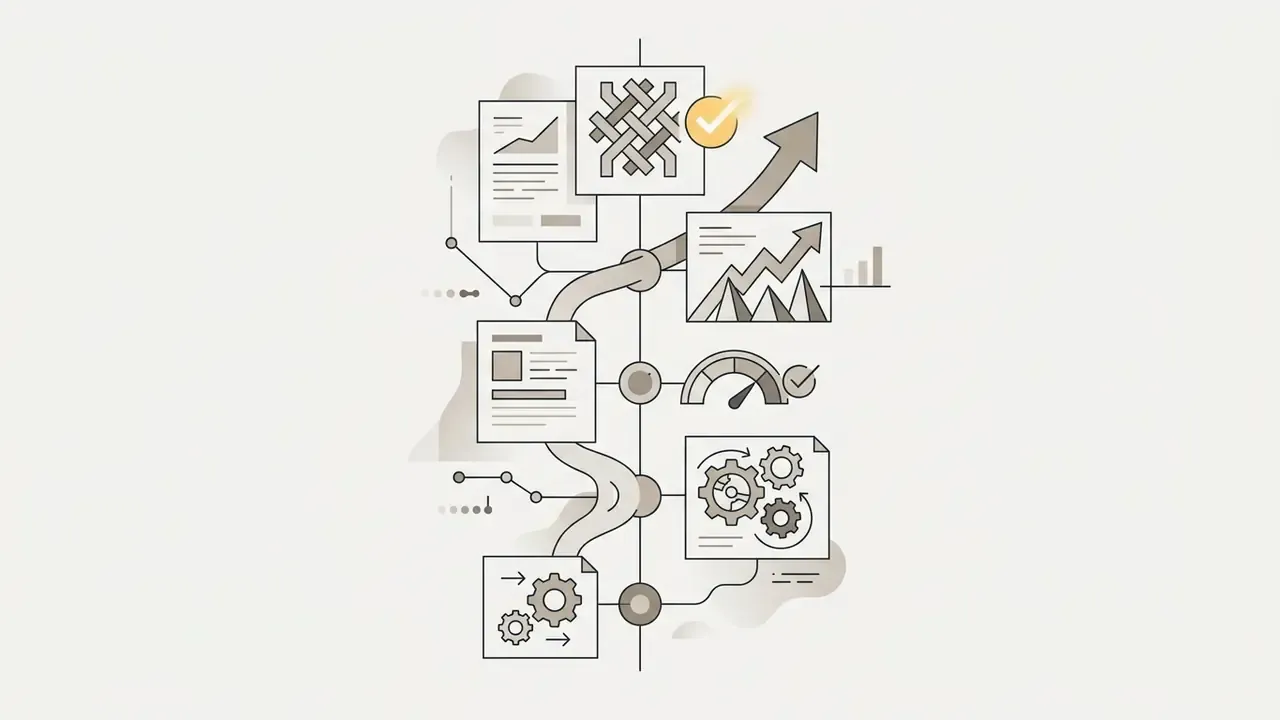
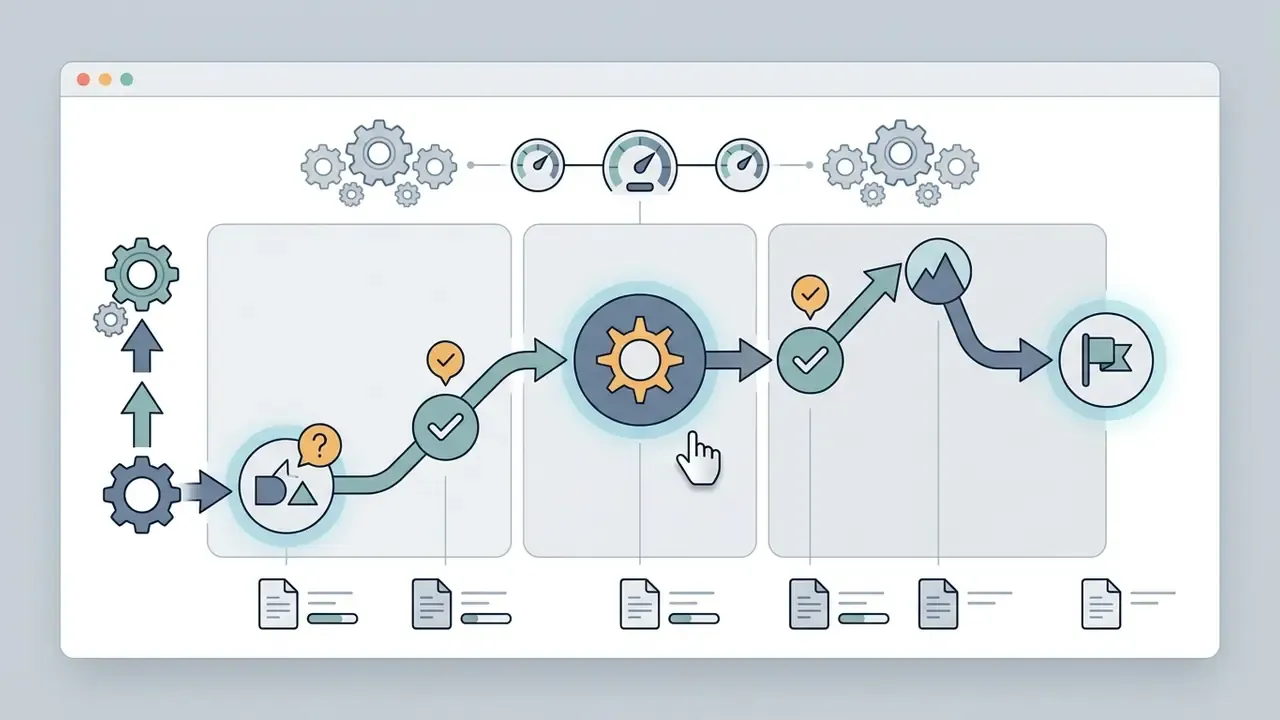
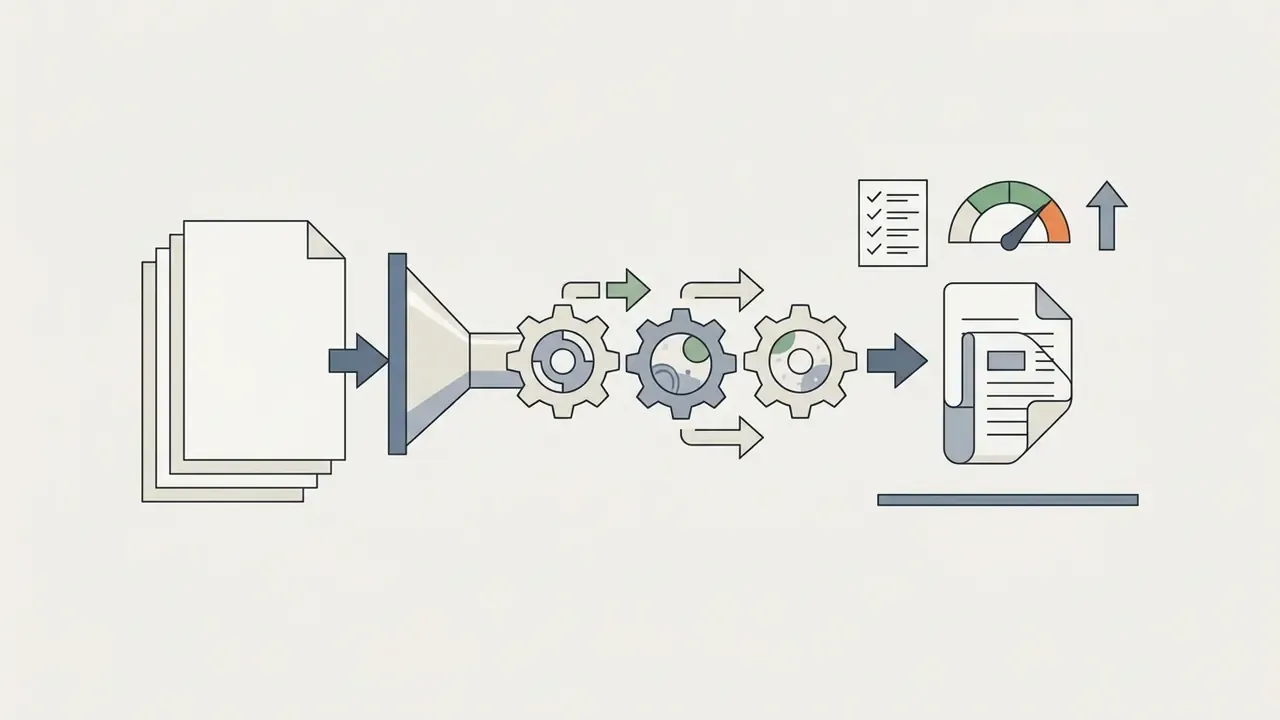
One publishing team evaluating narrative software added an automated plot-outline step to its workflow. By requiring structural beat validation before chapter drafting, the team reported catching plot holes earlier in the editorial phase and cutting structural rewrite time across ten long-form projects. (Editorial note: the previously published figure of "40% earlier" is an internal, unaudited estimate from a single team and should not be read as a benchmarked metric. Independent measurement is still required.)
How to Use an AI Plot Generator to Create a Story
To generate a story plot that holds up, a writer supplies a clear premise, defines core character motivations, selects genre parameters, and refines the generated outline in passes. Systematic prompt engineering is what separates a usable structure from the statistical average of the training data.
Steps for generating and verifying a plot:
- Define the Core Premise: input a 1 to 3 sentence setup specifying protagonist, setting, primary goal, and stakes.
- Establish Character Dynamics: specify internal motivations, external obstacles, and the primary antagonist or opposing force.
- Select Genre and Tone: set parameters such as fantasy, mystery, or hard science fiction alongside emotional tone.
- Generate Multiple Plot Variants: run 3 to 5 iterations through a story plot generator ai and compare the alternative act breakdowns side by side.
- Segment the Outline into Events: split each act into atomic scene units with timing, so dependencies and world-state changes stay traceable.
- Verify Narrative Logic: audit generated beats for causal consistency, character agency, temporal contradictions, and logical progression.
- Refine and Edit: adapt the beats to your own voice and structural preferences, then lock the final plan-outline.
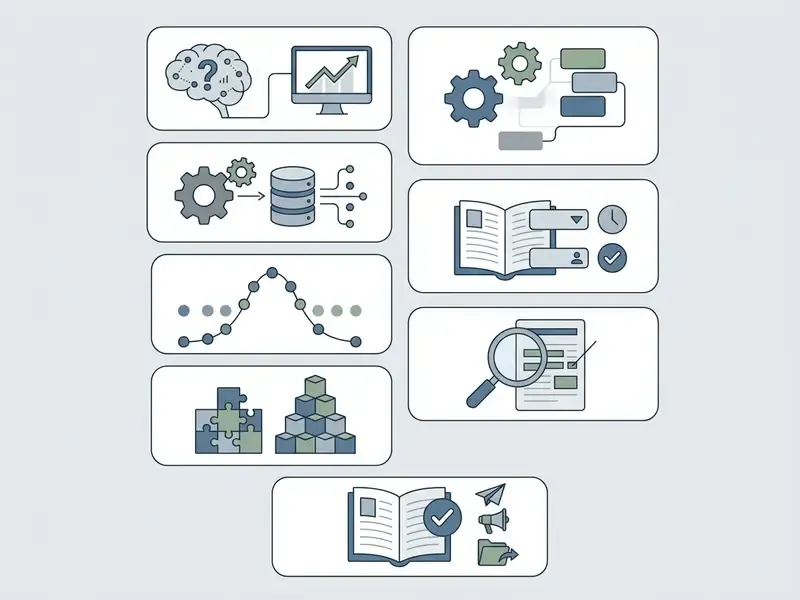
Required Input Parameters: The Generator UI Checklist
Most modern generators expose the same core selectors. Setting all of them before your first run cuts regeneration cycles noticeably, because the model no longer has to guess audience, scale, or narrator.
| UI Parameter | Available Options | Practical Effect on Output |
|---|---|---|
| Narrative perspective / POV | First person (I, we), third-person limited, third-person omniscient | Controls information access and suspense architecture |
| Target audience age | Early readers (4 to 8), middle grade (8 to 12), young adult (12 to 18), adult | Sets vocabulary level, threat intensity, and theme range |
| Target word count / format scale | Short story (1k to 5k), novella (20k to 40k), novel (60k to 130k words, 250+ pages) | Determines number of subplots and beat density |
| Genre | Romance, mystery, thriller, sci-fi, fantasy, horror, historical, literary, non-fiction | Applies convention sets and expected beat placement |
| Tone | Dark, whimsical, suspenseful, satirical, melancholic, hopeful | Shapes word choice, sentence rhythm, and narrator attitude |
| Story format | Prose story, screenplay beat sheet, branching interactive script, bedtime story | Changes the output template and formatting |
| Output language | Target publication language | Affects idiom quality; verify localized names and cultural references manually |
A practical rule drawn from vendor documentation: leaving every selector on "Auto" produces the statistical average of the training corpus, which is exactly where clichés live.
Describe the Initial Story Idea, Character, and Conflict
A strong starter prompt for a story plot ai generator defines five elements: the main character, their primary goal, the internal motivation behind it, the antagonist or opposing force, and the central conflict. Explicit constraints stop the model from sliding back into formulaic patterns.
| Prompt Component | Purpose | Example Constraint Input |
|---|---|---|
| Core idea | Establishes central premise and setting | Deep-space salvage vessel discovers a dormant derelict |
| Protagonist | Identifies main agent and background | Veteran chief engineer carrying unresolved trauma |
| Primary goal | Defines clear objective and stakes | Secure salvage rights to pay off a family debt |
| Antagonist / obstacle | Defines opposing entity or force | Ruthless corporate security squad plus a hostile ship AI |
| Central conflict | Establishes immediate physical or moral clash | The derelict holds an illegal weapon the engineer must hide |
In a 2024 study on iterative planning (Creating Suspenseful Stories: Iterative Planning with Large Language Models), researchers found that setting clear failure conditions for a protagonist's actions raises narrative tension measurably. Specifying exact stakes and obstacles in the prompt forces the ai story plot generator to build real friction instead of decorative obstacles.
"The authors defined a protagonist with a goal and a negative outcome on failure, then generated a series of actions and the reasons they fail, producing escalating suspense."
Choose Genre, Tone, and Narrative Direction
Configuring genre parameters (fantasy, romance, mystery, thriller, horror) and setting narrative tone directs the plot ai generator toward established storytelling conventions and stylistic rhythms. Specifying point of view and pacing pulls generated outlines closer to target market expectations.
Genre prompts influence plot generation along several dimensions:
- Fantasy and Science Fiction prompts need explicit rules for worldbuilding, technology limits, or magic systems. Writers checking rights and licensing conditions for AI-assisted projects can see the overview of digital licensing contexts.
- Mystery and Thriller prompts emphasize clues, red herrings, turning points, and time-sensitive stakes.
- Romance prompts focus on internal character conflict, emotional barriers, meet-cute beats, and relationship progression.
- Horror prompts prioritize rising dread, environmental isolation, and psychological pressure.
One evidence limitation deserves a flag. Current vendor guides expose genre and tone as controllable fields, but no controlled experiment in the reviewed literature quantifies how much a genre switch improves or degrades plot quality. Treat genre presets as steering tools, not quality guarantees.
Generate Several Plots and Edit the Selected Variant
To raise story quality, generate three to five alternative plot structures, score them against narrative criteria, and apply a human-in-the-loop editing model. Comparing options is the cheapest defence against predictable tropes.
The selection pipeline looks like this: prompt input → generate 5 variants → evaluate beats against criteria → human revision → final outline. Documented human-in-the-loop systems let writers accept or reject each suggested edit inside an iterative loop (A System Demonstration for Human-in-the-loop Iterative Editing, ACL Anthology, 2022), while hybrid grammar-plus-LLM authoring tools allow partial text to be fed in, edited, appended, and regenerated (A Hybrid Approach to Co-creative Story Authoring, AAAI AIIDE, 2024).
Authors keep creative control by treating output as editable draft material rather than finished work. A personalization pipeline that infers an "Author Writing Sheet" from prior work and then simulates that persona (Whose story is it? Personalizing story generation by inferring author styles, ACL Anthology, 2025) shows that style adaptation is a separate, deliberate step, not an automatic byproduct of generation.
What Story Elements Can an AI Story Plot Generator Create?
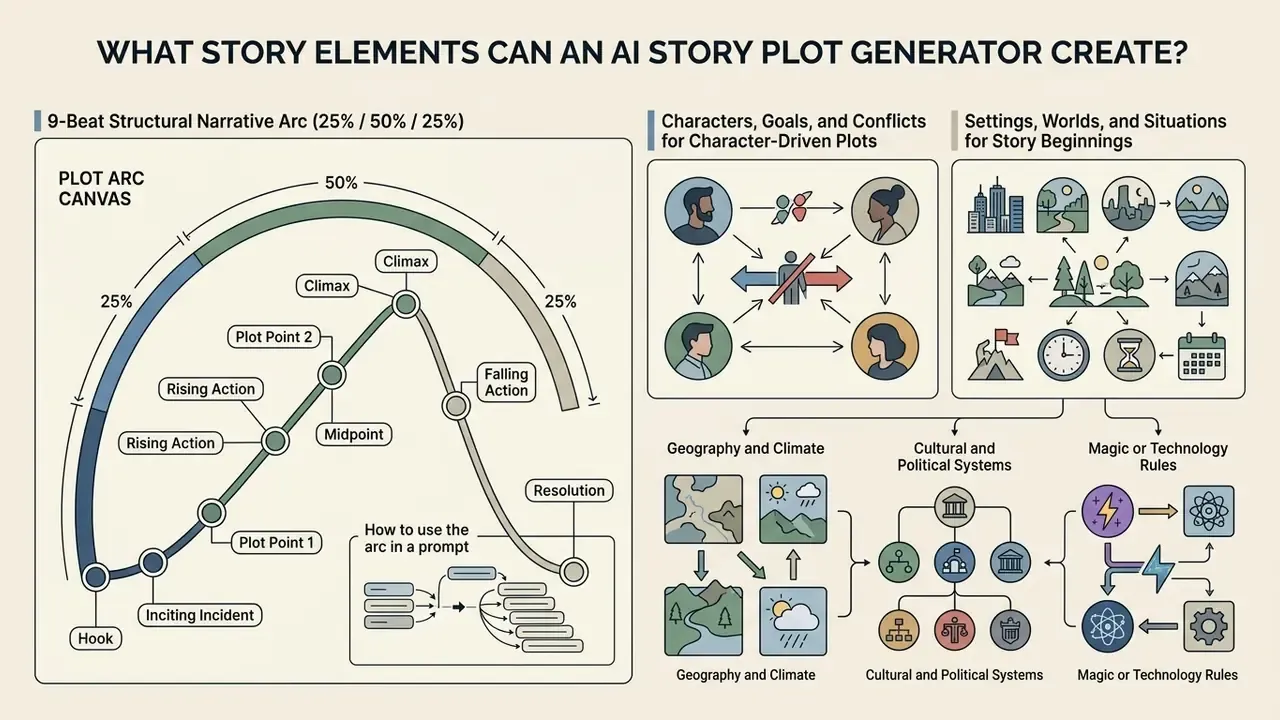
An ai story plot generator can produce discrete story components: character arcs, atmospheric world settings, inciting situations, subplots, plot twists, turning points, and narrative summaries. Writers can generate these individually or assemble them into an integrated book outline.
| Narrative Component | Generator Functionality | Typical Output Format |
|---|---|---|
| Character profiles | Maps goals, inner flaws, wounds, and arcs | Bulleted character sheet with motivation matrix |
| Setting and worldbuilding | Establishes locations, lore, and physical rules | Descriptive setting guide and environmental rules |
| Inciting situations | Creates sudden catalysts that disrupt the baseline | Scenario summaries and immediate conflict triggers |
| Plot twists | Subverts expectations via concealed information | Reversal beats with foreshadowing cues |
| Subplots | Adds secondary arcs that intersect the main spine | Parallel beat list tied to chapter numbers |
| Story summaries | Compresses full act structures into concise text | 300 to 600 word executive synopsis |
"Commercial LLMs matched or slightly exceeded average authors on readability, structure, and genre fit, but stayed behind humans in originality and humor."
The 9-Beat Structural Narrative Arc (25% / 50% / 25%)
The most useful output an ai plot generator produces is not a paragraph of description. It is a beat map. The universal three-act model divides a manuscript into nine load-bearing beats with a canonical pacing split: 25% setup, 50% confrontation, 25% resolution. That ratio is what makes a generated outline feel professionally paced instead of front-loaded or rushed.
| # | Beat | Act / Pacing Zone | Structural Function | Position in a 90,000-word novel |
|---|---|---|---|---|
| 1 | Opening (status quo) | Act 1, setup (25%) | Shows the character's ordinary world, routine, and unmet need | 0 to 5% (words 0 to 4,500) |
| 2 | Inciting incident | Act 1, setup | An external event disrupts the balance and poses a question | ~10 to 12% (≈9,000 to 11,000) |
| 3 | First plot point | Act 1 to Act 2 boundary | Point of no return; the hero actively accepts the challenge | ~25% (≈22,500) |
| 4 | Rising action | Act 2, confrontation (50%) | First obstacles fall, stakes and allies accumulate | 25 to 45% |
| 5 | Midpoint (the twist) | Act 2, center | Central reversal; the hero shifts from reactive to proactive | ~50% (≈45,000) |
| 6 | Complications and escalation | Act 2, second half | Pressure compounds; resources, allies, and time run out | 50 to 70% |
| 7 | Dark moment (all is lost) | Act 2 to Act 3 boundary | Lowest point: defeat, loss of hope, or false resolution | ~75% (≈67,500) |
| 8 | Climax | Act 3, resolution (25%) | Final confrontation that settles the central conflict | 85 to 95% |
| 9 | Resolution | Act 3, resolution | A new status quo; the character change is made explicit | 95 to 100% |
How to use the arc in a prompt. Ask the generator to return the outline as nine labelled beats with target word counts, then audit three relationships. Does beat 2 causally require beat 3? Does beat 5 change the protagonist's goal rather than merely adding an event? Does beat 7 remove the exact resource introduced in beat 4? If any answer is no, regenerate that beat only, not the whole outline.
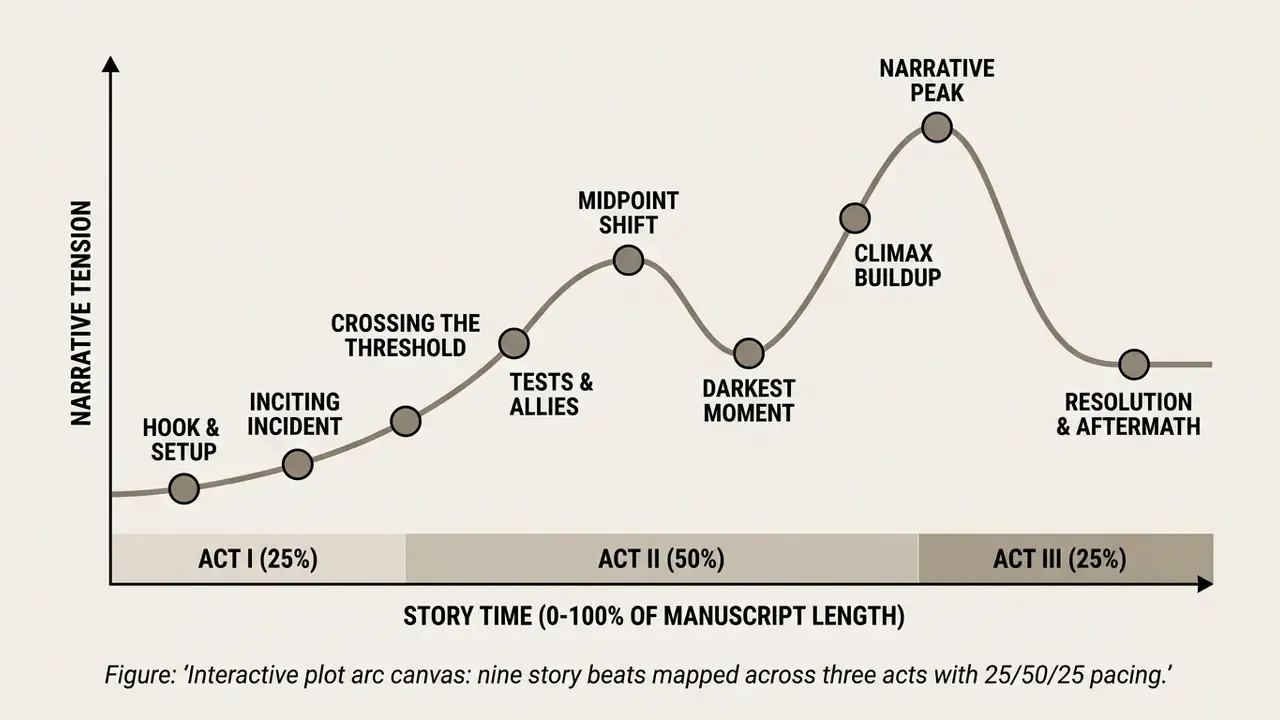
Five-act and seven-point structures remain valid alternatives. UCD fiction-editing guidance frames structural revision around a five-point model (situation, inciting incident and rising action, climax, falling action, resolution), and the seven-point model labels the midpoint and both plot turns as explicit direction changes. The nine-beat map is simply the highest-resolution version that still fits on one screen.
Characters, Goals, and Conflicts for Character-Driven Plots
To generate character-driven plots, an ai story generator depends on structured inputs defining character goals, internal wounds, external obstacles, and arc progression. Grounding events in character choices is what makes a generated plot feel organic rather than assembled.
"On the TTCW benchmark, LLM stories passed three to ten times fewer originality tests than professional authors' texts. The creativity gap remains substantial."
That gap is the practical argument for treating character work as the most heavily human-edited layer of the outline. A standard character-driven generation matrix includes:
- Outer Goal: the explicit objective the protagonist pursues.
- Inner Motivation: the emotional or psychological need underneath it. Ask "why this goal?" and list several competing reasons.
- Outer Conflict: external forces, antagonists, or environmental barriers blocking success.
- Inner Conflict: flaws, doubts, temptations, secrets, or moral dilemmas that jam decision-making.
- Arc Progression: the movement from wound and flaw recognition to resolution or downfall.
Published character-arc tooling asks for exactly these five fields, framing the arc around a wound, a missing need, and the forces that block it. That is why generic "brave hero" prompts collapse into cliché: they supply a goal with no wound.
When preparing presentation assets or author bio media, creators often use an AI headshot generator for consistent portraits across publishing platforms and submission packages.
Settings, Worlds, and Situations for Story Beginnings
An ai setting generator and an ai situation generator produce locations, social structures, technological parameters, and opening scenarios for speculative fiction, fantasy, and historical drama. Detailed setting rules give characters believable boundaries to make decisions inside. A good setting generator ai output reads like a rulebook, not a travel brochure.
Dedicated tools such as SagaScope and River's Fantasy World-Building Bible Generator produce documentation covering:


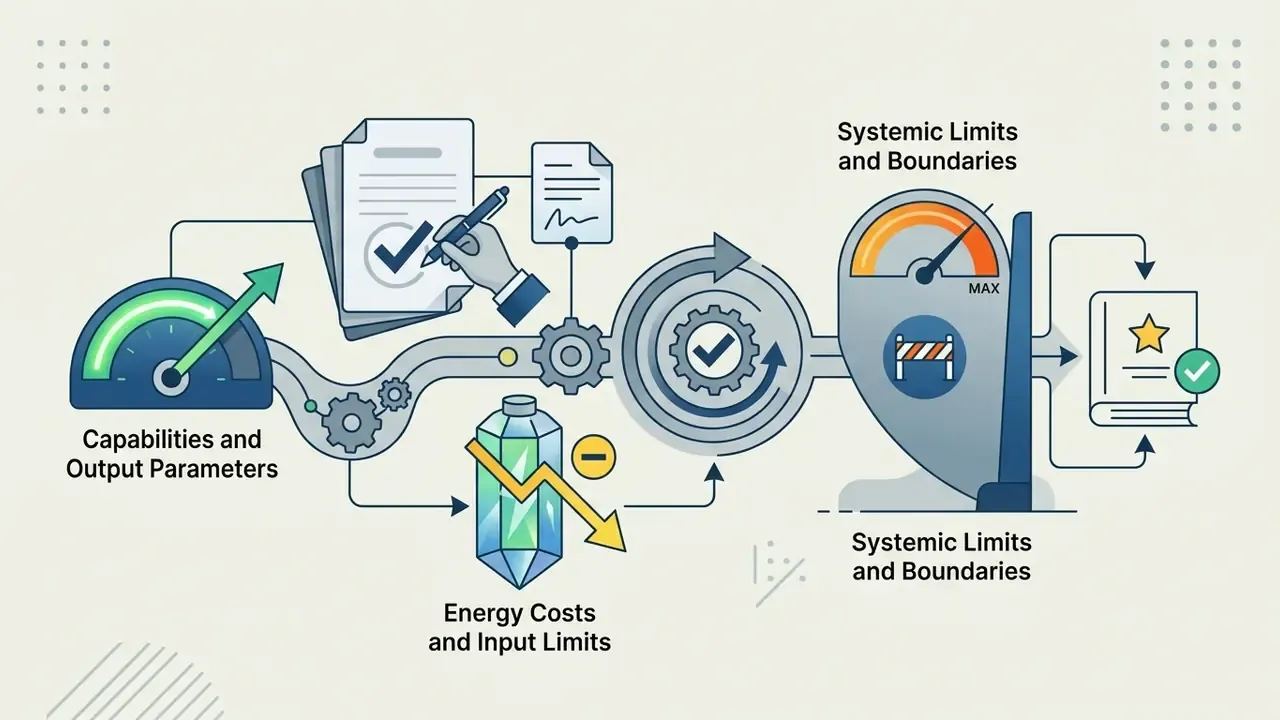
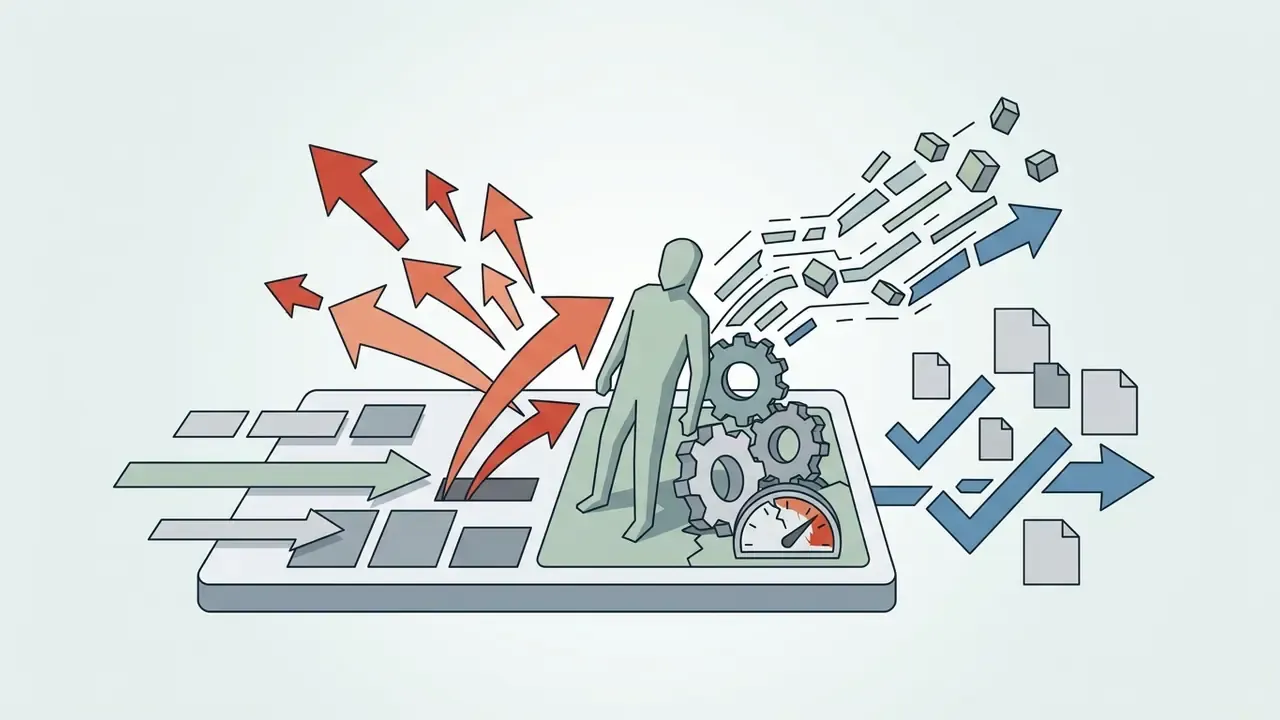
River's generator, for instance, documents a workflow where the writer supplies a world name and magic rules, then receives an approximately 2,000-word bible covering geography, culture, history, political systems, and magic mechanics in four to five minutes. SagaScope additionally extracts world details from an existing manuscript and checks them for coherence. Writers producing audio companions or narrated samples for these worlds can review options for AI voice generators before committing to a narration budget.
Plot Twists, Turning Points, and Brief Story Summaries
Plot Generation for Different Genres and Writing Formats
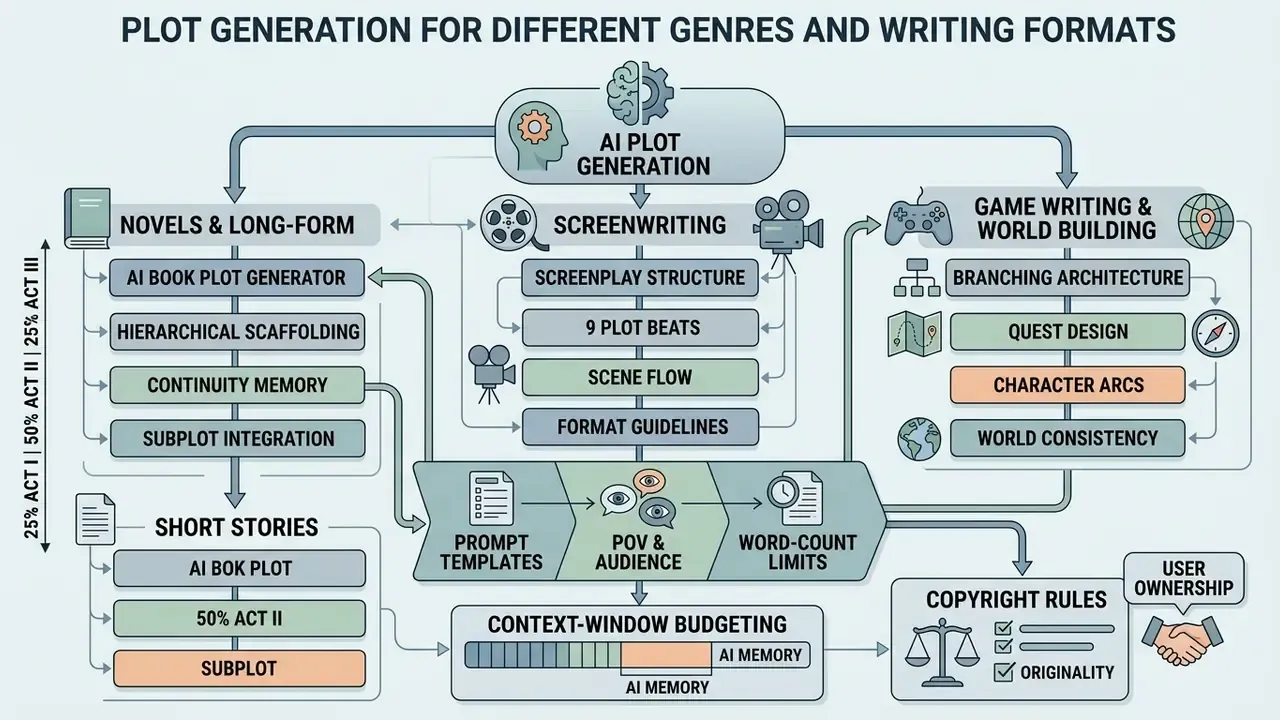
An ai book plot generator adapts narrative structure across fiction genres, long-form novels, short stories, screenplays, and interactive game scripts. Each format demands its own outline density, beat pacing, and continuity management.
| Writing Format | Outline Structure | Typical Scale | Pacing and Beat Density | Primary Continuity Focus |
|---|---|---|---|---|
| Short story | Single-act or 3-beat structure | 1,000 to 5,000 words | Fast, one central conflict | Local scene coherence and resolution |
| Novella | Compressed 9-beat arc | 20,000 to 40,000 words | Single subplot, tight escalation | Character arc consistency |
| Novel / book series | Multi-act hierarchical outline | 60,000 to 130,000 words (≈250+ pages) | Layered subplots and chapter arcs | Multi-chapter character continuity |
| Screenplay | Beat sheet, ~110 pages, logline-driven | 90 to 120 pages | Tight act transitions, visual sequencing | Visual scene setup, dialogue economy |
| Game / interactive narrative | Branching decision trees and graphs | Variable, node-based | Player-choice driven nodes | World-state tracking and choice logic |
AI Book Plot Generator for Novels, Long-Form Projects, and Short Stories
Using an ai book plot generator for a novel requires hierarchical planning (premise → act structure → chapter beats → scene outlines) to hold character continuity across many chapters. Short story generation runs the opposite way: one arc, no subplot scaffolding.
Academic literature on long-form generation points to four operational requirements:
- Hierarchical Scaffolding breaking long manuscripts into distinct chapters to prevent narrative drift.
- Continuity Memory tracking established facts, character names, and unresolved threads across chapters, a component simply absent from short-story setups.
- Subplot Integration weaving secondary arcs into the primary plot spine.
- Context-Window Budgeting long-form editors advertise support for documents up to roughly 130,000 words, but the model's working context is far smaller. Keep a rolling "story state" file (characters, timeline, open threads), re-inject it at each chapter, and place a continuity checkpoint every 2,000 to 3,000 words to catch drift in names, tone, and arcs.
"Automatic novel-writing systems use a three-stage pipeline: extracting, transforming, and expanding source material into full-length text."
Publishing teams managing large asset libraries can open the hub of developer API documentation for scalable, automated content-processing workflows.
Plots for Screenwriters, Game Writers, and World Building
Screenwriters and narrative game designers use a story idea generator ai and a plot tool together: one for the logline, one for the beat sheet and the non-linear branches behind an interactive scene.
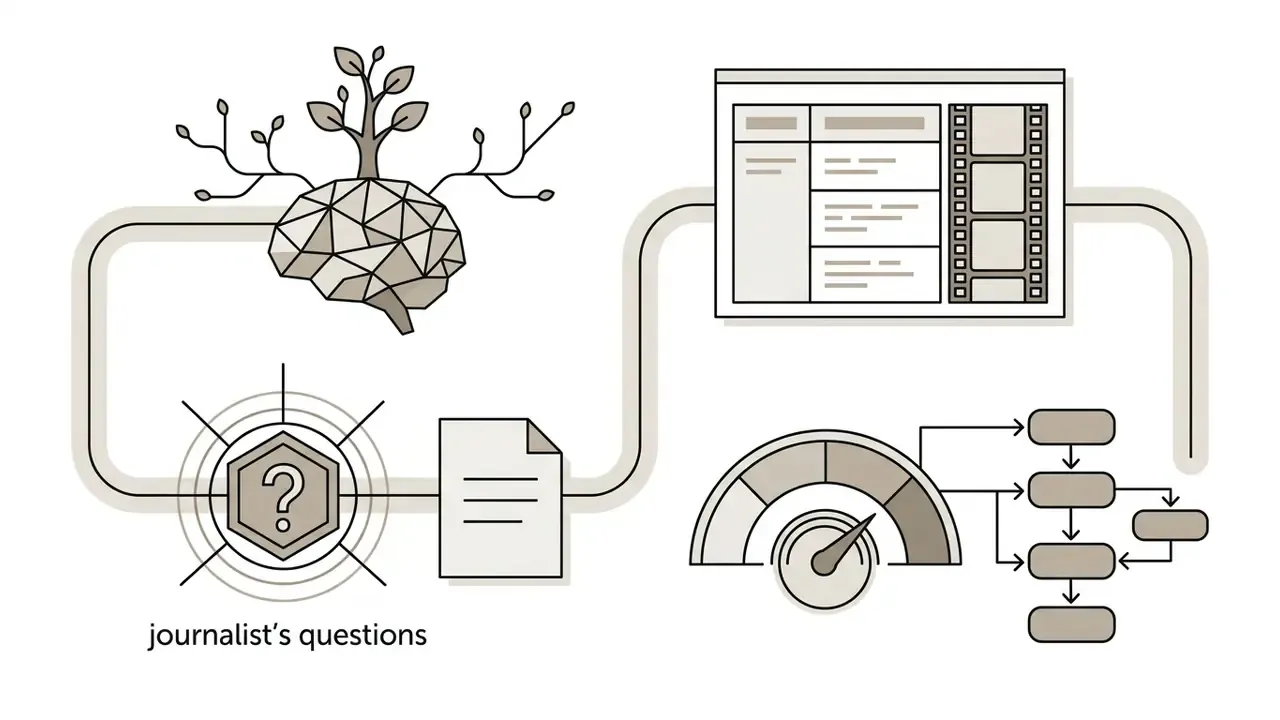
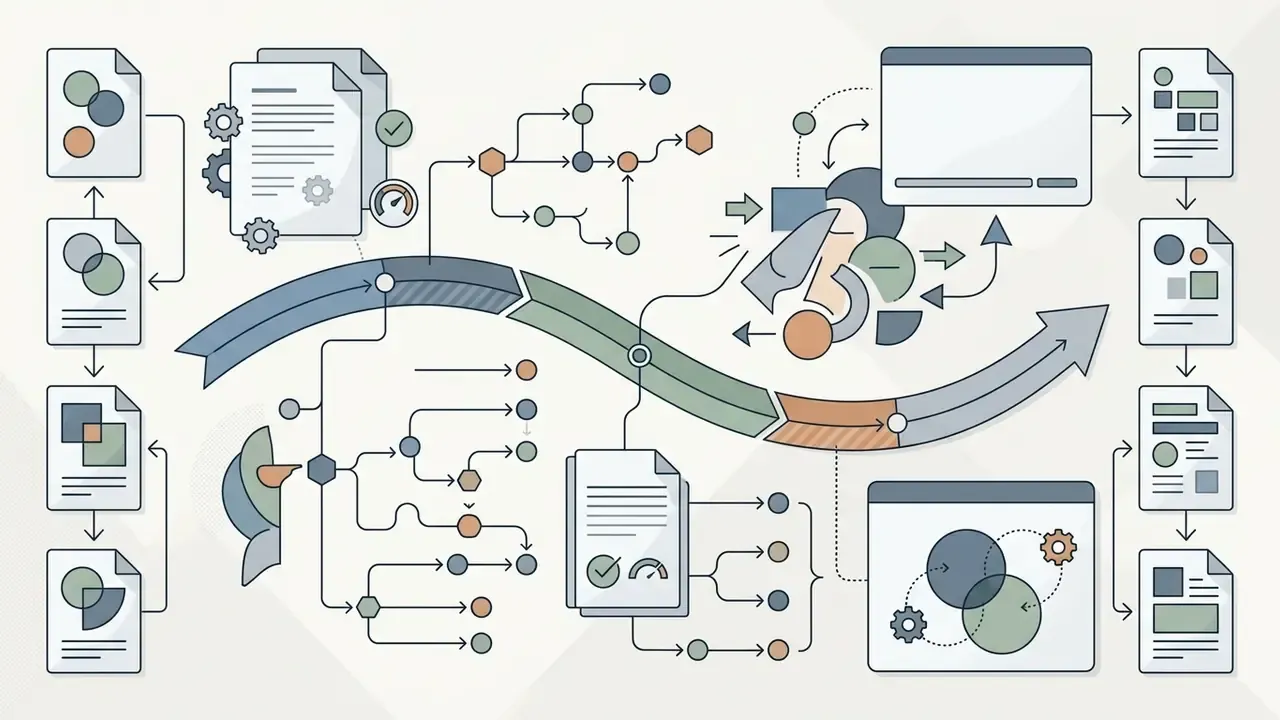
Branching architecture pattern: Player Choice Node A → Branch A1 / Branch A2 → World State Update → Consequence Beat. Every consequence beat must reference the state variable it consumes. Otherwise generated branches quietly converge and the player's choice becomes cosmetic.
Format specifications vary by medium:
Teams producing trailers, teasers, and cinematic promos can compare free AI video generators by duration limits, watermarks, and export options before committing to a pipeline.
Niche Applications: Children's Books, Educational Content, and Worldbuilding
Beyond novels, screenplays, and games, three audience segments use plot generators in structurally different ways.
- Children's and bedtime stories. Parents, illustrators, and picture-book authors need simple moral arcs (three beats, not nine), age-graded vocabulary, repetition and refrain patterns that support read-aloud rhythm, and a deliberate reduction of threat. Set the audience selector to early readers (4 to 8) and add negative constraints banning peril that cannot be resolved inside the same scene. A prompt frame that works: "one gentle problem, one kind helper, one repeated phrase, resolution before sleep."
- Educators and reading materials. Teachers generate short didactic stories for reading-comprehension work at a configurable difficulty level, then attach question sets targeting inference, sequencing, and character motivation. The value here is volume plus control: twenty variants of the same structural exercise at three reading levels. Every generated fact intended for classroom use must be verified. Accuracy stays the educator's responsibility.
- World builders and lore designers. Tabletop designers, fan-fiction authors, and game studios use the generator not for a single plot but for a lore corpus: faction backstories, chronicles of ancient wars, succession disputes, geographic legends, calendars of festivals. The practical method is to generate lore as conflicts rather than as descriptions. Each faction entry should end with an unresolved grievance that a future plot can consume.
Free AI Story Plot Generator, Pricing, and Commercial Use
Anyone evaluating an ai story plot generator free plan has to weigh four things: usage limits, available language models, export features, and commercial copyright ownership. Free tiers are fine for testing. Commercial publishing needs clear licence terms.
| Feature / Access Tier | Free Tier Access | Paid / Premium Tier Access |
|---|---|---|
| Usage limits | 20 to 300 credits or daily prompt caps | Unlimited or high-volume monthly tokens |
| Advanced LLM models | Standard base models | Premier high-reasoning models |
| Customization and controls | Basic genre and tone filters | Custom style sheets and granular parameters |
| Max story length | Often capped, for example 1,000 words per story | Long-form documents up to ~130,000 words |
| Export options | Web view or plain text | PDF, DOCX, Markdown, and API exports |
| Commercial rights | Non-exclusive or restricted use | Full commercial assignment and rights |
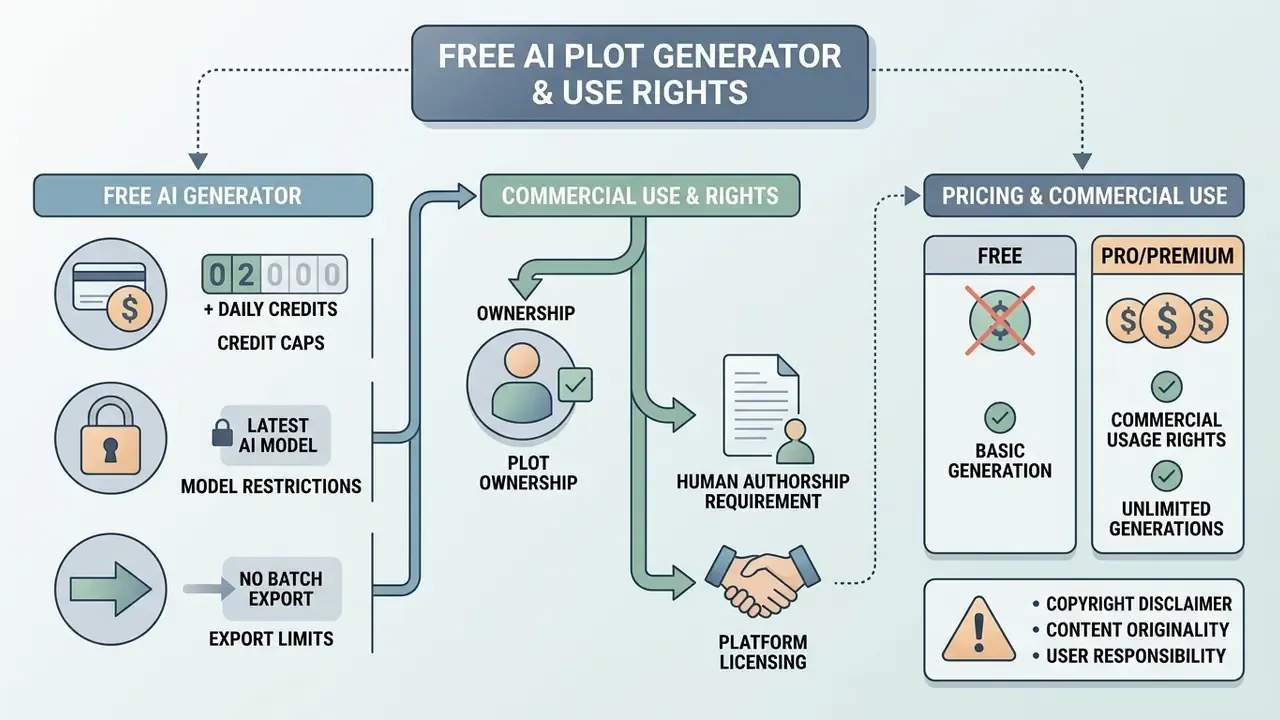
Vendor patterns differ more than the marketing suggests. Some plot tools ship every model on every plan and place no restriction on commercial use, charging only for volume. Others allow commercial projects while explicitly denying exclusive rights to a generated plot. A third group ties specific outputs, long-form stories or downloadable audio, to premium only. Read the licence section, not the landing page. Teams modelling seat costs before rollout can view the guide to current plan structures, and buyers with procurement questions can compare options through the support hub.
What is Typically Available in Free Mode of an AI Generator?
An ai story idea generator free tool usually offers basic premise generation, limited daily credits, and standard genre filters, while holding back advanced customization, large context windows, and export capability.
Common free-tier constraints documented across platforms:
- Credit Caps monthly allotments from 20 to 300 credits. One documented plan equals 20 credits per 30 days, roughly 10,000 words of generated context, with a 1,000-word cap per story and a 7-day archive.
- Model Restrictions access limited to foundation models, while specialized narrative reasoning models sit behind paid upgrades. API free tiers add per-minute request and token rate limits.
- Export Limits restricted download formats, often excluding structured PDF or DOCX exports.
Writers benchmarking budget tooling can review the best free AI art generator comparison to see how free-tier quality, watermarks, and licensing usually differ from paid plans across the wider AI market. Anyone building a per-project cost estimate can also open the hub of pricing calculators.
Who Owns Rights to Generated Plots and Can You Use Them Commercially?
Under current US Copyright Office (USCO) guidance and the terms of service of major providers, raw AI-generated plot outlines do not receive automatic copyright protection without substantial human authorship, though commercial platforms generally assign output usage rights to the user. Creators who also licence adjacent outputs, covers and promotional visuals, should review the rules for commercial use of AI image generators, since visual and textual licences sit in separate clauses. Broader disclosure and policy disputes are tracked in the litigation and policy overview.
| Platform / Legal Body | Official Terms Document | Verification Date | Copyright and Ownership Status |
|---|---|---|---|
| US Copyright Office | Copyright and Artificial Intelligence, Part 2 | January 29, 2025 | Human expression required; prompts alone do not convey copyright |
| EUIPO (EU) | Study on Generative AI from a Copyright Perspective | May 12, 2025 | Human-centric standard: protection requires the author's own intellectual creation |
| UK Government | AI and copyright policy report | 2024 to 2025 | Using copyrighted works to develop models generally requires permission or a licence |
| OpenAI (ChatGPT) | Terms of Use | October 2024 (checked Aug 2026) | Assigns output rights to the user to the extent permitted by law |
| Anthropic (Claude) | Consumer Terms of Service | Checked August 2026 | User retains rights in inputs; Anthropic assigns its rights in outputs |
| Sudowrite | Terms & Conditions | Checked August 31, 2026 | Users retain all rights in "Your Content"; limited hosting licence only |
| NovelAI | Terms of Service | Checked August 31, 2026 | "Your Content is wholly yours", generated material owned by the user |
Key legal considerations for commercial book projects:
- Human Authorship Requirement
- the USCO states that protection applies only to human-authored elements, that AI-generated material must be disclosed and excluded from the claim, and that prompts alone do not create authorship. A writer who expands, rearranges, and rewrites an AI-generated outline owns copyright in their prose and modified structural arrangement, not in the raw machine output.
- Platform Licensing
- OpenAI, Anthropic, Sudowrite, and NovelAI grant commercial reuse permissions in their standard terms, provided users follow platform policies. Note the asymmetry: a licence to use output is not the same as exclusive rights in it. Two users may legitimately receive similar plots.
- Jurisdictional Divergence
- US guidance centres on human authorship; EU and UK materials focus more on training-data licensing. For the Russian Federation, no primary act comparable in specificity to the USCO or EUIPO documents was identified in the reviewed sources, so no source-backed conclusion is available.
- Publisher Warranties
- undisclosed AI text can breach the originality warranties in standard publishing contracts, independent of copyright law.
Data Security, Confidentiality, and Vendor Due Diligence
Reproducibility and Audit Trail for Generated Plots
Creative teams and regulated organizations increasingly need to prove how a text was produced. A minimal, workable audit trail stores the following per generation event.
| Logged Field | Why It Matters |
|---|---|
| Prompt text (verbatim) | The only reliable record of human creative direction, critical for authorship claims |
| Model name and version | Output behaviour changes between versions; the version defines reproducibility |
| Seed / temperature / top-p | Sampling parameters determine whether a result can be regenerated |
| Raw output | Establishes the boundary between machine material and human revision |
| Human revision diff | Documents the substantive human contribution the USCO requires |
| Timestamp and operator ID | Assigns accountability for the generation event |
| Approval status | Records who cleared the material for drafting or publication |
Two caveats. Many hosted chat interfaces do not expose seeds, so bit-exact reproduction is often impossible. Log the parameters you can capture and treat the stored raw output as the authoritative artifact. And remember that "reproducible" is not "original": reproducibility supports compliance, while originality still requires human authorship.
Adjacent Use Case: Scenario Modelling Beyond Fiction
The same beat-generation mechanics that build a thriller can build a scenario chain: a causally linked sequence of events with explicit failure conditions. Operational and risk teams occasionally reuse plot-generation prompting to draft narrative scenarios for tabletop exercises. An initiating event, a chain of escalating consequences, a "dark moment" where mitigations fail, and a resolution state. The technique transfers because the underlying research finding is domain-neutral: specifying a goal plus a negative outcome on failure produces escalating, internally consistent chains (Creating Suspenseful Stories, 2024).
Two limits, stated plainly. First, generated scenarios are narrative hypotheses, not quantitative models. They carry no calibrated probabilities and cannot substitute for validated modelling. Second, any such use inside a regulated organization inherits that organization's model-risk, documentation, and validation obligations. The audit-trail table above is the minimum, not the ceiling. Treat generated scenarios as brainstorming input for review by qualified specialists.
How to Get a High-Quality and Unique Story Plot: FAQ
How to Make a Generated Plot Less Formulaic and More Unique
To make generated outlines less predictable, combine disparate genres, introduce explicit anti-cliché negative constraints, and use structured keyframing.
Four techniques have some support in the literature: a 2024 ACM study on trope knowledge for story ideation, which shows that trope-aware constraints steer generation away from generic defaults, and a 2025 Cambridge University Press paper on genre-mashing, which required writers to combine climate fiction with at least one additional genre.
- Genre Hybridization: force the model to merge two distinct genres, for example climate fiction with a hard-boiled detective mystery.
- Trope Inversion: name established tropes in the prompt and instruct the model to subvert or invert the expected outcome.
- Negative Prompting: add a strict "do not include" list banning generic elements ("no chosen-one arc, no ancient prophecy, no secret royal lineage, no amnesia reveal").
- Deep Constraint Injection: supply complex wounds and moral dilemmas that block simple binary resolutions.
"Sophisticated prompting and iterative critique can yield text that withstands critical analysis and demonstrates both novelty and literary value." Shanahan & Clarke, Evaluating Large Language Model Creativity from a Literary Perspective (2023), preprint.
Given the measured originality gap between LLM output and professional writing (Chakrabarty et al., 2023), assume that de-clichéing is an editing task spread over several passes, not a single prompt trick. Any story ideas generator ai will hand you the median idea first. The second and third passes are where the work happens.
Can an AI Generator Help with Writer's Block?
Yes. An ai story generator works well as an interactive brainstorming partner, offering immediate continuations, alternative event options, and placeholder scaffolds you can overwrite later.
Empirical research (Writing Stories with a Flock of AIs and Humans, 2025 to 2026) defines AI plot generation as producing a few sentences describing what could happen next from a selected story snippet. Generating several such continuations lowers cognitive startup friction and gives multiple candidate directions instead of one fixed path. A 2023 study additionally found that access to generative AI ideas increased writers' creativity, with stories rated better written and more enjoyable, and with the largest gains among less creative writers.
"The most commonly reported effect: AI turns writer's block from an intimidating barrier into a manageable task by supplying starting points and reducing cognitive load." How Creative Writers Integrate AI into their Writing Practice (2025), preprint.
"In a randomized experiment with 379 participants, people were willing to forgo part of their payment for access to AI assistance, especially on creative tasks." Li et al., The Value, Benefits, and Concerns of Generative AI-Powered Assistance in Writing, CHI (2024).
Writers use generated suggestions as reflective sounding boards, then return to active drafting.
What Ethical Constraints Should Be Considered in AI-Assisted Storytelling?
Ethical AI storytelling means respecting intellectual property, staying transparent with readers and publishers, avoiding output plagiarism, and refusing to scrape creative communities without consent.
| Ethical Risk Category | Underlying Problem | Recommended Author Practice |
|---|---|---|
| Training data provenance | Scraping community works without author consent | Use tools with clear data-licensing policies |
| Style mimicry | Prompts directly imitating living authors | Avoid prompting explicit author-style mimicry |
| Lack of transparency | Concealing AI contribution from publishers | Disclose substantial AI structural and text use |
| Homogenization | Over-reliance on default LLM structural patterns | Heavily rewrite and personalize outline beats |
| Accuracy | Unverified claims inside generated narrative | Fact-check every AI-mediated statement before publication |
"68.6% of surveyed fan-fiction community members (107 of 156) named ethics a significant concern; half raised copyright and originality issues." Fanfiction in the Age of AI: Community Perspectives on Generative AI (2025), preprint.
Publisher policies converge on three rules: AI cannot be credited as an author, AI-generated text must not be presented as original human writing, and substantial AI use should be disclosed. The Authors Guild states that copying AI output, mimicking another writer's voice, and failing to disclose substantial AI text use may constitute plagiarism and may breach publisher warranties of originality. IBFD requires human supervision, fact-checking, rewriting in the author's own voice, and a transparent declaration. Edinburgh University Press states that authors must never claim AI outputs as their own work without acknowledgement. Responsibility for originality, factual accuracy, and legal compliance stays with the author.
"AI assistance raised productivity and confidence but lowered perceived ownership and textual diversity, especially when the AI generated content directly rather than only editing." Li et al., The Value, Benefits, and Concerns of Generative AI-Powered Assistance in Writing, CHI (2024).
How Long a Story Can a Plot Generator Actually Handle?
Practical ceilings sit at three levels: the generation limit per request (often 1,000 to 5,000 words on free tiers), the editor's document limit (long-form AI editors advertise up to roughly 130,000 words, about 250+ printed pages), and the model's effective attention span, which is always the tightest constraint. Plan hierarchically: nine-beat map first, then chapter briefs, then scenes. Never request a novel in one call.
Can I Edit the Generated Plot, and Should I?
Yes, and you must. Every reviewed vendor treats the outline as a starting point: beats can be swapped, reordered, or thrown away. Editing is also the legal mechanism that creates protectable authorship. Under USCO guidance, it is your selection, arrangement, and modification that can be registered, not the machine's draft.
Is It Legitimate to Use an AI Plot Generator for Professional Projects?
Generally yes, subject to platform terms, disclosure obligations, and your publisher's contract. The creative decisions, the accuracy checks, and the accountability stay with you. Where a publisher, employer, or regulator requires disclosure, disclose in writing and keep the audit trail described above.
Executive Summary and Tool Evaluation
An ai plot generator works as a structural accelerator for fiction and narrative projects, translating basic premises into actionable act breakdowns and scene outlines. Its highest-value output is the nine-beat arc with 25/50/25 pacing. Its highest-risk output is unedited prose. Keep strict human editorial control, apply genre and audience parameters deliberately, log prompts and revisions, and rewrite the generated beats thoroughly; that combination pairs computational speed with authentic human direction. Creators assembling a full production stack can also compare the best AI art generators for cover and character visuals.
| Resource Category | Platform Path | Target Navigation Intent |
|---|---|---|
| Platform comparison directory | AI tool comparisons | Tool selection and features |
| API integration specifications | developer API guides | Developer implementation |
| Commercial use standards | commercial-use overview | Usage rights and licensing |
| Legal and disclosure policies | litigation and policy hub | Governance and compliance |
| Cost estimation | pricing calculators | Budget planning per project |
| Creative asset production | best AI art generators | Covers, character art, promo visuals |
| Video promotion workflows | YouTube video editors | Trailer and teaser publishing |
Appendix A: Editorial Revisions and Source Verification
This appendix preserves the record of claims and passages revised during editorial review, in line with transparency practice.
- Removed commercial links unrelated to storytelling.
- Six anchors pointing to video-resizing, object-removal, text-removal, portrait-background, and résumé tools were removed from the body text because they broke topical relevance for a creative-writing article. One relevant portrait-tool reference (author bio imagery) stayed in context, and video-production references were re-pointed to comparison pages a narrative team would actually use.
- "Plot holes identified 40% earlier."
- Retained as a team-reported observation, now labelled explicitly as an internal, unaudited estimate rather than a benchmark. Independent measurement is still required.
- "As noted in research by QuillBot (2026)."
- Replaced. QuillBot is a commercial vendor, not a research publisher; the claim is now attributed to vendor product documentation.
- "Research from ACM (2024) and Cambridge University Press (2025)."
- Retained but specified: the ACM item is a study on trope knowledge for story ideation; the Cambridge item is a genre-mashing writing study requiring climate fiction to be combined with at least one other genre. Two peer-reviewable creativity studies (Shanahan & Clarke, 2023; Chakrabarty et al., 2023) were added to support the same section.
- Forward-dated citations.
- References previously stamped 2026 for preprints (StoryLens, Narrative Keyframing, Hierarchical Story Generation, Writing Stories with a Flock of AIs and Humans) now appear as 2025 to 2026 preprints, to avoid implying a published, peer-reviewed 2026 record.
- Unverified third-party domain.
- The prior paragraph stating that "no verified information is available regarding operational registration, SOC 2 compliance, or customer base" for an unresolved provider domain was removed from the legal section. Publishing a compliance non-finding about an unidentified vendor added reference noise without informational value; the section now carries a general vendor due-diligence checklist instead.
- Attribution of the opening quotation.
- The quotation is attributed to Marcus Hale, author. Surrounding framing clarifies that the primary audience is writers, screenwriters, and narrative designers, with governance material confined to clearly marked sections.
- Placeholders replaced.
- Layout placeholders for diagrams were replaced with specified visual definitions (Plot Arc Canvas tension curve, branching-node pattern) that a designer can implement directly, plus caption and alt text.
- Navigation cleanup.
- The anchor-based table of contents was replaced with a short reader-segmentation section, since heading navigation duplicates the rendered page outline and the anchors added no informational value.