A commercial-use AI tools matrix gives risk officers and technology leaders one structured place to compare software licensing, intellectual property rights, data privacy boundaries, and regulatory duties before artificial intelligence touches an operational workflow. Deploy an unvetted generative system and the exposure is not theoretical: it is legal, operational, and supervisory, all at once.
Why does this matter now? Because most institutions already have the tools in production. They simply do not have the inventory.
Executive Summary for Risk and Technology Leadership
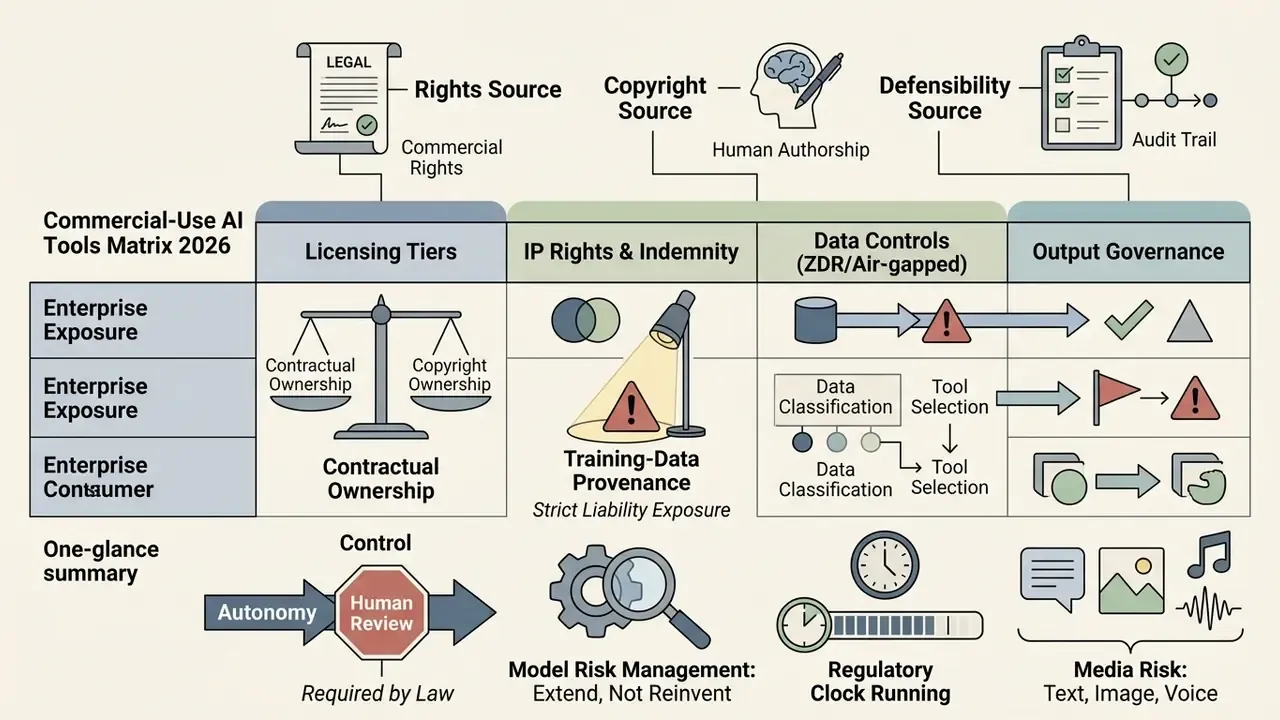
Ten-second version: commercial rights come from the contract, copyright comes from human authorship, and defensibility comes from your audit trail. Three separate things. Evidence each one separately.
- Licensing tier determines legality. Free and personal-paid consumer tiers are generally limited to public data and personal use. Commercial rights, zero data retention (ZDR), and IP indemnification usually appear only on Business/Team/Enterprise tiers or under API commercial terms.
- Contractual ownership is not copyright ownership. Vendors assign output rights by contract, but purely machine-generated material stays ineligible for U.S. copyright. On 2 March 2026 the U.S. Supreme Court declined to hear Thaler v. Perlmutter, cementing the human-authorship requirement.
- Training-data provenance is a strict-liability-adjacent exposure. Statutory damages run from $750 to $30,000 per work, and up to $150,000 for willful infringement (17 U.S.C. § 504). The control is the indemnity scope, not the marketing page.
- Data classification governs tool selection. PII, PHI, MNPI, proprietary source code, and trade secrets must never enter public AI platforms. High-assurance classes require air-gapped, self-hosted, or sovereign deployment with browsing and plugins disabled.
- Autonomy requires human review by law. GDPR Article 22, U.S. fair-lending mandates, and state statutes (for example, in Texas) restrict autonomous AI in "consequential decisions" such as hiring, credit, admissions, and medical or mental-health advice.
- Model risk management must be extended, not reinvented. Generative and agentic systems belong inside existing SR 11-7 / OCC Bulletin 2011-12 validation programs, with added controls for non-stationary behavior, tool-use permissions, and immutable logging.
- The regulatory clock is running. EU AI Act GPAI obligations, including copyright policy and training-data summaries, apply from 2 August 2025. General provisions and Article 50 transparency duties apply from 2 August 2026.
- Media risk extends past text and images. Voice cloning, synthetic audio, video avatars, and cross-media campaigns create layered licensing and Right of Publicity exposure that most AI policies simply do not mention.
What a Commercial-Use AI Tools Matrix Reveals for Business
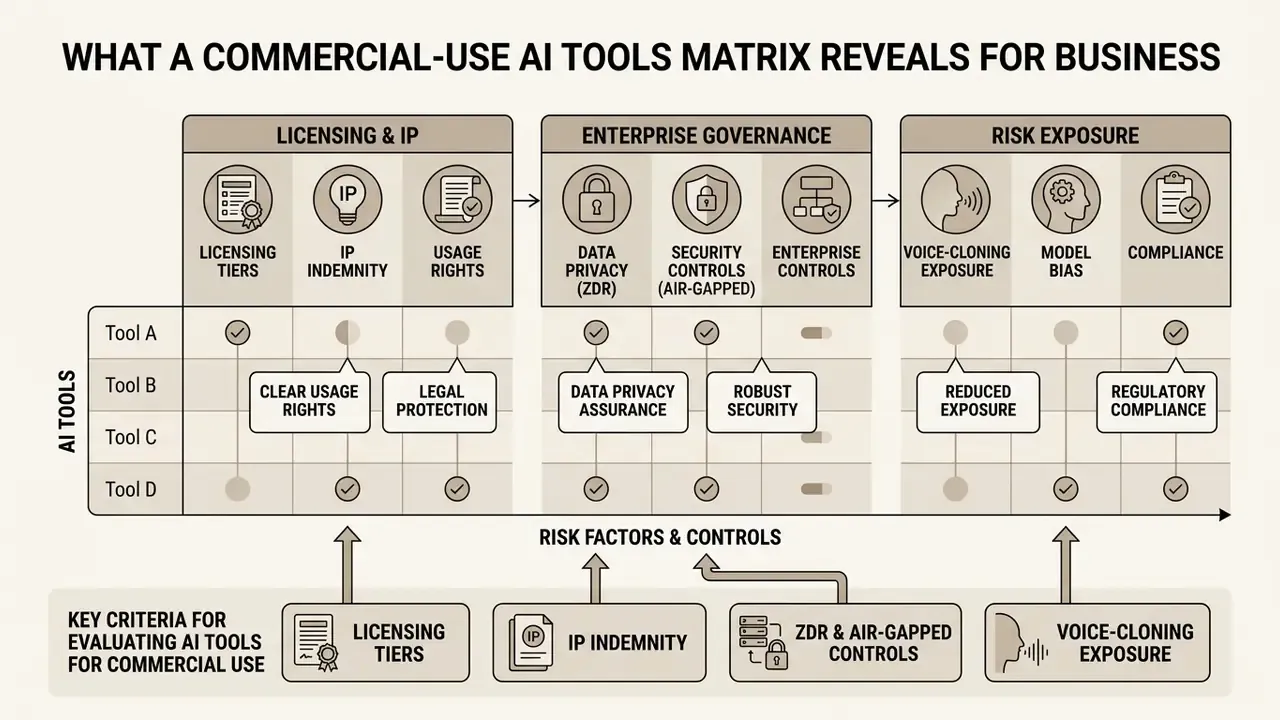
A commercial-use AI tools matrix works as a decision-support framework. It sorts AI applications by access tier, data retention terms, output ownership guarantees, and administrative security controls. Adoption is now broad enough that governance, not experimentation, is the binding constraint.
«AI adoption rose from roughly 50% to 72% between 2023 and early 2024; 65% of respondents reported regular generative AI use across business functions.»
| AI Tool Category | Primary Enterprise Workflows | Commercial Use Permission | Licensing Model | Output Rights & Ownership | Data Privacy & Training Policy | Security & Access Controls | Governance & Compliance Requirements |
|---|---|---|---|---|---|---|---|
| General-Purpose LLMs (ChatGPT, Gemini, Claude) | Document drafting, market research, code generation, translation, internal Q&A. | Allowed on paid Business/Enterprise tiers; restricted or unindemnified on Free tiers. | Per-seat SaaS subscription, usage-based API billing, or enterprise license agreements. | Contractual assignment to user; copyright protection requires verified human authorship. | Enterprise tiers feature zero model training on customer inputs and configurable data retention. | SSO, SAML 2.0, RBAC, customer-managed encryption keys (CMEK), SOC 2 Type II certification. | Mandatory Human-in-the-Loop (HITL) review for external publishing; EU AI Act transparency compliance. |
| Enterprise Productivity Copilots (Microsoft 365 Copilot) | Email drafting, meeting summaries, spreadsheet modeling, slide generation. | Permitted under enterprise tenant agreements and dedicated add-on licenses. | Commercial enterprise seat add-on linked to base Microsoft 365 / Office 365 licenses. | Outputs remain governed by tenant data ownership; subject to civil service or Crown rules where applicable. | Prompts and responses stay bounded within tenant Graph boundaries; no public LLM training. | Microsoft Graph permission trimming, Azure Content Safety, Purview Data Lifecycle Management. | Internal audit logging, automated data loss prevention (DLP) policies, tenant boundary verification. |
| Creative & Media AI (Midjourney, Adobe Firefly, DALL-E) | Marketing graphics, design ideation, video asset generation, brand media creation. | Midjourney requires Pro/Mega ($1M+ gross revenue); Firefly allows commercial use on commercial tiers. | Tiered monthly SaaS or credit-based consumption models; enterprise custom contracts. | User receives commercial usage rights; pure machine output lacks federal copyright protection. | Public web scraping common in base models; enterprise tiers isolate brand assets and inputs. | Role-based workspace access, watermarking, Content Credentials (C2PA) metadata integration. | Mandatory reverse-image similarity checks, trademark clearance, and clear disclosure of synthetic media. |
| Software & Coding Assistants (GitHub Copilot, Cursor) | Code autocompletion, refactoring, unit test generation, security vulnerability scanning. | Allowed under Copilot Business ($19/user/mo) and Enterprise tiers; forbidden on personal free tiers. | Per-developer monthly subscription with centralized organizational admin control. | User owns generated code snippets; potential risk of matching open-source licensed repositories. | Prompts encrypted in transit; Business/Enterprise tiers exclude customer code from base training. | Repository-level access boundaries, public code matching filters, SOC 2 Type II alignment. | Automated open-source license compliance scanning, static application security testing (SAST). |
| Autonomous AI Agents (tool-using agents, workflow orchestrators) | Multi-step research, ticket resolution, reconciliation, document processing with system actions. | Permitted only on enterprise contracts with explicit action scoping and logging guarantees. | Consumption-based orchestration plus per-tool API licensing for each connected system. | Outputs and actions attributed to the accountable business owner, not the agent. | ZDR required for prompts, tool payloads, and intermediate reasoning traces. | Scoped service credentials, least-privilege tool registry, kill switch, immutable action log. | Independent validation of non-stationary behavior; SR 11-7 aligned ongoing monitoring and outcome analysis. |
Which Categories of AI Tools to Include in the Matrix
Key Criteria for Evaluating AI Tools for Commercial Use
Evaluating an AI tool for commercial integration takes a due-diligence framework across five vectors. First, verify the exact licensing terms and identify which subscription tiers actually permit commercial deployment. Second, examine intellectual property handling: output assignment, training data provenance, and the availability of vendor ip indemnification.
Third, privacy terms must guarantee that customer prompts and uploaded artifacts never feed foundation model training. Fourth, enterprise security controls (Single Sign-On, Role-Based Access Control, SOC 2 Type II attestation) must align with corporate cybersecurity architecture (NIST SP 800-53 Rev. 5). Fifth, assess integration: the tool has to interoperate safely with existing GRC and Model Risk Management (MRM) software, and multi-model routing must stay possible so one vendor outage or unilateral terms change cannot halt a regulated workflow.
Vendor neutrality deserves a line of its own. Abstracting prompts, evaluation harnesses, and audit logs away from any single provider API is a risk control, not a procurement preference.
AI Tool Licensing and Commercial Usage Rights
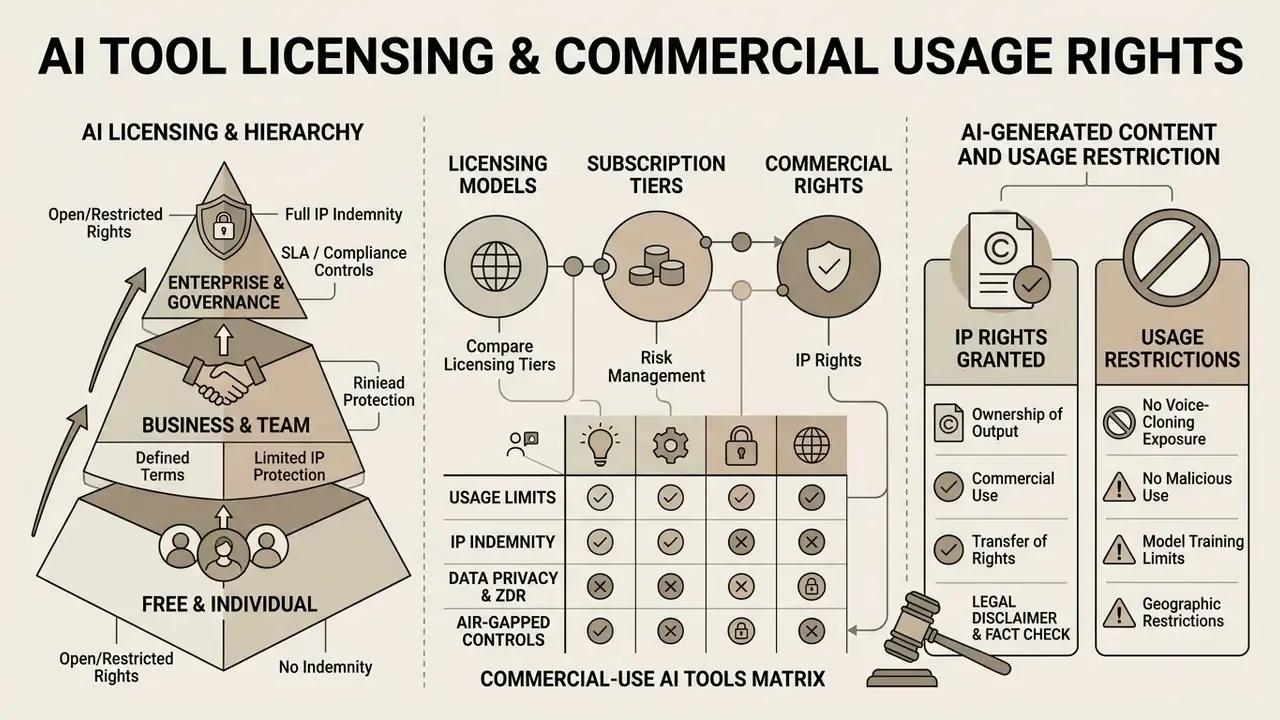
Rights to AI-Generated Content and Usage Restrictions
Contractual ownership of AI outputs does not hand you statutory copyright protection. Major vendors, OpenAI and Anthropic among them, contractually assign all right, title, and interest in generated outputs to the customer. That assignment lives inside contract law. It says nothing about whether the output is protectable intellectual property under federal copyright statutes.
The reverse asymmetry exists too. Some platforms retain a perpetual, worldwide, royalty-free licence over user inputs and generated assets, and Adobe applies an additional licence when output is submitted to Adobe-hosted galleries. A brand can therefore, without noticing, permit reuse of its own campaign visual.
Vendor terms add operational restrictions that constrain commercial exploitation. Terms of service commonly prohibit using output to train competing models, generating deceptive synthetic media without disclosure, or reverse-engineering proprietary model weights.
«Noti-Victor warns that concealing AI authorship to preserve copyright creates deception risks and conflicts with emerging AI Act transparency obligations requiring content labeling.»
That tension is operationally material. The same asset may need to be disclosed as AI-assisted under EU transparency rules while being documented as substantially human-authored for registration purposes. The resolution is not silence. It is precise, auditable disclosure of which layers were machine-generated and which were human-authored. Teams running AI in external commercial workflows should re-read vendor terms on a schedule, so downstream media assets stay compliant with both vendor policy and jurisdictional regulation.
Legal Disclaimer & Fact Check:
Legal Requirements: Copyright, Training Data, and Business Liability
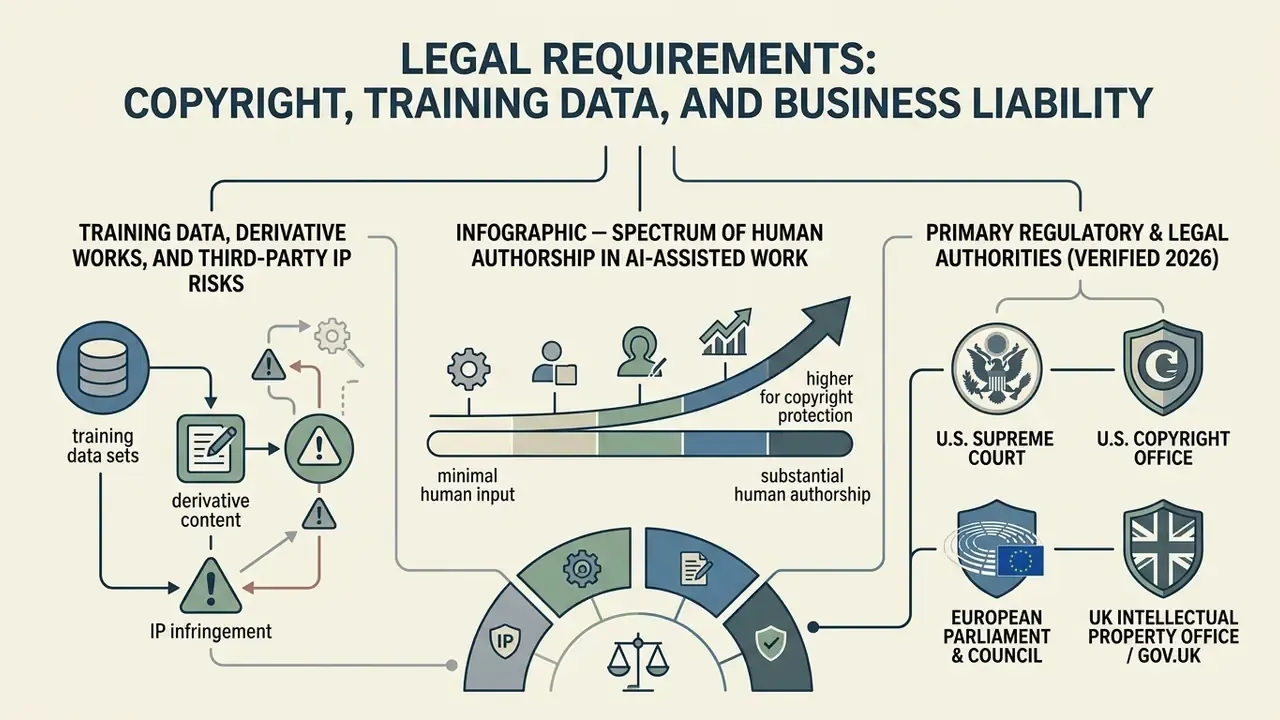
Training Data, Derivative Works, and Third-Party IP Risks
Ingesting copyrighted material to train generative models creates substantial exposure around derivative works and direct infringement. Federal lawsuits from rightsholders allege that unauthorized copying of expressive works for AI training violates reproduction rights under 17 U.S.C. § 106 (U.S. Copyright Office Part 3 Report, 2026).
«Brauneis argues that non-expressive use defenses break down for generative models because, unlike human memory, models can reproduce substantially similar expressive outputs.»
The Copyright Office has also noted that using pirated or unlawfully accessed datasets badly weakens a vendor's fair use position. Knowing use of a dataset built from pirated works weighs against fair use.
«Training generative architectures on unverified web scrapes creates downstream strict liability for commercial deployers. If an operational model generates outputs substantially similar to copyrighted source material, the deployer faces direct exposure under statutory infringement provisions.»
Under U.S. copyright law, statutory damages for direct infringement range from $750 to $30,000 per infringed work, rising to $150,000 per work where infringement is willful (17 U.S.C. § 504).
«Legal risk taxonomy research confirms these statutory ranges and classifies seven recurring claim types in generative AI litigation, including direct, vicarious, and contributory infringement.»
In the European Union, the EU AI Act (Regulation (EU) 2024/1689) imposes transparency duties on General-Purpose AI (GPAI) providers: detailed public summaries of training datasets and compliance with copyright opt-out mechanisms under the Digital Single Market Directive.
«Under DSM Directive Article 4(3), rightsholders may reserve works for text-and-data mining, making training on opted-out content potentially unlawful regardless of access method.»
That opt-out mechanism turns vendor due diligence into a concrete question set. Which datasets were crawled? Were reservation signals honoured? Can the vendor produce crawling records? To limit third-party IP exposure, institutions must review vendor data sources and demand explicit contractual indemnities.
An illustrative composite case: a fintech marketing team deployed an AI visual generator trained on unverified web assets, and the synthetic visuals came out uncomfortably close to a protected commercial brand. The compliance officer stopped the launch, mandated reverse-image similarity checks (a control readily supported by AI reverse image search for IP clearance), and moved the design workflow to an enterprise platform offering full ip indemnification. Litigation avoided, provenance clean.
Primary Regulatory & Legal Authorities (Verified 2026):
Voice Cloning, Synthetic Audio, and Cross-Media Licensing Risks
Voice synthesis, audio composition, and video avatars introduce layered licensing and Right of Publicity liabilities that text-focused AI policies rarely address:
- Voice cloning and persona rights. Using synthetic voice models that replicate real individuals or commercial voice actors without explicit written consent violates statutory Rights of Publicity and commercial misappropriation law. Consent must be scoped by territory, media, duration, and permitted derivative use. One release for one campaign does not authorize perpetual model reuse. Teams assessing this category should read platform terms next to a structured guide to AI voice generators and commercial licensing.
- Music composition and mechanical rights. AI audio generators trained on copyrighted catalogues can emit phrases that trigger mechanical copyright and performance rights disputes across streaming and broadcast. Music is uniquely layered: composition, sound recording, performance, and voice rights may each sit with a different party.
- Synthetic presenters and video likeness. AI-generated on-screen presenters resembling identifiable people, public figures especially, push exposure past copyright into publicity, defamation, and advertising-standards territory. Video models trained on existing footage libraries add a second, independent infringement channel.
- Style imitation in visual output. Prompts naming a living artist or a recognizable proprietary visual style can support misappropriation or unfair-competition claims even when the output is not a direct copy.
- Cross-media layered rights. Integrated campaigns mixing AI text, synthetic imagery, and cloned audio compound the risk, because each component may carry a different legal status under a different vendor's terms. Clear the IP provenance of every discrete media layer before distribution, then record the clearance decision per layer, not per campaign.
The operational rule is short. Clearance is per-asset-layer, consent is written and scoped, and disclosure of synthetic media is default-on for external distribution.
Privacy, Security, and Corporate Data Protection
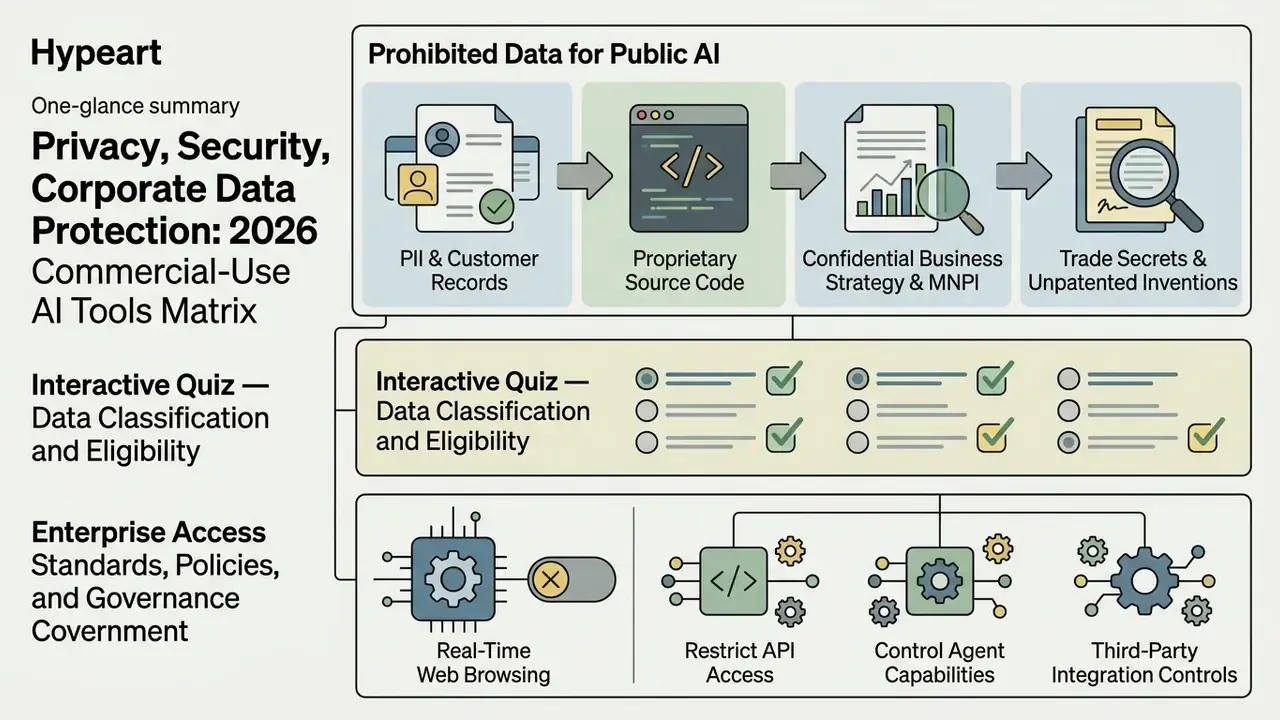
Corporate Data Classes Prohibited from Public AI Tools
Feeding sensitive corporate records into consumer-grade public AI platforms is a data leakage and compliance problem with no upside. Operational guidance from federal agencies, including the Centers for Medicare & Medicaid Services (CMS) and the U.S. Department of the Interior, explicitly bars disclosure of Personally Identifiable Information (PII), Protected Health Information (PHI), and pre-decisional procurement data into unvetted public chatbots (CMS GenAI Guidance, 2025).
«UK ICO guidance specifies that DPIAs are mandatory when AI performs systematic evaluation of individuals, large-scale special-category data processing, or systematic public-space monitoring.»
Australian regulators arrive at a compatible conclusion from a different angle: the OAIC states that using AI to generate or infer personal information is itself a collection of personal information. Which means outputs, not only inputs, fall inside privacy obligations.
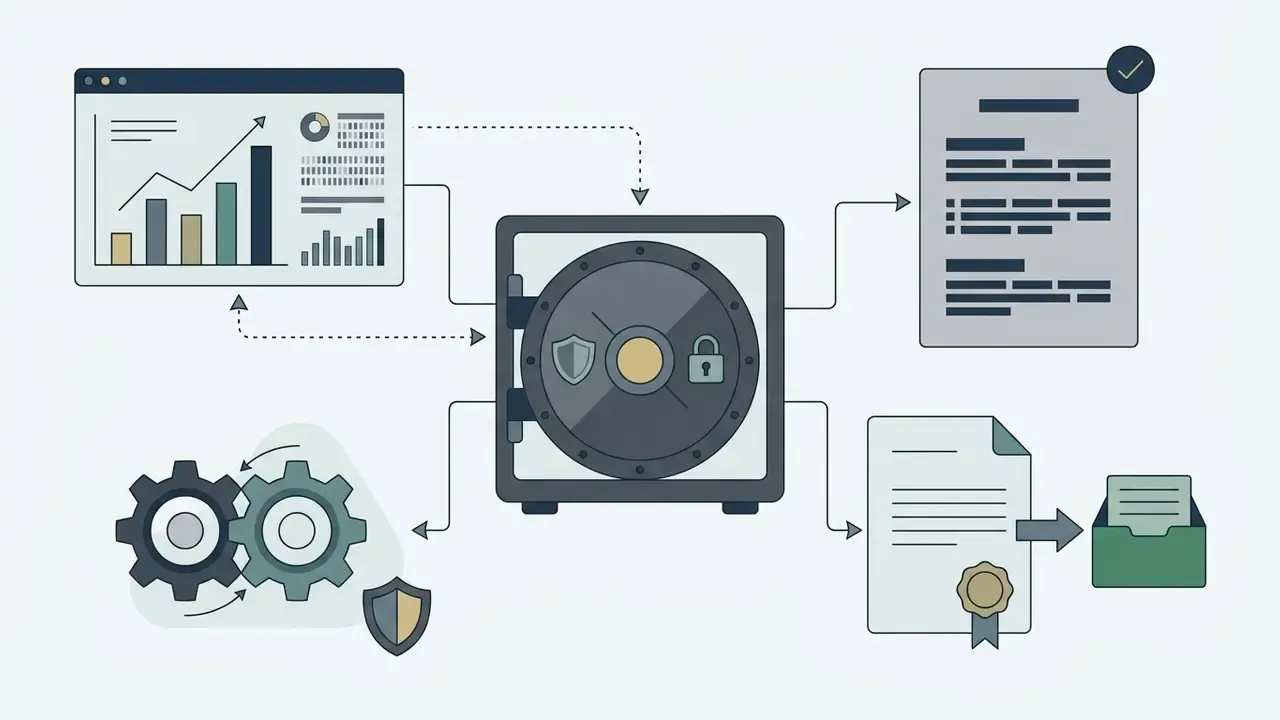
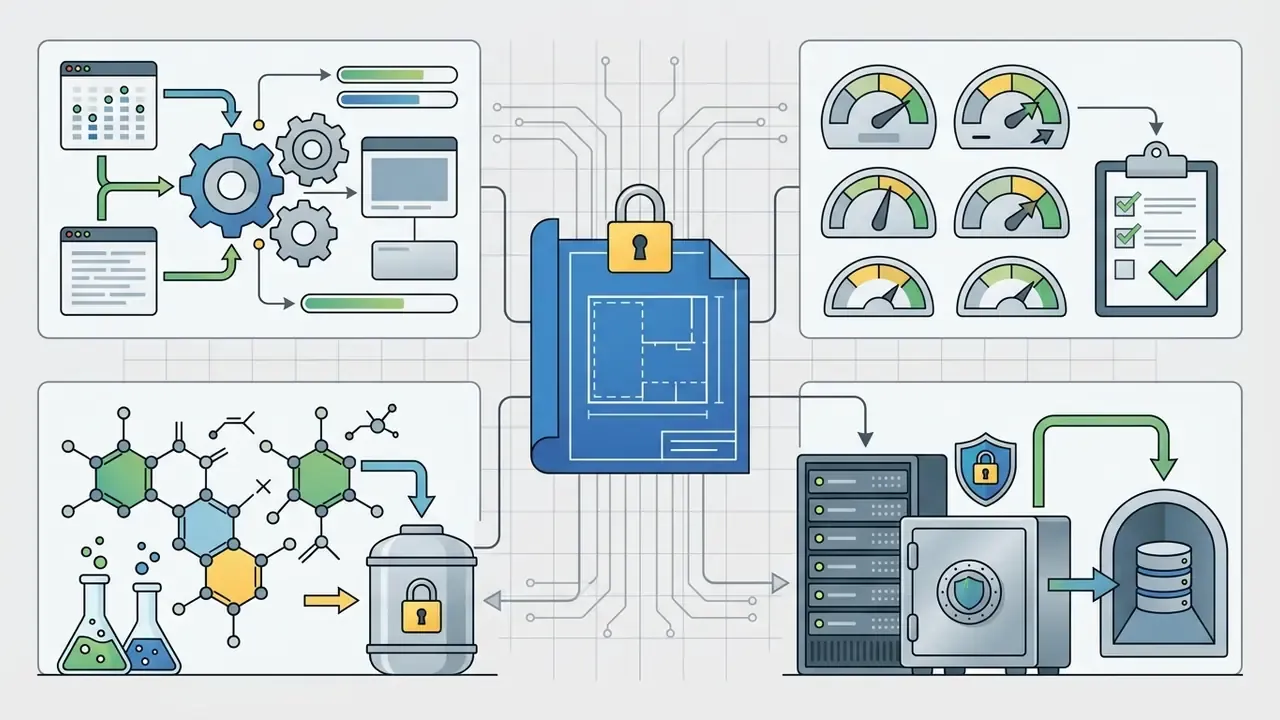
Enterprise security policy has to draw hard classification boundaries. Four data classes should never reach a public AI system:
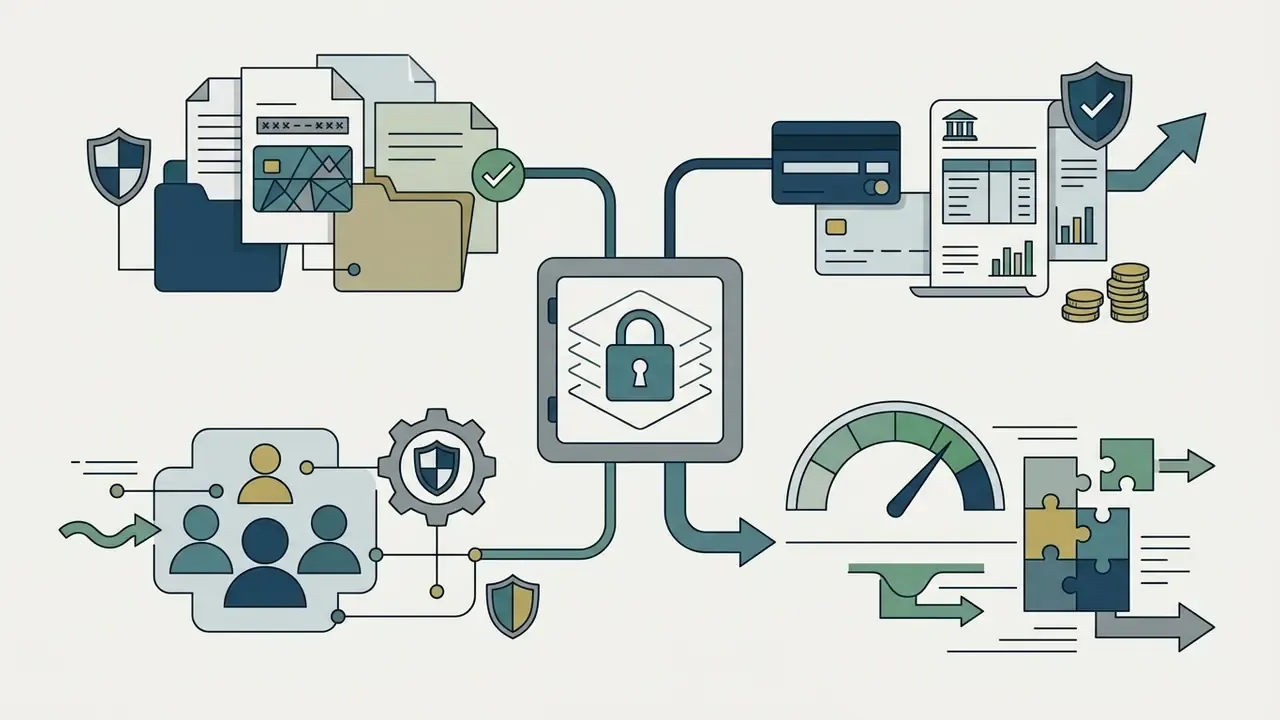
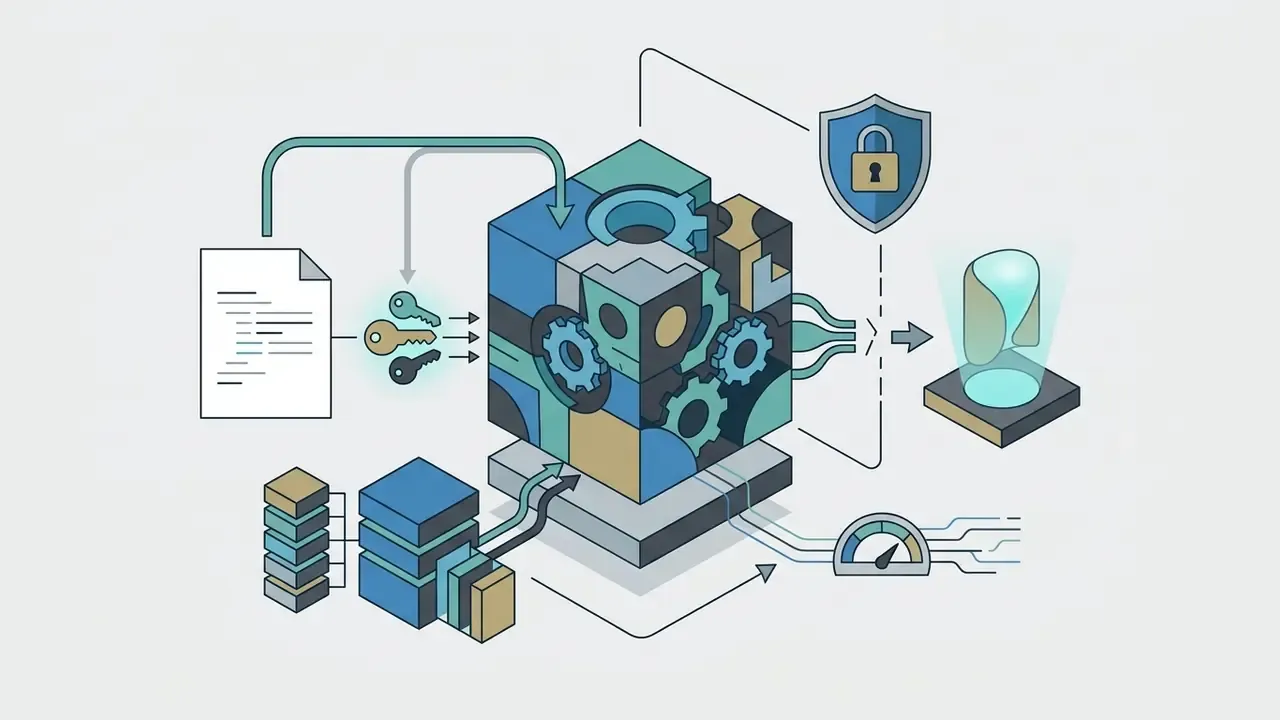
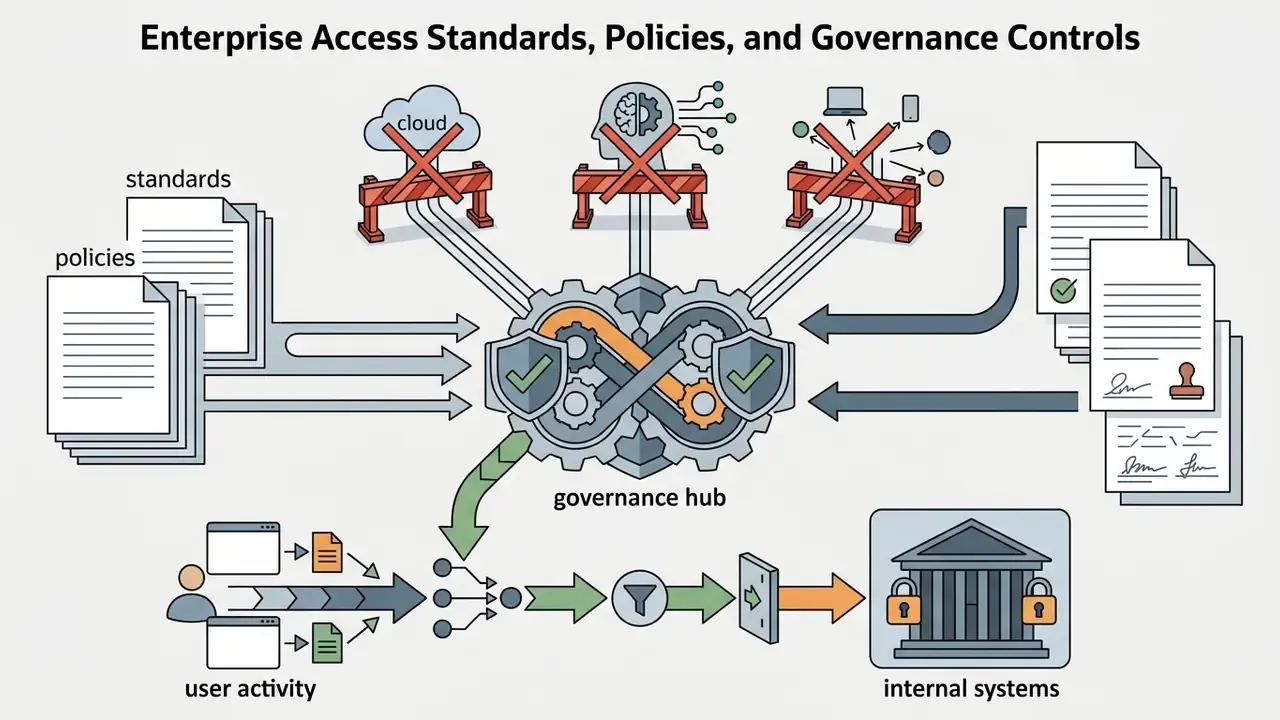
Enterprise Access Standards, Policies, and Governance Controls
Securing corporate data inside AI workflows takes enterprise-grade infrastructure plus rigorous access governance. Enterprise platforms must offer zero data retention agreements, so customer prompts and API payloads are purged immediately after inference and never used for vendor model refinement. Identity management must integrate with corporate identity providers over SAML 2.0, enforcing Role-Based Access Control (RBAC) and Single Sign-On (SSO).
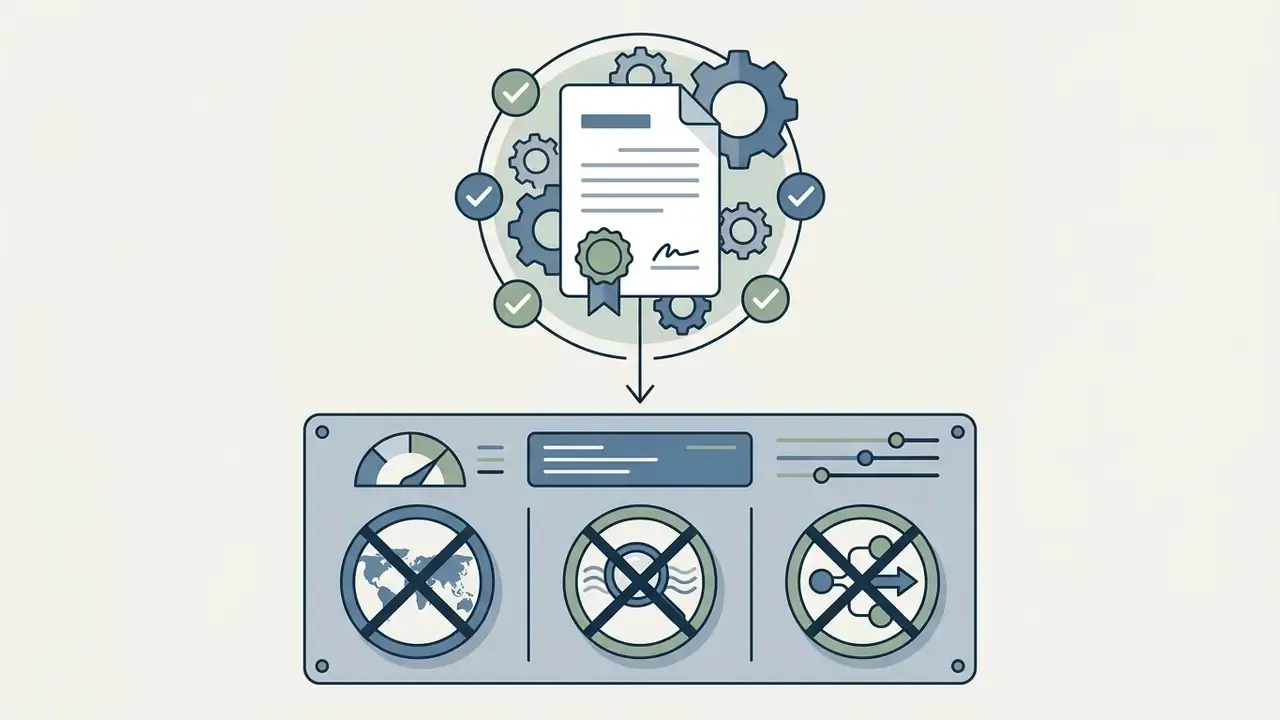
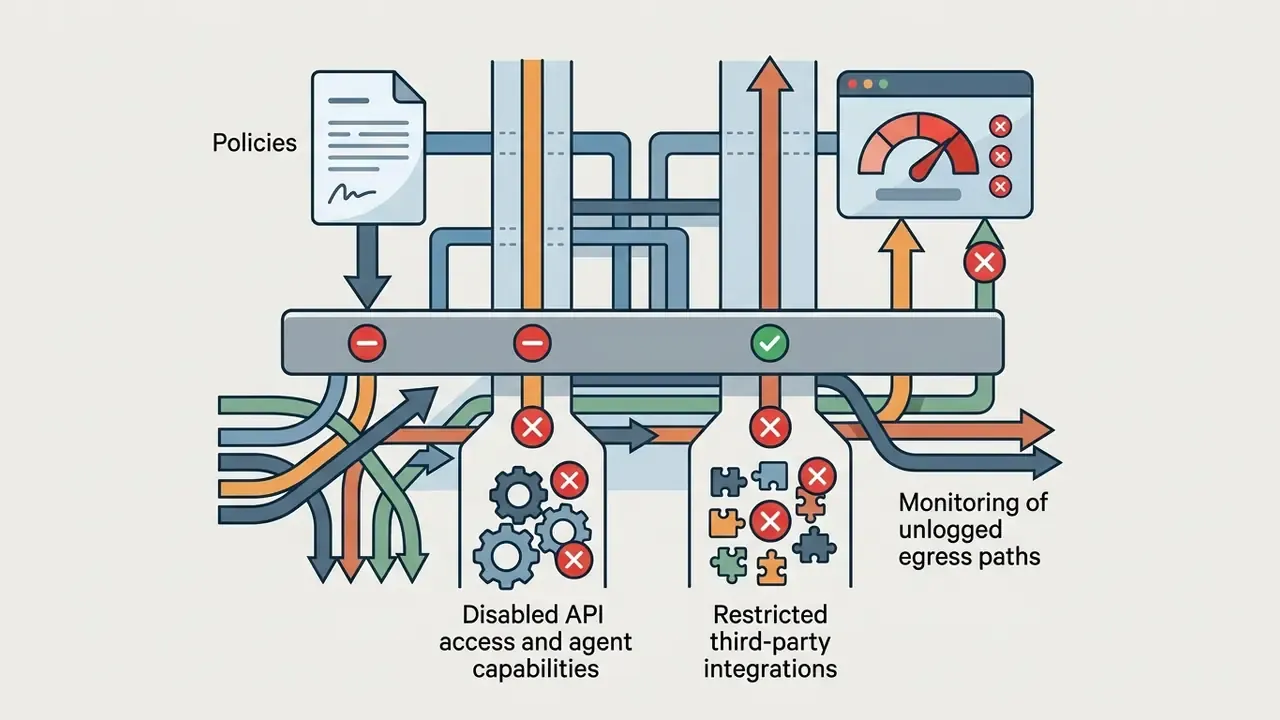
For high-assurance data classes (highly confidential, regulated, or sovereign), contractual ZDR is not enough. Deployment must enforce hard technical controls:
Locally installed, fine-tuned, or internally developed models get no exemption here. Deployment method and hosting location do not change the classification of the data being processed.
Trust frameworks provide verifiable evidence of administrative and technical safeguards, and two evidence types should be requested without being conflated. SOC 2 Type II reports are independent attestations of the operating effectiveness of security, confidentiality, and availability controls over a period (AICPA description criteria). ISO/IEC 42001 certification attests to an AI management system with policies, processes, and controls under a Plan-Do-Check-Act cycle (ISO/IEC 42001:2023). Where a vendor can produce neither, the control claim must appear in the contract itself, alongside sub-processor lists, retention and deletion terms, training-use restrictions, and incident-notification commitments. And security teams should run automated Data Loss Prevention (DLP) filters that monitor API endpoints and block unauthorized uploads in real time.
Enterprise AI Security Readiness Checklist
Evaluate vendor compliance across eight security dimensions before authorizing commercial deployment.
1. Data retention and training control
- Vendor provides explicit Zero Data Retention (ZDR) contractual guarantees for prompts and outputs.
- Contract explicitly prohibits use of customer inputs or outputs for foundation model training.
2. Identity and access governance
- System integrates natively with corporate SSO (SAML 2.0 / OpenID Connect) and enforces multi-factor authentication.
- Role-Based Access Control (RBAC) restricts administrative management and data access boundaries.
3. Encryption and infrastructure security
- Data is encrypted in transit via TLS 1.3 and at rest using AES-256 with customer-managed keys (CMEK).
- Vendor produces a current SOC 2 Type II report covering Security, Confidentiality, and Availability.
4. Network isolation and agent containment
- Web browsing, search plugins, and third-party integrations can be centrally disabled; offline or air-gapped deployment is available for the highest data class.
- Agent tool-use runs on scoped least-privilege credentials with an immutable, exportable action log and an administrator kill switch.
Summary: satisfying all eight criteria confirms the AI tool meets baseline enterprise security controls for processing non-public operational data, including containment requirements for autonomous agents.
Matrix of Popular AI Platforms: ChatGPT, Gemini, Microsoft Copilot, and Claude
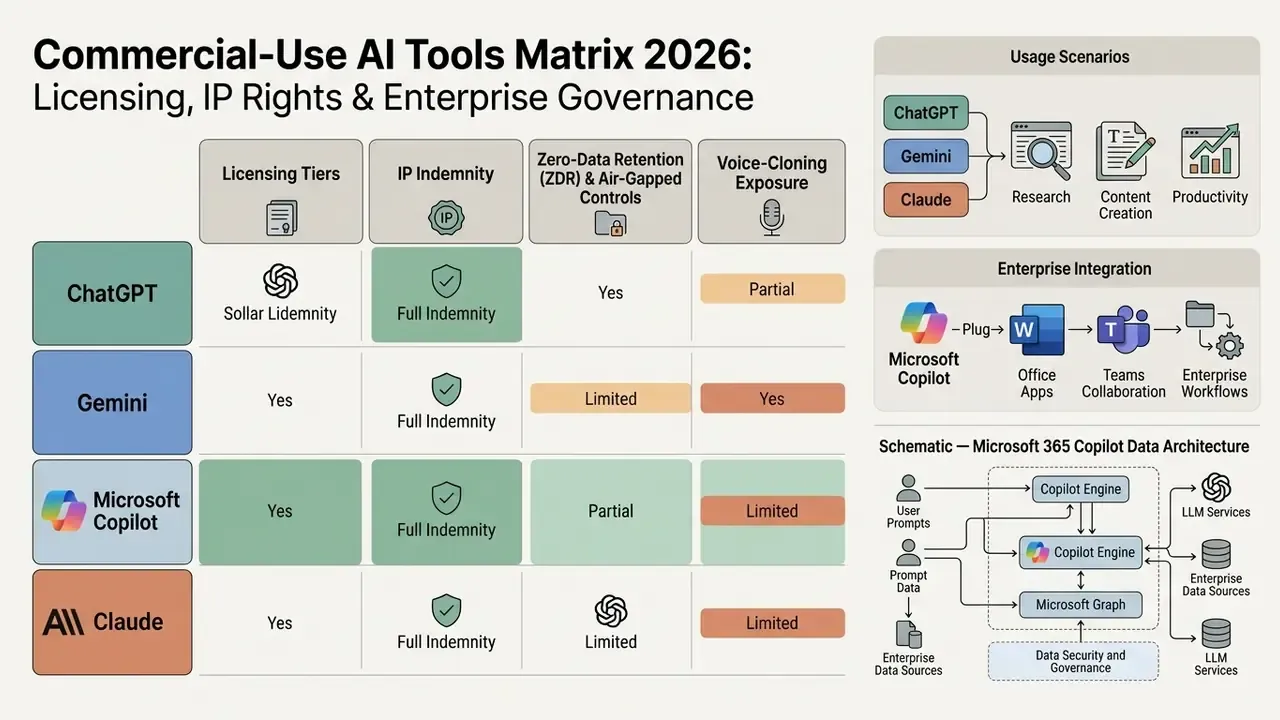
ChatGPT, Gemini, and Claude for Research, Content, and Productivity
Comparing leading general-purpose platforms means reading three things: subscription model, data segregation parameters, and output ownership. OpenAI separates consumer terms from commercial Business Terms, and ChatGPT Team and ChatGPT Enterprise plans exclude customer data from foundation model training by default. Anthropic applies similar protections across Claude Team and Claude Enterprise, folding a Data Processing Addendum (DPA) with Standard Contractual Clauses (SCCs) into commercial contracts automatically.
Google's Gemini ecosystem splits between public consumer interfaces and enterprise Google Workspace AI subscriptions. Workspace integration keeps corporate content inside the organization's enterprise boundary, with no use for public model training or ad targeting. Organizations comparing Commercial-Use AI Tools across these three vendors need procurement discipline on one point above all: business-tier licenses, never individual consumer subscriptions.
Comparative Analysis: Enterprise Features across Commercial AI Platforms
| AI Platform | Commercial Tier Options | Model Training Policy on Customer Prompts | Default Data Retention | IP Indemnification Scope | Key Enterprise Security Certifications |
|---|---|---|---|---|---|
| OpenAI ChatGPT | Team, Enterprise, API | Opted-out by default on commercial and API tiers. | Configurable; Zero Data Retention available via API / Enterprise. | Available for Enterprise and API commercial customers. | SOC 2 Type II, SOC 3, CSA STAR, ISO 27001. |
| Anthropic Claude | Team, Enterprise, API | Excluded by default on all commercial subscription plans. | 30-day operational logging; custom retention for Enterprise. | Commercial terms include IP defense coverage. | SOC 2 Type II, HIPAA compliance alignment. |
| Google Gemini | Workspace AI, Vertex AI | Never used for Gemini model training or ad targeting. | Governed by Google Cloud Workspace retention policies. | Covered under Google Cloud Generative AI Indemnification. | SOC 1/2/3, ISO 27001, HIPAA eligible, FedRAMP High. |
| Microsoft 365 Copilot | Microsoft 365 Copilot add-on | Excluded; prompts never train foundation LLMs. | Bounded by Microsoft 365 Graph lifecycle rules. | Covered under Copilot Copyright Commitment. | ISO 27001, SOC 2, HIPAA, EU Model Clauses, FedRAMP. |
Microsoft Copilot for Office, Teams, and Enterprise Workflows
Microsoft 365 Copilot behaves as an enterprise intelligence layer wired into Office applications, Teams, and Microsoft Graph. Unlike a standalone chatbot, Copilot enforces identity-based security boundaries and reaches only the files, emails, and chats the authenticated user is already permitted to see. Microsoft Graph permission trimming keeps external data pulled in through Copilot connectors under existing directory controls.
On licensing: enterprise Copilot features require dedicated Microsoft 365 Copilot add-on licenses on top of base Microsoft 365 or Office 365 subscriptions. Standard Microsoft Graph APIs follow existing Microsoft 365 license terms, while Copilot-specific APIs and advanced management capabilities require the Copilot license. Prompts, responses, and documents retrieved through Graph queries are excluded from foundation model training. For institutions that need granular access control and centralized audit logging, that architecture is a reasonable fit.
One structural caution for risk committees, though. Deep native integration is also concentration risk. Keep at least one validated alternative model route for regulated workflows, and hold evaluation datasets and audit logs in a vendor-neutral store.
Specialized AI Tools for Creative, Coding, Data Analysis, and Customer Workflows
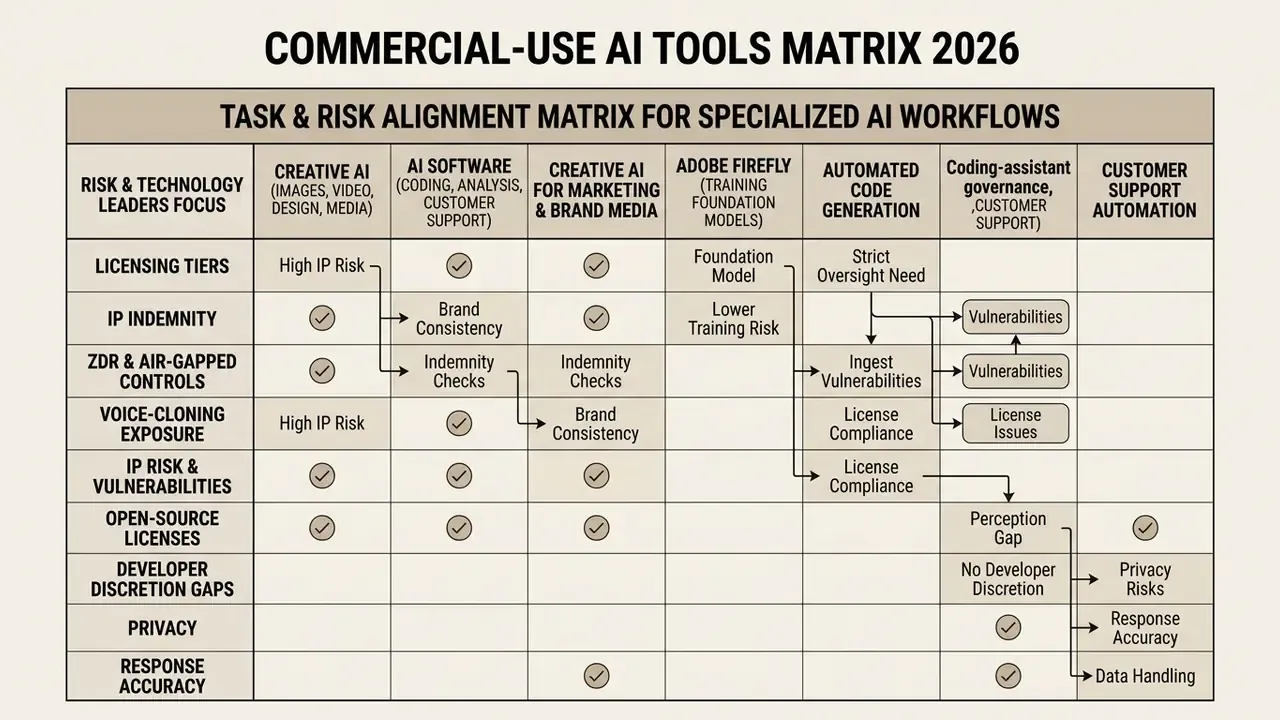
Creative AI for Images, Video, Design, and Media
Creative AI platforms used for commercial marketing and brand media carry distinct IP risk, and the same exposure logic applies to AI video generators for commercial media and to text-to-video AI tools for brand content. Midjourney grants commercial usage rights on paid plans but requires enterprises above $1,000,000 USD in gross annual revenue to subscribe to Pro or Mega tiers (Midjourney Terms, 2026); teams weighing that constraint often benchmark Midjourney versus competing AI image generators before committing. Upscaling visual assets created by other users on public feeds also requires permission from the original creator, who retains ownership. Worth reviewing alongside dedicated AI image upscalers for commercial asset production.
Adobe Firefly attacks the same risk from the training side, building its foundation generative models on licensed Adobe Stock images, openly licensed content, and public domain material where copyright has expired. Adobe offers commercial deployers contractual ip indemnification for non-beta feature outputs, which meaningfully reduces third-party infringement risk. Still confirm scope for commercial use for AI image generators feature by feature, since beta capabilities and gallery submissions carry separate terms. When evaluating visual generators, creative teams should read comprehensive guides on Commercial Use for AI Media and compare the best AI image generators by usage rights before locking a workflow.
AI Software for Coding, Analysis, and Customer Support
Automated code generation needs strict oversight, or you ingest vulnerabilities and open-source license exposure at speed. GitHub Copilot requires per-user licensing, with Copilot Business ($19/user/month) and Copilot Enterprise providing admin controls that stop developer prompts from being retained or used for base model training (GitHub Specific Terms, 2024). Enterprise features also include real-time code matching filters that block suggestions mirroring public open-source repositories. Prompts are encrypted in transit and generally deleted after suggestions are generated, though retention can occur for CLI use, private model fine-tuning, or third-party extension customization. That nuance belongs in the tool's data-flow documentation, not in a footnote.
«A 2024 developer study found five of seven interviewed developers perceived legal enforcement risk from improper AI use as low, despite identifying data provenance as a priority concern.»
That perception gap is exactly why coding-assistant governance cannot rest on developer discretion. Controls belong at the organization level: admin policy, license scanning, mandatory code review. Awareness training alone will not carry it.
Customer support automation raises a different pair of risks, privacy and response accuracy. Chatbots handling customer interactions must sit behind strict API contracts that prevent prompt logging and enforce automated PII redaction. Deploying customer-facing AI without a human escalation path is an operational risk in itself: an incorrect or hallucinated response can bind the institution to unauthorized terms or breach consumer protection mandates.
Task & Risk Alignment Matrix for Specialized AI Workflows
| Business Workflow | Primary AI Category | Licensing Requirements | Data Privacy & IP Risk Level | Human-in-the-Loop (HITL) Control Mandatory? |
|---|---|---|---|---|
| Marketing Asset Creation | Creative Image/Video AI | Paid commercial tier; enterprise IP indemnity required for public assets. | High (third-party copyright infringement, trademark similarity). | Yes: Mandatory IP clearance, similarity checks, and human brand review. |
| Voice-Over & Synthetic Presenters | Voice cloning / video avatar AI | Commercial tier plus signed, scoped talent consent and release. | High (Right of Publicity, performance and voice rights, disclosure duties). | Yes: Legal consent verification and synthetic-media disclosure before release. |
| Software Engineering | Coding Assistants | Commercial user licenses (Copilot Business/Enterprise). | Medium (public code snippet matching, vulnerability ingestion). | Yes: Peer code review, static security testing, and license scanning. |
| Customer Support Chat | Interaction Assistants | Enterprise API license with strict DPA and ZDR terms. | High (PII exposure, regulatory misrepresentation, hallucinated claims). | Yes: Automated guardrails with deterministic human escalation paths. |
| Financial Analysis | Data Analytics Engines | Dedicated private cloud instance or isolated enterprise tier. | High (leakage of MNPI, trade secrets, and non-public financials). | Yes: Quantitative validation by certified risk analysts. |
| Autonomous Back-Office Agents | Agentic AI with tool access | Enterprise contract with action logging and sub-processor disclosure. | Critical (unauthorized actions, privilege escalation, prompt injection). | Yes: Pre-execution approval for irreversible actions plus continuous monitoring. |
Implementing AI Tools in Business: From Pilot to Governance Compliance
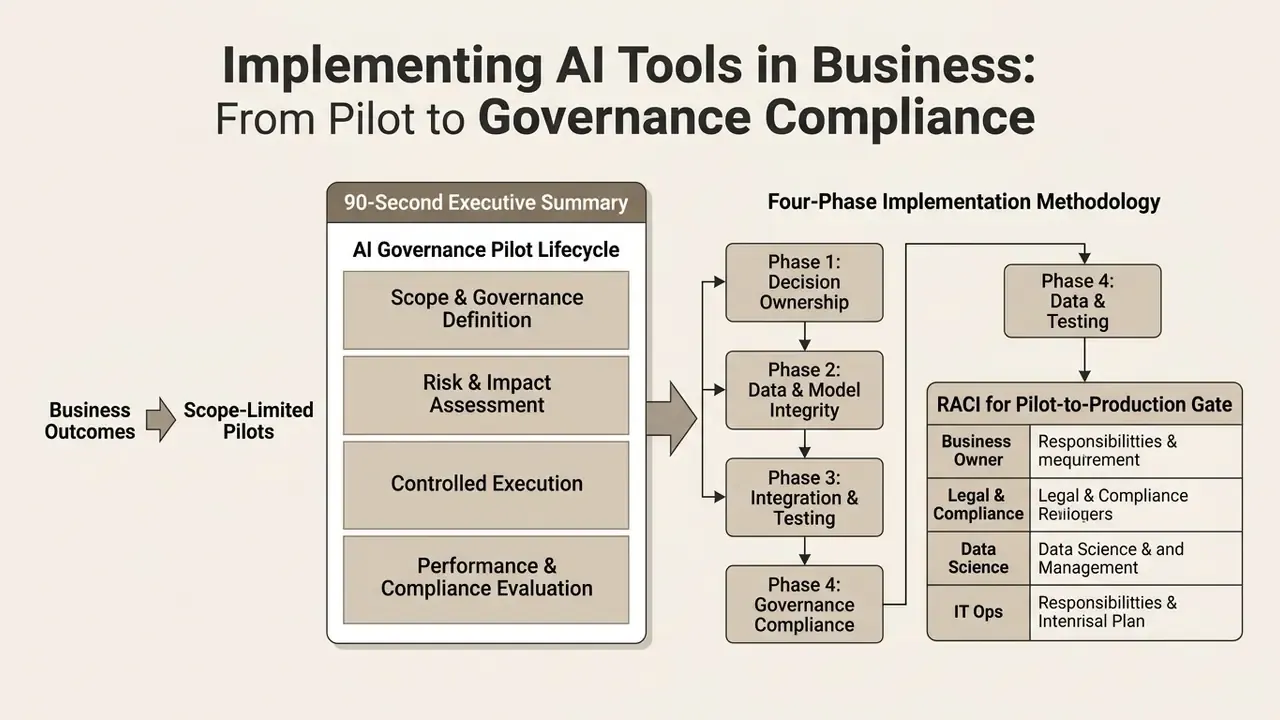
Start with Business Outcomes and Scope-Limited Pilots
Enterprise AI adoption succeeds when informal experimentation gives way to structured, outcome-driven pilots. Updated framing: rather than treating any single standard as authoritative, align pilots to two complementary reference structures. One is a certifiable AI management system built on Plan-Do-Check-Act discipline (ISO/IEC 42001:2023). The other is a voluntary risk-management function set of Govern, Map, Measure, and Manage (NIST AI RMF 1.0 and the Generative AI Profile, NIST.AI.600-1). Neither instrument confers legal rights or replaces contractual terms. Pilots must set quantitative baseline KPIs before launch, measuring specific outcomes such as draft generation speed, code review cycle reduction, or inquiry resolution rate, and must define metric sources and capture frequency before the first user is onboarded.
A structured pilot sequence runs through four phases:
- Scope and governance definition: identify target processes, assign decision ownership, and set data classification limits.
- Risk and impact assessment: run Data Protection Impact Assessments (DPIAs) and review vendor licensing terms.
- Controlled execution: deploy to a restricted user group with enforced zero data retention and automated guardrails.
- Performance and compliance evaluation: validate results against baseline KPIs and audit data logs before approving scale-up.
Measure effectiveness against production and business goals, not model accuracy alone. Evaluation should follow a structured quality model rather than ad hoc impressions, with risk evidence filed next to performance results.
Decision Ownership: RACI for the Pilot-to-Production Gate
RACI Matrix for AI Deployment Decisions (R = Responsible, A = Accountable, C = Consulted, I = Informed)
| Decision / Control Gate | Business Owner | CISO / Security | Model Risk / Validation | Legal & IP Counsel | CRO | Procurement |
|---|---|---|---|---|---|---|
| Use-case definition & KPI baseline | R | I | C | I | A | I |
| Data classification & permitted inputs | C | R | C | C | A | I |
| Vendor terms, ZDR & indemnity review | C | C | I | R | A | R |
| Technical isolation config (web/plugins/air-gap) | I | R | C | I | A | I |
| Independent validation before production | C | C | R | C | A | I |
| Human-review threshold & escalation design | R | C | C | C | A | I |
| Production go/no-go and scale-up | C | C | C | C | A/R | I |
| Incident response & rollback | R | R | C | C | A | I |
Establish Policies, Human Review Controls, and Compliance Audits
Regulatory compliance starts with a written AI policy that fixes boundaries for tool usage, acceptable data inputs, and mandatory human oversight. Human-in-the-Loop (HITL) review must be required for every high-impact output, so qualified staff inspect synthetic content before external publication or operational execution. Solely automated decision-making producing legal or similarly significant effects on individuals stays tightly constrained under GDPR Article 22 and U.S. banking fair-lending mandates.
«EU AI Act GPAI obligations, including copyright policies and training-data summaries, apply from 2 August 2025; general provisions apply from 2 August 2026.»
State legislation adds another layer. Texas statutes, for example, prohibit deploying autonomous AI as the maker of, or a controlling factor in, "consequential decisions" without meaningful human review. Regulated consequential workflows include hiring, discipline, termination and other personnel decisions; benefits eligibility and financial aid; admissions, grading and dismissal; licensing and accreditation; credit evaluation; law enforcement and child welfare; legal analysis or advice; and medical or mental-health diagnosis, treatment, or advice. Systems in these domains need human-in-the-loop oversight, and security review should come before procurement, development, or deployment. Not after.
Continuous monitoring frameworks catch what point-in-time reviews miss: model drift, prompt injection vulnerabilities, unauthorized shadow AI. Internal audits should verify that vendor terms are unchanged, enterprise access lists are current, and audit logs give examiners reproducible evidence. NIST SP 800-53 Rev. 5 supplies an explicit human-review control for organization-defined information flows, and it should be mapped to each high-impact AI workflow rather than asserted in general terms.
«AI governance is not a one-time procurement sign-off; it is an ongoing operational discipline. Mandatory human review controls plus continuous telemetry keep automated systems aligned with the institution's risk appetite.»
Operational Workflow: DAM Metadata and Prompt Logging
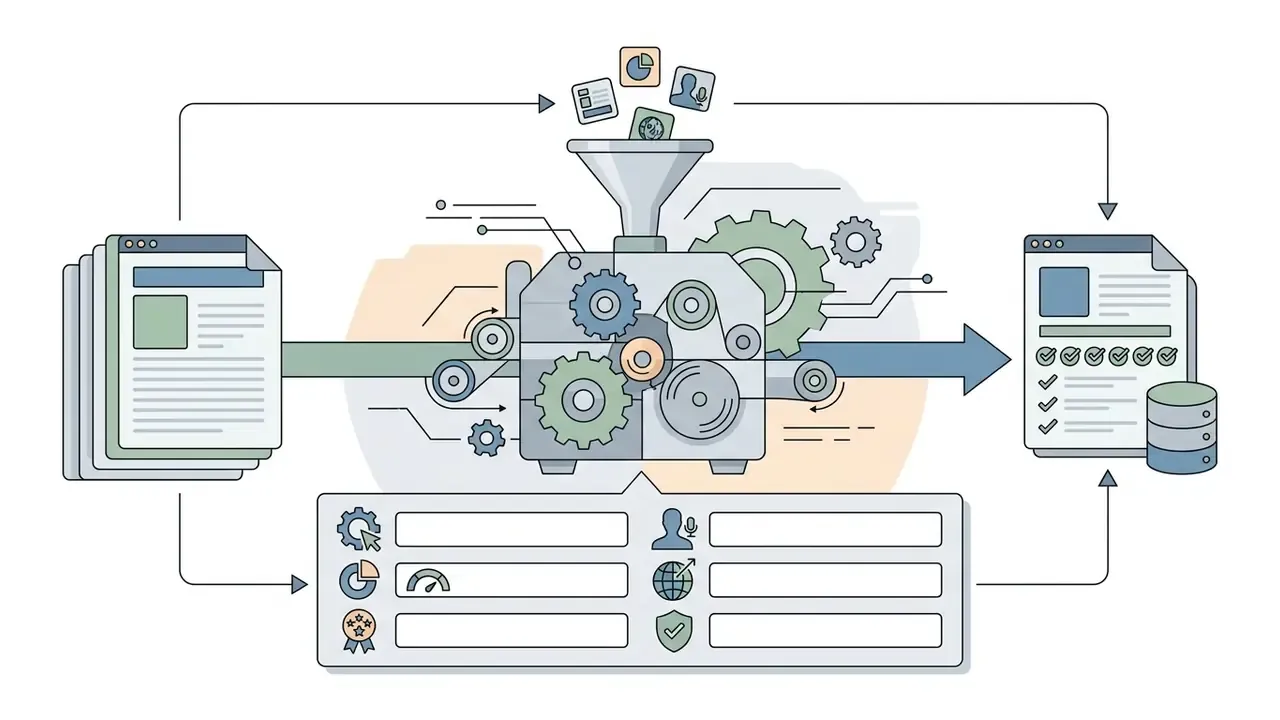
To keep defendable IP claims for AI-assisted commercial assets, design and legal teams need an auditable registration protocol inside the corporate Digital Asset Management (DAM) system:
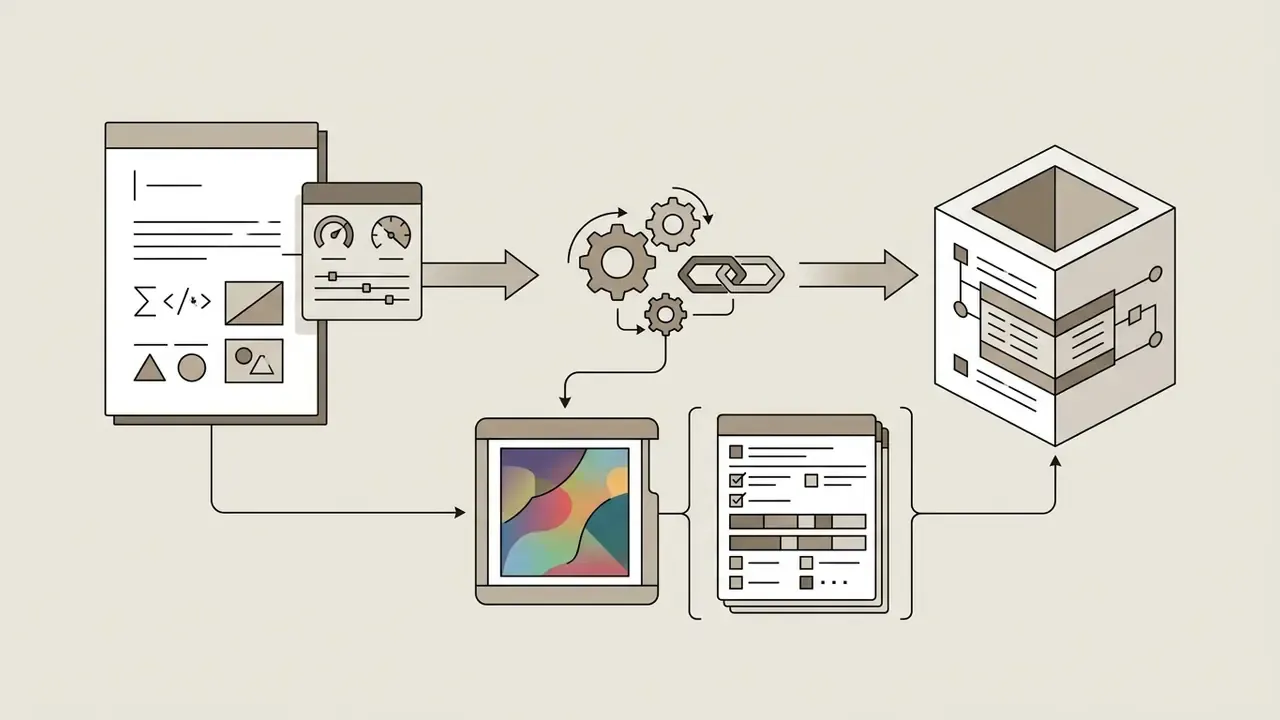
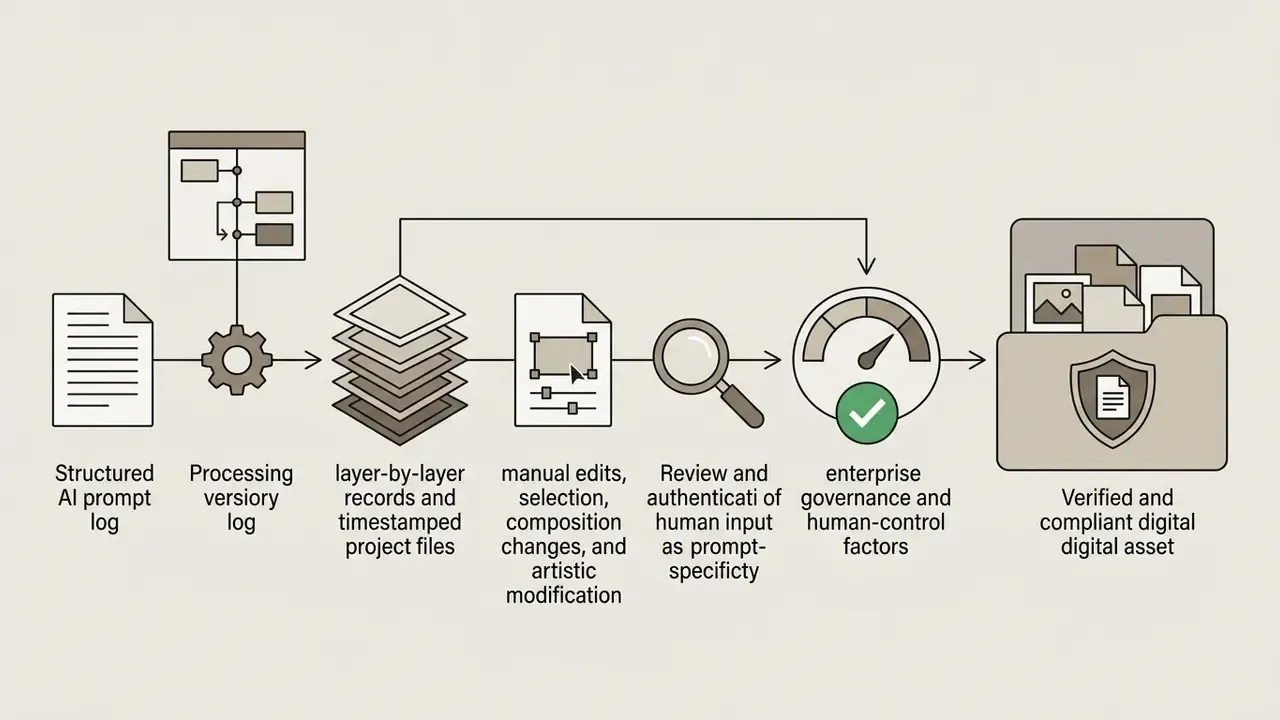
AI_Tool_Vendor, Human_Contribution_Percentage, Licensing_Tier_Verified, Consent_On_File (for voice and likeness), Territory_And_Media_Scope, and IP_Indemnity_Status.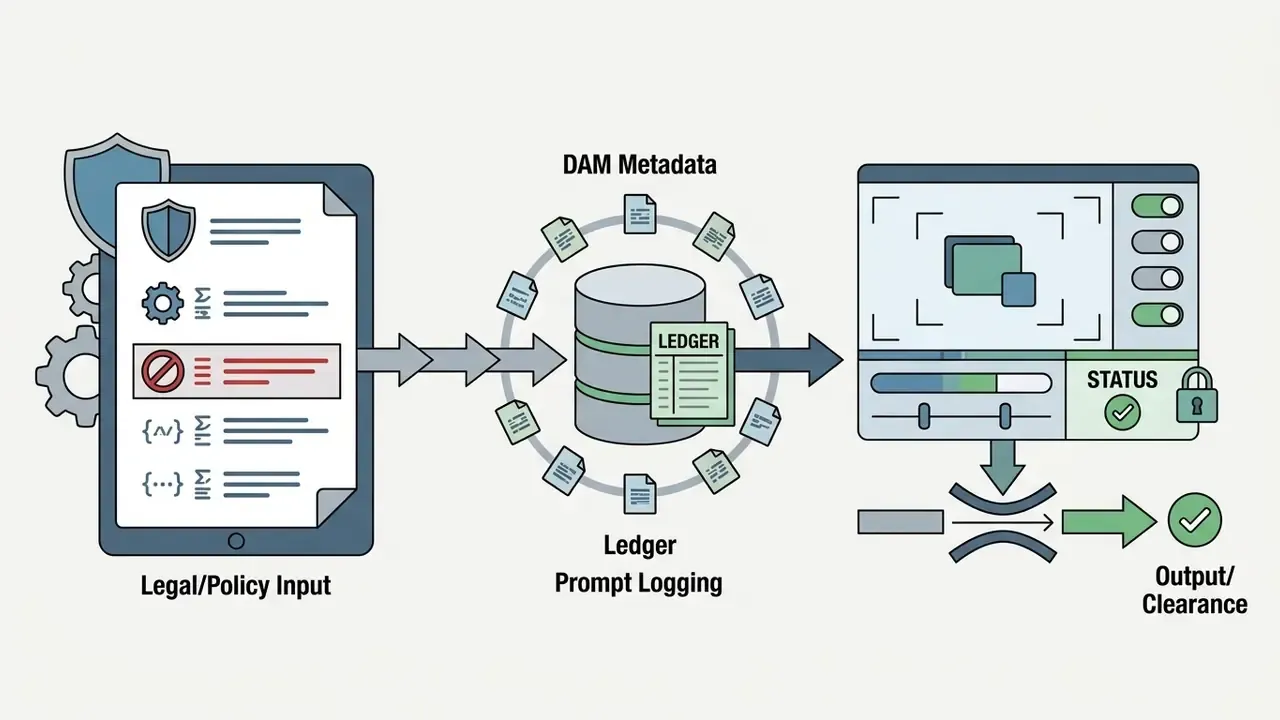
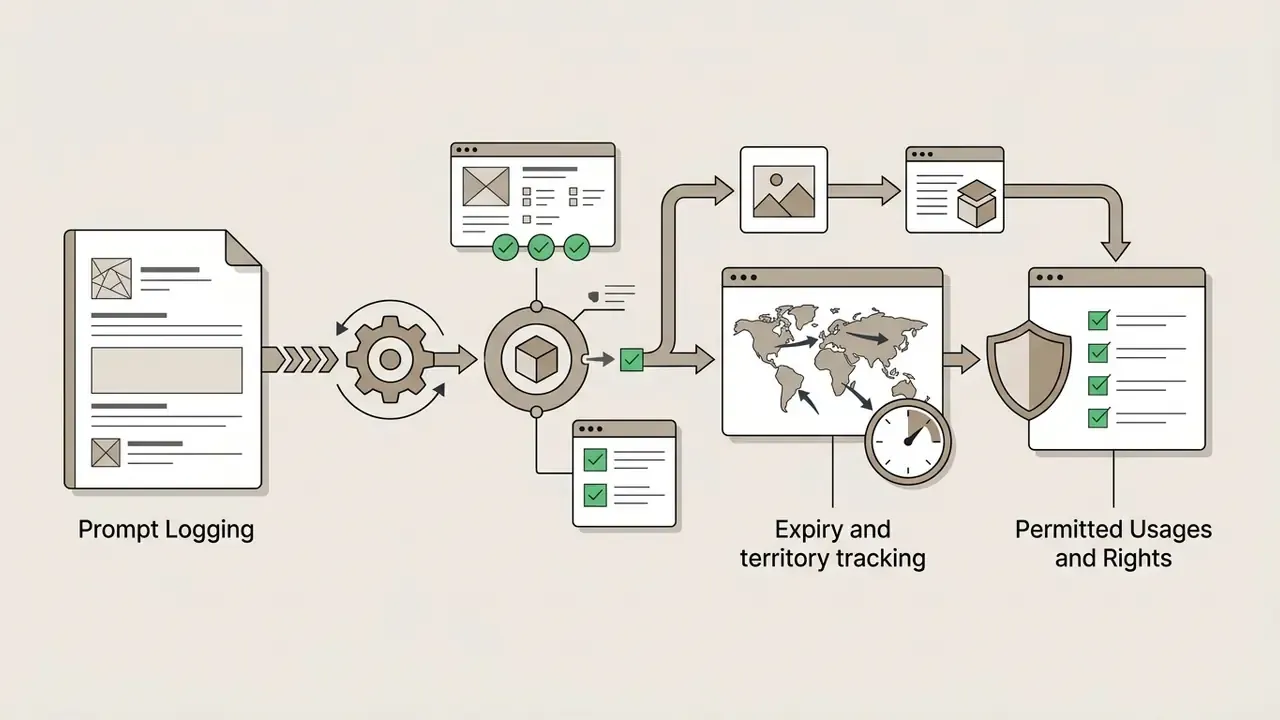
Vendor Verification Before Scaling
Agentic AI, Model Validation, and Risk-Adjusted ROI
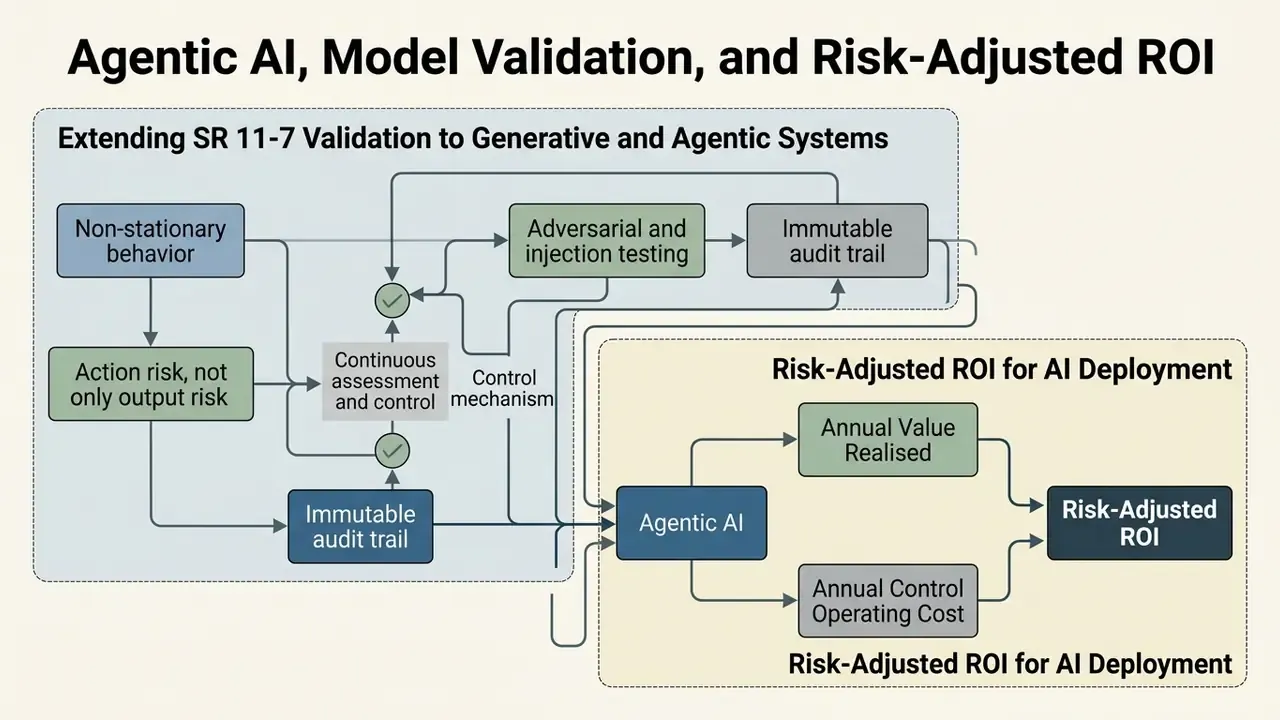
Extending SR 11-7 Validation to Generative and Agentic Systems
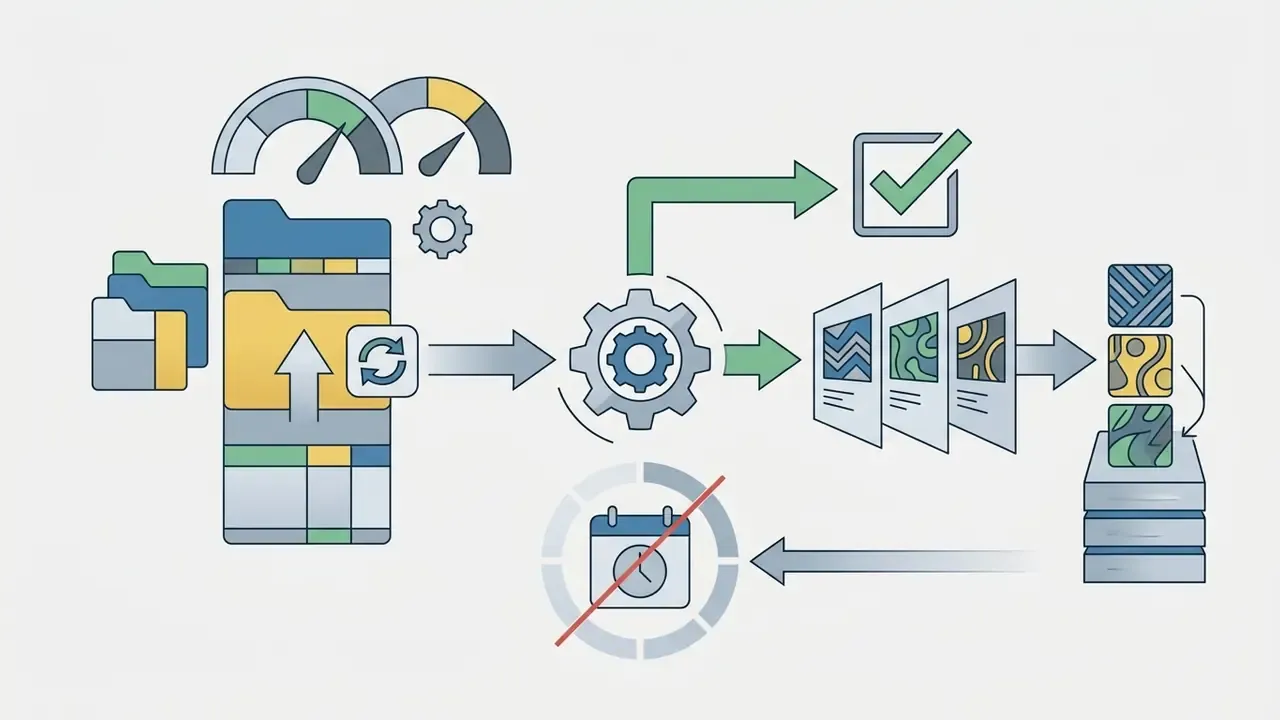
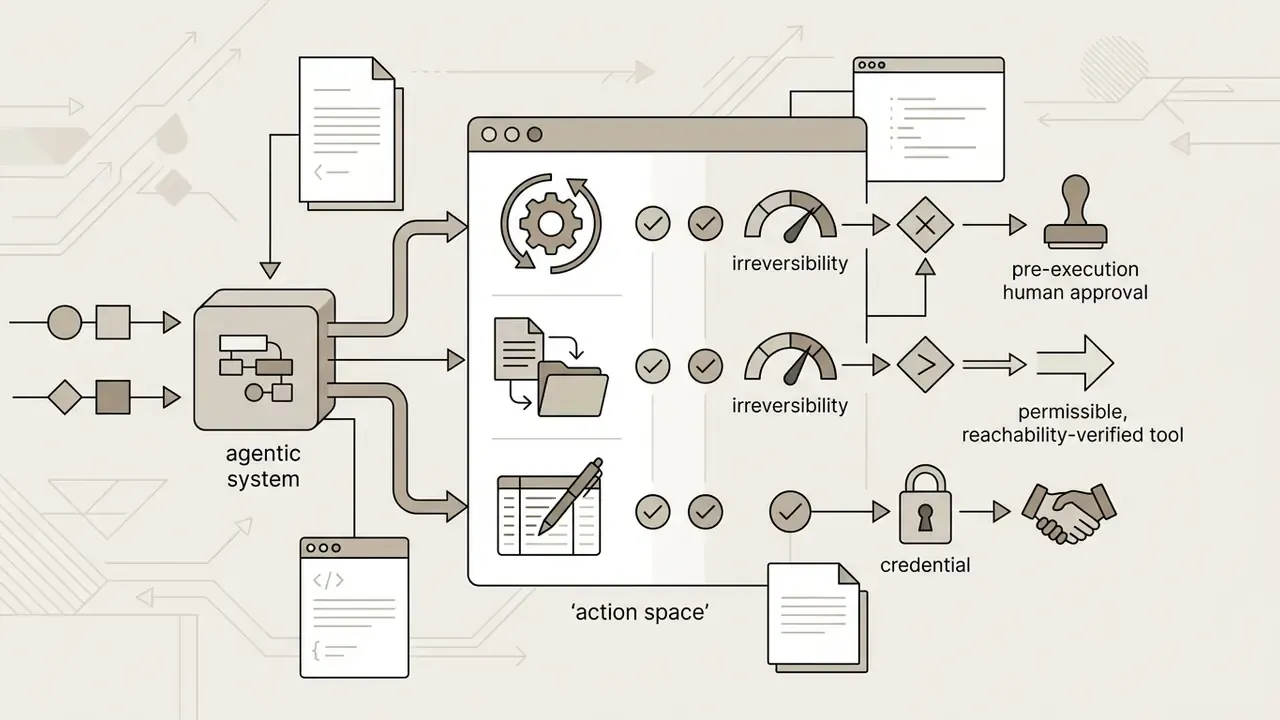
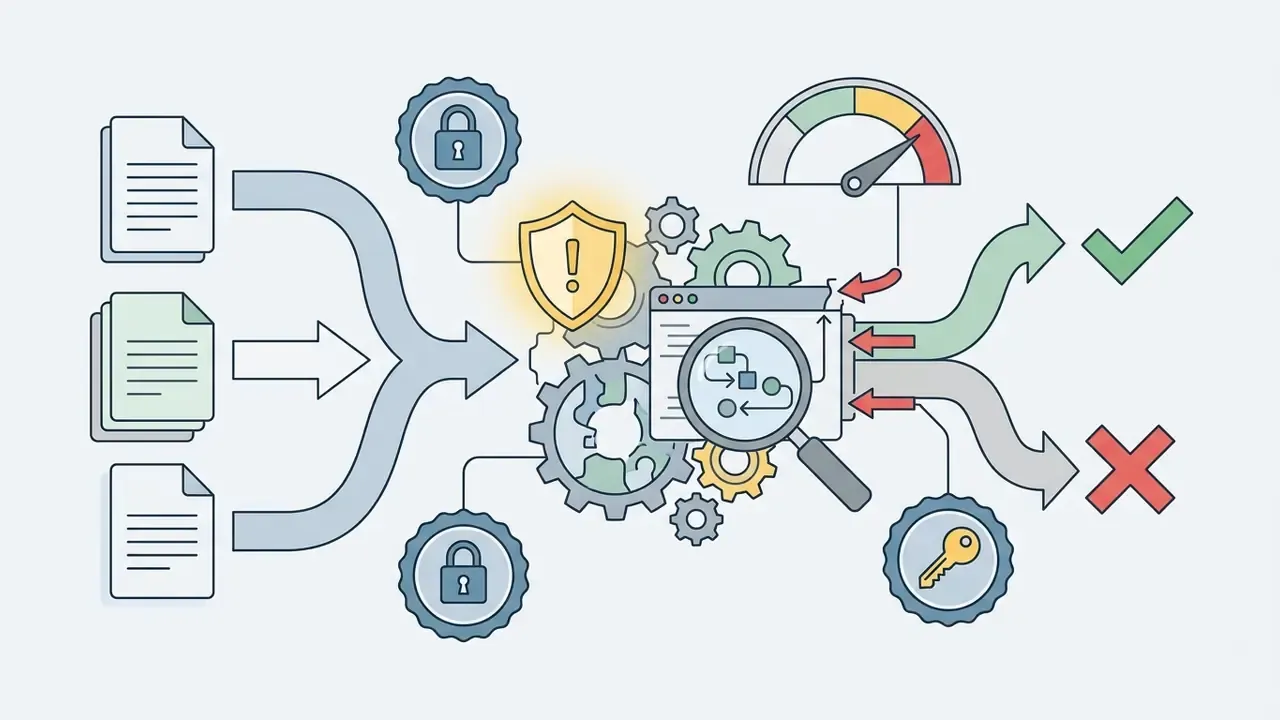
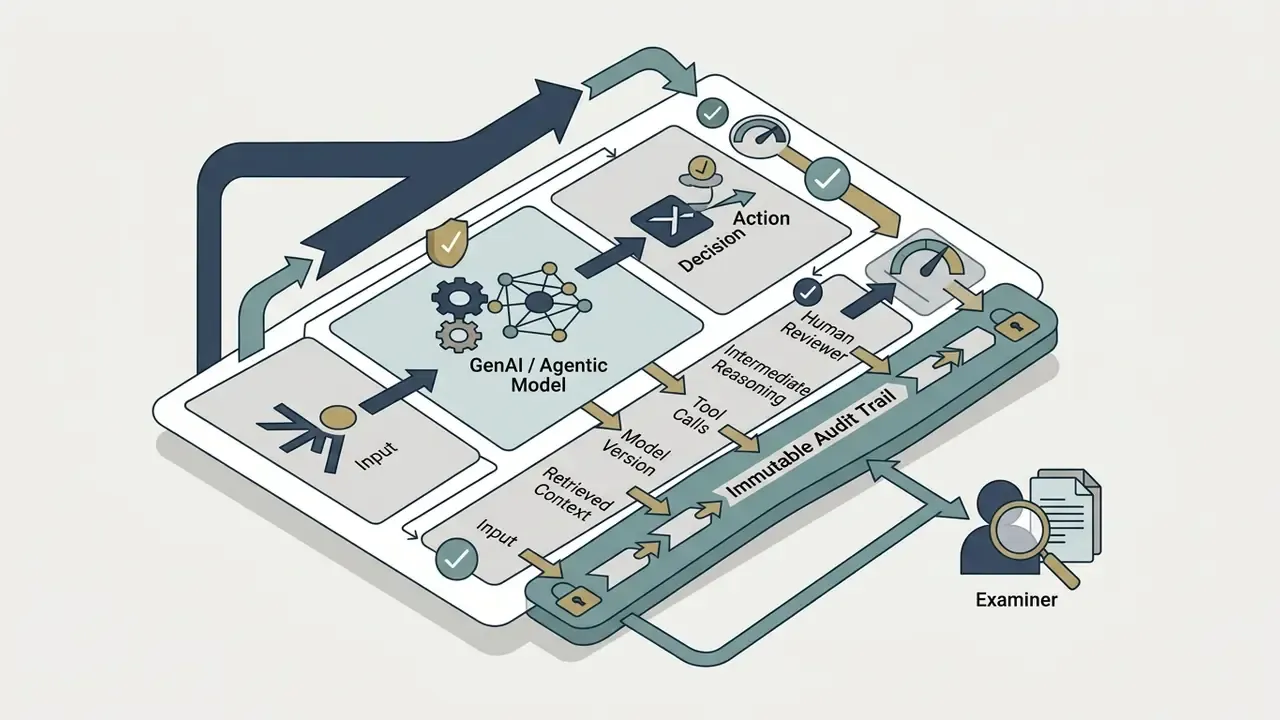
For U.S. banking organizations, generative and agentic AI do not create a parallel governance universe. They enter the existing model inventory. Supervisory guidance on model risk management (Federal Reserve SR 11-7; OCC Bulletin 2011-12) already requires conceptual soundness review, ongoing monitoring, outcomes analysis, and independent validation with effective challenge, including for vendor-supplied models where the institution, not the vendor, stays accountable. Four extensions are required for autonomous systems:
Risk-Adjusted ROI for AI Deployment
Business cases that weigh licence cost against productivity gain and stop there systematically overstate value. The control layer and residual legal exposure are recurring costs, and they belong in the arithmetic. A defensible formulation:
Risk-Adjusted ROI = (Annual Value Realised − Licence Cost − Annual Control Operating Cost − Expected Residual Loss) ÷ (Licence Cost + Control Implementation Cost)
Where:
- Annual Value Realised = measured hours saved × loaded hourly cost + quantified revenue or cycle-time effects, taken from the pilot's pre-agreed KPI baseline rather than vendor benchmarks.
- Annual Control Operating Cost = human review time, validation and revalidation effort, DLP and logging infrastructure, DAM rights administration, and annual vendor re-audit.
- Expected Residual Loss = Σ (probability × impact) across the main exposure classes: IP infringement (anchored to statutory ranges of $750–$30,000 per work, up to $150,000 for willful infringement), privacy or confidentiality breach, hallucination-driven customer or regulatory harm, and unauthorized agent action.
- Control Implementation Cost = one-off integration, isolation configuration, validation, and policy build.
Two disciplines keep the formula honest. Human review cost must be modelled at the required review rate for the workflow's risk tier, not an aspirational sampling rate. And residual loss must be re-estimated whenever the model, prompt, or tool inventory changes materially.
Limitations and Open Questions
Some of this is unsettled, and pretending otherwise would be dishonest. Three areas remain genuinely open. First, the copyrightability threshold for iterative prompt work sits in a grey zone; the four-factor approach above is a proposal courts have not uniformly adopted. Second, indemnity scope for agentic actions, as opposed to generated text or images, is thin across current vendor contracts, so residual loss estimates for autonomous workflows carry wide error bars. Third, validation methodology for non-deterministic systems has no supervisory consensus yet, which means today's testing protocols should be treated as versioned artefacts, not settled doctrine. Document your assumptions. Revisit them each quarter.
Frequently Asked Questions (FAQ)
Does vendor IP indemnification cover mistakes in our prompts?
Generally no. Indemnities are usually scoped to output-based third-party IP claims and commonly exclude cases where the customer supplied infringing input material, prompted for a specific protected work or a living artist's style, disabled output filters, or continued use after notice. Read the carve-outs, not the headline commitment.
Can we copyright an AI-assisted marketing asset?
Only the human-authored contribution. After Thaler v. Perlmutter (certiorari declined 2 March 2026) and U.S. Copyright Office guidance, purely machine-generated elements are unprotected, while substantial human selection, arrangement, editing, or modification can be registered. AI-generated material must be disclosed in the application.
Is a paid personal subscription acceptable for confidential internal data?
No. Without a signed agreement containing security, privacy, and data-handling provisions, a paid consumer tier should be treated like a free tool and limited to public data. Governance status comes from the contract, not the price.
When do EU obligations actually bite?
GPAI obligations, including copyright policy and training-data summaries, apply from 2 August 2025. General provisions and Article 50 transparency duties apply from 2 August 2026. Models trained above 10²⁵ FLOP are presumed to present systemic risk, which triggers stricter duties on the provider.
Can we clone an employee's or actor's voice for internal training videos?
Only with explicit written consent scoped by territory, media, duration, and permitted derivative use, plus a documented retention and deletion path for the voice model itself. Internal-only use does not remove publicity-rights exposure if the asset is later reused externally.
What is the minimum configuration for highly confidential data?
Web browsing, search plugins, and third-party integrations disabled; API and agent capabilities restricted; processing inside organization-managed, offline, air-gapped, or sovereign infrastructure; verified absence of transmission to external services or training pipelines; and written documentation of the applied configuration by the requesting owner.
Can an AI agent approve a customer credit decision?
Not autonomously. GDPR Article 22, U.S. fair-lending expectations, and state statutes covering consequential decisions require meaningful human review. The agent may prepare and recommend; a qualified human must decide and be recorded as deciding.
How often should vendor terms be re-checked?
At minimum annually, plus on any vendor notice of terms change, sub-processor change, model deprecation, or acquisition. Terms drift is a monitoring obligation, not a one-time procurement task.
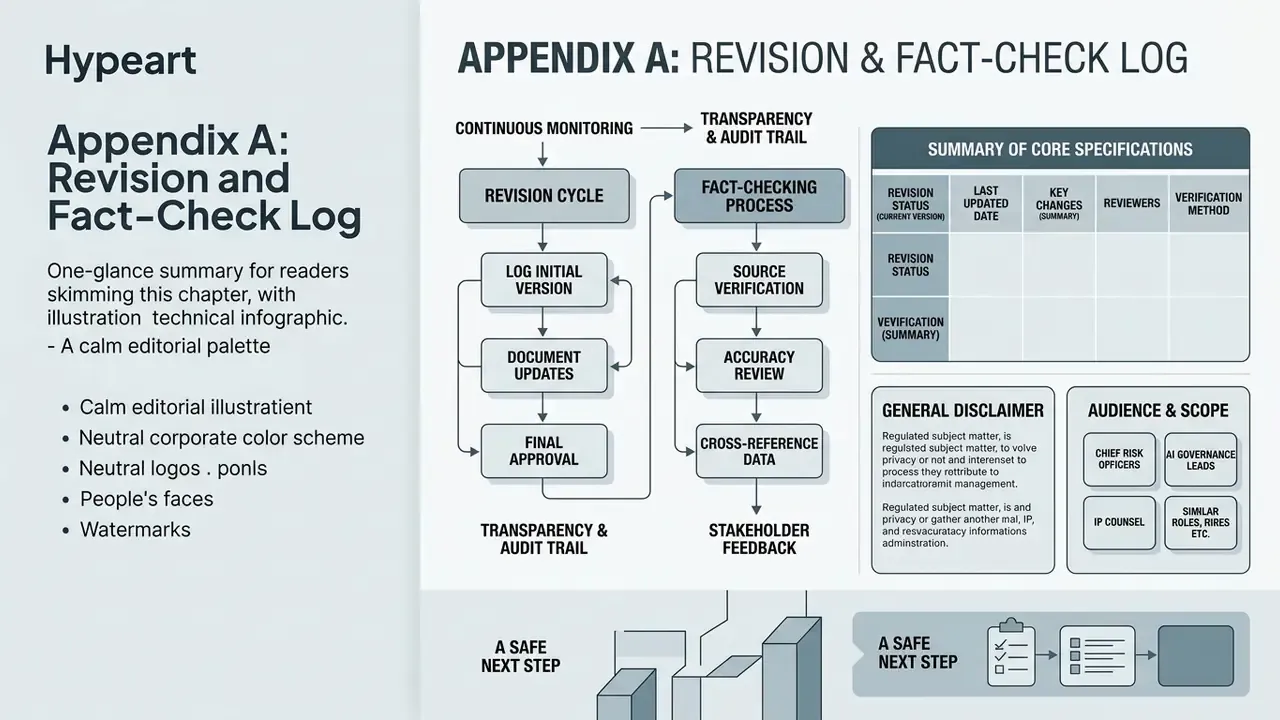
Appendix A: Revision and Fact-Check Log
| Item | Prior formulation | Current status |
|---|---|---|
| Adoption statistics | Adoption figures cited to a survey without respondent count or sampling design. | Superseded by a fuller attribution stating 1,363 respondents and stratified cross-sectional design (McKinsey, 2024). |
| Tool classification basis | Classification anchored to a single external taxonomy reference. | Reframed around two verifiable axes, model autonomy and permitted data sensitivity, with the taxonomy treated as supporting context. |
| Standards as evidence | SOC 2 Type II and ISO/IEC 42001 referenced together as generic proof of safeguards. | Separated: SOC 2 Type II as period-based control attestation; ISO/IEC 42001 as AI management-system certification; contractual control claims required where neither exists. |
| Pilot framework attribution | Pilots described as "following" ISO/IEC 42001 and NIST AI RMF as authoritative mandates. | Reframed as complementary reference structures that do not confer legal rights or replace contractual terms. |
| Expert quotation sourcing | Practitioner quotation presented without provenance. | Editorial review: Marcus Hale, author. |
| Unverified vendor reference | Section closed with an unverifiable third-party vendor mention. | Removed and replaced with a verification-packet standard specifying the artefacts required before any vendor is approved beyond public-data use. |
Summary of Core Specifications