An ai profile picture generator turns uploaded selfies or a written description into high-resolution avatars and professional portraits. Modern diffusion-based systems read facial geometry, apply lighting and style presets, then export platform-ready images. Simple on the surface. Considerably less simple once employee faces, retention windows, and a bank's brand guidelines enter the picture.
Executive Summary for Risk, Compliance, and Brand Owners
- What the tooling does diffusion models plus identity adapters (LoRA, ControlNet InstantID) rebuild a portrait from 1–20 selfies, swapping background, lighting, and wardrobe while holding facial geometry steady. Average render time on production platforms sits at 10–15 seconds.
- Business value professional avatars track directly with visibility and conversion, with vendors reporting up to 14× more profile views, roughly 36× more profile interactions, and 146% more engagement on business networks. Dating platforms report a 146% lift in match rate after lighting and eye-focus optimization. Treat these as vendor-reported figures, not audited ones.
- Quality benchmark in a 2024 survey of 1,087 recruiters, 76.5% preferred AI-generated headshots to real photos, and only 39.5% correctly identified the synthetic image.
- Legal ceiling purely AI-generated images without human creative input cannot be copyrighted in the United States, though commercial usage rights flow from vendor terms of service. Right-of-publicity statutes and the proposed NO FAKES Act govern likeness, not authorship.
- Top risks to control biometric consent (Illinois BIPA, Texas CUBI, CCPA/CPRA, GDPR Art. 9), retention windows, model-training opt-outs, Shadow AI (staff uploading selfies to unvetted consumer sites), and the absence of an audit trail for prompts, seeds, and model versions.
- Minimum vendor bar for enterprise rollout SOC 2 Type II report, signed DPA with a no-training clause, documented deletion window (24 hours to 90 days), SSO/SAML, and a per-image provenance log.
Total cost of ownership formula: TCO = (seats × subscription) + (images × credit cost) + control costs (legal review + DPA negotiation + security assessment + audit-trail storage) + remediation reserve. In most mid-size deployments the control layer eats 25–40% of first-year spend. That is precisely why a free consumer tier is almost never the cheapest option at scale.
Who Should Read This, and Which Decision It Supports
Three roles usually land on this page for different reasons. Brand and internal-communications owners want a consistent directory of employee headshots without booking a studio for 500 people. Procurement wants to know what a paid tier buys that the free tier does not. Risk, privacy, and model-risk functions want to know whether uploading employee faces to a third-party model creates an obligation nobody logged.
This guide answers all three, in that order. The practical steps come first, then the control framework, then the unresolved questions. If your only task today is generating one avatar for a personal account, the first half is enough. If you are signing a contract that touches thousands of faces, read the privacy and audit sections before the prompt templates.
What an AI Profile Picture Generator Does
An ai profile picture generator converts raw user input into structured headshots using generative neural networks and style conditioning. These systems accept personal selfies or written prompts, synthesize new visual assets, strip backgrounds, and adjust facial features automatically.
Illustrative example, not a documented client case: a remote software firm evaluated automated portrait tools to unify employee directory photos. The team standardized intake by requesting twelve front-facing selfies per worker, applied neutral corporate lighting presets, and produced forty uniform headshots per employee within six hours. That pipeline replaced studio photography while keeping brand consistency across public team pages.
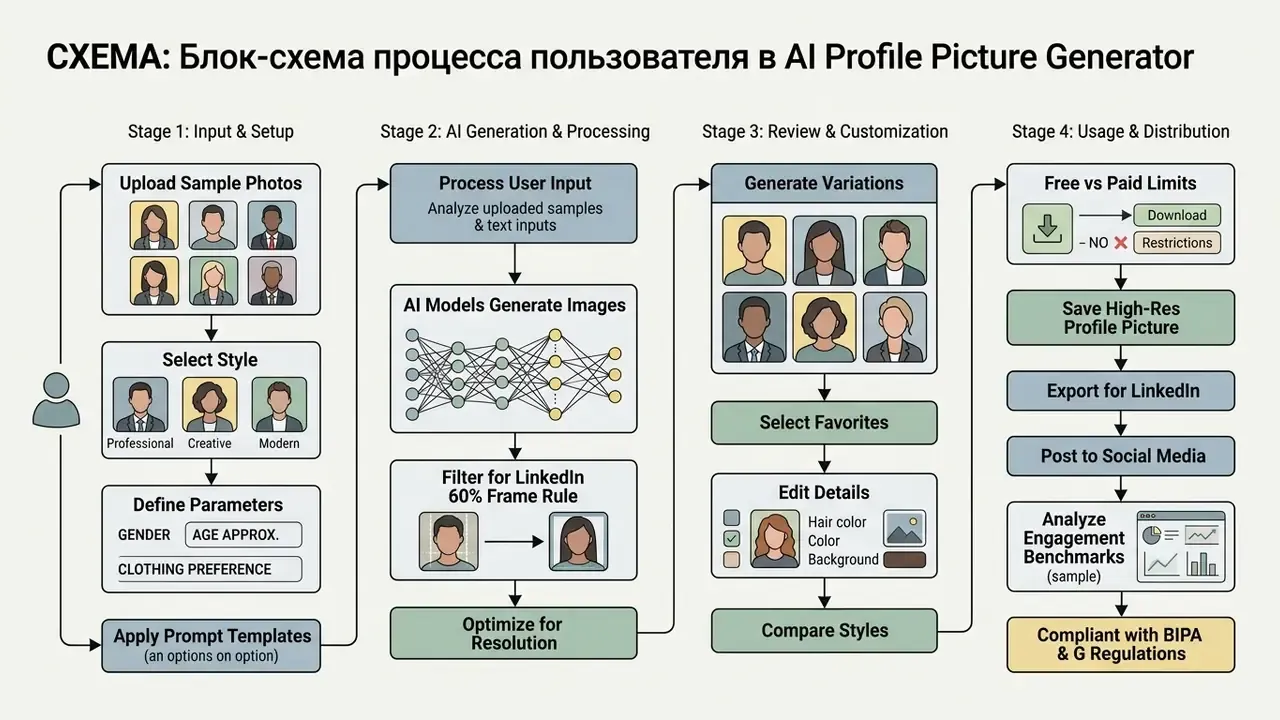
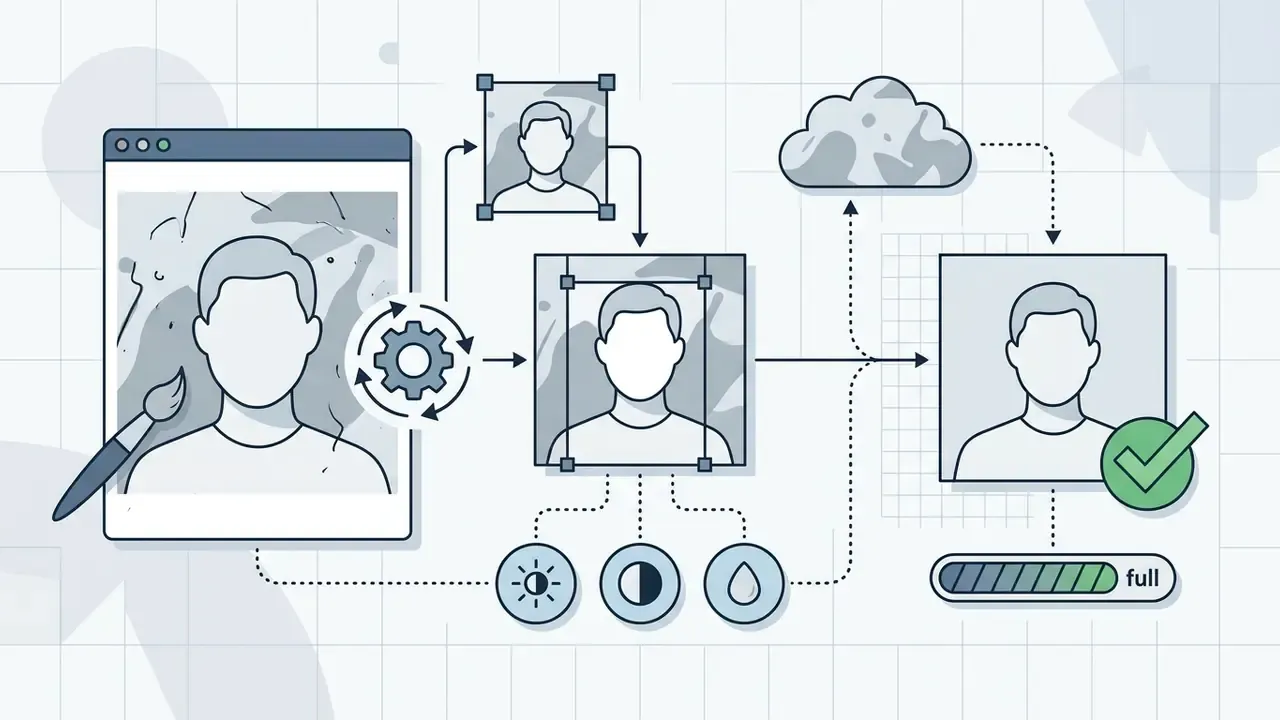
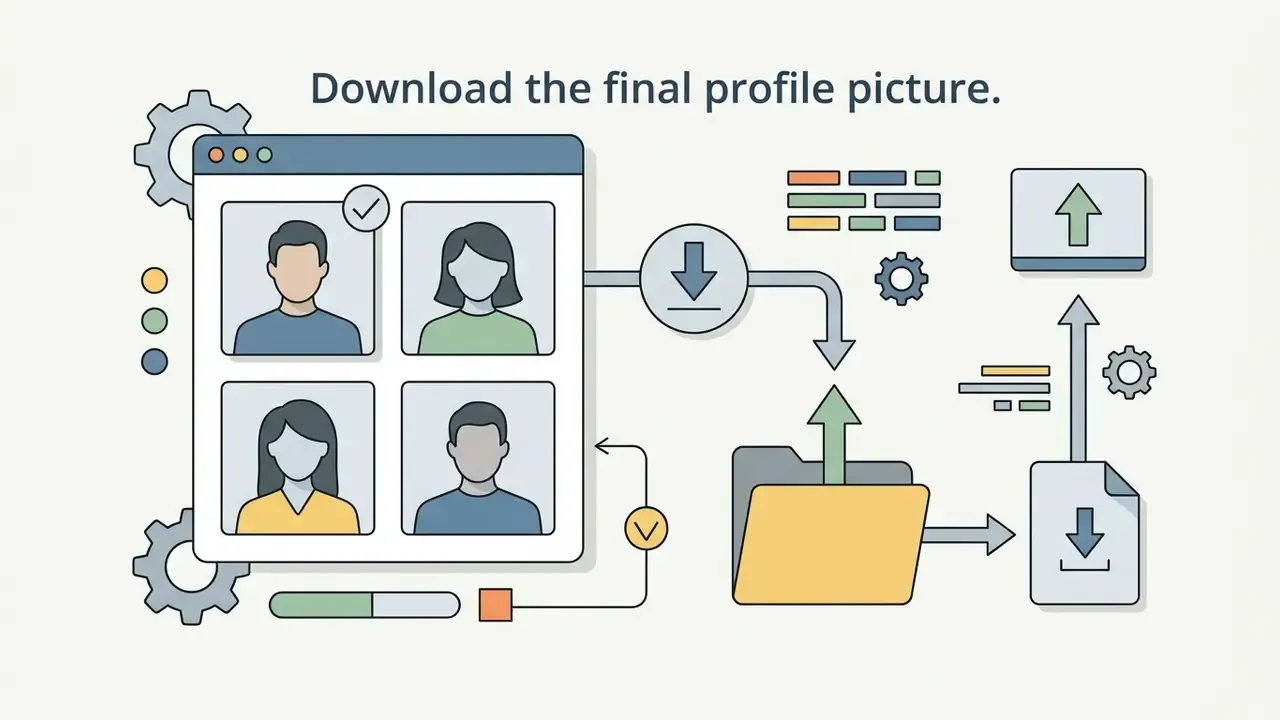
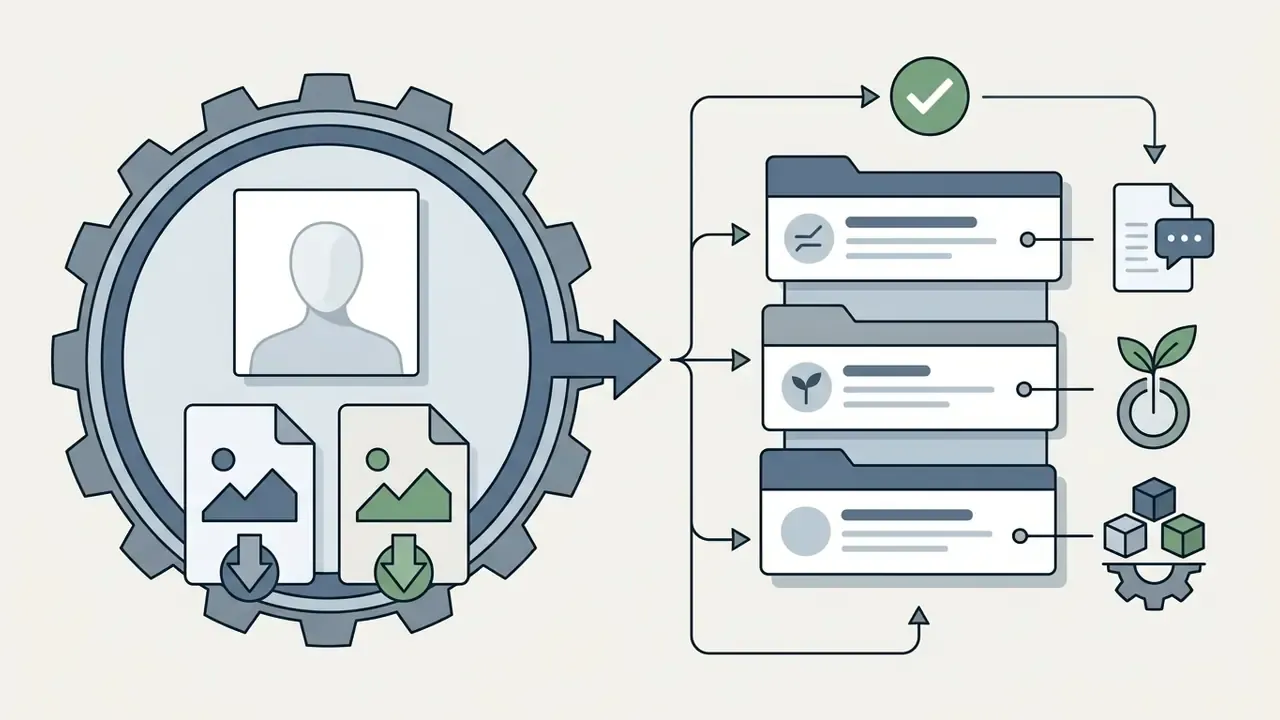
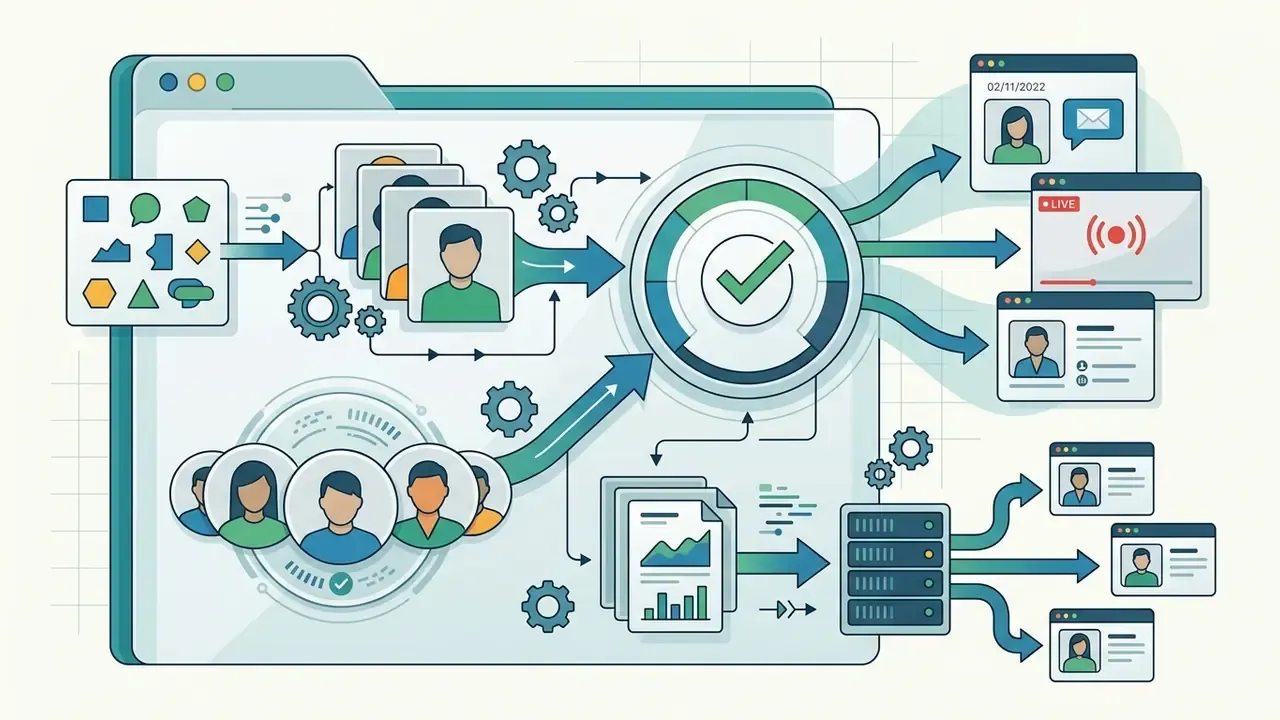
User journey in an AI profile picture generator: upload a photo or enter a description, choose style and background, generate multiple profile pictures, refine with editor tools, download the final image.
Generating a Profile Picture from a Selfie, Photo, or Text Prompt
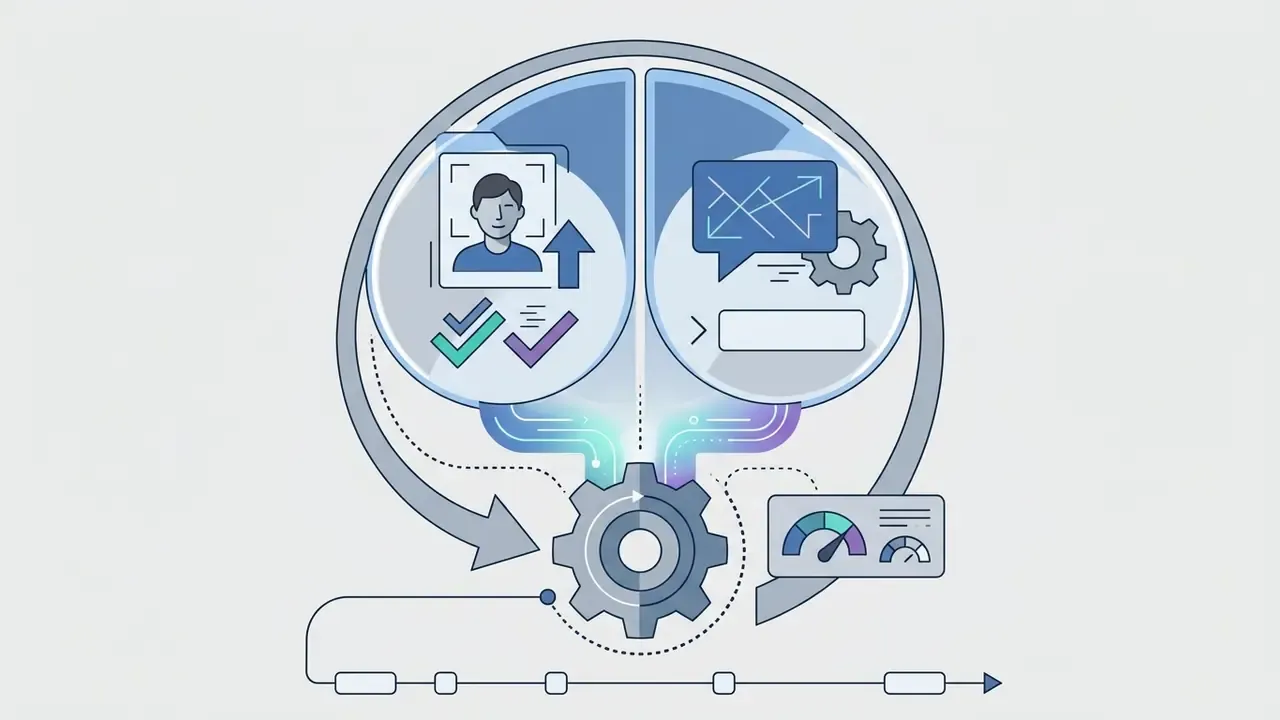
An ai generate profile picture workflow uses single or multi-photo uploads to train a temporary concept model, or applies image-to-image conditioning through Low-Rank Adaptation (LoRA) and ControlNet. LoRA, in plain terms, is a lightweight fine-tune that teaches the model one specific face without retraining the whole network. The algorithms read facial landmarks such as eye spacing and jawline structure, then build a fresh ai image for profile picture without losing recognizable individual features.
Identity retention is not marketing language. It is an explicitly measured research objective. Personalization pipelines published in 2024–2025 use identity losses, reference images, and masked diffusion conditioning to hold facial geometry stable while attributes change. Restoration work such as PFStorer (CVPR 2024) adds personalization specifically so that super-resolution does not drift away from the original face. Independent evaluation frameworks score this with CSIM (identity similarity), LPIPS, SSIM, and FID rather than gut feel.
Which engines actually run behind the button. Modern platforms orchestrate ensembles rather than a single checkpoint: Flux.1, Stable Diffusion XL (SDXL), Seedream 5.0 Pro, and specialized architectures in the GPT Image / Nano Banana family. Identity gets locked by controllers such as ControlNet InstantID, and a single square portrait is typically synthesized in 10–15 seconds with facial biometrics intact. Vendor documentation in 2026 also standardizes input handling: OpenAI image endpoints accept PNG, JPEG, WEBP, and non-animated GIF (up to 20 MB, internally scaled toward 2048×2048), while Google Gemini image models additionally accept HEIC/HEIF at up to 7 MB per inline file with fixed aspect-ratio presets including 1:1.
When users pick an ai create profile picture pipeline, text-to-image prompts allow fine-grained control over external visual attributes. Prompts can specify camera focal length, ambient studio lighting, and attire detail. The generative framework renders a fresh ai created profile picture that keeps essential facial geometry while substituting background and clothing. It is the same mechanism used by image-to-image generation tools that condition output on an existing reference frame.
AI Profile Picture Maker vs. a Conventional Photo Editor
A dedicated ai profile picture generator leans on semantic face parsing and deep generative networks. A traditional graphics editor asks for manual pixel work through brushes, masks, and layers. AI systems segment facial features automatically, which makes instant changes to expression, pose, and background lighting possible. Readers comparing generative avatars with rule-based retouching can review how a modern AI photo editor handles layer-free correction versus full synthesis.
Traditional editors adjust global color values, contrast, and local pixels on an existing source file. An ai photo generator profile picture tool, by contrast, synthesizes whole image regions from learned probabilistic distributions. The underlying profile picture generator weighs compositional balance and invents new visual elements rather than stacking static filters on existing pixels.
That forensic distinction has an operational payoff. Because generation leaves model-specific signatures, an organization can later verify whether a directory image was synthesized or camera-captured. In 2026, FaceParts demonstrated unsupervised decomposition of avatar representations into semantically coherent facial parts, allowing transfer of features such as a beard across subjects. Brush-based editing has no equivalent capability.
Governance Guardrails to Confirm Before the First Upload
Before a single employee selfie leaves the corporate perimeter, confirm five items. Each maps to a control tested later in this guide.
- Lawful basis and consent languagefor biometric-adjacent processing, including a BIPA-style written release where applicable.
- Documented retention windowfor raw uploads, ideally 24 hours to 30 days, written into the contract rather than the FAQ page.
- No-training clausein the DPA covering both uploads and generated outputs.
- Security attestation, meaning a SOC 2 Type II or ISO/IEC 27001 report available under NDA.
- Provenance capture, meaning the ability to export prompt, seed, model version, and timestamp per image.
How to Choose an AI Generator for Profile Pictures: Free, Quality, and Tools
Selecting the right ai generator for profile picture creation means weighing daily usage caps, resolution output, privacy policy, and editing depth. Free platforms give you immediate testing access, then usually cap export resolution and style variety.
Illustrative example: a financial services firm ran a vendor assessment to choose an ai image generator profile picture platform for client-facing advisors. The team compared three options on data retention terms, resolution limits, and licensing rights. It picked the provider that deletes raw uploads within twenty-four hours and grants full commercial ownership, then deployed uniform advisor headshots across its digital portals.
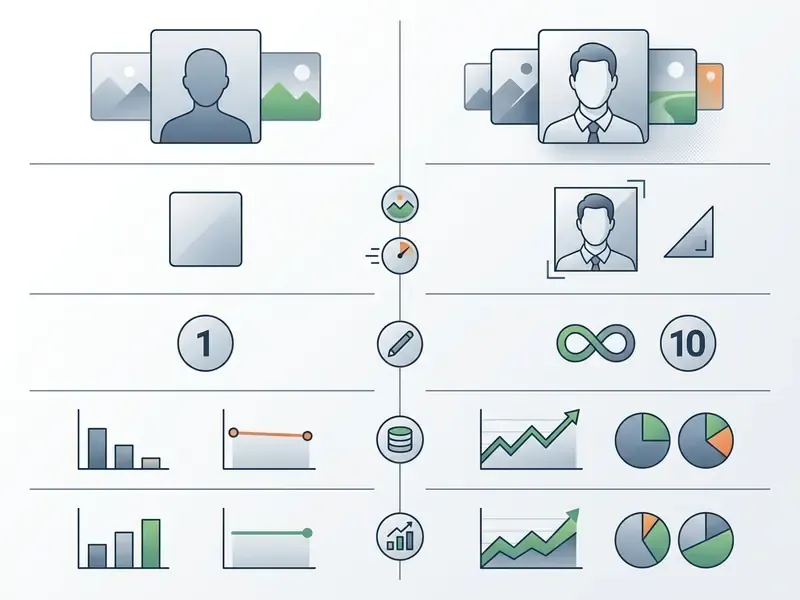
| Feature | Free Tier | Extended / Paid Tier |
|---|---|---|
| Generation Volume | 3–15 images per day / limited credits | 40–200+ high-resolution images per batch |
| Output Resolution | 512×512 or 768×768 pixels | 1024×1024 up to 4K upscaled outputs |
| Watermarks | Optional platform watermark applied | Watermark-free downloads |
| Style Access | Basic style presets | Complete studio, corporate, and creative catalog |
| Commercial License | Personal use only; restricted rights | Full commercial rights for business branding |
| Background & Retouching | Standard crop and auto-filter | Advanced inpainting, background replacement, face refinement |
| Governance Features | None; consumer ToS only | DPA, SSO/SAML, retention controls, audit export |
Buyers who want a broader market map before committing can review the best AI image generators and cross-check licensing language against their own procurement standard.
What a Free AI Profile Picture Generator Typically Includes
A free ai profile picture generator usually delivers entry-level functionality: basic image uploads, low-resolution rendering, a short list of style presets. Useful for one thing above all, testing facial retention accuracy before you pay for processing packages.
Platforms offering an ai generated profile picture free download often apply watermarks or cap exports at 512×512. Daily limits keep usage to a handful of images every twenty-four hours. Published vendor limits in the 2026 sample ranged from 3 attempts per day to roughly 25 images per day, and some services allow only 3 avatars per month before requiring signup credits.
That finding carries a direct procurement consequence. Any pilot needs representative test subjects across skin tones, ages, and hair textures. Otherwise the tool looks acceptable on a narrow sample and then fails in production, usually in front of the people least able to shrug it off. Users who want to test basic manipulation first can try a free photo editor for simple automated adjustments, or compare entry-level free AI generators before choosing a paid tier.
What an AI Profile Picture Maker May Charge For
An ai photo generator for profile picture platform reserves high-definition upscaling, identity-preserving multi-photo training, and full commercial usage rights for paying subscribers. Premium plans also skip the queue and open access to enterprise styling briefs.
Paid tiers unlock corporate headshot modes that simulate multi-point studio lighting, tailored office backgrounds, and executive wardrobe overlays. Subscriptions frequently add generative expansion and targeted facial inpainting. A dedicated AI headshot generator guide details how these professional modes differ from generic avatar presets in resolution, wardrobe control, and licensing.
Enterprise-tier items to negotiate explicitly: single-tenant or dedicated inference instance; SSO/SAML plus SCIM provisioning; contractual SLA on availability and support response; written refusal to train on customer data; regional data residency; bulk API with batch processing; exportable generation logs. Organizations comparing platform pricing models can open the hub to review subscription structures and feature allocations.
How to Create an AI Profile Picture: Step-by-Step
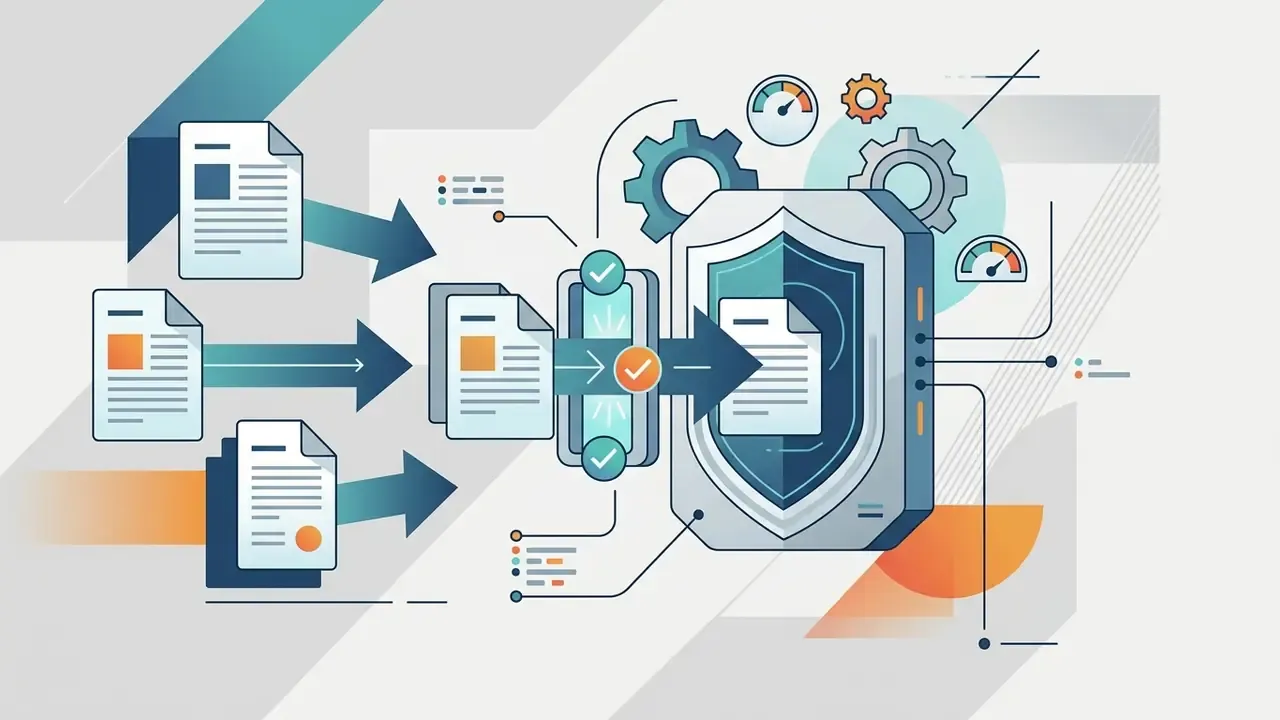
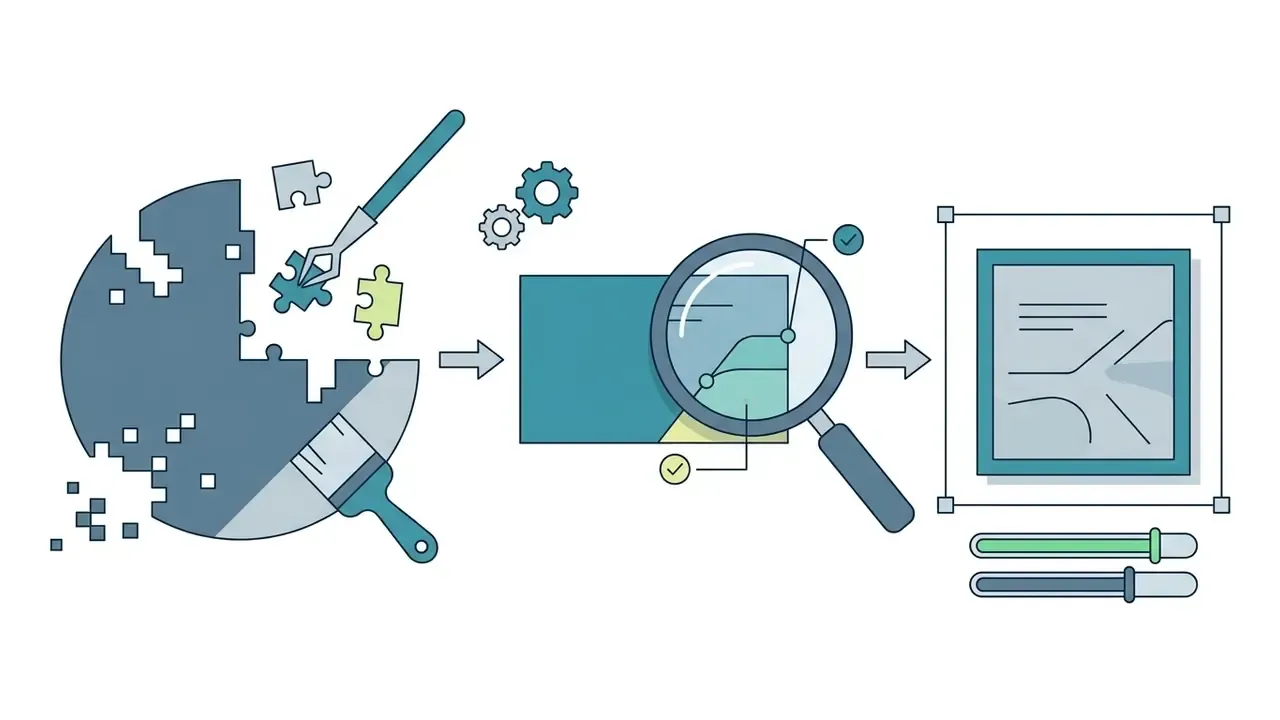
Producing a professional headshot with an ai photo profile picture tool runs through four phases: source image preparation, parameter configuration, batch generation, final refinement. Follow the input guidelines and you cut rendering artifacts and facial distortion sharply.
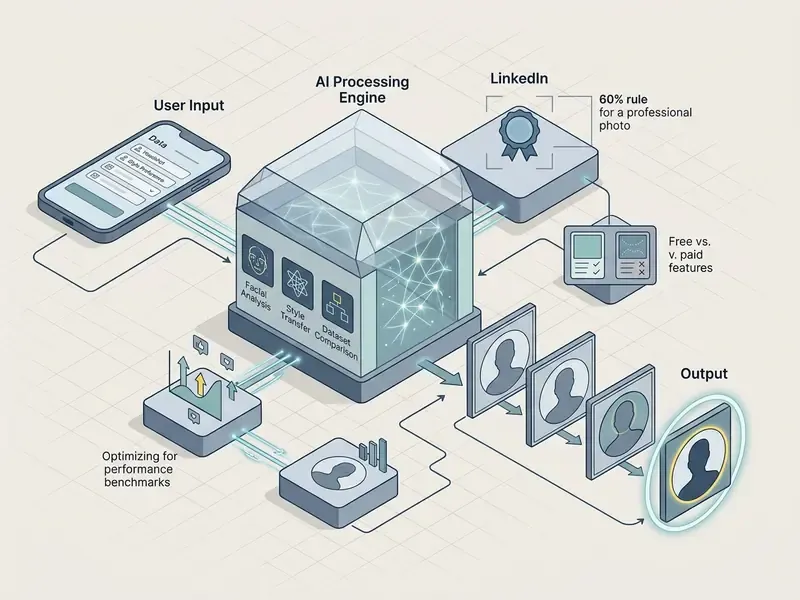
Checklist: creating an AI profile picture
Prepare Your Photos for Upload
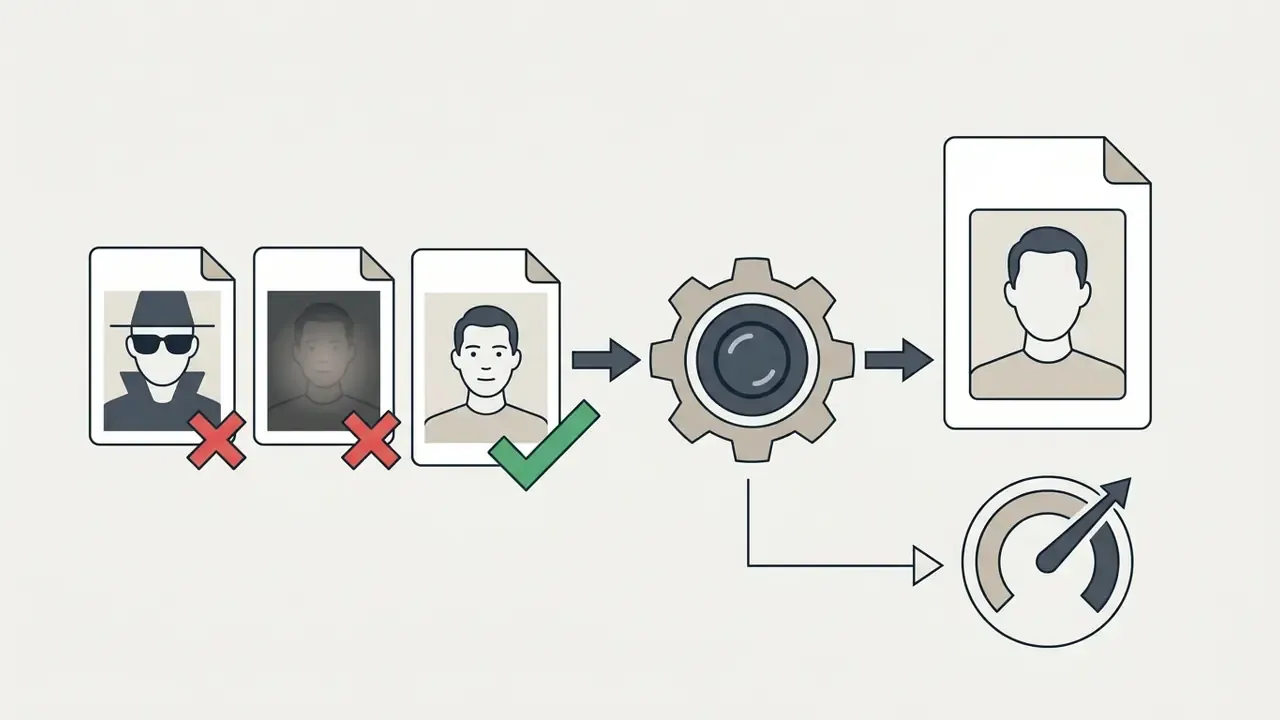
Good input photos let an ai generate profile pic tool build an accurate three-dimensional latent representation of the face. Uploaded selfies should carry even frontal illumination, no harsh directional shadows, no heavy filters.
Updated, sourced pose requirement. Face-image standards referenced in NIST face recognition programs (FRVT/IREX) specify near-frontal capture within roughly ±5° of roll, pitch, and yaw, even illumination without flash artifacts, unobstructed eyes, and an eye-to-eye distance near 90 pixels for reliable feature extraction. See the NIST Face Technology Evaluations program documentation at https://www.nist.gov/programs-projects/face-technology-evaluations-frtefate. Upload multiple angles inside that tolerance and skip thick hat brims or tinted glasses. Vendor guidance converges on the same baseline: plain background, hands out of frame, square framing, source image of at least 1152×1152 pixels.
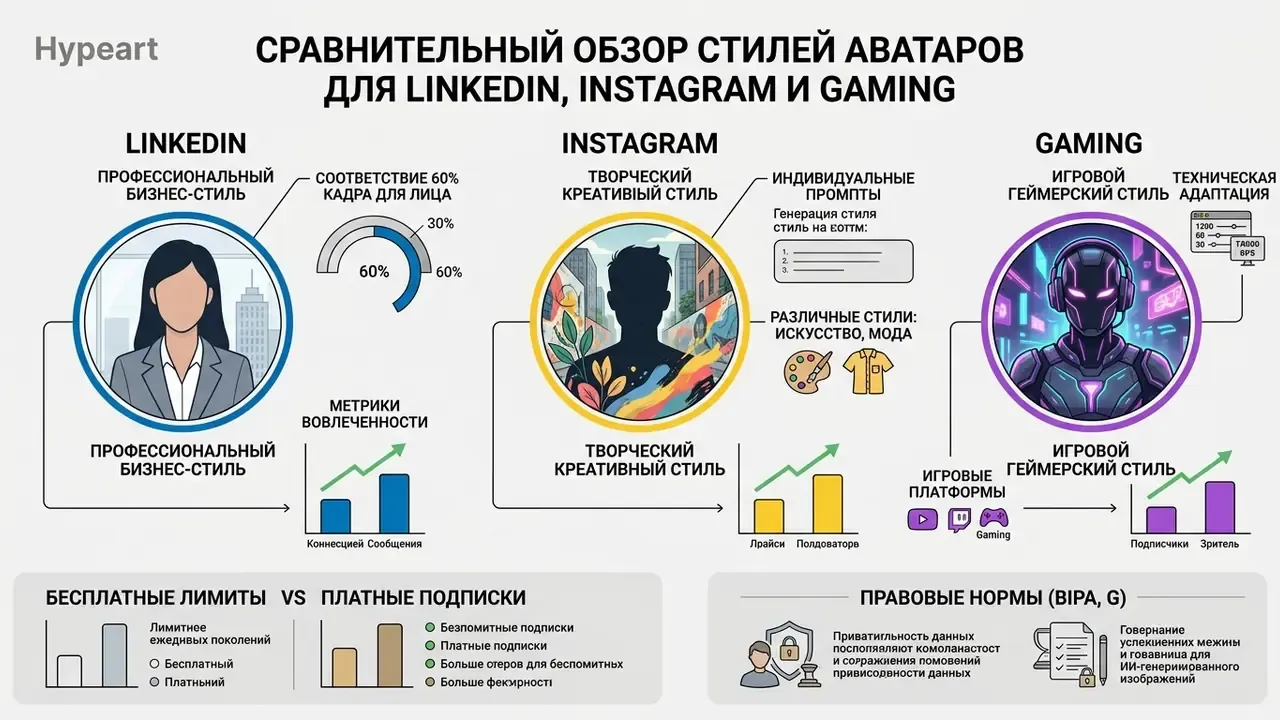
Frame ratio rule (composition standard). When cropping a business portrait, the face should fill roughly 60% of the frame area, the proportion recommended in LinkedIn's own photo guidance. Leave 10–15% headroom above the crown so circular avatar masks on LinkedIn, Telegram, Slack, and Discord do not clip hair or chin. For print-adjacent uses, generate at 2048×2048 px so the asset survives a 300 DPI business-card layout.
Before uploading a low-resolution or noisy file, consider running it through an AI image enhancer so the generator receives clean facial detail instead of compression mush.
Choose Style, Background, and Professional Look
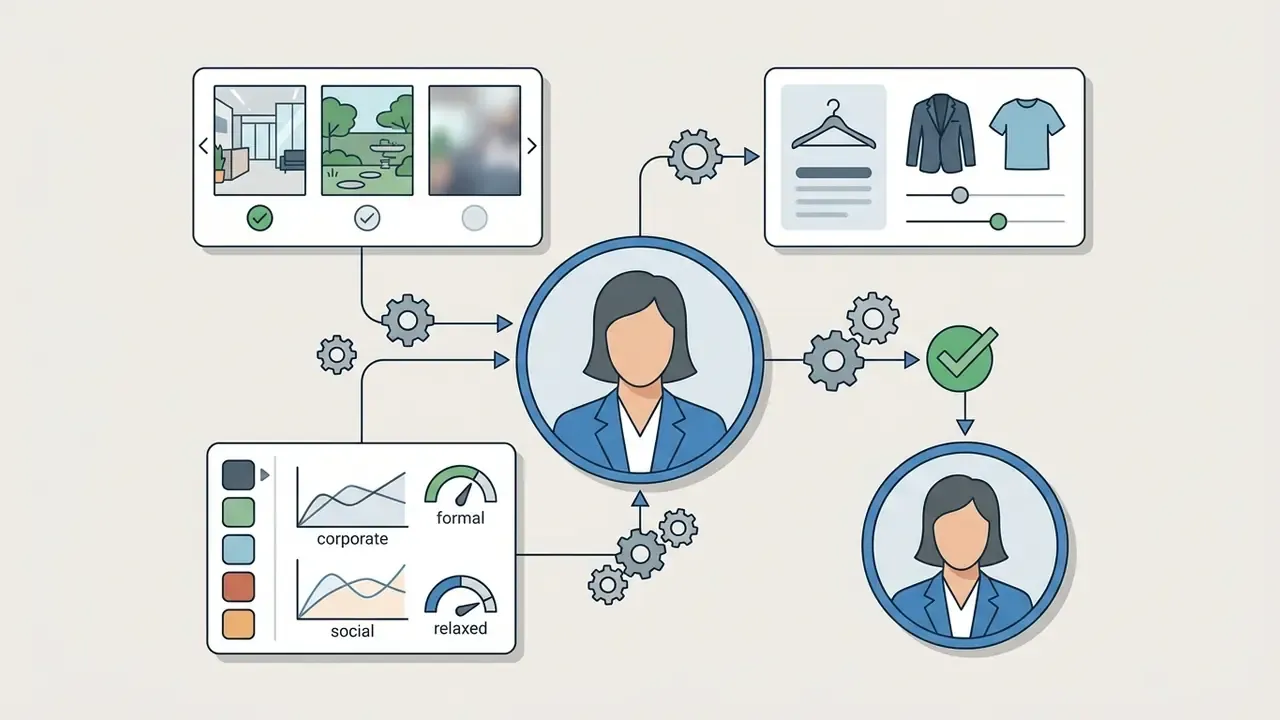
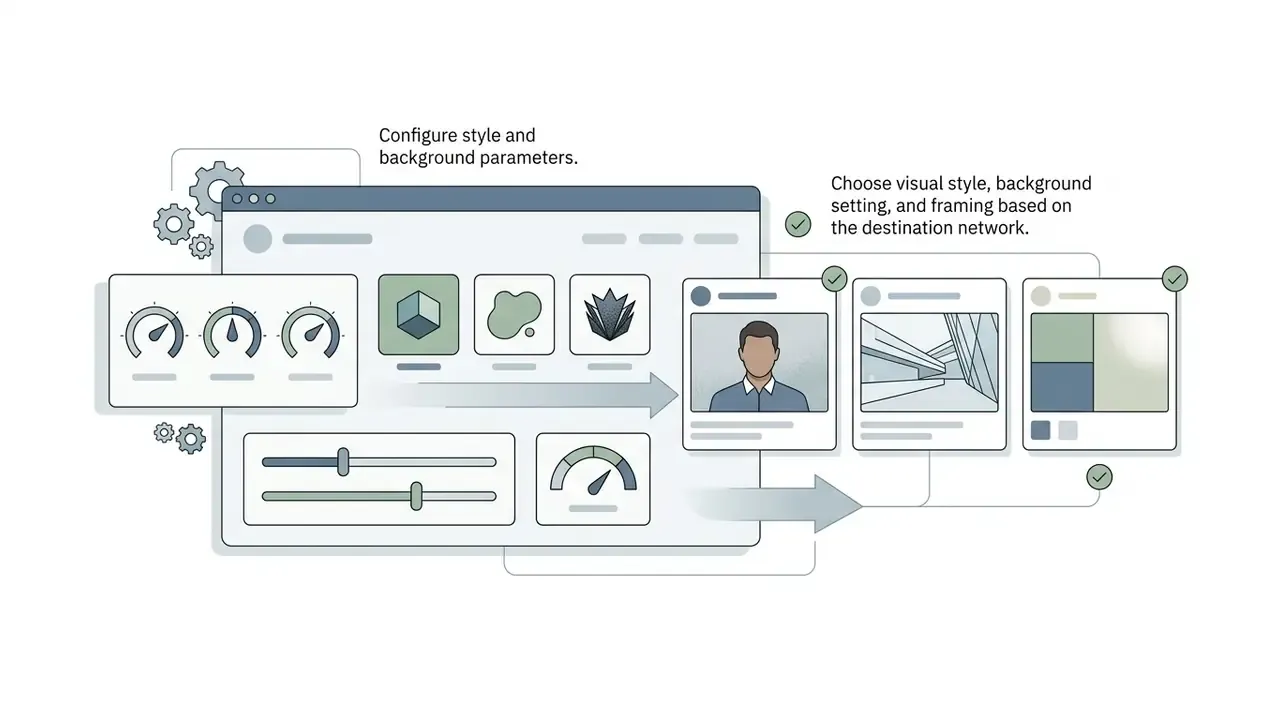
Matching the style setting to the destination keeps an ai generator profile picture in context. Corporate networks expect neutral backdrop tones, conservative clothing, direct eye contact.
Creative platforms welcome vibrant backdrops, expressive filters, dramatic lighting angles. When configuring presets, choose neutral gray or corporate blue for professional channels, and save stylized renders for community forums and personal blogs. Interface-component guidance adds a useful fallback rule: photo when one exists, initials when only a name exists, generic silhouette when neither is available. Handy during a partial directory rollout.
Prompt cheat sheet. These are platform-tested starting points. Substitute the subject descriptor and keep the aspect ratio square.
| Style / Platform | Ready-to-use prompt | Parameters |
|---|---|---|
| LinkedIn Executive | Professional corporate headshot of a [man/woman], wearing a dark navy blazer, soft neutral studio background, 85mm lens, f/1.8, cinematic studio lighting, highly detailed face, 8k --ar 1:1 | Aspect ratio 1:1 · Style: Realism · Output ≥2048 px |
| Creative Cyberpunk (Discord / Steam) | Cyberpunk avatar of a [subject], vibrant neon background, glowing rim accents, sharp lines, detailed digital art style, high contrast, centered composition --ar 1:1 | Aspect ratio 1:1 · Style: Art / Sci-Fi · High contrast |
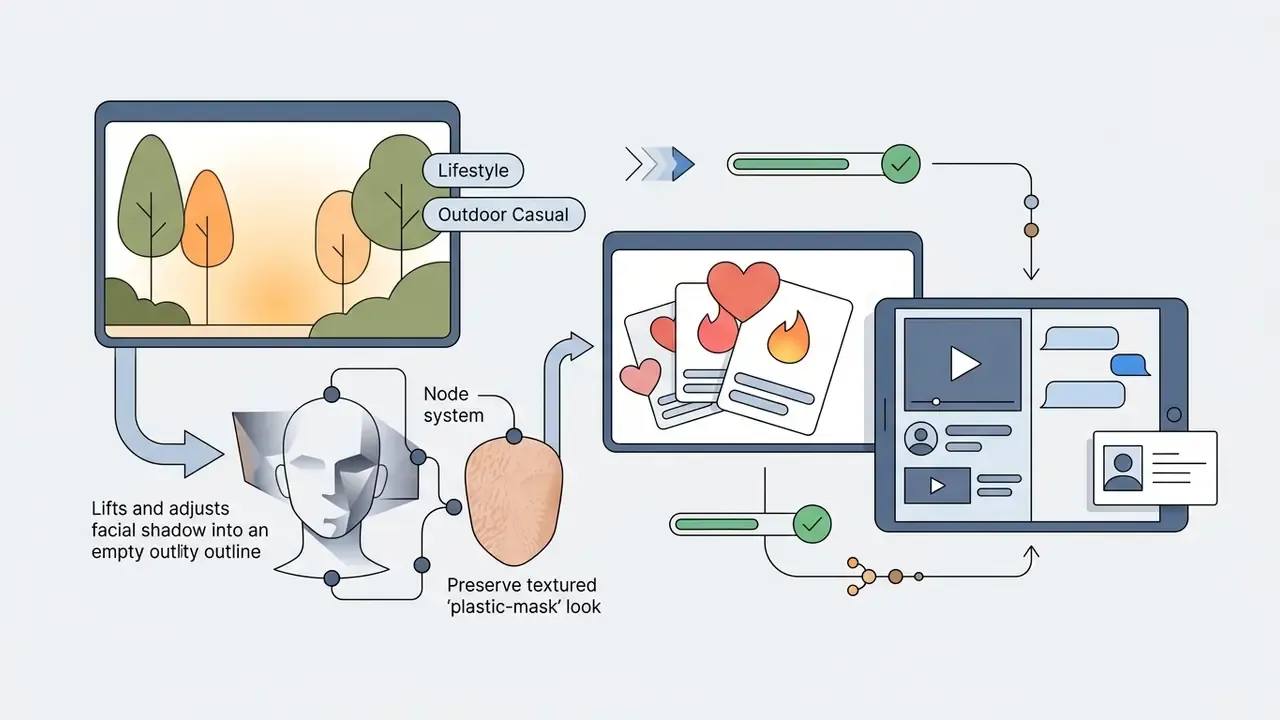
| Casual Lifestyle (Tinder / Instagram) | A natural outdoor portrait of a [subject] smiling, golden hour sunlight, soft blurred background (bokeh), casual aesthetic, ultra-realistic skin detail --ar 1:1 | Aspect ratio 1:1 · Style: Natural · No heavy skin smoothing |
| Academic / Scholar | Editorial portrait of a [subject] in a tweed jacket, muted library background, soft window light, shallow depth of field, natural skin texture --ar 1:1 | Aspect ratio 1:1 · Style: Documentary |
| Anime / Community PFP | Anime-style portrait of a [subject], bold outlines, flat cel shading, saturated accent color, dark-mode-friendly background, centered bust framing --ar 1:1 | Aspect ratio 1:1 · Style: Anime · Thumbnail-safe |
Generate, Refine, and Download the Finished PFP
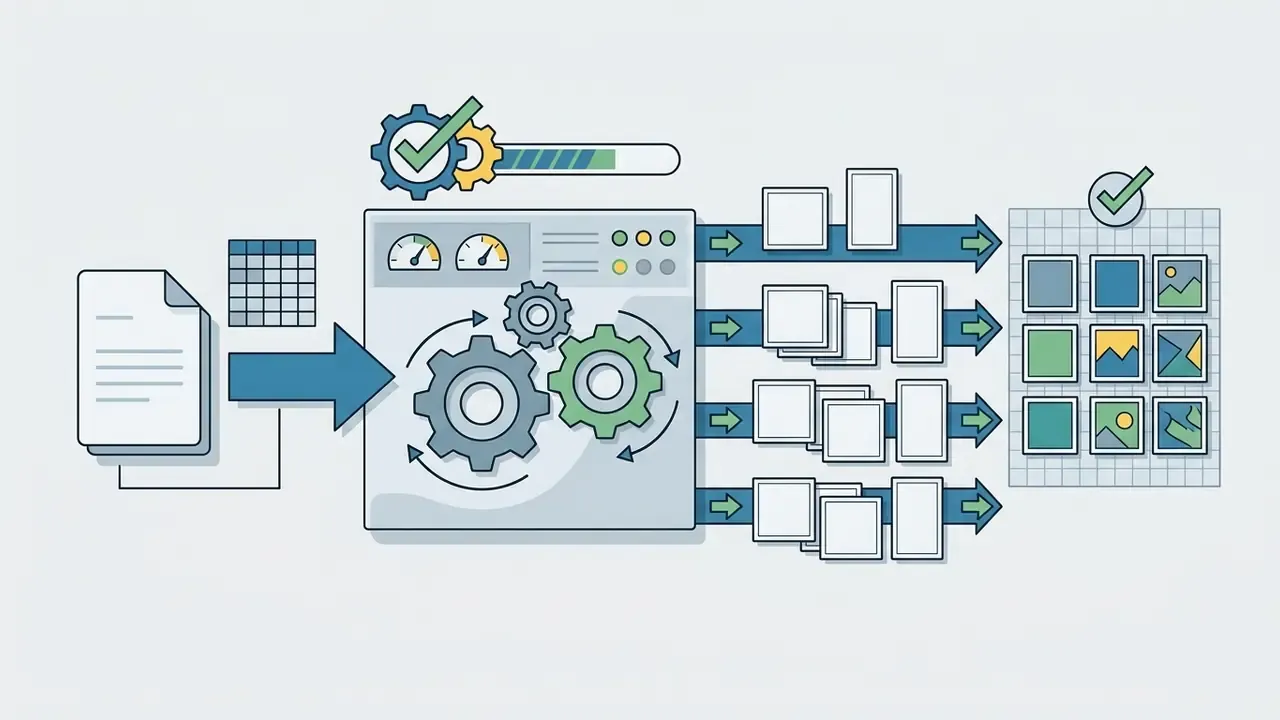
Hitting generate triggers the network to synthesize several candidate portraits from your uploads and parameters. Produce at least twenty to forty options so you can compare small differences in expression, eye alignment, and edge rendering.
Once you settle on a candidate, use the editor for minor cropping, lighting balance, or background removal. Check hairline, ears, and background boundary for artificial blur or blending glitches before download. Published artifact-inspection guidance recommends checking hands, gaze direction, teeth, jewelry, glasses frames, and any embedded text, since those regions fail first. The Saudi Data and AI Authority's 2024 deepfake guidelines specifically flag lighting inconsistencies, skin-tone shifts, and edge blending at the hairline and ears. To weigh several AI generation and editing solutions side by side, view the guide for an independent analysis of market options.
AI Profile Picture Styles for Social Media, Business, and Personal Profiles
Every platform sets its own visual expectations for avatars. Choosing the right style in an ai for profile pictures tool keeps you inside platform norms while staying legible in a tiny thumbnail.
Professional Profile Pictures for Business, CV, and Email
An ai business profile picture free output, or its premium equivalent, has to project competence and approachability on LinkedIn, corporate sites, and email signatures. Official LinkedIn photo recommendations call for clear head-and-shoulders framing, soft natural lighting, and a simple uncluttered backdrop, with the face filling roughly 60% of the frame.
Why the asset is worth the effort. Profile analytics tie image quality to reach with unusual consistency: a high-quality professional avatar is associated with up to 14× more profile views on business networks and roughly 36× more profile interactions, with vendors reporting 146% more engagement and stronger inbound lead flow. On dating platforms such as Tinder and Bumble, an optimized AI photo has been reported to lift match rate by as much as 146% through studio-style lighting and sharp focus on the eyes. Vendor-reported, again. Directional rather than audited.
Professional headshots need sharp focus on the eyes, balanced contrast, and attire suited to the sector. Navy or charcoal blazer for finance and legal, clean crew neck or open collar for engineering and product roles.
Creative PFPs: Anime, Gaming, and Community Profiles
Creative avatars for Discord, gaming channels, and online communities lean on stylized generative models: anime, 3D digital art, cyberpunk, digital line art. These styles let people hold on to a degree of privacy while still presenting a distinct visual persona.
Discord's official documentation on custom profiles and server avatars (https://support.discord.com/) specifies square uploads in PNG, JPG, or GIF that render as circles in chat, and its Community Guidelines prohibit explicit imagery in avatars, banners, and server icons. Stylized avatars benefit from bold outlines, saturated contrast, and a clear facial silhouette that stays readable at thumbnail size in dark mode.
AI PFPs for Dating, Business Cards, and Streaming (Tinder, Twitch, Steam, Slack)
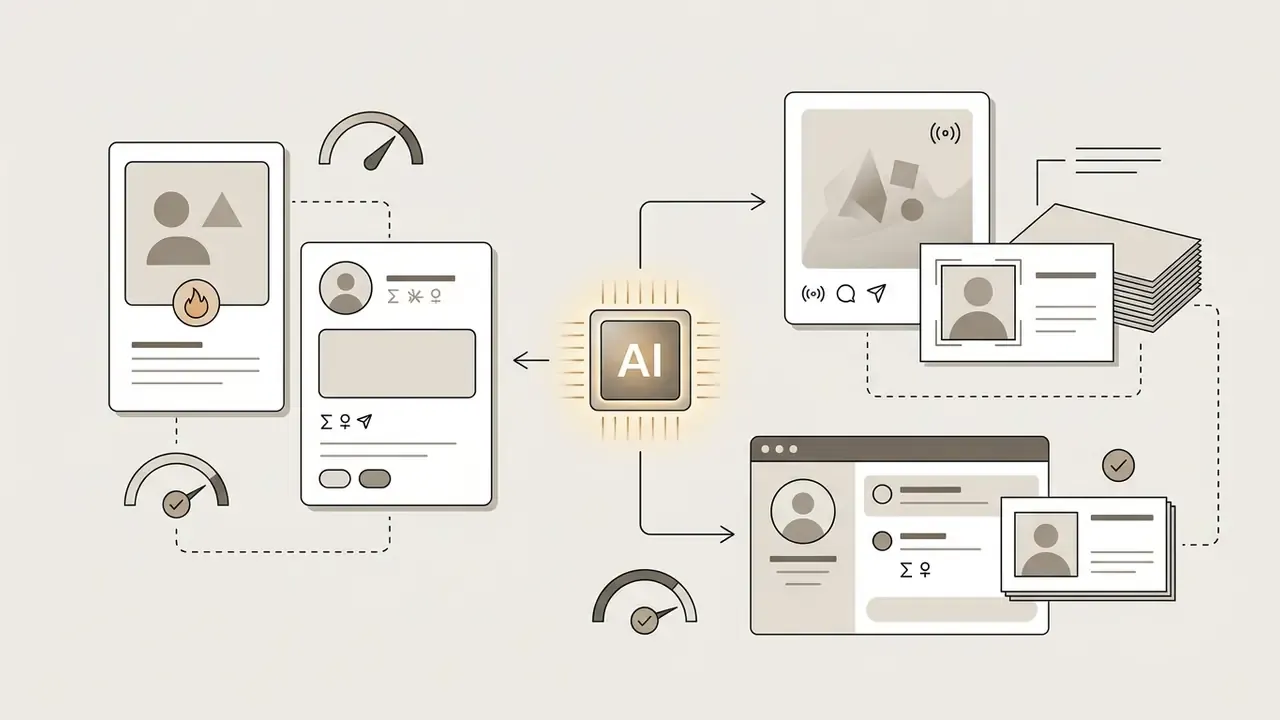
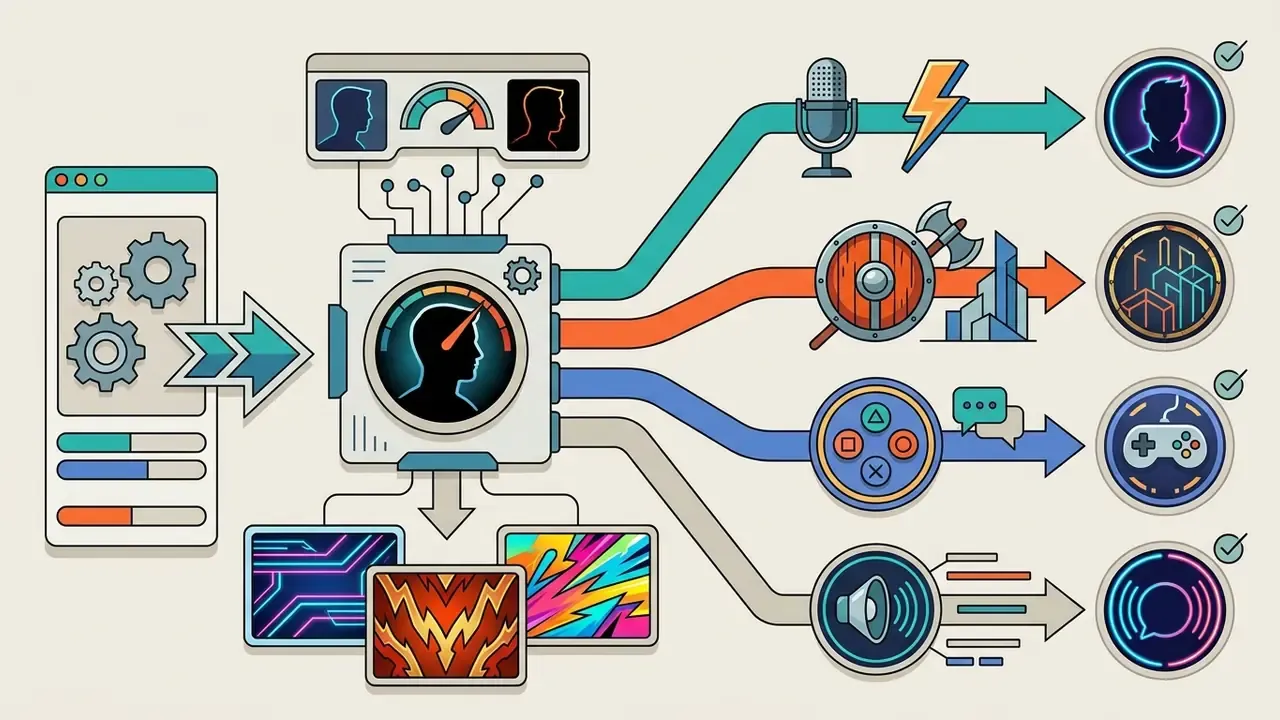
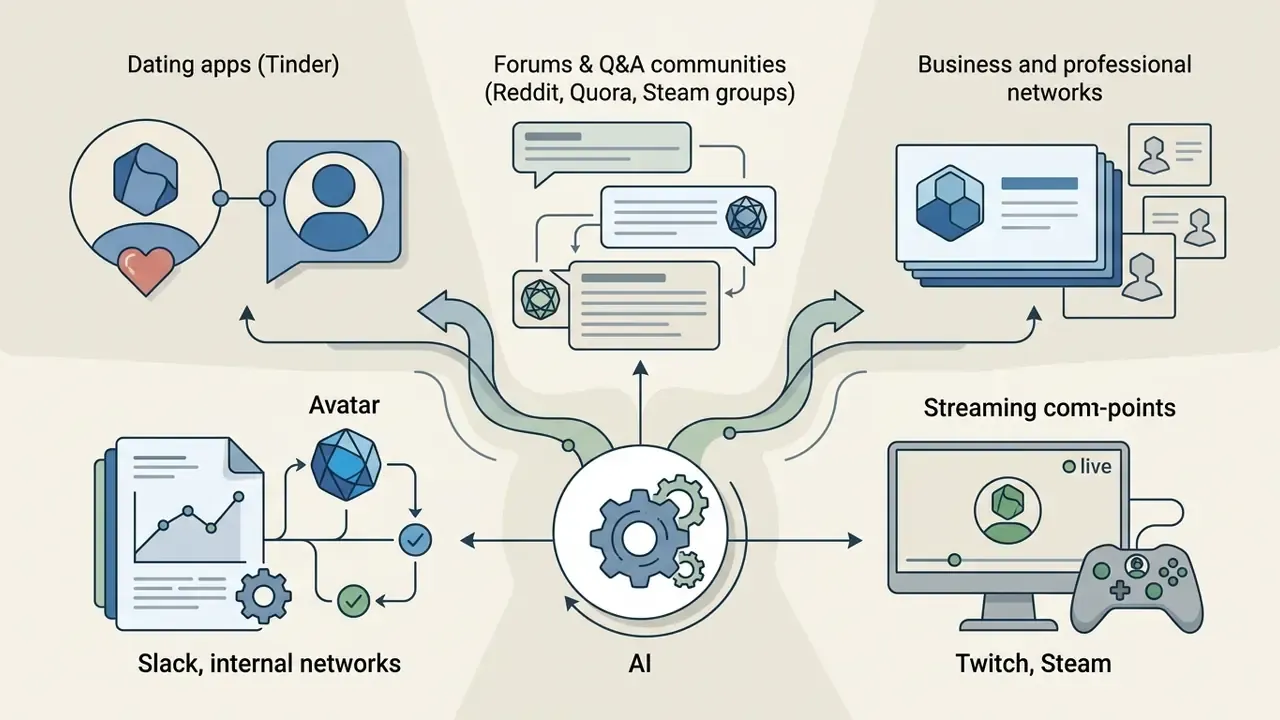
How to Improve an Existing Profile Photo with AI
Rather than building a face from scratch, an ai enhance profile picture system reworks an existing photograph: lighting updated, background distractions removed, facial detail sharpened, core identity features untouched.
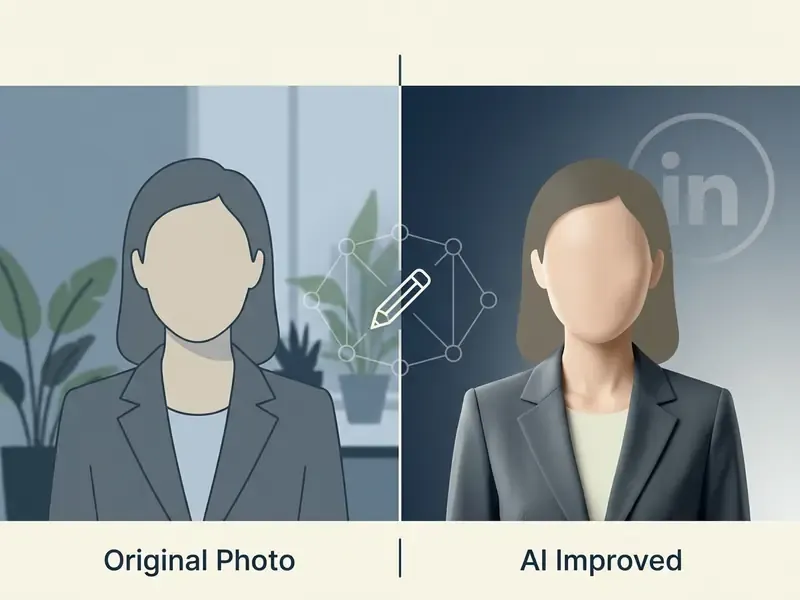
Before: original photo with cluttered background, low resolution, uneven shadows. After: enhanced photo with neutral background, studio lighting, sharp facial focus. In the original frame, background clutter and harsh side lighting pull attention away from the subject. After processing, background removal isolates the subject while generative illumination evens exposure across facial contours.
Remove the Background and Build a Clean Professional Portrait
Background removal tools use semantic segmentation networks to separate the subject silhouette from a busy scene. That lets you swap a casual room for a clean studio backdrop in seconds.
Academic evaluations of segmentation tools note a persistent limit: modern matting algorithms isolate the subject cleanly, yet fine hair strands and transparent glasses edges still need a manual look. A 2019 study on hair segmentation described commercial removers as mostly accurate while leaving cloudiness along hair edges.
Once isolated, the subject can sit on a neutral gradient or an office texture, then export as a transparent PNG for reuse in signature blocks, decks, and directory pages. Teams producing matching video assets under the same brand identity can review a YouTube video editing workflow for consistent thumbnails and channel art.
Improve Quality, Face Detail, and Resolution
An ai image generator for profile picture suite normally bundles facial restoration and super-resolution models that recover detail from compressed or low-light sources. They correct exposure, balance skin tones, and clean up eye clarity. For heavy upscaling of legacy files, a dedicated AI image upscaler usually beats the generator's built-in slider.
Frameworks such as IC-FSRNet split lighting restoration from structural detail enhancement during face upscaling, with a second-stage detail network (DENet) rebuilding facial micro-texture. Parallel 2024–2025 work, including LFSRNet and joint low-light enhancement with super-resolution, optimizes both tasks end to end. Two-stage networks like these raise pixel density without the texture smoothing that produces an unnatural plastic look.
Practical rule: cap skin-smoothing strength around 30–40% and confirm pores stay visible at 100% zoom. Retouching research such as AutoRetouch demonstrated professional-grade correction in under two seconds while explicitly preserving skin texture and distinctive features. Texture preservation, not removal, is the quality signal here.
Privacy, Policy, and Commercial Use of AI-Generated Profile Pictures
Biometric and Privacy Risk Matrix
| Regime / Risk | Trigger | Control required |
|---|---|---|
| Illinois BIPA | Collecting a face template or scan of face geometry from an Illinois resident | Written notice plus written release before collection; published retention and destruction schedule; no sale of biometric identifiers |
| Texas CUBI / Washington MY Health My Data-style statutes | Capture of biometric identifiers for a commercial purpose | Consent before capture; destruction within the statutory window |
| CCPA / CPRA (California) | Biometric information as "sensitive personal information" | Notice at collection, purpose limitation, right to limit use, opt-out of sale or sharing |
| GDPR Art. 9 (EU/EEA) | Biometric data processed for unique identification | Explicit consent or another Art. 9 basis; DPIA; processor DPA; transfer mechanism such as SCCs |
| Right of publicity (US state law) | Commercial use of an identifiable likeness | Signed likeness release with defined scope, media, territory, and term |
| Shadow AI | Employees uploading selfies to unvetted consumer sites | Approved-tool list, DLP rules on image upload, awareness training, sanctioned internal path |
| Model training leakage | Vendor reuses uploads for public training sets | Contractual no-training clause plus technical opt-out confirmation |
| Transparency obligations | Publishing synthetic imagery in regulated advertising | Clear AI disclosure, machine-readable marking, provenance metadata such as C2PA |
EU materials reinforce the transparency layer. The Code of Practice on transparency expects machine-readable marking of AI-generated images, and the EDPS-linked joint statement on AI-generated imagery highlights the risk of producing realistic images of identifiable individuals without consent, calling for safeguards, meaningful transparency, and rapid removal mechanisms. Australia's OAIC guidance goes further still: AI-generated or inferred images about a reasonably identifiable person are personal information, and generating them counts as a collection event in its own right.
What to Check in the Policy Before Uploading a Personal Photo
Before feeding personal selfies into an ai my profile picture tool, read the terms on facial data storage and model-training permissions. The provider should commit explicitly to not selling facial vectors and not using uploads for public training sets.
Reputable services state retention windows in writing, and the published windows vary a lot. Some delete uploads immediately after batch generation, others hold them for 30 days after processing or 90 days after purchase, while identity-verification vendors may keep source images and biometric data for up to three years after last interaction. Treat any undocumented window as an unresolved finding, not a minor gap.
Verified 2026 policy language also splits on classification. Some vendors say face data may qualify as biometric data but is used only to enhance images, never to identify or authenticate a person. Others argue uploads are ordinary image data because no unique-identification step occurs. Ask whether the vendor can produce full compliance documentation: SOC 2 Type II report, penetration-test summary, subprocessor list, breach-notification timeline. Readers looking for guidance on legal and compliance topics can compare options on disclosures and terms.
Can You Use an AI-Generated Profile Picture for Business Purposes?
Using synthetic headshots commercially, on corporate sites, in email signatures, across promotional media, is permitted under paid commercial licenses. State right-of-publicity statutes still regulate unauthorized commercial exploitation of an individual's likeness, so the license alone is not the whole answer.
U.S. Copyright Office guidance is clear that fully automated synthetic images generated without human creative input do not receive copyright protection. Companies do retain commercial usage rights granted through platform terms of service. See the practical scope of commercial use for AI image generators and how vendor terms split ownership from license.
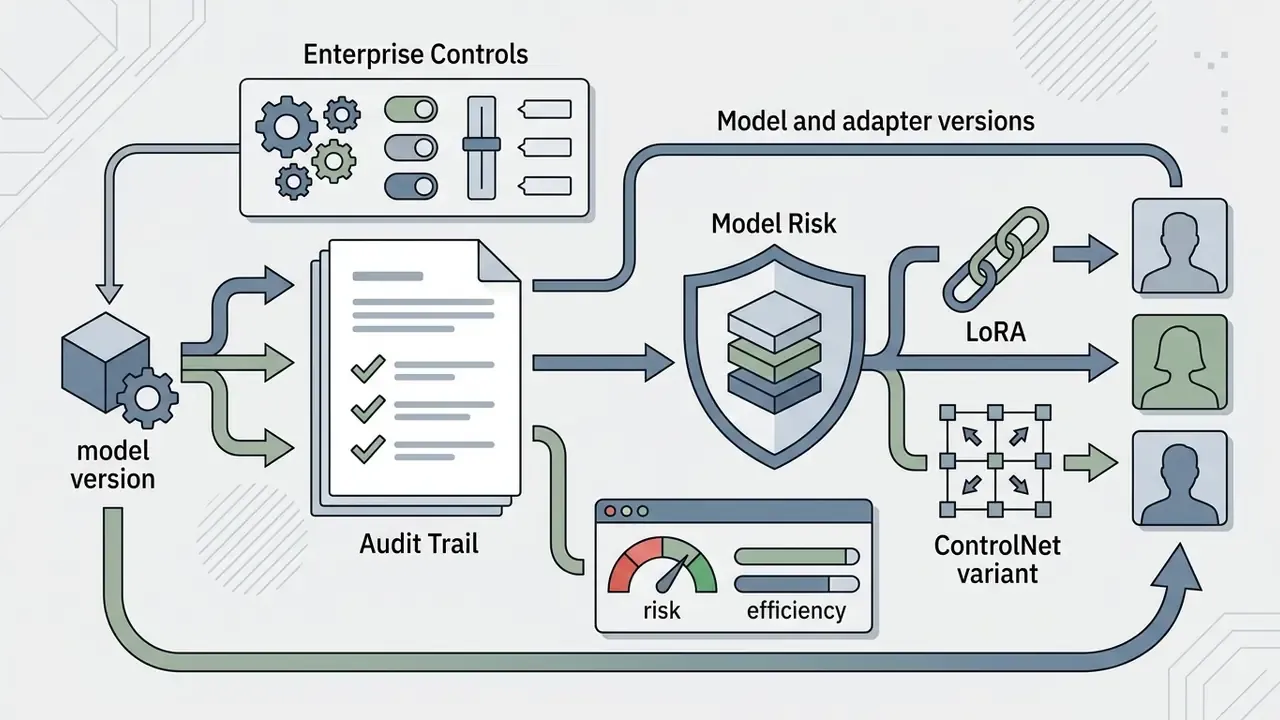
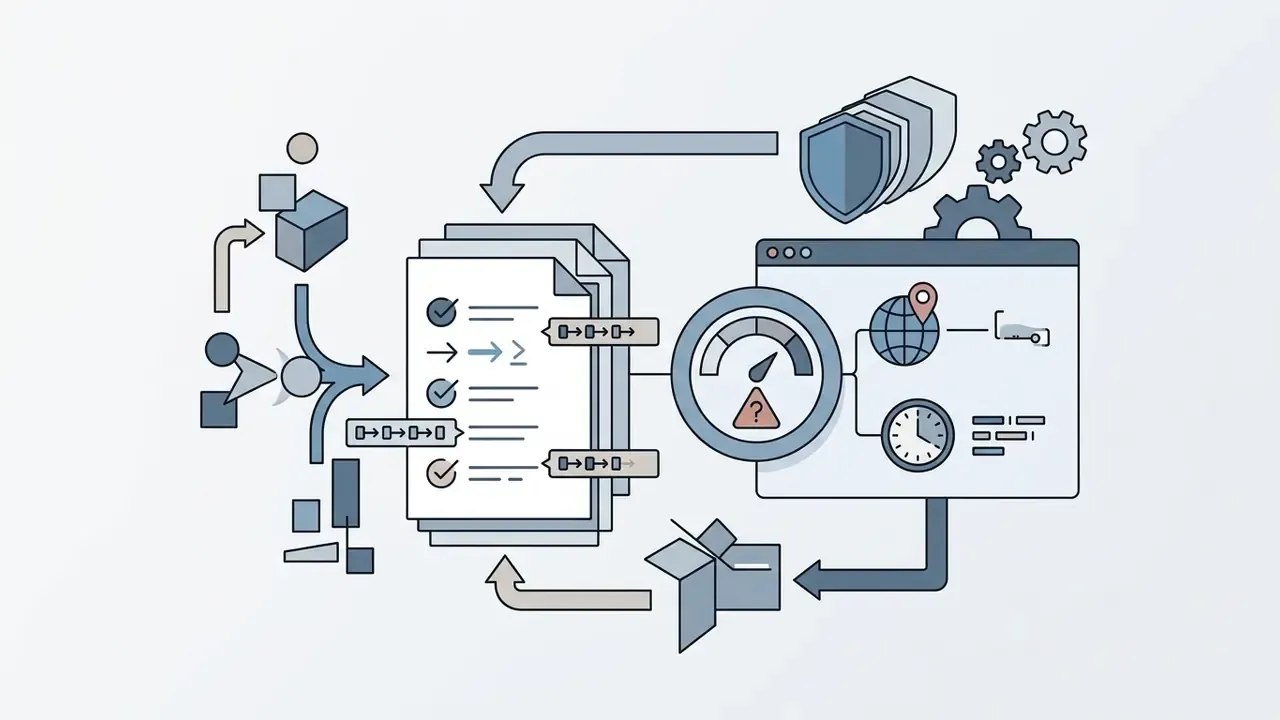
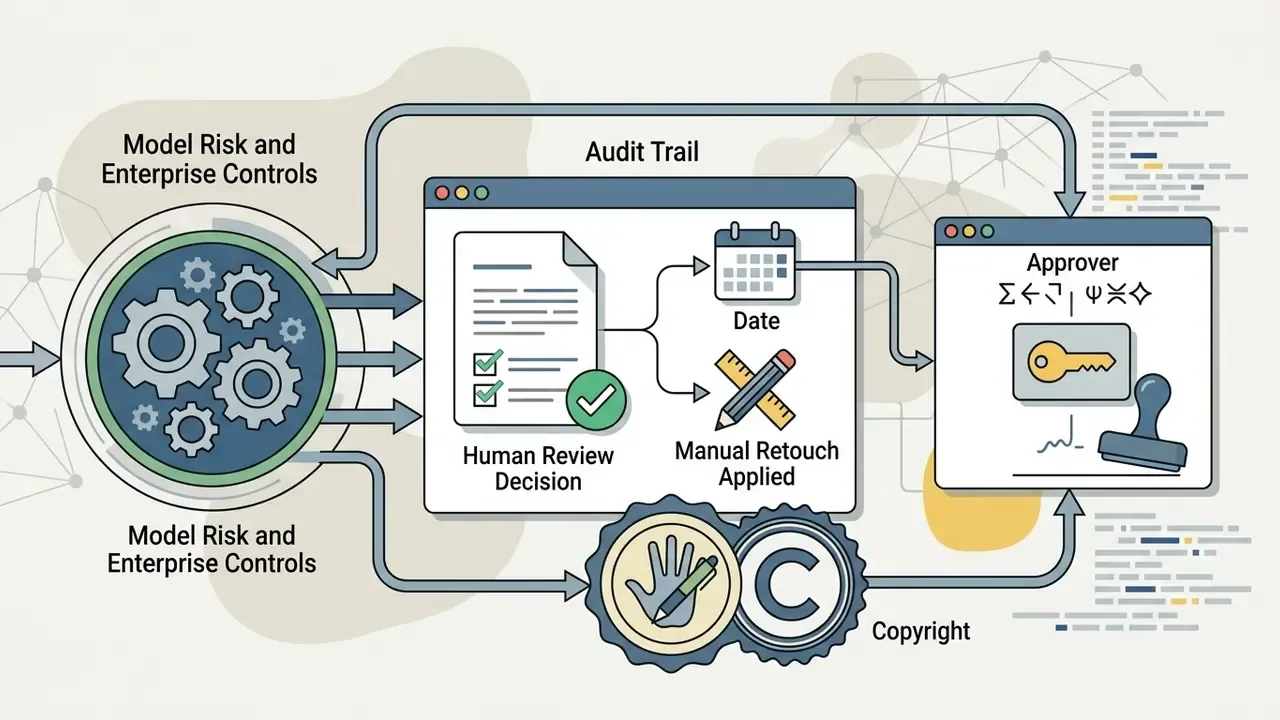
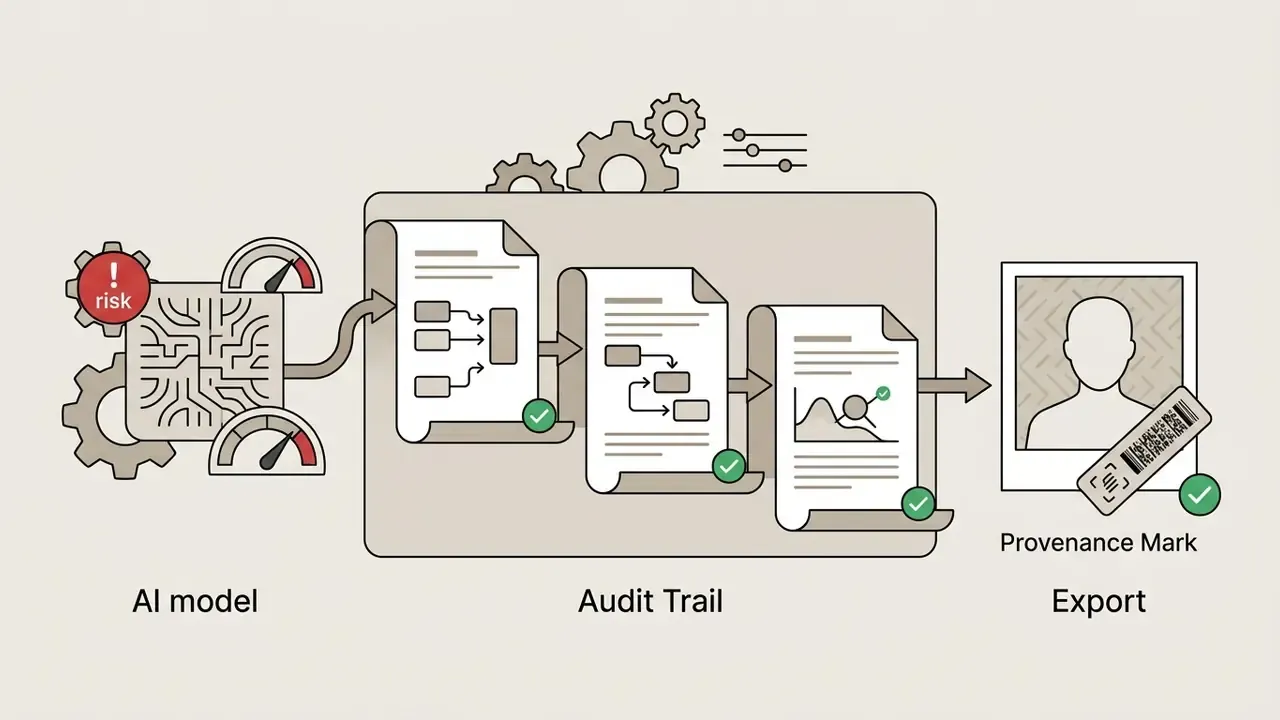
Audit Trail, Model Risk, and Enterprise Controls
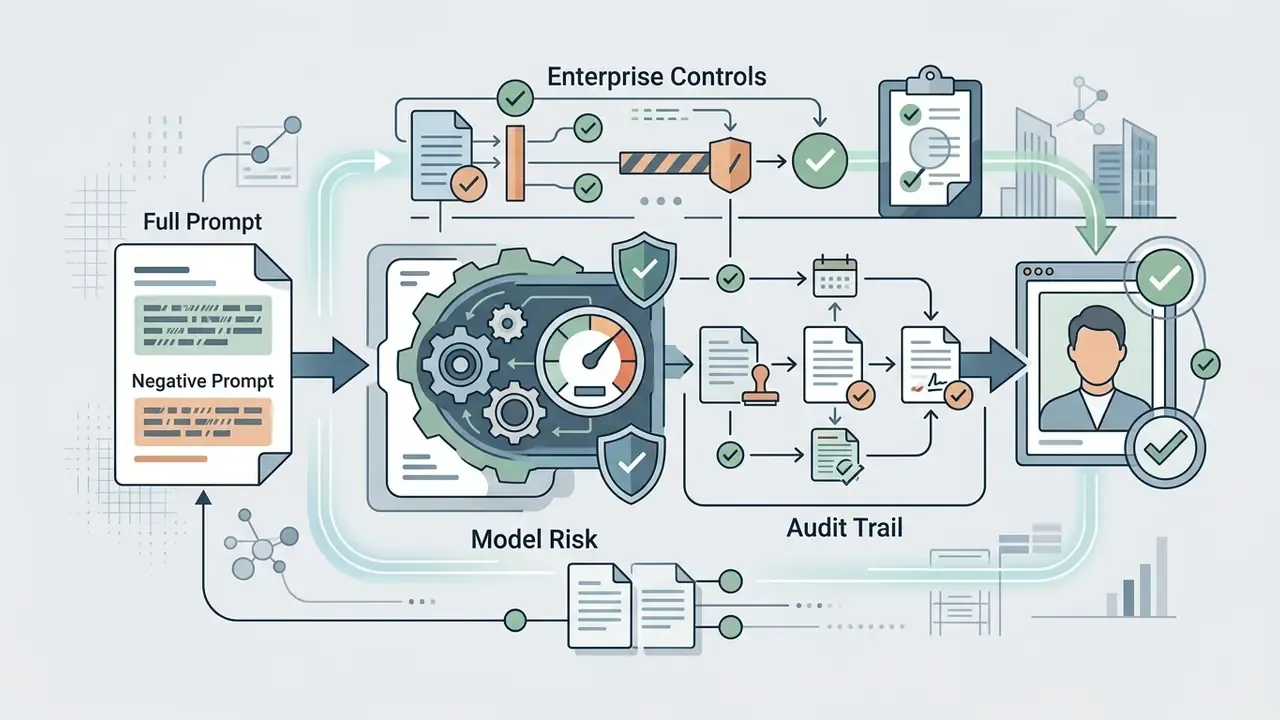
Regulated organizations cannot file avatar generation under "design task". It is a model-assisted process that produces published, identity-bearing assets. Reproducibility is the core control.
NIST's Generative AI Profile (NIST AI 600-1, July 2024) frames the governance expectation for these systems, including monitoring generated content for exposure of personal or sensitive data. NIST's synthetic-content overview (NIST AI 100-4) notes that metadata or watermarks can be attached at generation time, which is the cheapest moment to do it. Standards bodies elsewhere echo the same design: Australia's AI technical standard expects generated media to carry watermarks and provenance metadata for authorship.
Evidence pack for internal audit or MRM review: vendor security attestation; DPA with no-training clause; consent register; retention and deletion logs; a representative bias test across demographic groups; a sample of 20 generation records with full metadata; and the disclosure policy applied to published assets. Quality can be reported quantitatively, using identity similarity (CSIM), perceptual distance (LPIPS), SSIM, and FID. The caveat from 2024–2025 surveys still holds: no single metric is sufficient, and human review remains mandatory.
Shadow AI control. The largest realistic exposure is not the approved vendor. It is an employee uploading a selfie and a badge photo to an unvetted consumer site on a Friday afternoon. Mitigate with an approved-tool allowlist, DLP rules that flag image uploads to unclassified domains, a sanctioned internal generation path that is genuinely faster than the shadow route, and periodic reminders that biometric consent obligations follow the data, not the tool. Speed beats policy posters, in my experience of these rollouts.
Limitations and Open Questions
A few things this guide cannot settle, and honesty is cheaper than confidence here.
First, the engagement multipliers cited above come from vendor and platform marketing, not peer-reviewed studies with controls. They point in a plausible direction, though the effect size for any single profile is unknown. Second, BIPA exposure for pure enhancement workflows has not been fully resolved by courts, so counsel should decide your posture rather than a blog. Third, detector reliability moves fast in both directions: today's forensic signature may vanish with the next checkpoint release, which weakens any control that depends solely on downstream detection. Fourth, bias audit methodology for face generation remains immature, and small internal samples will flatter almost any vendor.
Sensible next step, no drama required: run a scoped pilot on twenty volunteers across visibly different demographics, keep full generation metadata, and review the results with privacy and audit in the room before you scale to the whole directory.
FAQ About AI Profile Picture Generators
What does PFP mean?
PFP is the standard online acronym for profile picture, the primary avatar image tied to a user account on social networks, messaging apps, and forums.
In some communities PFP occasionally reads as "picture for proof", but the dominant meaning across platforms is profile picture. The PFP anchors a user's digital identity across chat feeds and public posts, and it is the first visual element other people notice next to a username.
Which photos and image formats work for generation?
Most modern ai free profile picture generator tools accept JPEG, PNG, WEBP, and HEIC, with maximum upload sizes between 7 MB and 20 MB per file. Consumer platforms in the 2026 sample published limits from 5 MB up to 25 MB.
Source photos should be at least 512×512 pixels, and 1152×1152 or higher is better, with clear frontal lighting and unobstructed facial features. Skip heavily compressed snapshots, group shots, and images where a hat or dark sunglasses hide the face.
How long does generation take, and what are the file limits?
Average processing time is 10–15 seconds per image on current production platforms, and a batch of 40 portraits usually finishes in a few minutes. Platforms accept JPG, PNG, WEBP, and HEIC up to 10–25 MB. Privacy-forward vendors delete raw source selfies within 24 hours, though contractual windows across the market run from immediate deletion to 90 days. Confirm the figure in the DPA, not the marketing page.
Can I create several AI profile pictures from a single photo?
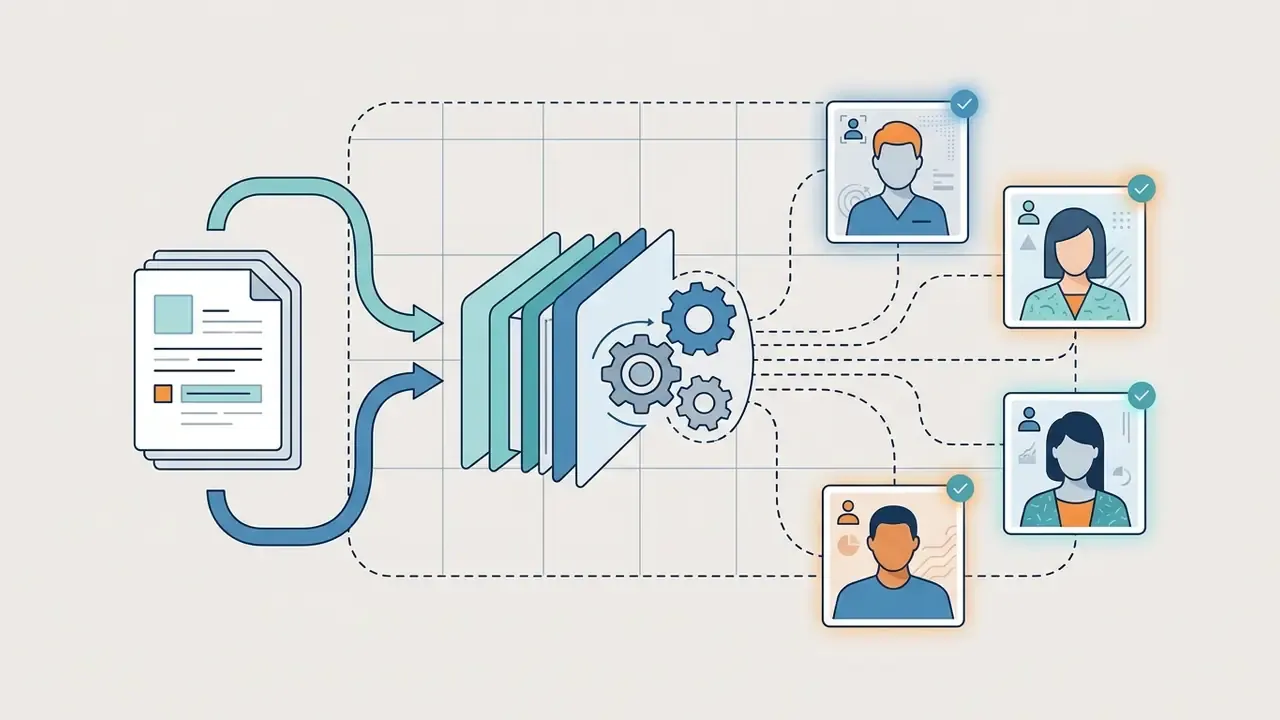
Yes. An ai photo generator for profile picture platform can synthesize dozens of distinct variations from one reference photo using diffusion conditioning and latent attribute manipulation. Research from 2023–2025 shows single-image pipelines achieving this through identity-preserving latent alignment, score distillation, disentangled attribute control, and synthetic augmentation.
These systems vary lighting angle, background scene, clothing, and subtle expression while holding core identity steady. From one input file you can build tailored sets for LinkedIn, Instagram, Discord, and a personal blog.
«Researchers estimate that between 0.021% and 0.044% of active Twitter users deployed GAN-generated avatars, roughly 10,000 active accounts daily.» Yang, Singh & Menczer, Journal of Online Trust and Safety, 2024. https://journaloftrustandsafety.org/trust-and-safety/article/view/yang2024
Does the vendor need to be SOC 2 Type II certified?
For any deployment touching employee or customer photos, yes. A current SOC 2 Type II report, or ISO/IEC 27001 certification with a scoped statement of applicability, is the practical minimum, because it evidences operating effectiveness of controls over time rather than design at a single moment. Request the report under NDA, read the exceptions in the auditor's opinion, and confirm the scope actually covers the image-generation environment rather than only the corporate website.
What must the DPA say about training on our images?
Three clauses matter. One: the processor will not use customer uploads or outputs to train, fine-tune, or evaluate any model beyond delivering the contracted service. Two: a defined deletion window for raw uploads, with deletion certificates on request. Three: a complete subprocessor list with notice before changes. Add regional data residency and an SLA on breach notification. Without clause one in writing, a marketing-page promise is not an enforceable control.
Does BIPA apply if we only generate headshots and never identify anyone?
It depends on whether a scan of face geometry is created. Several vendors argue their processing is ordinary image editing because no biometric template is used to uniquely identify a person. Others acknowledge face data may fall inside biometric definitions and restrict its use to enhancement. Since BIPA's notice-and-written-release duty attaches at collection, the defensible posture is to obtain a written release, publish a retention and destruction schedule, and walk away from any vendor that cannot state in writing whether a face template is created.
Who owns the generated corporate headshot?
Ownership and copyright are separate questions. The vendor's commercial license governs your right to publish, reproduce, and distribute the image. Copyright in a purely AI-generated image does not exist under current U.S. Copyright Office guidance; protectable authorship arises only from human contributions such as selection, arrangement, and manual retouching. On top of that, the depicted employee keeps right-of-publicity interests, so a likeness release scoped to media, territory, and term should travel with any external campaign use.
Additional Developer and System Hubs
To explore additional tools and integration guides across the platform, review these resources:
- For developers implementing API endpoints, open the hub to inspect documentation and integration limits.
- For account management or technical inquiries, view the guide for system walkthroughs.
- For interactive ROI and TCO tools, open the hub to model cost structures including control costs.
- For professional portrait tooling specifically, review the AI headshot generator guide covering portrait quality, privacy, and licensing.
- For model-level comparisons before procurement, evaluate Midjourney versus competing image generators on quality, controls, and rights.
- For general system overviews and feature comparisons across the whole platform, compare options in the central hub directory.
Appendix A: Revision Notes (Superseded Wording Retained for Transparency)
- Superseded (recruiter statistic)
- "According to a 2024 recruiter preference survey conducted by Ringover, 76.5% of evaluated hiring professionals preferred high-quality AI-generated headshots over informal personal photos when unware of their synthetic origin." Replaced in the main text with the sourced version including sample size (1,087 recruiters), the 39.5% correct-identification figure, corrected spelling, and a direct URL.
- Superseded (copyright statement)
- "The U.S. Copyright Office explicitly states that purely AI-generated visual content lacking human creative input cannot be copyrighted." Retained in substance and updated in the main text with a direct citation to https://www.copyright.gov/ai/.
- Superseded (pose requirement)
- the original unsourced NIST reference to five degrees of pitch and yaw is retained above in updated form with a link to the NIST Face Technology Evaluations program page.
- Superseded (retention claim)
- "Reputable services state their data retention windows clearly, retaining raw uploaded photos for thirty days or deleting them immediately upon batch generation." Retained and expanded with the documented market range, from immediate deletion to 90 days, and up to three years for identity-verification vendors, since retention varies by vendor and requires contractual verification.
- Removed internal links
- unrelated glossary anchors (ASCII art text generator, baby name generator, AVS video editor, auto video editor, ask AI with picture, automatic photo editor online free) were replaced with topically relevant destinations covering photo editing, headshot generation, upscaling, enhancement, image detection, and commercial-use frameworks.