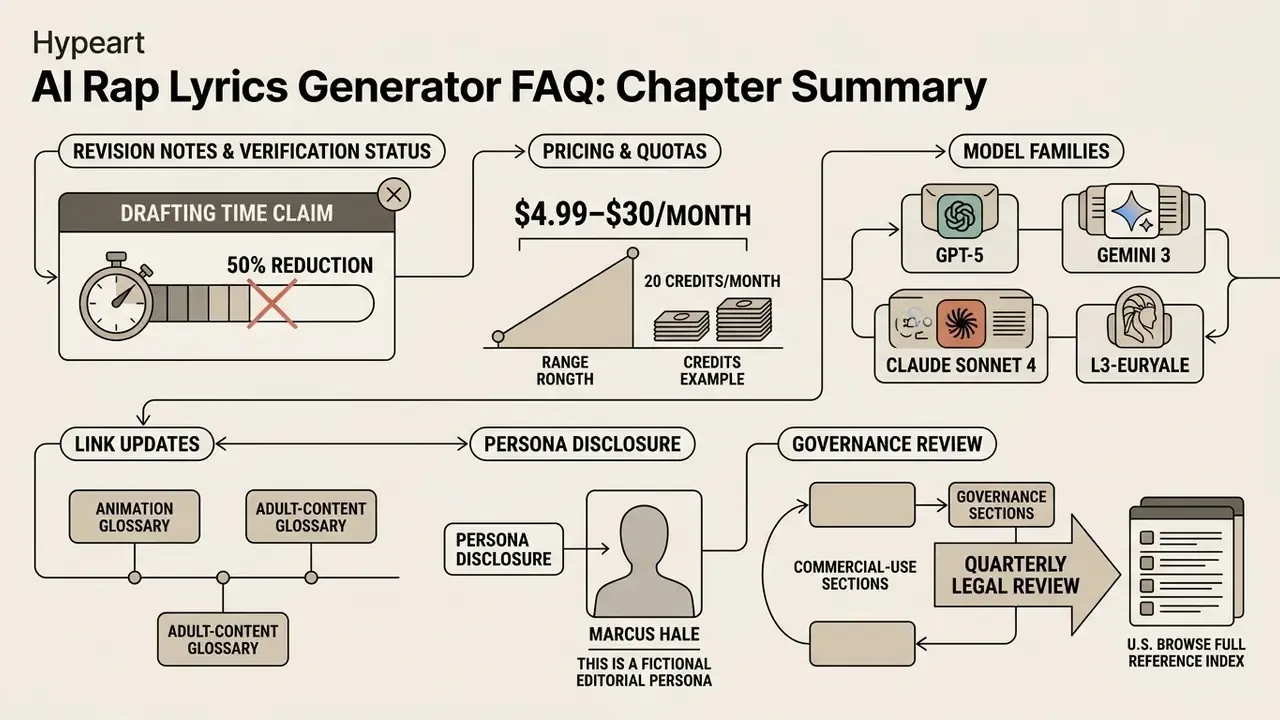
Last updated: February 2026 (legal, pricing, and model-availability sections are reviewed quarterly, because AI copyright guidance keeps shifting).
An ai rap lyrics generator gives artists, producers, and songwriters an automated way to draft verses, hooks, and freestyle bars. Using natural language processing and phonetic mapping, an ai generator rap lyrics tool converts thematic prompts into rhymed, measure-aligned text. Learning how to configure style parameters, cap bar counts, and run human-in-the-loop editing is what turns a machine draft into an original, commercially usable track.
One more thing worth saying up front. Ownership, licensing, and prompt-data handling decide more here than raw output quality does.
Ten-Second Summary
- What it does: Converts a topic, style, mood, and bar count into structured rap text: bars, verses, hooks, bridges, intros, and outros. It does not produce beats or vocals. That needs a separate audio engine.
- How to get quality output: Give a concrete scenario, 3–5 keywords, and an explicit point of view. Then run a two-pass human rewrite (pass 1 = syllable and beat fit, pass 2 = punchline and slang polish).
- Engine controls that matter: model selection (high-reasoning, natural-flow, or unfiltered), slang density (Formal / Casual / Heavy), rhyme scheme (AABB, ABAB, internal, multisyllabic), verse length (8/16/32 bars), and language (18+ supported in leading tools).
- Legal reality: Under U.S. Copyright Office guidance, raw machine-generated text is not copyrightable. Only substantial human contribution is protectable, and AI-generated portions must be disclaimed on registration.
- Enterprise reality: Public lyric generators are a Shadow AI vector, since prompts may be retained or reused for training. Log prompts, version drafts, and route usage through approved tooling if you operate under model-risk governance.
What Is an AI Rap Lyrics Generator?
An ai rap lyrics generator is a text-focused tool built to generate rap-style language: single bars, multi-measure verses, repetitive hooks, and full song scripts, all driven by inputs such as topic, mood, and genre. Unlike an end-to-end production suite, a text-based lyric engine works strictly inside written language, structural organization, and phonetic rhyme patterns.
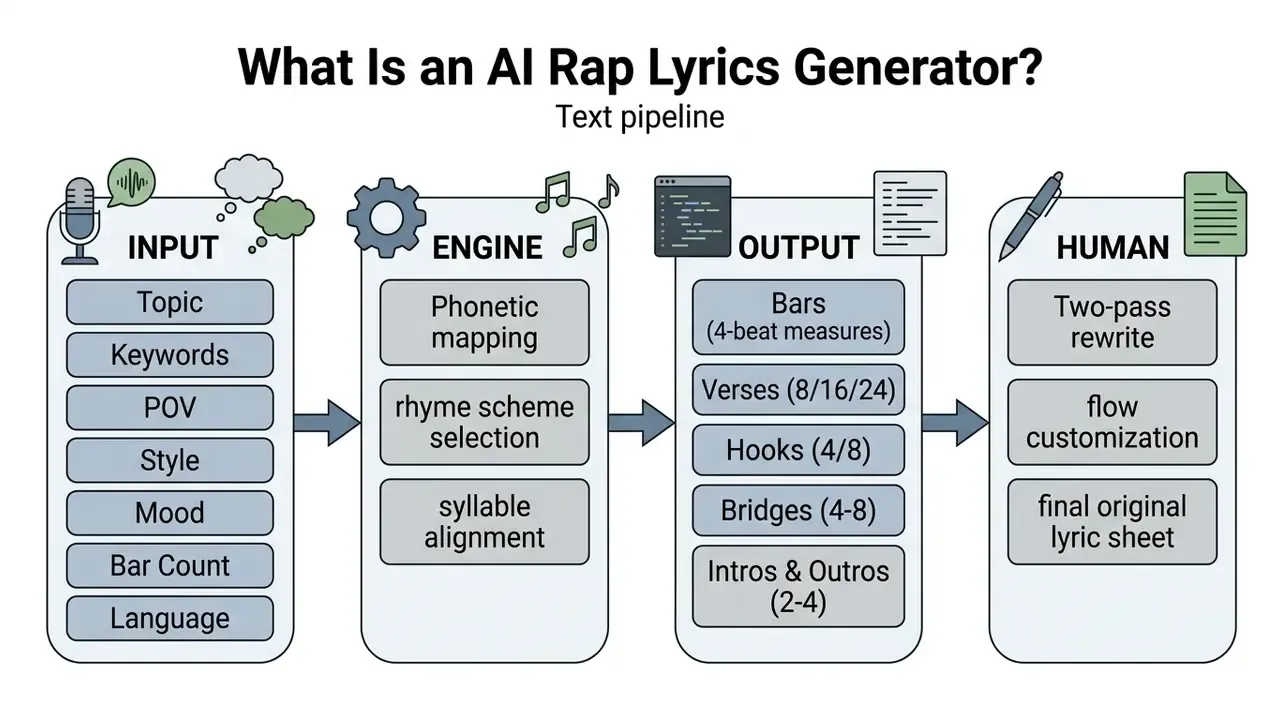
Audio rendering, meaning beat production, synthesized vocals, and mixing, happens outside this pipeline in a separate full-song engine. That separation is exactly what preserves creative control and copyrightability (see the comparison table below).
By focusing on textual mechanics, an ai lyric generator rap system helps writers push past writer's block, test alternative rhyme schemes, and shape narrative ideas before they step into the booth. A related benefit gets overlooked: the text stage is cheap to iterate. Ten drafts of a verse cost seconds, while ten audio renders cost minutes and credits.
AI-generated lyrics, bars, verses and hooks
AI-generated rap lyrics arrive in distinct structural units that mirror standard hip-hop composition:
- Bars A bar is one measure of music in 4/4 time. Rappers use bar counts to measure line length and rhythmic phrasing.
- Verses The main storytelling section, typically 8, 16, or 24 bars. A 16-bar verse remains the baseline across modern subgenres, while 12-bar and 32-bar variants show up in newer releases and extended technical showcases.
- Hooks The repeated chorus, usually 4 or 8 bars, designed to carry the core theme and provide melodic contrast against the verses.
- Bridges A 4-to-8 bar transitional section placed between the second hook and the final verse or hook. The bridge deliberately breaks the established metric by shifting rhyme scheme, tempo feel, or narrative perspective, which resets listener attention before the payoff.
- Intros & Outros Structural bookends, typically 2 to 4 bars each. Intros set up atmospheric spoken-word or ad-lib openings; outros deliver cadence resolution, a repeated tag line, or a fade-out.
- Refrains A shorter repeated line or couplet that recurs inside verses rather than standing alone as a chorus. Refrains work as a low-cost memorability device when a track has no full hook.
Technical frameworks such as Raply and Lyra show that modern language models can enforce bar boundaries and multisyllabic rhyme schemes by scoring phonetic density and syllable counts across line pairings.
«Raply achieves statistically significant improvements in rhyme generation while simultaneously reducing profanity compared with baseline language models.»
«The system generates melody-conditioned lyrics without paired training data, aligning syllable counts and stress positions to musical phrasing.» — Lyra: Unsupervised Melody-Conditioned Lyrics Generation (2025)
Choosing whether to generate one quatrain of quick bars, an 8-bar verse segment, a bridge, or a complete lyric sheet lets creators match the output to their current drafting phase.
Lyrics generator vs AI rap song generator
A specialized lyrics generator rap engine produces written text and structural markers. An AI rap song generator produces a finished audio recording with beats, instrumentation, and synthesized AI vocals. Different products, different rights profile.
| Feature / Dimension | AI Rap Lyrics Generator | AI Rap Song Generator |
|---|---|---|
| Primary Output | Text (Bars, Verses, Hooks) | Audio File (WAV, MP3, Stems) |
| Vocal Performance | Requires Human Vocal Delivery | Synthesized AI Voice |
| Instrumental Track | None (User provides beat) | AI-Generated Beat / Instrumental |
| Human Creative Control | High (Line-by-line editing) | Low (Pre-rendered audio output) |
| Typical Turnaround | Seconds per draft; unlimited rewrites | 1–5 minutes per render, limited edit points |
| US Copyright Potential | High (When substantially edited) | Limited or none (Pure AI audio) |
For creators who care about authentic vocal delivery and custom production, keeping lyric generation separate from audio rendering protects artistic flexibility and supports copyrightability under current standards. Creators weighing broader media options can review AI Media Pricing Guides and AI Media Support and Troubleshooting for workflow integration requirements, or compare synthetic vocal options in the guide to AI voice generators.
How to Use an AI Rap Lyric Generator
Using an ai rap lyric generator well means working iteratively: broad concept first, precise line editing last.
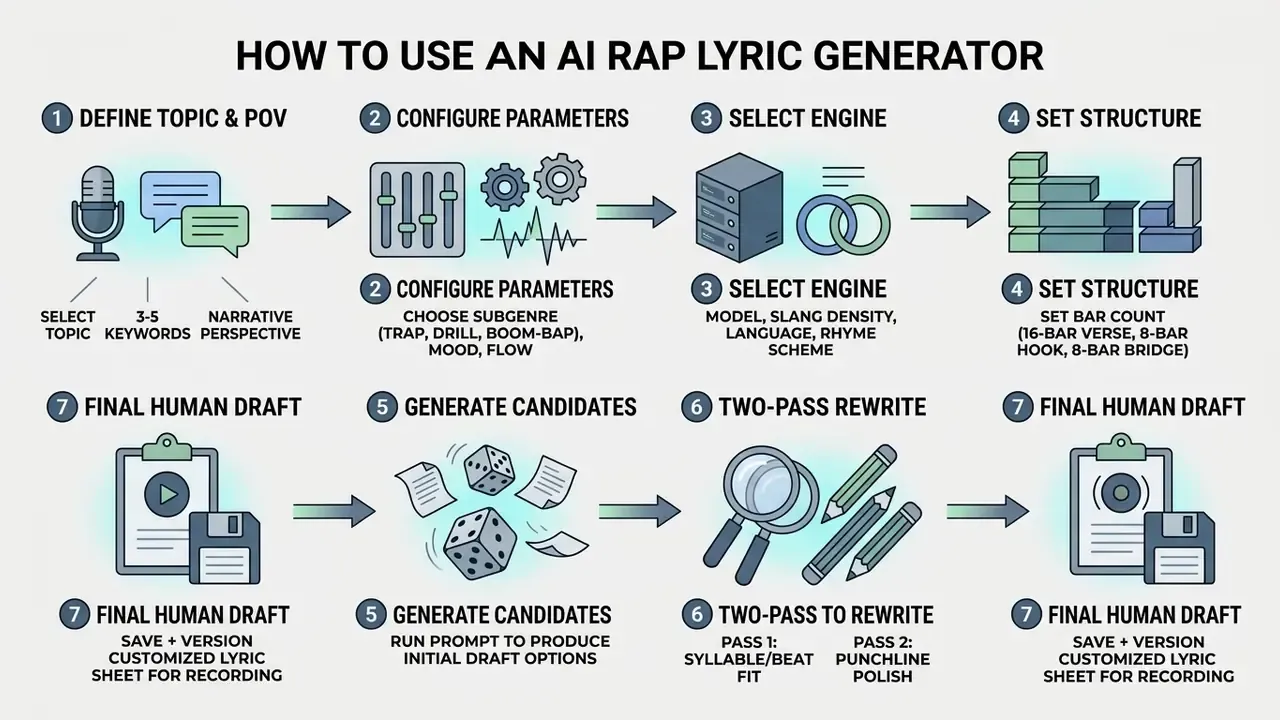
Step-by-Step Workflow Description
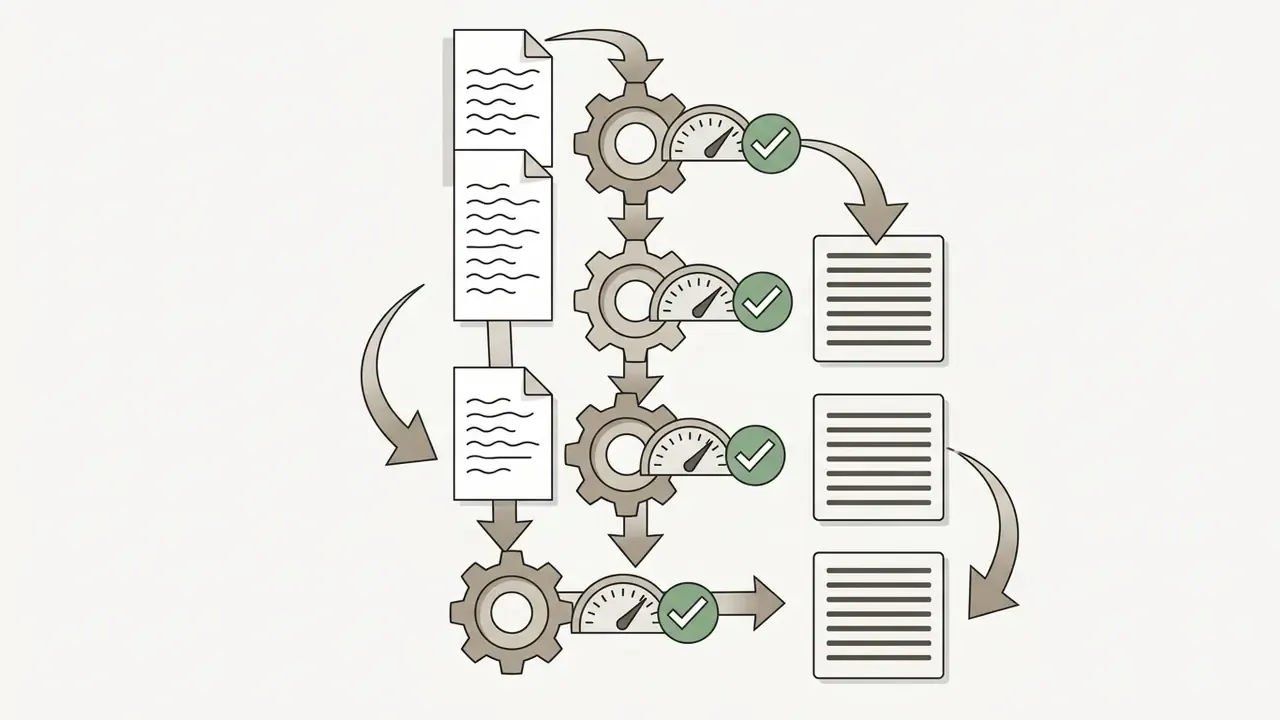
- First pass: Adjust syllable counts to match your beat pocket and cadence.
- Second pass: Swap generic terms for specific slang, raise rhyme density, sharpen punchlines.
- Define concept and POV: Fix the central message, pick three to five concrete keywords, and set the point of view (first, second, or third person).
- Configure subgenre and mood: Choose a target style such as trap, drill, or boom-bap, then set an emotional register (aggressive, reflective, confident).
- Select engine parameters: Choose the underlying model, slang density, output language, rhyme scheme, and complexity level.
- Set bar count and structure: Specify whether you want a 16-bar verse, an 8-bar hook, a 4-bar bridge, or quick 4-bar freestyle blocks.
- Execute generation: Run the prompt to produce several raw candidates rather than one draft. Candidate diversity is what makes selection meaningful.
- Perform two-pass human editing:
- Finalize draft: Export and save the edited text as an original working lyric sheet, keeping both the raw and edited versions.
Start with a topic, keywords and point of view
Prompt construction dictates output quality. Vague input yields tired tropes. A concrete scenario, specific keywords, and an explicit point of view push the model toward nuanced imagery.
A workable prompt structure looks like this:
- Topic: A specific situation, for example a late-night studio session, clawing out of debt, or navigating a city at 3 a.m.
- Keywords: Three to five distinct terms or phrases to work into the verse.
- POV: First person ("I/we") for personal narrative, second person ("you") for battle scenarios, third person ("he/she/they") for story-driven accounts.
- Rhythmic direction: Name the delivery you want. Short punchlines, a slower reflective cadence, dense internal rhyme, or an open melodic hook.
An effective template combines all four: theme + situation + emotion + goal, plus optional catchphrases, rhyme scheme, and bar length.
Research on generative writing tools suggests targeted instructions reduce output homogenization across users, and that structured instruction produces measurable gains in speed and quality:
«Students trained in AI-assisted workflows reduced writing time by 64.5% while average grades improved from B+ to A.»
Choose rap style, mood and flow
Selecting a style rap setting configures the engine's phonetic and rhythmic parameters. Subgenres enforce distinct cadences:
- Trap Short syncopated phrases, frequent internal rhymes, triplet-based syllable groupings aligned to fast hi-hats and heavy 808 bass.
- Drill Staccato delivery, dark or ominous mood settings, aggressive consonant clusters, chant-style hook repetitions.
- Boom-Bap Linear storytelling, classic end-rhyme couplets, and 16-bar structures built for moderate tempos (85–95 BPM).
Change the mood setting and the lexicon shifts with it. A "confident" mood pulls swagger-oriented terminology; a "cold" setting increases clinical, street-focused phrasing. Academic work on rap flow treats delivery as vocal groove: accented-syllable placement, syllables per beat, legato versus staccato articulation, and early or late onset relative to the beat all change when style and mood parameters change. That is why the same topic sounds structurally different across two subgenre settings.
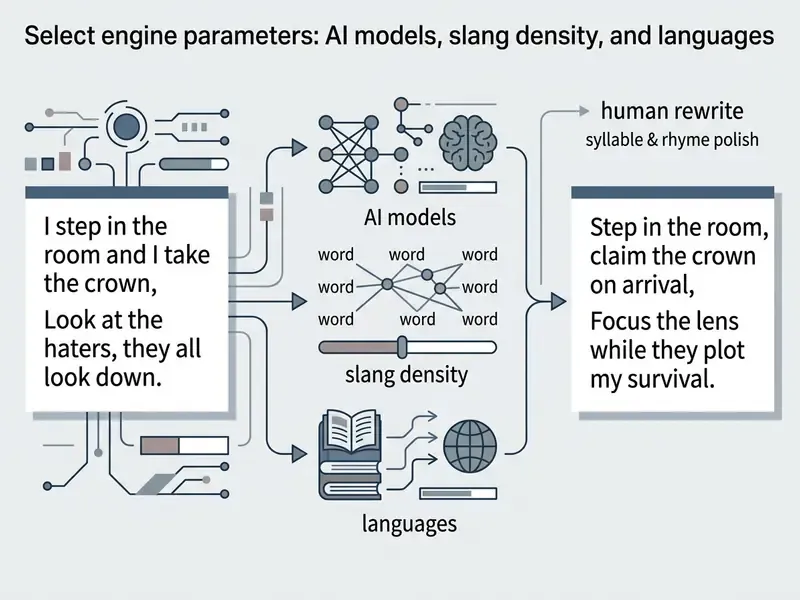
Select engine parameters: AI models, slang density, and languages
Advanced lyric drafting means choosing the underlying language model and setting stylistic constraints, not accepting whatever default the tool ships with:
- Model selection:
- High-reasoning models (GPT-5 / Gemini 3 class engines): Strongest for layered metaphors, intricate wordplay, extended conceits, and storytelling arcs.
- Natural-flow engines (Claude Sonnet 4 class engines): Best for smooth cadence alignment, humanized phrasing, and conversational narrative that avoids stilted rhyme padding.
- Fast draft models: Useful for brainstorming volume, ten directions in a minute, when you need options rather than polish.
- Unfiltered or raw models (L3-Euryale class engines): Used for gritty street narratives, uncensored battle rap, and aggressive diss tracks that need unconstrained vocabulary. Note the trade: unfiltered models remove safety filtering, which raises reputational and platform-compliance risk on release.
- Slang density control: Configure output as Formal (clean imagery, radio-safe), Casual (standard street vernacular), or Heavy Slang (hyper-local terminology, regional dialect, subgenre jargon).
- Lyric complexity: Simple or Basic for chant hooks, Advanced or Technical for dense multisyllabic verses, Freestyle for loose bar lengths.
- Cultural reference injection: Feeding the model specific neighborhoods, events, objects, or brand names pushes it away from cliché and toward concrete imagery. This is the single most effective anti-generic lever available.
- Multi-language phonetic rhyming: Leading lyric engines support rhyme generation across 18+ languages, including Spanish, French, German, Japanese, Arabic, Hindi, and Russian. When prompting in a non-English language, instruct the engine to prioritize local phonetic stress patterns and native slang conventions rather than literal translation. Otherwise rhymes collapse into semantic pairs that do not sound rhymed when performed.
Model naming and version availability shift frequently across vendors. Verify the exact model version exposed by your tool's API or interface before you standardize a workflow around it.
Generate, rewrite and save the draft
«Access to generative AI increases the creativity ratings of individual stories but makes them more similar to one another than stories written without AI.»
That finding is the practical argument for human rewriting. The model raises the floor and lowers variance, so distinctiveness has to be put back by the writer.
Saving raw AI output next to the human-edited draft creates an operational record of the human creative contributions that legal protection depends on.
Version control, prompt logging and audit trails
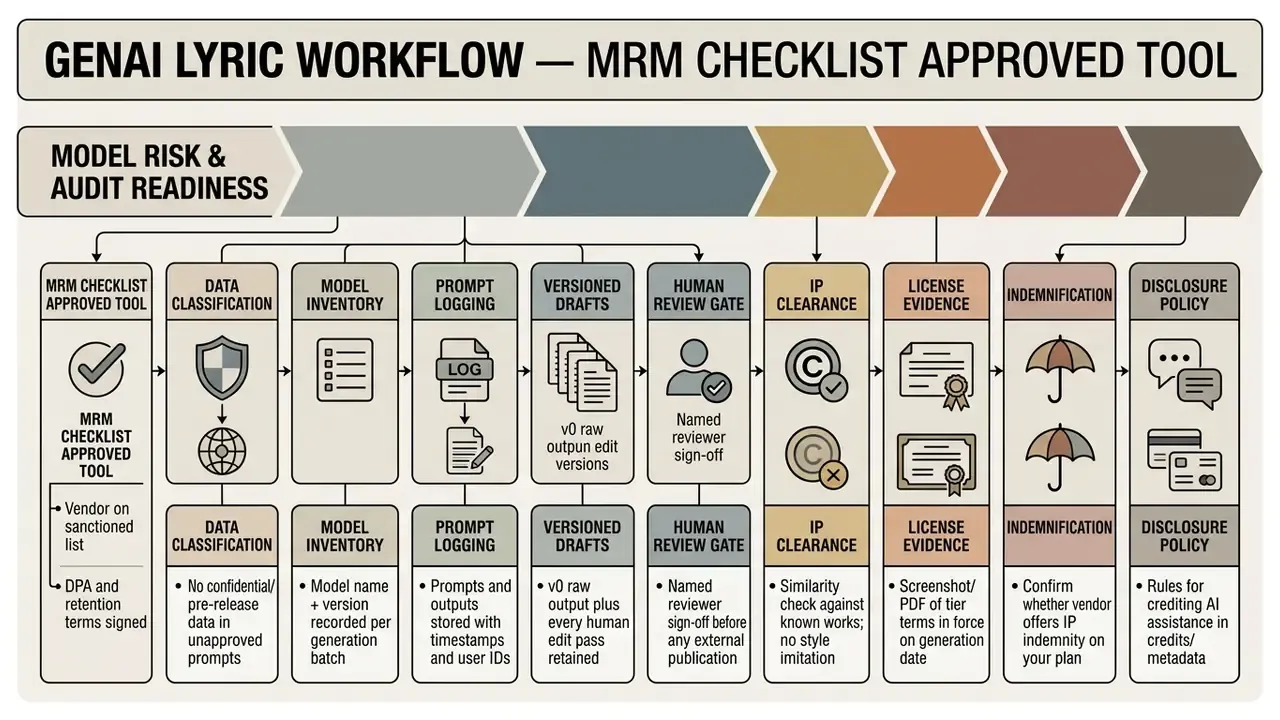
For a solo artist this step protects a future copyright claim. For teams working under a governance framework, it is a control requirement, and auditors will ask for it.
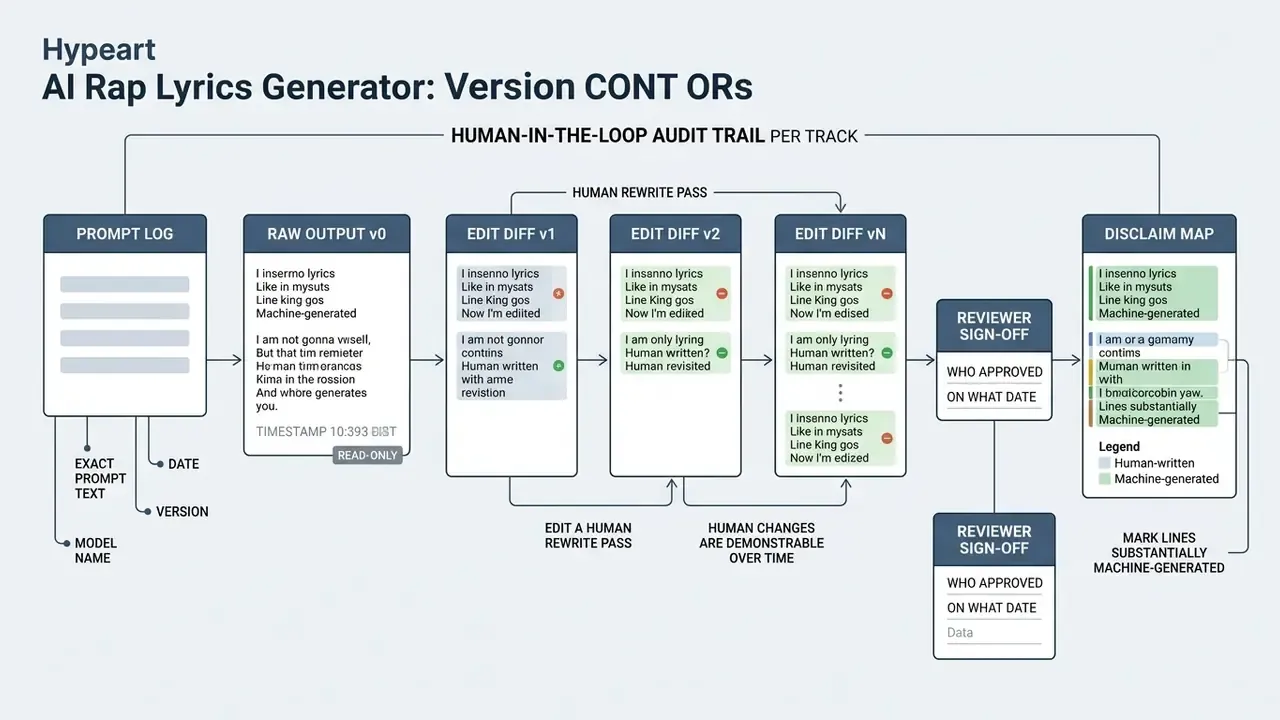
This structure answers the two questions that surface later, what did the human actually contribute? and which model produced which line?, without anyone reconstructing history from memory.
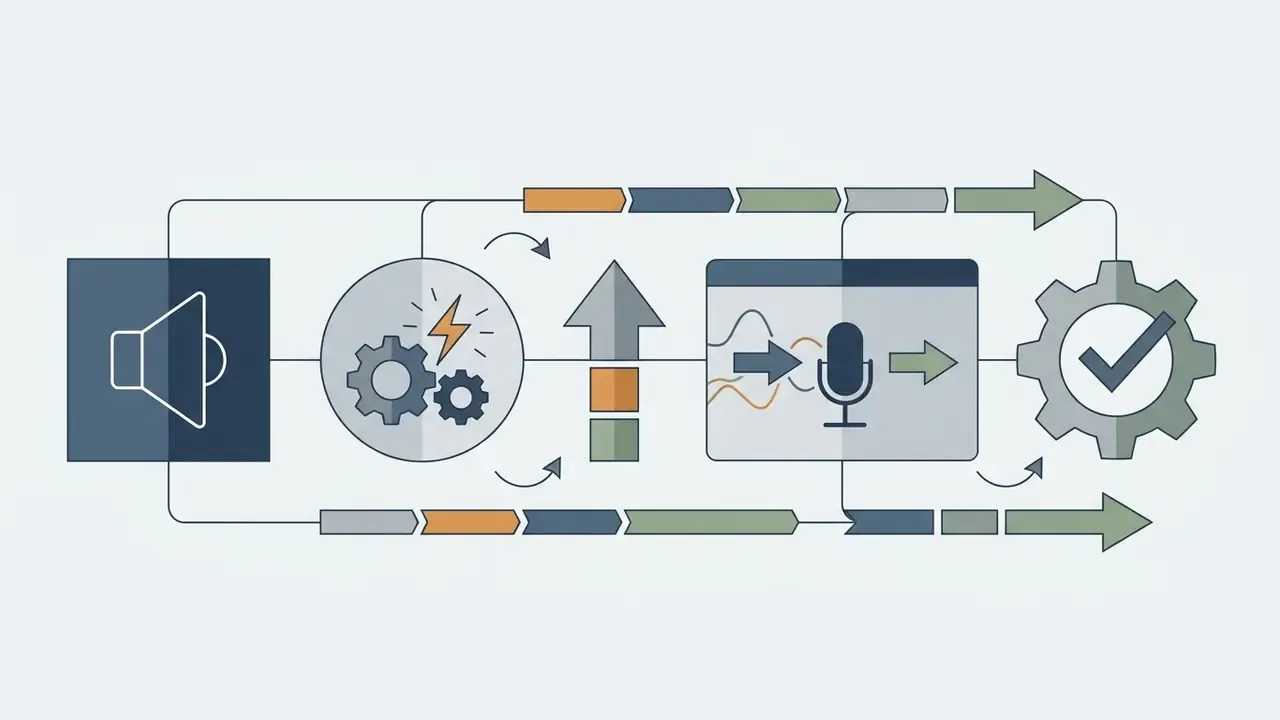
Exporting lyric sheets for studio and audio engine integration
Once the two-pass rewrite is done, export the working sheet in standard studio formats:
- Plain text (.TXT), document (.DOCX), HTML: Format with line breaks, bar numbers, and bracketed vocal tags such as
[Verse 1: 16 Bars]and(Ad-lib: Yeah!). Write repeated hook lines out in full rather than implying repetition. Engineers and vocalists should never have to guess how many times a line returns. - Lyric sheet page discipline: A standard verse–chorus song usually fits on one page. Dense rap verses often need more, so number bars explicitly to keep sections navigable in the booth.
- Audio model hand-off (Suno V5 / Mureka 9 class engines): Paste the edited text straight into text-to-audio generators. Insert explicit structural tags such as
[Intro],[Verse],[Hook],[Bridge], and[Outro]so the synthesis engine recognizes structural shifts in the arrangement. - Downstream video workflow: If the release includes a visual, plan the edit and delivery pipeline early. See the guide to YouTube video editors for publishing formats, the animation maker directory for lyric-video production, and the video compressor guide for upload-safe file sizes.
How to Get Better Rhymes, Flow and Rap Structure
Better rhyme quality, tighter flow, and usable structure come from intervening in the generation process, not from regenerating and hoping.
Set bar count and verse structure
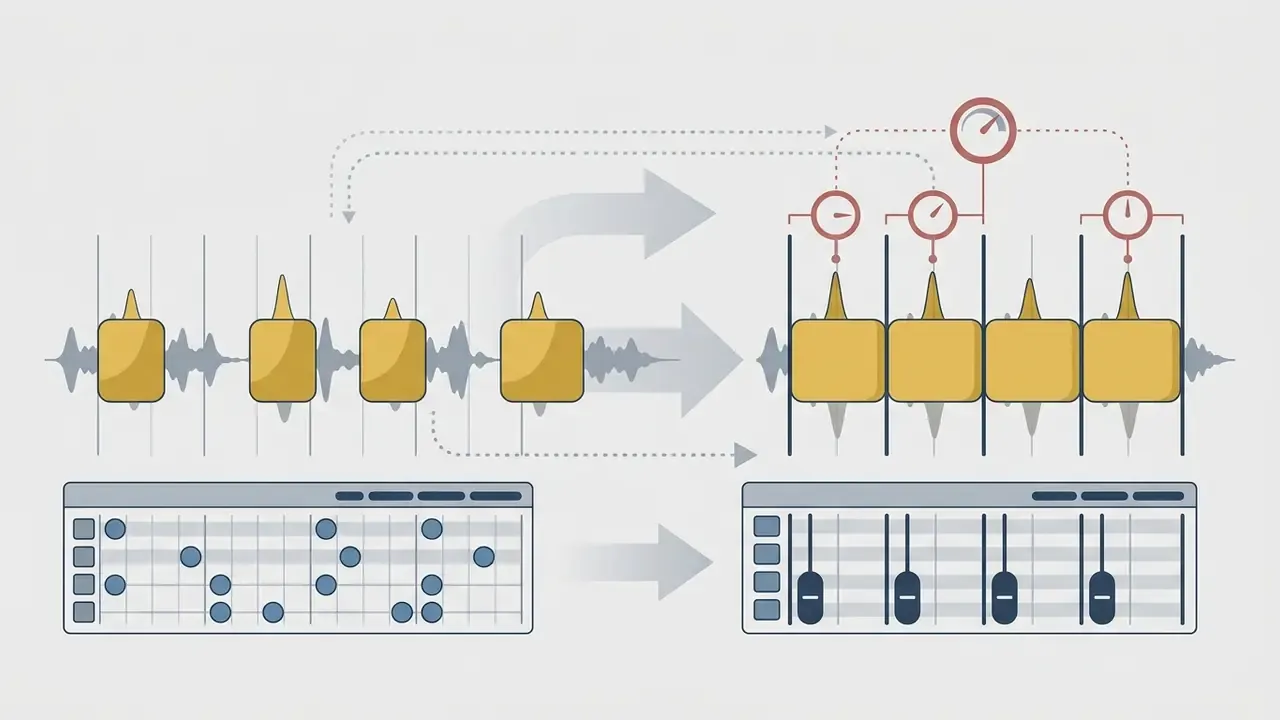
Strict bar limits stop the generator from producing unmetered blocks of prose with line breaks. The standard 16-bar verse breaks into four 4-bar quatrains:
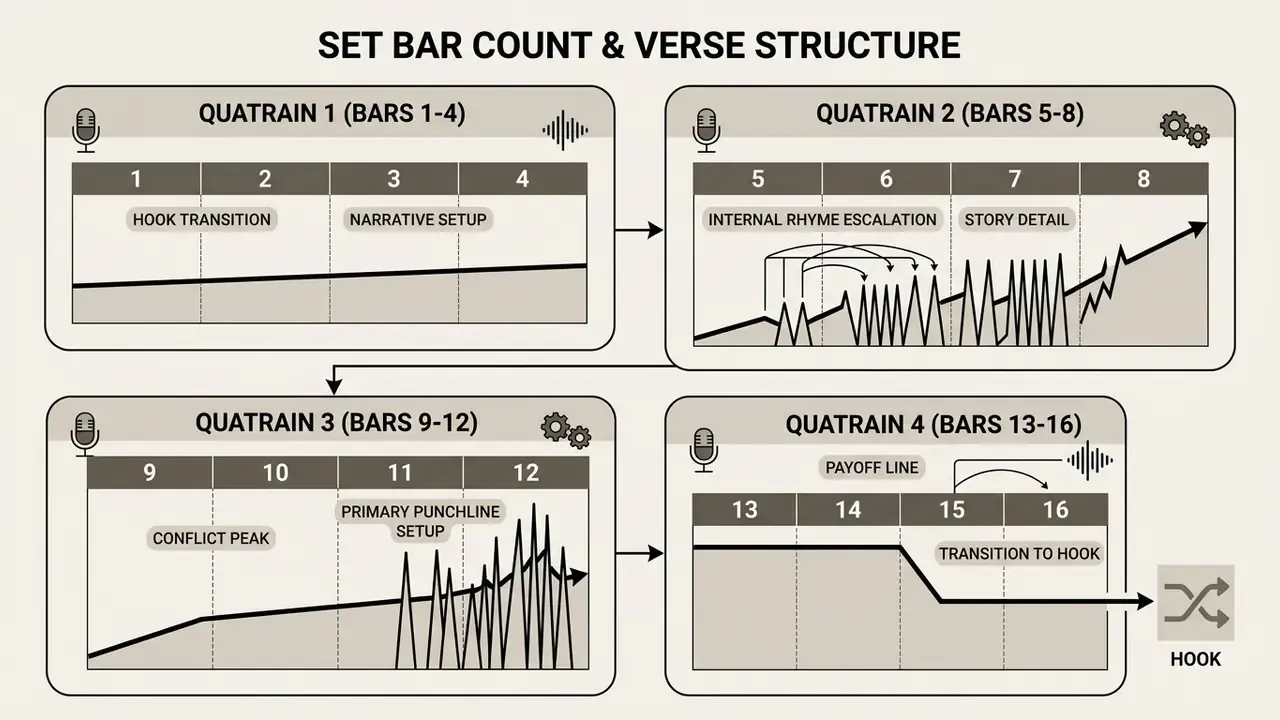
Full-song layouts follow the same logic one level up: Intro (2–4) → Verse 1 (16) → Hook (8) → Verse 2 (16) → Hook (8) → Bridge (4–8) → Final Hook (8) → Outro (2–4). Explicit bar targets keep the text aligned with standard 4/4 arrangements, so you are not truncating whole sections during recording.
Control rhyme density and flow
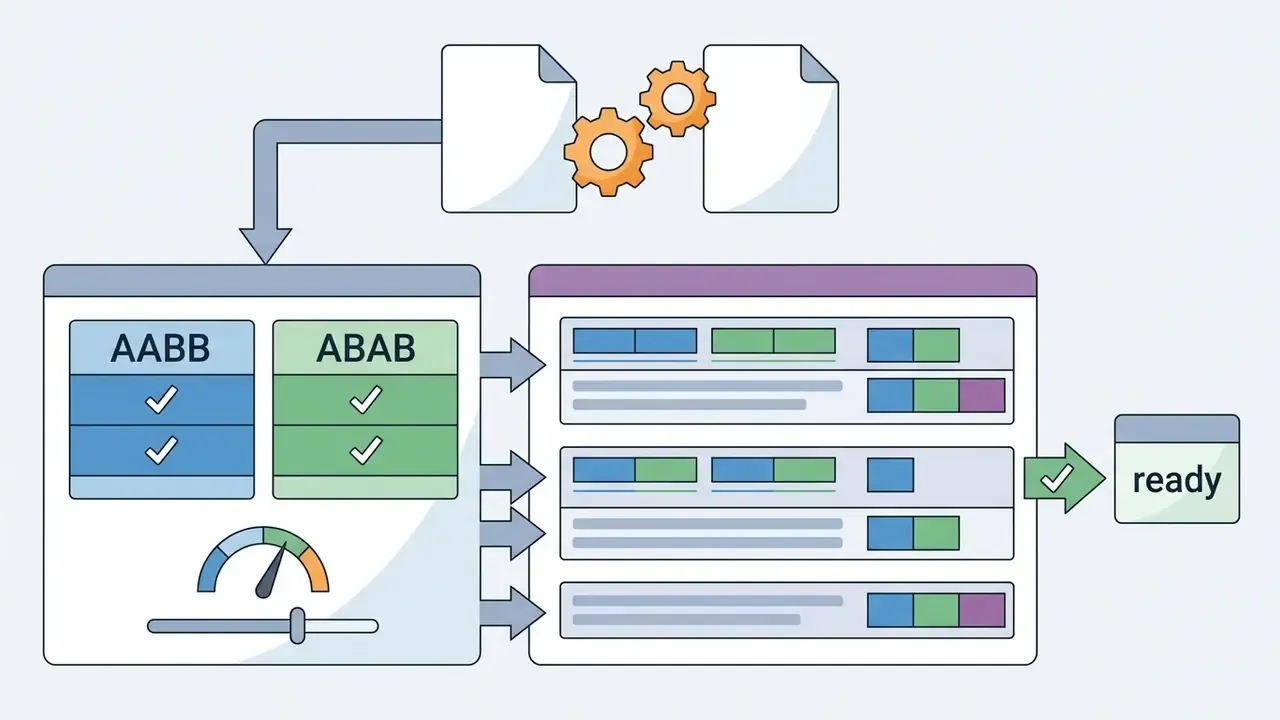
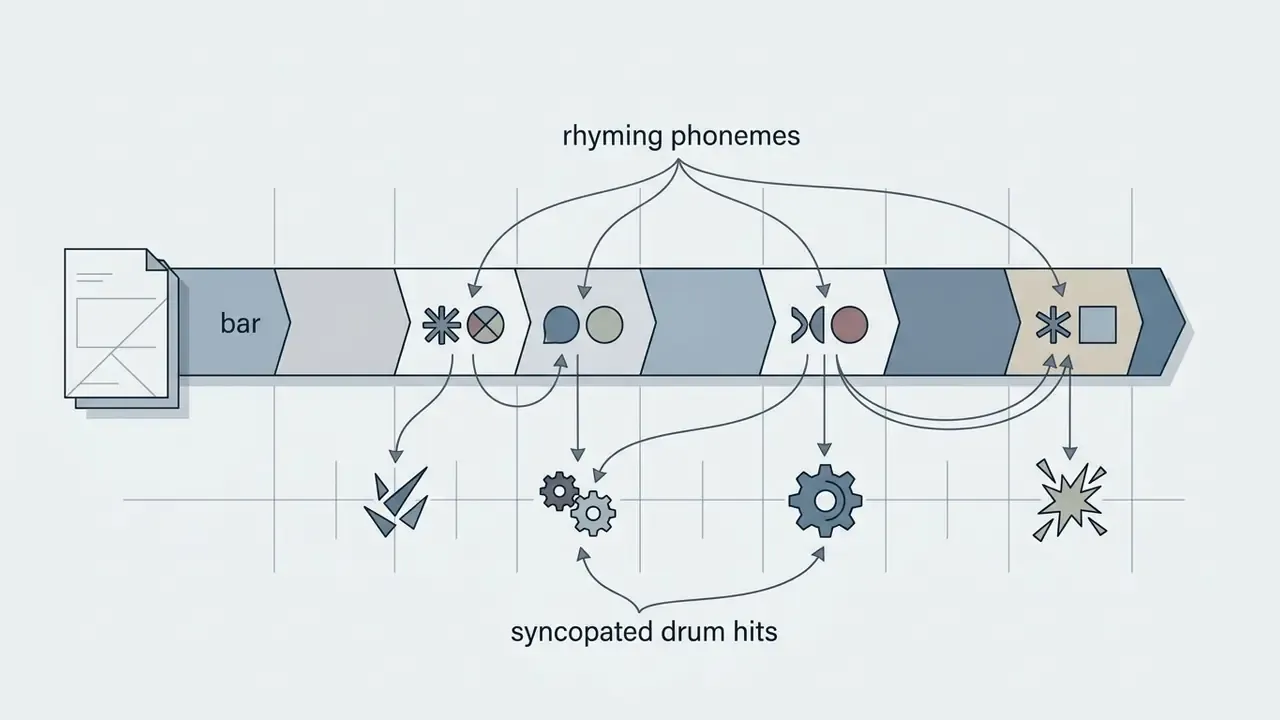
Rhyme density is rhymed syllables divided by total syllables in a measure. High-level craft leans on internal, multisyllabic, and slant rhymes rather than simple end-of-line couplets.
«Rhyme density is computed as rhymed syllables divided by total syllables, enabling direct comparison of generated verses against human baselines.»
Corpus studies operationalize flow differently, as rhymes per measure, rhyme periodicity, and prevalence, which separates where rhymes land from how often they recur. Both metrics are editable by hand.
To raise rhyme density during generation:
Combine storytelling, punchlines and hooks
A complete rap song balances progressive narrative with high-impact punchlines and a memorable chorus:
- Storytelling Use the first two quatrains to establish context, concrete imagery, and stakes. The documented pattern that holds attention is hook → conflict → escalation → payoff.
- Punchlines Place them at the end of an 8-bar or 16-bar section. Punchlines run on setup-to-payoff mechanics: double meanings, wordplay, sharp contrast. By the keyword that lands the joke or the boast, the listener must already hold every piece needed to complete it.
- Hooks Keep hooks short (4 to 8 bars) and repetitive. A strong hook compresses the core theme into simple, highly rhythmic phrasing that a listener memorizes fast. A question, a stark contrast between unlike things, or one startling statement all work as openings.
«ChatGPT-generated ideas are rated more creative than human ideas, yet humans outperform AI at real-time strategic adaptation.»
In practice, let the model propose concepts and hook candidates, then keep the adaptive decisions for yourself: which angle survives, which reference lands with your audience.
Creators building visuals around finished lyrics can review the animated music videos overview, the animation generator and animation maker 3d entries for motion-graphics options, and the animated video production guide for delivery planning. For low-budget visualizer output, free AI video generators are the cheapest starting point.
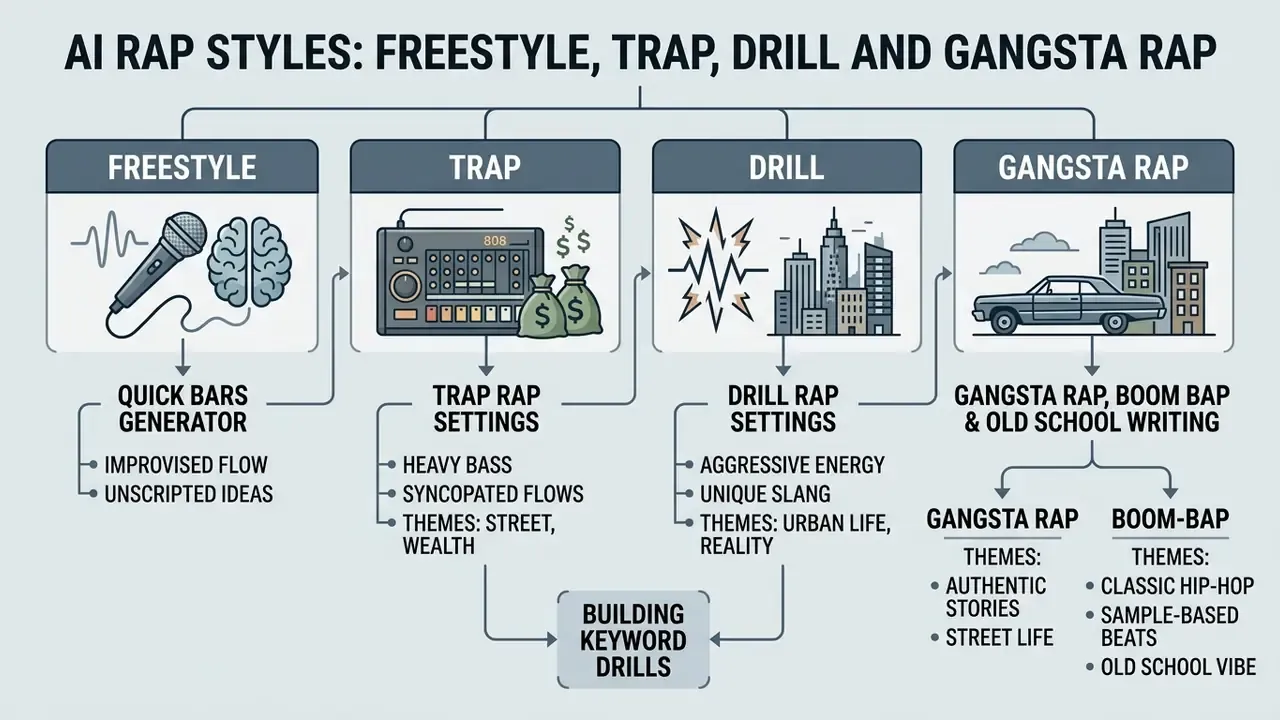
AI Rap Styles: Freestyle, Trap, Drill and Gangsta Rap
Each subgenre needs its own generator configuration, because rhythmic structure, lyrical theme, and hook function differ sharply.
| Rap Style | Typical Tempo & Mood | Flow Characteristics | Rhyme Scheme & Density | Hook Role & Structure | Key Themes |
|---|---|---|---|---|---|
| Freestyle | Variable; energetic, spontaneous | Unscripted, flexible bar lengths, conversational | Flexible schemes; emphasis on quick end-rhymes | Minimal or improvised; continuous bars | On-the-spot reactions, wit, wordplay |
| Trap | 130–150 BPM (Half-time); swaggering, dark | Syncopated, triplet flows, frequent ad-lib placements | High internal rhyme density; multisyllabic chains | Short, repetitive, chant-style motifs | Street dynamics, wealth, hustle, ambition |
| Drill | 140–145 BPM; aggressive, cold, intense | Staccato delivery, sharp accents, shorter bar lengths | Dense internal rhymes, harsh consonant phonemes | Menacing, simple, heavily repeated choruses | Local rivalry, conflict, survival, loyalty |
| Gangsta | 85–95 BPM; gritty, narrative, boastful | Linear storytelling, laid-back or heavy-hitting delivery | Balanced end and internal rhymes; AABB/ABAB | Central thematic motif summarizing identity | Street narrative, resilience, power |
| Boom-Bap | 85–95 BPM; lyrical, classic, energetic | On-beat, complex cadences, 90s-style rhythm | Complex multisyllabic rhymes and internal schemes | Catchy, sample-conscious, lyrical refrain | Storytelling, social commentary, craft |
| Old School | 100–110 BPM; playful, party-oriented | Straightforward, regular rhythmic cadence | Simple end-rhymes; couplet-driven schemes | Call-and-response, crowd participation | Self-promotion, celebration, community |
| Grime | ~140 BPM; syncopated, aggressive, rapid | Fast 8th/16th-note triplets, double-time cadences | Complex internal rhymes, energetic syncopation | Short, energetic, call-and-response choruses | Urban life, speed, competitive banter |
| Conscious | 85–95 BPM; reflective, analytical | Linear, deliberate, spoken-word cadence | High multisyllabic density, slant rhymes | Poetic, thought-provoking narrative hooks | Social commentary, philosophy, identity |
| Mumble Rap | 120–130 BPM; relaxed, melodic, rhythmic | Triplet flows, heavy vocal slurring, short bars | Simple end-rhymes, heavy reliance on assonance | Highly repetitive, catchy melodic motifs | Vibe, flex, lifestyle, emotional states |
| Jazz Rap | 85–90 BPM; smooth, relaxed, cerebral | Off-beat, conversational, syncopated flow | Internal slant rhymes, fluid phonetic transitions | Melodic, sample-ready, acoustic refrains | Art, personal growth, culture, introspection |
| Lo-Fi Hip-Hop | 70–90 BPM; hazy, nostalgic, understated | Loose, unhurried phrasing; long vowel sustains | Sparse end-rhymes, soft consonants, low density | Ambient or absent; mood over memorability | Solitude, memory, late nights, study mood |
Read the table as a settings map. Tempo and mood set the lexicon, flow and rhyme columns set the density targets, and the hook column tells you how much repetition to write out in full before hand-off.
AI freestyle rap generator for quick bars
An ai freestyle rap generator or freestyle ai generator focuses on unscripted, highly adaptable bar sequences. Where a structured song generator optimizes for coherence, a freestyle engine optimizes for speed, topic switching, and improvised punchlines.
Key uses for an ai rap lyrics generator freestyle tool:
- Generating 4-bar concept blocks for live practice sessions.
- Producing instant rhyming responses to crowd-suggested keywords.
- Creating unpredictable word combinations to train off-the-cuff delivery.
There is a real caveat for experienced writers:
«Among participants with above-median creative potential, access to ChatGPT worsened outcomes, particularly with intensive use of the tool.»
So use freestyle generation as a stimulus and a sparring partner, not as a replacement for reps. Advanced systems now reach past text as well: research pipelines generate rapping vocals directly from lyrics plus accompaniment with zero-shot timbre control, and 2025 battle-rap frameworks add human-in-the-loop cadence modeling and rhyme scoring for real-time response.
Trap and drill rap generator settings
Trap and drill lean on specialized prompting to hit their sonic signatures:
- Trap settings Configure the prompt for short rhythmic bursts, explicit hi-hat alignment, and current street slang. Place ad-libs, bracketed interjections like (yeah) or (let's go), at the end of measures so the cadence survives. Tag the hook explicitly (
[hook repeat]) so repetition carries over to an audio engine. - Drill settings Specify an aggressive, clinical mood. Ask for shorter bar lengths with dense internal consonants (hard k, t, and p sounds) that complement sliding 808 bass and dark piano melodies. UK drill prompts commonly specify roughly 140 BPM, bouncy hi-hats, and deadpan delivery, while Chicago drill prompts skew colder and sparser.
Slang density is not cosmetic. It is a genre marker. Corpus work on trap lyrics outside the anglophone market shows how deliberate borrowed vocabulary works as a rhythmic and identity device:
If you plan synthetic vocal delivery for these styles, check timbre and pronunciation limits in the guide to AI voice generators before committing to a take.
Gangsta rap, boom bap and old school writing
An ai gangsta rap generator, and the boom-bap and old school configurations beside it, needs narrative-heavy prompting:
- Gangsta rap Vivid street narrative, survival stories, explicit conflict and resolution. Academic analysis describes gangsta rap lyrics as narratives with identifiable theme, events, and setting, so prompts should specify detailed scenarios rather than generic assertions, and should name a setting and a turning point.
- Boom-bap High multisyllabic rhyme density, intricate wordplay, and references to classic hip-hop culture over sample-based, drum-accented production at moderate tempo.
- Old school Simple end-rhyme couplets (AABB), call-and-response phrasing, and party-oriented themes built for crowd engagement, echoing hip-hop's turntablist origins.
Battle rap and diss track prompting framework
Battle rap and diss material needs targeted counter-arguments, subverted wordplay, and hard punchlines rather than broad narrative:
- Target-specific constraints: Input specific habits, public rivalries, or stylistic tropes of the opponent to force concrete punchlines instead of generic aggression.
- Angle flipping: Direct the AI toward double entendres that invert the opponent's own claims. The strongest battle bars reuse the rival's framing against them.
- Aggressive delivery settings: Set the mood parameter to Aggressive or Cold, and enforce a high multisyllabic internal rhyme scheme to hold momentum across 16-bar attacks.
- Escalation curve: Structure the round as setup bars → mid-round escalation → two-bar payoff, so the hardest line is the last thing anyone hears.
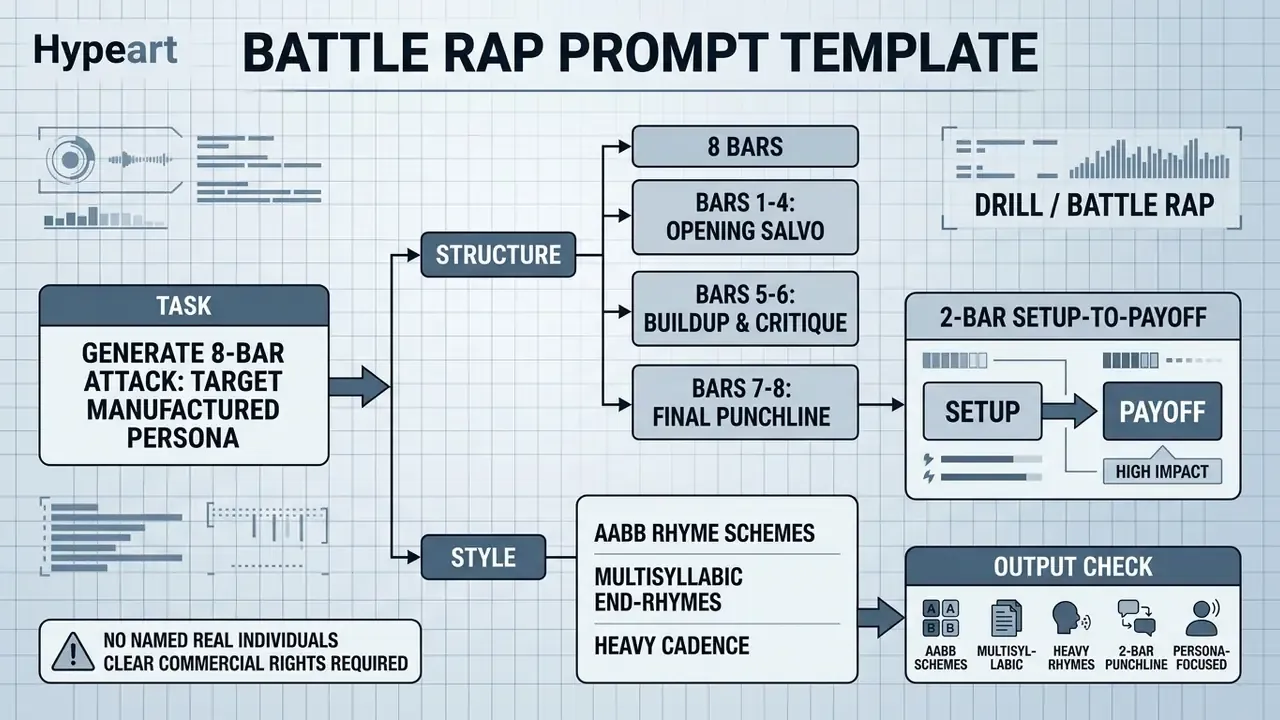
A hard practical limit applies here. Naming or characterizing real, identifiable people in released diss material creates defamation and right-of-publicity exposure independent of copyright. Keep targets fictional or generic unless you have legal review.
Can You Use AI Rap Lyrics for Commercial Projects?
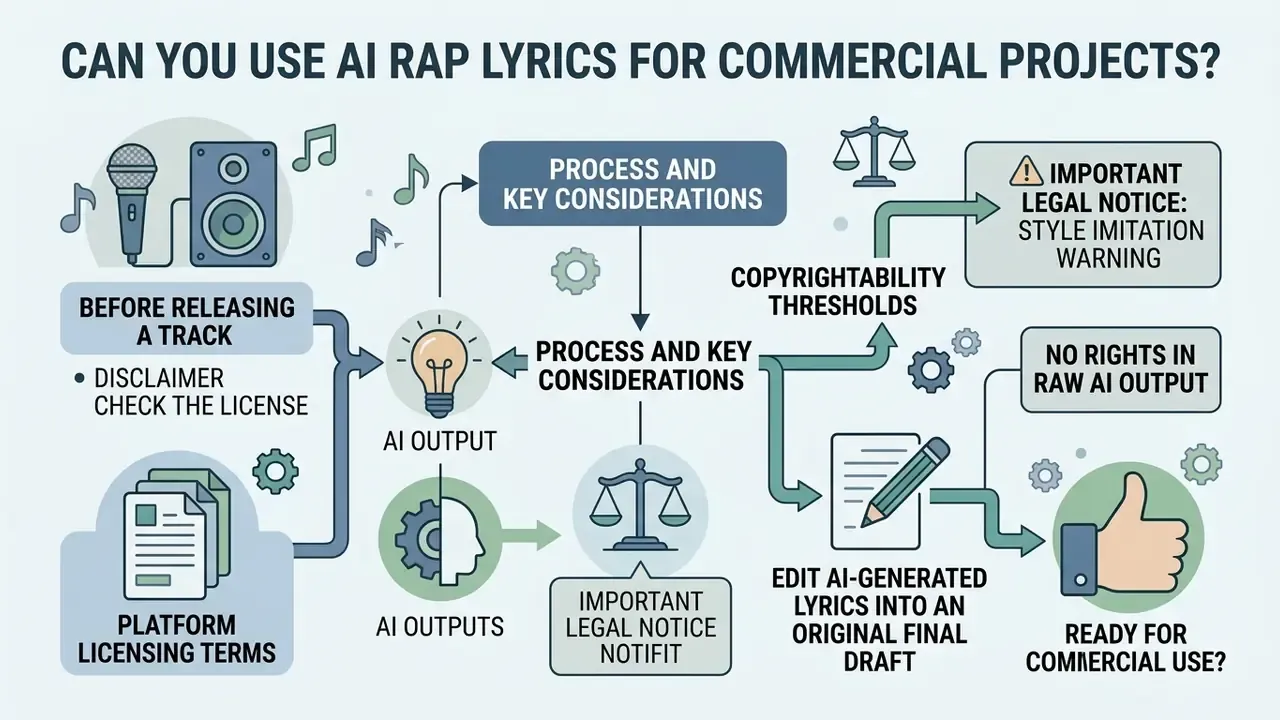
Using AI-generated rap lyrics in commercial releases, monetized streaming tracks, or paid media means satisfying intellectual property standards and platform terms. Read this before the pricing section, because the legal requirements usually determine which subscription tier you actually need.
Check the license before publishing or releasing a track
Before distributing a track containing AI-generated text, clear two separate hurdles:
- Platform licensing terms: Confirm your subscription tier grants commercial usage rights. Generating text on a free evaluation tier can breach platform terms if you release it commercially. Several vendors grant commercial rights only on annual plans, and some freemium terms restrict output to personal, non-commercial use outright.
- Copyrightability thresholds: Under U.S. Copyright Office guidance, pure machine-generated text lacking human authorship cannot be registered.
Registration mechanics follow from that. Applicants must disclose AI-generated material, exclude more-than-de-minimis AI text from the claim, and must not list the AI tool as author or co-author. In the EU, outputs without substantial human intervention are likewise treated as ineligible for copyright, while GPAI providers face separate training-data transparency and text-and-data-mining opt-out obligations under the AI Act. The UK diverges: computer-generated works with no human author can attract a limited protection term, but reproducing copyright works for AI development still needs a licence unless an exception applies.
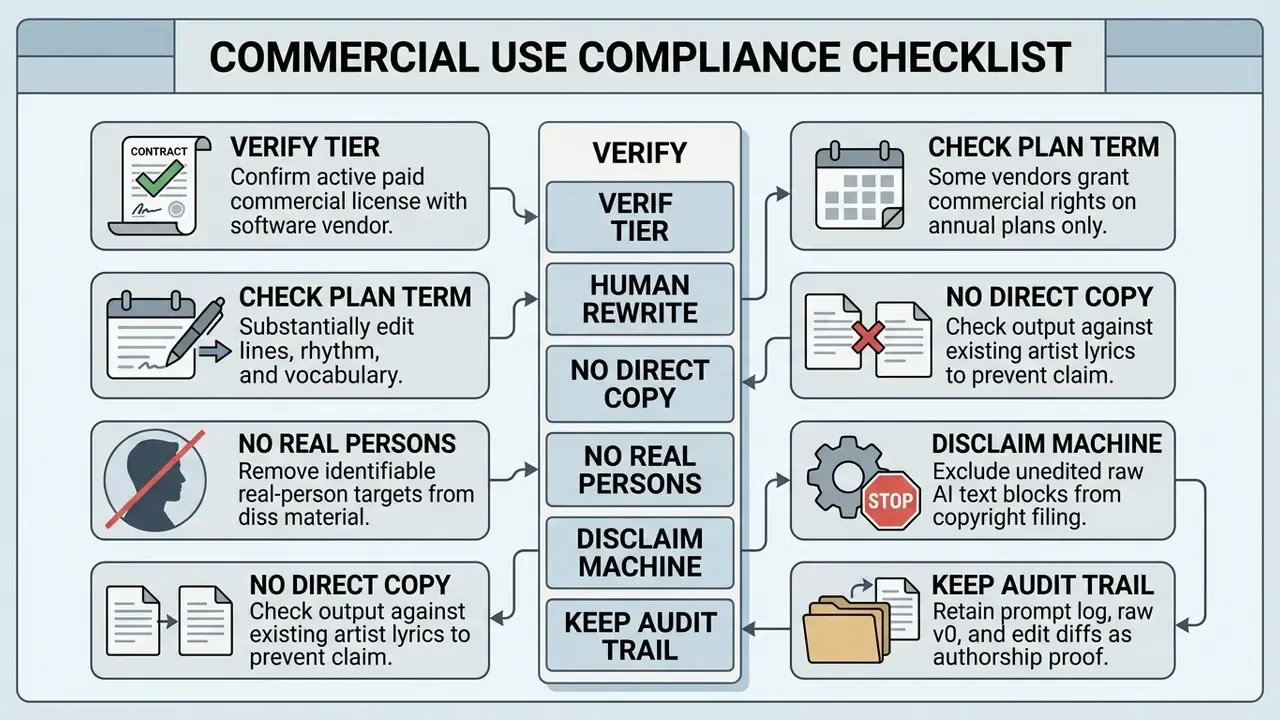
Infringement risk, which is a separate question from ownership, has a defined test:
Perceptions of authorship matter too, mostly for credits and disclosure practice:
«The degree of AI assistance shapes authorship judgements, yet participants do not regard AI as a co-author; responsibility remains with the human writer.»
Creators working across video or animated music projects can review licensing and workflow standards in the AI Media Commercial-Use hub, compare platform-level licensing language in the Canva AI Generator commercial-use overview, and track how disputes are unfolding in current AI copyright cases.
Edit AI-generated lyrics into an original final draft
For legal protectability, and honestly for artistic self-respect, raw AI text has to go through deep human rewriting.
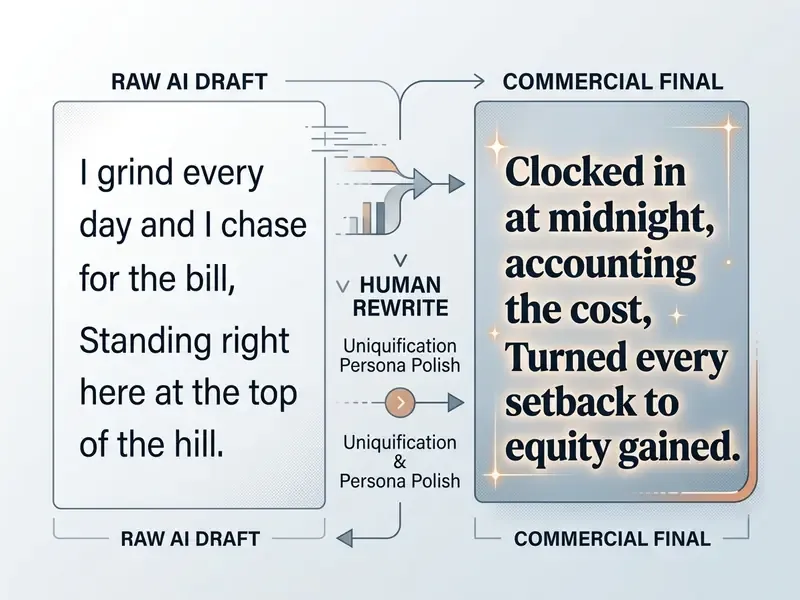
Human creative contributions, meaning line selection, structural rearrangement, slang customization, and original vocal phrasing, form the only basis for copyright protection in AI-assisted work. Humanizing methods that hold up under scrutiny: replace every abstract noun with a concrete one drawn from your own experience, re-cut line breaks at your natural breath points, substitute the model's rhyme words with regionally specific alternatives, and reorder bars so the narrative sequence is yours rather than the model's default arc.
Creators comparing licensing rules across content types can review the general framework for commercial use of AI-generated content, where the same human-authorship logic applies to visual output. The adjacent adult-content category, covered in the animated porn videos entry, carries stricter platform and payment-processor restrictions and should not be treated as equivalent.
Shadow AI, Data Governance and Enterprise Risk Controls
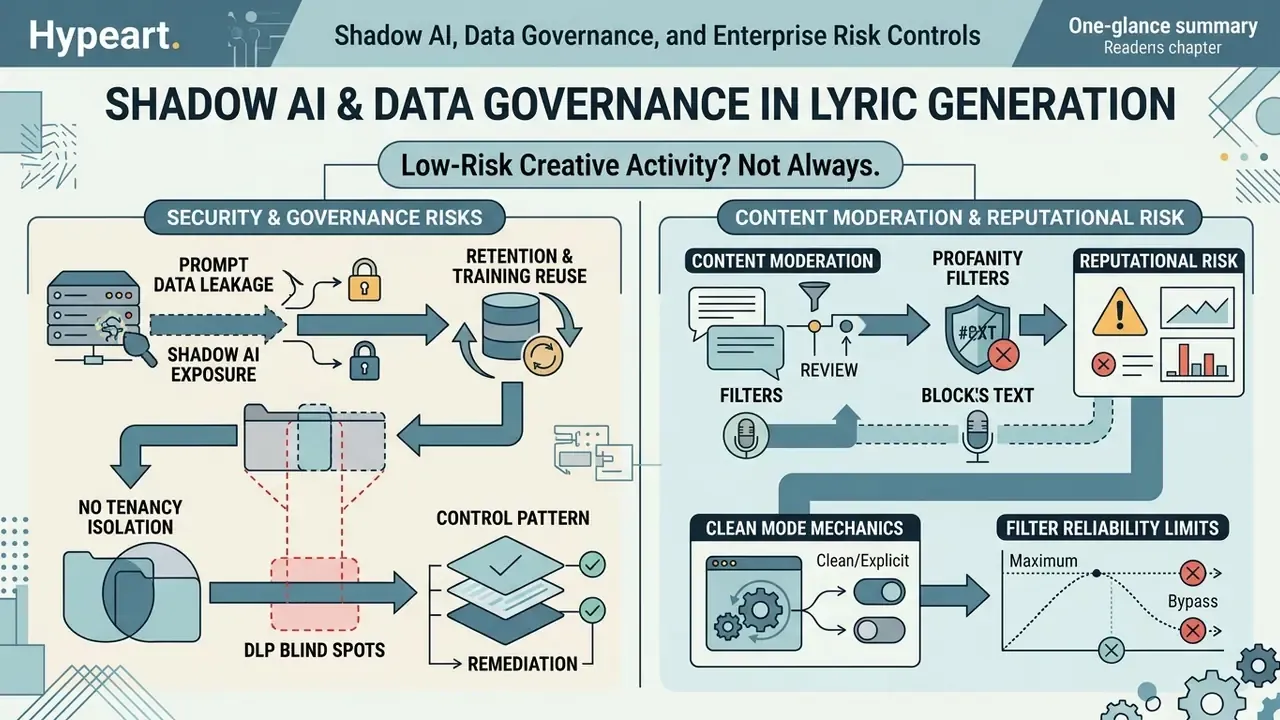
Lyric generation looks like a low-risk creative activity. The moment it happens inside an organization, though, whether that is a label's marketing team, an agency drafting ad jingles, or a broadcaster scripting station IDs, it inherits the same governance questions as any other generative AI use.
Prompt data leakage and Shadow AI exposure
Public, no-login lyric generators are attractive precisely because they need no procurement approval. That makes them a textbook Shadow AI channel.
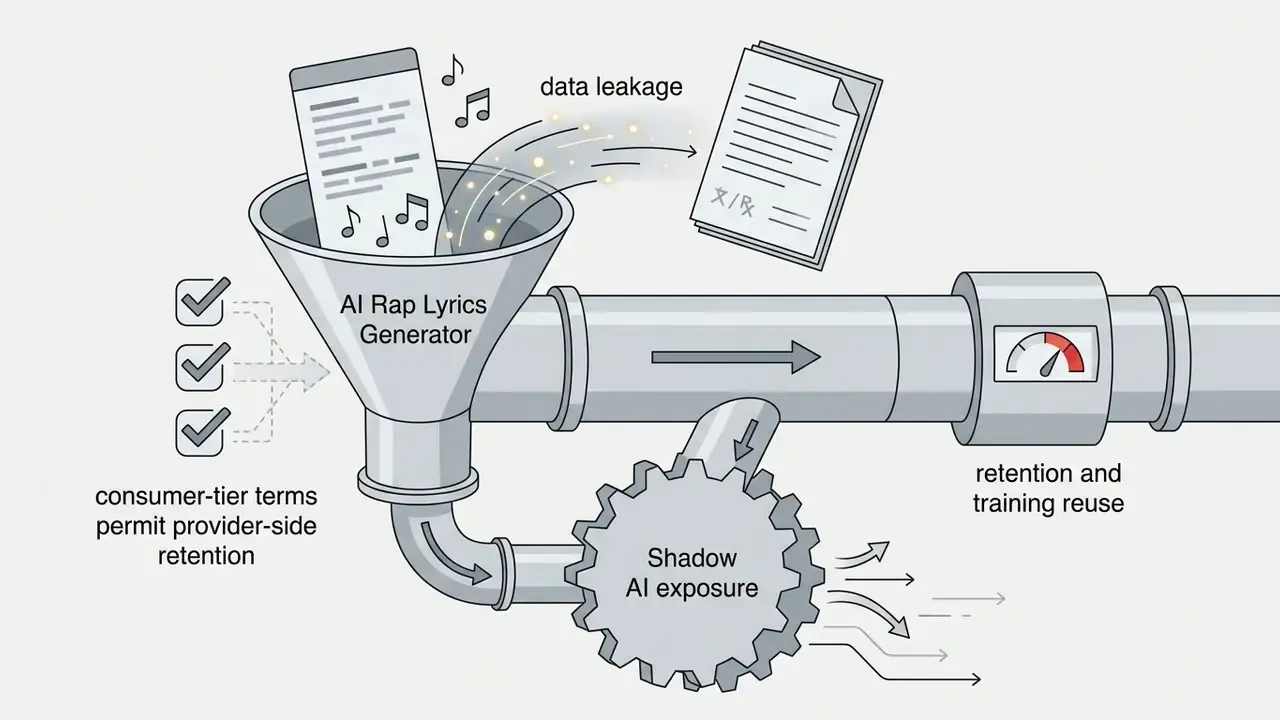
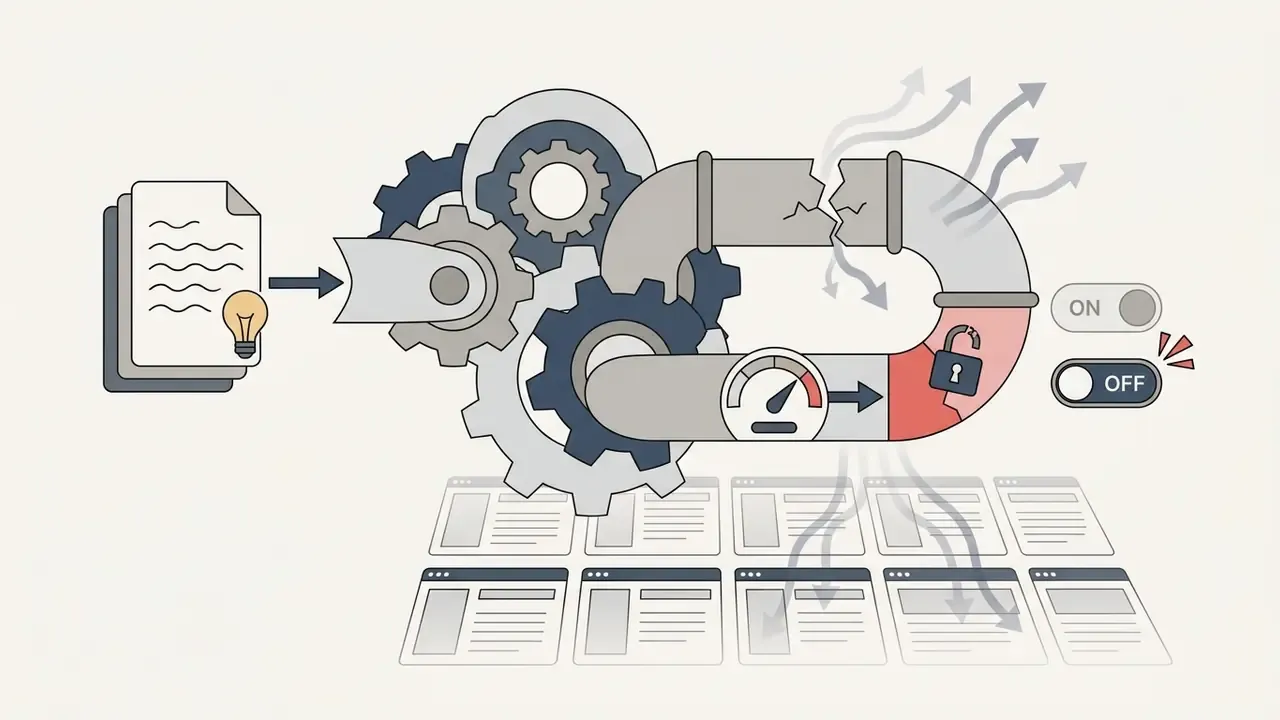
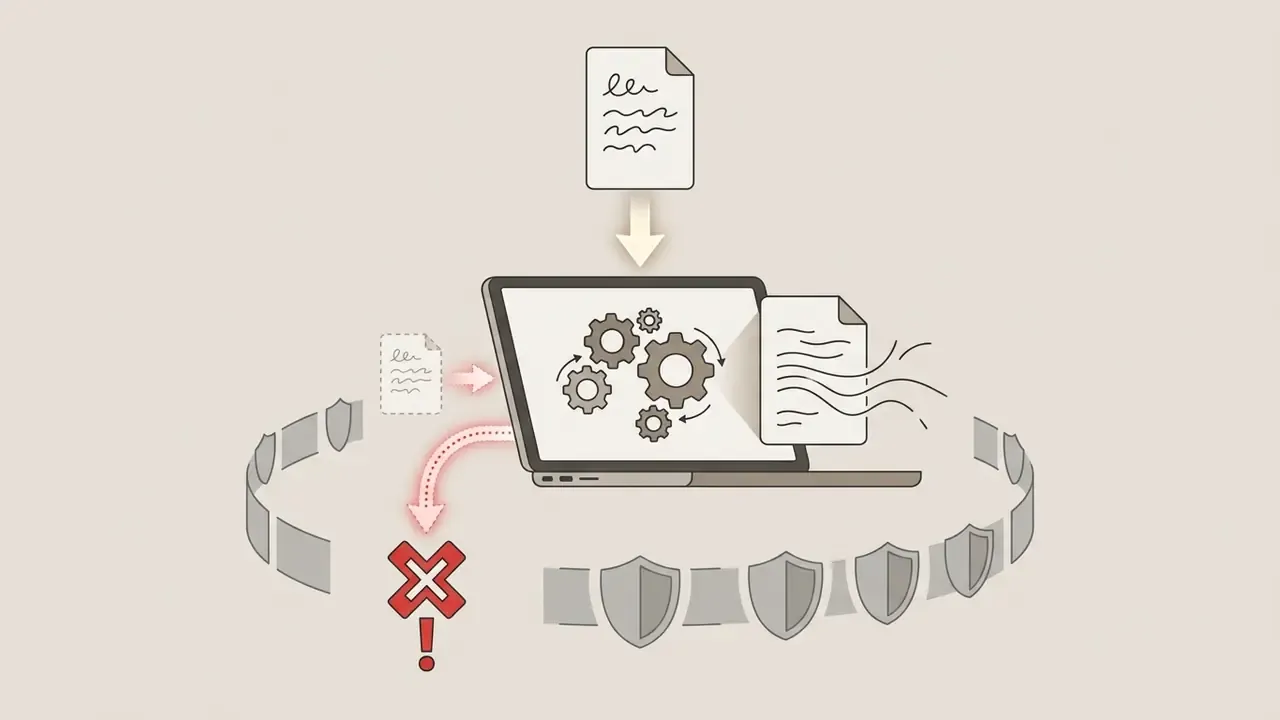
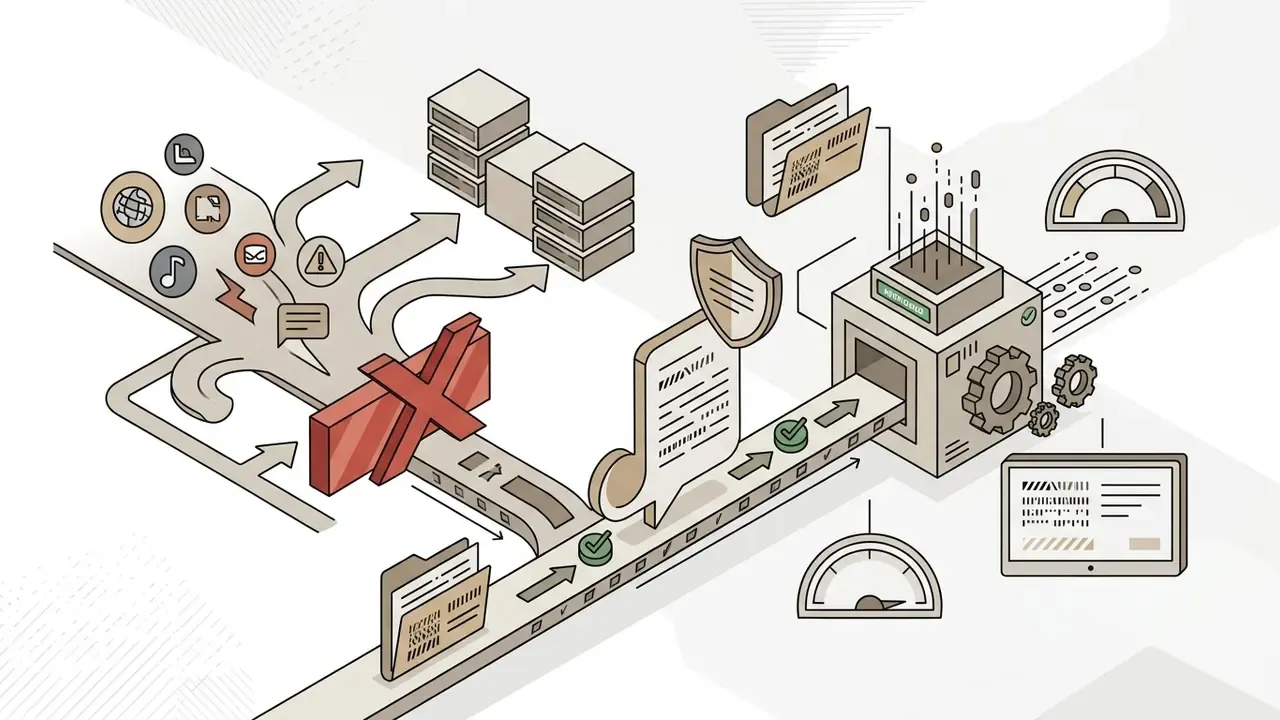
Regional guidance converges on similar operational requirements: establish internal generative-AI policies before adoption (Hong Kong, Generative Artificial Intelligence Technical and Application Guideline, 2025); reduce risks specific to text-generation AI use (Japan, Guidebook for Countering Risks of Using Text-Generating AI, updated 10 June 2024); require human review of AI-derived content for security, privacy, accuracy, transparency and fairness before publication (Alabama, Generative AI Acceptable Use Policy, 2025); and identify verbatim AI-generated passages by naming the system and interaction used (University of Graz guideline).
Content moderation, profanity filters and reputational risk
Rap generation stresses safety filtering harder than most text tasks, because aggression, slang, and explicit imagery are genre features rather than policy violations in an artistic sense.
- Clean mode mechanics An ai rap generator clean setting usually combines a blocklist pass on explicit tokens with constrained decoding that penalizes flagged vocabulary. Raply is instructive here, since it showed profanity mitigation and rhyme quality are not mutually exclusive: rhyme metrics improved while profanity dropped against baselines.
- Filter reliability limits Filters catch lexical violations reliably and semantic ones poorly. Coded slang, veiled threats, and contextual slurs regularly slip past automated screening, so human review stays mandatory for anything customer-facing.
- Unfiltered model risk Choosing a deliberately unfiltered engine transfers the whole moderation burden to you, including platform-policy compliance on distribution services and ad networks.
- Brand-safety pass For commercial use, run a final pass against your own restricted-terms list (competitor names, regulated claims, protected classes) instead of trusting vendor defaults.
Model risk and audit readiness checklist
Teams wiring generation into an automated pipeline should review cost and rate-limit mechanics in the AI Media API Guides and the Google Veo implementation guide as a template for how usage metering and quotas are normally documented.
Free AI Rap Lyrics Generator, Pricing and Output Access
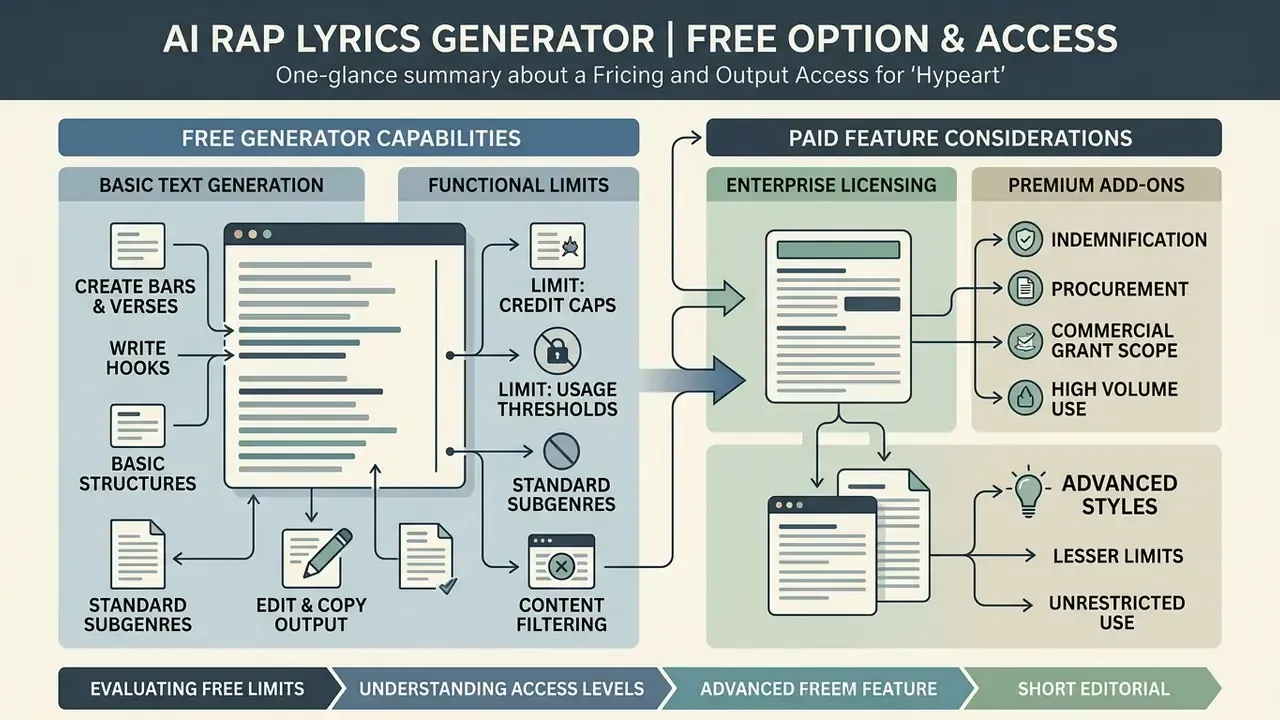
Evaluating an ai rap lyric generator free option means understanding functional limits, credit caps, and premium thresholds. And, as the commercial-use section established, whether the tier grants the rights your release actually needs.
What a free AI rap generator can create
A free ai rap lyric generator or free ai rap lyrics generator normally exposes the core text drafting features with no upfront payment:
- Basic text generation Short bar sequences, single 16-bar verses, or basic 8-bar hooks, often with no sign-up and no card data required.
- Standard subgenre selection Baseline styles such as trap, boom-bap, or freestyle, plus topic, mood, and rhyme-scheme inputs.
- Editing and copying In-browser editing, regeneration, and copy-to-clipboard or plain-text download.
- Content filtering Built-in safety mechanisms, including an ai rap generator clean mode that filters explicit language for radio-friendly or corporate use.
Free tiers usually cap usage through daily credits or monthly request limits. Published vendor examples show the range rather than a universal standard: one lyric platform lists a $0 plan with 20 credits per month and lyrics-only output (no audio); another AI music service publishes a $0 tier with 3 credits per day, up to 6 songs per day, public-by-default output, and no commercial licence. Verify current limits on the vendor's own pricing page before planning around them, because these values change without notice.
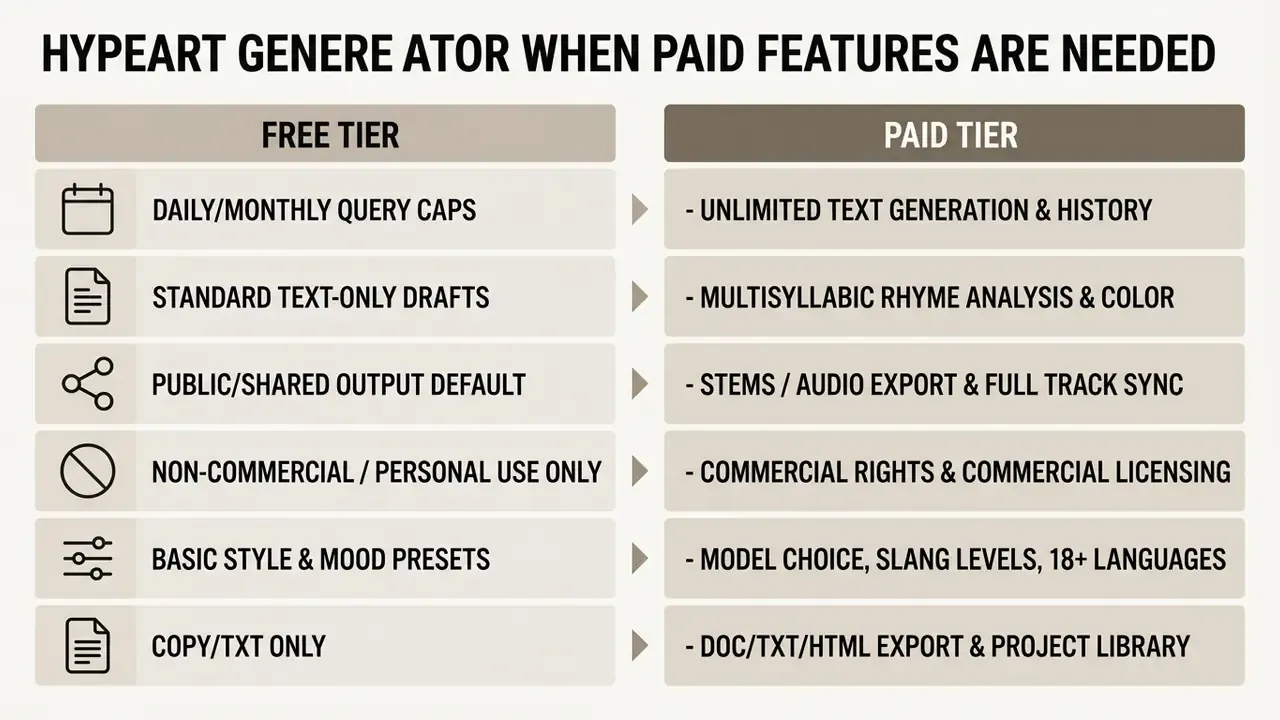
When paid features may be needed
Upgrading becomes necessary once you need advanced operational capability. Publicly listed rap and lyric tools cluster roughly between $4.99 and $30 per month, and one AI rap creator advertises paid plans from $4.99/month after a free trial. Treat that band as an observed market range from vendor pricing pages, not a verified industry benchmark.
Professional creators comparing tools across media formats can work through AI Media Pricing Guides and estimate project economics with AI Media Calculators.
Enterprise licensing, indemnification and procurement questions
Consumer subscriptions rarely address what a governance function needs to see. Before standardizing on a vendor, get written answers to these:
- Commercial grant scope Does the licence cover monetized streaming, broadcast sync, and paid advertising, or only "personal projects"? Is the grant tied to an annual plan?
- IP indemnification Does the vendor indemnify you against third-party copyright claims arising from output, and what are the caps, exclusions, and required-conduct conditions?
- Input retention and training Are prompts excluded from model training by default? What is the retention window, and can it be set to zero?
- Sub-processor and residency Which model providers sit behind the interface, and where is data processed?
- Model change management Will you be notified when the underlying model version changes, given that output characteristics move with it?
- Audit support Can you export prompt and output history for evidentiary use in a copyright registration or a dispute?
AI Rap Lyrics Generator FAQ
Short answers to the technical, operational, and governance questions that come up most often around specialized rap text generators.
How is a rap-specific generator different from an AI lyrics generator?
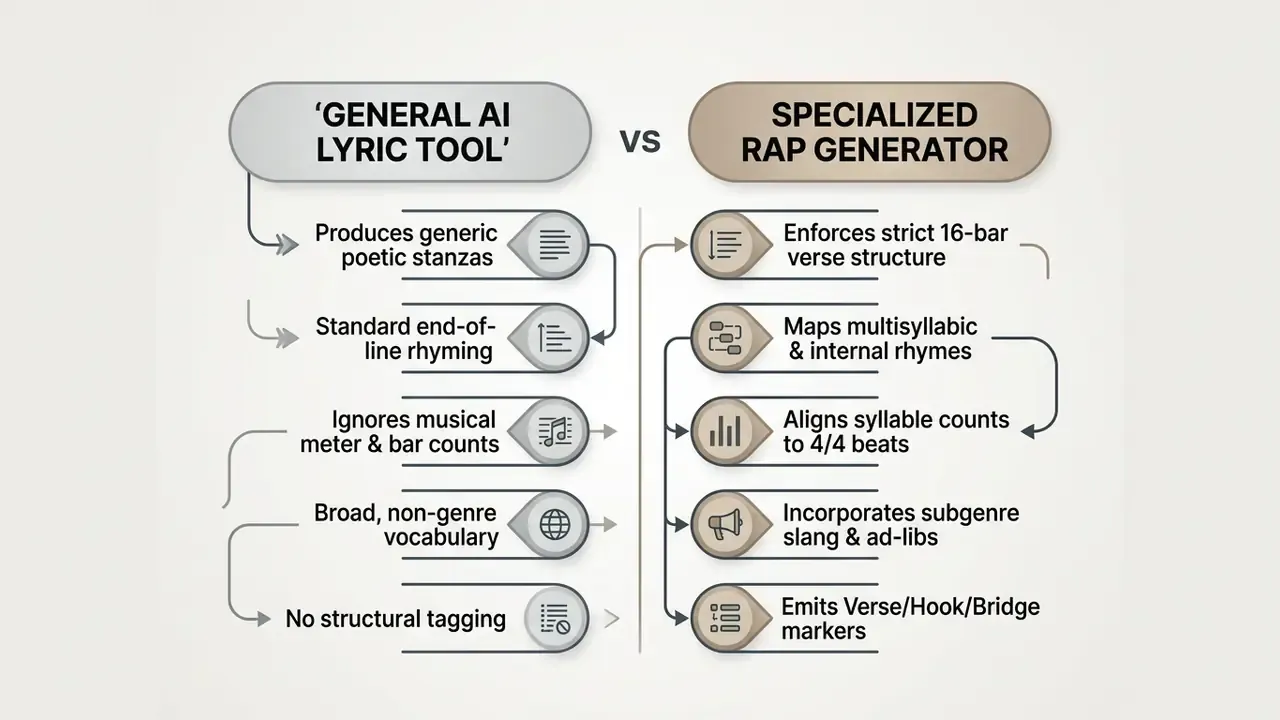
A specialized ai rap lyric maker or ai rap lyrics maker ships dedicated logic for phonetic rhyming, bar-count enforcement, and hip-hop cadence mapping that a general-purpose ai lyrics generator simply lacks.
«A rap-domain-tuned generator achieves higher rhyme density and controlled profanity than untuned baseline language models.» — Raply: Profanity-Mitigated Rap Generator (2024) Structure-aware conditioning also improves perceived quality measurably: a hierarchical hip-hop lyric study reported that sentence-level conditional templates significantly improved generated-lyric quality and realism in large-scale human evaluation (Royal Netherlands Academy of Arts and Sciences). A specialized ai hip hop lyrics generator or ai rap song lyric generator therefore produces output that fits real studio recording requirements with less rework. That, more than raw novelty, is what people mean when they ask for the best ai rap lyrics generator.
Should you generate quick bars, a verse or full rap song lyrics?
The right output format depends on your immediate objective:
- Quick bars (4–8 bars): Best for freestyle practice, battle responses, or testing one punchline concept.
- Single verse (16 bars): Best for building a specific section, with focused attention on internal rhyme density and narrative progression.
- Full rap song lyrics: Useful for a top-line compositional blueprint (Intro → Verse 1 → Hook → Verse 2 → Hook → Bridge → Hook → Outro) that you then edit line by line. Format the sheet to match the structure you chose. Use explicit section breaks, write repeated hook lines out in full when exact repetition matters, and expect rap verses to run longer than the one-page norm for verse–chorus songs. Creators estimating project costs or wiring advanced tools into custom pipelines can use AI Media Calculators, consult AI Media API Guides, or compare options across formats.
Can I use free-tier lyrics in a commercial release?
Usually not without upgrading. Many free tiers restrict output to personal, non-commercial use, default to public visibility, or reserve commercial rights for annual plans. Verify the tier terms in force on the date you generated the text, and keep evidence of them.
Who owns AI-generated rap lyrics?
Under U.S. practice, nobody owns the purely machine-generated portion. It is not copyrightable, and it must be disclaimed on registration. You own your human contributions: selected and rewritten lines, structural arrangement, original phrasing, and performance. That is why the two-pass rewrite and the version history are not optional for commercial work.
Are AI-generated lyrics plagiarism-free?
Generation is not retrieval, so modern prompt-based tools do not paste existing songs verbatim. Similarity risk is still real, though. Infringement turns on access plus substantial similarity, so search any distinctive line or hook before release, and avoid prompts that request a named artist's actual lyrics or catchphrases. Worth noting: some older tools generate by recombining lines from existing rap songs, a fundamentally different method with a materially higher similarity risk profile.
Can these tools write in languages other than English?
Yes. Leading engines support 18+ languages including Spanish, French, German, Japanese, Arabic, Hindi, and Russian, with language-specific rhyme conventions and slang. Prompt in the target language and specify native stress patterns rather than translating an English draft, which usually destroys the rhyme scheme.
Can employees use public rap lyric generators at work?
Only under an approved policy. Treat a public generator as an unmanaged third-party data processor: prohibit confidential or pre-release material in prompts, use sanctioned endpoints with retention disabled, log prompts and outputs, and require named human review before anything is published externally.
What if the rhymes feel too simple?
Raise lyric complexity to Advanced or Technical, switch the rhyme scheme to Multisyllabic or Internal Rhymes, shorten target bar length so density rises per measure, and inject 3–5 cultural or personal reference terms. If the output is still flat, regenerate with a higher-reasoning model and select from candidates instead of trying to save a single weak draft.
Appendix A: Revision Notes and Verification Status