Executive summary
- What it is.A Pokémon AI generator is a browser-based text-to-image tool built on fine-tuned latent diffusion pipelines (and, in older projects, GANs). You type a description; the model synthesizes an original creature illustration, sprite, or card artwork in 2–15 seconds.
- The prompt formula that works.
[Creature subject] + [Elemental type & physical features] + [Color palette & textures] + [Art style modifier] + [Output constraints]. Automated prompt optimization research reports up to 24.9% better prompt-image consistency without quality loss. That is the same principle behind manual prompt structuring, just automated. - The legal boundary.In the United States, output generated purely from a text prompt has no human authorship and cannot be registered on its own. Separately, copying Pikachu, Mewtwo, or other protected character designs creates trademark and trade-dress exposure. Design Fakemon (original fan-designed creatures), not clones.
- Free vs paid.Free tiers commonly cap daily generations (roughly 3 to 100 per 24 hours depending on the vendor), cap exports around 1024×1024 px, and embed visible or invisible watermarks such as SynthID. Commercial licenses, 2K/4K exports, and batch modes sit behind credit packs or subscriptions.
- Before production use.Run a vendor audit (data retention, training opt-out, provenance, prompt logging) and an asset validation checklist (anatomy, attribute binding, similarity to protected characters, alpha channel integrity).
How to use this guide (three decision paths)
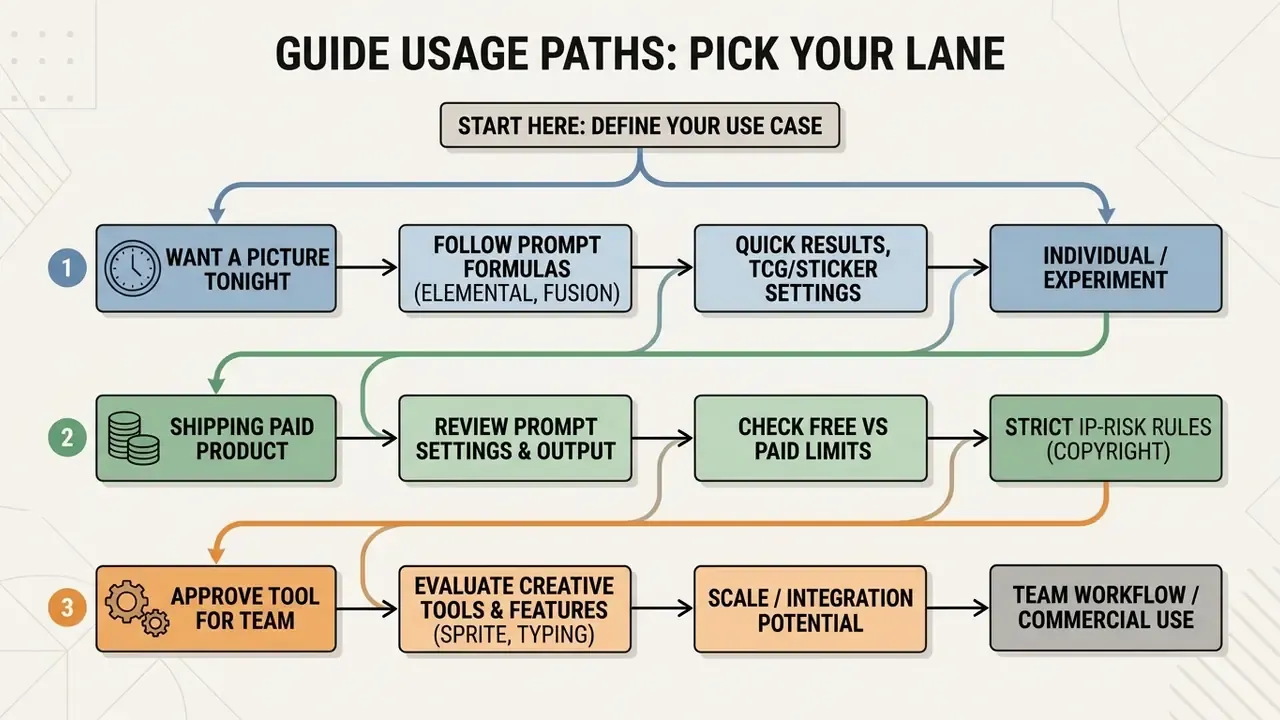
Not everyone arrives here for the same reason, so pick your lane before you start prompting.
Path 1: you want a picture tonight. Skip to the prompt formula, copy one of the twelve ready prompts, and export PNG with a transparent background. Ten minutes, no account theory needed.
Path 2: you are shipping something people pay for. Start with the legal boundary and the four-tier risk matrix. Then structure prompts, log seeds, and run the validation checklist before the asset reaches a store page or a print run. The order matters: a beautiful design that sits in Tier 3 is wasted work.
Path 3: you are approving a tool for a team. Go straight to the vendor audit checklist. Creature generators look harmless, and that is precisely why they spread through design and marketing teams as unmanaged shadow AI. Data retention, training opt-out, and output rights by tier are the three answers you need in writing.
One more framing note. Everything below treats the generator as a model with inputs, outputs, and evidence requirements. That framing is boring, and it is also the only reason you can defend a launch six months later.
Can you use AI-generated Pokémon images commercially?
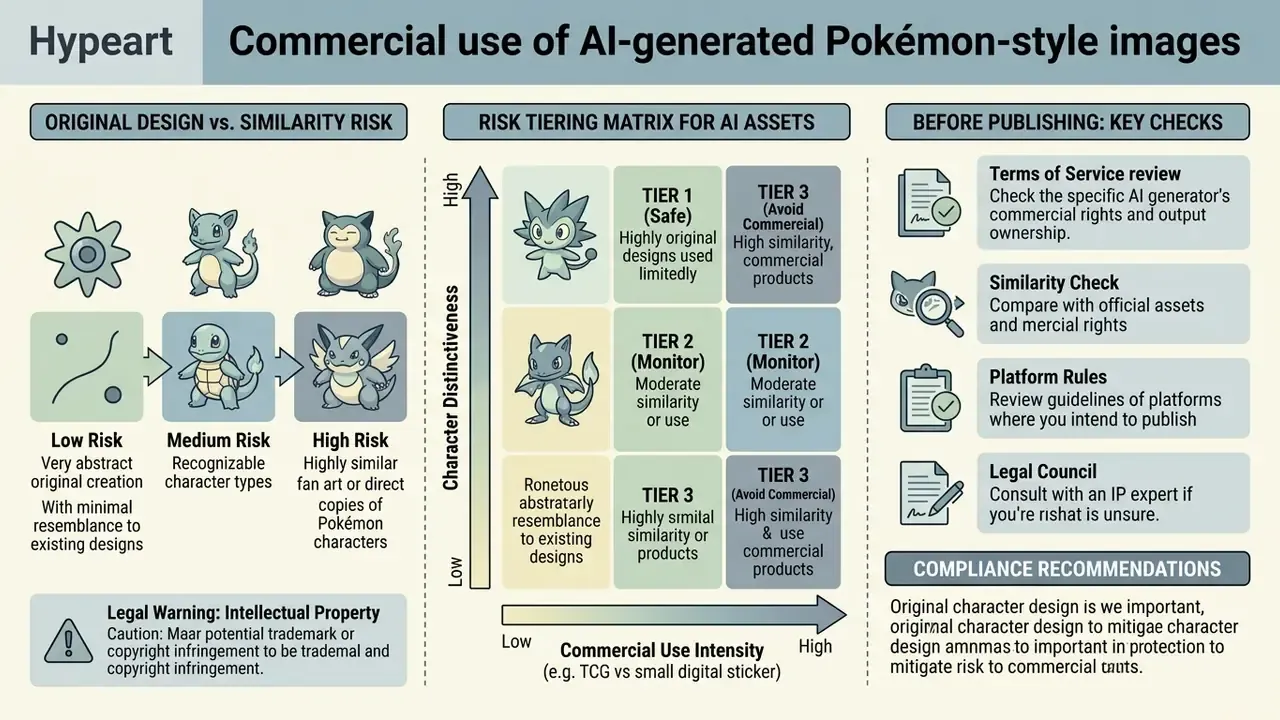
Commercial exploitation of ai-generated Pokémon-like images carries intellectual property risk when the output shows substantial similarity to protected Nintendo character designs or trademarks. That filter decides whether the rest of the workflow is even usable in a paid project, so it belongs at the start, not at the end.
Under US copyright law, purely AI-generated images created solely from text prompts lack human authorship and are ineligible for standalone copyright protection.
«Copyright protection extends to AI output only where a human author determined sufficient expressive elements, not to the mere provision of prompts.»
U.S. Copyright Office, NewsNet Issue 1060 / Copyright and Artificial Intelligence Report Part 2 (2025). https://www.copyright.gov/newsnet/2025/1060.html
There is a second layer, and it bites harder in practice. Industry legal notices and brand-protection records published by rights holders indicate that replicating trademarked character designs, Pikachu or Mewtwo being the obvious examples, exposes creators to trademark infringement and trade dress claims by Nintendo, Game Freak, Creatures and The Pokémon Company International, whose marks (including individual character names such as Eevee and Mewtwo) are registered and actively enforced. Trademark registries such as Germany's DPMA record that Pokémon marks are managed worldwide through The Pokémon Company, and a 2024 takedown notice from The Pokémon Company International targeted unauthorized use of Pokédex-listed characters. (Updated: attribution softened to publicly verifiable registry and enforcement records rather than a single undated vendor page.)
If you need a broader breakdown of platform-level rights and restrictions, see our analysis of commercial use of AI image generators, the AI Media Commercial-Use Hub, and our notes on Google's AI image generation terms. For the wider dispute landscape, our AI Litigation and Case Timelines tracks how these questions are moving through the courts.
Original design vs. similarity risk with Pokémon characters
To reduce infringement exposure, design original custom characters built from broad fantasy concepts. Do not borrow protected physical features, names, or Pokédex attributes of official species.
Generic visual style, say anime cel-shading, is not protected as federal copyright subject matter; U.S. Copyright Office guidance on digital replicas states that style as such is not a protected category. Reproducing recognizable character traits is a different story, because it creates direct source-affiliation risk under trademark and trade-dress theories. (Updated: the earlier reference to unverified registry records has been generalized; see Appendix A.)
«A survey of 432 participants shows people attribute authorship and rights both to AI users and to artists whose works were used in training.»
Lima et al., «Public Opinions About Copyright for AI-Generated Art», arXiv (2024). https://arxiv.org/abs/2407.10546v2
That perception gap matters commercially. Even where a design is legally defensible, audience backlash about "borrowed" character identity can sink a launch week. Reputational risk and legal risk are not the same variable, and they do not always move together.
Risk tiering matrix for Pokémon-style AI assets
| Risk tier | Description of output | Typical use | Control required |
|---|---|---|---|
| Tier 1, low | Fully original creature; no official names, no Pokédex traits, generic fantasy anatomy | Commercial products, merch, indie games | Human creative input documented; similarity review |
| Tier 2, moderate | Original creature in a "Pokémon-adjacent" visual language (cel-shaded, 2–4 colors, elemental cues) | Fan art, portfolios, concept decks | Style-only similarity; explicit "unofficial / fan-made" labeling |
| Tier 3, high | Regional variants, mega-forms, or fusions built on named official species | Non-commercial fan content only | No monetization; no trademark-adjacent branding |
| Tier 4, prohibited | Direct reproduction of Pikachu, Charizard, Mewtwo and other protected designs or logos | None | Do not publish or sell; remove from datasets and galleries |
Assign the tier before you generate. Retrofitting a tier onto an approved design is how teams end up arguing with legal about art they already love.
What to check in the AI generator's terms before publishing
Before commercial deployment, read the generator's Terms of Service on three specific points: output ownership, commercial license grants, and platform attribution rules.
Platform terms vary widely, and 2026 vendor documentation shows the spread. Some services (Canva's AI terms are a documented example) state that, as between the user and the platform, the user owns Input and Output and may use Output for any lawful purpose. Other freemium tools restrict free-tier outputs to non-commercial personal use. Hosted-gallery submissions can grant the platform a broad royalty-free marketing license, as Adobe's Firefly terms describe. (Updated: attribution generalized to documented vendor patterns; see Appendix A.)
LEGAL WARNING: INTELLECTUAL PROPERTY AND COMMERCIAL USE
What is a Pokémon AI Generator and what does it create?
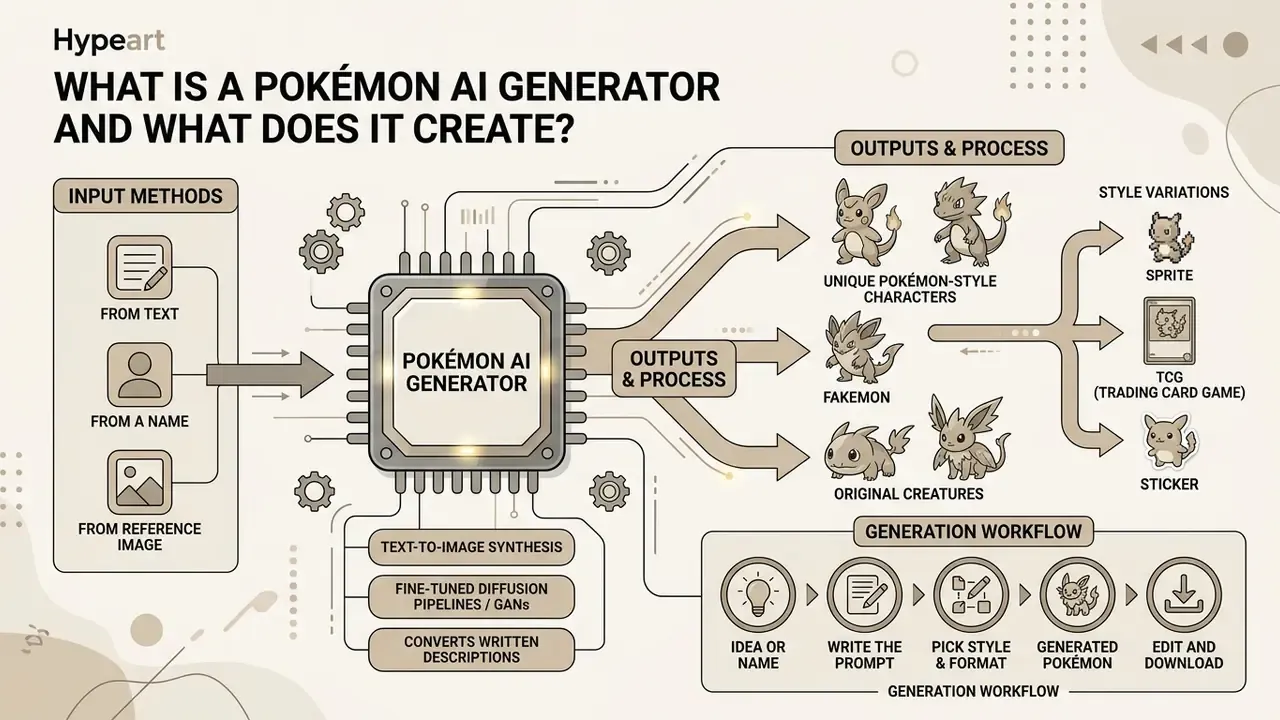
A pokémon ai generator is an online text-to-image synthesis tool powered by fine-tuned latent diffusion pipelines or generative adversarial networks (GANs) that convert written descriptions into custom creature artwork. It lets creators, game developers, and fans turn a text prompt into a generated pokemon, a customized pokemon design concept, or a novel digital character without manual illustration skills. For a wider view of this class of tools, see our comparison of the best AI art generators and the full set of AI Media Comparison Matrices.
Modern generative pipelines use open-vocabulary prompt conditioning to translate natural language into spatial and stylistic visual representations.
«A systematic review of more than 100 T2I works shows diffusion models support an open vocabulary: the user enters arbitrary text and the model synthesizes a matching image.»
Min et al., «Text-to-Image Cross-Modal Generation: A Systematic Review», arXiv (2024). https://arxiv.org/html/2401.11631v1
Pokémon-like creatures, Fakemon and original characters
Fakemon are fan-designed, original ai pokemon creatures engineered to echo the design language of the franchise: streamlined silhouettes, two to four dominant body colors, and explicit elemental indicators, without duplicating official Nintendo property. The term itself traces back to late-1990s and early-2000s fan archives (the Pokémon Factory archive dates to 1998) and gained broad search traction around 2004.
Using an ai pokemon creator, a fakemon maker, or a fake Pokemon Generator, designers synthesize unique creature concepts and custom characters at speed. Recognizable official creature design relies on visual clarity, restrained detail, stylized anatomy, and immediate taxonomic readability. That constraint originally came from early handheld hardware limits and was later codified in fan design analysis. (Updated: the unverified "Fakemon Design Principles, 2024" attribution has been removed and replaced with the documented hardware and fan-analysis rationale; see Appendix A.)
«Research on ML-artist creative practice confirms generative AI is used for rapid creature concept-art variants and style experimentation without copying protected characters.»
«Generative AI in Creative Practice: ML-Artist Folk Theories of Use, Harm, and Harm Reduction», ACM CHI (2024). https://dl.acm.org/doi/pdf/10.1145/3613904.3642461
An ai pokemon maker lets you combine those canonical design rules with original visual modifiers, producing entity concepts suitable for worldbuilding or concept art. Common fan-made categories include Fakemon, regional variants, fan-designed mega evolutions, Gigantamax-style forms, and crossbreeds. The last of those gets its own section below, because fusions fail in specific, predictable ways.
Generating from text, from a name, and from a reference image
A pokemon ai creator supports four core input modalities: direct text-to-image prompting, name-conditioned generation, reference image-to-image conditioning, and masked text edits (inpainting with a prompt describing the replacement content).
With a pokémon ai generator by name, syllable-blending algorithms and language models map text patterns to elemental type taxonomies and visual descriptors. Published work on Pokémon-style name generation (the Pokérator system) blends user words at the syllable level, ranks candidates with character and bigram language models, then attaches templated descriptions.
«PRISM automatically builds interpretable prompts from reference images, using LLM in-context learning to iteratively refine the concept description.»
He et al., «PRISM: Automated Black-box Prompt Engineering for Personalized Text-to-Image Generation», TMLR (2025). https://arxiv.org/abs/2403.19103
Image-guided generation is the other route. It accepts uploaded sketches or reference art and applies diffusion self-attention mechanisms to preserve structural geometry while transferring the target aesthetic. (Updated: the generic conference reference has been replaced with a named study.)
«Reverse prompting extracts the textual recipe from an uploaded image, and recovered prompts reproduce the original visual with high CLIP similarity.»
«Reverse Prompt: Cracking the Recipe Inside Text-to-Image Generation», arXiv (2025). https://arxiv.org/html/2503.19937v1
If your workflow starts from an existing drawing or photograph, the same principles apply to expanding and re-composing images with AI outpainting.
Process diagram: creating a Pokémon-style character from a prompt


How to create a Pokémon-style character with AI
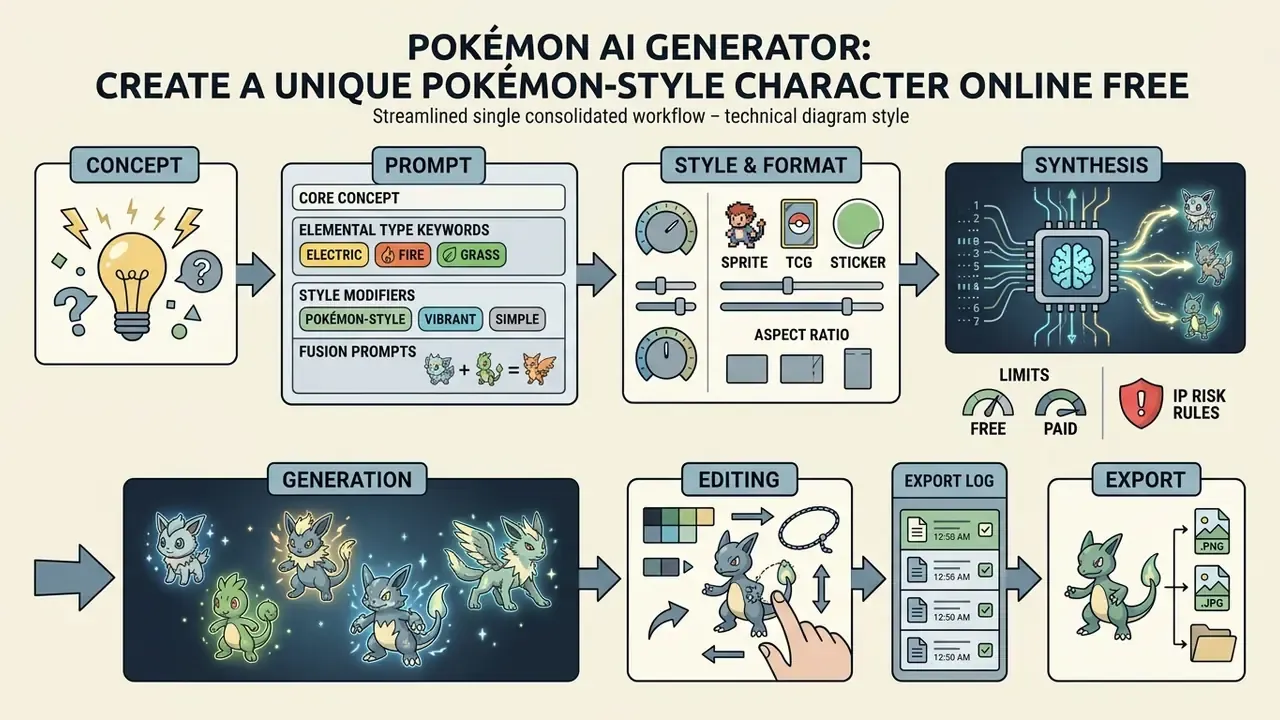
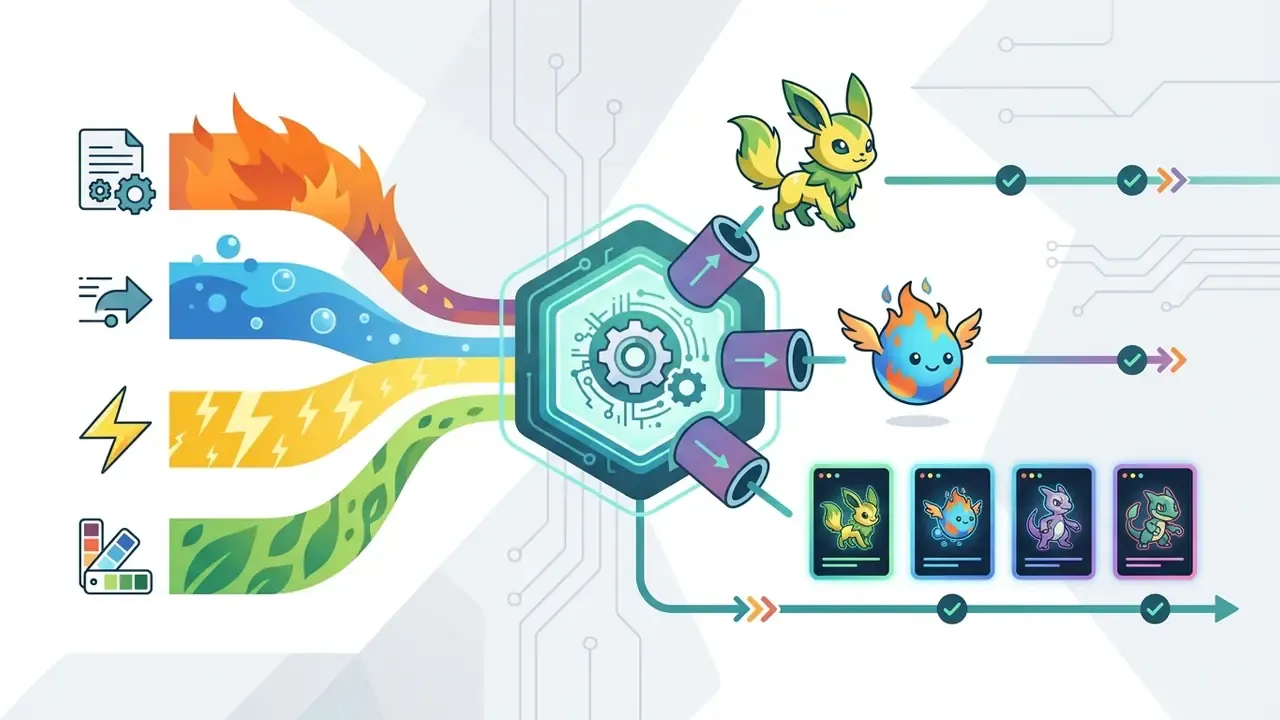
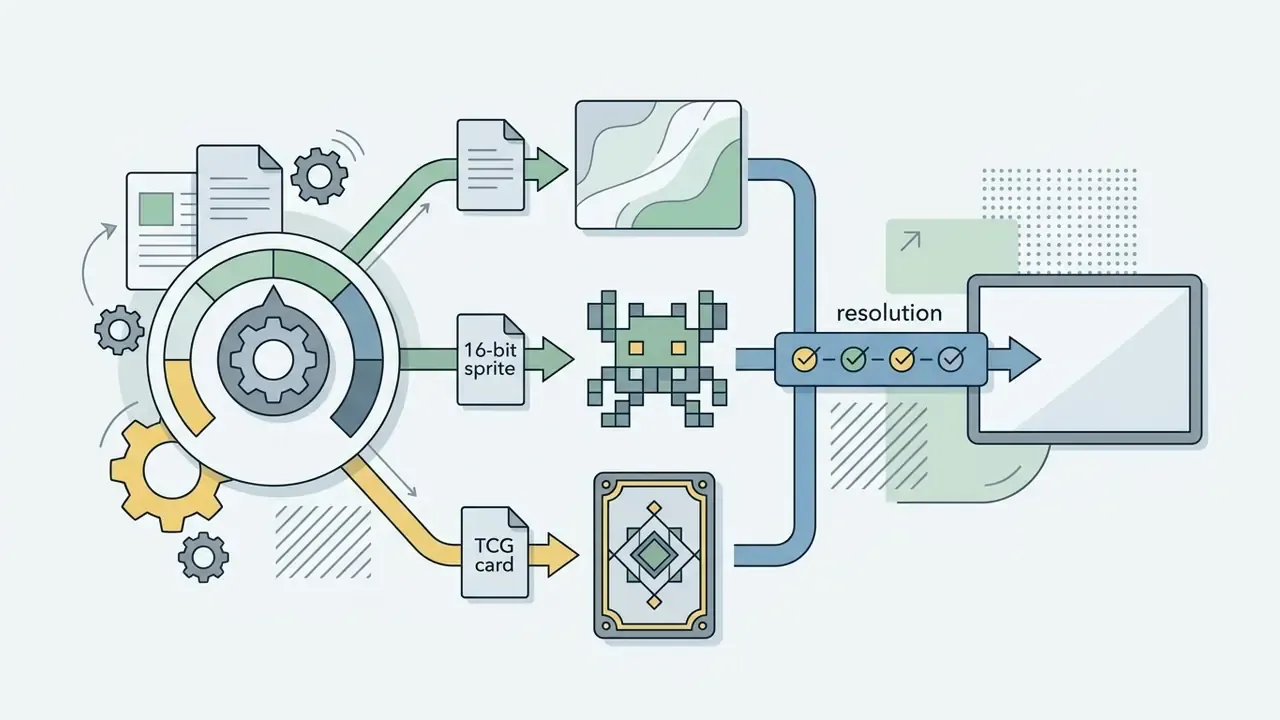
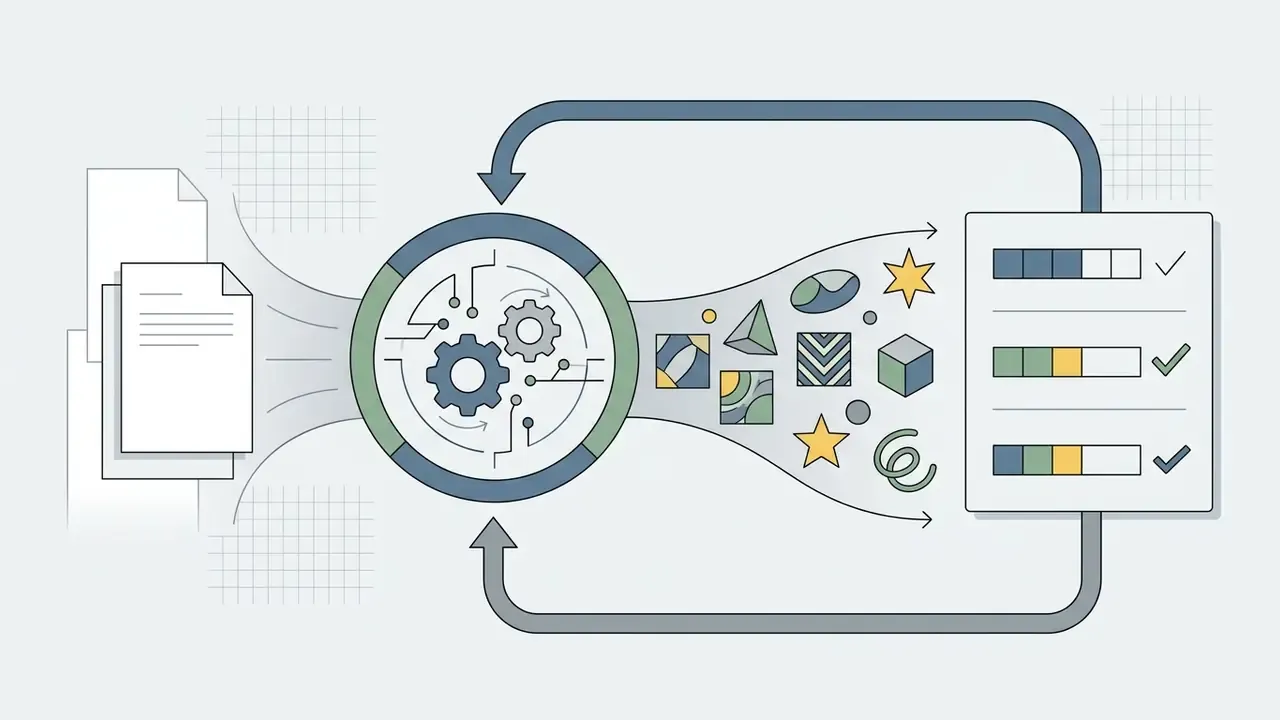
Creating a character with a pokemon generator ai means establishing a core concept, structuring the text prompt, defining aspect ratio and style parameters, running generation, and reviewing the results before export. Five steps. The third and fifth are where most people rush.
For reproducible output from a pokemon creator ai, prompt architecture must balance subject descriptors against explicit boundary constraints. Current prompting documentation from major model vendors converges on one rule: separate subject identity from environmental, lighting, and style parameters, and state the intended use so the model picks the right mode and polish level. Vendor guides also recommend a fixed ordering, background or scene first, then subject, then key details, then constraints. (Updated: attribution generalized to the documented cross-vendor pattern; see Appendix A.)
Generation protocol (single consolidated workflow)
«OPT2I improves prompt-image consistency by up to 24.9% without degrading FID visual quality, using automatic paraphrasing and best-candidate selection.»
«OPT2I: Improving Text-to-Image Consistency via Automatic Prompt Optimization», arXiv (2024). https://arxiv.org/html/2403.17804v1



How to write a prompt for a Pokémon AI Generator
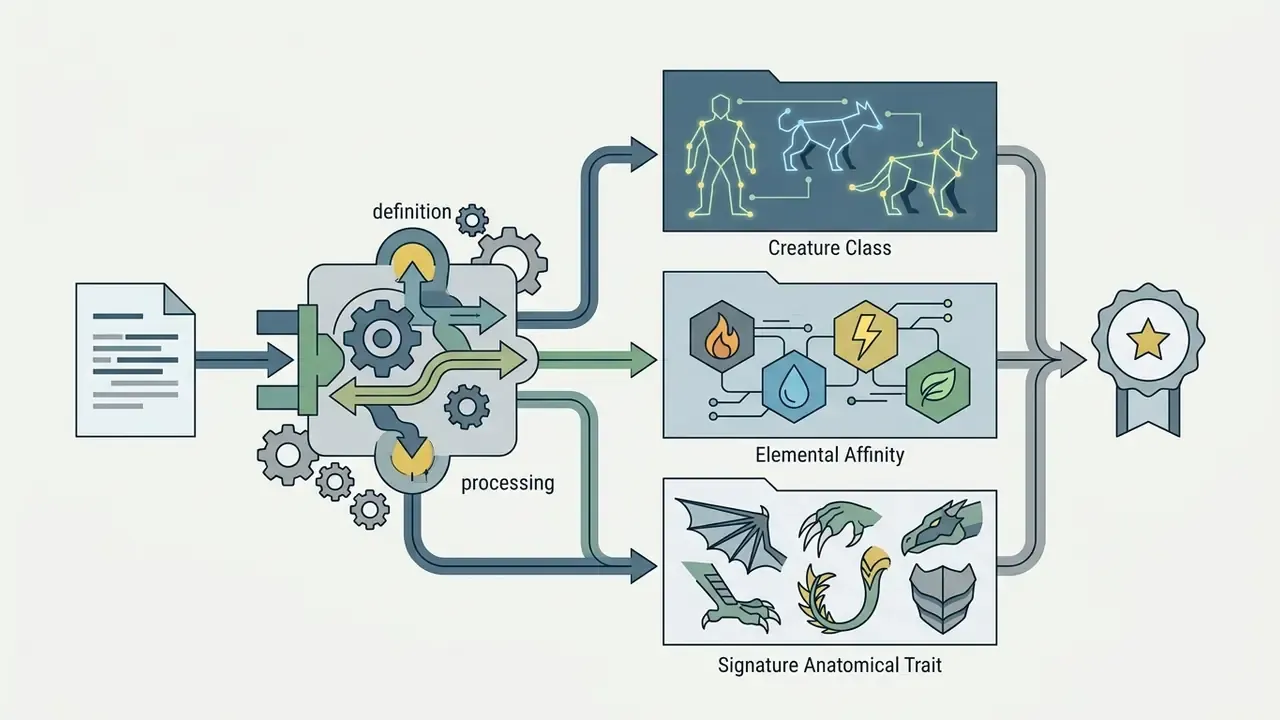
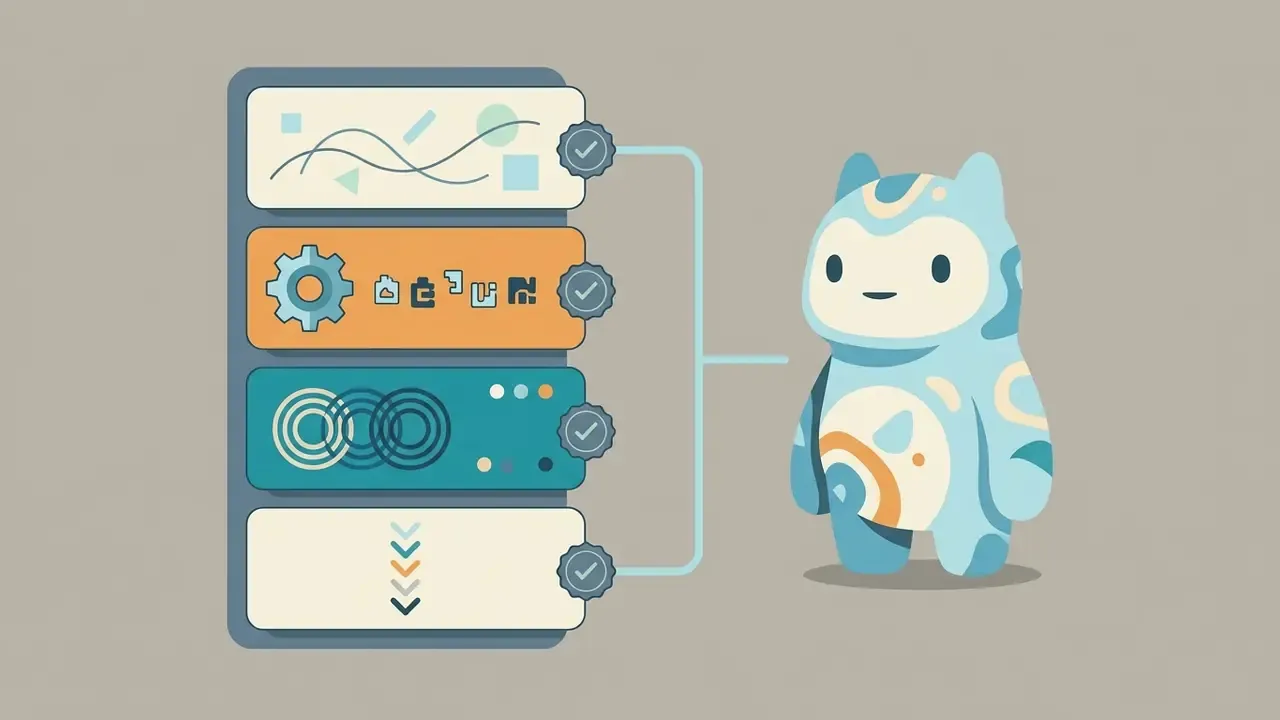
A structured prompt for an ai pokemon creator or pokemon maker ai follows a defined sequence: [Creature Subject] + [Elemental Type & Physical Features] + [Color Palette & Textures] + [Art Style Modifier] + [Output Constraints]. Still choosing a platform? Compare the best AI art generators plus the ChatGPT image generation and Midjourney alternatives.
To describe the creature accurately to a pokemon ai maker, detail specific physical structures and combat abilities. For instance, "a small bipedal fire-type lizard, metallic spiky scales, orange and obsidian color palette, anime cel-shaded style, sharp lighting, transparent background" gives the model concrete attribute-binding anchors and measurably better text-image alignment.
«Participants describe content, objects and colors, but systematically under-specify style details such as "anime sprite" or "pixel art", which reduces accuracy.»
Oppenlaender et al., «Prompting AI Art: An Investigation into the Creative Skill of Prompt Engineering», arXiv (2024). https://arxiv.org/abs/2303.13534
Formal prompt-taxonomy research identifies six modifier families that map cleanly onto creature design: subject terms, image prompts, style modifiers, quality boosters, repeating terms, and "magic" terms. Use at most one or two boosters. Stacking them tends to flatten the palette into mush.
Cheat sheet: 18 elemental types, prompt keywords and palettes
Type is the fastest lever for a distinctive silhouette, because it drives palette and motif at once. Use one primary type and, optionally, one secondary type for dual-type designs.
| Type | Emoji | Prompt keywords | Color palette |
|---|---|---|---|
| Normal | ⚪ | soft fur, rounded silhouette, simple markings | Beige, cream, light brown |
| Fire | 🔥 | blazing flames, magma scales, smoking tail | Orange, scarlet, charcoal black |
| Water | 💧 | bioluminescent fins, aquatic scales, liquid aura | Turquoise, blue, pearlescent |
| Grass | 🍃 | leaf-blade crest, vine limbs, mossy texture | Emerald, lime, earthy brown |
| Electric | ⚡ | crackling sparks, lightning-shaped tail, glossy fur | Bright yellow, electric blue |
| Ice | ❄️ | crystal spikes, frosted breath, glacial armor | Ice white, pale cyan, silver |
| Fighting | 🥊 | muscular build, bandaged fists, battle scars | Red-brown, tan, steel grey |
| Poison | 🧪 | toxic bubbles, dripping ooze, gas vents | Violet, magenta, acid green |
| Ground | ⛰️ | cracked clay hide, digging claws, dust cloud | Sand, ochre, dark brown |
| Flying | 🕊️ | feathered wings, streamlined body, wind trails | Sky blue, white, light grey |
| Psychic | 🧠 | glowing third eye, floating pose, telekinetic aura | Lilac, pink, deep indigo |
| Bug | 🐛 | chitin plates, compound eyes, translucent wings | Green, amber, dark brown |
| Rock | 🪨 | boulder shell, mineral spikes, rough granite texture | Grey, rust, slate |
| Ghost | 👻 | semi-transparent body, wisping smoke tail, hollow eyes | Deep purple, black, ghost white |
| Dragon | 🐉 | armored scales, ridged horns, majestic wingspan | Royal blue, gold, jade |
| Dark | 🌑 | shadow mane, crimson eyes, matte black fur | Black, dark violet, blood red |
| Steel | 🔩 | polished metal plating, rivets, mechanical joints | Chrome, gunmetal, cobalt |
| Fairy | 🧚 | pastel glow, ribbon-like limbs, sparkle particles | Pink, mint, pearl white |
Dual-type prompt pattern: [Type A] / [Type B] dual-type creature, [Type A palette] body with [Type B motif] accents, clear elemental contrast.
AI Pokémon Fusion: how to crossbreed characters
Fusion (crossbreed) generation blends two creature archetypes into one coherent body. The reliable structure:
[Creature 1] + [Creature 2] hybrid, fusion creature, combining [Trait 1] and [Trait 2], single coherent anatomy, [art style], [background constraint]
Ready-to-use fusion prompts:
# Fire + Water fusion (Charitoise-style archetype)
2D flat illustration of a fearsome fire-water hybrid creature, robust blue-scaled body,
fiery wings, blazing tail, water cannons on its back, muted colors, black outlines,
light gray background --transparent
# Electric rodent + dragon fusion
electric rodent and dragon fusion creature, yellow fur with cobalt scale plating,
lightning-shaped horns, small membranous wings, cel-shaded anime illustration,
front three-quarter view, plain background
# Animal-to-animal hybrid (safe, fully original)
ewe x raccoon creature hybrid, cartoon illustration, fluffy wool mane, masked face
markings, curled horns, pastel palette, isolated white background
Practical rules for fusions: keep one dominant body plan and borrow only two or three traits from the second parent, otherwise the model collapses into an unreadable blob. Name the fusion inside the prompt to stabilize the concept across iterations. And remember that fusions built on named official species land in Tier 3 of the matrix above, so keep them non-commercial.
Choosing style, format and image size
Output style options run from 16-bit retro game sprites and 2D anime illustrations to 3D cinematic renders and collectible trading card layouts. For a stylized art-direction reference, compare how style-specific tools behave in our review of Ghibli-style AI image generators.
When you run a pokemon sprite generator ai, constraining output geometry to pixel grid dimensions is what produces sharp boundaries suitable for game engine integration. Documented sprite asset sizes in public Pokémon datasets cluster at 96×96, 100×100, and 512×512 px, with official-artwork renders at 475×475 px. (Updated: the unverified "Pixa Sprite Analysis" attribution has been removed; see Appendix A.)
As of 2026, mainstream diffusion APIs support fixed aspect-ratio presets (1:1, 3:2, 2:3, 3:4, 4:3, 4:5, 5:4, 9:16, 16:9, 21:9) and custom resolutions aligned to 16-pixel boundaries, with a long-to-short edge ratio typically capped at 3:1 and maximum output up to roughly 3840 px (4K) depending on processing tier. (Updated: attribution generalized to documented cross-vendor API constraints; see Appendix A.) Special settings commonly exposed include quality, background (including transparent), output_format, input_fidelity, and compression. If you plan to call these settings programmatically rather than through a web form, check the vendor's api documentation for parameter names, since they drift between releases.
Sprites, cards and stickers: exact settings
Pixel sprites (game-ready). Constrain the grid, the view, and the palette:
small electric rodent sprite, 16-bit pixel art, front view, retro game asset,

clean edges, limited 8-color palette, solid background
Export at 96×96 or 512×512 px, PNG, background=transparent. For multi-pose sheets, generate front, right, back and left as separate passes with an identical subject clause. Pose-transfer research on sprite generation uses exactly those four pose domains.
Custom Pokémon cards (TCG layout). Trading card generators render character artwork inside framed card borders containing custom text fields for attack stats and HP. Card makers typically build the card dynamically from form inputs and crop the uploaded or generated art to the frame.
trading card frame, legendary grass creature in an ancient forest, ornate golden border,

empty banner area for name and HP, holographic texture, portrait 2:3 ratio
Leave deliberate empty space at the top and bottom of the composition for name, HP and attack text, then add typography in an editor rather than inside the prompt. Our guide to online photo editors covers that layout stage.
Stickers with a transparent background. For a clean die-cut contour with no backdrop, use isolation suffixes and a white keyline:
Cute Fire Lizard Fakemon sticker, die-cut outline, white border, vibrant colors,

vector illustration, plain background --transparent --no shadows
Alternative wordings that work across tools: --transparent, white border outline, sticker style, die-cut vector, flat plain background. Always export PNG or WebP, because JPEG cannot carry an alpha channel. If the sticker needs to move, an ai gif generator will loop the same asset without re-rendering it.
Prompt bank: 12 ready-to-copy prompts
1. Anime creature (hero shot)
majestic ice dragon creature, cel-shaded anime illustration, dynamic pose, crystal spikes along the spine, studio lighting, plain background
2. Pixel art 16-bit
small electric rodent sprite, 16-bit pixel art, front view, retro game asset, clean edges, solid background
3. Chibi mascot
chibi fire fox creature, oversized head, big expressive eyes, two-color palette, thick outlines, kawaii sticker style, transparent background
4. 3D render
photorealistic reptilian fire creature, detailed scales, subsurface scattering, volcanic rim lighting, cinematic 3D render, neutral studio backdrop
5. TCG card art
trading card frame, mythical steel griffin creature, ornate silver border, holo foil texture, space reserved for HP and attack text
6. Water-type serpent
serpent-like creature with iridescent scales that shimmer like sunlit water, graceful coiled pose, anime illustration, plain pastel background
7. Fairy-type nocturnal feline
nocturnal feline creature with fur that glows softly in moonlight, pastel pink and mint palette, sparkle particles, soft rim light, cartoon illustration
8. Ground-type bruiser
sturdy plant-and-stone creature with thick vines wrapping its body, cracked clay hide, stomping pose, dust cloud, cartoon illustration, flat background
9. Flying-type wind bird
graceful bird-like creature with wings made of swirling wind currents, motion trails, sky-blue palette, dynamic aerial pose, anime style
10. Dark/Psychic cosmic cat
mysterious feline creature in a starry coat shimmering with cosmic patterns, enigmatic aura, deep indigo and violet palette, flat vector illustration
11. Evolution line (three stages)
three-stage evolution line of one original fire creature, small cute stage, mid teen stage, large armored final stage, consistent color palette, side-by-side layout, plain background
12. Species collection sheet
collection of original creature species by elemental type, flat vector illustration, plain background, consistent line weight, sticker sheet layout
Validation checklist before an asset goes into production
- Anatomy limb count, symmetry, joint orientation, no fused or extra parts.
- Attribute binding every color and texture landed on the intended body part.
- Type readability the elemental affinity is recognizable at 64×64 px.
- Similarity screening no resemblance to named official species; reverse-image check the output.
- Technical correct resolution, alpha channel intact, no residual watermark artifacts, file format matches the target engine.
- Provenance prompt, negative prompt, seed, model version, and edit steps logged with the file.
Generation, editing and saving the result
After the first generation, inspect the visual results and apply targeted edit commands through localized masking or image guidance before the final download.
When refining a generated pokemon, current prompting documentation advises localized delta instructions ("change only the tail flame color to electric blue, keep all other features identical") and repeating the preserve list on every iteration. Skip that repetition and identity drift creeps in around the third pass. (Updated: attribution generalized to the documented cross-vendor editing pattern; see Appendix A.)
«T2I users refine prompts iteratively: first they add content detail, then they switch style descriptors, a pattern captured in prompt-log analysis.»
Mahdavi Goloujeh et al., «Is It AI or Is It Me? Understanding Users' Prompt Journey with Text-to-Image Generative AI Tools», ACM CHI (2024). https://dl.acm.org/doi/pdf/10.1145/3613904.3642861
Exported files should use PNG or WebP to preserve alpha-channel transparency for game assets and stickers.
Ideas and styles for an AI Pokémon Generator
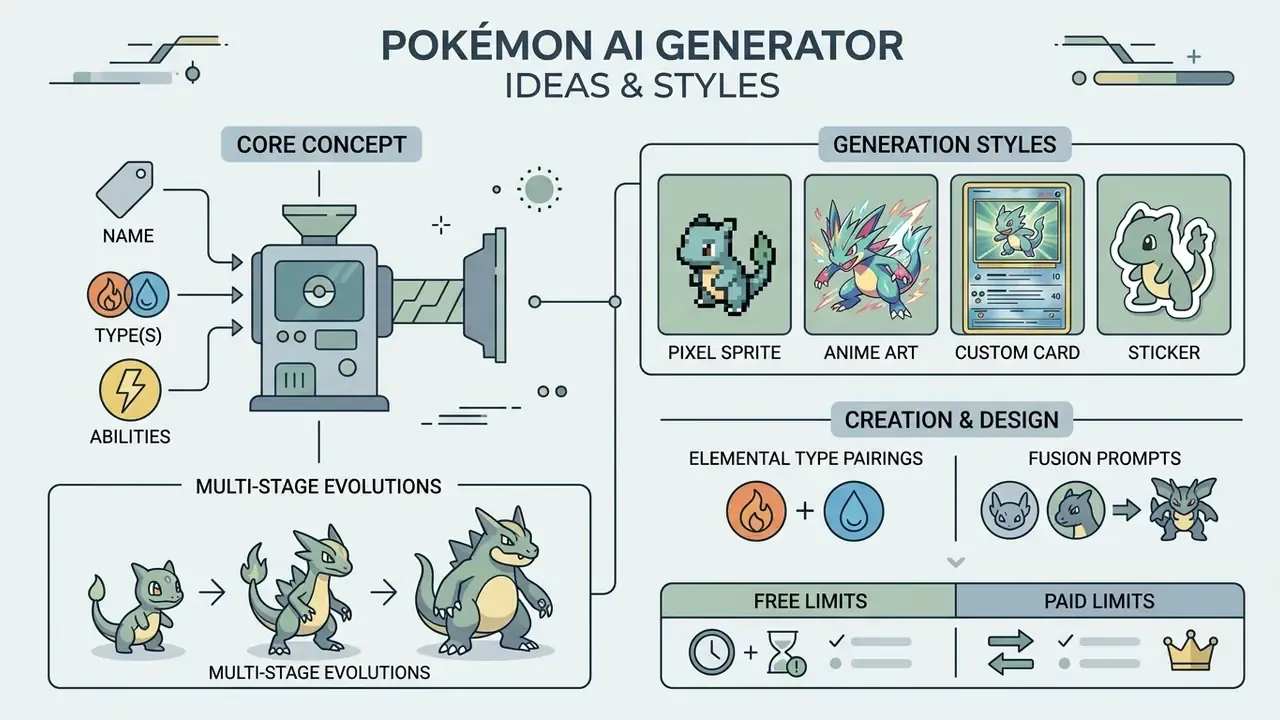
Design concepts for a random pokemon generator ai include elemental type pairings, multi-stage evolutions, retro pixel sprites, anime illustrations, custom trading card frames, and fan-style fusion designs. Pick the tool that matches your target style using our comparison of the best AI art generators.
An ai pokemon suite or pokémon maker ai opens up a lot of visual avenues. One caveat is worth building into any review step:
«T2ISafety evaluated 12 diffusion models on 70,000 prompts and found persistent fairness and toxicity issues even where concept-erasure methods were applied.»
Li et al., «T2ISafety: Benchmark for Assessing Fairness, Toxicity, and Privacy in Image Generation», CVPR (2025). https://arxiv.org/abs/2501.12612
Empirical research on generative art tools shows that combining specific stylistic modifiers stops the model defaulting to generic fantasy creature motifs.
«Vague prompts cause outputs to cluster around repeating motifs; specific type, anatomy, and style attributes are required for a unique result.»
«An Exploration of Default Images in Text-to-Image Generation», arXiv (2025). https://arxiv.org/html/2505.09166v2
Creating a character by name, type and abilities
Combining names, Pokémon types (Fire, Water, Grass, Electric and so on), and custom abilities lets the model map taxonomic keywords straight onto color palettes and physical features.
In name-based workflows with a pokémon generator ai, syllable-blending algorithms pair linguistic inputs with elemental color schemes, assigning warm reds and oranges to Fire types and cool blues to Water types. That is consistent with the Pokérator naming research and with linguistic studies of Pokémon name formation (blending, compounding, clipping, wordplay). Specifying unique powers, for example "emits floating ice crystals", reinforces attribute binding in the render, because the ability phrase acts as a second, redundant anchor for the same visual feature.
Sprites, anime art, cards and fan art
Specialized formats such as pokemon sprite generator ai outputs, custom trading cards, and anime fan art need specific formatting tags and composition settings.
Trading card generators render character artwork inside framed card borders with custom text fields for attack stats and HP, and public card makers accept a user-uploaded JPEG that is cropped to the frame automatically. For pixel art assets, "16-bit retro sprite, front view, clean isolated background" forces the diffusion model into sharp grid edges and limited color palettes. Fusion tools in this category are explicitly fan-made parody projects rather than official products, which is a useful reminder about labeling your own output.
Gallery of AI Pokémon generation styles

small electric rodent sprite, 16-bit pixel art, transparent background. Style: Retro Sprite (96×96 px).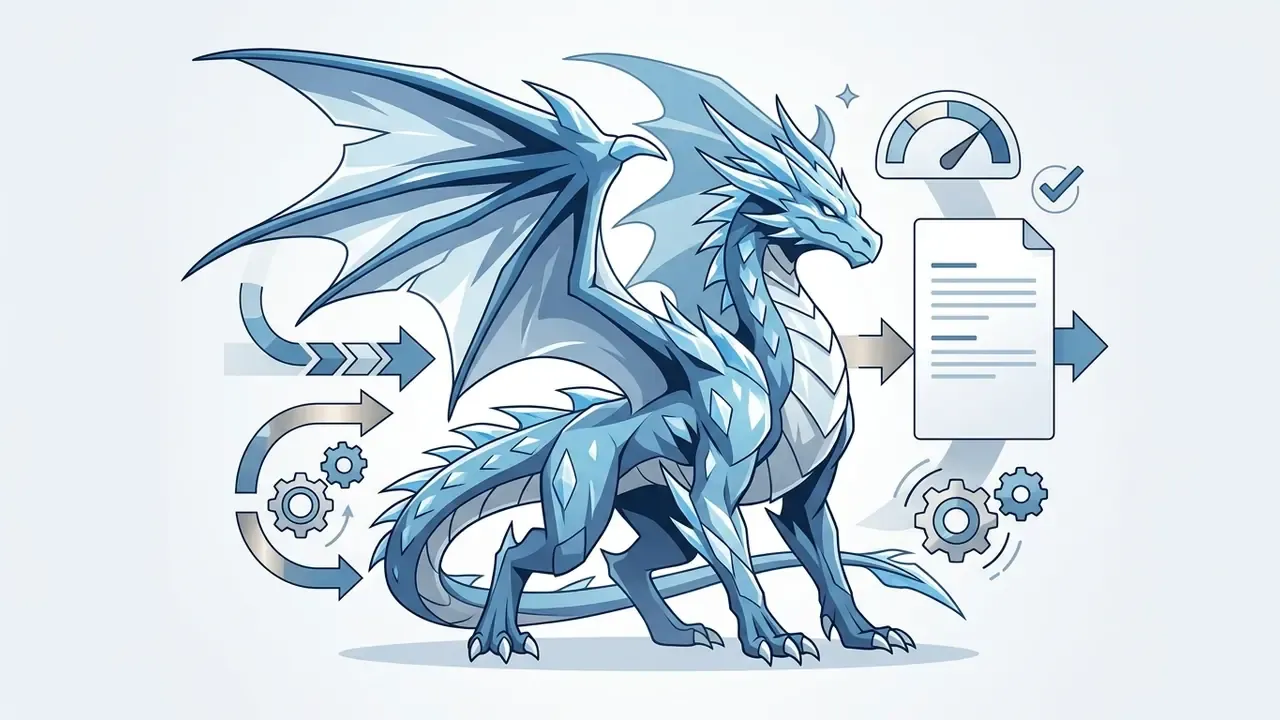
majestic ice dragon, cel-shaded anime illustration, dynamic pose, studio lighting. Style: Modern Anime (1:1, 1024 px).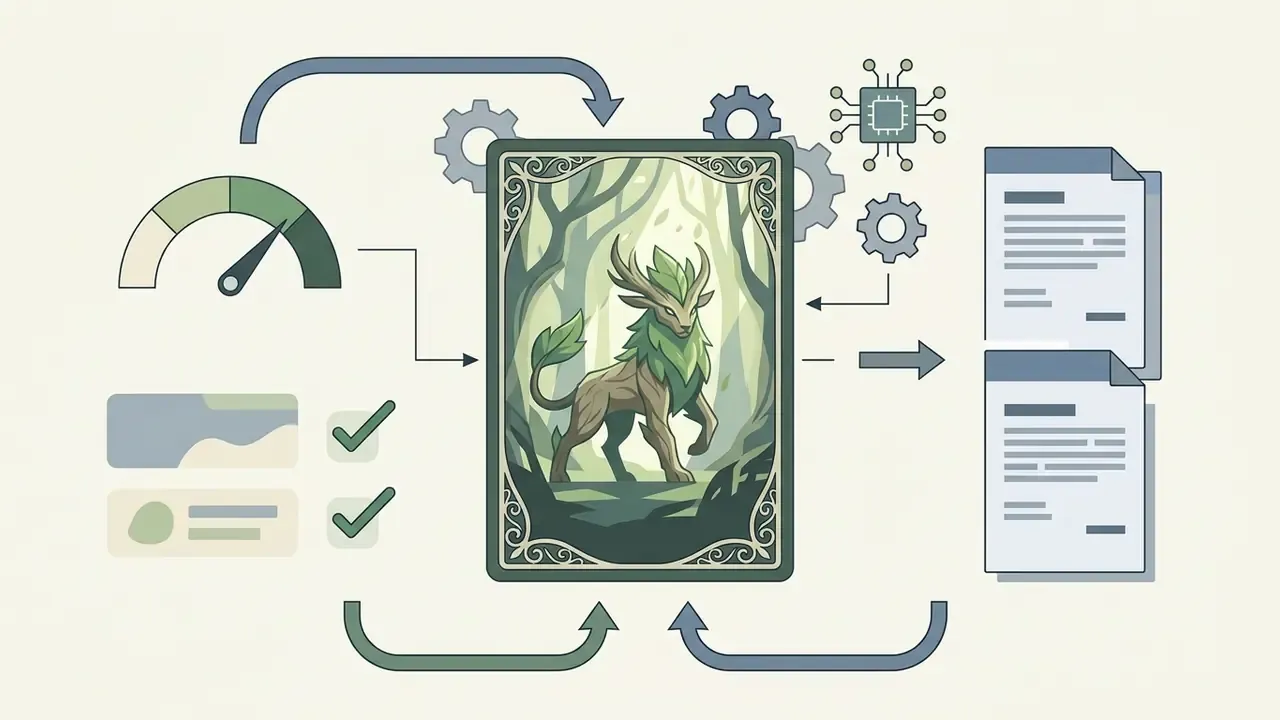
trading card frame, legendary grass creature in ancient forest, ornate border. Style: TCG Card Art (2:3, 1024×1536 px).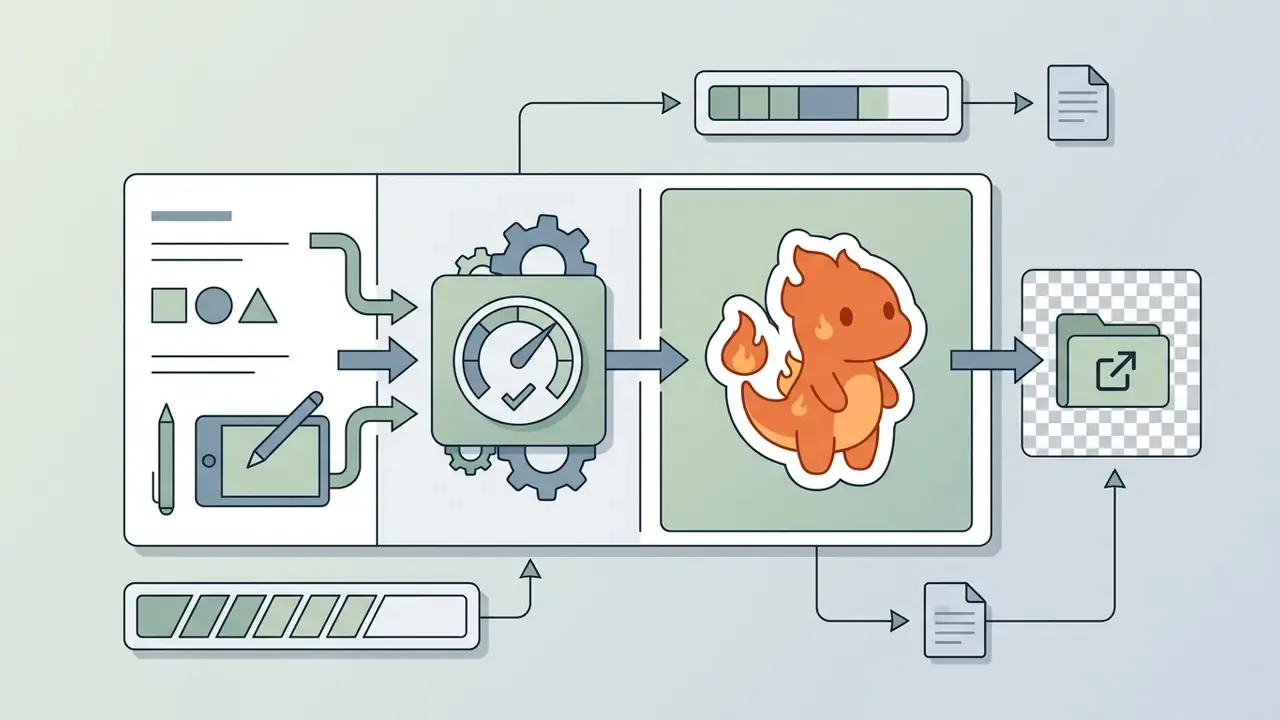
cute fire lizard Fakemon sticker, die-cut white outline --transparent. Style: Die-cut Sticker (PNG, alpha).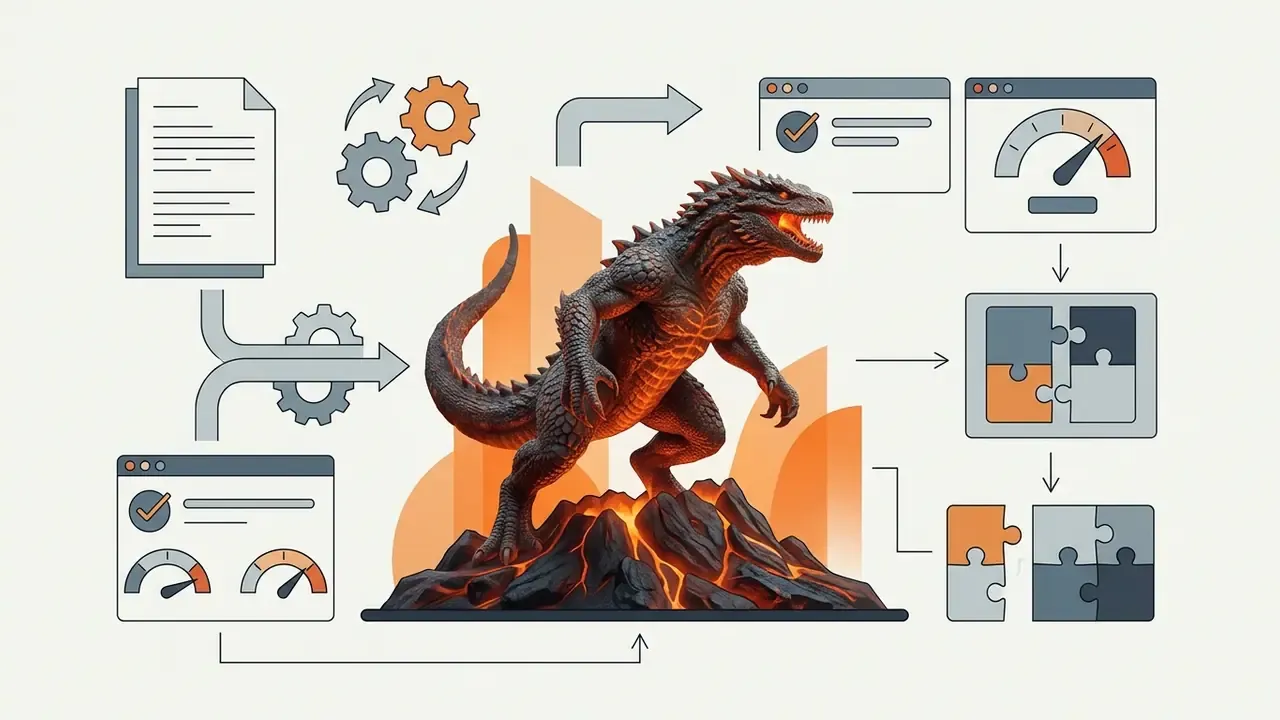
photorealistic reptilian fire creature, detailed scales, volcanic lighting. Style: Cinematic 3D (16:9).Free AI Pokemon Generator with no sign-up: what to check
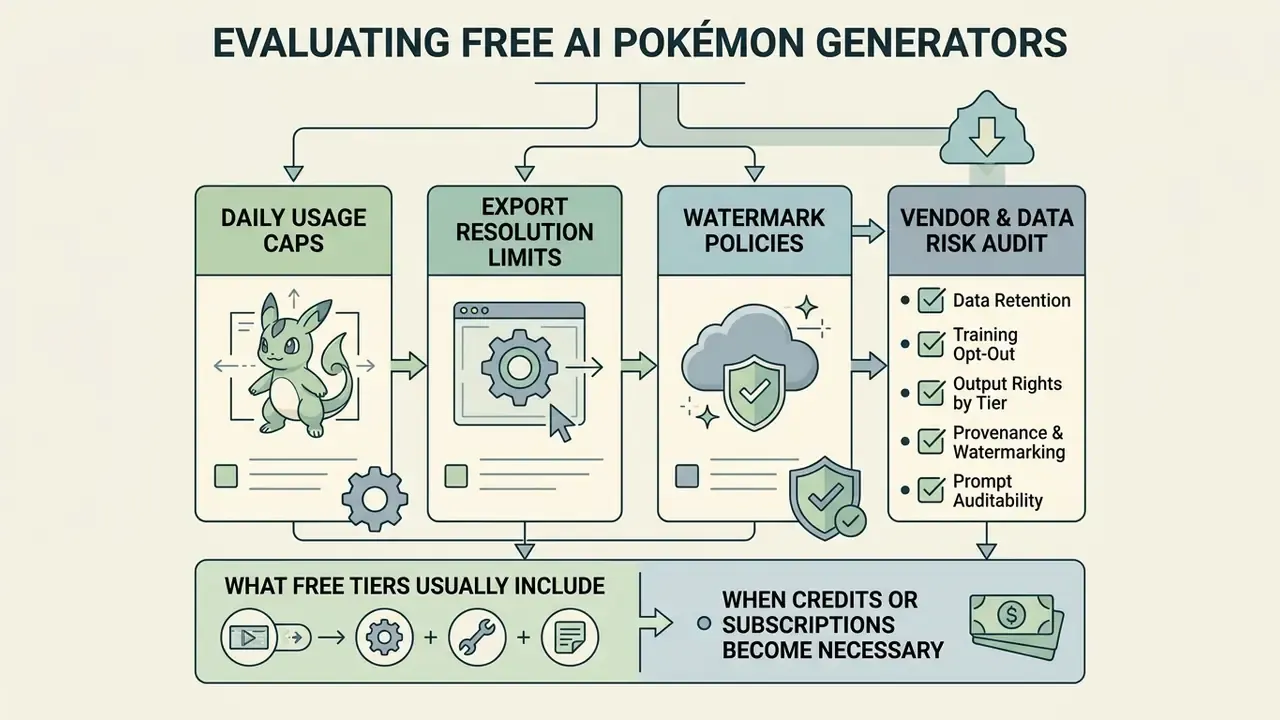
Evaluating an ai pokemon generator free or ai pokemon generator no sign up tool means auditing four things: daily usage caps, export resolution limits, watermark policies, and data terms. Our side-by-side review of free AI art generators covers those trade-offs tool by tool.
Public tools advertise online access on an ai pokemon generator website, but vendor pages published between 2024 and 2026 show free tiers enforcing daily caps from roughly 3 to 100 generations per 24 hours, capping exports at 1024×1024 pixels, or applying visible or invisible watermarks. Reported figures conflict: some pages claim "free, no sign-up, unlimited", while others document 3, 10, or 100 images per day with a rolling 24-hour reset and pay-as-you-go credits beyond that. (Updated: attribution generalized and the conflict disclosed; see Appendix A.)
What free tiers usually include
Free tiers on a pokemon ai generator website provide basic text-to-image synthesis, standard 1K resolution, default aspect ratios, and public gallery visibility. Compare specific limits in our roundup of free AI art generators.
Free platforms and open diffusion wrappers let you generate basic outputs and view results, but they commonly restrict batch processing, advanced image guidance, and priority queuing. Documented free-tier behavior as of 2026 includes 1024×1024 default output, multiple aspect ratios, and an embedded invisible watermark (SynthID) even when no visible mark is applied. (Updated: attribution generalized to documented free-tier behavior; see Appendix A.)
When credits or subscriptions become necessary
High-resolution 2K/4K exports, commercial usage rights, batch processing, watermark removal, and custom fine-tuning generally require credit packs or paid monthly subscriptions.
Monetization across AI art tools leans on prepaid credit bundles and subscription plans. Documented 2026 vendor pricing includes credit packs at $10 for 4,000 credits, $27 for 12,000, $64 for 32,000 and $120 for 64,000 credits, alongside annual plans in the $144 to $792 range (roughly $12 to $66 per month). Per-generation cost varies by model class: standard image models often 5 to 100 credits, premium models 500 and up. Paid tiers unlock commercial licenses, advanced inpainting tools, higher-resolution export, and private generation modes. To model spend before you commit, our AI Media Calculators and AI Media Pricing Guides break down credit burn per asset. (Updated: attribution generalized to documented vendor pricing pages; see Appendix A.)
| Access mode | Daily limits | Max resolution | Watermark | Commercial rights |
|---|---|---|---|---|
| Free (no sign-up) | 3–10 generations | 1024×1024 px | Visible / SynthID | Personal use only |
| Free (with account) | 10–100 generations | 1024×1024 px | Embedded SynthID | Limited / non-commercial |
| Credit packs ($10+) | Pay per generation | Up to 2048×2048 px | None | Included in the pack |
| Subscription ($15+/mo) | High / unlimited | 4K / custom size | None | Full commercial license |
Table note: parameters depend on the platform, and vendor claims conflict on "unlimited" free use. Verify the specific service's Terms of Service before using outputs commercially, and route any ambiguity to the vendor's support channel in writing.
Vendor audit checklist: avoiding Shadow AI risk
Public creature generators get adopted informally by designers and marketing teams, which turns them into unmanaged, undocumented AI inside your perimeter. Before a tool touches project material, confirm the following in writing:
- Data retention.Are prompts and images stored after the session? Some vendors state explicitly that nothing is retained once the session ends. Get that in the ToS, not on a marketing page.
- Training opt-out.Does the provider train on user inputs or hosted-gallery submissions? Hosted galleries often carry a broad royalty-free license for the platform.
- Output rights by tier.Whether ownership and commercial use attach to free outputs or only to paid plans.
- Provenance and watermarking.Whether outputs carry visible marks or invisible signals such as SynthID, and whether that is acceptable downstream.
- Prompt auditability.Can you export prompt, seed and model-version logs for an internal review trail?
- Model and pipeline disclosure.Is the base model named? Undisclosed pipelines make similarity risk unquantifiable, which is a polite way of saying uninsurable.
- Corporate transparency.Verifiable operator identity, jurisdiction, security posture, support channel. Where none is available, as with hypeart.ai in the current public record, treat the tool as unvetted.
- Content moderation.Documented prompt-level and output-level filtering, consistent with published system-card practice (prompt blocking plus output blocking) and with NIST's generative-AI risk profile.
- Integration constraints.Whether uploads of internal reference art are compatible with your DLP and confidentiality rules.
- Continuity.Asset expiry policies. Some free tools delete generations after 24 hours, so downloads have to be immediate.
Ten questions. Most vendors answer six of them clearly, and the four gaps are the interesting part.
How to improve AI Pokemon Generator results
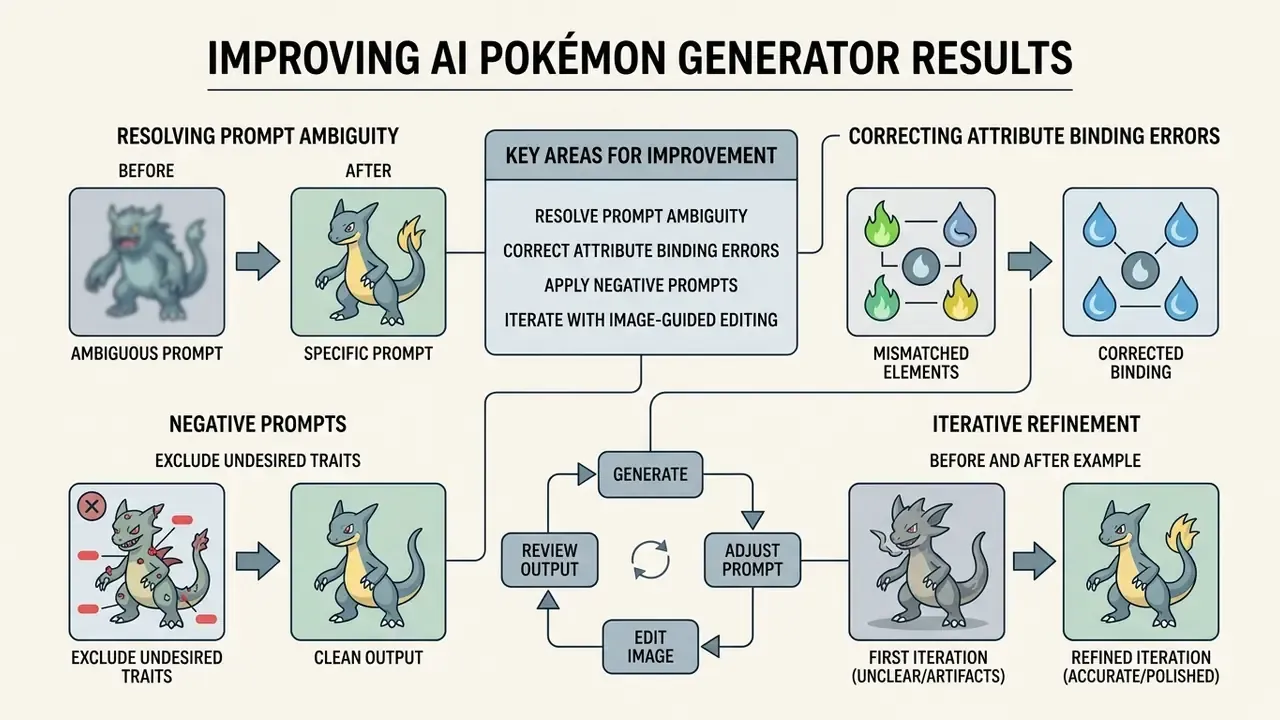
Better output accuracy comes from resolving prompt ambiguity, correcting attribute binding errors, applying negative prompts, and iterating with image-guided editing.
Compositional benchmarks show diffusion models frequently fail at attribute binding (wrong colors on specific body parts) and at counting (wrong number of limbs).
«T2I-CompBench++ tests 11 models on 8,000 compositional prompts: models differ by 20 to 30 percentage points in correctly binding attributes to objects.»
Huang et al., «T2I-CompBench++», arXiv (2025). https://arxiv.org/abs/2307.06350
Automated prompt optimization algorithms such as OPT2I can lift prompt-image consistency by up to 24.9% without degrading visual quality.
«OPT2I uses an LLM to generate paraphrases and selects the variant with the highest CLIP score, up to 24.9% consistency gain while preserving FID.»
«OPT2I: Improving Text-to-Image Consistency via Automatic Prompt Optimization», arXiv (2024). https://arxiv.org/html/2403.17804v1
Published anatomy-evaluation schemes for text-to-image output split defects into five classes (proportion, extra parts, orientation, configuration, missing parts) across face, torso, hands, limbs and feet. Use that taxonomy as your QA rubric instead of a subjective "looks wrong". Reviewers agree far more often when the label is fixed.
Why the character doesn't match the description
Mismatches come from prompt overfitting, ambiguous attribute descriptors, or model failures on complex multi-concept binding. Color-specific failures are their own category: wrong object color, over- or under-saturation, and color bleed from the background onto the subject.
When a prompt carries conflicting or overloaded keywords, the diffusion model tends to collapse details into default training motifs.
«Empirical analysis confirms that with vague prompts a significant share of outputs clusters around the same visual motifs regardless of textual detail.»
«An Exploration of Default Images in Text-to-Image Generation», arXiv (2025). https://arxiv.org/html/2505.09166v2
Splitting prompts into separate subject, color, anatomy, and background clauses prevents that semantic bleed. It is a small discipline with an outsized effect.
How to fix a failed generated pokemon
Failed generations can be corrected with negative prompts (to suppress extra limbs), masking and inpainting (to edit specific regions), outpainting (to extend the canvas), and adjustments to reference image guidance strength. For reference-driven refinement, see our overview of AI outpainting and image expansion tools.
«Adaptive Prompt Elicitation asks targeted visual clarification questions instead of long text: a 19.8% consistency improvement on IDEA-Bench with no added workload.»
«Adaptive Prompt Elicitation for Text-to-Image Generation», arXiv (2026). https://arxiv.org/html/2602.04713v1
To fix anatomical artifacts, use the four-step correction loop documented in diffusion tooling guides and reference-image APIs: add negative terms (extra limbs, mutated hands, blurry, low resolution), mask the flawed region, set moderate reference guidance strength (roughly 0.3 to 0.5, or the LOW/MID setting where a tool exposes discrete levels), then re-generate until the artifact disappears. (Updated: attribution generalized to documented diffusion tooling and reference-guidance parameters; see Appendix A.)
Before and after example. Failed output: a fire lizard with three arms and a blue tail flame that was supposed to be orange. Corrected pass: change only the tail flame color to warm orange and remove the third arm, keep the body, pose, scales and background identical, plus negative extra limbs, duplicated arm, colour bleed, a mask over torso and tail, guidance 0.4. Two iterations resolved both defects without redrawing the silhouette. Consistency research backs this layered approach: keep facial, clothing, and body features fixed across a series, work from close-up to full-body layers, and prefer square 1024×1024 references for identity stability.
Use cases: where AI Pokémon generation actually pays off
Export guidance by scenario: PNG with alpha for sprites and stickers; PNG or lossless WebP for card art heading to print; JPG for general web publishing. Keep a master file at the highest available resolution and downscale per platform.
Next steps: putting Pokémon-style generation under control
- Classify the assetusing the four-tier risk matrix before generation starts, not after the design is approved.
- Standardize promptsinto a shared template (subject, element, palette, style, constraints, negatives) and store approved templates centrally. Structure is what makes output reproducible.
- Log provenanceprompt, negative prompt, seed, model version, edit history, stored next to every exported file, so human authorship and input legitimacy can be demonstrated later.
- Audit the vendorwith the ten-point checklist before any internal reference material is uploaded.
- Gate releasebehind the validation checklist: anatomy, attribute binding, similarity screening, technical format.
- Re-review annually.Copyright guidance, platform terms and watermarking rules all changed materially between 2023 and 2026, and there is no reason to expect 2027 to be quieter.
FAQ about AI Pokemon Generators
Do I need to download software to generate images?
No installation is required. Modern AI Pokémon generators run directly in web browsers on cloud API infrastructure. Web tools process diffusion models on remote GPU clusters and return PNG or WebP images to the browser without touching local hardware, the same pattern documented by mainstream online media tools that state they work in-browser with no installation. Developer libraries and local pipelines are the exception: those do need local setup and a runtime. (Updated: attribution generalized; see Appendix A.)
What formats can I download the image in?
Generated images are typically available in PNG, JPG/JPEG, and WebP at resolutions from 512×512 to 2048×2048 pixels. If your export is too small for print, see our notes on expanding and re-composing AI images. PNG and WebP are the right choice when a transparent alpha channel is required for game sprites or digital stickers; JPG remains standard for general web publishing and cannot store transparency at all. Note that vendors rarely publish exact download dimensions. Where public documentation gives numbers, sprite assets appear at 96×96, 100×100 and 512×512 px, and official-artwork renders at 475×475 px. (Updated: attribution generalized; see Appendix A.)
How long does AI Pokemon generation take?
Average speed runs 2 to 15 seconds per image, depending on server load, prompt complexity, and target resolution.
«HEIM's holistic evaluation of 26 T2I models includes an efficiency metric: generation time varies with model architecture and compute load.» Lee et al., «HEIM: Holistic Evaluation of Text-To-Image Models», arXiv (2023). https://arxiv.org/abs/2311.04287 Complex prompts, high sampling step counts, or 4K upscaling can push latency to 30 to 60 seconds, and vendor documentation notes that particularly complex requests may take up to two minutes. Batching raises throughput but can worsen per-image latency, and free tiers usually sit behind paid ones in the queue. (Updated: attribution generalized to documented latency drivers; see Appendix A.)
Can I create Fakemon rather than copies of official Pokémon?
Yes, and it is the recommended mode. Describe an original species (body plan, element, signature trait, habitat) instead of naming an existing creature. Original Fakemon sit in Tier 1 or Tier 2 of the risk matrix, which is the only zone where commercial use is realistic.
What makes a good generation prompt?
Specificity across five slots: type, colors, anatomy, mood or setting, and style. "Fire-type dragon creature with orange scales, flying over a volcano, anime style, plain background" beats "dragon pokemon" because each clause anchors a separate attribute.
What if I don't like the result?
Regenerate with a modified prompt, or edit only the failed region. Change one thing per iteration, repeat the preserve list ("keep everything else identical"), and add negative terms aimed at the specific defect.
Are free outputs watermarked, and how long are they stored?
Often yes, either visibly or through an embedded signal such as SynthID even when no visible mark appears. Storage is the bigger trap: some free tools delete generations after 24 hours, so download immediately and keep the prompt log with the file. The generator runs online in desktop and mobile browsers, so there is nothing to install, and typical turnaround stays in the 2 to 15 second band, stretching past a minute under heavy load or at 4K.