That boundary is the whole subject of this guide.
Key Takeaways
- What it is An AI writing generator is an LLM-powered application that turns natural-language prompts into structured text, from blog posts and marketing copy to emails, paragraphs and reports, and on advanced platforms into formatted files (PDF, DOCX, XLSX, HTML).
- What the evidence shows A randomized controlled trial of 453 professionals found AI assistance cut task time by 40% and raised evaluator-rated quality by 18% (Noy & Zhang, Science, 2023; extended analysis 2025).
- Where free tiers stop Free plans usually cap output (often around 10,000 characters per month or 25 to 100 prompts per month), retain data under public terms, and offer no SSO, RBAC, audit logs or indemnification.
- Where paid plans start Professional tiers (market range roughly $4.00 to $24.16 per month for individuals, custom pricing for enterprise) add unlimited generation, brand-voice profiles, plagiarism scans, zero data retention, SOC 2 Type II, and HIPAA-capable terms.
- The non-negotiable control Human-in-the-loop (HITL) review stays mandatory. Fact verification, hallucination scanning, plagiarism checks, and documented sign-off must precede publication.
- The ROI reality Net benefit equals productivity gains minus validation labour, tooling, and residual risk cost. Price the control layer before approving budget.
Scope, Audience and How to Read This Guide
This article is written for people who have to sign something: risk officers, compliance leads, heads of model risk, and finance transformation owners at US banks and mature fintechs. It also serves the individual writer comparing a free AI writer generator against a paid seat.
Three reading paths, depending on your question.
If you are deciding what the tool is, start with the definition section and the format list. If you are deciding what to buy, go to the free versus professional comparison and the risk-adjusted ROI formula. If you already have adoption and need defensibility, read the quality assurance and audit trail material first, then the limitations section.
Statements about buyer motivation in this guide remain hypotheses until confirmed by your own analytics, interviews, or CRM data. Treat them as prompts for internal discussion, not as findings.
What Is an AI Writing Generator?
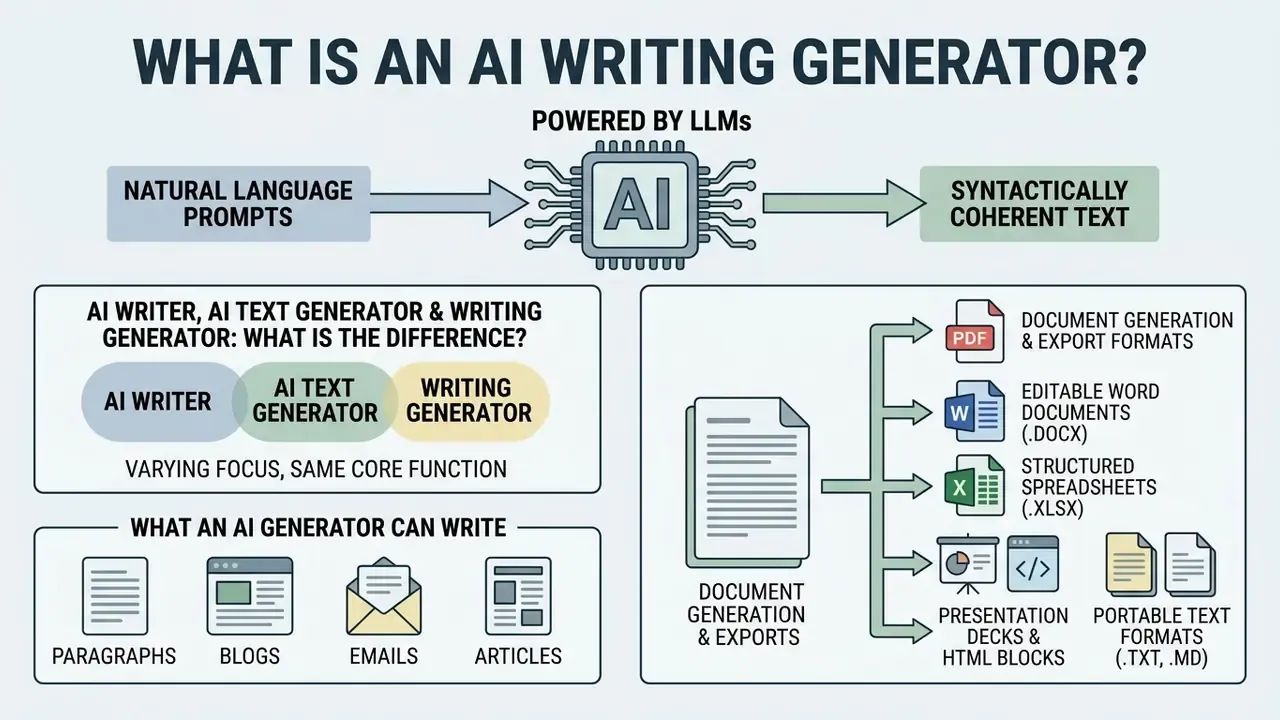
An AI writing generator is a software application powered by large language models (LLMs) that produces syntactically coherent text from natural language prompts. These systems lean on probabilistic language patterns learned during pre-training to generate free-form text, structured paragraphs, marketing copy, or technical summaries.
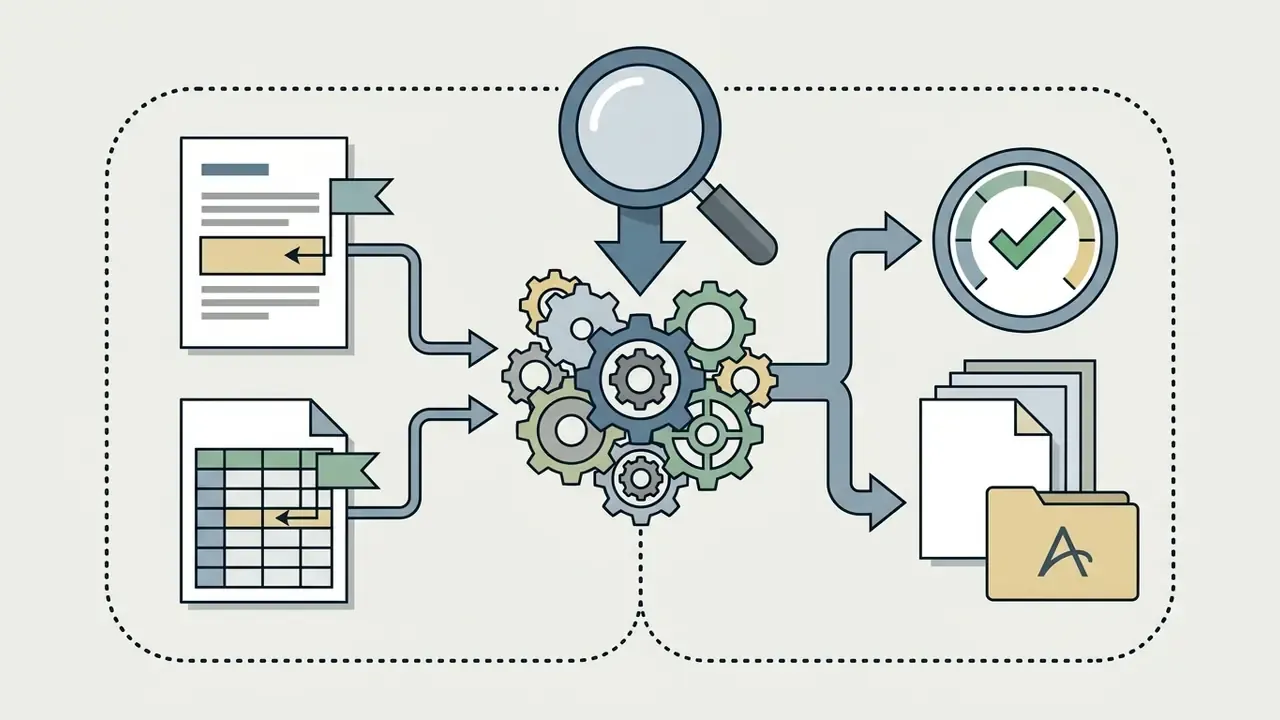
According to the National Institute of Standards and Technology (NIST AI 600-1), generative AI models emulate learned structures and distributions to produce new content from user prompts. In a standard text-writing pipeline the user submits a prompt, the application passes it to the underlying language model, and the model generates text token by token. In advanced setups using Retrieval-Augmented Generation (RAG), external contextual documents are combined with the prompt before generation, so the output is conditioned on specific factual data (NIST SP 800-218A, July 2024. https://csrc.nist.gov/pubs/sp/800/218/a/final).
One governance caveat belongs at the start of any classification exercise, not in an appendix. Unmanaged consumer-grade generators are the most common entry point for Shadow AI. When employees draft customer notices, board summaries, or credit memos in personal free accounts, prompts containing confidential data leave the corporate perimeter with no logging, no retention control, and no training-exclusion clause. So inventory first. Knowing which text generators are actually in use is the first operational step, not the last.
AI Writer, AI Text Generator and Writing Generator: What Is the Difference?
The terms AI writer, AI text generator and writing generator point at similar technology, yet they carry different positioning and operational focus. An AI text generator is the broad umbrella label for any system that produces written language from prompts, transcripts, documents, or structured data.
An AI writer usually describes a task-oriented application built to draft, rewrite, summarize, or refine human copy for a specific business or editorial goal. The phrase writing generator is mostly a vendor marketing label, used interchangeably with AI writer tools. The distinction is one of scope rather than method, because the token-by-token generation process underneath is identical. Teams planning full workflow integration often evaluate these products alongside a dedicated ai content generator to automate routine drafting while keeping operational oversight intact.
What an AI Generator Can Write
Modern AI writing tools generate a wide spectrum of formats, from a short social caption to a multi-page business report. The core set includes long-form blog articles, commercial marketing copy, internal email drafts, social posts, product descriptions, standalone paragraphs, and single-sentence rephrasings.
Research from the WritingBench benchmark (2025) shows that contemporary LLMs handle over 100 writing subdomains covering creative, persuasive, informative, and technical writing.
"WritingBench spans 1,239 queries across six domains; its query-dependent critic model reaches roughly 83% agreement with human judgments."
In empirical testing using official GRE Analytical Writing rubrics, leading models scored on average between 4.67 and 4.78 out of 6.0, with Gemini at 4.78 and GPT-4o at 4.67. That lands in the "competent analysis" band, which is enough for structured argumentative prose and not enough for unreviewed publication (Evaluating AI-Generated Essays with GRE Analytical Writing Rubrics, 2024). Institutions scaling these outputs usually manage them inside unified ai content creation frameworks, so messaging stays aligned across departments.
Document Generation and Export Formats
Modern writing generators go past plain text in a web editor. They structure output directly into formatted documents:
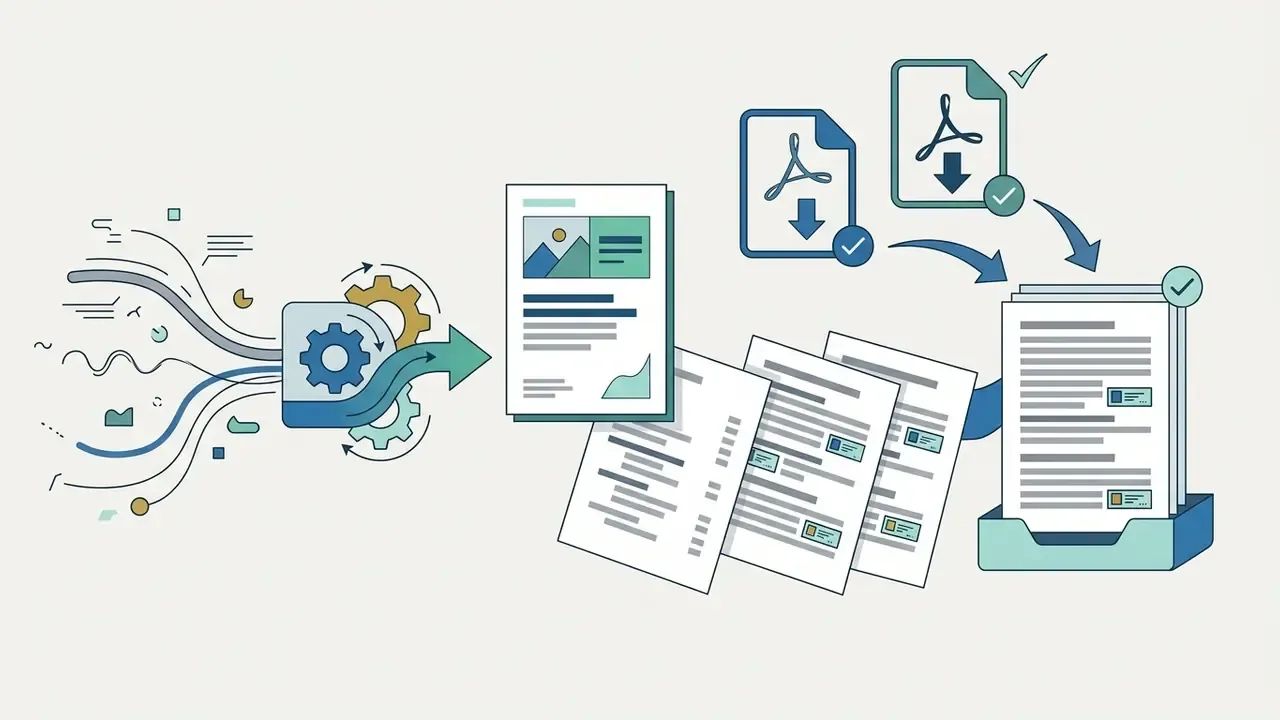
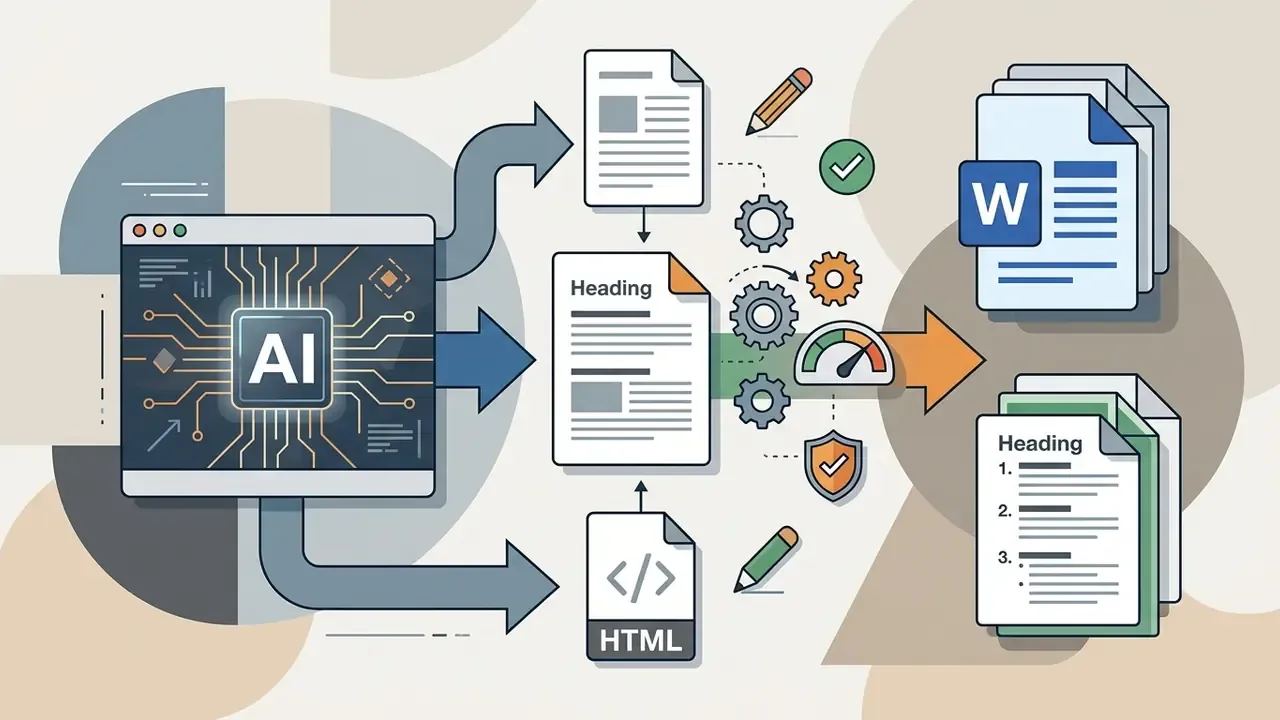
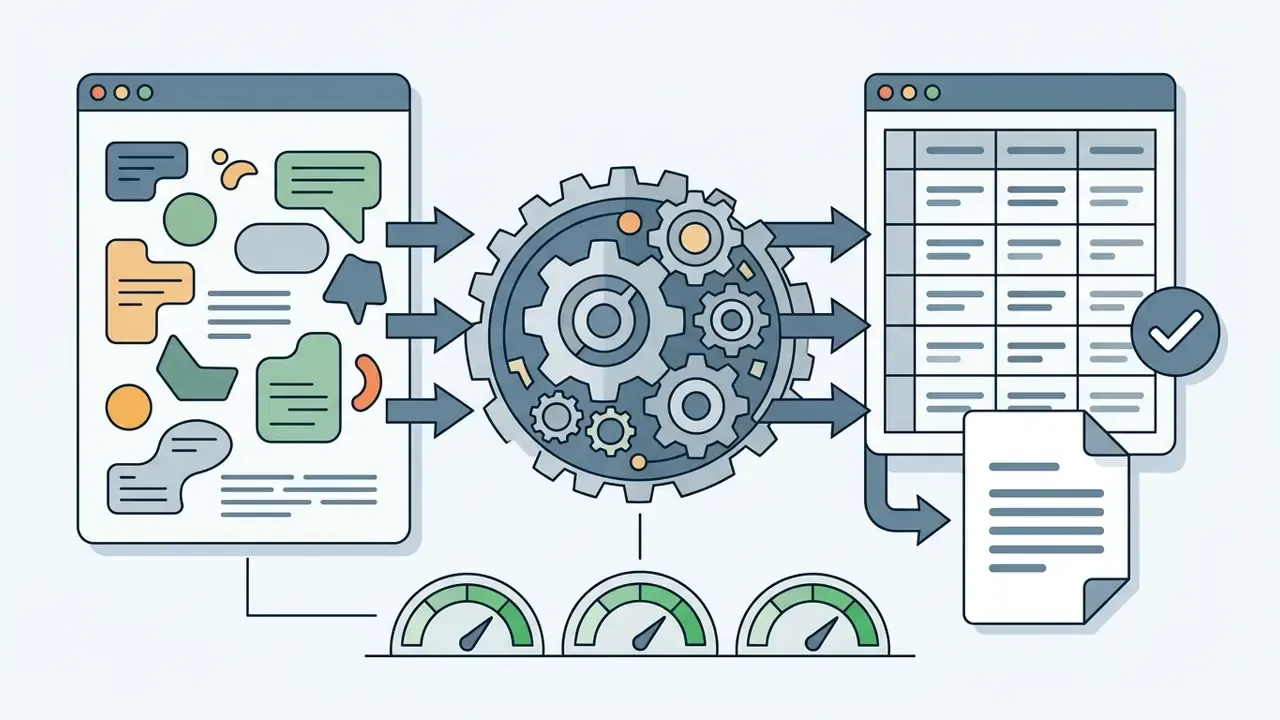
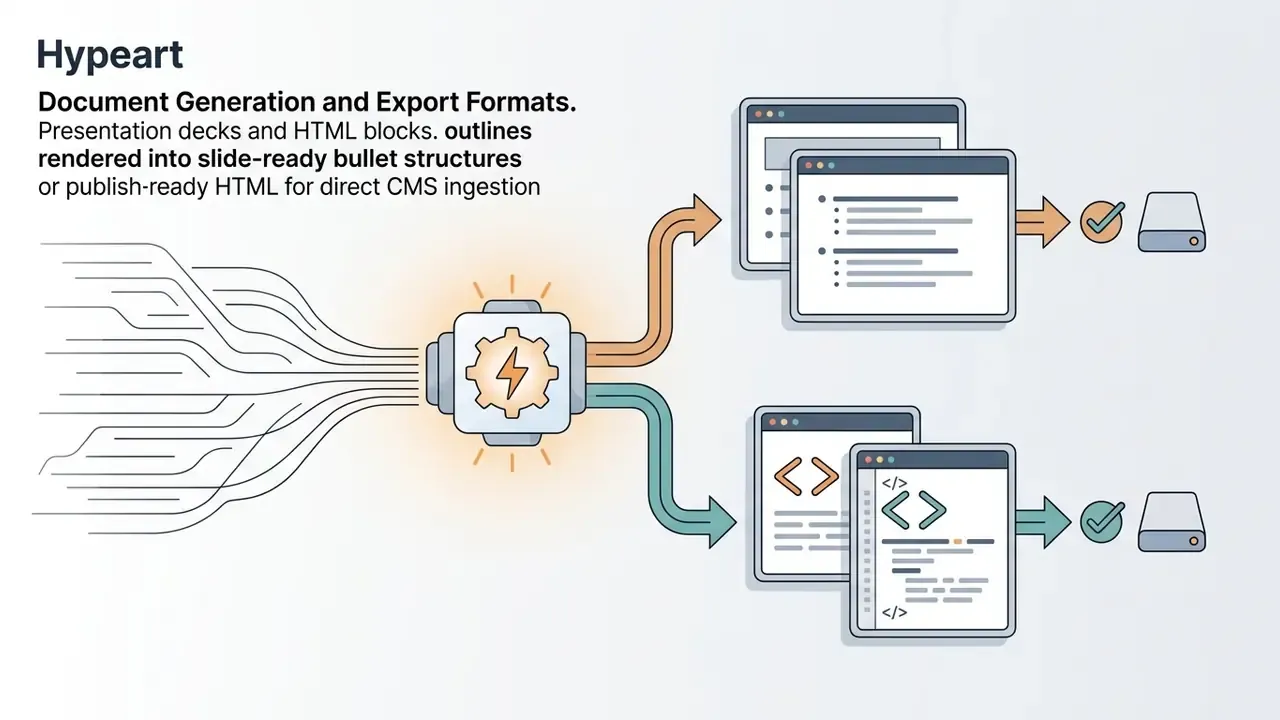
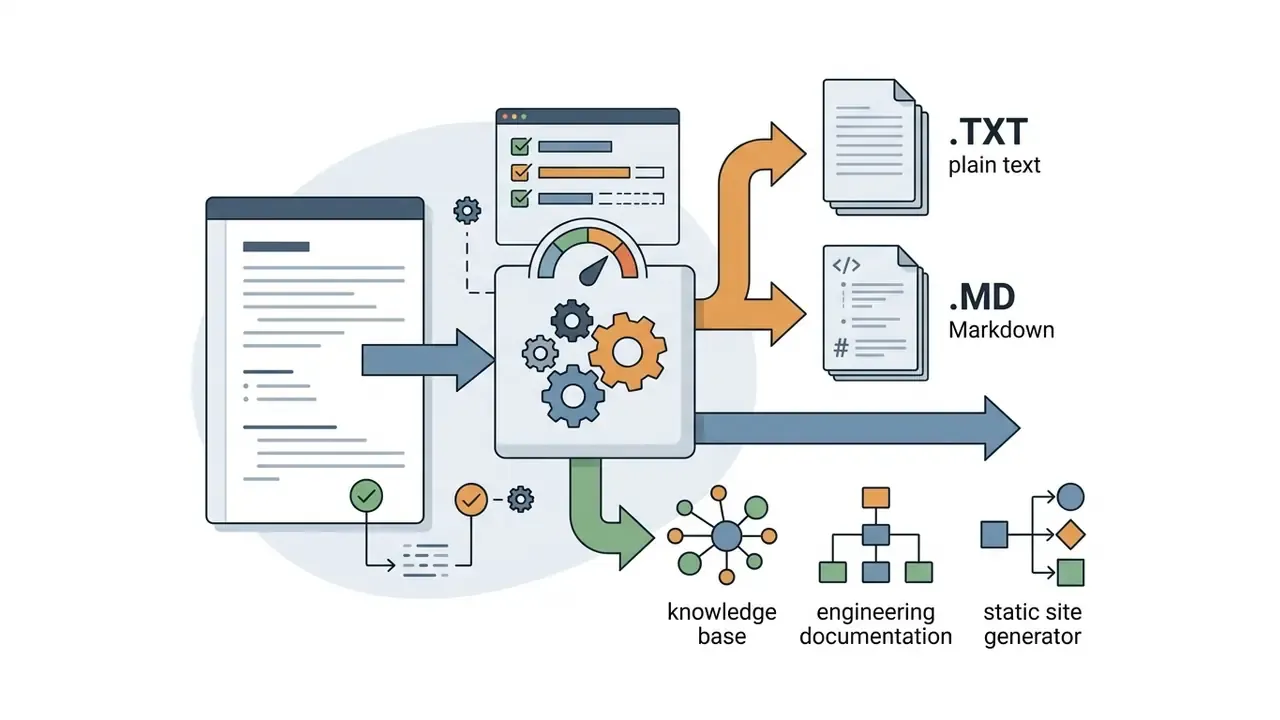
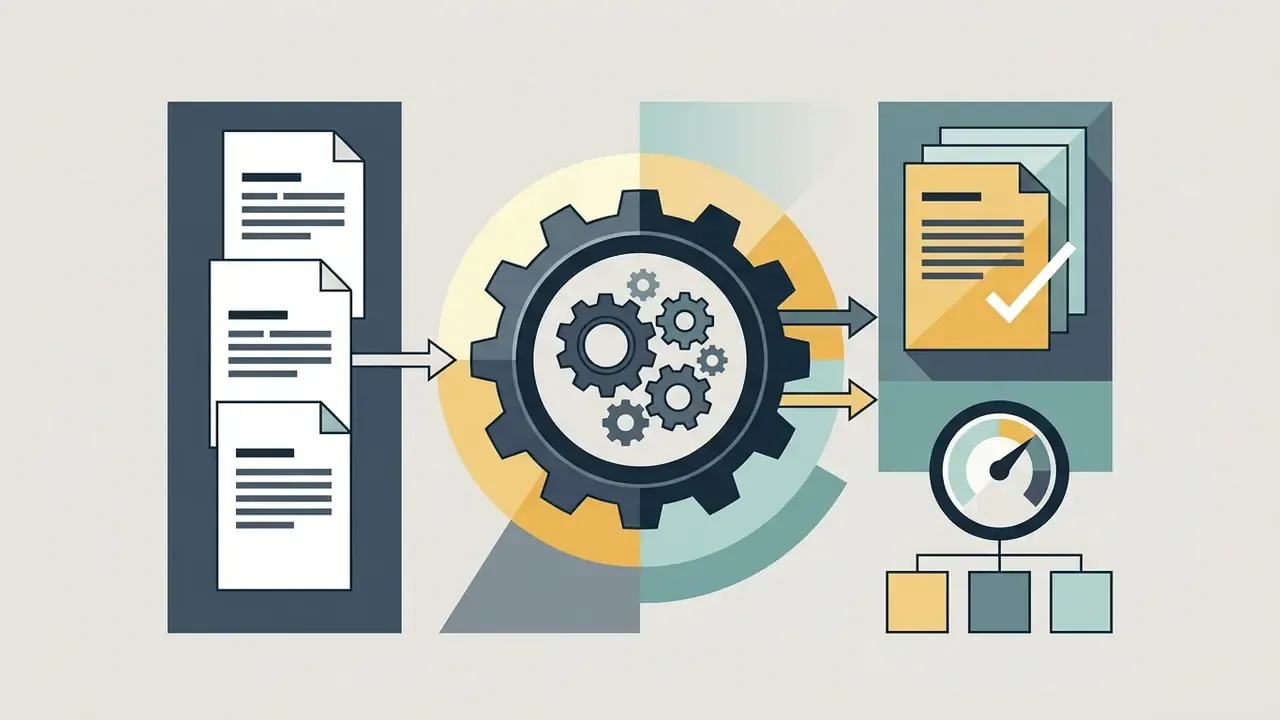
For regulated teams, export format matters as much as prose quality. A generated PDF without version metadata, model attribution, or reviewer sign-off cannot enter an audit file without extra paperwork, and that paperwork is usually manual. Organisations comparing adjacent creative tooling can review workflow patterns in the AI Media Commercial-Use Hub and format-specific guides such as the guide to online photo editors for asset preparation alongside written copy.
Free AI Writing Generator vs Professional AI Writer Plans
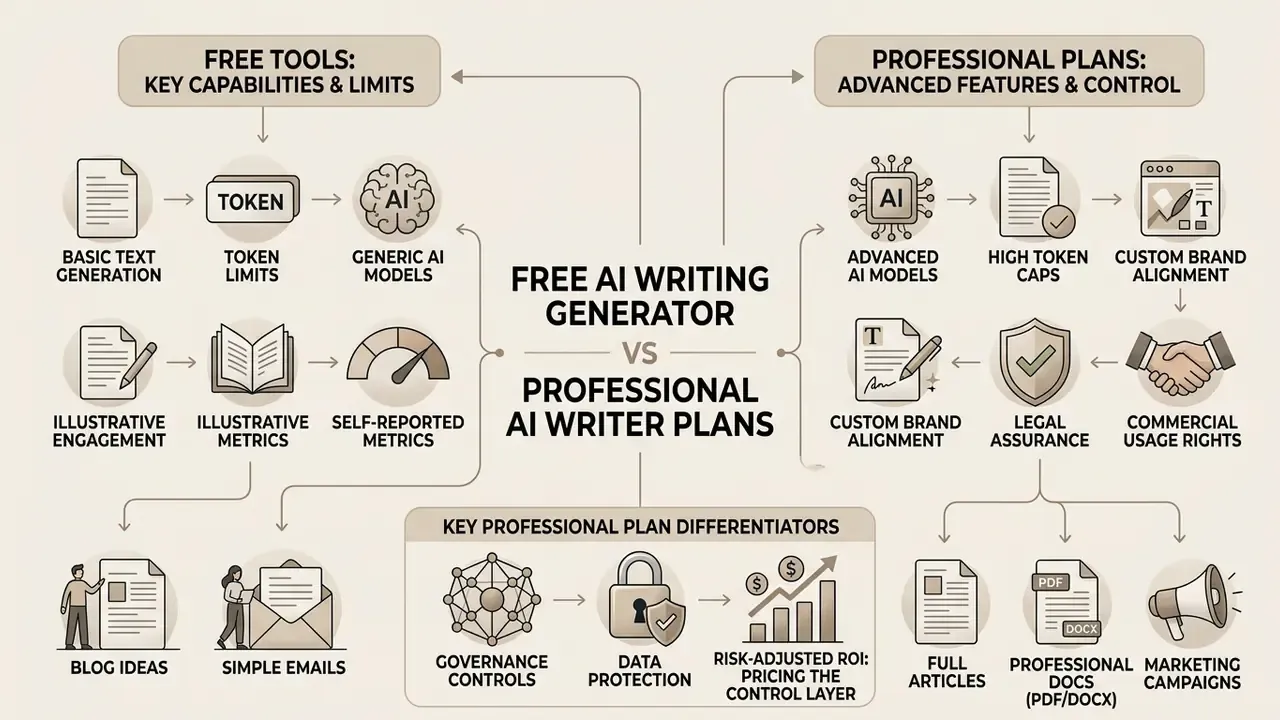
Choosing between a free AI text generator and a professional paid tier means examining token limits, model access, security architecture, and commercial usage rights. Enterprise readers should settle this boundary before distributing prompting instructions, because a beautifully engineered prompt executed inside an unmanaged free account is still a data-governance incident.
| Feature / Dimension | Free AI Writing Tiers | Professional AI Writer Plans |
|---|---|---|
| Generation volume and prompts | Restricted caps, typically 10,000 characters per month or 25 to 100 prompts per month, sometimes rolling hourly or 5-hour session limits | Expanded or unlimited prompt allocations with high token throughput; paid plans typically range from $4.00 to $24.16 per month for individual and freelance tiers, with custom enterprise contracts above that |
| Model access | Standard base models with restricted context windows | Flagship LLMs, advanced reasoning models, and custom APIs |
| Tone and brand customization | Basic presets (formal, casual, 20+ preset tones) | Custom brand voice profiles (typically 1 to 5 saved voices), style guides, glossary enforcement, LoRA instruction tuning |
| Originality verification | Manual, external checks only | Built-in plagiarism scanning, commonly 50 to 100 scans per month by tier |
| Workflow integration | Web editor only, limited or no extension access | Browser extensions, CMS and Google Docs plugins, API and webhook connectors |
| Security and data privacy | Data may be retained for model retraining under public terms | Strict privacy protocols, zero data retention, SOC 2 Type II, HIPAA-capable BAAs |
| Team collaboration | Single-user access, no shared workspaces | Multi-user admin controls, SSO/SCIM provisioning, RBAC, shared asset libraries |
| Commercial usage rights | Non-exclusive or personal-use licences, varies by platform; some vendors disclaim exclusivity entirely | Full commercial ownership, legal indemnification, enterprise licensing |
Disclaimer: this information is general in nature and does not replace professional advice. Usage terms, limits, and commercial rights vary by platform and change frequently. Verify current conditions in the provider's official documentation before deployment.
The short version of that table: free tiers buy you drafting, paid tiers buy you evidence.
What You Can Do With Free AI Writing Tools
Free AI writing tools are a reasonable entry point for an individual drafting short messages, testing prompts, or generating first post ideas. ChatGPT Free, Claude Free, Grammarly's free AI writer, and basic vendor tiers all let you run standard text generation with no financial commitment. Typical free-tier work: a blog outline, a LinkedIn caption, a customer reply, a meeting summary, or one 40 to 80 word paragraph.
The boundaries are firm, though. Official terms from major providers show free accounts running under rolling query limits (Anthropic documents a rolling five-hour session window rather than a fixed message count), restricted context windows, and reduced tool access during peak demand. OpenAI notes that everyday text chats are broadly available on the free plan, while uploads, image generation, voice, and data analysis carry separate caps. Anyone comparing platforms can review detailed breakdowns in the AI Media Comparison portal, study adjacent categories such as the comparison of the best AI art generators, and estimate usage costs with the AI Media Calculators.
One more practical note. Free plans change quietly. A cap that held last quarter may not hold this one, which is another argument against building a departmental process on top of a consumer tier.
When Professional Writing Tools Are More Suitable
Enterprises need professional AI writer plans once content production scales across departments, proprietary data enters prompts, or regulatory review becomes mandatory. Paid tiers unlock higher API rate limits, custom knowledge base connectors, and centralized administrative controls.
That kind of volume growth is exactly why unlimited tiers, governance controls, and review capacity have to be provisioned together. Volume without validation multiplies exposure instead of value.
Enterprise requirements that effectively mandate a paid tier:
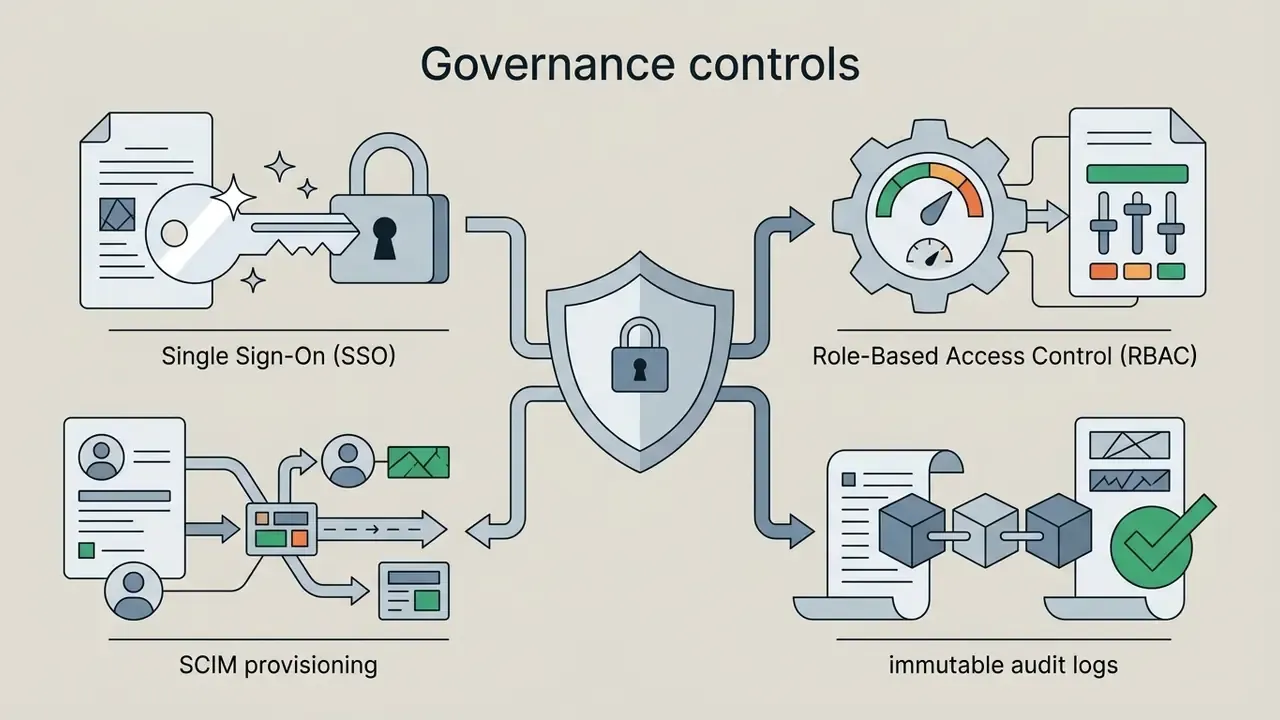
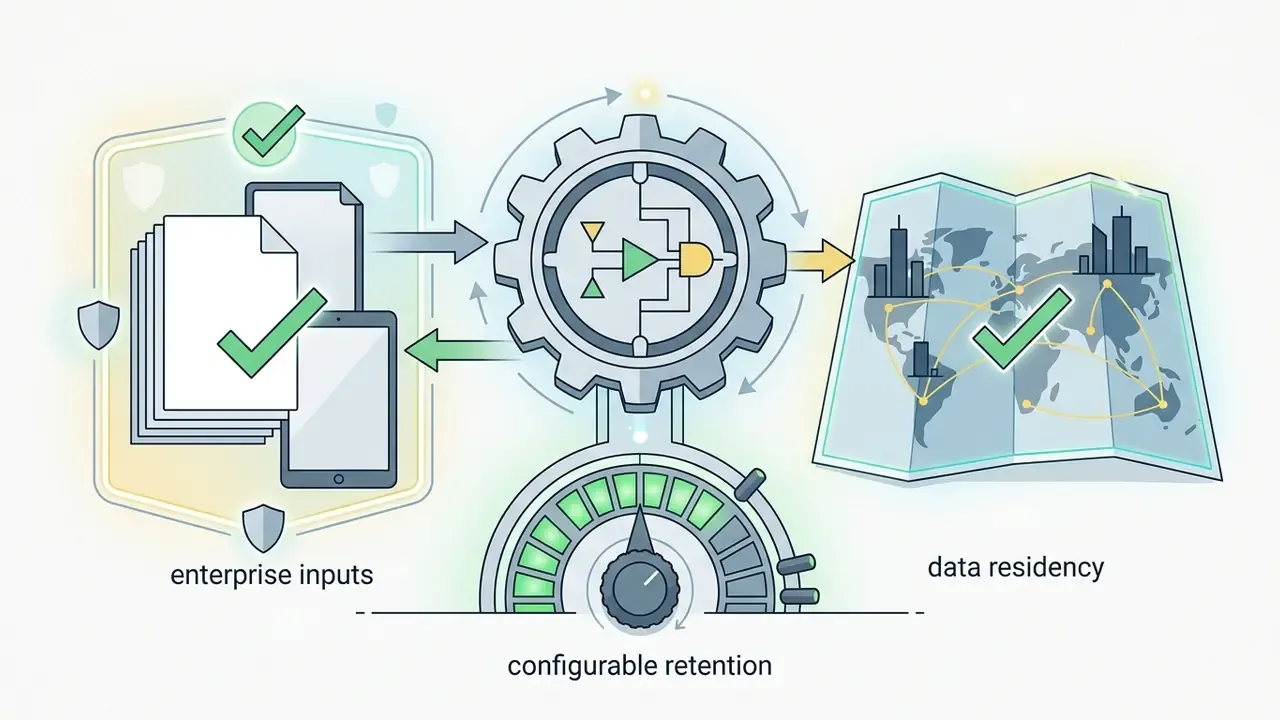
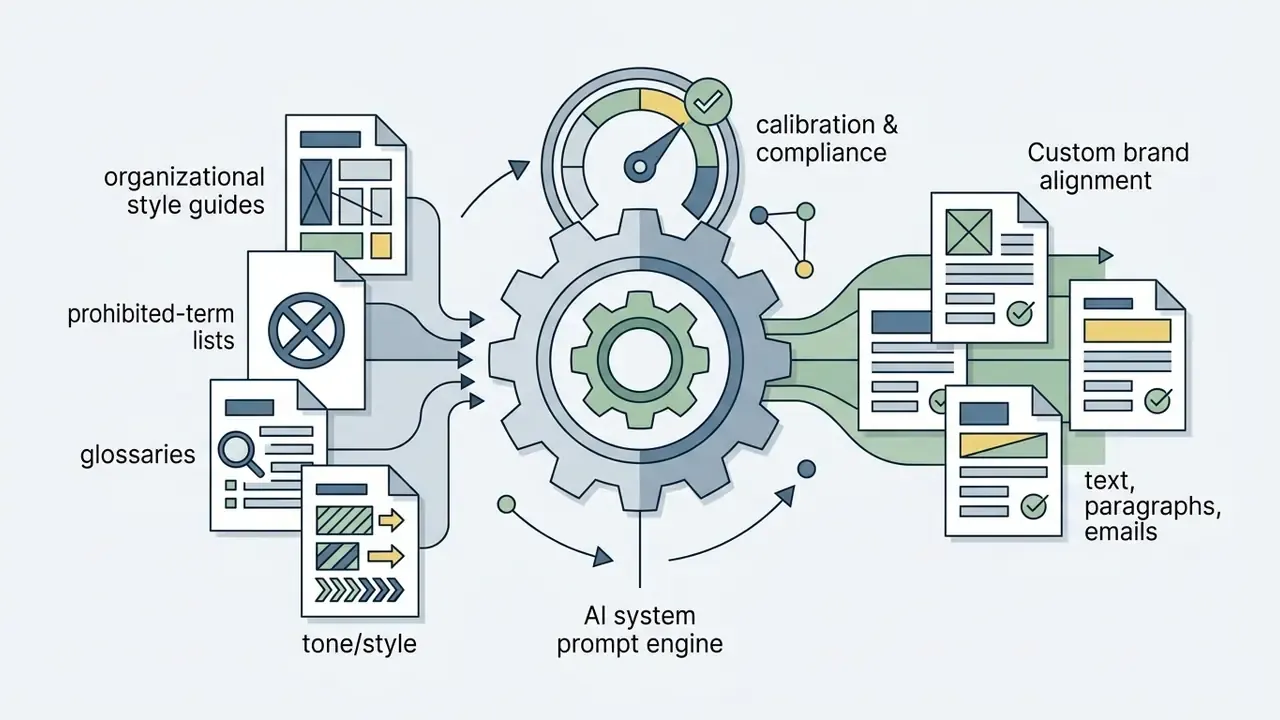

Illustrative engagement, self-reported metrics: an enterprise underwriting function moved from ad-hoc free writing tools to a secured professional platform with custom brand guardrails and enforced SSO. According to the client's own internal reporting, the migration closed unmanaged prompt channels for a several-hundred-person analyst population and standardized report formatting. Turnaround improvements were tracked internally and have not been independently audited. Teams planning enterprise rollouts can analyze tier structures with the AI Media Pricing Guides and integrate tools through the AI Media API Guides, including the implementation patterns documented in the Google Veo implementation guide for multimodal pipelines.
Risk-Adjusted ROI: Pricing the Control Layer
Productivity studies measure gross gains. Finance and risk committees approve net gains. A defensible business case for an AI writing generator therefore models three cost layers next to the benefit:
Risk-Adjusted ROI = (Time Saved × Loaded Hourly Cost) − (Validation Hours × Reviewer Cost) − (Licence + Integration Cost) − (Expected Residual Risk Cost)
Where:
- Time Saved comes from measured cycle-time reduction on defined document classes, not from vendor marketing claims. Use your own baseline: minutes per draft before, minutes per draft after.
- Validation Hours capture the mandatory HITL layer: fact verification, hallucination scanning, plagiarism checks, compliance review, sign-off. In regulated document classes validation can eat 30% to 60% of the time saved, which is precisely why unreviewed "efficiency" figures overstate benefit.
- Licence + Integration Cost includes seats, API consumption, SSO/SCIM configuration, logging infrastructure, and training.
- Expected Residual Risk Cost equals the probability of an undetected material error multiplied by remediation and reputational cost. This term separates a model risk view from a marketing view.
Two implications follow, and they point in opposite directions. First, the strongest ROI sits in high-volume, low-consequence text: internal updates, campaign variants, meeting summaries, where validation is cheap. Second, in low-volume, high-consequence text such as regulatory filings, client portfolio commentary, or credit decisions, gross speed gains shrink once control costs are counted, and the justification shifts toward consistency and auditability rather than raw throughput.
Worth stating plainly: an AI generator to help with writing is not a headcount argument in regulated document classes. It is a consistency argument.
How to Use an AI Generator to Help With Writing
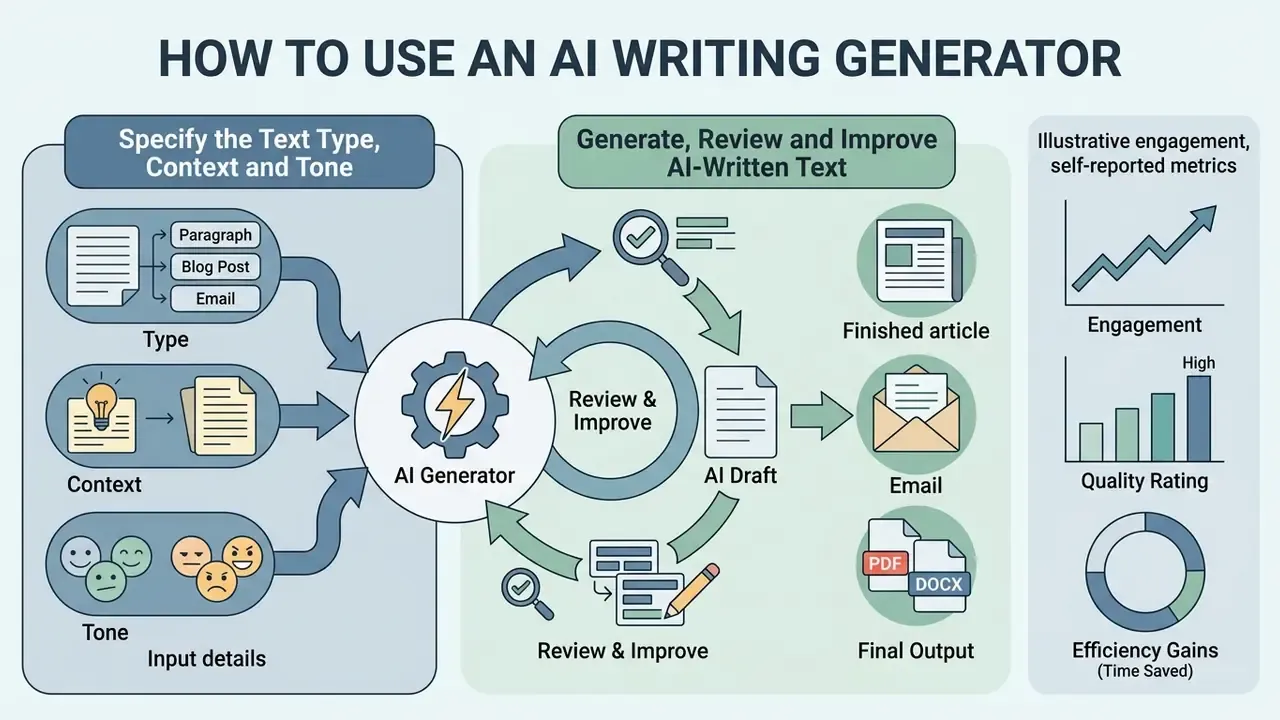
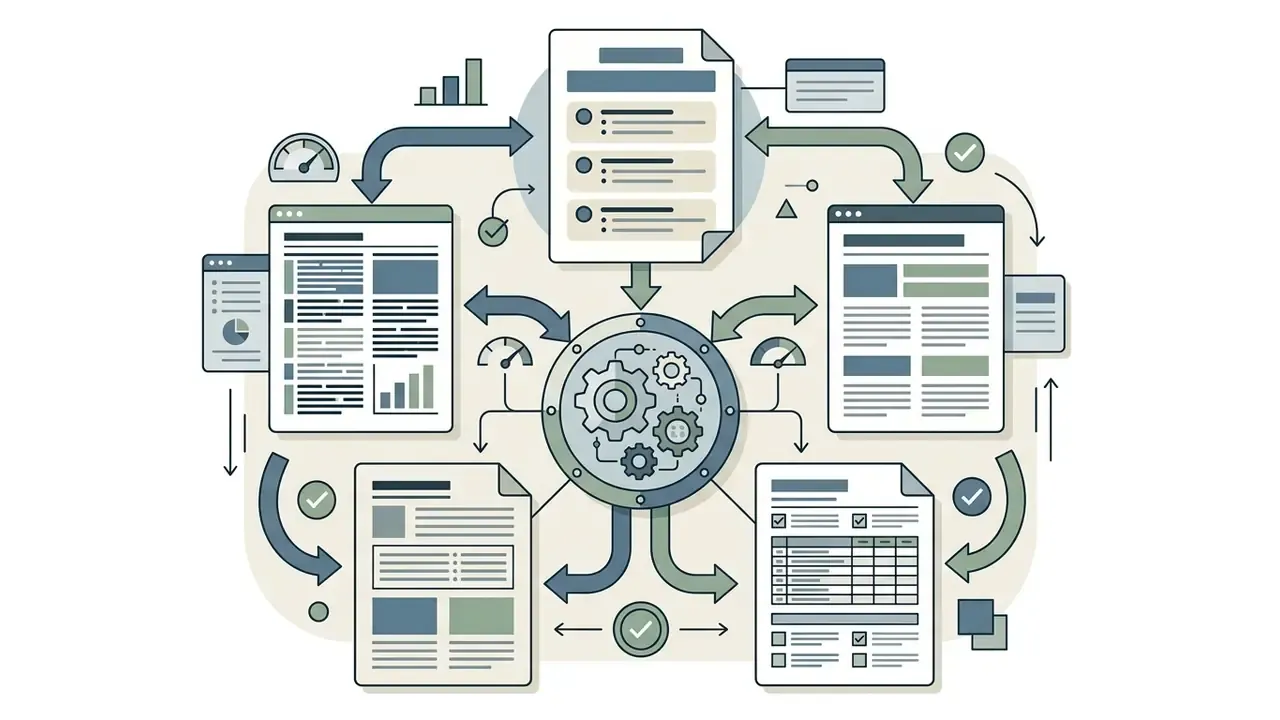
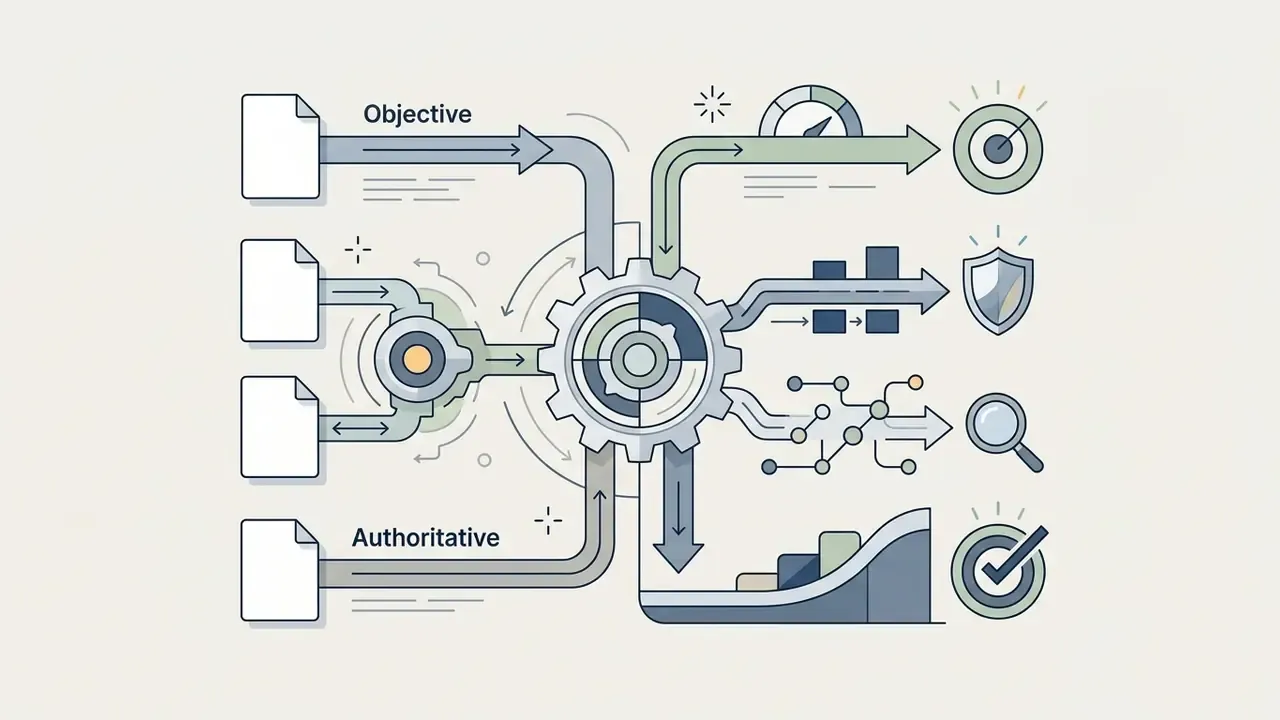
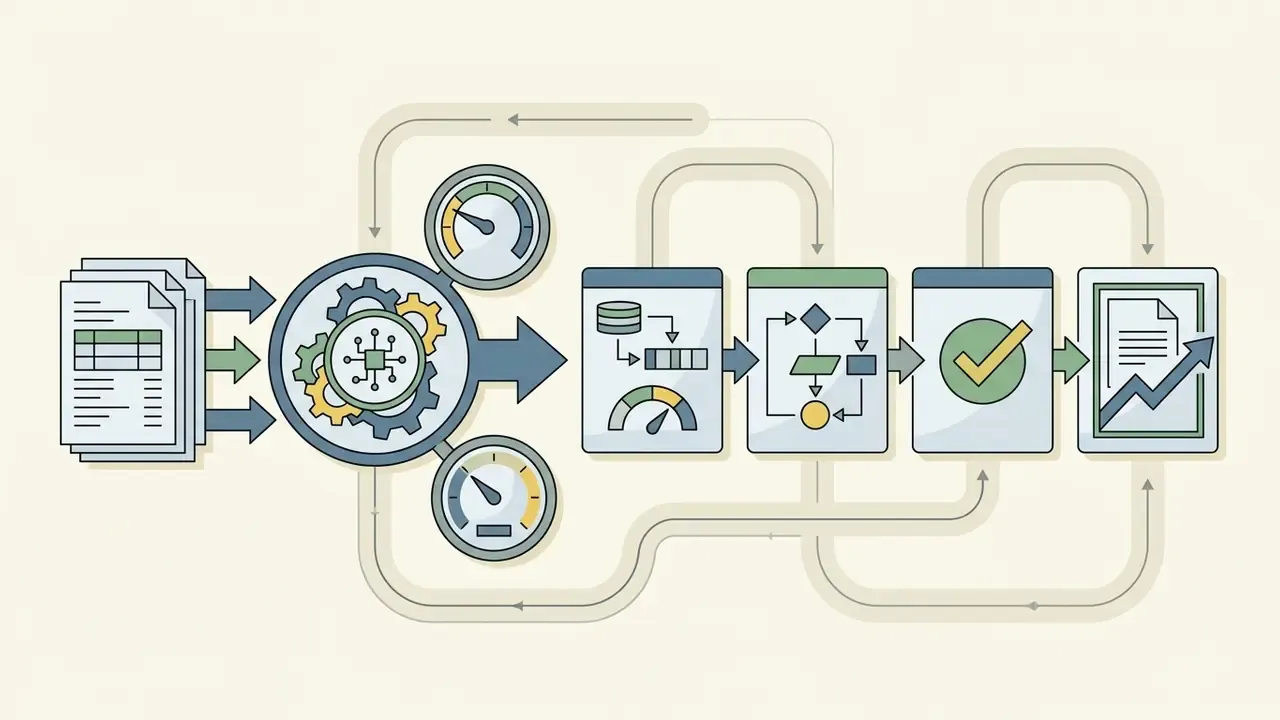
Using an AI writing generator well takes a structured four-step method: define the task, set format and tone constraints, generate the draft, then run human-in-the-loop review. A clear operational framework prevents off-target output and cuts editing overhead. It also makes the process teachable, which matters more than any single clever prompt.
- Step 1, task definitionprovide context, background, audience, and specific constraints.
- Step 2, parameter selectiondefine target format, genre, length band, and tone of voice.
- Step 3, text generationrun the AI generator to produce the initial draft.
- Step 4, human reviewperform fact verification, originality check, grammar check, and final edit with recorded sign-off.
Figure: standardized four-stage workflow for controlled AI text generation. Prompt setup, then format and tone selection, then model generation, then human review and fact-check.
Specify the Text Type, Context and Tone
Quality in AI generated writing depends on prompt framing that names the genre, the organizational context, and the tone. Prompts without context push models toward generic default distributions, and the result reads bland or plainly inappropriate.
Guidance in NIST SP 1353 (Quick-Start Guide for Using Artificial Intelligence, draft, 2026) formalizes three prompt control variables:
University frameworks say much the same thing. Notre Dame's CRAFT method (Context, Role, Action, Format, Tone) stresses that explicit role constraints improve relevance and factual consistency. Google Cloud's system-instruction guidance mirrors that structure, recommending that persona, output format, style, and task rules be fixed before generation rather than patched afterwards.
A reusable enterprise prompt skeleton, then: "You are a [role] writing a [genre] for [audience]. Context: [background, constraints, approved facts]. Format: [structure, length band]. Tone: [register]. Do not invent statistics; mark any missing data as [DATA REQUIRED]." That last clause does real work. It reduces silent fabrication because it gives the model a permitted alternative to guessing.

Generate, Review and Improve AI-Written Text
Once the generator produces a draft, treat it as an unverified first pass, then iterate on purpose. Three follow-up prompt types cover most needs: critique prompts ("identify unsupported claims and weak transitions"), restructure prompts ("reorganize into problem, evidence, recommendation"), and constraint prompts ("compress to 180 words, preserve all figures verbatim").
Guidelines in the CMA AI Playbook recommend a mandatory 5 to 10 minute scan for routine copy, then multi-source verification for high-stakes business content, with an audit trail retained for accountability. Egypt's national generative AI guidelines take a similar line, requiring validation of all outputs, including facts, data, code, and technical advice, against trusted authoritative sources.
Illustrative engagement, self-reported metrics: a communications group at a mid-sized financial provider applied a structured prompt-to-review protocol for customer notification drafts. By defining exact role boundaries and adding a two-tier review gate, the team reported a material cut in draft assembly time, roughly two-fifths by its own tracking, while keeping complete prompt-and-approval records for compliance. These numbers are client-reported and not independently audited, so baseline your own document classes before extrapolating.
Escalation rules should be written down, not implied. Where a reviewer spots a fabricated citation, a numerical inconsistency, or a claim that cannot be traced to an approved source in a regulated or client-facing document, the draft goes back to the originator, the incident is logged, and for market-facing or supervisory material it routes to Compliance before any re-generation attempt. Control mechanics come next.
Quality Assurance, Human-in-the-Loop and Auditability
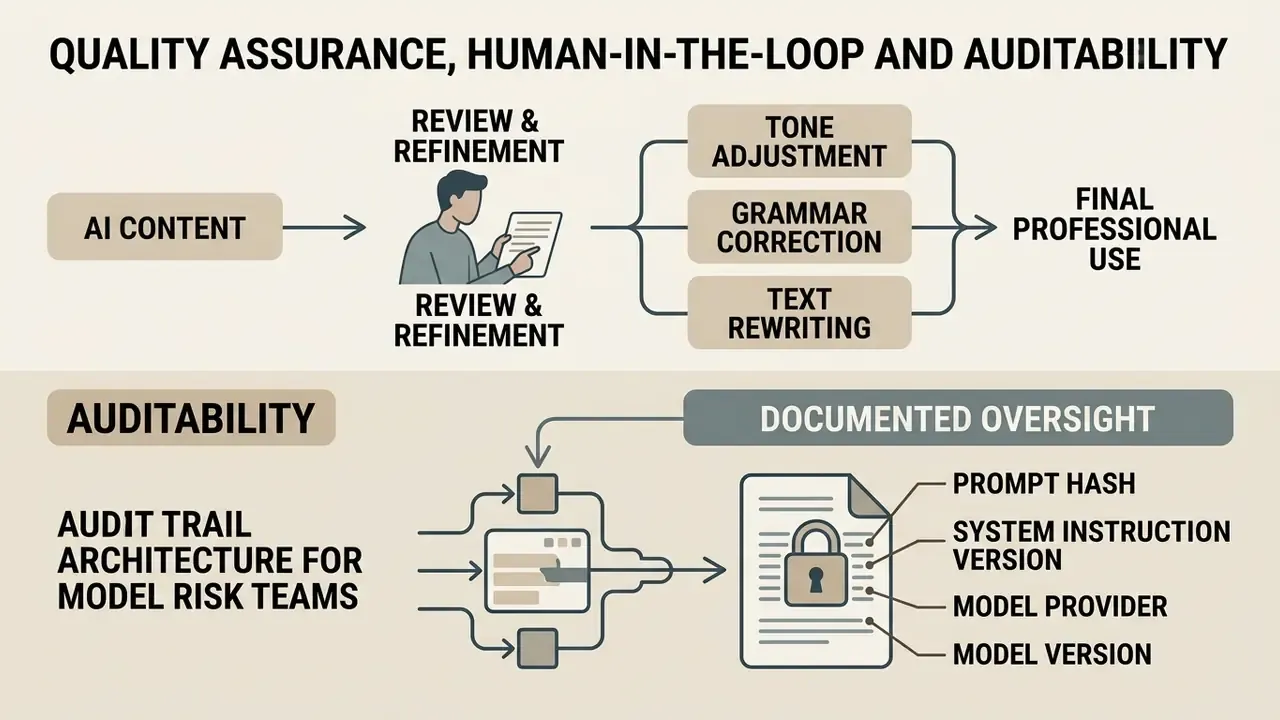
Getting value out of AI writing generators requires systematic post-generation editing plus documented oversight. Targeted rewriting plus human review gates turn raw model output into polished, accurate, auditable copy. Skip the second half and you have speed without defensibility.
Tone Adjustment, Grammar Correction and Text Rewriting
Refining AI text involves three distinct actions: correcting mechanical grammar errors, adjusting tone to the target register, and rephrasing awkward structures. Specialized editing modes handle these without touching factual meaning. Microsoft Word for the web applies grammar suggestions in place, Adobe Acrobat surfaces suggestions for reviewer acceptance, and dedicated rewriter tools generate alternative phrasings for selection.
"Students trained to use AI as a writing model gained 4.75 points in self-regulatory efficacy and improved assessed grades by 16.8 points."
Current tools let users set rewrite intensity. Features such as "Preserve Key Phrases" keep branded terminology, legal disclaimers, citations, and specific numerical metrics untouched during tone adjustment. Live integrations in web editors let writers accept or reject stylistic suggestions sentence by sentence, which keeps the human as decision-maker at sentence granularity rather than document granularity. Small distinction, large audit consequence.
Review AI Content Before Professional Use
Before publishing or submitting AI-generated documents, enforce a mandatory Human-in-the-Loop (HITL) review. Human oversight is the barrier against factual hallucination, subtle bias, plagiarism exposure, and simply clumsy phrasing.
That asymmetry should shape policy. Quality perception moves with disclosure, so transparency practices belong in the same document as generation practices, not in a later addendum.
The UK Government Generative AI Framework specifies that human reviewers must validate model outputs against established ground truth data, and that a human-in-the-loop exists only where a person can actually prevent uncontrolled automated output. The NIST AI Risk Management Framework: Generative AI Profile (AI 600-1) similarly advises training analysts to spot hallucinated citations, numerical inconsistencies, manipulated responses, and compliance risks before acting on text.
Illustrative engagement, self-reported metrics: an asset management group implemented a three-gate verification process for AI-drafted quarterly portfolio comments: analyst fact tie-out, supervisory review, compliance sign-off. Across the reviewed cycle the firm reported that every numerical discrepancy found at draft stage was corrected before client distribution. That figure reflects internal gate records for one period. It should not be read as a general detection guarantee, since detection rates depend on reviewer training, document complexity, and sampling depth.
Checklist0 / 8
Pre-publication audit steps, plaintext summary:
- Verify facts and numbers against trusted primary data.
- Inspect prose for hallucinated statements or citations.
- Run an originality and plagiarism scan.
- Confirm tone alignment with corporate style rules.
- Edit mechanical grammar, sentence flow, and paragraph length.
- Confirm compliance with data privacy regulation, review legal considerations through the AI Litigation and Case Timelines resource, and raise technical questions with AI Media Support.
Disclaimer: this information is general in nature and does not replace legal or compliance advice. Review requirements for AI-generated content vary by industry and jurisdiction, and this article is not a regulatory instruction from any supervisory authority.
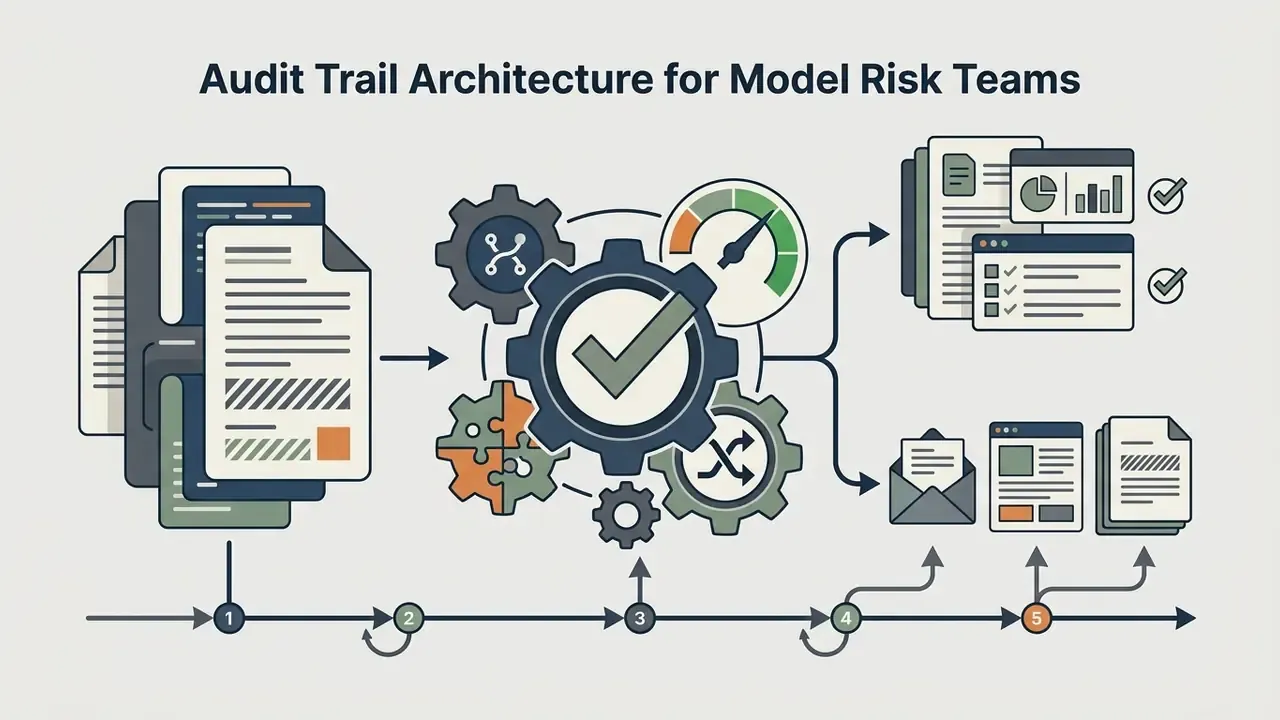
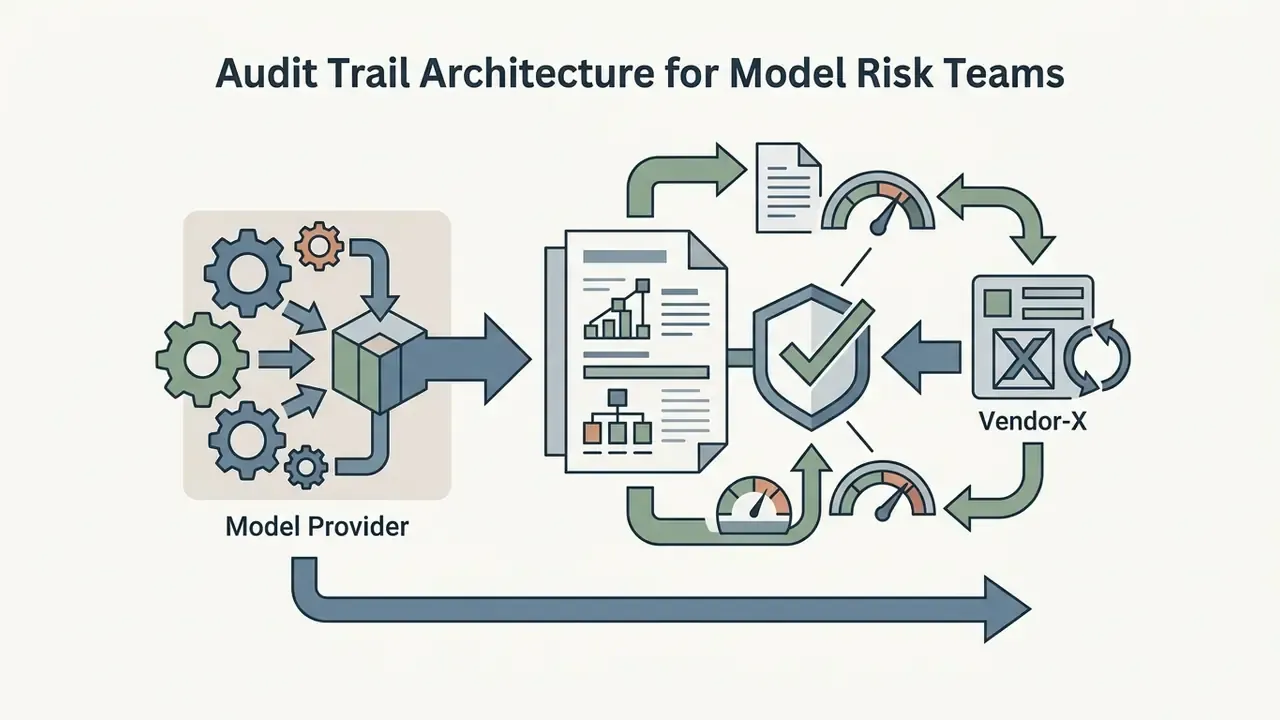
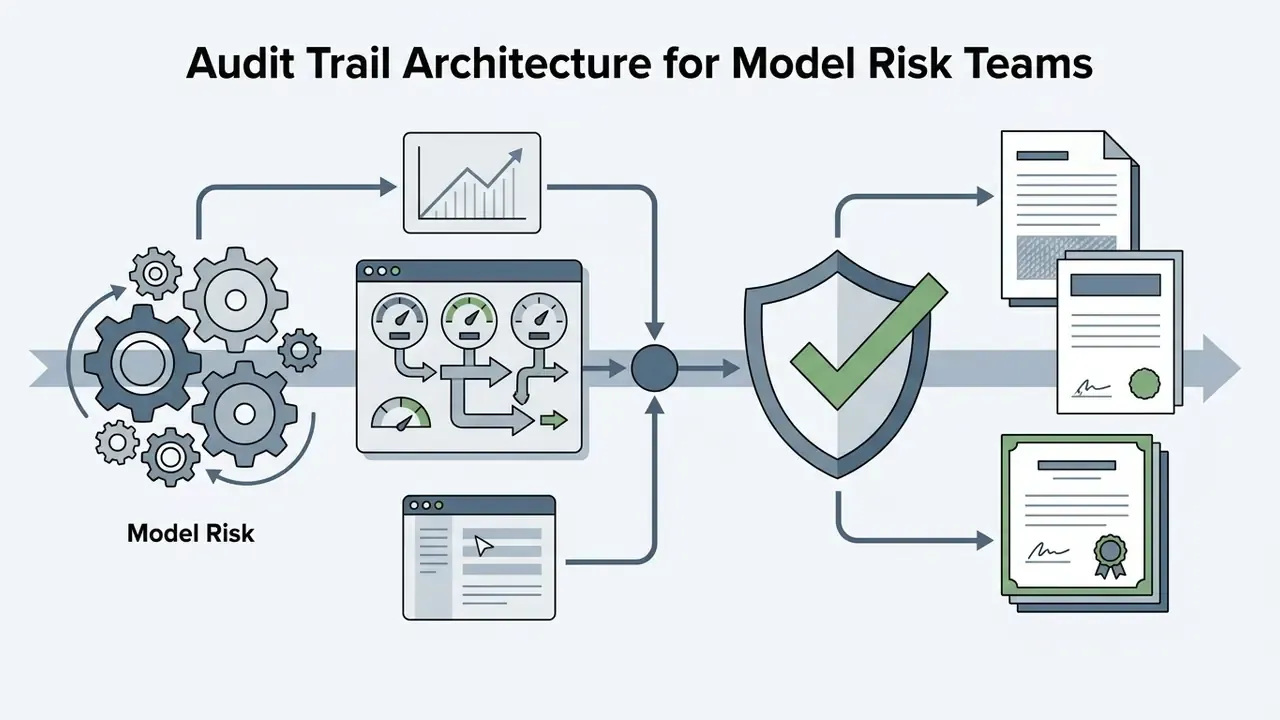
Audit Trail Architecture for Model Risk Teams
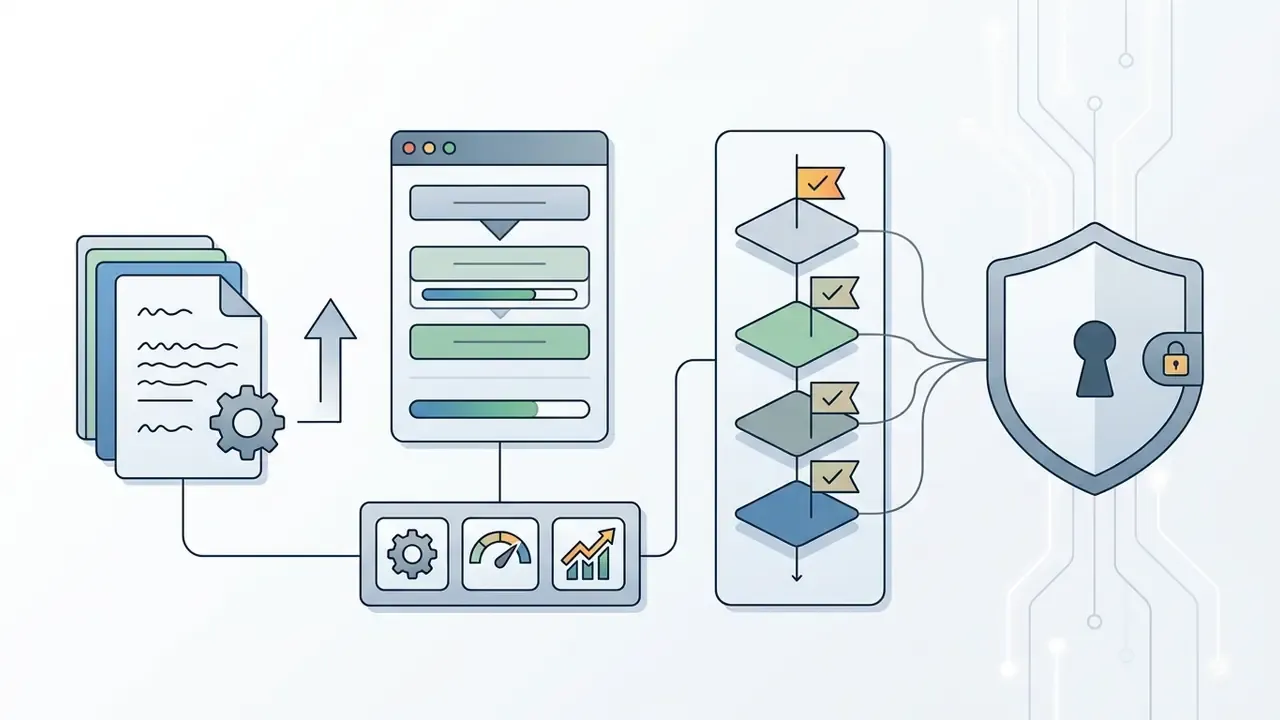
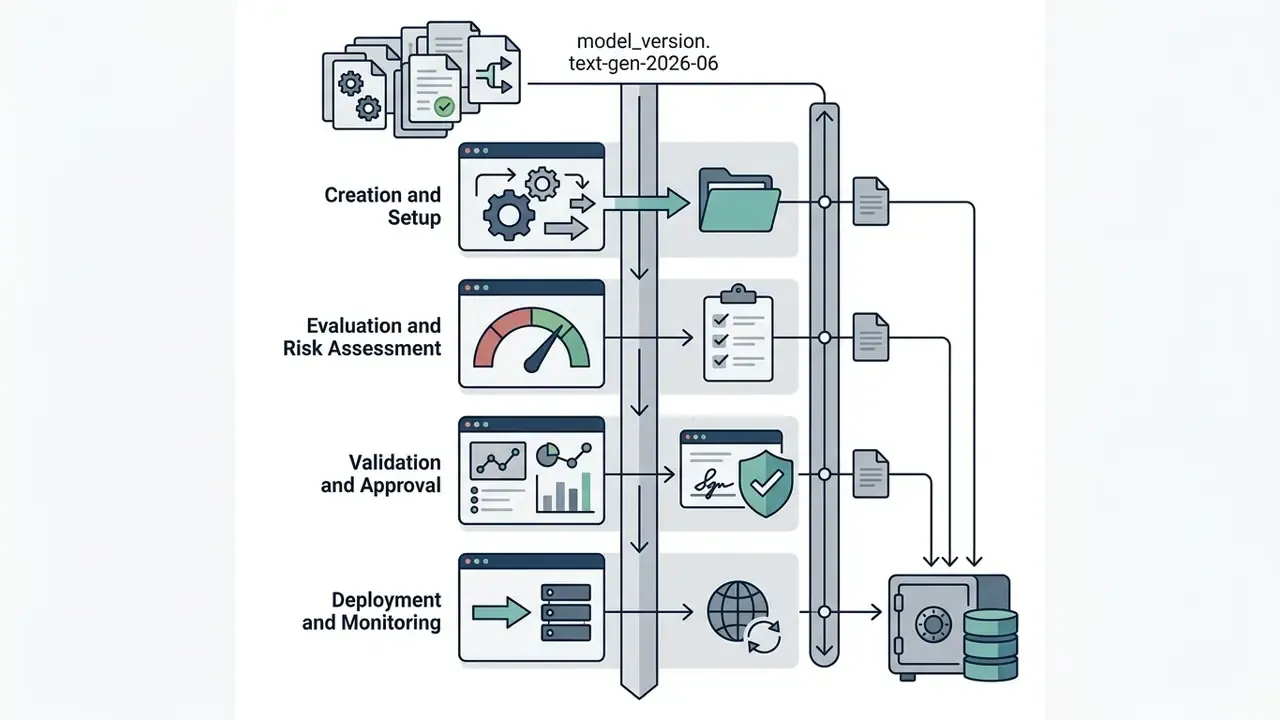
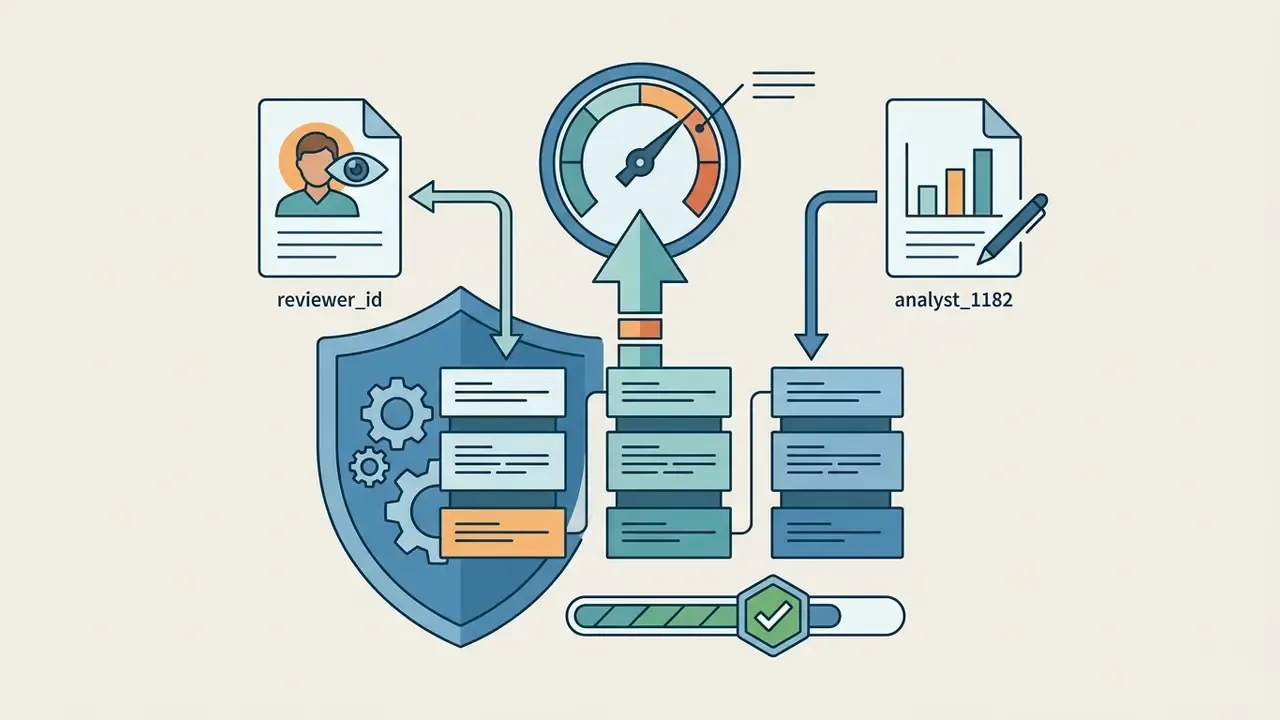
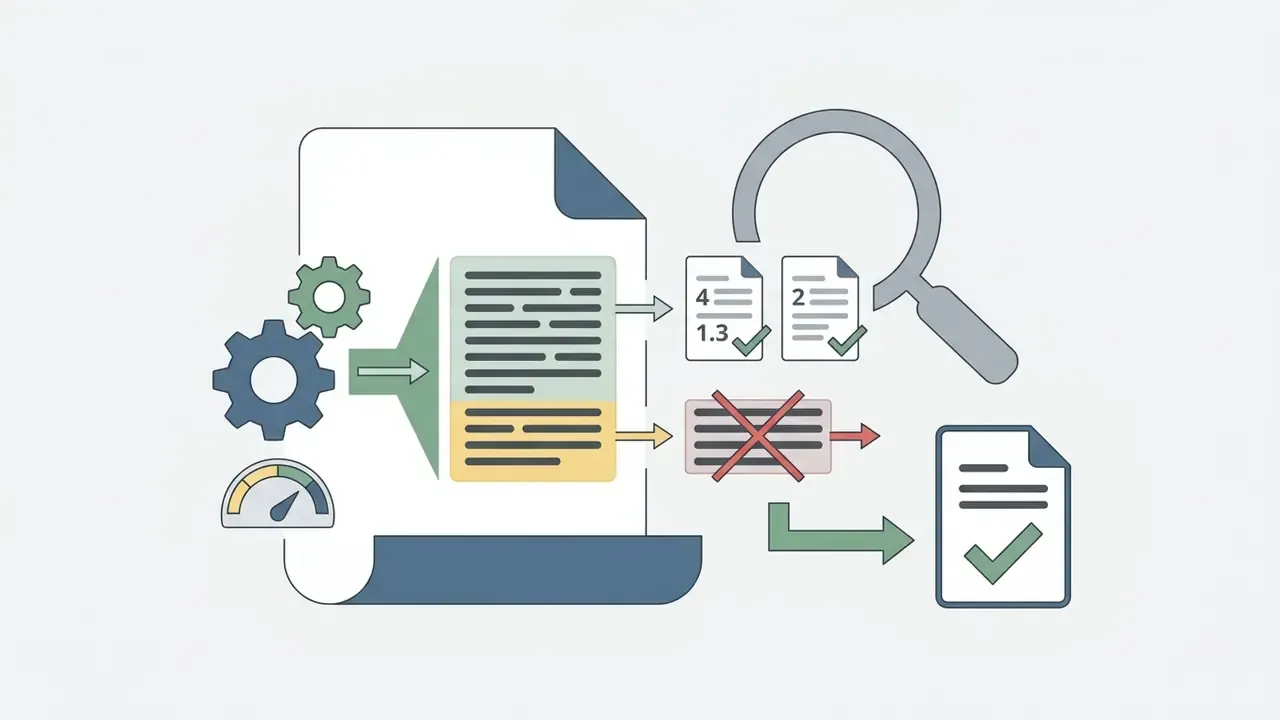
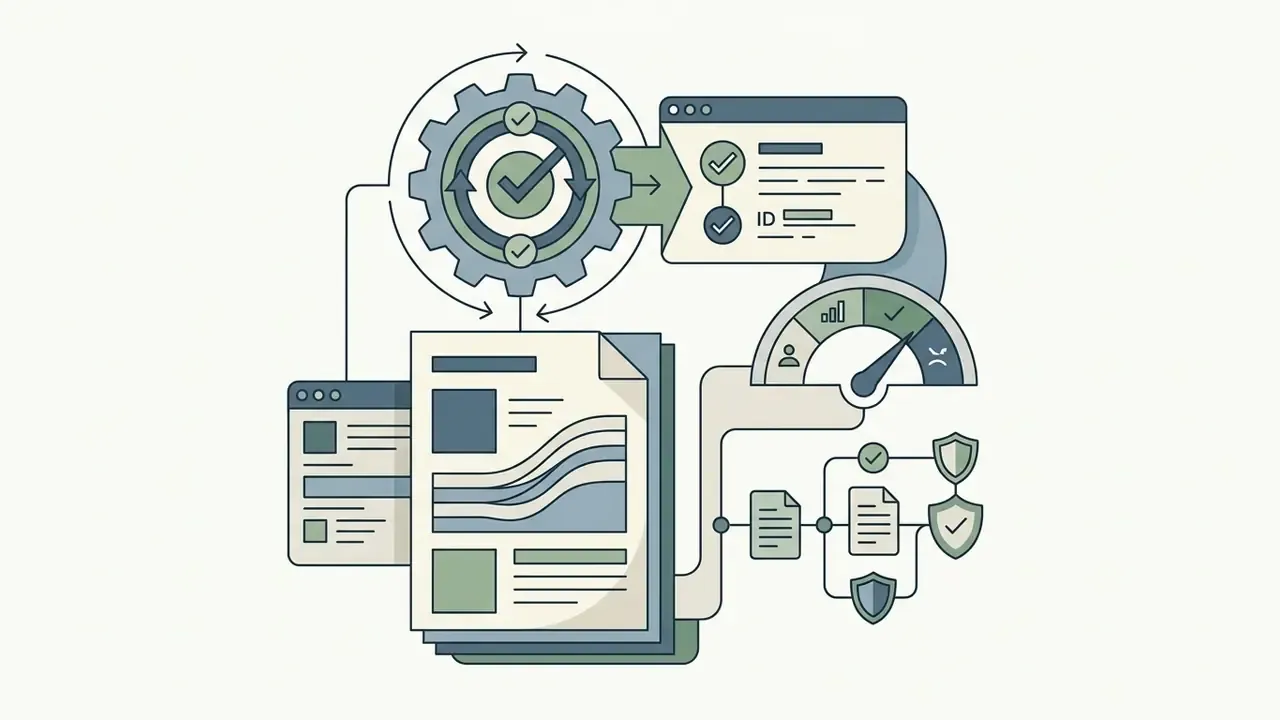
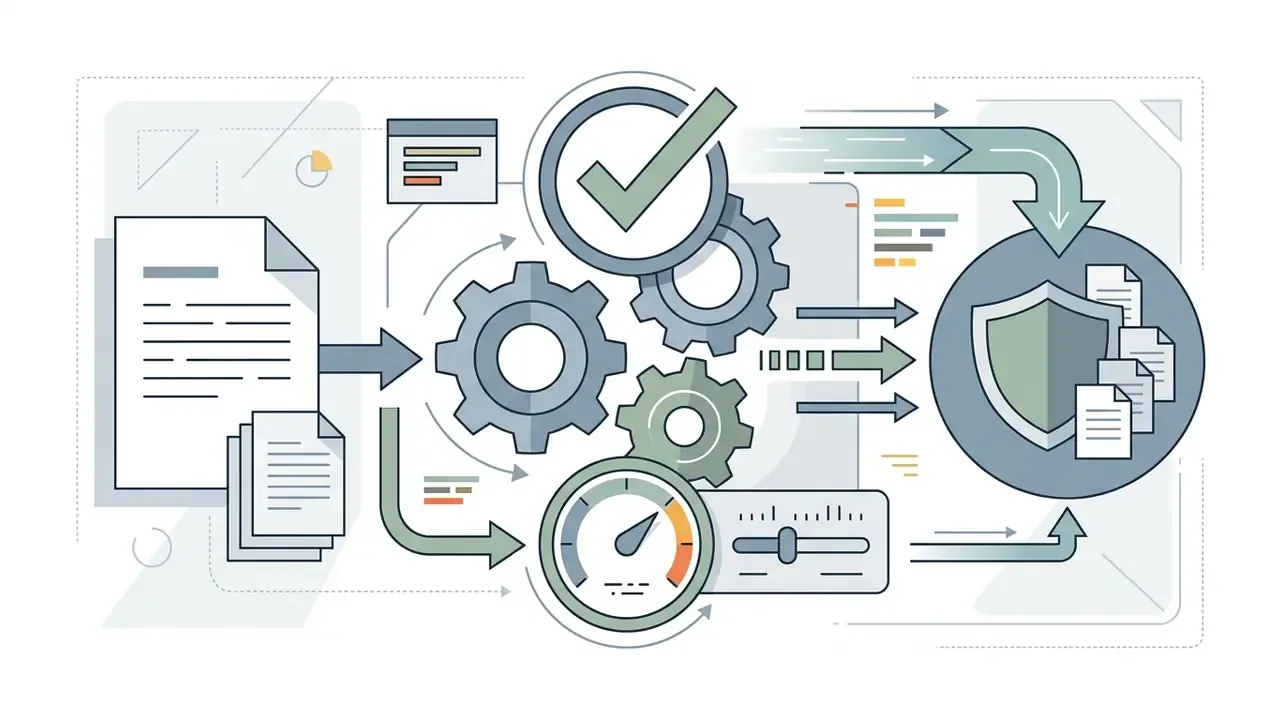
Review without records is unverifiable. For Model Risk Management and internal audit, each generated business document should carry a machine-readable provenance record. A minimal log schema, expressed as fields and example values:
Three fields carry outsized audit value. The prompt hash and system instruction version give reproducibility of the request. The RAG document list gives traceability of factual grounding. The sign-off timestamp with reviewer identity gives accountability. Free tiers rarely expose any of them, and that, more than prose quality, is why unmanaged tools fail audit.
AI Writing Tools for Content, Copy and Everyday Text
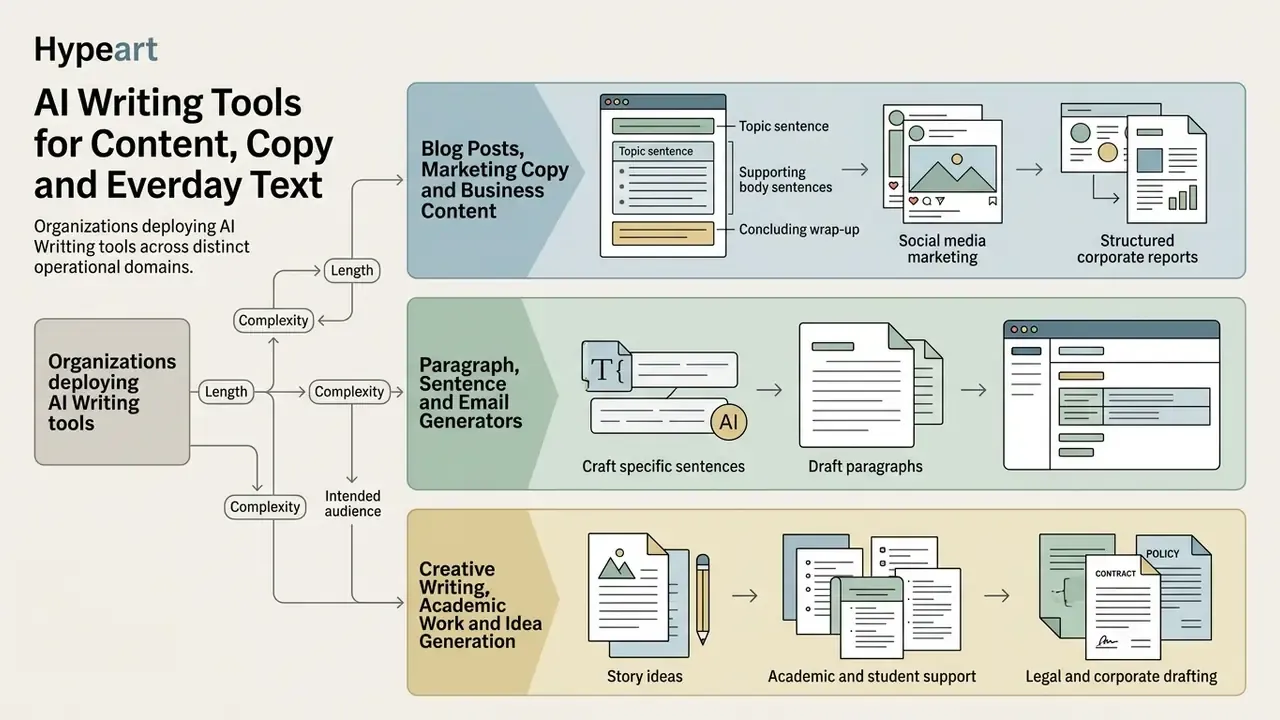
Organizations deploy AI writing tools across distinct operational domains, chosen by output length, complexity, and audience expectation. Categorizing by use case keeps teams from forcing a short-form email tool into a 15-page report job.
Blog Posts, Marketing Copy and Business Content
Long-form blog posts, advertising copy, and executive updates need tools that hold structural coherence across extended context windows. Generative AI lets marketing and operations teams produce tailored business copy at scale from a high-level outline or a campaign brief. Vendor use-case briefs stretch the same category further, into regular business reports, financial summaries, market analyses, and technical documentation.
The operational lesson sits in the gap between those two numbers. Unedited AI copy tends to suppress conversation, while AI-assisted copy that a human has reshaped can beat baseline human output on passive engagement. Another argument for treating generation as step one of three.
Marketing managers often use an automated ai content creator to draft first-pass campaign copy, then refine licensing questions through the AI Media Commercial-Use Hub. Teams building multi-format campaigns pair written copy with visual asset workflows, for example the Canva AI Generator overview or the guide to animation makers.
Paragraph, Sentence and Email Generators
Creative Writing, Academic Work and Idea Generation
AI writing tools help creative writers, students, strategists, and legal professionals break blank-page inertia, offering narrative starting points and alternative script structures. In these workflows the model acts as an interactive brainstorming assistant, not an autonomous storyteller.
Specialized applications worth naming:
- Academic and student support structuring research outlines, generating candidate thesis statements, organizing essay arguments, drafting literature-review scaffolds, and preparing application or invitation letters, always subject to institutional integrity and disclosure rules.
- Legal and corporate drafting standardized agreement templates, policy disclaimers, procedure documentation, and internal compliance updates for specialist review.
- Creative and multi-media poetic structures, song lyrics, short stories, dialogue and script alternatives, product descriptions, and storytelling prompts.
- Non-native writers rough notes converted into fluent target-language prose, which lowers the language barrier without removing the author's argument.
An empirical study of MFA creative writing students (Creativity Support in the Age of Large Language Models, 2024) found writers valued AI generators most during translation and revision phases, for example rephrasing passages and checking internal consistency.
"Seventeen MFA students retained under 35% of AI-generated draft material in final versions, using the model as a revision instrument rather than an author."
Models did produce clichéd plot points during early planning, yet writers in that study used AI-generated snippets as cognitive springboards against writer's block, describing the tool as a way to turn an intimidating barrier into a manageable problem. Creative and contract teams also lean on tools such as an ai contract generator for formal templates, and pair written deliverables with visual production guides, from the comparison of free AI art generators to niche utilities like an ai couple photo maker when assembling multi-media marketing assets.
Browser Extensions and Native Plagiarism Verification
To reduce workflow friction, writing generators increasingly ship as browser extensions (Chrome, Edge, Firefox) that work natively inside content management systems, email clients, help-desk consoles, and Google Docs. That enables real-time rephrasing, expansion, and drafting without tab-switching. For governance, it also lets an administrator route generation through a sanctioned enterprise endpoint instead of personal accounts, which is arguably the bigger win.
Professional pipelines also pair generation with real-time plagiarism detection. Because LLMs work on probabilistic distributions rather than retrieval of stored sentences, unrefined output can still match existing online phrasing, especially for boilerplate and widely repeated definitions. Modern platforms therefore run automated duplicate-content and plagiarism checks, commonly 50 scans per month on standard paid tiers and around 100 on premium tiers, to confirm originality before publication. Free tiers usually omit the feature entirely, which shifts the verification burden back onto the author.
Two cautions. First, a clean plagiarism score is not a factual-accuracy score, since originality checks detect textual overlap and not hallucination. Second, AI-detection tooling is a separate category with its own error profile. Teams verifying mixed media can review adjacent methods such as AI image detectors for provenance work on visual assets.
Limitations and Open Questions
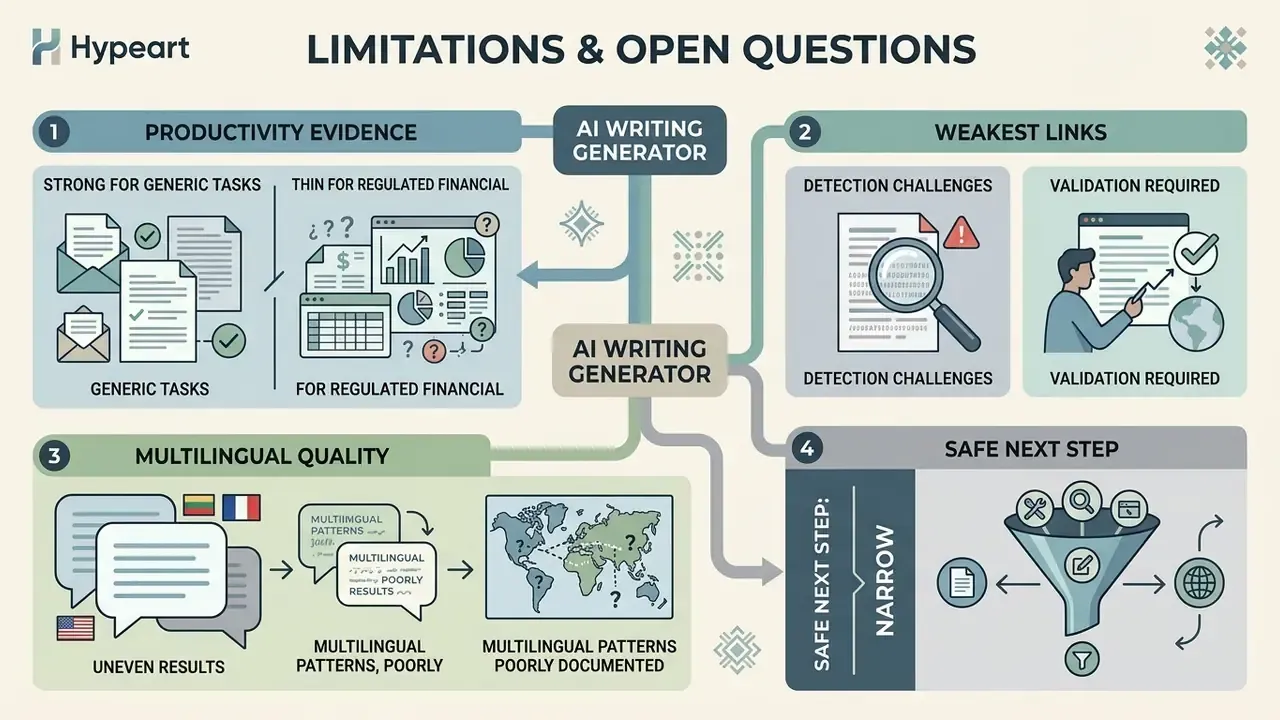
Honest caveats belong in the same document as the recommendations.
The productivity evidence is strong for generic professional writing tasks and thin for regulated financial documents. Noy and Zhang measured mid-level writing under lab conditions, not credit memos under supervisory scrutiny. Extrapolate carefully.
Detection and validation remain the weakest links. Reviewer performance varies with training and fatigue, and no published study gives a reliable detection rate for numerical hallucinations in long financial prose. Anyone quoting a 100% figure, including a vendor, is quoting a sample, not a guarantee.
Multilingual quality is uneven, and cross-language error patterns are still poorly documented in supervised settings. Agentic behaviour adds a further gap: when a writing generator starts retrieving documents and triggering downstream actions, traditional model validation designed for static scoring models does not fully cover it. Extended validation approaches exist, though the supervisory expectations around them are still forming.
A safe next step, therefore, is narrow. Pick one document class, baseline it, run generation with full logging and a two-line review gate for one quarter, then measure net benefit rather than gross speed. Small pilot, real evidence, then scale.
FAQ About Free AI Writing Generators
Can an AI Writer Help Overcome Writer's Block?
Yes. An AI writer breaks writer's block by supplying instant outlines, alternative introductory paragraphs, and creative concept lists, often within seconds.
"Writers describe AI as removing the 'mental game': starting points reduce the cognitive load of planning a text." How Creative Writers Integrate AI into their Writing Practice (2024 to 2025, mixed-methods study)
A 2024 study of AI writing tool users found the leading motivations were speeding up the writing process, getting unstuck, and improving quality, with participants reaching for an ai help me write generator specifically when unsure what to write next. Reviews of writing-support systems classify four assistance modes, namely structured guidance, guided exploration, active co-writing, and critical feedback, so a blocked writer can pick the least intrusive one and keep authorial control.
Can AI Writing Generators Create Text in Multiple Languages?
Modern AI writing generators support dozens of languages, including Spanish, French, German, Mandarin, Japanese, and Russian, with premium tiers commonly advertising 40 or more.
"MultiSocial covers 472,097 posts across 22 languages from seven LLM generators; outputs are frequently hard to distinguish from human text." MultiSocial: Multilingual Benchmark of Machine-Generated Text Detection (2024 to 2025)
Quality is not uniform, though. Multilingual evaluation research shows that output quality, factual accuracy, and even the quality of translated prompts and test sets can shift results by roughly 10%, and that error patterns are best tracked at span level using MQM-style categories rather than by overall fluency impressions. Practical guidance: write prompts in the target language where you can, avoid machine-translated instructions for high-stakes copy, and require native-speaker review before publishing non-English material.
Can You Customize AI-Generated Content?
Yes. AI-generated content can be customized through specific prompt instructions, system-level context rules, retrieval from approved brand materials, and fine-tuning techniques such as instruction tuning or Low-Rank Adaptation (LoRA). You can instruct models to follow precise vocabulary lists, avoid particular buzzwords, adopt a custom brand tone, and hold strict paragraph formatting rules. Loading corporate style guides, do and don't examples, and prohibited-term lists into a shared workspace keeps drafts consistent across departments.
Can an AI Writer Update or Refresh Existing Outdated Content?
Yes, and this is one of the most reliable use cases. Feed existing text into the generator alongside current data, refreshed statistics, or new target keywords, and the tool restructures paragraphs, fixes passive voice, tightens transitions, and updates facts while preserving core messaging. One rule for refresh work: supply the replacement facts explicitly. Asking a model to "update the numbers" without providing them is an invitation to fabricate.
How Does an AI Writing Generator Ensure Content Originality and Avoid Plagiarism?
Generative models build text token by token from probabilistic patterns rather than copy-pasting from a stored document database. Combine that with explicit system prompts, for example "write in a unique analytical style, avoid stock phrasing", plus built-in plagiarism scanners, and an AI write generator produces prose suitable for commercial use. Note that some vendors claim no copyright over output while granting no exclusive rights either, so originality checks and licence terms both need verification before commercial publication.
What File Formats Can You Export From an AI Writing Generator?
Depending on tier, you can export raw text (.TXT), Markdown (.MD), formatted Word documents (.DOCX), multi-page PDF reports, HTML blocks for direct CMS publication, presentation-ready outlines, or spreadsheet data (.XLSX) for structured bulk copy. Some document-oriented platforms will assemble a 10 to 15 page report, title page, contents, sections and tables included, from a single structured prompt.
Do Free AI Writing Generators Fix Grammar and Punctuation Automatically?
Yes. Most models perform syntax checking, mechanical grammar correction, and spelling fixes during initial draft generation, which trims manual editing. Dedicated editors add live, sentence-level suggestions that a writer accepts or rejects. Publisher and funder guidance generally treats grammar and language editing as acceptable AI support, while still holding the author responsible for substantive accuracy.
What Industries Benefit Most From Using AI Writing Tools?
Documented productivity gains show up in legal work (contract and policy templates), education and academia (research structuring and outlines), corporate and financial services (executive reporting, business summaries, market analyses, technical documentation), customer operations (service replies and notifications), and digital marketing (SEO blogging, ad copy, product descriptions). The pattern is consistent: benefit rises with document volume and falls as consequence per document rises. That is why regulated sectors pair adoption with formal review gates.
Are Free AI Writing Tools Safe for Confidential Business Data?
Generally, no. Public-sector privacy guidance is consistent here. Australia's OAIC advises organisations not to enter personal information, especially sensitive information, into publicly available generative AI tools. Canada's guide on the use of generative AI restricts personal data unless a contract governs its use and protection. Hong Kong's technical guideline instructs users to check the provider's privacy policy for collection, use, and sharing terms before adoption. For confidential material, use an enterprise agreement with documented zero-retention and training-exclusion terms.
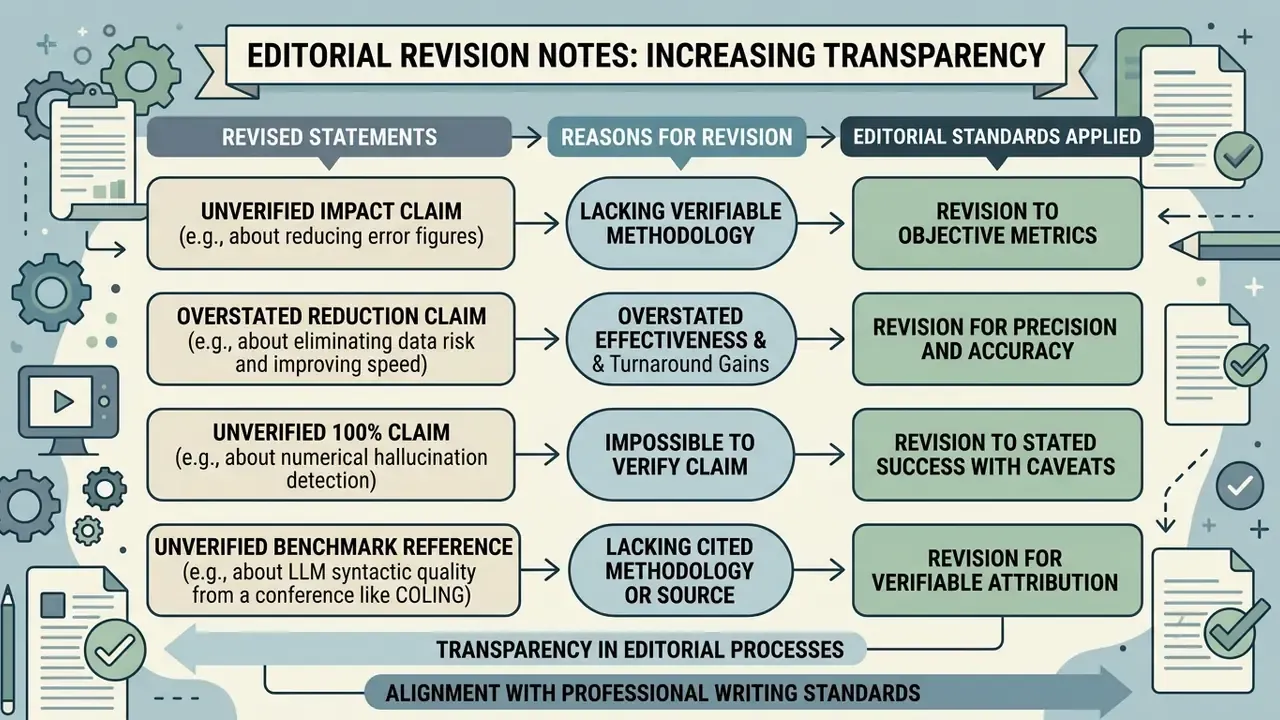
Appendix A: Editorial Revision Notes