That distinction matters more than it looks. A creator optimizing for reach and a compliance officer at a chartered bank are looking at the same product surface and seeing two different balance sheets. One sees gross revenue. The other sees disclosure obligations, retention duties, and the cost of reviewing every caption before it ships.
Last updated: 2026. Written and fact-checked against official Meta, FTC, and ASA documentation.
Executive Summary
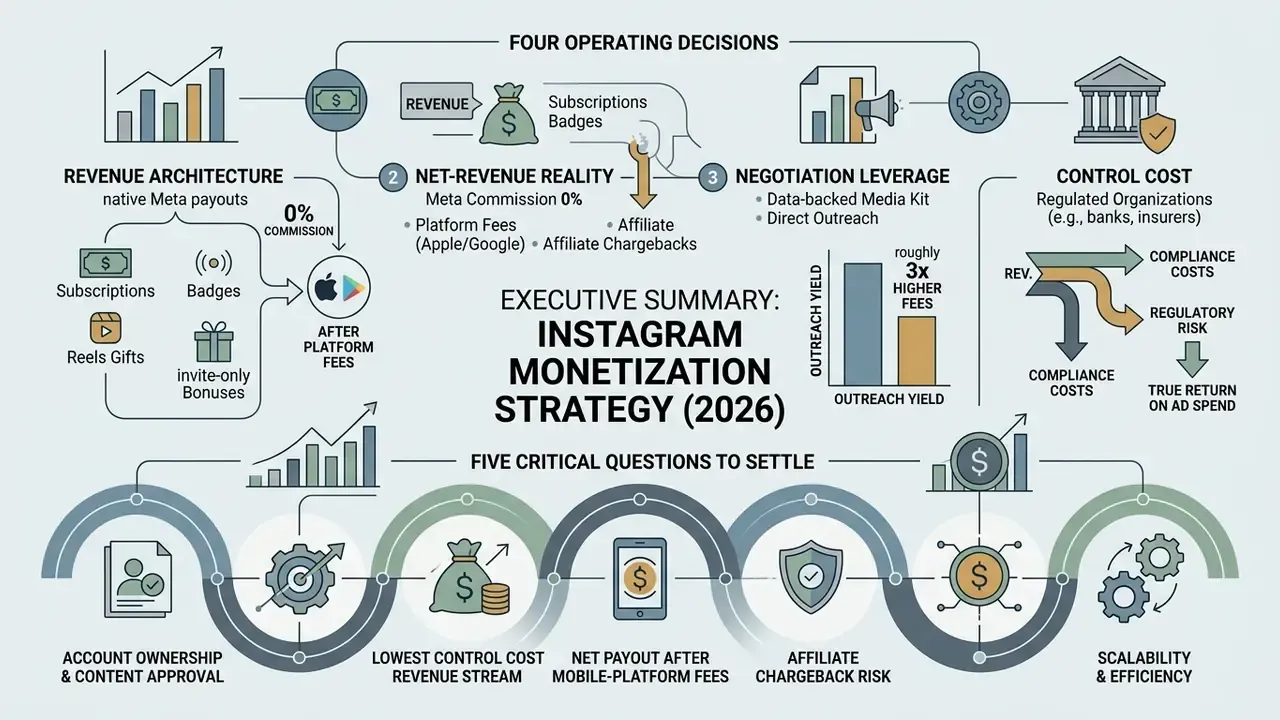
For decision-makers who need the conclusion before the mechanics, the monetization landscape resolves into four operating decisions:
- Revenue architecture: Native Meta payouts (Subscriptions, Live Badges, Reels Gifts, invite-only Bonuses) are supplementary. Sponsored brand partnerships account for 68.8%–70% of total creator revenue, so the commercial core sits off-platform.
- Net-revenue reality: Meta takes 0% commission on Subscriptions and Badges, but Apple App Store and Google Play deduct 30% of in-app purchases in year one and 15% from year two. Gross subscription revenue is never net revenue.
- Negotiation leverage: Direct outreach with a data-backed media kit yields roughly 3x higher fees than standardized Creator Marketplace projects, which typically clear in the $100–$1,000 range per project.
- Control cost: For regulated organizations (banks, fintechs, insurers, licensed advisors), the true return on Instagram monetization must be calculated after compliance review, disclosure controls, DM-automation guardrails, and audit evidence retention. A risk-adjusted ROI formula appears in the strategy section below.
Five questions to settle before you switch on a single tool:
- Who owns the account, and who approves commercial content before it publishes?
- Which revenue stream carries the lowest control cost for your niche and licence type?
- What is the net payout after mobile-platform fees and affiliate chargebacks?
- Which automation touches customer data, and where does a human take over?
- What evidence will you be able to produce if a regulator or auditor asks in twelve months?
Answer those five and the rest of this guide becomes a sequencing exercise rather than a shopping list.
What Is Instagram Monetization and Can You Earn Money?
Instagram monetization is the process of converting content, audience engagement, and digital authority into direct platform payouts or external commercial revenue. So, can you monetize Instagram? Yes, and content creators and businesses can earn money on Instagram using both in-app monetization tools and external off-platform sales channels.
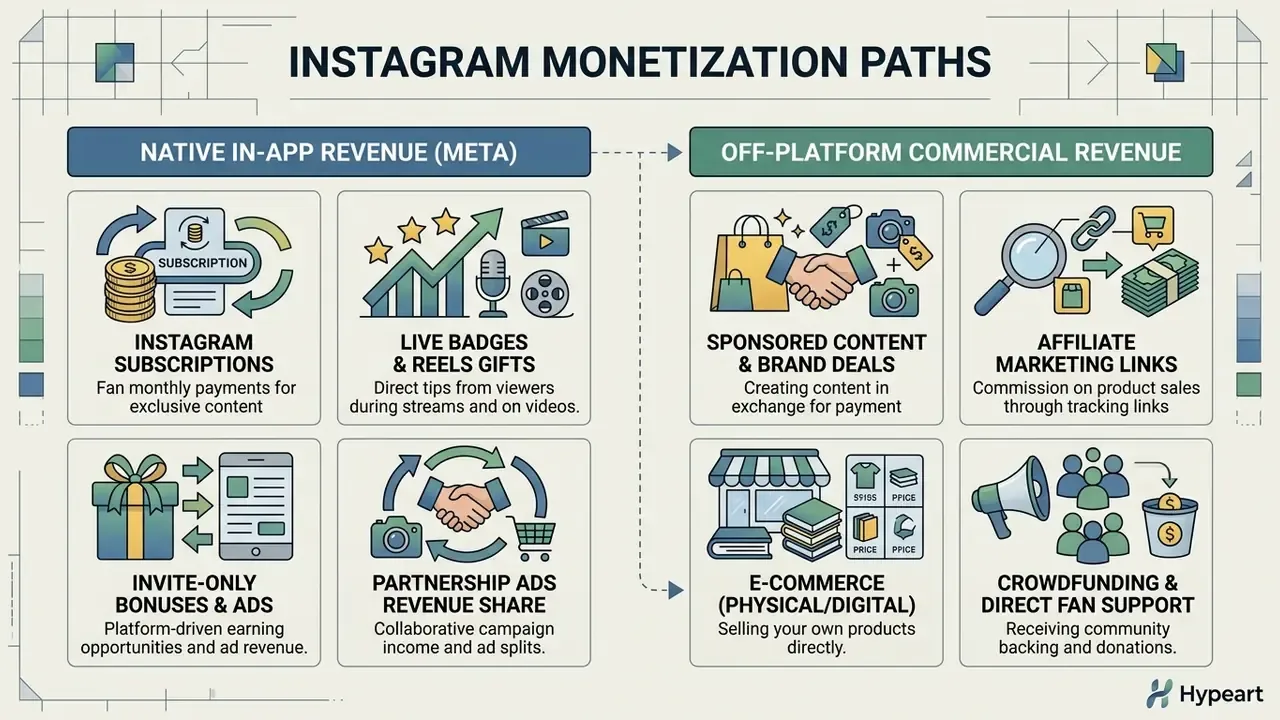
The social creator economy reached an estimated valuation of 205.25 billion USD, making social media platforms a major venue for commercial activity (2024 Creator Economy Income Distribution Report). That growth is concentrated, not evenly spread.
Income distribution follows a power-law pattern: roughly 73% of creators earn below 30,000 USD annually, while the top 4% clear professional-level earnings above 100,000 USD (Strauss et al., 2025).
«Creator earnings on Instagram and comparable platforms follow a power law with an exponent near α ≈ 2, indicating extreme concentration at the top of the distribution.»
Creators who prioritize Instagram generate an average annual revenue of 81,700 USD across all income streams, outperforming average earnings recorded on alternative platforms (2024 Creator Economy Income Distribution Report). Averages hide the tail, of course. The practical implication stands anyway: a monetization strategy must be built as a portfolio of independent income streams rather than a bet on a single algorithmic payout. If you want to model payout scenarios side by side before committing production budget, our calculators cover the arithmetic.
How Instagram Monetization Works
Instagram monetization works by routing audience traffic through native app features or external checkout destinations managed inside the Professional Dashboard. Meta checks account eligibility, content policy compliance, and payout configuration directly in the creator's profile settings before authorizing any financial transfer.
In-app tools such as partnership ads let advertisers boost creator content directly. Creators must keep an active professional account and follow Meta's Partner Monetization Policies without exception (Meta Business Help Center, 2026). External revenue relies on profile bio links, Story link stickers, or direct message automation to route Instagram users off-platform to landing pages, an online store, or a booking engine.
Step-by-step activation path (updated):
- Open the Instagram app and go to your Profile.
- Tap Professional Dashboard at the top of the grid.
- Under Tools, select Monetization Status to verify eligibility and confirm there are no active policy strikes.
- Select Apply for monetization, complete the application form, and submit it.
- Tap Set Up [Subscriptions / Badges / Bonuses], accept Meta's terms, choose your country and account type (business or individual), then link your tax information and payout banking method.
- For Bonuses: open Professional Dashboard → Settings (top right) → Bonuses, follow the prompts, and select Activate Bonus.
- For Subscriptions: open Professional Dashboard → Monetization → Subscription, set your monthly price tier, and select Publish.
Verification (the blue checkmark) is not required to start monetizing inside the app, though it does add credibility when you negotiate with corporate partners.
Who Can Start Monetizing on Instagram
Any content creator, small business, or Instagram influencer with a professional account, an authentic audience, and a clean policy record can start monetizing. Basic engagement features need only modest follower counts. Commercial brand partnerships and native tools usually expect established account metrics.
| Creator Tier | Typical Follower Range | Primary Monetization Strategy |
|---|---|---|
| Nano-Influencer | 1,000 – 10,000 | Affiliate marketing, local brand gifts, direct services |
| Micro-Influencer | 10,000 – 50,000 | Niche brand deals, Instagram Subscriptions, digital products |
| Mid-Tier Influencer | 50,000 – 500,000 | Dedicated sponsorships, native ads, e-commerce shops |
| Macro/Celebrity | 500,000+ | Enterprise brand ambassadorships, licensing, equity deals |
| Corporate Asset Class | Monetization Objective | Primary Control Requirement |
|---|---|---|
| Brand / Corporate Profile | Demand generation, product awareness | Marketing review, advertising-claim substantiation |
| Executive / Spokesperson Account | Thought leadership, recruitment | Personal-vs-corporate speech policy, pre-approval workflow |
| Product / Commerce Catalog | Direct sales via product tags | Catalog accuracy, pricing controls, returns disclosure |
| Creator / Affiliate Network | Paid third-party advocacy | Contractual disclosure clauses, content pre-clearance |
| Community / Support Channel | Retention, reduced service cost | PII handling rules, DM escalation and logging |
Most commercial frameworks quote a minimum threshold of at least 10,000 followers plus an engagement rate between 3% and 5% to attract premium brand pricing (InfluenceFlow, 2026). That benchmark comes from rate-card aggregation, not peer-reviewed research, so treat it as market convention and validate it against your own negotiated offers. Thresholds also vary sharply by feature: Reels Gifts can open at roughly 500 followers, Subscriptions and Instagram Badges generally require 10,000 followers, and Bonuses stay invite-only regardless of size.
Niche alignment shapes earning potential more than most creators expect. Specialized audiences in high-intent categories like finance, technology, and health command higher commercial rates than general entertainment accounts (2024 Creator Economy Income Distribution Report). The mechanism is commercial intent: an audience that researches purchases before buying converts better, and advertisers price that into CPM. Independent multiplier data per vertical remains thin, so document your own conversion rates per campaign to justify premium pricing.
Before You Monetize: Risk, Compliance, and Data Protection
Choosing monetization tools before defining controls inverts the order of operations. Regulated organizations (banks, credit unions, fintechs, insurers, broker-dealers, licensed advisors) carry disclosure, supervision, recordkeeping, and privacy obligations that apply to social content regardless of channel. Read this section before switching anything on.
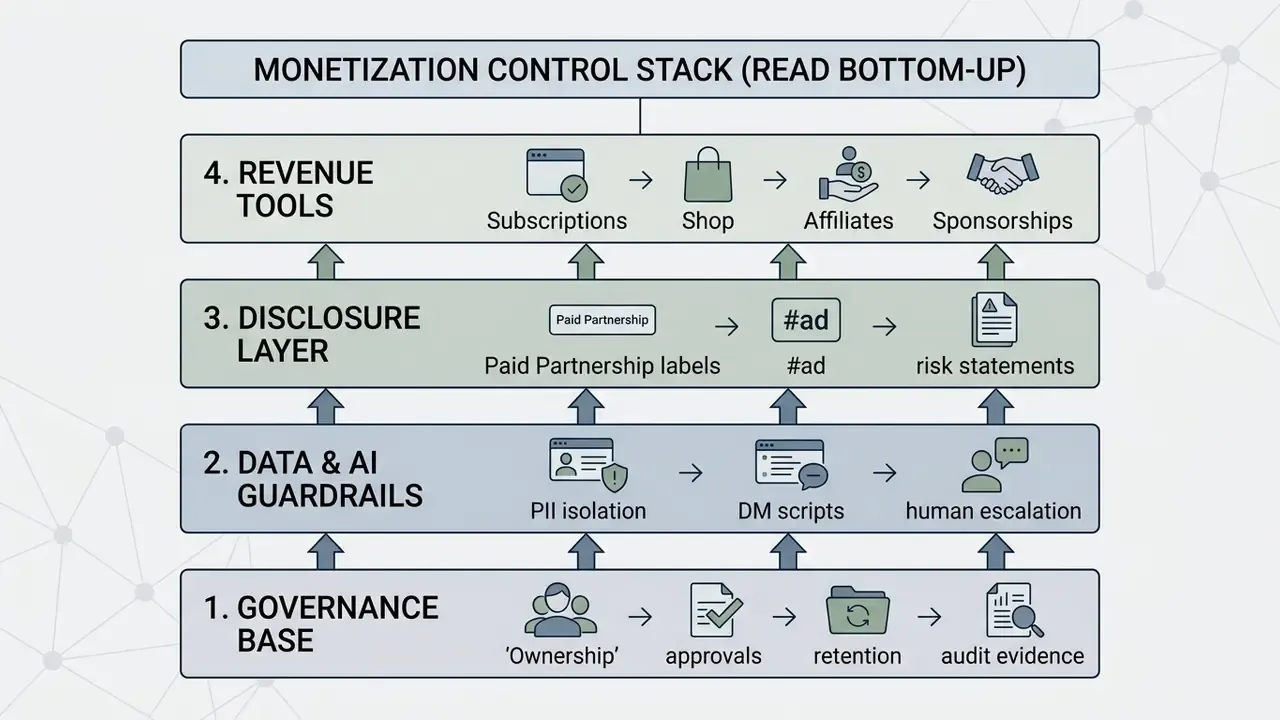
Regulatory Guardrails for Commercial and Financial Content
Advertising and endorsement rules apply to Instagram posts with the same force they apply to broadcast or print. The FTC requires that material connections between an endorser and a brand be disclosed clearly and conspicuously, placed before the recommendation rather than buried in a hashtag cluster (FTC Guides Concerning the Use of Endorsements and Testimonials in Advertising, 2026). The UK's ASA takes an equivalent position: if a post is wholly about affiliate-linked products, the entire post is advertising and must be labeled accordingly (ASA Guidance, 2025).
Financial-services organizations carry extra layers. Retail communications about securities and investment products are subject to supervisory review, pre-approval, and recordkeeping under FINRA Rule 2210 and related SEC expectations. Consumer-facing claims about credit, deposit, and lending products fall under CFPB and prudential-regulator advertising rules. Interagency guidance (FFIEC) treats social media as part of the institution's overall risk-management program. Customer data captured through social channels also touches GLBA safeguards and state privacy law such as the CCPA/CPRA.
The practical consequence is easy to miss. An automated DM funnel that answers questions about rates, returns, or eligibility can constitute a recommendation or a retail communication. Where that exposure exists, the funnel must hand off to a licensed human before any product-specific statement is made.
AI, Automation, and DM Risk Matrix
Automated DM tooling, algorithmic targeting, and AI-generated replies expand reach and expand risk at the same time. Treat each automation as a model or a controlled process, with a named owner, documented behavior, and monitoring. No evidence, no autonomy.
| Risk Scenario | Exposure | Primary Control | Evidence to Retain |
|---|---|---|---|
| Bot gives product-specific advice | Unlicensed recommendation; regulatory action | Hard-coded topic blocklist; mandatory human handoff | Scripted flow versions, handoff logs |
| AI hallucination in auto-reply | Misleading claim; consumer harm | Retrieval limited to approved copy library; no free-form generation | Prompt/config snapshots, output samples |
| PII captured in DM threads | Privacy breach; GLBA/CCPA exposure | Never request account numbers or identifiers in DMs; redirect to secure channel | Data-flow diagram, redaction logs |
| Shadow AI tools used by agency | Unvetted processing of audience data | Vendor due diligence; contractual data clauses | Vendor register, DPAs |
| Undisclosed paid promotion | FTC/ASA violation | Disclosure template enforced at publish step | Approval records, published-post archive |
| Affiliate link to unvetted merchant | Reputational and consumer-protection risk | Merchant allowlist, periodic re-review | Allowlist versions, review dates |
If your marketing team uses generative tooling for captions, thumbnails, or voice, keep the tool list inside one inventory rather than scattered across agency contracts. Our AI Media Commercial-Use notes and AI Media Benchmarks and Review Proof pages are useful when documenting which vendors were assessed and on what basis.
Audit Evidence and GRC Integration
Set Up an Instagram Account That Is Ready to Monetize
Preparing an Instagram account for monetization means converting to a professional profile structure, sharpening public positioning, and sustaining consistent audience engagement. A profile built for commercial activity communicates clear value to prospective followers and to corporate brand partners alike. Visual identity carries real weight in that first impression, and creators building a profile from scratch often start with an AI logo generator to lock a consistent mark, palette, and avatar treatment before publishing commercial content.
Beyond visuals, the Instagram bio works as a conversion asset. It should state the niche, the value proposition, a contact route, and a single primary link. Keyword-relevant phrasing in the name field and bio also improves discoverability in in-app search, which is how a surprising share of high-intent visitors arrive.
Switch to a Creator or Business Account
Switching to a Creator Account or Business Account unlocks the Professional Dashboard, advanced performance analytics, and the native monetization features you need to generate revenue. Both professional account types provide insights, yet their feature sets serve different operational goals.
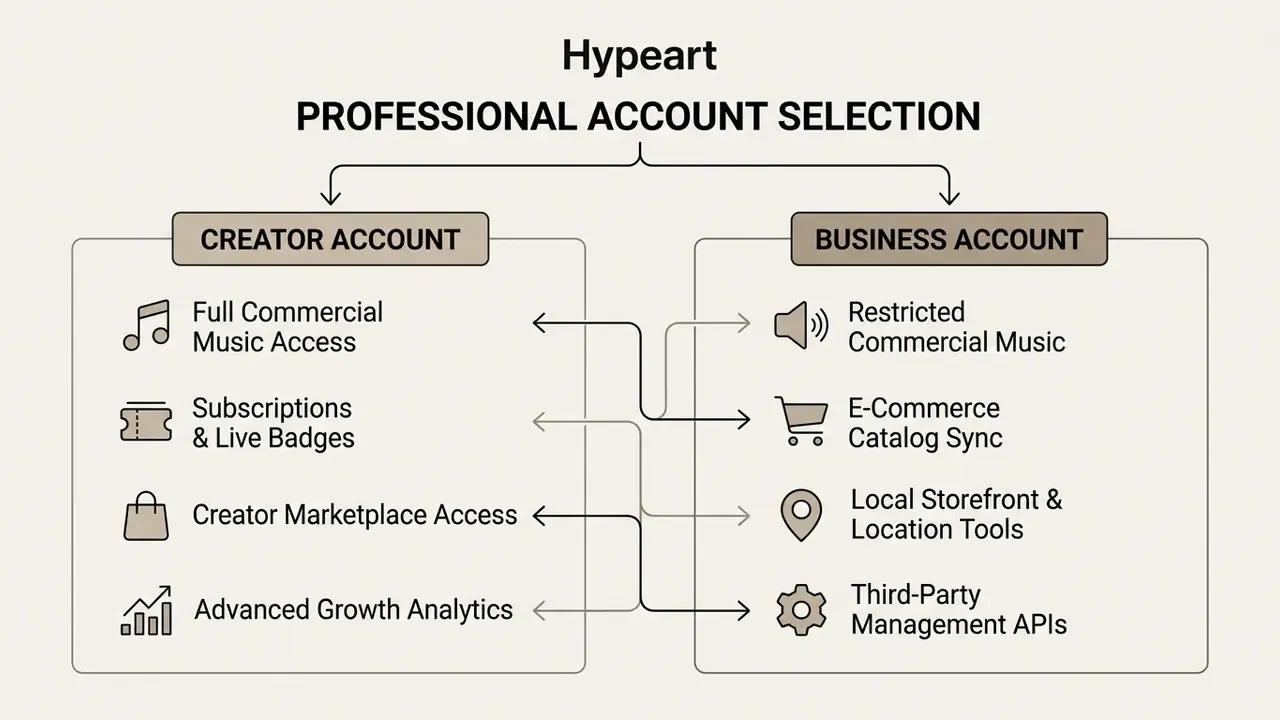
Creator accounts grant access to trending commercial audio libraries, Instagram Subscriptions, Live badges, and partnership messaging tools (Meta for Creators, 2026). An Instagram business account prioritizes inventory management, third-party software integrations, ad manager setup, and local contact features. Sources disagree on whether Creator Marketplace access is Creator-only or open to any professional account, so verify current eligibility inside your own dashboard rather than trusting secondary guides.
Build a Loyal and Engaged Instagram Audience
Building a loyal following means distributing short-form video through Instagram Reels to reach non-followers while using interactive Instagram Stories to retain the audience you already have. High engagement lifts creator pricing and conversion rates across every revenue channel.
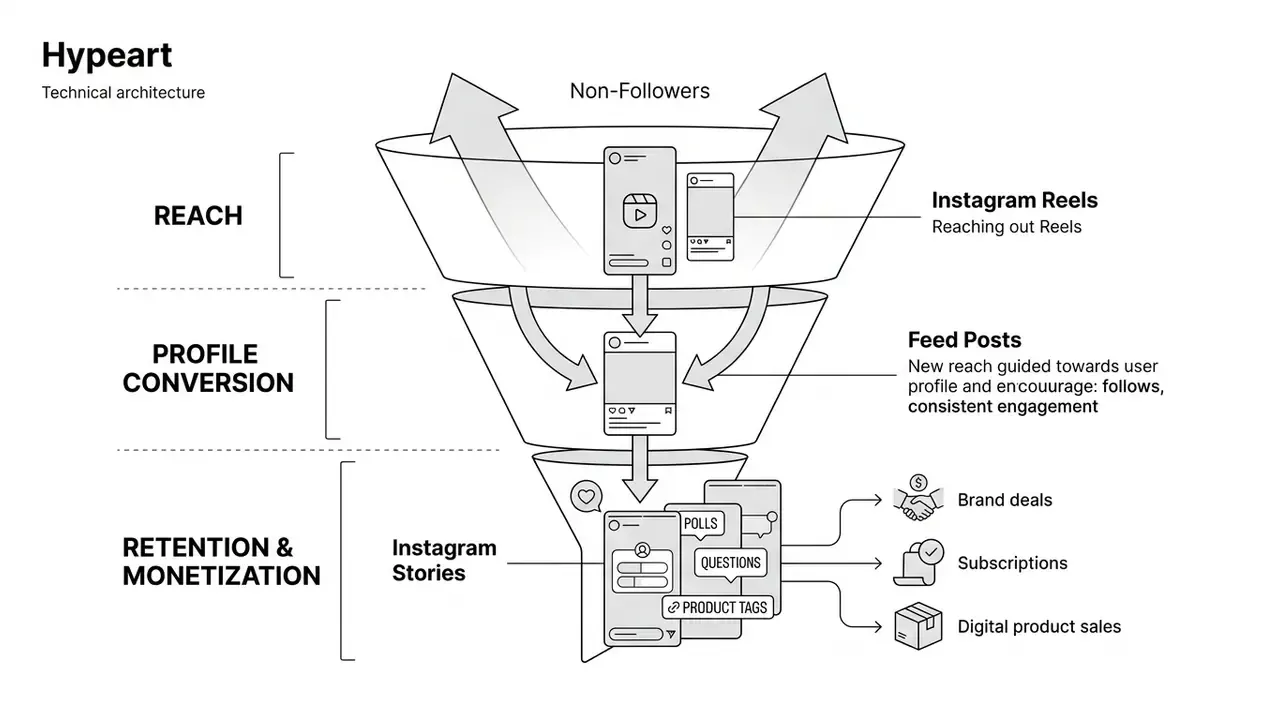
Sharing Reels publicly exposes content to non-followers first, which is why production throughput matters as much as ideas. Creators scaling output frequently pair a shooting routine with AI video generators to prototype hooks and variations quickly (Instagram Creators, 2025). The platform tests viewer retention before pushing content into established feeds, so a reliable post-production workflow built on free video editing software keeps pacing tight enough to survive that first exposure window. For teams repurposing the same footage across formats, a documented ai video creation process removes most of the guesswork, and vertical cuts follow the same logic as AI Video for YouTube Shorts.
Interactive elements such as polls, quiz stickers, and question boxes lift Story completion rates by 15% to 25% and increase direct replies.
«Interactive Story elements raise completion rates by 15–25% and increase direct replies versus non-interactive Stories.»
Benchmark data for 2026 places Stories completion at 55%–75% and sticker interaction at 12%–18% of viewers, which gives a workable target range for testing (InfluenceFlow, 2026). Collaboration compounds the effect: co-created Reels, joint Story takeovers, and cross-shoutouts with adjacent creators expose the profile to pre-qualified audiences without paid spend. Relevant hashtags still help categorize content, though they no longer carry the discovery weight they did five years ago.
- Account typeconverted to a Creator or Business Account with Professional Dashboard access.
- Profile bioclearly states the target niche, value proposition, contact email, and one direct link.
- Policy healthzero active Community Guidelines strikes or Partner Monetization flags.
- Engagement metricsorganic engagement rate above 3% across recent Instagram posts.
- Content pipelineconsistent publishing schedule across Reels, Stories, and static feed posts.
- Payout setuptax classification, tax ID, and banking details submitted and verified.
- Disclosure controlsPaid Partnership label and #ad templates approved before the first commercial post.
Use Instagram's Native Monetization Features
Instagram's monetization features let eligible creators earn recurring payments, live tips, and performance rewards directly inside the app. These tools process transactions through Meta's integrated payout system, which means eligibility rules and regional availability govern everything.
Earn Recurring Revenue With Instagram Subscriptions
Instagram Subscriptions let creators set monthly pricing tiers between $0.99 and $99.99 and deliver exclusive content to paying subscribers. Subscriptions create predictable recurring income from an account's most loyal audience.
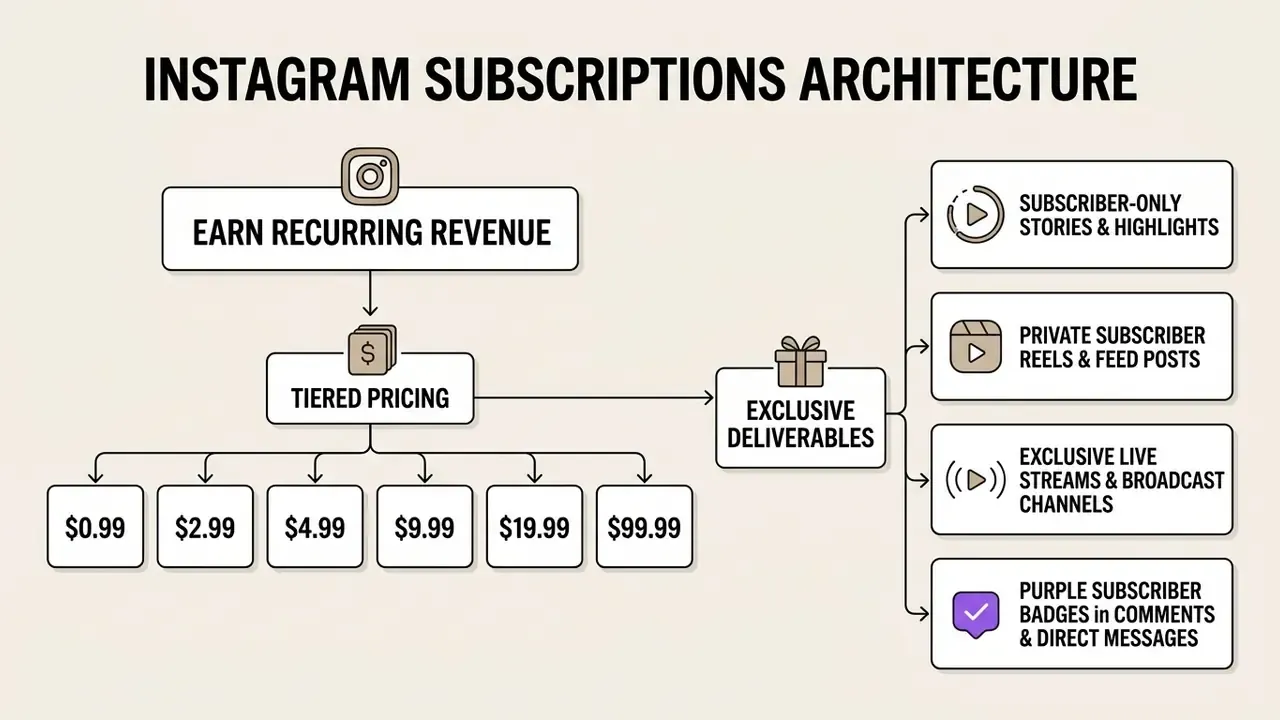
Creators select a fixed subscription price that stays locked for existing subscribers even if the public tier changes later (Meta Help Center, 2026). Exclusive Stories, subscriber-only Reels, private broadcast channels, and custom profile badges build the parasocial bond that sustains retention over months rather than weeks.
«Perceived similarity, attractiveness, and authenticity strengthen parasocial interaction and directly increase intention to purchase a recommended product.»
Eligibility requirements typically include a professional Creator or Business account, at least 10,000 followers, an age of 18 years old or more, and compliance with Partner Monetization Policies. Accounts focused on child-directed content are excluded.
Financial reality note (platform fees). Meta currently takes 0% commission on Subscriptions and Live Badges, but in-app purchases processed through iOS and Android carry Apple App Store and Google Play fees. Platforms deduct a 30% transaction fee during the subscriber's first year, dropping to 15% from year two onward. A $4.99 monthly tier therefore yields roughly $3.49 net per user in year one and about $4.24 from year two. Model subscriber targets on net figures, never on sticker price.
Real-world case benchmark. High volume at micro-pricing can beat a premium fee. Creator @fuji_an positioned a low-friction tier at $0.49/month. By converting a small fraction of a multi-million audience, the account scaled past 79,000 active subscribers, generating over $38,700 in gross monthly recurring revenue before app-store deductions. Most creators launch between $2.99 and $4.99, which accumulates meaningful revenue even with a few hundred paying subscribers. The strategic choice sits between price per subscriber and conversion friction. Test both before publishing a public tier, because existing subscribers keep their original rate permanently.
Earn From Instagram Live Badges and Gifts
Instagram Badges and Reels Gifts let viewers send direct financial tips and virtual rewards during live videos and Reels views. These tools convert real time appreciation into fan-funded revenue.
«Attitude toward live-streaming shopping, subjective norms, perceived behavioral control, and influencer presence significantly affect purchase intention in live broadcasts.»
Viewers purchase badges during Instagram Live sessions in increments of $0.99, $1.99, or $4.99, up to a maximum of $250 per live stream (Meta Help Center, 2026). Badge buyers display a heart icon next to their comments, which grants them elevated visibility in the chat. Reels Gifts let viewers buy virtual gifts using Stars inside the Instagram app, and Meta converts them into payouts once earnings reach the $100 minimum threshold (Meta Business Help Center, 2026). Reels Gifts eligibility opens at roughly 500 followers for professional accounts aged 18+, and only original, non-watermarked content qualifies.
To turn attention into tips, name and thank badge senders on air, pin a recurring support call-to-action mid-stream, and reserve one segment per broadcast (an AMA, a critique round, a first-look reveal) that exists only for live viewers. Small ritual, outsized effect.
External Crowdfunding and Direct Fan Support
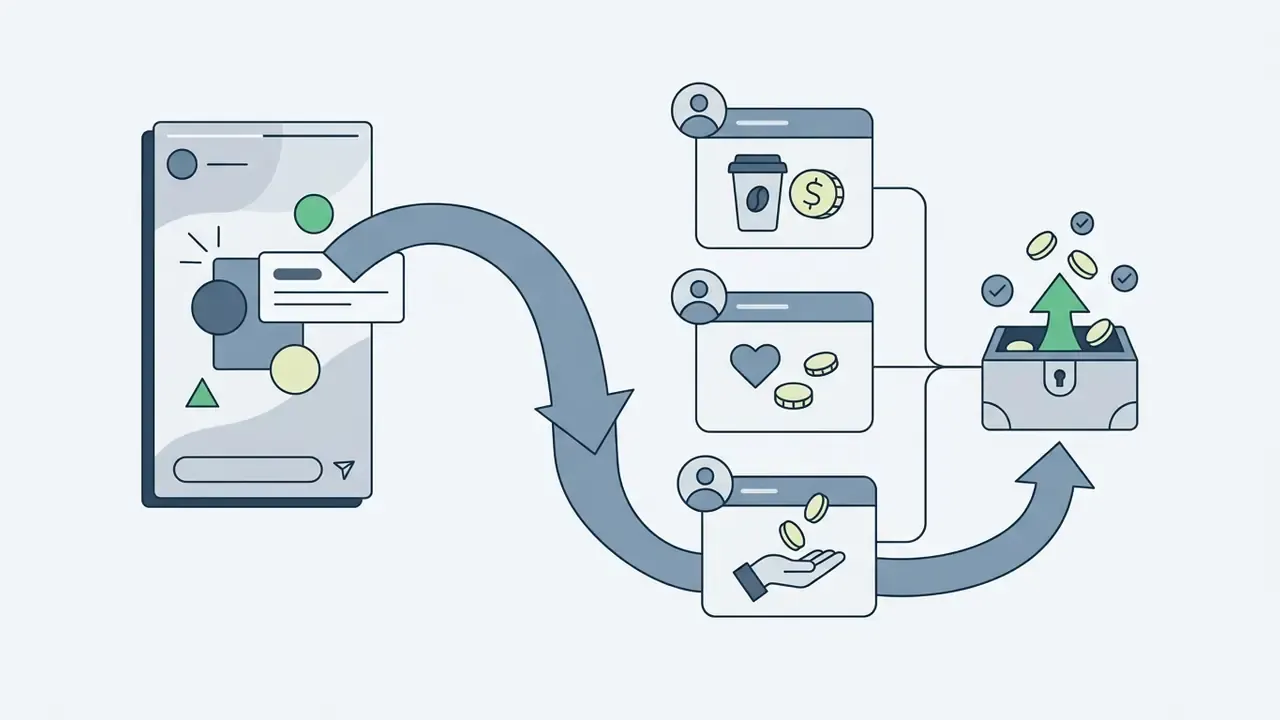
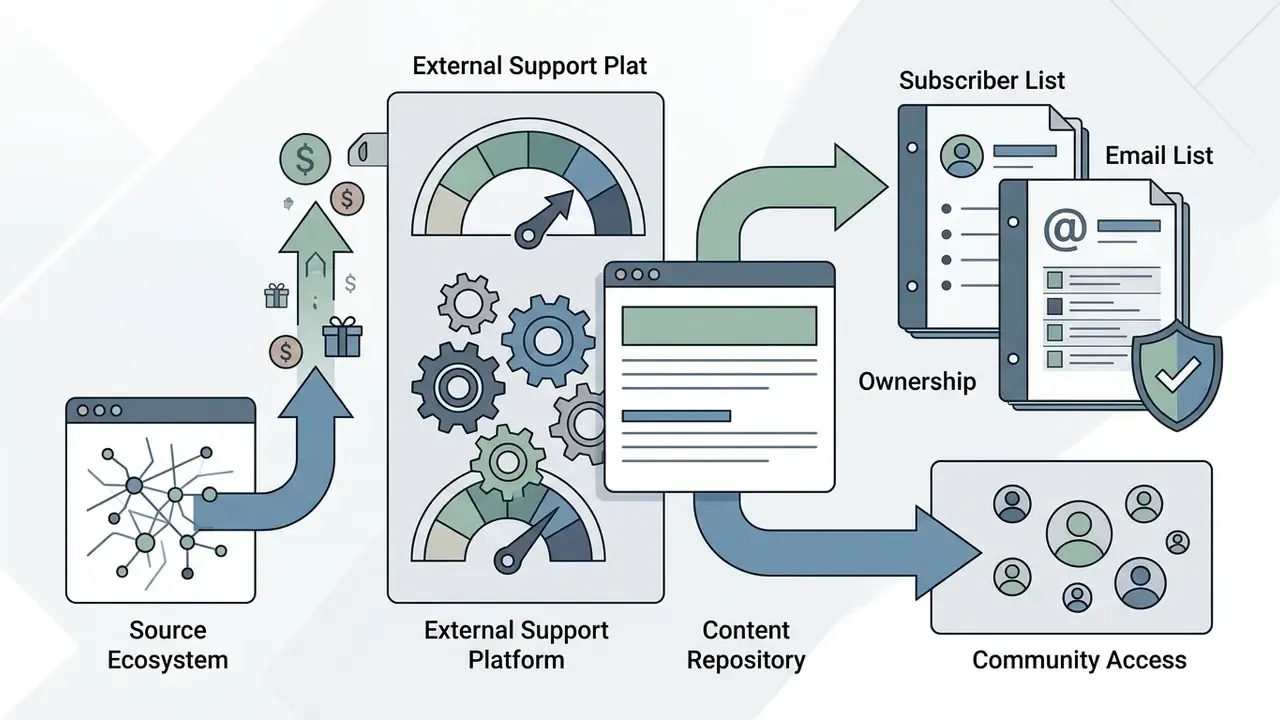
Creators without proprietary physical products can lean on off-platform donation infrastructure, placing direct support links in Stories and the Instagram bio. This route avoids app-store deductions entirely and is not gated by Meta eligibility thresholds.
Crowdfunding works best when goals and fund usage are stated transparently, progress is reported publicly, and the ask is tied to a concrete deliverable rather than generalized support. Note that donation and fundraising solicitations may trigger local charitable-solicitation or tax rules depending on jurisdiction.
Understand Bonuses, Ads, and Reels Monetization
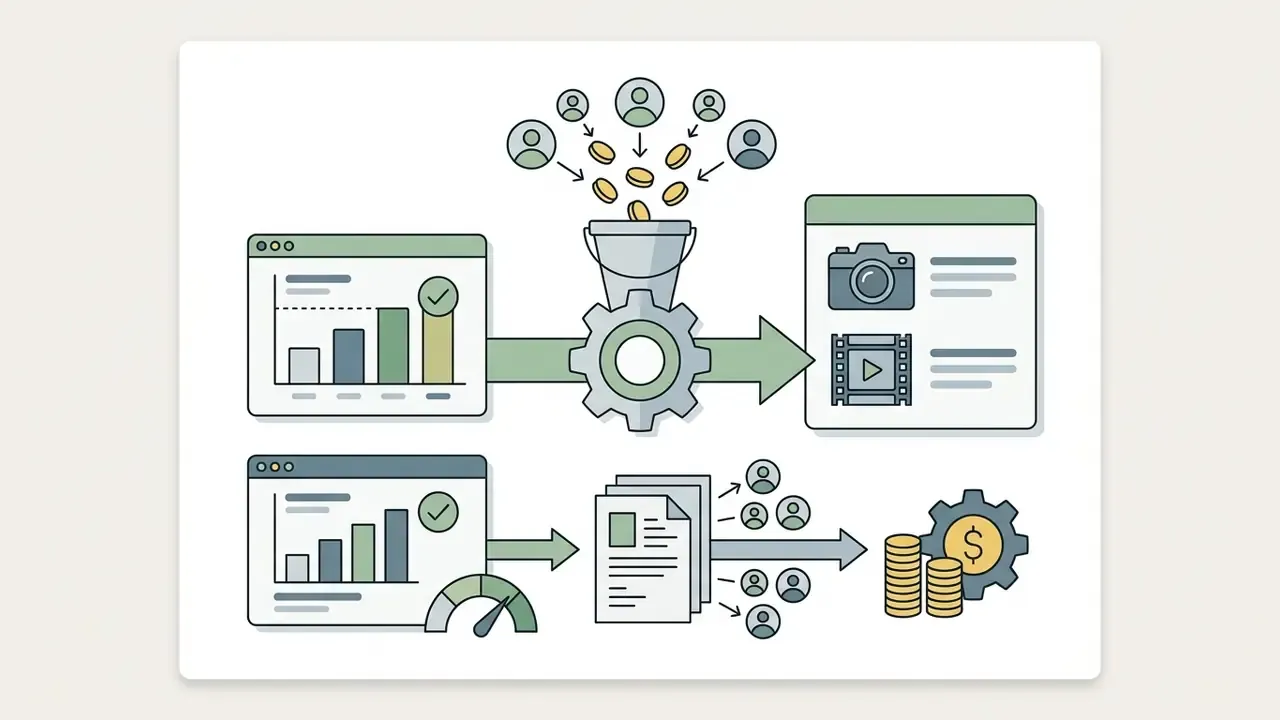
Program bonuses and overlay video ads pay creators based on content performance and qualified view counts, though access stays tightly controlled by Meta.
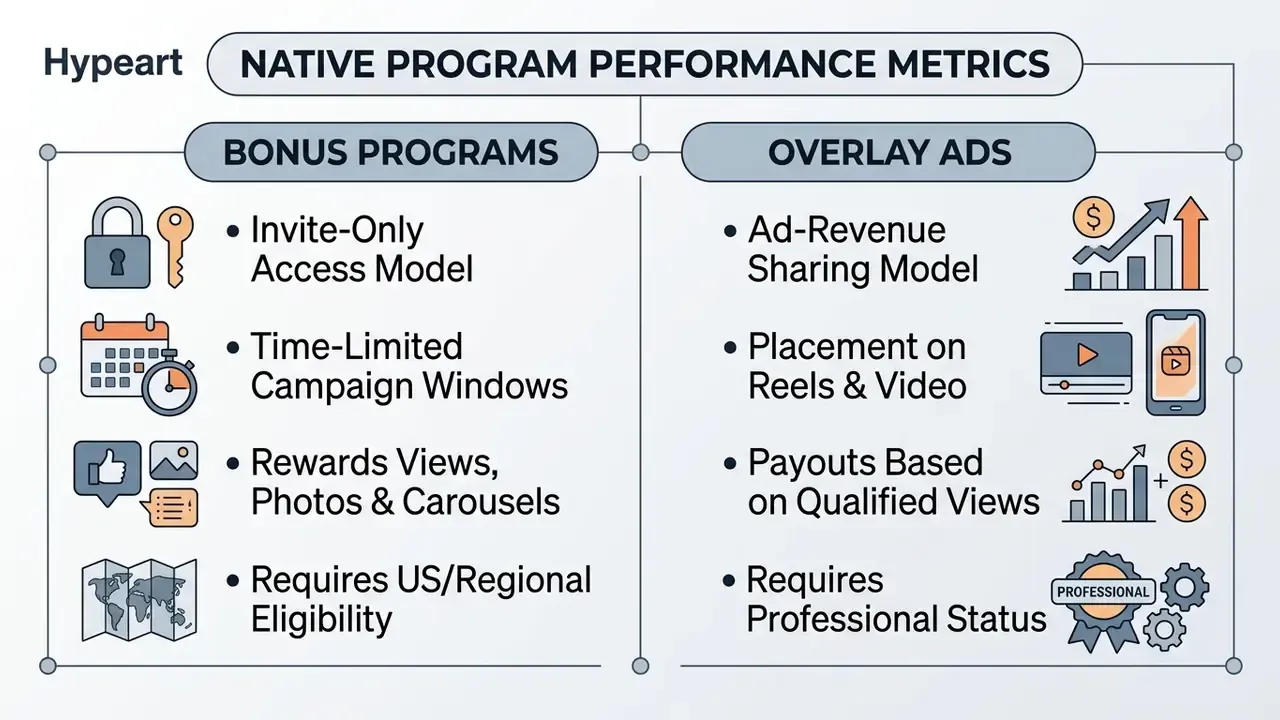
Instagram Bonus programs run on an invite-only basis, paying performance rewards for eligible Reels, single images, and carousel posts (Meta Earn with Bonuses, 2026). Meta has phased out open per-view payment models in favor of targeted, variable bonuses, so creators need to check the Professional Dashboard regularly for active invitations and qualified view metrics.
Meta structures bonus payouts across two main vectors:
- Breakthrough Bonuses: aimed at accounts new to Instagram and Facebook. Creators can earn up to $5,000 by publishing at least 20 Facebook Reels and 10 Instagram Reels within the first 30 days of activation.
- Seasonal Performance Bonuses: invite-only campaigns for established creators who maintain over 5,000,000 total content views within a rolling 90-day period, counted across up to 150 published assets from activation through the end of the bonus window. More plays inside that window increase the reward.
Both programs require an age of 18 years old or more, residence in an eligible country, a professional account in Creator or Business mode, and acceptance of Meta's bonus terms.
Payout efficiency benchmark (Reels vs. TikTok):
- Instagram Reels (bonuses and ads mix): an effective $10.00 to $50.00 per 1,000 qualified views, depending on audience country and niche commercial intent.
- TikTok Creator Rewards Program: roughly $0.03 to $0.04 per 1,000 views for standard video formats, which makes Instagram substantially higher-yielding for commercial conversion objectives.
One caveat on widely circulated numbers. Claims that "Instagram pays $0.01 to $0.05 per 1,000 views" misread the mechanism. Meta operates no open, fixed per-view rate. Payouts come from variable bonus pools and partnership ad revenue shares visible only inside the Professional Dashboard, so treat any flat per-view figure quoted by third-party guides as unverified.
Make Money With Brand Partnerships and Sponsored Content
Brand partnerships and sponsored content are the largest source of income for social media creators, accounting for 68.8% to 70% of total creator revenue (2024 Creator Economy Income Distribution Report). Brands pay creators to produce authentic promotional content that borrows their audience trust and niche authority.
Find Brand Deals Through the Creator Marketplace and Direct Outreach
Creators secure sponsorships through Meta's native Creator Marketplace or by pitching brands directly with a professional media kit.
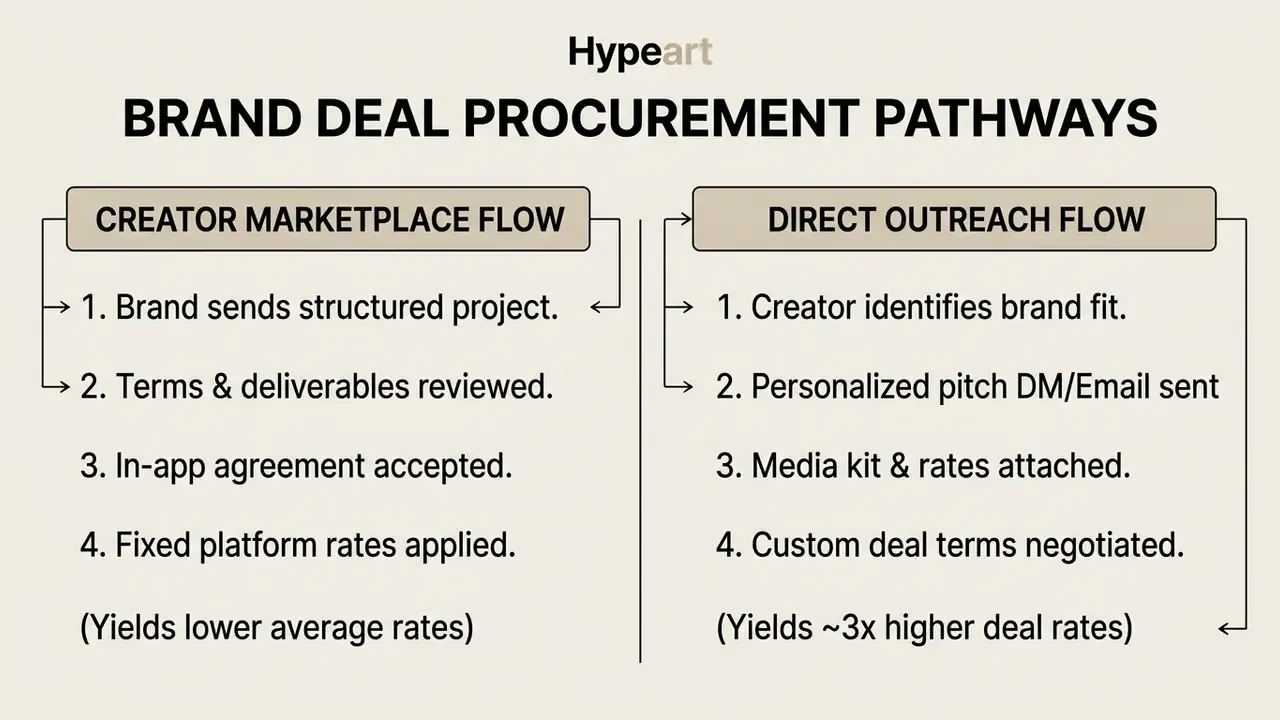
The Creator Marketplace lets brands search creator profiles and send structured campaign offers, including campaign overview, deliverables, compensation, and partnership messages. Direct outreach, though, yields roughly three times higher compensation than deals closed through standardized platform marketplaces.
«Typical Creator Marketplace projects paid in the $100–$1,000 range, while direct brand deals averaged about three times more.»
A professional media kit should highlight niche positioning, follower count, verified engagement rate, audience demographics, top-performing content samples, previous client results, and clear contact details. Attaching structured demographic reports (age, gender, geography, and device split exported from the Professional Dashboard) turns a generic pitch into an evaluable media proposal, because brand marketers can immediately match your Instagram audience against their target audience. Replacing raw follower counts with verified engagement metrics and explicitly scoped deliverables also gives you a defensible basis for premium pricing during negotiation, without requiring any additional follower growth.
One practical tactic before pitching: engage organically with the brands you actually want to work with. Agencies frequently source creators by reviewing who already tags and uses the product without being paid, so visible organic affinity shortens the trust-building phase. Proposing a recurring format or series, something a brand can plug into repeatedly, converts one-off posts into retainer conversations. Presentation assets matter too; a consistent ai thumbnail maker routine keeps pitch decks and case-study covers visually coherent.
Create Sponsored Posts That Build Trust
Effective sponsored posts balance authentic brand integration with transparent disclosure. Maintaining audience trust is the whole ballgame for long-term commercial viability. Production quality affects perceived credibility, and many creators strengthen campaign visuals with AI image generators for concept boards, backdrops, and variant testing before the final shoot. Voice-driven formats follow the same rule, which is why ai voiceover tools for youtube videos show up in Reels workflows as often as in long-form ones.
«Explicit sponsorship disclosure increases user awareness of commercial intent while generating audience favorability through transparency.»
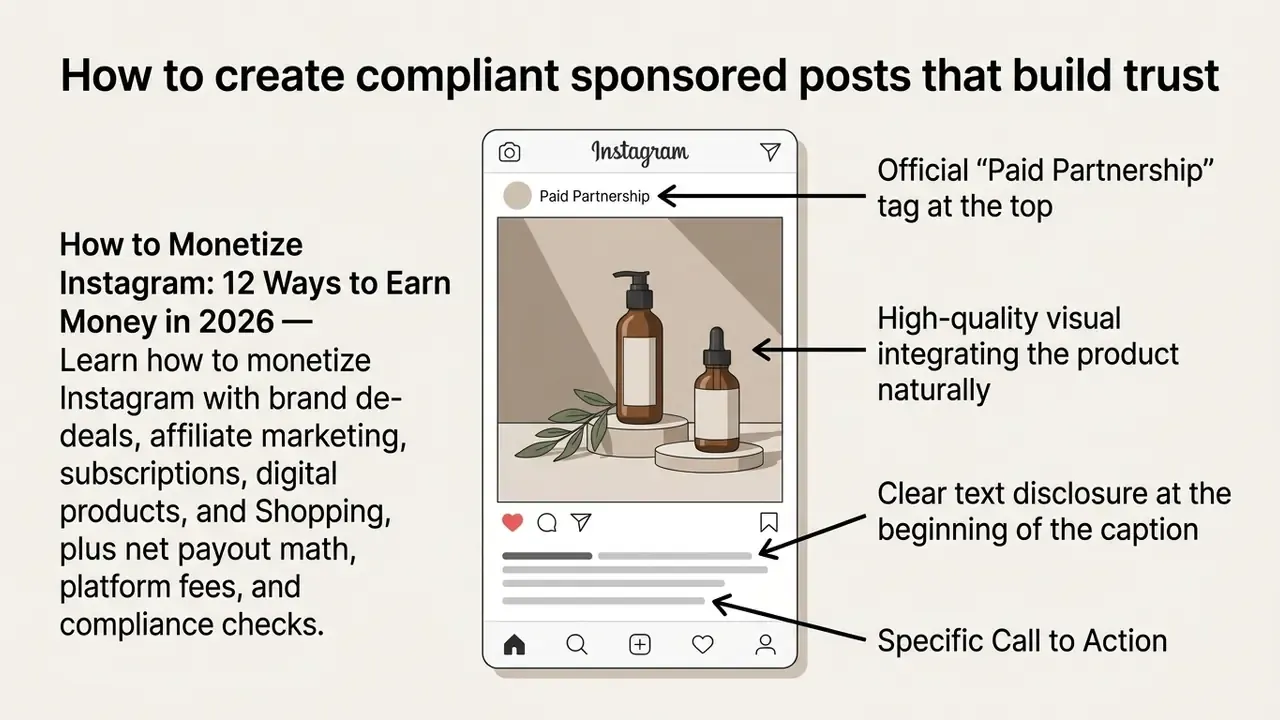
Sponsored Instagram posts must use the official "Paid Partnership with" label, and disclosure belongs at the start of the caption rather than inside a hashtag cluster (FTC Guides, 2026). Meta's Branded Content Policies treat gifts, discounts, free products, services, and paid trips as compensation, so the label applies well beyond cash payments. Worth repeating, because this is where most enforcement actions start.
Price Sponsored Content by Value, Not Only Follower Count
Pricing sponsored content means weighing audience reach, engagement rate, production complexity, and niche intent rather than leaning on follower count alone.
To calculate baseline rates, creators can use a standard pricing formula:
Industry benchmarks place average sponsored rates at $1,311 for static photo posts and $2,784 for Instagram Stories (IZEA Worldwide, 2023).
«Average sponsored-post rates for influencers with 1M+ followers rose 95% over eight years, from $3,012 to $5,865 per post.»
| Influencer Tier | Average Rate per Static Post | Average Rate per Story | Average Rate per Video / Reel |
|---|---|---|---|
| Nano (1k–10k) | $50 – $200 | $25 – $100 | $75 – $300 |
| Micro (10k–50k) | $200 – $1,200 | $100 – $600 | $300 – $1,800 |
| Mid-Tier (50k–500k) | $1,200 – $5,000 | $600 – $2,500 | $1,800 – $7,500 |
| Macro (500k+) | $10,000 – $50,000+ | $5,000 – $25,000+ | $15,000 – $75,000+ |
High-intent niches such as business, finance, and software command niche multipliers between 1.2x and 1.5x, whereas general lifestyle content sits at the baseline (InfluenceFlow, 2026). These multipliers come from commercial rate-card aggregation rather than peer-reviewed sampling, so validate them against closed deals in your own vertical and keep a record of realized CPMs as negotiation evidence. Published benchmarks also place niche factors as low as 0.7x for broad, low-intent audiences and ER factors between 0.7x and 1.35x, which explains how two accounts of identical size end up priced two-fold apart.
Video formats like Reels carry higher production value and earn 1.5x to 2x more than static feed images, while Stories usually price near 0.5x a feed post. One more thing, easy to overlook: engagement rate must be defined before it is priced. ER-by-follower and ER-by-reach use different denominators and can produce materially different numbers on the same post. State which definition your media kit uses, and state it in writing.
Monetize Instagram With Affiliate Marketing
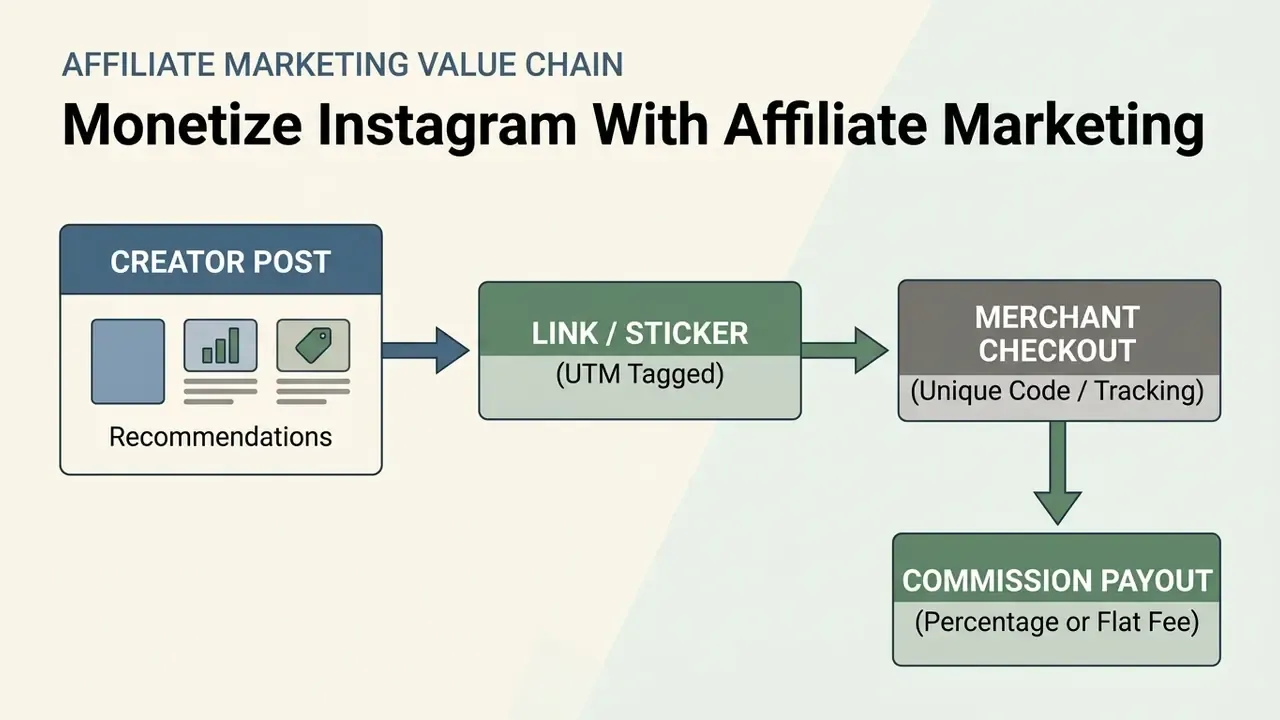
Affiliate marketing generates commission income when creators recommend third-party products and drive their audience to purchase through trackable referral links. Passive is the wrong word for it, but the margins are attractive once the content library compounds.
Choose Affiliate Programs That Match Your Audience
Choosing affiliate programs means picking high-paying, reputable affiliate networks whose products map directly onto your niche.
Prominent affiliate programs include Amazon Associates for general merchandise, Sephora via Rakuten and Ulta Beauty for cosmetics, MyProtein and Amazon for fitness supplements and equipment, and Impact for commercial software tools (Ulta Beauty Affiliate Program, 2026). Instagram also runs a native affiliate flow in eligible markets, paying commission on product tags in feed posts, Stories, and shop-featured products. Influencer credibility attributes, specifically perceived similarity, attractiveness, and trustworthiness, drive purchase intent more strongly than most creators assume.
«Attractiveness, perceived similarity, and trustworthiness exert the strongest positive effect on purchase intention among Gen Z audiences.»
Recommending low-quality products degrades audience trust and depresses conversion across future campaigns. Program economics vary widely: a no-fee affiliate program with a 90-day cookie window and monthly payouts is a low-risk entry point, while a 24-hour window quietly erodes attribution on considered purchases. Before committing, compare vendors properly; our AI Media Comparison hub is built for exactly that kind of side-by-side review.
Place Affiliate Links Without Losing Engagement
Placing affiliate links well means using native Instagram features to guide interested followers without disrupting organic reach.
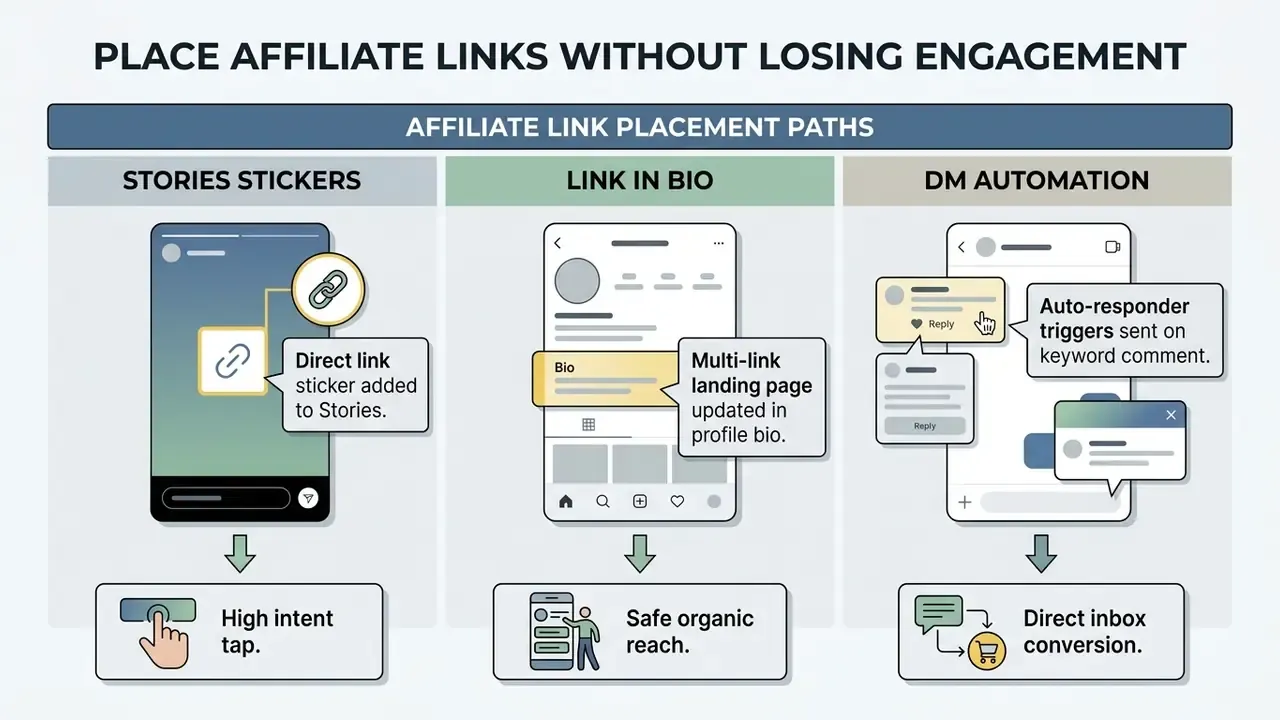
Creators can place link stickers inside Instagram Stories, direct followers to a bio landing page, or use direct message automation triggered by post comments. Official platform guidelines confirm that pointing viewers to a "link in bio" does not reduce organic post reach (Instagram Creators, 2025). Link Stickers are available to all accounts, though repeated policy violations can remove access. DM automation must operate only on user-initiated conversations under Meta's messaging rules, since unsolicited outbound automation is unsupported and creates account risk.
FTC rules apply to affiliate content identically: the disclosure must appear before the recommendation or link, in plain language, not only in a hashtag block. If a post includes affiliate links, say so up front.
Track Affiliate Revenue and Improve Conversions
Tracking affiliate revenue means attaching custom parameters and promo codes so you can see which content actually drives traffic that converts.
Custom UTM parameters (utm_source, utm_medium, utm_campaign, utm_term, utm_content) let creators attribute traffic by channel inside analytics dashboards (Digistore24 Help, 2025). Pairing UTM links with exclusive promo codes captures both direct clicks and view-through sales (Klar Help, 2026). The standard 2026 setup combines a UTM-tagged branded short link with a unique discount code, so clicks and code redemptions are measured in parallel, which recovers conversions from viewers who never tap the link at all. Analyzing that data shows which content formats produce the highest revenue per click, and consistent parameter naming is the unglamorous detail that makes those comparisons valid across campaigns.
Sell Your Own Products, Services, and Expertise on Instagram
Selling proprietary products and professional services offers the highest margins and complete ownership of the revenue stream. Instagram then works as a top-of-funnel acquisition channel for physical products, digital downloads, and consulting offers.
Sell Physical Products Through Instagram Shopping
Instagram Shopping lets e-commerce brands connect product catalogs and tag shoppable items directly inside feed posts, Stories, and Reels.
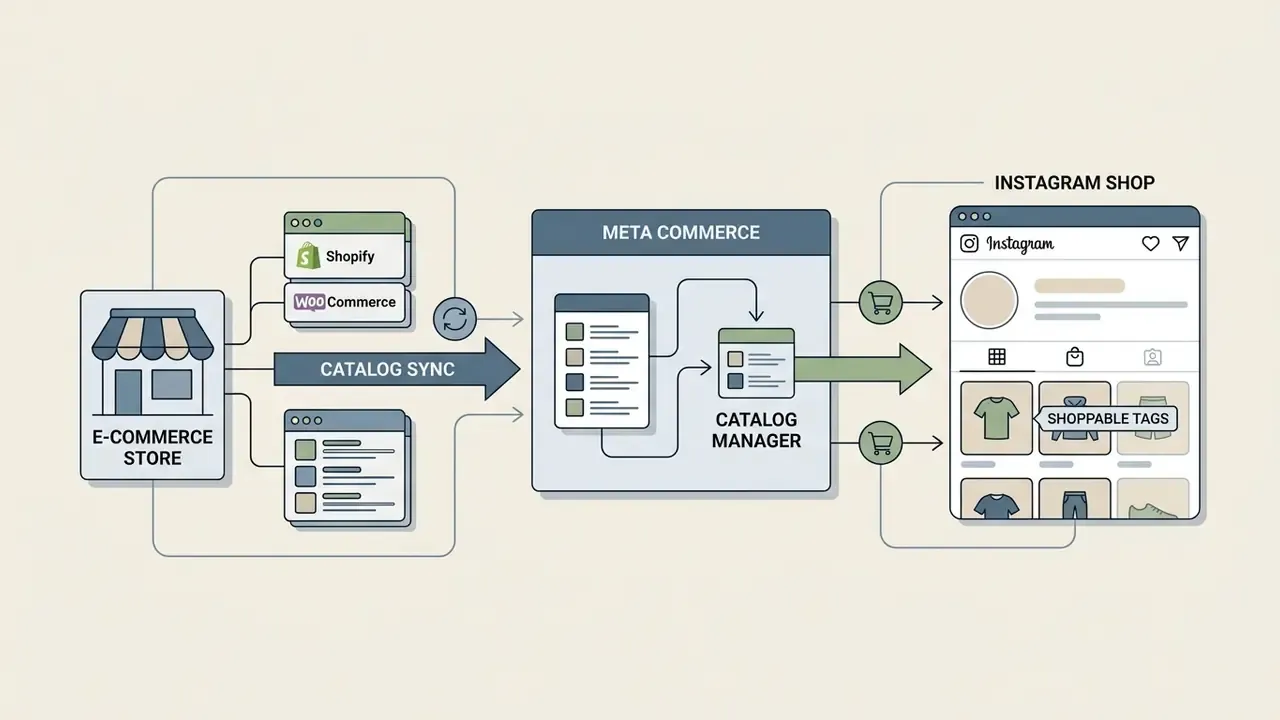
Connecting an online store built on Shopify or WooCommerce syncs inventory automatically into Meta Commerce Manager (Shopify Help Center, 2026). Catalog imagery is the primary conversion lever inside shoppable posts, so standardizing product shots with an AI photo editor, meaning consistent backgrounds, shadows, and crop ratios, measurably improves tap-through on tagged items. Setup requires a business account, a connected Facebook Page, a completed product catalog, and a signed Seller Agreement. Once approved, you can curate featured products, build collections, and run promotions.
Tagging physical products reduces purchase friction and leans on impulse behavior.
«Product tagging and embedded checkout lower cognitive load and significantly raise impulse-purchase conversion in social commerce.»
Extend shoppable content beyond the app. Instagram galleries embedded on your own website convert existing site traffic using social proof you already produced. Tools such as Foursixty publish real-time shoppable feeds, including rights-cleared user-generated content, influencer posts, product highlights, and brand content, onto product pages and homepages, with links routing to the relevant SKU. The same galleries can be pushed into email flows through integrations with platforms like Klaviyo, placing UGC inside abandoned-cart and product-reminder sequences. For merchants without inventory of their own, print-on-demand, wholesale, and dropshipping models all connect to the same catalog infrastructure, which lets you sell without holding stock.
Offer Digital Products, Courses, and Services
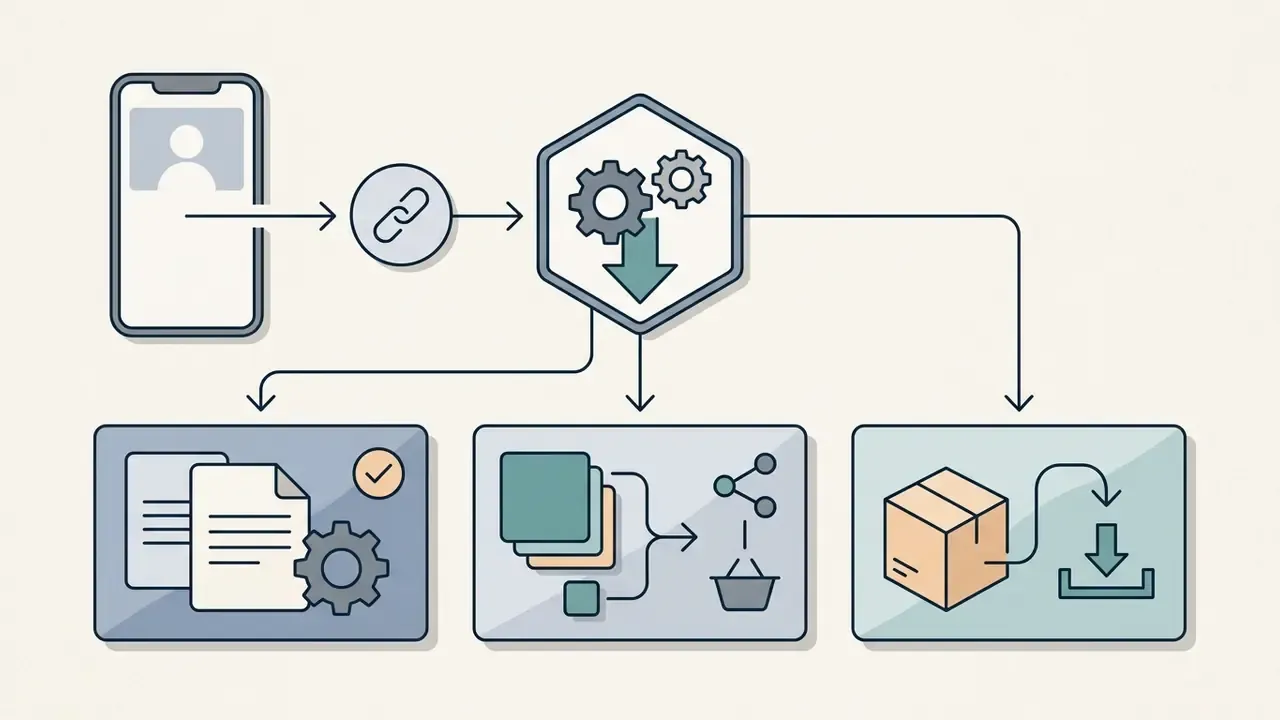
Selling digital downloads, online courses, and consulting relies on DM funnels to qualify leads and deliver checkout links. Instagram's native Shop supports physical products only, so digital goods sell through external storefronts promoted from the profile.
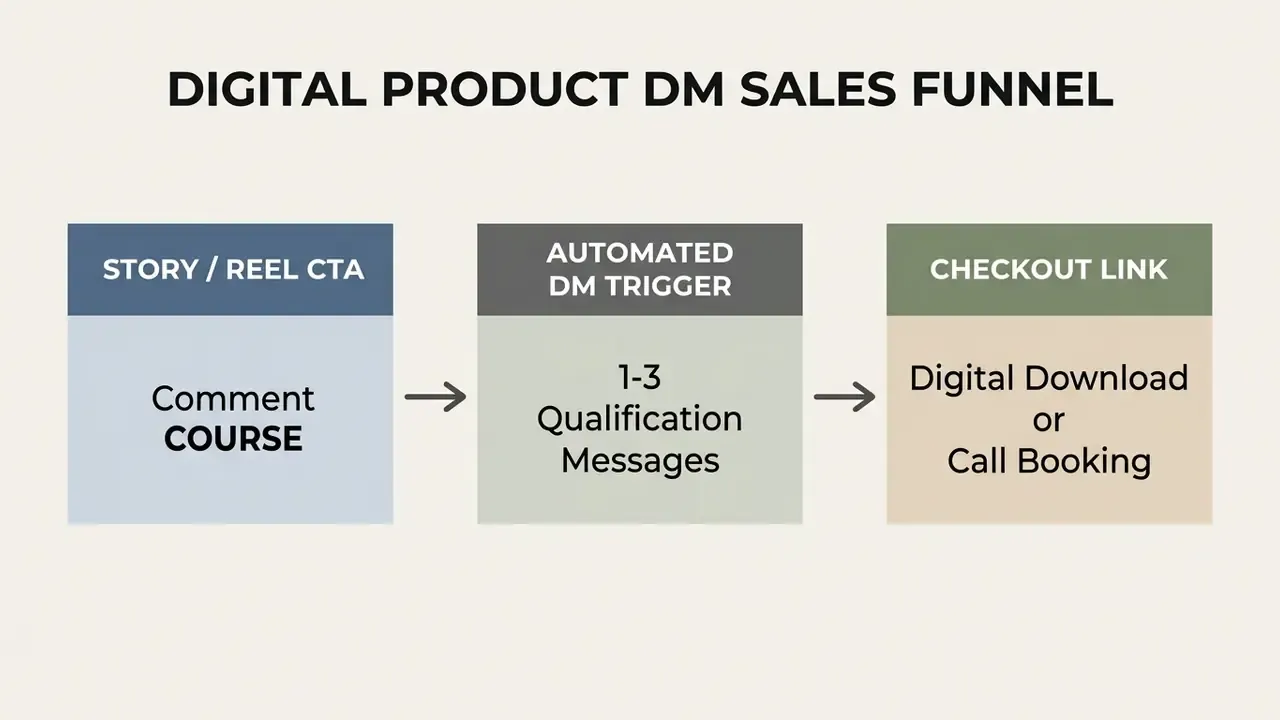
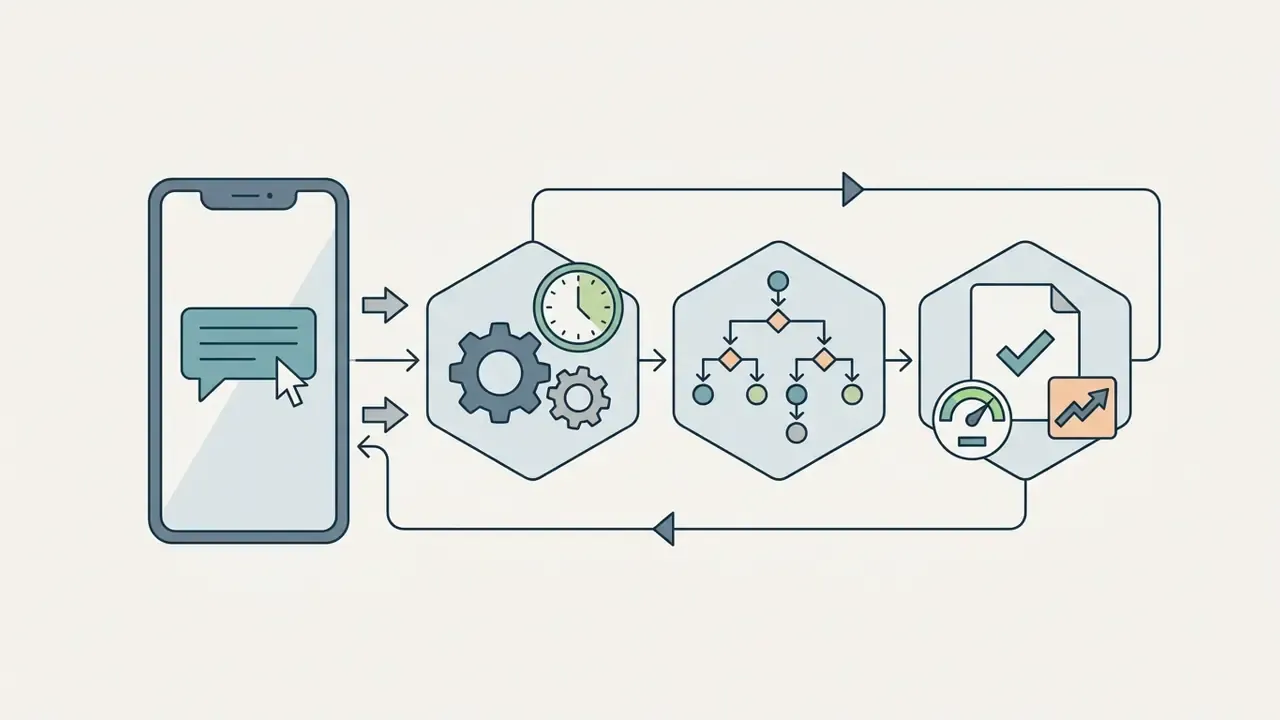
Automated DM sequences triggered by post keywords deliver lead magnets, qualify prospect intent, and send checkout links straight into inbox conversations (Inrō, 2026). The proven structure uses one objective, one trigger, and three messages: confirm and route, deliver and qualify, then hand off to checkout or a human. Service providers can use interactive Story Q&A sessions to demonstrate expertise before routing qualified leads to a booking link. Educators scaling lesson libraries often produce module intros with text-to-video AI tools to keep production cost proportional to course price, and repurposing long lessons is faster when you use ai to summarize existing recordings into teaser scripts.
Recommended infrastructure for digital sales:
Promotion mechanics matter as much as infrastructure. Use Stories, Reels, Highlights, and carousels to show product previews, customer outcomes, and before/after proof, then point consistently at a single bio destination. Warm followers who already engage tend to convert fastest through a plain prompt such as "DM me 'EBOOK' for the link." Not elegant. Effective.
Monetizing via Service Portfolios
Freelancers, studios, and agencies can treat the Instagram grid and Story Highlights as a live professional portfolio rather than a sales feed. Archive client case studies, testimonials, process breakdowns, and service pricing into named Highlights so a prospect can self-qualify in under two minutes. Support it with a single, unambiguous DM trigger, for example "DM 'AUDIT' to book a strategic review," and keep the bio link pointed at a booking page instead of a generic website.
This model suits photographers, designers, consultants, coaches, and B2B specialists selling project-based work. The portfolio does the credibility work, relevant keywords and hashtags handle discovery, and the DM funnel handles conversion. Teams producing long-form client deliverables can reuse the same footage across channels; a structured YouTube video editing workflow pairs well with Reels repurposing, and if you are launching a companion channel, an ai youtube channel naming exercise takes an afternoon rather than a week.
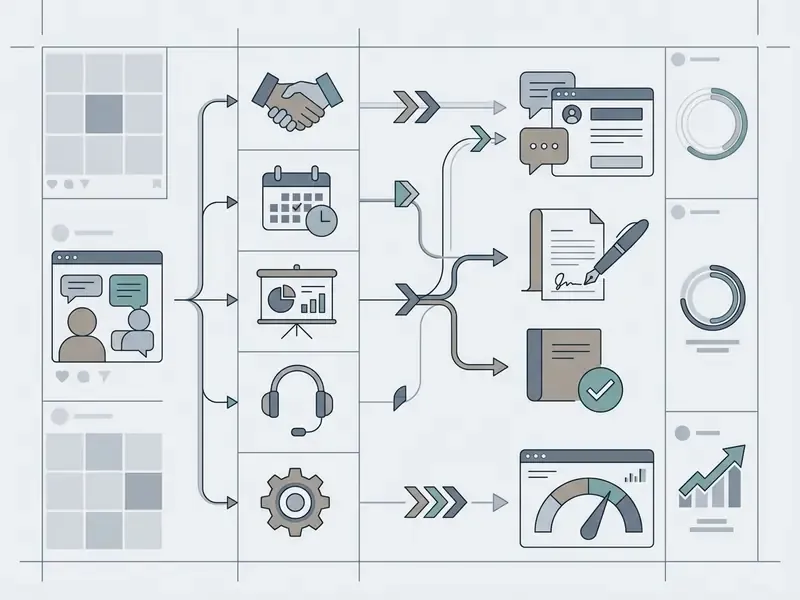
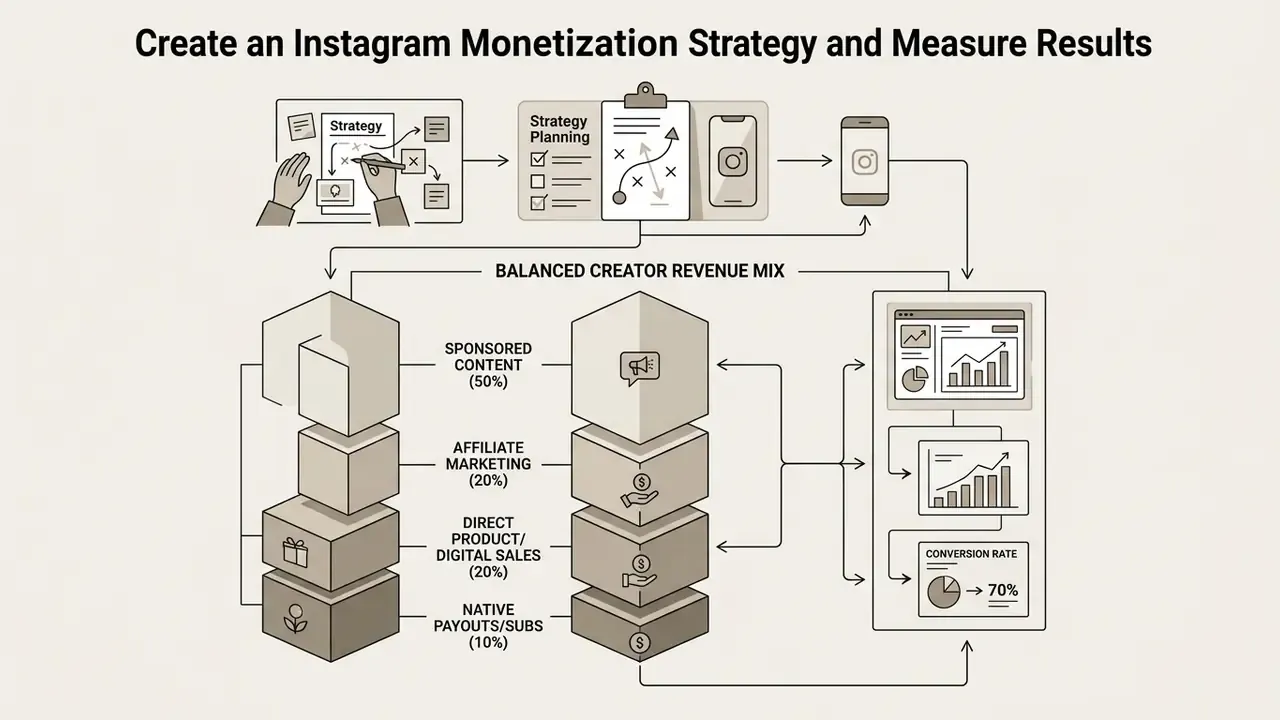
Create an Instagram Monetization Strategy and Measure Results
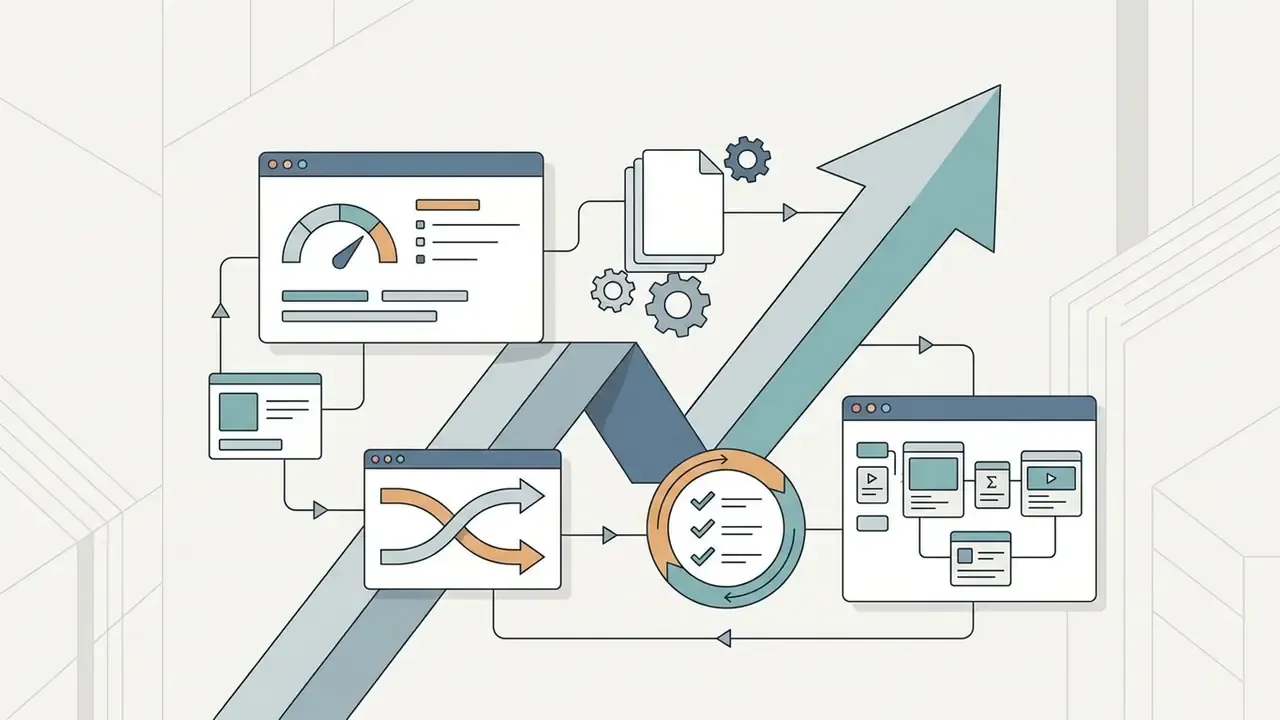
A sustainable monetization strategy combines several income streams so that no single revenue source, or algorithm change, can wipe out the month.
Combine Revenue Streams Without Overloading Your Audience
Combining revenue streams requires a content mix that keeps commercial promotions visibly separate from organic value posts.
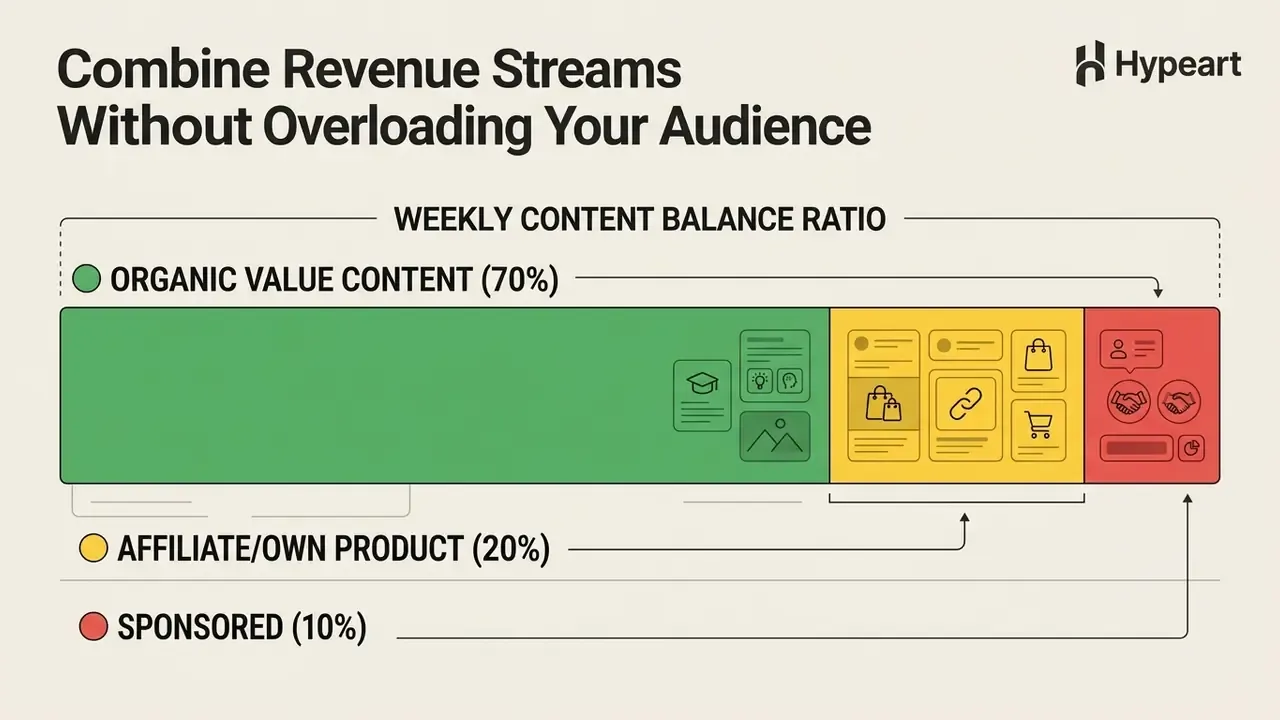
A healthy publishing ratio sends 70% of posts to non-commercial value, 20% to affiliate recommendations or your own products, and 10% to paid brand sponsorships. Regulators require clear, unambiguous "Ad" disclosure wherever a financial or material connection exists (FTC Guides, 2026; ASA Guidance, 2025). Worth stating plainly: regulators distinguish editorial from commercial content by disclosure, not by volume. No official ratio exists, so the 70/20/10 split is an audience-tolerance heuristic, not a compliance rule.
Monitor Earnings, Payouts, and Content Performance
Monitoring campaign ROI and payout schedules starts with the performance metrics inside the Professional Dashboard.
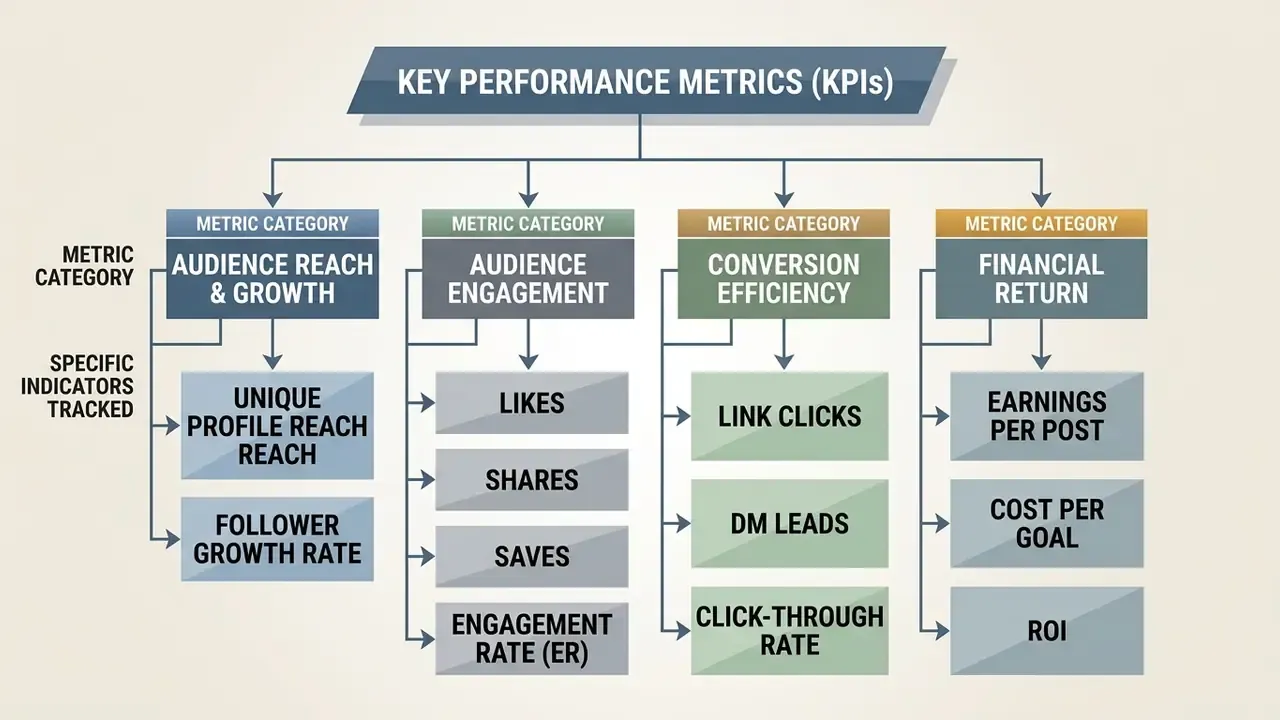
Calculate Risk-Adjusted ROI, Not Gross Revenue
Standard creator ROI math overstates return for any organization that must review, approve, disclose, and archive commercial content. Use a control-inclusive formula:
Where:
- Net Revenue is gross revenue minus app-store deductions (30% year one, 15% thereafter) and affiliate chargebacks.
- Control Costs cover legal and compliance review hours, disclosure QA, DM-script maintenance, vendor due diligence, and evidence retention.
- Expected Loss is the probability-weighted cost of disclosure failures, refund waves, or content takedowns.
- Risk Capital is the reserve held against residual regulatory and reputational exposure.
Worked illustration, hypothetical: a subscription tier grossing $10,000 per month nets roughly $7,000 in year one after a 30% store fee. Subtract $1,200 of monthly content production and $1,500 of compliance review and archiving, and the residual contribution is $4,300. That is a materially different decision input than the $10,000 headline. Run the calculation per stream before scaling any single channel, and rerun it when a tier crosses into year two, since the fee step from 30% to 15% changes the picture again.
Limitations and Unresolved Questions
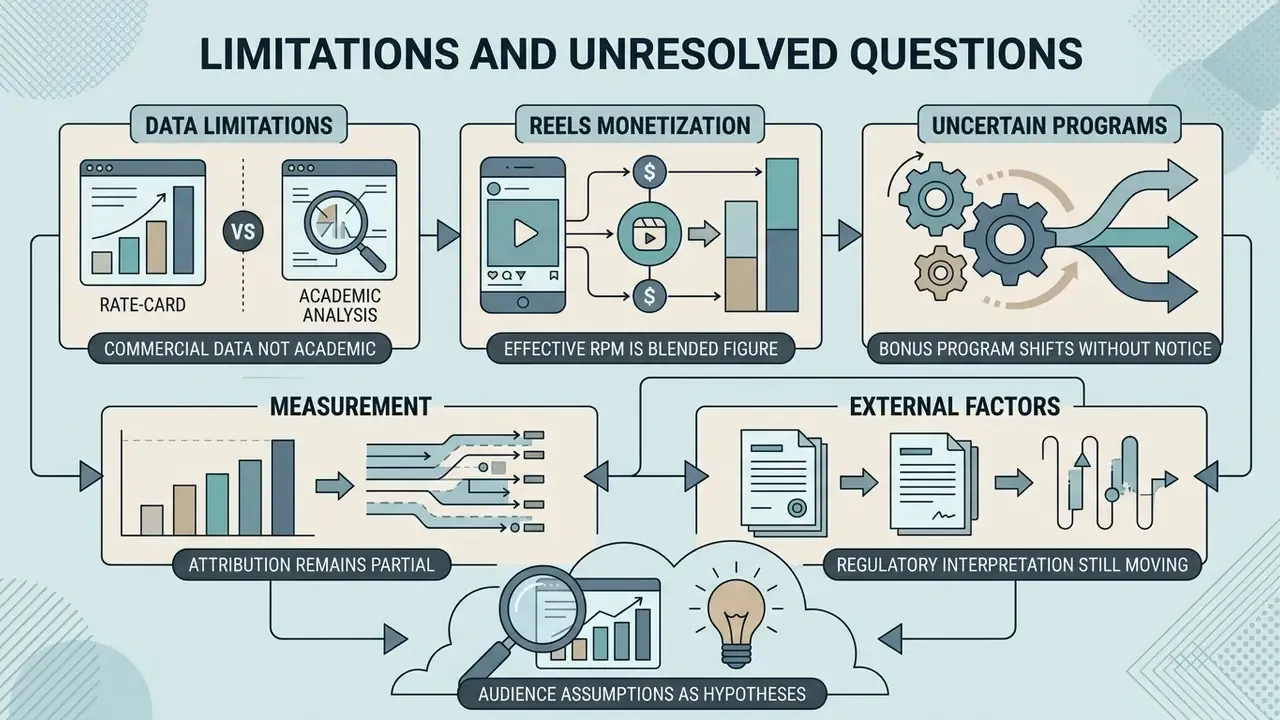
Honest caveats, because the evidence base here is uneven.
- Rate-card data is commercial, not academic. Niche multipliers, ER multipliers, and tier-based pricing ranges come from aggregators with commercial incentives. Treat them as negotiation anchors, not measurements.
- Effective RPM on Reels is a blended figure. The $10 to $50 per 1,000 qualified views range mixes bonus pools, partnership ads, and sponsorship value. Meta publishes no fixed per-view rate, and your own dashboard is the only authoritative source.
- Bonus program availability shifts without notice. Invite-only programs appear and lapse by region. Any plan that depends on a bonus invitation is not a plan.
- Attribution remains partial. Dark social sharing, in-app browsing, and cross-device purchases mean affiliate and commerce numbers understate true influence. Promo codes recover some of it, never all.
- Regulatory interpretation is still moving. How supervisors treat AI-generated captions, synthetic spokespeople, and automated DM responses in regulated contexts is not fully settled. Where the answer is unclear, keep a human in the approval path.
Audience assumptions in this article should also be read as hypotheses until confirmed by your own analytics, customer interviews, or CRM data.
A Safe Next Step
Pick one revenue stream. Document its owner, its disclosure template, its data flow, and its net payout math. Run it for 60 days, export the dashboard evidence, then decide whether to add a second. Sequenced adoption beats simultaneous launches, particularly where compliance review is a bottleneck rather than a formality.
Instagram Monetization FAQ
How many followers do you need to monetize Instagram?
There is no single number. Reels Gifts can open around 500 followers, Subscriptions and Live Badges generally require at least 10,000 followers, and affiliate marketing, sponsored posts, product sales, and crowdfunding carry no platform-imposed minimum. Engagement quality and niche intent influence earnings more than raw follower count does.
Can I monetize Instagram with 1,000 followers?
Yes. At 1,000 followers the realistic paths are affiliate commissions, nano-influencer brand collaborations, direct product or service sales, and crowdfunding. Native Meta payouts mostly stay out of reach until you cross 10,000.
How do I monetize my Instagram account if I have no product to sell?
Start with recommendations rather than inventory. Affiliate programs, sponsored content, and fan support tools require no stock, no fulfilment, and no returns policy. Once you know which topics your audience acts on, build a digital product around that evidence.
Does Instagram pay per 1,000 views?
Not as a fixed, open rate. Meta discontinued open per-view bonus models in favor of invite-only, variable bonus pools and partnership ad revenue sharing. Effective yields on Reels commonly land between $10 and $50 per 1,000 qualified views once bonuses and sponsorships blend together, well above TikTok's $0.03 to $0.04 per 1,000 views for standard formats.
Where do I see my earnings and payouts?
In the Professional Dashboard. It centralizes monetization status, eligibility, tool setup, earnings, and payout configuration, with 7, 14, 30, and 90-day insight windows for content performance. Monthly payout invoices go to the email tied to the account.
Does Instagram take a commission?
Meta currently takes 0% on Subscriptions, Badges, and Gifts. Apple and Google deduct 30% of in-app purchases in the subscriber's first year and 15% from year two onward, so net revenue always sits below the listed price.
Should I monetize Instagram or TikTok?
Optimize both if resources allow. If you must choose on payout efficiency per view, Instagram Reels currently yields substantially more per 1,000 qualified views, especially in commercial-intent niches.
Can I sell digital products in Instagram Shop?
No. The native Shop tab and in-app checkout support physical products. Digital downloads, online courses, and services sell through external storefronts (Stan Store, Gumroad, Payhip, Teachable, Thinkific, Kajabi) promoted via bio links, Story link stickers, and DM funnels.