Author note: Marcus Hale writes about AI governance and model risk for this publication.
An ai rap song generator is an automated audio synthesis tool that converts user-provided text, lyrics, or genre prompts into complete rap tracks with rhythmically aligned beats, basslines, and synthetic vocals. Modern systems let creators pick subgenres such as Trap, Drill, or Boom Bap, choose vocal timbres, and export finished audio for personal or commercial projects.
Simple on the surface. Slightly less simple once a legal team asks who owns the output.
Executive summary: what these tools actually deliver
- What it does turns a text prompt or pre-written bars into a mixed rap track with vocals, drums, 808 bass, and melodic accompaniment, usually in 15 to 45 seconds.
- What controls output quality prompt structure (
genre + subgenre + mood + instrumentation + BPM + vocal direction), section tags such as[Verse 1], and generation weights for vocal and style influence. - What you can fine-tune after generation track extension into long-form arrangements, section infill, stem separation, AI vocal swapping, and genre conversion.
- What free tiers restrict daily credits (typically 5 to 20), MP3-only exports, watermarks, no stems, and personal-use-only licenses.
- What matters legally purely AI-generated audio generally lacks copyright protection without human authorship. Commercial rights come from the platform license, not from the model.
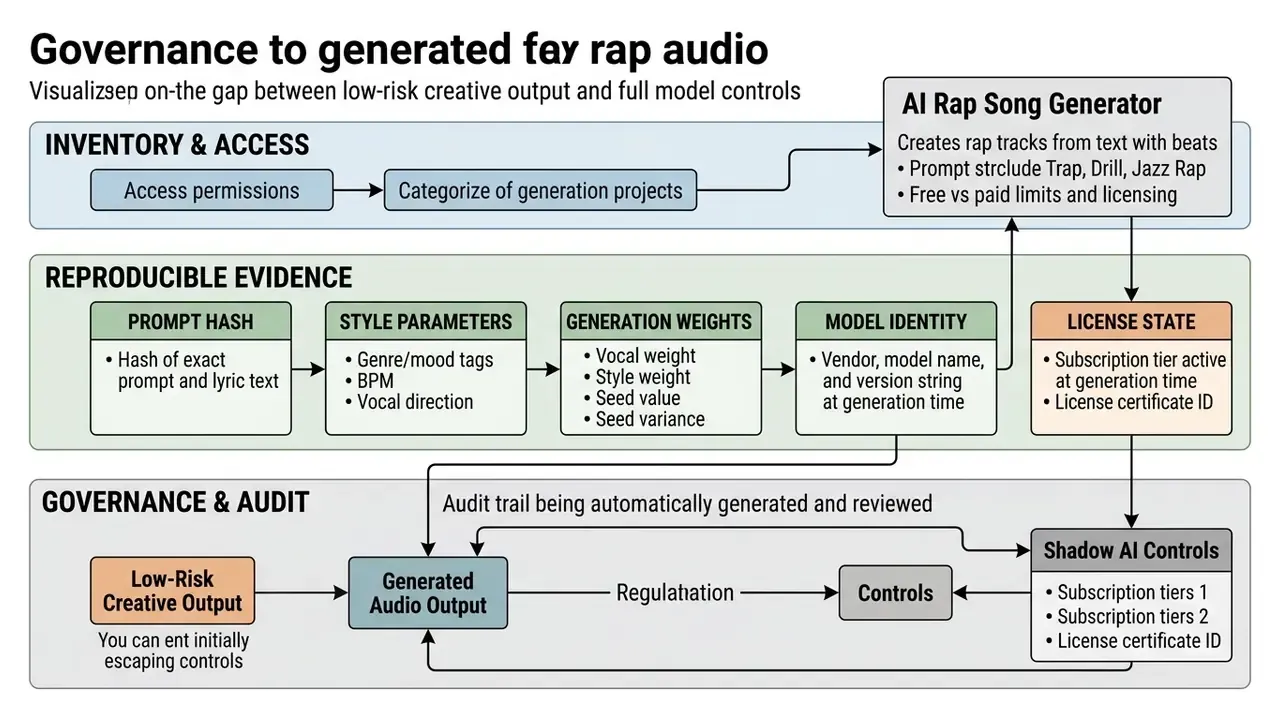
- What matters for organizations prompt, seed, and model-version logging, data-protection terms, indemnification, and inventory coverage that keeps unmanaged Shadow AI usage out of production.
Who this guide is written for, and how to read it
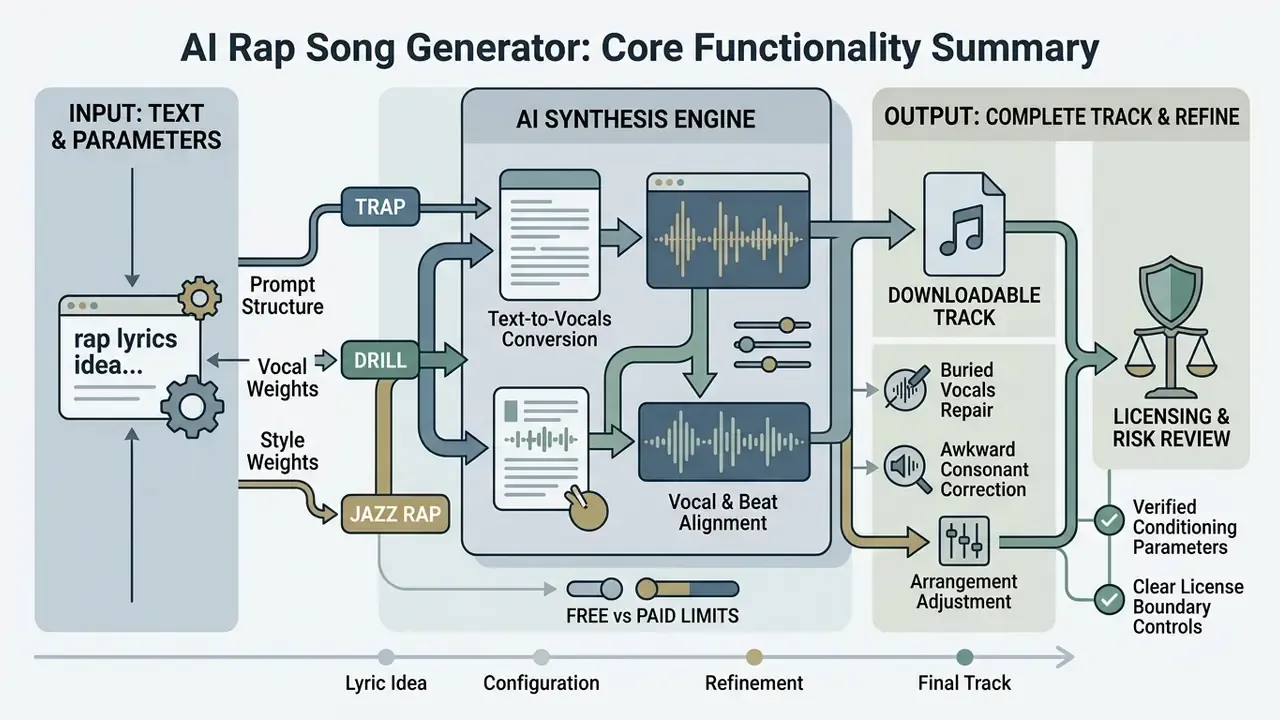
That framing matters because everything downstream is decided by the same three inputs: the text you supply, the style parameters you set, and the license tier active at the moment of generation. Perceived quality of the hook. Legality of the release. Auditability of the workflow. All three trace back to those inputs.
The sections below start with synthesis mechanics, then move through practical configuration, refinement, pricing boundaries, licensing, and the control checklist an organization needs before these tools reach production.
What is an AI rap song generator and what it creates
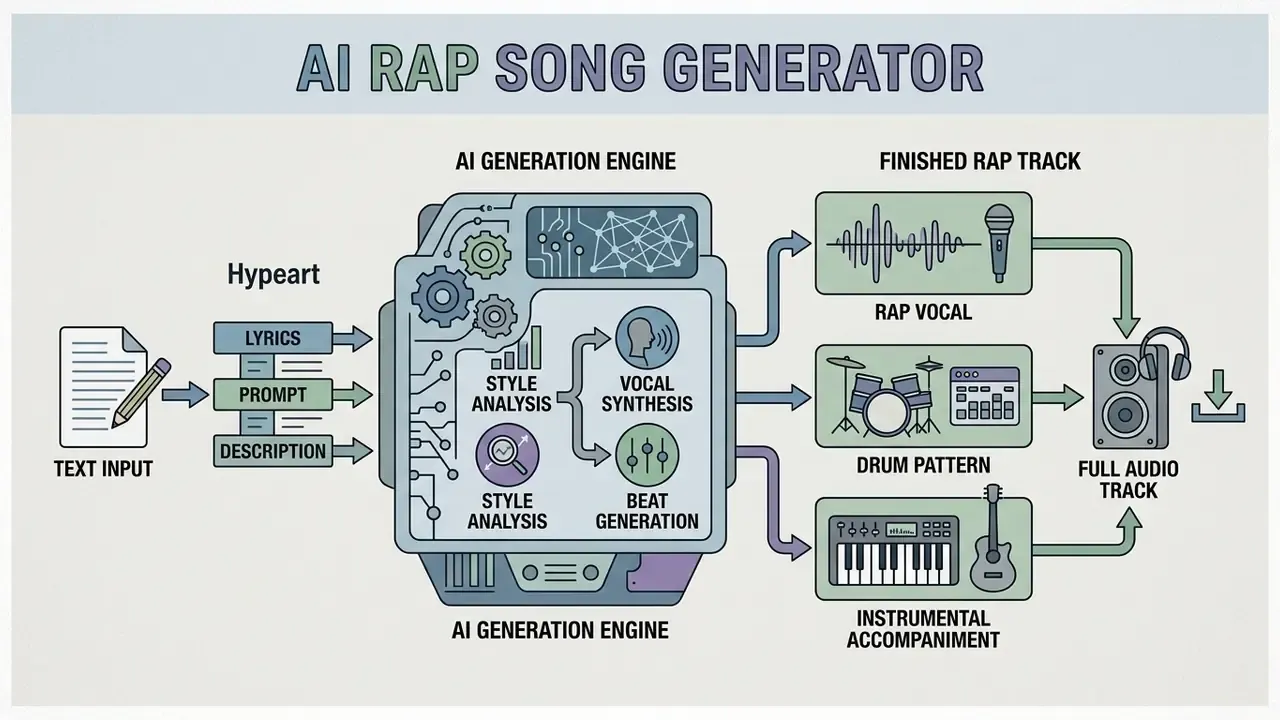
An ai rap song generator is a digital synthesis system that processes text descriptions or structured lyrics to produce full compositions with vocal performances, drum patterns, and instrumental backing. By conditioning neural audio models on lyrical cadence and genre tags, an ai music generator rap tool folds beat production, vocal recording, and arrangement into a single workflow.
«Freestyler splits rapping voice generation into three hierarchical stages: lyrics to semantic tokens, semantic tokens to mel-spectrogram, and spectrogram to waveform through a vocoder.»
An ai music rap generator combines several specialized neural sub-systems: language models for cadence and rhyme planning, acoustic generators for instrumentals, and neural vocoders for vocal synthesis. When using an ai rap generator with beat, you receive a complete mix in which the vocal delivery aligns automatically with tempo, drum grid, and bassline.
Text, lyrics, and description as input data
Text conditioning is the primary steering mechanism for any ai rap song generator from text. Platforms accept two distinct forms of input: unstructured thematic prompts (for example, "a fast-paced song about financial technology") and explicit, line-by-line lyrics formatted with structural tags.
Given a high-level description, a built-in lyrics generator expands the concept into rhyming stanzas before audio rendering begins. Conference research on segment-conditioned song generation, presented as SegTune, describes conditioning models on time-aligned lyrics and segment-level prompts so the algorithm gains explicit control over syllable timing and structural song boundaries. That claim reflects the paper's stated design, not an independently reproduced benchmark. Related work published as Text-to-Song (ACL 2024) describes synthesizing acoustic tokens directly from lyric phonemes, pitch contours, and duration targets, turning raw text into performed rap cadences.
Publicly indexed research shows how the same conditioning idea works in practice:
«MusicLM casts conditional music generation as a hierarchical sequence-to-sequence task, generating audio from rich text captions such as "a calming violin melody backed by a distorted guitar riff".»
Prompt examples in that line of work, such as "90s Berlin techno with heavy bass and strong kick drum", are structurally identical to what an ai rap maker expects: era or scene, dominant low-end element, percussive identity.
Scale matters as much as architecture. Rap-specific training corpora are now measured in thousands of hours:
«RapBank contains 92,371 rap songs totalling 5,586 hours; after segmentation it yields 904,548 clips with time-aligned lyrics.»
When you supply complete pre-written bars, the rap song generator ai acts as a virtual performer. The pipeline reads the text layout, infers stress patterns, and maps syllables onto the rhythmic subdivision of the instrumental. In practice this produces two different behaviours. A topic prompt yields planned song form, because the model chooses section order and syllable budgets. Pasted bars push the system toward continuation and local coherence: your structure survives, but arrangement decisions still belong to the style tags.
What comes in a finished AI rap song
A complete track from an ai rap song generator with vocals contains distinct layers synthesized into one master mix:
- Rap voice and vocal performance synthetic vocals delivering bars with cadence, flow, and expression suited to the selected subgenre.
- Beat and rhythm section a drum foundation of kick drums, snare patterns, and hi-hat rolls tuned to a specific beats-per-minute value.
- Instrumental accompaniment melodic and harmonic elements such as 808 basslines, synth leads, piano chords, or sampled loops.
- Audio track export a finished stereo file, sometimes accompanied by isolated vocal or instrumental stems depending on platform tier.
Advanced platforms use source-separation algorithms, and the Spleeter toolkit published in the Journal of Open Source Software (2020) remains the most widely cited reference implementation, alongside newer flow-matching architectures for generating or extracting stems. Because that reference predates the current model generation, treat it as a baseline rather than a state-of-the-art benchmark. Either way, it lets producers using an ai rap song maker export instrumental-only backing or acapella lines for custom mixing in a digital audio workstation.
«In a study of AI-assisted music production, 17 professional producers integrated stem separation and generative outputs into existing DAW workflows to accelerate iteration.»
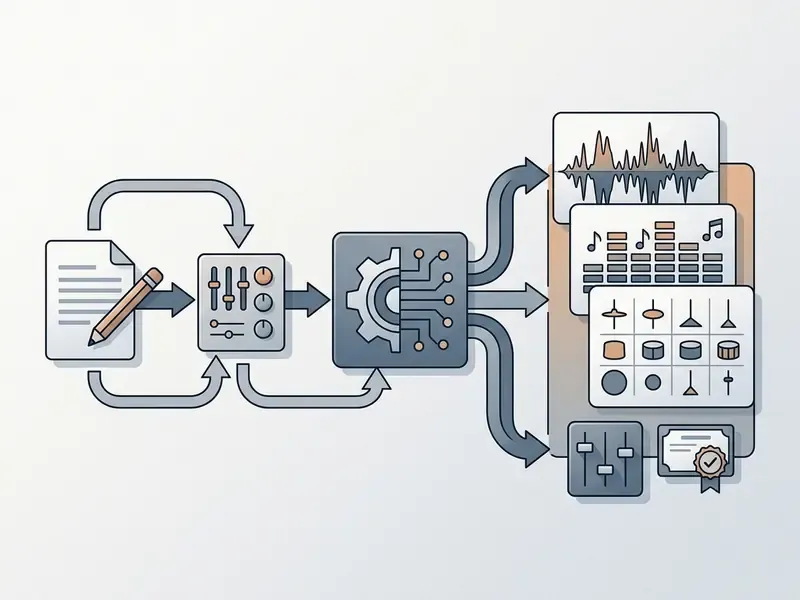
Pipeline text (must remain readable as text in the DOM):
Text or lyrics input → style and voice selection → generation weights (vocal, style, seed) → neural generation engine → preview, edit, infill → stems and audio export.
Semantic markup requirement: figure element with a descriptive caption. Alt-text equivalent: "ai rap song generator from text with beat and vocals workflow scheme".
How to create a rap song with AI: step-by-step process
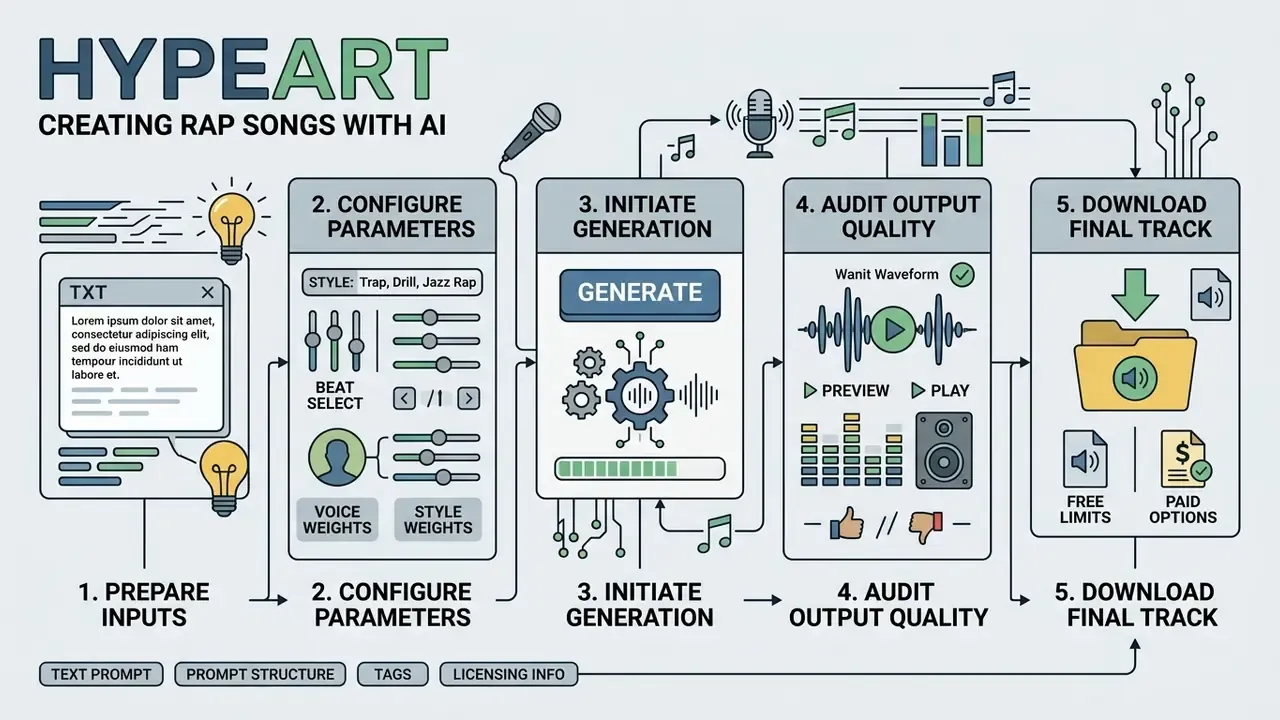
To create rap songs on an AI platform, you follow a predictable sequence: prepare text inputs, set style parameters, generate candidates, evaluate the audio, download the final file. An ai rap song generator free online is useful precisely here, for cheap testing before you commit to a full production run.
A systematic workflow also helps the rap song ai maker read your structural intent accurately, which is where most disappointing outputs come from.
Prepare your idea, text, or lyrics
Step one is the text. Enter a thematic prompt, or paste fully structured bars. When drafting for an ai rap song generator from text, structural clarity influences quality more than vocabulary does.
For steady flow, group lyrics into standard 16-bar verses, 8-bar choruses, and 4-bar bridges. Label each section in square brackets: [Verse 1], [Chorus], [Bridge]. Keeping syllable counts roughly uniform per line helps the engine hold rhythm over the drum grid. Two extra formatting rules cut cadence errors sharply: one idea per line, and repeat the chorus with identical wording every time so the model reproduces the same melodic return.
Select style, beat, and voice
Next, configure the sonic profile. An ai rap music generator from text needs parameters for the instrumental, tempo, vocal character, and mood.
Pick a primary subgenre: Trap, Boom Bap, Drill. Specify BPM, for instance 140 BPM for modern Trap or 90 BPM for classic East Coast hip-hop. Choose a vocal model that matches your intended delivery: aggressive male, melodic female, or a duo performance.
If you are also building visual assets around the release, our reference on animation makers covers template-driven motion workflows that pair well with generated audio. For a lyric booklet, mixtape zine, or long-form liner notes, the same logic applies to text tooling covered in our ai book generator entry.
Generate, preview, and download the track
Hit generate. Within 15 to 45 seconds the system returns one or more candidate variants.
Listen on neutral monitors or reference headphones, checking vocal clarity, beat alignment, and mix balance. If the flow stumbles on specific words, adjust syllable layout in the lyric prompt and regenerate rather than reaching for a plugin. Once satisfied, pick your export format, MP3 or lossless WAV, and download.
One more step that almost nobody does on the first project: log the prompt text, style tags, seed, and model version next to the file. That record is what makes a specific output reproducible, explainable, and defensible later.
Render as a semantic ordered list, fully readable as text:
- Input lyrics or promptpaste structured text using section tags like
[Verse]and[Chorus]. - Configure audio parametersselect subgenre, target BPM, mood tags, and vocal style.
- Set generation weightsdefine vocal weight, style weight, and seed variance before rendering.
- Initiate generationprocess the request through the neural audio engine.
- Audit output qualityreview variants for cadence accuracy and vocal clarity.
- Refine and exportadjust lyric spacing if needed, download WAV or MP3, and record prompt, seed, and model version.
How to configure AI rap music style: beat, voice, mood, and genre
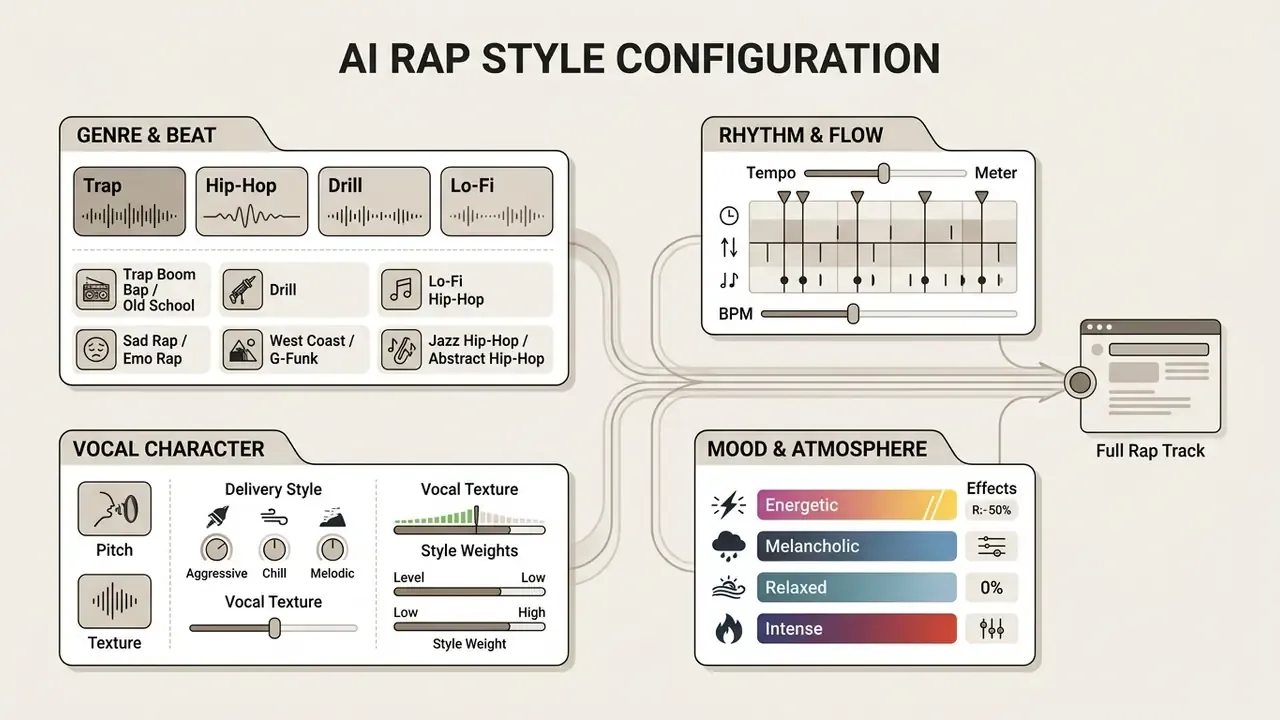
Configuring an ai rap generator with beat means selecting compatible parameters across four axes: genre, rhythm, vocal character, mood. Aligned parameters prevent the obvious conflicts, like laid-back Lo-Fi vocals sitting on high-tempo Drill percussion.
A modern rap music ai generator relies on multi-tag conditioning vectors to build coherent instrumental textures and vocal performances, so tag discipline pays off quickly.
Rap styles: Trap, Hip-Hop, Drill, Lo-Fi, and niche subgenres
Different strands of rap music need distinct drum architectures, tempo ranges, and melodic choices. Specific prompt tags push the ai rap maker toward authentic subgenre conventions:
- Trap fast hi-hat rolls, deep 808 sub-bass slides, syncopated snares, minor-key pads. Invoke with
140 BPM,dark trap,808 bass,hi-hat rolls. - Boom Bap / Old School dusty breakbeats, vinyl crackle, sampled jazz chords, heavy kick-snare pattern. Invoke with
90 BPM,boom bap,classic hip hop,vinyl warmth,smooth flow. - Drill sliding 808 basslines, aggressive snare placement, dark piano, deadpan delivery. Invoke with
140 BPM,UK drill,sliding 808,ominous piano,aggressive delivery. - Lo-Fi Hip-Hop relaxed tempos, mellow electric piano, environmental noise, unhurried cadence. Invoke with
80 BPM,lo-fi hip hop,mellow beat,chill mood,relaxed flow. - Sad Rap / Emo Rap melancholic guitar loops, ambient reverb, downbeat vocal flows. Invoke with
85 BPM,emo rap,clean electric guitar,melodic sad vocals,subdued 808. - West Coast / G-Funk high-pitched synth whistles, funky basslines, relaxed rhythmic flows. Invoke with
95 BPM,west coast hip hop,g-funk synth lead,groove bass,laid-back flow. - Jazz Hip-Hop / Abstract Hip-Hop boom-bap grids with sampled saxophone, upright bass, swung drums, articulate delivery. Invoke with
90 BPM,jazz rap,upright bass,sax loop,smooth cadence. - Cloud Rap / Conscious Rap cloud rap leans on washed reverb pads, pitched vocal chops, slow hi-hats (
70 BPM,cloud rap,ambient pad,pitched vocal chop). Conscious rap favours live-sounding drums, warm bass, clear enunciation (95 BPM,conscious rap,live drums,clear articulate flow).
One limitation applies to every tag above: commercial engines do not preserve subgenre distance equally well.
«An audit of commercial systems found Suno erases acoustic distinctions between genres without compressing within-genre diversity.»
In practical terms, trap and drill prompts can drift toward the same mid-tempo texture. Counter it by locking BPM explicitly, naming the drum identity (sliding 808, swung breakbeat), and adding one era or scene marker such as 90s NYC or UK drill instead of trusting the genre label alone.
To compare tool options across multimedia projects, consult our AI Media Comparison Matrices.
Selecting vocal, rap voice, and instrumental settings
Vocal configuration sets timbre, gender, and delivery style of the synthesized artist. An ai rap song generator with vocals normally offers male, female, or conversational vocal models.
For multi-vocal tracks, prompt tags can designate duets or call-and-response ad-libs. Placing [Male Voice] and [Female Voice] before specific stanzas tells the model to switch timbres between verses. Additional vocal-layer tags used across platforms include ad-libs, vocal double, whisper, spoken word, raspy, and auto-tune. Each changes perceived aggression and density far more than the gender parameter does, which surprises most first-time users.
If you need an instrumental-only track for live performance or custom recording, toggling instrumental only removes the vocal synthesis stage entirely. Creators comparing synthetic voice quality across tools can review our guide to AI voice generators, which covers voice quality, language support, and licensing terms for speech synthesis. If a video release is rendered from the same brief, our Google Veo implementation guide documents API access, costs, and limits for text-to-video generation. For character or performer visuals in that video, the constraints are similar to those described in our ai body generator entry, including likeness limits.
How to get a higher quality AI-generated rap track
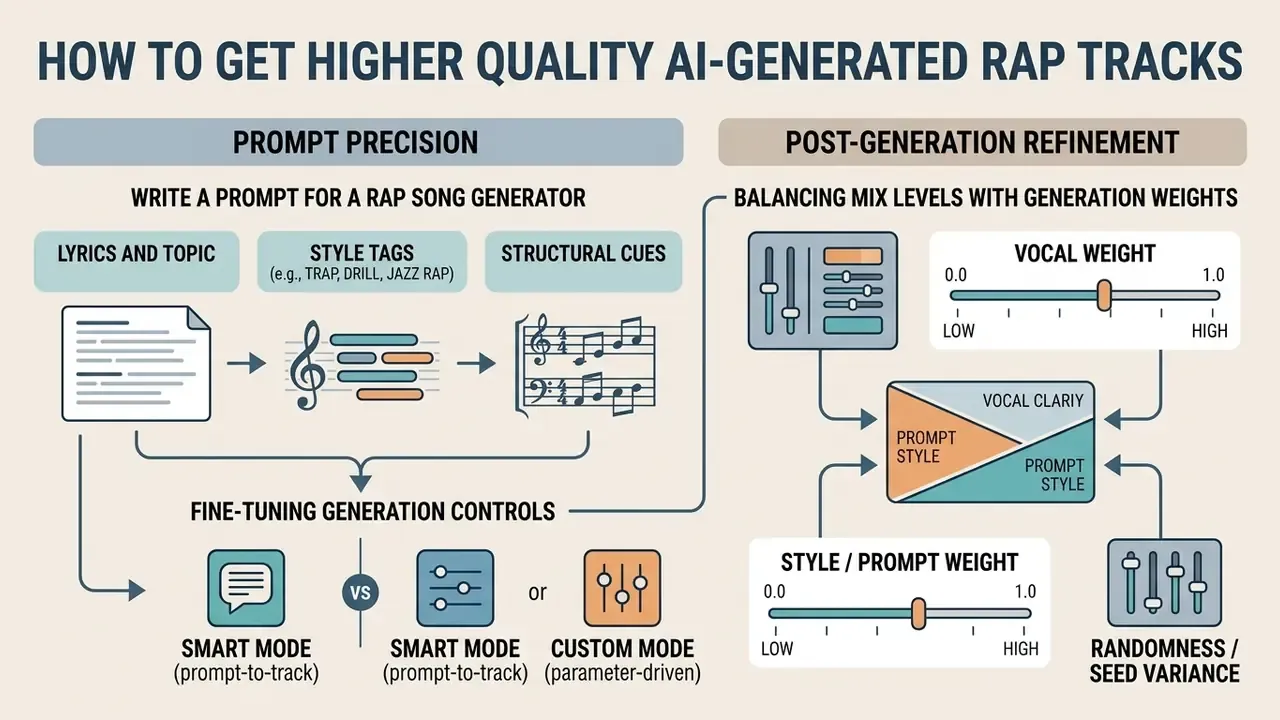
Fidelity from an ai rap song generator depends on two things: prompt precision and post-generation refinement. Standardized prompt structure removes stylistic ambiguity and improves vocal articulation.
Published benchmarks show how far open architectures have moved on speed and expressive quality:
«ACE-Step synthesizes up to 4 minutes of music in about 20 seconds on an A100 GPU, scoring roughly 85 on emotional expressiveness versus about 70 to 75 for Suno v3.»
How to write a prompt for a rap song generator
A prompt for the best ai rap generator should follow a fixed order: [Primary Genre] + [Subgenre/Style] + [Mood/Energy] + [Instrumentation] + [BPM] + [Vocal Style].
Avoid contradictory descriptors such as "fast slow rap". Use concrete musicological terminology instead, and let the model do the interpolation.
| Prompt Parameter | Technical Role | Recommended Syntax Example |
|---|---|---|
| Primary genre | Establishes core drum and bass architecture | Hip-hop, Trap, Underground Rap |
| Subgenre / style | Fine-tunes rhythmic subdivisions and sound palette | UK Drill, 90s Boom Bap, Melodic Trap, Jazz Rap, Emo Rap |
| Mood and energy | Sets harmonic key and vocal intensity | Dark and aggressive, Mellow and reflective, Upbeat, Nostalgic |
| Instrumentation | Specifies key synth, bass, and drum elements | Heavy 808 sub-bass, Dark piano chords, Vinyl crackle, Sax loop |
| BPM / tempo | Sets track speed and rhythmic grid | 90 BPM, 140 BPM, 128 BPM |
| Vocal direction | Controls timbre, gender, and cadence | Gritty male voice, Fast double-time flow, Melodic female hook |
| Ambiance / texture | Adds spatial and mix character | Spacious reverb, city nightlife, lo-fi tape saturation |
User research suggests specificity, not prompt length, drives satisfaction:
«Participants using vague descriptions received music that did not match their intent; detailed prompts specifying genre, tempo and instrumentation markedly improved satisfaction.»
Fine-tuning generation controls: Smart vs. Custom modes and weight sliders
Advanced platforms expose two operational modes that determine how the engine reads your prompt:
- Smart mode (prompt-to-track): generates lyrics, beat, and vocal delivery simultaneously from one descriptive sentence. Good for rapid ideation and background sketching.
- Custom mode (parameter-driven): separates lyric input from style tags, letting you define structure, voice parameters, and rhythmic balance explicitly.
Balancing mix levels with generation weights
In Custom mode, slider controls adjust how strongly each input shapes the output:
Record every weight value with the output file. Two generations differing only in vocal weight will sound materially different, and without that record the result cannot be reproduced or explained to a reviewer. Boring advice, admittedly. It also saves the most time.
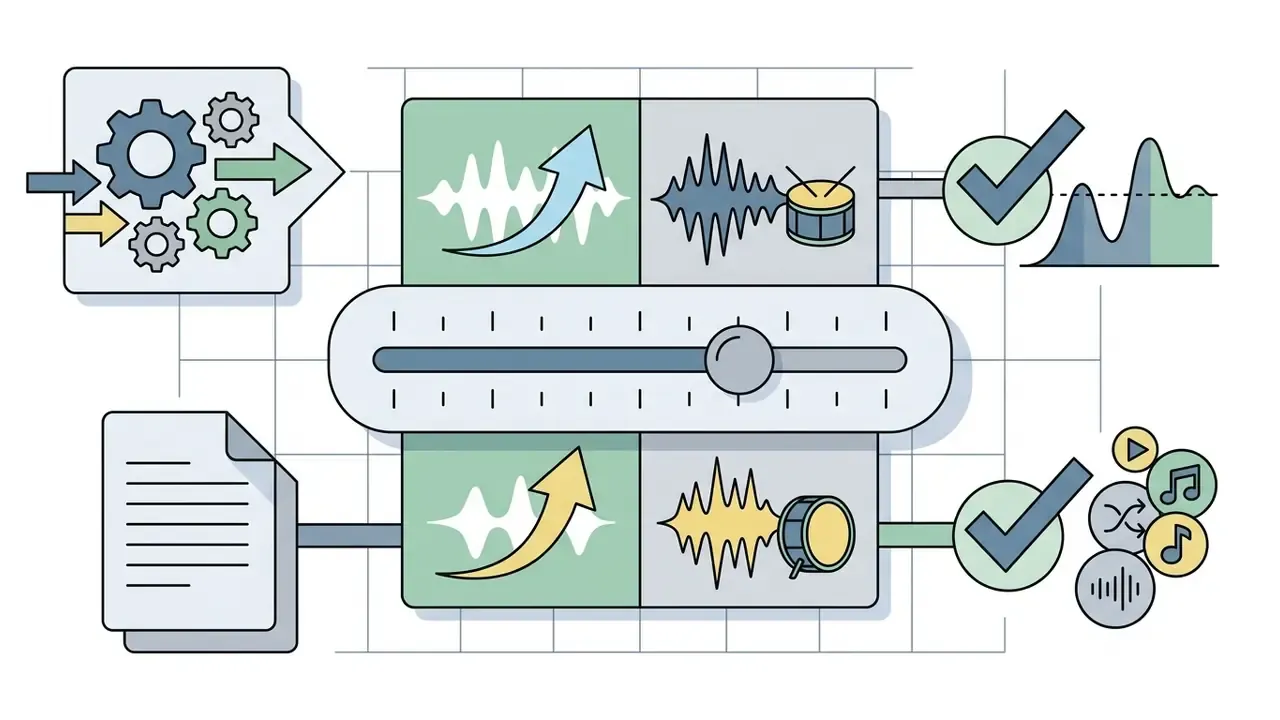
0.75 to keep lyrics legible over heavy 808 basslines. This is the direct fix for the most common complaint about generated rap: vocals buried under the beat.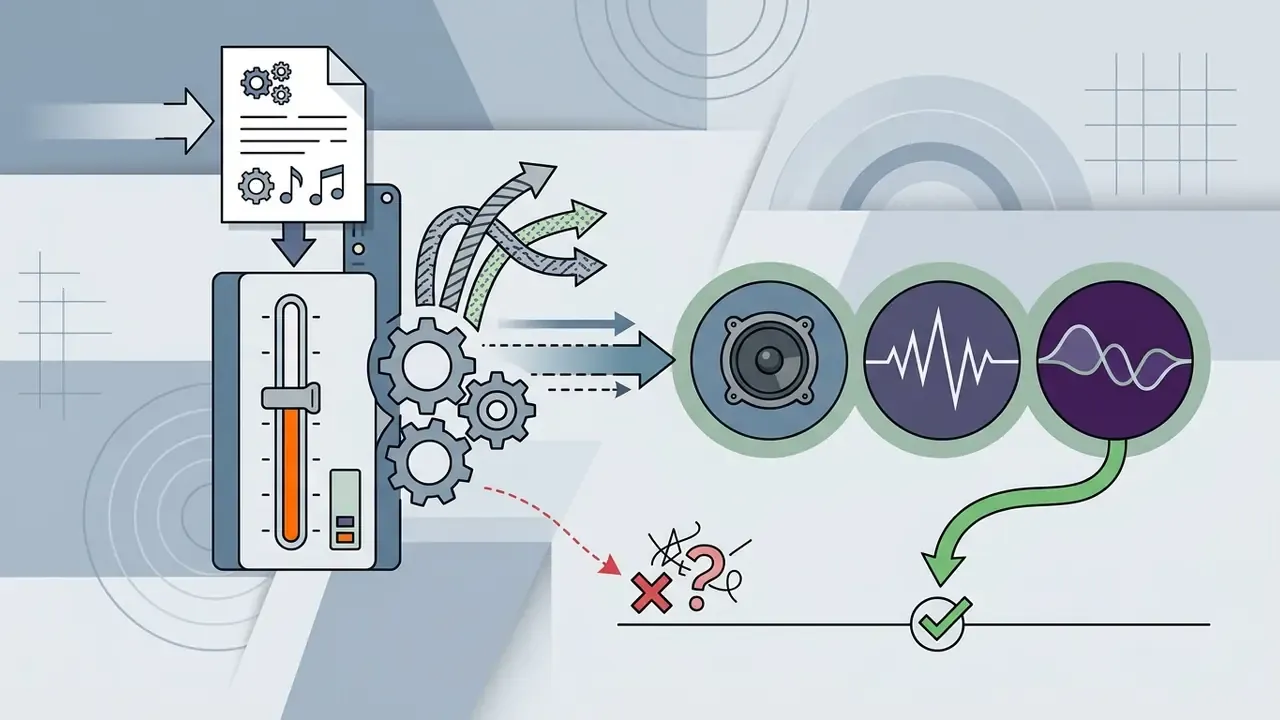
0.65 to 0.80 usually gives style accuracy without artifacting.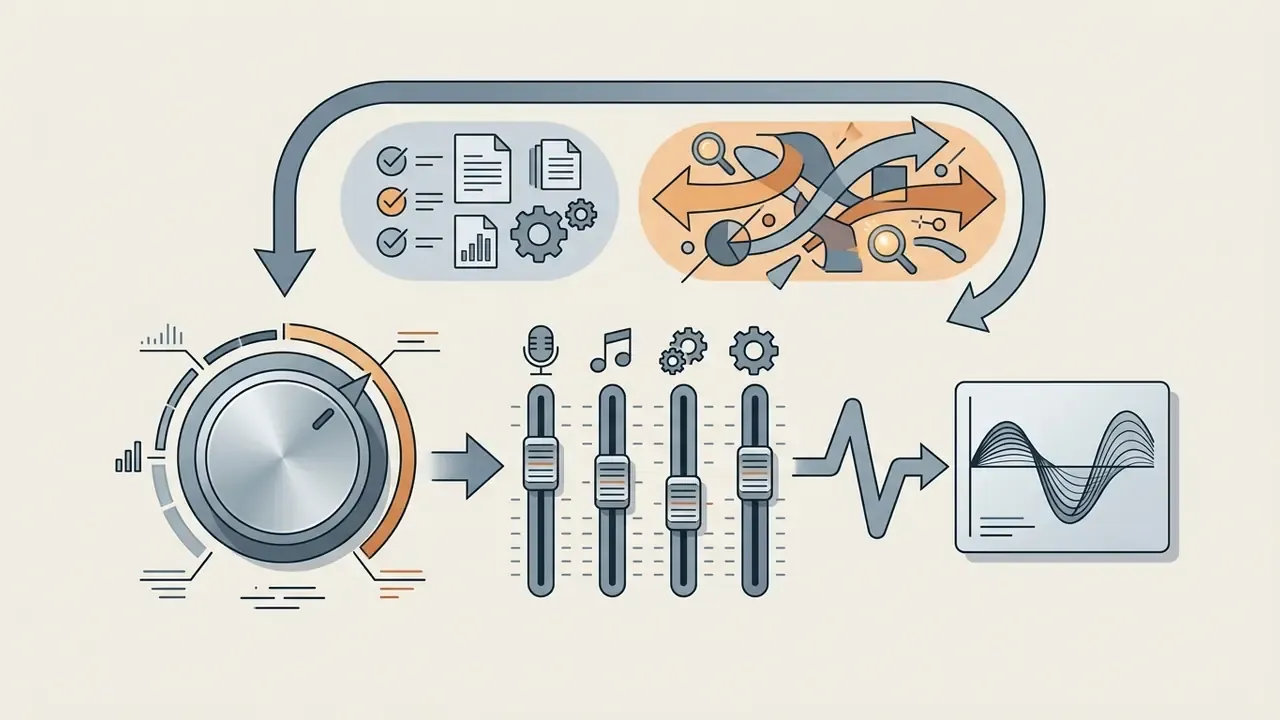
0.2 to 0.4) when refining an existing idea, high (0.8+) when hunting for candidate hooks.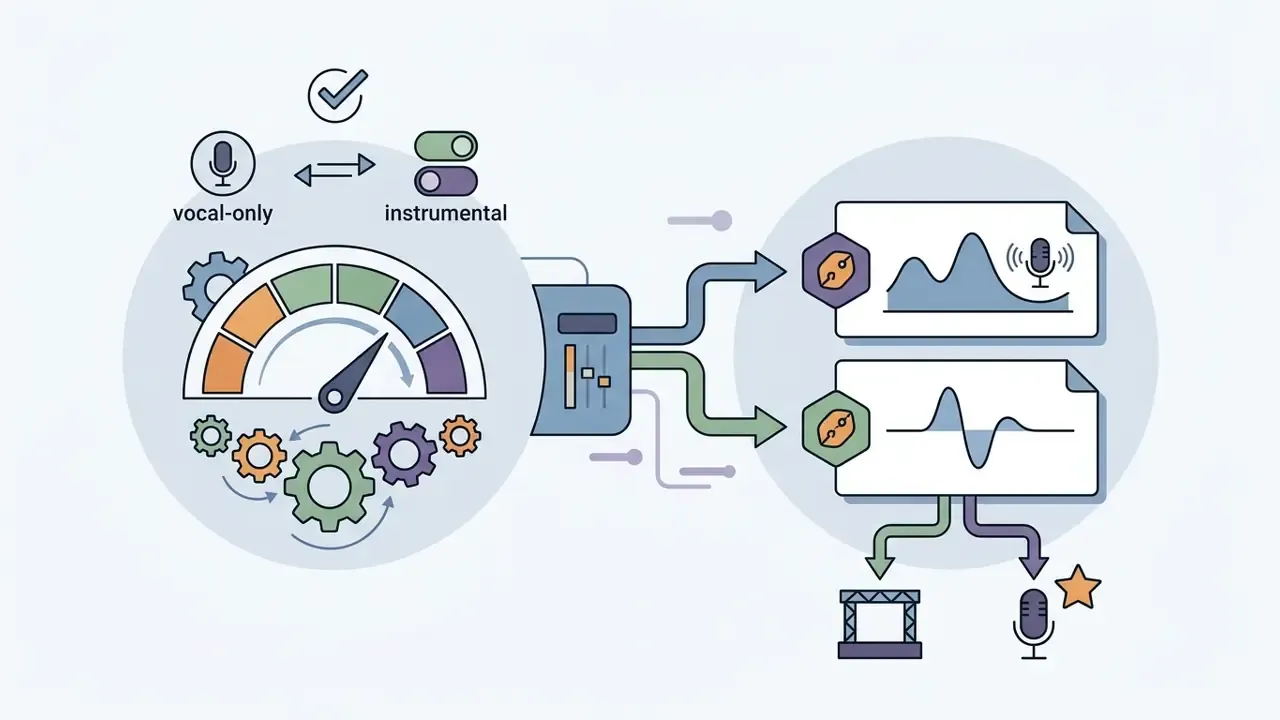
Refining generated music: extend, edit, and vocal removal
Initial ai-generated output often needs structural expansion or stem cleanup. Professional workflows lean on three techniques:
- Track extension (extend)many APIs allow extending a clip beyond its initial length. Using an
/extendendpoint, you can add a verse or an outro while keeping the original beat and vocal timbre continuous. Upload-and-extend endpoints accept an external audio URL and continue it in a single request. - Section replacement (infill / edit)if one line has awkward pronunciation, select the region timestamp and re-prompt only that section. Related operations include crop, remove section, fade in, and fade out.
- Stem separation and vocal removalpassing the output through source separation splits it into isolated WAV files for vocals, drums, bass, and instruments. That enables custom mixing, EQ balancing, and vocal replacement in a DAW. Some platforms additionally export MIDI derived from separated stems.
A short field example. During one content production campaign, an engineering team synthesized 40 branded rap jingles through a text-to-music API. Initial outputs suffered mild vocal clipping on high-transient consonants. By exporting stems and running the isolated vocal through a dynamic de-esser and compressor, with release times around 100 to 300 ms matched to song tempo, the team reached broadcast-ready levels without regenerating a single instrumental. If those assets go to a channel release, our guide to YouTube video editing workflows covers publishing features and editing pipelines for finished audio.
Advanced post-production: AI covers, genre switching, and long-form extension
Beyond basic stem work, current pipelines offer specialized post-synthesis transformations:
- AI voice swapping (AI cover) replaces the vocal timbre of a generated track with a different synthetic profile while preserving rhythmic flow, pitch contour, and beat alignment. Useful for auditioning several vocal personas against one locked instrumental instead of regenerating the whole arrangement.
- Style and genre transformation isolates an existing lyric sequence and re-renders the backing into a different subgenre, for example converting a 90 BPM Boom Bap track into a 140 BPM Drill arrangement, with no rewriting of the text.
- Long-form extension (up to roughly 8 minutes) initial generations average 2 to 3 minutes, but recursive extension endpoints let you build LP-length arrangements or extended loops by appending bridges and instrumental solos.
- Lyric rewriting in place AI music editors can change lyric lines while preserving melody and cadence, which beats re-prompting when only one bar is wrong.
A caution on voice swapping. Replicating the identifiable voice of a real artist raises publicity-rights and likeness questions that are separate from copyright, and most platform terms already prohibit prompts naming public figures.
Free AI rap music generator: what is available in free mode
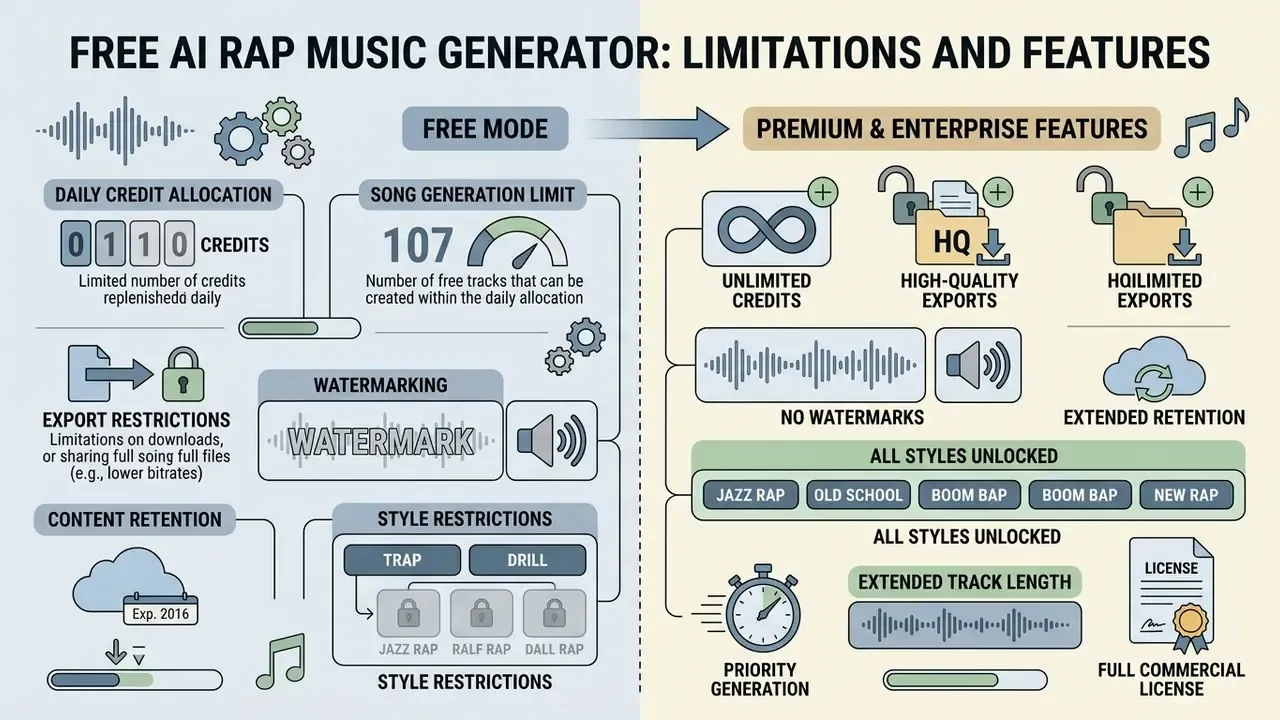
Knowing the boundaries of a free ai rap music generator helps you match the plan to the project. Most platforms run freemium access with daily or monthly resource allocations.
A free ai rap song generator gives you risk-free testing. It also comes with feature restrictions that matter the moment money is involved.
Free generation, credits, and song limits
A free ai rap tier typically runs on credits. Users get a daily or monthly allowance that resets on a fixed schedule, often 00:00 UTC, and unused credits generally do not roll over.
- Daily credit allocations free plans usually grant 5 to 20 daily credits, roughly 2 to 4 short clips per day. Some vendors instead offer a one-time trial, for example 10 credits and a single full song, with no renewal.
- Export restrictions free accounts are generally limited to standard-definition MP3 downloads at 128 or 192 kbps, with lossless WAV locked behind paid tiers.
- Watermarking and retention files on free tiers may carry audio watermarks or disappear from cloud storage after 30 days unless the account is upgraded.
- Style restrictions free tiers sometimes cap the number of selectable rap styles and the variations rendered per request.
Searching for an ai rap song generator online free will surface plenty of options. Compare the retention and watermark rules before you build a workflow on one, because those two lines change more often than pricing does. To review system costs across creative tools, visit our AI Media Pricing Guides.
Commercial use, copyright, and licensing for AI rap songs
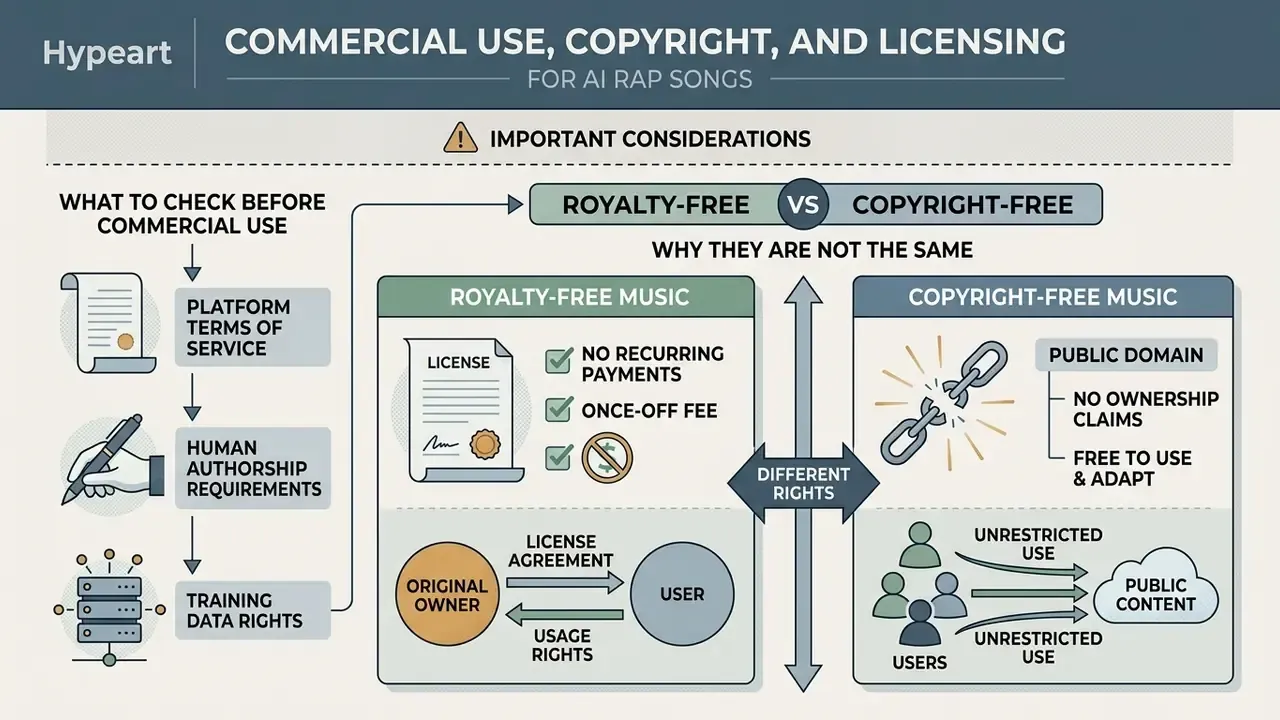
Deciding whether commercial deployment is permitted means reviewing two things: intellectual property law and platform terms of service. Using an ai rap song generator free does not grant monetization rights by itself.
Because AI copyright rules vary by jurisdiction, verify licensing terms before publishing tracks to streaming services, advertisements, or monetized video.
What to check before commercial use
Before putting generated rap tracks into monetized environments, verify three conditions.
- Platform terms of servicemost providers state plainly that free-tier generations remain personal, non-commercial media. Commercial exploitation, such as Spotify distribution, YouTube monetization, or client work, typically requires an active paid subscription at the time of generation. Several vendors add that tracks made on a free plan are not retroactively licensed for commerce after a later upgrade.
- Human authorship requirementsunder guidance from the U.S. Copyright Office (2024 to 2026), purely AI-generated audio lacking human creative input cannot be registered (Copyright and Artificial Intelligence, Part 2: Copyrightability, 2025). Human contributions such as custom lyric writing, arrangement, and mixing are needed to establish eligibility, and AI-generated portions must be disclosed and excluded from the claim when registering mixed works.
«In 2025 the U.S. Copyright Office confirmed that purely AI-generated material is not protected by copyright, while works with sufficient human creative contribution remain registrable.»
- Training data rights: ongoing litigation involving major record labels highlights copyright risk attached to models trained on protected audio without explicit licenses. Check whether your provider offers legal indemnification for commercial users.
«In 2024 Universal, Sony and Warner, supported by the RIAA, filed suits against Suno and Udio alleging mass infringement of sound-recording copyrights in model training.»
Treat vendor claims of "100% copyright-free" output as marketing language until they are backed by a documented chain of custody for training data and a contractual indemnity. A licensed-dataset statement on a landing page is not an audit certificate.
To follow evolving regulatory and court activity in AI media, visit our AI Litigation and Case Timelines directory.
Royalty-free vs copyright-free: why they are not the same
These two terms get conflated constantly, and they describe different legal concepts in music publishing.
- Royalty-free music you pay a one-time fee or subscription and owe no recurring per-play performance royalties. The platform or copyright owner still holds master rights and still controls usage parameters.
- Copyright-free music implies no party holds copyright over the work, placing it in the public domain. Because AI outputs often lack human copyright protection by default, they may be free of initial ownership, yet that gives the end user no exclusive commercial protection either.
The practical consequence is worth stating plainly. An uncopyrightable track can still be commercially usable if the vendor license permits it, and a royalty-free track can still be barred from broadcast or resale. Rights come from the contract. Protection comes from authorship. Readers weighing the same distinction for visual assets can compare terms in our Microsoft AI Image Generator commercial-use overview.
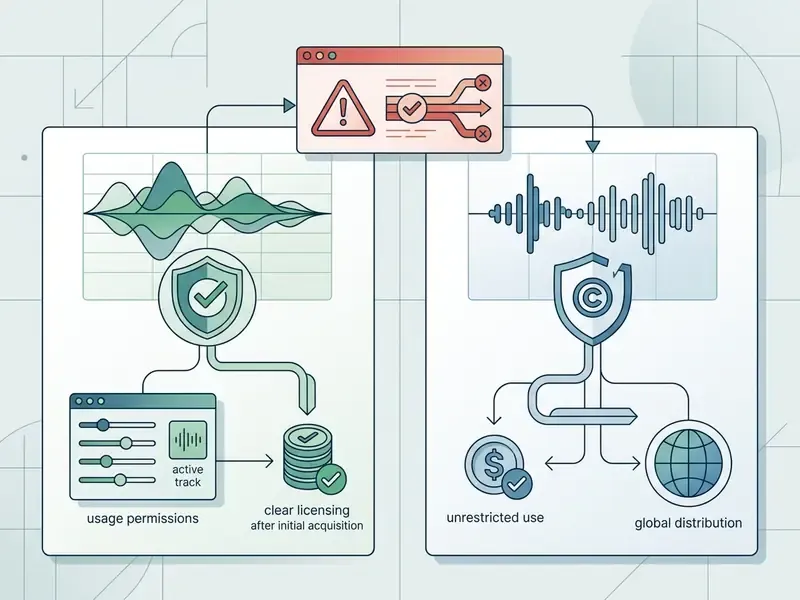
Alert: commercial licensing verification requirement.
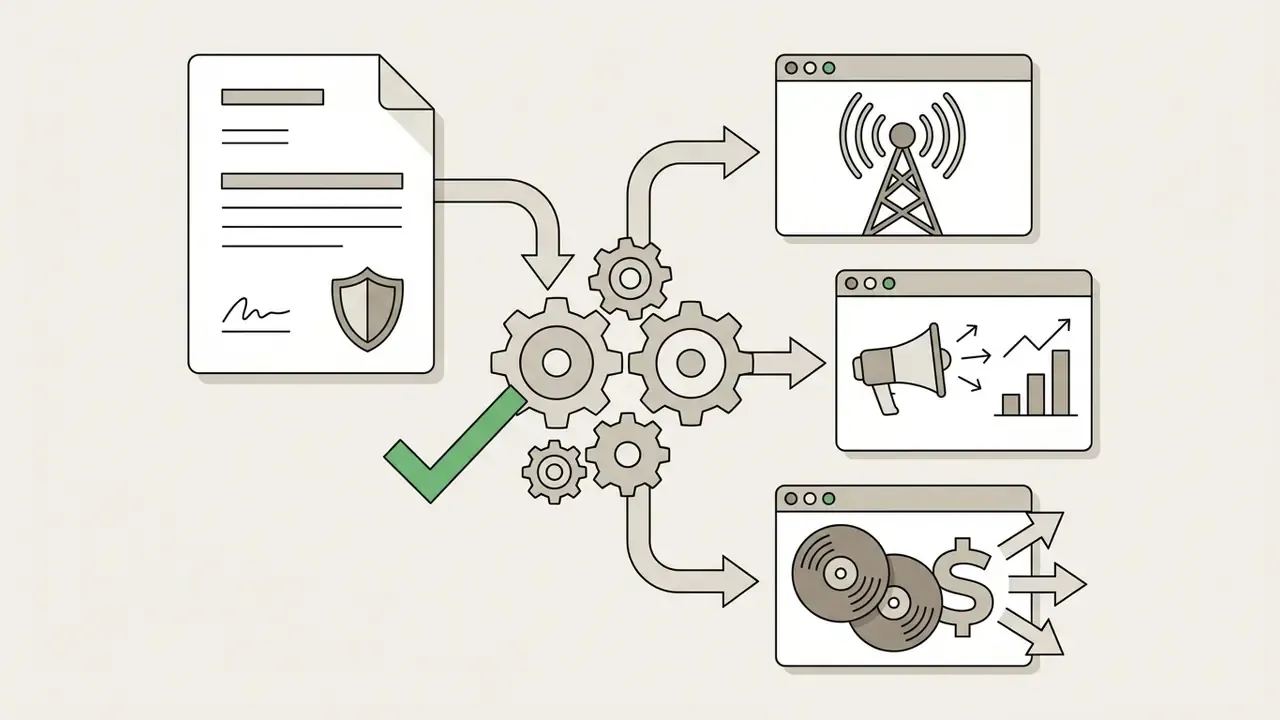
Before using AI-generated rap tracks in revenue-generating projects, confirm that your subscription explicitly grants a commercial license certificate. Verify whether the license covers distribution across digital service providers and advertising networks. Never assume a free tier permits commercial monetization based on marketing claims alone.
Semantic markup requirement: region with an accessible label, text readable without styling.
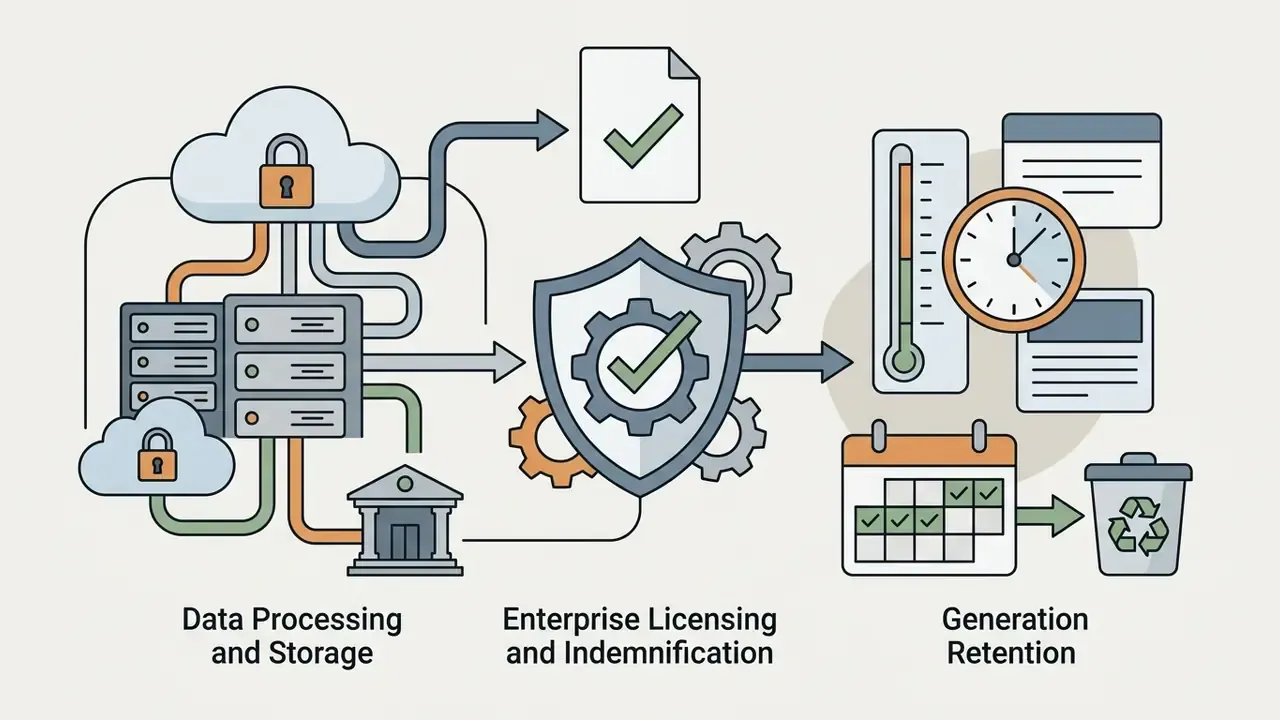
Enterprise licensing and indemnification criteria
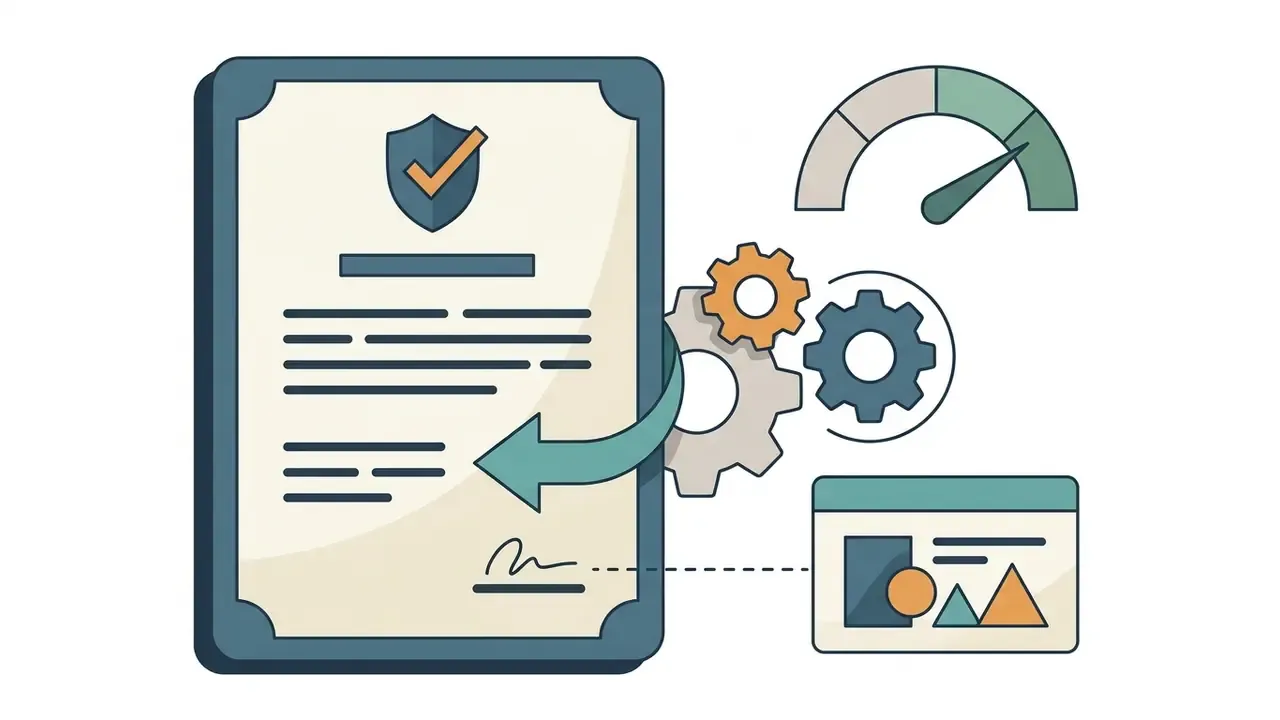
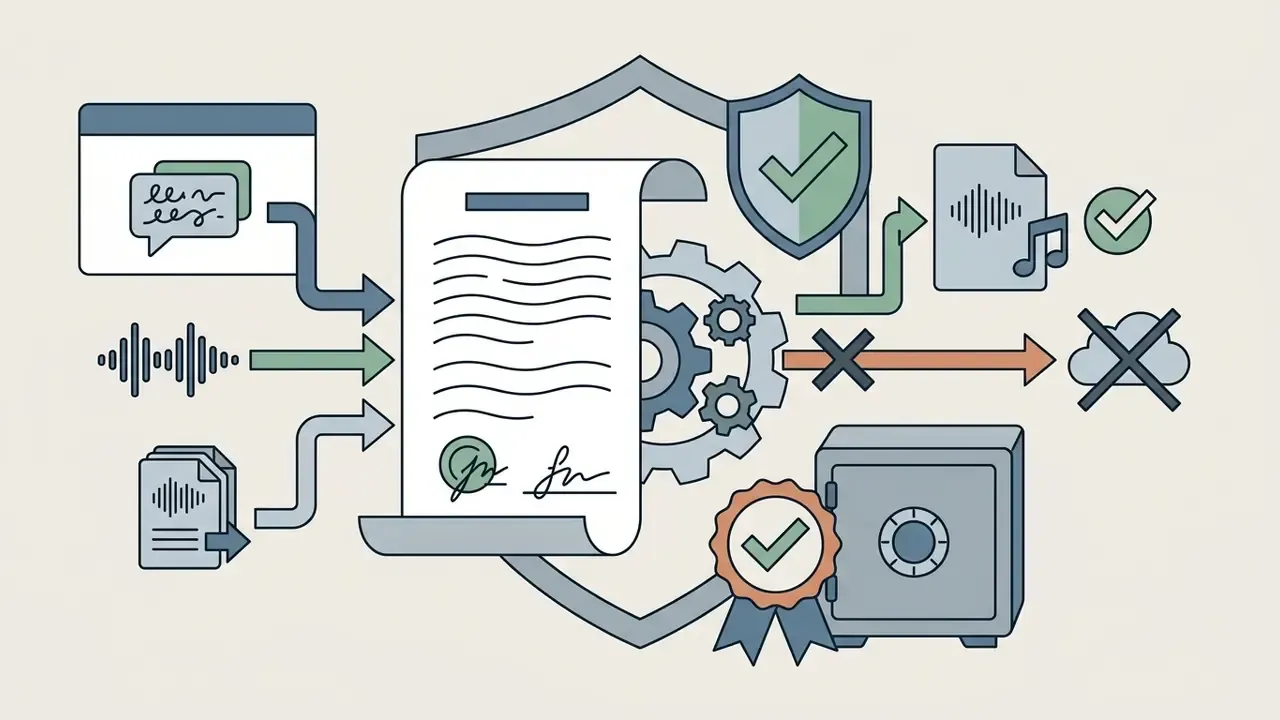
For organizations, license review should produce documented answers to seven questions before the first asset ships.
For comprehensive commercial-use terms across generative models, check our AI Media Commercial-Use Hub.
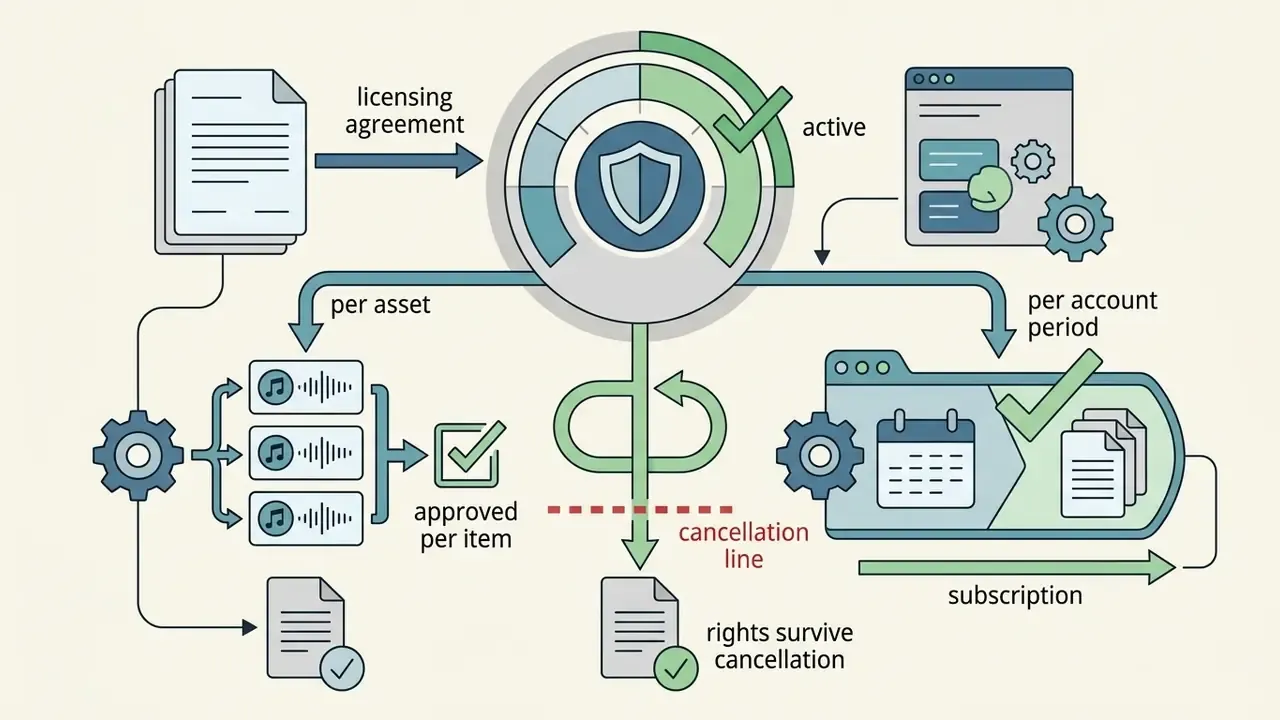
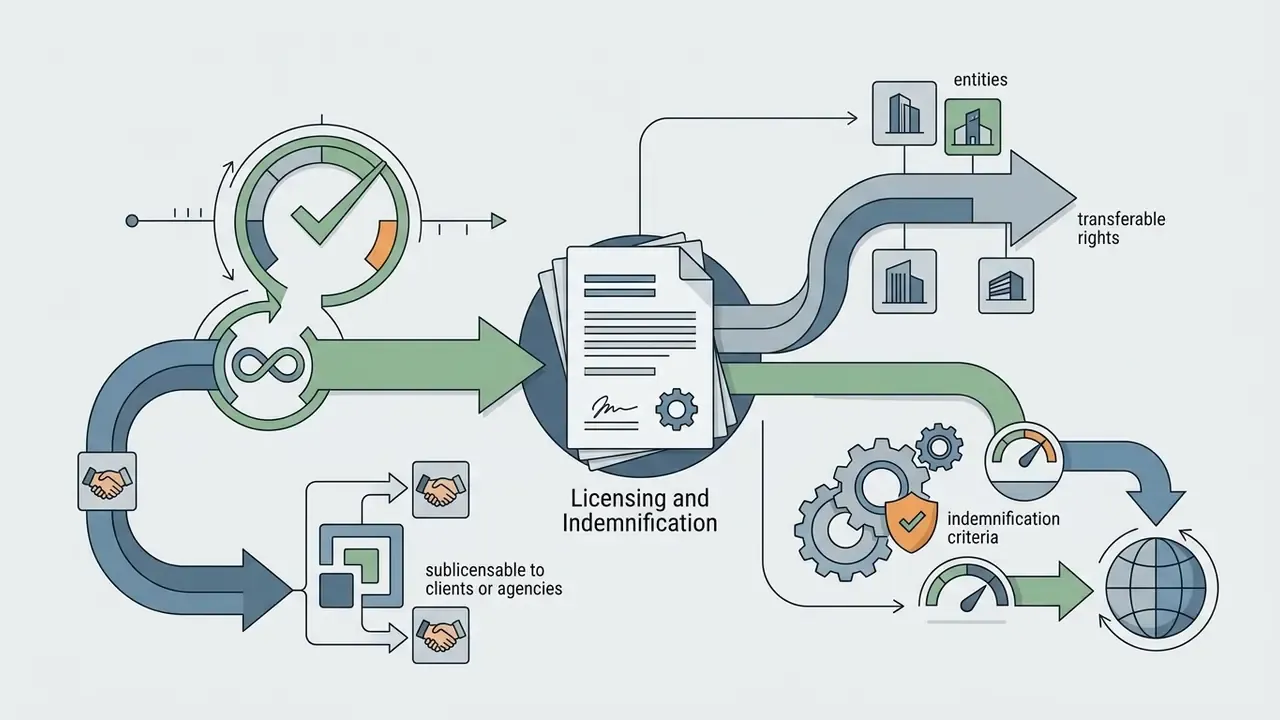
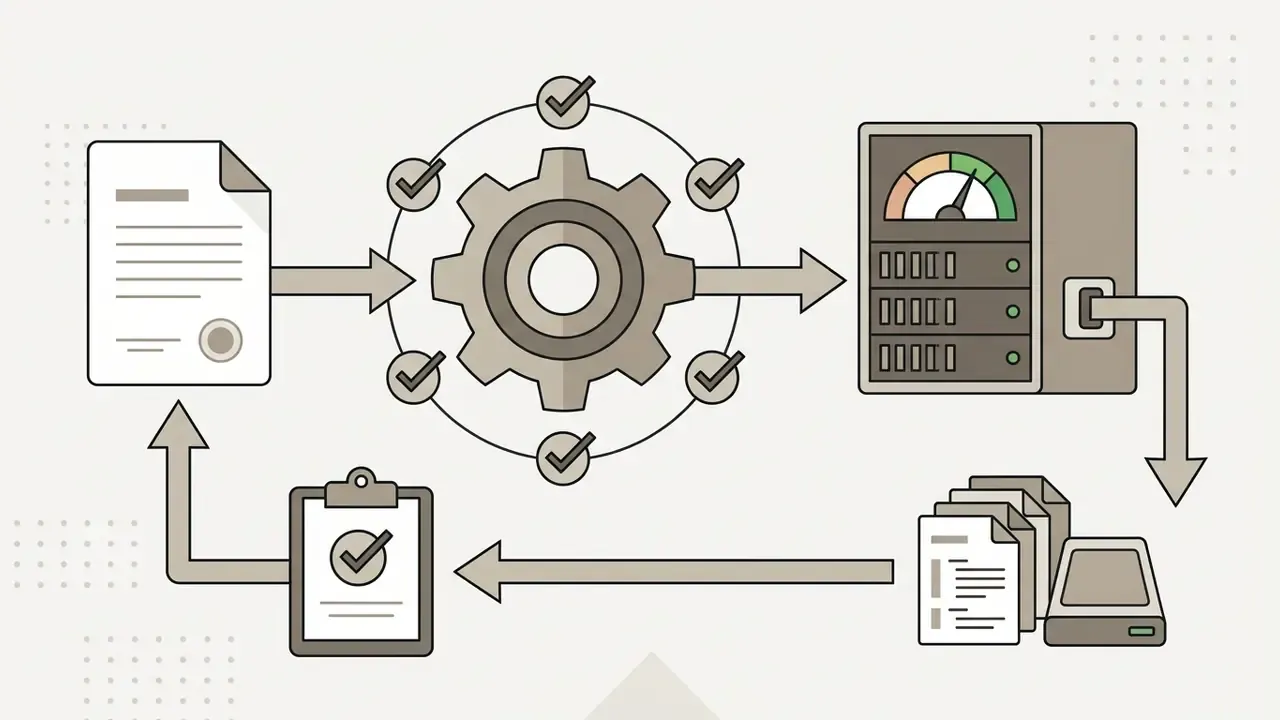
Governance, audit trail, and Shadow AI controls for generated audio
Use cases for an AI rap song maker
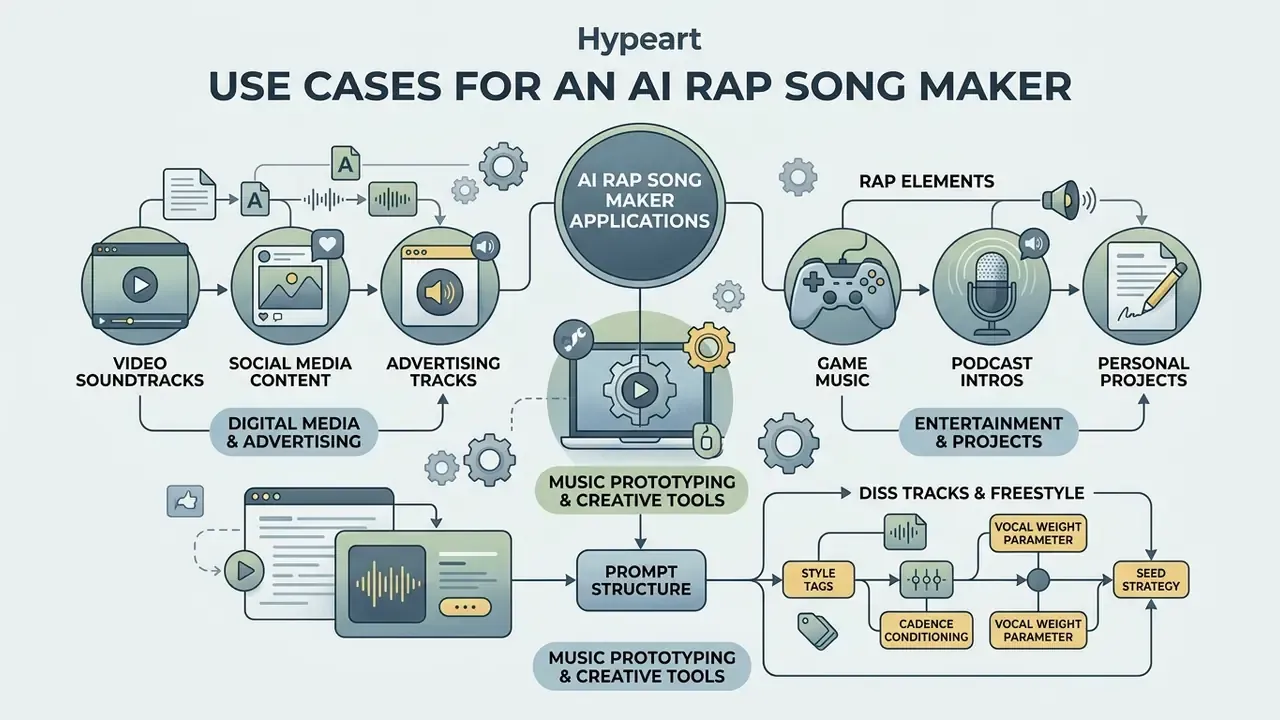
An ai rap song maker covers a wide range of roles across digital media production, entertainment development, and music prototyping. By producing custom audio on demand, an ai song generator cuts dependence on expensive stock libraries.
Music for games, podcasts, and personal projects
Game developers use AI generators for dynamic background soundtracks and character themes. An interactive title can trigger atmospheric Drill or Boom Bap during urban combat sequences, which sharpens immersion. Loop-based generation is especially useful for adaptive scoring, where a single motif has to survive tempo and intensity changes.
Podcasters craft intro and outro themes this way, while independent musicians use generated audio for fast beat sketching, cadence tests, and demo ideation before booking studio time. Personal use also stretches to custom birthday and wedding tracks, classroom exercises on rhyme and meter, and fan projects. All of that stays inside personal-use license terms as long as nothing is monetized. Accompanying visual material, such as printed lyric sheets or fan zines, raises the same questions covered in our ai book illustration generator entry, and naming a project or mixtape follows the logic described in our ai book title generator reference.
Generating AI diss tracks and freestyle battles
Modern generators handle fast-paced freestyle and competitive diss tracks reasonably well, parsing dense rhyme schemes and wordplay. For a battle verse, speed, aggressive delivery, and punchline placement matter more than a smooth melodic hook.
To configure an ai diss track generator, set style parameters toward high-energy subgenres: UK Drill, East Coast Boom Bap, Hardcore Hip-Hop. Use explicit structural markers such as [Fast Flow], [Aggressive Delivery], and [Beat Drop] inside the text prompt to push vocal cadence up on punchlines.
Recommended diss track and freestyle prompt structure:
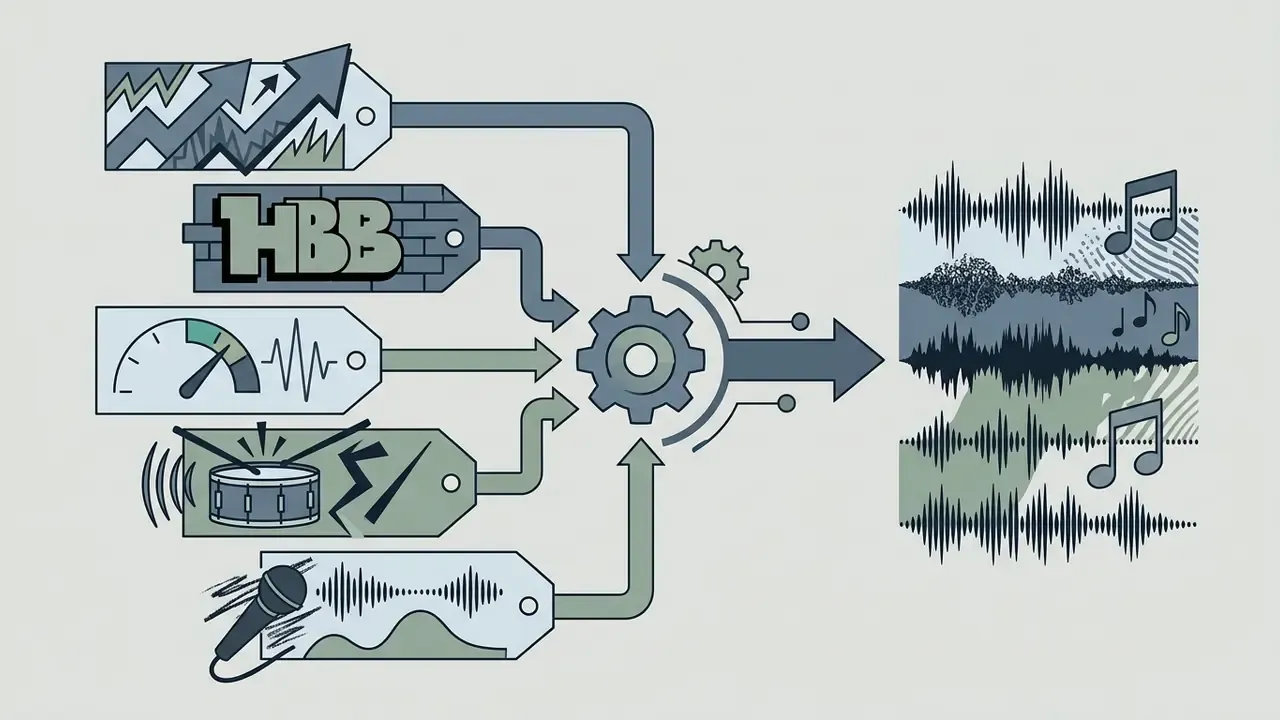
Aggressive East Coast Rap, Hardcore Boom Bap, 100 BPM, Heavy Snare, Gritty Male Voice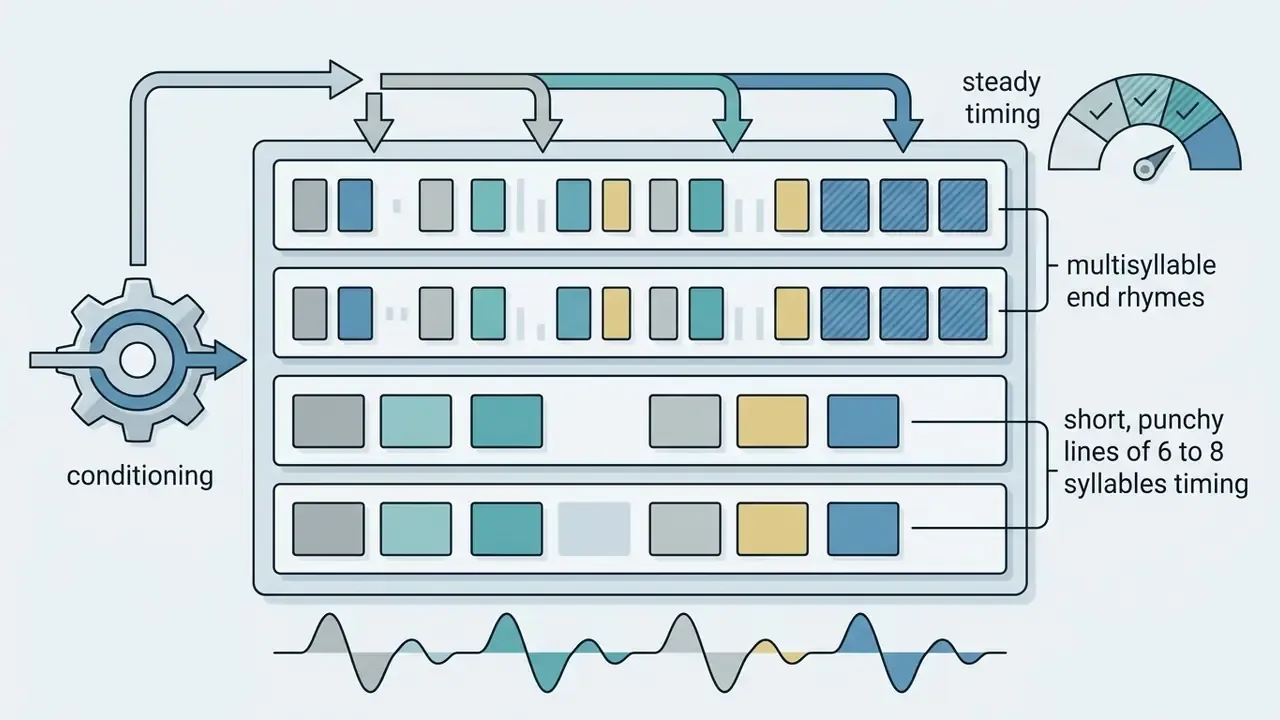
0.7 or 0.8 so the vocals cut through dense drums.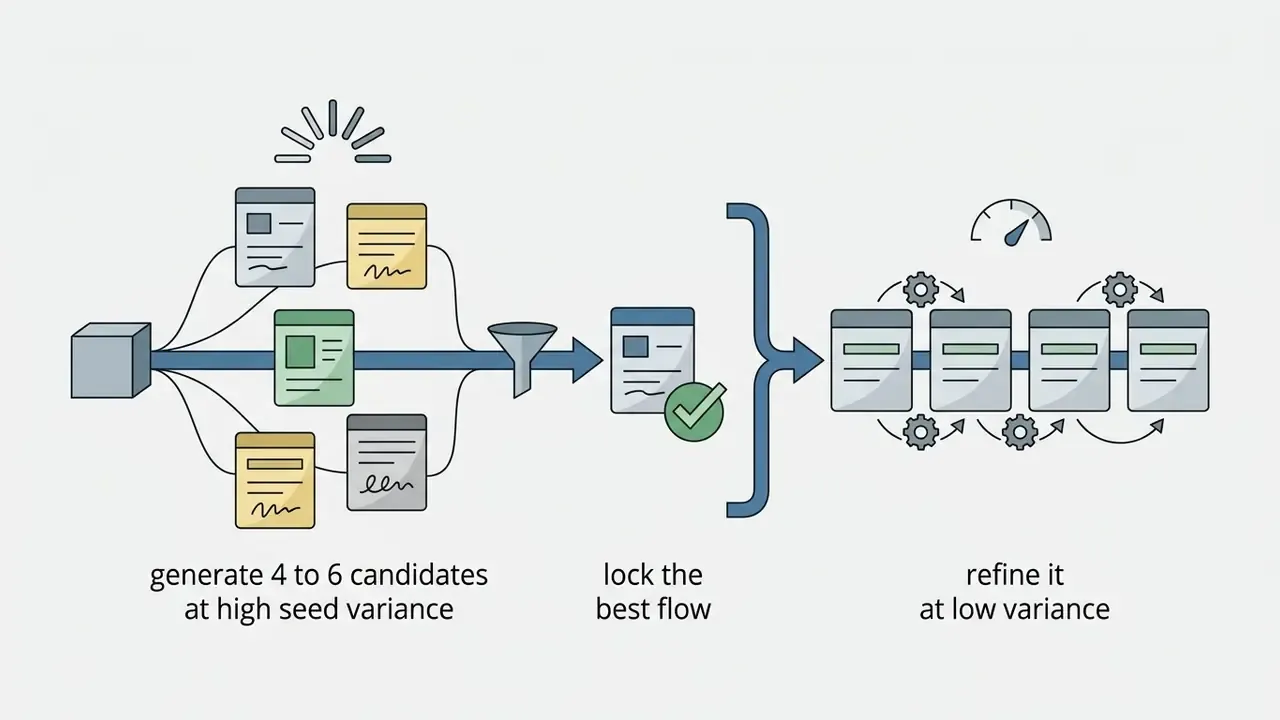
Two constraints apply here. Most platform policies prohibit lyrics that name or target real individuals, and defamation and harassment rules apply to synthetic audio exactly as they do to recorded audio. For practice sessions, generate an instrumental-only version at your target BPM and rap over it yourself, which keeps the exercise firmly inside personal use.
For API access and developer integration workflows, consult our AI Media API Guides.
FAQ about AI rap generators
Can you create rap songs in different languages and generate multiple variations?
Yes. Contemporary generators support multilingual text input and stochastic multi-variant generation.
The language models behind vocal synthesis accept text across dozens of languages, including English, Spanish, French, German, Italian, Portuguese, Japanese, Korean, Mandarin, Cantonese, Arabic, Hindi, Turkish, and Russian. Multilingual singing and rap synthesis platforms separate language-independent vocal timbre from phoneme pronunciation, which lets you generate stanzas with native accents or cross-lingual code-switching.
«SoulX-Singer, trained on more than 42,000 hours of vocals in Mandarin, English and Cantonese, reaches a word error rate of 0.110 in cross-lingual synthesis versus 0.717 for the baseline.» Source: SoulX-Singer: Zero-Shot Singing Voice Synthesis, arXiv (2026). https://arxiv.org/abs/2503.07836
Because generative audio models sample from random seeds, entering the identical lyric prompt repeatedly produces unique variants with different cadences, drum arrangements, and harmonic choices. Generate several, compare, then pick the release version.
Why are my AI rap vocals buried under the beat, and how do I fix it?
Raise vocal weight to roughly 0.75, thin out your instrumentation tags by removing one of hi-hat rolls, synth lead, or layered pads, then regenerate. If the mix is otherwise right, export stems instead and rebalance the isolated vocal in a DAW with light compression and a de-esser. That preserves the arrangement you already approved.
How long can an AI-generated rap track be?
Initial generations usually run 2 to 3 minutes. Recursive extension endpoints let you build arrangements up to roughly 8 minutes by appending verses, bridges, and instrumental solos while keeping the original beat and vocal timbre.
Can I generate a diss track or a freestyle verse?
Yes. Choose an aggressive subgenre, keep bars short, raise vocal weight, and use [Fast Flow] markers. Do not name real people: most terms of service block prompts referencing public figures, and defamation rules apply to synthetic audio.
Can I replace the voice on a track I already generated?
Yes, through AI cover or voice-swap functions, which substitute vocal timbre while preserving cadence, pitch contour, and beat alignment. Avoid cloning identifiable real artists, since that creates likeness and publicity-rights exposure independent of copyright.
Can I register copyright on an AI rap song?
Only the human-authored portions. Under U.S. Copyright Office guidance, purely AI-generated material is excluded from the claim and must be disclosed at registration. Original lyrics you wrote, your arrangement decisions, and your mix work can support a claim on those elements.
Does a paid plan make earlier free-tier tracks commercially usable?
Generally no. Several vendors state that commercial rights attach to the tier active at the moment of generation. Regenerate the asset under the paid plan and keep the license certificate.
Is a "100% copyright-free" claim reliable?
Treat it as a marketing statement unless the vendor documents its training-data chain of custody and provides contractual indemnification. Dataset-licensing claims on a landing page are not an audit result.
For technical help and troubleshooting guidance, visit our AI Media Support and Troubleshooting portal.
Limitations and open questions
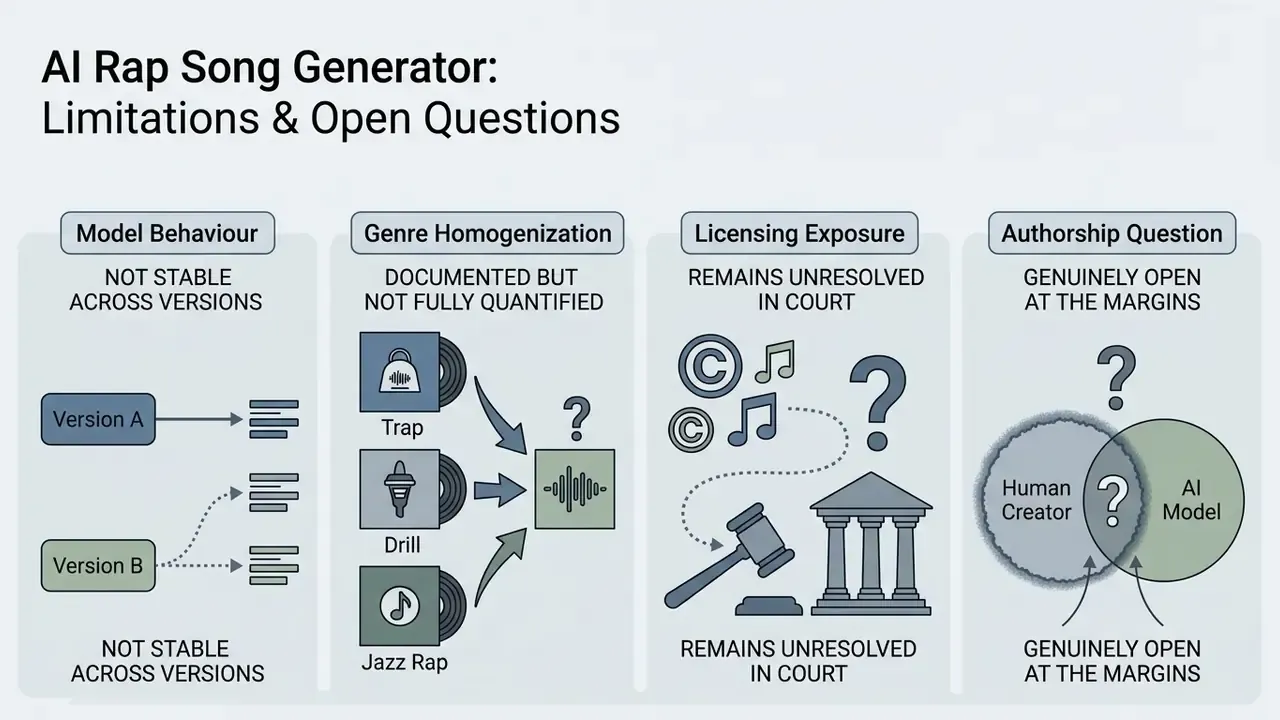
A few things this guide cannot settle, and it seems more useful to name them than to paper over them.
Model behaviour is not stable across versions. A prompt that produced a clean 140 BPM drill arrangement in one release may drift after a vendor update, and vendors rarely publish changelogs at the fidelity a reviewer would want. Store outputs, not just recipes.
Genre homogenization is documented but not fully quantified. The audit cited earlier found erased distinctions between genres in at least one commercial system, yet comparable audits across all major engines do not exist publicly. Treat subgenre fidelity as something you verify by listening, per project.
Licensing exposure remains unresolved in court. Litigation over training data was filed in 2024 and continues into 2026 without a settled outcome, so indemnity clauses currently carry more practical weight than any vendor's copyright assurances.
And the authorship question is genuinely open at the margins. How much prompt engineering, arrangement, and mixing counts as human contribution? Guidance describes the principle clearly enough. Applying it to a track where you wrote every bar but the model performed all of them is still a judgment call.
Summary and next steps
An ai rap song generator gives creators, video producers, and musicians a fast, adaptable way to produce custom tracks from text prompts and structured lyrics. Format your lyric prompts deliberately, choose subgenre tags such as Trap, Boom Bap, Jazz Rap, or Emo Rap, tune vocal and style weights, and read the licensing restrictions before release. Do that and AI audio fits into professional media workflows without ugly surprises.
A workable order for your first project: draft one structured prompt using the parameter table, generate four candidates at high seed variance, lock the best flow and refine it at vocal weight 0.75 and style weight 0.70, export stems for final mixing, then record prompt, seed, model version, and license tier alongside the delivered file.
For readers extending this into a broader toolchain, our comparison of the best AI art generators covers cover-art quality, style control, pricing, and licensing on the visual side.
Appendix A: source notes and reformulated claims
For transparency, three claims that appeared in earlier revisions of this guide are retained here with their verification status, so readers can judge them independently.
Primary sources cited throughout: Freestyler (arXiv, 2024), MusicLM (arXiv, 2023), ACE-Step (arXiv, 2025), PAGURI (arXiv, 2025), AI-Assisted Music Production (arXiv, 2025), SoulX-Singer (arXiv, 2026), Computational Evidence and Justice Implications of AI Music Homogenization (arXiv, 2026), and the U.S. Copyright Office report Copyright and Artificial Intelligence, Part 2: Copyrightability (2025).
- "Conditioning models on time-aligned lyrics and segment-level tokens gives algorithms explicit control over syllable timing and structural song boundaries (SegTune, ACL 2026)." Status: reported design claim from the cited conference paper, not independently reproduced here. Verified analogues for text-conditioned hierarchical generation appear in MusicLM (arXiv, 2023, https://arxiv.org/abs/2301.11325) and Freestyler (arXiv, 2024, https://arxiv.org/abs/2408.15474).
- "Specialized models synthesize acoustic tokens directly from lyric phonemes, pitch contours, and duration targets (Text-to-Song, ACL 2024)." Status: reported design claim. The three-stage pipeline of lyrics to semantic tokens to mel-spectrogram to waveform described in Freestyler (arXiv, 2024) serves as the verified reference implementation.
- "Advanced platforms use source-separation algorithms like Spleeter (Spleeter, JOSS 2020)." Status: accurate but dated. Spleeter remains a valid baseline, while contemporary evidence for stem-based production workflows is documented in AI-Assisted Music Production (arXiv, 2025, https://arxiv.org/abs/2501.10811).