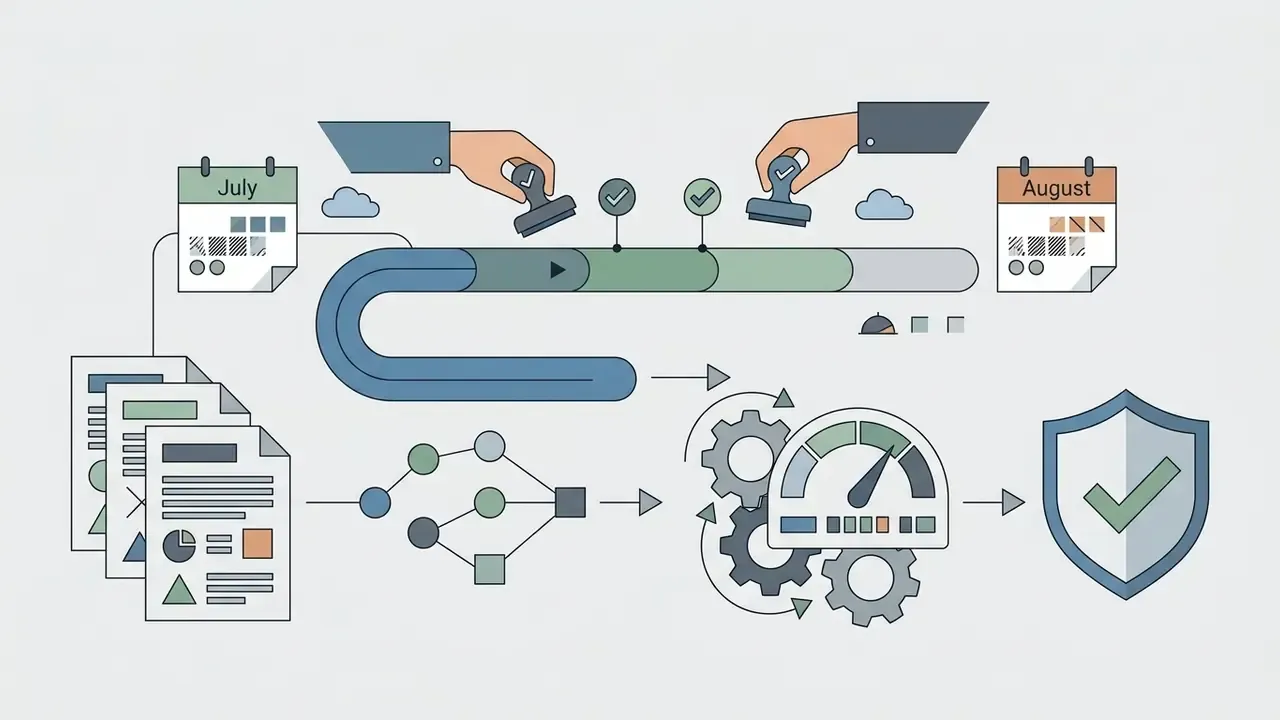
"In evaluating uncensored and no-filter artificial intelligence systems, the core operational principle remains constant: no evidence, no autonomy. Organizations and individual operators alike must distinguish between superficial application moderation toggles and actual model-level alignment."
Scope note: this guide covers two distinct audiences. Sections 1 to 6 address individual and creative users (fiction, roleplay, private chat). Sections 7 and 8 address organizational readers, meaning risk, compliance, and security teams who encounter these tools as unsanctioned Shadow AI inside corporate networks. Consumer roleplay platforms discussed in Section 4.5 are explicitly not suitable for enterprise deployment and are included for completeness and Shadow AI identification purposes only.
1. What an AI App With No Filter Means in Practice
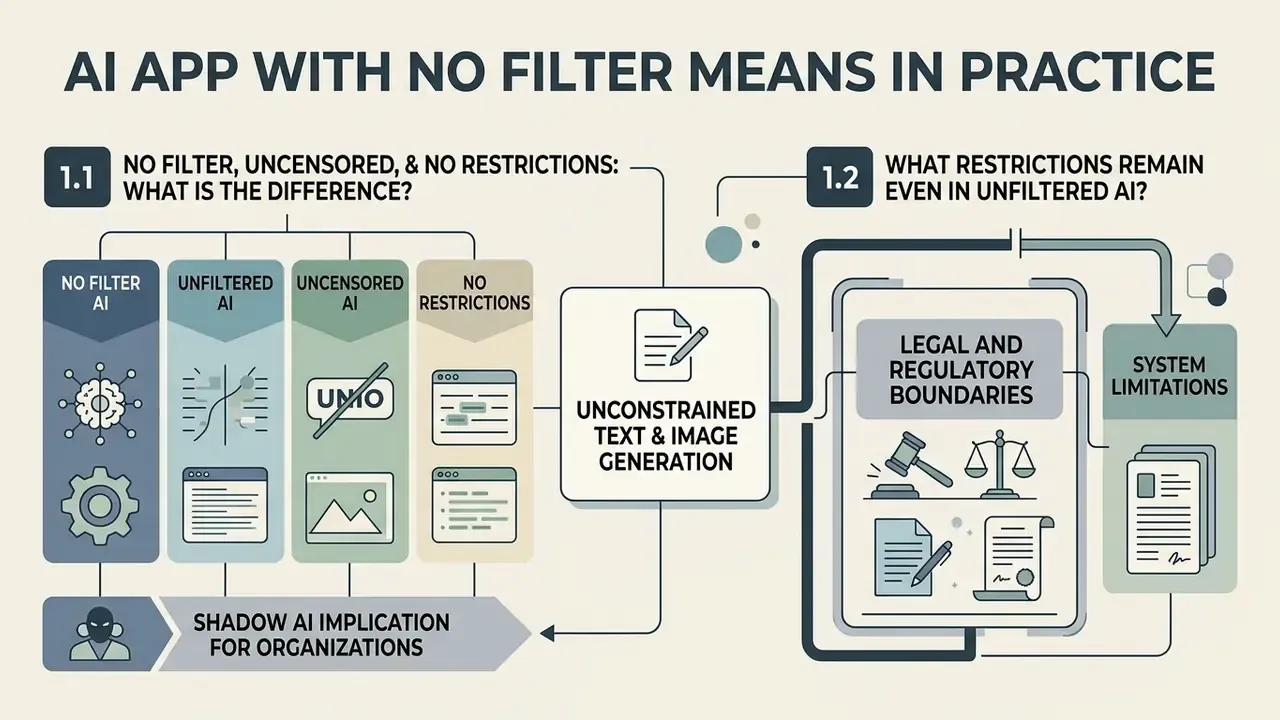
An AI app with no filter is a software interface that allows unconstrained text or image generation by removing or relaxing standard platform safety filters. In technical deployments, the term describes systems where input prompts and output generations pass through minimal content moderation layers, so the system processes sensitive, explicit, or controversial requests without producing a refusal response.
In commercial AI deployments, safety controls operate across several distinct architecture layers. Application developers use terms like unfiltered AI or uncensored AI interchangeably in marketing materials, but the underlying mechanics differ significantly between user interface options and core model behavior. That gap is where most buyer confusion lives.
«A model is classified as "uncensored" when it freely generates any content regardless of harm or inappropriateness, without deliberate filtering.»
1.1 No Filter, Uncensored, and No Restrictions: What Is the Difference?
The differences between no filter, uncensored, and unrestricted AI center on one question: where the guardrails were removed. At the system prompt layer? The platform moderation layer? Or the base model alignment layer?
- No Filter AI Typically describes an application interface where front-end input and output classifiers (automated toxicity scanners, keyword blocks) are disabled or set to minimal thresholds.
- Unfiltered AI Refers to a system deployment where conversational guardrails and secondary moderation APIs are removed, allowing raw model inference to reach the user interface directly.
- Uncensored AI Describes a base AI model, often called an Uncensored Large Language Model (ULLM), that has undergone fine-tuning or parameter ablation specifically to eliminate built-in refusal behaviors and safety alignment training.
- No Restrictions A broad marketing phrase implying the absence of both content moderation and operational limits. In practice, legal and system constraints always remain.
Standard framework models, such as the NIST AI Risk Management Framework, distinguish between prompt-level instructions, model-level safety alignment, and platform-level human or automated moderation. Disabling a platform filter does not guarantee that the base model will fulfill every request, just as using an uncensored model does not eliminate platform infrastructure logging.
«Research classifies attacks on LLMs into six categories: template-based, generative, obfuscation-based, feedback-based, fine-tuning-based, and parameter-based.»
Vendor documentation confirms this layered reality. Google's generative AI documentation exposes adjustable safety thresholds including a "Block none" setting, yet the underlying safety categories and classification logic remain active. Microsoft Azure documents a "No filters" deployment option, but it is an approval-gated configuration inside Azure's content-filter system, not evidence that the base model lacks safety behavior. By contrast, publicly listed community models such as DAN-Qwen3-1.7B advertise "zero censorship" and "unfiltered responses" at the weight level, which is a fundamentally different claim.
Shadow AI implication for organizations: because "no filter" is a configuration rather than a product category, employees can convert an otherwise sanctioned model into an unaligned one simply by routing through a permissive proxy or a community front-end. Any AI inventory that tracks only vendor names, and not inference endpoints, proxy configurations, and model checkpoints, will systematically under-report uncensored model usage inside the corporate perimeter. We have seen inventories with 40 approved tools and no record of the OpenRouter key an analyst created on a Friday afternoon.
1.2 What Restrictions Remain Even in Unfiltered AI?
Even when an application operates without content safety filters, hard operational, legal, and architectural limitations remain. Absolute legal prohibitions, system token limits, and generative instability affect all unfiltered AI apps regardless of platform claims.
- Legal and Regulatory Boundaries Hosting providers and software platforms remain subject to statutory laws governing child sexual abuse material (CSAM), non-consensual intimate imagery (NCII), cyberattack instruction, and violent threats. Federal regulations and terms of service for cloud infrastructure enforce zero-tolerance thresholds for illegal content. Readers comparing access and privacy policies across adjacent generative tools can review our analysis of free photo editors and their export and privacy limits.
- Context Windows and Token Ceilings Language models operate under finite context windows, ranging from 4,096 tokens up to 1,000,000 tokens in advanced architectures. When long-form chats exceed these ceilings, models suffer context drift, memory loss, and repetitive phrasing. Applied research confirms this is an engineering constraint rather than a policy one: MIT CTL's 2026 contract-intelligence work documents a hard 32,768-token limit that had to be actively managed to avoid prompt overflow.
- Generative Instability and Hallucination Unaligned models lacking safety tuning demonstrate higher rates of non-deterministic behavior, logical contradictions, and factual hallucinations during extended narrative or technical sessions. (Updated) Alignment removal is not free: peer-reviewed evaluations show that manipulating internal safety representations degrades output reliability at the same time as it removes refusals.
«Even the most protected model (Llama-3) reaches a maximum attack success rate of 0.88 for individual violation categories.»
| Term | Technical Meaning | Architecture Layer | Verification Requirement |
|---|---|---|---|
| No Filter | Minimal or disabled front-end moderation classifiers. | Application / UI Layer | Check if input prompts trigger automated refusal cards or keyword blocks. |
| Unfiltered AI | Direct inference stream passing to the user without secondary moderation APIs. | Middleware / Inference Pipeline | Verify whether third-party moderation endpoints (for example, the OpenAI Moderation API) scan outputs. |
| Uncensored AI | Base model fine-tuned or ablated to remove safety alignment and refusal behaviors. | Base Model Weights | Confirm if the underlying open-weight model documentation explicitly states unaligned status. |
| Content Restrictions | Categorical policy boundaries defined by platform terms or legal requirements. | Platform Terms / Infrastructure | Review written acceptable use policies (AUP) for explicit legal and safety bans. |
| Limits | Quantitative operational constraints including rate caps, token windows, and concurrency. | Server / Billing System | Inspect API documentation or plan terms for requests per minute (RPM) and token quotas. |
| Shadow AI | Unsanctioned use of an external AI system for work tasks without governance approval. | Organizational / Network Layer | Inspect egress logs for inference endpoints, proxy domains, and API key usage outside the approved inventory. |
Read in plain text, the table says something simple. An application advertising a no filter AI app experience may still enforce strict infrastructural and legal boundaries. "No filter" refers to classifiers at the interface. "Unfiltered" refers to the middleware path. "Uncensored" refers to the weights themselves. "Content restrictions" are policy. "Limits" are arithmetic: tokens, requests, concurrency. Users evaluating a best AI with no filter deployment must verify parameters at each architectural layer rather than trusting promotional descriptions, because these five words are marketed as synonyms and behave nothing alike.
2. Why Users Are Migrating: The Character.AI Purge Wave
The demand curve for no-filter platforms is not driven by abstract curiosity. It is driven by loss. Users of mainstream character platforms have repeatedly watched months of accumulated work vanish during automated moderation sweeps.
The pattern is documented and one-directional: heavier filtering through 2024, intellectual-property takedowns triggering the first large bot purge in September 2025, an outright ban on under-18 accounts in October 2025, and a further automated moderation sweep in February 2026 that removed private, user-only characters alongside public ones. Because the platform ships no export button, the conversation histories attached to deleted bots disappeared with them. No warning, no archive, no restoration path.
Three structural forces guarantee this ratchet keeps turning in one direction:
- App store dependency.Any platform distributed through Apple's App Store or Google Play inherits their content policies. That is why the most permissive tools are browser-first, PWA-based, or self-hosted.
- Litigation and regulatory pressure.Attorney-general investigations, wrongful-death litigation, and youth-safety statutes push public platforms toward conservatism, never toward openness. Institutional readers tracking how these disputes are unfolding can compare options across active AI-related cases and settlements.
- Advertiser and payment-processor risk.Brand-safety requirements from ad networks and card processors constrain content long before the model does.
The practical consequence: migration splits into two tracks. Polished paid apps that never shipped to app stores (Candy AI, CrushOn AI, Nectar AI, SpicyChat), and free or self-hosted stacks where the user holds the controls (SillyTavern, Janitor AI with an external proxy, Chub AI, local Qwen/Llama deployments, Sigma Browser). This guide covers both, and Section 4.7 explains how to make sure you never lose a chat log again.
3. How to Evaluate AI Apps Without Filter Before Registration
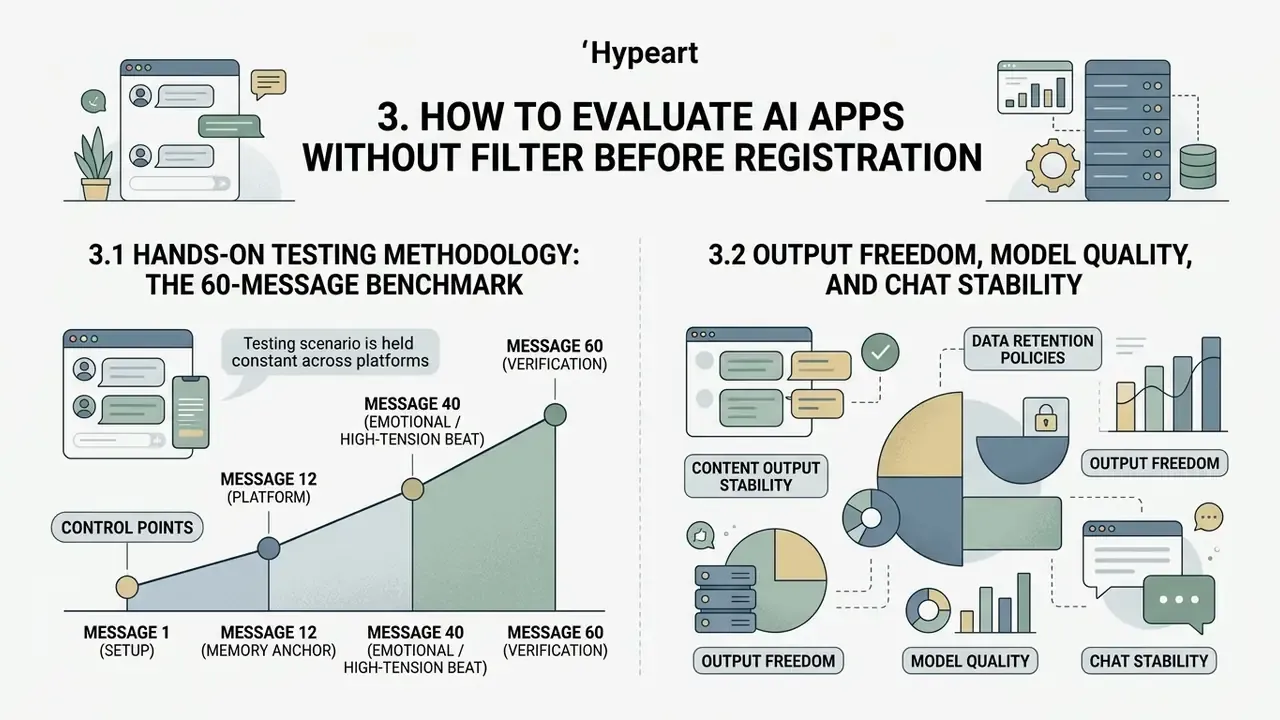
Evaluating an AI app without filter before entering personal credentials or payment details requires a systematic look at content output stability, data retention policies, and hidden usage throttles. A structured pre-registration check protects privacy and prevents unexpected service interruptions.
Enterprise risk frameworks, including OMB Memorandum M-24-10 and NIST SP 800-53, require formal risk assessments, data minimization reviews, and plain-language privacy disclosures before adopting third-party software systems. OMB M-24-10 specifically mandates an AI impact assessment, real-world testing, independent evaluation, ongoing monitoring, and plain-language notice before covered AI use. The same evaluation logic transfers cleanly to consumer-facing uncensored AI applications, even when the user is a single hobbyist.
«The first systematic evaluation of attacks against the full inference pipeline showed that nearly every jailbreak technique is detected by at least one safety filter.»
3.1 Hands-On Testing Methodology: The 60-Message Benchmark
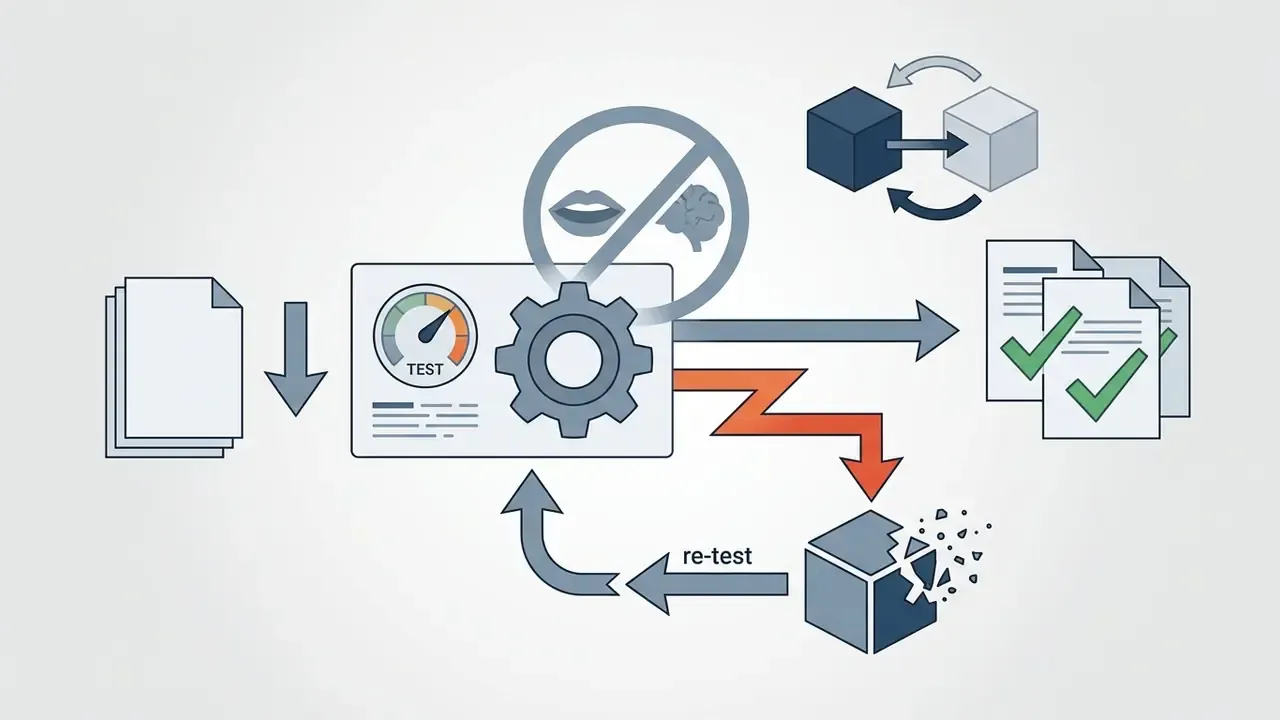
Marketing copy cannot tell you whether a platform remembers a plot detail an hour into a session. To evaluate memory retention and refusal rates objectively, we executed a standardized 60-message conversation framework across all tested platforms, using an identical scenario, identical opening prompt, and identical control points.
Test scenario (held constant across all platforms): a fictional coastal town, a cold case, a librarian who knows more than she says, and a retired detective who never closed the file the way he wanted. Three additional narrative variants were run for cross-validation: a noir story containing violence, a fantasy romance, and a morally ambiguous political drama.
Control points:

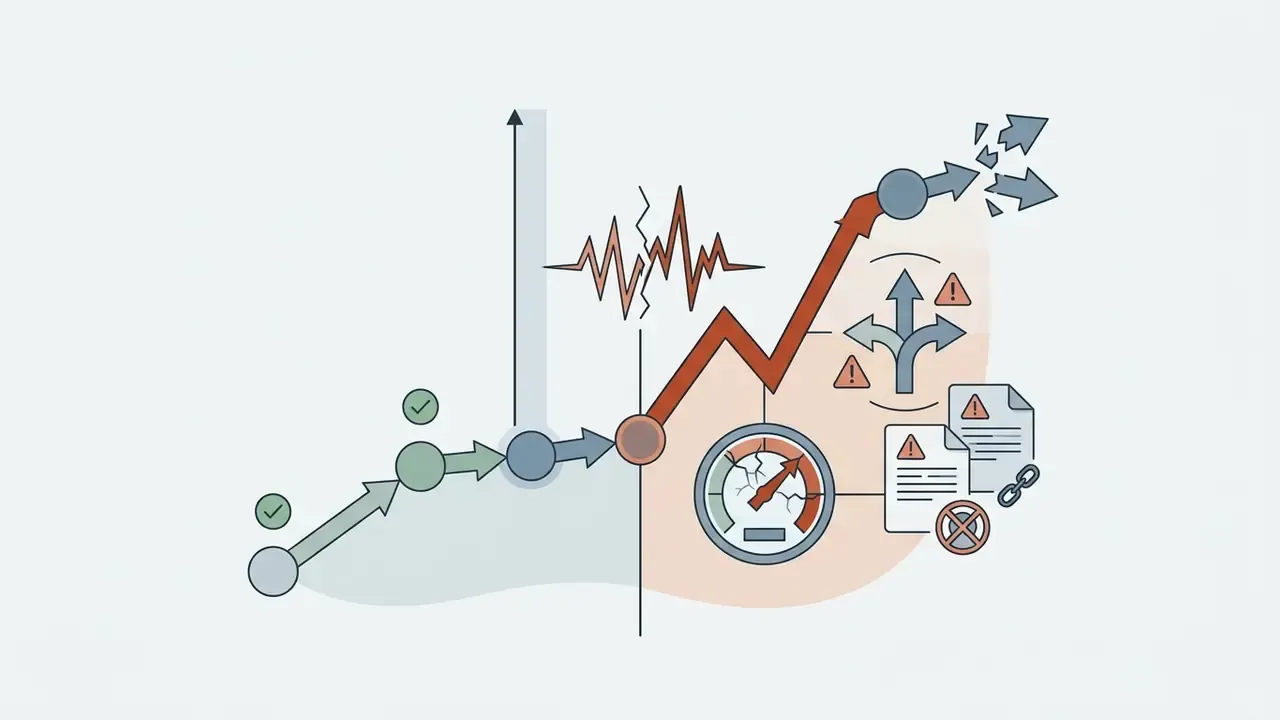
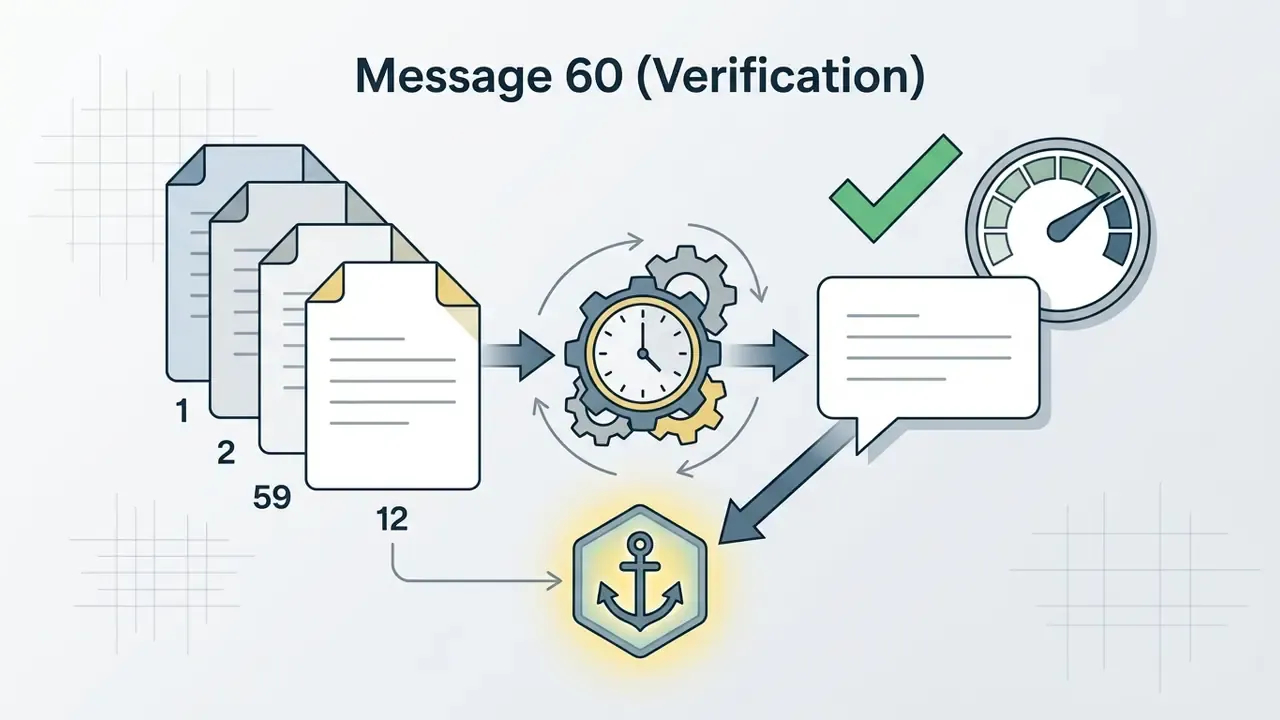
Measured variables: anchor recall at message 60 (binary), in-character consistency under tension (scored 1 to 5 by two independent reviewers), refusal count on non-graphic content, and latency degradation between message 1 and message 60.
Stress-test results summary:
| Platform / Configuration | Anchor recall @ msg 60 | Refusals on non-graphic content | Character consistency (1–5) | Notes |
|---|---|---|---|---|
| SillyTavern + local Llama-3-70B (KoboldCPP) | Full recall | 0 | 5 | Memory ceiling equals backend context; zero network egress |
| Venice AI (Pro tier) | Full recall | 0 | 5 | No output degradation past 60 turns |
| CrushOn AI (paid, 16k context) | Full recall | 0 | 4.5 | Recalled a detail from 100+ messages back without a nudge |
| Candy AI (paid) | Partial recall | 0 | 4.5 | Memory good, not best-in-class; images metered separately |
| Janitor AI (native free model) | Failed | 0 | 3 | Context drift from roughly msg 35; passes with DeepSeek proxy |
| DreamJourneyAI (Memory Nexus) | Full recall | 0 | 4.5 | Tracked suspect names and clue chains 50+ messages deep |
| Chub AI / Venus (free tier) | Partial recall | 0 | 4 | Lorebook injection preserved world facts, not scene facts |
| SpicyChat AI (free, 4,096 tokens) | Failed | 0 | 2.5 | Lost character name at roughly message 20 |
| Perchance AI | Failed | 0 | 2.5 | No persistent memory between sessions by design |
| Sigma Browser (local Qwen 3.5 4B) | Partial recall | 0 | 3.5 | Small parameter count limits nuance; privacy is absolute |
Reproducibility note: results reflect August 2026 configurations. Free-tier context windows and proxy availability change frequently. Re-run the anchor test after any platform model swap before trusting a long narrative to it.
3.2 Output Freedom, Model Quality, and Chat Stability
Selecting a good AI without filter means balancing raw output freedom against long-term narrative coherence and system uptime. Base models modified to remove safety alignment frequently pay for that freedom in reasoning accuracy and multi-turn instruction retention.
«Manipulating internal safety patterns opens a "Pandora's box" of harmful responses, but simultaneously increases hallucination frequency.»
[Evaluation matrix — Unfiltered AI applications]
Axis 1: Content freedom (refusal rate on non-graphic prompts)
Axis 2: Generative coherence (anchor recall + in-character consistency)
Axis 3: Privacy control (local execution → ZDR API → standard cloud logging)
Reading: high-freedom/low-coherence tools cluster in the free consumer quadrant;
local self-hosted stacks occupy the high-freedom/high-privacy quadrant at the cost of setup effort.
When evaluating a what AI app doesn't have a filter candidate, technical teams inspect multi-turn consistency scores. Unaligned models may fulfill explicit prompts easily, then degrade in character voice or logical tracking after 10 to 15 conversational turns. Recent multi-turn benchmarks formalize this: stability is measured as consistency of instruction adherence across turns, self-coherence, memory of prior turns, and recovery after a mistake. Those metrics diverge sharply from single-response quality proxies such as BLEU or BERTScore. Platform stability must also be assessed under peak server loads, where free public instances often show severe latency spikes or cold-start delays.
3.3 Privacy, Chat Storage, and User Data Control
Privacy evaluation for any AI no filter app comes down to one question: are conversation histories logged, exposed to third parties, or ingested for model fine-tuning? Cloud-based platforms centralize chat logs on remote infrastructure. Self-hosted solutions retain data entirely within the local environment.
- Cloud-Hosted Platforms: Ingest user inputs through central servers. Unless explicit zero-data-retention (ZDR) clauses exist, inputs may be inspected by system administrators or included in future dataset passes. (Updated) This is not speculative. Vendor policies themselves document the split. Rocket.Chat's published policy states that self-hosted instances are inaccessible to the vendor, while cloud-hosted workspaces process user-generated content on vendor infrastructure. Adobe's 2026 documentation similarly states that chat history is stored on the local device in desktop and mobile apps, but in cloud storage for the web version. NIST SP 800-144 frames the underlying risk as loss of collection limits and loss of control over personal data.
«LLMs can inadvertently disclose PII, including full names, addresses and phone numbers, under appropriate prompting, and leaks via share links get indexed by search engines.»
- Self-Hosted / Local Deployments Run inference directly on local hardware, typically via an open-source desktop client. Conversation logs remain on local storage drives, which removes provider-side privacy risk entirely.
- Shared Links and Search Exposure Many chat platforms include public share features. If permissions are misconfigured, private chat logs can be indexed by commercial search engine crawlers. The same misconfiguration class affects adjacent generative tools. See our review of AI headshot generators and their privacy handling for a parallel analysis of upload retention risk, and our notes on the face photo editor category for how facial images are stored after processing.
3.5 Pre-Registration Audit Checklist (Reproducible)
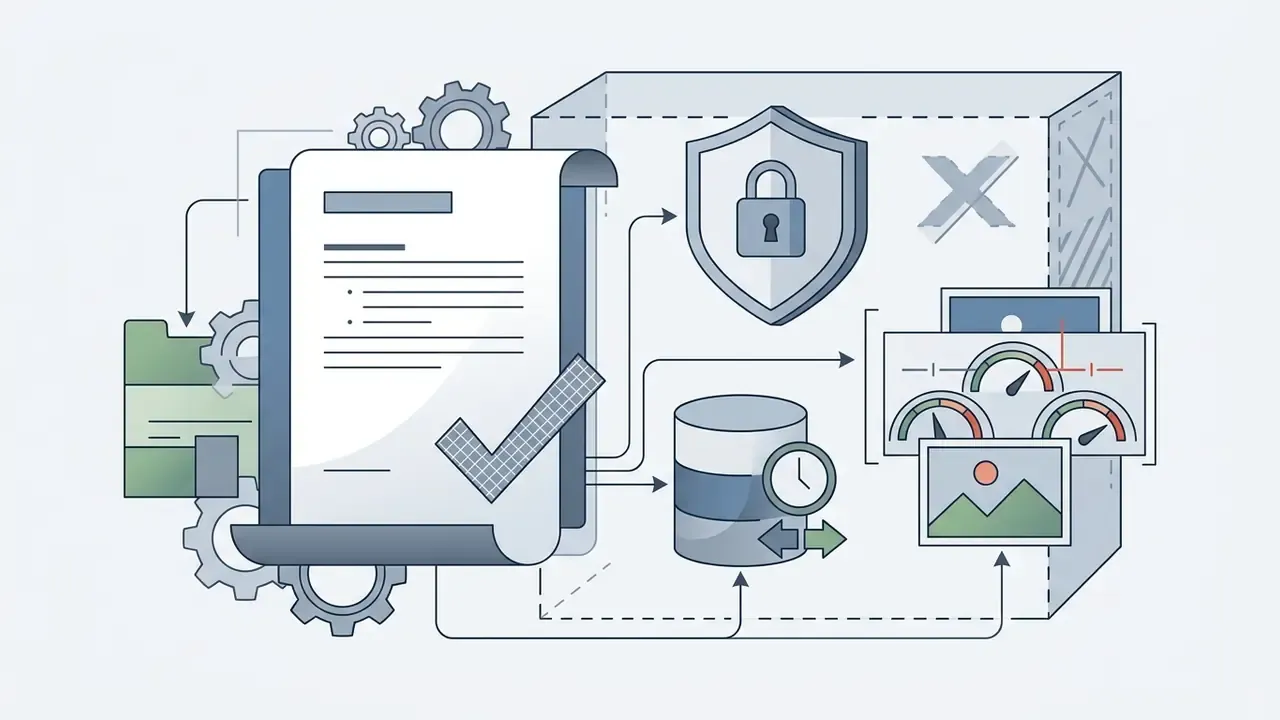
Use this as a repeatable pre-flight check before creating an account, and as an intake form before adding any AI system to an organizational AI inventory.
Checklist0 / 12
4. Best AI Apps With No Filter: Platform Comparison
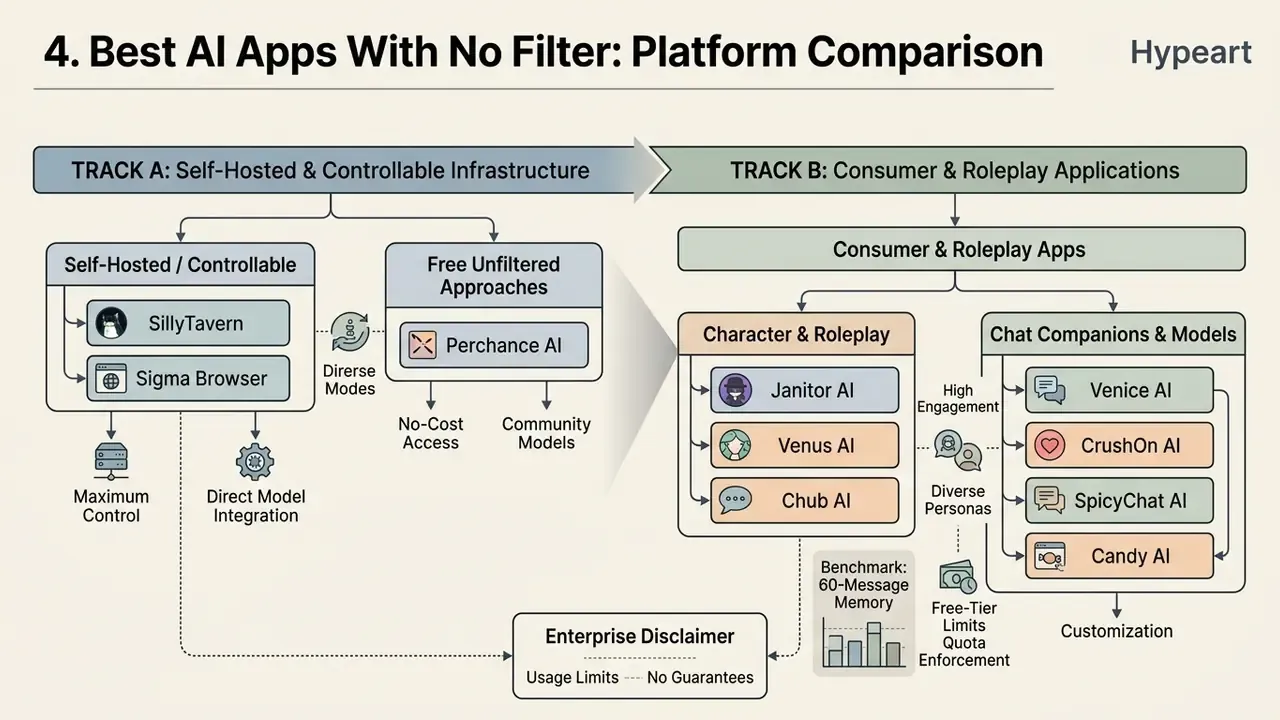
Comparing the best AI apps with no filter requires sorting services by execution format, underlying model architecture, privacy architecture, and quota enforcement. Platforms range from fully browser-based wrappers to open-source desktop front-ends and privacy-focused hosted environments.
«The Malla study identified two dominant methods: exploiting uncensored LLMs and jailbreaking public APIs, the former providing stable output without prompt engineering.»
That distinction explains most of the behavioral variance in the tables below. Platforms built on genuinely uncensored weights (local Llama/Qwen fine-tunes, community ULLMs) produce stable, repeatable output. Platforms that wrap a mainstream aligned API and rely on permissive system prompts produce inconsistent output, because the refusal behavior is still latent in the weights and resurfaces unpredictably under tension.
4.1 Track A — Self-Hosted and Controllable Infrastructure
These configurations put the operator in control of the stack. They are the only options appropriate for research, sensitive work, or any environment with a data-governance requirement.
| Service / Stack | Execution Format | Architecture Type | Cost | Limits | Privacy & Data Handling | API Support | Enterprise-Control Status |
|---|---|---|---|---|---|---|---|
| SillyTavern | Local Node.js client | Open-source frontend (no built-in model) | Free (open-source) | Dependent on connected backend | Total local privacy; data stays on operator hardware | Connects to AI Horde, OpenAI-compatible, KoboldAI/KoboldCpp, TabbyAPI, local backends | Controllable: full log ownership, air-gappable |
| Local open-weight models (Llama-3 / Qwen 3.5 / Mistral via Ollama, vLLM, KoboldCPP) | Local or private-cloud inference | Open-weight base or ablated fine-tune | Hardware CAPEX + electricity | Bounded by VRAM and throughput | No third-party processing; logs under operator control | Self-exposed OpenAI-compatible endpoints | Controllable: supports isolated guardrail wrapper and audit logging |
| Sigma Browser | Native desktop browser | Local on-device execution (Qwen 3.5 4B) | Free | Unlimited; bounded by local CPU/GPU | Total local privacy; zero external routing or cloud moderation | Local LLM engine | Controllable: no egress by design; small model limits reasoning depth |
| Venice AI (API) | OpenAI-compatible API | Hosted privacy platform | Per-token billing | Metered separately from consumer app | Documented privacy modes: Anonymized, Private (self-hosted, zero retention), TEE, E2EE | Yes | Conditionally controllable: verify ZDR and enclave terms contractually |
| OpenRouter | API aggregation hub | Routing layer to many providers | Pass-through pricing + platform fee | Free-tier models limited to roughly 20 RPM / 50 RPD | Depends on selected upstream provider; routing metadata retained | Yes | Conditionally controllable: per-model policy review required |
4.2 Track B — Consumer and Roleplay Applications
| Service Name | Execution Format | Architecture Type | Free Tier Availability | Rate Limits & Quotas | Privacy & Data Handling | API Support | Target Use Case |
|---|---|---|---|---|---|---|---|
| Venice AI (consumer app) | Web app / mobile app | Hosted privacy platform | Yes (10 text and 15 image prompts a day) | Unlimited text on Pro ($18/mo); API billed per token | Private / TEE / E2EE modes; no prompt logging in normal inference | OpenAI-compatible API | Private general chat, uncensored text and image generation |
| Perchance AI | Browser web app | Free web generator | Yes (no account needed) | Variable queue throttling under load | Anonymous requests; prompts pass through external plugin servers | Limited / plugin-based | Free quick roleplay, random generator scripts |
| Janitor AI | Web platform | Character chat community | Yes (free built-in model) | Native context roughly 9k tokens, dropping under load; queue limits | Account history stored server-side; third-party proxy options | Custom proxy / API connection | Community character roleplay, custom prompt setups |
| Chub AI / Venus | Web platform | Roleplay ecosystem (Venus + CharacterHub merger, 2024) | Yes (basic free tier) | Hard free message ceiling; cheap paid tiers | History retained in account; BYO API key supported | API connection support | Structured character card roleplay, Lorebook integration |
| CrushOn AI | Web app / mobile | Chat companion service | Yes (daily credit allowance) | Daily caps; paid tiers expand memory to roughly 16k tokens | Centralized server storage; account-bound logs | Proprietary backend | Companion chat, long-memory persona interaction |
| SpicyChat AI | Web app | Companion roleplay | Yes (free queue access) | Documented context tiers by plan | Server-side chat retention; paid tiers unlock priority memory | Proprietary backend | Fast-start adult roleplay |
| Candy AI | Web / mobile app | Hosted all-in-one platform | Limited free generation | Credit-based; daily generation caps on free tier | Server-side account retention; internal infrastructure security | No | All-in-one companion chat, uncensored voice and image generation |
| DreamJourney AI | Web platform | Hosted memory-centric AI | Yes (300 starter credits) | Credit top-ups required for long sessions | Encrypted cloud storage; no content filter triggers | Custom proxy | Long-form story roleplay, persistent lorebooks via Memory Nexus |
| Nectar AI | Web platform | Hosted character-builder | Limited credits | Restrictive credit system on lower tiers | Server-side retention; active moderation of franchise IP | No | Deep character customization |
| DreamGen | Web platform | Custom fiction-tuned models | Yes (usable free tier) | Credit/quota based | Server-side retention | Limited | Long-form uncensored fiction |
| Chai | Mobile-first app | Cloud bot marketplace | Yes | Message caps on free tier | Fully cloud-based; limited transparency | No | Casual mobile bot chat |
| GhostGPT | Web interface | Cloud-hosted, opaque provenance | Unclear | Unclear | Unknown processing location and retention; treat as hostile | No | Not recommended, see warning below |
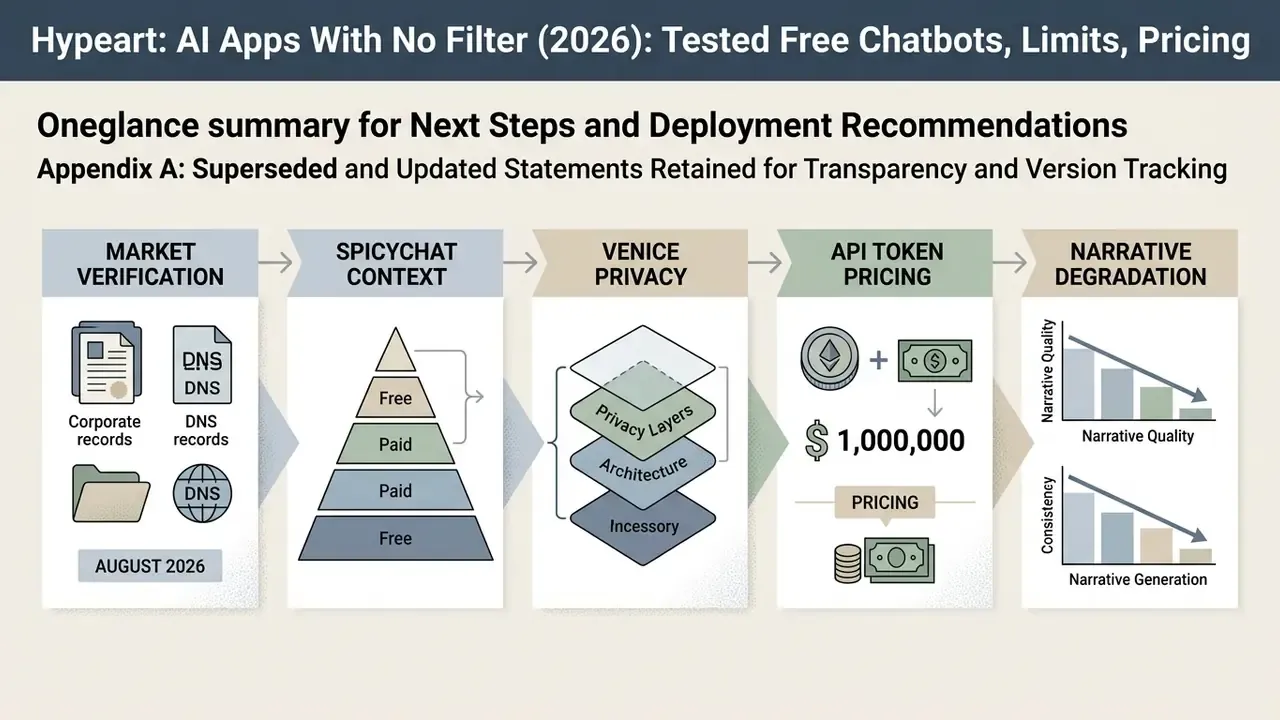
Market verification note (Updated): consumer AI tooling in this category includes a persistent layer of short-lived clone sites, phishing mirrors, and affiliate front-ends with no verifiable operating entity. Before entering any credential or payment detail, confirm that a legal entity, published terms, and a working privacy policy exist. Judge software strictly by measured technical performance and explicit privacy documentation rather than promotional claims or review-site rankings. If a site cannot tell you who operates it, that is the answer.
4.3 Perchance AI and SillyTavern: Free Unfiltered and Private Approaches
SillyTavern and Perchance AI represent two structurally different ways of delivering free ai apps with no filter capability. SillyTavern functions strictly as a client interface. Perchance AI provides a hosted, browser-based execution environment.
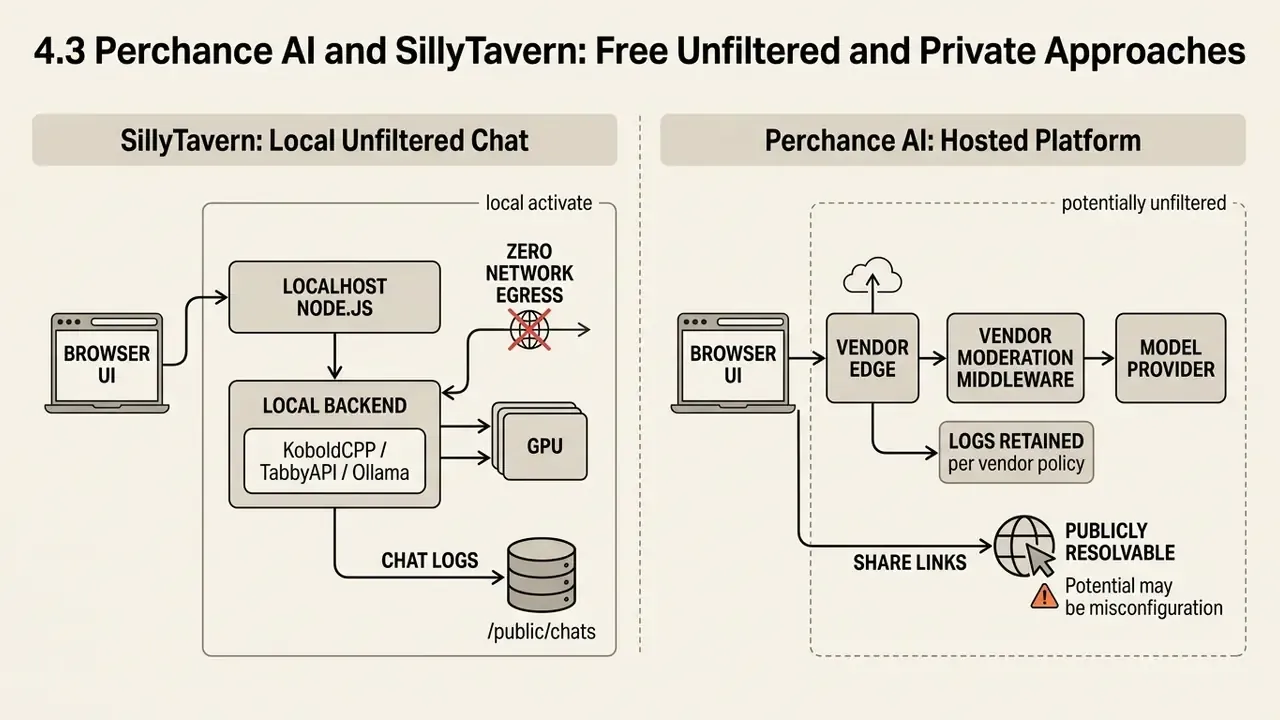
SillyTavern is a free, open-source user interface installed locally via Node.js. It contains no internal AI models. Instead, it connects to local backends (KoboldCPP, TabbyAPI, LM Studio) or external cloud APIs, including AI Horde and any OpenAI-compatible endpoint. Its official documentation states that self-hosted models can run without internet access with total privacy, because content stays on the user's machine. Paired with a self-hosted open-weight model, SillyTavern guarantees complete data privacy: conversation text never leaves the user's physical hardware. The cost is a genuine learning curve, and it is not trivial. Node.js installation, model configuration, API key management, and at least one evening of reading.
Perchance AI provides free, anonymous access to basic text and image generation models directly inside the browser. No account needed, which makes it the lowest-friction way to test unfiltered behavior in seconds. However, because inference requests pass through external third-party plugin servers, Perchance does not offer the cryptographic or local privacy guarantees of a self-hosted SillyTavern setup, and it retains no memory between sessions. Readers evaluating adjacent zero-signup creative tools can compare licensing and output limits in our roundup of free AI art generators.
4.4 Janitor AI, Venus AI, and Chub AI for Character and Roleplay
4.5 Venice AI, CrushOn AI, SpicyChat AI, and Candy AI: Models and Chat Companions
Hosted companion platforms provide integrated environments where users access uncensored models without managing local software installations. Venice AI, SpicyChat AI, CrushOn AI, and Candy AI cater to users who want a streamlined best ai app no filter experience with no terminal windows involved.
Venice AI leans hard on user privacy and model transparency. Its published documentation describes four distinct privacy layers: Anonymized metadata stripping, Private self-hosted open-source model inference with zero data retention, Trusted Execution Environments (TEE), and end-to-end encryption (E2EE) in which prompts are decrypted only inside the enclave for Pro members. Its model library includes open-weight systems such as Qwen 3.5, Gemma 4 Instruct, MiniMax, and GPT-OSS-class checkpoints, and its API model listing reports context_length values reaching up to 1,000,000 tokens on supported API endpoints and specific architecture builds, not uniformly across the consumer interface. Consumer tiers are published at $0, $18, and $200 per month, with API usage metered separately per token. (Updated: TEE and E2EE claims here reflect Venice's own documentation as of August 2026; independent third-party attestation of enclave configuration was not available at the time of writing, and organizations with regulated data should require contractual confirmation rather than relying on marketing pages.)
SpicyChat AI and CrushOn AI operate consumer subscription models structured around conversation context size and memory capabilities. (Updated) SpicyChat's official documentation tiers context windows by plan: the free tier is documented at 4,096 tokens, with higher tiers documented at 8,192 and 16,384 tokens. Verify current figures against the vendor's live documentation before committing, since these values shift with model swaps. CrushOn AI uses daily credit allowances, with paid tiers advertising a 16,000-token window and persistent memory to prevent character forgetting over long narrative threads. In our test, CrushOn was the only paid consumer app to recall a detail from more than 100 messages earlier without a prompt. Its weakness is the monthly message quota on the Standard tier, which subtly pushes users toward shorter replies.
Candy AI is the most finished consumer product in the category and the easiest starting point for non-technical users: chat, voice, images, and a persistent companion in one interface with zero setup, and no mid-scene refusals. Two honest caveats. Memory is good rather than best-in-class, and image generation is metered, so heavy image users burn through token balances faster than the sticker price implies.
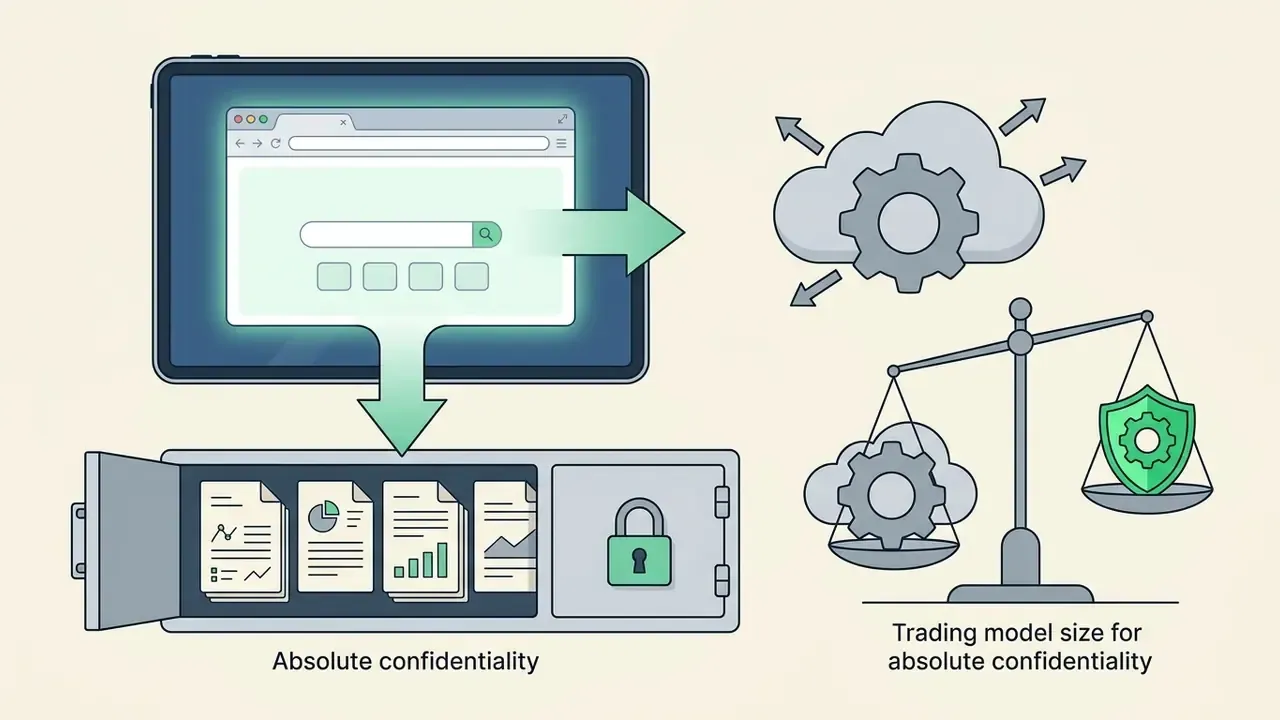
Sigma Browser occupies a different niche entirely: a desktop browser with a local Qwen 3.5 4B model executing entirely on-device. Prompts, browsing context, and generated content never leave the machine, which eliminates cloud moderation and background collection at the architectural level. It extends beyond chat into page summarization, drafting, image generation, deep research across multiple sources, and multi-step browser automation. The trade-off is model size: a 4B-parameter local model cannot match a 70B hosted model on nuance or long-form reasoning, as our anchor test confirmed.
DreamJourney AI targets the specific failure mode that ruins most free unfiltered chats, which is memory. Its Memory Nexus system tracks conversation context, relationships, and story details automatically. In our extended noir test it correctly retained suspect names, clue details, and relationship states more than 50 messages deep, with zero filter interruptions across 150+ messages. It ships 300 free starter credits, a Lorebook for persistent worlds, and a library of pre-built characters.
A warning on GhostGPT and similar "maximum freedom" tools: platforms explicitly marketed around bypassing safety systems typically provide no transparency about where data is processed, who operates the service, or what happens to inputs. Removing filters also removes reliability. Outputs are frequently inconsistent or factually wrong, and there is no browsing integration, research tooling, or workflow structure to compensate. Treat these services as untrusted infrastructure: assume every prompt is logged and potentially resold.
4.6 The Character.AI Migration Wave & Advanced Power-User Tricks
Following aggressive moderation sweeps and automated bot purges on commercial platforms, users are migrating to decentralized and open-weight ecosystems. A primary driver for this shift is the lack of data export capabilities on mainstream platforms, which causes users to lose long-standing characters and chat logs without warning.
The Janitor AI + DeepSeek Proxy Optimization Trick
To work around context memory degradation on free hosted platforms, power users apply an API routing strategy instead of paying for a subscription:
- Phase 1 (Prose Generation): Route initial messages through a free or low-cost DeepSeek-R1 / V3 proxy inside Janitor AI or SillyTavern to generate high-reasoning, nuanced plot foundations and establish a strong stylistic baseline.
- Phase 2 (Fallback): When the proxy hits its message cap, switch the same active chat thread to the native internal model. The native model inherits a context window already populated with high-quality prose, which measurably reduces hallucination and delays the onset of "character dementia" compared with starting the session natively.
The same pattern generalizes. Any front-end that lets you swap the inference backend mid-conversation lets you spend expensive tokens on the scenes that matter and cheap tokens on filler.
Cheap Long-Run Configuration
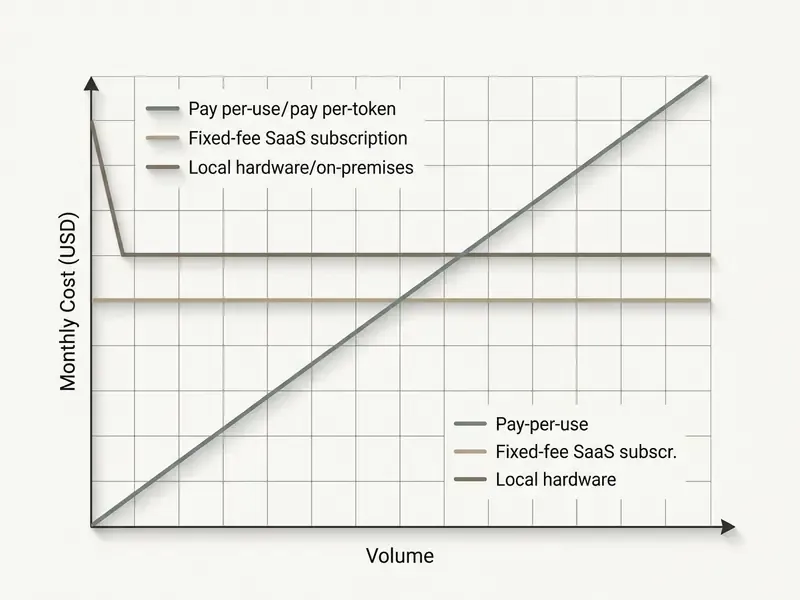
Connecting SillyTavern to a low-cost API model produces months of heavy use on roughly twenty dollars of credit, well below any monthly consumer subscription, because you pay only for tokens actually generated rather than for seat access.
4.7 How to Prevent Data Loss: Chat Export Protocols
Hosted platforms can terminate accounts or purge bots for regulatory compliance, IP complaints, or automated false positives. Assume any hosted character you care about will eventually disappear, and protect your narrative threads in advance:
- For SillyTavern Back up the
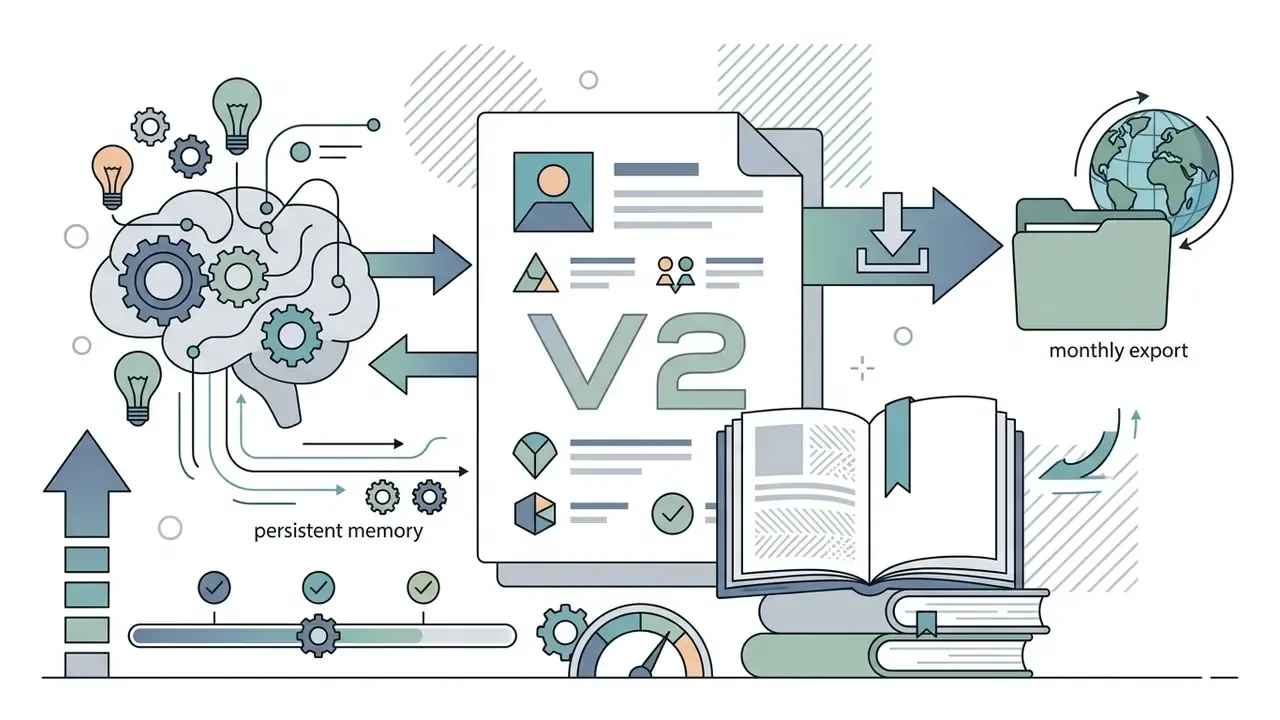
SillyTavern/public/chatsandSillyTavern/public/charactersdirectories locally, to external storage, or via an automated Git workflow with scheduled commits. - For Hosted Platforms (Janitor, Chub, SpicyChat) Periodically export character definitions in Character Card V2 (PNG metadata) or JSON format. PNG cards carry the full persona definition inside image metadata, which makes them portable between front-ends.
- For Browser-Based Chats Without Export Buttons Use a conversation-export browser extension to save full DOM conversation trees as JSON or Markdown before cloud logs are cleared, or capture the network response payloads directly via developer tools. The mechanics are close to what people already do when they facebook video download a clip that may be removed later: grab the asset while the URL still resolves.
- Storage discipline keep at least one copy off the platform and one copy offline. Encrypt backups that contain personal or intimate content, because a leaked local archive is as damaging as a leaked server log.
- Migration readiness because Character Card V2 is a shared standard, a maintained card library lets you rebuild an entire persona roster on a new platform in minutes rather than months.
5. Free AI Apps With No Filter vs. Paid Tiers: Financial Breakdown and TCO
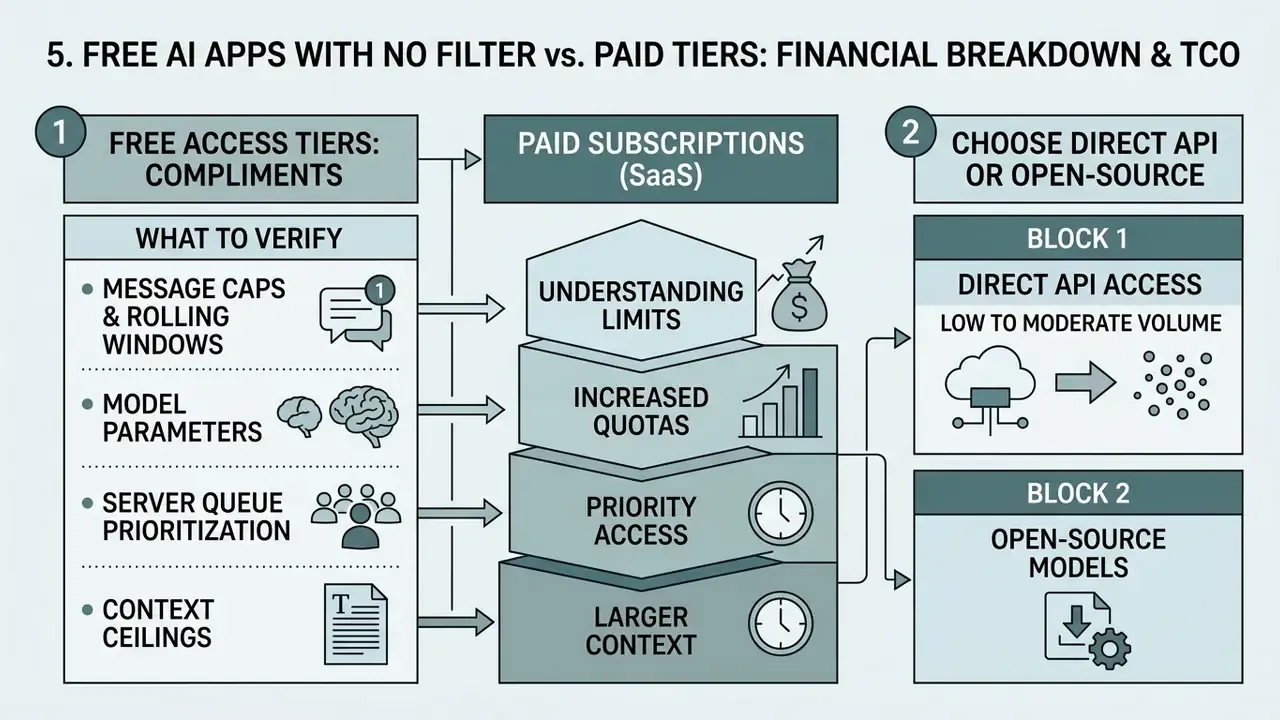
Navigating the financial landscape of free ai apps with no filter requires distinguishing between complimentary consumer access tiers, monthly SaaS subscriptions, and pay-as-you-go API consumption. Computing costs for high-parameter language models mean that unthrottled, zero-cost access is rarely sustainable at scale.
«Every request and token generation consumes computational resources; query cost and time metrics are used to evaluate attacks and defenses in academic research.»
Understanding how pricing structures map to operational performance is what lets users and developers pick the most cost-effective architecture for their actual volume, rather than the one with the friendliest landing page.
5.1 What to Verify in Free Access Tiers
When testing a best free ai without filter option, inspect the operational constraints that decide daily usability. Free access tiers implement throttling to balance server compute demand, and they rarely advertise the numbers.
- Message Caps and Rolling Windows Free plans may permit 10 to 50 messages per day, or implement rolling hourly caps such as 5 prompts every 3 hours.
- Model Parameters Free access is commonly restricted to smaller parameter models, for example 4B to 8B parameter variants, which show lower reasoning depth than 70B+ parameter models.
- Server Queue Prioritization During high-demand periods, free requests land in processing queues, producing increased response latency and cold-start delays. Providers document quota-based throttling rather than a guaranteed response-time SLA.
- Context Ceilings Free tiers frequently cap context at 4,096 tokens, which is the single most common cause of "the bot forgot my character's name."
5.2 Understanding Limits in Paid Subscriptions
Paid consumer subscriptions, typically $10 to $20 per month, remove queue delays and expand system capabilities. They do not eliminate all usage boundaries.
Most paid subscriptions replace strict message counters with dynamic token usage limits. Anthropic's help documentation is explicit that paid-plan usage limits are measured in tokens rather than message counts, so the effective message allowance varies with message length and attachments. Generating high-volume responses or attaching massive lorebooks consumes context tokens rapidly, which can trigger temporary cooldown periods even on paid accounts. Subscriptions also unlock larger context windows, expanding memory from 4,096 tokens to 16,384, 32,768, or in newer paid model tiers up to 200,000 to 1,000,000 tokens, and provide higher daily image generation allowances.
5.3 When to Choose Direct API Access or Open-Source Models
Direct API endpoints (via platforms like OpenRouter or the Venice API) and locally hosted open-source models give you more financial and operational control than a flat-rate SaaS subscription.
| Pricing Tier / Model | Free Plan Parameters | Paid Subscription Tier | API Pricing Structure | Commercial Usage Terms |
|---|---|---|---|---|
| Venice AI Consumer | 10 text and 15 image prompts a day | Pro: $18/mo (unlimited text, 1k images/day); Max: $200/mo | Separate token-based credit billing; per-model rates | Personal use on consumer tiers; API terms apply for commercial projects |
| OpenRouter API Hub | Selected free-tier models (roughly 20 RPM / 50 RPD) | N/A (pay-as-you-go top-up; $10 unlocks roughly 1k RPD) | Pass-through provider pricing + platform fee (roughly 5.5%) | Depends on underlying open-source model license |
| Gemini Developer API | Free tier available (rate limited; low RPM / RPD by model) | Paid tier: tokens billed directly (published rates from $0.75 / 1M input through 31 Dec 2026) | Billed per 1M tokens by model tier | Allowed under paid developer API terms |
| OpenAI API | No free tier for API models | N/A (usage-based); ChatGPT consumer plans priced per user/month | $0.20 to $4.00 per 1M input; $1.20 to $20.00 per 1M output by tier | Business/Enterprise/API data excluded from training by default; ZDR available to eligible orgs |
| SillyTavern + Local GPU | 100% free (requires local GPU hardware) | None | Zero usage fees for local models; API costs apply only if external endpoints used | Governed by the license of the chosen local model (Apache 2.0, Llama 3 Community, and similar) |
| Sigma Browser | Free, unlimited local execution | Premium tier for additional features | None (local inference) | Local model license applies |
5.4 Total Cost of Ownership: What Consumer Pricing Tables Omit
Subscription and token prices are only the visible layer. For any deployment beyond personal entertainment, and especially for organizations, the real figure is TCO, which includes the cost of the controls that make an unaligned model acceptable to use at all.
TCO = Inference cost + Infrastructure cost + Control-layer cost + Assurance cost + Residual risk provision
| Cost component | Consumer (personal use) | Organizational deployment |
|---|---|---|
| Inference (OPEX) | $0 to $20 monthly subscription, or per-token API spend | Per-token spend at negotiated rates, or amortized GPU compute |
| Infrastructure (CAPEX) | Optional: high-VRAM consumer GPU | Private inference hosts, isolated VPC/enclave, redundancy |
| Control layer | Not applicable | External moderation wrapper, DLP inspection on prompts and completions, PII redaction proxy, prompt-injection filtering |
| Assurance | Not applicable | Security logging and retention compute, audit trail storage, independent evaluation, red-team exercises, model validation cycles |
| Governance overhead | Not applicable | AI inventory maintenance, vendor due diligence, DPA negotiation, policy exceptions, staff training |
| Residual risk | Reputational/personal | Quantified provision for hallucination-driven error, data leakage, and regulatory finding |
The practical conclusion is uncomfortable for anyone building a business case on cheap tokens. The marginal inference cost of an unaligned open-weight model is often the smallest line item. Control and assurance layers usually dominate, which is why "we can run it locally for free" is not a valid TCO argument in a regulated environment.
Financial Verification Note: Pricing models and API token rates change often across providers. Consult official pricing pages before committing to long-term integration workflows. For comparative software tool benchmarks and enterprise pricing guides, readers can explore the hub to evaluate alternative media generation systems.
6. How to Choose the Best AI Without Filter for Your Use Case
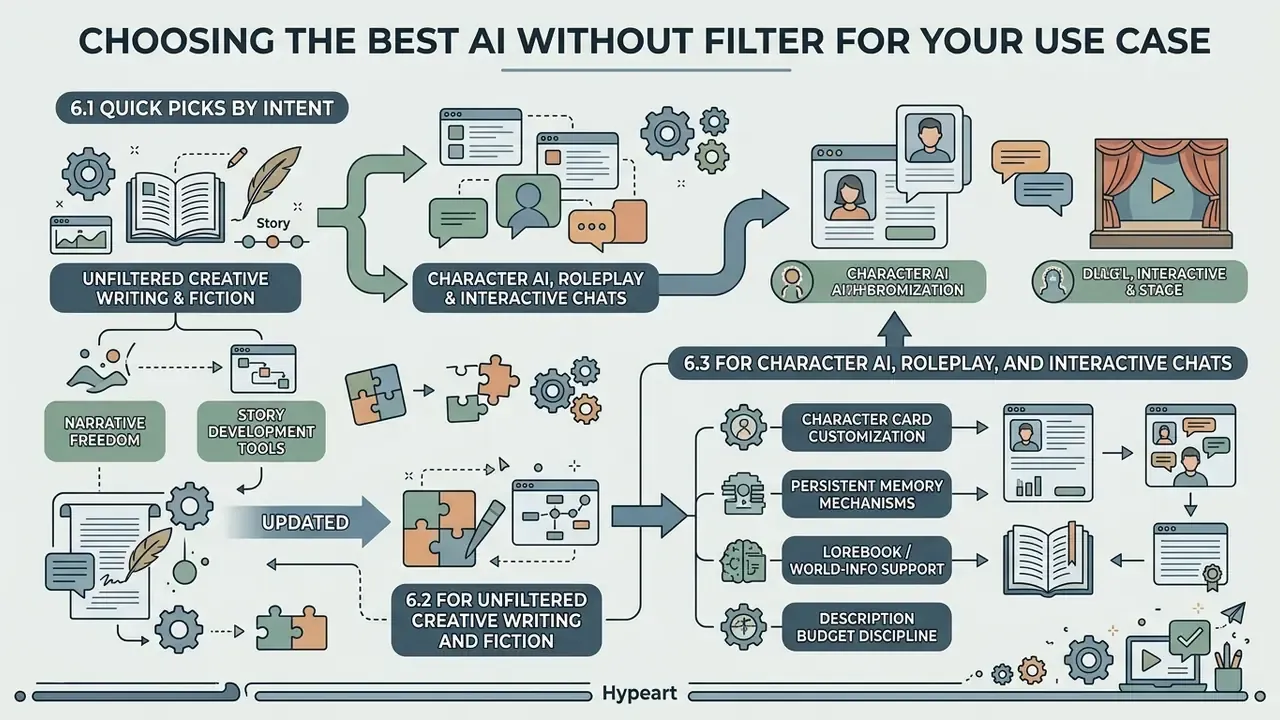
Selecting the best ai apps no filter solution means matching your primary functional objective, whether creative writing, deep character roleplay, or private business research, to the technical strengths of specific models and platforms. No single application excels across all operational scenarios. Anyone claiming otherwise is selling something.
Deploying the correct tool stack prevents workflow friction, reduces processing costs, and protects your data. Published governance guidance converges on the same selection rule set regardless of domain: define the purpose, check privacy, IP and legal fit, test reliability empirically, and run vendor due diligence before deployment.
6.1 Quick Picks by Intent
| If you want… | Choose | Why | Watch out for |
|---|---|---|---|
| Maximum privacy and no filter at all | SillyTavern + local open-weight model | Zero egress, memory limited only by your backend | Real setup effort: Node.js, model configuration, VRAM |
| Fully private browser-native AI | Sigma Browser (local Qwen 3.5 4B) | On-device execution, research and automation built in | Small model, limited reasoning depth |
| Best hosted privacy with convenience | Venice AI | Documented privacy modes, open-weight model library | Free tier is 10 prompts a day; API metered separately |
| Longest memory on a paid consumer app | CrushOn AI | 16k context; recalled 100+ message-old details in testing | Monthly message quota encourages short replies |
| Easiest all-round paid companion | Candy AI | Chat, voice, images, persistent companion, zero setup | Metered image generation; memory good, not best |
| Largest free character library | Janitor AI | Free, unfiltered on text, enormous community library | Native memory drift; pair with a DeepSeek proxy |
| Structured world-building | Chub AI / Venus | Lorebooks feed background facts without eating context | Free message ceiling arrives fast |
| Long-form persistent story memory | DreamJourney AI | Memory Nexus tracked clues 50+ messages deep | Credit-based; top-ups needed for long sessions |
| Zero-signup instant test | Perchance AI | No account, no payment, works in seconds | No memory between sessions; mid-tier prose |
| Long-form uncensored fiction | DreamGen | Models tuned for narrative prose | Smaller ecosystem, fewer integrations |
| "Maximum freedom" claims | Avoid GhostGPT-class tools | — | Opaque data handling, unreliable output, no tooling |
6.2 For Unfiltered Creative Writing and Fiction
Authors and content creators searching for good ai apps with no filter for creative fiction need models that hold prose quality, stylistic consistency, and complex plot retention without firing false-positive safety refusals on dark or adult themes.
(Updated) Narrative degradation over long outputs is a documented side effect of both architecture and missing alignment, not a subjective complaint. Long-form generation benchmarks show that a large context window alone does not guarantee sustained style or narrative consistency, and literary-fiction evaluations score plot, character consistency, and prose quality as distinct dimensions that diverge from generic text-generation metrics. Explicit plot-planning frameworks improve complex story structure more than plain next-token generation does.
«ULLMs fine-tuned on fiction generate immersive narratives but lack protection against reproducing fragments of training data, including copyrighted works.»
To maintain long-form narrative coherence:
- Select models with large context windows (at least 16,384 to 32,768 tokens) or support for long-context open-weight variants such as Qwen or Llama 3 fine-tunes.
- Use multi-step plot planning frameworks or structured chapter outlines rather than relying entirely on single-prompt generation.
- Ensure the platform allows custom system prompt overrides so you can define tone, pacing, and narrative perspective precisely.
- Screen output for verbatim reproduction of copyrighted training material before publishing commercially. Uncensored fine-tunes have no guardrail against it.
Creators working with visual storytelling can complement text workflows with the tools reviewed in our guide to animation makers and export options and our comparison of free AI video generators. Writers who narrate their fiction without appearing on camera often build the pipeline around a faceless ai video workflow, then finish the cut in a conventional editor such as filmora video editor.
6.3 For Character AI, Roleplay, and Interactive Chats
Users seeking a best ai app with no filter for interactive roleplay need platforms optimized for persona stability, emotional context tracking, and lore integration.
«In extended roleplay sessions, feedback-based attacks progressively shift the model into unsafe modes, breaking character stability and increasing toxicity.»
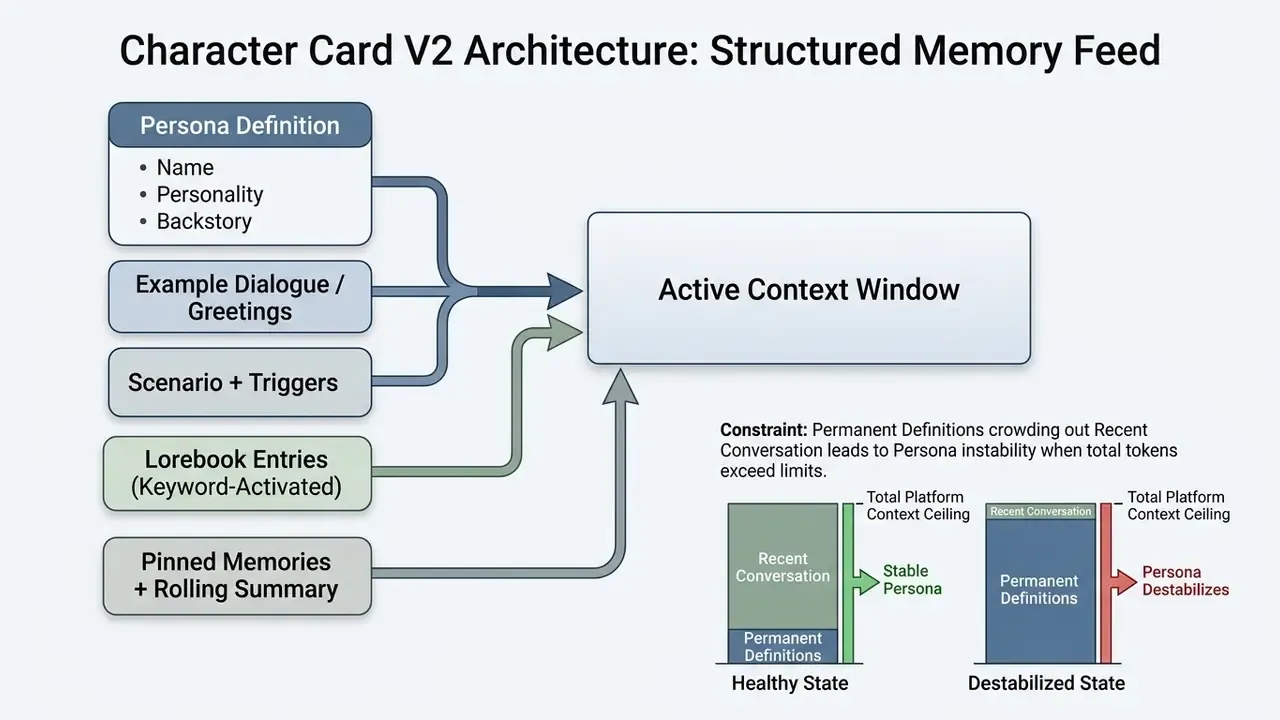
When evaluating roleplay applications:
- Character Card Customization Confirm that the application supports Character Card V2 standards, allowing detailed configuration of character backstories, example dialogues, greetings, and scenario triggers. Card portability is also your migration insurance.
- Persistent Memory Mechanisms Look for platforms that implement pinned memories or automated summarization modules to retain key relationship milestones across hundreds of messages. Published platform documentation typically describes three layers, namely permanent persona definition, pinned memories, and rolling recent-message context, without publishing a token figure. That opacity is exactly why the anchor test in Section 3.1 matters.
- Lorebook / World-Info Support Ensure the frontend supports dynamic lorebooks, which automatically inject relevant background information into the prompt stream when specific universe terms are mentioned.
- Description budget discipline keep permanent card descriptions lean. Past roughly 2,800 tokens of always-on definition on a 9k-token native model, degradation becomes reliably observable.
For creators developing companion art or character visual assets, our evaluation of online photo editors and commercial workflows details editing pipelines for consistent character portraits. Animating those portraits usually pulls people toward a face swap video tool, which carries its own consent and likeness considerations worth reading before you publish anything.
6.4 For Private Research, API Pipelines, and Business Tasks
Organizations and independent analysts evaluating best ai without filter tools for private research or data analysis prioritize strict privacy boundaries, security controls, and transparent terms of service over raw narrative freedom.
Developers building custom media pipelines can review implementation requirements and cost structures in our Google Veo API implementation guide, or browse the hub for broader developer-focused documentation. Organizations assessing licensing options can also compare options for business deployment.
7. Model Validation and Audit Trail for Unaligned Models
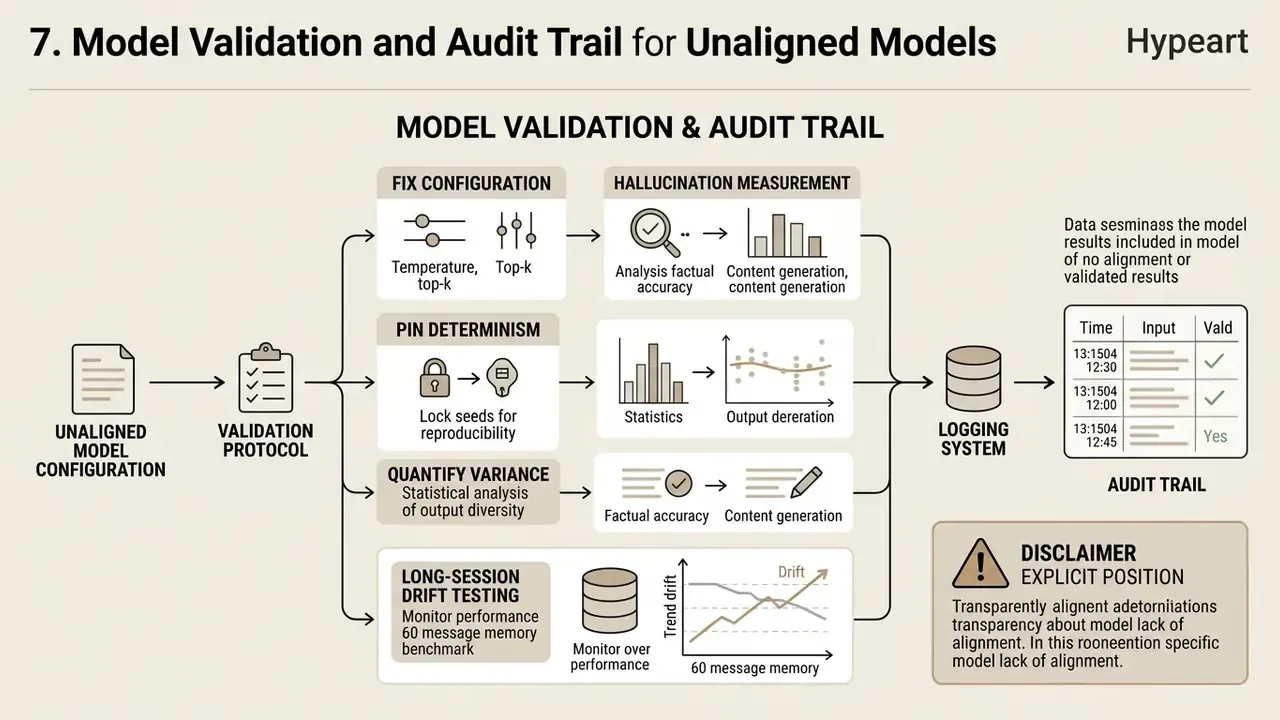
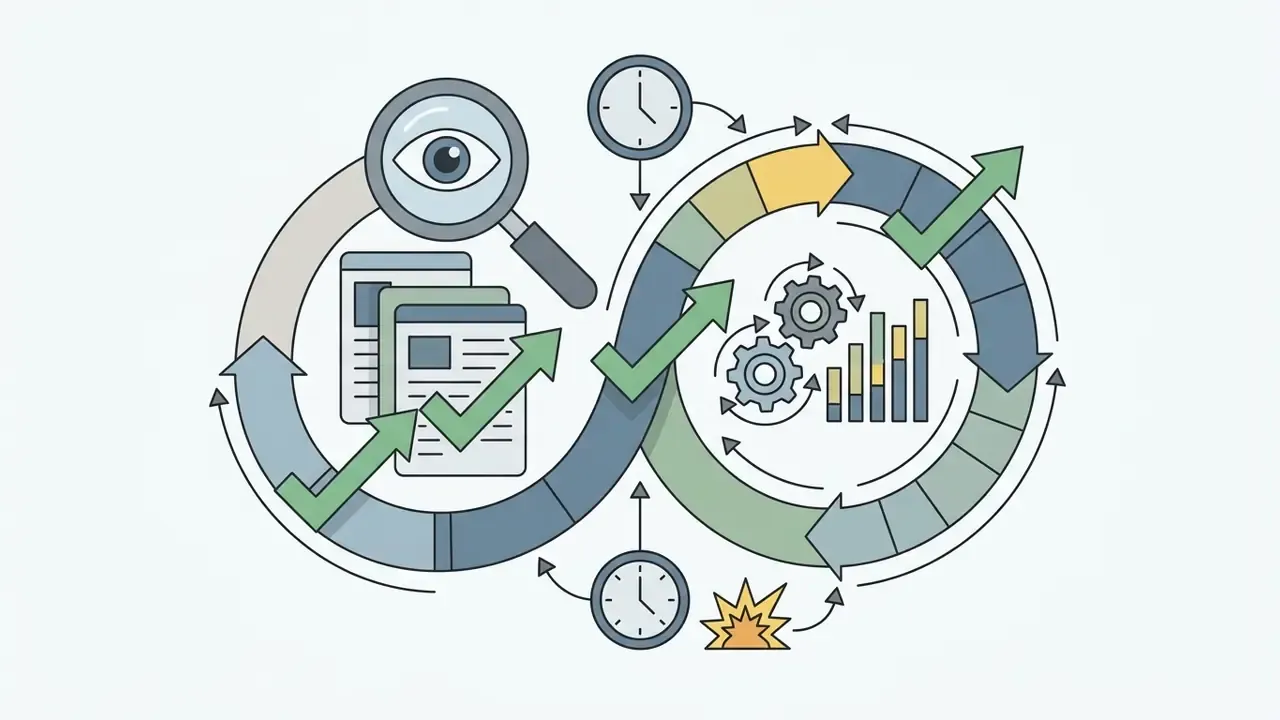
Removing alignment does not remove accountability. Any organization that permits an unaligned or uncensored model inside its environment, including via employee Shadow AI, needs a reproducible validation record that would survive internal audit or supervisory review. Supervisory model-risk guidance (SR 11-7 in US banking, and the NIST AI Risk Management Framework more broadly) expects documented conceptual soundness, ongoing monitoring, and outcomes analysis for any model that informs a decision.
Explicit position: deploying an unaligned or uncensored model inside a regulated business process without an isolated guardrail layer, DLP inspection, and full audit logging will breach the security expectations of most financial and healthcare supervisors. Local execution improves confidentiality. It does not satisfy validation.
7.1 Validation Protocol for Non-Deterministic Systems
7.2 Audit Trail Requirements
- Immutable, timestamped logs of prompts, completions, model identifier, guardrail verdicts, and user identity.
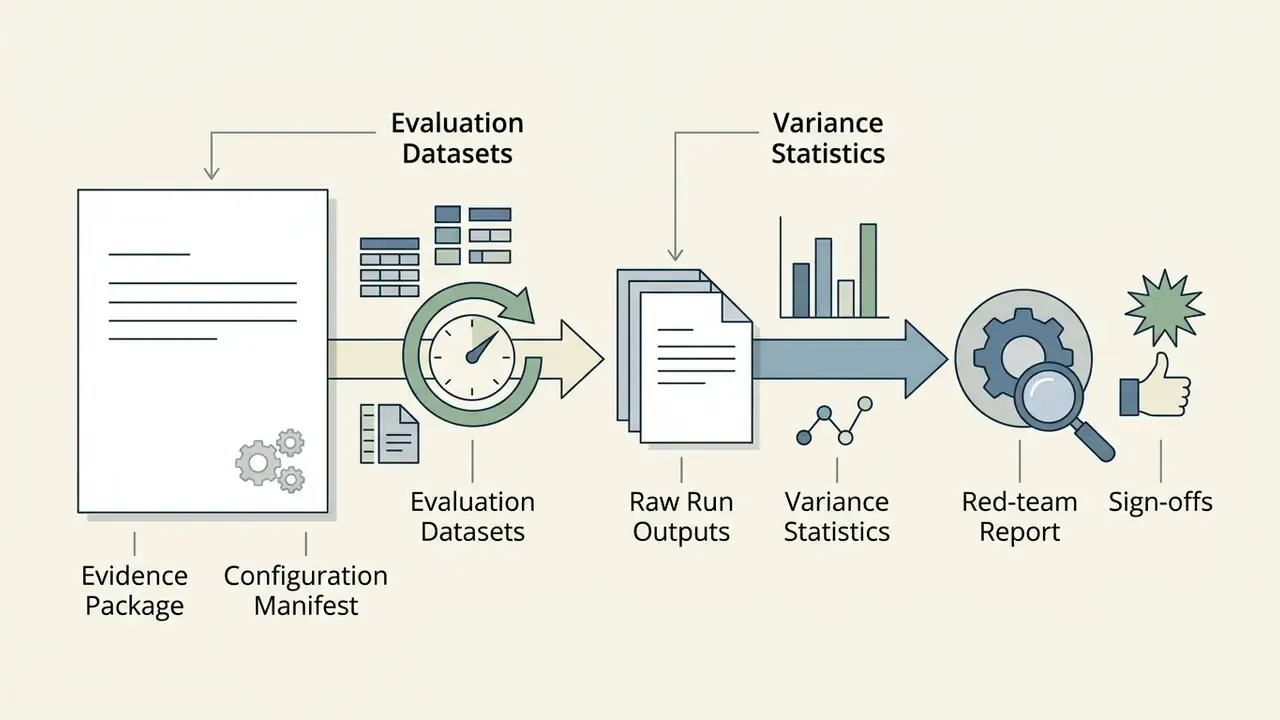
- Retention aligned to a documented records policy. NIST SP 800-53 Rev. 5 requires audit-record retention for an organization-defined period consistent with regulatory needs, and NIST SP 800-122 requires PII to be retained only as long as necessary for the stated purpose. These two requirements pull in opposite directions and must be reconciled explicitly in policy.
- Separation of duties between log producers and log administrators.
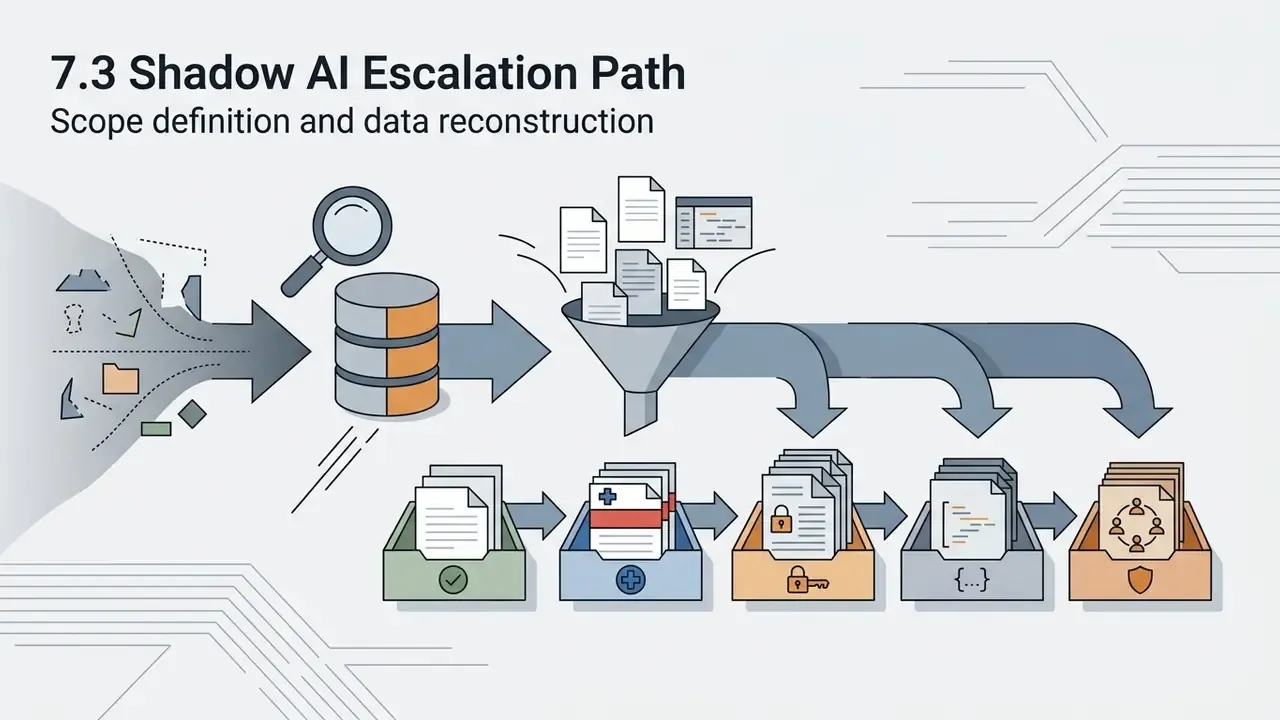
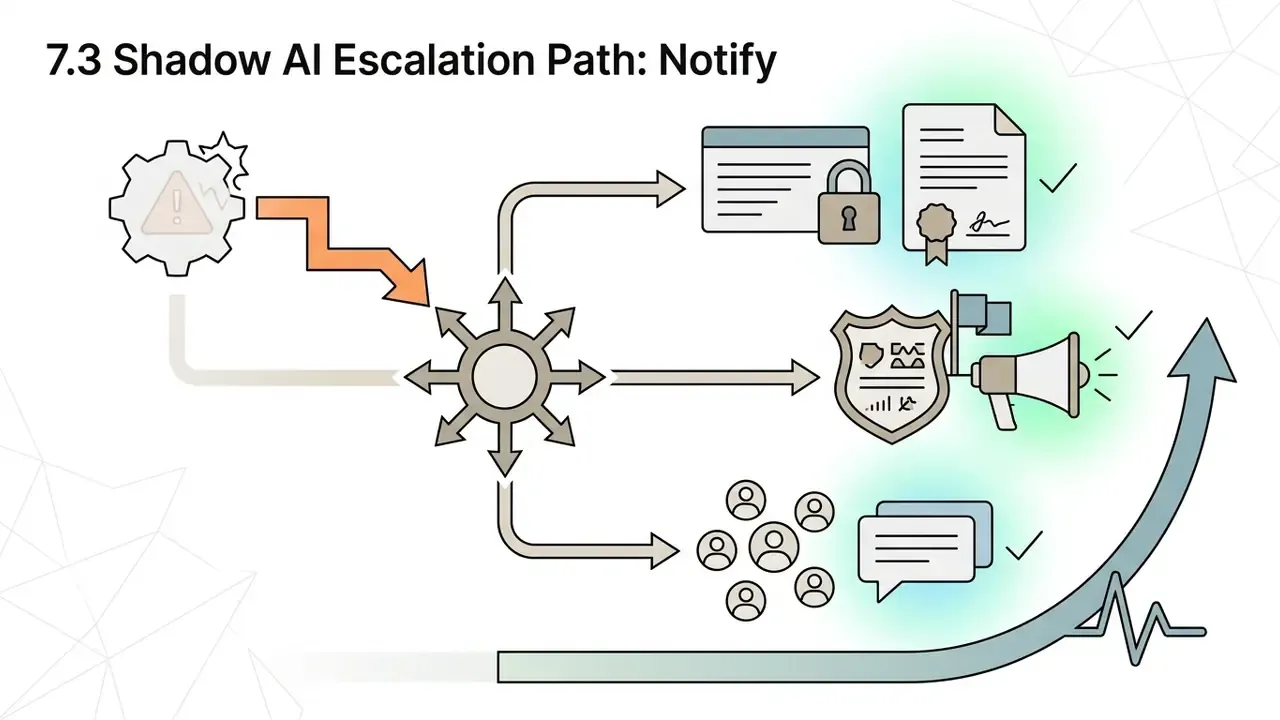
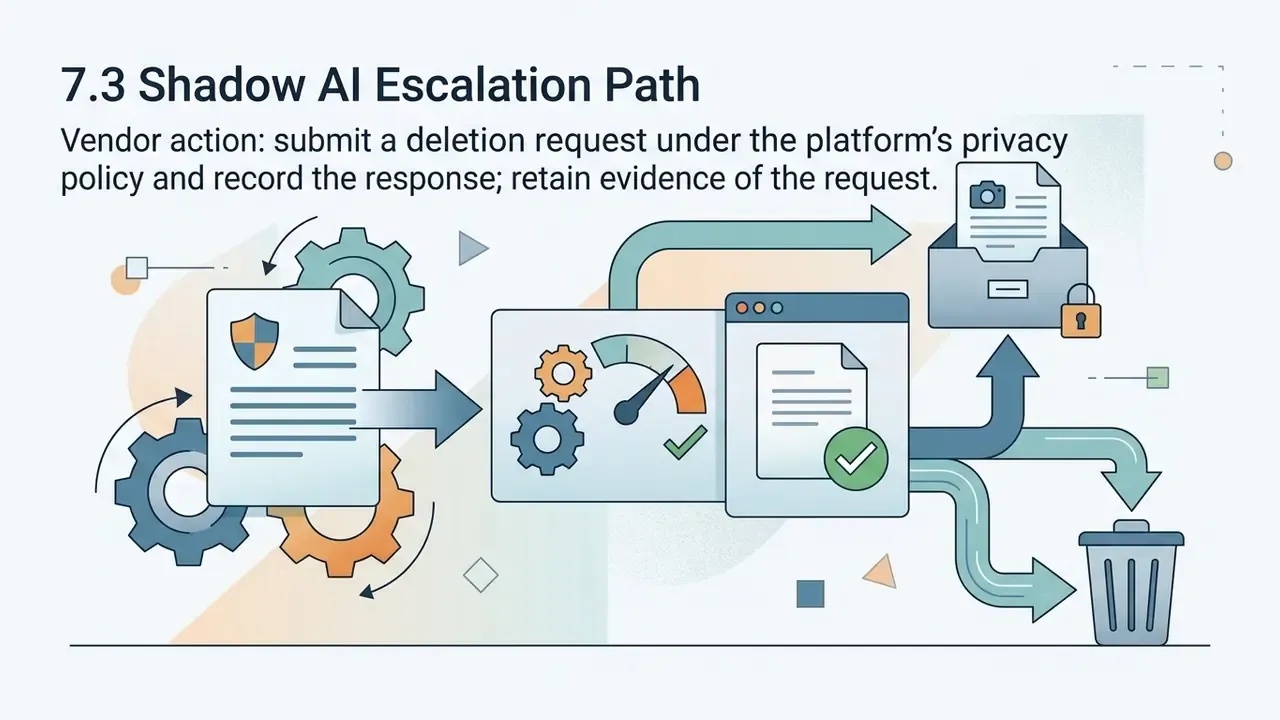
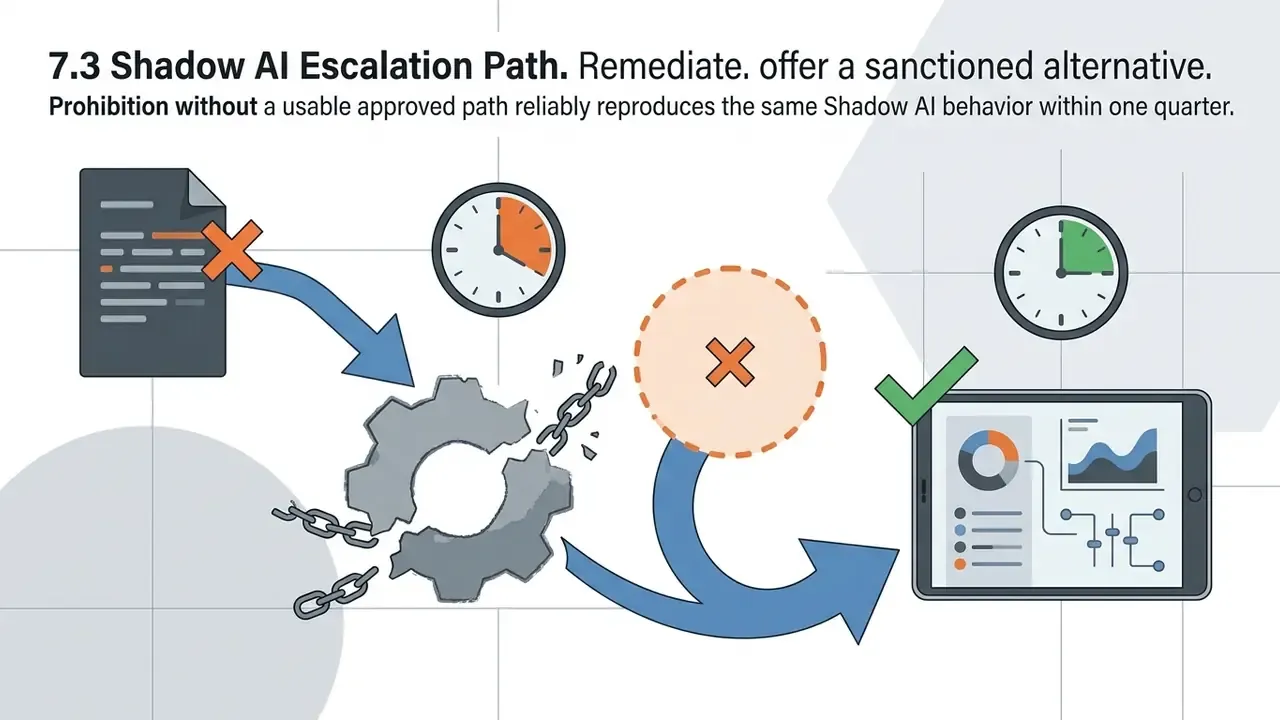
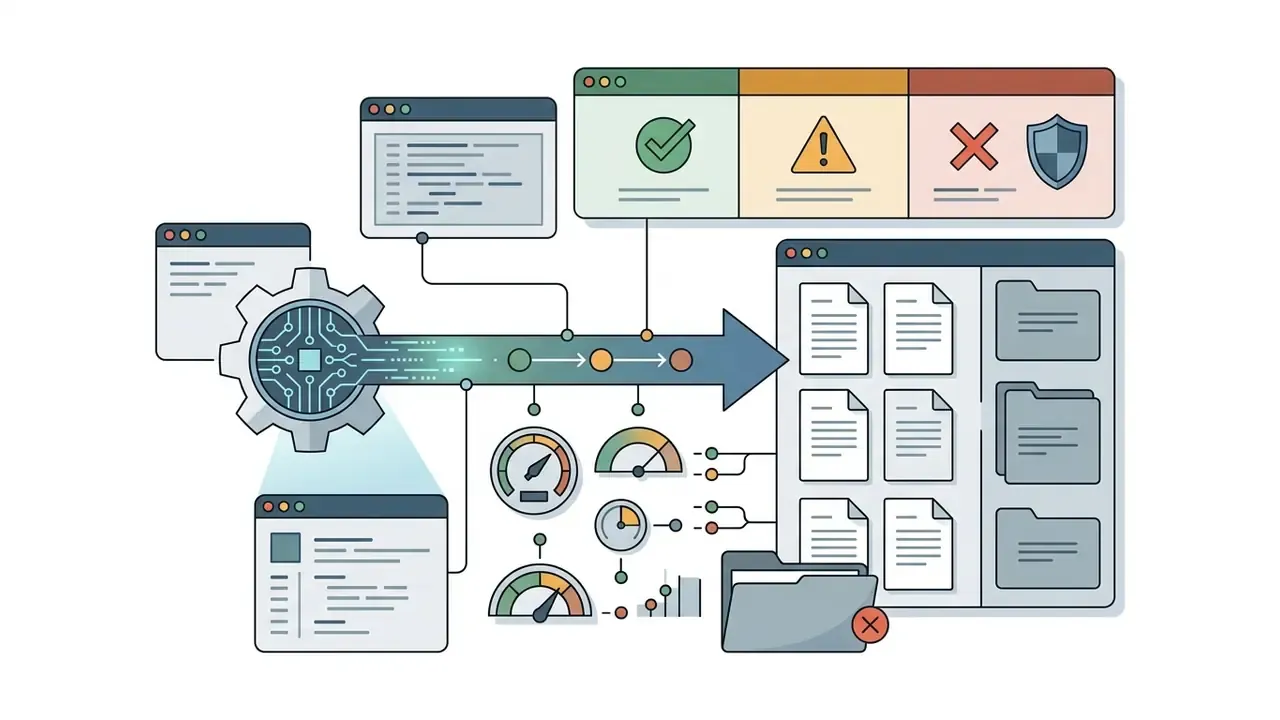
7.3 Shadow AI Escalation Path
When unsanctioned unfiltered AI use is discovered in a corporate network:
8. Security, Privacy, and Responsible Use of Unfiltered AI
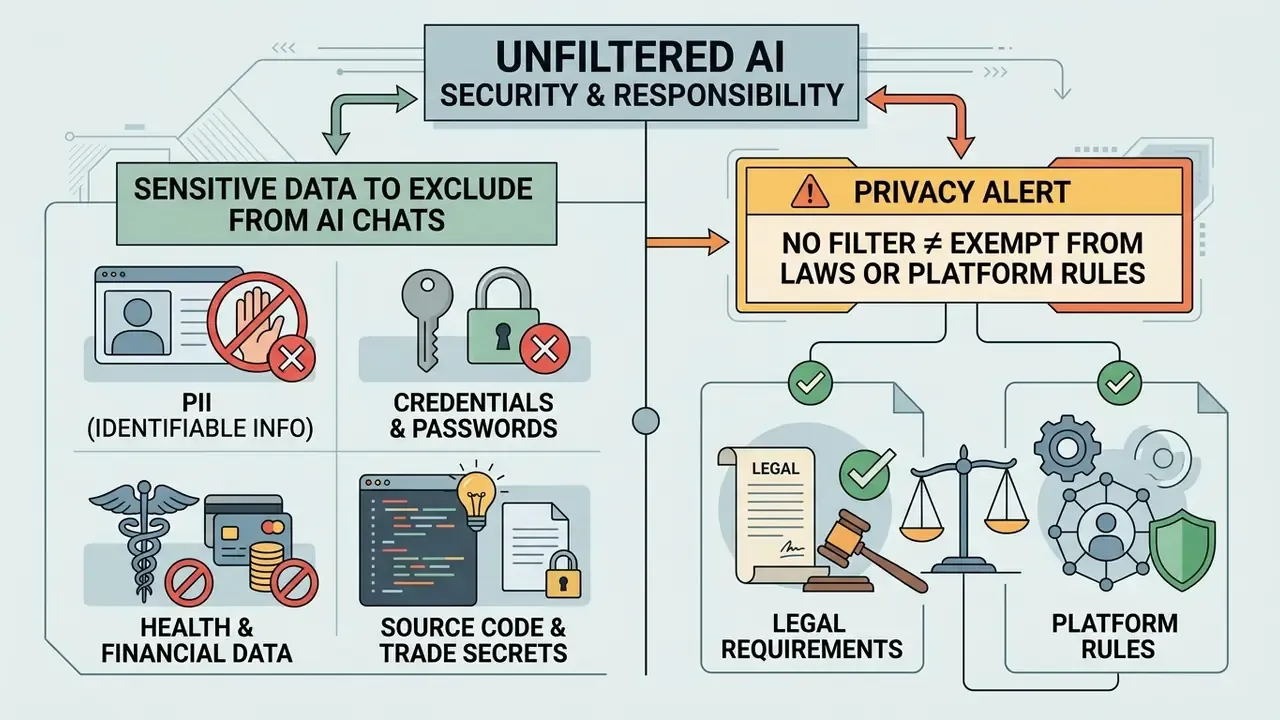
Operating an ai bot apps with no filter environment shifts responsibility for content validation, data protection, and operational safety directly onto the user. Unfiltered systems lack automated safety barriers, which increases exposure to privacy leaks and unexpected system outputs.
Solid data hygiene is what keeps permissive AI models from compromising personal security or corporate confidentiality. Published government guidance treats public generative AI platforms as high-risk for data leakage and unsafe output: classified, personal, and sensitive information should never appear in prompts; history and training toggles should be disabled where available; and generated files should be treated as potentially malicious.
8.1 Sensitive Data Categories to Exclude From AI Chats
Users interacting with cloud-hosted ai apps without filter must never enter sensitive or regulated personal data into prompt inputs. Because uncensored models lack output restrictions, any sensitive information ingested during a chat session could surface later through system errors, log leaks, or model memory artifacts.
«Training-data extraction attacks allow reconstruction of training-set fragments through interaction with the model, a more serious threat than membership inference.»
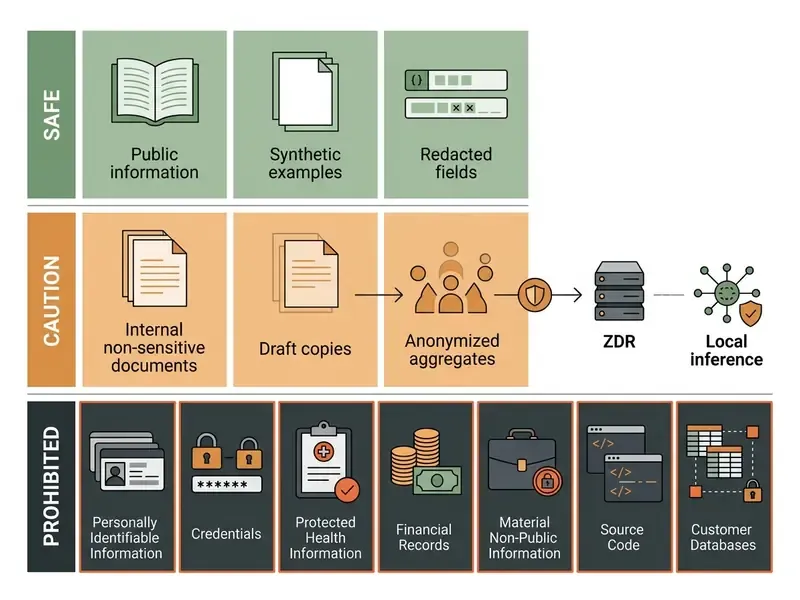
Never submit the following data types to third-party AI chats:

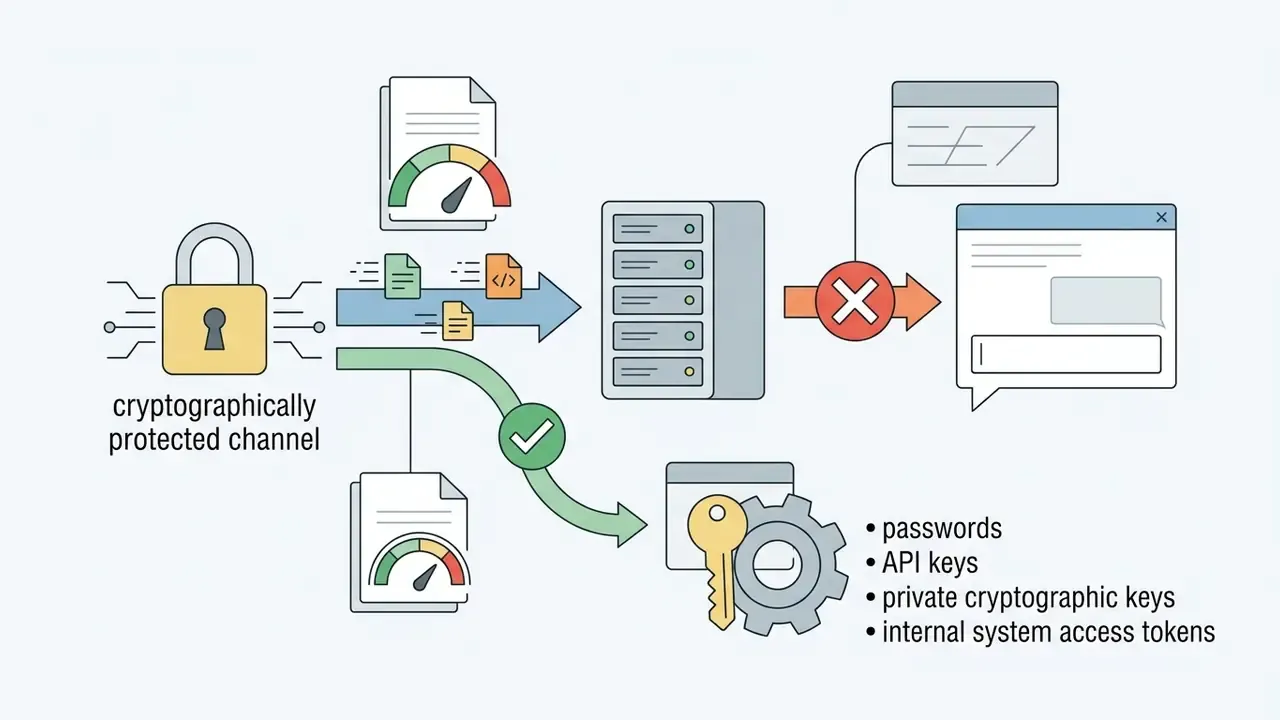

«In agentic LLM applications, attackers can steal private data via prompt injection or tool-output manipulation, opening a new, highly exploitable attack surface.»
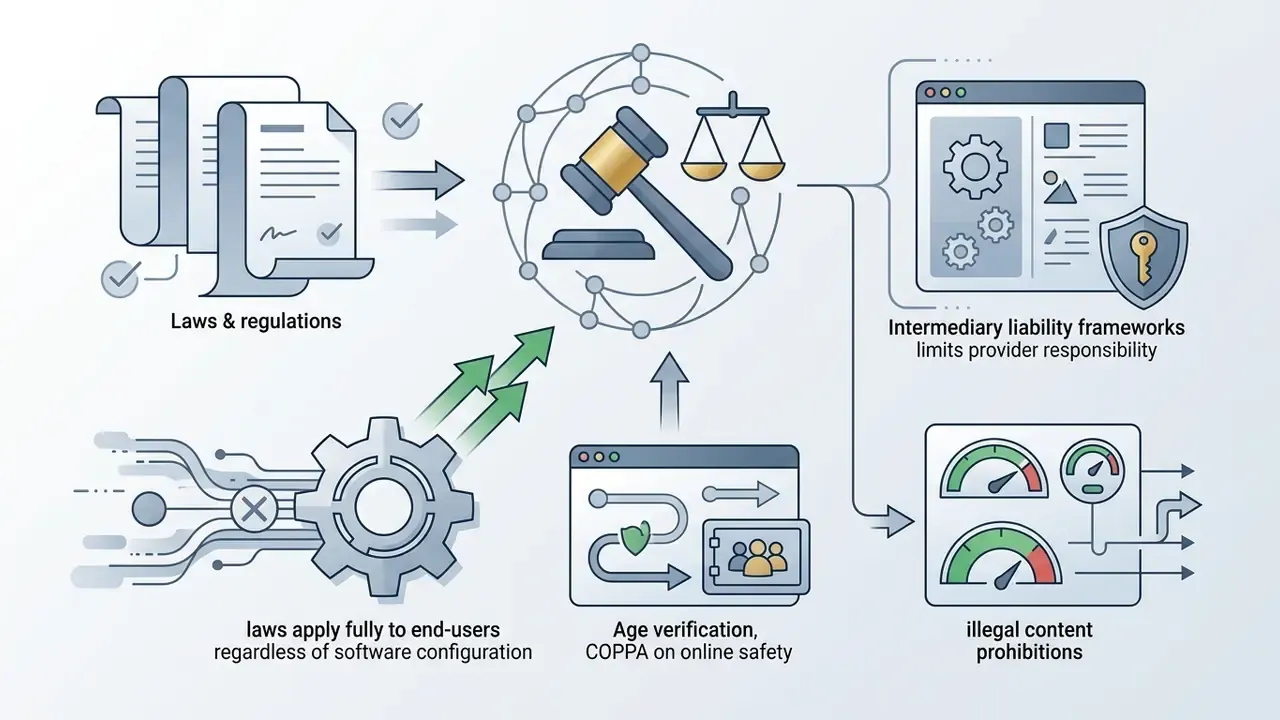
8.2 Why "No Filter" Does Not Grant Exemption From Laws or Platform Rules
A common misconception among users of best no filter ai apps is that an "unfiltered" positioning grants complete legal immunity or freedom from operational rules. It does not. Platform marketing claims do not override statutory law or infrastructure contracts.
«Most jailbreak techniques are detected by at least one safety filter; the only question is whether the platform chooses to deploy them.»
9. FAQ About AI Apps With No Filter
Can you use AI apps with no filter on mobile devices?
Yes. You can access ai apps with no filter on mobile devices primarily through Progressive Web Apps (PWAs) and mobile web browsers on both iOS and Android. Dedicated native app store downloads for unfiltered tools are frequently restricted by Apple App Store and Google Play Store content policies, so most platforms ship a fully responsive mobile browser interface instead. Mobile browser performance depends heavily on OS-level web engines. On iOS devices, browsers have historically been required to use Apple's WebKit engine, which imposes specific constraints on local storage limits, background processing, and push behavior compared with Android environments; installable PWA support has expanded incrementally, with third-party browser PWA support arriving from iOS/iPadOS 16.4. PWAs installed to the home screen provide full-screen mobile chat experiences. Running fully local, self-hosted LLMs directly on mobile hardware remains limited by device RAM and thermal throttling.
What is the difference between an open-source model and an uncensored SaaS platform?
An open-source (or open-weight) model provides public access to model weights, so you can download and execute the AI locally on your own hardware using frontends like SillyTavern. An uncensored SaaS platform hosts the model on remote cloud servers and charges for access through a web application interface. Self-hosting open-source models delivers complete data privacy and eliminates recurring subscription fees, but requires technical setup and high-performance GPU hardware. Uncensored SaaS platforms offer immediate convenience and zero hardware requirements, at the price of trusting the provider's server security and data retention policies. The same self-hosted-versus-hosted trade-off shows up across generative tooling, so see our comparison of the best AI art generators by pricing and usage rights for a parallel analysis.
Are free unfiltered AI apps safe to use?
Free unfiltered AI apps are safe to use provided you do not submit sensitive personal data (PII), passwords, or confidential information to the chat interface. Because free platforms must cover computational overhead somehow, some implement aggressive data logging, deploy advertising trackers, or thin out privacy protections on zero-cost tiers.
«A study of membership inference in federated LLMs revealed substantial privacy vulnerabilities even when differential privacy mechanisms were applied.» — Analysis of Privacy Leakage in Federated Large Language Models (2024). To stay safe when using free uncensored AI tools:
- Use burner email addresses or anonymous login methods during registration.
- Never share real financial, medical, or personal identity details in prompts.
- Prefer local frontends or privacy-centric platforms with verified zero-data-retention policies.
- Treat any generated file (script, archive, document) as untrusted input and scan it before opening.
What are the legal implications of using unfiltered AI under the EU AI Act?
Personal execution of open-weight models locally is generally permitted. Commercial deployment of unaligned models, however, must comply with the EU AI Act's risk-classification framework and its transparency obligations, which require users to be informed when they are interacting with an AI system. Platforms hosting unfiltered AI must enforce age-gating procedures (18+) to comply with international laws governing youth protection and data privacy, and separate national legislation is adding duties to mitigate harmful chatbot behavior in services accessible to minors. Generating or distributing illegal content remains prosecutable regardless of where the model runs.
What is the best free Character.AI alternative?
Janitor AI, with limited competition. It is free, unfiltered on text, and hosts the largest community bot library. SpicyChat is the fastest start with the least setup, at the cost of memory. SillyTavern paired with a local model is the strongest option overall if you are willing to spend an evening on setup, because you own the stack and the logs.
Which platform keeps my chats if a bot gets deleted?
Only self-hosted setups genuinely keep your data on your side, SillyTavern in particular, where chats and character cards are files on your disk. On every hosted app, assume deletion is possible and back up anything you would grieve losing, using the export protocols in Section 4.7.
How do I justify open-weight uncensored models to internal audit?
Present three artifacts: (1) a documented business need with the rejected alternatives, (2) an architecture diagram showing an isolated inference environment with an external guardrail layer, DLP inspection, and immutable audit logging, and (3) a completed validation package per Section 7.1 including variance statistics, hallucination rate, red-team results, and independent review sign-off. Audit resistance almost always comes from missing evidence, not from the model choice itself.
How do I isolate traffic when working through an unfiltered API?
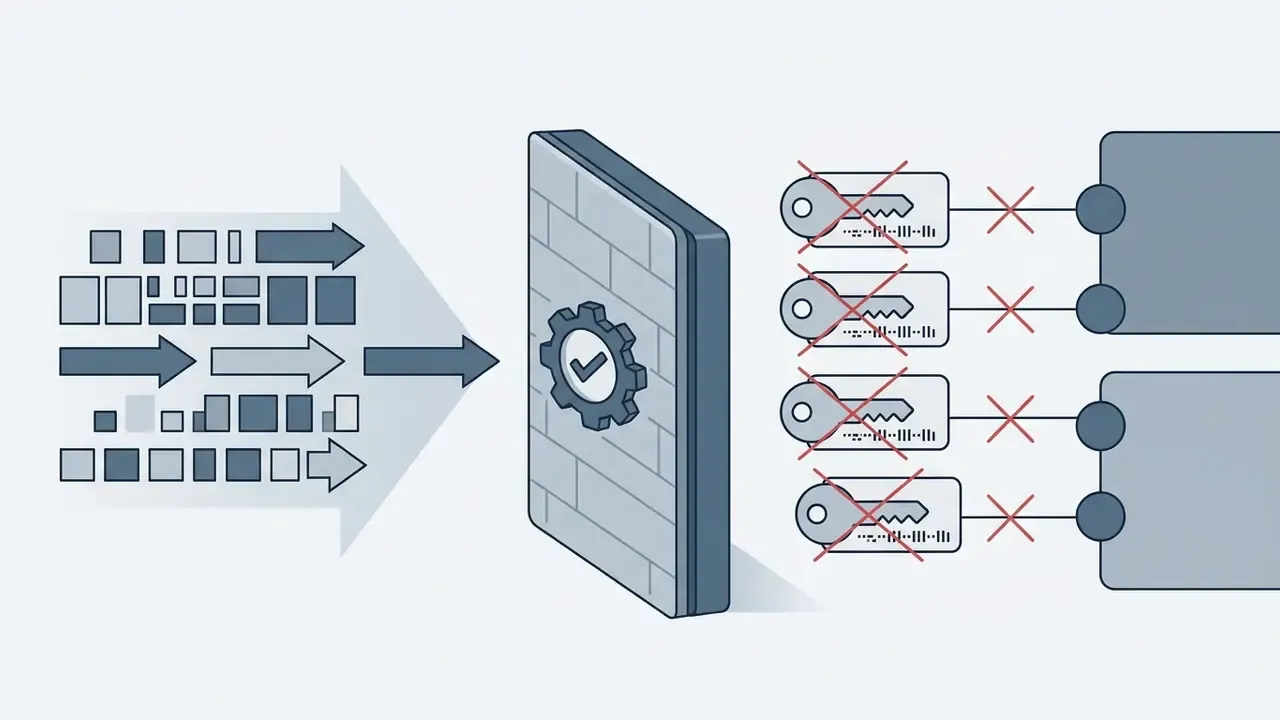
Route all inference through a single controlled egress proxy with allow-listed endpoints, terminate TLS at the proxy for DLP inspection where legally permissible, strip and tokenize identifiers before they reach the model, log request and response pairs immutably, and issue short-lived per-service API keys rather than shared organizational keys. Block direct client-to-provider connections at the firewall so all traffic stays observable.
Why do some "no filter" apps still block content?
Because low filtering is not zero filtering. Refusals can originate from a front-end classifier, a middleware moderation API, latent alignment in the base weights, or the hosting provider's AUP: four independent sources. A platform can disable its own filter and still hit refusals from the model, or keep a permissive model and still remove content via a human moderation team. That gap is exactly where users get burned.
10. Next Steps and Deployment Recommendations
Evaluating and selecting the right AI app with no filter means looking past promotional claims and examining the actual technical architecture at the model, platform, and privacy layers. Consumer marketing conflates "no filter" with absolute operational freedom. Real deployments are governed by hard infrastructural constraints, context window ceilings, and legal requirements.
«Adaptive attacks with suffix optimization achieve a 100% success rate against a broad range of open and proprietary models, including GPT-4o and Claude.»
The practical reading of that finding is blunt: filters are a friction layer, not a boundary. Plan your controls, your data hygiene, and your backups accordingly.
To compare additional software workflows and licensing frameworks across digital media applications, explore our related guides on AI Media Pricing Guides and AI Media Calculators to optimize your media production stack. You can also review our detailed analysis of view the guide for commercial media usage rules, our practical YouTube video editing workflow guide, or consult our glossary for technical term definitions across AI systems.
Appendix A: Superseded and Updated Statements
Appendix B: Review and Verification Log