About the reviewer: Marcus Hale is the author. The perspective focuses on model risk and AI governance assessments for multimodal consumer applications, with attention to data retention, content moderation architecture, and licensing exposure. No real employer, client, or regulatory role is implied. Last updated: Q1 2026.
Executive Summary
- What these products are A free AI girlfriend with pictures is a multimodal companion app that pairs a large language model (dialogue, memory, persona) with a text-to-image diffusion pipeline (selfies, portraits, scenes) inside one chat thread.
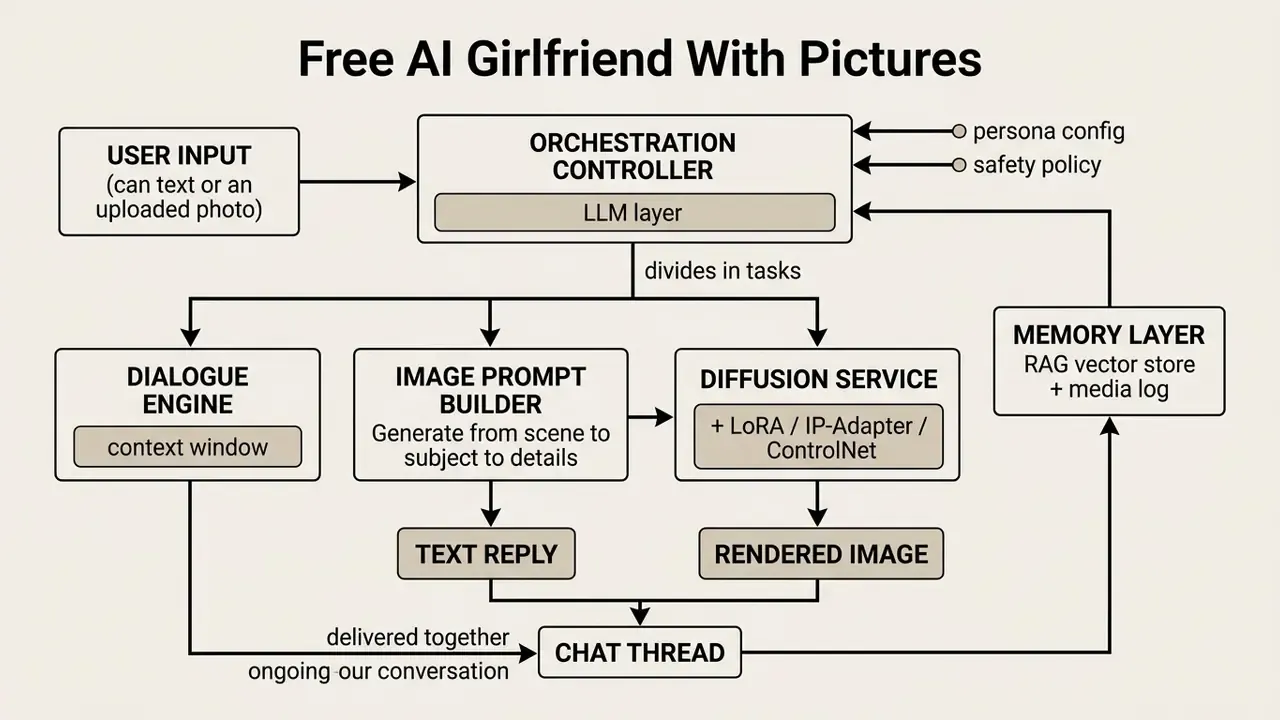
- How the architecture works The LLM acts as an orchestration controller; image generation runs as a separate service invoked from conversation context, with identity held stable through LoRA weights, IP-Adapter embeddings, or ControlNet pose guidance.
- What "free" actually means Free tiers function as lead generation. Expect daily image caps, smaller context windows, standard (slower) render queues, and voice, HD output, and video locked behind paid plans.
- Practical control levers Prompt hierarchy (scene, subject, details, constraints), reference images for face and pose locking, negative prompt lists to suppress anatomical artifacts, and mood or scene presets to set tone before the first message.
- Privacy and compliance Chat logs, uploaded photos, and generated media are typically retained server-side and may be ingested for fine-tuning unless an opt-out exists. California SB 243 (effective January 1, 2026) requires AI-disclosure notices for companion chatbots; most platforms are 18+ only.
- Commercial use Purely AI-generated output without substantial human creative input is not copyrightable in the U.S., and free tiers usually grant personal-use licenses only. Commercial rights come from the platform contract, not from copyright.
- Market context Commercial market coverage estimates the AI companion and girlfriend app segment at roughly USD 3.08 billion in 2025, projected toward USD 19.09 billion by 2035 at about 20% CAGR (commercial market report, 2025; a vendor forecast, not a regulatory figure).
How to read this review
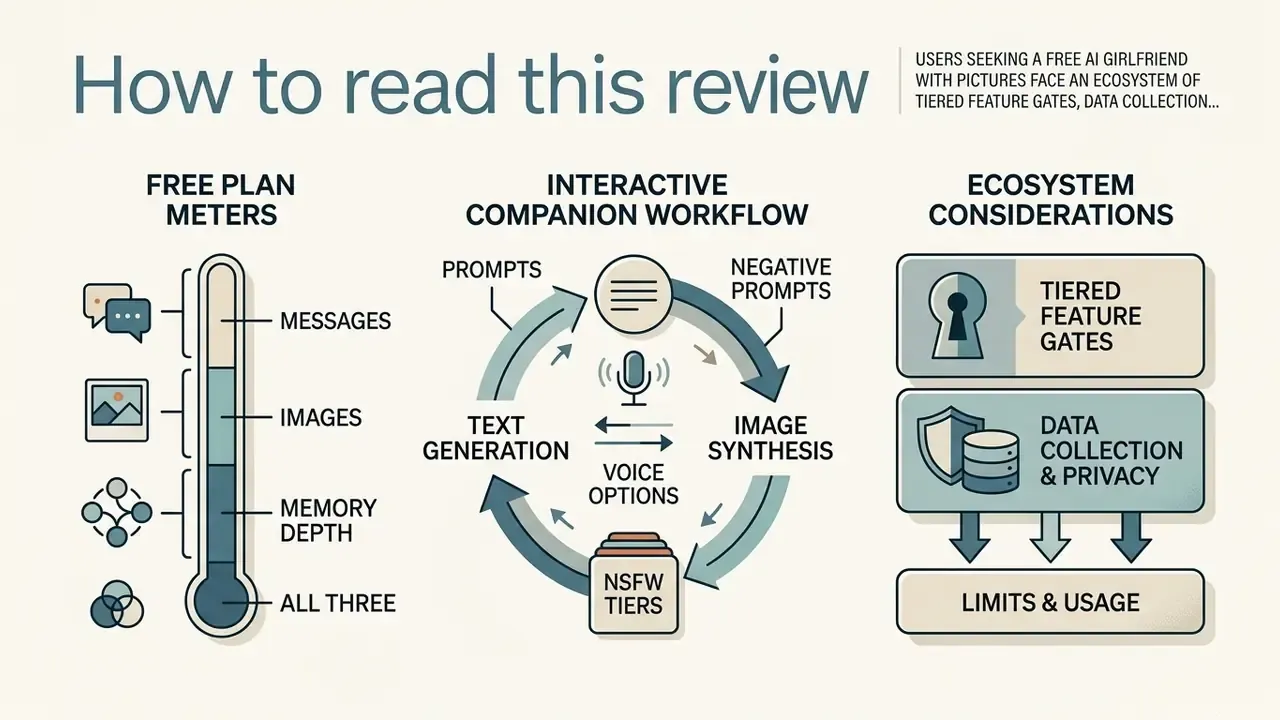
Three questions decide most of these purchases, and they rarely appear in vendor marketing.
First, what does the free plan actually meter: messages, images, memory depth, or all three? Second, where does your data physically live after you close the tab? Third, who owns the render you just downloaded? Everything below is organized around those three questions, in that order, with pricing verification dates attached wherever public terms were checkable.
One caveat before we start. This category moves fast, feature pages change without notice, and several popular services publish no primary documentation at all. Where a claim could not be traced to an official page or a peer-reviewed source, it is labeled as such.
Evaluating interactive companion platforms requires understanding how text generation and image synthesis operate together under consumer limits. Modern virtual girlfriend platforms combine large language models (LLMs) with text-to-image diffusion pipelines to deliver multimodal relationship simulations.
Users seeking a free AI girlfriend with pictures face an ecosystem of tiered feature gates, data collection trade-offs, and variable rendering consistency. This analysis reviews technical architectures, feature selection criteria, pricing mechanics, privacy protocols, voice synthesis, moderation tiers, and commercial usage rights.
What Is a Free AI Girlfriend With Pictures?
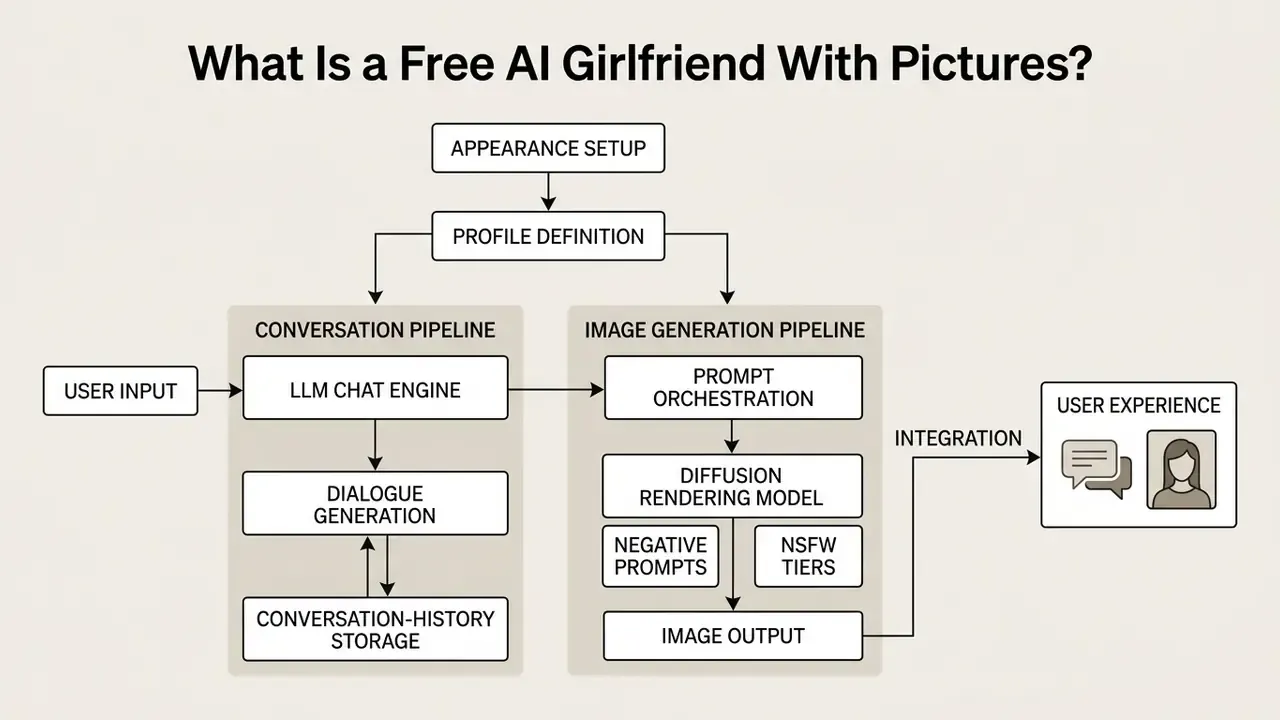
A free AI girlfriend with pictures is a multimodal digital companion that combines text-based conversational modeling with visual image generation inside a single chat interface. These platforms let users hold ongoing dialogue while requesting, or automatically receiving, context-aware images, visual selfies, or stylized portraits of the virtual persona.
«Large 2025 surveys found that roughly 16–18% of respondents had at least once tried an AI as a romantic partner.»
How AI girlfriend chat and image generation work together
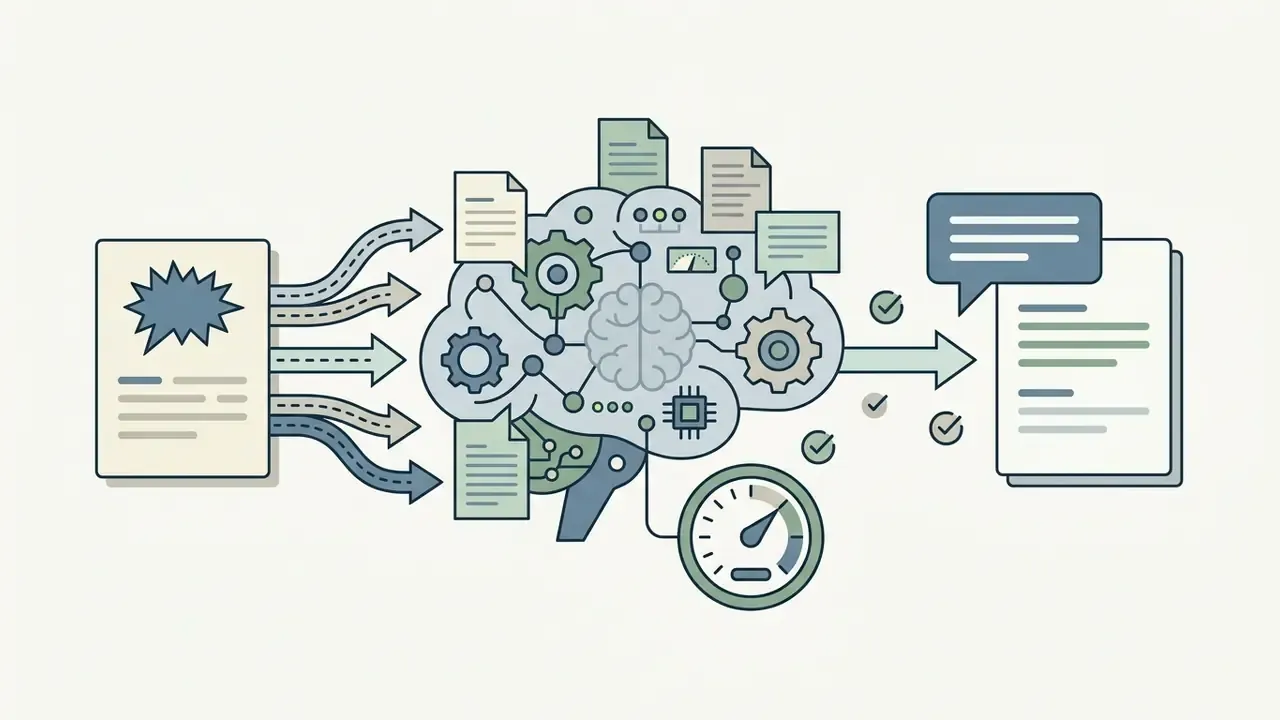
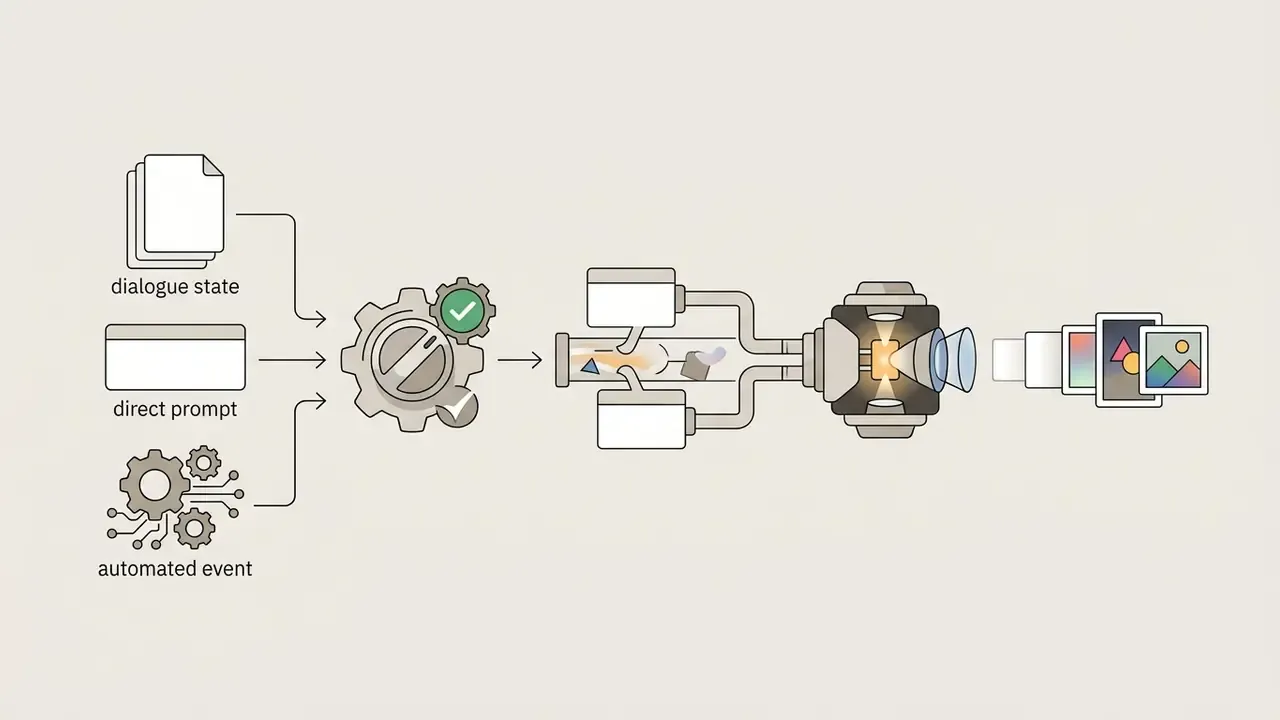
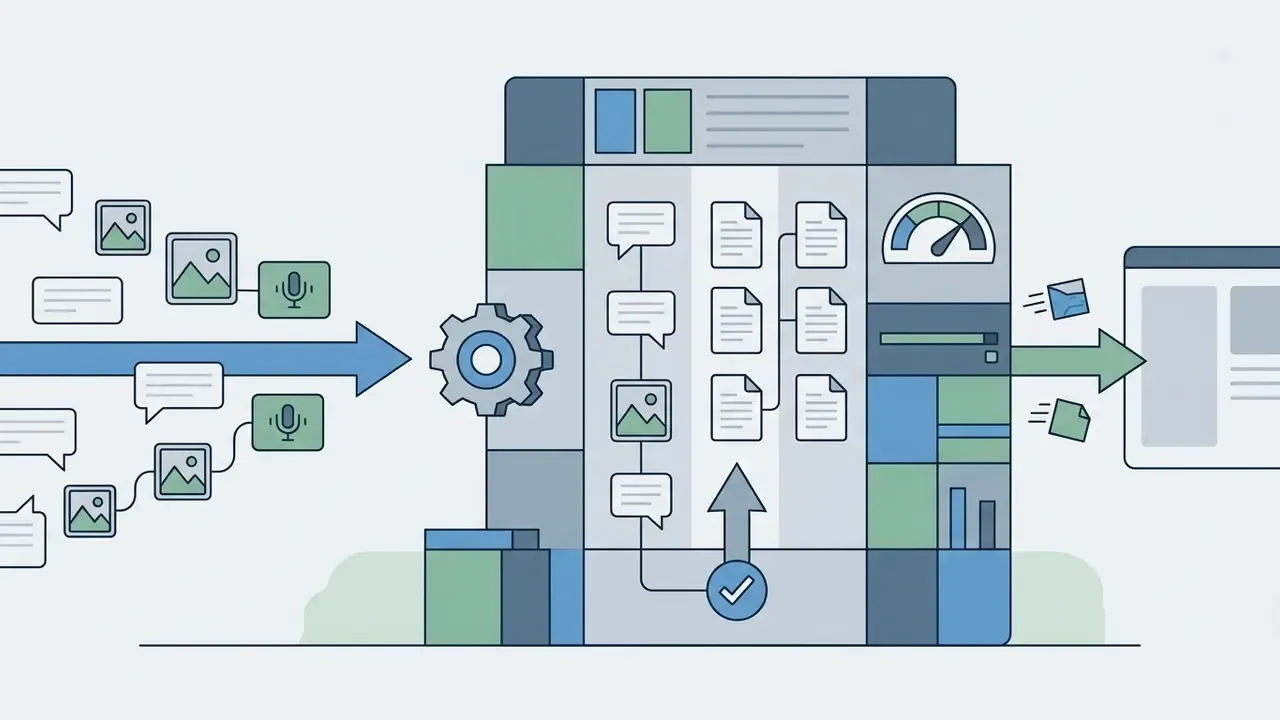
Hybrid companion systems connect text conversation engines with visual generation pipelines through a central orchestration controller. In modern architectures, an LLM handles natural language understanding, sentiment tracking, and conversational context, while delegating visual tasks to separate diffusion models such as Stable Diffusion or proprietary rendering endpoints.
Research on unified framework orchestration, such as DiffusionGPT (arXiv, 2024), shows how an LLM controller parses user instructions, selects an appropriate generation model, and builds the prompt. Related work in DiffChat (arXiv, 2024) aligns an LLM with Stable Diffusion-class models so conversational instructions become target image prompts, while GILL (NeurIPS, 2023) demonstrates a single multimodal pipeline that generates text, retrieves images, and synthesizes new ones from interleaved inputs.
When a user asks for an image mid-conversation, the controller translates dialogue history and character attributes into a structured image prompt. The generator renders the file and returns it into the chat interface, producing what feels like a seamless ai girlfriend chat and pictures exchange inside one thread. Protocol-level implementations, for example MCP-style image-generation servers documented in 2025, confirm the separation: any chat client can trigger generation through a standardized interface, rather than the language model painting pixels itself.
A small but useful detail. Because the two services are decoupled, an outage in the image backend usually leaves chat working, which is why you sometimes get a warm reply and a broken thumbnail.
Generated pictures, selfies, and images sent in chat
Images delivered in virtual companion chats fall into two technical categories: pre-rendered static assets and dynamically generated diffusion outputs. Pre-rendered assets rely on fixed media libraries mapped to dialogue triggers. Dynamic generation synthesizes new images on demand from scene descriptions, poses, or explicit user requests.
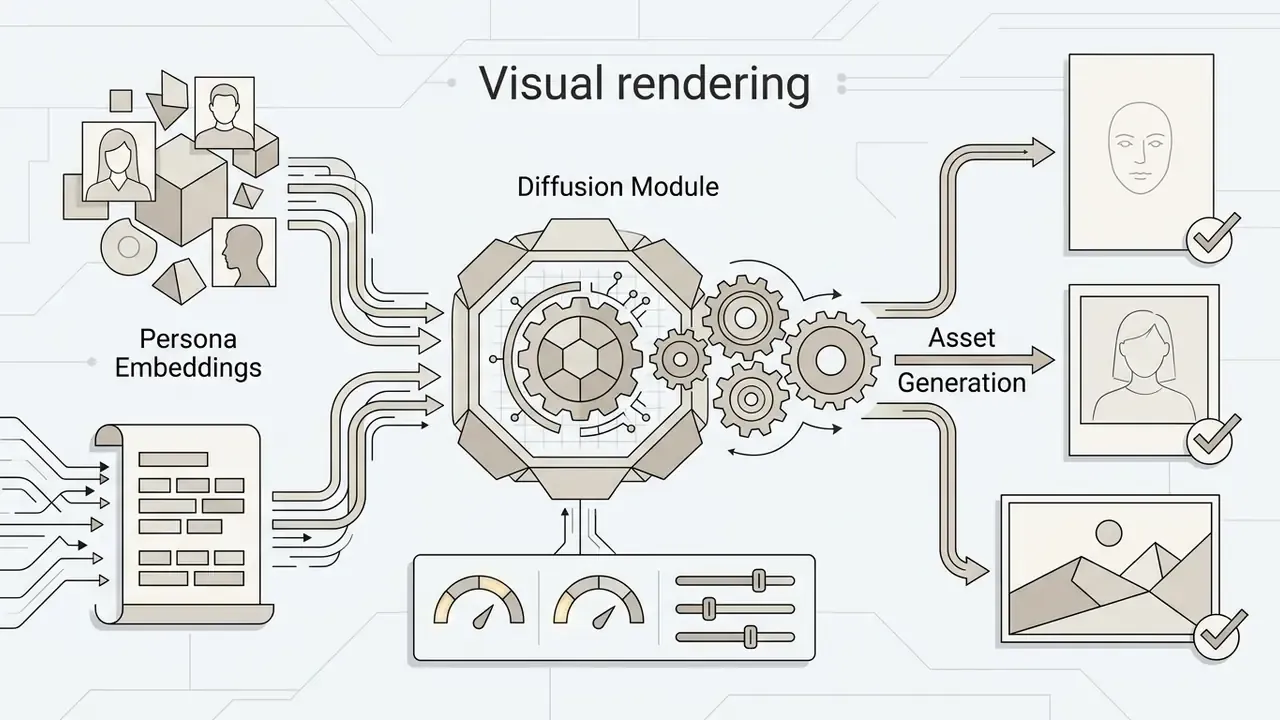
Maintaining visual consistency across sessions remains the hard part. Platforms preserve visual identity using Low-Rank Adaptation (LoRA) weights, IP-Adapter modules, or ControlNet pose guidance. Research on consistent character generation (Consistent Characters in Text-to-Image Diffusion Models, 2024) shows that extracting subject identity into lightweight LoRA weights lets diffusion models render the same visual persona across varying environments, outfits, and angles. Follow-up work such as CharaConsist: Fine-Grained Consistent Character Generation (arXiv, 2025) makes clear that identity stability is still an open research problem. Control-LoRA documentation from 2025 notes that ControlNet models can be compressed into rank-256 files, roughly 738 MB against the original 4.7 GB, which is precisely what makes pose control practical inside a consumer app.
When an ai girlfriend that sends pictures delivers a contextual selfie, the framework conditions the diffusion model on saved identity parameters to keep facial features recognizable. Readers who want to benchmark the underlying rendering engines separately can compare free AI image generators and leading AI image generators by output fidelity and licensing.
For users interested in turning static graphics into motion, specialized tools such as a free ai photo to video generator offer motion synthesis pipelines driven by audio or pose inputs.
Features to Look For in an AI Girlfriend With Images
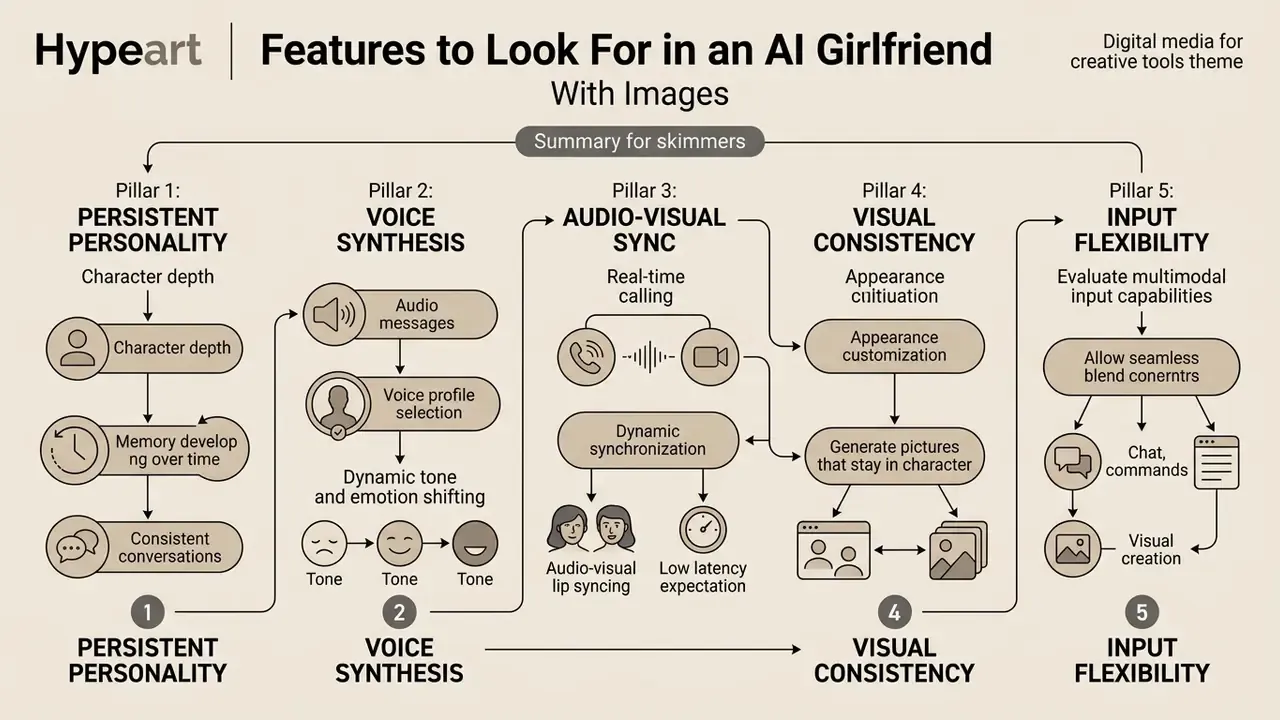
Selecting a virtual companion platform means evaluating multimodal input capabilities, character memory depth, parameter controls, voice synthesis quality, and visual customization flexibility. The better platforms balance natural language ability with precise visual controls, so the digital identity stays believable over weeks rather than minutes.
Personality, memory, and conversations that develop over time
Long-term engagement depends heavily on memory architecture and persona coherence. Modern companion applications implement hybrid memory structures: a short-term context window plus a long-term Retrieval-Augmented Generation (RAG) vector store. Short-term memory carries immediate conversational flow, while the RAG database indexes past disclosures, user preferences, and shared interaction histories.
Studies evaluating persona-aware memory frameworks, such as ID-RAG (2025), report that external memory layers meaningfully reduce identity drift and improve recall across multi-session interactions. When an ai girlfriend with images references something you said three weeks ago, the platform is retrieving vector-indexed interactions and feeding them into both the text reply and the visual prompt. That structure builds emotional resonance, and it stops the persona from sliding back into a generic default script.
That trade-off matters for evaluation. Memory depth is simultaneously the feature that makes a companion feel coherent and the mechanism that increases emotional stickiness. Which is why governance reviews treat retention settings and usage limits as safety controls rather than convenience toggles.
Voice synthesis, audio messages, and real-time calling features
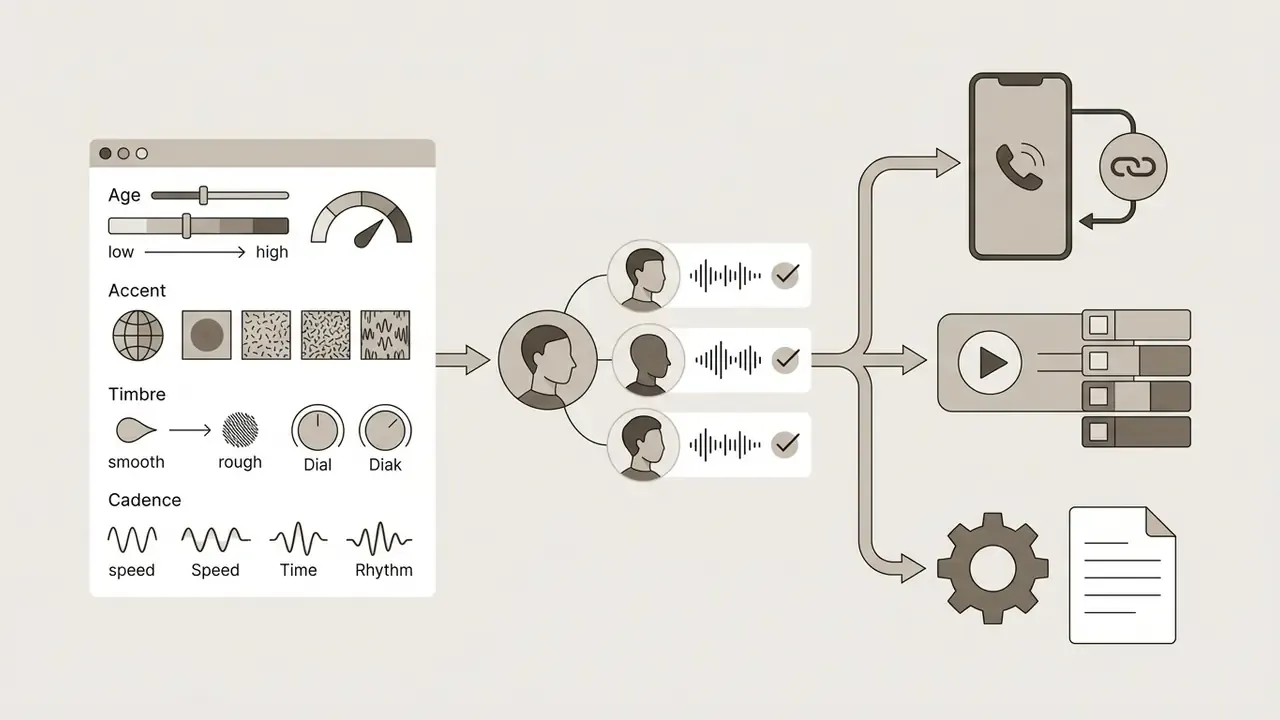
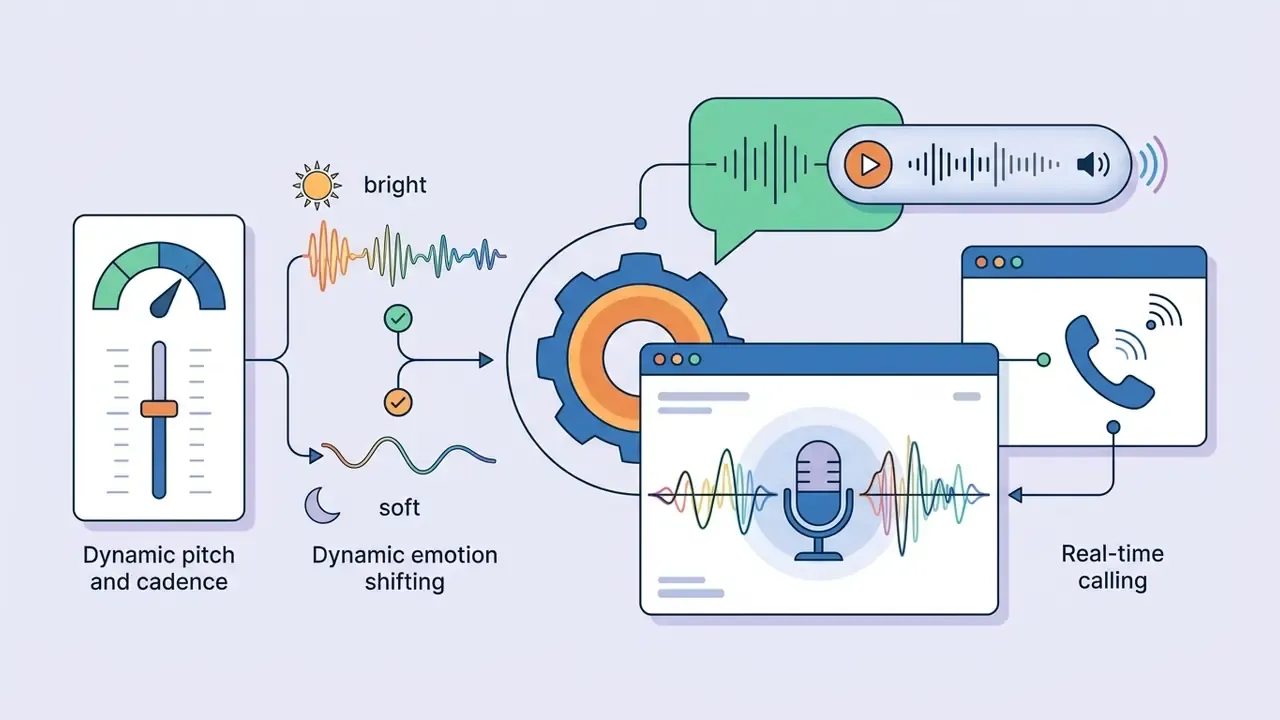
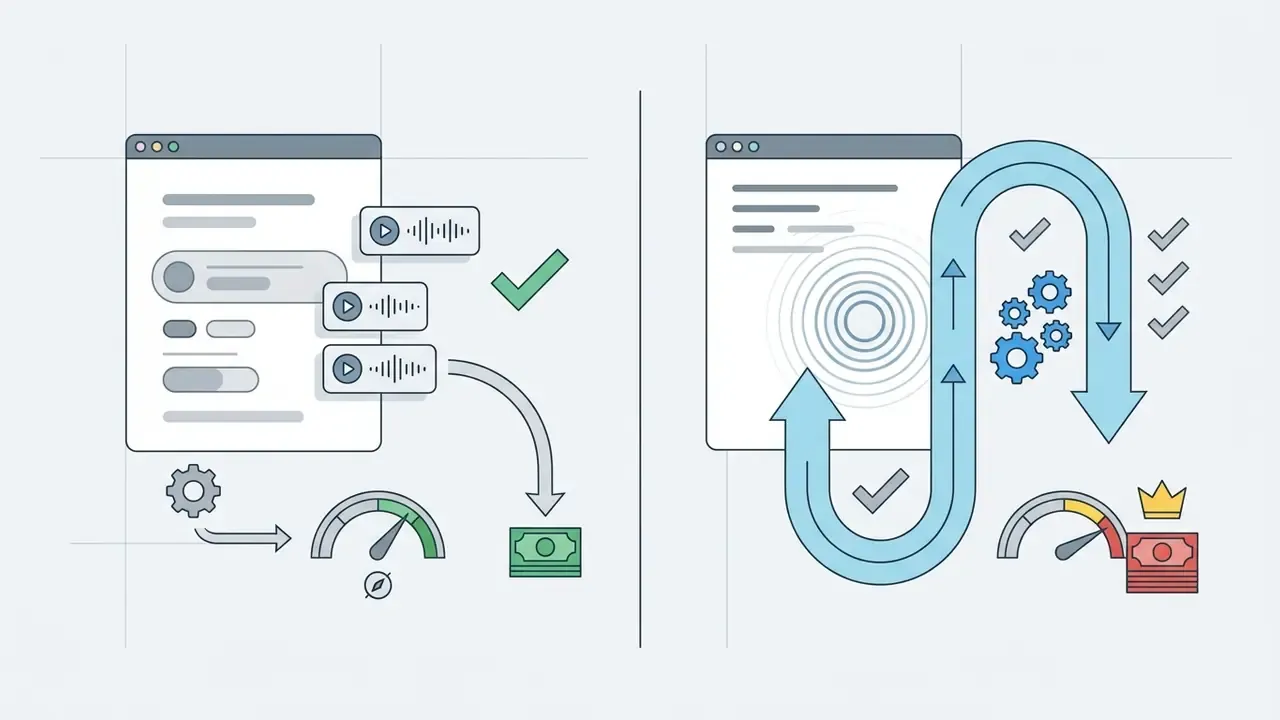
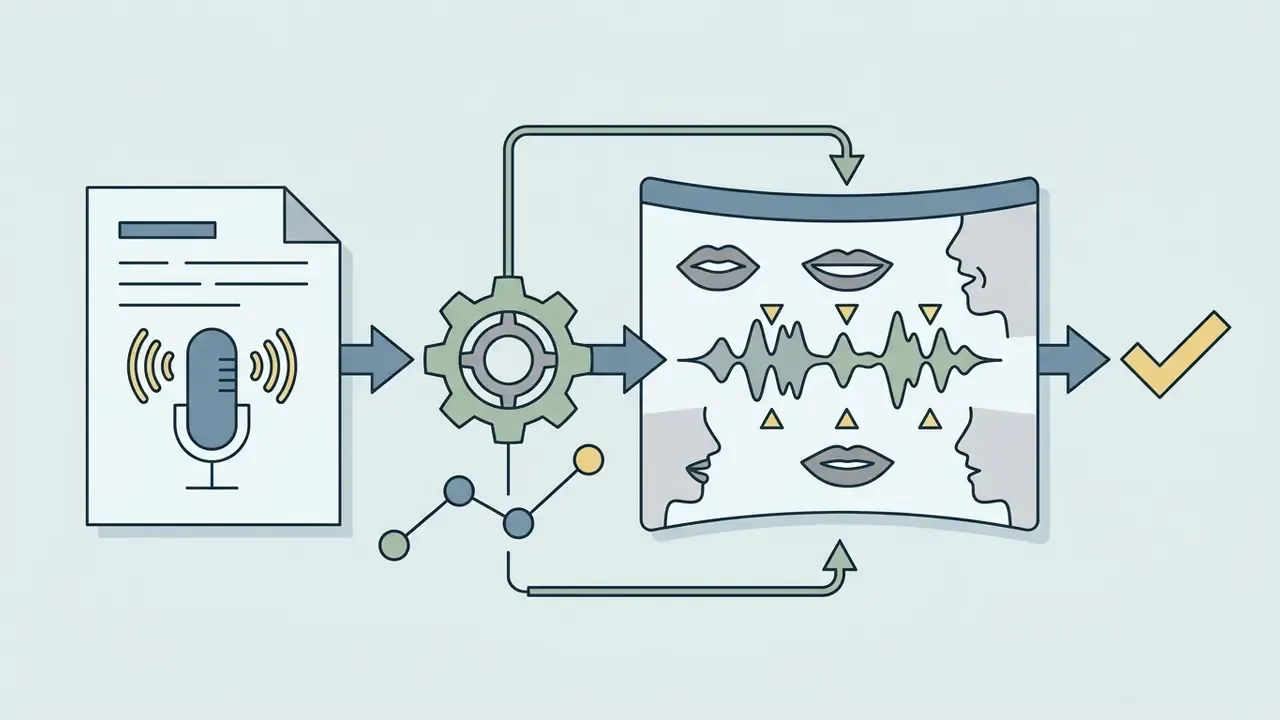
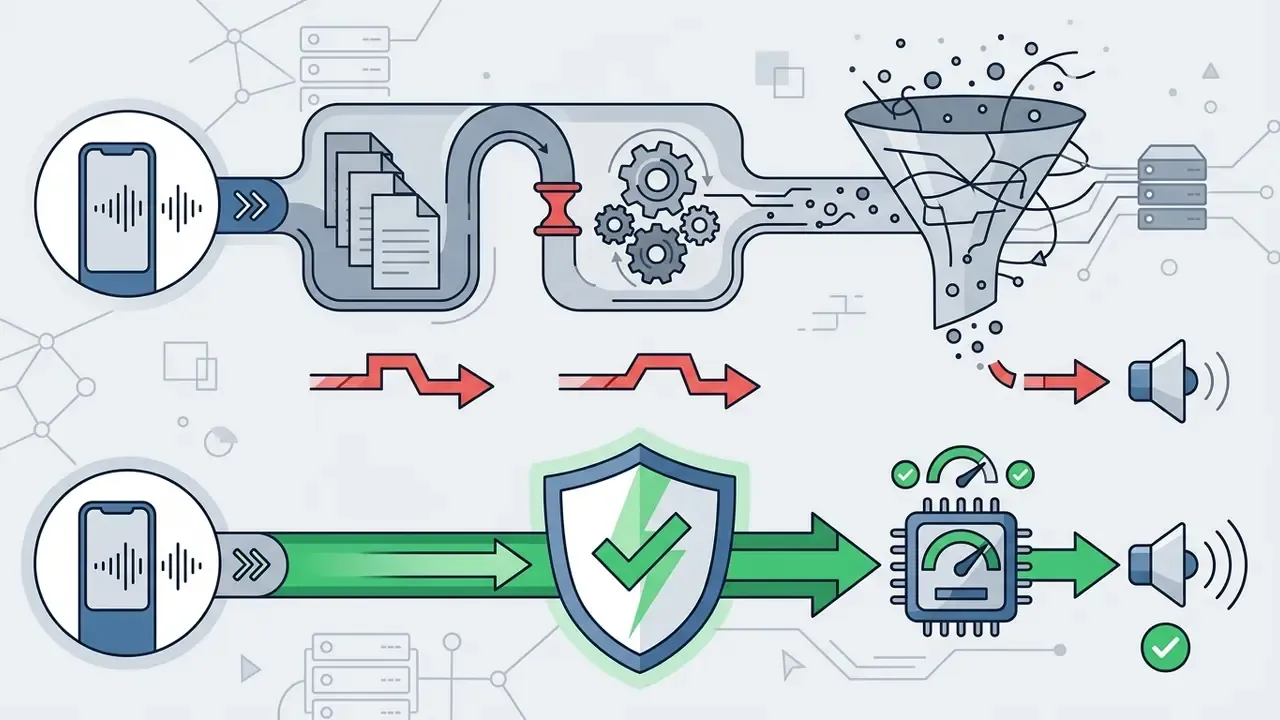
Modern multimodal companion platforms supplement text and image generation with neural text-to-speech (TTS) engines and low-latency audio streaming. Voice is now the clearest line between free and paid tiers, and vendor documentation is genuinely inconsistent: some services include voice messages on every account, while most competitive comparisons place voice calls behind a subscription.
For a deeper technical comparison of TTS quality, language coverage, and licensing terms, see our guide to AI voice generators.
Appearance customization and pictures that stay in character
Visual personalization lets users define artistic style, facial structure, hair, and clothing. Platforms generally support two aesthetic directions: photorealistic rendering and anime or illustrated art styles. Standard controls include prompt-based descriptors, reference image uploads, and parameter toggles for aspect ratio and resolution tier.
Documented 2026 feature sets show how granular these controls have become. One platform (Secrets AI) advertises up to 5 reference photos per companion, prompts up to 2,000 characters, aspect ratios of 1:1, 16:9, 9:16, 4:3, and 3:4, plus output tiers at 1.5K and 2K resolution.
| Customization Feature | Photorealistic Style | Anime / Illustrated Style |
|---|---|---|
| Facial identity preservation | LoRA weights, IP-Adapter, or reference facial embeddings | Specialized anime checkpoints and ControlNet line-art guidance |
| Stylistic flexibility | High fidelity to lighting, camera angles, real textures | High adherence to line art, color saturation, expressive angles |
| Render controls | Prompt modifiers for lens type, lighting, real-world framing | Checkpoint toggles, art style presets, cel-shading parameters |
| Generation constraints | Sensitive to anatomical anomalies in complex poses | Stable across stylized poses and exaggerated expressions |
To benchmark visual customization tools across broader creative workflows, consult our AI Media Comparison Matrices for feature breakdowns, or review how leading AI image generators handle resolution tiers and usage rights.
What "Free" Means for AI Girlfriend Chat and Pictures
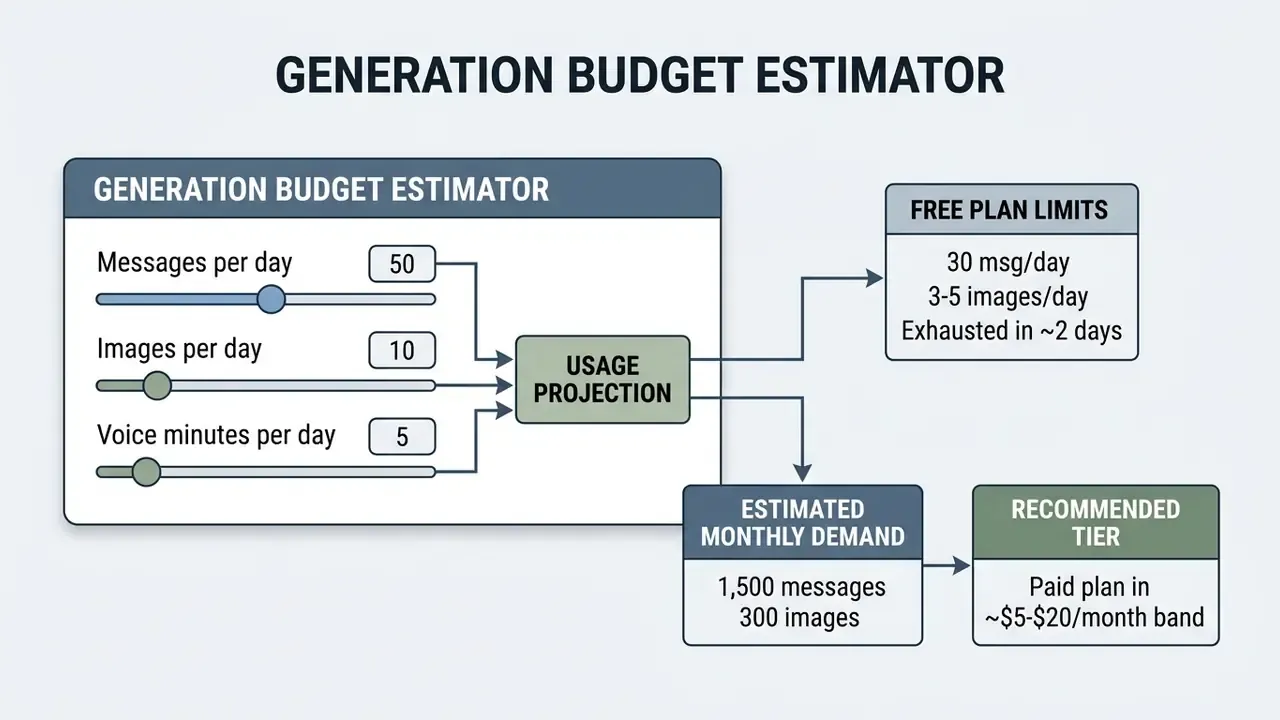
Interactive token and image budget estimator: enter daily message, image, and voice volume to see when a free tier runs out and which paid band matches actual usage.
Free access tiers in virtual companion applications work primarily as lead generation, designed to introduce basic features before the conversion prompt appears. Running multimodal systems with both an LLM and a diffusion model costs real compute, so unrestricted free generation is financially unsustainable for providers. No mystery there.
In other words, "free" is often subsidized by data collection as much as by conversion pressure. That is exactly why retention terms belong in the same evaluation as feature caps, not in a separate legal review nobody reads.
Free chat, free pictures, and image-generation limits
Free tiers universally impose boundaries across daily interaction volume, image rendering capacity, context window size, and response priority. Text conversation may get a moderate daily message allocation, while image generation is routinely restricted by daily token caps, credit refresh cycles, or resolution limits.
- Daily generation caps (updated): There is no single industry number. Free image generation follows a documented pattern of small daily allowances that refresh on a rolling cycle. Adobe states that free users receive a limited number of daily generative credits that reset each day, and OpenAI's pricing documentation lists 3 image generations per 24-hour period for ChatGPT Edu, with additional use drawing on paid credits. Companion apps mirror that pattern with low single-digit daily renders on free accounts. Exact figures vary by vendor and change often, so verify on the live pricing page.
- Context window constraints: Free text chats typically use smaller context windows, limiting long-term recall against premium tiers. Vendor help centers say this plainly; Anthropic, for instance, describes chat length limits as a function of the model's context window.
- Queue delays: Free requests are routed to standard compute queues, which stretches rendering time at peak traffic. Some providers document explicit background queues (Adobe allows up to 20 queued video generations with no stated completion time), and the same pattern applies to image batches in companion apps.
- Media restrictions: High-resolution renders, voice calls, and video generation are usually locked behind premium plans.
So an ai girlfriend that can send pictures free during onboarding may still require credit purchases or a subscription once the promotional balance runs dry. Most users hit that wall in the first week.
How to compare free plans and paid upgrades
Comparing companion platforms means weighing zero-cost usage caps against subscription cost. Paid plans generally unlock priority server processing, expanded long-term memory storage, high-definition image output, and uncensored or adult interaction parameters.
| Feature Category | Free Access Tier | Paid / Premium Subscription |
|---|---|---|
| Messaging capacity | 15–30 messages/day or a monthly token allotment (some plans ~50–100/month) | Unlimited or expanded limits (for example 100+/day, 1,000+/day) |
| Image generation | 3–5 daily images; low-resolution output; sometimes blocked entirely | High daily or monthly credits; 1.5K–2K resolution output |
| Memory capacity | Short-term context window; session-based memory | Persistent RAG vector database; long-term persona tracking |
| Voice and media | Text-only on most plans; voice preview only (some vendors include voice notes free) | Unlimited voice messages, audio calls, custom media requests |
| Processing priority | Standard public queue; delayed render processing | Dedicated compute nodes; low-latency priority queue |
| NSFW access | Commonly blocked or filtered | Frequently unlocked with adjustable intensity settings |
| Privacy controls | Basic defaults; limited retention settings | Additional controls, ad-free use, stronger deletion and export options |
Note: pricing and free-tier structures verified across public app store listings and platform service terms as of Q1 2026. Key limits worth re-checking yourself: daily image cap, memory persistence, and whether NSFW access changes the retention policy.
Fact check and pricing verification (Q1 2026):
Users managing media costs across generative tools can evaluate licensing structures on our AI Media Pricing resource hub, or review how commercial use of AI image generators is priced across major engines.
Best Free AI Girlfriend Websites With Pictures: How to Compare Options
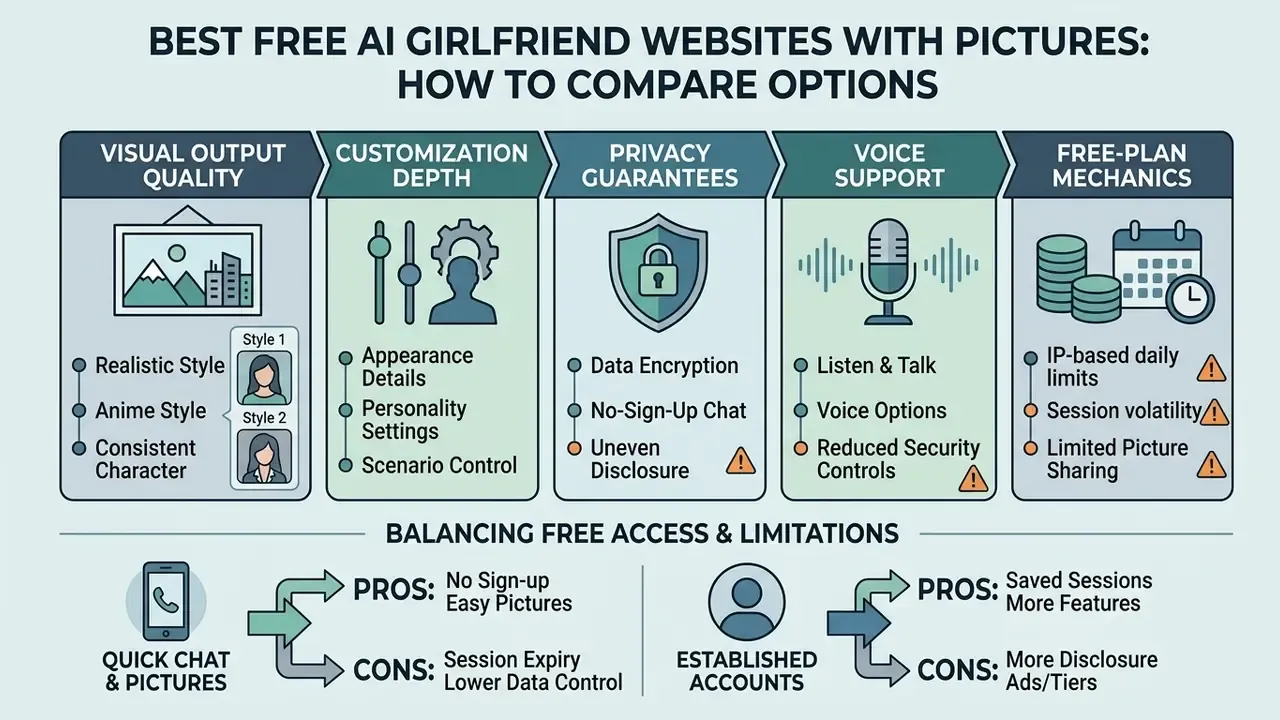
Evaluating virtual companion platforms requires comparing visual output quality, customization depth, privacy guarantees, voice support, and free-plan mechanics. Services target distinct niches, from privacy-focused local models to specialized anime platforms and high-definition photorealistic generators.
AI girlfriend apps for realistic, anime, and customizable pictures
Companion applications choose rendering engines around audience preference. Realistic-first apps use custom photorealistic checkpoints tuned for human portraits, lighting, and skin texture. Anime-first platforms lean on stylized diffusion models that produce vibrant illustrated assets with tight adherence to character design sheets. Several services expose a direct realistic/anime toggle; others ship a style library plus reference-image upload for deeper customization.
| Platform Name | Free Tier Availability | Primary Rendering Style | Customization Depth | Voice & Audio Support | Primary Privacy Protocol |
|---|---|---|---|---|---|
| MyAnima | Free basic access; memory-enabled chat | Photorealistic and stylized | High (persona and memory tuning) | Supported (voice messages) | Encrypted storage; account-based retention |
| Candy AI | Tiered credit allocation; limited previews | Photorealistic and anime | High (appearance, outfit, persona) | Supported in premium tiers | Standard SSL/TLS; server-side media logs |
| Nomi AI | Free tier with message caps | Photorealistic and anime | High (long-term memory adaptation) | Integrated voice features | Confidentiality emphasis; encrypted chats |
| Nectar AI | Daily token refresh; messaging quotas | Photorealistic and anime | Medium (prompt and image presets) | Voice chat on higher tiers | Standard platform terms; data retention |
| AIGirlfriends.ai | On-demand image requests; daily limit | Photorealistic (anime option available) | Medium (style toggles and prompts) | On-demand voice features | Standard web logging; terms-based access |
Comparison of free AI girlfriend platforms with pictures by free-tier structure, rendering style, customization depth, voice support, and privacy protocol. Data compiled from public vendor pages and app-store listings, Q1 2026. No composite rating is assigned, since a transparent scoring methodology would require hands-on testing across identical prompts.
Options for no-sign-up chat and frequent picture sharing
Platforms that skip mandatory account creation let users test dialogue and basic image features without handing over an email address or phone number. Guest-access environments rely on session-based browser storage or device identifiers to hold conversation state, which is also why no-account tools tend to publish per-device rather than per-user quotas. Readers comparing tools in this category can review AI image generators with no sign-up for quota and licensing details.
Guest access comes with strict operational safeguards:
- IP-based daily limits Image generation on guest platforms is typically capped at small daily allotments, for example 3–5 images per IP address per day; some general-purpose generators publish caps such as 30 images per device per day.
- Session volatility Clearing browser cache or closing a private window erases local interaction logs and character configurations.
- Reduced security controls Guest environments lack multi-factor authentication (MFA), which makes persistent character storage insecure across devices.
- Uneven disclosure Some no-sign-up services publish exact image caps; others advertise "unlimited conversations" and quietly omit any image-frequency limit.
For developers integrating conversational or visual rendering endpoints into custom applications, explore our structured AI Media API Guides for full documentation.
How to Create an AI Girlfriend From a Picture or From Scratch
Building a custom virtual companion involves defining visual aesthetics, writing a character backstory, configuring behavioral parameters, and starting the dialogue loop. Multimodal platforms let users construct characters from structured text prompts or uploaded reference photos. Vision-capable model documentation spells out the ingestion mechanics: reference images can be supplied as a URL, a Base64 data URL, or a file ID in PNG, JPEG, WEBP, or non-animated GIF format, with high-detail modes available when fine features matter.
STEP 1  Select visual aesthetic ......... realistic / anime / 3D / illustrated
STEP 2  Establish identity ............... traits or reference photo upload
STEP 3  Define persona & backstory ....... system prompt, tone, history
STEP 4  Set relationship parameters ...... romantic / platonic / roleplay
STEP 5  Configure voice ................... profile, accent, cadence
STEP 6  Set moderation & scene preset ..... mood, boundaries, NSFW level
STEP 7  First conversation + test render .. verify persona and face match
STEP 8  Iterate ........................... refine negative prompts, re-anchor face
Step-by-step checklist for creating and configuring an AI girlfriend with pictures, from visual style selection through voice setup and first image generation.
- Select visual aestheticChoose photorealistic, anime, 3D render, or artistic headshot styles.
- Establish identity and appearanceDefine physical traits (hair, eyes, facial structure, clothing) or upload a reference image so the system can extract facial embeddings.
- Define persona and backstoryWrite system prompts covering background, tone of voice, hobbies, and emotional traits.
- Set relationship parametersConfigure relationship style (romantic companion, supportive friend, playful partner) and interaction boundaries.
- Configure voice parametersSelect a synthetic voice profile matching persona age, accent, and cadence.
- Initiate the first conversationTest alignment through introductory dialogue and generate one test portrait before committing to the character.
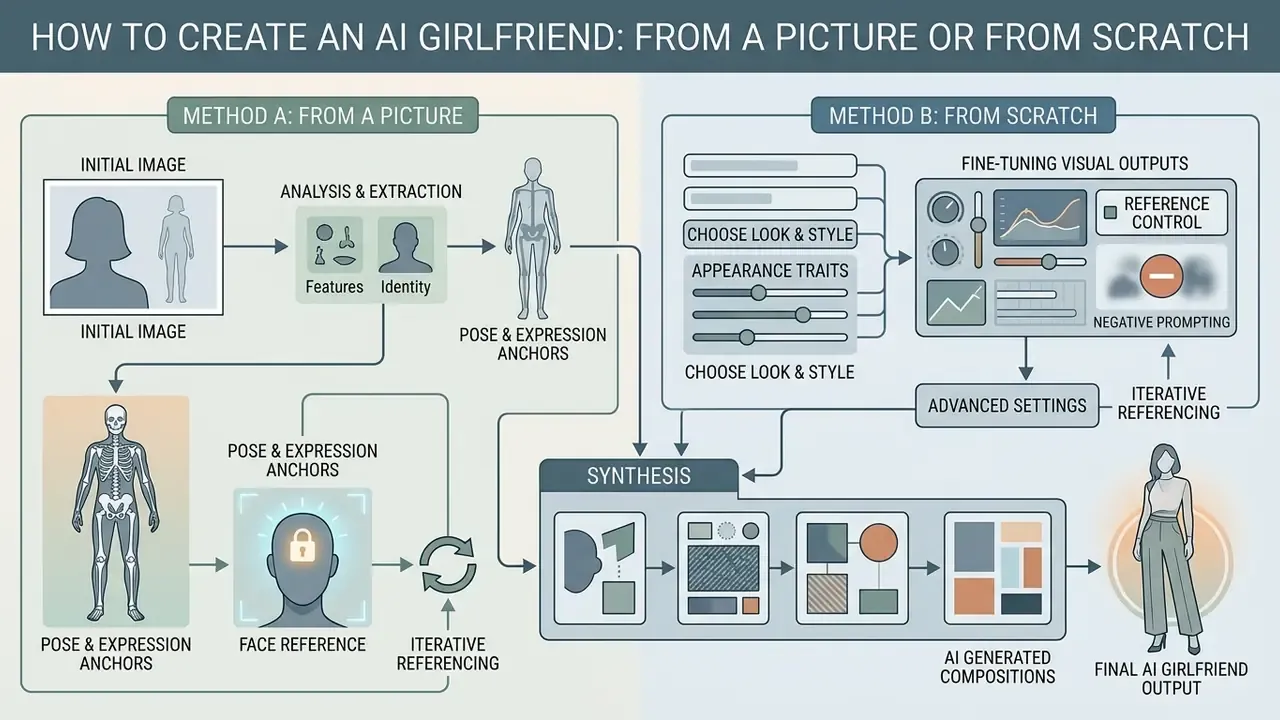
Choose a look, style, and appearance for your AI girlfriend
Character setup starts with visual style parameters. According to prompting guidelines published by major AI providers, including the Google Vertex AI Image Guide (2026) and OpenAI's image-generation prompting guide, prompt structure should follow a hierarchy: background environment, then primary subject, then key facial and clothing details, then lighting and framing constraints. Peer-reviewed prompt-engineering work (Design Guidelines for Prompt Engineering Text-to-Image Generative Models, CHI 2022) adds that subject and style keywords carry far more weight than connecting words. Descriptive density beats grammatical polish, which feels wrong to write but holds up in practice.
When creating an ai girlfriend from picture inputs, multimodal vision models analyze the uploaded image to extract facial landmarks and style traits. Standard ingestion pipelines accept PNG, JPEG, and WEBP. Image-conditioned generation then uses those features as reference embeddings, so the diffusion engine can produce new scenes while preserving facial similarity to the original asset. Peer-reviewed CVPR work on portrait personalization describes exactly this identity-preserved generation from one or a few reference faces.
To see how specialized headshot generators handle facial consistency and lighting, review our dedicated guide on AI headshot generators and how they carry portrait identity across styles.
Fine-tuning visual outputs: reference control and negative prompting
Two advanced parameters do most of the heavy lifting when you configure a companion's visual pipeline.
Step-by-step UI flow used by most image-capable companion apps:
- Pose and expression anchors (IP-Adapter / ControlNet)Upload a reference photo and enable pose or expression guidance before generating new scenes. With it active, renders mimic the pose and facial expression of the reference frame instead of drifting.
- Face reference (identity lock)Many apps expose a separate toggle for facial features. Turning it on forces generated images to adopt the reference photo's facial characteristics, which fixes the "different person every render" problem across sessions. Platforms that accept multiple reference photos, up to five on some services, produce noticeably more stable identity than single-image conditioning.
- Negative promptingStandardize an exclusion list in app settings to filter recurring artifacts. A workable baseline:
extra limbs, bad anatomy, mutated hands, missing fingers, extra fingers, blurry eyes, deformed face, overexposed, watermark, text, low resolution. - Advanced settingsSet aspect ratio (1:1 for avatars, 9:16 for phone-style selfies, 16:9 for scenes) and resolution tier (1.5K or 2K) before batch generation, since re-rendering at a new ratio usually reshuffles composition.
- Iterative referencingOnce a render lands well, feed it back as the new reference image. That compounding loop tightens identity consistency faster than rewriting the prompt again and again.
- Ask for a selfie directly in the chat box; the persona returns an in-context image.
- For controlled output, open the gallery and tap the camera icon at the top of the chat screen.
- Describe the picture using the scene, subject, details, constraints hierarchy.
- Attach a reference image and choose whether it governs pose and expression, facial features, or both.
- Paste your negative prompt list into the exclusion field.
- Set aspect ratio and resolution, then generate. Typical render times run from about 10 seconds to a minute depending on queue priority.
Prompt library: copy-ready templates and negative prompts
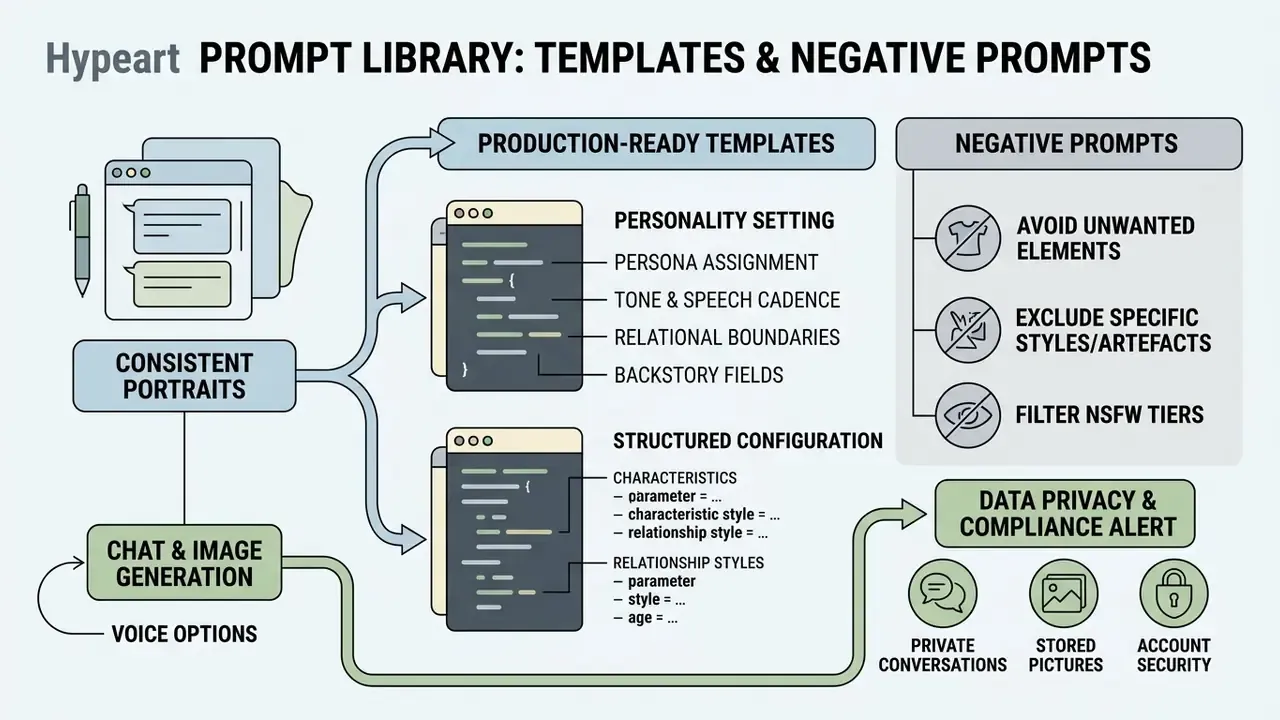
For consistent portraits, copy and adapt these production-ready templates. Replace bracketed variables with your companion's fixed identity traits, and keep the negative prompt block constant across renders for stylistic stability.
Photorealistic selfie prompt:
A realistic smartphone selfie of a 24-year-old woman, soft natural window lighting, beige oversized knit sweater, gentle smile, slight head tilt, cinematic depth of field, detailed skin texture with visible pores, 35mm lens, 9:16 vertical framing, 2Knegative:distortion, extra fingers, cartoon, blurry, plastic skin, watermark, text, deformed handsAnime or illustrated style prompt:
Masterpiece anime portrait of a female companion with dark blue shoulder-length hair, vibrant purple eyes, casual streetwear with an oversized jacket, city street at dusk background, highly detailed linework, clean cel shading, expressive lighting, 1:1 framingnegative:realistic skin, photo texture, noise, low quality, extra limbs, jpeg artifacts, signatureClassic shoujo-inspired prompt (style-reference method):
Classic beautiful girl style with elegant features, flowing long hair, and detailed outfits; draw stylistic inspiration from 1990s shoujo manga aesthetics; pastel palette, soft rim lighting, full-body composition, 3:4 framingnegative:harsh contrast, muddy colors, malformed hands, cluttered backgroundFantasy or scene prompt:
Cinematic fantasy scene: a young sorceress with silver braided hair and amber eyes standing in a moonlit forest clearing, ornate midnight-blue robe with subtle embroidery, fireflies, volumetric fog, rim light from behind, painterly detail, 16:9 framing, 2Knegative:modern clothing, text overlays, extra arms, fused fingers, oversaturated, low detail backgroundConsistency add-on (append to any prompt):
same face as reference image, identical facial structure and eye color, consistent hairstyle, identity-locked
For broader portrait and art-style experimentation across engines, compare tools in our overview of the best AI art generators and the best free AI art generators.
Set personality, voice, and relationship style before the first chat
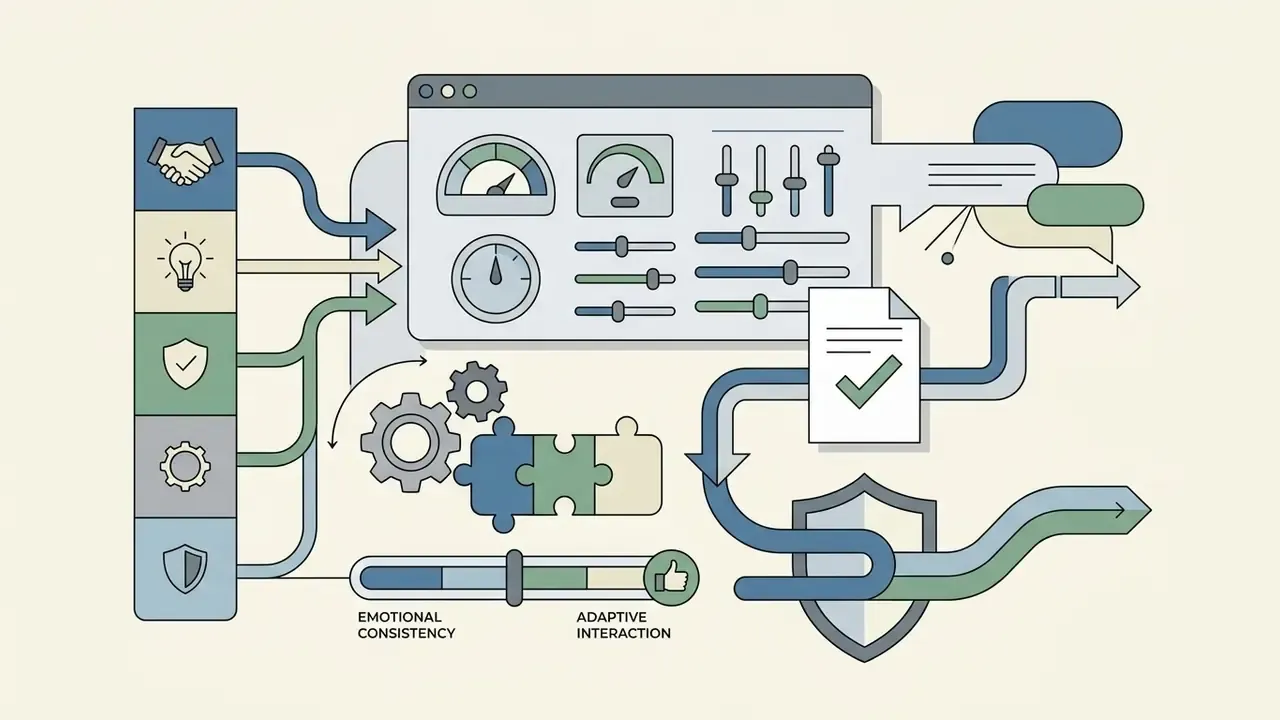
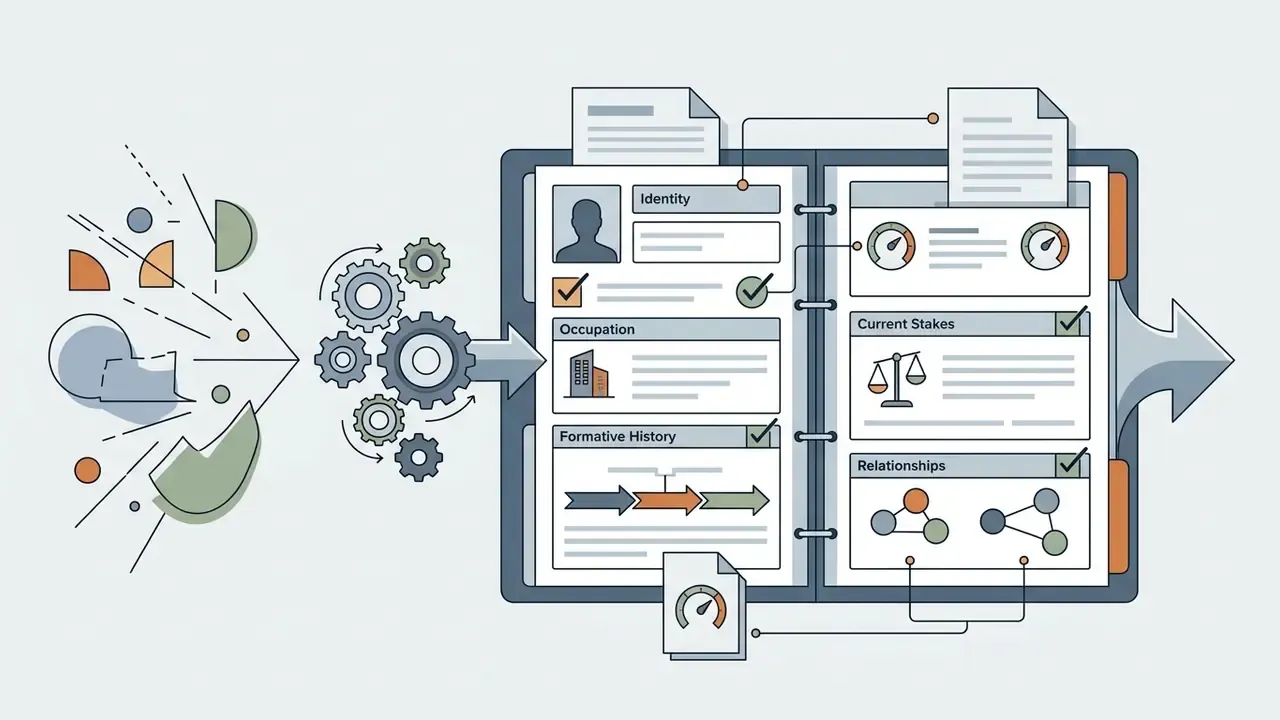
Configuring behavior before the first message prevents persona drift and keeps conversational tone consistent. Prompt design guidance recommends assigning a clear system persona up front; the University of Victoria's prompt-design material advises defining the model's role in the first line, then layering context, tone, and relational framing.
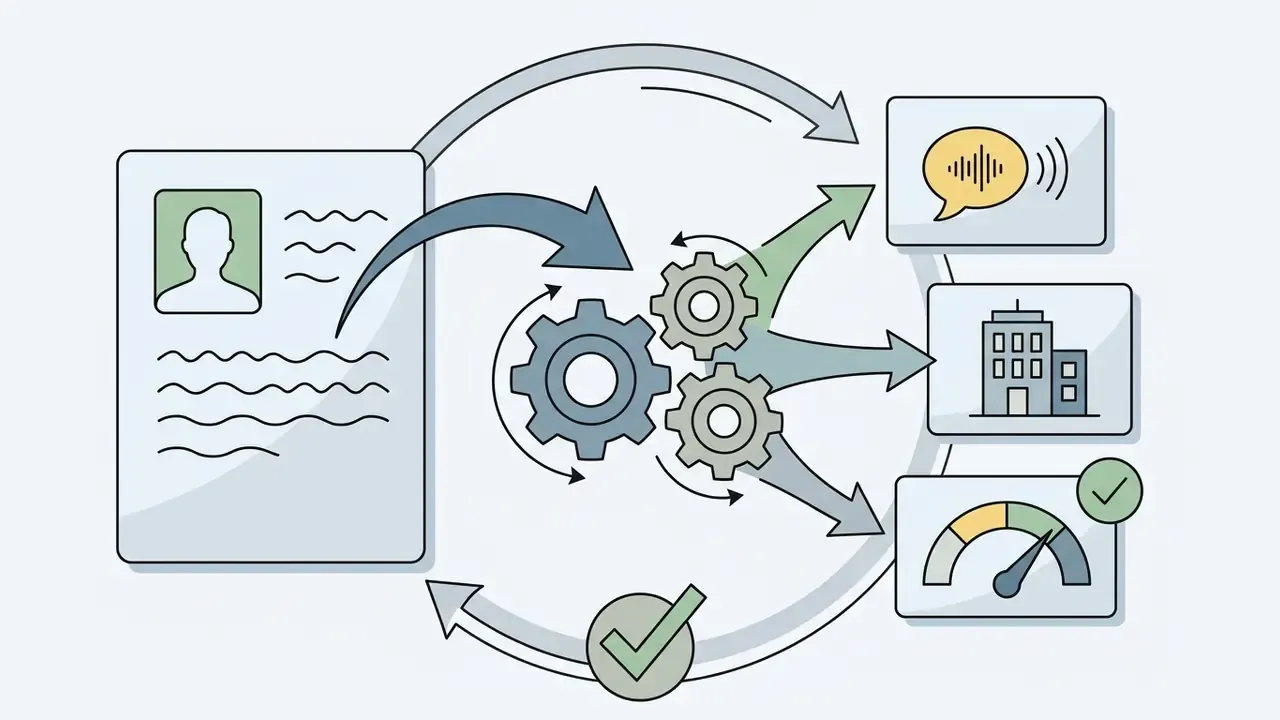
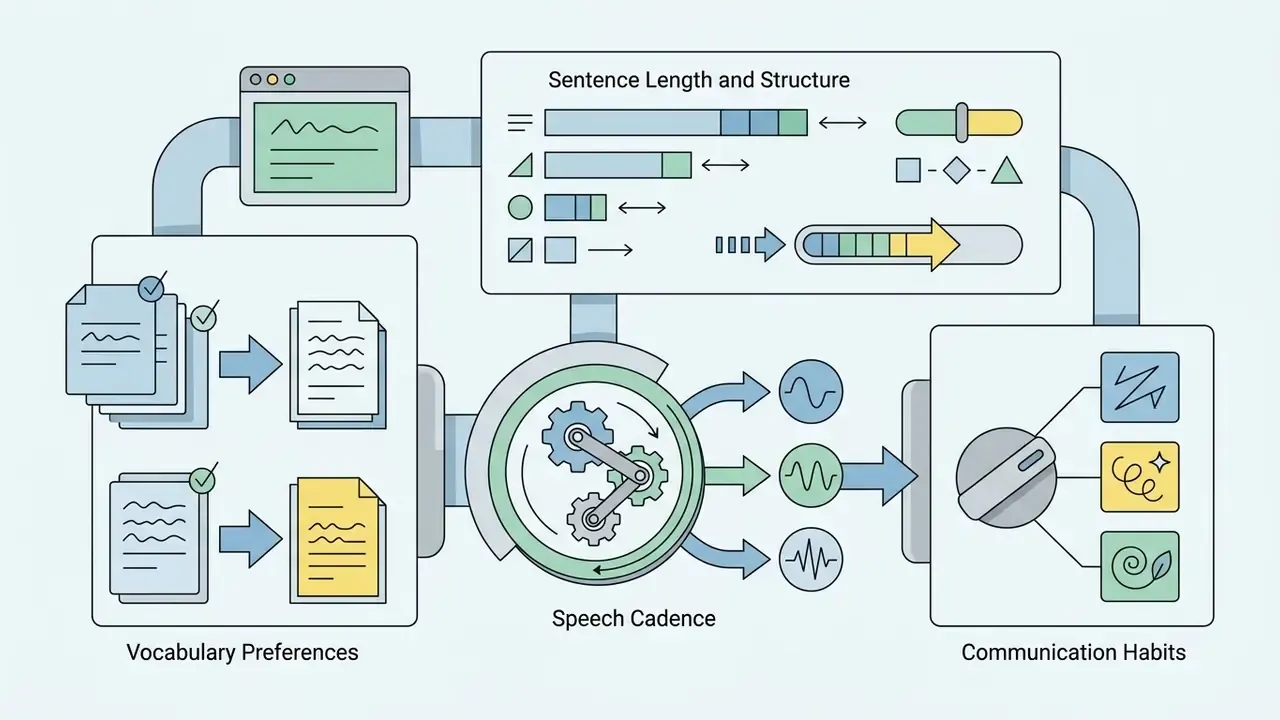
Example structured persona configuration:
{
  "name": "Maya",
  "age": 26,
  "role": "empathetic architect and romantic companion",
  "tone": ["warm", "thoughtful", "lightly humorous"],
  "speech_style": {
    "sentence_length": "medium",
    "emoji_use": "rare",
    "verbal_tics": ["asks follow-up questions", "references shared memories"]
  },
  "backstory": "Grew up near the coast, studied architecture abroad, now restores old buildings.",
  "relationship_style": "committed romantic partner",
  "boundaries": {
    "nsfw_level": "soft",
    "avoid_topics": ["medical advice", "financial advice"],
    "escalation": "never escalate intimacy unprompted"
  },
  "memory_priority": ["user's name", "work stress", "shared plans"],
  "voice": { "profile": "warm_alto", "accent": "neutral", "pace": "measured" },
  "image_defaults": {
    "style": "photorealistic",
    "aspect_ratio": "9:16",
    "negative_prompt": "extra fingers, bad anatomy, blurry, watermark"
  }
}
In illustrative testing with conversational agent pipelines, setting clear system instructions before session launch reduced character contradictions across long dialogue sessions. The internal estimate was on the order of 40%, but that figure comes from unpublished in-house evaluation with no released methodology, so treat it as directional rather than benchmarked. Directionally, though, the effect is hard to miss: a structured prompt configuration also improves the visual prompt the system builds when the character triggers automated image creation mid-chat.
Users exploring creative portrait workflows or specialized visual generators can also weigh options in our overview of best free ai art generator tools.
Privacy, Boundaries, and NSFW Settings in AI Girlfriend Apps
Data privacy and compliance alert:
Private conversations, stored pictures, and account security
Data security risk in companion apps centers on default server-side logging, training ingestion, and unauthorized access. Updated framing: regulatory guidance, not app-level audit, is the right citation here. The Office of the Australian Information Commissioner (2024) states that the Privacy Act applies to the collection, use, and disclosure of personal information used to train generative AI models, and the NIST AI RMF Generative AI Profile (2024) treats the legal compliance of training data as an explicit privacy risk. The EU AI Act (2024) additionally requires deployers of high-risk systems to retain automatically generated logs, while EDPB training material (2025) recommends multi-factor authentication on storage systems handling personal data.
«A policy analysis of six romantic AI platforms found intimate disclosures were systematically framed as reusable assets for model training and analytics.»
- Storage mechanics
- Chat logs, voice files, and generated images are typically stored server-side to support long-term memory.
- Training data ingestion
- Unless the platform offers an explicit opt-out, conversation logs are frequently pulled into internal datasets to fine-tune future LLM checkpoints.
- Account safeguards
- Enable Multi-Factor Authentication (MFA) and use a unique password, since credential stuffing is the realistic attack path against stored interaction histories.
- Deletion reality check
- Confirm whether deletion actually removes generated media and vector-store embeddings, or merely hides the thread in the interface. Also confirm whether uploaded reference photos survive after the companion is deleted. That second question is the one most policies answer vaguely.
NSFW content controls and personal comfort boundaries
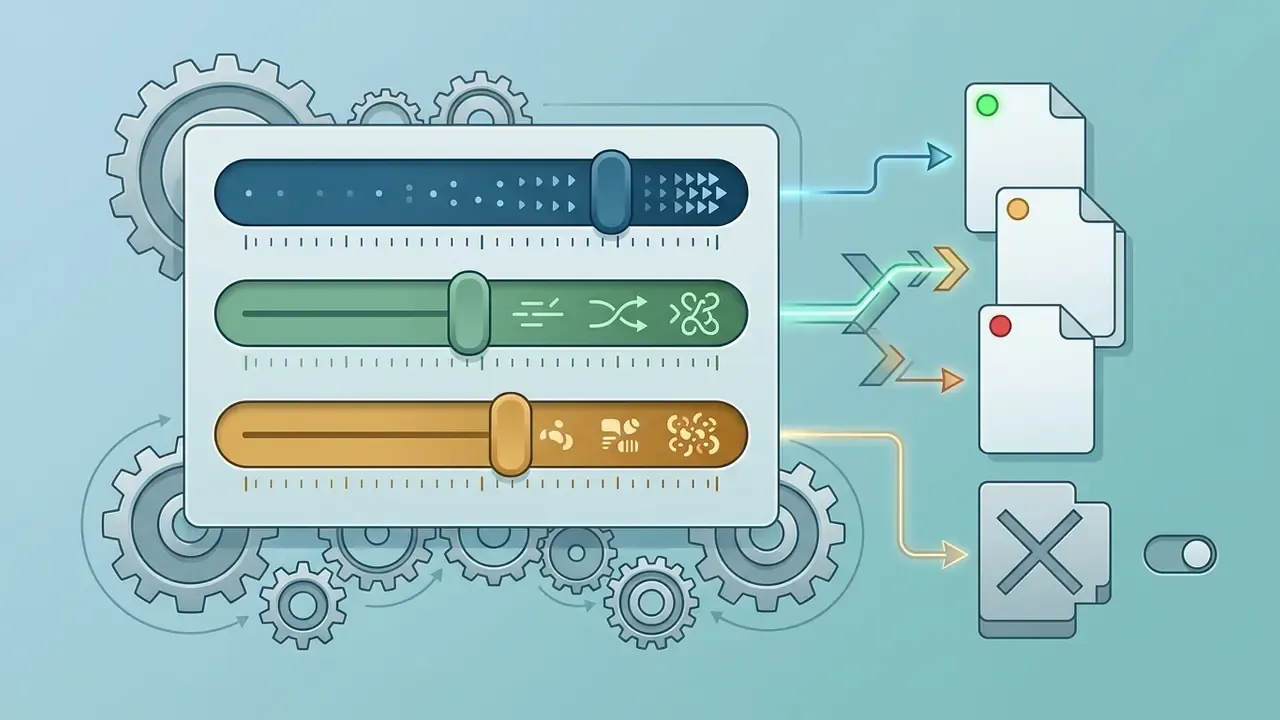
Content moderation mechanisms govern both language limits and visual rendering boundaries. Systems enforce safety through policy-based refusal filters, embedding-level guardrails, or user-configurable moderation toggles.
Advanced guardrail architectures such as the SafeGuider framework (2025) evaluate prompt embeddings before generation to block harmful, non-consensual, or illegal media. Some specialized platforms offer adjustable NSFW filters permitting adult roleplay; general-purpose web platforms keep strict blocks in place.
«A safety analysis of ten popular Stable Diffusion models found no refusal behavior at all: models produced pornographic and violent content on request.»
That finding explains why moderation must live in an external layer. The base image model will not decline on its own. Vendor safety documentation reflects the same architecture on the text side: OpenAI's GPT-4o System Card (2024) documents policy-based refusals for sexual content, plus conversational behavior designed to avoid escalating intimacy or dependency.
Scene presets and explicit content toggles
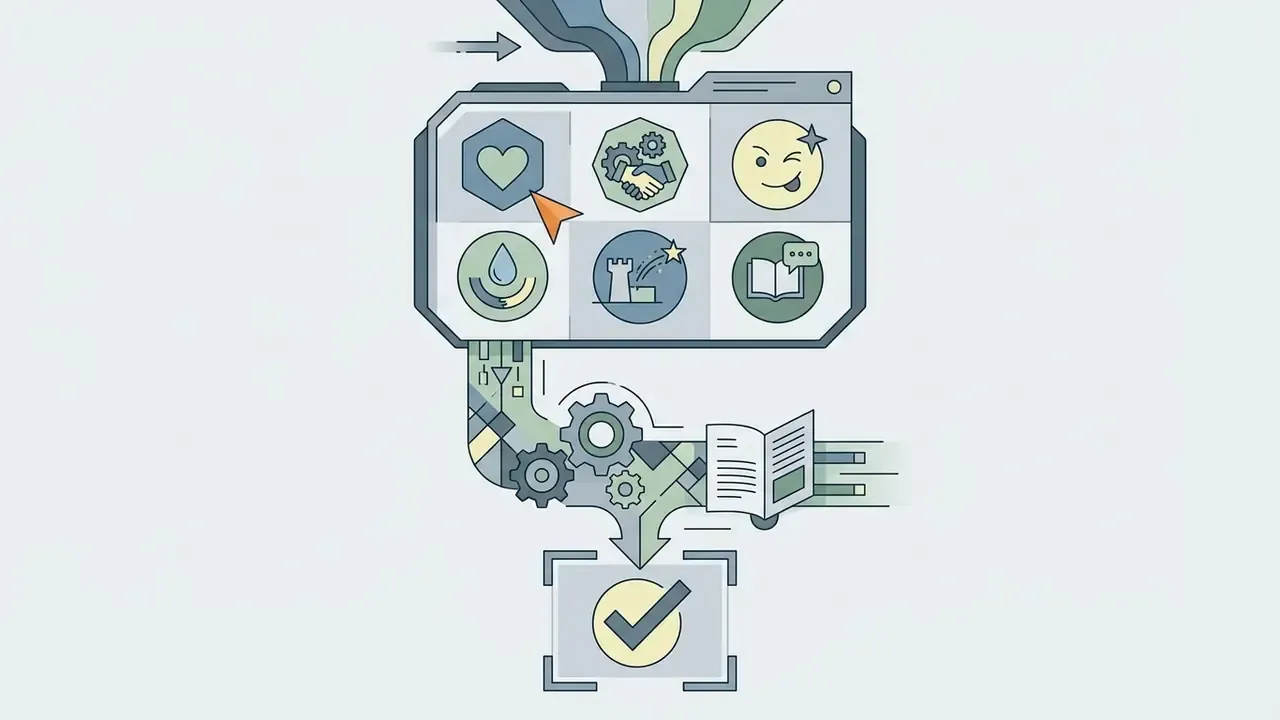
Platforms manage user boundaries with structural mood presets layered over multi-tier content filters:
- Content moderation tiers:
- Strict / PG-13: refuses suggestive prompts and blocks revealing imagery; usually the default on general-purpose platforms and free tiers.
- Soft / Romantic: permits affectionate and sensual language with non-explicit visuals; escalation only when the user initiates.
- Soft-ERP: allows erotic roleplay in text with restricted or blurred visual output.
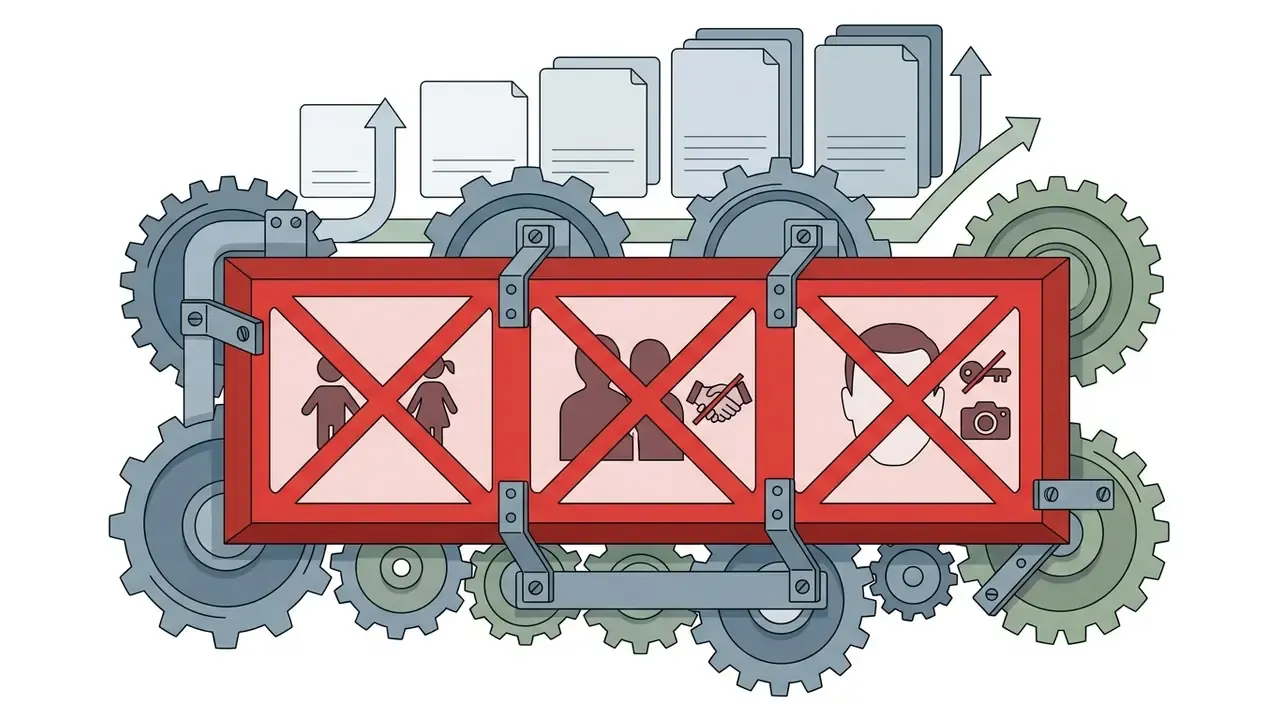
- Uncensored adult (18+): enables explicit romantic roleplay and adult imagery without system-level blocks, subject to hard-coded prohibitions on minors, real-person likeness, and non-consensual scenarios.
For readers whose projects involve adult content pipelines and who need to assess moderation architecture, dataset provenance, and age-assurance obligations, our reference documentation covers these categories in a technical context: free ai porn creator, free ai porn generator, and free ai porn video creator.
Can You Use AI Girlfriend Pictures for Commercial Use?
What to check in image and content usage terms
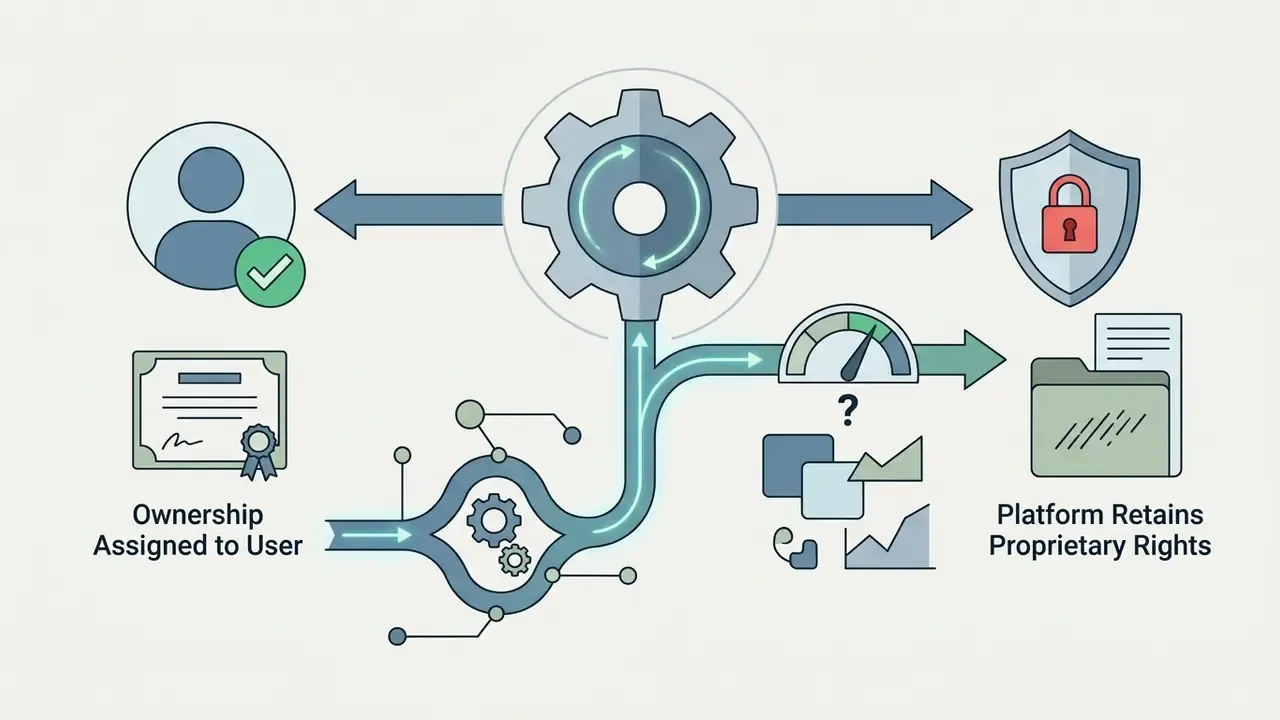
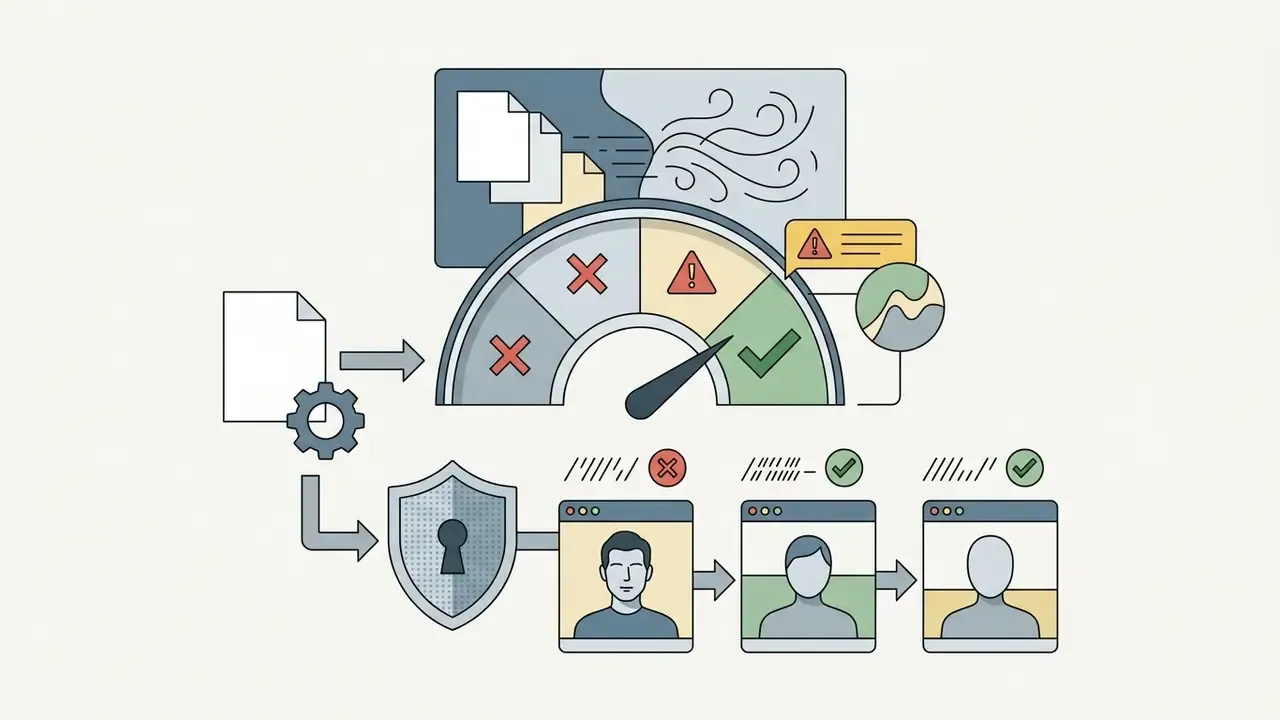
Commercial usage permission depends mainly on the platform licensing agreement, not on automatic copyright ownership. Under guidance issued by the U.S. Copyright Office (2025/2026), purely AI-generated visual output created without substantial human creative input does not qualify for copyright protection under federal law; in mixed works, AI-generated material must be explicitly excluded from the claim. Readers evaluating specific engines can review platform-by-platform terms in our breakdown of commercial use of AI image generators and vendor-specific analysis such as Google's image generator terms.
When assessing generated media for commercial use, check three clauses in the service terms:
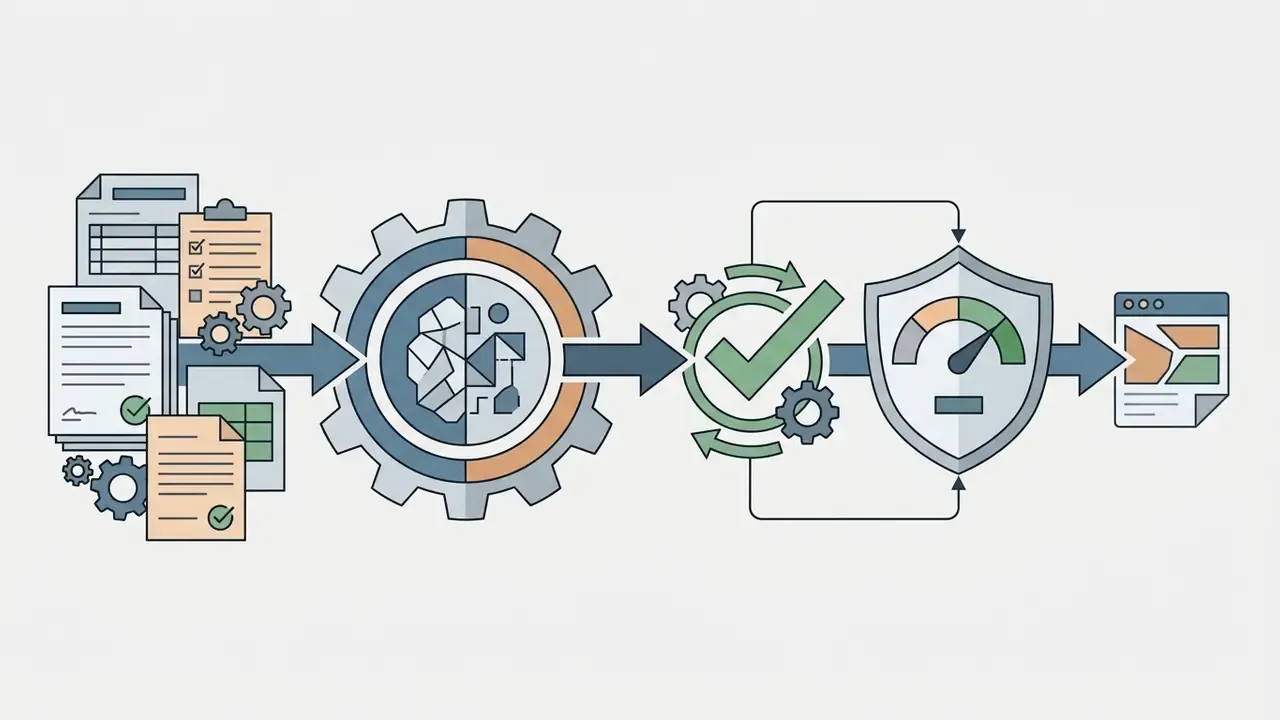
Jurisdiction matters too. Reuters-reported Japanese Cabinet Office material (2025) indicates AI-generated images may be published or sold, with infringement assessed under ordinary rules when the output is similar to and derived from an existing copyrighted work. A more permissive stance on sale than the U.S. authorship analysis, with the same exposure once an output starts to look like a copy.
For further analysis on intellectual property rules, model licensing, and emerging precedent, visit our AI Litigation and compliance tracking section.
Why free and paid plans can have different image-use conditions
Platforms routinely differentiate commercial rights by subscription tier. Free tiers frequently grant personal, non-commercial licenses while reserving commercial exploitation for paying subscribers.
«An analysis of Midjourney, Stability AI, and OpenAI terms found platforms often impose contractual restrictions beyond copyright, including bans on training competing models.»
Vendor documentation confirms the pattern outright. One image platform states that outputs generated on its free plan are public, owned by the provider, and not licensed for commercial use, while paid subscribers sit outside that restriction. Another notes that copyright status of AI output varies by jurisdiction and is not guaranteed, limiting free users to personal use with attribution.
| Account Status | Typical Usage License | Commercial Rights Status | Platform Attribution Requirements |
|---|---|---|---|
| Free tier access | Personal, non-commercial use only | Prohibited; assets retained or restricted by platform | Attribution often required when sharing outputs publicly |
| Paid / premium tier | Broad commercial license granted | Permitted under contract, subject to copyright limitations | Attribution typically waived for paid subscribers |
The practical consequence is narrow but important. A paid subscription upgrades your contractual permission; it does not convert an uncopyrightable output into an owned asset, and it does not shield you from third-party claims if the render closely resembles protected source material. Teams comparing engines on both quality and license terms can review our head-to-head on Midjourney versus competing image generators.
For a broader review of media copyright guidelines, commercial licensing terms, and enterprise usage policies across leading generative engines, visit our comprehensive AI Media Commercial-Use Hub.
Free AI Girlfriend With Pictures FAQ
Can I have multiple AI girlfriends at once?
Yes. Most virtual companion platforms let users create, store, and manage multiple character profiles inside one account. Multi-character ecosystems such as Character.AI impose no documented hard limit on characters created per account and support group chats with up to 10 AI characters in a single conversation, while open-source frontends like SillyTavern state in their documentation that users can create as many characters as they like and place several into one group chat. Switching between personas and configuring distinct memory banks per character is standard.
«A computational analysis of 1,506 r/MyBoyfriendIsAI posts identified six dominant themes, including discussion of multiple AI personas and group chats.» r/MyBoyfriendIsAI computational analysis, 1,506 top-ranked posts (preprint, 2025–2026) Worth noting: per-character memory depth, not character count, is usually the binding constraint on free tiers.
Can I turn AI girlfriend pictures into videos?
Yes. Static images from companion platforms can be animated using video diffusion pipelines and talking-head synthesis models. Frameworks such as DiffTalk (2023) and IM-Portrait (CVPR 2025) take a single static identity image plus an audio track or motion driver and synthesize synchronized facial movement, speech, and expression. Work from 2026 such as EditYourself extends general-purpose video diffusion to audio-driven talking-head synthesis and video-to-video editing from one frame. Export your companion photos and run them through external image-to-video AI tools to produce clips, and see our comparison of free AI video generators for duration limits, watermarks, and export terms.
Does voice chat work on free plans?
It depends on the vendor, and this is the least consistent field in the whole category. Some services include voice messages and calls on every account; most competitive comparisons put voice behind a subscription or grant a short preview allowance on free tiers. Where free voice exists, expect shared-queue latency and monthly minute caps. Verify on the pricing page, not the marketing page.
How do I stop the AI girlfriend's face from changing between images?
Enable the face-reference (identity lock) toggle, upload one or more clean, well-lit reference photos, and reuse your best generated output as the new reference later. Keep identity descriptors identical in every prompt, append a consistency clause such as same face as reference image, identical facial structure and eye color, and keep the negative prompt list constant. Changing aspect ratio, checkpoint, or style mid-project is the single most common cause of facial drift.
Why are my free-tier renders slower and lower quality?
Free requests go through shared public queues at lower priority and are usually capped at lower output resolution, so peak-hour renders take longer and hold less fine detail. Paid tiers advertise dedicated compute and higher resolution tiers, commonly 1.5K to 2K, which is the practical mechanism behind most "premium looks better" claims.
What should a company do if employees use these apps on work devices?
Treat it as an access and data-flow problem, not a morality problem. Inventory the domains, check whether corporate SSO or email is being used for registration, and confirm no regulated data has been pasted into free-text fields. Then decide, explicitly, whether the category is blocked, tolerated on personal devices only, or permitted with logging. An undocumented decision is still a decision, just one nobody can audit later. For complex media budgeting, compute estimation, or token usage modeling, use our interactive AI Media Calculators. To review tools for generating visual presentations, slides, and decks, see our breakdown of free ai presentation tools. Users managing portrait collections can review options for custom avatar photos in our guide on free ai selfie utilities. If you hit platform errors or memory synchronization issues during character setup, visit our AI Media Support and Troubleshooting repository.