«No evidence, no autonomy. Generative models present operational risk when output anomalies bypass risk controls, yet these same spatial and attribute failures define the "cursed" aesthetic.»
What This Guide Covers
Cursed AI images are synthetic pictures that look almost photorealistic until a hand, a face, or a shadow breaks physical logic. They come from the same failure modes that model risk teams try to suppress in production systems: attribute binding errors, broken global spatial consistency, oversmoothed high-frequency texture. This guide covers both sides of that coin.
| If you are… | Read these sections |
|---|---|
| A creator, meme-maker, or SMM specialist | Gallery of cursed types · Literalist AI artifacts · Generation pipeline · Viral Meme Prompt Vault · Animation techniques · Export specs |
| A risk, compliance, or governance lead | Why images look cursed · Benchmark evidence · Commercial-use compliance checklist · Enterprise readiness comparison · Red-teaming checklist for visual models |
Three numbers worth remembering before you scroll: humans reach 92% accuracy identifying "weird" images in paired tests while top models lag far behind; diffusion detection studies logged 749,828 observations to isolate what makes an image feel synthetic; and audits of open text-to-image systems found 14.56% of generated images unsafe on average, rising to 18.92% for Stable Diffusion.
Key Terms Used in This Guide
Some of the vocabulary below appears in both meme threads and model validation memos. Same words, very different stakes.
| Term | Working definition | Why it matters here |
|---|---|---|
| Attribute binding error | The model attaches a property to the wrong object in the scene | Source of animal-object hybrids and swapped textures |
| Prompt drift | Output diverges from the literal prompt as sampling proceeds | High in open weights, low in strictly aligned APIs |
| Uncanny valley | Discomfort triggered by near-human but slightly wrong faces | Explains why cursed portraits read as creepy, not just bad |
| Seed | The random starting point of a diffusion run | Fix it and a defect becomes reproducible evidence |
| Harm amplification | Output contains more harmful content than the prompt requested | Reason to review the asset, not only the instruction |
| Anomaly rate | Share of outputs with a logged structural or policy defect | The metric that turns "looks off" into a gate |
Keep these six in mind. Most of the article is an expansion of them.
What Are Cursed AI Images?
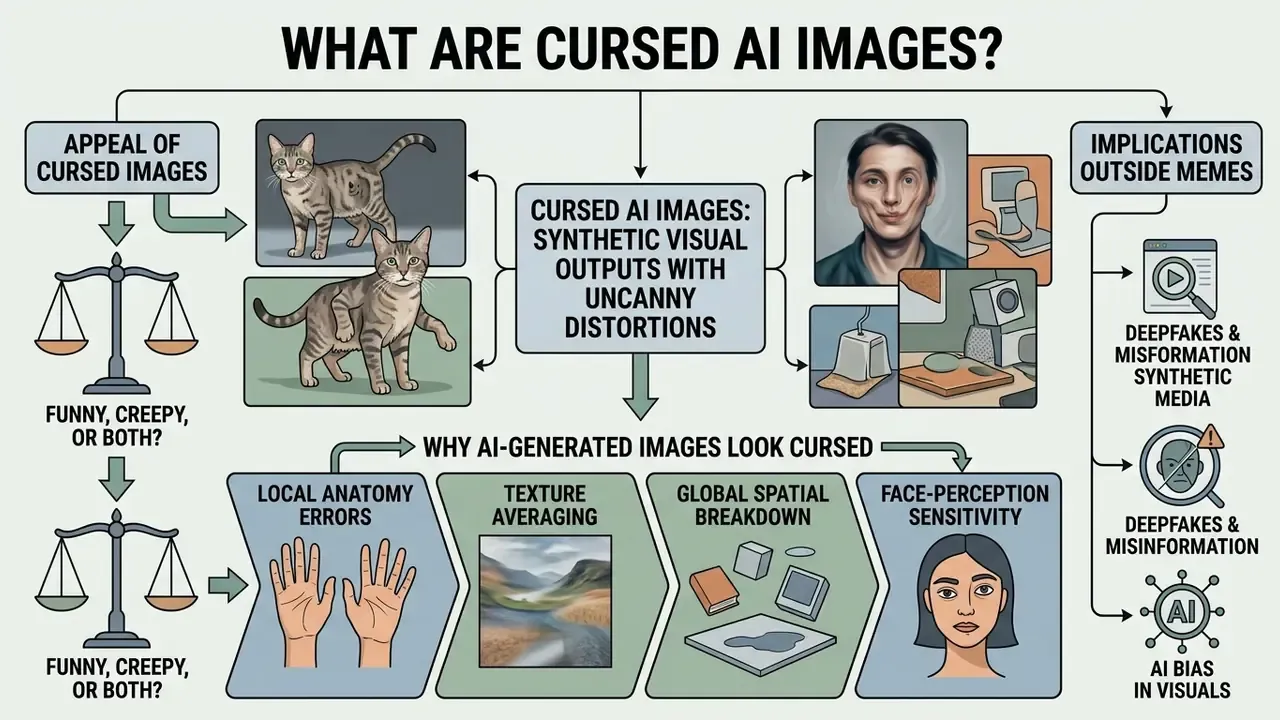
Cursed AI images are synthetic visual outputs that combine familiar human, animal, or everyday subjects with uncanny, illogical, or distorted visual anomalies. These pictures evoke a distinct mix of absurdity, discomfort, and humor without displaying explicit gore or graphic content. The phenomenon stems from generative text-to-image models producing compositions that look realistic at first glance, then break physical or spatial logic on closer inspection.
The genre has a traceable timeline. It emerged in late-2022 and early-2023 AI art communities. The "Cursed AI" Facebook group passed 500,000 members by 2023, and the aesthetic then broke into mainstream meme culture through context-free image pages. A second surge arrived in 2025-2026 with surreal animal-object hybrids such as the "Italian brain rot" wave, where AI creatures with invented names and absurd narration were engineered explicitly for fast sharing.
Visual taxonomy of cursed AI images
| Category | Visual characteristics | Cognitive impact |
|---|---|---|
| 🖐️ Biometric anomalies | Extra or merged digits, melted jawlines, overlapping teeth, empty gaze | Uncanny valley response |
| 🌀 Spatial & physics errors | Floating furniture, shadows pointing at the light source, incompatible perspective | Disorientation |
| 🐖 Conceptual hybrids | Animal-object and animal-food mashups, human-animal morphs | Absurd humor |
| 🏠 Surreal domestic scenes | Ordinary interiors with one impossible element, blurred background faces | Ambient dread |
| 🎨 Conceptual composites | Symbolic dream-logic scenes built to feel visually wrong | Fascination plus unease |
Distinguishing an intentionally surreal artwork from an accidental AI output depends on creator intent and parameter control. Accidental glitches occur when a neural network fails to parse a complex prompt, so limbs distort and textures stop matching. Creators, by contrast, manufacture cursed art on purpose: they collide incompatible style cues or lean on known model limitations to reach a surreal effect.
Empirical studies on commonsense-breaking synthetic media, such as the WHOOPS! benchmark by Bitton-Guetta et al. (2023) and the WEIRD dataset by Zhao et al. (2025), show that human observers agree with each other to a striking degree when they classify commonsense-defying images.
«Humans reach 92% accuracy identifying "weird" images in paired tests, while the best models fall substantially short.»
That gap matters beyond memes. It is the measurable distance between human commonsense screening and automated moderation of synthetic visuals.
Why AI-Generated Images Look Cursed
AI-generated images look cursed because diffusion architectures optimize pixel-level statistical plausibility rather than physical anatomy or spatial consistency. When the subject is a person or an animal, the model predicts local texture patches convincingly, then fails to integrate them into a coherent global structure. That structural disconnect is what produces detached limbs, misaligned eyes, and impossible lighting reflections.
Four linked failure mechanisms explain almost every cursed output:
- Local anatomy errors.Diffusion models optimize statistical plausibility rather than embodied anatomy, so limbs and hands can be structurally impossible even when nearby skin detail looks perfect.
- Texture averaging.Skin, hair, and fabric get oversmoothed or blended, because high-frequency detail is statistically rarer and harder to reconstruct than large-scale structure.
- Global spatial breakdown.Local patches fit individually but disagree globally, producing detached limbs, impossible shadows, and objects rendered in incompatible perspective.
- Face-perception sensitivity.Human vision is unusually sensitive to small deviations in eye size, jaw position, symmetry, and skin texture.
Human face perception is exceptionally sensitive to subtle mismatches in symmetry, proportion, and eye alignment. Research on diffusion artifacts by Tamkin et al. in Characterizing Photorealism and Artifacts in Diffusion Model Images (2025) confirms that biometric discrepancies and contextual incongruities are the primary indicators people use to identify synthetic media. Updated with source figures: the study drew on 50,444 participants producing 749,828 observations, with overall accuracy at identifying AI-generated images reaching roughly 76%.
«Participants across 749,828 observations named biometric mismatches and physical anomalies as the leading tells of AI generation.»
Independent forensic work reinforces this taxonomy. A 2024 study of diffusion artifacts documents hands with extra or missing fingers, elongated necks, and disproportionate facial features (arXiv, 2024, https://arxiv.org/abs/2406.08651). A CVPR workshop paper by Hany Farid reports bilateral-symmetry inconsistencies and spatial layout errors across eyes, nose, mouth, and chin (2024, https://hfarid.org/downloads/publications/cvprw24a.pdf). So when a generative model renders a near-photorealistic human face with slightly oversmoothed skin or overlapping teeth, it trips a perceptual mismatch response that no amount of resolution can hide.
For teams choosing between architectures on structural fidelity rather than aesthetics, our comparison of AI image generators breaks down quality and control per model.
Where this matters outside memes. The same latent-space instabilities that produce a six-fingered hand also produce hallucinated cells in a table extracted from a scanned document, invented axis labels in a chart summary, or a fabricated field in a KYC document read by a multimodal model. Cursed images are the visible, funny end of a risk spectrum whose invisible end sits inside enterprise document pipelines. Treating both as one class of failure is what makes this genre analytically useful, and, frankly, cheaper to study than a live production incident.
Funny, Creepy, or Both: The Appeal of Cursed Images
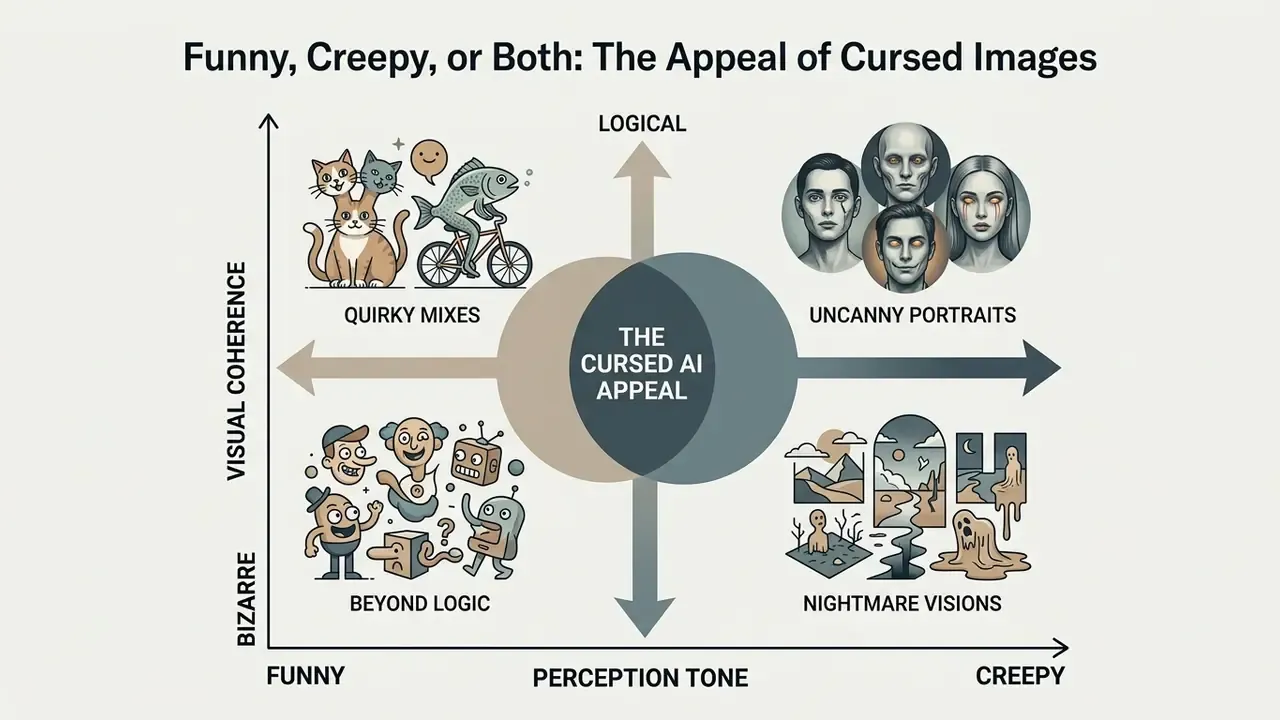
The cultural appeal of cursed images lies in cognitive dissonance, where the viewer feels mild unease and deadpan humor at the same time. Unlike shock content built on explicit imagery, cursed visuals run on ambiguity and implied threat. The brain tries to resolve the contradiction between a familiar setting and an impossible detail, and the leftover tension turns into entertainment. Commentators describe the difference plainly: gore and jump scares are explicit, while cursed images imply the threat and leave interpretive room. That room is exactly what makes them repeatable as a meme template.
In social media ecosystems, cursed images function as highly shareable meme templates. A study on political communication during the 2024 US presidential election by Appel et al., The Meme Is The Message, quantified how synthetic visual formats travel:
«Across 239,526 Instagram images, 15.3% of memes were synthetic; meme format predicted engagement more strongly than AI provenance.»
Psychological evaluations of synthetic portraits by Kramer et al. in Cognitive Research: Principles and Implications (2025) add the perceptual half of the story. Across two experiments, participants could not reliably distinguish AI-generated celebrity faces from real photographs, even though earlier generations of synthetic faces produced a clear uncanny-valley effect. Minor structural deviations are therefore enough to trigger unease without breaking believability, which is an ideal condition for user remixing and social distribution. Readers exploring the platforms behind these outputs can start with our overview of AI art generators.
Gallery of Funny Cursed AI Images
A gallery of funny cursed AI images shows how neural network failures split into distinct visual categories. These outputs range from distorted human portraits to absurd biological hybrids and broken everyday items. Reviewing the examples side by side makes it easier to see how model limitations turn into comedic visual tropes.
Cursed AI People, Faces, and Everyday Scenes
Cursed AI images of people usually expose the model's struggle with complex human anatomy. Common defects include hands with extra or missing fingers, unnatural neck lengths, melted jawlines, and asymmetrical gaze directions. Everyday domestic settings, such as family dinners or office meetings, turn unsettling once background figures show distorted facial features or impossible poses. Post-processing options for softening or exaggerating these defects are covered in our guide to AI photo editors.
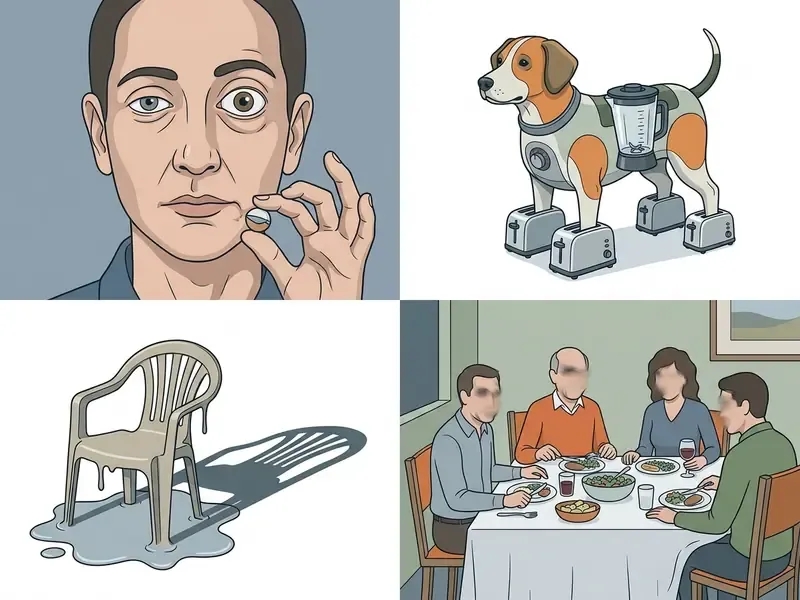
These small errors break the realism of routine moments. When testing prompt structures for creative projects, researchers stumble into anatomical glitches without asking for them. Drafting descriptive templates in an ai love letter generator or an ai lyrics generator can yield unusual character renders if background attributes are left unspecified.
Bizarre Animals, Food, and Objects Made With AI
Generative models frequently fail when they combine disparate semantic categories, producing bizarre animal-object hybrids and distorted food items. Examples include sharks wearing footwear, elephants with cactus textures, or banquets where dishes merge straight into the tabletop. These combinations come from attribute binding errors in the model's latent space.
«Unsafe Diffusion found 14.56% of all generated images unsafe, with Stable Diffusion highest at 18.92%.»
The same class of binding failure that turns a "shark in sneakers" prompt into a footwear-skinned fish can also push output past a platform's content boundary. That is why unsafe-rate benchmarks and cursed-output rates tend to track together.
Common AI generation anomalies by subject
| Subject category | Primary visual artifact | Causal mechanism |
|---|---|---|
| Human portraits | Asymmetrical features, extra teeth, empty gaze | High-sensitivity perceptual mismatch |
| Animals & wildlife | Mismatched limbs, hybrid skin, merged heads | Statistical averaging of categories |
| Food & dining | Warped textures, utensils merged into plates | Global spatial failure |
| Consumer goods | Floating parts, broken perspective, impossible shadows | Inconsistent lighting model |
When an algorithm receives a prompt with conflicting concepts, it tries to satisfy every condition at once by blending features. That processing failure creates the unexpected visual contrast people screenshot. Category mixing is studied in multimodal media tooling too, including an ai mashup maker, where sound and vision inputs are layered together.
Fact-checkers have documented the downstream risk of this aesthetic: AFP verified that viral April 2025 "rare insect" clips were fabricated and had spread across multiple languages with thousands of shares. Absurd hybrids stay funny right up to the moment someone mistakes them for documentary footage.
Cursed AI Memes, Captions, and Vision AI Fails
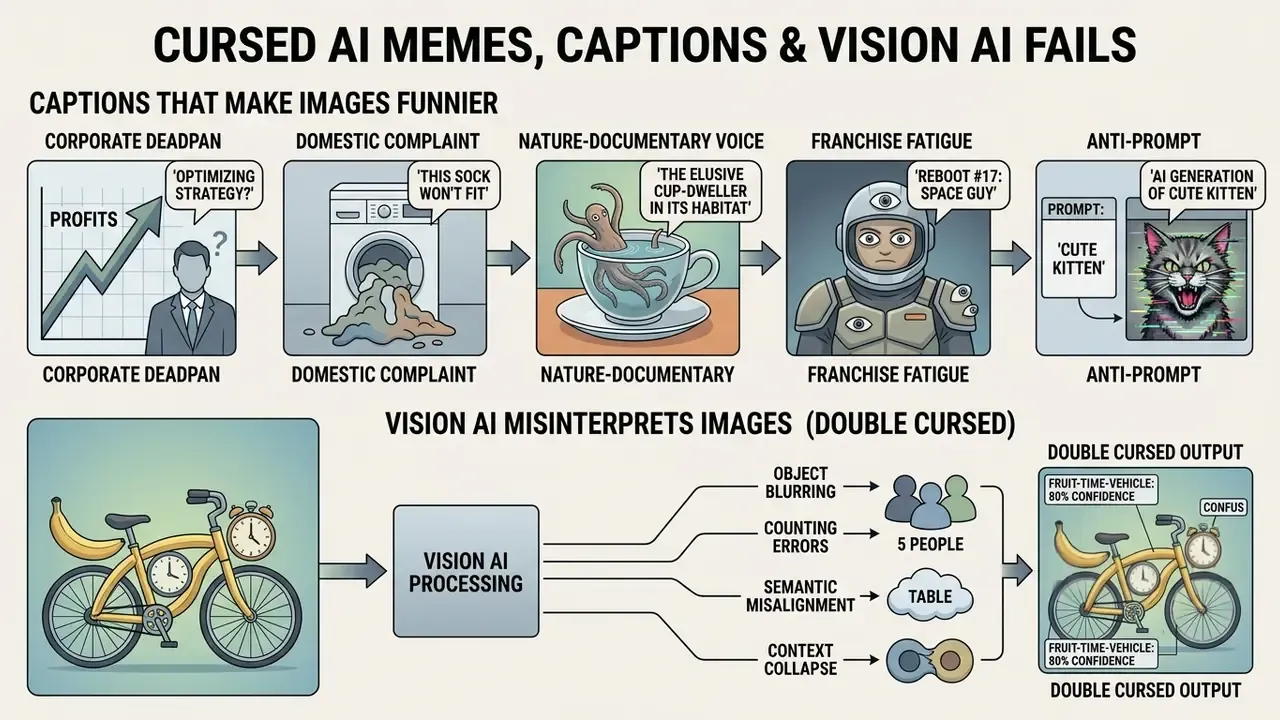
Captions That Make Images Funnier
A cursed image lands much harder when it is paired with a deadpan or context-defying caption. The text supplies a narrative frame that converts an uncomfortable visual glitch into an intentional joke.
Humor-evaluation research supports the structure. The 2024 paper Meme Caption Generation with Sub-Image Adaptability formalizes a "chain-of-humor" template (core object, emotion, event, consequence, humor element) and reports that captions grounded in specific visual sub-regions make the joke more relevant to the image. The 2025 study One Does Not Simply Meme Alone: Evaluating Co-Creativity Between LLMs and Humans in the Generation of Humor found that AI-only captions outperformed human-only captions on average for humor and shareability across familiar templates and everyday themes such as work, food, and sports. Note on sourcing: those two papers are the verifiable basis for the caption-structure claim. Earlier drafts of this section asserted the engagement effect without attaching methodology, and the phrasing has been corrected here.
Captions often borrow mundane corporate or relatable language to contrast with the absurd visual. A distorted animal captioned as a quarterly financial review creates comedic friction immediately. Templates that reliably land:
This pairing strategy lets creators package static visual glitches for rapid social distribution.

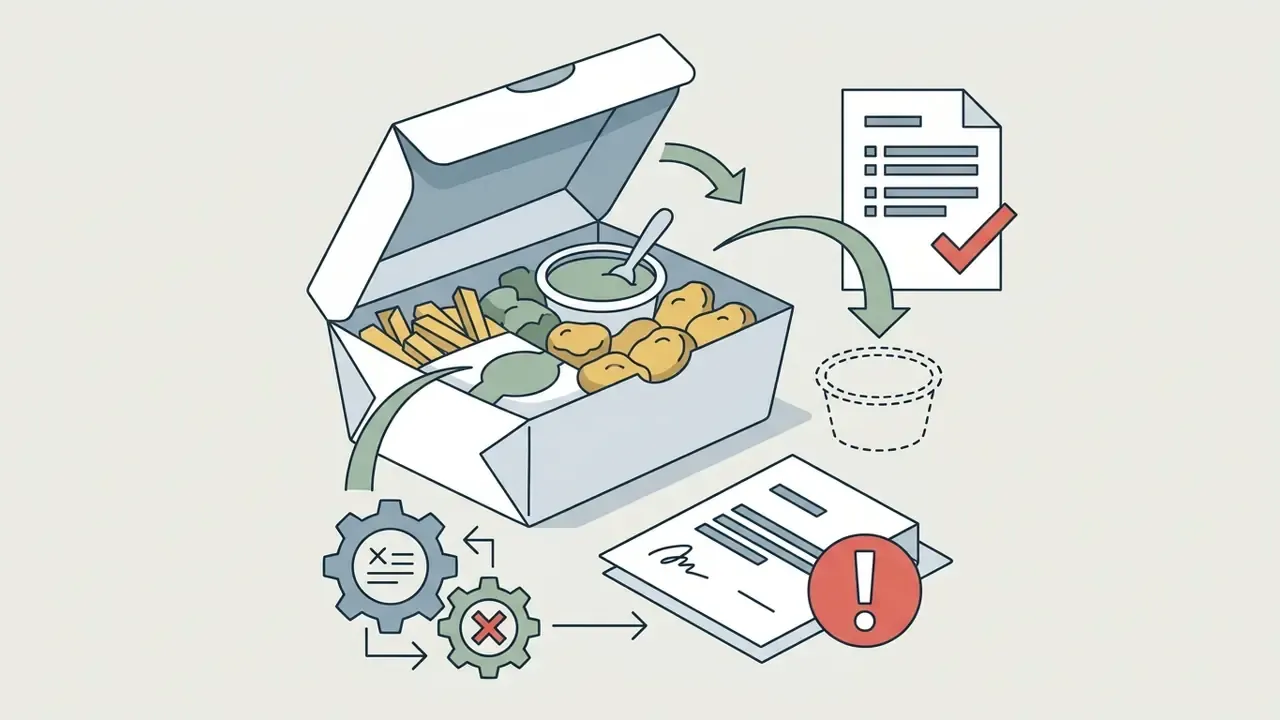
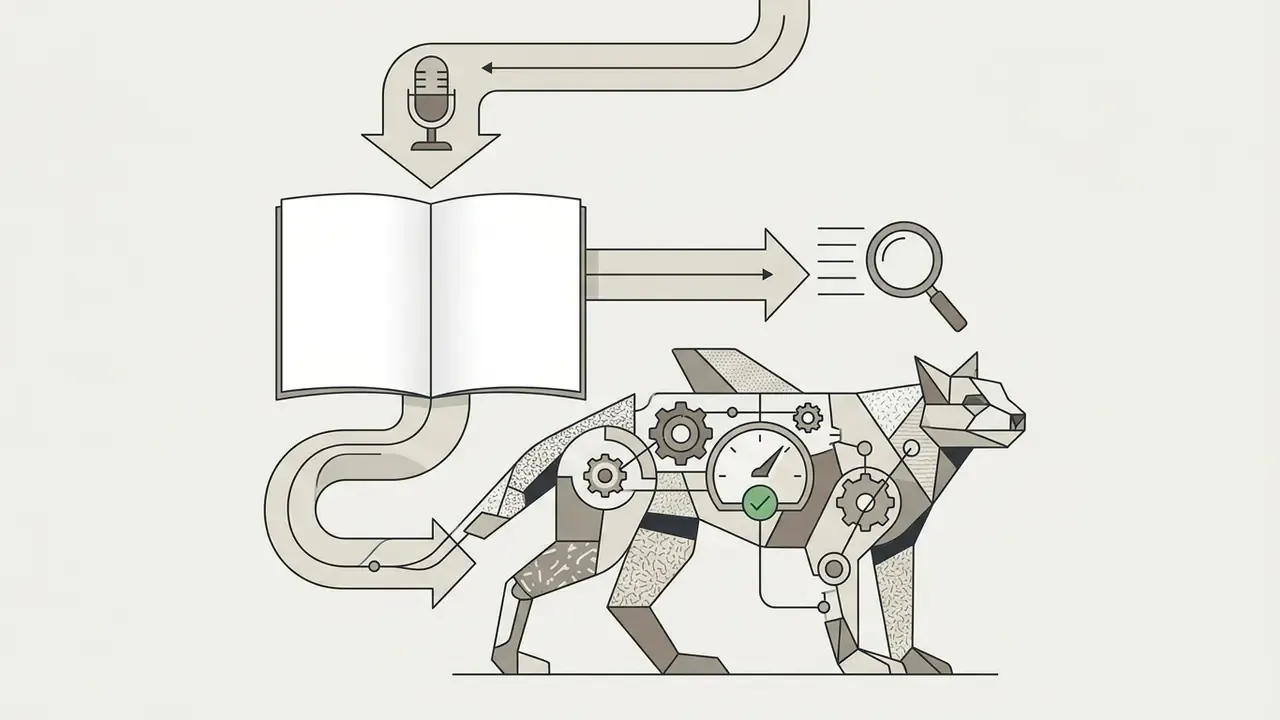
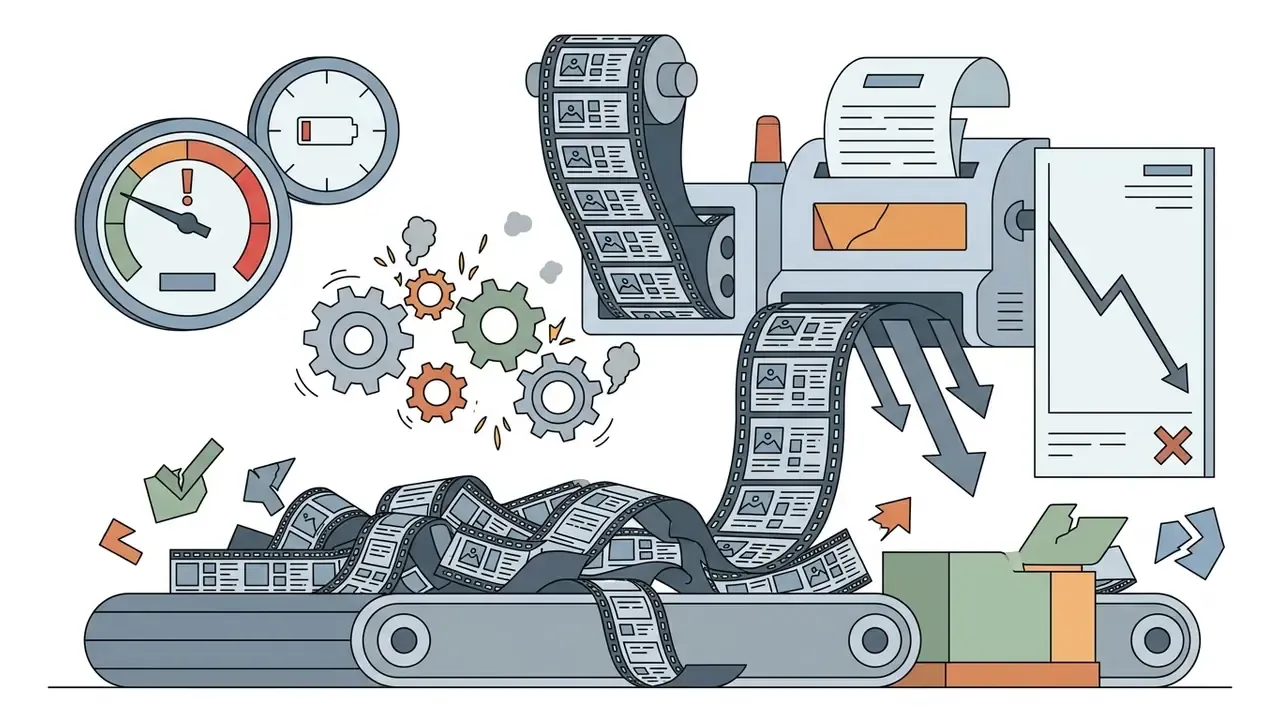
Double Cursed: When Vision AI Misinterprets Images
A second layer of cursed content appears when computer-vision systems attempt to caption distorted synthetic images. Automated alt-text generators, OCR pipelines, and built-in OS description features such as Windows AI Vision all qualify. Presented with a melted six-fingered hand, an accessibility model may register: "A close-up of a bunch of bananas on a counter." Shown a family portrait where one figure has fused with an appliance, it may report: "Four people standing indoors, smiling."
The comedy comes from the distance between visual horror and robotic deadpan, and the pairing has become a popular ambient sub-genre: cursed image plus even more cursed machine caption. It is also a free diagnostic. If a vision model confidently mislabels your output, you have empirical evidence that the image sits outside the model's learned distribution, which is exactly the property that makes it feel cursed to human viewers.
For governance teams the same experiment doubles as a cheap red-team probe. Run candidate synthetic assets through an independent captioner and log every case where the description contradicts the visible content. Divergence between generator intent and captioner output is a usable anomaly signal, and the same logic underpins verification workflows built around AI image detectors.
How to Create Your Own Cursed AI Image
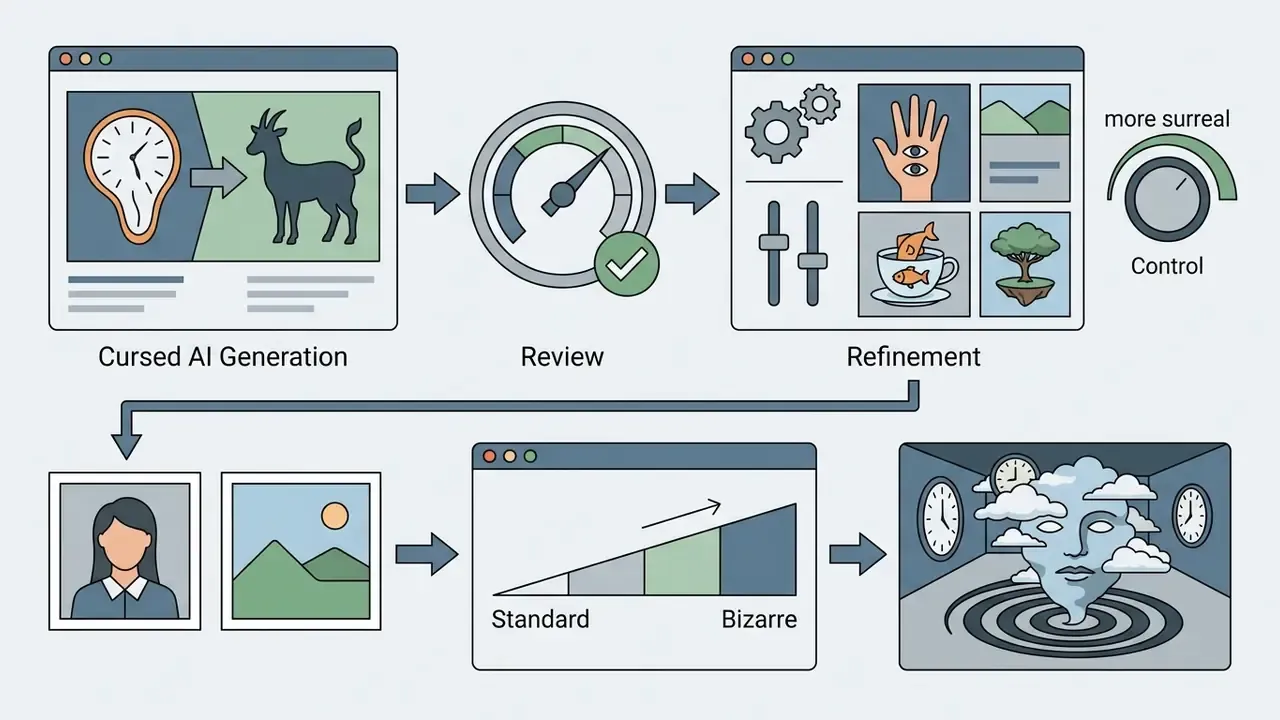
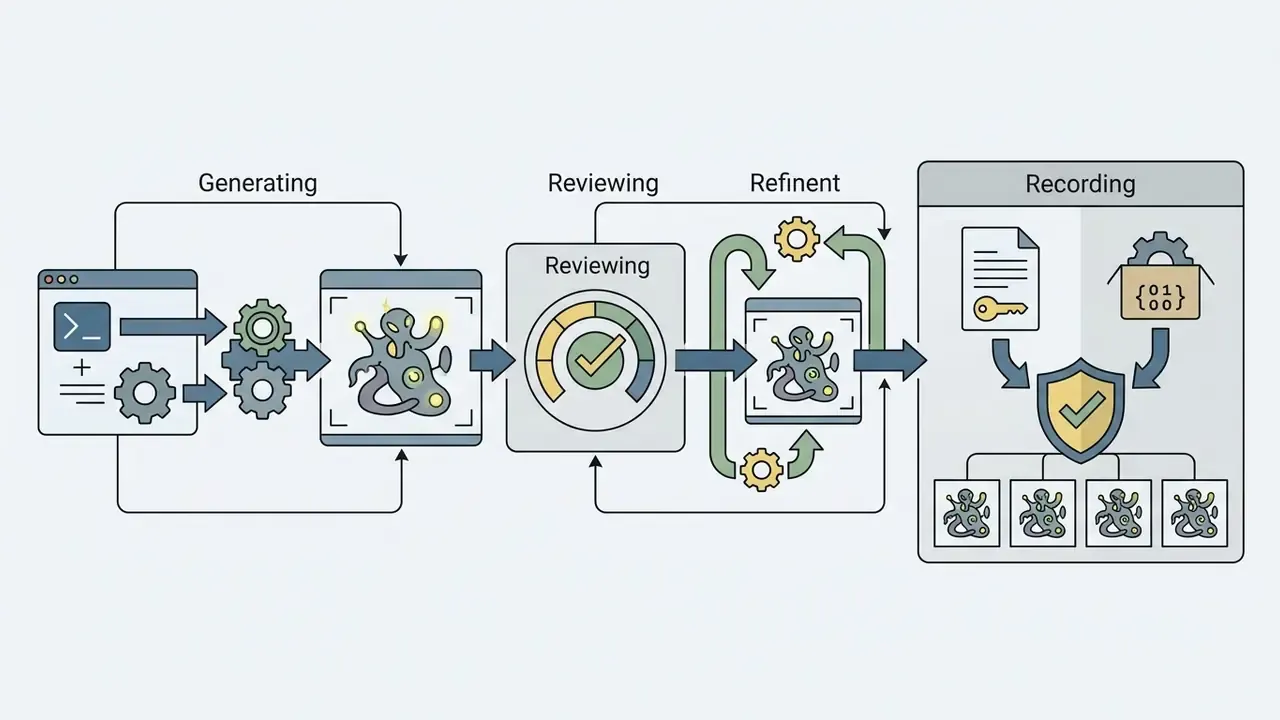
Generating a cursed AI image takes a structured prompting approach, systematic seed testing, and iterative refinement. You can induce visual errors deliberately by combining incompatible style terms or introducing contradictory spatial instructions.
Cursed image generation pipeline
| Step | Action | Practical detail |
|---|---|---|
| 1. Idea | Formulate a concept combining mundane plus absurd elements | One impossible element inside one ordinary scene |
| 2. Prompt | Structure: subject plus incompatible style plus lighting | Order: background, subject, key details, constraints |
| 3. Generate | Run 3 to 9 seeds across the diffusion model | Seed variation exposes the prompt's full range |
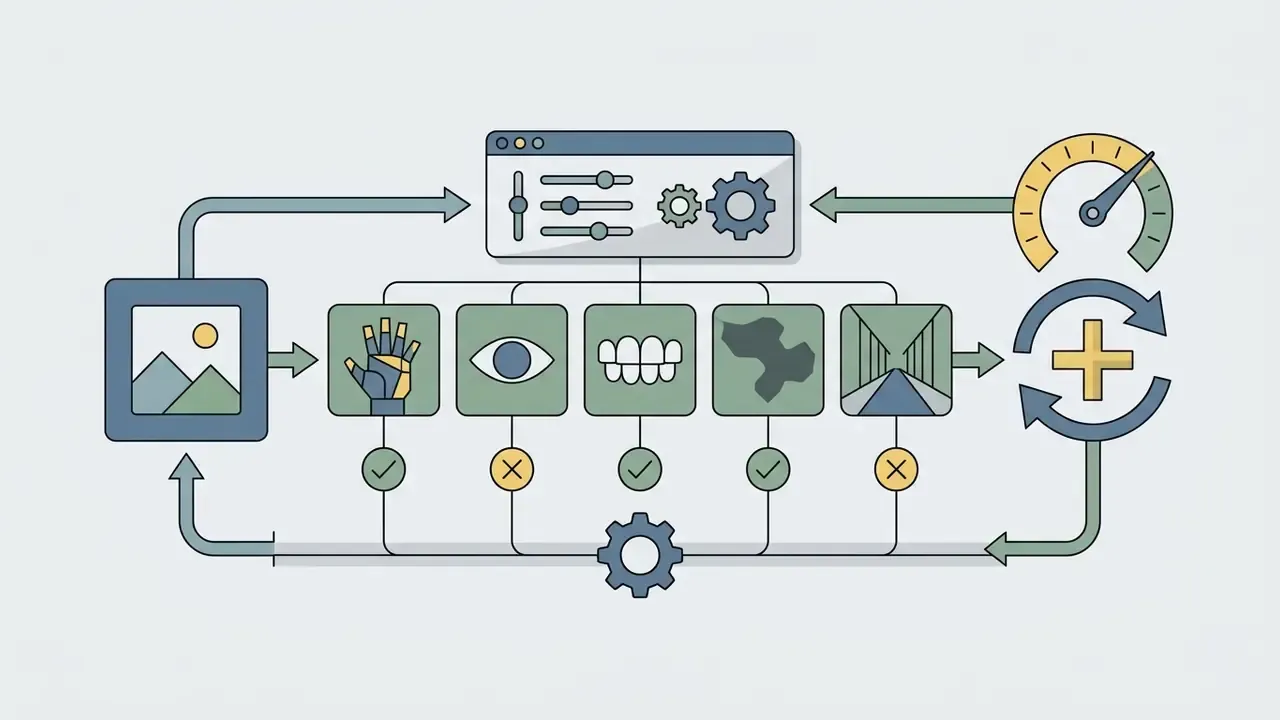
| 4. Inspect | Evaluate anatomy, spatial logic, lighting continuity | Check hands, teeth, gaze, shadow direction |
| 5. Refine | Adjust weights, edit one variable at a time | Hold the seed constant to isolate the trigger |
| 6. Export | Download vertical or horizontal asset for distribution | Match aspect ratio to target platform |
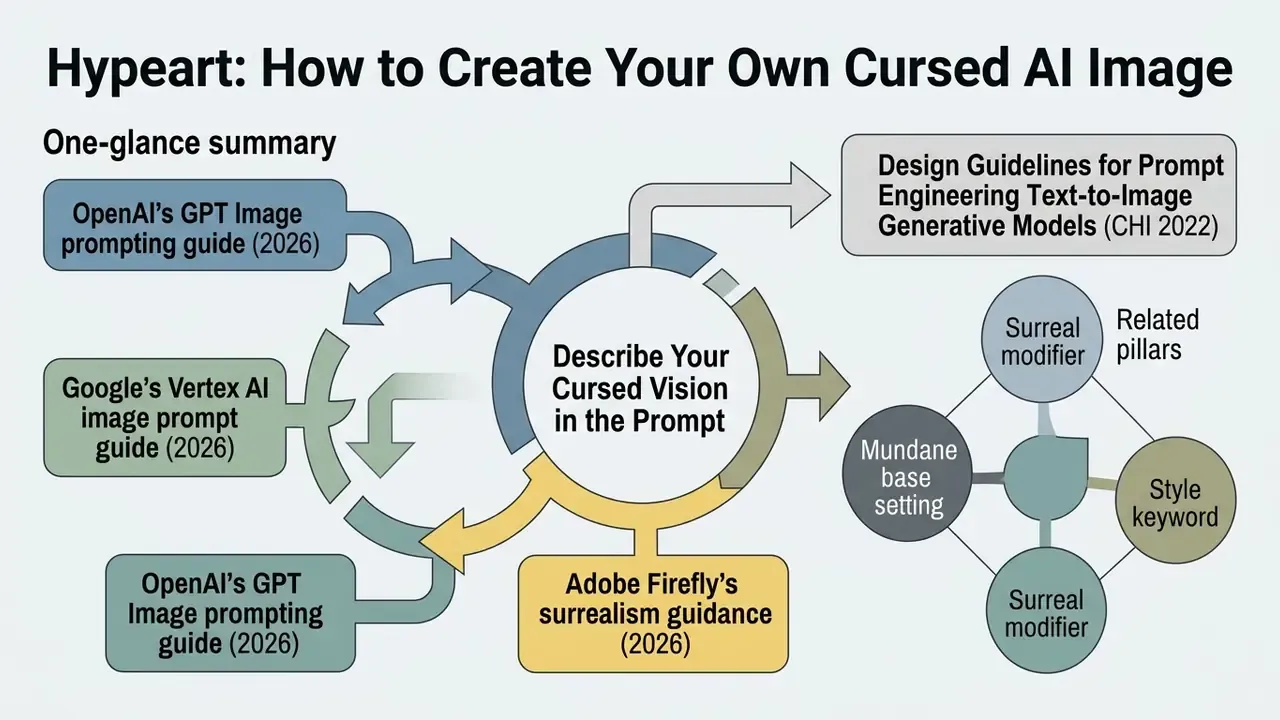
Describe Your Cursed Vision in the Prompt
An effective prompt for a cursed image pairs a recognizable base setting with one highly specific surreal modifier. Vendor and university prompting documentation converges on a four-part structure of subject, style, details, and output format, applied iteratively:
- OpenAI's GPT Image prompting guide (2026) recommends a fixed prompt order (background or scene, subject, key details, constraints) and, for edits, explicit instructions such as "change only X, keep everything else the same." https://developers.openai.com/cookbook/examples/multimodal/image-gen-models-prompting-guide
- Google's Vertex AI image prompt guide (2026) advises opening with subject, context, and style, and keeps in-image text to 25 characters or fewer across no more than three phrases. https://docs.cloud.google.com
- Adobe Firefly's surrealism guidance (2026) explicitly recommends describing floating objects, impossible scale, and dream-logic settings. It is the closest thing to official "cursed" prompt documentation.
- Design Guidelines for Prompt Engineering Text-to-Image Generative Models (CHI 2022) found that effective prompts emphasize subject and style keywords, and recommends generating 3 to 9 seeds per prompt to see its range. https://arxiv.org/abs/2109.06977
Applied to a cursed brief, that structure looks like this:
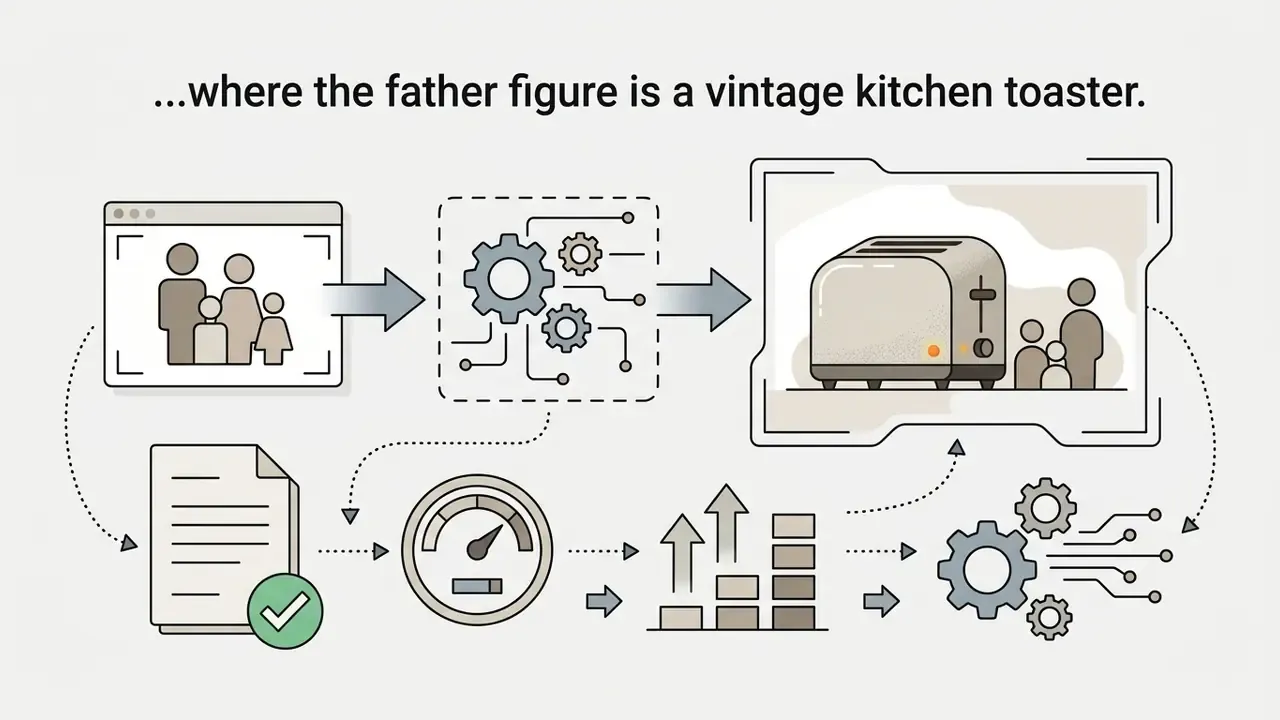
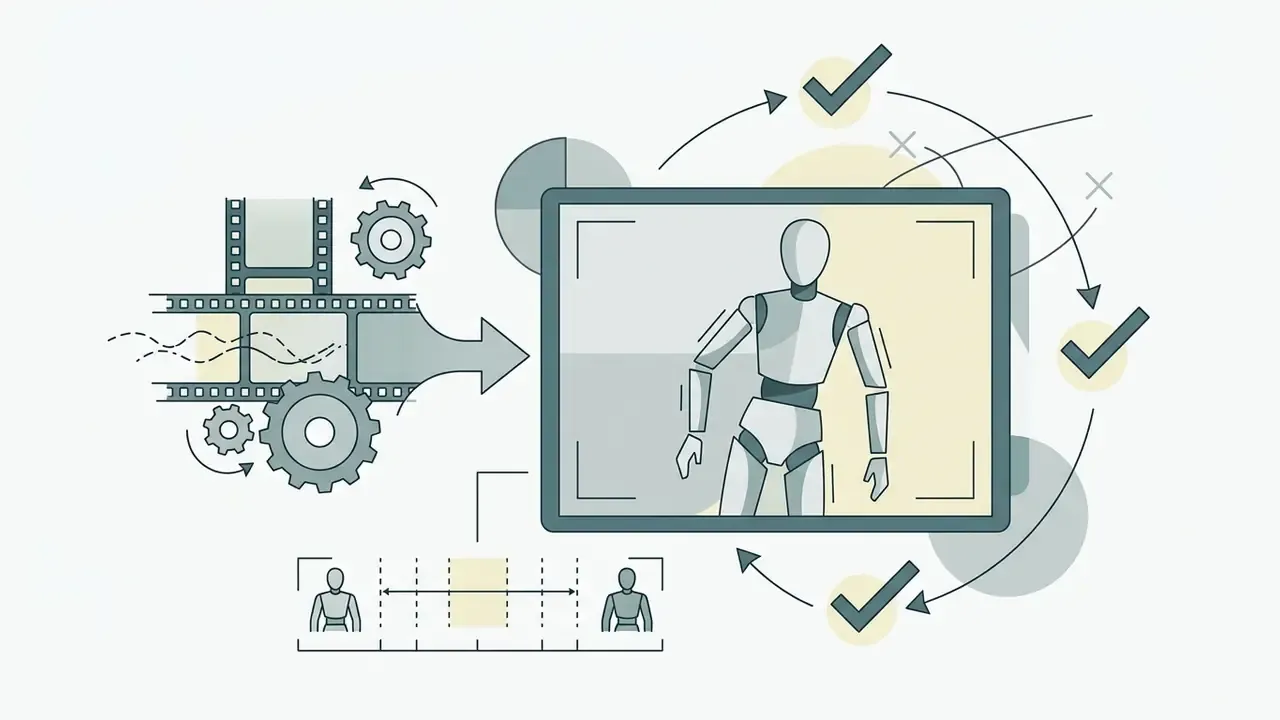
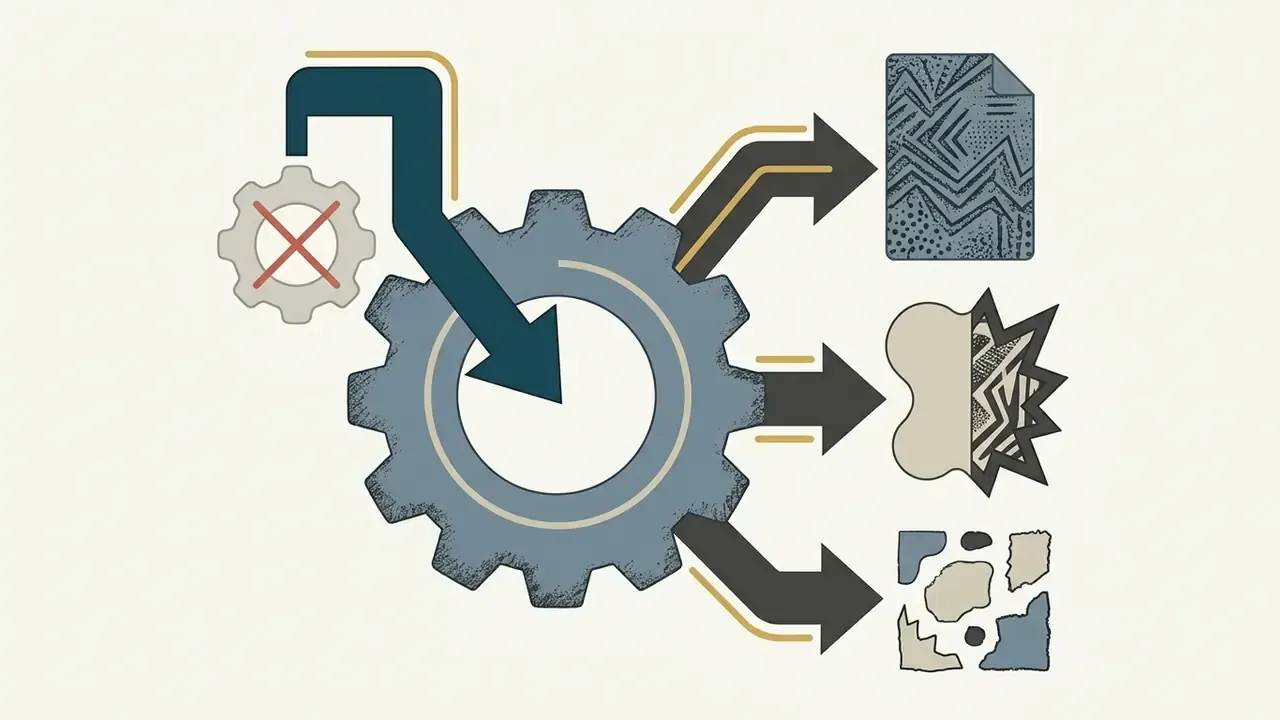
In practice, juxtaposing realistic photo styles such as vintage National Geographic or 1950s sepia snapshots with impossible subjects yields the highest rate of uncanny outputs. Testing artistic constraints in tools like an ai manga generator or an ai map generator shows how style modifiers steer the underlying diffusion process. If you want to iterate without burning credits, our roundup of free AI image generators lists tools with usable no-cost tiers.
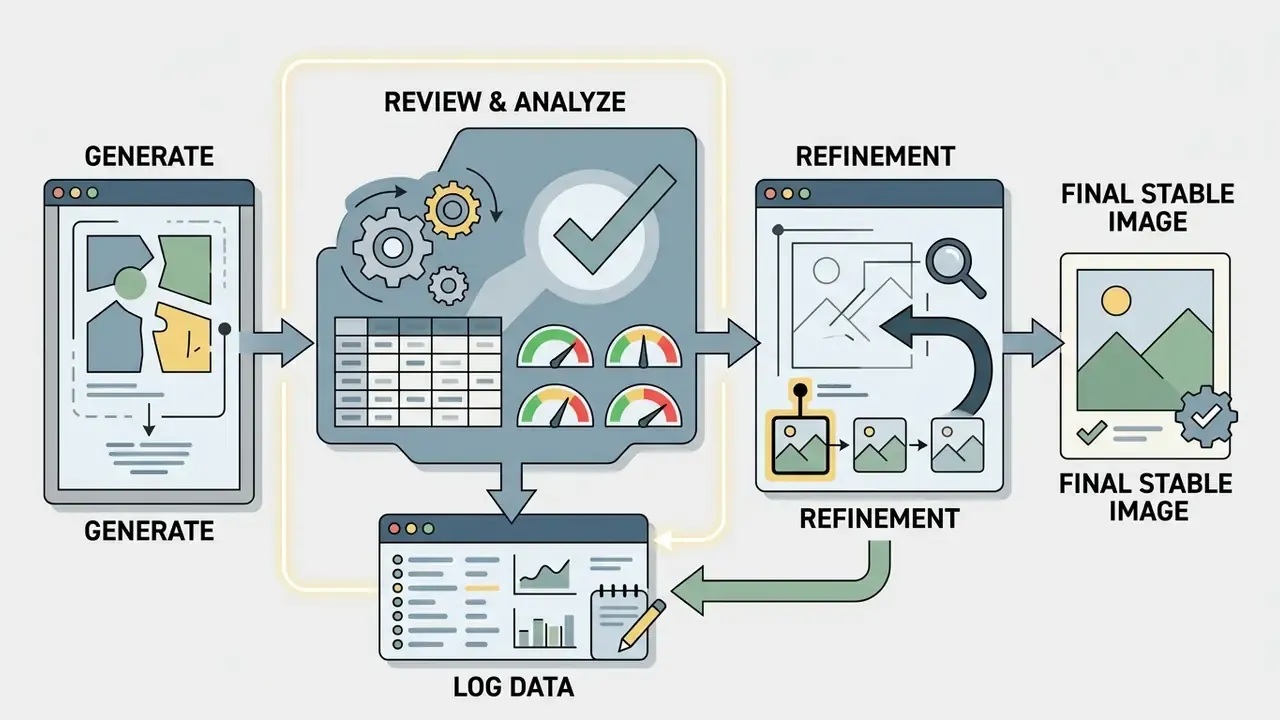
Generate, Review, and Refine the Image
Once the initial prompt is submitted, generate between three and nine variations with different random seeds. Because text-to-image models handle spatial logic probabilistically, seed variation exposes a range of structural errors from one text string.
Academic practice mirrors this loop. The WHOOPS! team built its benchmark by iteratively drafting prompts in Midjourney and selecting images with the strongest commonsense violations for the final dataset (Bitton-Guetta et al., ICCV 2023, https://arxiv.org/abs/2303.07274). Idea2Img: Iterative Self-Refinement with GPT-4V (ECCV 2024) generates multiple drafts per concept, compares each against the intended idea, and feeds discrepancy feedback back into the prompt. Test-time Prompt Refinement for Text-to-Image Models (ICCVW 2025) formalizes the defect taxonomy for that loop: wrong object counts, spatial misplacement, missing attributes.
Manipulating Embeddings of Stable Diffusion Prompts (IJCAI 2024) describes the formal version of step 5, alternating updates across prompt and seed space while holding image similarity high. Useful when one specific artifact has to reappear across a whole set of assets.

Best AI Cursed Image Generators to Try
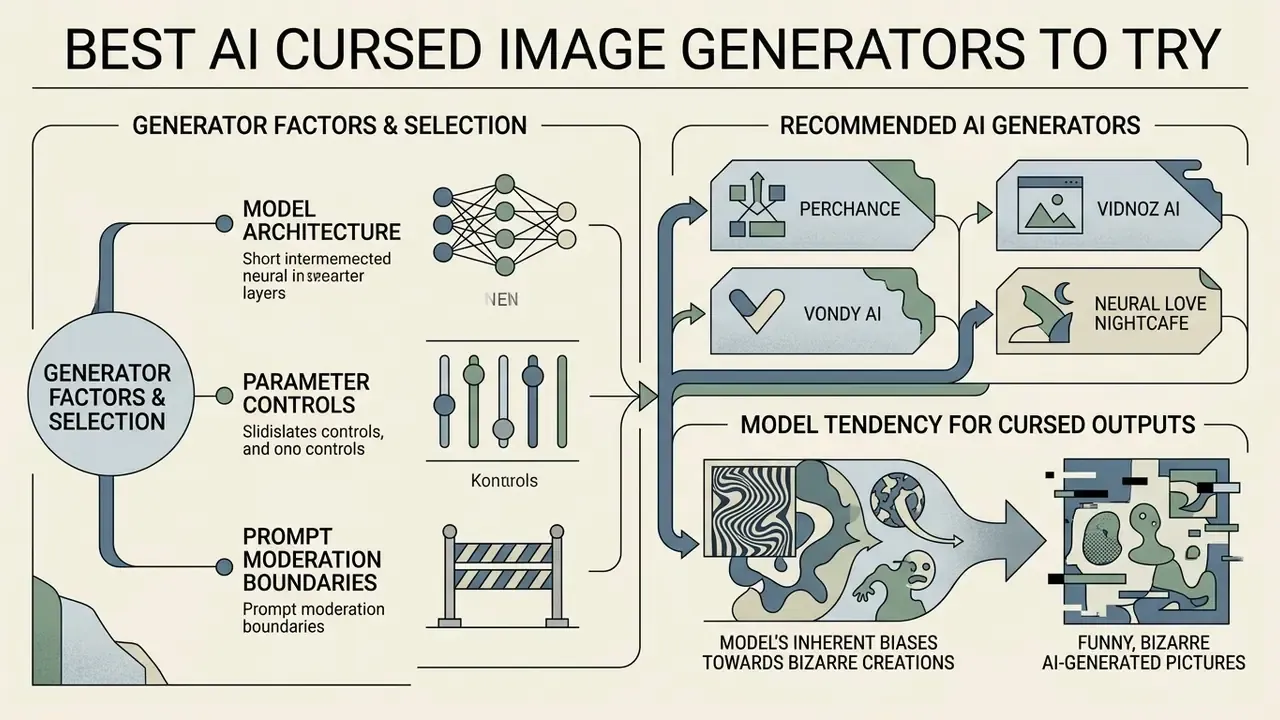
Choosing a generator comes down to model architecture, parameter controls, and prompt moderation boundaries. Platforms differ widely in how much freedom they allow for strange or surreal concepts, and a broader breakdown of quality and rights is available in our review of leading AI image generators.
AI generator comparison (August 2026)
| Platform | Access model | Key features | Cursed generation focus | Enterprise readiness |
|---|---|---|---|---|
| Perchance | Free browser | No sign-up, community scripting | High random variation | ❌ No verified security certifications or data-handling docs |
| Vidnoz AI | Free tier / paid | Video, avatars, lip-sync, templates | Animated avatar glitches | ⚠️ Consumer-grade; official ToS and pricing pages published |
| Vondy AI | Paid ($20+/mo, 10,000 credits) | Multi-model suite (image, video, audio, code) | Controlled prompts, animal hybrids | ⚠️ Paid product pages; free-tier limits unconfirmed |
| Neural Love | Unverified | No verified primary documentation | No verified data | ❌ No verified documentation available |
| NightCafe | Free credits / paid ($5.99+/mo) | Custom weights, LoRA, community galleries | High surreal control | ⚠️ Creator-focused; commercial-use statement published in FAQ |
| SDXL / SD3 (self-hosted) | Open weights | Full parameter and seed control, local inference | Highest anomaly rate | ✅ Deployable inside a controlled VPC with your own logging |
| DALL·E 3 (API) | Paid API | Strict alignment, safety filtering | Low (filters physical errors) | ✅ Enterprise API terms and documented moderation layer |
Reading the readiness column. For B2C meme production, the last column is irrelevant. For any regulated deployment it is the only column that matters. Browser toys with no published data-retention terms should never touch internal assets, and self-hosted open weights remain the only option when outputs must be logged inside your own perimeter.
Perchance, Vidnoz AI, Vondy AI, and Neural Love
Perchance provides a browser-based, lightweight interface built on open-source web scripts (HTML/CSS/JavaScript list-and-reference generators), so users can run text-to-image generators without mandatory account registration. It also ships a dedicated "cursed photo" model and random prompt seeds for inspiration. Reported free-tier limits conflict across third-party reviews. Some describe unlimited generation, others a cap around 20 to 21 images before an upgrade prompt, so treat the limit as unverified. Comparable options are catalogued in our list of no-sign-up AI image generators.
Vidnoz AI centers on AI video and avatar generation, which means its image tools lean toward human-like figures rather than general surreal art. The free plan includes daily credits, 720p export, and a watermark, with access to avatars, templates, and voices. Handy when the end goal is an animated cursed clip rather than a still.
Vondy AI operates as an integrated multi-model creative suite with tiered paid plans (Pro at roughly $20 per month for 10,000 credits across image, video, audio, writing, and code models). It handles oddly specific animal prompts, goats with eagle wings or goldfish in sneakers, with unusual precision, though generation speed can lag and credits need replenishing after the trial.
For Neural Love, no verified primary technical documentation or current official pricing was confirmed during recent platform audits. Community reports describe a painterly, dream-like surreal style with upscaling controls, but those claims remain unverified here. When evaluating platforms, our independent AI Media Comparison guide clarifies feature differences across active tools.
NightCafe for Creating Cursed AI Images
NightCafe is a popular platform for surreal content because it supports multiple base diffusion models, including Stable Diffusion 1.5 and DreamShaper v8 as free base generations, alongside access to Flux, DALL·E 3, Imagen, Ideogram, HiDream, and Seedream. It documents LoRA fine-tuning with tokens in the form <{type}:{name}:{optional weight}> and offers CLIP-Guided Diffusion as its "Coherent" algorithm.
It also exposes advanced prompt controls, letting users adjust inline prompt weights with standard syntax like (word:1.3). NightCafe's own guidance recommends keeping weights close to 1 and not above 1.5, and the same syntax works in negative prompts using positive numbers. A practical lever for dialing an anomaly up without collapsing the composition.
Public community galleries, including the Popular Art gallery, are part of the appeal. Creators publish prompts there, which means you can inspect the exact text strings and seed numbers behind popular cursed images. That makes it one of the more efficient places to learn prompt engineering by reverse engineering.
Which AI Models Work Best for Funny and Bizarre Pictures?
Open-weights models such as Stable Diffusion XL and Stable Diffusion 3 show higher prompt drift and structural variability than strictly aligned commercial systems. That variability makes them more likely to produce unexpected physical anomalies and anatomical glitches.
Model tendency for cursed outputs
| Model architecture | Prompt adherence | Cursed generation potential |
|---|---|---|
| DALL·E 3 | High (strict alignment) | Low, filters out physical errors |
| Midjourney v6 | High (aesthetic bias) | Moderate, leans toward polished art |
| Stable Diffusion XL / 3 | Variable (high drift) | High, frequent spatial anomalies |
| Flux.1 | High (detailed render) | Moderate, requires explicit prompts |
Models like DALL·E 3 enforce strict semantic interpretation and safety filtering, which suppresses accidental physical errors. Benchmarks in physical commonsense, such as PhyBench (CVPR 2024), show open models lag behind closed systems in maintaining realistic spatial physics, which inadvertently makes them superior engines for cursed content. I-HallA v1.0 (AAAI 2025) adds that every tested text-to-image model still exhibits measurable image hallucination, so the difference is one of degree rather than kind.
«Stable Diffusion produced unsafe content in 18.92% of cases versus a 14.56% four-model average, the highest rate tested.»
That figure is the quantitative face of the same trade-off: the models most willing to break physics are also the models most likely to break policy. Account upgrades can be reviewed via standard AI Media Pricing index pages, and a 2026 comparative study of surrealistic image generation reported DALL·E 2 as the strongest of DALL·E, Deep Dream Generator, and DreamStudio when driven by a 50-word LLM-written prompt (arXiv, 2026).
Prompts for Cursed Funny AI Generated Images
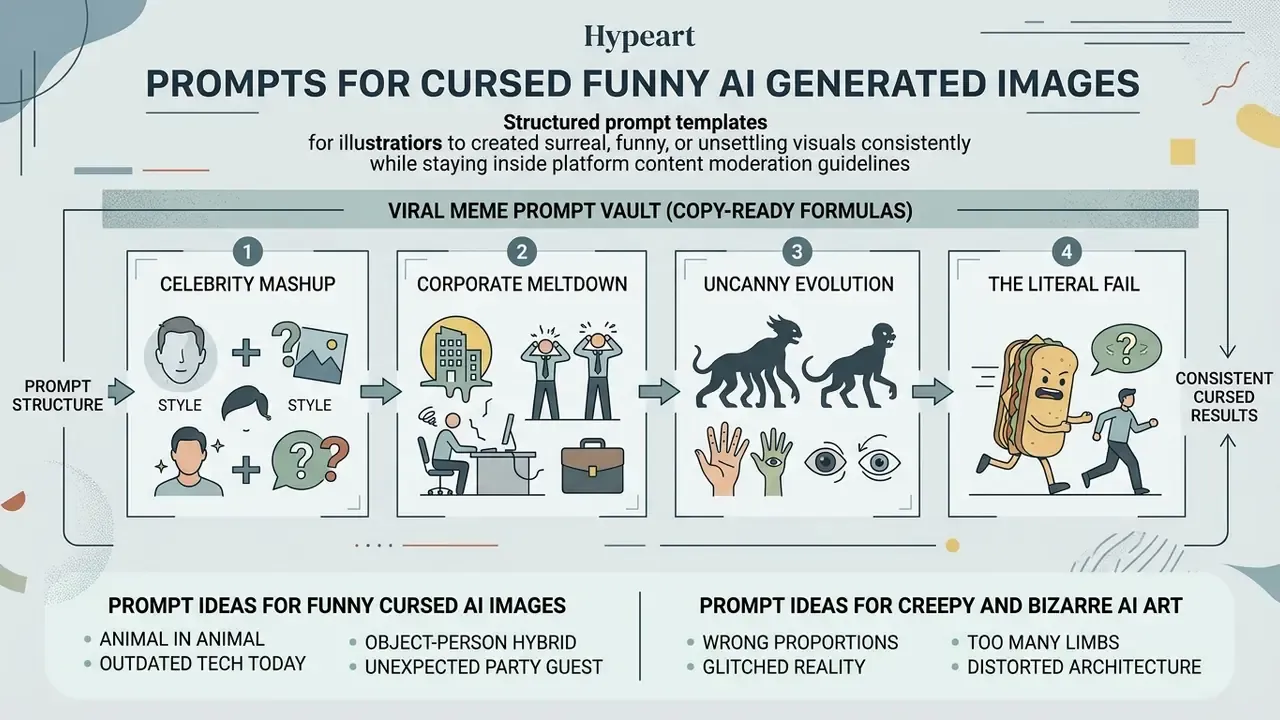
Structured prompt templates let creators elicit surreal, funny, or unsettling visuals consistently while staying inside platform content moderation guidelines.
«PAMELA, 70,000 ratings across 5,000 images with 15 users per image, showed personalized models predict individual taste better than population averages.»
The practical implication: "cursed" is not a fixed target. What reads as hilarious to one audience reads as merely broken to another, so test a prompt family against your own audience instead of trusting a universal template.
Prompt Ideas for Funny Cursed AI Images
The prompts below combine mundane everyday settings with absurd, deadpan visual elements:
"A golden retriever wearing a tailored three-piece business suit presenting quarterly earnings charts on a whiteboard, deadpan corporate office photography, 35mm lens.""A three-legged metal kitchen toaster standing on a suburban lawn at noon, felt diorama photography, bright daylight, subtle wrong detail.""A vintage 1950s family studio portrait where the grandfather is noticeably an antique blender, sepia tones, awkward posture, grainy paper texture.""A fish wearing a bowler hat carrying brown paper grocery bags down a supermarket aisle, low-poly 3D style, bright retail lighting.""A goose-moose animal hybrid walking across a quiet country road at sunset, National Geographic wildlife photo style, highly detailed fur and feathers.""A fox-hippo hybrid with mossy skin standing in a sunny meadow, cinematic wildlife portrait, exaggerated anatomy.""A hawk-cheetah hybrid posed like a fashion model, studio flash photo, retro editorial magazine look.""A 1970s vacation snapshot of a family picnic where the sandwich is larger than the car, faded film stock, funny mismatch.""An old black-and-white wedding photo where the bride is a refrigerator, cracked paper texture, antique album aesthetic.""A 1990s camcorder frame of a cat running a supermarket cash register, timestamp overlay, nostalgic low-resolution comedy."
Running these through creative text generators, such as an ai lottery generator, illustrates how minor word variations shift structural output.
Prompt Ideas for Creepy and Bizarre AI Art
These prompts target subtle visual discomfort and surrealism without crossing into graphic content:
"An eerie, empty hallway in an abandoned 1980s hotel, the wallpaper pattern slightly shifts perspective unnaturally, liminal space photography.""A high-fashion editorial portrait of a person whose shadow points toward the light source instead of away, studio lighting, stark contrast.""A quiet domestic living room where all furniture pieces are hovering two inches above the floor, soft daylight, realistic interior design photo.""A Victorian ceramic doll sitting on a wooden chair, the reflection in its glass eyes shows an entirely different room, cinematic lighting.""A surreal landscape featuring floating marble staircases leading into low clouds, monochrome architectural photography, minimalist composition.""A carousel in an empty amusement park at dawn, rusted animal figures facing the wrong direction, overcast light, documentary photography.""A wedding banquet table photographed from above where every plate merges into the tablecloth, natural window light, high detail.""A crowded 1980s office where every background figure's face is slightly out of focus regardless of depth, fluorescent lighting."
All major AI platforms enforce safety policies that block explicit gore, self-harm, and non-consensual sexual content. OpenAI's image policy prohibits erotica, illegal or non-consensual sexual activity, and extreme gore outside scientific, historical, news, or clearly artistic contexts. Google's Gemini image-generation prohibited-use list bans child sexual abuse material, violent extremism, non-consensual intimate imagery, self-harm content, sexually explicit material, hate speech, and harassment. Civitai's updated rules additionally block nudify workflows and any nudity tied to minors. Where these differ, OpenAI permits narrow artistic exceptions while Google's list reads as a flat prohibition. Focusing on spatial contradictions and atmospheric lighting keeps prompts inside terms of service while still delivering an uncanny result.
Cursed AI Images for Social Media and Commercial Use
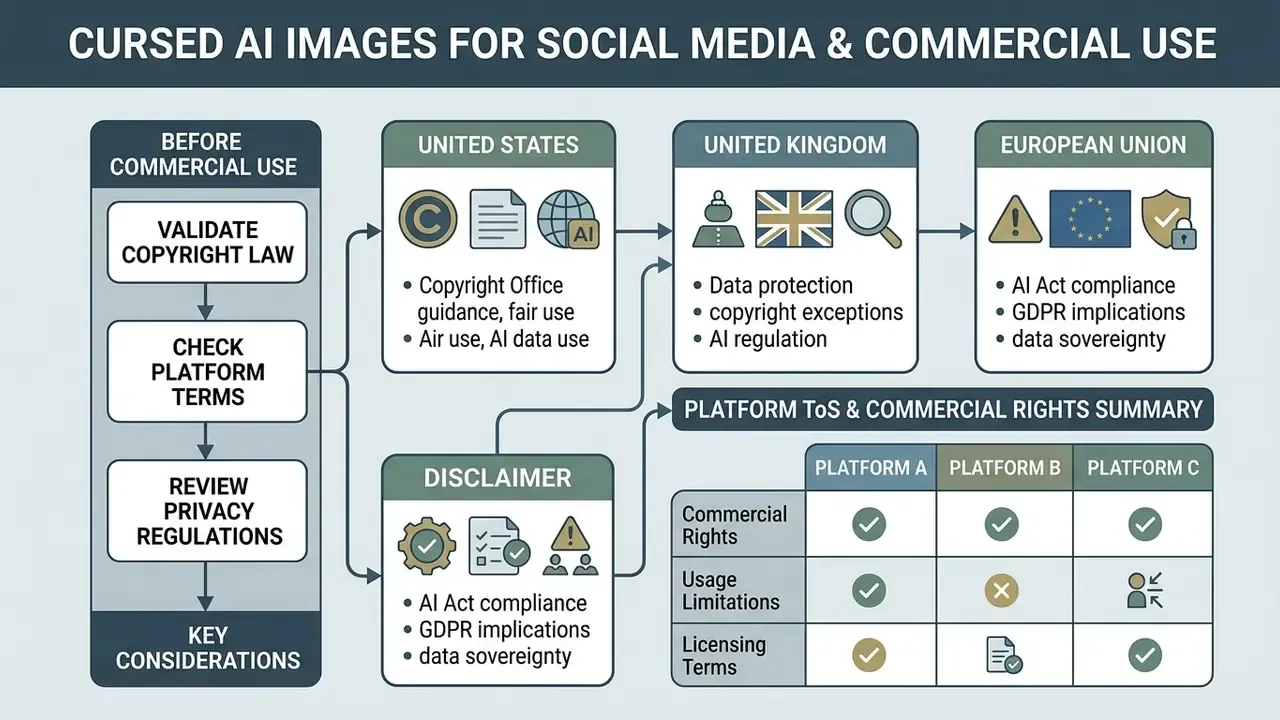
Deploying AI-generated imagery in commercial campaigns, marketing media, or social channels means validating copyright law, platform terms, and privacy regulations first. Not after publication.
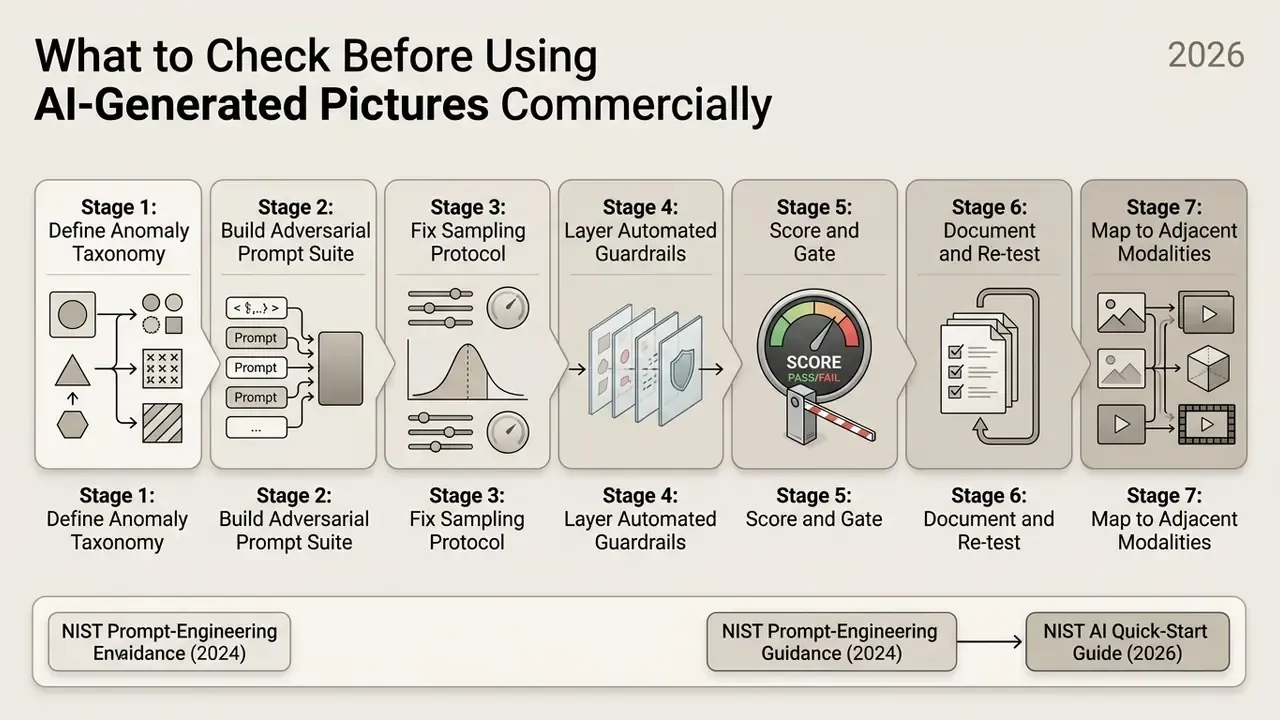
What to Check Before Using AI-Generated Pictures Commercially
Before any commercial use, read the generator's Terms of Service. Many platforms restrict commercial rights to paid subscription tiers and treat free-trial output as non-commercial. Midjourney, for example, grants commercial usage rights on paid subscriptions while treating free or trial access as non-commercial, with revenue thresholds pushing larger users into higher tiers.
«Harm amplification occurs when a generated image contains more harmful elements than the input text prompt, even for neutral requests.»
That mechanism is the core commercial risk in this genre. A benign brief can still yield an asset you cannot publish, which is why review belongs at the output stage rather than the prompt stage.
Commercial reuse compliance checklist
| ✔ | Check | What to confirm |
|---|---|---|
| ☐ | ToS verification | Platform grants commercial rights for your specific plan tier |
| ☐ | Copyright status | Acknowledge that AI-only outputs lack US copyright registrability |
| ☐ | Trademark clearance | Inspect the image for accidental logos, brand elements, or protected characters |
| ☐ | Individual consent | Avoid depicting identifiable real living persons without written consent |
| ☐ | Output-stage review | Re-screen final assets for harm amplification, not just the prompt |
| ☐ | Provenance record | Retain prompt, model version, seed, and date for every published asset |
Legally, the US Copyright Office maintains that purely AI-generated works lacking human authorship cannot be registered for copyright protection. Trademark exposure sits separately from copyright: an image can be permitted by a platform's ToS and still infringe if it reproduces a logo or a protected character. Audit images for trademarked elements before publication, and compare verification tooling in our guide to AI image detectors.
Compliance statutes have tightened sharply across 2025-2026:
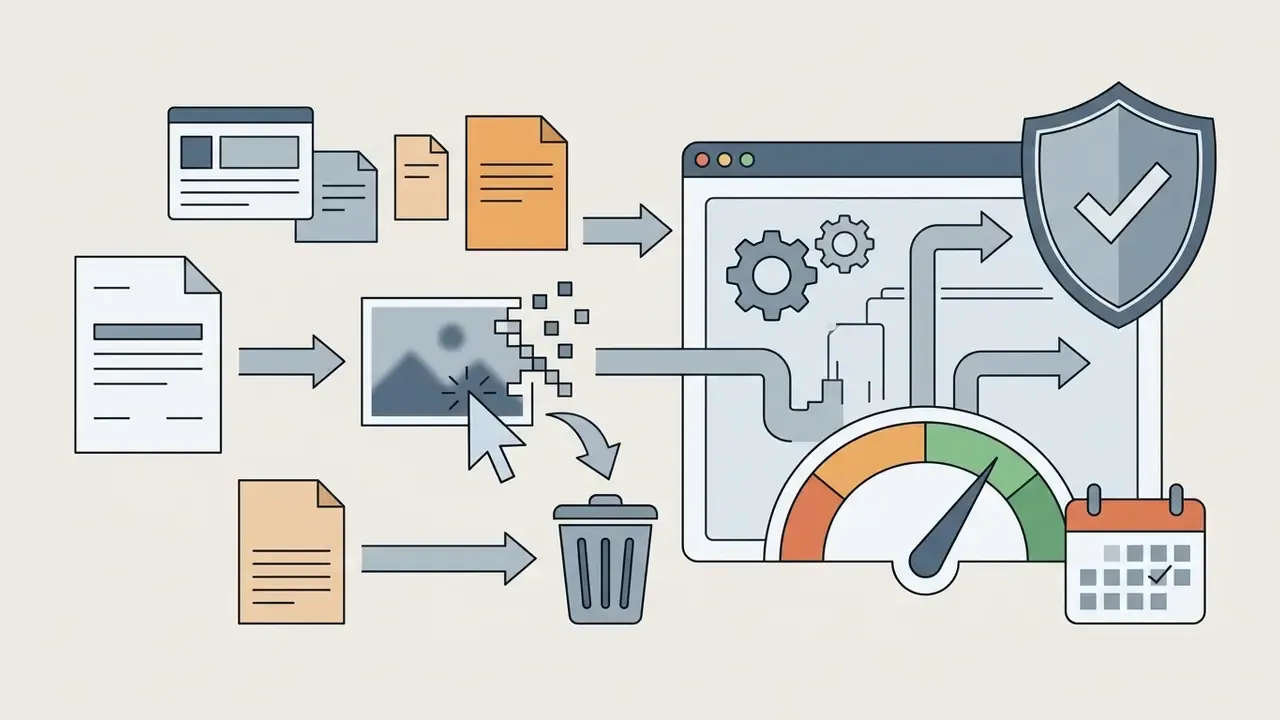
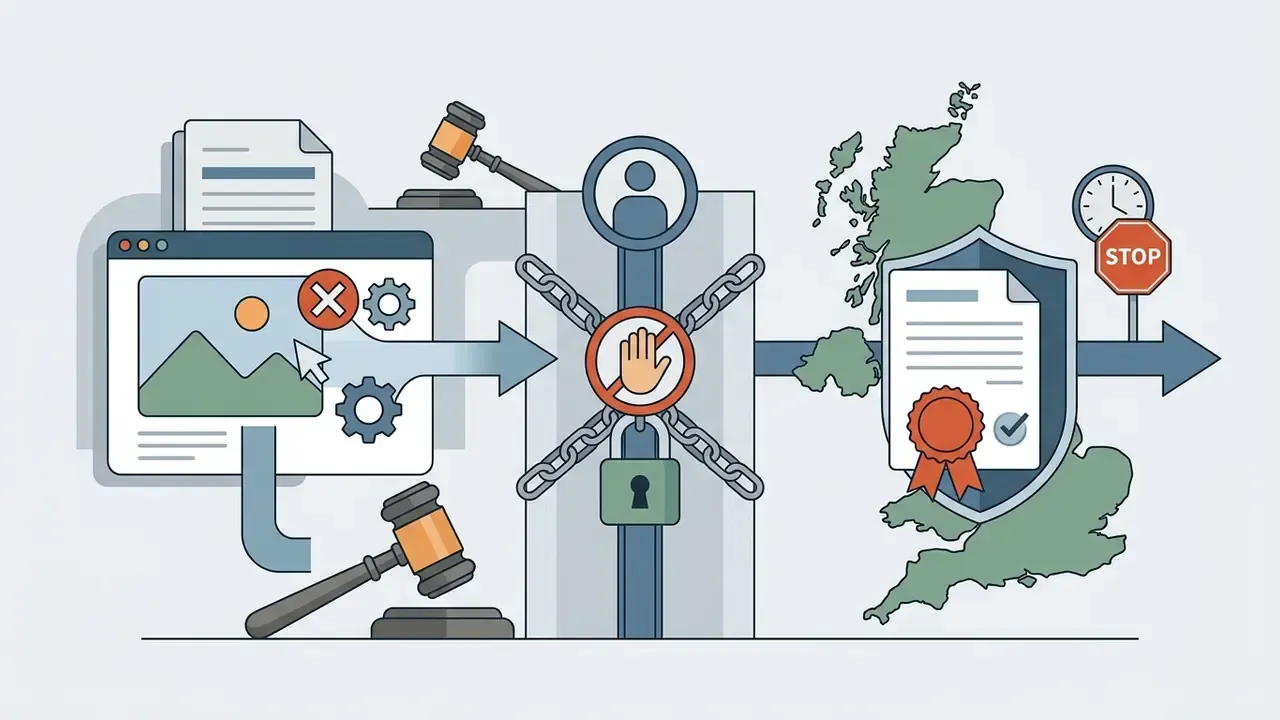
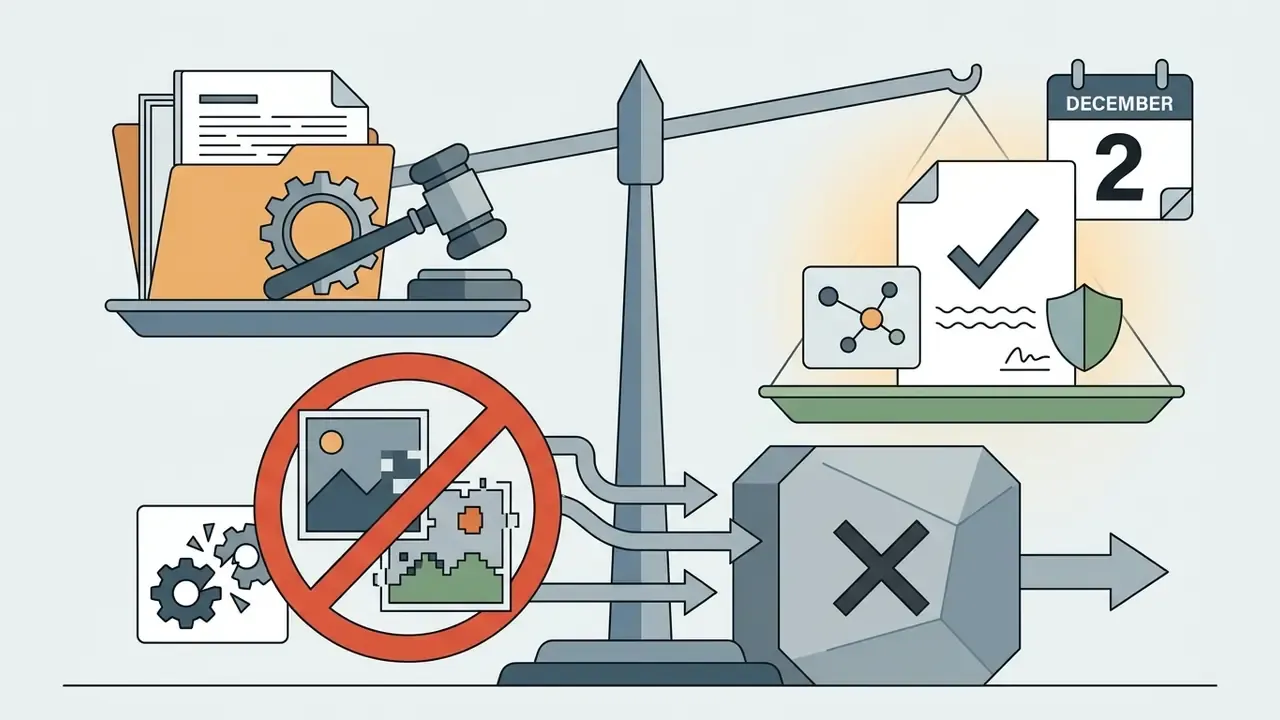
Enforcement dates and scope keep moving, so treat the list above as a starting point for legal review rather than a settled position. Resources in the AI Media Commercial-Use Hub and updates on AI Litigation and Case Timelines track regulatory developments, and our overview of AI image generator commercial use maps rights by platform.
Platform ToS and commercial rights summary
| Platform | Commercial use allowed | Tier requirement | Verification source |
|---|---|---|---|
| NightCafe | Yes (if the creation does not use other images) | Free and paid tiers | Official FAQ (2026) |
| Vidnoz AI | Yes | Paid plan preferred | Official pricing and ToS (2026) |
| Perchance | Unverified | No verified ToS located | No verified source |
| Vondy AI | Unverified | Paid plan ($20+/mo) | Product page (2026) |
| Neural Love | Unverified | No verified pricing page | No verified source |
Red-Teaming Checklist for Visual Generative Models
Can You Animate Cursed AI Images Into Videos?
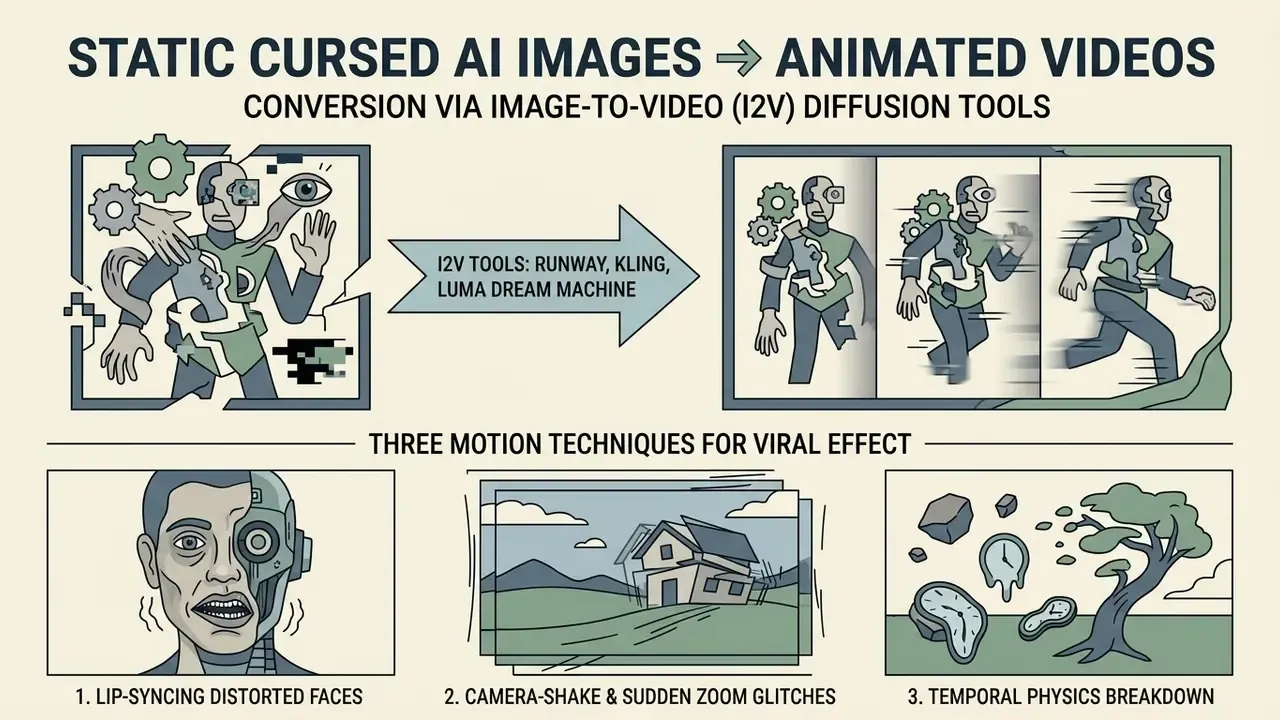
Static cursed AI images convert into short clips or looping animations through image-to-video (I2V) diffusion tools such as Runway, Kling, and Luma Dream Machine. Each uses the source picture as an initial keyframe, predicting motion vectors across time while holding visual characteristics roughly stable. Feature-level differences are compared in our guide to image-to-video AI tools.
Image-to-video animation process
| Stage | What happens | Typical output |
|---|---|---|
| 1. Encode | Static cursed image converted to latent spatial representation | Conditioning frame |
| 2. Predict | I2V diffusion engine applies temporal attention and motion prediction | Frame sequence |
| 3. Post-process | Frame smoothing, light adjustment, optional audio sync | Animated clip, 5 to 15 seconds |
Technical explainers describe the mechanism consistently. The model encodes the still image into a latent representation and conditions temporal generation on it (Morphic, 2026, https://morphic.com/ai-glossary/Image-to-Video), running a pipeline of image analysis, motion prediction, diffusion frame synthesis, and temporal attention for coherence (Clipia, 2026, https://clipia.ai/en/blog/how-ai-generates-video-from-image). Kling's own explainer adds that static-image video models are trained on video-image pairs and then post-processed with frame smoothing, light adjustment, and sound synchronization (2025, https://kling.ai/blog/ai-image-to-video-photo-motion).
Where to Find New Cursed AI Pictures and Galleries
New cursed AI pictures and prompt ideas circulate continuously across dedicated communities, image boards, and social channels. These hubs are where prompt trends surface first.
- Reddit communities
r/Cursed_Imagesdefines cursed images as strange, illogical, context-free photographs and explicitly excludes computer-made drawings, which makes it the reference point for the aesthetic rather than a pure AI dump.r/aiartandr/ChatGPTcarry the AI-generated stream, with "cursed AI" threads active through 2024-2026, andr/CharacterAIhosts its own "most cursed image" tradition. - Telegram galleries Public channels such as
@recursedimagesshare curated collections of context-free and bizarre visual media daily, with individual posts routinely clearing 11,000 views. - Platform feed galleries Built-in community showcases on sites like NightCafe (Popular Art gallery) and Midjourney let users search trending tags such as "surreal," "bizarre," or "abstract," and inspect the exact prompts and seeds behind popular outputs.
- Curated editorial roundups Large gallery posts in the "40 pics" and "92 cursed AI images" formats remain useful for spotting which tropes are circulating, though they rarely disclose prompts.
- Artist monographs Charlie Engman's Cursed (profiled by CNN in 2024) documents the genre's fine-art wing: mask-like faces, vanishing limbs, and hybrid anatomies presented as intentional work rather than error.
Monitoring these hubs highlights emerging visual styles and helps creators refine prompt strategies for custom cursed AI content. It also gives governance teams an early read on which synthetic aesthetics are about to hit their moderation queue.
FAQ
What makes an AI-generated picture "cursed" rather than just bad?
A bad image fails obviously and reads as noise. A cursed image succeeds almost everywhere and fails in one specific, high-sensitivity place: hands, teeth, gaze, or shadow direction. The unease comes from the mismatch between overall realism and a single impossible detail.
Which model produces the most cursed images?
Open-weights systems, particularly Stable Diffusion XL and SD3, show the highest prompt drift and the most frequent spatial anomalies. PhyBench (CVPR 2024) found open models lag behind DALL·E 3 on physical commonsense, which makes them the better engine for intentional cursed output and the weaker choice for controlled production work.
Can I use cursed AI images commercially?
Sometimes. You have to confirm three separate things: that your platform tier grants commercial rights, that the image contains no trademarked or brand-identifiable elements, and that no identifiable real person is depicted without consent. Note that purely AI-generated works lacking human authorship are not registrable for US copyright. General information, not legal advice.
Why does the AI turn "salmon in a river" into fillets?
Because "salmon" resolves most strongly to its most frequently photographed form in training data, supermarket fillet, rather than to the living species. Literal-interpretation failures like this are the most reliable source of viral cursed images.
How do I animate a cursed image?
Use an image-to-video diffusion tool, then apply one of three techniques: lip-syncing the distorted face, adding abrupt zoom and shake keyframes, or driving a low-motion prompt to force temporal morphing. Clips typically run 5 to 15 seconds.
Are cursed AI images safe to post?
Generally yes, if they avoid explicit content, real identifiable individuals, and brand assets. All major platforms prohibit gore, sexual content, self-harm imagery, and non-consensual depictions. Harm-amplification research shows a neutral prompt can still yield an unpublishable output, so review the final asset rather than only the prompt.
Do detection tools flag cursed images as AI?
Usually, and often loudly. Diffusion-artifact research found human observers identify AI images at roughly 76% accuracy, and automated detectors key on the same biometric and physical anomalies. Cursed content is the least detection-resistant category of synthetic media.
What should a governance team log for every generated asset?
At minimum: prompt text, model and version, seed, sampler settings, reviewer name, defect score, and publication decision. That record is what turns an amusing anomaly into reproducible audit evidence.
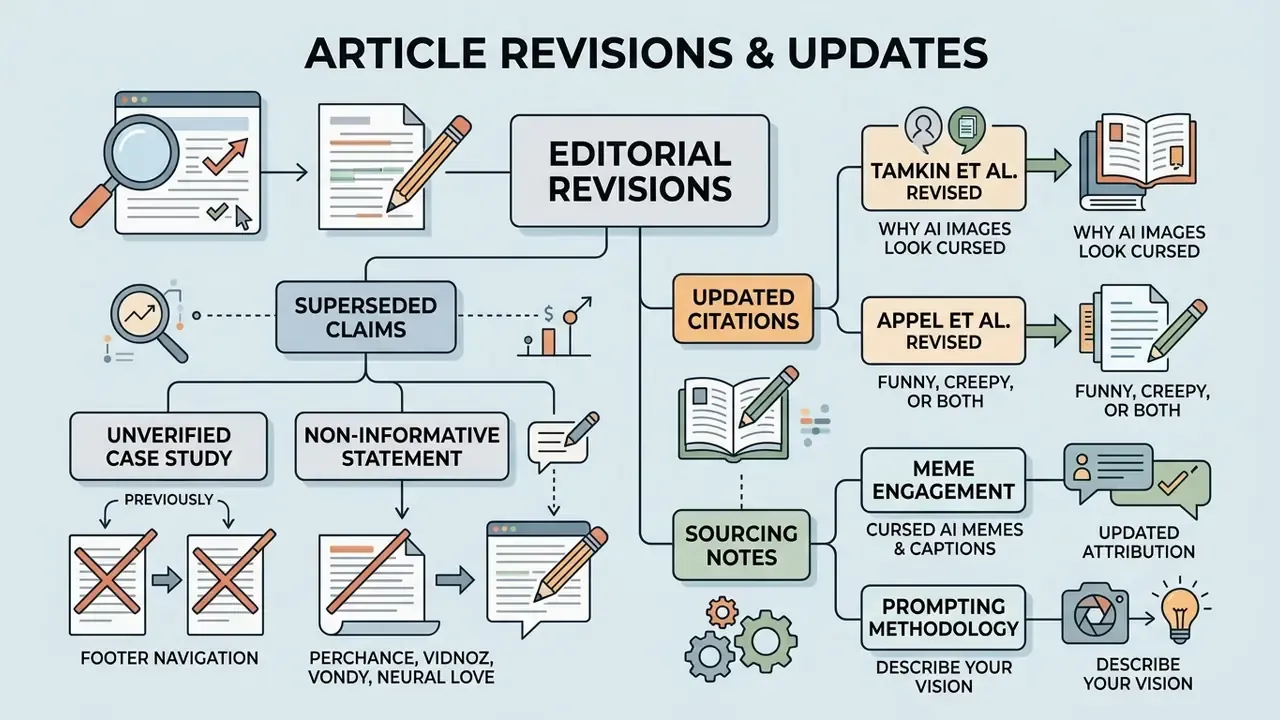
Appendix A: Editorial Revisions and Superseded Claims