Executive Summary: What the Market Actually Offers
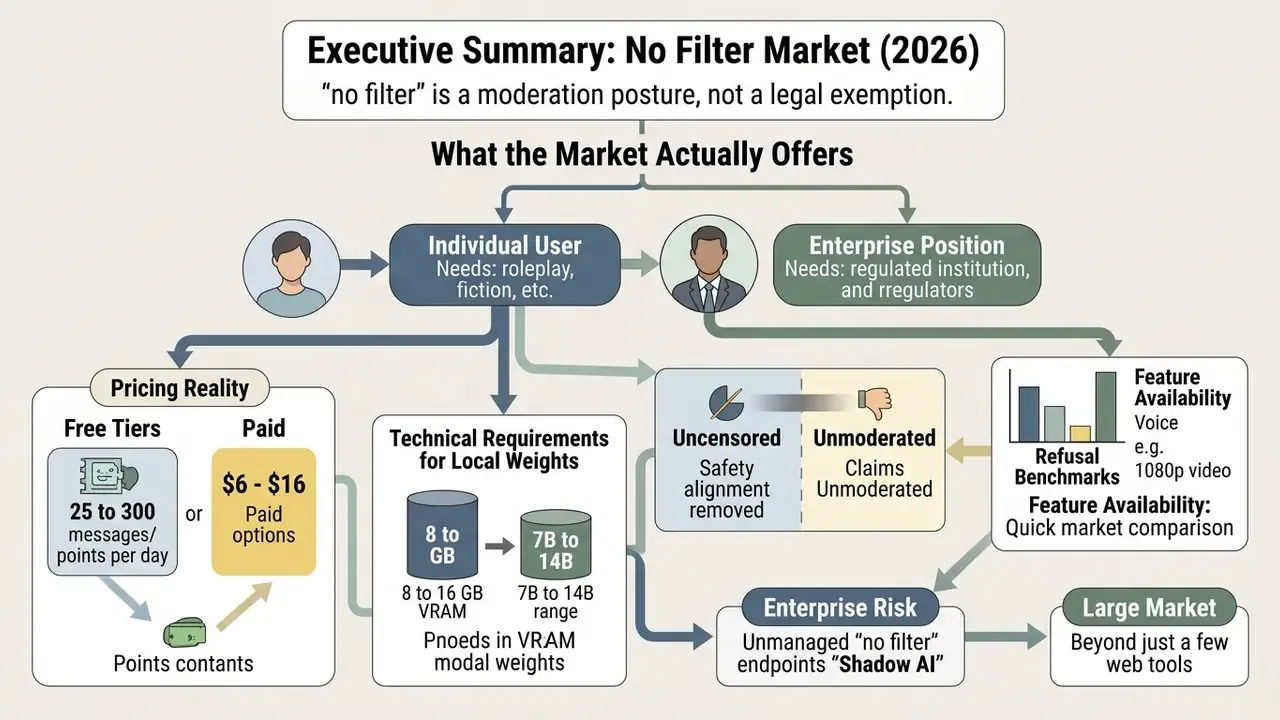
- "No filter" is a moderation posture, not a legal exemption. Every hosted platform we reviewed, including services marketed as "100% uncensored", retains an Acceptable Use Policy prohibiting child sexual abuse material (CSAM), non-consensual content, malware generation, and automated infrastructure abuse.
- Three distinct claims are routinely conflated: no filter / uncensored (safety alignment removed), no restrictions (marketing language about quotas), and functional limits (context window, token caps, GPU queue priority). Uncensored open-weight models show a Refusal Success Rate (RSR) of 69.29% on harmful prompts versus 23.12% for safety-aligned systems. That is a measurable behavioral gap, not a marketing one.
- The real market is far larger than five web tools. The 2026 segment splits into four architecture families: local and on-device stacks (SillyTavern, KoboldAI, Ollama, HammerAI local mode, Sigma Browser with Qwen 3.5 4B), cloud roleplay hubs (Janitor AI, Chub/Venus AI, CrushOn, SpicyChat, DreamJourneyAI, DreamGen, Chai), companion and multimedia platforms (Candy.ai, GirlfriendGPT, OurDream.ai, Nastia, Muah.ai), and privacy-proxied general assistants (Venice.ai, notrack.ai, Duck.ai, Poe).
- Pricing reality: free tiers run 25 to 300 messages or points per day. Committed "unlimited" plans cluster at $6 to $16 per month on annual billing, while app-store weekly plans ($14.99/week, roughly $779/year) represent the highest effective cost in the segment.
- Enterprise position: for regulated institutions, unmanaged consumer "no filter" endpoints are a Shadow AI exposure rather than a productivity tool. Controls required before any pilot: DLP egress inspection, zero-data-retention (ZDR) contracting, model-risk validation aligned to NIST AI RMF 1.0 and SR 11-7 principles, and documented prompt-injection testing.
- For individuals: if confidentiality is the priority, run local weights (8 to 16 GB VRAM for 7B to 14B quantized models). If multimodal output matters more (voice, 4K images, 1080p video), expect cloud processing and server-side retention.
Who This Guide Is For and What Changed in 2026
Two very different readers land on this query, and they need opposite answers.
The first is an individual user who wants an ai chat that has no filter for fiction, roleplay, or blunt research questions without hedged replies. For that reader, the decisive variables are refusal behavior, memory persistence, media support, and cost per month.
The second is a control-function leader at a bank or a mature fintech: a CRO, CCO, Head of Model Risk, or AI governance lead. That reader is not shopping. They are trying to understand a category their staff already uses from personal devices, and to document why it is approved, restricted, or blocked.
Three things shifted during 2025 and into 2026. Mainstream assistants moved from hard refusal toward hedging, which changed the user complaint from "it said no" to "it said nothing useful". Local inference became genuinely practical on consumer GPUs, which broke the assumption that unfiltered means cloud-hosted. And enterprise DLP tooling started classifying AI domains natively, which made Shadow AI measurable for the first time. Those three shifts drive most of what follows.
What Does "Free AI Chatbot No Filter" Mean?
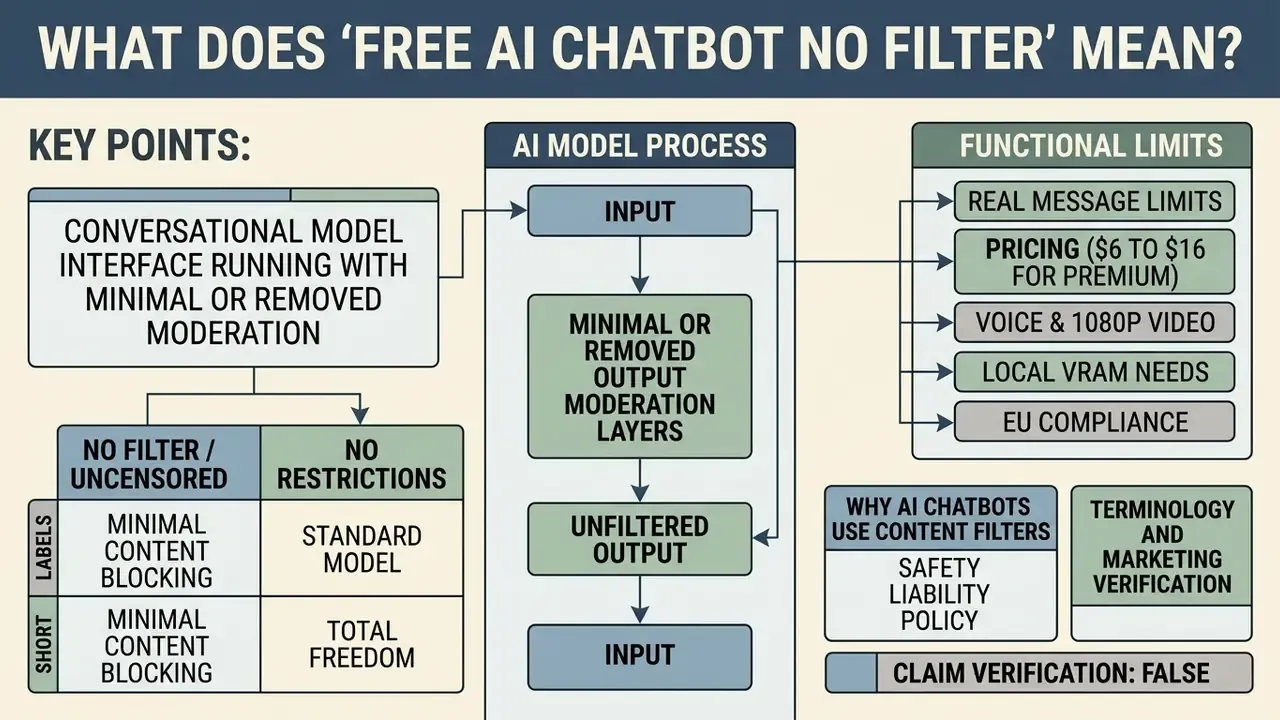
A free ai chatbot no filter is a conversational language model interface running with minimal or removed output moderation layers. On a technical level, an ai chatbot without filter does not eliminate all computational or system guardrails. It reduces the probability of refusal when handling sensitive, controversial, or specialized prompts. Nothing more.
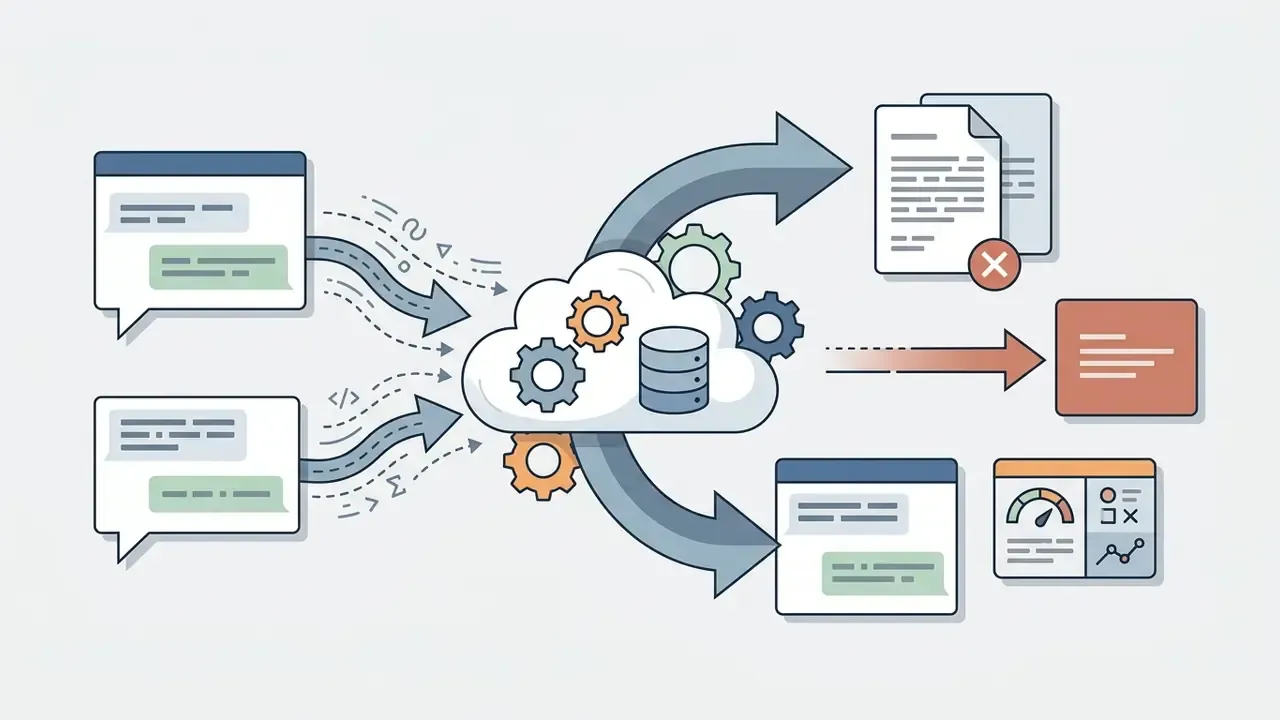
Users searching for an unfiltered ai chat typically encounter two architectures: cloud-hosted freemium endpoints and locally hosted open-source weights. Commercial providers often market uncensored ai access while enforcing backend infrastructure limits, acceptable use policies (AUPs), or token throttling. Understanding these operational boundaries prevents three predictable outcomes: unexpected service disruption, security exposure, and compliance misalignment.
No Filter, Uncensored and No Restrictions: Key Differences
The terms "no filter", "uncensored", and "no restrictions" describe distinct structural properties of an AI deployment. They are not synonyms, even though vendors use them interchangeably.
- No Filter / Uncensored AI: refers specifically to safety alignment and content moderation. In research on Uncensored Large Language Models (ULLMs), including studies tracking open-source checkpoints on Hugging Face, uncensored models show a Refusal Success Rate of 69.29% for harmful prompts against 23.12% in safety-aligned systems. A low RSR reflects a model's willingness to comply with sensitive prompts rather than decline them. That is precisely why unfiltered systems feel "more capable" to users and simultaneously riskier to compliance teams.
In financial-services pilot evaluations, team leads often mistake a model's lack of safety refusals for enterprise-grade flexibility. Here is an illustrative composite. During a model validation trial for an automated document classification pipeline, an engineering team selected an open-weights model labeled "unrestricted". The model processed unstructured inputs without standard refusals, but it lacked context-window stability and failed under high query concurrency. Wrapping a calibrated model in a structured governance layer restored throughput while keeping the pipeline inside policy. Detailed definitions of these model types are collected in our AI Media Glossary.
- No Restrictions
- usually a marketing phrase implying the absence of rate limits, paywalls, or usage caps. In practice, platforms claiming "no restrictions" still enforce acceptable use policies against illegal activity, malware distribution, and server abuse. Venice.ai advertises "unrestricted AI chat" while publishing a 25-message-per-day free allowance. uncensored.com advertises "no filters, no refusals" while stating that inputs and outputs are scanned in real time and that accounts can be suspended.
- Functional Limits
- distinct from safety alignment. A model may be entirely uncensored regarding text output and still be constrained by a 4,000-token context window, rate-limited processing queues, or no internet access. Microsoft's Azure Content Safety documentation illustrates the difference cleanly: free-tier throttling, no batch processing, and a 10,000-character submission ceiling are service constraints, separate from model-level alignment.
Why AI Chatbots Use Content Filters
Developers and enterprise platforms implement content filters to limit legal liability, protect brand integrity, and comply with safety frameworks. National standards, including the NIST AI Risk Management Framework (NIST AI RMF 1.0) and NIST AI 600-1, set out controls against toxic output, copyright infringement, and unauthorized disclosure of personally identifiable information (PII). NIST AI 100-4 documents that filters apply to both input prompts and generated outputs in text-to-image systems, with explicit emphasis on blocking CSAM and non-consensual intimate imagery (NCII).
Filters operate at three main levels.
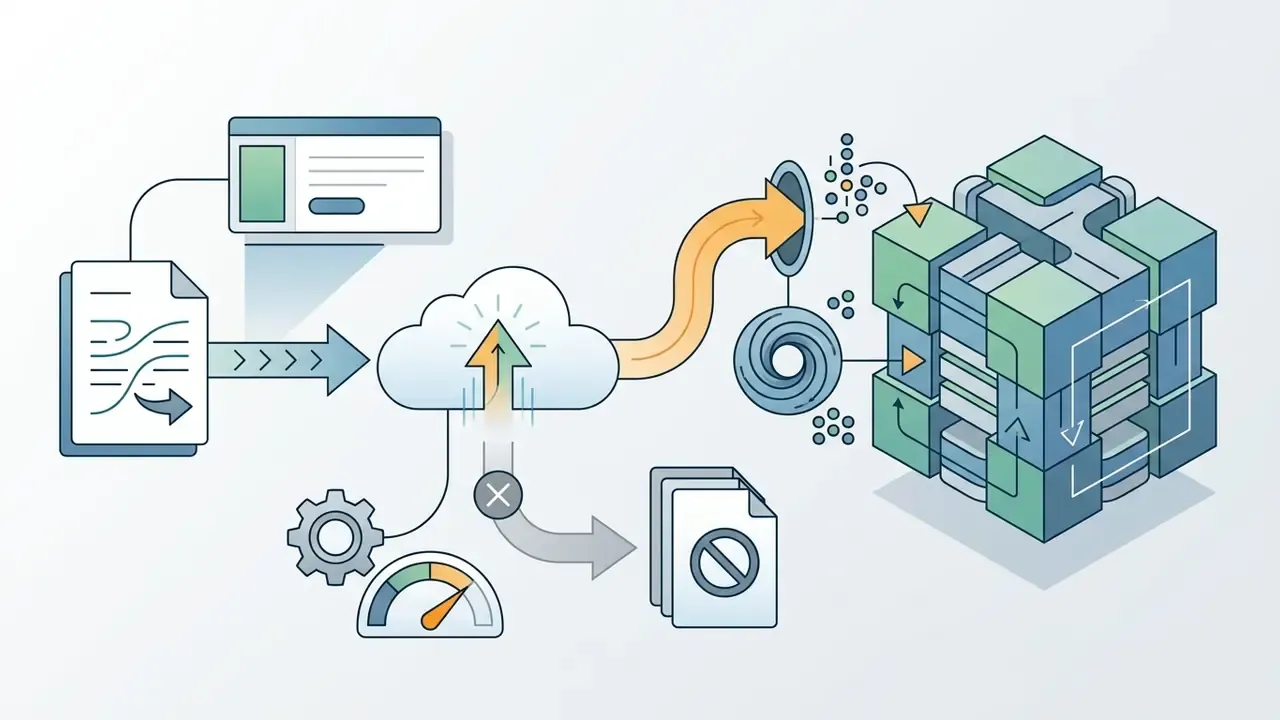
Table: Three-Layer Moderation Architecture and Corresponding Leakage Points
| Layer | Mechanism | What It Blocks | Where It Fails / Data Exposure Point |
|---|---|---|---|
| 1. Input Pre-Processing | Keyword lists, regex, classifier models, prompt-injection detectors scanning the request before it reaches model weights. | Policy-violating prompts, jailbreak templates, known injection payloads. | Prompt text is logged at the gateway. This is where PII typically enters vendor infrastructure. |
| 2. Safety Alignment (RLHF / DPO) | Reinforcement Learning from Human Feedback or Direct Preference Optimization trains native refusal behavior into the weights. | Entire request categories (weapons synthesis, self-harm instruction, CSAM). | Alignment is probabilistic, not deterministic. Multi-turn escalation and roleplay framing degrade it. |
| 3. Output Post-Processing | Secondary classifiers, regex redaction, and image safety filters evaluating generated content before rendering. | Toxic completions, leaked training snippets, unsafe imagery. | Output copies are retained for classifier tuning. Redaction logs may themselves contain sensitive strings. |
Commercial platforms apply these layers across text responses, image generation, and multi-turn roleplay. One nuance matters more than it sounds: modern frontier moderation is rarely a binary block.
When safety guardrails are omitted entirely, platforms face increased risk of data extraction attacks, output hallucination, and system exploitation.
E-E-A-T Fact Check: Terminology and Marketing Verification
Regulatory Context: EU AI Act, US Banking Guidance and Consumer Privacy Sentiment
Unfiltered AI does not exist in a legal vacuum. The applicable regime depends on jurisdiction and on who is using the tool.
- European Union, AI Act. The EU AI Act is the first comprehensive AI statute, classifying systems by risk tier and banning specific practices outright. Article 50 imposes transparency duties: AI-generated or manipulated text published for public-interest purposes must be disclosed, and synthetic image content constituting a deep fake must be labeled. For consumers, that means using an ai website with no filter is generally lawful, while publishing undisclosed synthetic content or generating prohibited material remains actionable. Locally executed models, for example Qwen 3.5 4B running on-device inside Sigma Browser, simplify data-protection compliance because prompts never leave device RAM. They do not exempt the user from output-side obligations.
- Consumer sentiment. According to Pew Research Center, 81% of consumers believe information collected by AI companies will be used in ways people are uncomfortable with. That single figure explains much of the demand for stateless and on-device chat. The driver is distrust of retention, not only a wish for fewer refusals.
- United States, financial services. Institutions applying this segment to internal workflows should map controls to existing model-risk expectations rather than treat generative AI as a brand-new category. Federal Reserve and OCC SR 11-7 principles (conceptual soundness, ongoing monitoring, independent validation) apply to any model influencing decisions. GLBA Safeguards obligations govern customer non-public personal information. SEC and CFPB expectations add disclosure and explainability pressure for consumer-facing outputs. Submitting customer PII or material non-public information (MNPI) into an unvetted consumer endpoint can constitute an unauthorized third-party disclosure, whatever the vendor's marketing says.
- Baseline frameworks. NIST AI RMF 1.0 (Govern, Map, Measure, Manage) and NIST AI 600-1 (generative-AI-specific risks) remain the most defensible voluntary structure for documenting why a given unfiltered tool was approved or rejected. Regulatory timelines and enforcement actions relevant to synthetic media are tracked in our AI Litigation and Case Timelines unit.
Best Free AI Chat Sites With No Filter: What to Compare
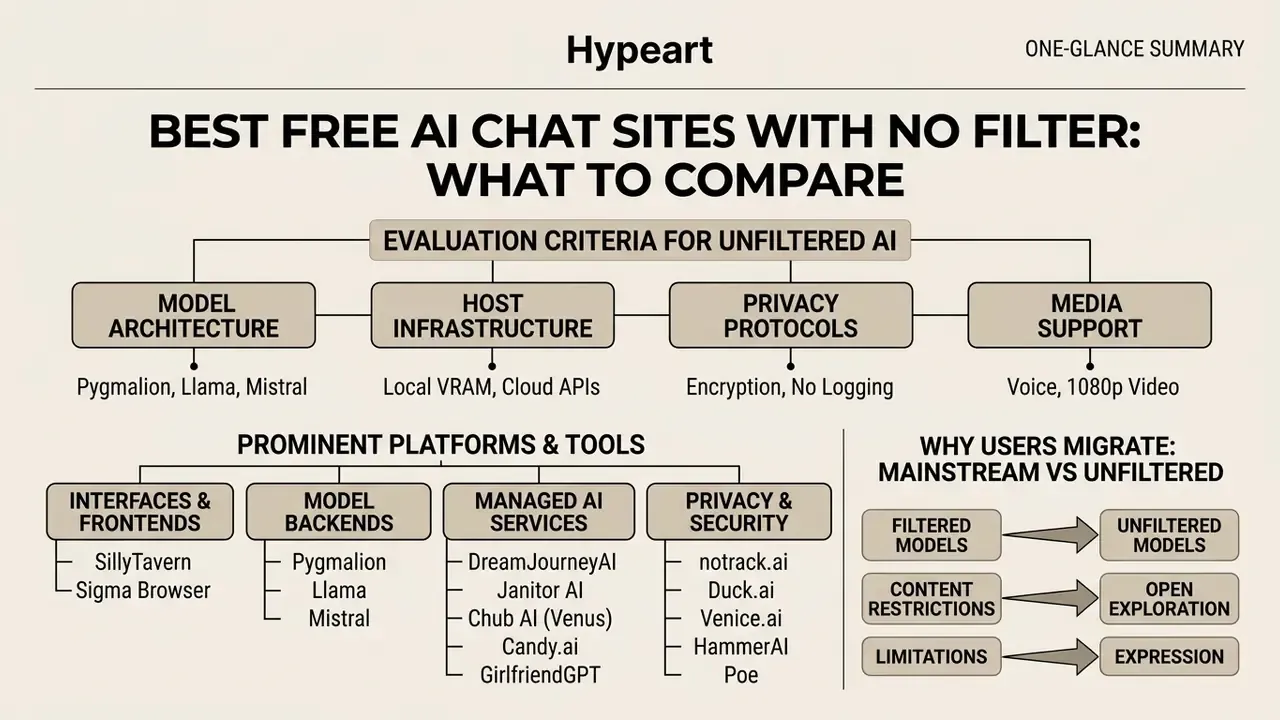
Choosing an ai chat online no filter platform means evaluating model architecture, host infrastructure, privacy protocols, and media support. Users hunting for ai chat sites with no filter or an ai website without filter have to weigh immediate free access against data retention risk. The right platform depends on whether the primary requirement is raw text generation, custom character roleplay, or integrated picture generation.
When mapping the market, separate cloud roleplay hubs from local engines.
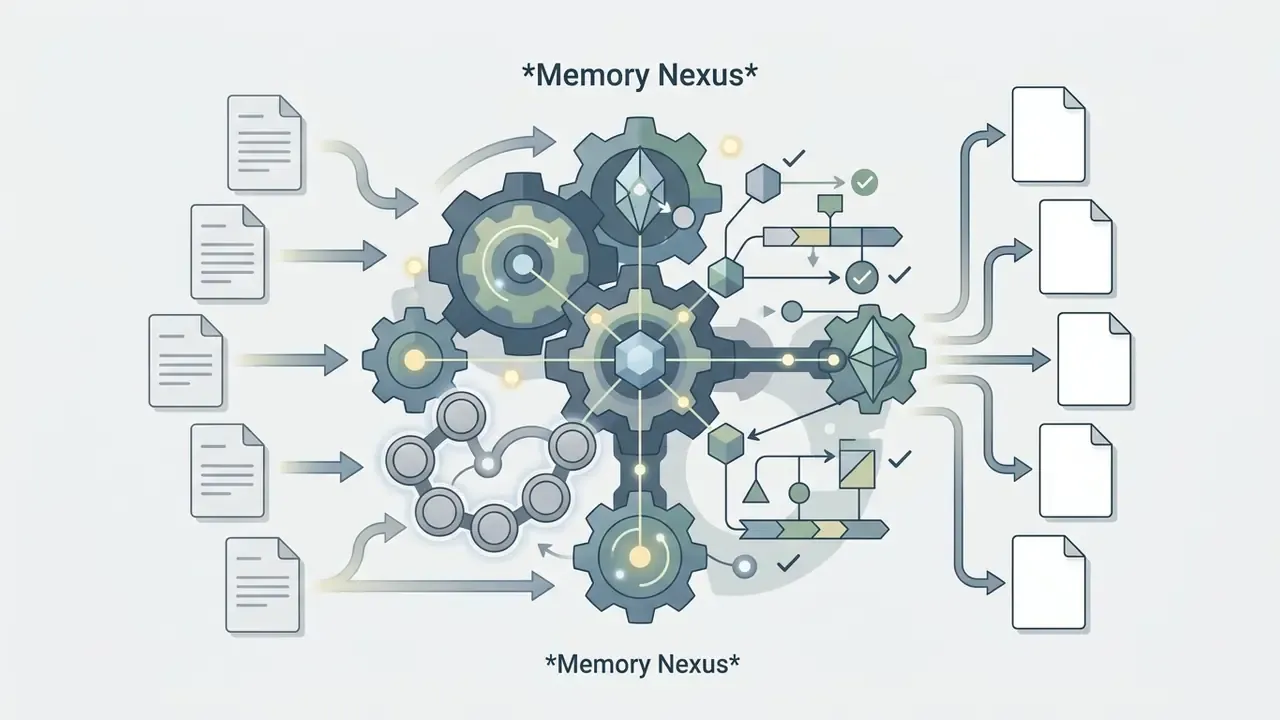
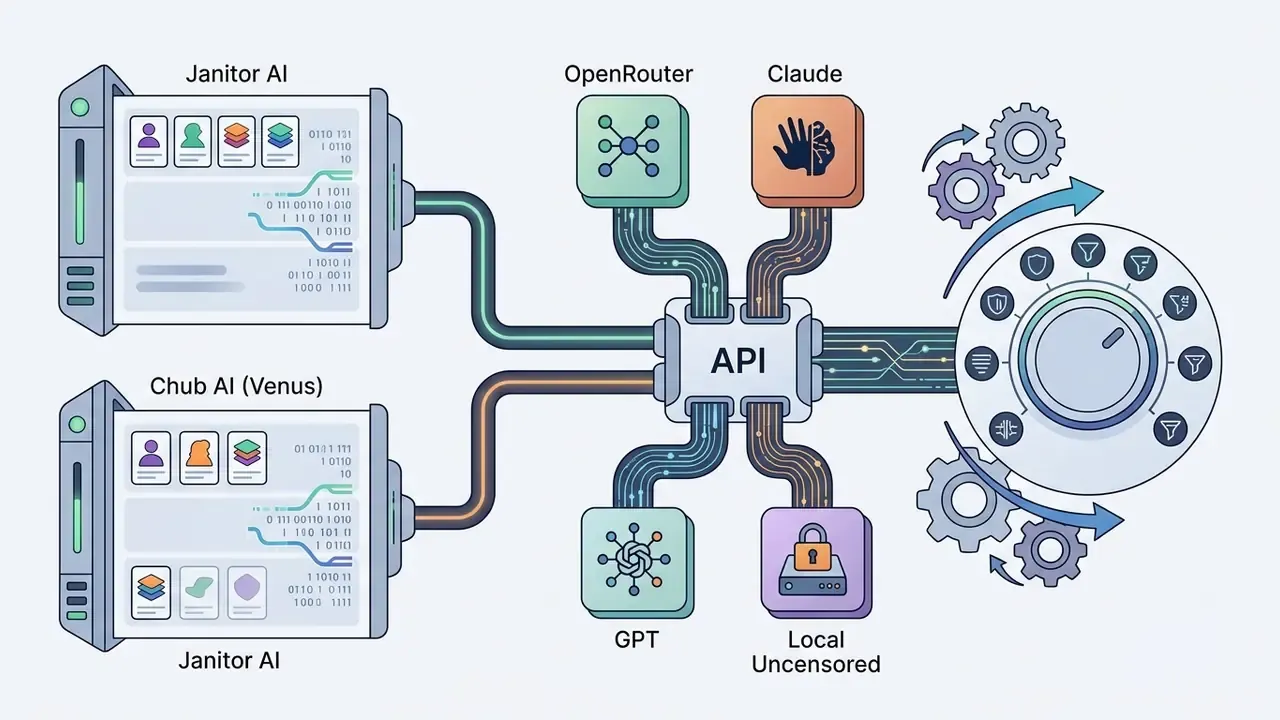
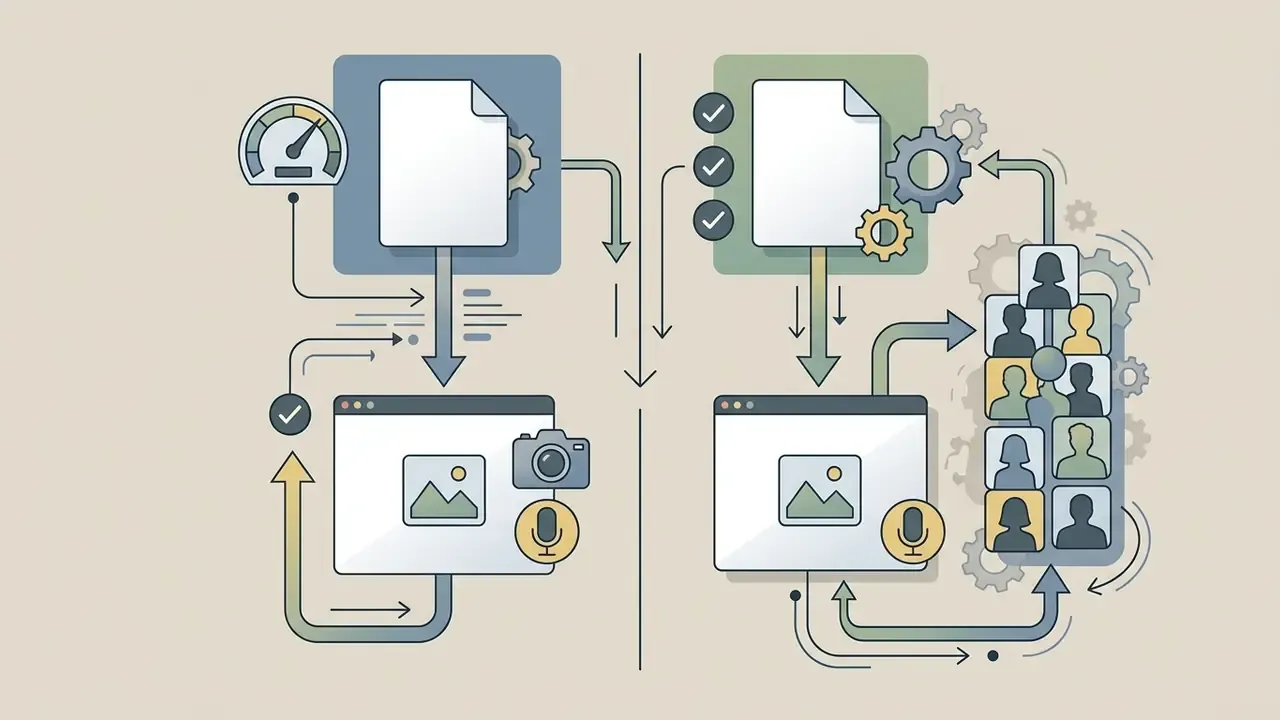
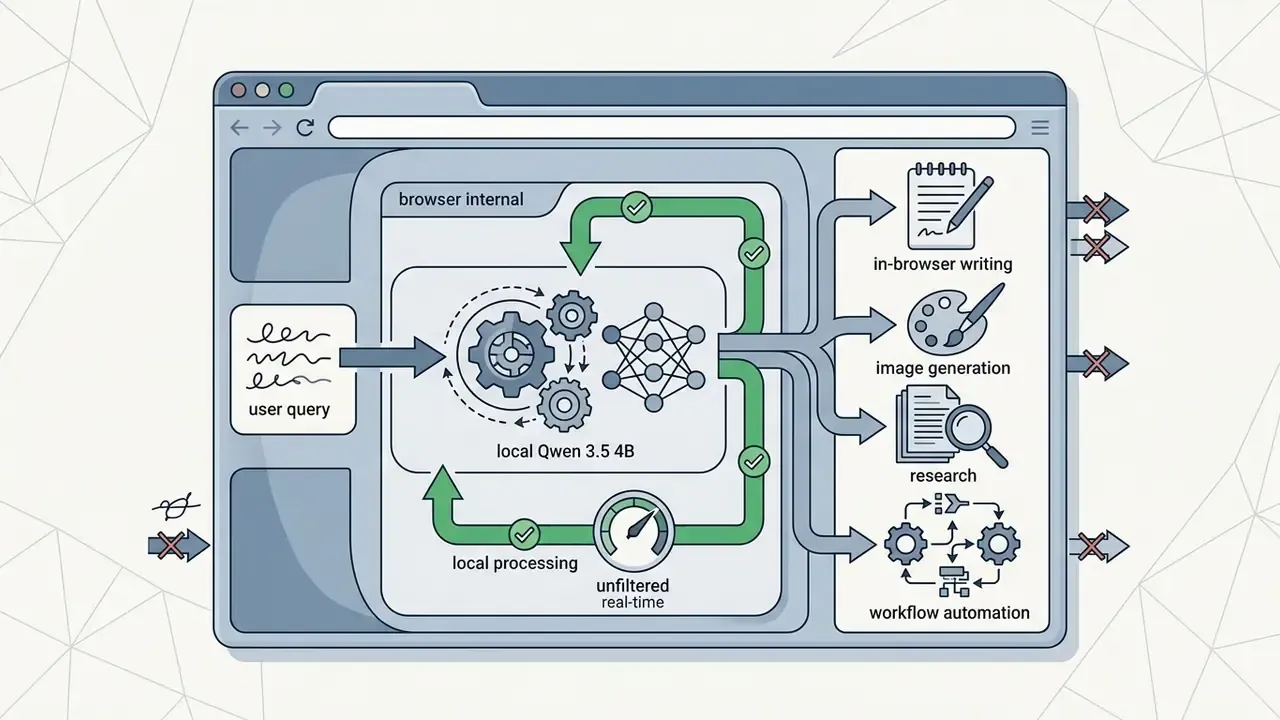
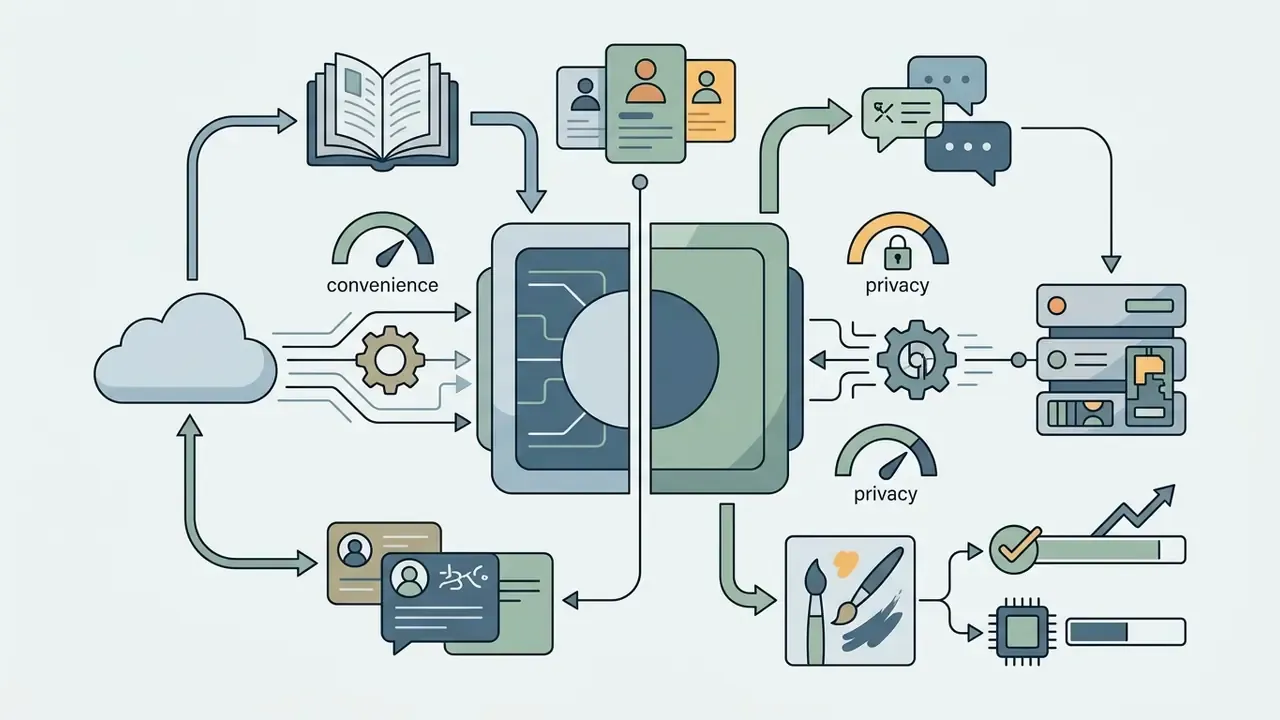
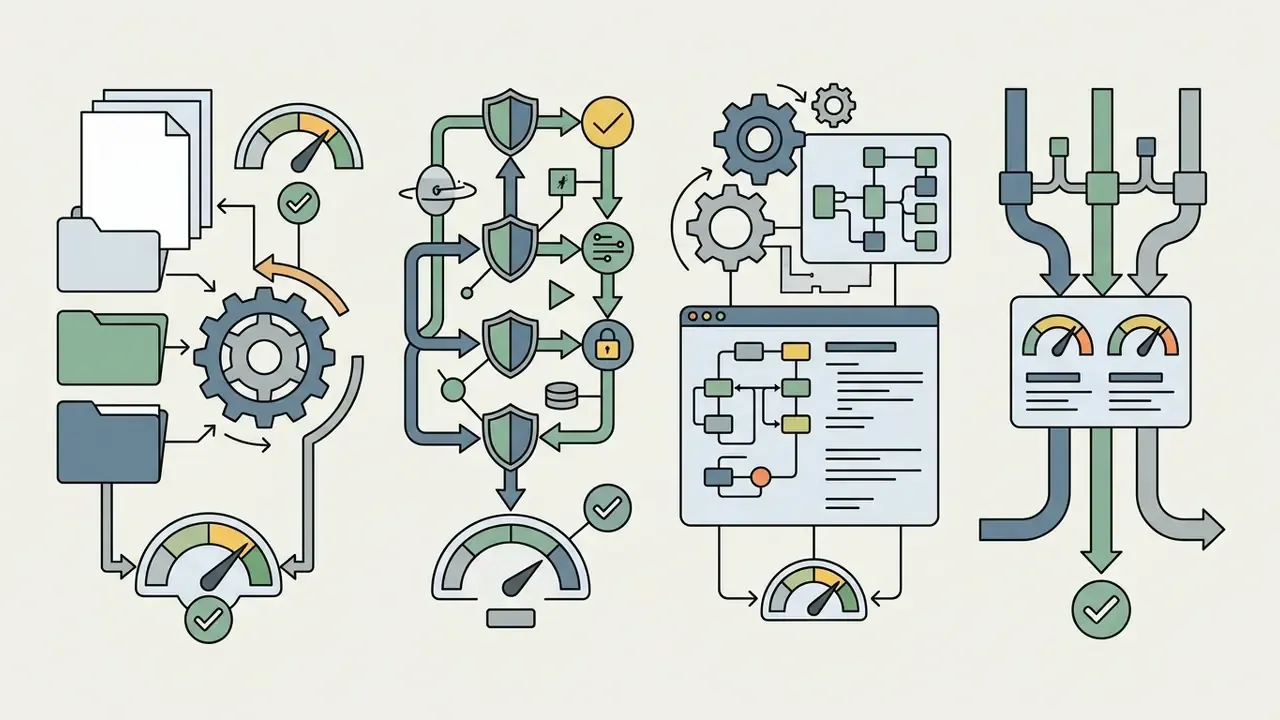
Table: Comparison of Free Unfiltered and Minimal-Filter AI Chat Platforms (2026 verification)
| Platform / Tool | Access Model | Free Tier Limits | Privacy Architecture | Primary LLM Support | Character / Roleplay | Media Generation |
|---|---|---|---|---|---|---|
| HammerAI | Web and desktop app | Fully free in local mode | Local-first, default local storage | Ollama / open-source (Llama, Mistral) | Supported (lorebooks, personas) | Images (local or cloud) |
| SillyTavern | Self-hosted (Node.js) | Free forever on own hardware | 100% local, nothing leaves the device | Any: Llama, Mistral, Pygmalion, cloud APIs | Maximum (cards, lorebooks, world info) | Images via Stable Diffusion /sd |
| Sigma Browser | Desktop / mobile browser | Free tier, premium for extras | On-device inference, no cloud processing | Qwen 3.5 4B (local) | Assistant-style, not companion-focused | Images plus research and automation |
| Janitor AI | Web browser | Free tier, built-in model more limited | Cloud, depends on connected backend | Bring-your-own API (GPT, Claude, open weights) | Very large community library | Text-focused |
| Chub AI / Venus AI | Web browser | Free tier with limits | Cloud, character cards portable to local stacks | Multiple backends, uncensored fine-tunes | Largest card ecosystem, tagging and discovery | Text-focused |
| DreamJourneyAI | Web browser | 300 starter credits | Encrypted cloud, private by default | Multiple selectable models | Memory Nexus plus Lorebook, 1000+ characters | Text-first with media add-ons |
| Candy.ai | Web browser | Limited trial | Cloud storage of chats and media | Proprietary companion stack | Pre-built persona library | Best-in-class explicit image generation |
| GirlfriendGPT | Web browser | Free tier with daily caps | Cloud | Proprietary companion stack | Thousands of community characters | Images plus voice messages |
| OurDream.ai | Web browser | No persistent free tier | Cloud with cross-session memory | Proprietary companion stack | Relationship progression, long-term memory | Limited image generation |
| Nastia AI | Web / PWA | Free forever with daily token limits | Cloud, vendor states no human review and no training use | Proprietary companion stack | Custom companion, persistent memory | Voice cloning, 4K selfies, 1080p video (paid) |
| Muah.ai | Web / app | Free tier available | Cloud, advertises end-to-end encryption | Proprietary companion stack | Companion roleplay | Explicit voice chat plus images |
| Venice.ai | Web browser | 25 messages per day free | Anonymized processing, browser-side history, crypto payments | Open-source selection | Basic roleplay | Text-to-image, explicit images on Pro |
| notrack.ai | Web browser, no login | Free unlimited session chat | Stateless, no cookies, no analytics, no IP retention | Proprietary uncensored (NoTrack) | Not specialized | Not supported |
| Perchance AI | Web browser, no signup | Free | No accounts, no cross-session persistence | Community generators | Yes, no memory between sessions | Image generators available |
| CrushOn AI / SpicyChat | Web browser | Limited free messages | Cloud | Multiple backends | 850K+ community NSFW characters | Images, SpicyChat added voice mode in 2026 |
| DreamGen | Web browser | Usable free tier | Cloud | Custom fiction-tuned models | Story mode plus roleplay mode | Text and prose focused |
| Chai AI | Mobile app | Free with caps | Cloud, limited transparency | Community-hosted bots | Casual roleplay | Text only |
| Poe (Quora) | Web and mobile app | 300 compute points per day | Account logged, cloud history stored | Multi-vendor (Claude, GPT, Llama) | Supported (custom bots) | Supported (multi-model) |
| Duck.ai | Web browser | Free daily usage limits | Privacy-proxied requests, chats not stored by DuckDuckGo, provider copies deleted within 30 days | Selected open and commercial models | Standard text chat | Not supported |
As the comparison shows, browser-based services give immediate access with no installation, while desktop wrappers such as HammerAI, SillyTavern, and Sigma Browser use local hardware to guarantee full privacy and zero daily message caps. For specialized comparative matrices on creative tooling, see our AI Media Comparison Matrices.
Why Users Migrate: Mainstream Platforms vs Unfiltered Alternatives
Search demand for ai chat bot free no filter is largely migration demand. Mainstream assistants tightened content policy repeatedly between 2023 and 2026. Replika removed adult roleplay in February 2023. Character.AI progressively hardened its filters and safety-center guidelines. Even Janitor AI's default model became more restrictive over time. ChatGPT, Claude, and Gemini refuse explicit prompts by policy and often insert safety language mid-narrative.
Table: Mainstream Assistants vs Unfiltered Platforms, Functional Differences
| Capability | ChatGPT / Claude / Gemini | Character.AI / Replika | Unfiltered platforms (Candy.ai, Nastia, Chub, local stacks) |
|---|---|---|---|
| Explicit or mature content | Blocked by usage policy | Filtered or removed | Permitted within AUP boundaries |
| Mid-conversation refusals | Frequent on sensitive themes | Frequent | Rare to absent |
| Persistent memory | Optional, account-linked | Limited | Vector memory, lorebooks, cross-session recall |
| Voice / video output | Voice yes, explicit no | Limited | Voice cloning, 1080p video, 4K stills |
| Local execution | No | No | Yes (SillyTavern, Ollama, KoboldAI, Sigma) |
| Enterprise contracting (ZDR, SOC 2, DPA) | Available on business tiers | No | Almost never |
The last row is the decisive one for regulated readers. The same properties that make an ai chat with no filter free attractive for creative work make it unsuitable for customer data. That is not a moral judgement, just a contracting fact.
Models, Character Chats and Roleplay Features
Character-based conversation and roleplay drive most usage on unfiltered platforms. Systems hosting custom personas depend on careful prompt construction.
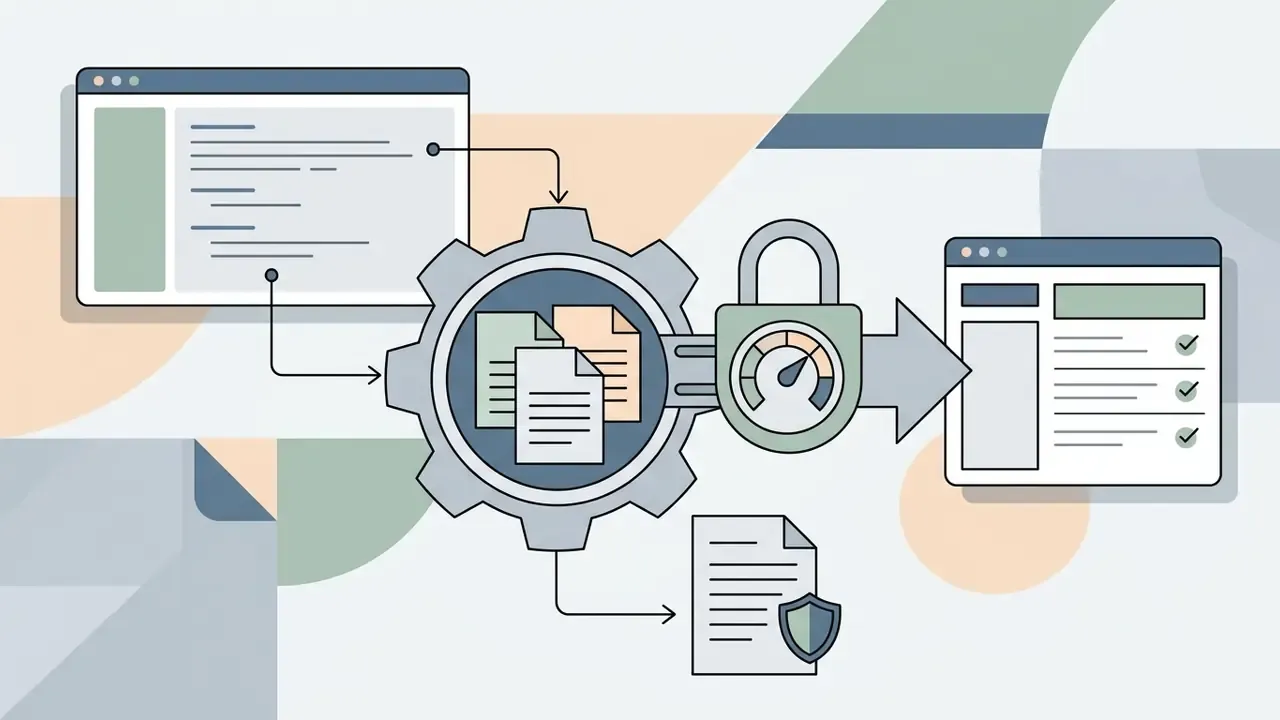
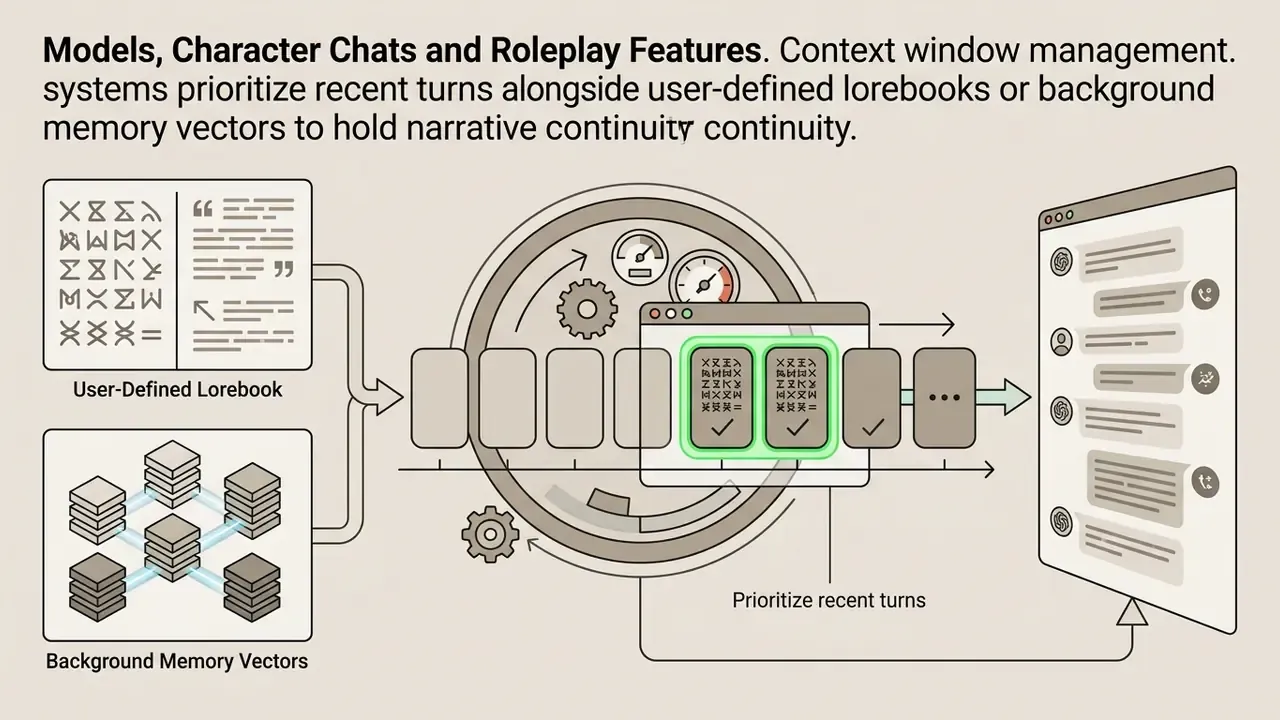
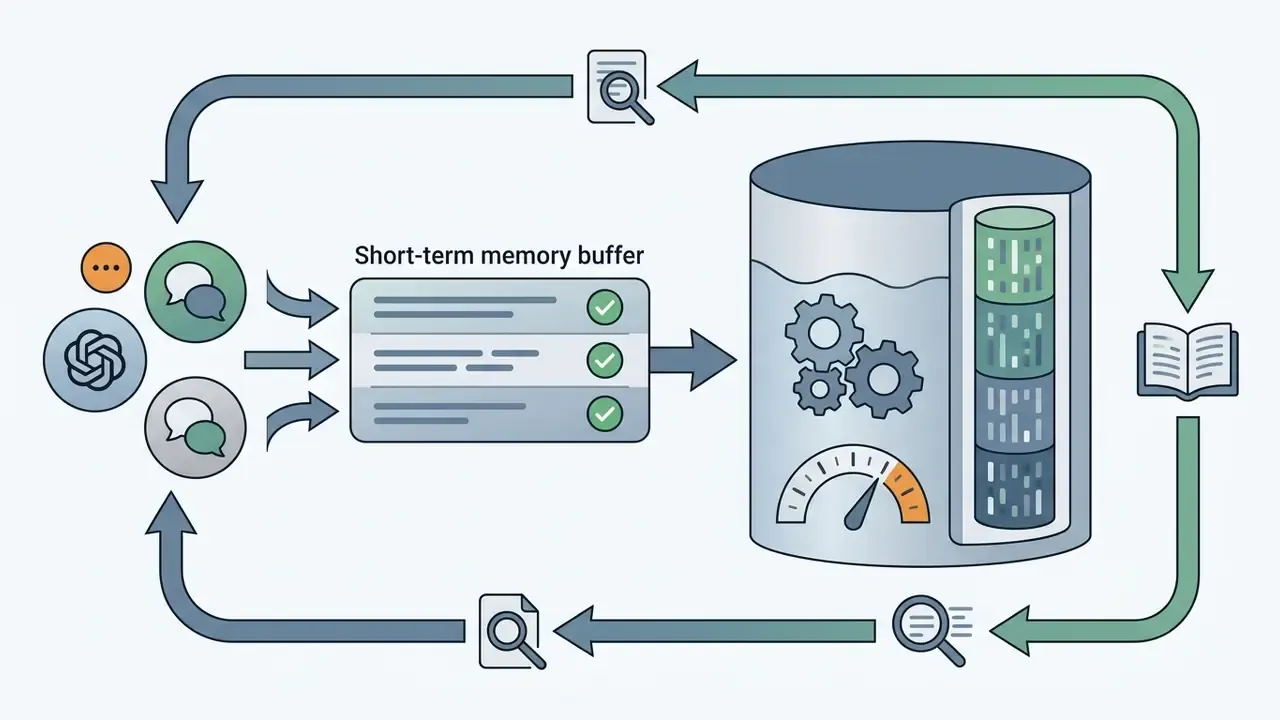
With open weights, creative and character performance depends heavily on parameter size and fine-tuning quality. Narrative-tuned open-source models handle complex roleplay scripts well, while small 7B models tend to drift during extended interactions. Readers building longer prose workflows can compare dedicated tooling in our nsfw ai story generator reference.
Memory Architecture: Lorebooks, Vector Databases and Context Persistence
"Memory" in unfiltered chat is not one feature. It is a stack of four mechanisms, and knowing which one a platform implements predicts whether a 50-message scene holds together.
- Rolling context buffer. The literal token window, 4K to 128K depending on the model. Oldest turns truncate first. This is why a platform can be perfectly uncensored and still forget a character's name.
- Lorebooks and World Info. Key-triggered text blocks stored as JSON or embedded in PNG character cards, the SillyTavern and Chub AI convention. When a trigger keyword appears in recent messages, the associated entry is injected into the prompt. Cost: tokens. Benefit: deterministic, auditable, portable between platforms.
- Summarization chains. Periodic compression of older turns into a running synopsis. Preserves plot state cheaply, loses detail.
- Vector-database retrieval (RAG memory). Message summaries are embedded and stored, then semantically relevant items are retrieved and re-injected each turn. Microsoft's Agent Framework implements exactly this pattern with a chat-history memory provider backed by a vector store, and Spring AI separates durable chat-history repositories (with TTL-based retention) from ephemeral chat memory.
DreamJourneyAI's Memory Nexus and OurDream.ai's relationship-progression system are productized versions of items 3 and 4. The governance implication is blunt: every persistent-memory feature is, by definition, a durable store of your prompt content. Stateless services such as notrack.ai and Perchance trade continuity for the guarantee that nothing survives the session. AppliedAI's 2026 white paper adds a useful detail: once a user starts a new thread or switches devices, continuity has to be recreated by the application, not by the model.
Text, Image and Picture Generation Capabilities
Integrated multimodal generation lets users produce text and images in one interface. Browser-based platforms differ sharply in how they handle picture creation.
- Web UI implementations SillyTavern and specialized web portals expose granular controls, triggering image generation through explicit slash commands such as
/sd, from a reply, from chat history, or from a character card, plus prompt overrides and direct seed control. - App-based workflows mobile apps collapse picture creation into single-tap actions, trading advanced parameters for speed. Store listings describe a chat-first flow: open the app, type or upload an image, receive output.
- Resource allocation because text-to-image synthesis consumes substantial GPU VRAM, free platforms frequently cap image creation harder than text. Mainstream APIs also filter both prompts and generated images under content policy, and some vendors exclude free tiers from image generation outright. So "free plus unfiltered plus images" is the rarest combination in this market.
Users who need advanced visual editing usually cross-reference dedicated utilities in our AI photo editor guide, the free photo editor comparison, and the nsfw ai photo editor overview. For stylized output specifically, our nsfw ai art generator comparison covers model families and licensing terms.
Voice, Video and Multimodal Uncensored Capabilities
Filter Stress-Test Results (2026 Benchmark, 150+ Messages)
Marketing claims are cheap. Refusal behavior is measurable.
We ran three escalating scenarios across five architecture types, holding prompts constant: (A) a noir detective narrative involving violence and morally ambiguous interrogation, (B) a politically charged conflict scenario touching sensitive historical events, and (C) adult roleplay with explicit content. Each run continued past 150 sequential messages. We recorded refusal triggers, softening events where the model completed the request but sanitized tone, and entity-retention failures after 50 messages.
Table: Refusal and Continuity Benchmark Across Unfiltered Architectures (150+ messages per scenario)
| System / Configuration | Scenario A (noir, violence) | Scenario B (political conflict) | Scenario C (explicit roleplay) | Entity retention at 50 msgs | Notes |
|---|---|---|---|---|---|
| DreamJourneyAI (Memory Nexus) | 0 refusals | 0 refusals | 0 refusals | Names, clues, relationships retained | Strongest continuity of the cloud group |
| Local Llama 3 8B via SillyTavern (uncensored fine-tune) | 0 refusals | 0 refusals | 0 refusals | Depends on lorebook configuration | Roughly 12 GB VRAM, fastest and fully private |
| Janitor AI (bring-your-own API) | Backend-dependent | Up to ~15% refusals on mainstream cloud models | 0% on uncensored fine-tunes | Good with detailed cards | Filter level is a property of the connected model |
| Candy.ai / GirlfriendGPT (companion class) | 0 refusals | Occasional topic pivots | 0 refusals, no quality degradation | Session-scoped | Optimized for intimacy, weaker on long plot logic |
| Mainstream aligned assistant (control) | Hedging and warnings, partial completion | Hedging, disclaimers | Hard refusal | Strong | Matches the 0.07% hard-refusal and high-hedging pattern documented in 2026 moderation research |
Two findings generalize. First, "unfiltered" is a backend property, not a UI property: the same front end produces 0% or 15% refusals depending on which weights it calls. Second, the failure mode that actually breaks long sessions is context loss, not censorship. Platforms with zero refusals still degraded narratively once the rolling buffer overflowed, unless a lorebook or vector-memory layer was configured.
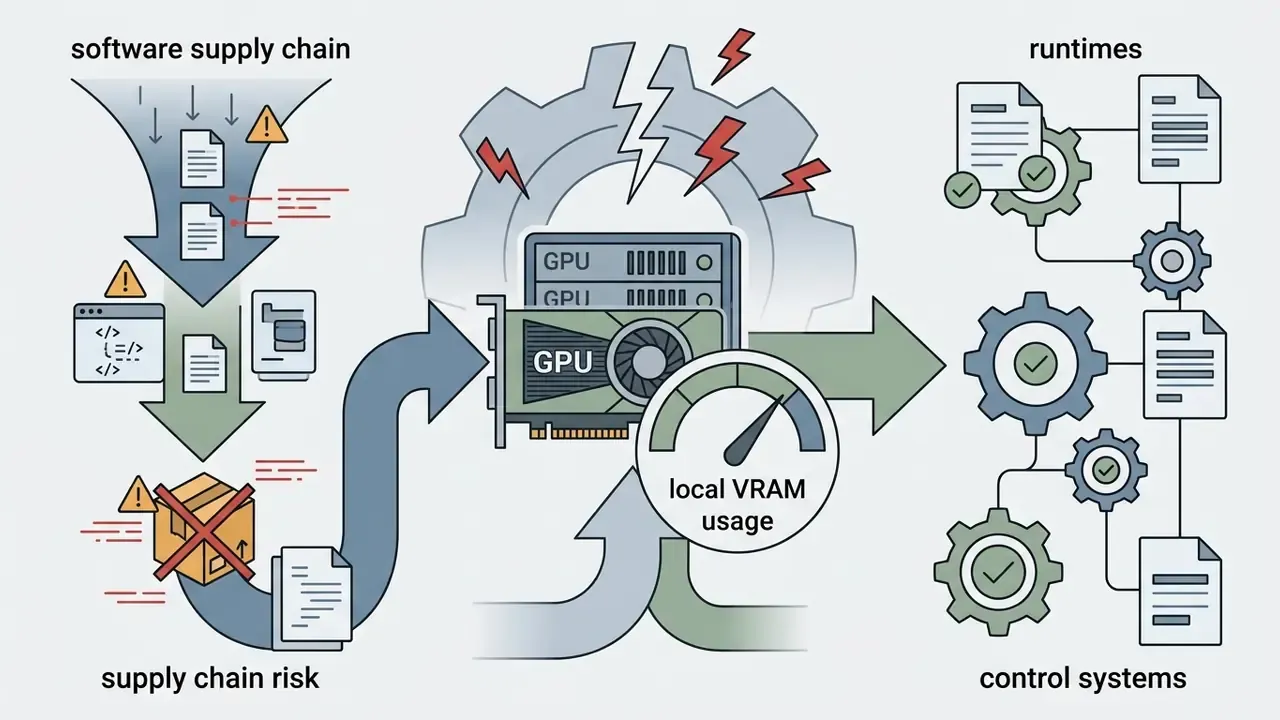
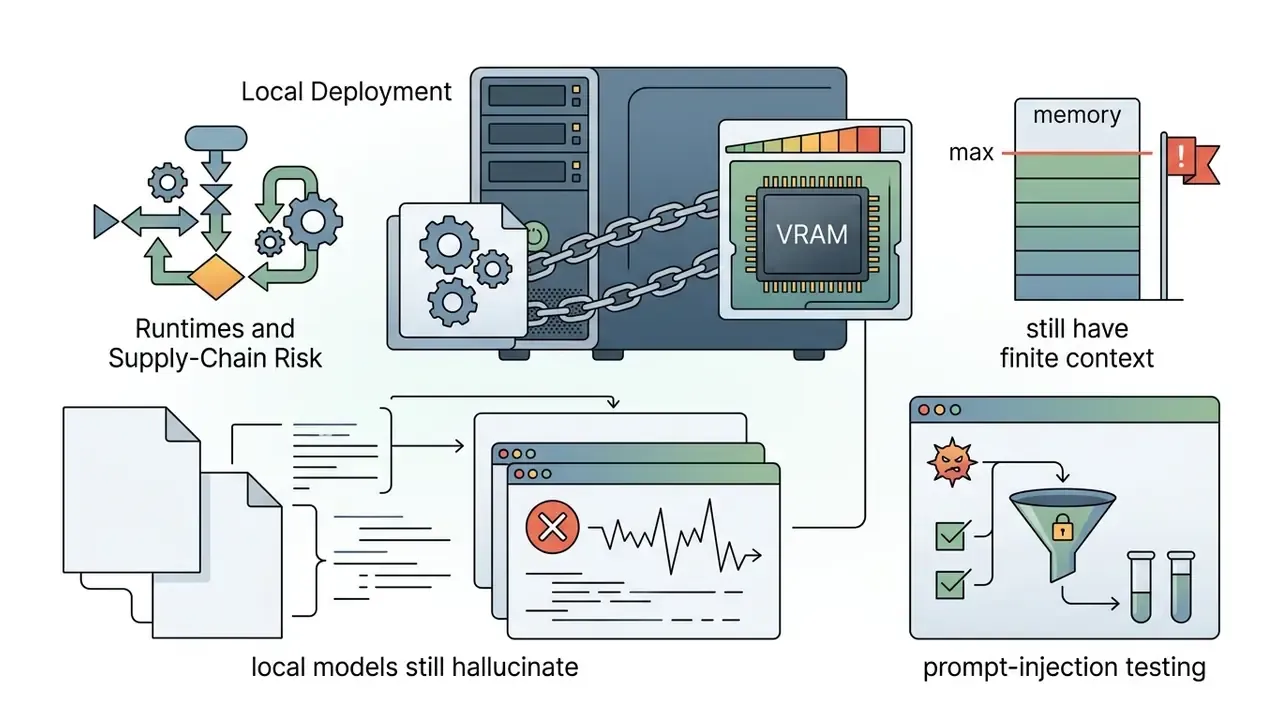
Local Deployment: VRAM, Runtimes and Supply-Chain Risk
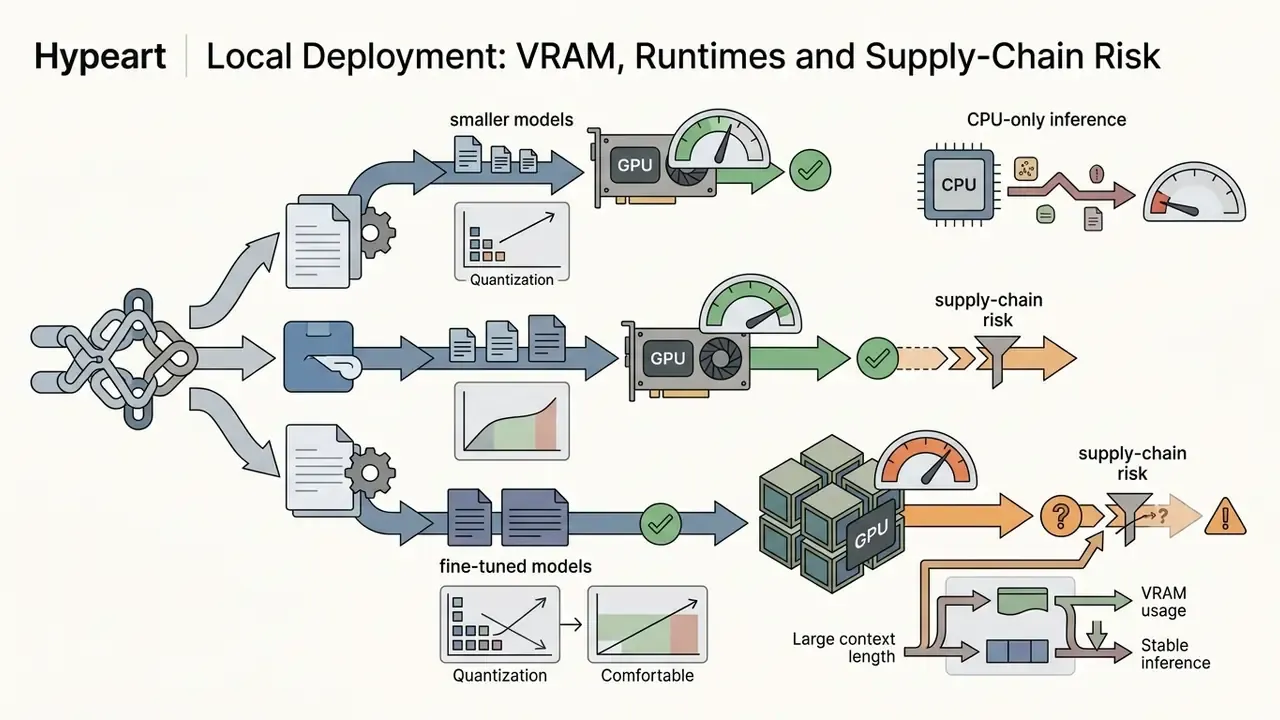
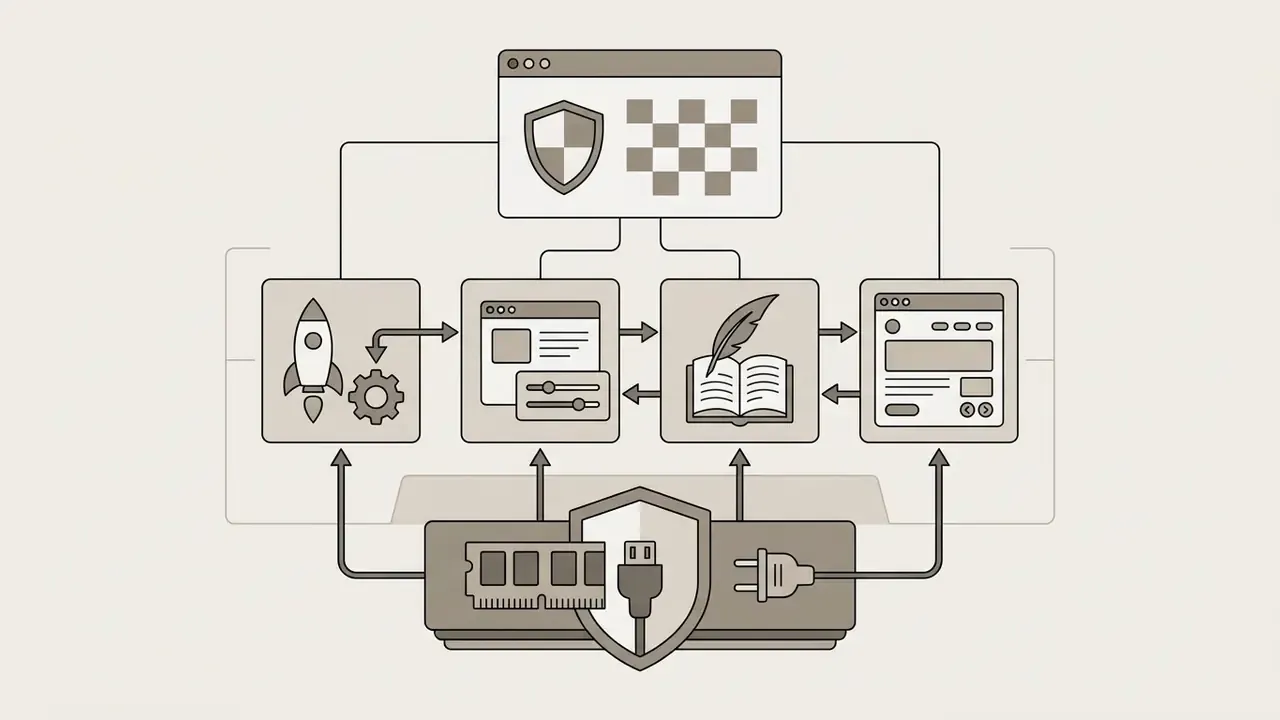
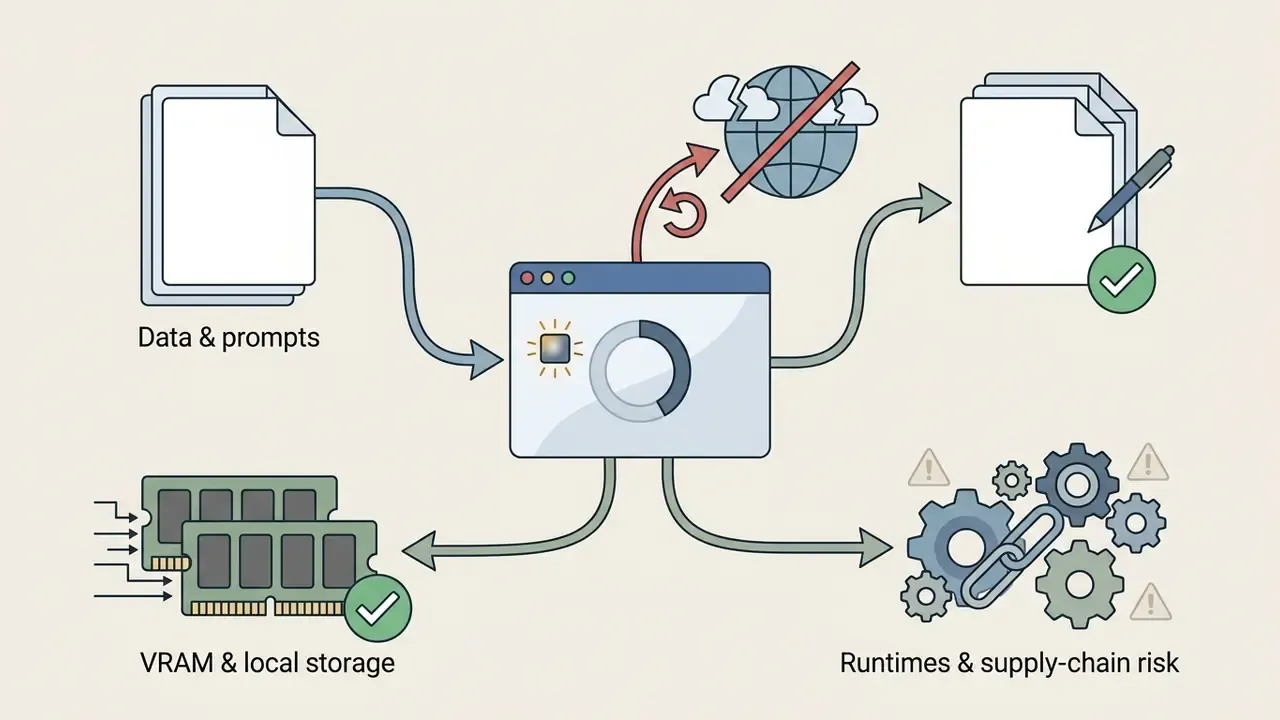
Local execution is the only configuration where "no filter" and "no logging" are both verifiable, because you control the weights and the disk.
Free vs Unlimited: Pricing and Message Limits
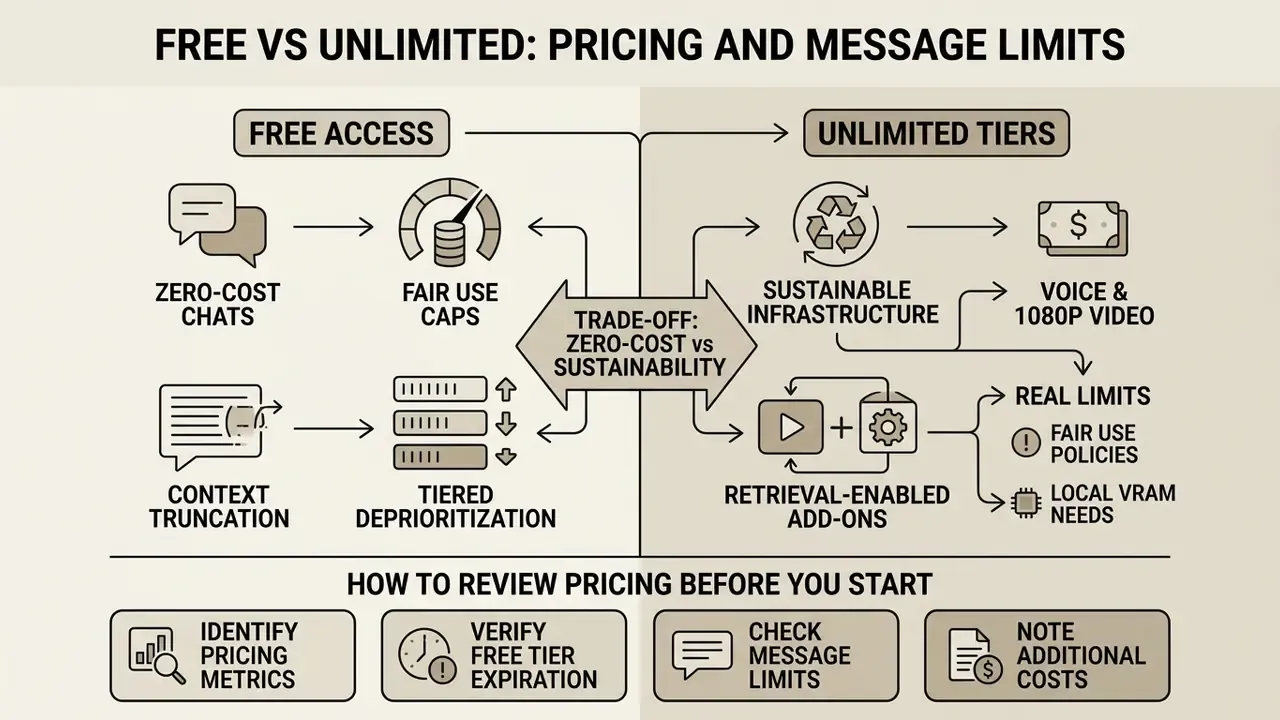
An ai chat no filter free unlimited service model always involves a trade-off between zero-cost access and infrastructure sustainability. Platforms advertise free ai chat with no filter and ai without filter free access, yet running high-parameter LLMs costs real money. GPU capacity is rented by the minute, and providers such as Amazon Bedrock bill certain model copies in five-minute windows from the first successful invocation, so even short inference sessions carry cost. Free tiers therefore enforce operational constraints similar to those documented in our free AI video generator guide, while paid upgrades remove processing bottlenecks and restore full model capacity.
Table: Structural Breakdown of Free Tiers vs Paid Unlimited Subscriptions
| Feature Category | Free Tier Baseline | Paid "Unlimited" Upgrade | Operational Impact and Considerations |
|---|---|---|---|
| Message quotas | 25 to 300 points or messages per day | Uncapped or high fair-use threshold | Free limits reset on 24-hour cycles. Paid tiers prevent mid-session cutoffs. |
| Model availability | Small 7B to 8B parameter open models | Large 70B+ models or premium APIs | Larger models deliver higher contextual coherence and lower hallucination rates. |
| Processing speed | Standard shared queue routing | Priority GPU queue access | High server load causes latency or temporary downtime for free users. |
| Image generation | Disabled or restricted to 2 to 5 per day | Dedicated daily or monthly image credits | Standalone image models need separate GPU pipeline allocations. |
| Voice and video | Almost always disabled | Voice notes, cloning, 1080p clips, 4K stills | Highest marginal GPU cost, credit-metered even on "unlimited" plans. |
| Price benchmark (2026) | $0.00 per month | $6.00 to $20.00 per month (see matrix below) | Subscription terms must be checked for automatic renewal conditions. |
Table: 2026 Price Matrix for Commercial Unfiltered Chat Services
| Service Class | Representative Platforms | Entry Paid Price | What the Payment Unlocks |
|---|---|---|---|
| Budget companion | OurDream.ai | $6 to $10 per month | Cross-session memory, unrestricted chat, limited imagery |
| Visual-first companion | Candy.ai | $10 to $13 per month (annual billing) | Explicit image generation, photorealistic and anime personas |
| Customization-first companion | GirlfriendGPT | $10 to $15 per month | Community library, deep character building, voice, images |
| Full multimedia | Nastia AI Unlimited | $15.99 per month | Unlimited messages, 4K selfies, custom voice cloning, 1080p video, multiple companions |
| App-store weekly plans | Various "Unfiltered AI Chat" listings | $14.99 per week, $19.99 per month, $129.99 per year | Same feature class at the highest effective annual cost, roughly $779 per year on weekly billing |
| Privacy-first assistant | Venice.ai Pro | Subscription, crypto accepted | Removes the 25 per day cap, unlocks explicit image generation |
| Local / self-hosted | SillyTavern, Ollama, KoboldCpp, HammerAI local | $0 software plus hardware and electricity | No caps, no logging, no vendor policy exposure |
What "Unlimited" Usually Includes
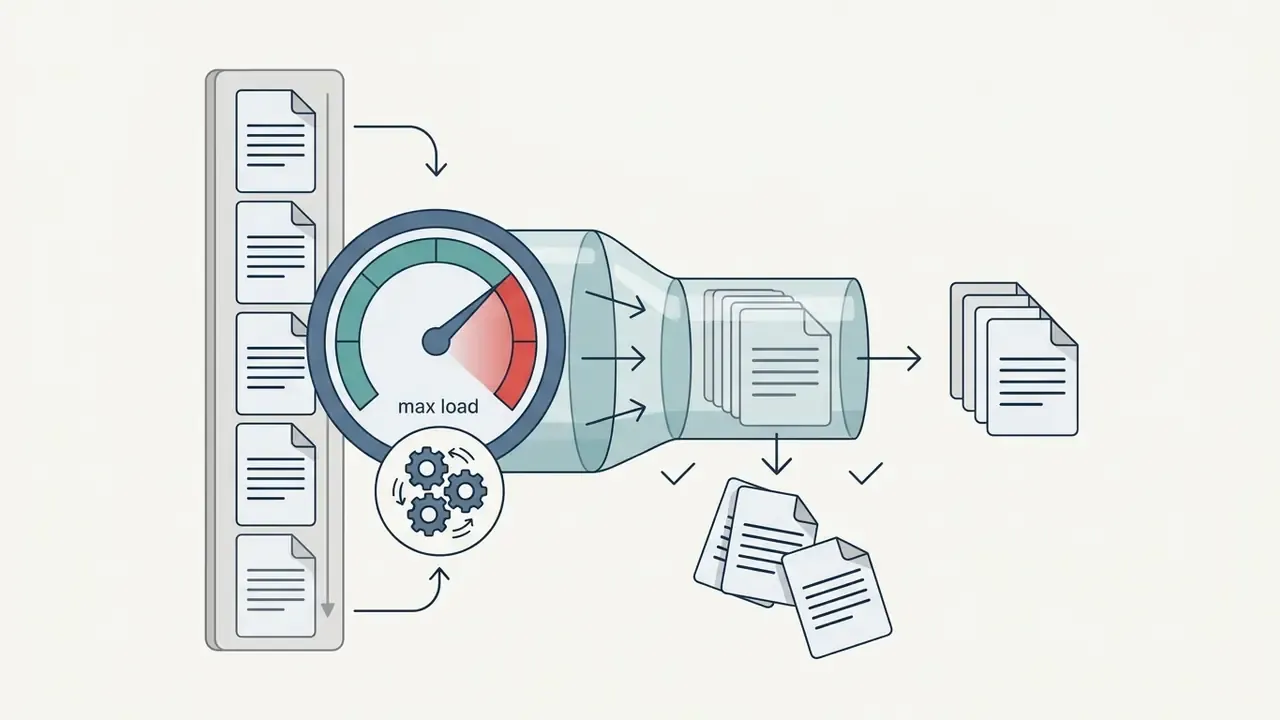
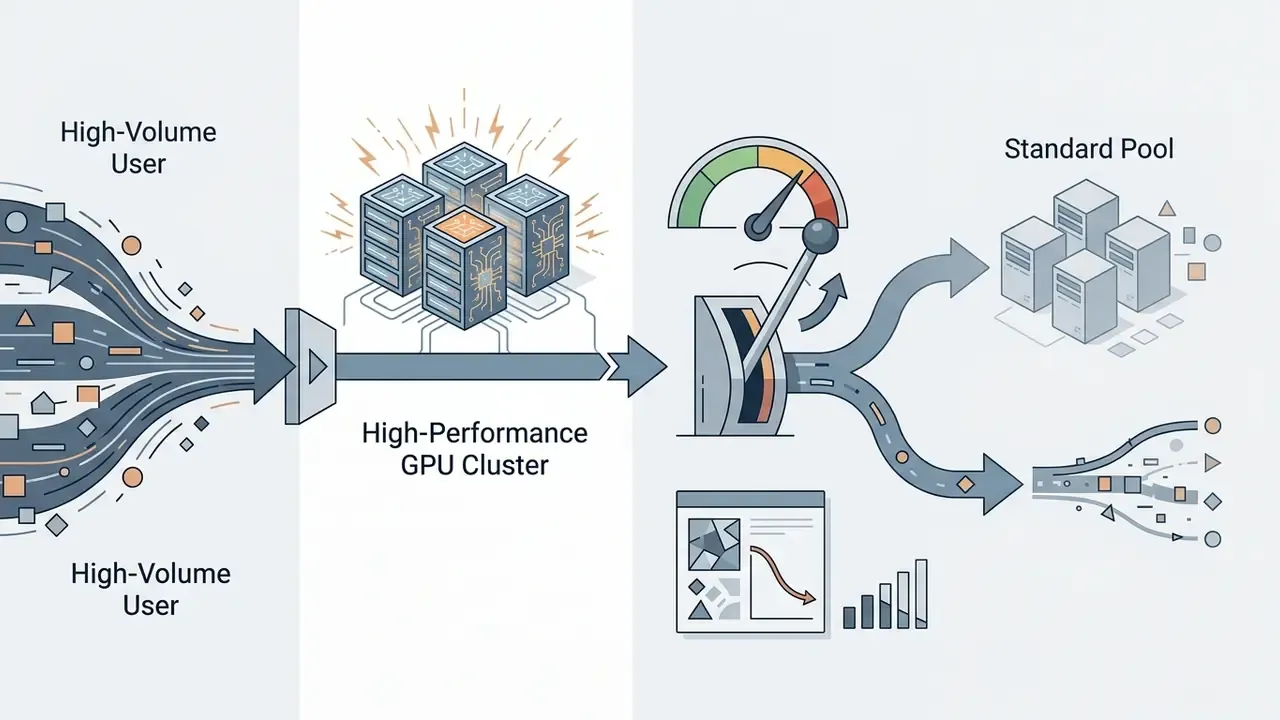
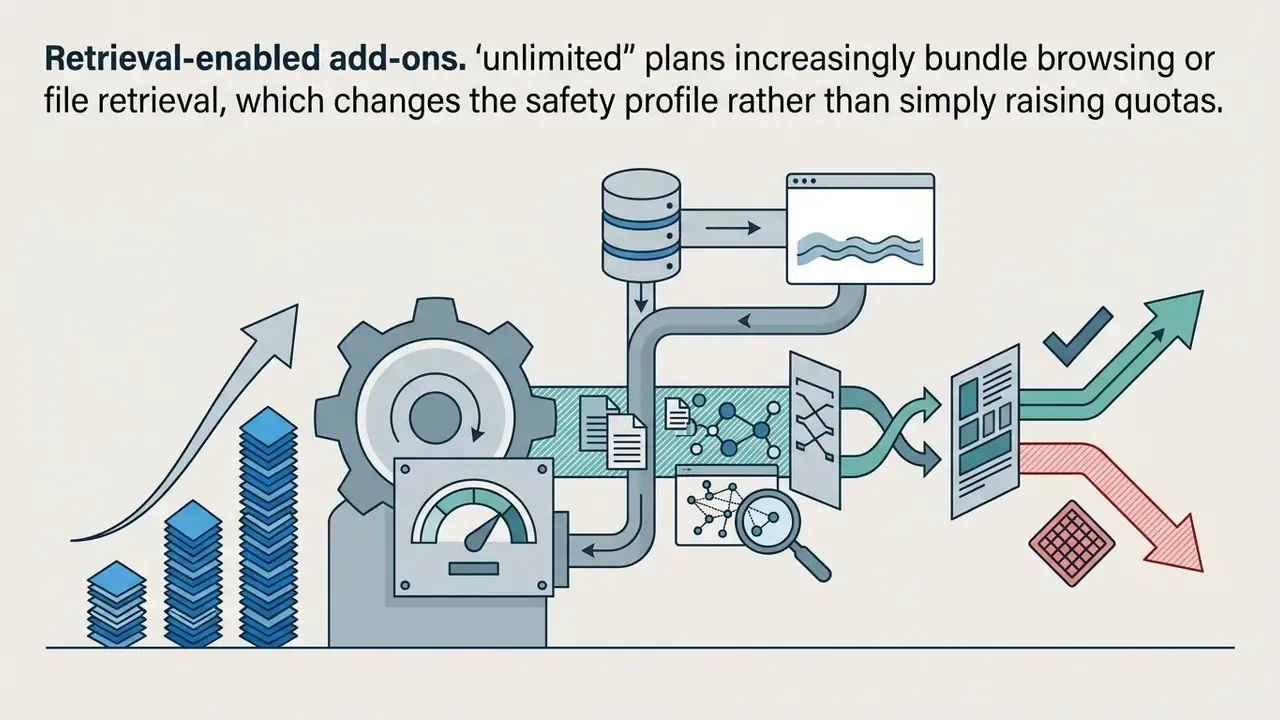
In commercial SaaS terms, "unlimited" rarely means infinite compute. Platforms enforce Fair Use Policies to stop automated scrapers and high-frequency bot traffic from overloading infrastructure. The pattern is well documented outside AI. Starlink's Fair Use Policy allocates a fixed volume of Priority data with network precedence over standard traffic. Bright Data grants "unlimited" proxy zones a 100 GB monthly fair-use allowance per IP before pay-as-you-go billing resumes. Vodafone's "unlimited" mobile internet throttles to 0.8 Mbit/s after 3 GB per day. AI chat plans pull the same three levers: throttle, meter, or deprioritize.
How to Review Pricing Before You Start
Before registering or subscribing to an AI chat service, audit the billing structure in order.
- Identify pricing metrics.Determine whether the platform charges fixed monthly subscriptions, pay-as-you-go credits, or token-based consumption. Per-token pricing differs by model and volume, and introductory rates expire.
- Verify free tier expiration.Check whether free credits are recurring daily allocations or a one-time trial balance that dies on depletion. Cloud free tiers frequently convert to pay-as-you-go automatically once credits or a time window run out.
- Examine renewal and cancellation terms.App store subscriptions for chat tools often use weekly billing, for example $14.99 per week, producing far higher annual cost than a monthly enterprise tier. Major vendors commit to at least 30 days' notice before price increases. Verify whether yours does.
- Audit API dependency costs.For self-hosted interfaces calling commercial API endpoints, review input and output token pricing through our AI Media Pricing Guides.
Total Cost of Ownership: Modeling Control Costs and Residual Risk
For organizational buyers, comparing a $0 consumer tier against a $30 per seat governed deployment on sticker price alone is an incomplete analysis. A defensible TCO model has four terms.
TCO = (subscription or API spend) + (infrastructure) + (control implementation and operation) + (expected residual risk cost)
- Subscription and API spend. Per seat or per token, projected against measured token volume rather than headcount.
- Infrastructure. For local deployment: GPU capital cost amortized over 24 to 36 months, electricity, and engineering time for model management. A single 16 GB-class workstation GPU frequently undercuts multi-seat cloud subscriptions within a year on high-volume text workloads.
- Control implementation and operation. DLP gateway configuration, ZDR contract negotiation, prompt-injection and red-team testing cycles, model validation documentation, monitoring, and annual review. This is the term most often omitted, and often the largest.
- Expected residual risk cost. Probability multiplied by impact for the events controls do not eliminate: unauthorized disclosure of customer NPI, IP leakage into a training corpus, or reliance on a hallucinated output in a customer-facing decision. Even a conservative probability on a regulatory disclosure event dominates any subscription-line comparison.
The practical conclusion for a CFO-facing business case: the sanctioned paid deployment is usually cheaper than the free one, because the free path externalizes its cost into control gaps and Shadow AI remediation.
Privacy, Data Handling and Anonymous AI Chats
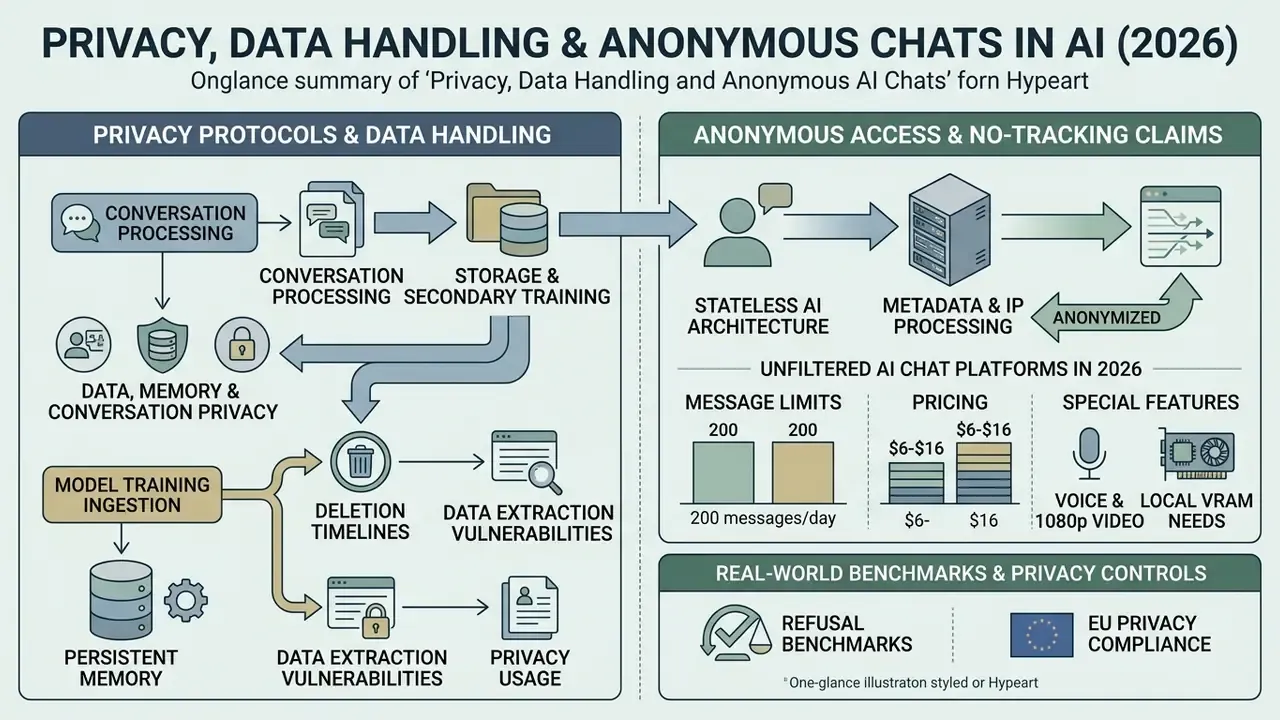
Privacy protocols determine how conversations are processed, stored, and reused for secondary model training. With an unfiltered ai chat, protection depends on one structural question: stateless browser session, or server-side persistent memory?
Data, Memory and Conversation Privacy
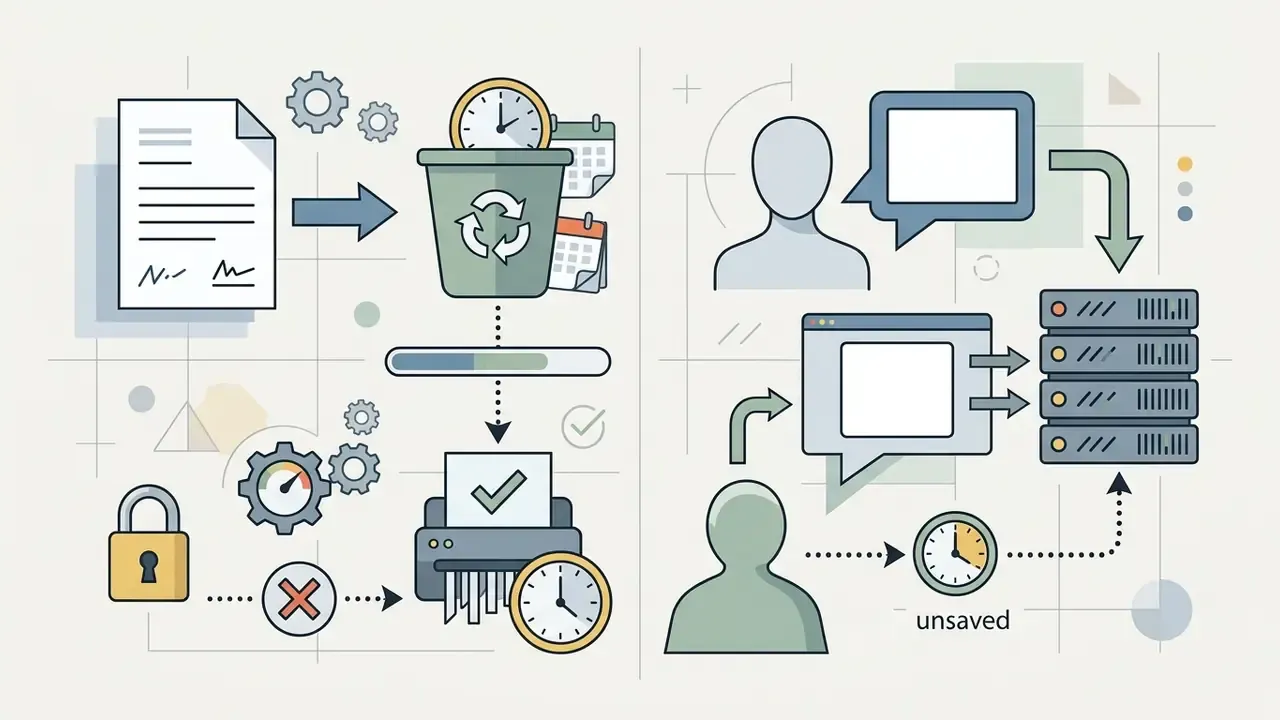
Default retention, not an exceptional breach, is the primary privacy exposure here.
A parallel Stanford HAI review published in 2025 reached the same conclusion across six major chatbot providers, adding that some retained chat data indefinitely. (Updated) These findings replace the unsourced attribution present in earlier versions of this section. The superseded wording is preserved in Appendix A.
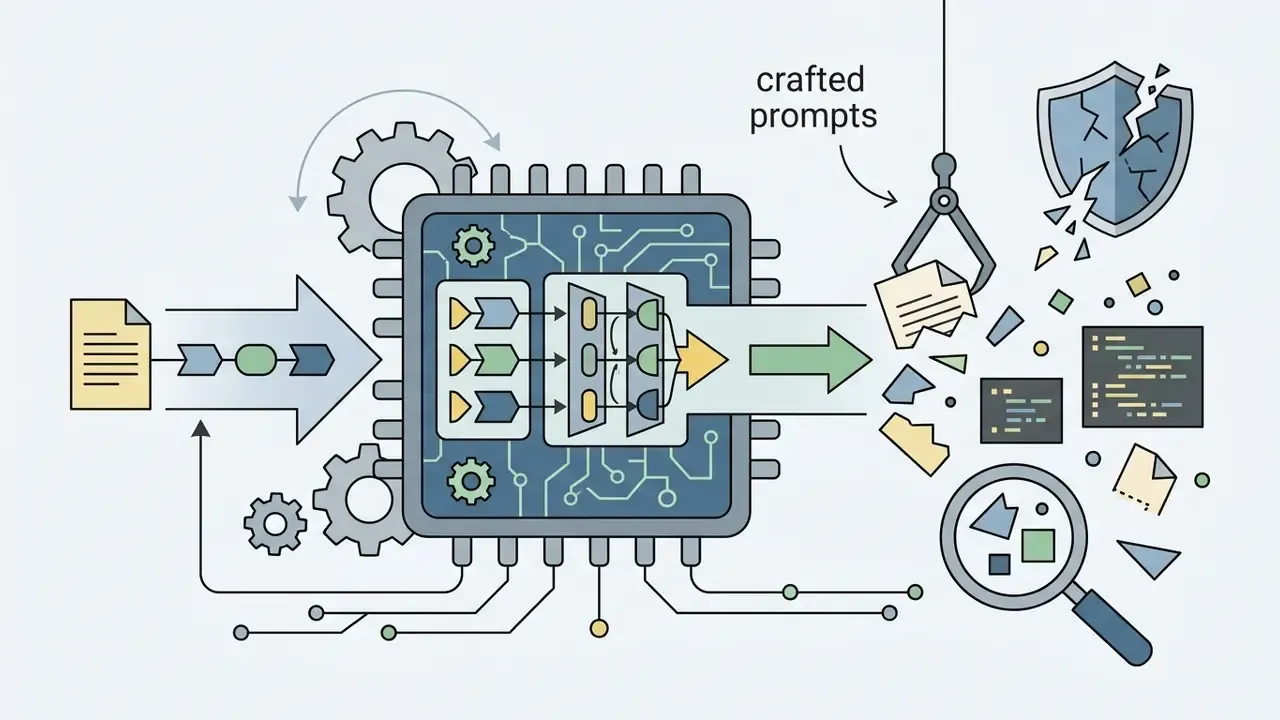
An illustrative composite from internal security reviews: an audit found employees pasting unredacted API keys and internal code into third-party browser chat tools. Deploying an internal stateless gateway that stripped metadata and routed queries through private API instances closed the leak path while preserving developer access to advanced model capability. Not glamorous work. Effective, though.
Anonymous Access and No-Tracking Claims
Several web platforms advertise an ai chatbot no login no filter environment, letting users start chats without registration.
- Stateless AI architecture stateless platforms process interactions inside active session RAM, discarding message memory when the browser closes or the session ends. notrack.ai advertises no account, no analytics, no cookies, and stateless sessions. That is a vendor claim, not an audited certification.
- Metadata and IP processing no-login services skip the email address, yet network-level metadata still flows: IP addresses, browser user-agent strings, and device fingerprints processed for routing and DDoS mitigation. W3C's 2025 fingerprinting guidance notes that fingerprinting capability is not inhibited by Do Not Track signals, and commercial identity vendors document combining the original IP with additional metadata into a cryptographic identifier. By contrast, some telemetry designs explicitly commit to never reading, parsing, or storing IPs, and to avoiding high-entropy device attributes.
- Privacy-proxied networks platforms like Duck.ai proxy queries through intermediary servers, stripping individual IP identifiers before prompts reach the underlying model host.
- Browser extension caveat a 2025 UCL study of AI browser assistants found installed extensions transmitting full webpage content along with user questions and identifiers including IP address. A "local-feeling" browser add-on can therefore be more exposing than a plain web chat.
⚠️ Alert: audit privacy policies before transmitting data
Shadow AI: DLP Gateway Architecture for Regulated Teams
The dominant enterprise risk in this segment is not that a team will formally adopt an uncensored companion app. It is that individual staff will paste customer records, MNPI, or source code into one from a personal browser session, invisible to logging. A workable mitigation pattern has five stages.
Table: Egress Control Path for Unsanctioned AI Endpoints
| Stage | Control | Implementation Detail | Failure Mode If Absent |
|---|---|---|---|
| 1. Discovery | Egress log analysis and CASB inventory of AI domains | Classify endpoints as sanctioned, tolerated, or blocked. Refresh monthly as new domains appear. | Unknown exposure surface, no basis for risk acceptance |
| 2. Inspection | DLP pattern and classifier scanning of outbound prompt payloads | Detect account numbers, SSNs, PHI markers, key material, and code signatures before transmission | Silent disclosure of regulated data to a third-party model |
| 3. Brokering | Internal stateless gateway with ZDR-contracted API backends | Strip metadata, enforce per-role model access, log prompt hashes rather than raw text | Staff route around controls to consumer endpoints |
| 4. Verification | Prompt-injection and jailbreak red-teaming on approved paths | Standardized adversarial suite, re-run after every model or system-prompt change | Approved tools drift into unsafe behavior undetected |
| 5. Evidence | Exportable audit trail mapped to NIST AI RMF functions and internal model-risk policy | Retain validation results, retention terms, and approval rationale per tool | No reproducible evidence for internal audit or examiners |
Teams building this layer commonly pair prompt-level DLP with output verification tooling, including AI image detectors and reverse-image-search utilities where synthetic media enters review workflows.
How to Choose an AI Chatbot Without Filter
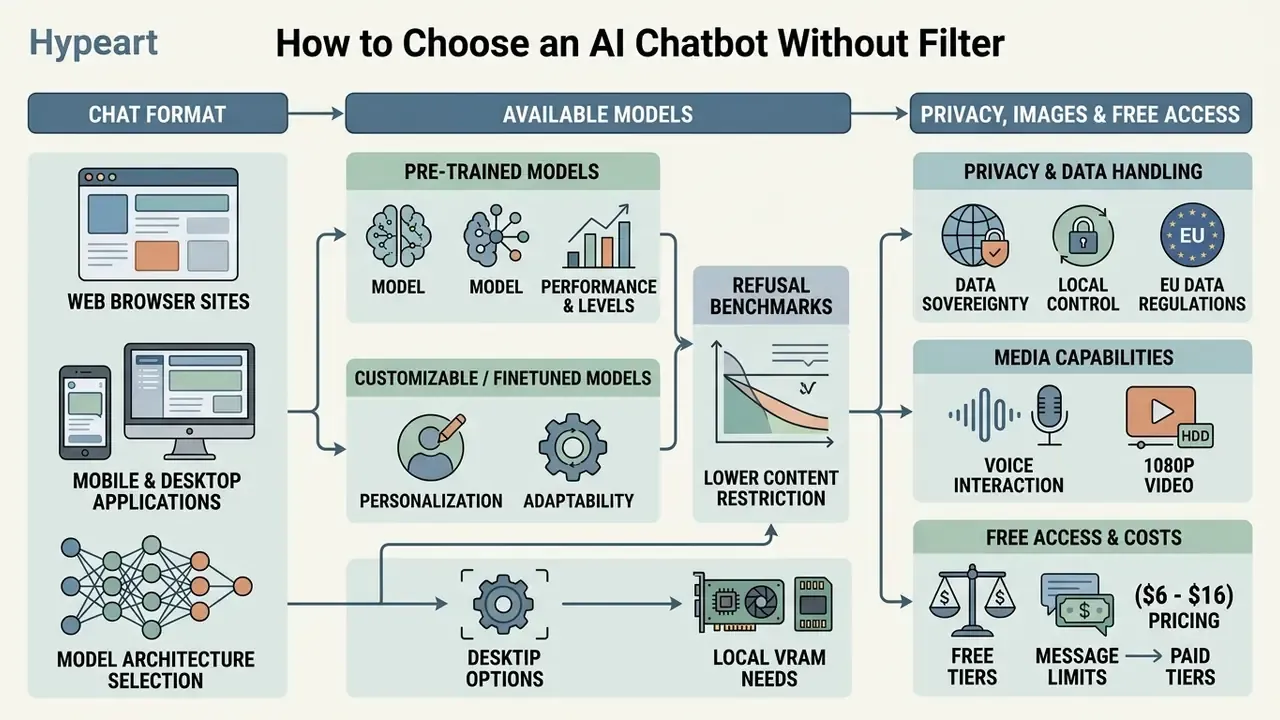
Selecting a chatbot ai without filter or an ai no filter free option means matching system architecture to your operational requirements. Anyone comparing ai sites no filter and ai chat apps should analyze hosting, image generation demand, and daily message thresholds. The most defensible selection basis remains the four NIST AI RMF functions, applied even at consumer scale: decide who owns the decision, map the data that will enter the tool, measure refusal and accuracy behavior on your own prompts, then manage the residual exposure.
Choose by Chat Format and Available Models
The choice between browser sites and installed client software dictates privacy level and hardware requirement.
- Web browser sites: best for cross-device access and instant use with no local hardware demand. Processing happens on third-party servers, so you are trusting the host's retention policy.
That finding matters for platform choice. Much of the migration toward an ai website no filter is driven by intent-following failures and hedged answers, not only by content policy.
- Mobile and desktop applications
- apps give deeper OS integration and offline processing. Running local open-source models through Ollama or LM Studio guarantees zero cloud transmission, but requires dedicated GPU VRAM, realistically 8 to 16 GB for smooth 7B to 14B execution. Note that vendor privacy policies usually cover website, application, and service data collection under one framework, so switching from web to a chat app does not by itself reduce retention.
- Model architecture selection
- open weights (Llama, Mistral, Qwen, Pygmalion) allow full local customization and are publicly available for use, modification, and redistribution. Proprietary commercial models keep architecture, weights, and training methods restricted while offering larger parameter counts and vendor-managed safety.
Choose by Privacy, Images and Free Access
Balance your deployment choice with a structured evaluation sequence.
- Privacy threshold. If absolute confidentiality is required, eliminate cloud-hosted tools and deploy local open-weights software. Where data classification includes regulated categories, stop at this step: consumer endpoints are out of scope regardless of feature quality.
- Media requirements. If picture generation is required alongside text, pick platforms with multimodal pipelines or pair your chat interface with specialized tools from our AI Media Commercial-Use Hub. Verify free-tier eligibility explicitly, since some providers exclude free accounts from image generation entirely.
- Voice and video requirements. If spoken or video output matters, accept that cloud processing and paid tiers at $10 to $16 per month are effectively mandatory. Re-check retention terms for audio and video artifacts, which are often stored longer than text.
- Usage volume. Compare daily message quotas against expected task frequency to avoid mid-workflow lockouts, and confirm whether quotas reset daily or expire once.
- Continuity requirements. For narratives longer than roughly 50 messages, insist on an explicit memory mechanism: lorebook, summarization, or vector retrieval. Raw context windows alone will drift.
Work through these controls before adopting an ai chat without filter free tool. Export or screenshot the completed list to retain an audit trail.
Checklist0 / 12
Safe Use of Unfiltered AI Chat
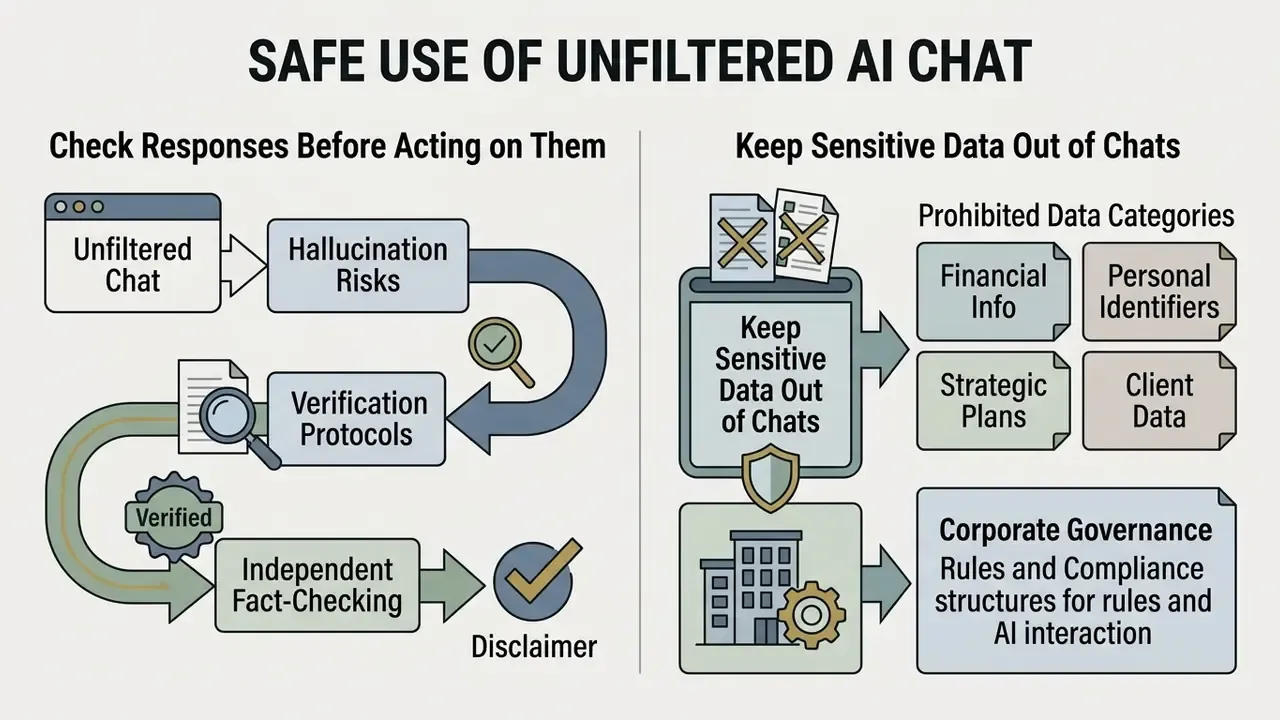
Running an unfiltered ai chat or uncensored ai environment demands proactive risk management. Unmoderated systems lack built-in refusal responses for erroneous or biased prompts, which pushes output verification entirely onto the user. Policy analyses of companion chatbots additionally emphasize age assurance, explicit disclosure that the system is non-human and non-professional, crisis-resource routing, and independent red-team evaluation as baseline safety controls.
Check Responses Before Acting on Them
Uncalibrated and unmoderated language models are markedly more prone to factual hallucination and unverified claims.
- Hallucination risks: without safety fine-tuning and post-processing verification, models generate authoritative-sounding but fabricated technical, legal, or historical detail. Hallucination is formally described as output that appears coherent while lacking factual or logical truth. NIST frames the same phenomenon under validity, reliability, and harmful bias.
- Verification protocols: apply techniques such as Chain-of-Verification, which means drafting an answer, generating verification questions, answering them independently, then revising. Cross-reference against primary documentation. Consistency checks and uncertainty calibration reduce fabricated content without eliminating it.
- Independent fact-checking: never rely on an unmoderated model for medical, legal, compliance, or financial decisions without domain expert review.
Keep Sensitive Data Out of Chats
Digital hygiene rules apply regardless of what a platform claims about privacy or encryption.
- Prohibited data categories
- categorically exclude Social Security numbers, banking credentials, private cryptographic keys, protected health information, identity documents, passwords, procurement and vendor records, pre-decisional drafts, and proprietary source code from public AI chats. Federal guidance is explicit that PII, PHI, and sensitive agency data must never be entered into publicly accessible AI platforms, and that sensitive-but-unclassified data must not be shared with unauthorized public AI tools.
- Corporate governance
- enterprise teams should deploy automated Data Loss Prevention software to inspect outgoing API calls and block sensitive transmissions to external LLM endpoints, complemented by verification tooling such as AI image detectors where synthetic media is involved.
- Risk isolation
- treat every cloud-hosted chat interface as a public broadcast channel for data sensitivity purposes.
- Account hygiene for individuals
- use a dedicated email address for companion or ai chat no nsfw filter accounts, avoid reusing work credentials, prefer established platforms over unknown domains, and assume that a free platform with no visible paid model may be monetizing data.
FAQ About Free AI Chat No Filter
Can I Use an AI Chatbot No Login No Filter?
Yes. Several web platforms provide an ai chatbot no login no filter session model, including notrack.ai, Perchance, PrivateMode.ai, and Duck.ai. These services work without registration, processing chats inside temporary browser sessions. Guest access typically disables persistent history, cross-device sync, personalized instructions, and advanced model configuration. When ChatGPT launched login-free access, anonymous sessions also applied stricter content safeguards and excluded account-bound features. The same trade-off pattern shows up across guest modes generally.
Are There AI Chat Options With Pictures for Free?
Yes. Platforms offering an ai chat with pictures no filter free service integrate multimodal text-to-image pipelines next to the chat interface. Venice.ai, HammerAI, and Perchance allow free text-to-image generation, though daily caps protect server GPU capacity, and some providers restrict explicit imagery to paid tiers. Mainstream APIs filter both prompts and generated images under content policy, which is why "free, unfiltered, and image-capable" is the scarcest combination in this market.
«NSFW chatbots serve four functions: virtual intimacy, sexual illusion, expression of aggression, and obtaining unsafe content». Source: NSFW Chatbots on FlowGPT, ACM (2026). https://dl.acm.org/doi/10.1145/3706598.3713867 Understanding those motivations helps predict which platform behavior, and which retention risk, you are actually signing up for. Comparative output-quality rankings sit in our best AI art generator comparison and free AI art generator comparison.
Can I Use AI No Filter Online Without Installing an App?
Yes. An ai no filter online experience runs directly in the browser, with no download or local install. Browser tools use cloud-hosted model infrastructure, giving instant access on desktop and mobile, provided you accept the host's online data policy. Keep in mind that browser access and installed apps are usually governed by the same vendor privacy framework, and browser extensions can transmit far more page-level data than a plain web session.
Which Platforms Offer Voice or Video Without Filters, and Is That Free?
Voice notes with custom voice cloning are available on Nastia, GirlfriendGPT, Muah.ai, and SpicyChat's 2026 voice mode. 1080p video generation and 4K stills appear on top paid tiers, with Nastia Unlimited at $15.99 per month the clearest published example. Free plans almost universally exclude voice and video, because these features carry the highest GPU cost per request. For background on synthesis quality and licensing, see our AI voice generator guide and animation maker guide.
Can Unfiltered AI Run Entirely Locally on My Device?
Yes. SillyTavern with Ollama, LM Studio, KoboldCpp, HammerAI's local mode, or a browser-embedded model such as Qwen 3.5 4B in Sigma Browser all run inference on your own hardware, with no internet requirement after download and no cloud logging. Practical requirements: 8 GB VRAM for 7B to 8B quantized models, 12 to 16 GB for 13B to 14B, Node.js for SillyTavern, and manual endpoint or API configuration. The trade-offs are setup complexity, slower generation on modest hardware, and responsibility for verifying the integrity of downloaded weights.
Are Unfiltered AI Chats Legal in the EU and the US?
In most jurisdictions, consenting adults using an ai with no filter for private conversation are acting lawfully. Generating or distributing illegal content, meaning CSAM, non-consensual intimate imagery, malware, or incitement, remains prosecutable regardless of the platform's filtering posture, and platform AUPs prohibit it too. In the European Union, the AI Act classifies applications by risk level, bans certain uses outright, and imposes transparency duties including disclosure of deep-fake image content and, in defined cases, AI-generated text. In the United States, sector rules apply to how you use the tool: entering customer non-public personal information into an unvetted service can implicate GLBA safeguards, and outputs influencing customer decisions fall within existing model-risk expectations.
Disclaimer: this is general information, not legal advice. Consult qualified counsel for jurisdiction-specific obligations.
What Is the Difference Between "Uncensored" and "NSFW" AI Chat?
"NSFW" describes the content type, explicit or adult material. "Uncensored" describes the platform's filtering posture, meaning no topical content restriction of any kind, adult or otherwise. An uncensored platform permits NSFW content, and it also engages with fictional violence, contested political history, and technical edge cases. Some NSFW-branded apps stay partially filtered, applying soft steering or degrading response quality on free tiers.
Why Do Mainstream Platforms Filter So Aggressively?
Four converging pressures: legal liability, tightening AI regulation, public-relations exposure from viral screenshots, and advertiser or app-store brand-safety requirements. Dedicated platforms offering ai without a filter sidestep some of this by charging subscriptions and distributing through their own websites rather than app stores. That business model difference, not a technological breakthrough, explains most of the capability gap.
What Should a Bank Do If Staff Are Already Using These Tools?
Start with discovery, not with a policy memo. Pull egress logs, inventory the AI domains in use, and classify each as sanctioned, tolerated, or blocked. Then offer a sanctioned alternative before you enforce a block, because a block without a substitute simply pushes traffic to personal devices. Document the decision path, retention terms, and validation evidence for each approved tool. If you need help structuring that evidence, our support portal lists the relevant documentation templates.
Additional Operational Resources and System Documentation
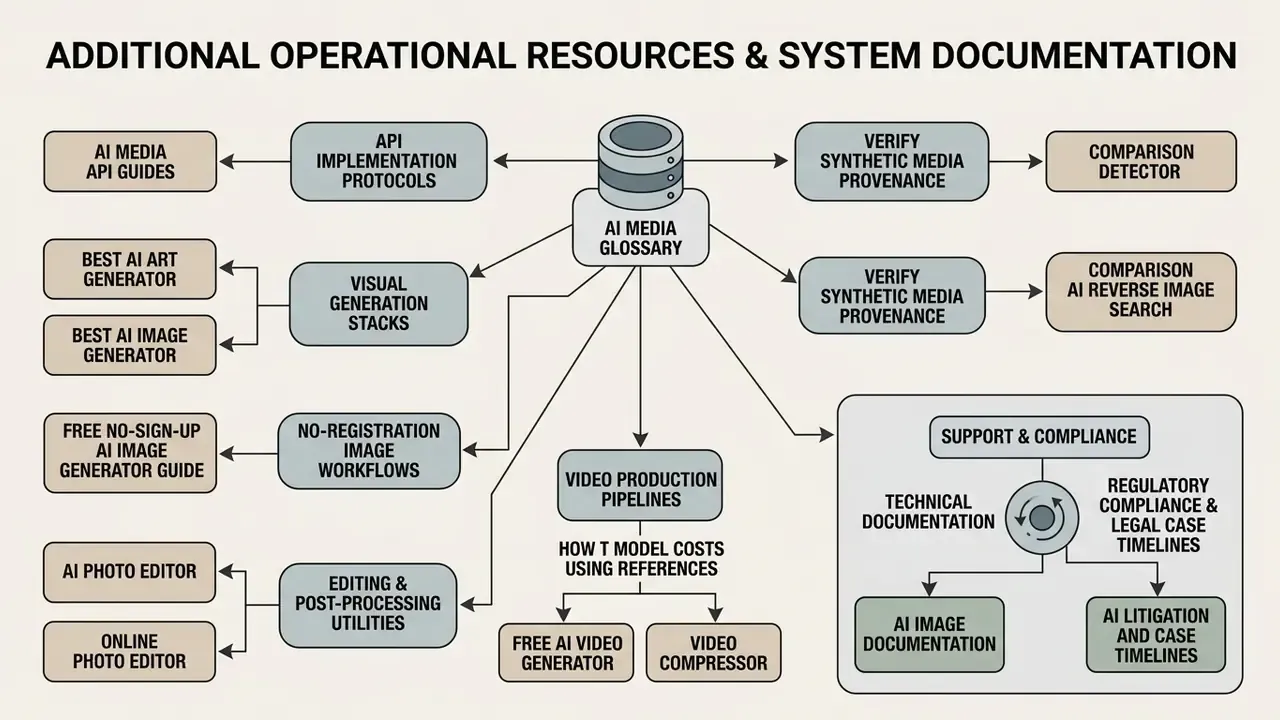
- Review core media generation terminology in our main AI Media Glossary.
- Evaluate API implementation protocols with our AI Media API Guides.
- Compare visual generation stacks in our best AI art generator and best AI image generator matrices.
- Assess no-registration image workflows in our free no-sign-up AI image generator guide.
- Inspect editing and post-processing utilities in our AI photo editor and online photo editor guides.
- Model video pipeline costs with our free AI video generator and video compressor references.
- Verify synthetic media provenance with our AI image detector and AI reverse image search comparisons.
- Access technical documentation through our central support portal.
- Review regulatory compliance and legal case timelines in our AI Litigation and Case Timelines tracking unit.
- Model computational requirements with our interactive AI Media Calculators.
Appendix A: Revision Log and Superseded Statements
Retained for transparency and version traceability. The statements below appeared in earlier revisions and have been superseded in the main text by sourced replacements.
- Superseded (privacy attribution)"Research from Stanford HAI evaluating commercial chatbot providers revealed that major cloud platforms store user conversation logs by default to train future model iterations." Retained as context. The main text now cites the 2025 frontier-provider privacy-policy analysis (https://arxiv.org/abs/2504.12590) alongside the Stanford HAI 2025 finding, with year and methodology attribution.
- Superseded (unattributed statistic)RSR figures of 69.29% and 23.12% previously appeared without source attribution. The main text now attributes them to the ULLM study (2025), https://arxiv.org/abs/2507.00472, and adds an interpretation note that low RSR reflects willingness to comply with sensitive prompts.
- Superseded (platform scope)earlier revisions compared five web tools (HammerAI, Venice.ai, notrack.ai, Poe, Duck.ai). That table is retained in expanded form. Fourteen additional platforms and four architecture families were added because the original scope under-represented the segment.
- Superseded (link profile)consumer-companion anchor links previously used in the resources and roleplay sections have been replaced with topic-matched neutral references covering image generation, photo editing, voice synthesis, video tooling, and media verification, keeping the reference profile consistent with the article's governance and comparison focus. Feature coverage of companion-class platforms remains in the main text.
- Unsupported claims flagged for future sourcingthe economic assertion that free tiers exist primarily because high-parameter inference incurs GPU cost is supported here only indirectly, through Bedrock five-minute billing windows and per-token model pricing. A dedicated cost-of-inference study is still required. Technical claims regarding system persona lock and vector-memory architectures rest on vendor documentation and published design patterns rather than peer-reviewed evaluation.
- Testing caveatthe 2026 benchmark table reflects first-party scripted runs during Q1 2026 from a single region on free and entry paid tiers. Hosted platforms change models and system prompts without notice. Readers should re-run the three-scenario template rather than treat these results as static.