Last updated: 2026 · Reviewed for: model risk, compliance and privacy readers
Executive Summary
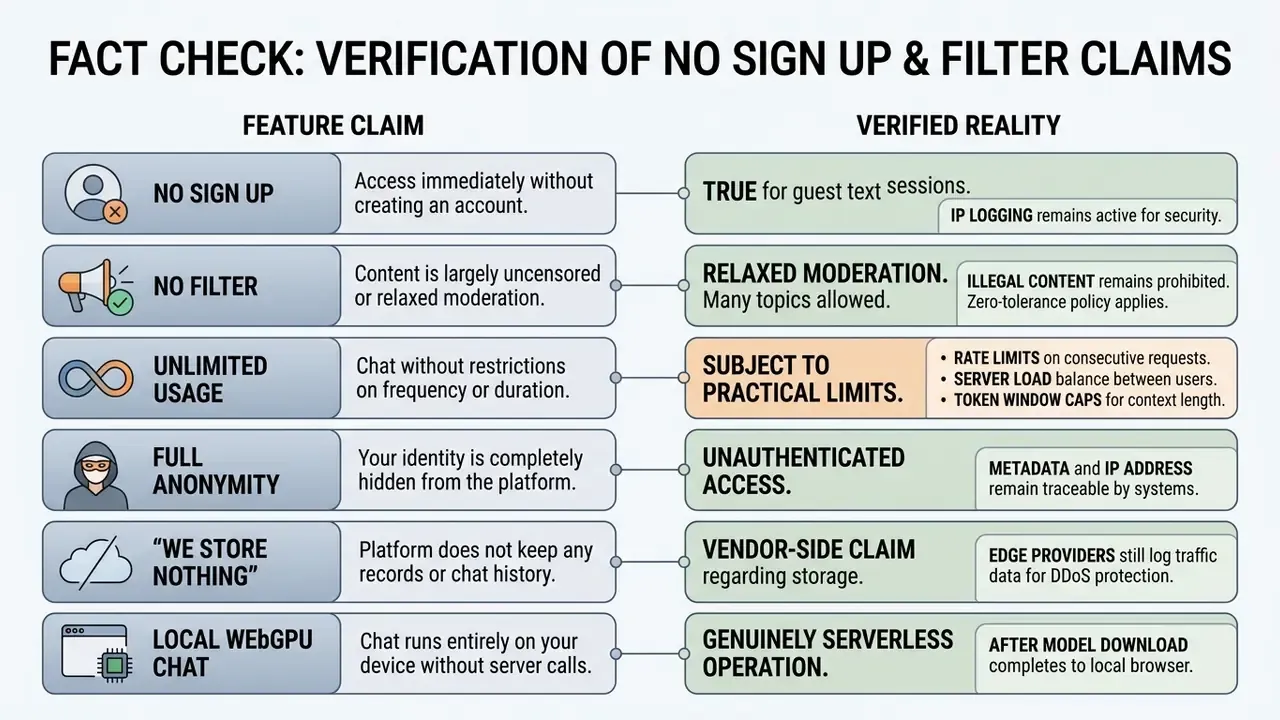
An ai chat no filter no sign up session removes registration friction, not data exposure. Guest access is maintained by temporary session cookies or generated anonymous IDs, while IP addresses, user agents and network metadata stay visible to backend operators.
"No filter" means relaxed moderation, not legal immunity. Illegal content categories remain prohibited in every acceptable use policy we reviewed. "Unlimited" is a marketing frame, bounded in practice by per-minute request caps, token context limits and queue throttling.
For zero-exposure work, browser-local execution through WebGPU (WebLLM-class engines) is the only architecture where prompts never leave the device. For everything else, treat unauthenticated AI chat as Shadow AI and govern it accordingly.
Why This Matters Inside a Regulated Institution
Three practical questions usually sit behind the search query. Can staff reach a capable model without a corporate account? What leaves the building when they do? And which of those sessions could touch a decision that a regulator will later ask about?
The first question is technical and easy. The second is a data-protection problem. The third is where model risk management lives, because an unvalidated output routed into credit, fraud triage, AML alert narratives or disclosure drafting is still a model input, whether or not anyone logged in.
So the analysis below runs in that order: mechanics, moderation reality, privacy exposure, character and roleplay use cases, multimodal features, cost structure, then limits and next steps.
How AI Chat No Filter No Sign Up Works
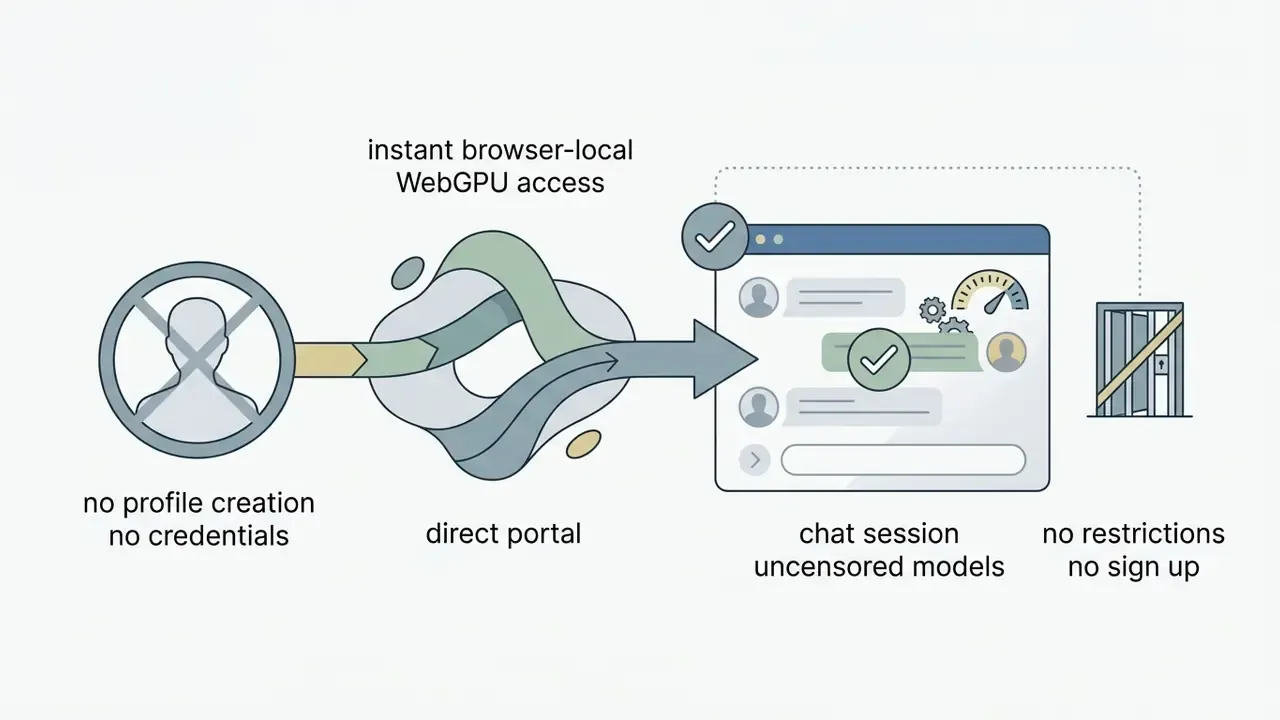
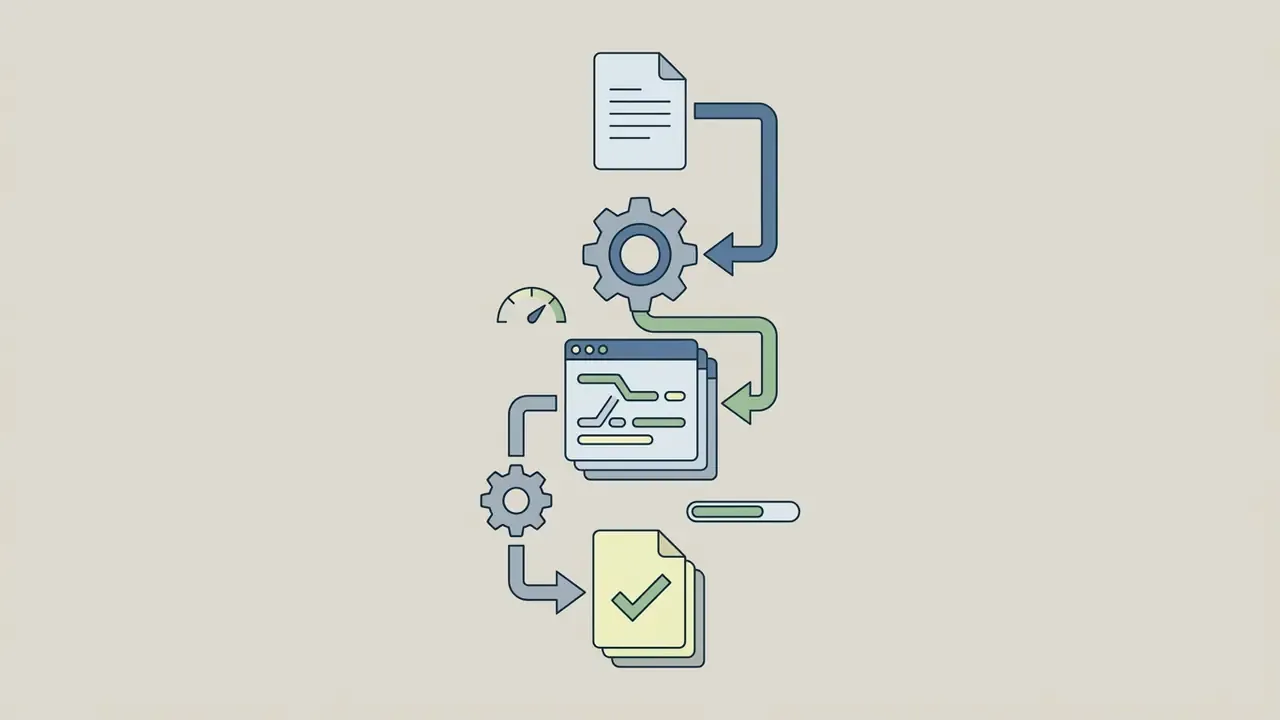
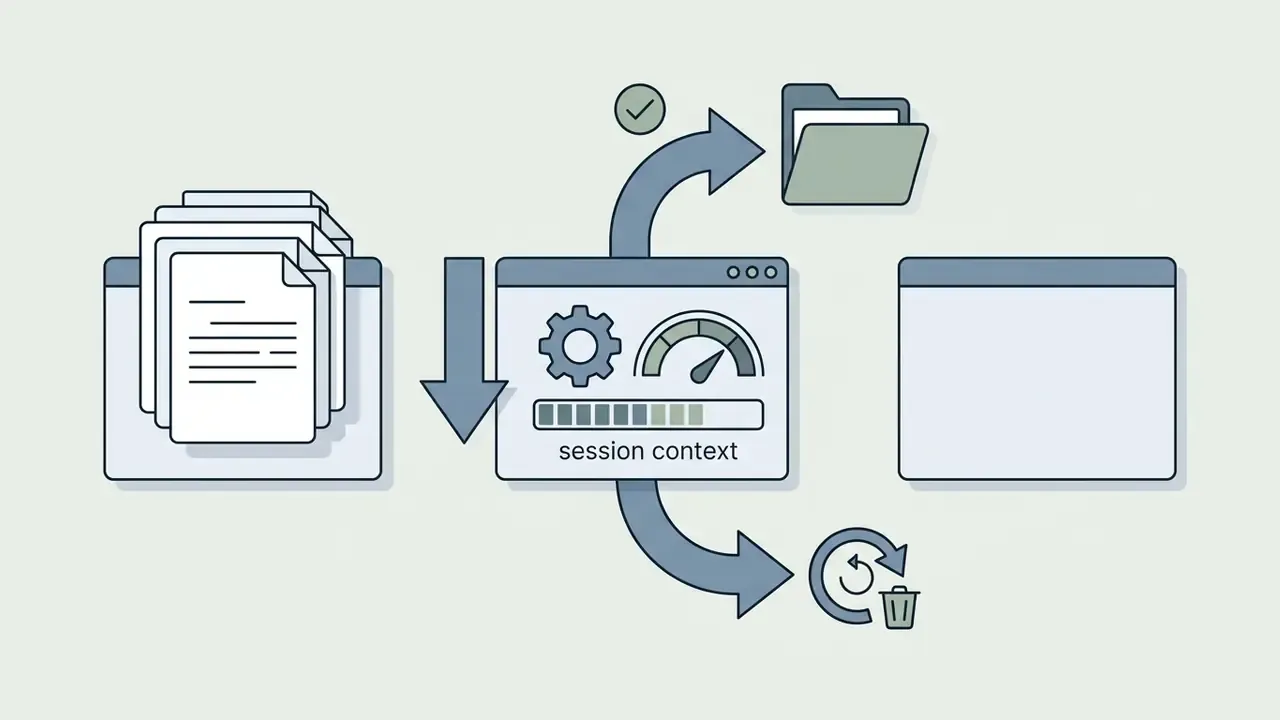
An ai chat no filter no sign up system lets a user launch a conversational session immediately in a browser, without creating an account, entering an email address, or supplying account login credentials. Guest sessions rely on temporary browser tokens or session cookies to process text prompts without linking activity to a permanent identity.
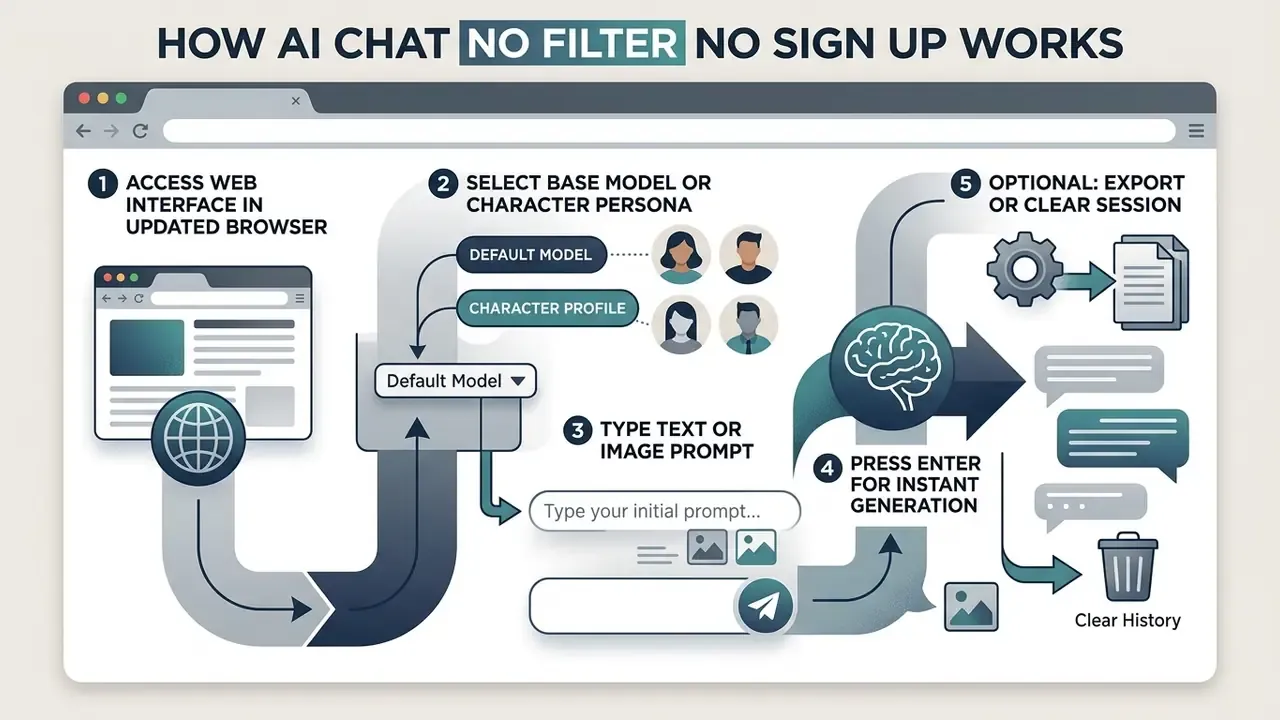
Five steps. No form. That is precisely why it spreads faster than policy does.
No Login, No Account and No Email Address
Operating with no account login and without submitting an email address means the system does not attach your conversation history to a central user database. Implementations typically use a first-party cookie carrying a generated anonymous ID, active for up to 45 days when no user identifier is supplied at session start. Source: IBM web chat documentation, accessed 2026. https://www.ibm.com
Treat that 45-day window as a vendor-specific implementation detail, not an industry standard. Retention varies widely, and some providers rotate identifiers far sooner.
Identity registration disappears; telemetry does not. Backend systems still capture network IP metadata for DDoS mitigation and security logging. Source: Obscurify privacy policy (2026). https://obscurify.ai
Empirical policy work shows that skipping account creation does not opt a user out of training pipelines:
«All six major AI developers use chat inputs for model training by default, and some retain them indefinitely.»
In plain terms: a guest session can be unauthenticated and still feed a training corpus. Absence of an account removes identity linkage, not data ingestion. That distinction is the whole article, really.
Some capabilities stay locked behind registration even on generous free platforms: persistent memory, cross-device sync, custom instructions, saved characters, and any form of contractual data handling. If a workflow needs those, the "no sign up" path is a demo, not a tool.
Start a Free AI Chat in Seconds
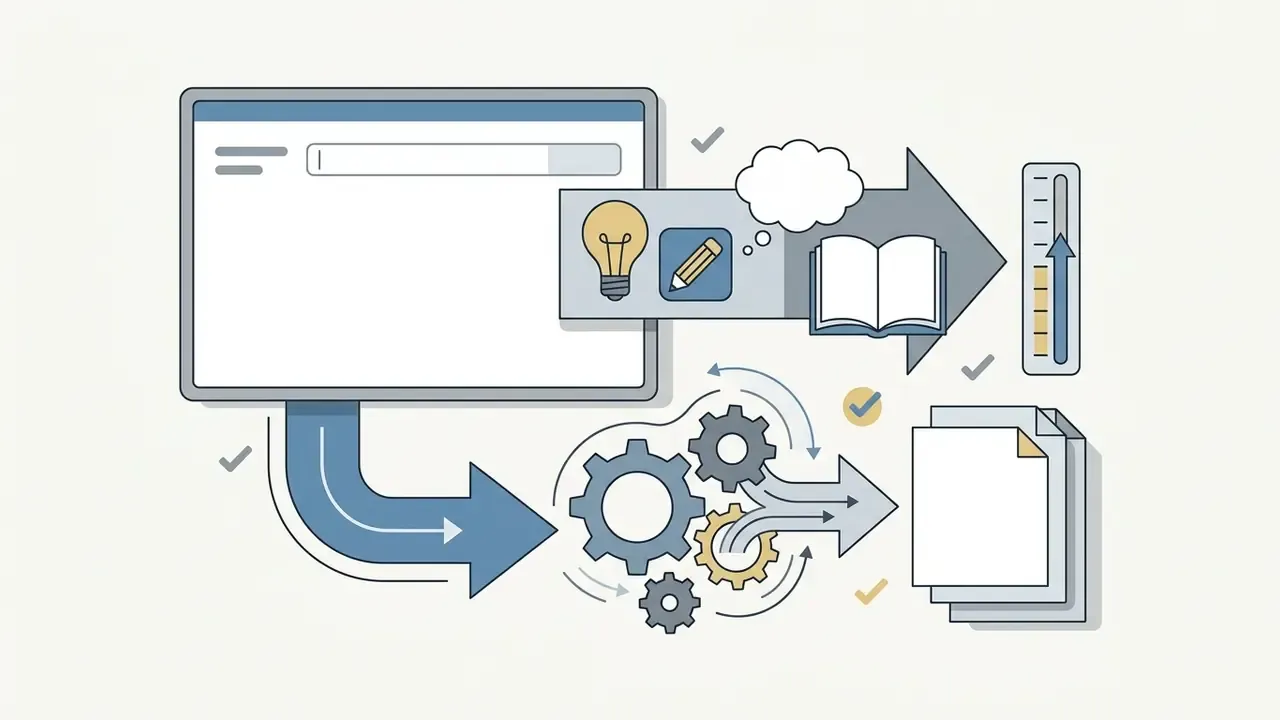
Instant-access frameworks let a user open an ai chat generator no login session within seconds of arriving on a page. Major providers built guest modes deliberately, to lower acquisition friction. Source: OpenAI, Start using ChatGPT instantly (2024). https://openai.com/index/start-using-chatgpt-instantly/ You pick a standard assistant or a character-based engine, type a prompt, and get streaming responses with no forms at all.
There is a documented trade-off, and it is uncomfortable:
«Platforms with the lowest onboarding friction display the weakest guardrails and the highest rate of unsafe responses.»
To compare model options and capabilities across public platforms, browse the hub for structured performance metrics, or review adjacent guest-mode tooling such as free image generators with no sign up requirement.
Serverless Private Chat: Local In-Browser Execution via WebGPU
Where data zero-exposure is mandatory, a newer class of guest platforms uses WebGPU acceleration (the WebLLM inference engine, for example) to run open-weight models inside the browser's own memory.
Cloud guest sessions route prompts through external API gateways. In-browser execution instead downloads quantised weights, from ultra-light 135M-parameter models up to 8B reasoning models such as Llama 3.2, Llama 3.1 8B, Qwen 3 or Phi 3.5 Mini, straight into client VRAM or RAM. Once cached:
- Zero network transmission. Generation happens locally, with no server roundtrips, no API keys, no backend IP logging.
- Offline functionality. After the first download, the session keeps working without an internet connection.
- No rate limits by design. Throughput is bounded by your hardware, not by provider quotas or per-organisation request caps.
- Hardware requirements. Modern desktop GPUs or Apple Silicon are recommended for 7B and larger; sub-1B models (135M to 600M) run acceptably on recent mobile browsers with 6 GB RAM or more.
- Storage trade-off. Cached weights consume roughly 270 MB for the smallest models and around 5 GB for 8B-class models in browser storage.
| Architecture | Where inference runs | Server-side logging | Practical ceiling |
|---|---|---|---|
| Cloud guest session (no sign up) | Provider GPU cluster | IP, user agent, prompt payload | Frontier-model quality, rate-limited |
| Browser-local (WebGPU / WebLLM) | User device GPU | None during generation | Smaller models, device-bound speed |
| API key or self-hosted | Own infrastructure | Under your control | Requires setup and spend |
Governance note: browser-local execution is the only row here that structurally removes third-party prompt exposure. That makes it the defensible option for confidential drafting, security research and regulated-data review, provided endpoint teams know the model download is happening.
What "No Filter" Means in an AI Chat
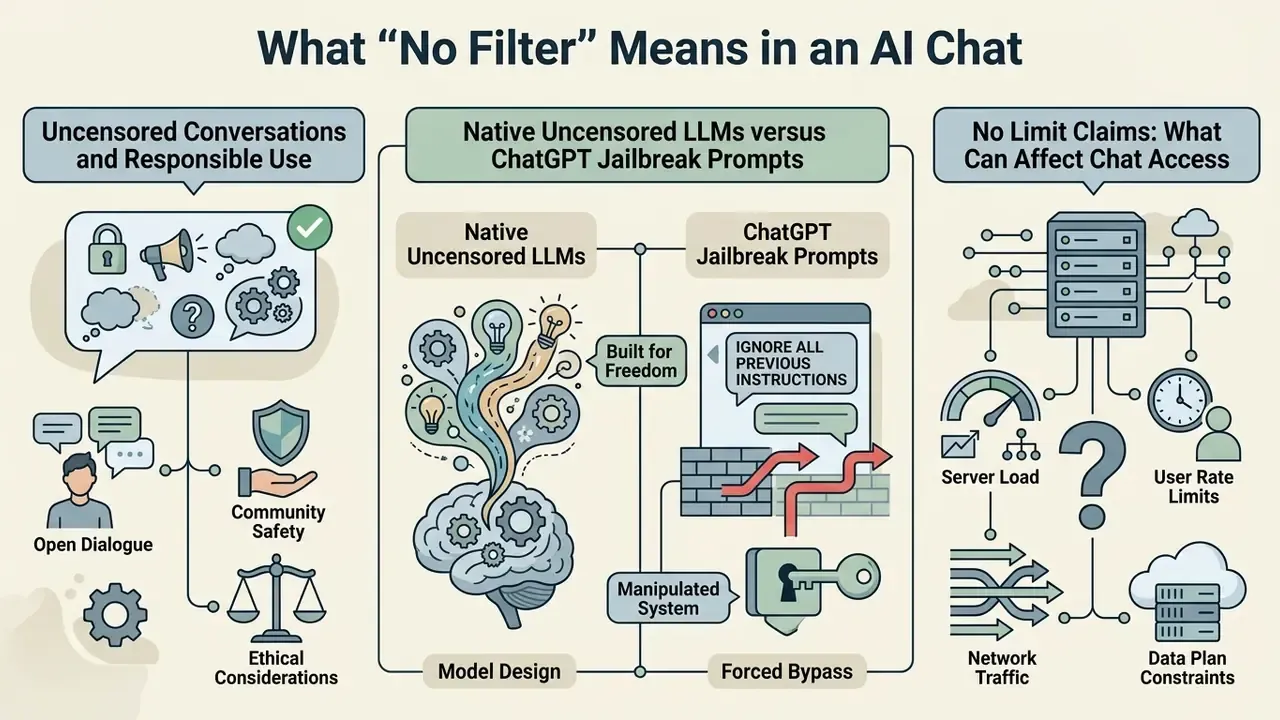
An ai chat no filter no login platform runs language models where moderation guardrails and safety alignment have been minimised or stripped out. These systems permit unrestricted creative roleplay, explicit writing and controversial queries that standard filters refuse.
Safety architecture: standard versus uncensored AI systems
| Pipeline stage | Aligned / filtered LLM | Uncensored LLM (ULLM) |
|---|---|---|
| Input classification | Prompt scored by a moderation classifier before inference | Minimal or no pre-inference screening |
| Alignment layer | RLHF or DPO safety alignment embedded in weights | Alignment stripped, or never applied |
| System prompt policy | Hard-coded refusal instructions | Neutral or persona-defined instructions only |
| Output filtering | Post-generation classifier blocks or rewrites responses | Output returned as generated |
| Refusal behaviour | Frequent topic refusals and safety lectures | Low refusal rate, direct compliance |
| Residual prohibitions | Legal plus policy bans enforced | Legal bans (CSAM, malware, NCII) still enforced by ToS |
For readers auditing downstream content provenance, AI image detectors add a control layer that complements text-level moderation.
Uncensored Conversations and Responsible Use
Uncensored language models, often called ULLMs, drop the safety alignment layer to widen expression and cut refusal rates. That helps nuanced fiction and unrestricted roleplay. It also raises exposure to toxic output, misleading claims and abusive language:
«Uncensored LLMs achieve greater lexical richness and closer semantic proximity to human text, but raise toxicity and complicate automated harmful-content detection.»
Responsible use starts with one correction: "no filter" is not legal immunity. Acceptable use policies across this segment still prohibit CSAM, malware generation, non-consensual imagery, sexual content involving real identifiable people without consent, trafficking, weapons instructions and other illegal acts. Source: Uncensored Chat acceptable use policy (2026). https://uncensored.chat Vendors frame "uncensored" as adult fictional content between consenting adults. Moderation scope narrows; the legal boundary sits exactly where it did.
Native Uncensored LLMs versus ChatGPT Jailbreak Prompts
People hunting for an ai chatbot no filter no login often conflate two different things: a natively uncensored model, and an aligned model coaxed by a jailbreak prompt (DAN-style overrides, adversarial personas). Different architecture, different failure modes.
| Parameter | Native uncensored LLM | Aligned model plus jailbreak prompt |
|---|---|---|
| System architecture | Base weights trained without restrictive alignment | Guardrails suppressed by soft system-prompt manipulation |
| Stability | Consistent across sessions | Fragile; breaks on base-model updates or guardrail patches |
| Context overhead | None; full token budget available for the task | Heavy; adversarial scaffolding can consume thousands of tokens |
| Response behaviour | Direct compliance, no moral lectures | Frequent refusal fallbacks and mid-conversation disclaimers |
| Policy exposure | Governed by the platform's own AUP | Constitutes a terms-of-service violation on the aligned platform |
| Red-team value | Tests unaligned baseline behaviour | Tests guardrail durability under adversarial pressure |
For model risk teams, both categories matter. Native ULLMs establish the unmitigated baseline. Jailbreak resilience measures how much of that baseline your production guardrails actually suppress. One without the other gives you half a control narrative.
No Limit Claims: What Can Affect Chat Access
Promises of an ai chat no filter no limit no sign up environment run into hardware and network capacity. Real systems enforce organisation-level request caps per minute, context window cutoffs and background throttling during peak demand. Published documentation quantifies it: 2,000 LLM generation requests per minute per organisation, with a 65,536-token context ceiling when data masking is applied. Source: Salesforce Einstein Trust Layer documentation (2026). https://www.salesforce.com
Effective context retention also decays as a conversation grows, which produces a practical "maximum effective context window" noticeably shorter than the advertised figure. Source: arXiv (2025). https://arxiv.org
Capacity is not the only thing that degrades with volume. Adversarial robustness does too:
«Multi-turn attacks against open-weight models succeed in 25.86–92.78% of cases, two to ten times more often than single-turn attempts.»
Privacy and Security in No Sign Up AI Chat
Privacy consequences follow directly from the two previous sections, so they belong here, ahead of pricing.
Using an ai chatbot no filter no sign up platform keeps your real name and email out of an account database. It does not deliver network anonymity, and it does not stop data collection at the backend.
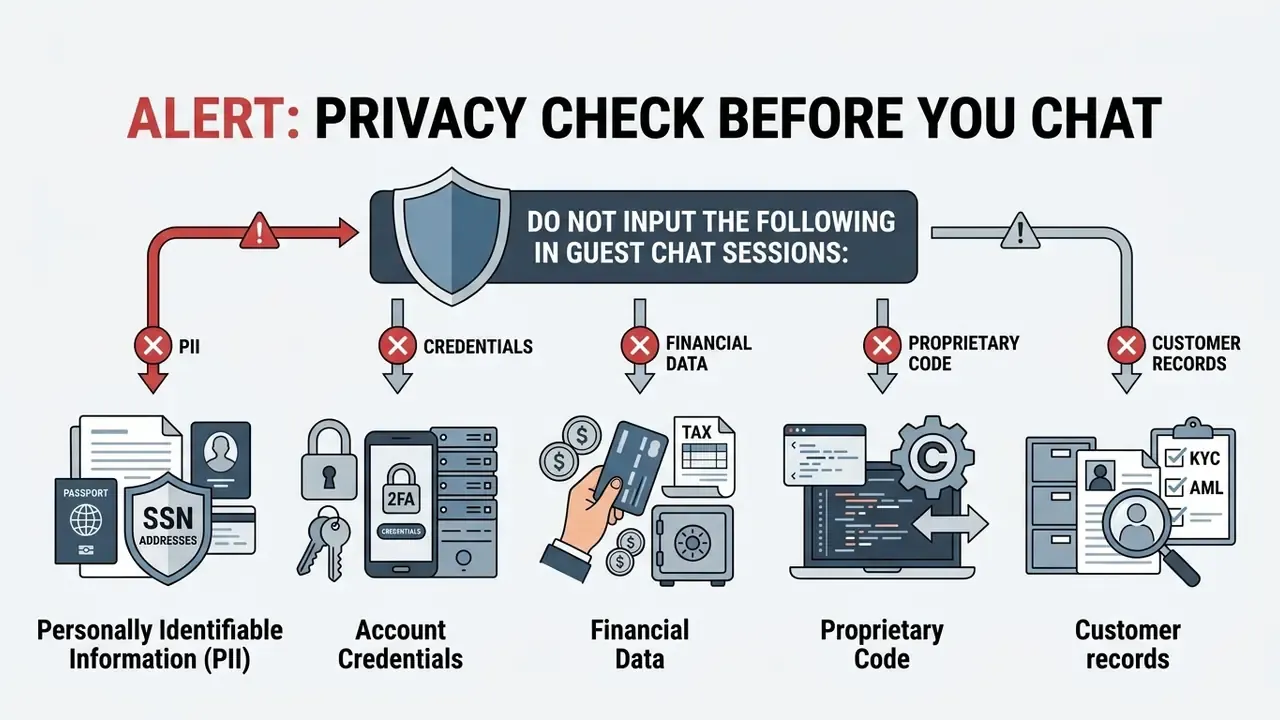
What No Account Does and Does Not Protect
Going with no account shields your primary account email from marketing trackers and credential-stuffing lists. Network-level identifiers stay in place: IP addresses, browser fingerprinting profiles and session logs remain visible to operators. Source: NIST AI Risk Management Framework 1.0 (2025). https://www.nist.gov
«ChatGPT was trained on 570 GB of data (roughly 300 billion words), so publicly posted user content may already reside in model parameters.»
Data protection authorities warn that entering sensitive information into public AI systems creates durable privacy risk, because inputs may be retained for security monitoring or training. Sources: EDPB Opinion 28/2024 https://edpb.europa.eu and OAIC guidance on public AI chatbots (2025) https://www.oaic.gov.au The EDPB position is specific and worth quoting to your legal team: a model trained on personal data cannot be assumed anonymous, and anonymity must be assessed case by case against "reasonably likely means" of re-identification.
Public interfaces are also an attack surface, not merely a disclosure channel:
«Researchers extracted embedding-layer parameters from ChatGPT and PaLM-2 through API queries costing under $20, demonstrating the vulnerability of public interfaces.»
The absence of end-to-end encryption compounds all of it. NIST's definition of E2EE requires data to stay encrypted between originator and intended recipient, with no third-party decryption. Standard AI chat traffic cannot meet that bar, because the provider must decrypt the prompt to run inference. TLS in transit is not E2EE, and vendors sometimes blur the two.
Shadow AI control checklist for security and model risk teams
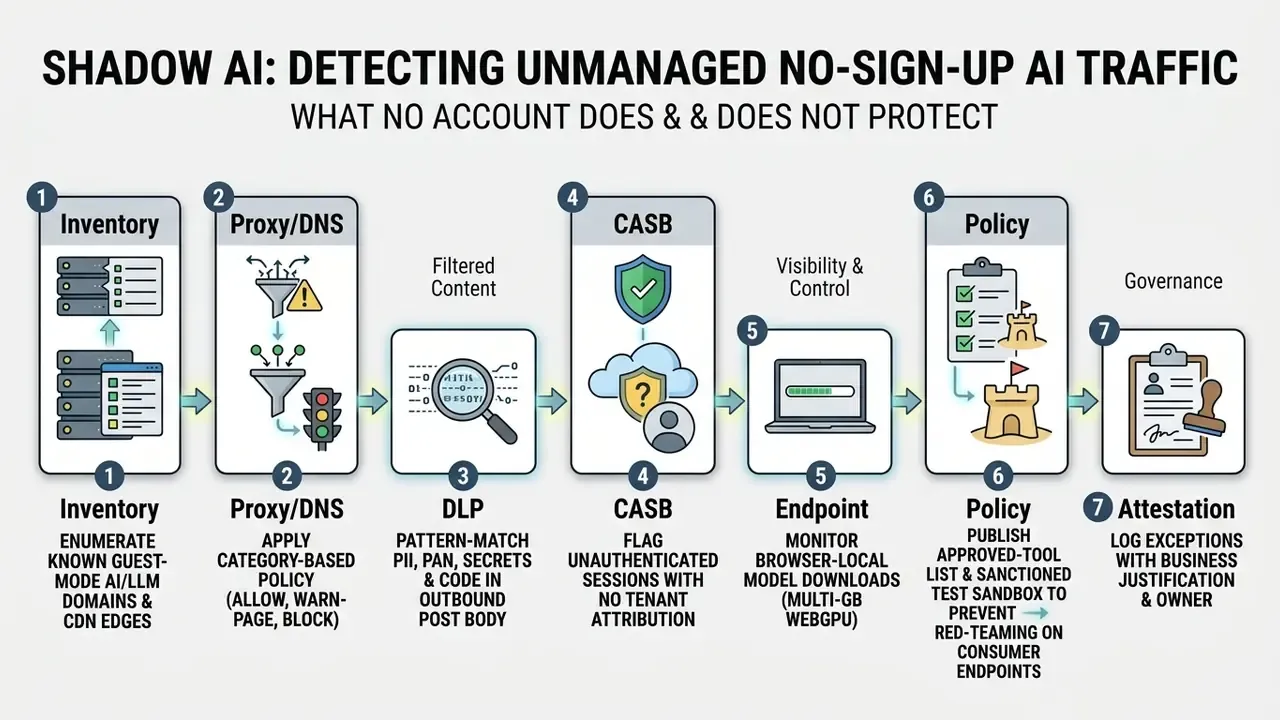
For regulated institutions the structural problem is simple to state. Unaudited external ULLMs sit outside the model inventory, therefore outside validation coverage expected under supervisory model risk management guidance (Federal Reserve and OCC SR 11-7, and equivalent frameworks). Any output routed into a decision process, whether credit, fraud, pricing or disclosure drafting, should be treated as an unvalidated model input until it is inventoried, documented and independently reviewed.
The NIST AI RMF Govern and Measure functions give you the mapping layer between that inventory gap and control language your audit function already recognises. No new vocabulary required, which tends to speed approvals.
One field observation, offered as illustration rather than evidence: in most institutions the first credible detection signal is not DLP at all. It is a multi-gigabyte model download on a laptop that has no business hosting one.
Free AI Character Chat and Roleplay Without Sign Up
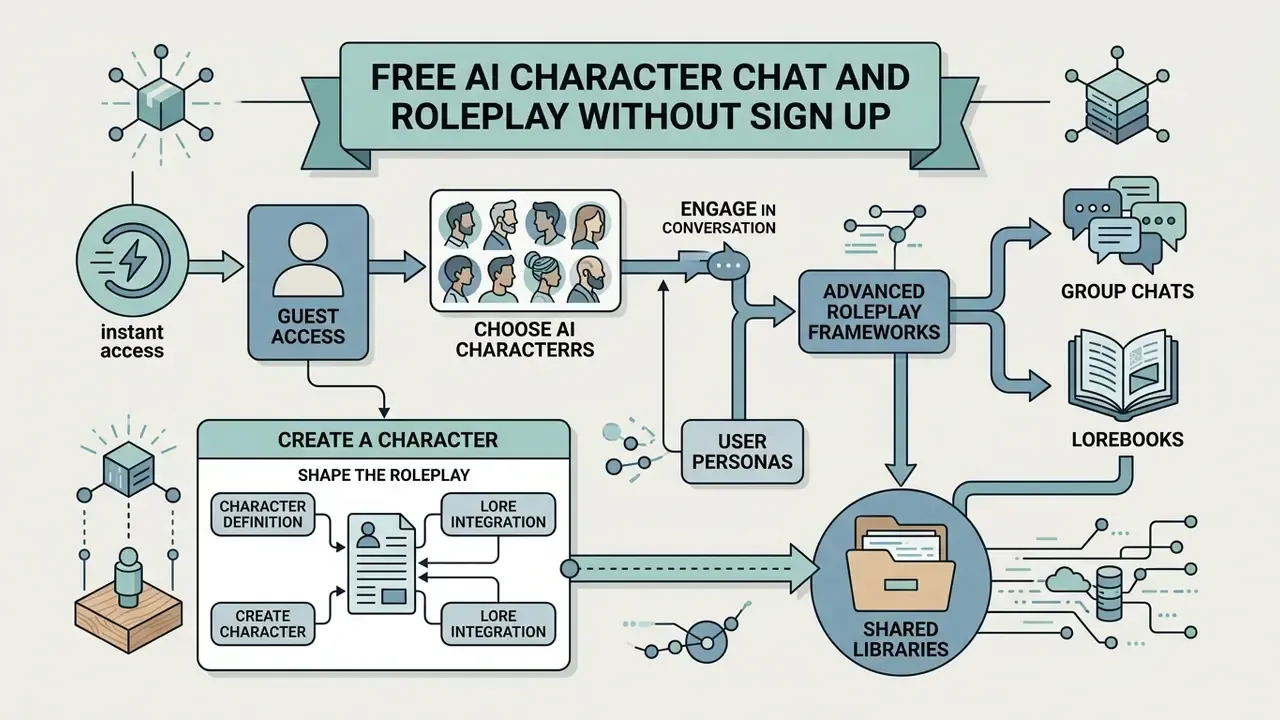
An ai character chat generator free no sign up platform supports narrative dialogue with predefined or custom personas, no profile required. The audience is mostly writers, gamers and roleplay enthusiasts looking for unrestricted conversational dynamics.
Access models differ sharply. Some platforms grant guests a capped number of messages before demanding an account. Others allow public catalogue browsing but gate message sending behind OAuth, which is why character ai no filter no login queries so often end in a login wall. A minority keep history entirely device-local.
Choosing AI Characters for Conversation
Picking a persona depends on whether the task needs structured educational guidance or open-ended narrative. Standardised persona guidelines for teaching tools call for clear role definitions, background context and explicit topic boundaries. Source: UNITE Guidelines for L2 English Chatbot Use, University of Bologna (2026). https://www.unibo.it Creative roleplay personas optimise for something else: voice consistency, narrative flexibility, immersive worldbuilding. Source: K20 Center, University of Oklahoma (2025). https://k20center.ou.edu
«AI character platforms produce unsafe responses in 65.1% of evaluated cases, significantly more often than aligned baseline models.»
Selection criteria should therefore carry an explicit risk dimension: catalogue curation, age gating, whether NSFW content is marked and opt-in, and whether the persona can be overridden by user instructions mid-scene. That last one is the quiet failure mode.
To add custom voice synthesis to character workflows, creators can use a free ai voice generator for narrative audio, or check capability differences in the AI voice generator reference guide.
Advanced Roleplay Frameworks: Group Chats and Lorebooks
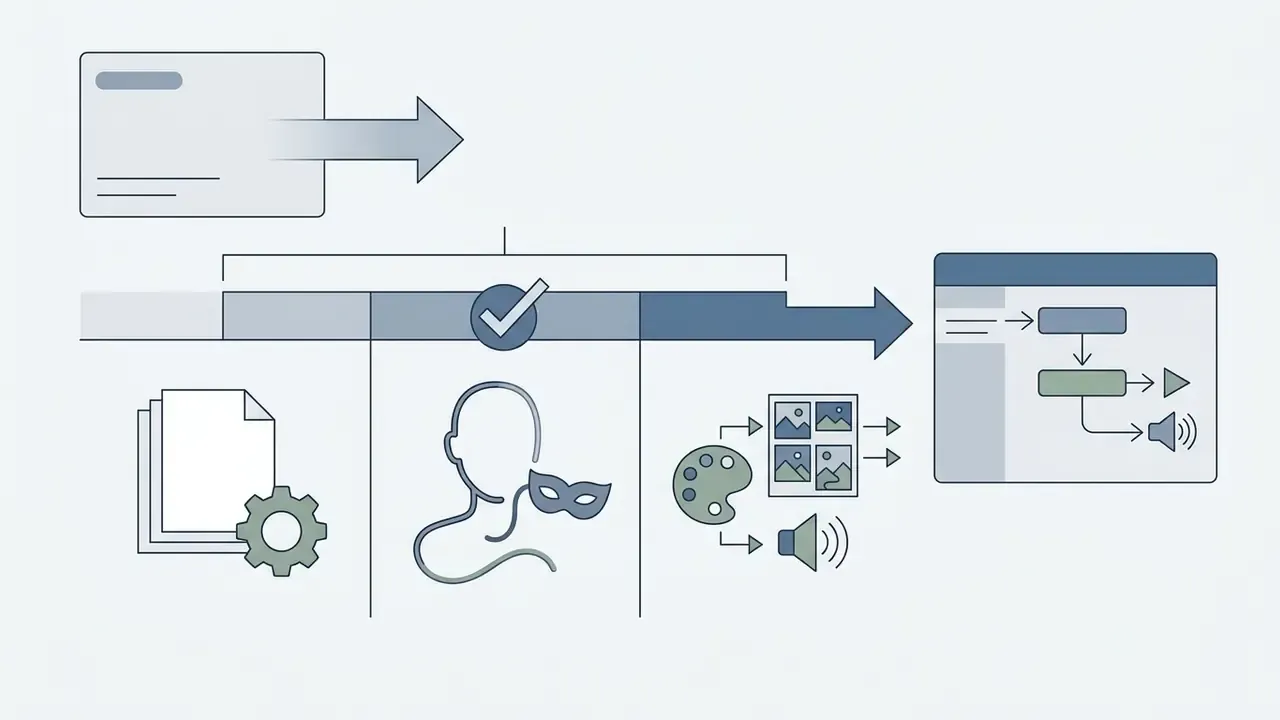
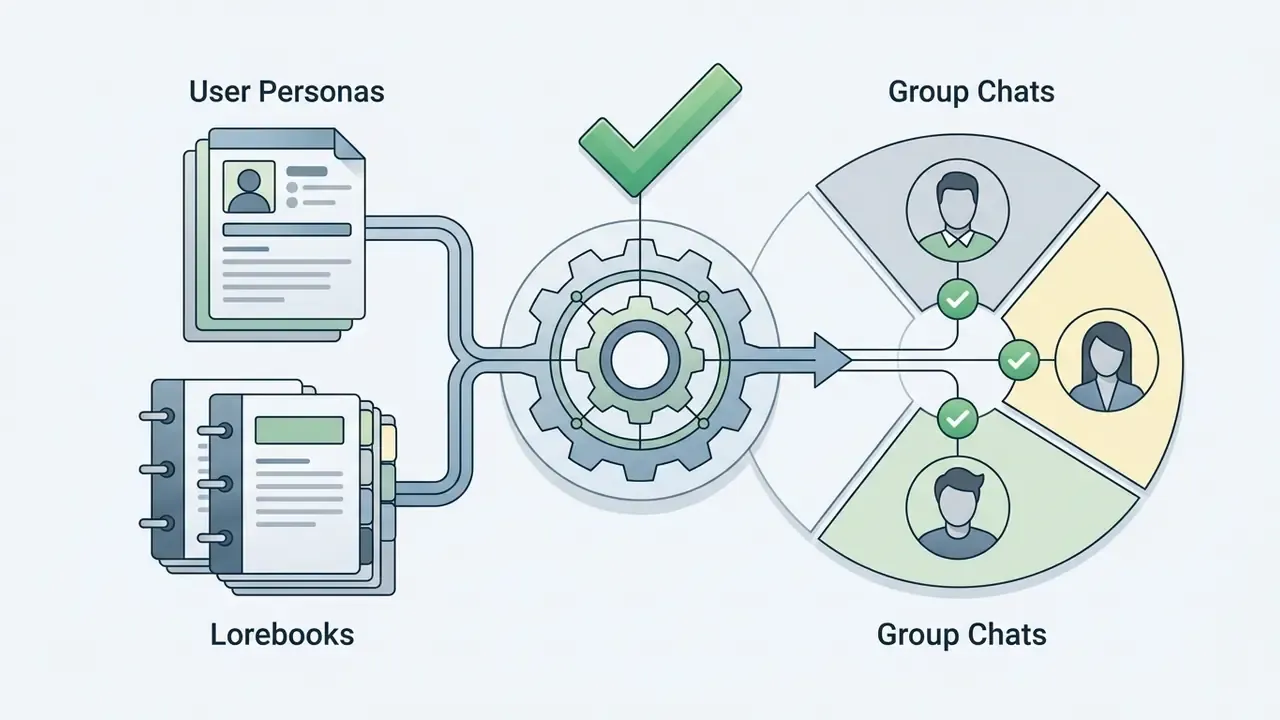
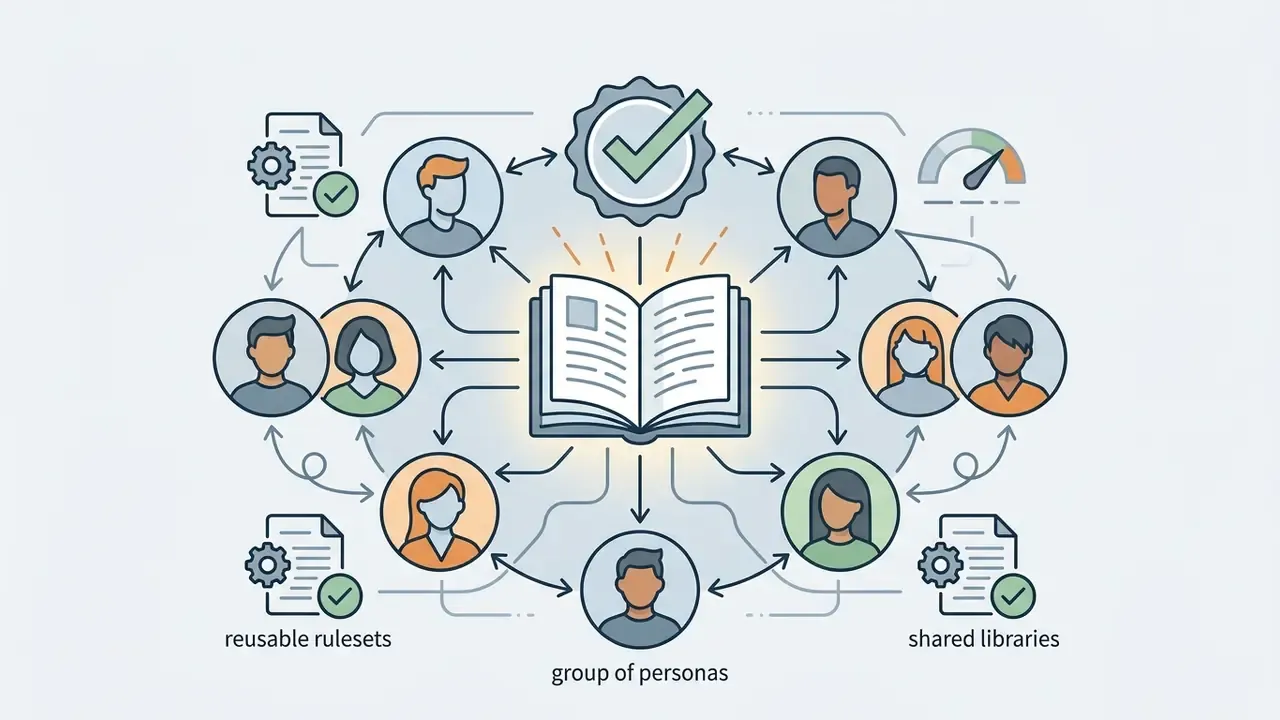
Modern unrestricted character engines go well past one-on-one dialogue:
Operationally, a Lorebook is the closest consumer analogue to retrieval-augmented generation: keyword-triggered retrieval over a curated corpus, injected at inference time. If your team already reviews RAG designs, you can review this one with the same questions.
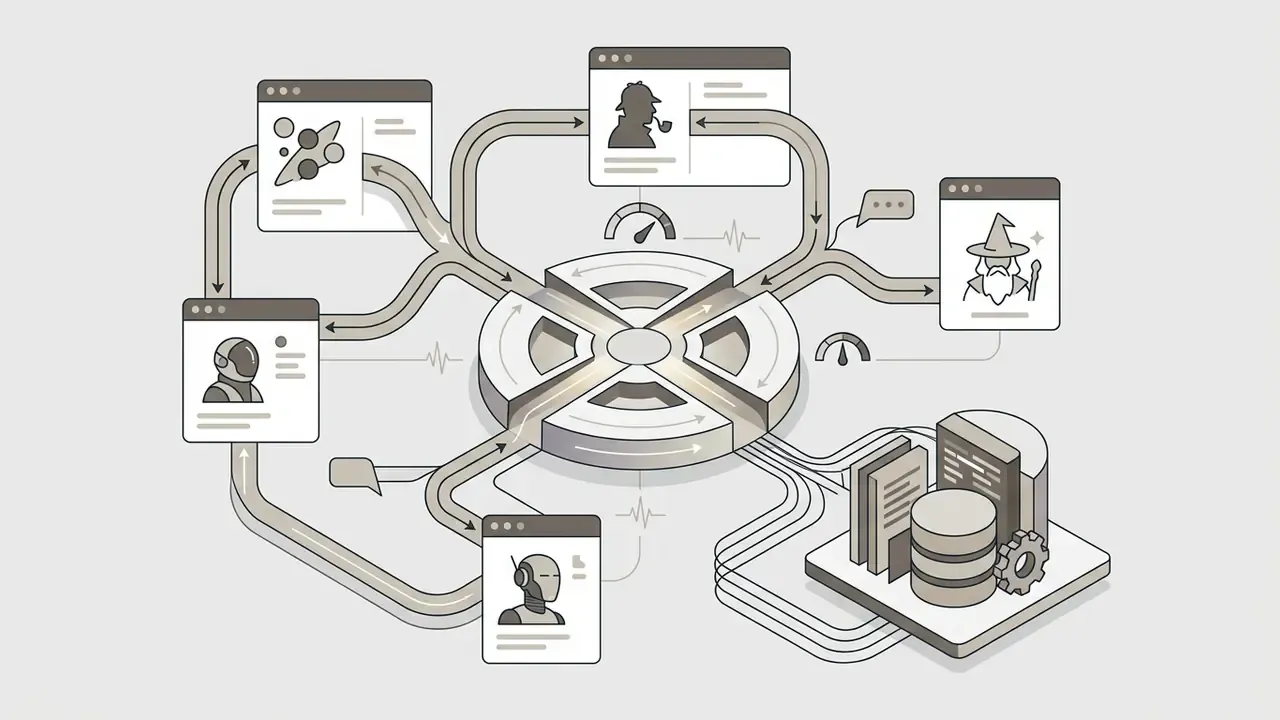

Create a Character and Shape the Roleplay
To configure a custom ai character chat no filter no sign up persona without an account, you write a system prompt covering personality traits, backstory and output formatting rules. Published prompt-engineering guidance decomposes system instructions into five reusable components (role, context, instructions, constraints, tone) and recommends tag-delimited blocks, so a single component can be revised without rewriting the whole prompt. Source: Systemprompts: Die Betriebsanleitung für Ihren Chatbot, Karlsruhe Institute of Technology (2026). https://www.kit.edu
<role>
You are an expert financial risk strategist from 2026 analyzing model alignment.
</role>
<context>
The user wants to stress-test governance controls for unmoderated LLMs.
</context>
<instructions>
Provide objective, highly analytical responses detailing control failures.
</instructions>
<constraints>
Do not use hype, absolute guarantees, or first-person narrative claims.
</constraints>
<tone>
Pragmatic, authoritative, and direct.
</tone>
Applying the same template to structured red-teaming. The five-component structure transfers from creative roleplay to adversarial testing, because both depend on stable persona behaviour across turns. A repeatable procedure looks like this:
- Fix the
roleandtoneblocks, then version them, so behavioural drift can be attributed to model updates rather than prompt edits. - Vary only the
contextblock to generate scenario families: data exfiltration, prohibited advice, social engineering, disallowed content. - Record refusal rate, partial-compliance rate and time-to-first-violation per scenario family, across single-turn and multi-turn runs. The Cisco figures cited earlier show why multi-turn sequences must be measured separately.
- Leave base model weights untouched. All variation stays in prompt configuration, which preserves comparability across models and across dates.
Personas shape style; they do not fix facts. Adding personas produced no measurable factual gain across 2,410 evaluation questions. Source: arXiv (2023). https://arxiv.org
«Unfiltered character platforms show a 65.1% unsafe-response share, and even SFW-labelled personas generate adult content in 46% of probe queries.»
The 46% figure is the governance-relevant number. Content labelling on guest platforms is a weak control, because a label describes intent rather than enforced behaviour.
AI Chat Models and Image Features Available Without Login
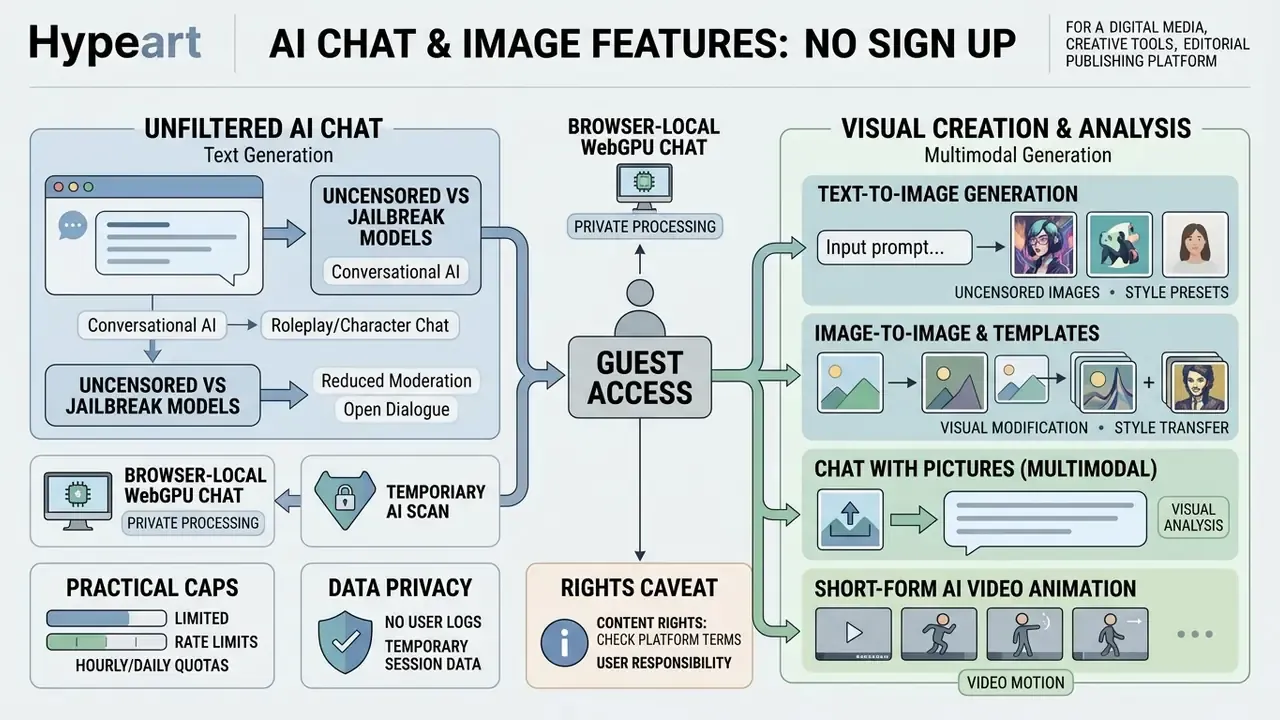
Modern ai chat generator free no sign up services increasingly bundle multimodal capability, so guests can generate images or analyse visual input alongside text.
Data flow for text, visual recognition and image generation
| Input type | Routing path | Guest-mode constraint | Retention exposure |
|---|---|---|---|
| Text prompt | Tokeniser, base LLM, streaming decoder | Rate-limited per minute or session | Prompt may enter training pipeline |
| Uploaded image | Vision encoder, multimodal LLM, text output | Often disabled or capped at peak load | Files may be retained for safety screening |
| Image generation | Prompt, safety classifier, diffusion model, renderer | Lower resolution, deprioritised queue | Prompt and output logged for abuse review |
| Short video | Prompt or image, motion model, 1080p render | Heaviest compute, strictest guest caps | Longest processing retention |
For licensing and regulatory detail on commercial asset creation, see the overview of platform terms and review commercial use of AI image generators before publishing guest-mode output. Developers who need automated access parameters can review the api integration guidelines.
Text Chat, Image Generation and Chat With Pictures
Basic text interfaces run cheaply without credentials. Multimodal tools such as an ai chat with pictures no sign up engine carry much higher compute overhead. Platforms offering image generation or visual analysis often restrict guest query rates during peak traffic, and non-premium users can temporarily lose reasoning, image generation or file-analysis functions while plain text replies keep working. Source: Yandex Support (2026). https://yandex.com/support
Privacy audits add a second wrinkle: even with activity logging disabled, uploaded image files may be retained for up to 72 hours for safety screening and system processing. Source: Google Gemini Apps Help (2026). https://support.google.com
«LLM-based moderators outperform traditional systems in detecting sensitive content across text, images and video, reducing false-positive rates.»
The implication is asymmetric, and worth sitting with. Better detection improves platform safety while increasing the volume of content that must be transiently stored and, sometimes, human-reviewed.
Multimodal Generation: Uncensored Images, Video Motion and Style Presets
Beyond dialogue, no-login portals wire in direct asset generation with presets that spare you any diffusion parameter tuning:
- Image-to-image and style templates. Guests apply structural style transfer, including Ghibli-inspired animation, 3D Pixar-style character rendering, aging and de-aging filters, and photorealistic 4K professional headshots, directly to an input image.
- Short-form AI video animation. Unfiltered multimodal tools allow brief 1080p renders from a static prompt or photo. Common templates cover old-photo re-animation, dynamic camera movement, gender-swap effects and expressive character actions such as dance-motion synthesis.
- Practical caps. Guest video generation is the most compute-intensive path, so duration, resolution and daily renders are throttled first when demand rises. Free AI video generator comparisons quantify those trade-offs.
- Rights caveat. A style preset that emulates a studio look does not transfer that studio's rights. Commercial reuse must be checked against the platform's licensing terms, never against the template name.
Is Free AI Chat Really Free: Limits, Paid Options and Use Decisions
Running an ai chat free no filter no sign up service means paying for GPU infrastructure. Providers monetise guest access by treating it as an entry funnel, reserving long context, high-resolution rendering and persistent memory for paid tiers.
| Access criteria | Free guest access (no sign up) | Paid tier (subscription) |
|---|---|---|
| Account requirement | None; no email, no login | Required; verified email and payment |
| Model availability | Lightweight or open-weight models | Premium frontier models |
| Usage limits | Strict rate limits and session caps | Expanded or priority allowances |
| Image generation | Restricted or lower resolution | High-speed, high-resolution rendering |
| Video generation | Short, watermarked or queue-limited | Longer clips, priority rendering |
| Conversation memory | Transient; lost on tab close | Persistent cloud chat history |
| Commercial usage | Basic, subject to general ToS | Explicit commercial licensing terms |
| Support and uptime | Best-effort, no SLA | Contractual support paths |
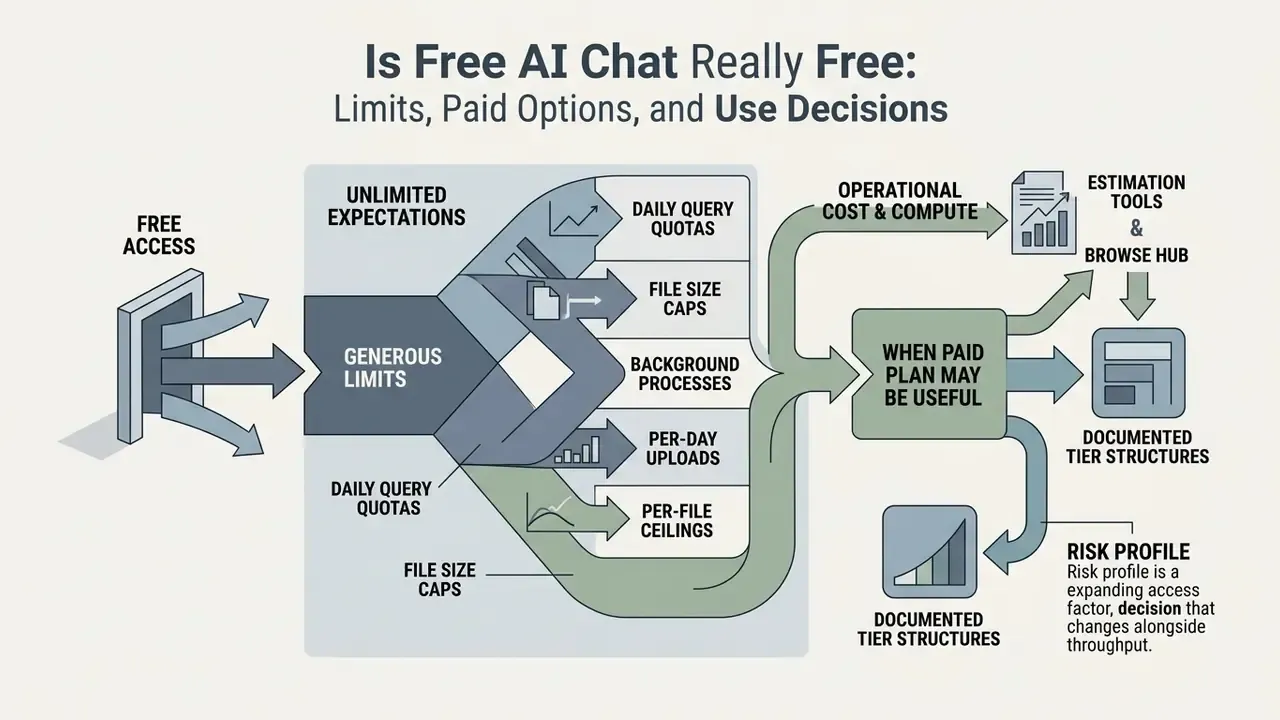
Read the table as a decision, not a feature list. Free tiers deliver real utility for quick questions and drafting. Any workflow needing guaranteed uptime, contractual data terms or advanced reasoning ends up on a paid plan sooner or later.
Documented tier structures explain why: "unlimited" is usually scoped to a single capability, everyday text chat, while uploads, image generation, voice and data analysis each carry separate quotas. Source: ChatGPT free-tier FAQ, OpenAI (2026). https://help.openai.com Higher API rate limits are likewise allocated by cumulative paid usage, not on request.
Free Access, Generous Limits and Unlimited Expectations
Free plans advertise "generous limits" and then apply daily query quotas, file size caps and background queue throttling. Source: OpenAI Help Center (2026). https://help.openai.com Anyone relying on an ai chatbot free no sign up no filter platform should expect a rate-limit message during peak regional hours. It arrives mid-task, naturally.
Typical hidden constraints in this segment: per-day upload counts of one to three files, per-file ceilings around 10 MB, page limits near 120 pages, and feature gating once a quota is spent.
Expanding access changes the risk profile too, not just throughput:
«Even aligned models connected to external data sources show reduced refusal rates on unsafe requests and increased bias.»
To project operational cost and compute needs, browse the hub for estimation tools, or explore the hub to compare plan structures.
When an Account or Paid Plan May Be Useful
https://help.openai.com
FAQ: AI Chat No Filter No Sign Up
Is a no-sign-up AI chat genuinely anonymous?
No. It is unauthenticated, not anonymous. Session cookies or generated anonymous IDs maintain state, while IP address and browser user agent are commonly logged for security and DDoS mitigation. Only browser-local WebGPU execution removes prompt transmission entirely.
Does "no filter" mean anything is allowed?
No. Reviewed acceptable use policies still prohibit CSAM, content involving minors, non-consensual sexual imagery of real identifiable people, malware, weapons instructions, trafficking, and hate or terrorism content. Whether you find it as ai chat no filter free no sign up or ai chat no login no filter, the moderation scope narrows and the legal boundary stays put.
Is an uncensored model the same as a ChatGPT jailbreak?
No. A native ULLM was never safety-aligned, so behaviour is stable and no context tokens are burned on bypass scaffolding. A jailbreak suppresses guardrails on an aligned model, breaks after safety updates, and violates the platform's terms.
Can I use guest-mode output commercially?
Only if the platform's terms grant it. Guest tiers usually fall under general ToS with no explicit commercial licence. Verify rights before publishing, especially for images and video derived from style presets.
Do guest sessions get used for model training?
Frequently yes. Research covering the major developers found chat inputs used for training by default, with some retention described as indefinite. Skipping the account removes identity linkage, not ingestion.
What should never be typed into an ai chat no sign up no filter session?
PII (ID numbers, addresses, passports), credentials (passwords, one-time codes, backup 2FA codes, API keys), financial data (card numbers, account details, CVV, balances, statements), customer or KYC records, and proprietary code or unreleased algorithms.
Which is better for confidential work: guest cloud chat or local browser chat?
Local. After the first model download, WebGPU inference runs offline on your device with no server roundtrip. The trade-off is capability: an 8B local model will not match frontier cloud models on complex reasoning or long documents.
Why do character ai no filter no sign up platforms still ask me to log in?
Because catalogue browsing and message sending are gated separately. Many services show public character cards to guests, then require OAuth before the first reply. Others allow a handful of messages, then convert. Expect a character ai chat free no sign up no filter promise to expire after the trial quota.
Limitations, Open Questions and a Safe Next Step
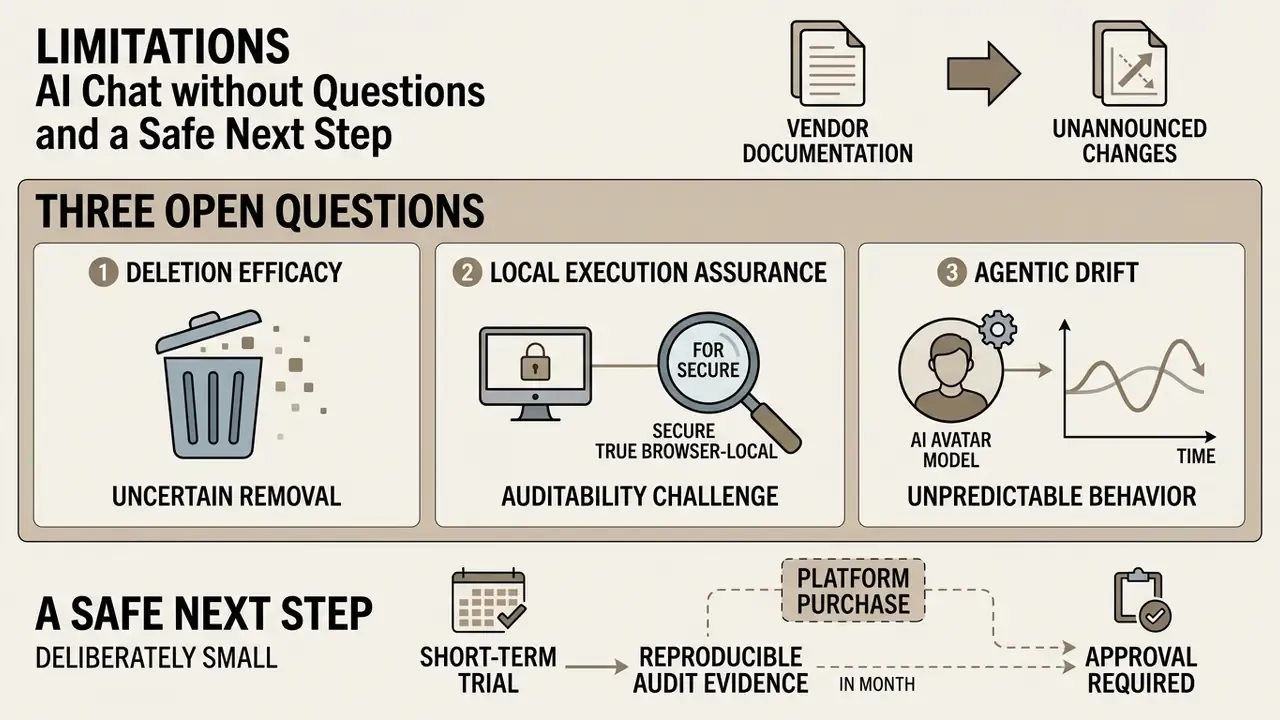
Several claims in this analysis rest on vendor documentation, which changes without notice. Retention windows, rate caps and moderation scope are the least stable numbers here. Verify them against current terms before citing anything internally.
Three questions remain genuinely open, and pretending otherwise would be dishonest:
- Deletion efficacy. No public evidence confirms that prompts already ingested into a training corpus can be removed on request in a verifiable way.
- Local execution assurance. Browser-local inference removes prompt transmission, but telemetry, extension behaviour and cached weights on shared devices have not been independently audited at scale.
- Agentic drift. Multi-turn attack success rates are documented; the equivalent measurement for tool-using agents built on unaligned models is thin.
A safe next step, deliberately small. Pick one business unit. Enumerate the guest-mode AI domains its staff actually reach over 30 days, using proxy or DNS logs. Classify each into approved, tolerated with warning, or blocked. Then record the exceptions with a named owner and a business justification, and add whatever you sanction to the model inventory with a validation tier attached.
That produces reproducible audit evidence in a month, without a platform purchase and without asking anyone to stop working. Modest scope beats an unenforceable policy every time.