Executive Summary
- What the technology does Modern text-to-song engines convert a plain-language prompt or a written lyric sheet into a complete track with synthesized singing vocals, harmony, arrangement, and mastering. Usually in 30 to 60 seconds, with no digital audio workstation (DAW) skills required.
- What "free" actually means Free tiers are credit-metered (roughly 5 to 10 songs per day on the most generous consumer plans), normally restrict exports to compressed MP3, and, critically, are non-commercial only across every major platform reviewed here.
- The licensing trap Upgrading to a paid plan later does not retroactively license tracks generated while you were on a free tier. Purely machine-generated audio also lacks human authorship, and therefore lacks statutory copyright protection under U.S. law.
- What professionals need beyond audio stem separation and MIDI export for DAW integration, custom voice models (AI Singer or voice cloning), text-to-SFX synthesis, and auto-generated music video renders for short-form distribution.
- What risk and governance teams need documented prompt, seed, and metadata logs for reproducible audit evidence, controls against Shadow AI usage of public free tools, and a data-handling rule that keeps proprietary text out of consumer-grade generation endpoints.
- Read this first if you are deciding the licensing and platform-disclosure section appears before the step-by-step workflow in this guide, because compliance boundaries should be set before generation begins, not after the campaign ships.
Online audio synthesis has moved on from simple instrumental loops. Full text-to-song models now produce complete tracks with believable singing voices and layered arrangements. Using a free ai music generator with vocals, creators can turn raw text prompts or written lyrics into near studio-grade tracks across genres from pop and rock to cinematic orchestral. Web-based platforms lean on deep learning architectures to align melodic contours, vocal timbres, and instrumental backings within seconds, with no music production background required.
One caveat before we start. Everything below about quotas and licensing is a snapshot of vendor-published terms, and vendors revise them often.
What a Free AI Music Generator with Vocals Can Create
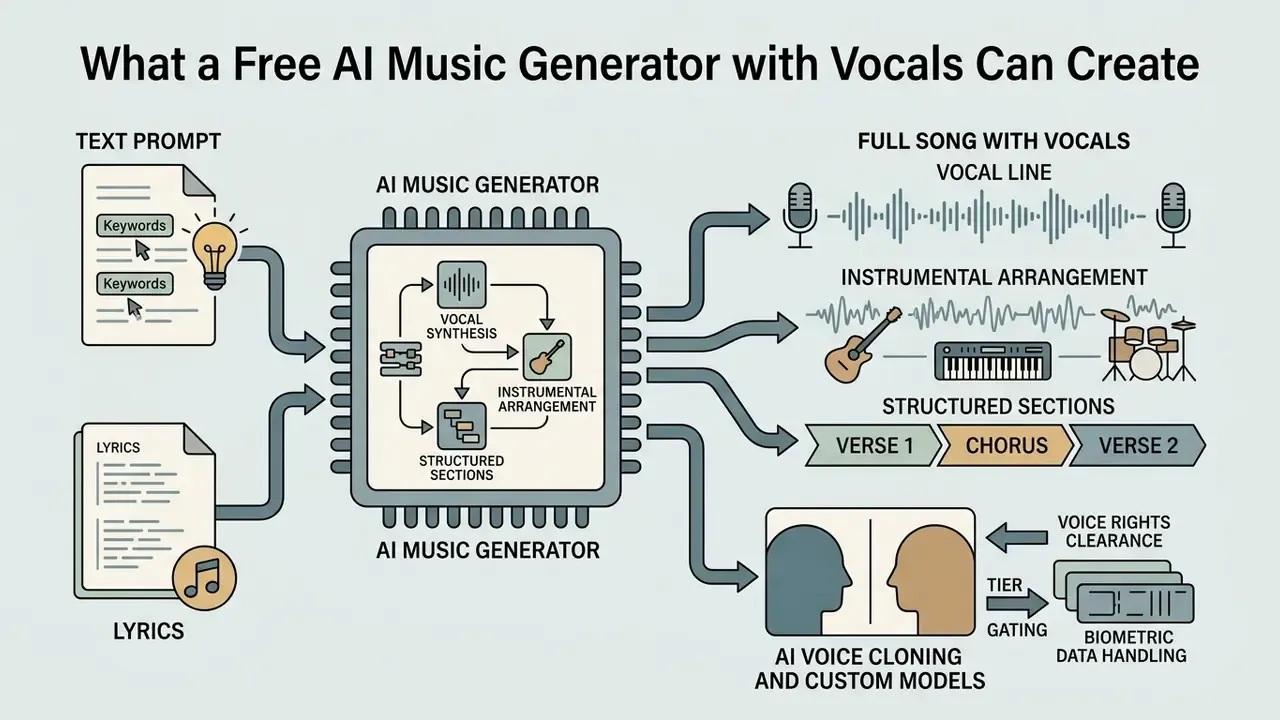
A free ai music generator with vocals synthesizes end-to-end compositions: a vocal line, an instrumental arrangement, and structured song sections, all from text input. These systems process prompts or structured lyrics to produce an ai song generator text to audio result that fuses melody, harmony, and rhythm into one exported file.
Architecturally, these platforms are not single monolithic models. They chain a lyric and structure planner, a singing voice synthesis (SVS) stage, and a vocal-to-accompaniment (V2A) stage, the design pattern popularized by the Melodist system, so that vocal timbre and instrumental arrangement stay stylistically consistent instead of sounding like two unrelated recordings stacked on top of each other.
«Text-to-song systems use dual-stage architectures combining singing voice synthesis with accompaniment generation to produce stylistically coherent music.»
Whether you need a bare a cappella vocal line or a full pop production, an ai music generator with vocals free tier lets you test vocal fidelity, language coverage, and genre flexibility before committing budget to an enterprise subscription. Users looking for broader comparative frameworks across media tools can consult our AI Media Comparison Matrices, and teams benchmarking adjacent generative categories can review our analysis of free AI video generators for a parallel view of how freemium quotas get structured across modalities.
Text Prompt to Song: From an Idea to a Full Track
Text prompt-to-song generation converts descriptive language into a complete arrangement by mapping keywords to tempo, instrumentation, genre, and vocal character. When using an ai song generator from text prompt with vocals, the platform reads stylistic tags such as "upbeat 120 BPM synthpop with clear female vocals" and builds both the harmonic foundation and the vocal delivery from that single line. Creators curious how the same prompt-conditioning logic applies to moving images can compare implementation patterns in our Google Veo API implementation guide.
Research on systems like MelodyLM shows that text-to-song models can use MIDI as an intermediate representation, converting text descriptions into melody, vocal tracks, and backing instruments. In subjective evaluations, MelodyLM reached a quality rating of 75.6/100 for fully text-controlled generation. Natural language alone, in other words, can yield a musically coherent composition without a note of manual score notation.
«MelodyLM reached 75.6/100 subjective quality under fully text-controlled melody generation, versus 79.8/100 for the strongest baseline method.»
The practical takeaway for production teams: text-only control now lands within a few points of score-conditioned pipelines. Which is why prompt discipline, not sheet-music literacy, has become the primary quality lever.
Lyrics to Song and AI Singing Voice Generation
Lyrics-to-song generation lets you paste custom verse and chorus text, which the engine then maps to a synthesized singing voice. An ai music generator with vocals from lyrics applies neural text-to-speech and singing voice synthesis (SVS) to fit syllable lengths, pitch movement, and emotional inflection across male, female, or duet vocal profiles.
«TCSinger enables zero-shot singing style transfer across unseen timbres and languages, controlling emotion, technique, rhythm, and pronunciation from text prompts.»
Recent advances in zero-shot singing synthesis support multi-level style transfer and cross-lingual delivery in English, Spanish, Mandarin, Japanese, and French, among others. By embedding user-supplied words into an autoregressive or diffusion transformer framework, an ai singing voice generator free text to song 2024 engine aligns pronunciation with the underlying chord progression, so custom lyrics sound sung rather than read aloud by a robot. Readers evaluating adjacent speech-synthesis capabilities such as narration, dubbing, and voiceover licensing can cross-reference our guide to AI voice generators.
Language coverage varies materially by vendor, and by whether native-only or cross-lingual synthesis gets counted. Some engines advertise six natively trained languages with cross-lingual extensions, while others claim 10 to 19 supported languages. Verify pronunciation quality in your specific target language before you hand a campaign to one platform.
AI Voice Cloning and Custom Voice Models (AI Singer)
Beyond default presets, advanced text-to-song engines add zero-shot custom voice cloning, labeled in product interfaces as AI Singer, Custom Persona, or Custom Voice Model.
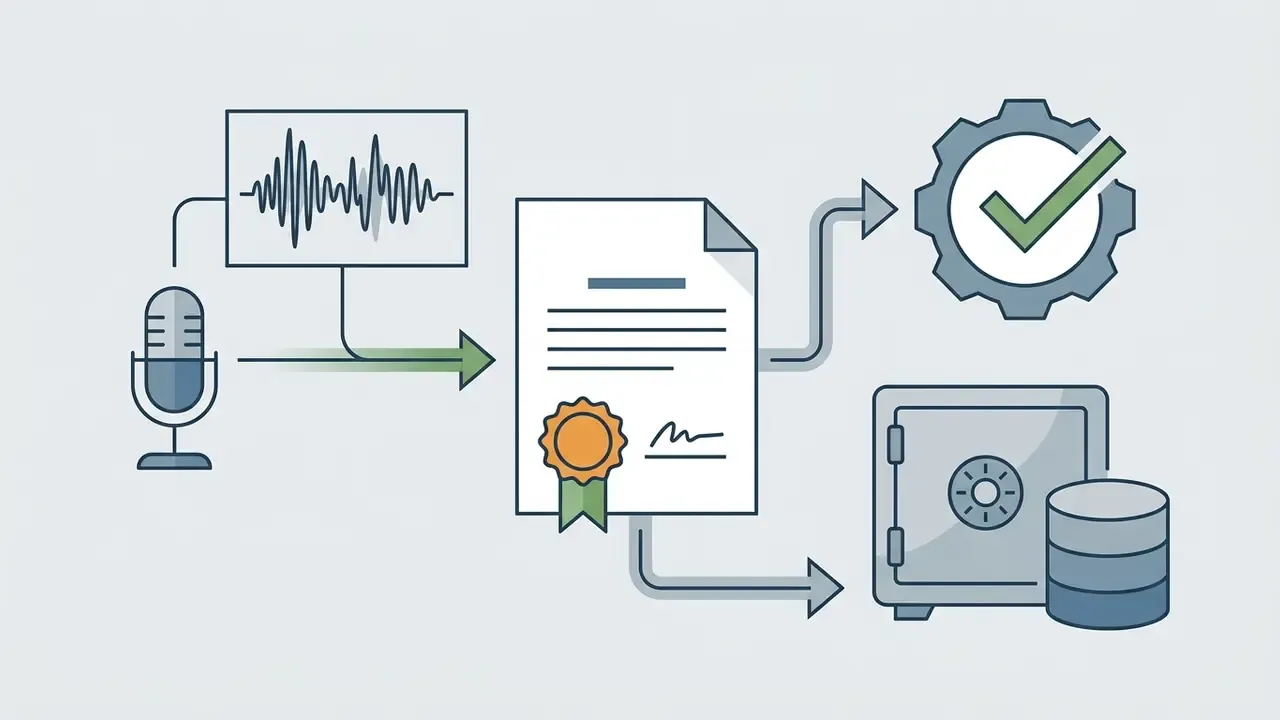
The flow is simple. Creators upload a 30 to 60 second clean recording of their own voice, or a cleared reference vocal, and the neural voice encoder extracts formant characteristics, pitch range, and timbre. Once the profile is trained, the engine sings any lyric sheet in that voice, applying vibrato, phrasing, and emotional dynamics. The same profile is usually reusable for cover generation, alternate-language versions, and re-recorded sections.
Three constraints govern responsible use:
Commercial Use, Royalty-Free Claims, and Music Ownership
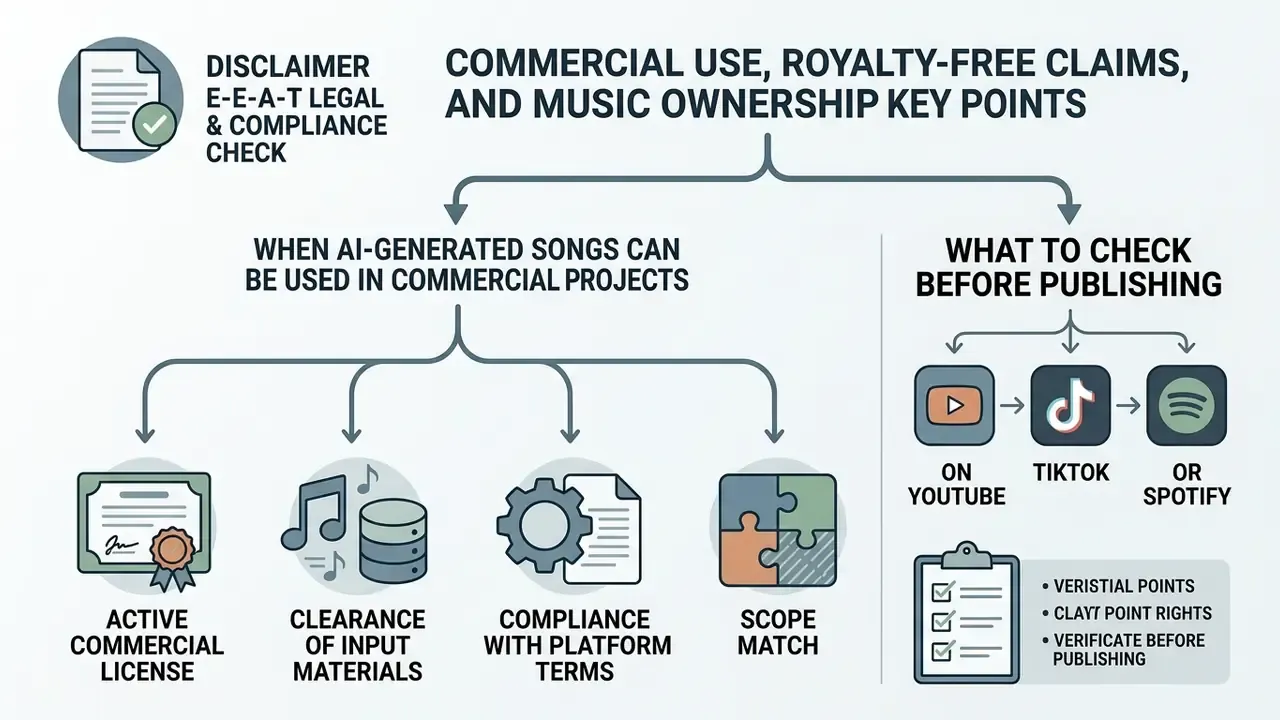
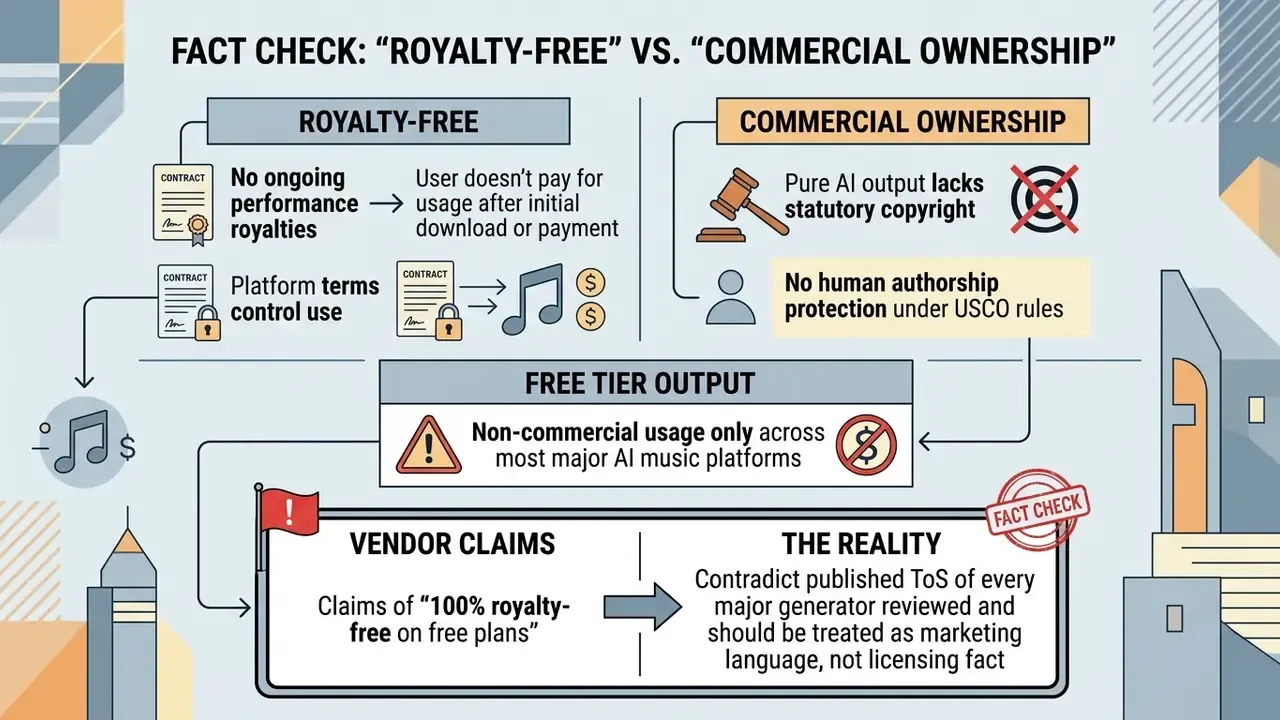
Ownership and commercial distribution of AI-generated tracks sit at the intersection of two different things: contractual platform terms, and statutory copyright frameworks. Marketing language such as "royalty-free" describes a licensing arrangement, not automatic copyright ownership. Teams that already worked through the equivalent question for visual assets will recognize the pattern documented in our overview of commercial-use terms for Google's AI image generator.
E-E-A-T Legal & Compliance Check:
The UK position is aligned in substance. PRS for Music states that AI-generated lyrics and compositions produced without sufficient human intervention are not protected by copyright, and that AI-assisted works can be registered only for the human contribution.
When AI-Generated Songs Can Be Used in Commercial Projects
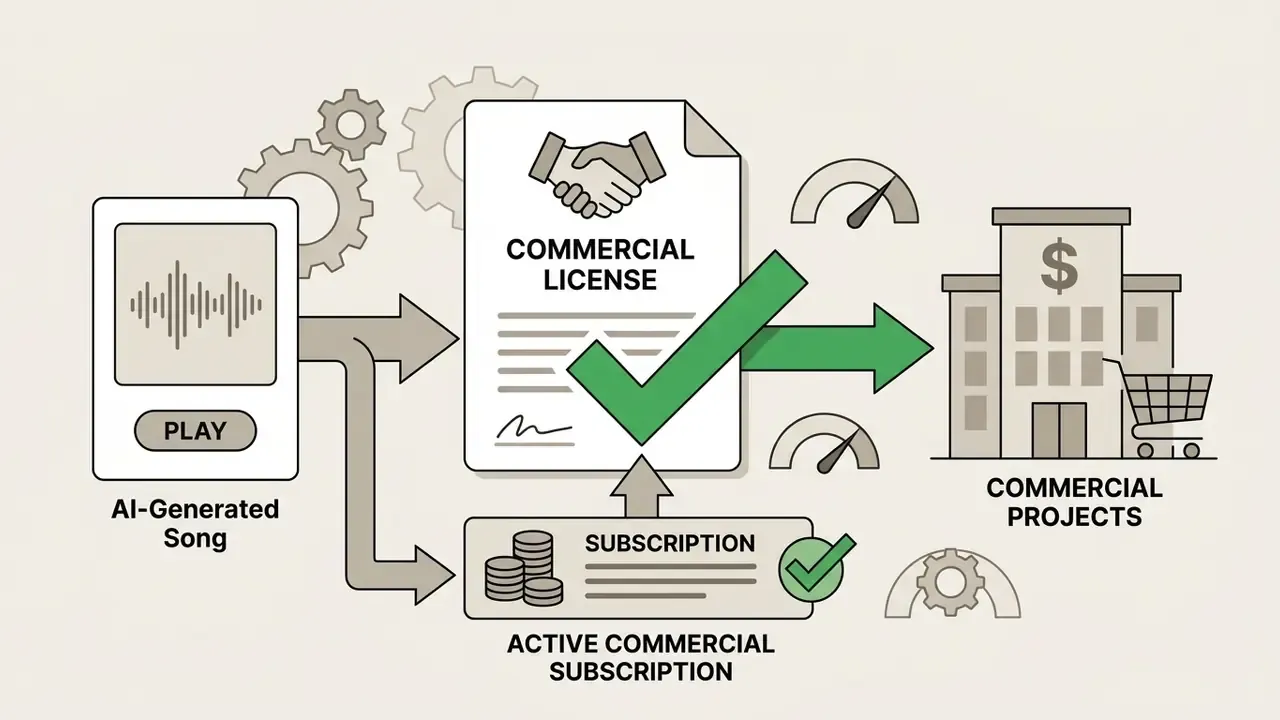
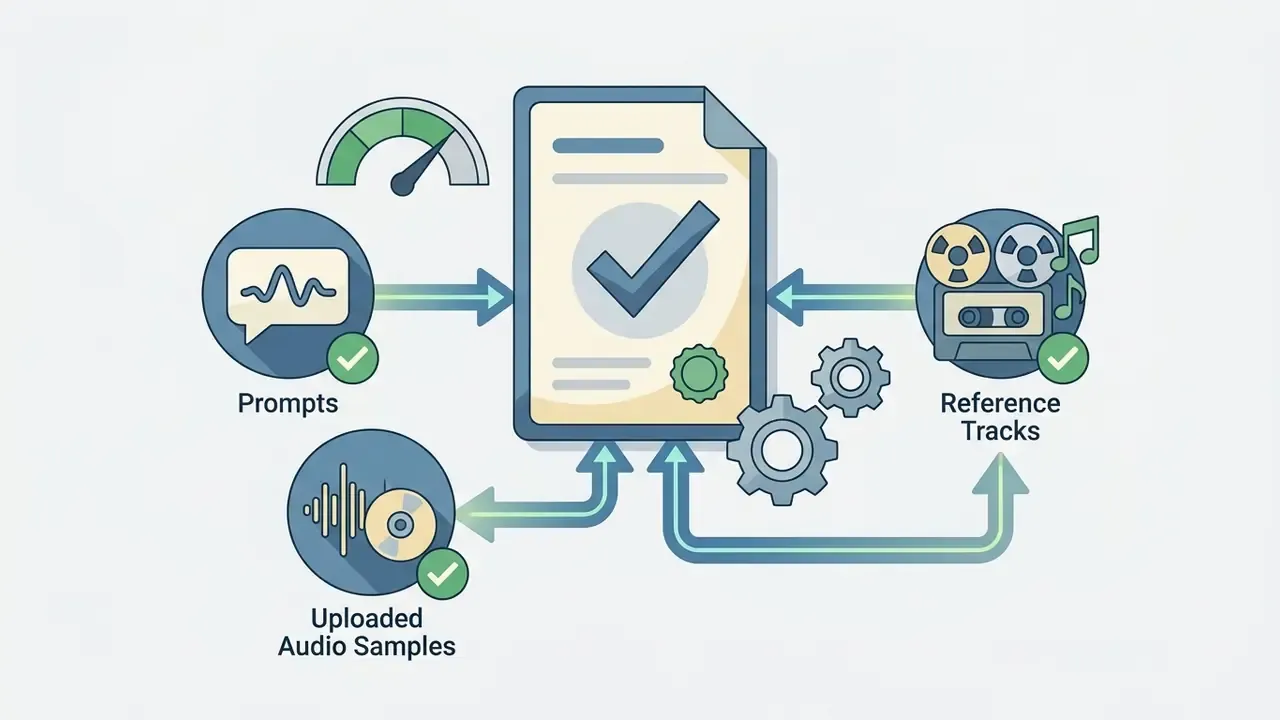
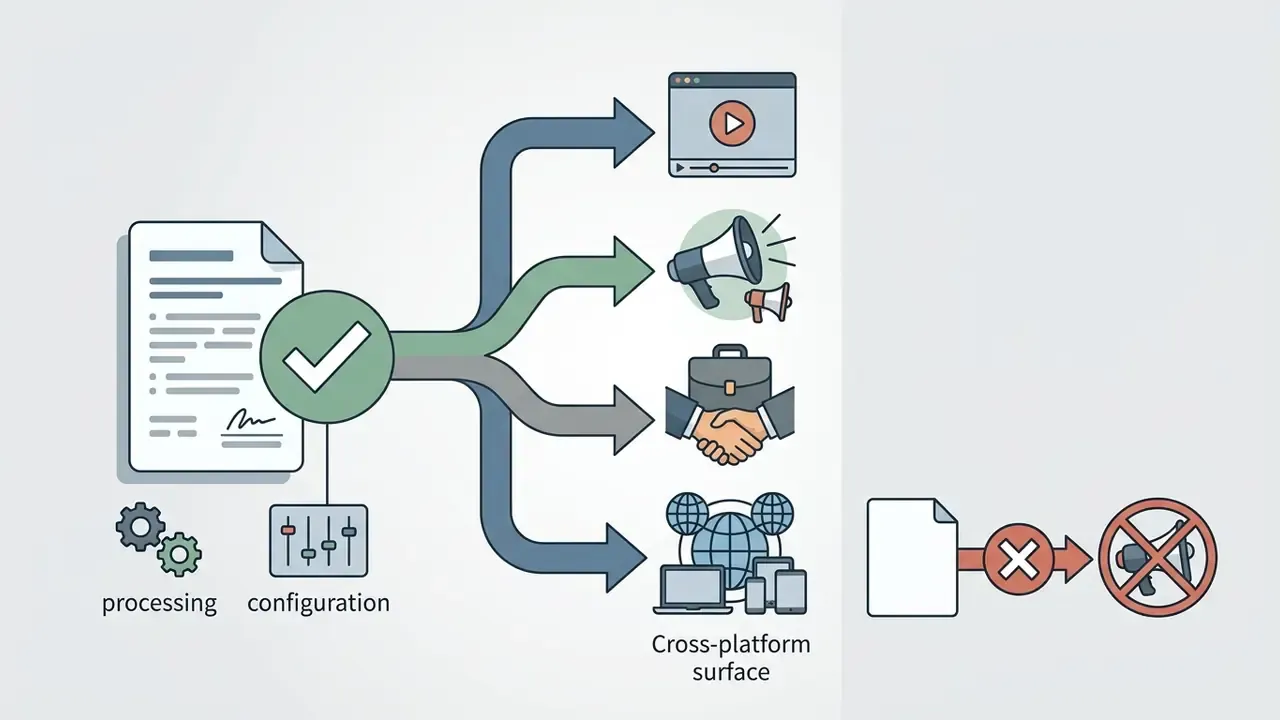
Commercial deployment of AI-generated songs, including monetization on YouTube, use in paid advertising campaigns, or integration into commercial games, is contractually permissible only when specific criteria are met:
What to Check Before Publishing on YouTube, TikTok, or Spotify
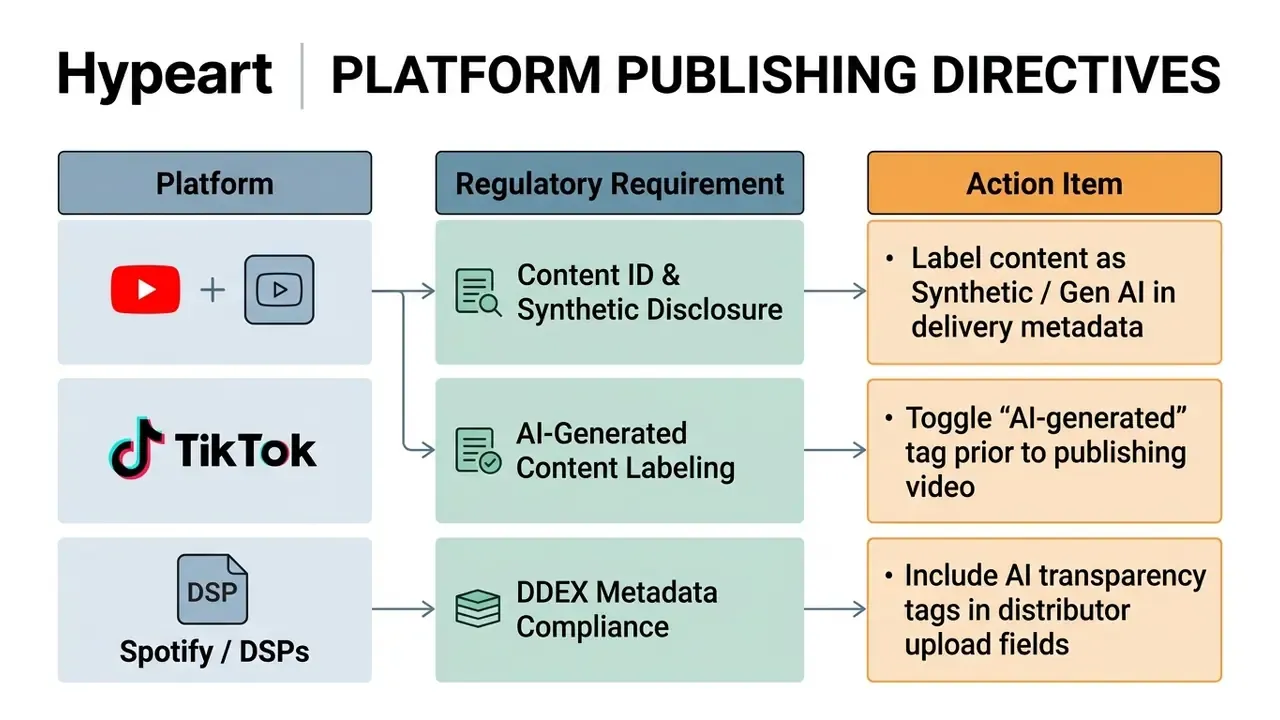
Publishing AI-generated audio on digital streaming platforms (DSPs) and social networks pulls you into strict metadata and content-identification policy.
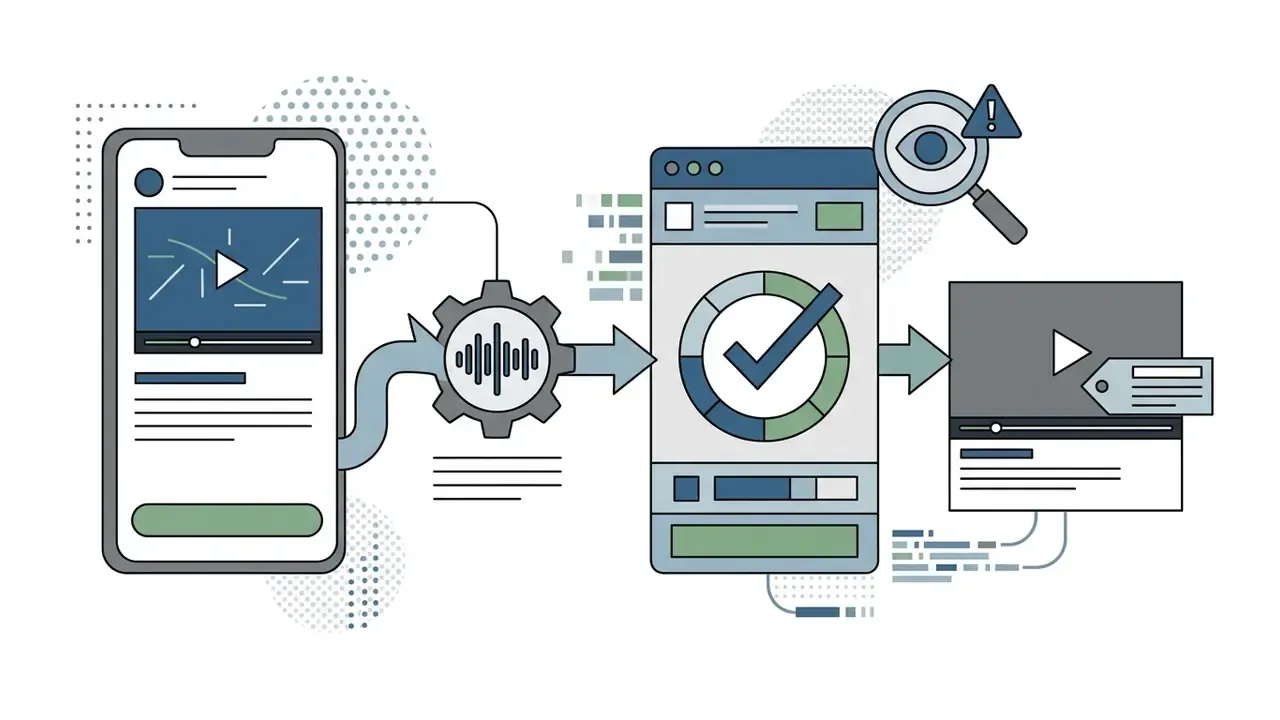
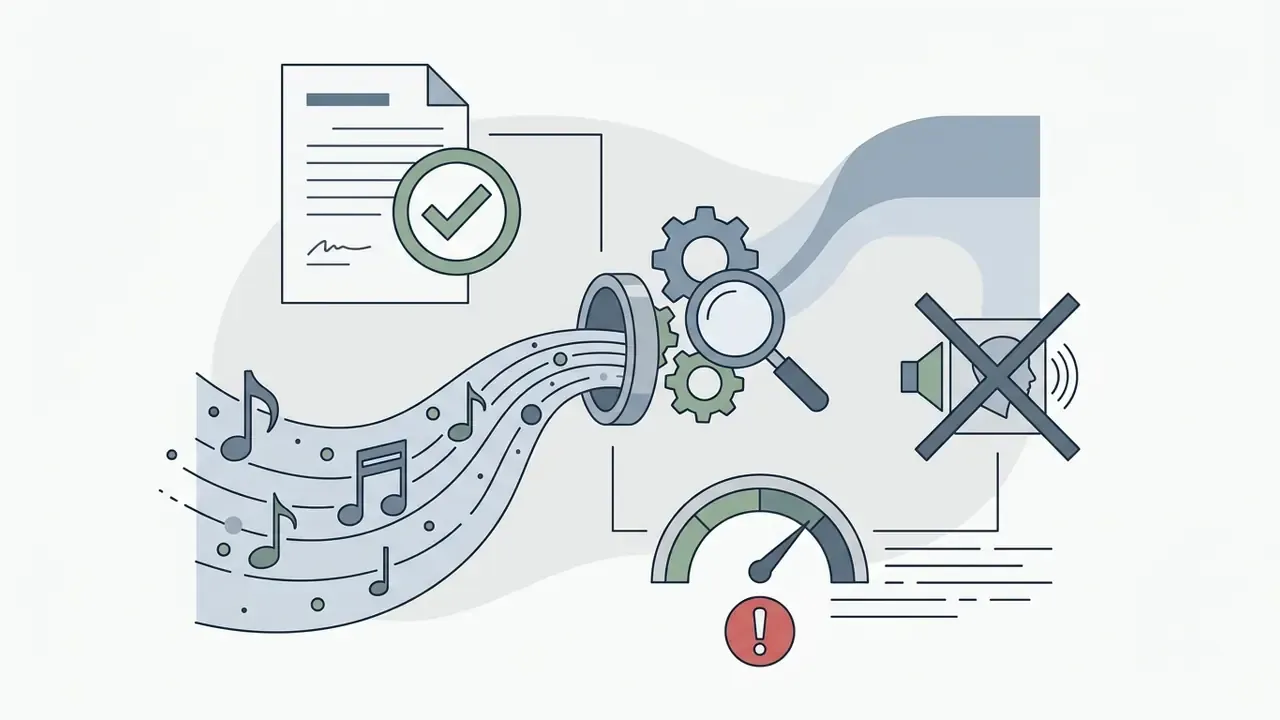
Creators who want the regulatory case history behind these rules can examine our analysis in AI Litigation and Case Timelines.
Shadow AI, Data Confidentiality, and Enterprise Guardrails
For organizations in regulated sectors, the operational risk of free AI music tools is rarely the audio itself. It is the uncontrolled flow of information and rights into a consumer endpoint.
- Unsanctioned tool usage (Shadow AI) employees generating brand audio on personal accounts create assets with no license record, no attribution trail, and no plan-tier evidence. The output then lands in corporate media where the rights basis cannot be reconstructed.
- Data leakage through prompts and lyrics prompts, lyric sheets, and uploaded reference files may carry unreleased product names, campaign timing, client identities, or internal terminology. Consumer free tiers commonly publish generations to a public community feed by default, and may retain inputs for service improvement.
- Voice and likeness exposure uploading an employee's or spokesperson's voice sample to a public cloning endpoint moves biometric-adjacent data outside the controlled perimeter.
- Default visibility settings on several platforms, generated songs are public by default and private generation is a paid feature. Confirm the visibility state before generation, not after.
- Recommended control set maintain an approved-tool register with recorded plan tiers; require corporate accounts on paid commercial plans for any externally distributed asset; prohibit uploading non-public text, audio, or voice samples to free endpoints; and log every generation as described in the audit-trail section below.
A small observation from practice: the fastest way to find Shadow AI in a media team is not a policy memo. It is asking who has the WAV file, and watching how long the answer takes.
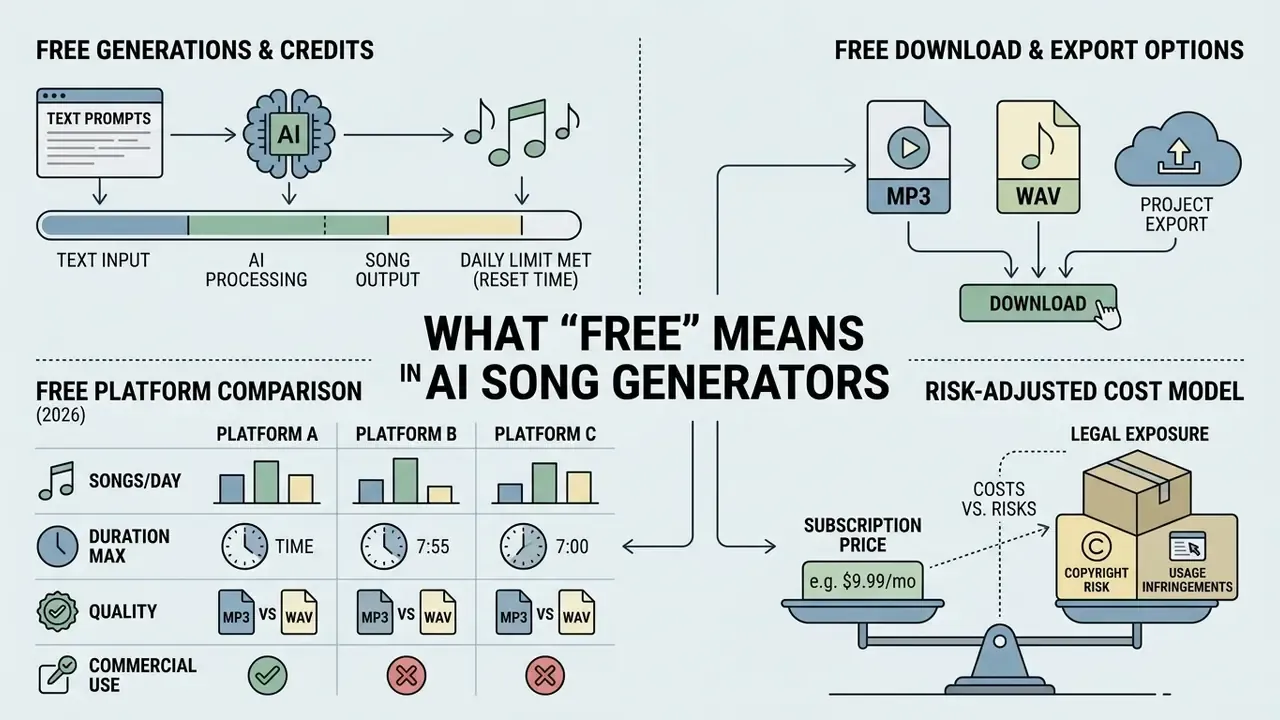
What "Free" Means in AI Song Generators
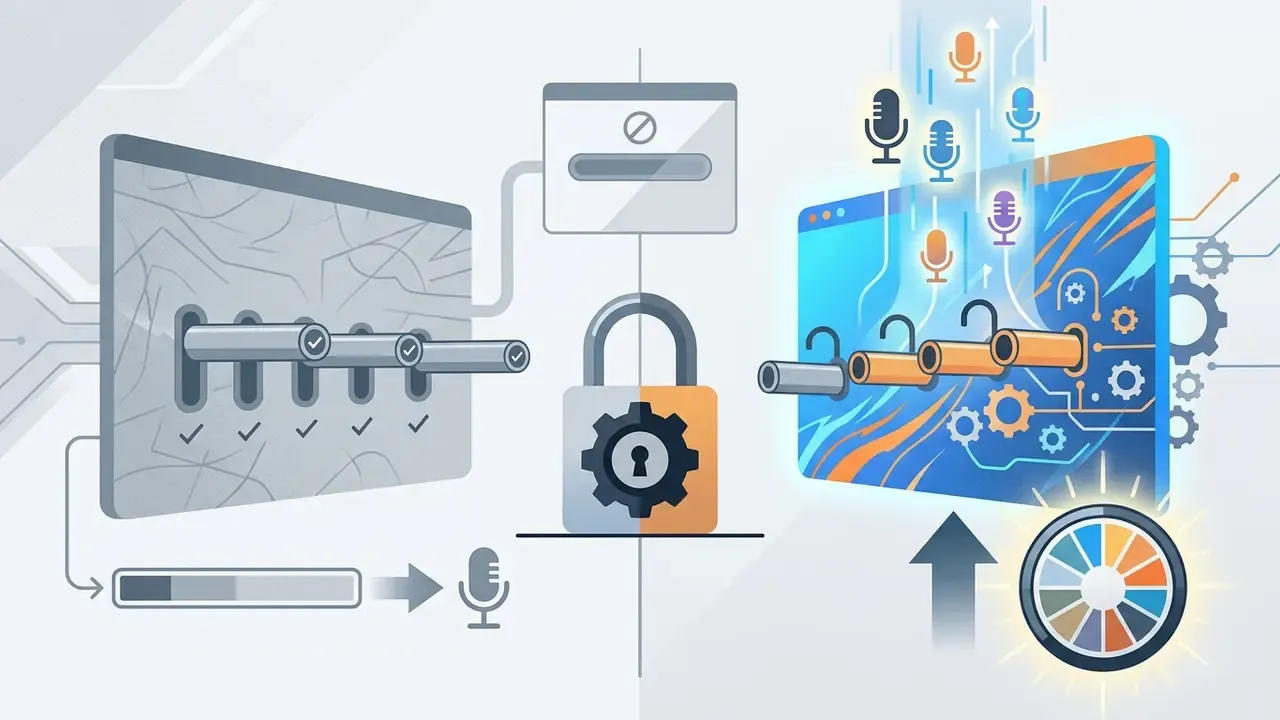
To understand the operational boundaries of a free ai song maker with vocals, look at the freemium mechanics behind AI audio tools. Platforms use credit quotas, queue prioritization, and feature gating to balance GPU compute costs against free-tier accessibility.
Table: Comparison of free access and premium tiers in AI song generators.
| Feature / Parameter | Free Tier Access | Paid Subscription Tier |
|---|---|---|
| Daily Generation Limits | 5 to 10 songs per day (30 to 50 daily credits) | 500+ songs per month (1,000 to 10,000+ credits) |
| Vocal Synthesizer Access | Standard neural voice models | Advanced multi-style, zero-shot, and custom-cloned voice models |
| Audio Export Formats | 128 to 192 kbps MP3; WAV, stems, and MIDI usually restricted | Lossless 24-bit WAV, stem separation, and MIDI extraction |
| Generation Priority | Shared public queue (slower processing) | Dedicated priority queue (near-instant generation) |
| Generation Privacy | Often public by default in a community feed | Private generation available |
| Commercial Usage License | Non-commercial and personal use only | Full commercial exploitation and monetization rights |
Note: Specific credit reset cycles and format availability vary by platform provider and are subject to terms of service updates. Read the pricing page, not the landing page.
Free Generations, Credits, and Daily Song Limits
Free access models generally run on daily or monthly credit allocations. As documented on public pricing pages at the time of writing, platforms such as Suno advertise roughly 50 free daily credits, commonly described as enough for about ten song generations per day, resetting every 24 hours. Others, such as Udio, allocate a monthly pool (on the order of 100 credits per month) alongside daily caps. These figures are vendor-published and change frequently. No independent longitudinal study of free-tier quotas exists, so treat every number here as a snapshot to be re-verified on the provider's own pricing page before you plan a workflow around it. Teams comparing quota mechanics across generative categories can see how the same credit-metering logic plays out in our comparison of free AI video generators and free AI art generators.
Credit consumption shifts with output parameters. Vendor documentation indicates that a standard two-minute track typically costs on the order of 5 to 10 credits, while advanced operations (track extension, vocal removal, stem separation, cover regeneration) draw extra credits. Because consumption tables are not standardized across vendors and are not independently audited, budget with a margin rather than an exact per-song figure. Users managing complex pipelines can lean on project-tracking setups or the specialized tools detailed in our AI Media Support and Troubleshooting section.
Direct Comparison of Free AI Music Platforms (2026 Limits)
To cut through the ambiguity around daily allowances and export limits, review the operational parameters below. All values come from vendor-published pricing and product pages, and should be re-verified at the time of use.
| Platform Name | Daily Free Allowance | Credit-to-Song Ratio | Export Formats (Free) | Commercial License on Free Plan? |
|---|---|---|---|---|
| Suno AI | ~50 credits / day | ~10 credits ≈ 2 songs | 192 kbps MP3 (download availability changed after the 2025 licensing update) | ❌ Non-commercial only |
| Udio | ~10 daily / ~100 monthly | Variable; ~3 full-length songs/day | MP3 / video share | ❌ Non-commercial only |
| AISongMaker | 20 credits / day | 5 credits ≈ 1 song (≈4 songs/day) | MP3 via 30-day cloud storage; WAV/MIDI locked | ❌ Non-commercial only |
| AISongGenerator.io | 6 credits / day | 4 credits ≈ 1 song (≈4 songs/day) | Standard MP3; lossless locked | ❌ Non-commercial only |
| LoudMe | Prompt-to-audio generations at no cost | Direct prompt-to-audio | ~128 kbps MP3 | ❌ Non-commercial only |
| OpenMusic AI / FreeMusic AI | 30 credits / year (≈15 generations/year) | ~2 credits ≈ 1 generation | MP3 | ⚠️ Vendor claims license inclusion; verify scope in writing |
Two patterns hold across the market. Free output is non-commercial, and the highest-value technical exports (lossless WAV, isolated stems, MIDI, private generation) sit behind the paywall no matter how generous the daily song count looks.
Free Download Options: MP3, WAV, and Available Exports
Export constraints are the sharpest line between free and paid. A ai music generator with vocals free download tier typically permits MP3 at 128 kbps or 192 kbps; one major vendor documents generated audio at 44.1 kHz and 128 to 192 kbps MP3. High-fidelity uncompressed WAV exports are frequently locked behind paid plans. On at least one leading platform, free-tier download access was removed entirely after a 2025 licensing change, leaving free users with in-browser playback only.
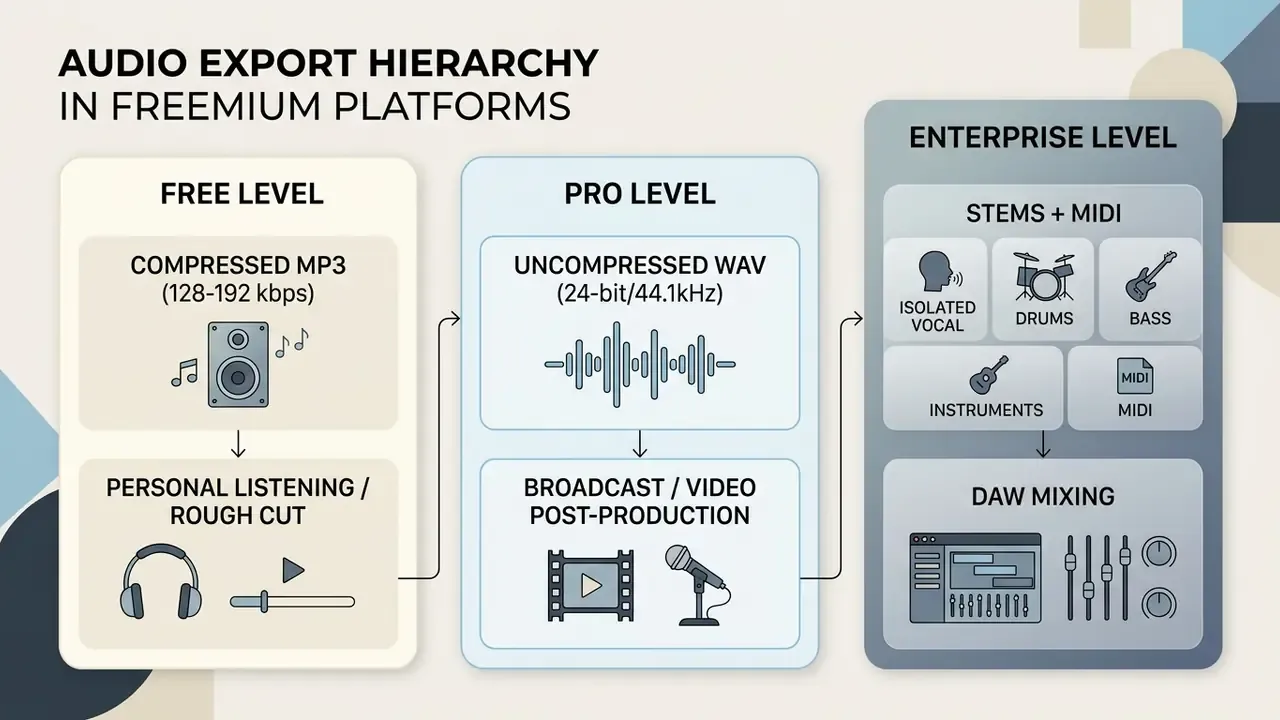
Free tiers may also omit embedded metadata, synced lyric files (.LRC, .SRT, or .VTT), and video visualization renders. Note that most synced-lyric utilities export a lyric timing file rather than an audio file, so a free "synced lyrics" feature does not imply a free lossless audio export. For video creators pulling audio into post-production, aligning sample rates across the timeline prevents synchronization drift, a workflow covered in our guide to YouTube video editors and publishing workflows. If your edit involves tempo tricks, the same drift logic applies when you speed up video or slow it down, since audio stretching and pitch correction interact badly with unmatched sample rates. Compression-side considerations are addressed in our video compressor guide.
Risk-Adjusted Cost Model: Subscription Price vs. Legal Exposure
Free-tier economics look decisive on the surface: $0 against $10 to $60 per month. The comparison changes the moment you price in the non-commercial restriction.
A simple framing used by media-governance teams:
Risk-Adjusted Cost = Subscription Cost
                   + (Probability of Claim × Cost of Claim)
                   + Remediation Cost of Re-Producing the Asset
Where Cost of Claim may include:
  - Demonetization or takedown of the host video/campaign
  - Re-shoot / re-edit labor to swap the audio bed
  - Distributor penalties for non-disclosed AI uploads
  - Legal review hours and client indemnity exposure
Two practical implications. First, using a free tier for evaluation (voice fidelity tests, genre range checks, prompt calibration) carries almost no rights risk, because nothing gets published. Second, any asset destined for external distribution should be regenerated on a paid commercial plan rather than promoted out of a free-tier archive, since commercial rights attach at generation time, not at upgrade time.
That second point is the one teams forget, and it is also the cheapest one to fix. For side-by-side subscription math across media tooling, our interactive calculators and AI Media Pricing Guides give you a quick cost estimate.
How to Create a Song with AI Vocals for Free
Creating a complete track with AI vocals follows a predictable path: define the core idea, pick musical parameters, run the generative pipeline, refine the result. An ai text to song generator free workflow removes most traditional DAW friction, letting non-musicians produce a usable track in under two minutes.
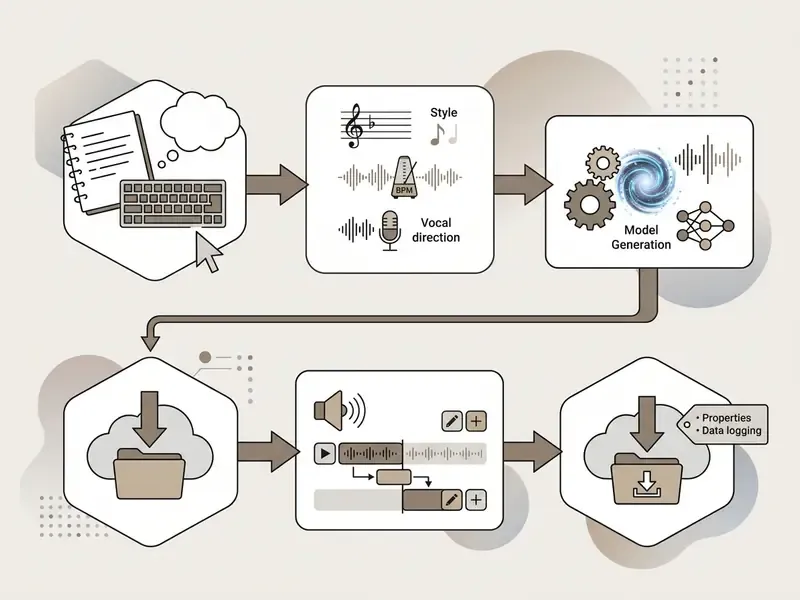
To keep execution clean when using a free ai song generator from text, work through five sequential steps:
Enter Text, a Song Idea, or Your Own Lyrics
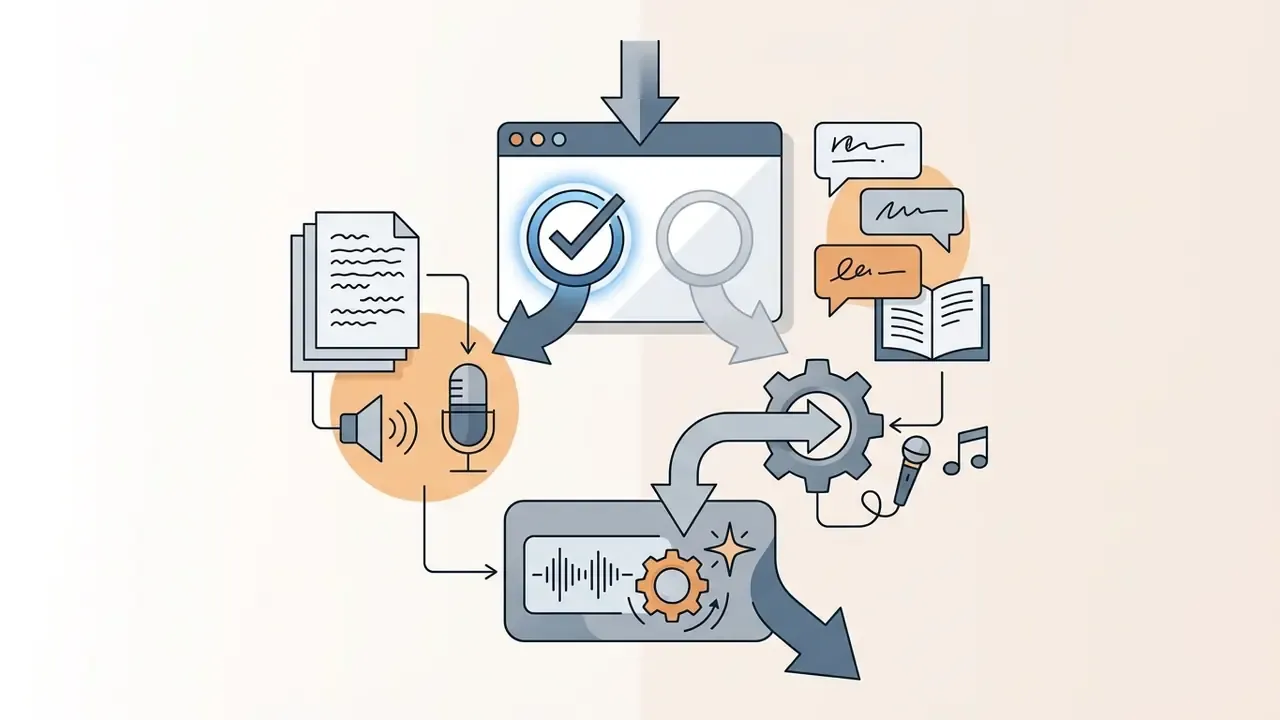
The input phase sets the ceiling for everything that follows. Users operating a free text to song ai generator can supply a high-level narrative description, something like "an acoustic folk song about autumnal reflections", or enter fully formatted lyrics with explicit verse and chorus markers.
Official prompt-engineering guidelines from Google Cloud's Lyria Music Generation Prompt Guide (2026, https://docs.cloud.google.com/gemini-enterprise-agent-platform/models/music/music-gen-prompt-guide) stress separating stylistic instructions from contextual lyrics, and prescribe a fixed input order: genre and style, mood, instrumentation, tempo and rhythm, vocal style and language, then lyrics. Putting structural directives at the start of the prompt block draws a clear boundary for the model and stops lyric text from being read as instrumental description. OpenAI's prompt-engineering best practices reinforce the same principle: instructions first, instruction separated from context, and explicit statements about outcome, length, format, and style.
Choose Genre, Style, and Vocal Direction
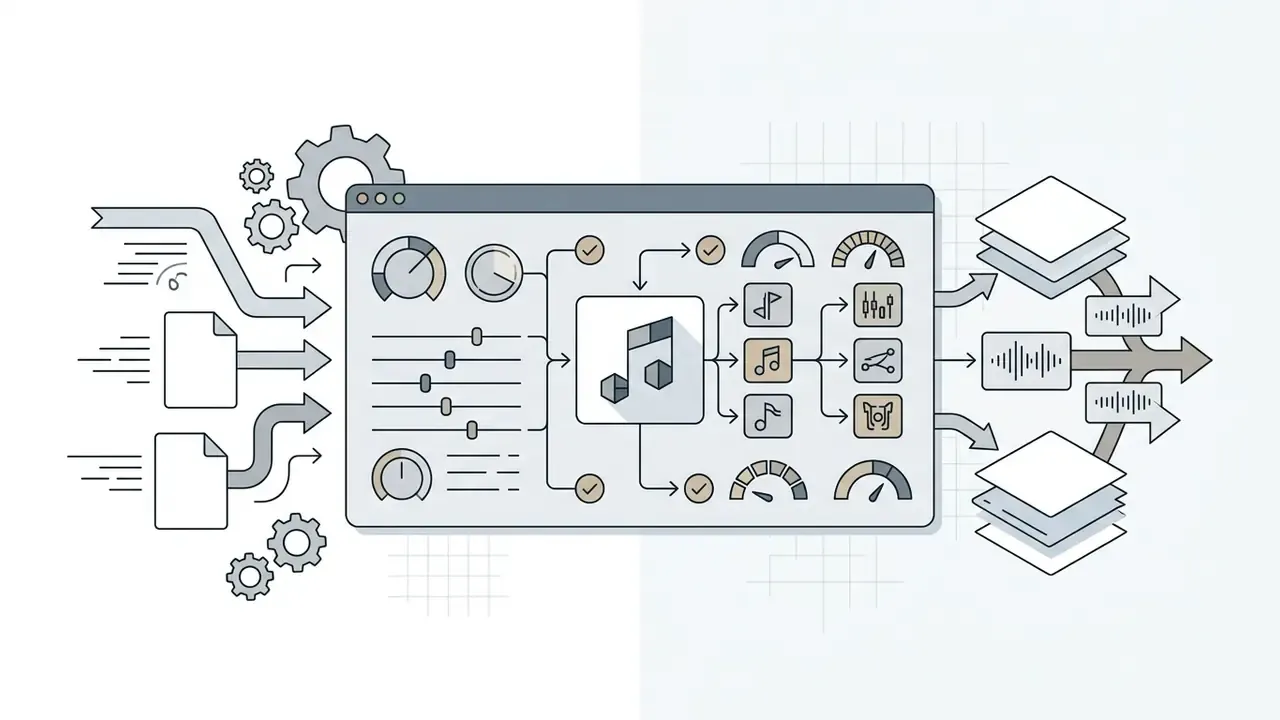
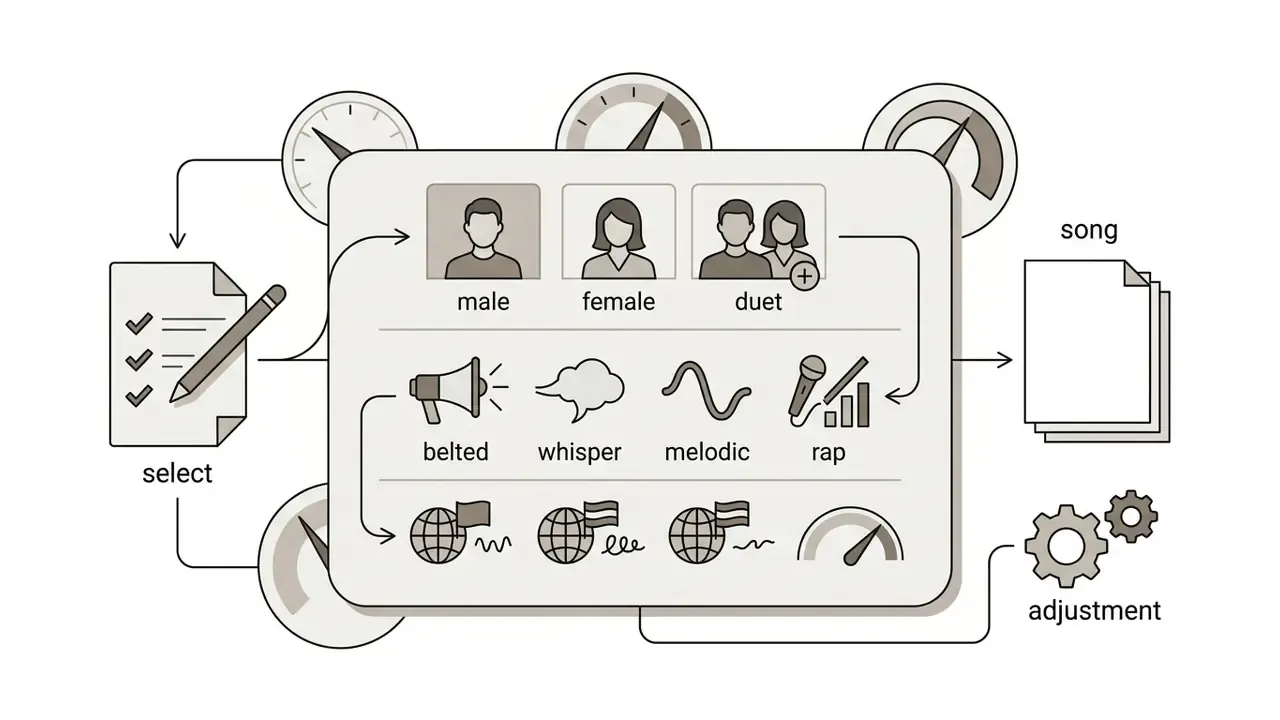
Style parameters drive instrument selection, rhythmic pulse, and vocal technique. Modern ai song creator with vocals tools offer multi-axis style selection across pop, rock, electronic, jazz, hip-hop, and classical, with vendor tag libraries usually exposing three control blocks: style or finetune, genre, and vocal type.
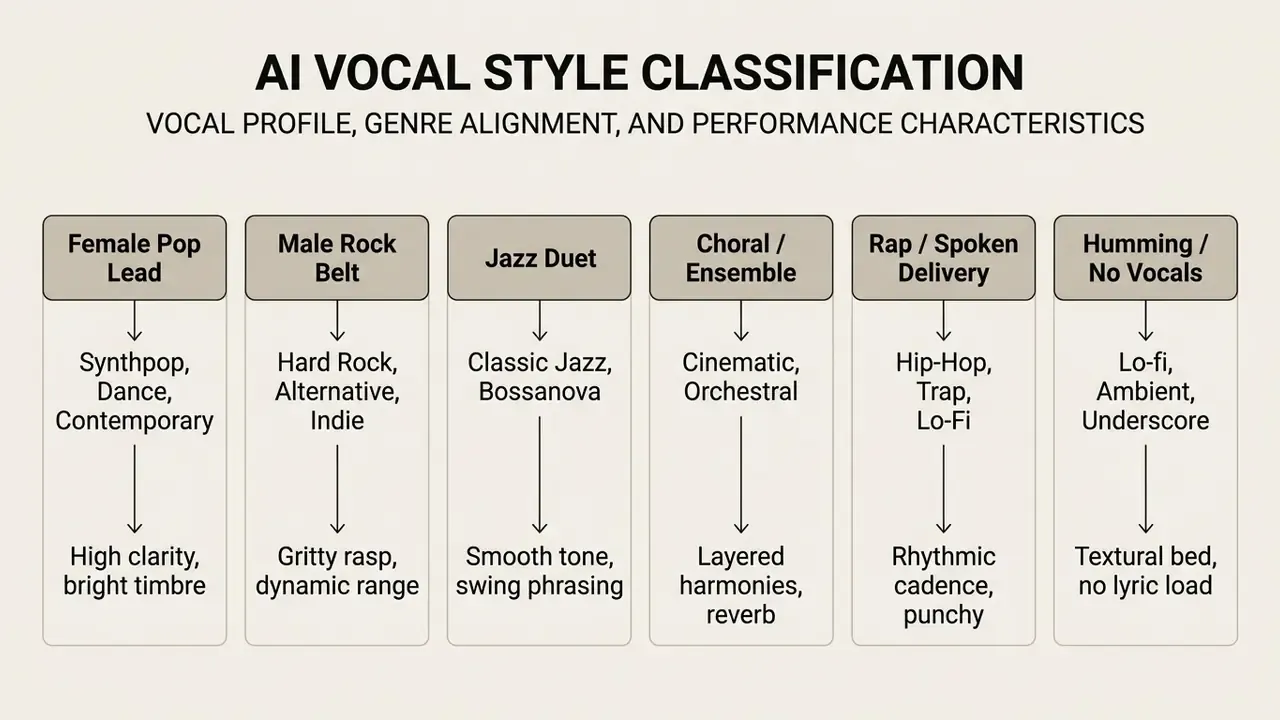
When specifying vocal direction in a free ai song creator with vocals, combine gender parameters with emotional descriptors and per-line delivery cues such as (whispered), (belted), (spoken word), (harmonized), or (falsetto). For teams folding generated audio into wider brand asset libraries, the governance logic we applied to visual assets in our animation maker guide carries over to audio almost unchanged.
Generate, Refine, and Download the Track
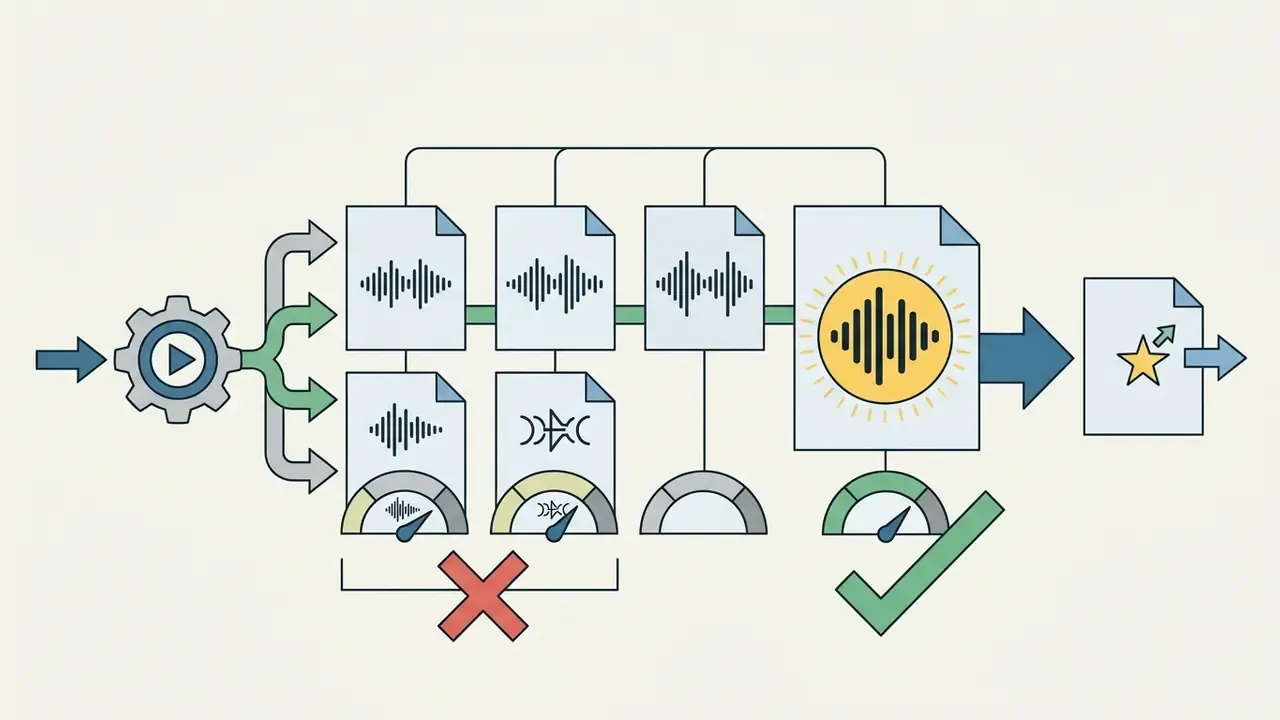
Once settings are locked, the ai song generator text to music engine processes the input on serverless GPUs and typically returns two distinct musical interpretations within 30 to 60 seconds. Preview both takes and check vocal pitch accuracy, mix balance, and structural cadence.
In professional testing, relying on a single output rarely produces the best result.
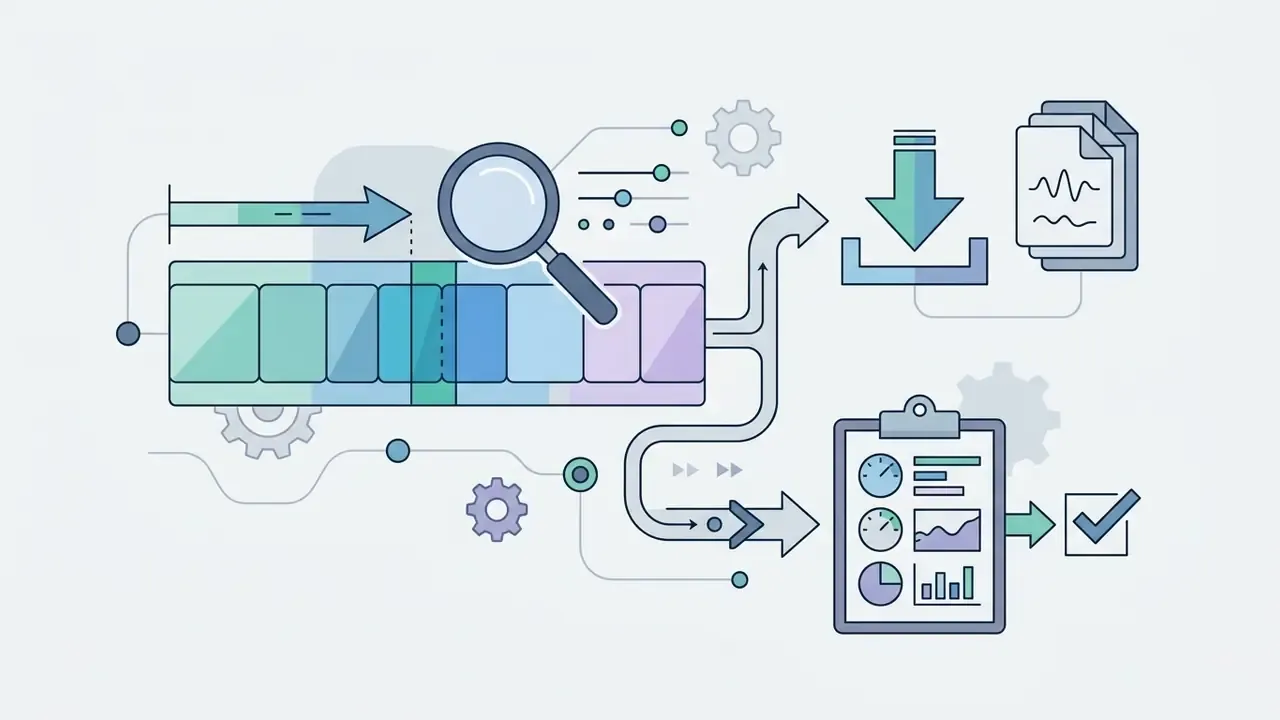
Refinement in current editors is section-based: insert a section between existing ones, append a section at the end of the timeline, or drag a new section to change duration. Keep the chorus short, usually two to four lines, and avoid repeating it more than two or three times across the arrangement. If the clip clears your quality bar, download it. Depending on account tier and platform rules, export options run from standard MP3 to uncompressed WAV, isolated stems, and MIDI.
Reproducible Audit Trail: Seeds, Prompts, and Metadata Logging
Generative audio is stochastic by design, which makes reproducibility an explicit engineering task rather than a default property. For any track headed for external distribution, or any model-risk validation exercise where evidence must be reconstructed months later, log the following at generation time:
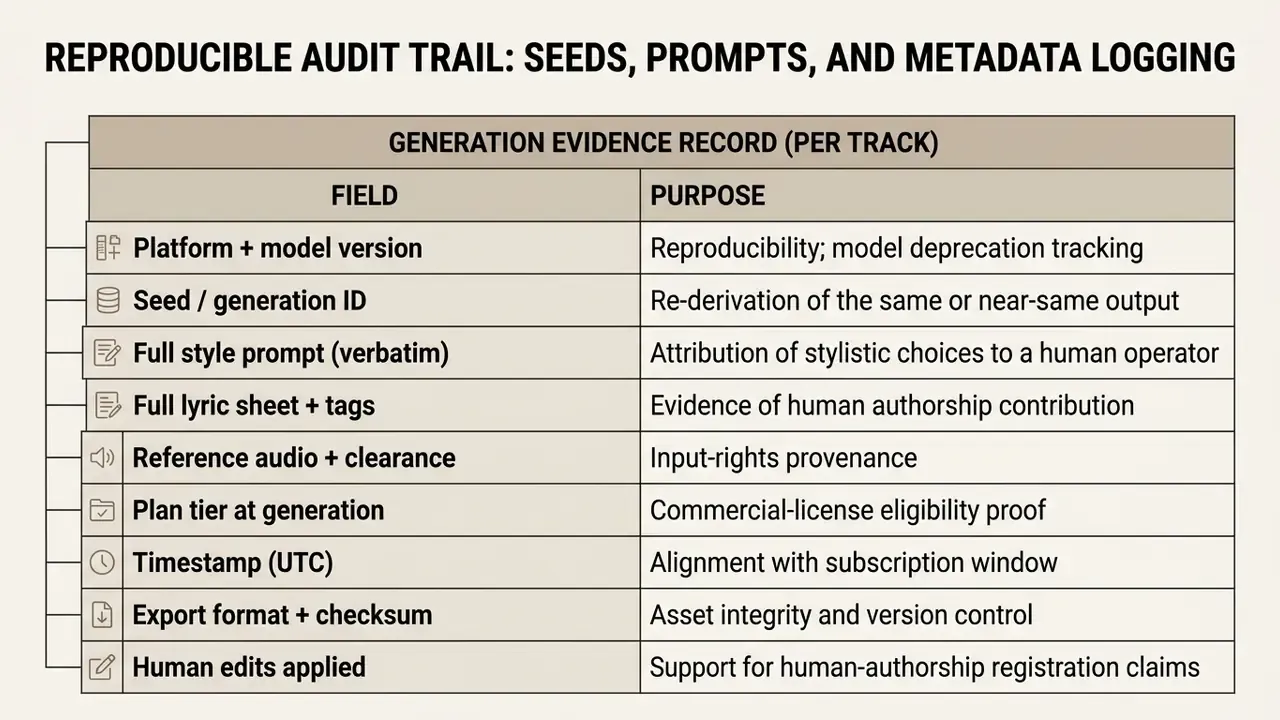
Two notes for governance teams. First, seed and generation-ID exposure varies by vendor: some show it in the UI or the API response, others only in account history. Confirm availability during tool selection, not after adoption. Second, the record of human edits (section replacements, lyric rewrites, arrangement decisions) is the same evidence that supports a registrable human-authorship claim over the human-contributed elements of a mixed work.
How to Choose the Best Free AI Song Generator with Vocals
Picking the best ai song generator with vocals free option depends on project requirements, required vocal control, genre range, licensing clarity, and intended distribution channels. There is no single winner, only a better fit.
«Text-to-song and speech-to-singing tasks have notably broadened the application scope of singing voice synthesis in entertainment, education, and film.»
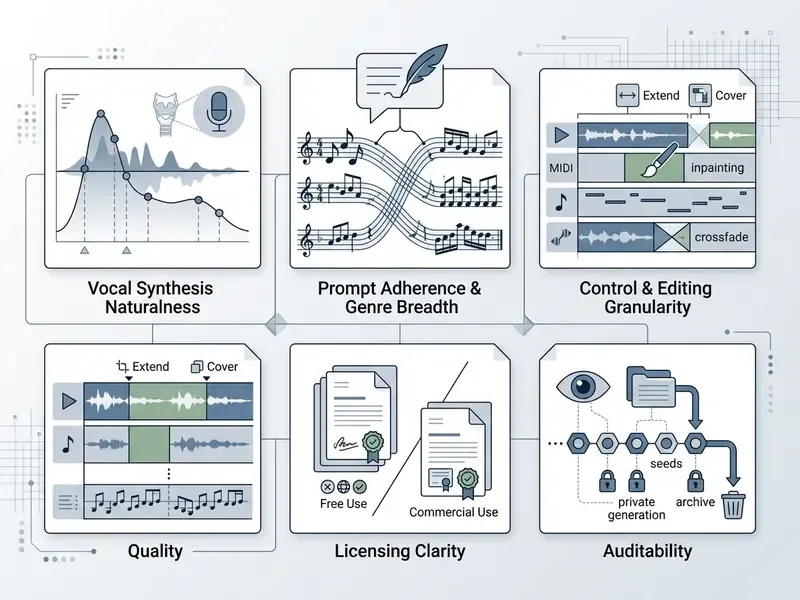
Readers running a formal tool-selection exercise across generative categories can reuse the scoring structure from our comparison of the best AI art generators, which applies the same quality-versus-licensing weighting to a different modality.
Vocal Quality, Voice Choice, and Natural Singing
Vocal fidelity comes down to how accurately the synthesis model renders pitch transitions, breath sounds, dynamics, and linguistic articulation. Independent benchmarking by Artificial Analysis in their Vocals Leaderboard (2026) ranks AI music systems with crowd-sourced Elo preference ratings across thousands of blind listener comparisons.
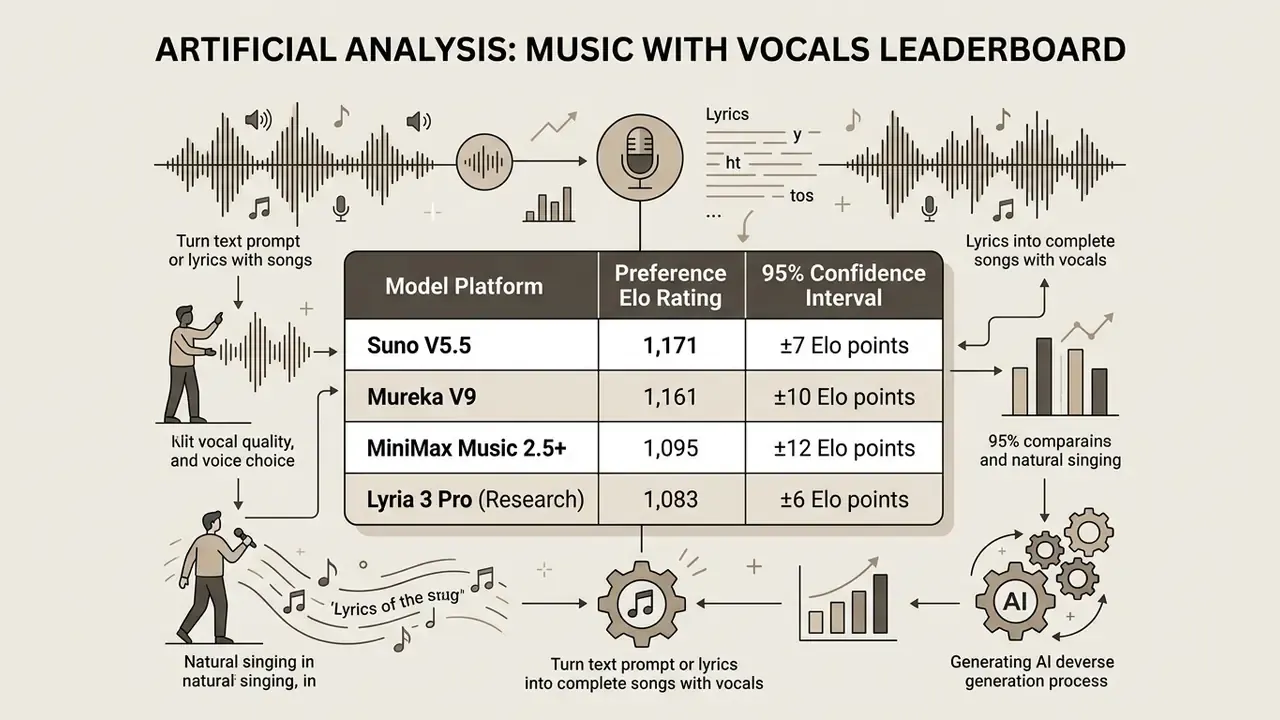
«Suno V5.5 leads at Elo 1,171 (±7); Lyria 3 Pro scores 1,083 across 10,290 blind pairwise comparisons.»
«A research DiT system outperformed five commercial platforms on 15 of 18 automatic music-quality metrics, scoring Elo 1,129 across 2,289 evaluations.»
The gap between research systems and shipped commercial products matters for procurement timing. Capabilities visible in preprints today usually reach consumer tiers within one or two release cycles, which argues for annual re-evaluation rather than multi-year tool lock-in.
When selecting a tool, check whether the platform supports distinct voice selection (male, female, choir, duet, rap, humming), dynamic vocal inflection, and, where needed, custom voice model slots. For reference on how deep voice control goes in adjacent speech systems: Azure's neural voice catalog spans 100+ languages and locales with SSML-level control over voice, style, role, rate, pitch, and volume, while Google Cloud Text-to-Speech publishes 380+ voices across 75+ languages with pitch tuning up to 20 semitones in either direction. Those same controls are what make an ai song generator text to speech hybrid workflow viable when you need spoken intros, ad reads, or narration stitched to a generated music bed.
Supported Genres, Styles, and Languages
Broad genre and multi-lingual support decide whether an ai song maker free with vocals can flex to your brief. Models trained on diverse datasets switch cleanly between acoustic jazz arrangements, heavy metal riffs, and modern EDM drops. Google's Lyria documentation, for instance, shows prompts targeting cinematic orchestral fantasy, electronic dance, classical, jazz, ambient, 8-bit, and lo-fi styles.
Language support matters just as much for international production teams. Advanced engines synthesize vocals across roughly 8 to 19 languages depending on the system, among them English, Spanish, Japanese, Korean, German, French, Portuguese, Hindi, Italian, and Mandarin, while holding native pronunciation and correct accent stress across complex lyric structures. Where vendors disagree on language counts, the discrepancy usually reflects whether cross-lingual synthesis (a natively trained voice singing a second language) gets counted alongside natively trained languages.
Customization Tools for Lyrics, Covers, and Music Sections
Advanced customization lets creators edit and extend songs well beyond an initial 30-second generation:
- Section Editing (Inpainting) Replace a specific lyric line or instrument passage without regenerating the whole track.
- Track Extension (Extend) Append verses, choruses, or instrumental solos to build a full 3 to 4 minute composition. Some platforms support tracks up to eight minutes.
- Music Cover Generation Re-interpret an existing melody or lyric set in a different genre or vocal style.
- Audio Upload as Reference Use a cleared audio clip as a melodic or timbral seed for extension or cover generation.
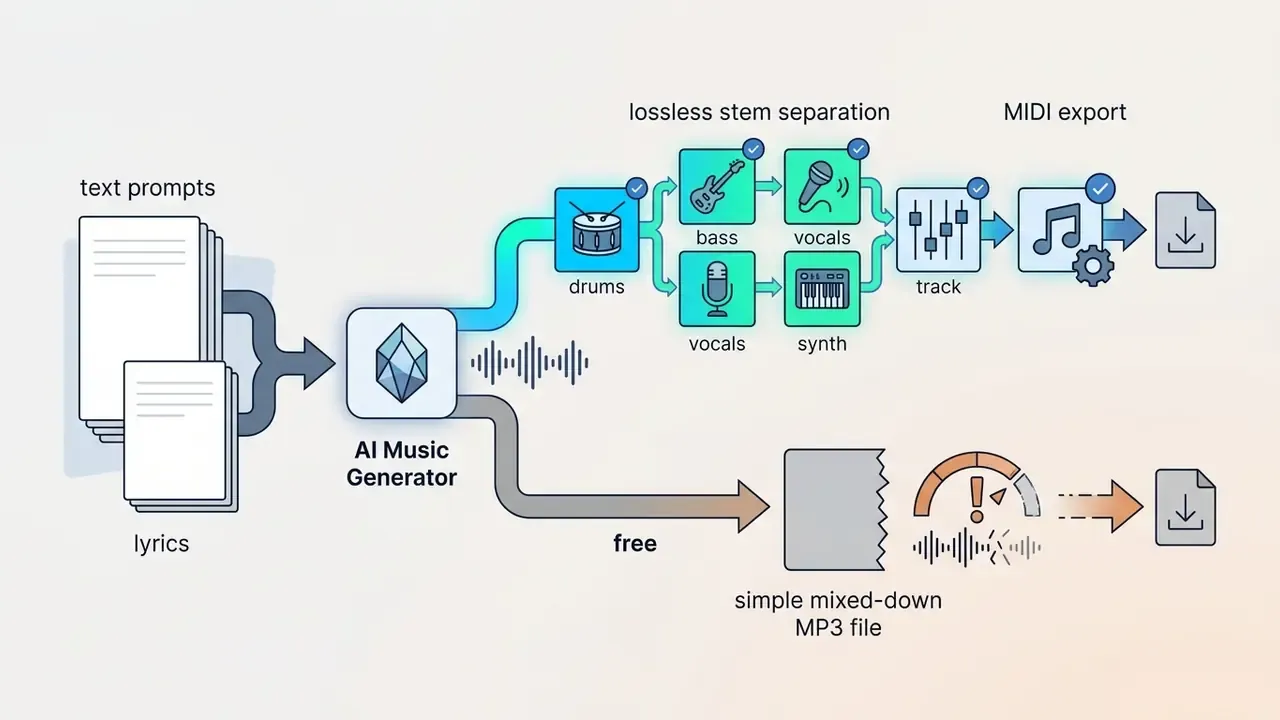
- Stem Separation Extract an isolated vocal track (a cappella) or the instrumental backing for external mixing in a DAW. On most platforms this is also how "vocal removal" is implemented, rather than as a standalone destructive filter.
For creators pairing audio with visual assets such as cover artwork, thumbnails, and campaign stills, media management needs flexible editing tools across every modality. Our guides to online photo editors and free photo editors cover export and licensing limits on the image side, and the narrower retouching case is handled in our review of the slim photo editor category. For quick artist promos assembled from stills, a slideshow video maker is often faster than a full NLE, while pitch decks and release one-pagers can be built with a slidesgo ai presentation template.
Advanced Audio Workflows: Stem Separation and MIDI Export
For producers and audio engineers, a raw MP3 is not enough for serious mixing in Ableton Live, FL Studio, or Logic Pro. Modern AI audio engines expose stem isolation and MIDI extraction:
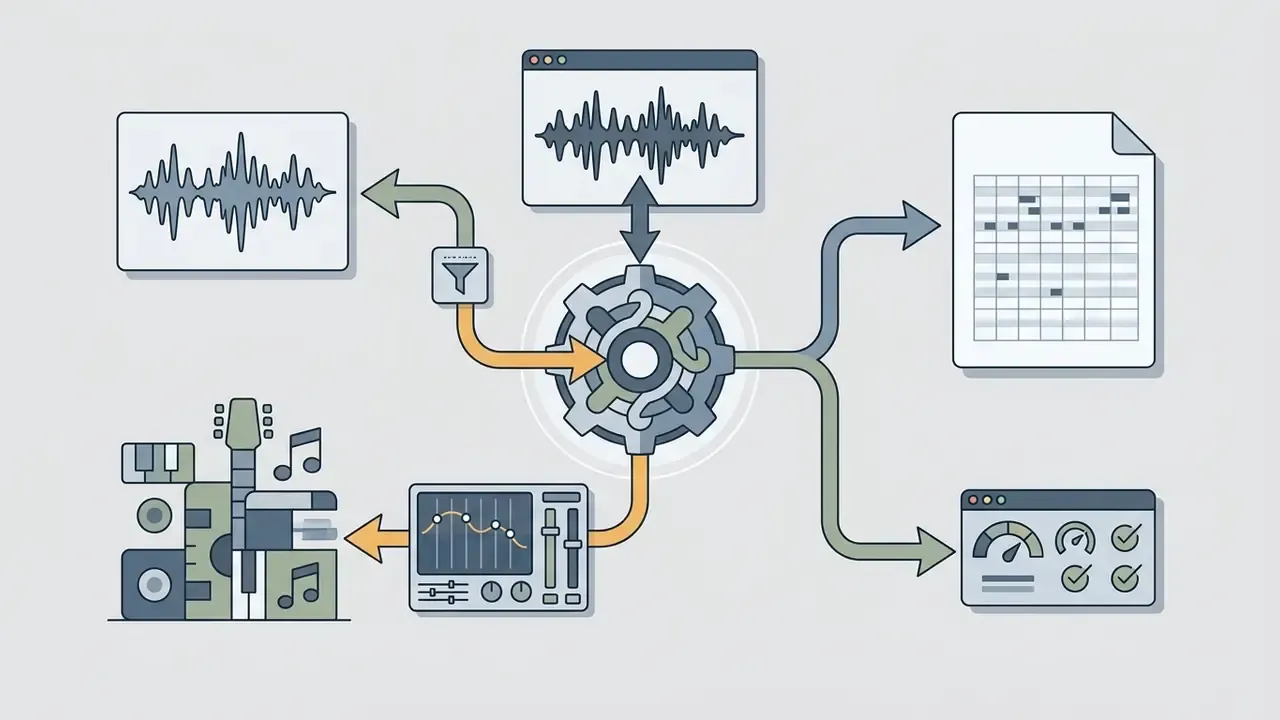
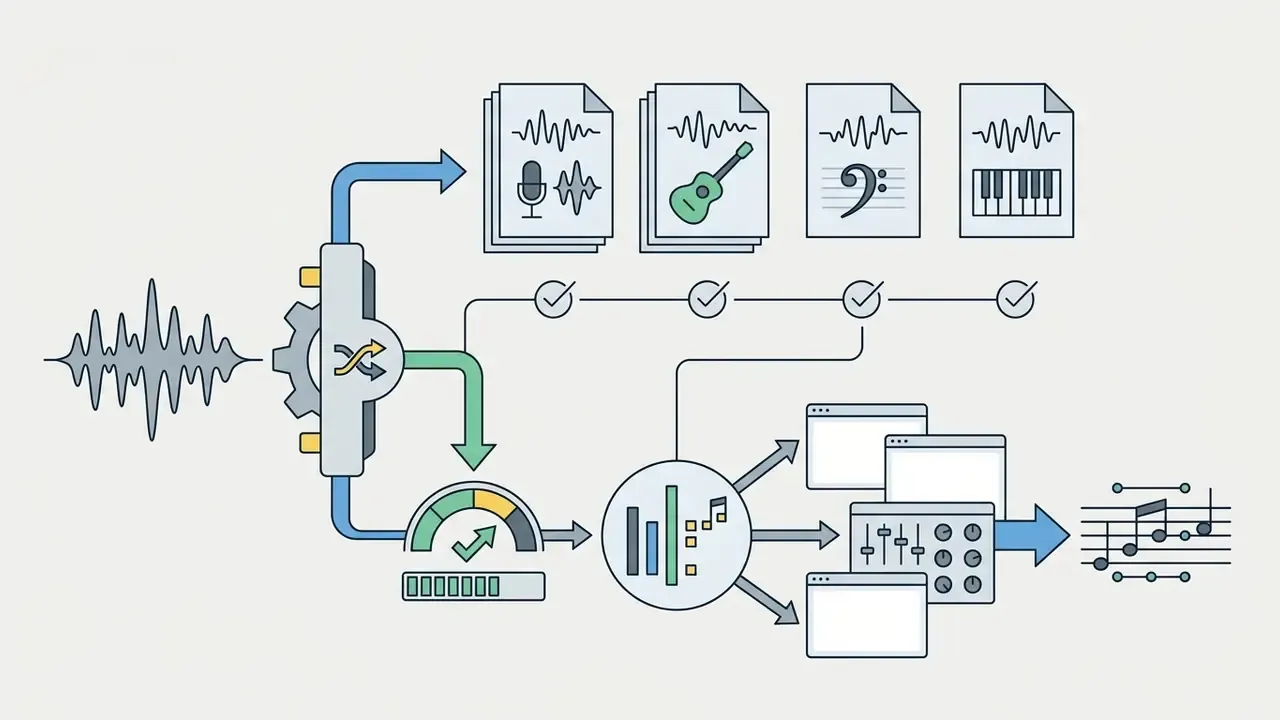
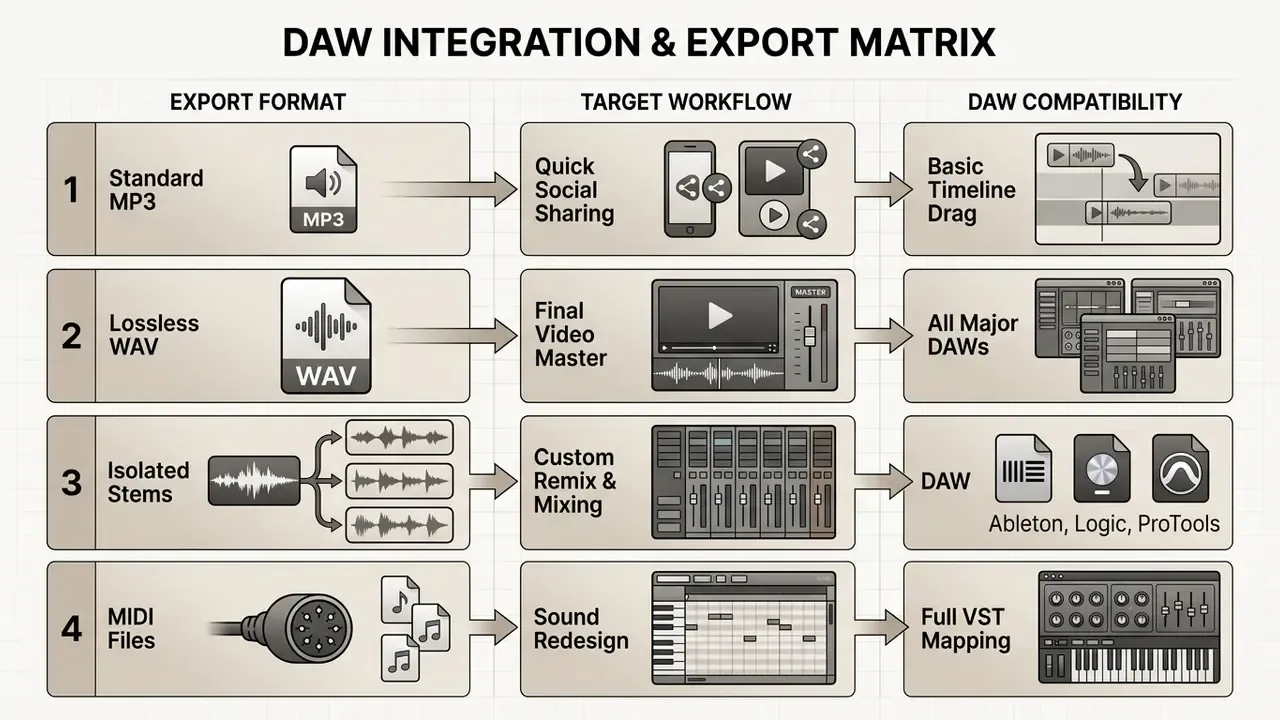
A MIDI-capable workflow also strengthens the human-authorship position described earlier. Re-voicing, re-harmonizing, and re-arranging an AI-generated MIDI score is documented human creative contribution, not passive acceptance of machine output.
How to Write Better Prompts and Lyrics for AI-Generated Songs
Getting consistent output from an ai song generator text to song system takes structured prompt construction and disciplined lyric formatting. Sloppy prompts produce sloppy choruses. Every time.
Prompt Elements That Shape Genre, Mood, and Arrangement
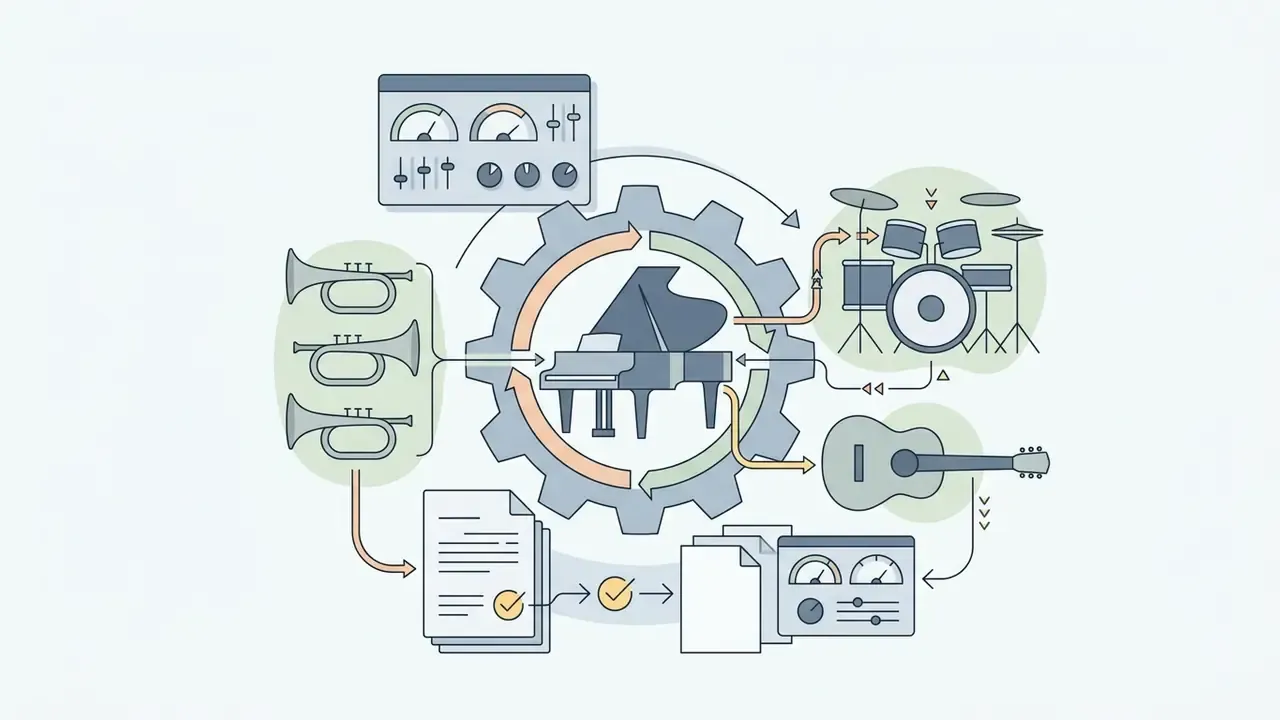
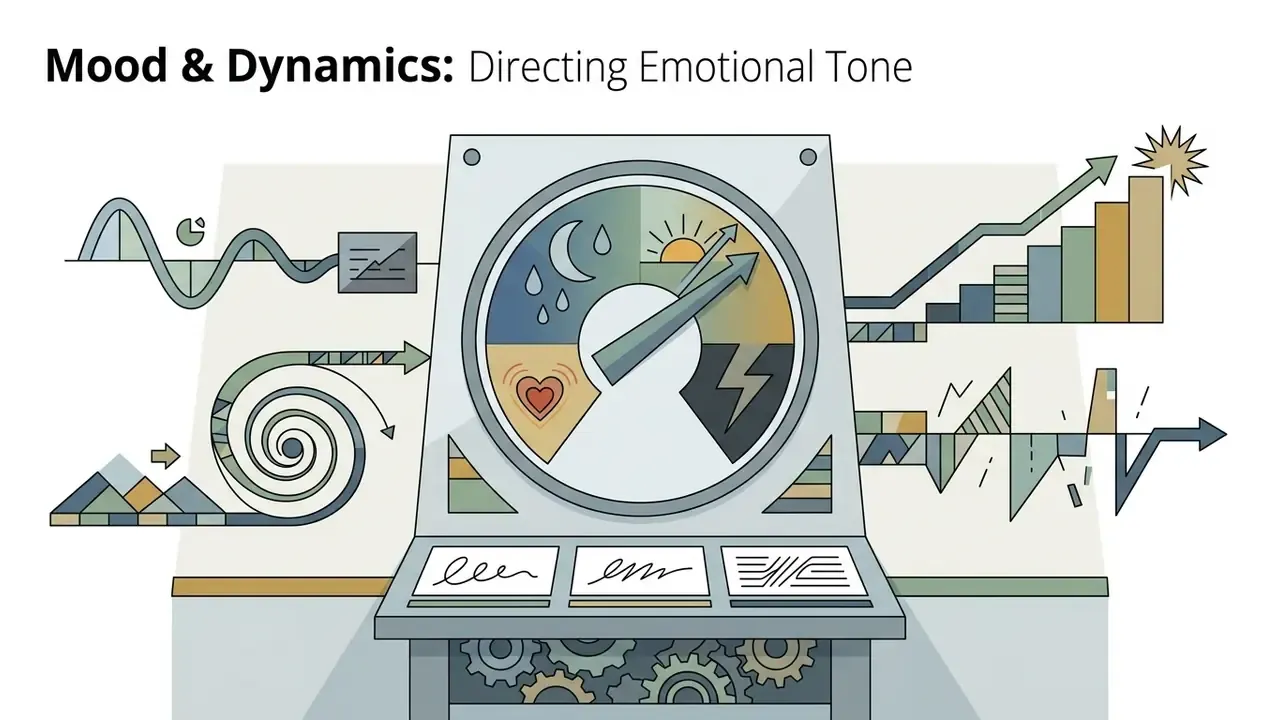
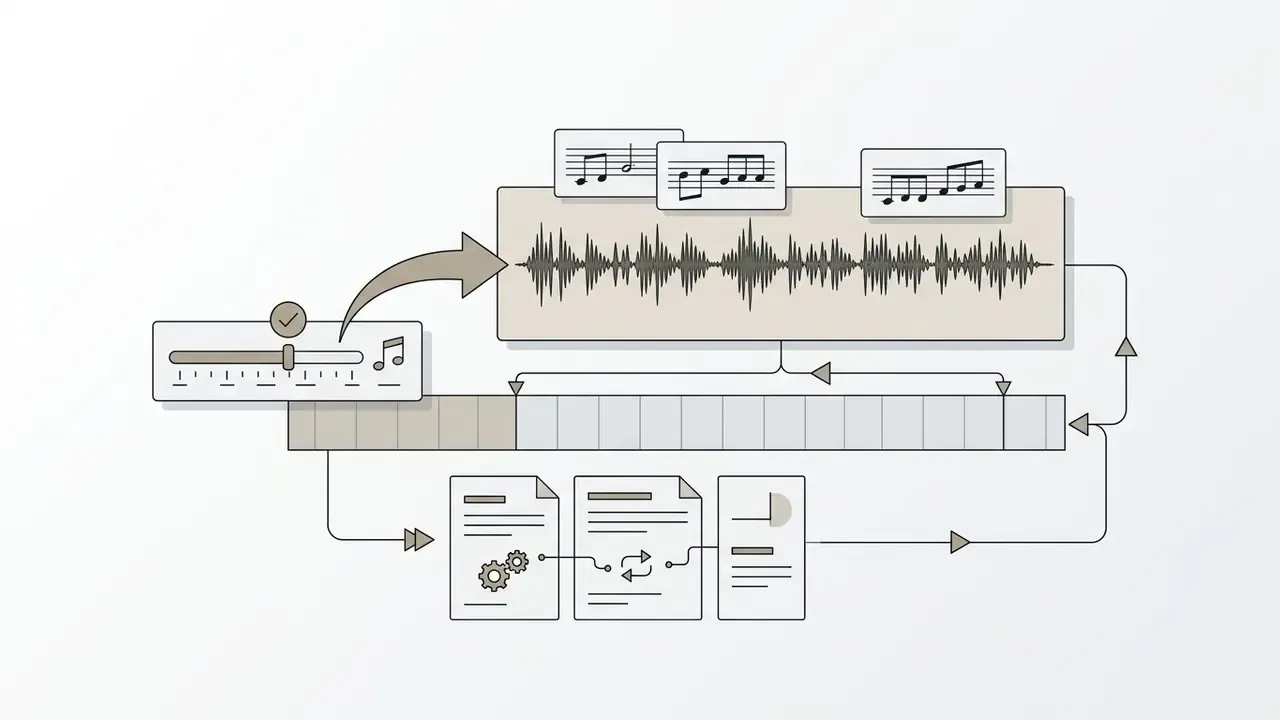
A high-precision music prompt sorts descriptors into logical categories, which guides the model's arrangement decisions.
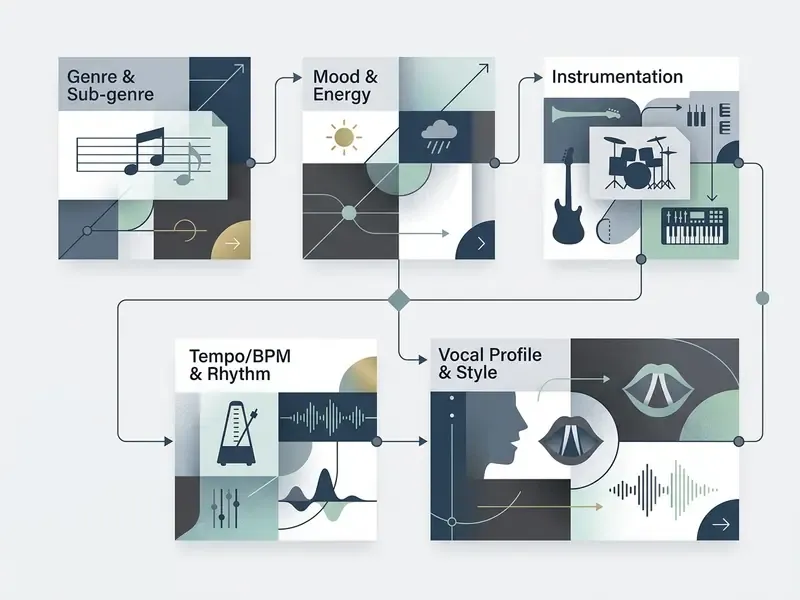
Key prompt building blocks:
One reliability tip. Setting an explicit instrumental flag is the dependable way to exclude vocals; writing "no vocals" inside a free-text prompt is noticeably less deterministic.
Lyrics Structure for Clearer Vocal Results
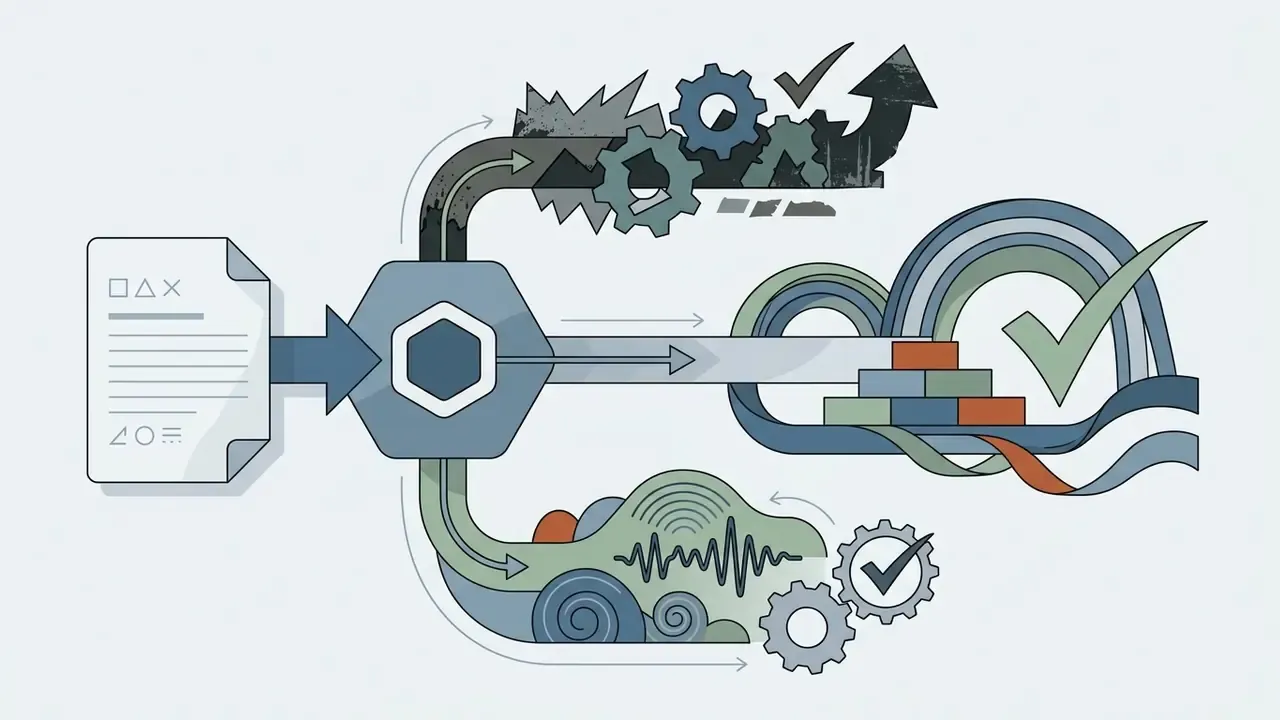
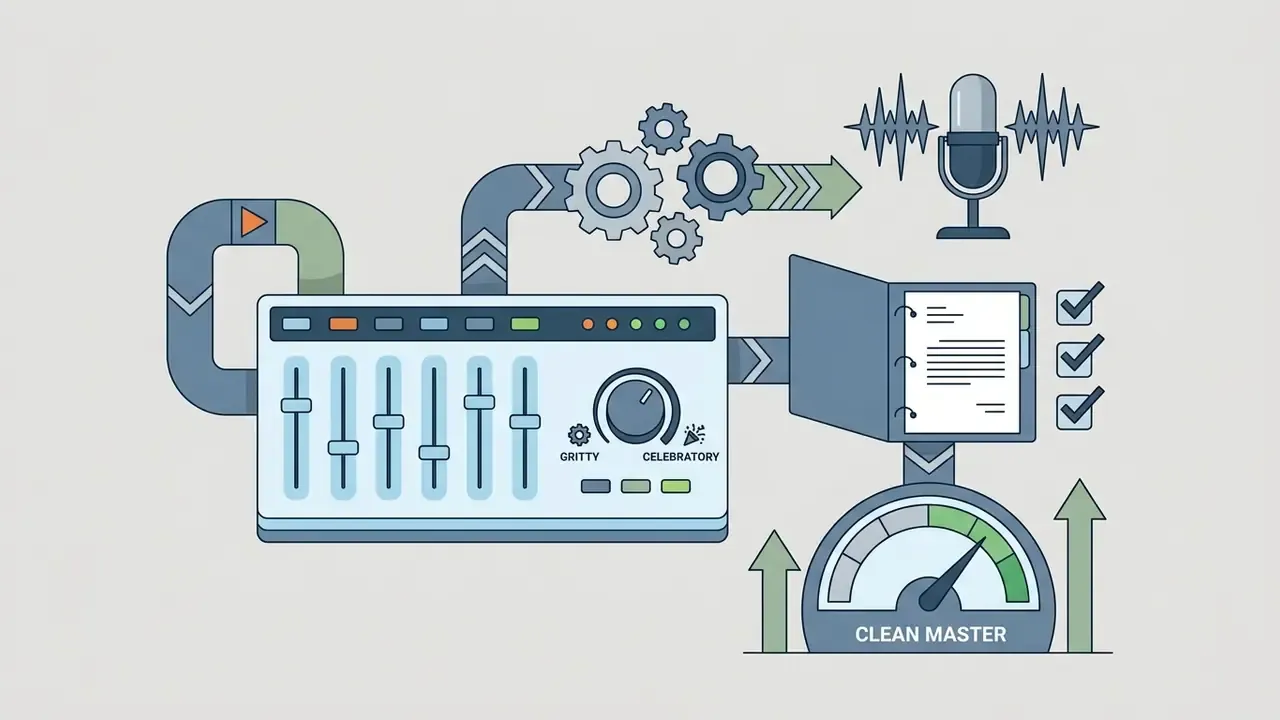
When entering custom text into an ai text to speech song generator, structural tags tell the engine where verses, choruses, and vocal transitions begin.
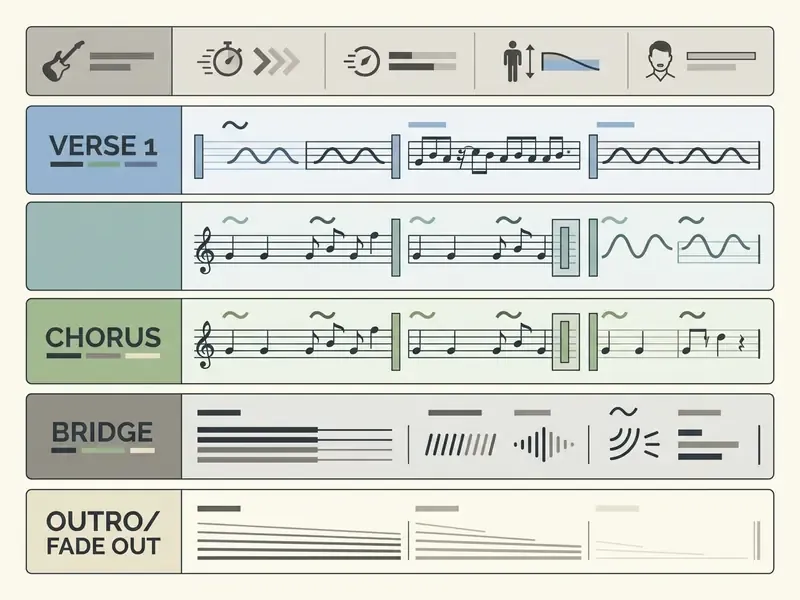
Structuring lyrics with bracketed directives such as [Verse], [Chorus], [Bridge], plus performance cues like (Whispered) or (Belted), stops the model from singing your structural headers out loud. The result is a cleaner arrangement, and fewer wasted credits. The same discipline applies if you drive a free ai song generator text to speech hybrid where a spoken verse alternates with a sung chorus.
One important distinction. Bracketed section tags are a generation-control format, not a lyric-publishing standard. Industry lyric-formatting guidelines used by metadata providers require section labels and performance tags to be stripped from delivered lyric text. Keep two versions of every lyric sheet: the tagged generation input, and the clean distribution copy for DSP and lyric-service delivery.
Downloading and Using AI Music for Videos, Podcasts, Games, and Social Media
Dropping AI-generated music into multimedia projects means matching file specifications and license scope to the target channel.
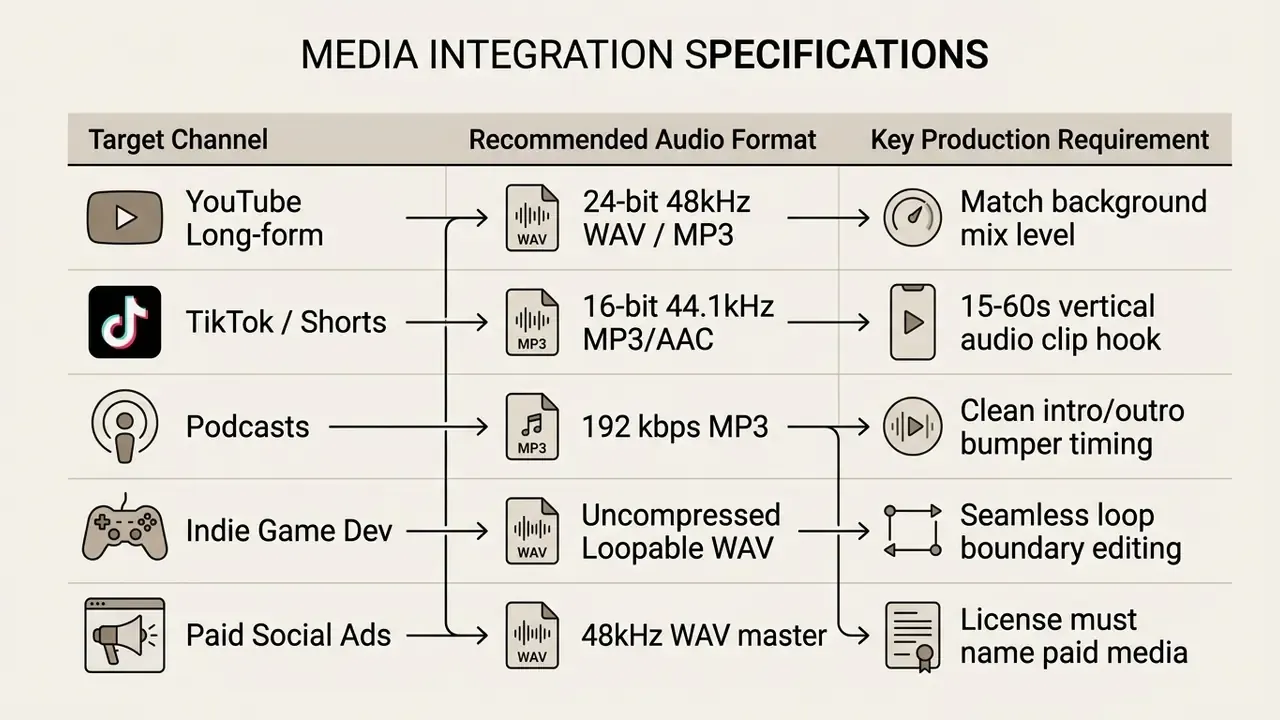
Channel-specific patterns are well established by now. Long-form video uses AI music for background beds and branded intros. Short-form platforms use it for trend hooks and vertical clips under 60 seconds. Podcasts reuse one bumper across every episode, which makes repeated-use license language essential. Game studios need seamlessly loopable stems tied to in-game state changes. Social campaigns need cross-posting rights across every surface where the clip will appear.
Creators editing video for YouTube or social channels can follow the timeline-assembly and publishing sequence in our guide to YouTube video editors, and cut delivery file size without audible artifacts using the settings documented in our video compressor guide. If you prefer an open-source, no-subscription editing route, the shotcut video editor handles WAV and stem imports well enough for music-led edits, and dramatic beat-drop moments are easier to build with a dedicated slow motion video tool than by stretching clips by hand. When someone on the team needs to run quick subscription math, our interactive calculators give an immediate cost estimate.
Converting Generated Audio into AI Music Videos
To streamline distribution on visual-first platforms like YouTube, TikTok, and Instagram Reels, modern AI music suites bundle audio-to-video tools instead of pushing you into an external editor:
- Audio Spectrum VisualizersRender reactive waveforms synchronized to the dynamic peaks of your exported MP3 or WAV. The lowest-effort route to a publishable visual for a podcast trailer or single release.
- Beat-Matched AI Video ScenesGenerate thematic background loops or multi-prompt scene cuts aligned to the song's exact BPM and structural markers (
[Verse],[Chorus]), so cinematic cuts land on section boundaries. - Singing Photo / Avatar AnimationDrive a still portrait or brand character with the generated vocal track for lip-synced performance clips.
- Cover Art GenerationProduce release artwork from the same prompt that generated the track, keeping visual and sonic mood aligned.
Two governance notes apply here. Auto-generated video inherits the same licensing tier as the underlying audio, so a free-tier track rendered into a video is still non-commercial. And AI-generated video, like AI audio, falls under platform synthetic-media disclosure rules. The label attaches to the finished upload, not just the soundtrack.
FAQ: Free AI Music Generators with Vocals
Do I Need Music Production Experience to Create AI Songs?
No. Operating a browser-based free ai singing generator text to song tool requires no formal music theory and no audio engineering background. Leading vendors say so directly; phrases like "no experience needed" and "no music production experience required" sit in their own product documentation. The model handles chord progressions, arrangement dynamics, vocal tuning, and final mastering from your text input. Skill still matters at two points, though: prompt precision and take selection.
Is My AI-Generated Music Private?
It depends on the platform, and the default is frequently public. At least one major service's terms state that generated songs are public by default and must be marked private afterward. Another says public sharing happens only with explicit consent. A third routes all public tracks into a community chart, with private mode reserved for paid plans. On platforms such as Suno or The Songai, free-tier tracks commonly appear in the community feed, and private generation typically requires an active paid subscription. Confirm the visibility setting before you generate anything referencing unreleased products, clients, or internal information.
Can a Free AI Music Generator Also Create Sound Effects (SFX)?
Yes. Next-generation text-to-audio architectures accept natural language descriptions of non-musical acoustic events alongside musical tracks. By adjusting prompt parameters to drop rhythmic structure and vocal tags, creators can synthesize realistic sound effects: ambient rainstorms, cinematic risers, engine roars, crowd noise, laughter, interface blips. Free-tier export limits and the non-commercial restriction apply to SFX exactly as they apply to songs.
Can I Export MIDI or Separate Stems on a Free Plan?
Rarely. Across the platforms surveyed, MIDI extraction, isolated stem downloads, and lossless WAV masters are paid-plan features, while free plans deliver one mixed-down MP3. If your workflow depends on DAW integration, treat MIDI and stem availability as a paid-tier procurement requirement rather than something to discover after adoption.
Can I Make an AI Song That Sings in My Own Voice?
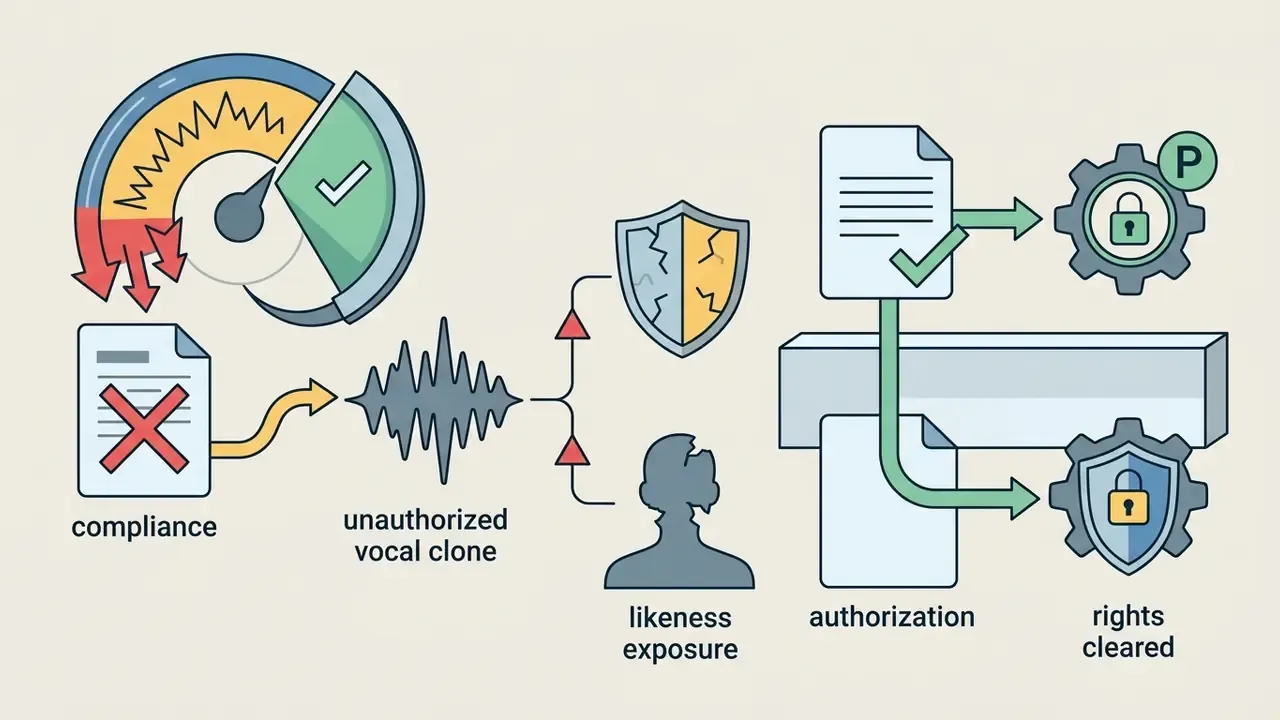
Yes, through a custom voice model (AI Singer) trained on a 30 to 60 second clean recording of your voice. Two conditions apply. The feature is almost always gated to paid plans with a capped number of voice slots, and you must hold the right to use the voice you upload. Cloning a third party's voice without documented authorization creates digital-replica and likeness exposure that is separate from, and not cured by, any music license.
Is Music from a Free Tier Really Royalty-Free for Commercial Use?
No, despite frequent marketing claims. "Royalty-free" describes a contractual absence of ongoing per-use royalties. It does not grant commercial rights, and it does not create copyright ownership. The published terms of every major generator reviewed here restrict free-tier output to non-commercial use, and commercial rights attach at generation time under an active paid plan, not retroactively on upgrade.
Are "Fake" AI Song Generators from Text Safe to Use?
Search demand for a fake ai song generator from text usually means one of two things: a parody or joke track, or an imitation of a named artist's voice. The first is generally low risk if the license covers your distribution surface. The second is the risky one. Imitating an identifiable performer, even from a text prompt with no uploaded sample, can trigger digital-replica and right-of-publicity exposure, and platforms increasingly detect and remove impersonating uploads. Also treat unbranded "free" clone sites with caution, since many have no published terms, no retention policy, and no way to evidence a license later.
What Should I Look for in a Free AI Music Generator with Voice?
Judge a free ai music generator with voice on five things, in this order: whether the free tier permits a real file download or only in-browser playback, whether generations are private by default, whether the vendor publishes a plain-language commercial-use boundary, whether seed or generation IDs are visible for reproducibility, and whether paid tiers unlock the exports you will eventually need (WAV, stems, MIDI). A generous daily quota on a free ai music generator vocals plan is worth little if the output cannot leave the browser.
Pre-Publication Compliance and Audit Checklist
Run this before any AI-generated track leaves the organization.
Checklist0 / 13
Limitations and Open Questions
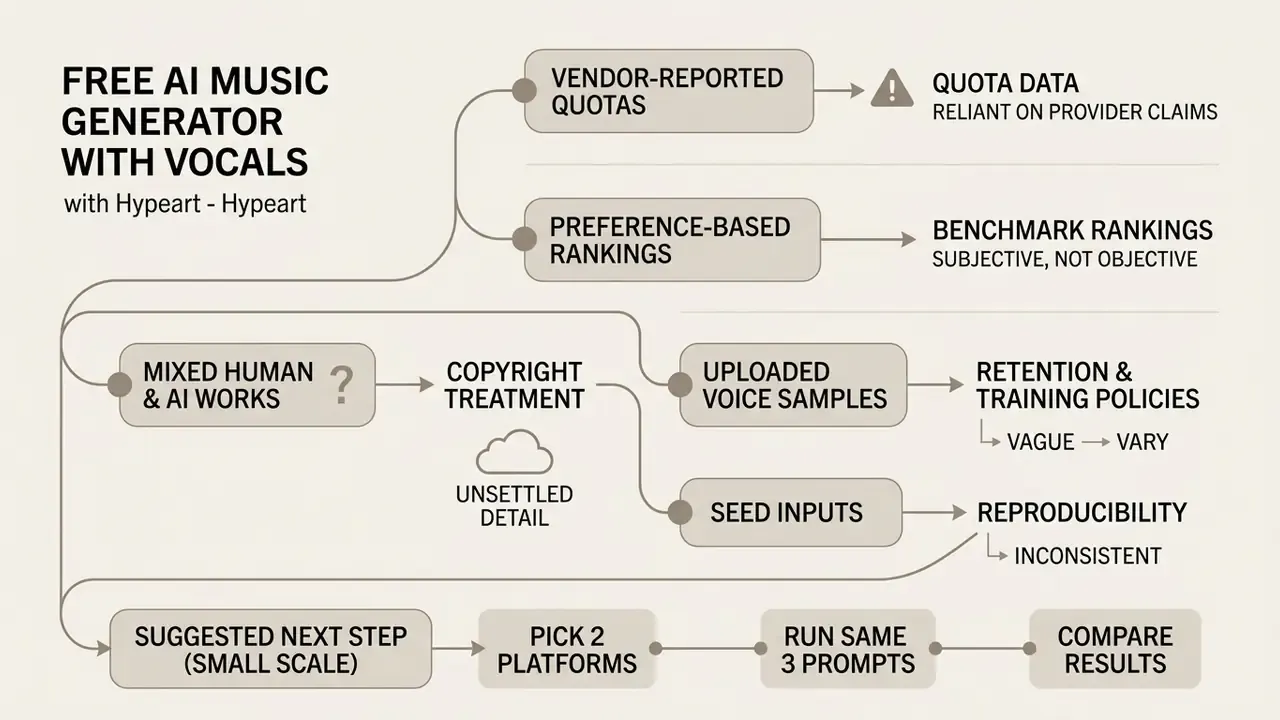
Honest caveats, because the evidence base here is thinner than the marketing suggests.
- Quota data is vendor-reported. No independent auditor tracks free-tier credit allowances over time, so any table of daily limits ages within weeks. Re-verify on the pricing page before you plan around it.
- Benchmark rankings are preference-based, not objective. Elo scores from blind A/B listening tests measure what listeners liked in a given sample pool. They do not measure prompt adherence, licensing safety, or export quality.
- Copyright treatment of mixed human and AI works remains unsettled in detail. The registrable-human-contribution principle is clear; how much editing counts as sufficient contribution is not, and it will likely be sharpened by future registration decisions and litigation.
- Retention and training-use policies for uploaded voice samples vary and are often vague. Where a vendor will not answer that question in writing, treat the answer as unfavorable.
- Seed reproducibility is inconsistent. Some engines return a stable output for a fixed seed and prompt; others do not guarantee it across model versions. If your audit process depends on exact re-derivation, test that assumption during evaluation.
A reasonable next step, and a deliberately small one: pick two platforms, run the same three prompts on a free tier for evaluation only, log everything in the evidence record format above, and decide on a paid plan afterwards. Nothing gets published during that test, so nothing needs a license.
Additional Resources and Documentation
To explore pricing structures, API documentation, or technical glossary terms across digital media production, see the following:
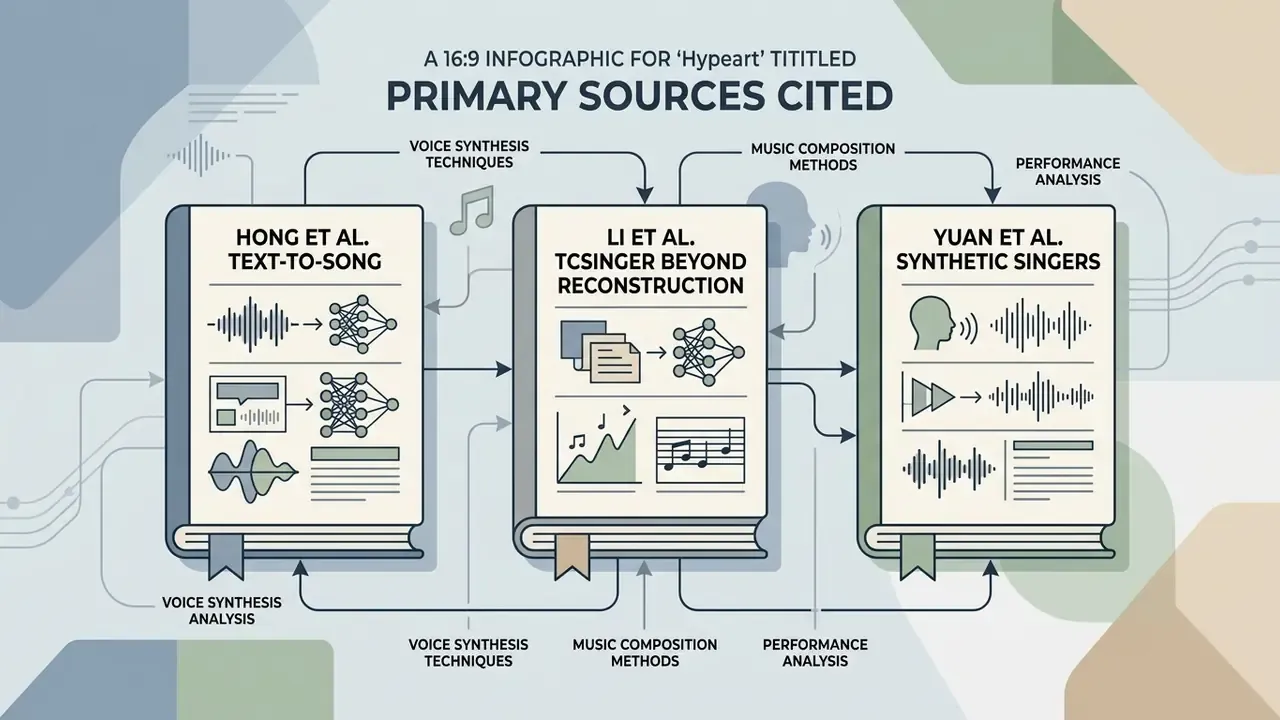
Primary Sources Cited in This Guide
- Li et al., Accompanied Singing Voice Synthesis with Fully Text-controlled Melody (MelodyLM), arXiv (2024). https://arxiv.org/abs/2407.02049
- Artificial Analysis, Music with Vocals Leaderboard (2026). https://artificialanalysis.ai/music/leaderboard/vocals
- Google Cloud, Lyria Music Generation Prompt Guide (2026). https://docs.cloud.google.com/gemini-enterprise-agent-platform/models/music/music-gen-prompt-guide
- U.S. Copyright Office, Copyright and Artificial Intelligence (2026). https://www.copyright.gov/ai/
- U.S. Copyright Office, Copyright and Artificial Intelligence, Part 1: Digital Replicas (2026). https://www.copyright.gov/ai/Copyright-and-Artificial-Intelligence-Part-1-Digital-Replicas-Report.pdf
- Spotify Newsroom, Spotify Strengthens AI Protections (25 September 2025). https://newsroom.spotify.com/2025-09-25/spotify-strengthens-ai-protections/
- YouTube Help, Gen AI disclosure in music delivery metadata (2026). https://support.google.com/youtube/answer/17124251
- PRS for Music, PRS for Music and Artificial Intelligence Policy (2026).
- Protecting Human Creativity in AI-Generated Music, GRUR International (2024 to 2026).
- Hong et al., *Text-to-Song
- Towards Controllable Music Generation Incorporating Vocals and Accompaniment*, arXiv (2024). https://arxiv.org/abs/2404.09313
- Li et al., *TCSinger
- Zero-shot Singing Voice Synthesis with Style Transfer*, arXiv (2024). https://arxiv.org/abs/2404.09313
- *Beyond Reconstruction
- Full-Context Generative DiT for Music Generation*, arXiv (2026). https://arxiv.org/abs/2608.08787
- Yuan et al., *Synthetic Singers
- A Review of Deep-Learning-based Singing Voice Synthesis Approaches*, arXiv (2026).