Finding and contracting a qualified specialist to hire video editor talent needs a systematic framework. That framework should link technical capability to output you can actually measure. Post-production bottlenecks usually appear at the same moment: when an organization scales content volume without first defining production rules, revision boundaries, and software requirements.
The pattern repeats across marketing teams, in-house comms functions, and regulated finance content desks. Volume grows. Process does not.
Executive Summary for Decision Makers
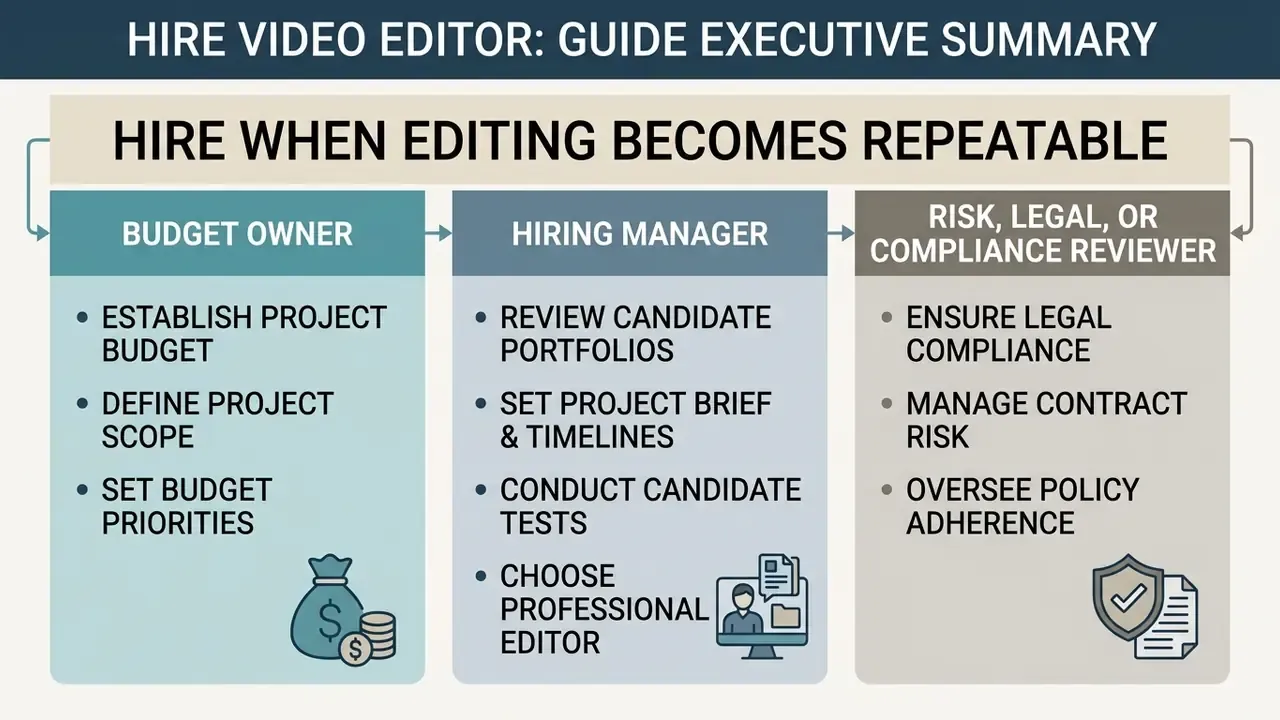
- Hire when editing becomes repeatable. If post-production eats senior staff capacity across several deliverables, revision cycles, and formats each month, dedicated editing capacity pays for itself in reclaimed strategic hours.
- Budget in tiers, not averages. Entry-level freelance work commonly lands at $20 to $40/hr, mid-tier at $45 to $85/hr, and senior motion or VFX specialists at $85 to $150+/hr. Dedicated remote retainers range from roughly $400/month (South Asia junior) to $12,000/month (North American senior in-house).
- Match the model to the workload. Freelancers cover variable volume, agencies absorb high-stakes multi-asset campaigns under SLA, and in-house editors serve daily publishing cadences.
- Contract before you brief. IP assignment, NDA coverage, escrow milestones, and licence documentation for music, fonts, and stock are non-negotiable in regulated industries.
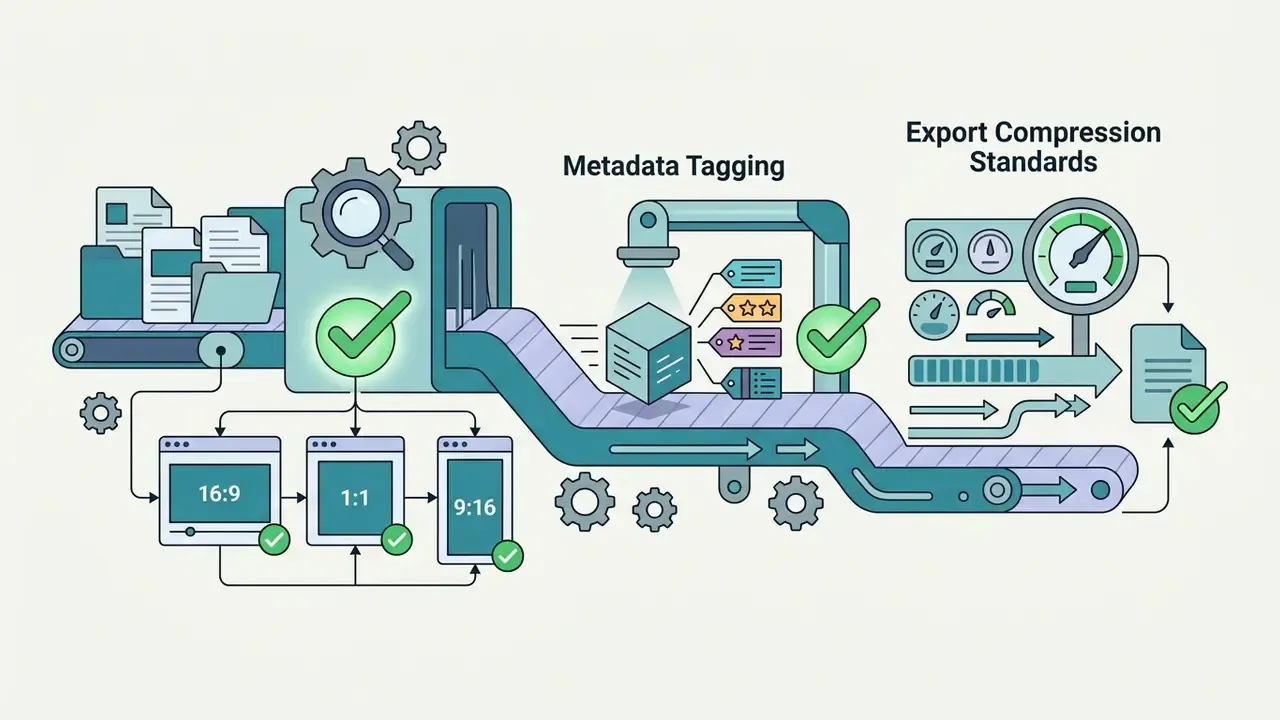
- Verify delivery technically, not visually. Loudness (-23 LUFS / -24 LKFS), Rec.709 colour space, codec, aspect ratio, and captions all need checking before the final milestone is released.
How to Use This Guide
The guide is built to be read in the order a real purchase happens. First you decide whether the work should leave your team at all. Then you write the scope. Then you pick a sourcing channel, vet portfolios, price the engagement, and lock the contract before a single frame is exported.
Three practical reading paths:
- Budget owner start with the cost tiers and regional benchmarks, then read the trade-off table for cheap versus professional offers.
- Hiring manager start with scope definition, then the paid test rules and the job post template.
- Risk, legal, or compliance reviewer read the contractual guardrails and the delivery checklist first, since those hold the audit evidence.
Nothing here assumes an unlimited budget. It assumes you need defensible decisions.
When to Hire a Video Editor for Your Project
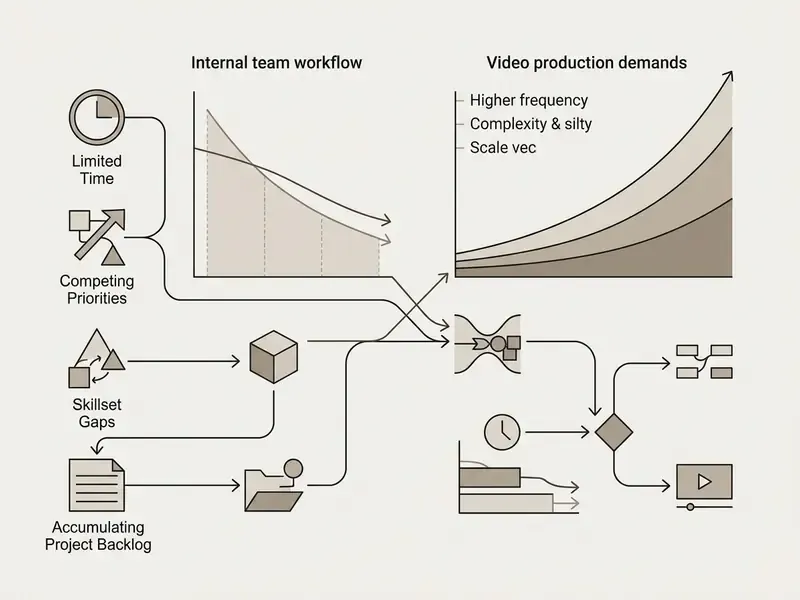
Organizations should hire video editor specialists once post-production turns into a repeatable workload that consumes core operational capacity. Delegating timeline assembly, audio mixing, and colour grading to a dedicated professional, supported by the right video editing and compression tools, frees strategic teams to concentrate on distribution and creative direction.
Compensation benchmarks give you a reliable anchor for build-versus-buy analysis. According to the U.S. Bureau of Labor Statistics Occupational Employment and Wage Statistics survey, the occupation is measured with unusual precision:
Forward-looking BLS Occupational Outlook data cited for 2026 places the median annual wage for film and video editors at $75,420, with projected employment growth of 3% between 2025 and 2035 and roughly 5,600 openings per year. Read together, those figures reflect the specialized technical expertise needed to run a post-production pipeline efficiently. They also confirm something budget owners often miss: a full-time hire is a fixed six-figure commitment once benefits, hardware, and software licences are added.
Consider an illustrative, hypothetical scenario. A Tier-2 U.S. regional bank publishing weekly market commentary keeps slipping its release date because senior analysts cut their own footage. After bringing in a dedicated freelance video editor, turnaround falls from four days to roughly six hours per episode. Analyst hours return to research, and the broadcast quality of the assets rises at the same time. The numbers are indicative rather than audited, but the direction of the effect is familiar to anyone who has run a weekly publishing cadence.
Content Formats That Need Professional Video Editing
Freelancer, Agency or In-House Video Editor
Choosing between a freelance video editor, a freelance video editor agency, or an in-house hire depends on project volume, turnaround speed, and governance requirements. The scale of the contingent talent pool makes this a genuine strategic choice rather than a fallback:
«The European Council estimated approximately 28.3 million platform workers in the EU in 2022, with growth projected to reach 43 million.»
Freelancers give you operational flexibility and lower overhead when project loads swing month to month. Agencies supply end-to-end post-production teams, including colorists, sound engineers, and motion designers, capable of running complex multi-asset campaigns under strict contractual SLAs. In-house editors bring deep brand familiarity and immediate daily availability, though they represent a fixed annual payroll commitment whatever happens to production volume.
Hiring Model Comparison Matrix for Video Post-Production
| Hiring Model | Ideal Project Types | Onboarding Speed | Workload Capacity | Cost & Governance Structure |
|---|---|---|---|---|
| Freelance Video Editor | Ad-hoc projects, recurring social clips, variable monthly video loads. | 1 to 3 days via digital platforms. | Single-person capacity; scales by engaging multiple contractors. | Variable project or hourly rate; flexible cost governance. |
| Video Editing Agency | High-stakes brand launches, complex multi-camera campaigns, turnkey production. | 1 to 2 weeks for contract finalization. | High team capacity; integrated colour, sound, and VFX specialists. | Higher retainer or project fees; structured SLA contracts. |
| In-House Specialist | Daily content publishing, sensitive internal communications, continuous core marketing. | 3 to 6 weeks standard recruitment cycle. | Consistent daily volume tied to full-time working hours. | Fixed annual salary ($75k to $92k baseline) plus benefits and software licences. |
Read the table this way. Variable volume favours freelancers because you pay per deliverable. Campaign-critical work favours agencies because the SLA, not the individual, carries the risk. Daily cadence and confidential material favour an in-house editor, since the cost of context-switching and NDA exposure outweighs the payroll premium.
Platform structure also affects the rate you will be quoted. Cooperative marketplaces distribute margin differently from commercial intermediaries:
«Platform cooperatives pay workers roughly $5/hour more than conventional platforms; Upandgo.coop pays $22.50/hour against the local average.»
For enterprise buyers, a fourth model sits alongside these three: specialized staffing and premium vetted networks (Toptal, MarketerHire, boutique post-production recruiters). Regulated organizations rarely place mission-critical brand films through open gig catalogues. Curated networks add technical screening, contract standardisation, and replacement guarantees, at a premium price point.
Define the Video Editing Scope Before You Search
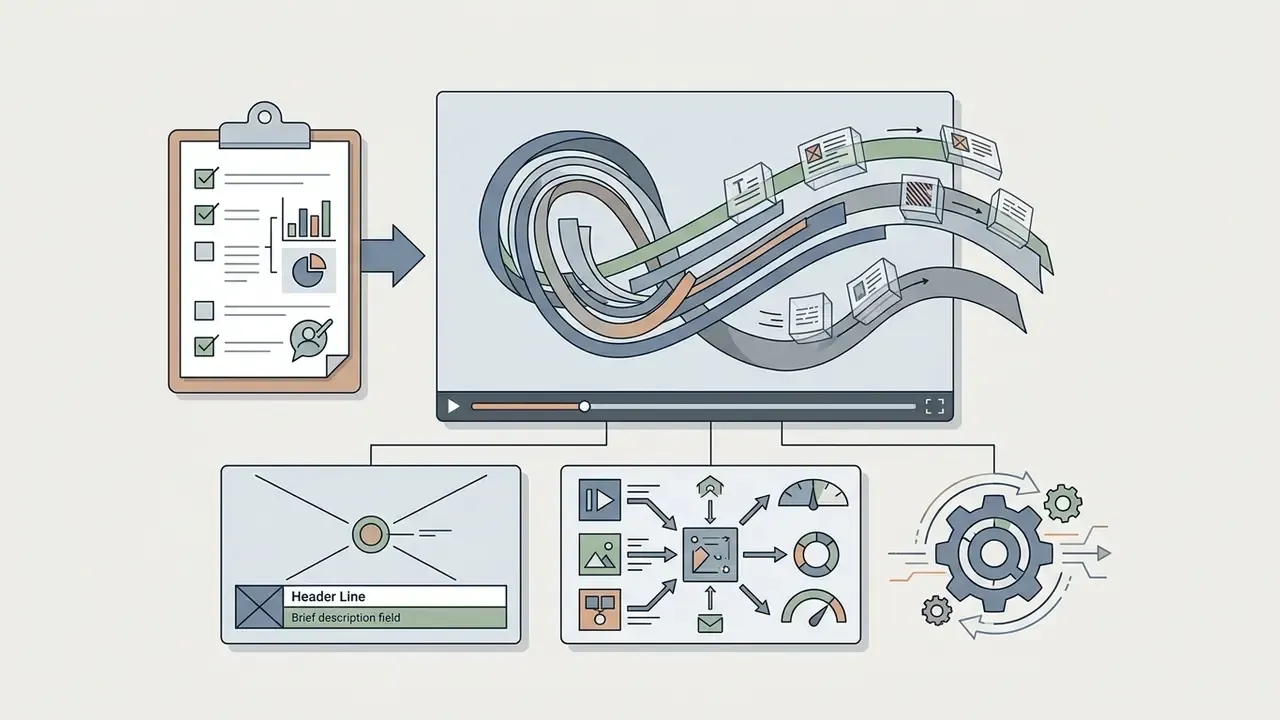
Before starting the process of finding a video editor, draft a precise creative brief and Scope of Work (SOW). A vague brief leads to misaligned expectations, cost overruns, and revision cycles nobody budgeted for.
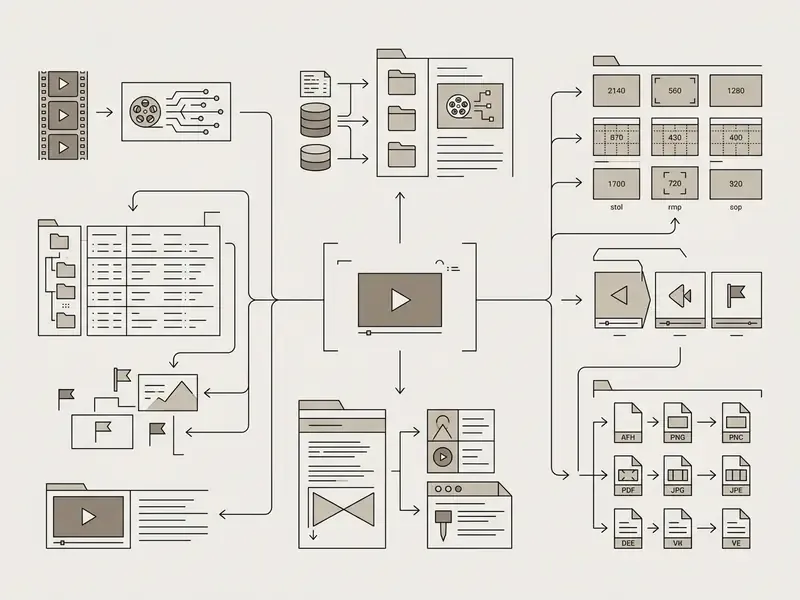
Public-sector procurement guidance is instructive here. State SOW frameworks require defining goals first, then tasks, deliverables, and acceptance criteria, with schedule, payment terms, and reporting procedures documented before solicitation. Setting definitive acceptance criteria upfront means candidates understand the exact technical constraints, deliverable formats, and project milestones before they price the work.
Set Deliverables, Format and Delivery Expectations
Technical delivery specifications belong in writing before any candidate outreach begins. Specify target resolutions (1080p HD, 4K UHD), aspect ratios (16:9 widescreen, 9:16 vertical, 1:1 square), frame rates (23.976, 25, 29.97, 50, 60 fps), and delivery codecs (ProRes 422, H.264, H.265/HEVC).
Broadcasters and digital platforms enforce rigid delivery standards. Guidelines such as the ITV Technical Specification for Content Delivery (2025) mandate exact loudness normalization (for example -23 LUFS) and native frame-rate preservation. Netflix branded delivery specifications likewise require native frame rates, and Roku requires a minimum 1920×1080 16:9 master matched to final deliverables.
Organizations evaluating synthetic or generative media pipelines should also set clear rules on synthetic asset creation and verify licensing boundaries through AI Media Commercial-Use resources, including documented terms for tools such as the Canva AI generator.
Match the Editor's Specialization to the Creative Task
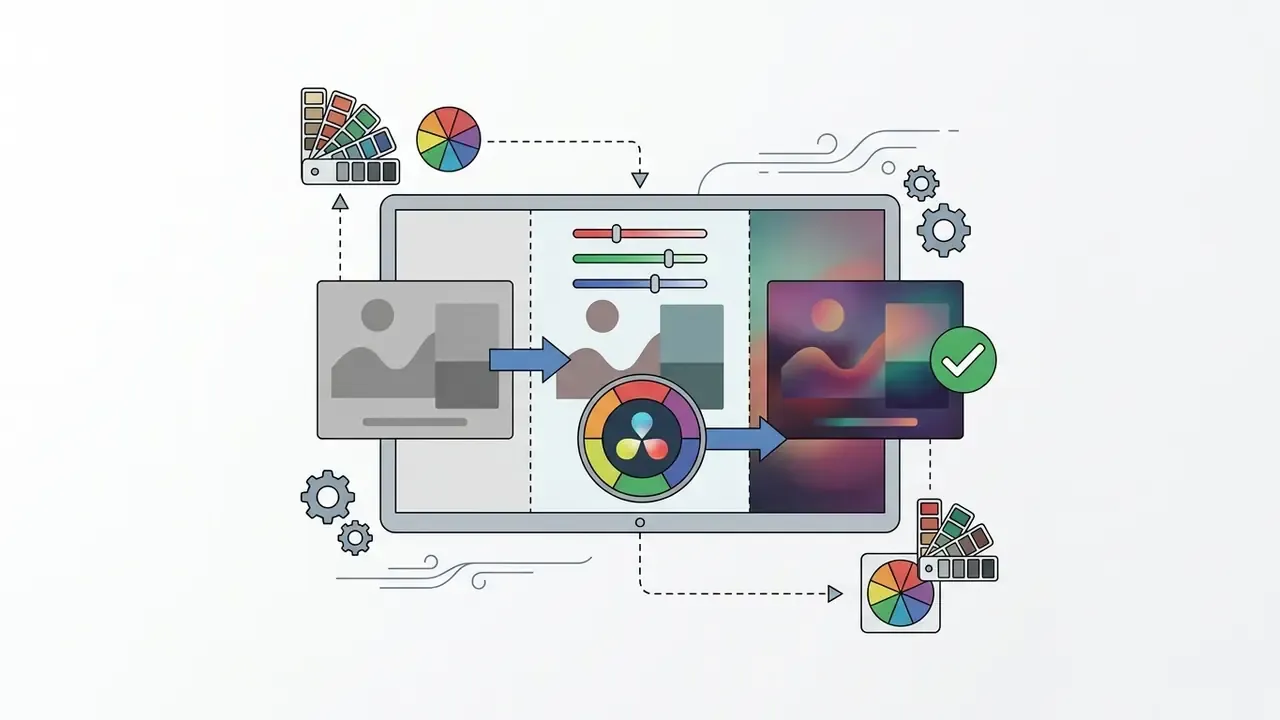
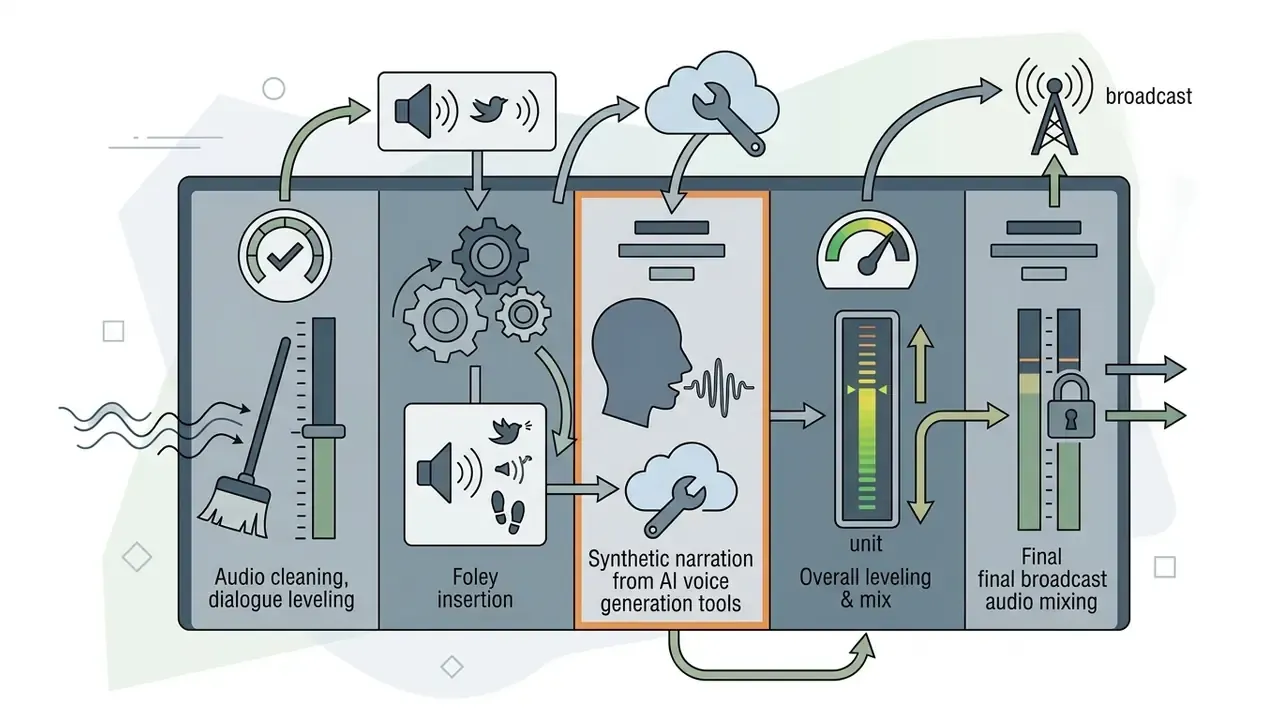
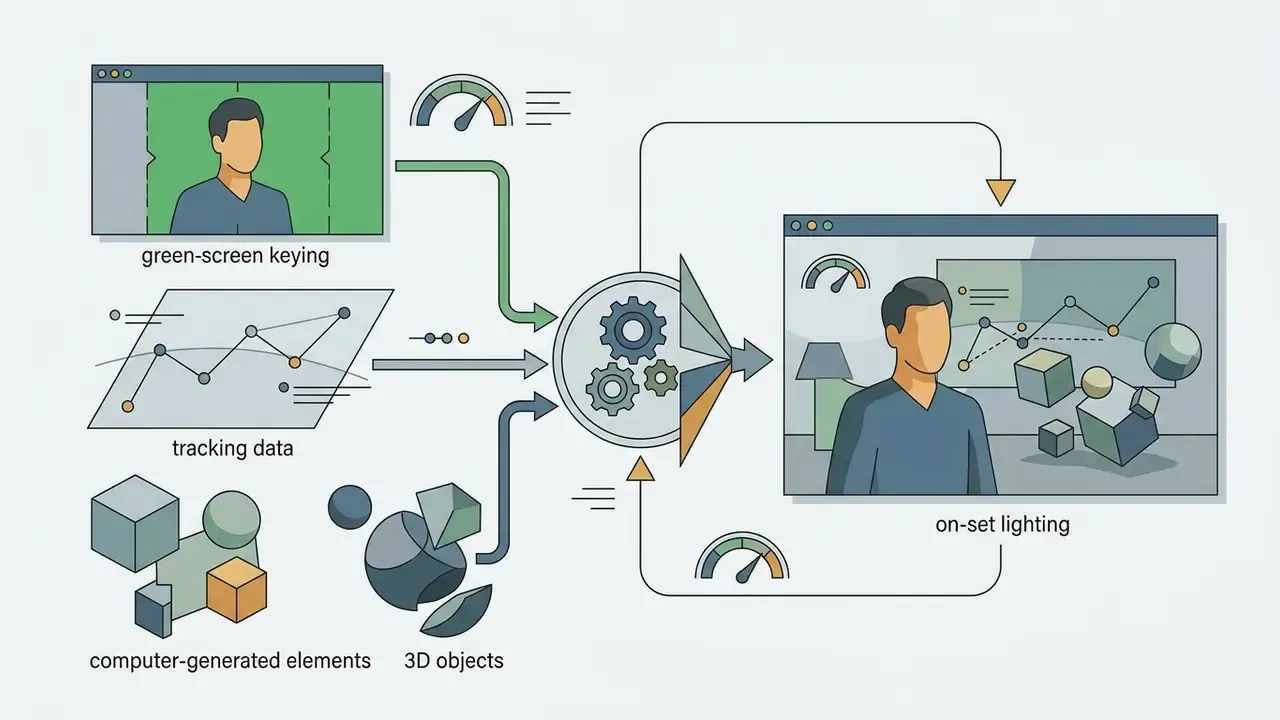
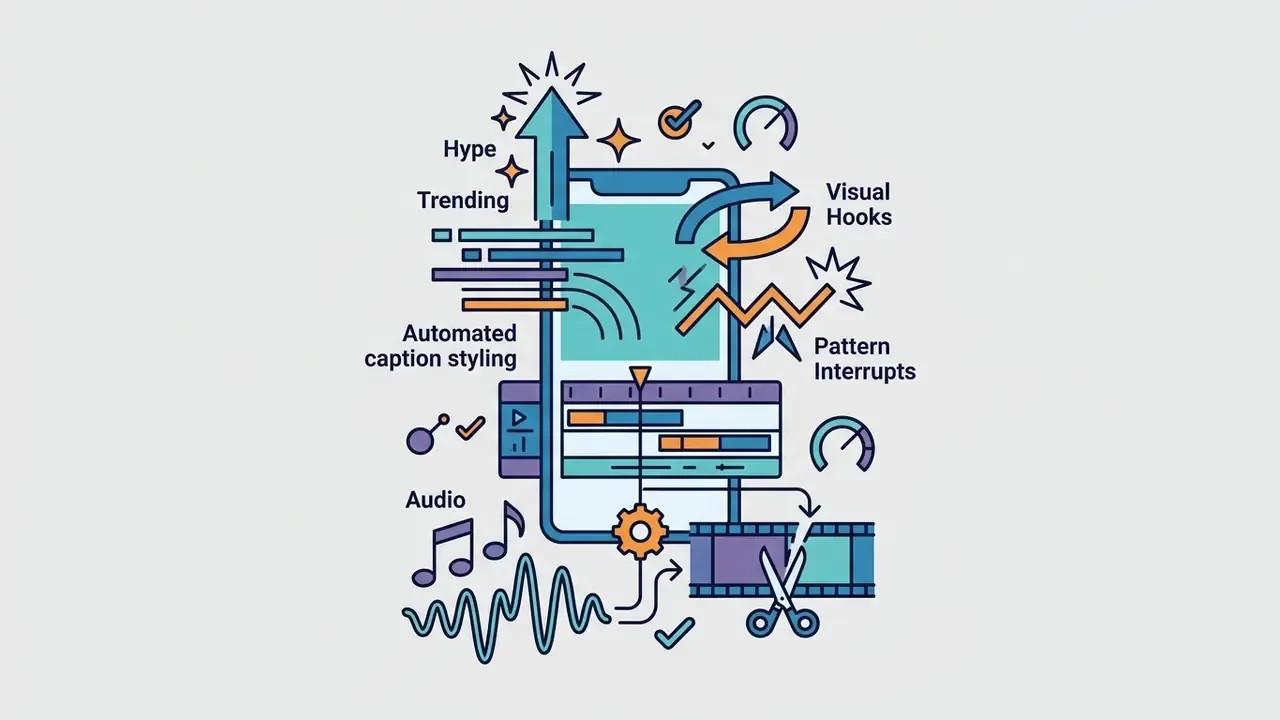
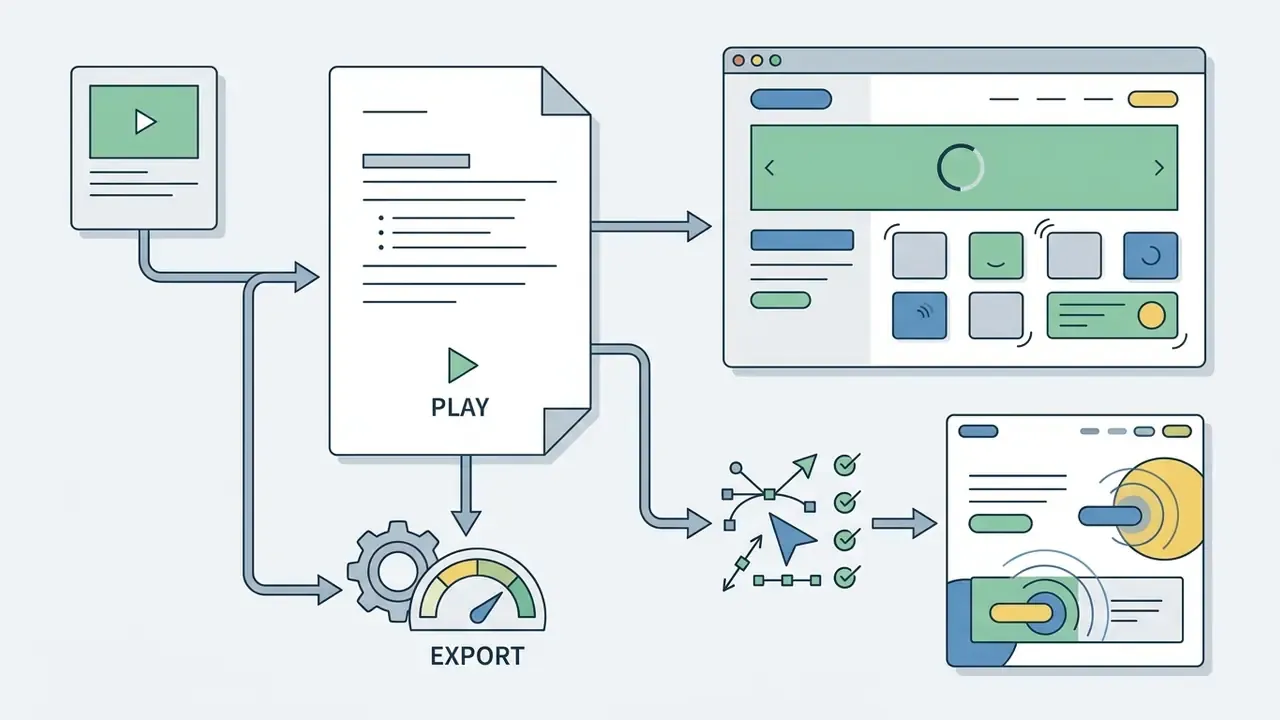
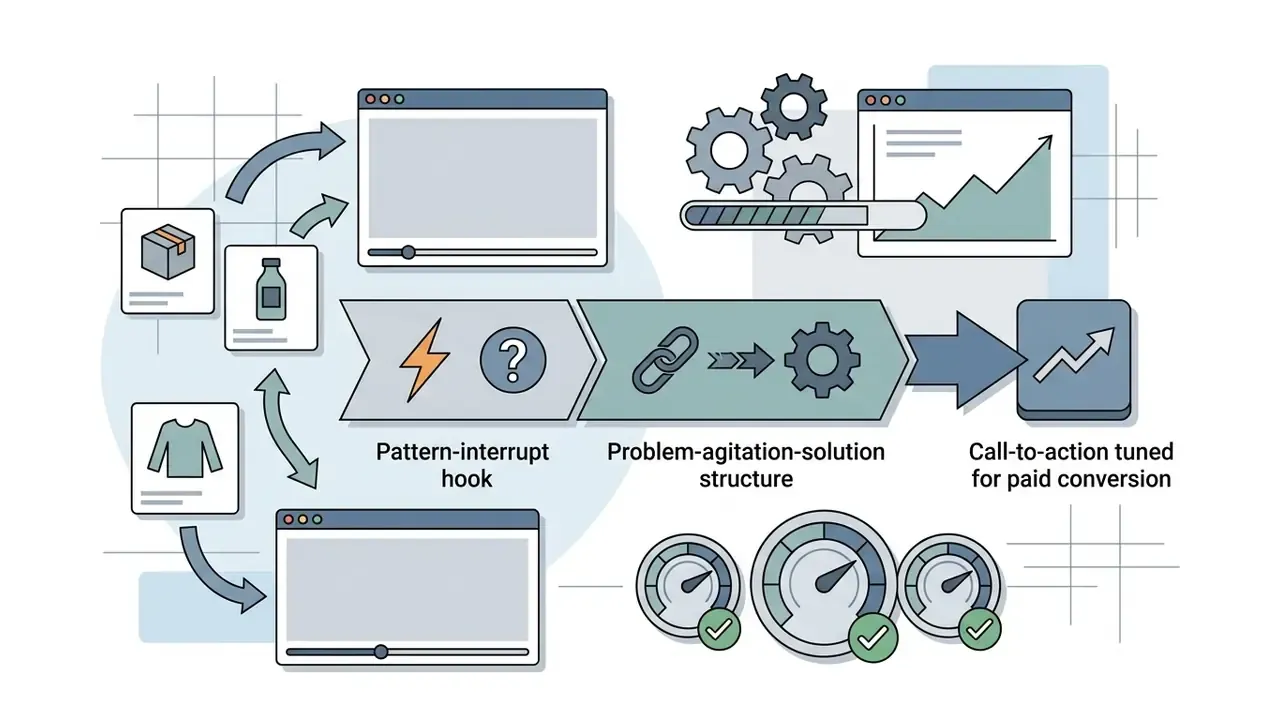
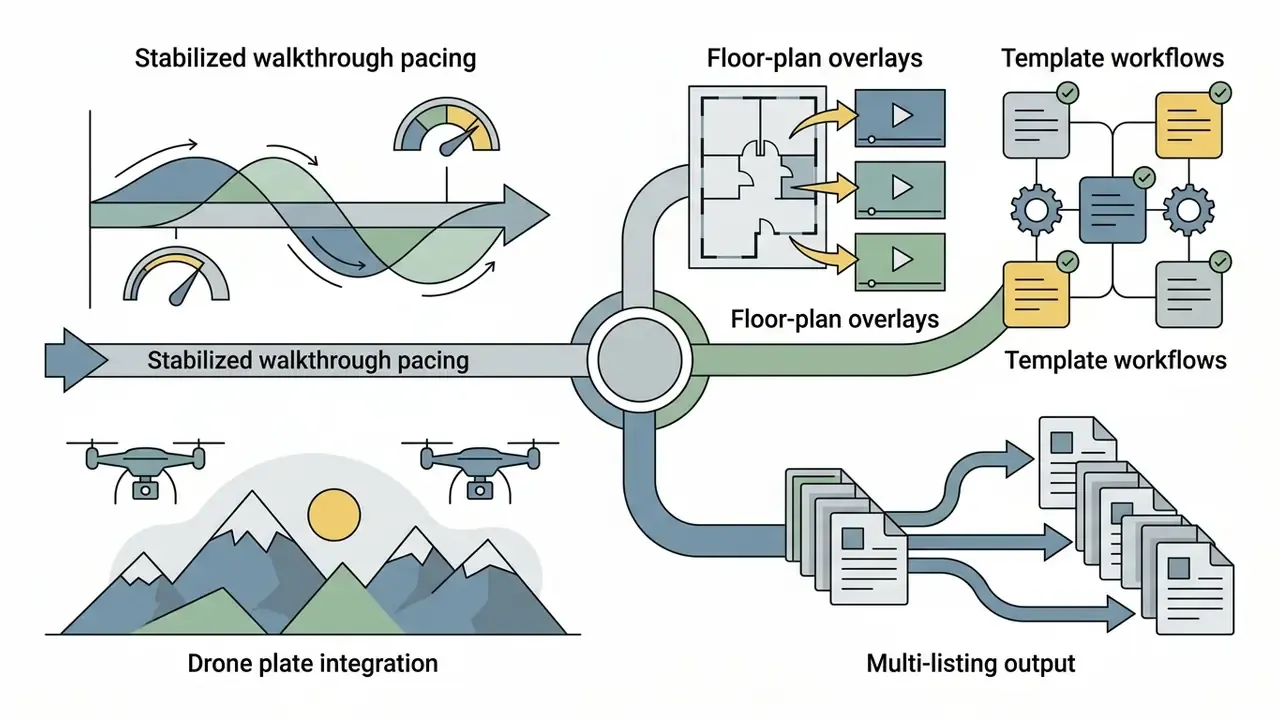
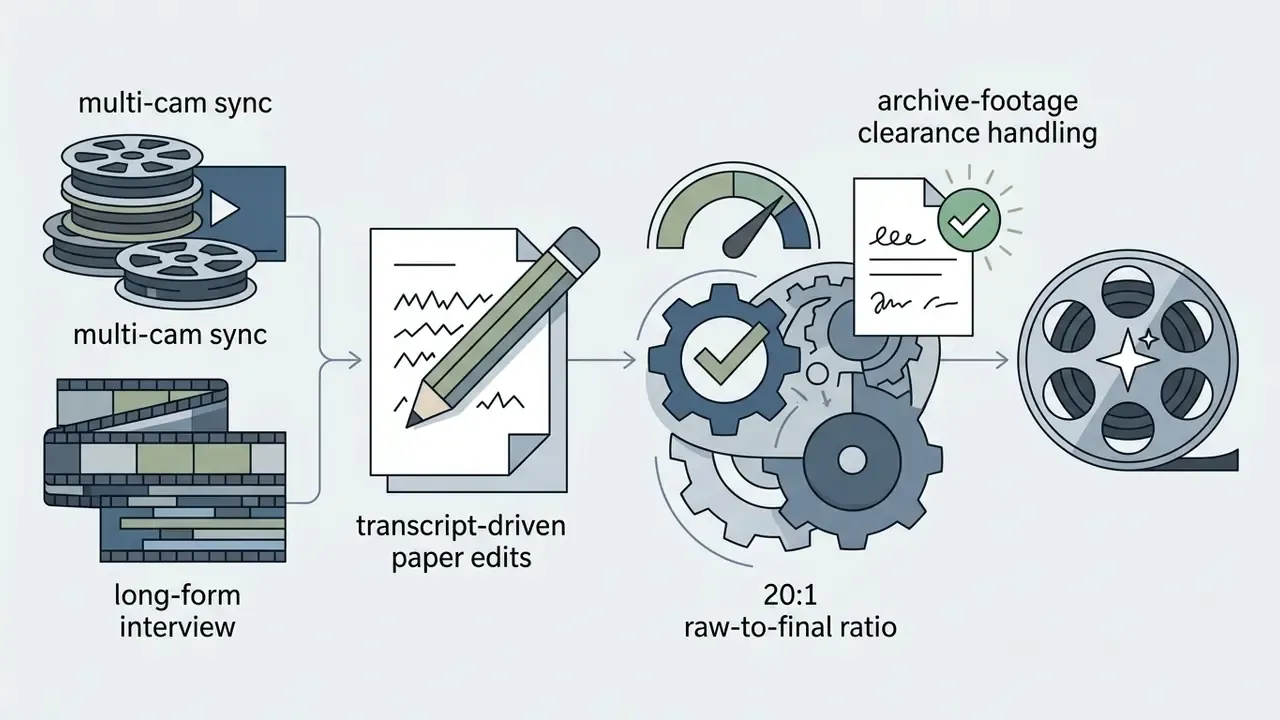
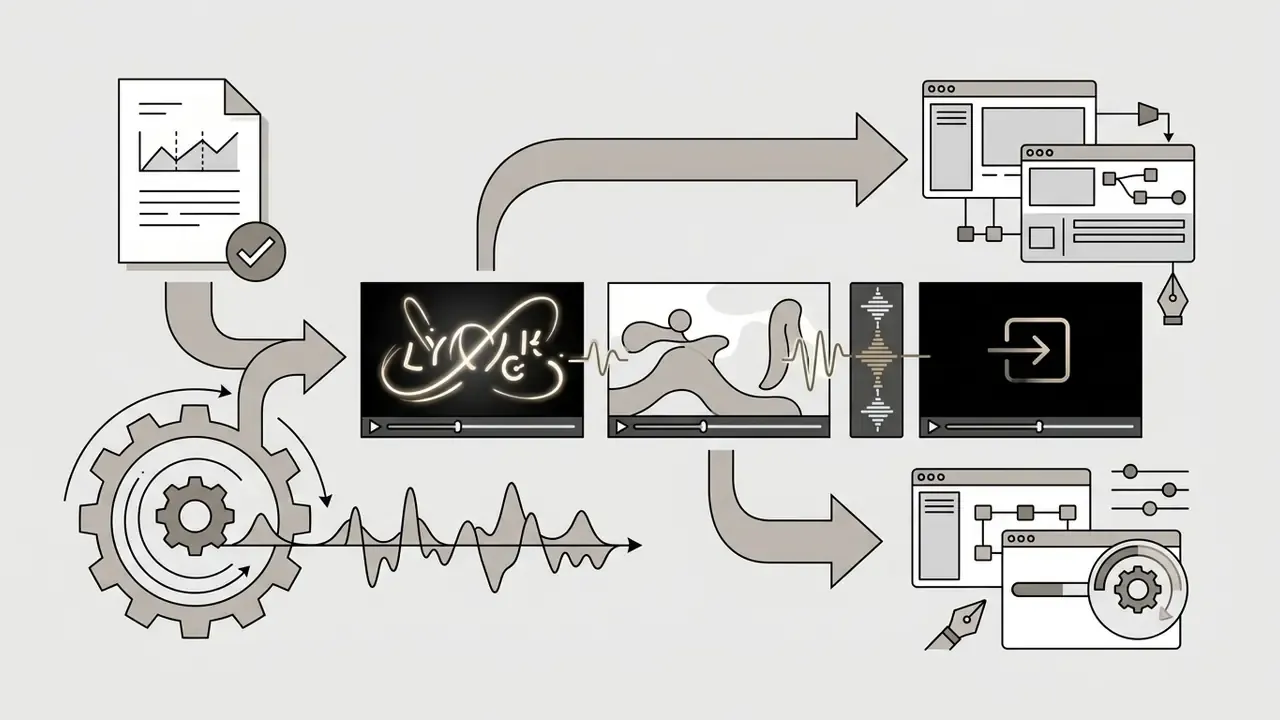
Video post-production covers several distinct technical disciplines. General timeline assembly (assembly, rough cut, fine cut) differs sharply from specialized tasks such as motion graphics, 3D modelling, visual effects (VFX) compositing, colour grading, and sound design. Hiring one editor and expecting all six is the most common scoping error we see.
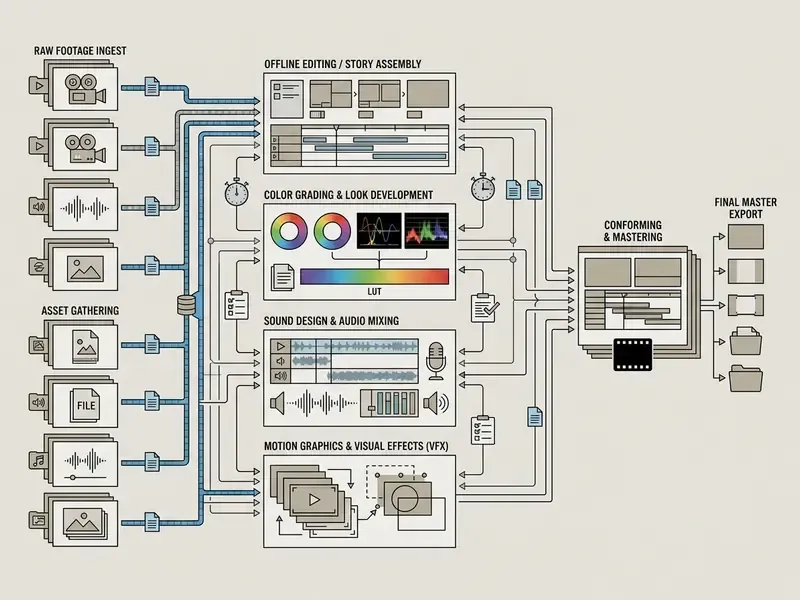
Specify software fluency per niche rather than assuming it. Broadcast and cinematic work centres on Adobe Premiere Pro, After Effects, DaVinci Resolve, Final Cut Pro, and Edius. High-volume social output is frequently faster and cheaper in CapCut or Wondershare Filmora, where template libraries and auto-captioning strip hours from each deliverable.
Best Places to Find Freelance Video Editors Online
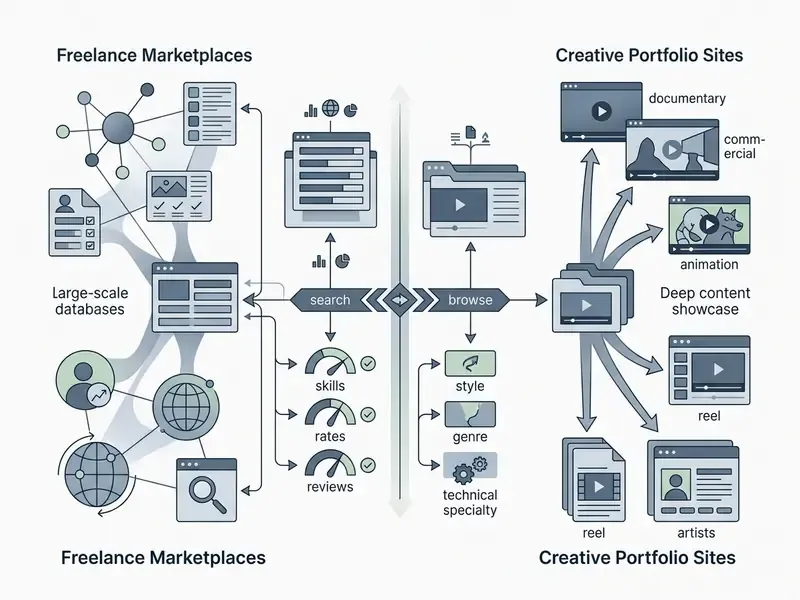
Locating qualified talent means picking the right recruitment channel for your project complexity and sourcing constraints. Dedicated digital marketplaces and specialized portfolio communities both give access to vetted global creative talent, but they do not behave the same way.
To keep sourcing budgets honest, project managers often cross-reference software costs using AI Media Calculators and check no-cost tooling through free AI video generator comparisons alongside standard labour rate benchmarks.
Freelance Platforms for Video Editing Projects
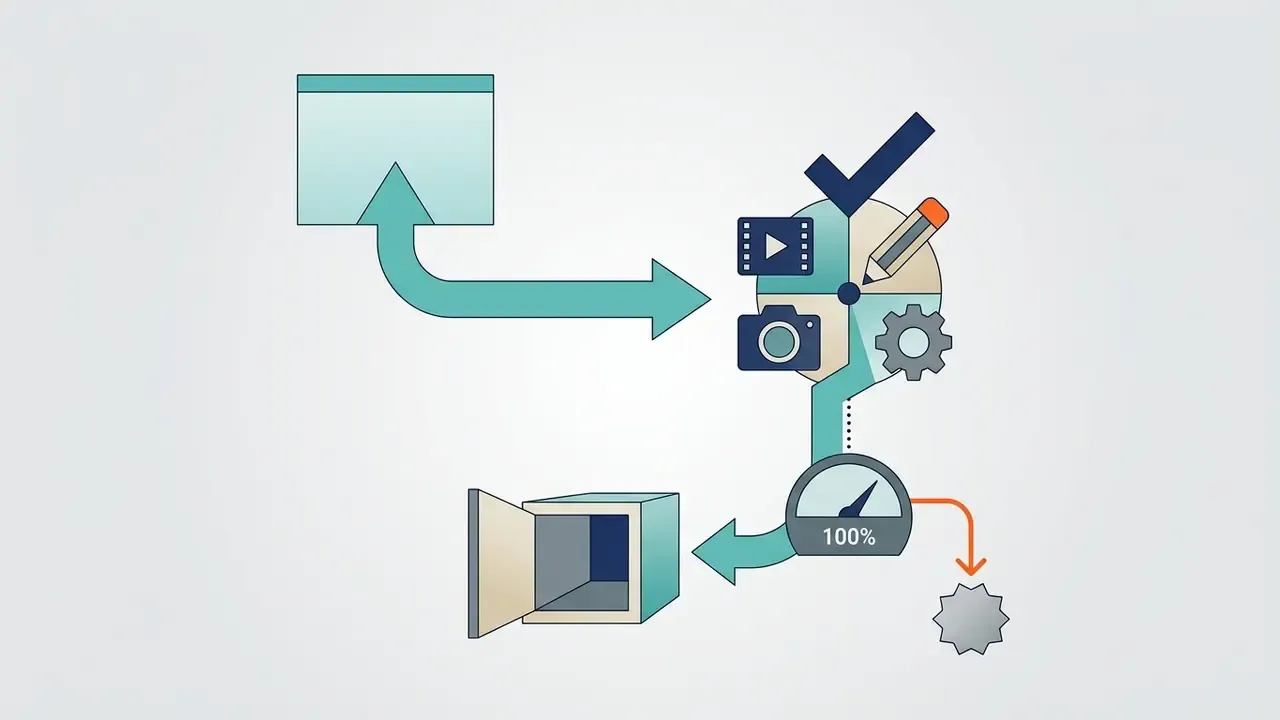
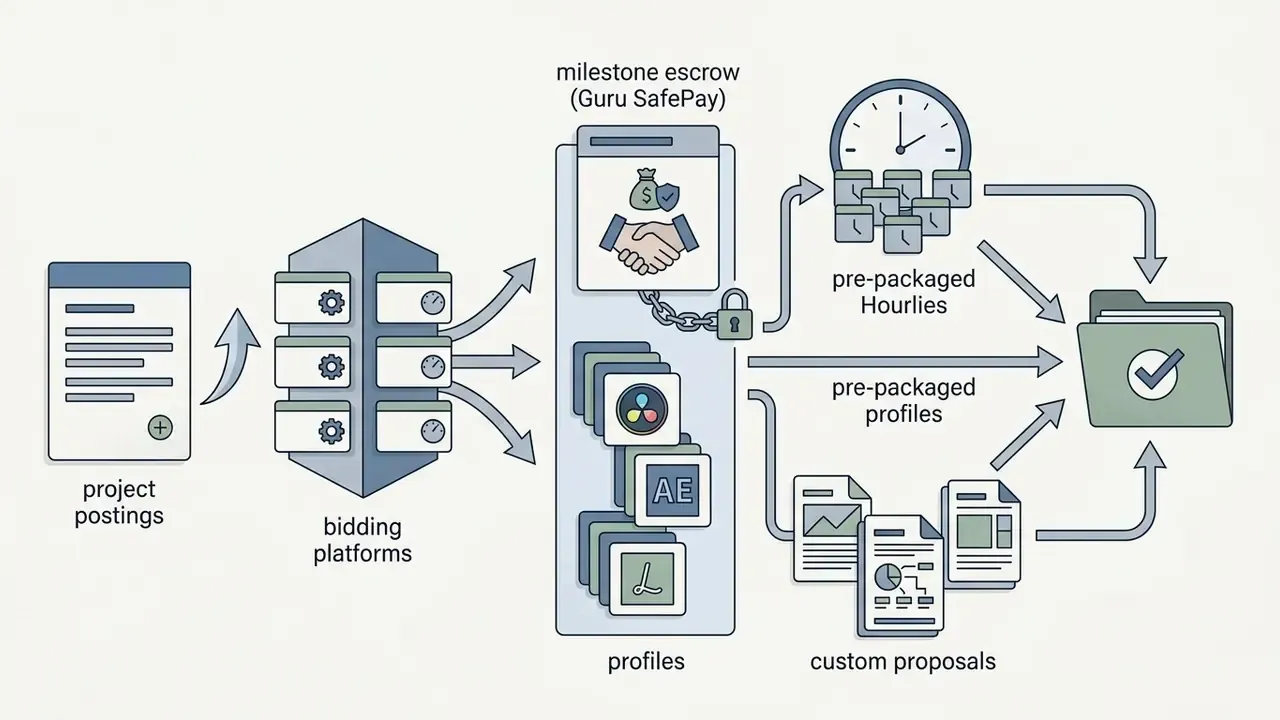
General freelance marketplaces provide structured contract environments, escrow payment protection, and candidate evaluation tools. They support both hourly and fixed-price contracts, for one-off jobs and recurring retainers alike.
- Upwork: a global marketplace with extensive filtering, talent badges, Job Success Scores (JSS), and escrow protection. Freelancer service fees range from 0 to 15%, while clients pay 8% (or 10% on Business Plus) plus payment processing. Upwork's own hiring pages quote a $10 to $150/hour band for video editors.
- Fiverr: a service-catalog platform where buyers browse fixed-price packages ("gigs"). Sellers face a 20% commission, buyers pay a 5.5% service fee plus small-order charges, and funds are held until delivery acceptance, which functions as escrow-like protection.
«Fiverr operates as a leading gig-economy platform where rating systems and structured "gigs" build trust between client and contractor.»



Creative Portfolio Websites and Specialist Communities
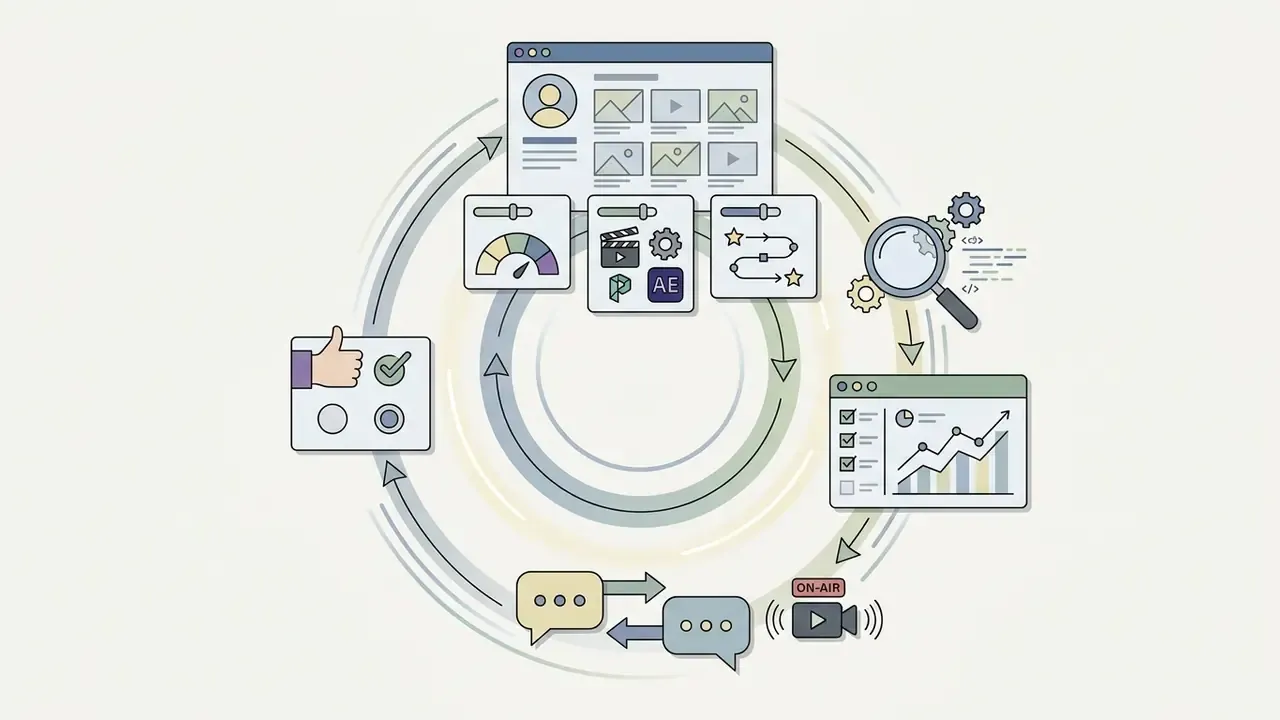
For projects that need visual distinction, bespoke art direction, or advanced motion graphics, creative portfolio networks put you in direct contact with top-tier artists.


Comparative Analysis of Top Platforms to Find Video Editors Online
| Platform / Channel | Primary Search Method | Portfolio Verification | Hiring & Payment Model | Best For |
|---|---|---|---|---|
| Upwork | Job postings and candidate search filters. | Integrated portfolio links, work history, client reviews. | Hourly or fixed-price milestone contracts with escrow protection. | Ongoing project needs, scalable contractor pools, long-term contracts. |
| Fiverr | Browsing pre-packaged service offerings (gigs). | Sample galleries, buyer reviews, past order work samples. | Fixed-price tiered packages (Basic, Standard, Premium). | Quick turnkey edits, standardized social video clips, low-friction ordering. |
| Contra | Direct candidate search and curated talent lists. | Verified project case studies and identity profiles. | Direct contracts; commission-free for creative professionals. | Direct hiring, transparent remote collaboration, independent talent. |
| Behance | Visual project search by style, software, or tag. | Full visual case studies and motion showreels. | Direct outreach and secure card payment via Stripe; custom freelance agreements. | High-end motion graphic design, visual polish, artistic direction. |
| Toptal | Managed matching after rigorous multi-step screening. | Strict internal technical testing and live trial projects. | High hourly or retainer deposit; enterprise contracts and replacement guarantees. | High-stakes corporate films, complex commercial campaigns, mission-critical edits. |
| Hubstaff Talent | Direct freelancer directory search without middleman fees. | Unvetted profiles; manual review of ratings and portfolios required. | Direct payment between client and contractor (0% platform markup). | Budget-conscious teams managing payroll and hours independently. |
| SimplyHired | Aggregated job board postings for full-time and contract roles. | External submission review; standard resume and portfolio checks. | Direct employer hiring (no built-in escrow or platform transaction). | Sourcing permanent in-house or long-term dedicated remote editors. |
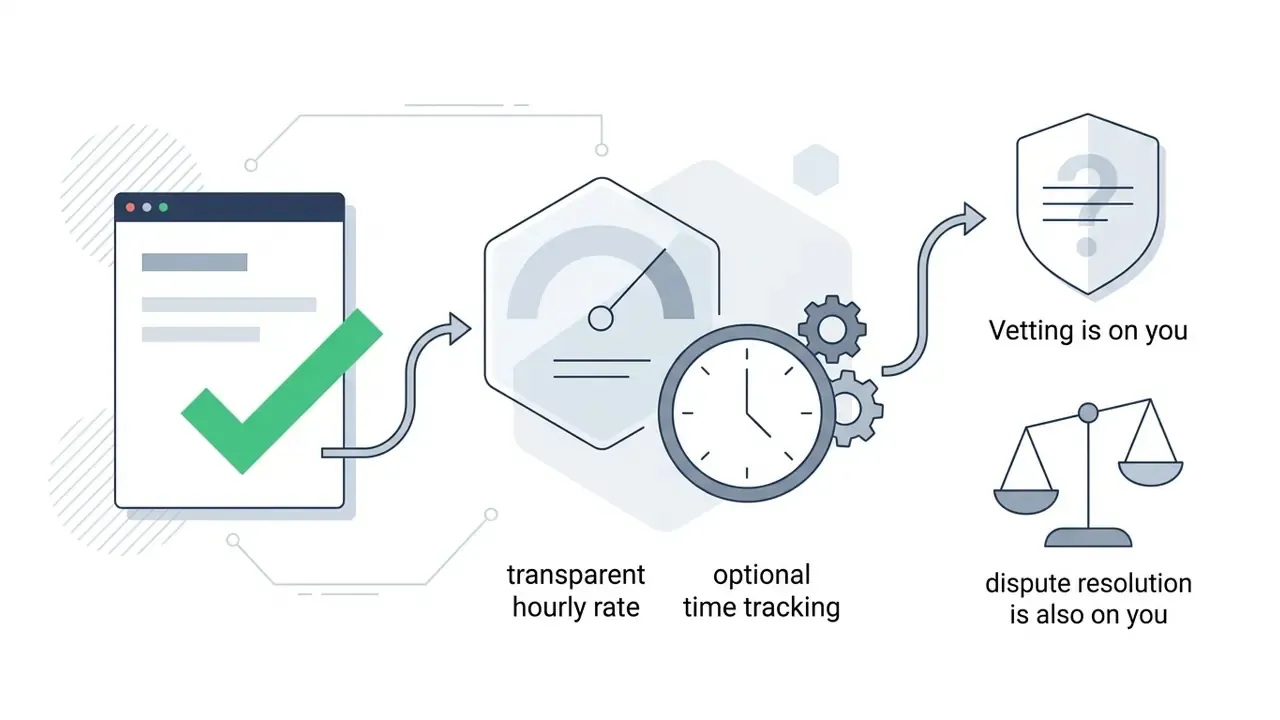
Two conclusions carry across the whole table. Escrow-backed marketplaces reduce payment risk but do not validate craft, so you still run your own technical audit. Vetted networks validate craft but shift the cost curve upward, which only makes sense when a failed deliverable would damage the brand or breach a regulatory review deadline.
How to Evaluate a Freelance Video Editor's Skills and Portfolio
Evaluating a candidate to find a freelance video editor means auditing practical samples against concrete visual and technical standards. Portfolio reviews have to go past surface polish and look at timeline organization, storytelling structure, and technical execution.
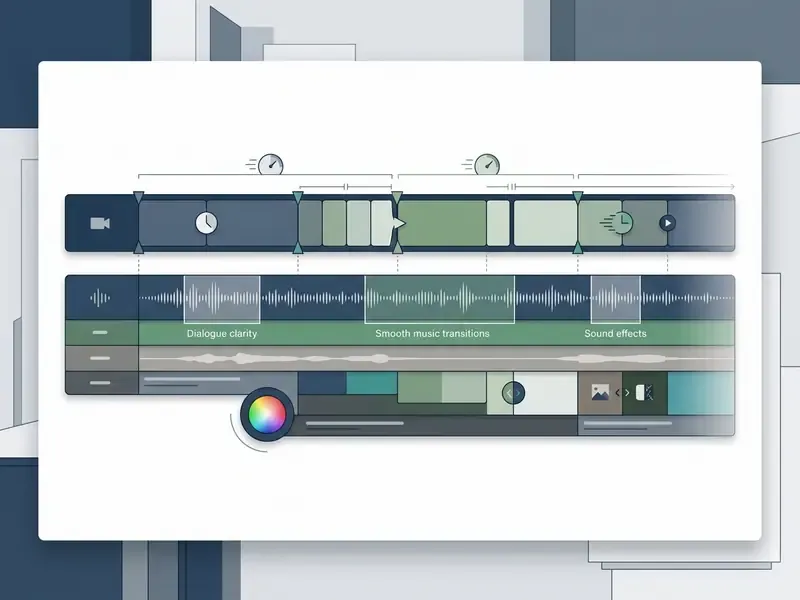
Here is a composite, illustrative failure mode. A mid-sized performance marketing agency hires an editor on the strength of a 60-second highlight reel. In live production the contractor stalls on multi-track dialogue cleaning and native timeline organization. Deadlines slip by a week. The reel was real. The workflow behind it was not.
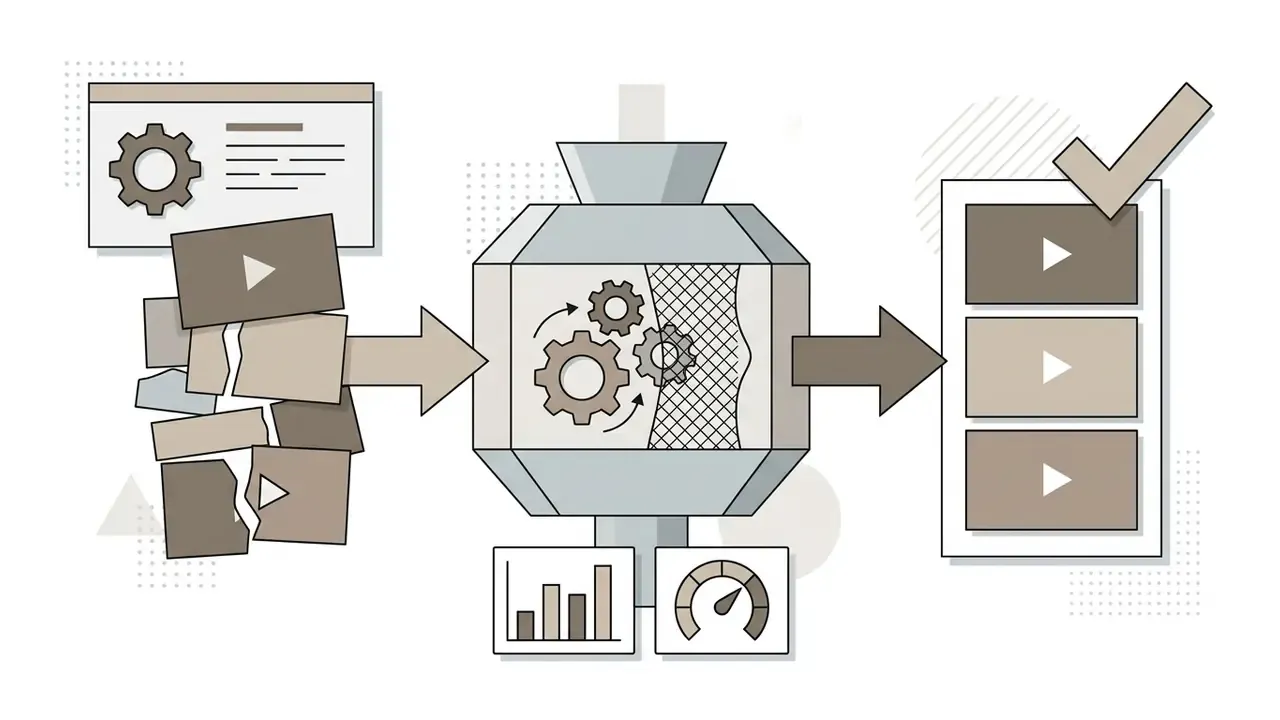
The agency then instituted a standardized portfolio evaluation rubric requiring full-length project case studies plus raw-to-final cut comparisons, which removed most misaligned skill claims. Federal assessment guidance supports that design. U.S. OPM lists job-knowledge tests, work samples, structured interviews, and situational judgment tests as complementary tools, and HHS hiring guidance stresses verifying applicant self-reports rather than taking them at face value.
What to Check in Video Editing Samples
When auditing candidate portfolios, creative leads should work through the same technical markers on every submitted sample:
- Pacing and Narrative Rhythm does the edit hold interest through cut timing, visual variety, and contextual transitions?
- Audio Balance and Mixing is dialogue clean, audible, and properly balanced against music and sound effects?
- Colour Correction and Consistency are skin tones natural, exposure levels matched across shots, and visual styles aligned across scene changes?
- Graphic Integration are titles, captions, lower-thirds, and overlays rendered cleanly without layout overlap or pixelation?
- Transition Discipline is a consistent transition language applied, or does the reel cycle through unmotivated effects? Brand video guidelines usually specify a single standard transition style.
- Brand Alignment does the visual treatment respect brand guidelines, typography standards, and colour palettes?
Organizations working with AI-generated assets should also check how editors handle synthetic elements. Useful reference points include the Ghibli-style AI image generator comparison, a working knowledge of what is ai art and its licensing history, an eye for artefact-heavy weird ai images that should never reach a paid campaign, and AI reverse-image-search tools used to trace the provenance of third-party visuals before they enter a commercial timeline.
Questions and Paid Test Project Before Hiring
A structured interview plus a paid test assignment gives you evidence of capability, communication speed, and workflow organization. Not impressions. Evidence.
Key Interview Questions for Video Candidates
- "Which NLE software (Adobe Premiere Pro, DaVinci Resolve, Final Cut Pro, Edius) is your primary timeline, and how do you organize project file structures?"
- "How do you handle client feedback when requested revisions conflict with technical specifications or visual coherence?"
- "Describe a case where raw camera footage was poorly exposed or under-recorded. How did you recover the material in post?"
- "What is your protocol for archiving project files, assets, and proxy media after final delivery?"
- "Which AI-assisted steps do you use (transcript-based rough cuts, silence removal, auto-captions), and how do you verify their output before delivery?"
- "How do you document licences for music, stock footage, and fonts used in a commercial deliverable?"
Rules for Organizing a Paid Test Project
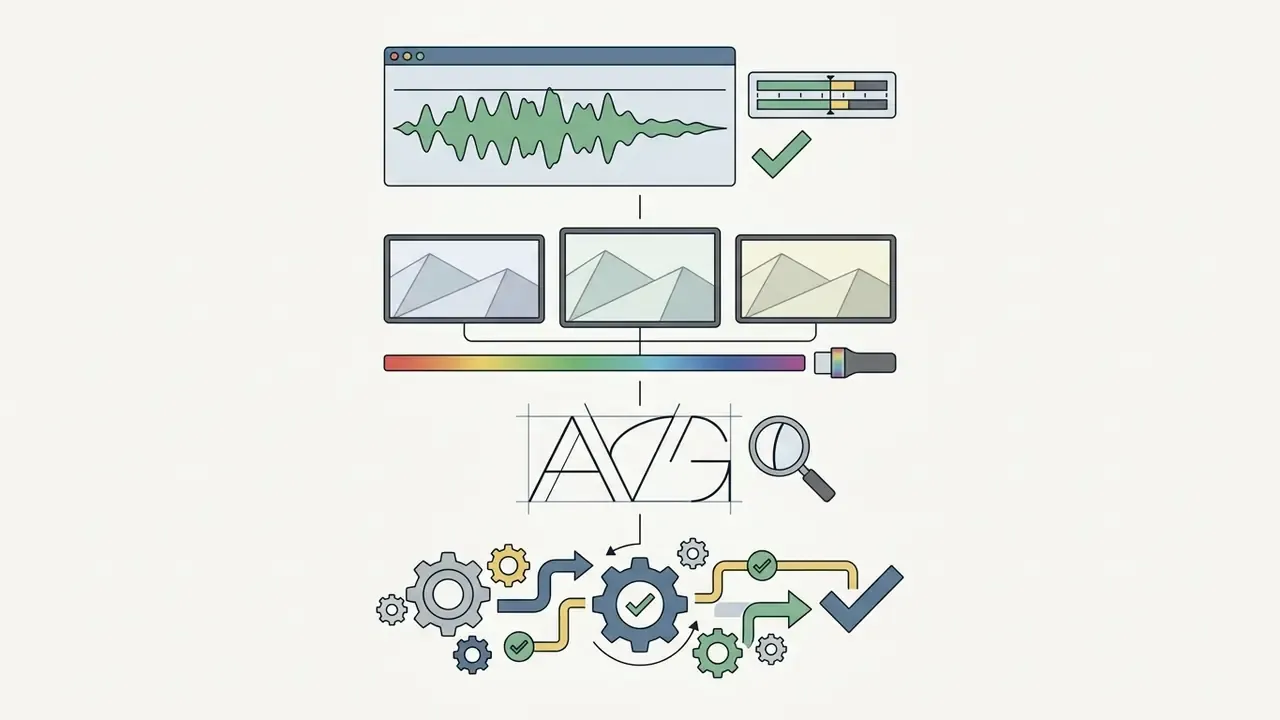
E-E-A-T Expert Portfolio Audit Checklist
Compiled by creative directors and senior post-production lead supervisors.

How Much Does It Cost to Hire a Video Editor?
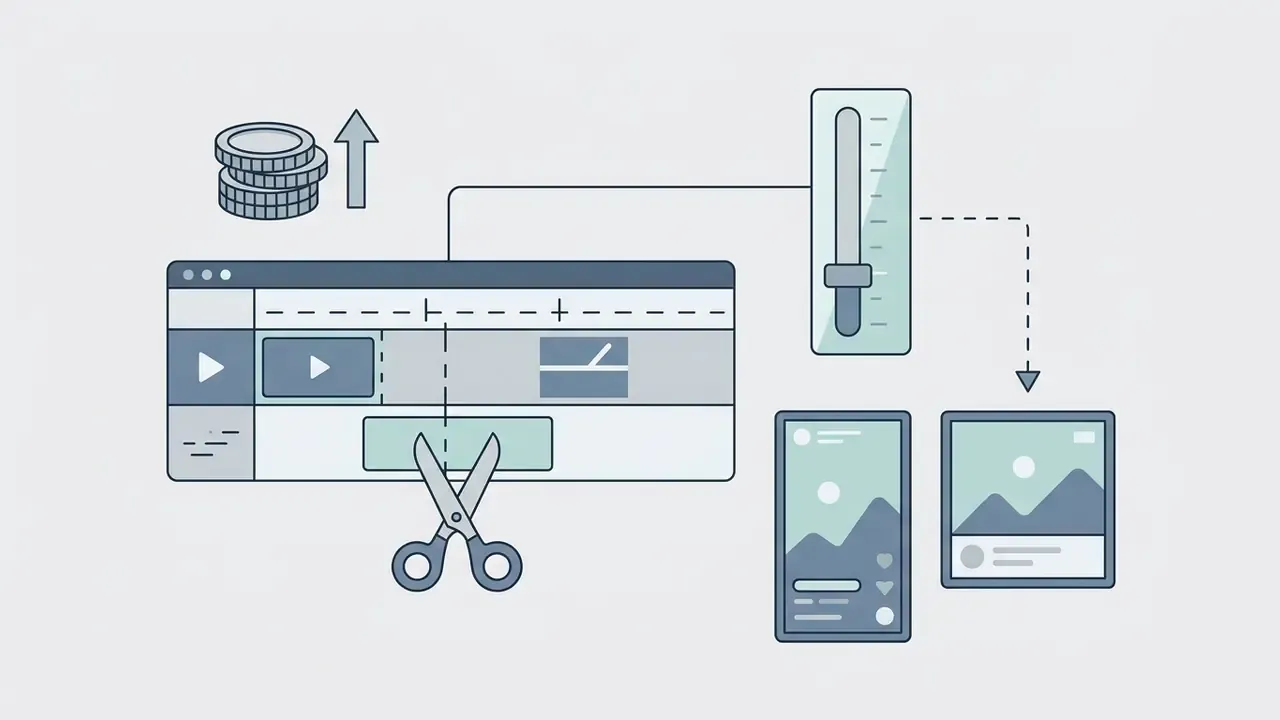
Understanding cost structures prevents budget misallocation when proposals start arriving. Hourly and project rates vary widely with geography, technical specialization, urgency, and editor experience.
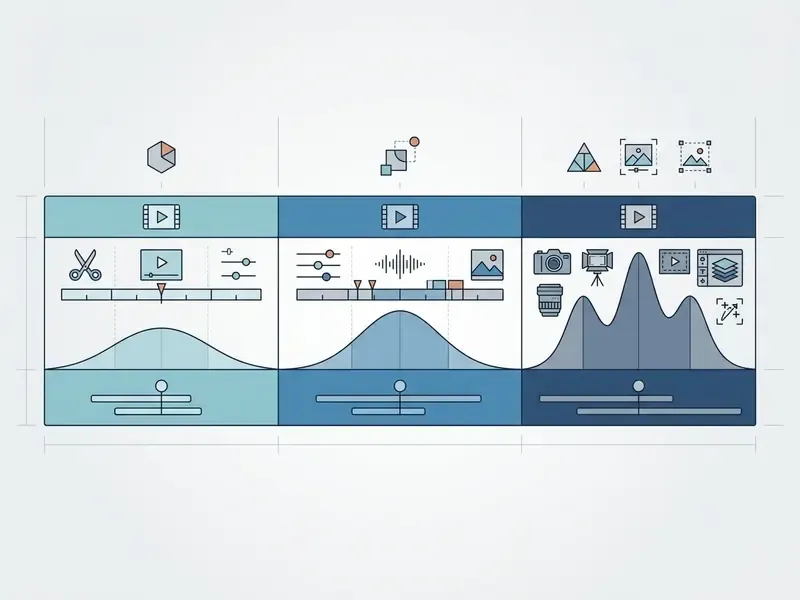
Drawing on published marketplace rate bands and aggregated 2026 freelance-market reviews (Upwork's own $10 to $150/hour range for video editors, plus independent 2026 rate surveys), hourly tiers cluster as follows. Treat them as observed ranges, not quotations. Surveys disagree because they sample different seniority mixes and geographies.
Independent European labour data offers a sanity check on how widely platform pay disperses:

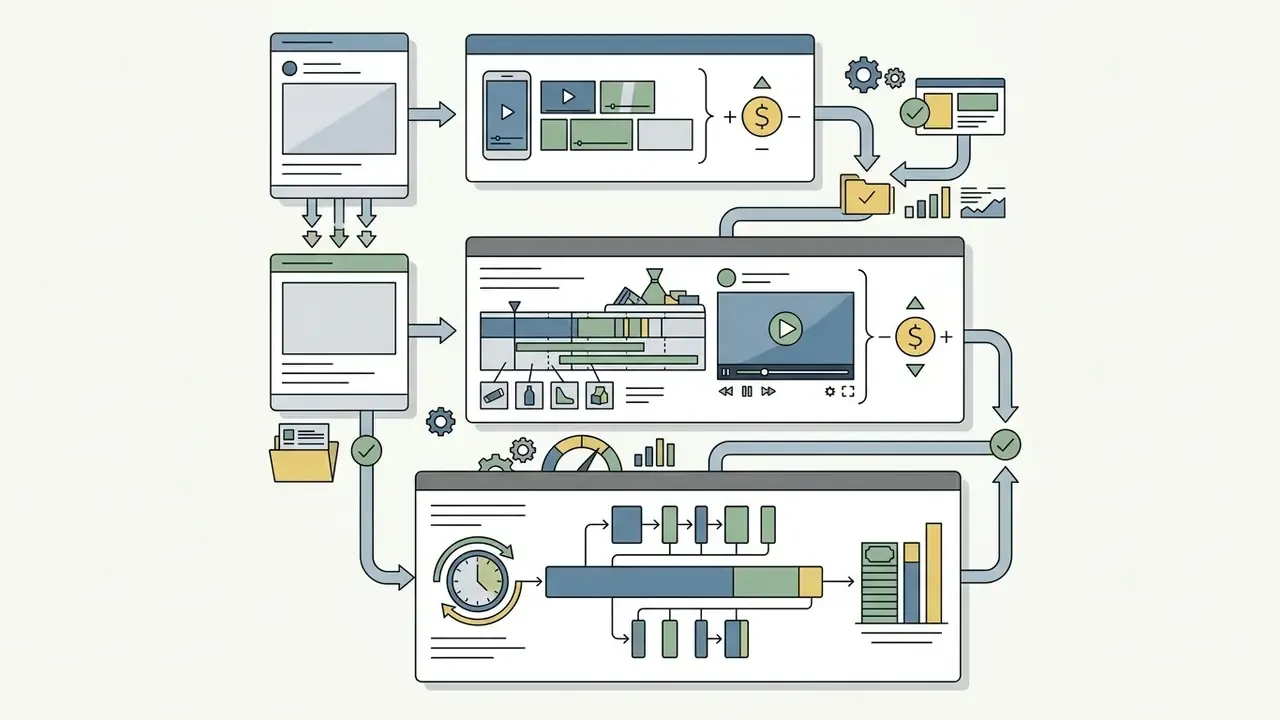
Buyers comparing global rates against internal production tooling costs often reference published pricing schedules to validate the long-term software versus external labour ratio.
What Changes the Price of Video Editing Services
A handful of technical and operational variables drive most of the variance in post-production invoices:
- Volume and Quality of Raw Footage reviewing 10 hours of unorganized camera footage takes far more assembly time than cutting from a clean 30-minute logging sheet.
- Geography regional labour markets diverge sharply. Per BLS OEWS (May 2023), the annual mean wage for film and video editors is $101,600 in California against $56,040 in Texas, and that spread carries straight into freelance quoting. https://www.bls.gov/oes/current/oes274032.htm
- Advanced Post-Production Requirements 3D animation, custom motion graphics, complex rotoscoping, or advanced audio restoration all add labour hours.
- Turnaround Speed and Urgency published pricing guides commonly cite an expedited-delivery premium around 25% to 50% for work required inside 24 hours. The exact surcharge is negotiated per contract and varies by vendor.
- Revision Allocations industry pricing guides indicate 2 to 3 revision rounds are typically bundled into proposals, with additional un-scoped iterations billed hourly. Confirm the included round count in writing before you sign.
Standard Raw-to-Final Ratio Benchmark: 10:1 for YouTube and corporate content (100 minutes of raw footage yields roughly 10 minutes of finished edit), and 20:1 or higher for multi-camera productions and documentaries. Use the ratio to convert footage volume into billable hours before approving any estimate.
Task Complexity vs. Time and Resource Load
| Task Type | Typical Time per Deliverable | Resource Intensity | Primary Cost Driver |
|---|---|---|---|
| Basic assembly (trim, sequence, simple titles) | 1 to 3 hours | Low | Footage length |
| Dynamic short-form / Reels edit with captions | 4 to 6 hours | Medium | Cut density and caption styling |
| Motion-graphics-heavy corporate edit | 4 to 8 hours | Medium-High | Asset design and animation |
| VFX / 3D compositing and advanced grade | 10 to 50+ hours | High | Compositing complexity and render time |
Time estimates are indicative ranges drawn from vendor pricing guides. They shift with video length and scope.
Regional Remote and Nearshore Salary Benchmarks
When engaging dedicated remote video editors, monthly retainer models often deliver better unit economics than hourly pricing. Compensation varies by region, seniority, and language proficiency:
| Region | Junior Editor (1 to 2 yrs) | Mid-Level Editor (3 to 5 yrs) | Senior / Lead Editor (5+ yrs) | Key Advantages |
|---|---|---|---|---|
| North America (In-House / Remote) | $3,500 to $5,000 / mo | $5,500 to $7,500 / mo | $8,000 to $12,000+ / mo | Native cultural context, real-time timezone alignment. |
| Latin America (LATAM Nearshore) | $600 to $1,000 / mo | $1,200 to $2,000 / mo | $2,500 to $4,500 / mo | U.S. timezone overlap, strong English proficiency, cost efficiency. |
| Eastern Europe | $800 to $1,400 / mo | $1,800 to $3,000 / mo | $3,500 to $5,500 / mo | High technical proficiency, complex VFX and 3D capabilities. |
| South and Southeast Asia | $400 to $800 / mo | $900 to $1,500 / mo | $1,800 to $3,000 / mo | High scalability for volume editing (e-commerce, basic social clips). |
Nearshore marketplace listings make the lower bands concrete: full-time LATAM editors currently publish rates such as $3.75/hour ($600/month, Brazil, eight years of experience), $6.67/hour ($800/month, Colombia), $10/hour ($1,600/month, Venezuela, nine years including motion graphics and colour grading), and $12/hour ($1,920/month, Colombia, design-led profile). Availability is usually stated as 30 to 40 hours per week with declared English proficiency, which makes capacity planning straightforward.
How to Compare Cheap and Professional Video Editing Offers
Picking the lowest proposal without assessing technical capability introduces hidden operational risk. A cheap video editor for hire offer can look efficient on the invoice line, then cost more through sloppy timeline management, unlicensed stock assets, or a mix that fails loudness checks. Outsourcing analyses suggest organizations producing 10 to 25 videos per month can save 50% to 70% against a full in-house hire. Those savings vanish the moment deliverables need re-editing.
Trade-off Analysis: Budget Video Editors vs. Professional Video Editors
| Evaluation Criterion | Budget / Low-Cost Editor ($15 to $35 / hr) | Professional Video Editor ($50 to $100+ / hr) |
|---|---|---|
| Technical Proficiency | Basic cuts, template overlays, standard transitions. | Custom pacing, multi-track sync, advanced colour grading and sound mix. |
| Asset Management | Unstructured project files; risk of missing media links. | Strict bin structures, proxy workflows, archived project bundles. |
| Brand Alignment | Needs detailed supervision and step-by-step guidance. | Interprets brand guidelines independently; keeps visual consistency. |
| Risk and Compliance | Higher risk of unlicensed music or stock usage and export errors. | Verifies asset licences, commercial rights, and delivery specs. |
| Rework Probability | Elevated; residual errors often surface after publication. | Low; structured review catches defects pre-delivery. |
Editorial-quality research from outside video is instructive here. Studies of biomedical publishing found that more intensive editorial processes correlated with fewer residual errors, against baseline citation error rates near 38%. The mechanism transfers cleanly: weaker process pushes more defects in front of the audience.
Teams assessing advanced image generation or synthetic background insertion inside their pipelines can review documented licensing terms in the Ghibli AI Image Generator guide or compare model quality through AI art generator comparisons before committing synthetic assets to a paid campaign.
How to Hire a Video Editor: From Job Post to First Delivery
A structured recruitment workflow cuts administrative delay and makes the handoff from job posting to final file delivery predictable.

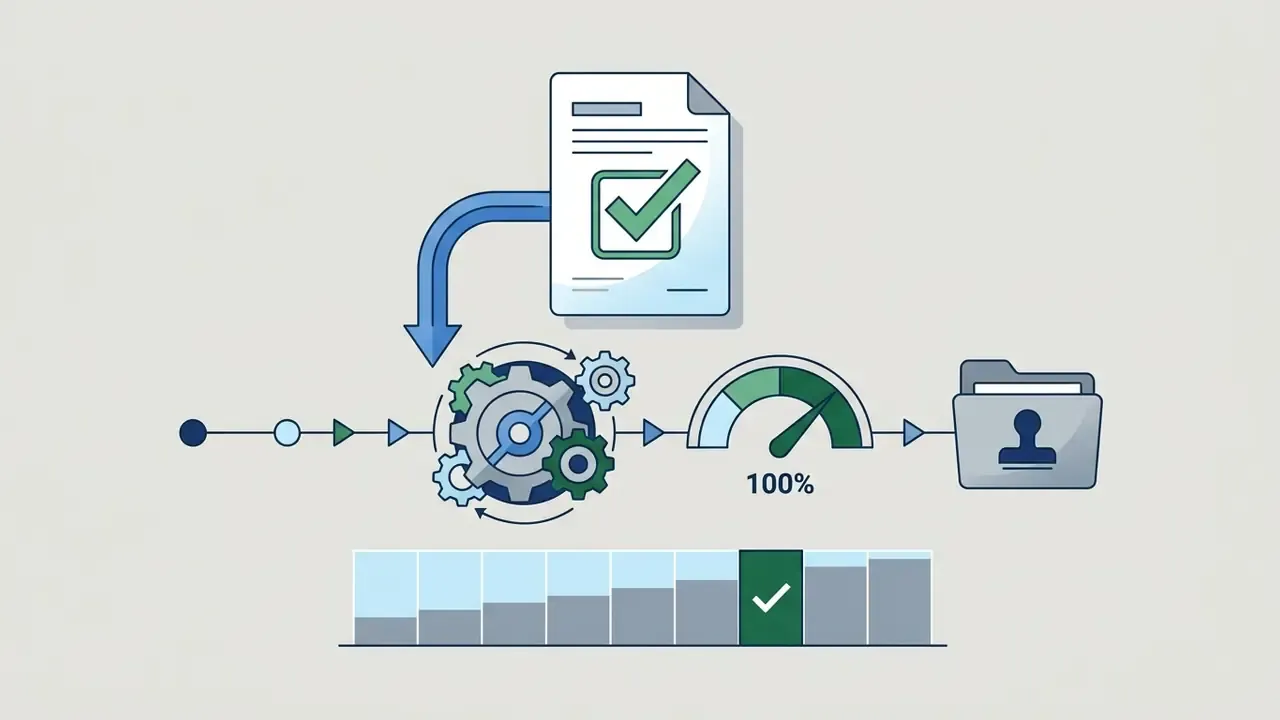
The end-to-end sequence runs like this:
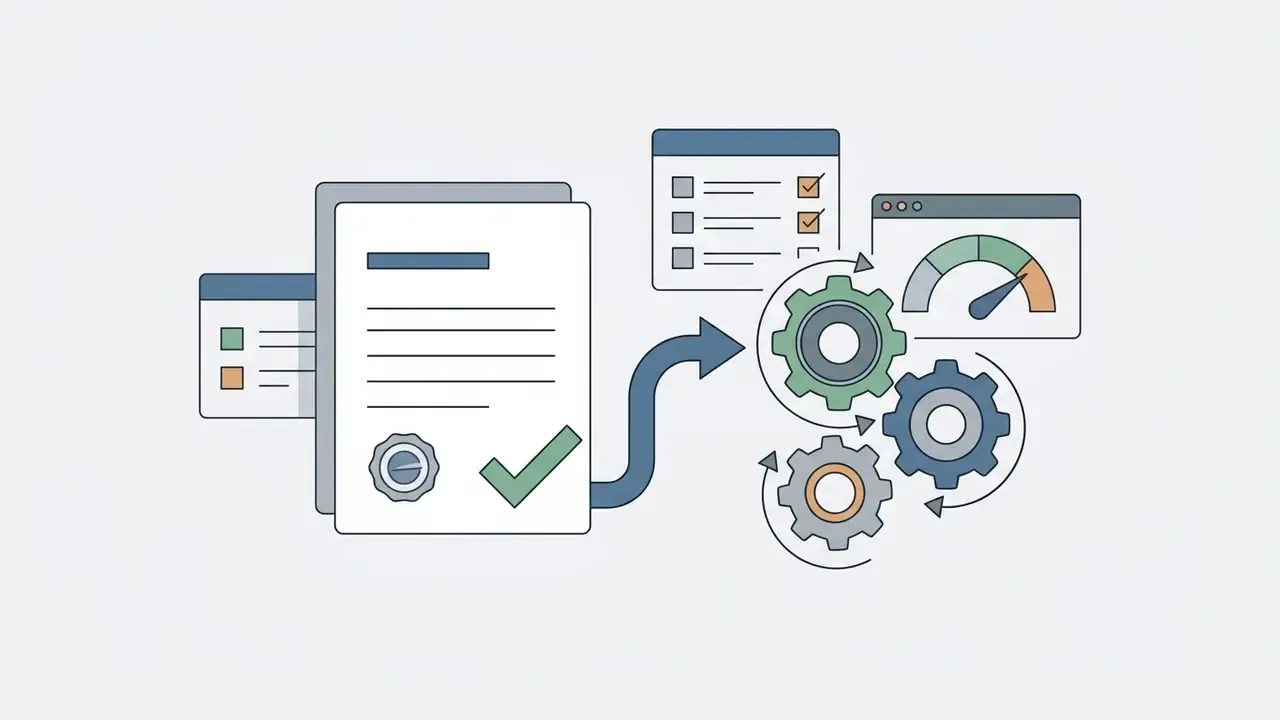
Public-sector procurement templates formalise that last step with a deliverable acceptance form referencing the stated criteria and verification method. Commercial teams should mirror the discipline, particularly where an internal audit function may later ask who approved what.





Write a Job Post That Attracts the Right Video Editors
An effective job description states project objectives, required technical competencies, software preferences, and budget boundaries. Skip generic descriptions. Name the exact deliverable formats and expected production cadence upfront. Public HR guidance adds three practical rules: keep the post short and objective, separate required from preferred qualifications, and include the salary range plus remote-work terms to widen the qualified applicant pool.
Standardized Job Posting Template
Title: Freelance Video Editor - Weekly YouTube & Short-Form Social Assets
Project Overview:
We are seeking an experienced freelance video editor to produce 1 weekly long-form YouTube video (10-15 minutes, 16:9) and 3 vertical short-form clips (9:16 Reels/Shorts) from provided raw multi-camera footage.
Responsibilities:
- Ingest, log, and sync 4K raw camera footage and dual-system audio tracks.
- Assemble engaging rough and fine cuts with appropriate narrative pacing.
- Apply color grading, sound leveling (-24 LKFS broadcast standard), and dynamic typography/captions.
- Deliver final master files via frame-accurate review platforms according to provided spec sheets.
Requirements (Required):
- Proven portfolio demonstrating YouTube long-form and vertical social video projects.
- Mastery of Adobe Premiere Pro, After Effects, or DaVinci Resolve.
- Strong organization: disciplined file structure, version control, and asset tracking.
- Ability to complete edits within a 48-hour turnaround window per episode.
Preferred (Not Required):
- CapCut or Wondershare Filmora for rapid vertical iterations.
- Lottie/Bodymovin export experience for web motion assets.
Budget & Terms:
- Hourly Rate: $50 - $75 / hr (commensurate with experience) or fixed project rate per episode.
- Includes 2 revision rounds per deliverable.
- Paid test assignment: 3-5 minutes of raw footage -> 30-60 second cut, compensated at your standard rate.
- Contract terms: work-for-hire IP assignment, NDA, and licence documentation for all third-party assets.
Onboard the Editor and Manage Feedback on Edits
Once a contractor is selected, set up onboarding that makes asset transfer, reference sharing, and feedback collection routine.
Teams running automated or AI-assisted editing internally may also want specialized developer resources such as AI Media API Guides or a test of Google Veo video generation via API when structuring hybrid human and AI production pipelines.
Contractual and Intellectual Property Guardrails
To protect commercial assets during remote hiring, put the following provisions in the contract. University purchase-order clauses offer a useful precedent: copyrightable work created under the order is treated as "work made for hire", with ownership vesting in the commissioning institution.
Technical Appendix: Video Post-Production Delivery Checklist
To keep project leads and external post-production talent technically aligned, verify every final package against this acceptance checklist before releasing the closing milestone:
[ ] Video Master File: Exported in target codec (ProRes 422 HQ or high-bitrate H.264/MP4).
[ ] Resolution & Aspect Ratio: Confirmed (1920x1080 16:9, 1080x1920 9:16, or 3840x2160 UHD).
[ ] Frame Rate: Native rate preserved (23.976 / 25 / 29.97 / 50 / 60 fps); no unintended conform.
[ ] Audio Levels: Dialogue normalized to -23 LUFS / -24 LKFS broadcast standard (peaks <= -3dB).
[ ] Color Space: Rec.709 standard profile applied; no clipped highlights or crushed shadows.
[ ] Captions & Subtitles: Synchronized .SRT file or cleanly burned-in vertical video captions.
[ ] Asset Licensing: Commercial release documentation secured for all stock footage, fonts, and music tracks.
[ ] AI Asset Declaration: Synthetic or upscaled elements listed with source tool and usage rights.
[ ] Project Archive: Organized project file (.prproj, .drp) bundled with raw media and proxies.
[ ] Acceptance Sign-Off: Written approval recorded against the SOW acceptance criteria.
For teams exploring synthetic media integration, intellectual property governance, or copyright boundaries around synthetic creative outputs, further legal context sits in the AI Litigation and legal frameworks hub.
FAQ About Hiring Video Editors
Can AI Replace a Freelance Video Editor?
No. Current AI video editing tools cannot fully replace professional human editors on narrative-driven, brand-critical, or complex commercial content. Generative systems and automated scripts handle transcription-based cuts, silence removal, basic upscaling, prompt-driven edits, and caption generation well enough. They still lack narrative judgment, emotional pacing, contextual awareness, and subtle brand alignment. Research on AI-assisted workflows quantifies the division of labour:
«A LAVE user study (8 participants) showed that an LLM-powered agent lowers the technical barrier to editing for novices while keeping creative control with the human.» LAVE: LLM-Powered Agent Assistance and Language Augmentation for Video Editing, arXiv (2024). https://arxiv.org/abs/2402.10294 «EditDuet automates clip selection, arrangement, and trimming on a non-linear timeline from natural-language requests, leaving final control with the editor.» EditDuet: A Multi-Agent System for Video Non-Linear Editing, arXiv (2024 to 2025). https://arxiv.org/abs/2412.11439 «AI integration in video production is reshaping roles: editors shift from manual assembly toward supervisory and curatorial functions within AIGC pipelines.» Innovative Workflow for AI-Generated Video: Addressing Limitations, Impact and Implications, IEEE (2024). https://ieeexplore.ieee.org/document/ai-video-workflow-2024 Practitioner reports reinforce the need for verification. AI tools still misidentify pauses, cut mid-sentence, hallucinate timestamps, and produce inaccurate captions, so a human pass stays mandatory before delivery. Human editors remain essential for creative storytelling, contextual decisions, client communication, and final quality control. Context helps here too: understanding when did ai art generation actually begin explains why today's tools are strong at assembly and weak at intent. Organizations exploring generative video can benchmark capability through free AI video generator comparisons, read up on what is sora video generation before assuming text-to-video can replace a shoot, or compare model-level differences via Midjourney versus competing image generators when planning hybrid asset pipelines.
Should You Hire a Local or Remote Video Editor?
The choice between a local, in-person editor and a remote one depends on your production workflow, shoot involvement, and feedback style.
- Hire a local editor when: the project needs on-site presence during camera shoots, physical access to studio storage servers, real-time in-person review sessions, or immediate handling of physical assets. In-person work also reduces friction on dialogue-heavy, feedback-intensive edits where tone and nuance get discussed in front of the timeline.
- Hire a remote editor when: post-production runs entirely on digital asset transfer, asynchronous cloud collaboration, proxy media workflows, and global sourcing to optimize budget. Remote setups scale well for multi-location and archive-heavy productions, provided versioning discipline and secure transfer controls are in place. Remote editing workflows scale impressively when backed by cloud storage infrastructure and frame-accurate review platforms. They fail quietly when nobody owns version control.
What Should a Monthly Retainer Include?
A defensible retainer specifies output volume (for example four long-form edits plus twelve derivative shorts), included revision rounds per deliverable, maximum turnaround per asset, coverage hours or timezone overlap, and the raw-to-final footage ratio assumed in the price. Without a stated footage cap, retainers erode as raw volume grows. That erosion is usually invisible for two or three months, then suddenly is not.
How Do You Verify Platform Fees Before Contracting?
Commission structures change by platform and by date. Upwork's freelancer service fee is variable (0 to 15%) with client fees of 8%, or 10% on Business Plus. Fiverr charges sellers 20% and buyers 5.5% plus a small-order fee. Contra advertises commission-free hiring with third-party processing fees still applicable. Freelancer.com lists 3% (or $3 minimum) for employers and 10% (or $5 minimum) for freelancers. Always confirm the current tariff page and its last-updated date before signing anything.
Which Occupation Code and Documents Apply to Formal Hiring?
In U.S. classification, video editors map to SOC 27-4032 (Film and Video Editors), which is useful for wage benchmarking and for writing compliant job descriptions. For federal-style processes, OPM's Merit Hiring Plan limits resumes to two pages, and work-for-hire language belongs in purchase orders or contractor agreements to secure copyright ownership. E-E-A-T Platform Terms and Freshness Disclaimer Marketplace commission structures, service fee percentages, and platform escrow policies cited in this guide reflect verified platform terms as of 2026. Platform rules, freelancer fee structures (Upwork, Fiverr, Freelancer.com, FL.ru), talent availability, and software capability specifications are all subject to periodic change by their respective operating entities. Confirm current fee schedules directly on platform pricing portals before executing commercial contracts. Nothing here constitutes legal, employment, or financial advice; consult qualified counsel for contract drafting and worker-classification questions in your jurisdiction.
Appendix A: Revision Notes and Superseded Figures
For transparency, this guide previously stated: "film and video editors in the U.S. earned a median annual wage of $75,420, with top-tier motion picture professionals averaging $92,070 per year." The $75,420 figure corresponds to BLS Occupational Outlook median pay reporting for 2025 rather than the OEWS survey, whose May 2023 release records a median of $66,600, a mean of $83,470, total employment of 29,240, and a motion picture industry mean of $92,070. Both datasets are retained above so readers can align budgets to the correct reference series.
Reference placement was also revised. Consumer-grade tooling links now appear only where they genuinely fit, such as internal drafts and rough assemblies, while procurement and delivery sections point to compression, animation, licensing, watermarking, and reverse-image provenance resources. The aim is simple: sourcing advice should match enterprise post-production requirements, not general-interest curiosity.
A Safe Next Step
If you are still unsure whether to hire, run one controlled pilot. Pick a single recurring deliverable, write the SOW, commission one paid test from two candidates, and score both against the delivery checklist above. One month of evidence beats a quarter of debate.
Questions about tooling, export specs, or workflow integration can be raised through AI Media Support and Troubleshooting, where technical delivery issues are documented case by case. No commitment required at that stage, and honestly, that is the point.
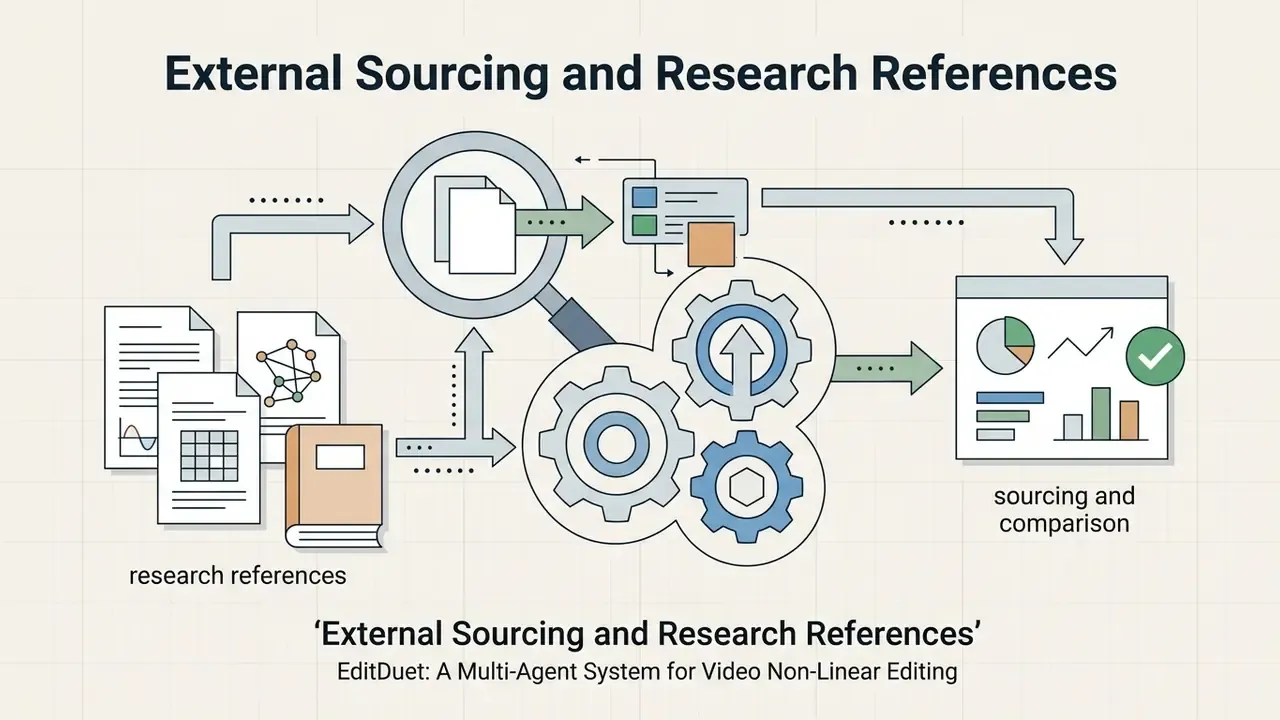
External Sourcing and Research References
- U.S. Bureau of Labor Statistics. (2023 to 2026). Occupational Employment and Wage Statistics: Film and Video Editors (SOC 27-4032). https://www.bls.gov/oes/current/oes274032.htm
- OECD. (2023). Platform Cooperatives and Employment: An Alternative for Platform Work. https://www.oecd.org/employment/platform-cooperatives-and-employment-9789264311329-en.htm
- OECD. (2023). Handbook on Measuring Digital Platform Employment and Work (COLLEEM survey). https://www.oecd.org/employment/measuring-platform-work.htm
- Wang et al. (2024). LAVE: LLM-Powered Agent Assistance and Language Augmentation for Video Editing, arXiv. https://arxiv.org/abs/2402.10294
- IEEE. (2024). Innovative Workflow for AI-Generated Video: Addressing Limitations, Impact and Implications. https://ieeexplore.ieee.org/document/ai-video-workflow-2024
- SSRN Working Paper. (2024). A Platform for Doers? Fiverr and the Gig Economy. https://ssrn.com/abstract=fiverr-gig-economy
- ITV Commercial Technical Standards. (2025). Technical Specification for the Delivery of ITV Content.
- PBS Distribution. (2022). Global Technical Specifications.
- Frame.io / Adobe. (2020 to 2026). Remote Post-Production and Cloud Collaboration Workflow Benchmarks.
- U.S. Office of Personnel Management. Identification of Assessment Tools; HHS Office of Human Resources. (2023). Hiring Assessment Strategies.
About this guide: written by the AI Media editorial desk and reviewed by senior post-production supervisors with broadcast and brand-campaign delivery experience. Marcus Hale, author. Last reviewed 2026. Additional industry definitions, technical specs, and media workflow benchmarks live in our glossary hub.