Goofy AI images are deliberately absurd, funny, or aesthetically strange pictures produced by neural networks from text prompts. People make them for viral memes, humorous content, and quick social reactions. Getting a good one is less about luck than most users assume. It takes a structured prompt, deliberate generator settings, and a feel for how the model reads context and mismatch.
So the rest of this guide treats the format as a repeatable production pipeline, not as "random neural network jokes". First the mechanics of humor and meme culture, then generation and prompting, then legal boundaries and platform choice, and only after that the applied channels with measurable results.
What goofy AI images are and why they took off
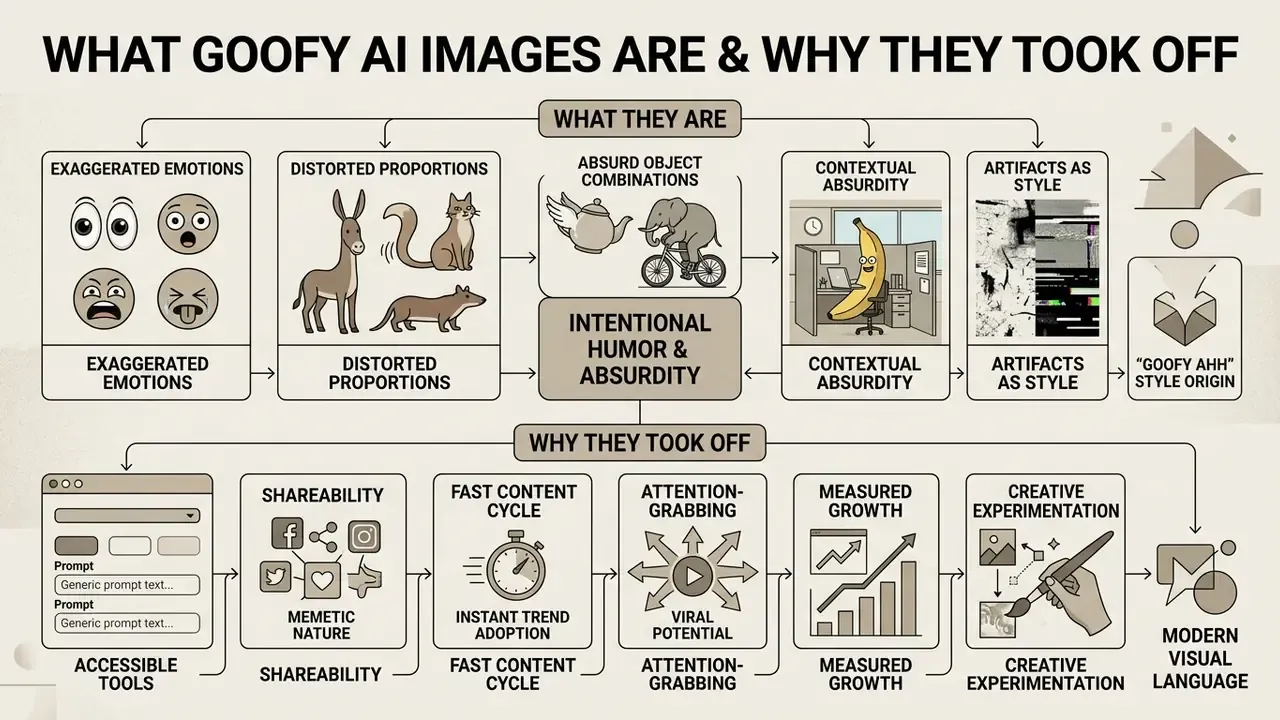
Goofy AI images are a category of neural-network visuals where the key ingredient is intentional humor, exaggerated absurdity, or non-trivial semantic mismatch (incongruity). The format's popularity follows social platform mechanics: odd visual fusions and unexpected generation results grab attention instantly and drive engagement signals such as comments, upvotes, follows, and shares. Our reviews of AI image generators help match a tool to the task.
At the core of AI visual humor sits a context shift, where a familiar object or character lands in an environment it clearly does not belong to.
«Humor in AI art relies on detecting visual incongruity and social role inversion, confirmed on a corpus of 5,320 annotated image-caption pairs.»
On Reddit and TikTok these images form entire visual ecosystems. A large-scale linguistic study of memes makes the point better than any anecdote.
«An analysis of 3.8M Reddit memes showed the same visual templates used by different communities with different semantic functions, following patterns of written language.»
The practical takeaway for a content creator: the same goofy template has to be adapted to the dialect of a specific community. What lands in a gaming Discord may read as noise in a professional LinkedIn feed.
Signs of a funny, deliberately strange AI image
A deliberately odd, funny ai picture goofy in style carries clear visual markers that separate it from an ordinary failed generation:
- Exaggerated expressions and emotion unnaturally wide grins, bulging eyes, overplayed facial reactions that carry the joke.
- Distorted proportions an oversized head, tiny limbs, asymmetric body shapes built for comic effect.
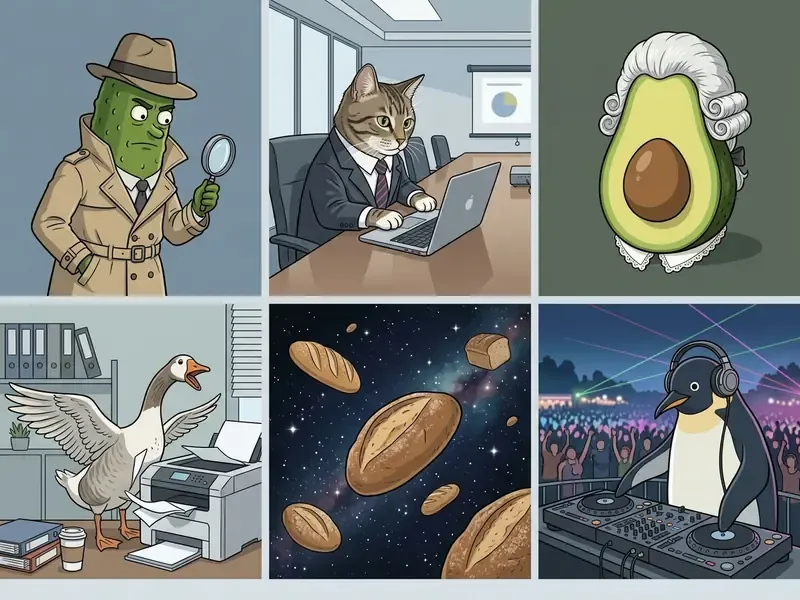
- Absurd object combinations (juxtaposition) incompatible entities merged, for example anthropomorphic food in formal suits, or animals doing office work.
- Contextual absurdity the subject placed in the least appropriate setting possible, such as a giant panda directing traffic in New York.
- Artifacts used as style mild generation defects intentionally kept, or even amplified, to boost the meme effect.
What the "goofy ahh" style means in AI pictures
The slang term "goofy ahh" comes from African American Vernacular English (AAVE) as a written form of "goofy ass" and marks extremely silly, chaotic, over-the-top content. It has been documented online since 2009 and went mainstream on TikTok in 2021 and 2022, riding the wave of the "goofy ahh sound" in comment sections. In generation terms, goofy ahh ai images means visuals with a deliberately sitcom-like or surreal aesthetic: imitated low-quality capture, eccentric fish-eye angles, chaotic collage energy borrowed from 2020s internet culture.
Unlike classic digital art, the goofy ahh style optimizes for instant readability of the joke. It leans on hard contrast, grotesque detail, and post-irony. Where a standard ai image generator pushes toward photorealism and correct anatomy, goofy ahh prompting nudges the algorithm toward visual excess that readers treat as a ready-made reaction picture.
How a goofy AI image generator works
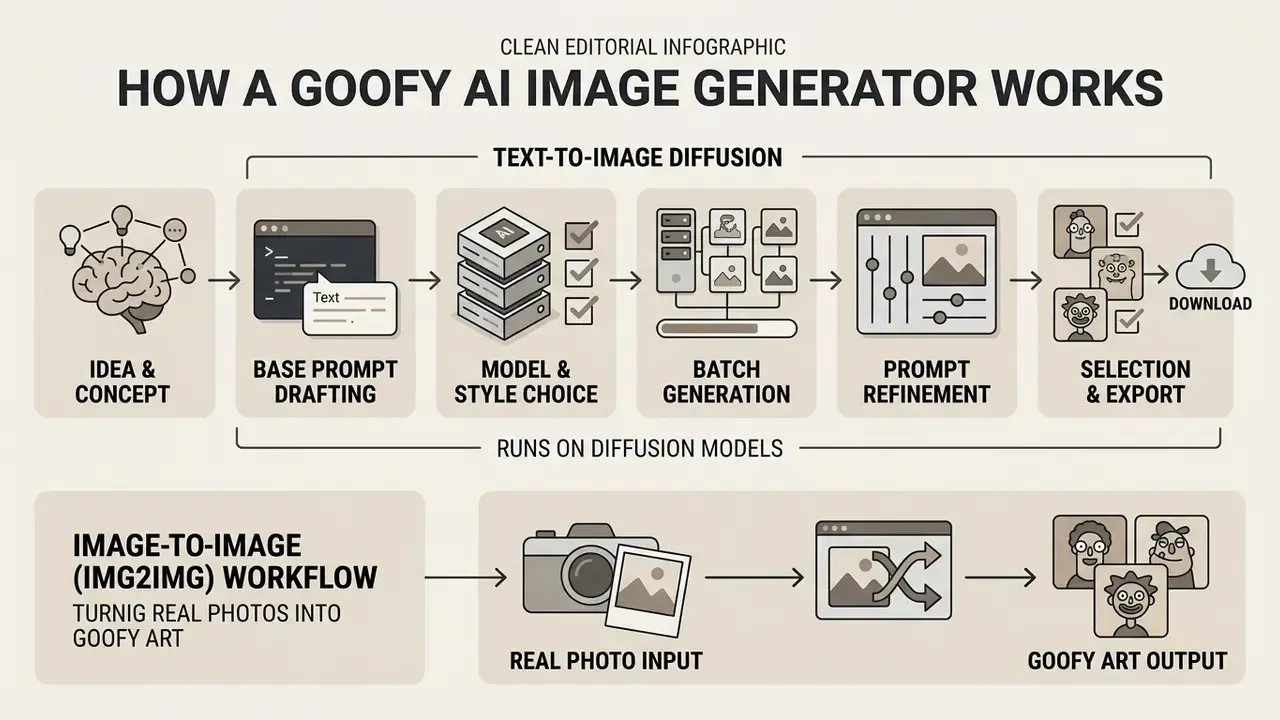
A modern goofy ai image generator runs on diffusion models (text-to-image diffusion). The process starts by encoding the text request through a language text encoder into a vector representation in latent space. The model then removes noise step by step, shaping the final pixel grid according to the textual guidance.
The engines carrying most of the humorous art volume in 2026: FLUX.1, Midjourney v6, DALL-E 3, GPT Image 1, Seedream 4.0, Nano Banana and Nano Banana Pro, plus Stable Diffusion in self-hosted setups and Ideogram for scenes with embedded text. In tools like DALL-E 3 the user prompt gets pre-enriched by internal instructions to raise detail. In Stable Diffusion and FLUX the flow relies on direct text-conditioned sampling. When generating absurd art, the model looks for intersections between vectors of opposite concepts in its training distribution and fuses them into one visual object.
From idea and text prompt to a finished picture
Turning a comedic idea into a finished generated image runs through a sequential pipeline:
- Concept framingdefine the main subject, its comic action, and the environment.
- Base prompt draftingwrite the idea in natural language, split into clear blocks.
- Model and style choiceset the register (photography, 3D render, cartoon, meme style).
- Batch generationpull 4 to 8 variations to see how the model understood the joke.
- Prompt refinementchange one prompt parameter per iteration to sharpen the accents.
- Selection and exportsave the best variant at high resolution.
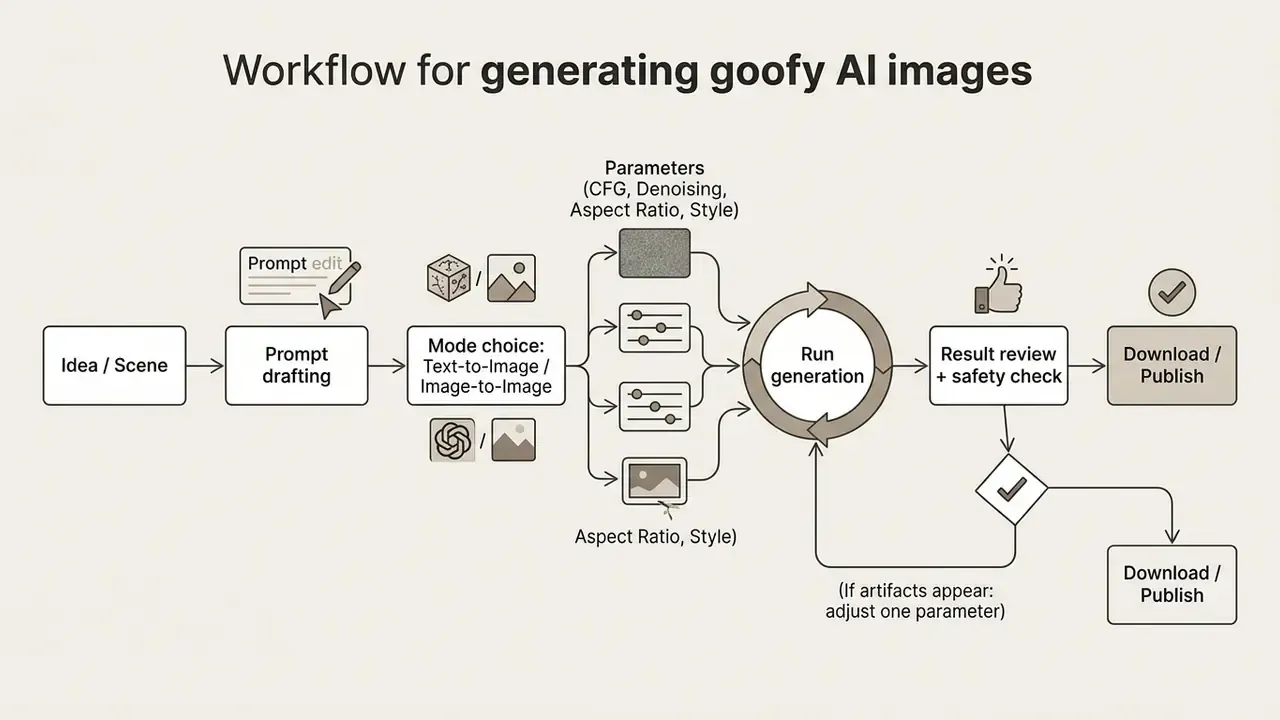
The core iteration rule, stated in both the OpenAI and Google Vertex AI guides: change one element per cycle. Otherwise you cannot tell which phrasing produced the effect. If you need story lines with matching visuals, look at ai story generator with pictures, where multimodal systems map textual humor onto images automatically.
Using Image-to-Image (Img2Img) to turn real photos into goofy art
Image-to-Image mode transforms ordinary photos into absurd content while keeping the original composition or pose. Unlike text-to-image, where the network builds a scene from scratch, Img2Img uses the uploaded picture as the base latent grid. This mode covers the most common user request of all: "make a goofy version of my photo, sketch, or product shot".
Img2Img workflow:
- Reference upload (Image Strength / Denoising Strength).Tune
Denoising Strength(orImage Weight). Values of0.6to0.85let the model rework style and detail while keeping a recognizable silhouette of the person or object. Below0.4you get cosmetic styling only; above0.9you get a practically new scene, barely tied to the original. - Prompt overlays.Add styling cues:
goofy ahh expression, exaggerated cartoon features, surreal background, wide-angle lens distortion. - Face and object correction.Use inpainting to swap a serious expression for an exaggerated grin, or to add silly accessories (oversized glasses, absurd hats) without touching the background.
- Structure control.To preserve pose and geometry, apply structural conditioners (ControlNet / Depth, Pose). They hold composition together even at high Denoising Strength.
- Series locking.For a meme series with one recurring character, keep the same reference plus Seed pair and change only the described action.
A confidentiality note. Uploading other people's photos, corporate mockups, or employee headshots to public Img2Img services is a standalone risk, not just a quality question. More on that in the Shadow AI block below.
Which settings actually change the result
The controllability and silliness level of the final goofy ai image depend on a handful of technical parameters:
| Parameter | Technical meaning | Effect on the goofy result |
|---|---|---|
| CFG Scale / Guidance Scale | How strictly the model follows the prompt. | Low CFG (2 to 5) gives freedom and surreal chaos. High CFG (12 to 20) follows the prompt literally but can oversaturate color and distort forms. |
| Seed | Numeric identifier of the initial noise. | A fixed Seed keeps the character stable while you change emotion or surroundings. |
| Aspect Ratio (--ar) | Canvas proportions. | Defines cropping: 1:1 for avatars, 16:9 for thumbnails, 9:16 for vertical memes on TikTok and Reels. |
| Style Weight / Stylize | Weight of artistic styling. | High Midjourney values (--s 750) make the image prettier and soften the meme edge. Low values (--s 50) preserve the raw goofy look. |
| Denoising Strength (Img2Img) | How much of the uploaded image gets rewritten. | 0.6 to 0.85 is the sweet spot for a goofy rework of a real photo with recognizability intact. |
In content-marketing automation projects we wired reaction-meme generation through an API. On our internal sample of several hundred generations, lowering CFG Scale from 8.0 to 4.5 while fixing the base Seed noticeably raised the share of unusual visual metaphors per batch, and the brand mascot stayed recognizable without fatal anatomical breakage. To be precise: that is a practitioner observation, not a controlled academic experiment. For your own pipeline, run an A/B measurement on your prompt set with fixed Seeds and equal batch sizes.
Why AI sometimes produces funny errors instead of the intended scene
Viral AI art fails come from how diffusion models learn. They hold no physical model of the world and no anatomical understanding; they operate on statistical correlations between pixels and words (Groh et al., Failure Modes of Generative AI, 2024).
The main failure types that turn into memes:
- Anatomical anomalies: extra fingers, fused limbs, warped teeth, doubled faces.
- Broken physics: objects passing through textures, shadows cast in opposite directions, liquids frozen in impossible shapes.
- Functional nonsense: a mug with the handle inside, glasses with three lenses.
Internet culture does not discard these errors. It recycles them as ready templates for goofy ai generated photos. To check whether an image you found online was machine-made, use AI image detectors.
The flip side of generative freedom is the risk of an unpublishable result:
«Across four tested text-to-image models, 14.56% of all generations were judged unsafe; for Stable Diffusion the figure reached 18.92%.»
Practical conclusion: public campaigns need a manual review gate before publishing. Roughly one in six or seven generations in an unfiltered pipeline can fail for reasons unrelated to image quality.
How to write a prompt for goofy AI generated images
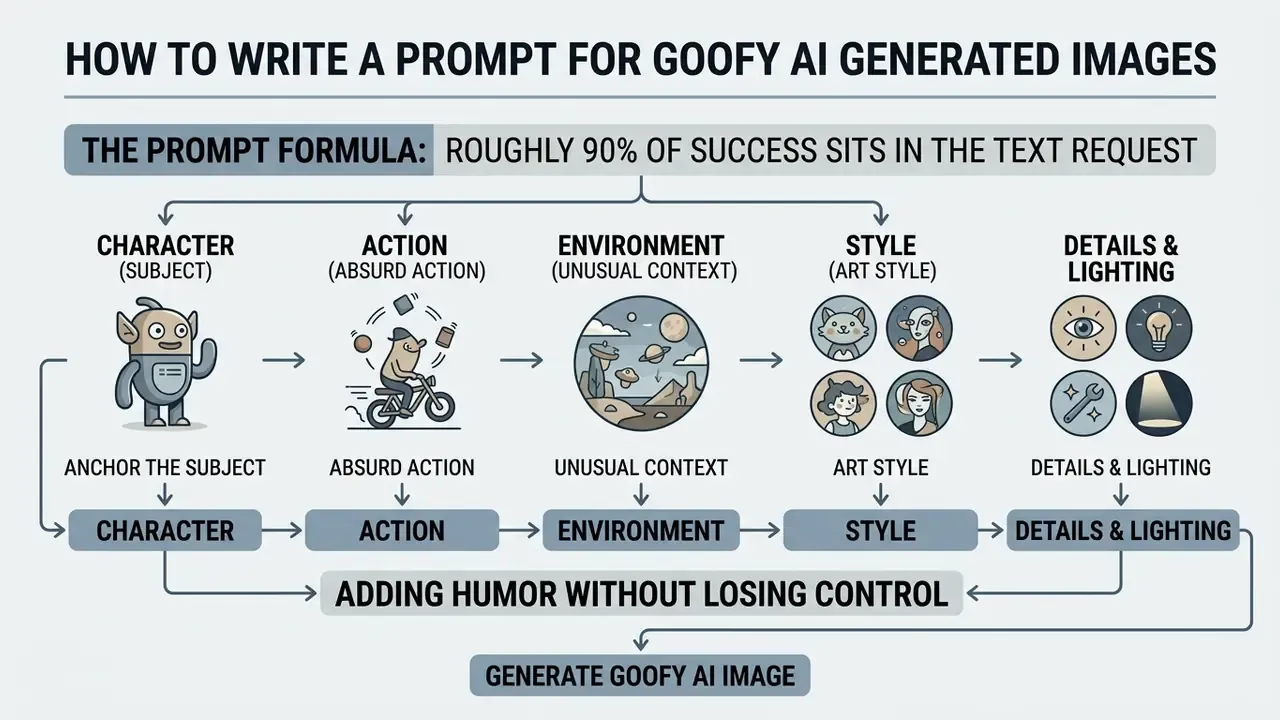
Roughly 90% of success with goofy ai generated images sits in the text request. A workable prompt does more than contain the words "funny" or "goofy". It encodes specific visual mechanisms: contrast, hyperbole, a defined style, and concrete detail.
«Prompts that explicitly encode humor mechanisms, incongruity, hyperbole, anthropomorphism, produce more consistently funny results than vague requests like "make it funny".»
Prompt length and depth can range from short phrases to detailed briefs. For text and idea work, an ai story generator can build comedic plots that convert into visual prompts with almost no rewriting.
The prompt formula: character, action, environment, style
For stable results, use a universal structured formula:
Prompt = [Character] + [Absurd action] + [Unusual context] + [Art style] + [Details and lighting]
Component breakdown:
- Character (Subject)a clear description of the subject, for example an anthropomorphic fat orange cat.
- Absurd actionexactly what it is doing, trying to balance a melting scoop of ice cream on its nose.
- Unusual context (Environment)where it happens, during a serious boardroom meeting with executives in suits.
- Art stylethe visual register, flash photography, wide-angle lens, 90s sitcom aesthetic.
- Details and lightingthe accents, dramatic overhead fluorescent lighting, detailed expression of extreme concentration.
This ordering matches the official OpenAI recommendations (scene, subject, details, constraints) and Google Vertex AI guidance (subject first, style last), so the formula ports between engines with almost no edits. You can rehearse it at zero cost on free AI image generators.
Adding humor without losing control
To produce goofy ai generated pictures rather than a pixel soup, keep a few control rules:
- Anchor the subject. Describe the character in the first sentence. Do not front-load the prompt with stray adjectives.
- Use emotional contrast. A "serious deadpan expression" inside a ridiculous situation lands harder than simply asking for "a funny face".
- Apply negative prompts. In Stable Diffusion, cut unwanted aesthetics:
blur, low resolution, ugly face distortion (if not intended), missing limbs. Add one exclusion per iteration, keeping Seed and settings fixed, otherwise the effect is untraceable. - Put publication constraints in the prompt.
no watermark, no extra text, no logos or trademarksreduces the share of frames unusable commercially. - Control the angle. Terms like
close-up shot,fisheye lens distortion, orbottom angleamplify comedy without wrecking the composition.
«In an experiment with 150 participants, an AI assistant increased idea volume and lowered perceived workload, yet the best top-ranked humor came from humans keeping conceptual control.»
The production conclusion: the model is an excellent option generator, but the final joke selection belongs to a human. Skip that step and the average humor level in your feed drops.
📎 ADJACENT TOOLS FOR SCRIPTS AND TEXT PIPELINES

When designing complex text-and-visual pipelines, or stress-testing their own filtering and safety alignment (red teaming), teams sometimes use generators with relaxed content limits, for example [ai story generator no filter](/glossary/ai-story-generator-no-filter/), to measure false positives on grotesque but harmless scenes. Services in the [ai story generator nsfw](/glossary/ai-story-generator-nsfw/) category are used similarly in research and test environments to probe moderation boundaries. In a corporate setting such tools are acceptable only inside an isolated test environment and under a documented internal AI use policy.
Ready-made prompts for your first goofy AI image
For a fast start, use these tested English prompts (English is still parsed most accurately by most models):
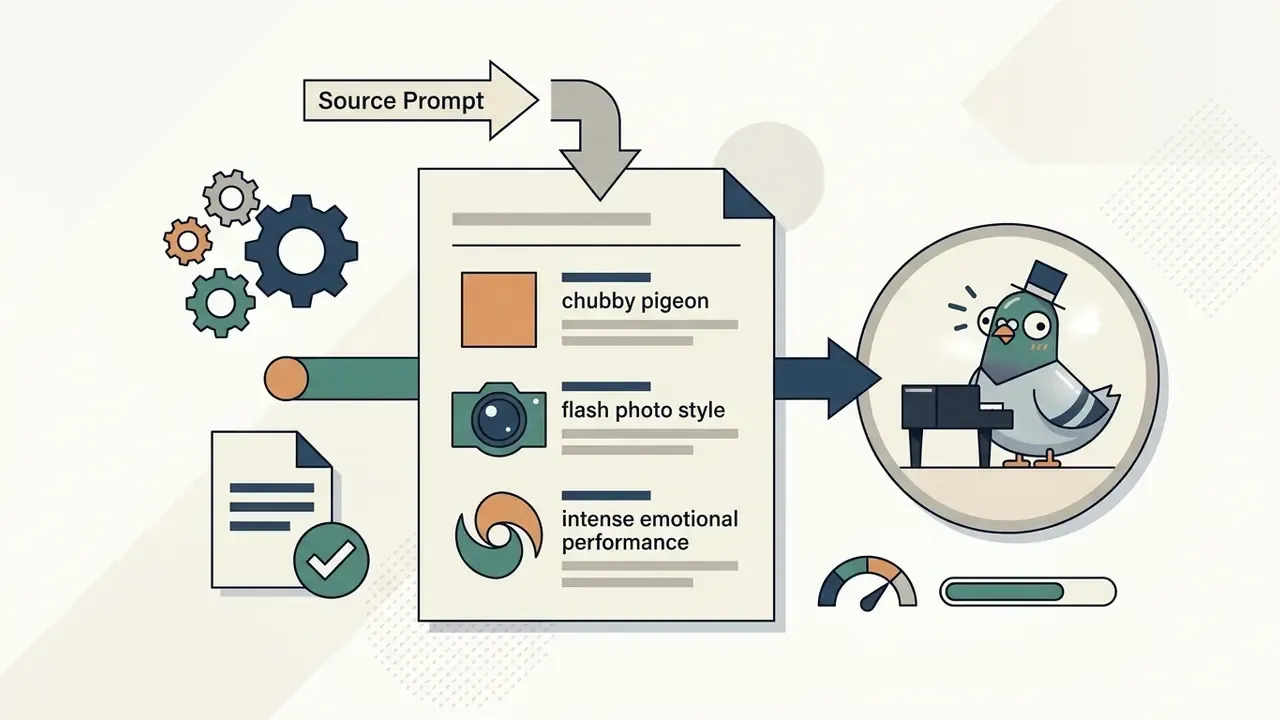
A chubby pigeon wearing a tiny top hat and round glasses, sitting at a miniature piano, intense emotional performance, flash photo style, candid shot --ar 1:1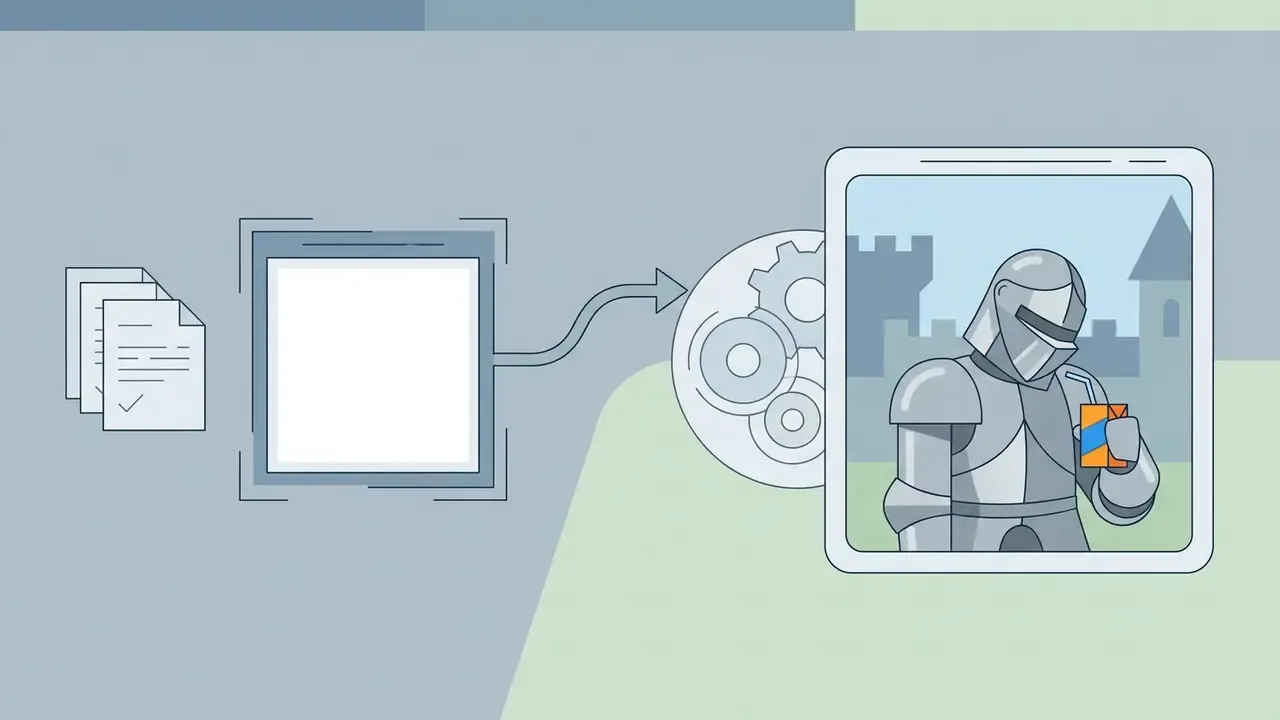
A dramatic knight in full shiny armor, struggling to open a small plastic juice box with a tiny straw, medieval castle background, deadpan humor, photorealistic, natural daylight --ar 16:9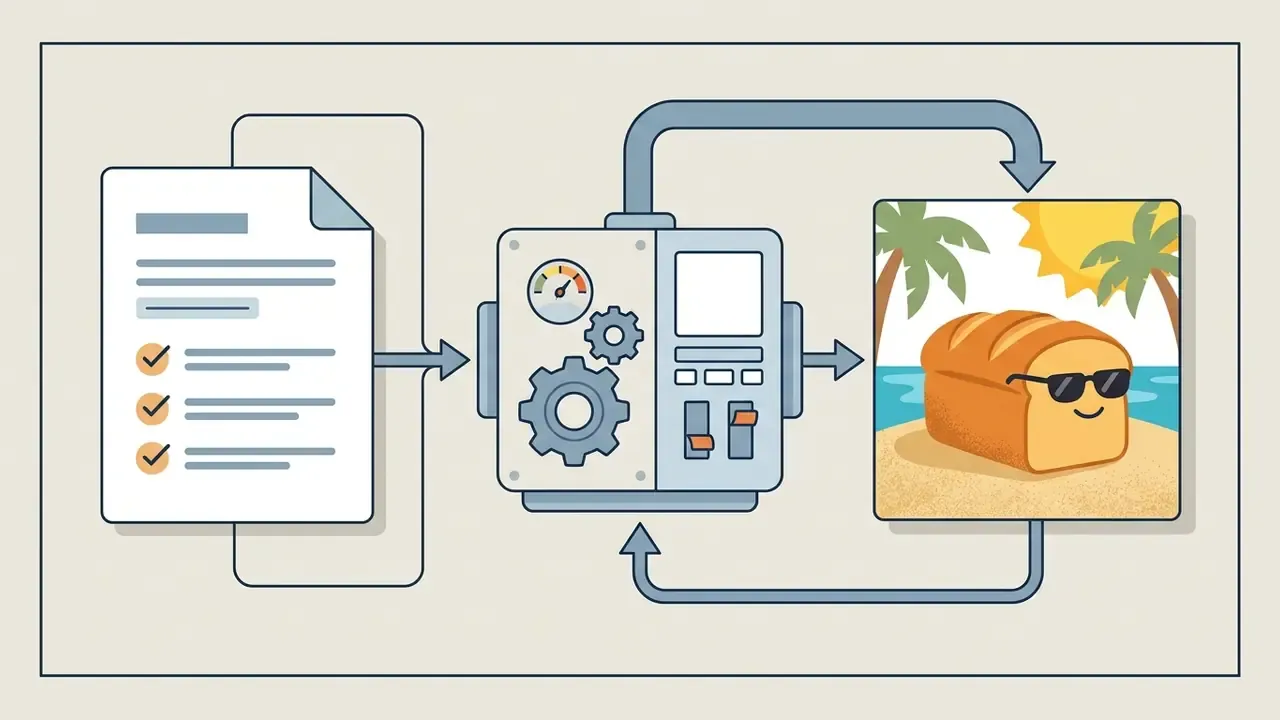
An anthropomorphic happy loaf of bread wearing sunglasses and sunbathing on a sandy beach, realistic texture, tropical background, bright summer lighting --ar 1:1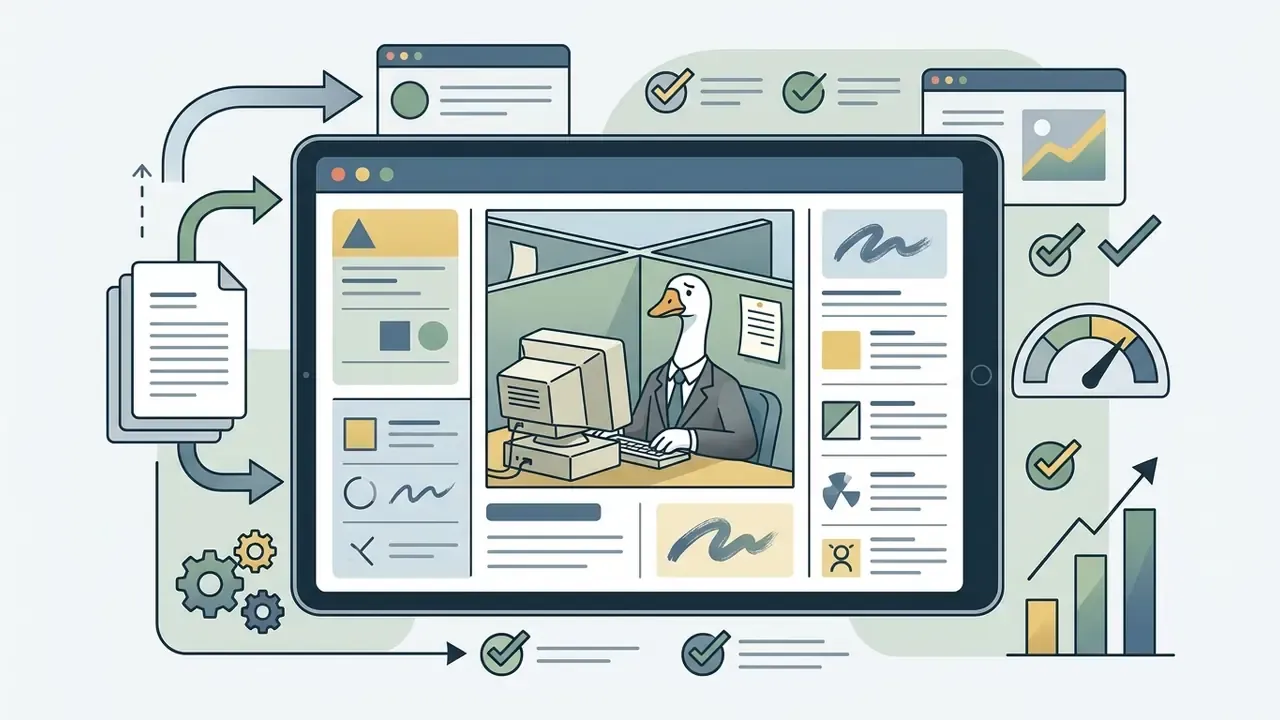
A goose in a formal business suit sitting in front of an old desktop computer, looking stressed with hands on the keyboard, office cubicle background, 90s corporate photography --ar 4:3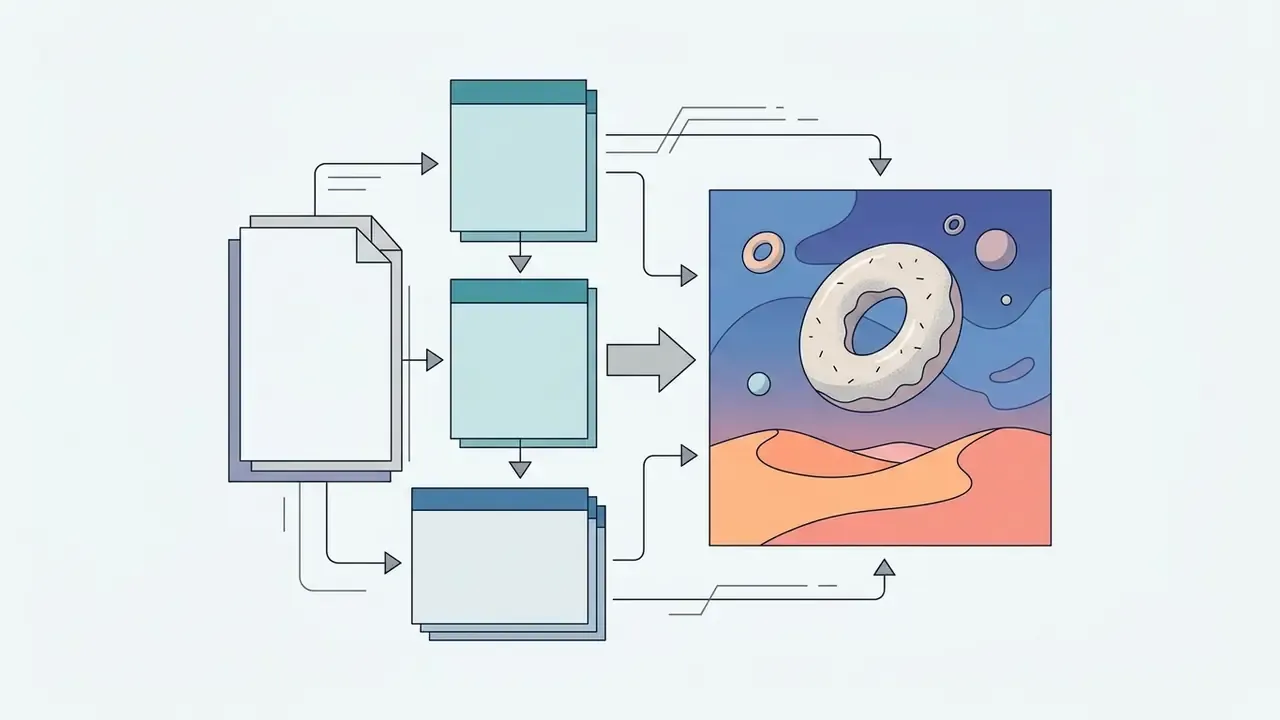
Giant donuts floating in the night sky like planets over a calm desert landscape, surrealism, neon aesthetic, cinematic composition --ar 16:9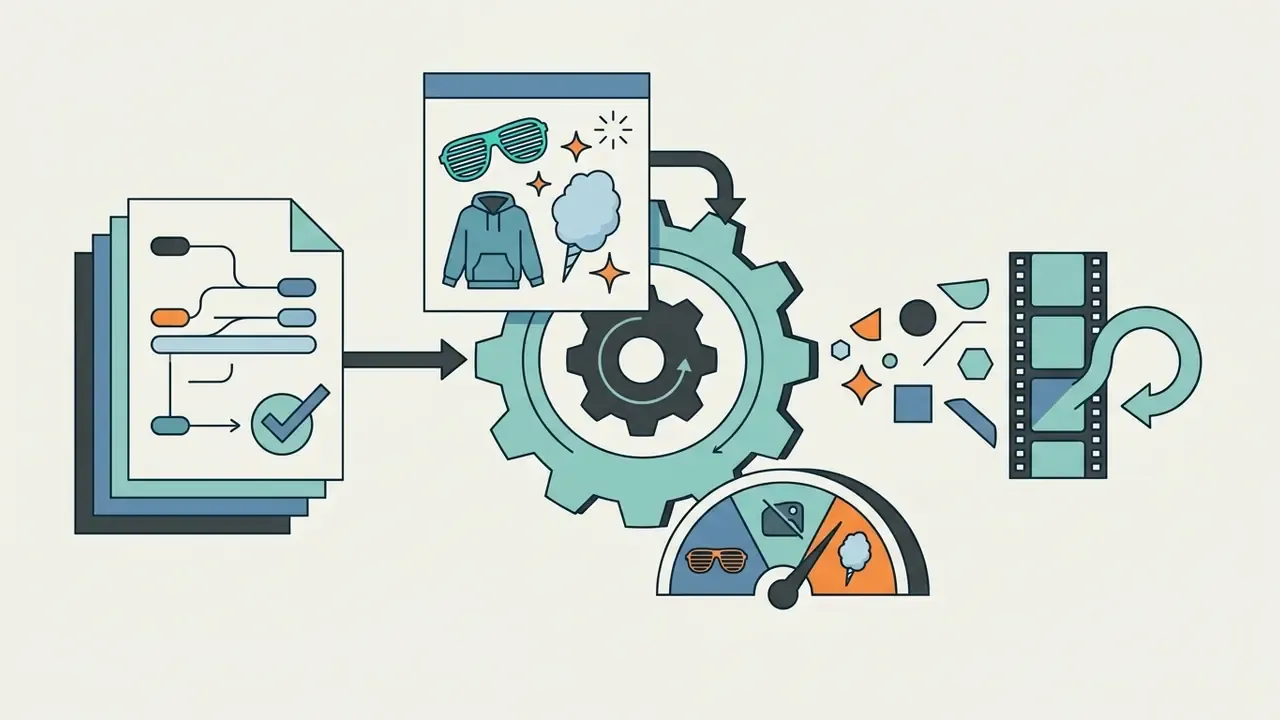
Albert Einstein wearing brightly colored oversized shutter shades and a neon hoodie, eating a massive stick of cotton candy at an amusement park, wide angle lens, retro 90s flash photo aesthetic, hilarious exaggerated expression --ar 16:9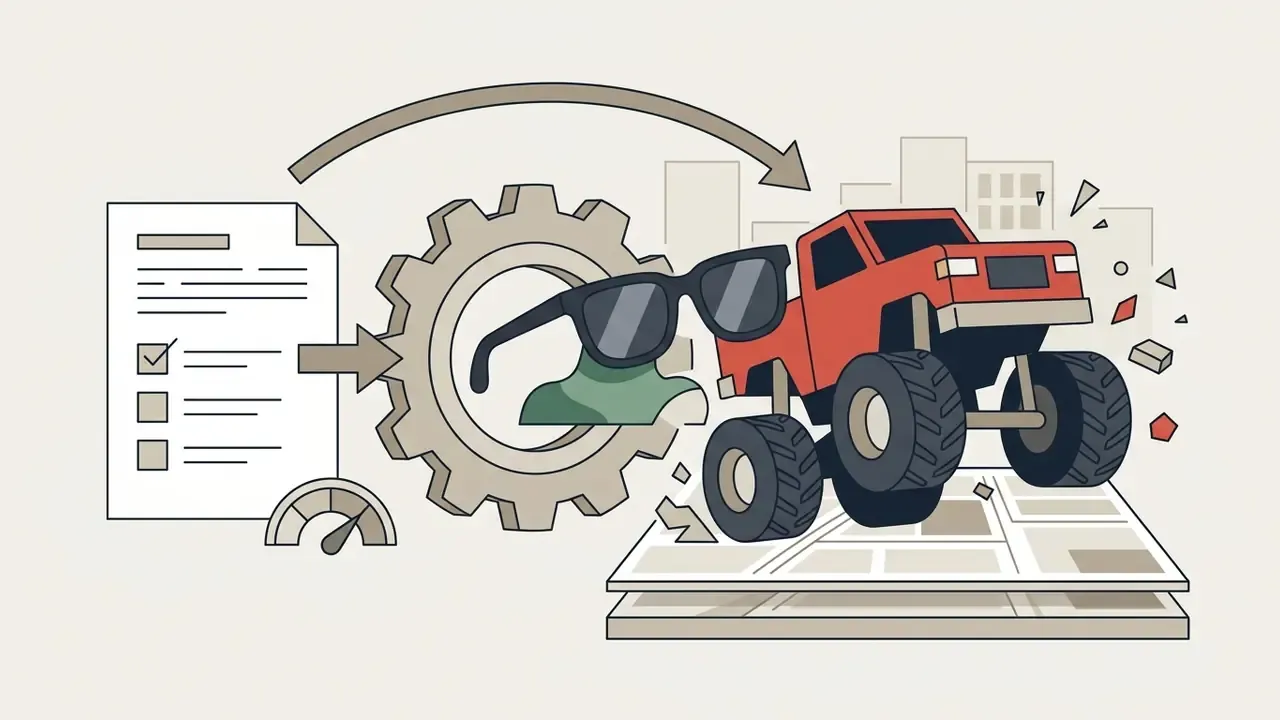
A tiny green tree frog driving a massive red monster truck through city traffic, wearing sunglasses that are way too big for its head, panicked pedestrians in background, cinematic comedy film still --ar 16:9
An exhausted cat sitting in front of a glowing laptop at 3 AM surrounded by 20 empty espresso cups, holding head in paws with extreme dramatic despair, corporate office background, 3D cartoon style --ar 4:3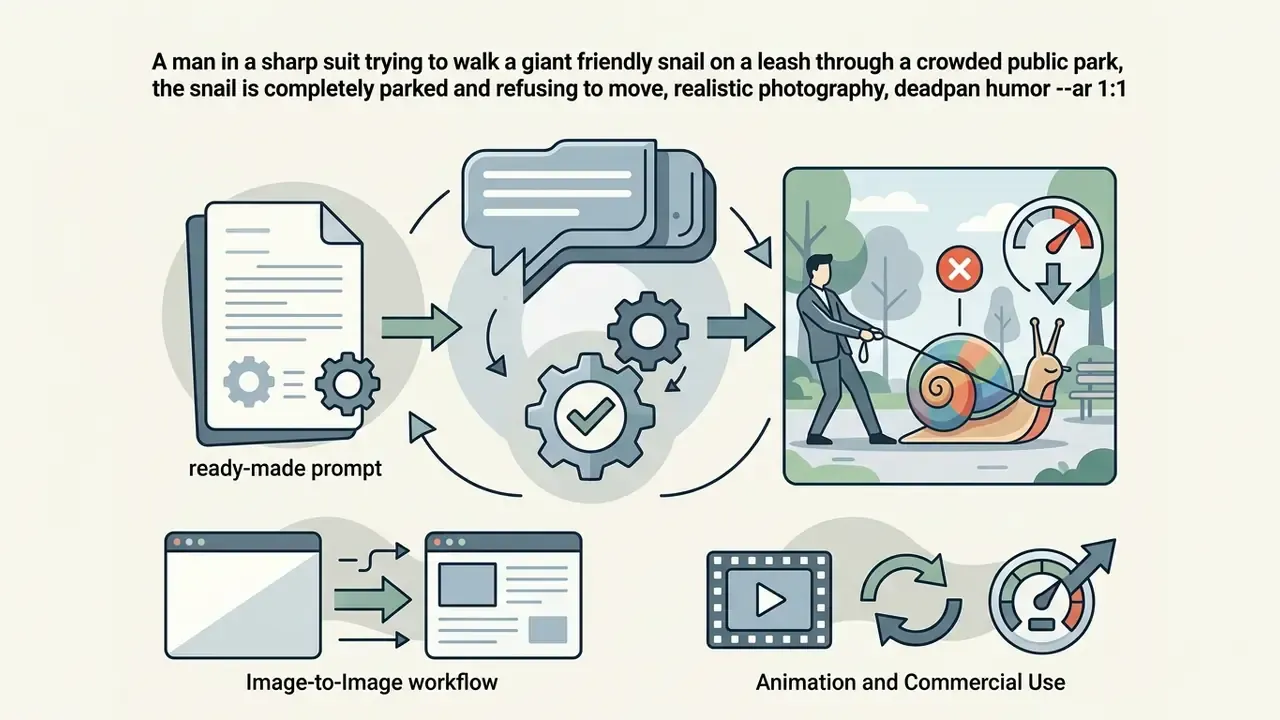
A man in a sharp suit trying to walk a giant friendly snail on a leash through a crowded public park, the snail is completely parked and refusing to move, realistic photography, deadpan humor --ar 1:1
A very serious golden retriever working as a barista, wearing an oversized apron, holding three paper cups at once, confused customers in the background, exaggerated facial expression, funny realistic photography --ar 3:2Important note on historical figures and celebrities. Prompts featuring long-deceased historical figures (Einstein, Napoleon, Van Gogh) usually pass model filters, yet commercial use still requires a check. Some jurisdictions preserve rights to name and likeness, and stock marketplaces such as Adobe Stock explicitly forbid naming real people, artists, or protected characters in prompts and metadata. Living celebrities are off limits entirely: that is a direct violation of publicity rights and of OpenAI policy.
Goofy AI art ideas for different subjects
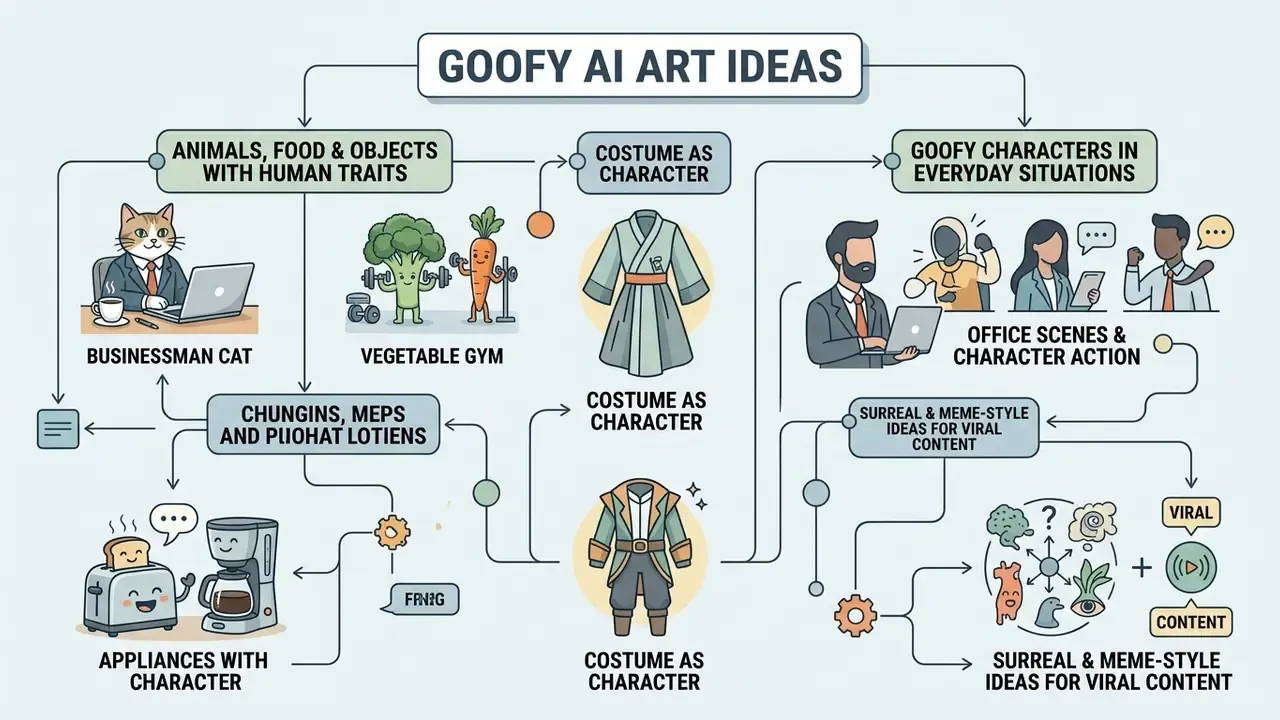
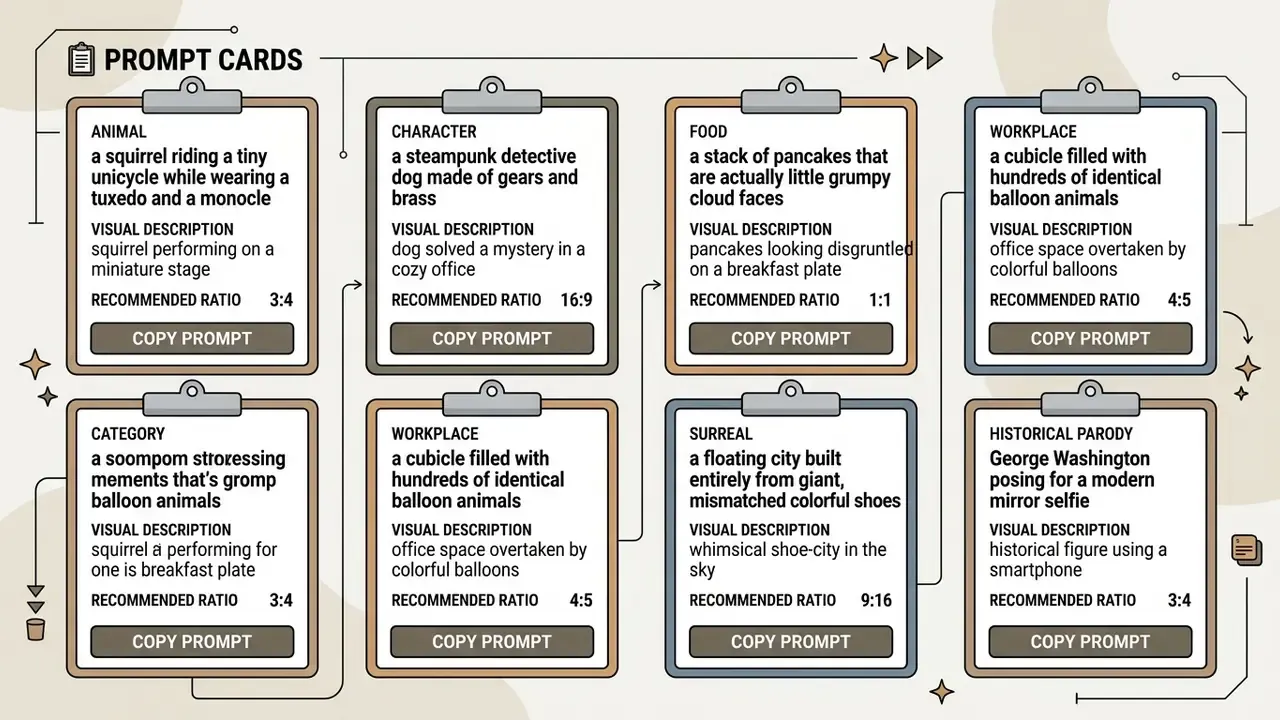
Making goofy ai art spans a broad palette, from harmless animal memes to sharp surreal satire. Sorting ideas into categories makes it faster to match a concept to a content-plan slot. The terminology base for tooling sits in our reference on AI art generators.
Animals, food, and objects with human traits
Anthropomorphism is the most reliable comedic device available. Giving inanimate objects or animals human functions and emotions triggers instant sympathy, then laughter.
- The businessman cat a goofy ai pic of a cat presenting quarterly catnip sales charts.
- The vegetable gym a broccoli kettlebell, or a bodybuilder eggplant pressing a barbell.
- Appliances with character a sad toaster in the middle of an existential crisis on the kitchen counter.
- Costume as character clothing and accessories should signal the role. The powdered wig on an aristocrat avocado reads as a joke immediately, while a neutral background and plain clothing kill the humor outright.
Anthropomorphism works for a reason. In the HUMORCHAIN research frame, transferring human emotions and social roles onto non-human objects is described as one of the base humor mechanisms that models reproduce most consistently. That is precisely why this prompt category yields the most predictable comic result (HUMORCHAIN, 2025. https://arxiv.org/abs/2501.HUMORCHAIN).
Goofy characters and comedic everyday situations
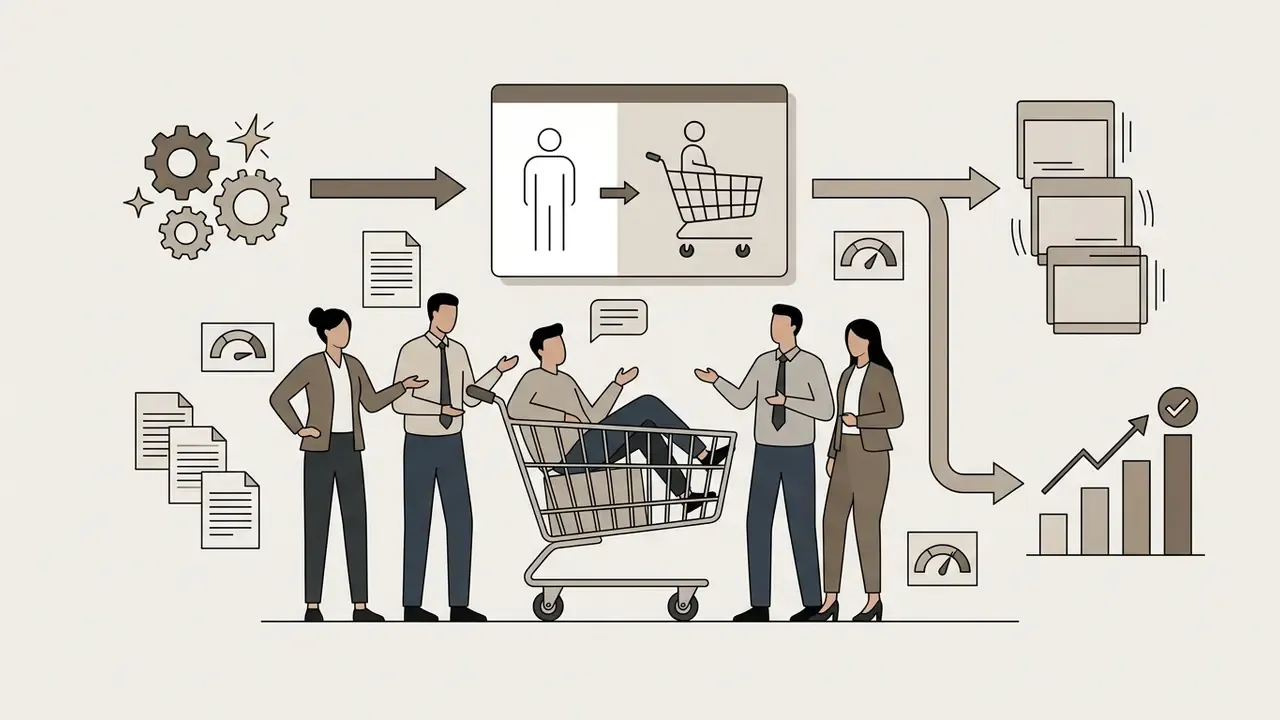
Office humor, social awkwardness, and sports mishaps suit narrative art well. The comedy is built on mismatched expectations: the hero treats the situation with total seriousness while the viewer sees absurdity.
- Clumsy 80s dance moves with exaggerated motion.
- Characters attempting simple tasks in bulky costumes, for example an astronaut trying to tie shoelaces.
- "Expectation versus reality" scenes at work or in the gym.
Longer text descriptions for these situations can be drafted in apps such as ai story generator, with the resulting dialogue dropped straight into visual cards.
How to animate goofy AI images into video and GIF
A static funny image can become a viral video meme or a GIF with modern multimodal generators (Sora 2, Runway Gen-3, Luma Dream Machine, Kling AI). In 2026 this single step separates "just a picture" from content that earns algorithmic reach in vertical feeds.
Animation pipeline:
Video generation capabilities and API costs are covered in the Google Veo implementation guide, free options in our comparison of free AI video generators, and classic frame-by-frame approaches in the reference on animation makers. Broader side-by-side data lives in the AI Media Comparison Matrices hub, and endpoint details across vendors are collected in the AI Media API Guides.
- Export a clean still.Generate a high-resolution frame with no baked-in text captions. Add text during editing, so it does not drift during frame interpolation.
- Write a motion prompt.Load the picture into an Image-to-Video generator and describe the dynamics with simple physical verbs:
the penguin starts dancing awkwardly,the taco opens its mouth and talks dramatically,extreme zoom-in on the cat's eyes. - Set motion controllers (Motion Brush / camera controls).Brush only the region that should move, for example the face or hands, and leave the background static to sharpen the comedic contrast.
- Duration and looping.For GIFs and reaction stickers, 2 to 4 seconds with a seamless loop works best. For Shorts and Reels, 5 to 8 seconds with one clear comedic beat.
- Final assembly.Aspect ratio 9:16, subtitles inside the safe zone, one sound effect, then publish.
Free access, pricing, data safety, and commercial use of goofy AI images
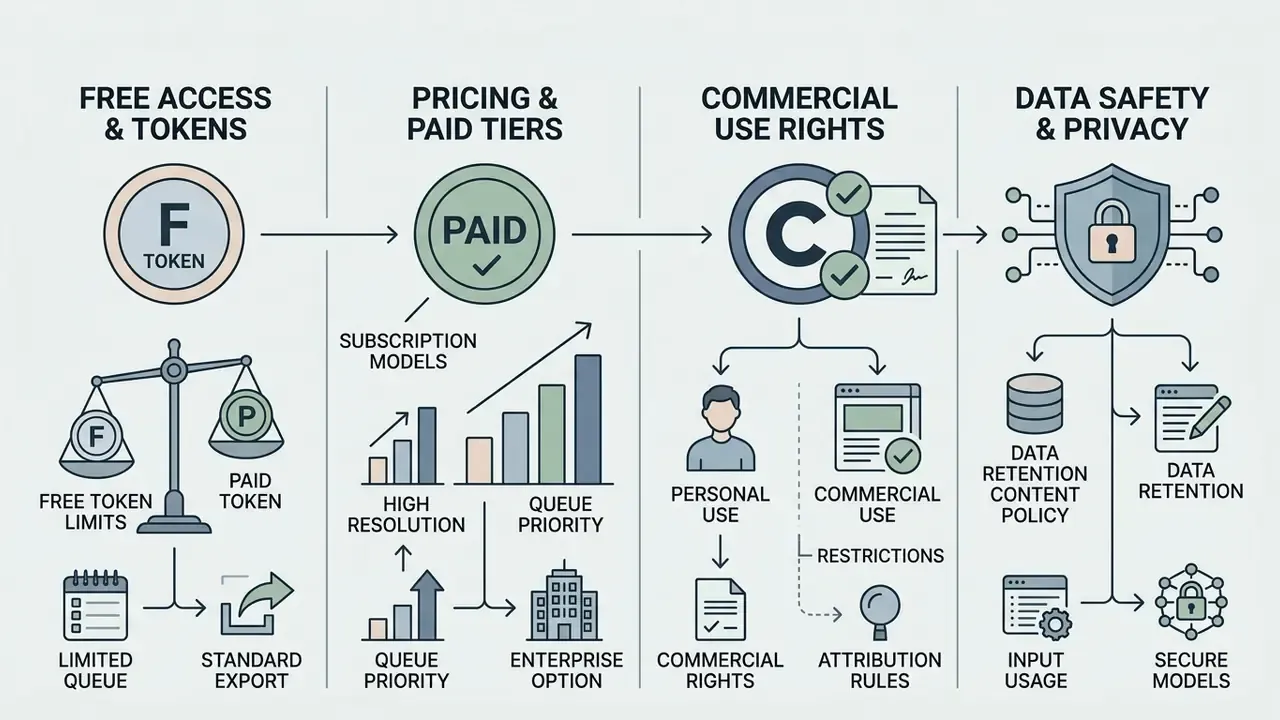
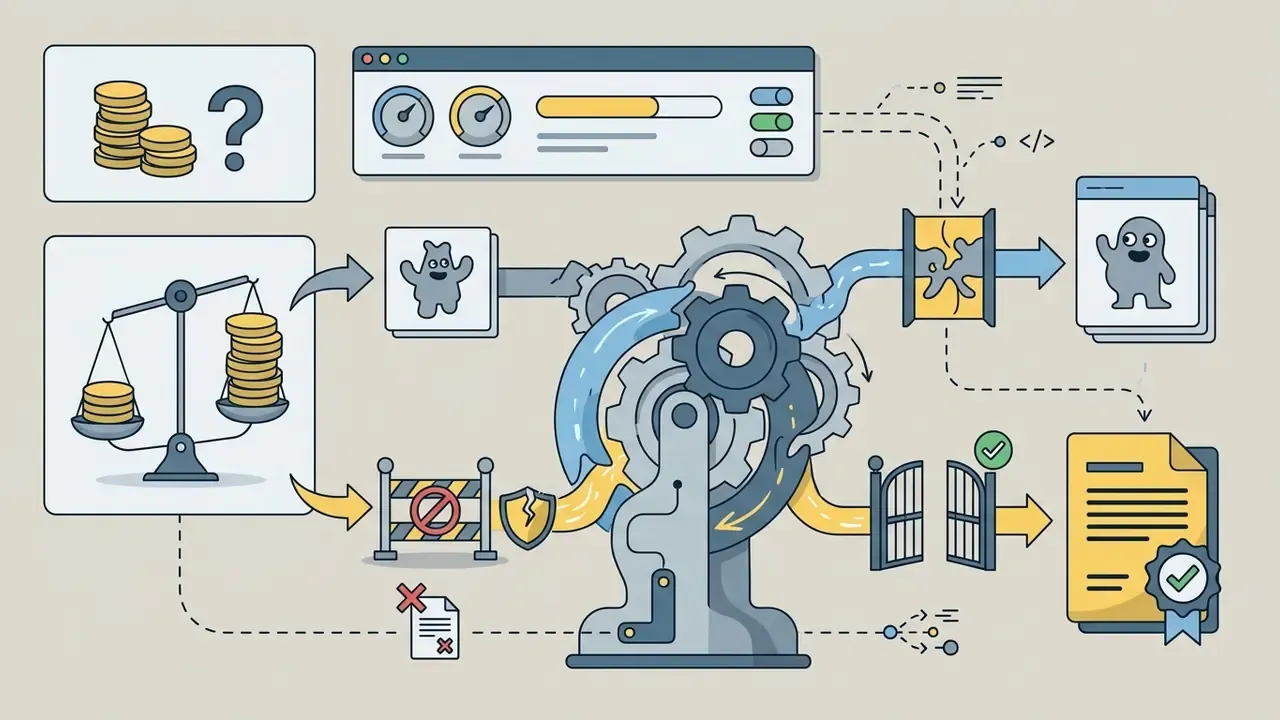
Deciding whether to put goofy ai images into commercial or public projects means assessing the financial model of the chosen generator, the legal constraints, and how the service treats the data you feed it. The third point is the one most teams skip.
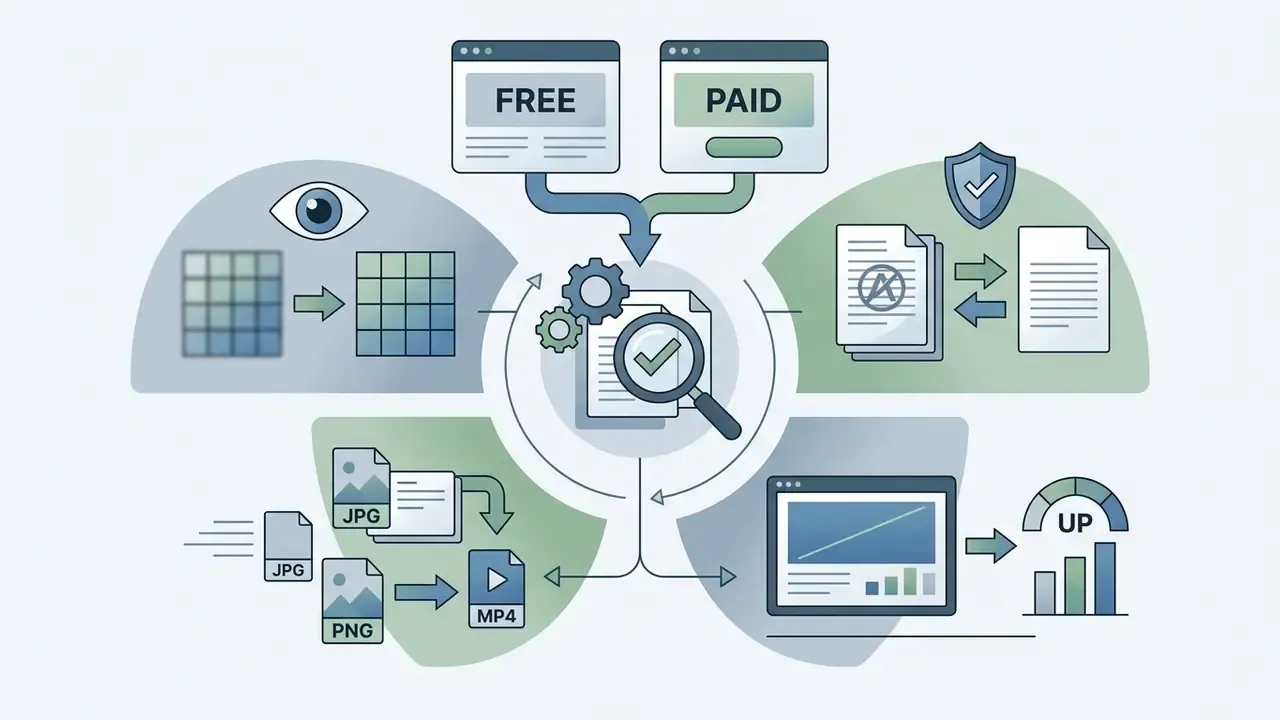
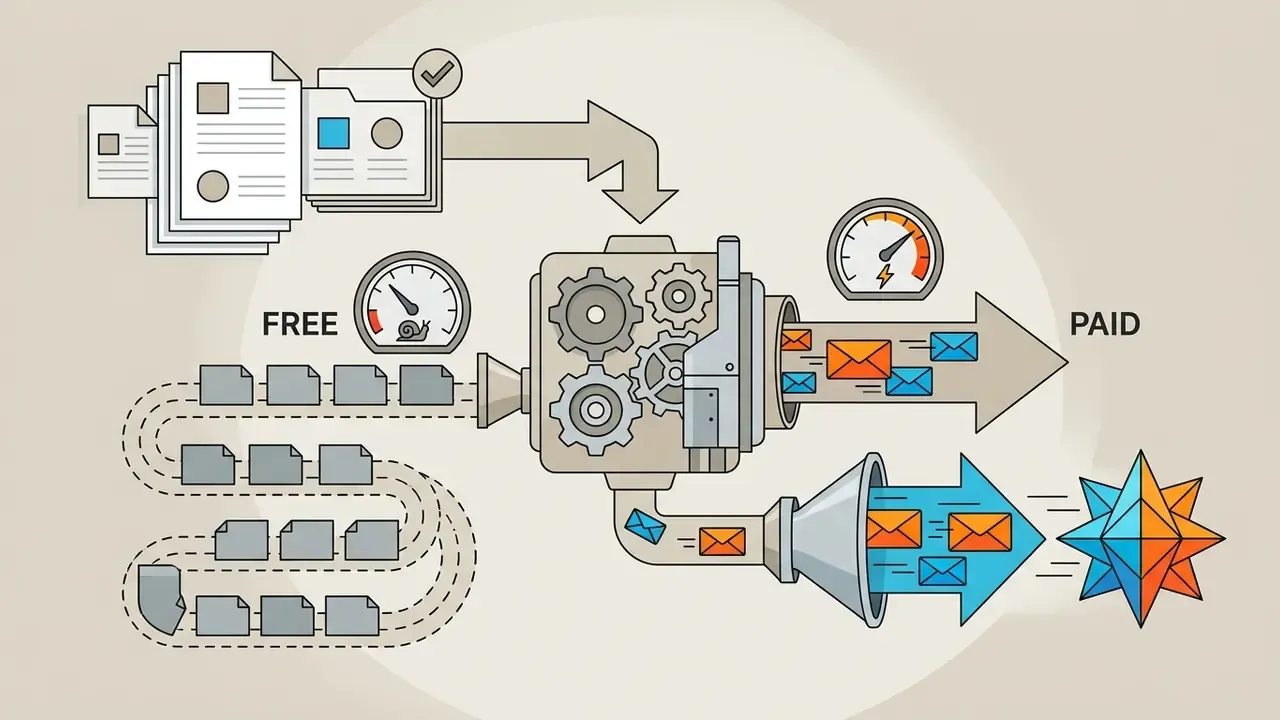
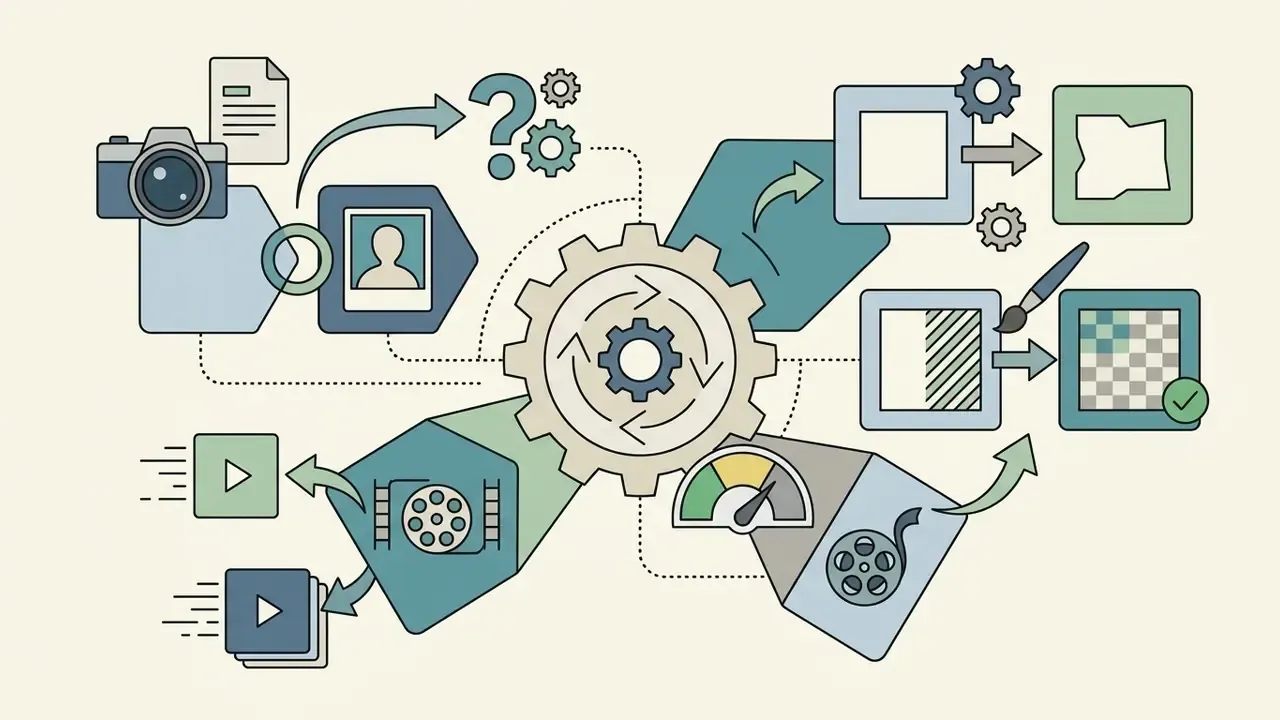
What to check before picking a free or paid generator
The 2026 generator market mixes freemium and subscription models. Before you start, weigh the following:

Can goofy AI generated images be used in commercial projects
Commercial use of generated art, in advertising, on merchandise, or inside a sold product, is governed by the specific platform's rules and by copyright law.
Per the U.S. Copyright Office Report on AI and Copyright, Part 2: Copyrightability (2025), pure AI images produced solely from a text prompt without meaningful human creative contribution are not protected by copyright. So you may sell such images, but you cannot stop a competitor from copying your generated image. When registering a work, more than de minimis AI-generated material must be excluded from the claim.
«AI-generated images have already become the subject of litigation, notably Getty Images and groups of artists suing AI art generators over copyright infringement in training.»
For commercial use, hold these rules strictly:
There is a separate risk baked into the request for "funny":
«Asking to "make it funnier" increases depictions of overweight, older, and visually impaired people while reducing representation of racial and gender minorities.»
For a brand this means humor should never be purchased at the expense of vulnerable groups. Build absurdity on objects, animals, role inversions, and situations, not on people's physical traits. Every frame deserves a check for unintended stereotypes before it ships.
Risk matrix: content type, legal risk, mitigation
| Content type | Legal or reputational risk | Mitigation |
|---|---|---|
| Recognizable celebrity or public figure faces | Publicity rights violation, litigation, account ban | Generate fictional faces; add names to the negative prompt; check likeness before publishing |
| Logos, packaging, trademarks | Trademark infringement, rights-holder claims | Ban brands in the prompt; audit the background visually; retouch invented logos |
| Style of a specific living artist | Claims, stock policy breach (Adobe Stock bans artist names) | Describe style by attributes (palette, brushwork, light) instead of an author's name |
| Pure AI art with no human rework | No copyright (USCO, 2025): a competitor may copy it | Add human creative contribution (compositing, retouching, collage) and document the process |
| Prompts containing corporate data | Trade secret leakage, Shadow AI | Enterprise account with Data Non-Retention; ban confidential data in prompts |
| Third-party meme template as the base | Derivative work, claim exposure | Use original compositions; do not reproduce protected characters |
| Images of people in a "funny" context | Discriminatory stereotypes, reputational hit | Base humor on objects and role inversion; run a bias review on each frame |
Pre-publication compliance checklist
For licensing questions around AI video and animation, see the Google Veo implementation guide. A general overview of rights and usage terms sits in our material on commercial use of AI image generators, and precedent tracking lives in the AI Litigation and Case Timelines hub.
E-E-A-T BLOCK
📌 LEGAL NOTICE AND FACT CHECK
1. Copyright: As of 2026, per guidance from the U.S. Copyright Office (Copyright and Artificial Intelligence, Part 2, 2025) and European Parliament materials, works created entirely by AI without demonstrated human involvement in design or processing are not registrable as copyright subject matter. The UK position (Report on Copyright and Artificial Intelligence, 2026) differs: protection of "computer-generated works" remains under consideration there.
2. Brands and likenesses: Generating images using the appearance of real people (publicity rights) or trademarked characters carries litigation risk, no matter how goofy or comic the output looks.
3. Platform Terms of Service: Always verify the current ToS edition of the specific service. Midjourney terms state that commercial use rights are granted only to paid subscribers during the subscription period, while the OpenAI Terms of Use (2026) confirm that the user retains rights to Input and owns Output within the limits of applicable law.
4. Governance: For corporate environments, fold generative models into existing validation procedures under NIST AI RMF and ISO/IEC 42001.
Checklist0 / 10
Where to use goofy AI pictures
The application range for goofy ai pictures has moved well past personal entertainment. Humorous AI art now shows up in marketing, social media, media production, and digital design, largely because attention is scarce and content competition is brutal.
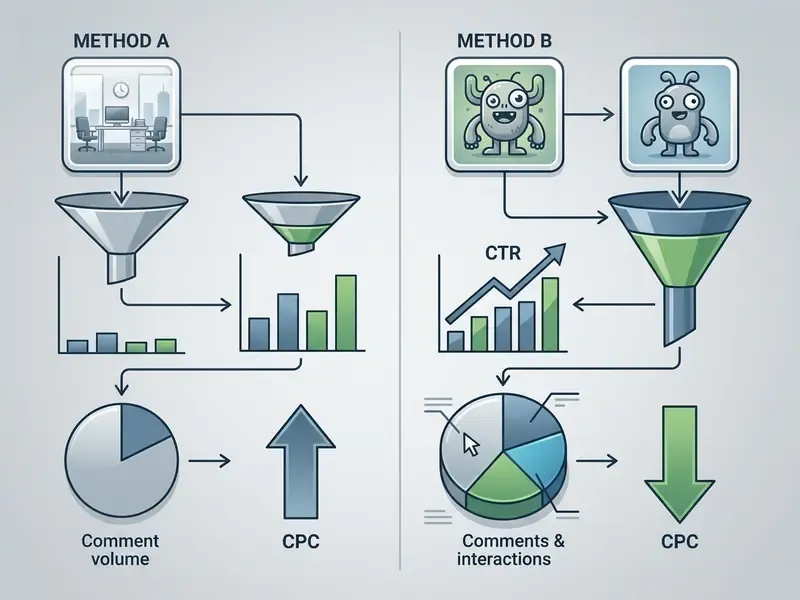
A methodological caveat matters here. Any uplift percentage in this niche depends on platform, topic, and the quality of creative selection. The academic evidence is contradictory: "The Meme Is the Message: Generative Memesis and AI Visuals" (arXiv, 2024) found meme format raising engagement by 0.25 to 0.35 standard deviations while AI visuals on their own lowered it, whereas "Memes vs. Machines" (Crossings Journal, 2025) recorded the opposite pattern on a sample of large accounts. The conclusion: what works is not "an AI picture" but a human-curated meme format.
Practical cases with measured outcomes
- Social media and consumer brands (engagement up 340%). A snack brand swapped traditional studio product shots for a meme series featuring a "Taco DJ" character (a taco behind a DJ booth). Post reach roughly tripled against baseline, user comments grew 340% in the campaign's first quarter, and the post became the most shared asset of that quarter.
- YouTube content and thumbnail CTR (+28%). Testing across 12 gaming and comedy channels showed that inserting a "Pizza Surfer" character (a pizza slice on a surfboard) instead of a standard face screenshot raised thumbnail CTR by 28% on average. A side effect worth noting: a recognizable mascot that keeps paying into brand recall on every release.
- Education (attention in the first five minutes). Using "Potato King" (to explain plant cell structure) and "Buff Egg" (to demonstrate physics laws) on intro slides in middle school lowered student stress before difficult topics and held the room's attention at the start of the lesson. Teachers report that abstract topics stick better when the entry point looks playful.
- Creative quality benchmark. A generative marketing study across 254,400 human ratings found AI visuals in advertising can outperform human-made images on quality, realism, and aesthetics. In other words, the constraint is not the technique. It is idea selection and compliance.
Avatars, covers, thumbnails, and illustrations
Visual absurdity pulls attention toward static interface elements and media assets:
Detailed guidance on editing and post-processing tools is collected in our guide to online photo editors, and template-based assembly of covers and posts is covered in the Canva AI Generator overview.
Adapting the picture to the target format
Different digital platforms set firm technical expectations:
When adapting, keep the semantic center (the character's face or the key object) inside the crop safe zone, clear of platform interface overlays. If the original generation came out at low resolution, run it through AI image upscalers before large-format publication. Additional free text and generation capacity is available through ai story generator free unlimited.
Limitations and open questions
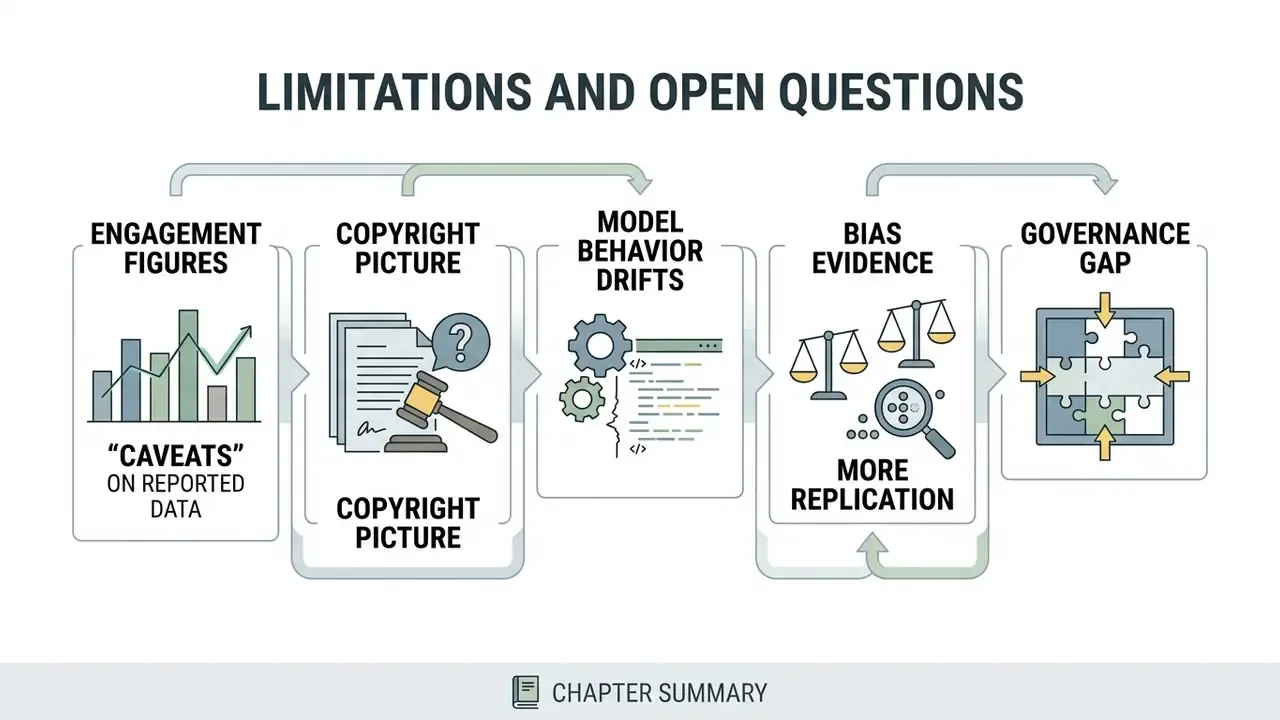
Honesty helps more than polish here, so a few caveats about everything above.
First, the engagement figures. The +340% and +28% numbers come from specific campaigns with specific audiences, formats, and budgets. They are directional evidence, not a benchmark you can copy into a forecast. Run your own A/B test with equal spend and matched audiences before promising anyone a number.
Second, the copyright picture is unsettled. The USCO position on human contribution is clear on paper, yet the practical threshold of "more than de minimis" remains argued case by case, and cross-border rules diverge. The UK consultation on computer-generated works is a live example.
Third, model behavior drifts. A prompt that reliably produced clean output in one model version can start emitting artifacts, watermark-like marks, or invented logos after an update. That is one reason a human review gate keeps its value: it catches regressions that no static prompt library can.
Fourth, the bias evidence deserves more replication. The 2025 study on humor and generative bias is a warning sign, not a settled measurement across all engines. Until more data lands, treat it as a reason for caution rather than proof of a fixed effect.
Finally, a governance gap. Most organizations still do not carry image generators in their AI inventory at all, because "it is just pictures". That framing is exactly how prompts containing product roadmaps end up in a third party's logs.
FAQ about goofy AI images
This section gathers answers to the recurring user and technical questions around generating absurd AI art.
Do you need design skills to create a goofy AI image
No. Deep skills as a professional artist or graphic designer are not required for a goofy ai image. Modern models parse natural-language requests properly. That said, a basic grasp of art direction lifts quality significantly:
- Visual vocabulary: knowing terms such as wide-angle lens, macro photography, cinematic lighting, depth of field lets you steer the frame precisely.
- Prompt structuring: applying the "character + action + environment + style" formula yields a predictable result on the first attempt.
- Iteration habits: the ability to read the model's mistakes and fix one thing at a time, instead of rewriting the whole prompt. To refine the result without a graphics editor, AI photo editors handle everything from local retouching to background replacement.
«Multimodal models show lower refusal rates on harmful requests when those requests are embedded in meme context, compared with plain text requests.» - MemeSafetyBench: A Comprehensive Benchmark for Meme Safety Evaluation (2024-2025). https://arxiv.org/abs/2024.MEMESAFETY The team-level conclusion: meme format weakens the model's own filters, so a meme pipeline needs its own moderation layer at the output. Trusting the service's built-in guardrails is not enough.
How do you make a goofy version of your own photo
Use Image-to-Image: upload the shot, set Denoising Strength between 0.6 and 0.85, add style cues ("exaggerated cartoon features, goofy expression"), and apply inpainting where you want a targeted change to the facial expression. To preserve the pose, add structural control (Depth/Pose). One reminder: do not upload other people's photos without their consent, and keep corporate material out of public services.
Can you make a goofy AI image of Albert Einstein or another historical figure
Technically yes. Most models will produce parody imagery of long-deceased historical figures. Legally, it is a heightened-attention zone: some jurisdictions preserve rights to name and likeness, and stock platforms forbid naming real people in prompts and metadata. For commercial campaigns, a generalized archetype ("an eccentric 20th-century scientist with wild grey hair") is safer than a specific name. Living celebrities remain off limits.
Can goofy AI images be used in commercial projects
Yes, under three conditions: an active paid plan with Commercial Use rights, no recognizable faces, logos, or protected characters in the frame, and a completed pass through the compliance checklist above. Note that AI art without human creative contribution is not protected by copyright, so you will hold no monopoly over the image.
How do you make the goofy style brand-safe
Shift the humor onto objects, animals, food, and role inversion. Avoid jokes built on appearance, age, weight, or disability; that risk is documented in the 2025 study on bias in generating "funny" content. Add the constraints no watermark, no extra text, no logos or trademarks to the prompt, and make human review mandatory before publication.
How do you turn a static picture into a video meme
Export the frame at high resolution without text, load it into an Image-to-Video generator (Sora 2, Runway Gen-3, Luma, Kling), describe the motion with simple verbs, and restrict the animated region with Motion Brush. Optimal length is 2 to 4 seconds for a GIF and 5 to 8 seconds for vertical feeds.
How many attempts does a usable frame take
A sensible working pipeline budgets 4 to 8 variations per prompt and 2 to 4 refinement iterations. Academic prompt-engineering guidance (Columbia University, CHI 2022) suggests testing 3 to 9 different Seeds per phrasing, which gives adequate coverage without burning credits without control. For work with ready layouts, design, and graphic templates, see the Canva AI Generator overview. Specialized cost calculators for media generation are collected in the AI Media Calculators section.
Wrap-up and useful resources
Creating goofy AI images is an effective and accessible way to produce viral, humorous, engaging content for any digital platform. The rule that decides success is balance: creative absurdity in the prompt, technical control over the model's parameters. A structured prompt sets the meaning of the joke, Text-to-Image builds the scene from scratch, Image-to-Image carries the absurdity onto real photos, and Image-to-Video turns a good frame into a viral video meme. The final filter stays human, for humor, for safety, and for legal exposure alike.
Reference material on every term, tool, and legal aspect of AI media work is available in our core AI Media Glossary. Commercial application terms for various models are gathered in the AI Media Commercial-Use Hub, and service plan grids sit in AI Media Pricing Guides. If a parameter setup misbehaves, the walkthroughs in AI Media Support and Troubleshooting are the fastest route to a fix.