Why should a compliance or brand governance reader care about comedy assets? Because humorous visuals leave the building faster than any approval workflow, and they carry the same licensing, likeness, and provenance questions as a serious campaign image. This guide covers prompt frameworks, an operational workflow for any ai image generator, image-to-image transformation steps, model selection, provenance and commercial compliance checks, plus practical distribution use cases.
Executive Summary
What Are Goofy Ahh AI Images?
Goofy ahh AI images are synthetic outputs built on exaggerated physical traits, surreal scenarios, and comedic visual contrast. The phrase came out of African American Vernacular English as a phonetic spelling of "goofy ass," then hardened into an aesthetic category through years of meme circulation. Documented online usage goes back to at least 2009, with mainstream amplification arriving through TikTok sound-effect and remix culture in 2021 to 2022.
Unlike standard ai generated images that chase photorealism or polished composition, ai goofy ahh images deliberately lean on machine distortion, unexpected subject-action pairings, and cartoonish features. Search behaviour reflects the same intent whether people type ai images goofy ahh or goofy ah ai images: they want the joke to land, not the render to look expensive.
The comic mechanism is not random noise. Research on the grotesque describes hyperbolisation (enlarging features beyond natural proportion), lilliputisation (shrinking them), fusion of realms, and distortion of natural size and shape as the classic devices of visual comedy. Those are exactly the devices a prompt engineer encodes when requesting oversized heads, tiny limbs, or hybrid creatures.
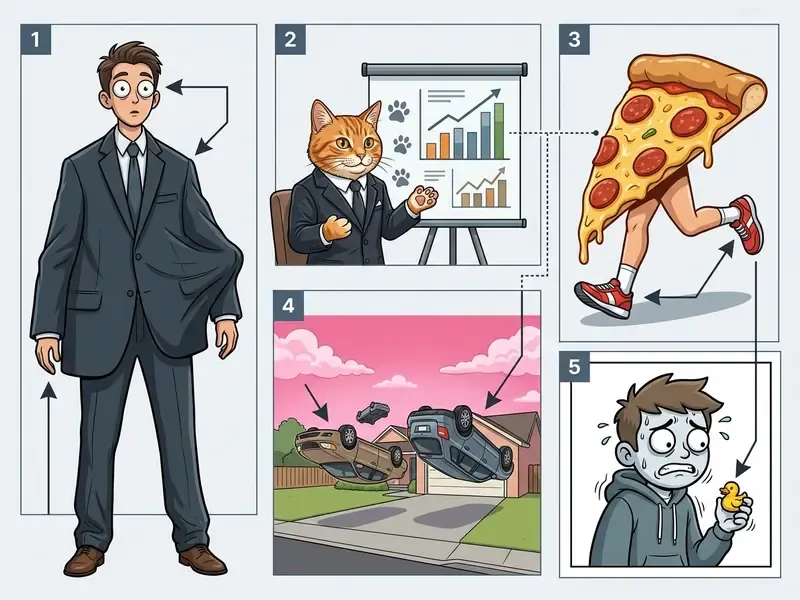
Goofy Ahh Style: Funny, Exaggerated and Surreal Visual Ideas
The funny and exaggerated look depends on a controlled departure from real-world physics and proportion. Prompt engineering is a learned creative skill, and the hard part is rarely recognition. It is production.
That gap explains most failed generations. Creators spot a strong comedic image instantly, yet they write inputs with no modular style modifiers and no concrete subject descriptors. To generate a distinct style, combine hyperbole (oversized heads, distorted limbs, mismatched scale) with a surreal environmental context. When you create goofy compositions, the comedy comes from plausible rendering quality applied to an implausible scenario. Still choosing a platform? Start with our comparison of the best AI art generators and match the engine to the aesthetic you need.
Goofy Ahh Images, Pictures and Meme-Ready Creations
Production workflows quietly distinguish between technical rendering files and informal meme assets. "Images" usually describes the primary output files a neural network returns; "pictures" tends to describe what circulates across social channels and messaging apps. Meme scholarship treats photo-based templates as raw material for remix, and newer work on generative memesis extends that to fully synthetic visuals, which is precisely where goofy ahh output sits.
Generating goofy ahh ai pictures for distribution needs strong figure-ground contrast, a readable facial expression, and composition that leaves room for text. Leave a clean upper or lower third empty so captions can be layered later in an editor instead of baked into the pixels. Small detail, big difference: baked-in text kills reuse. For terminology across formats, review our AI Media Glossary.
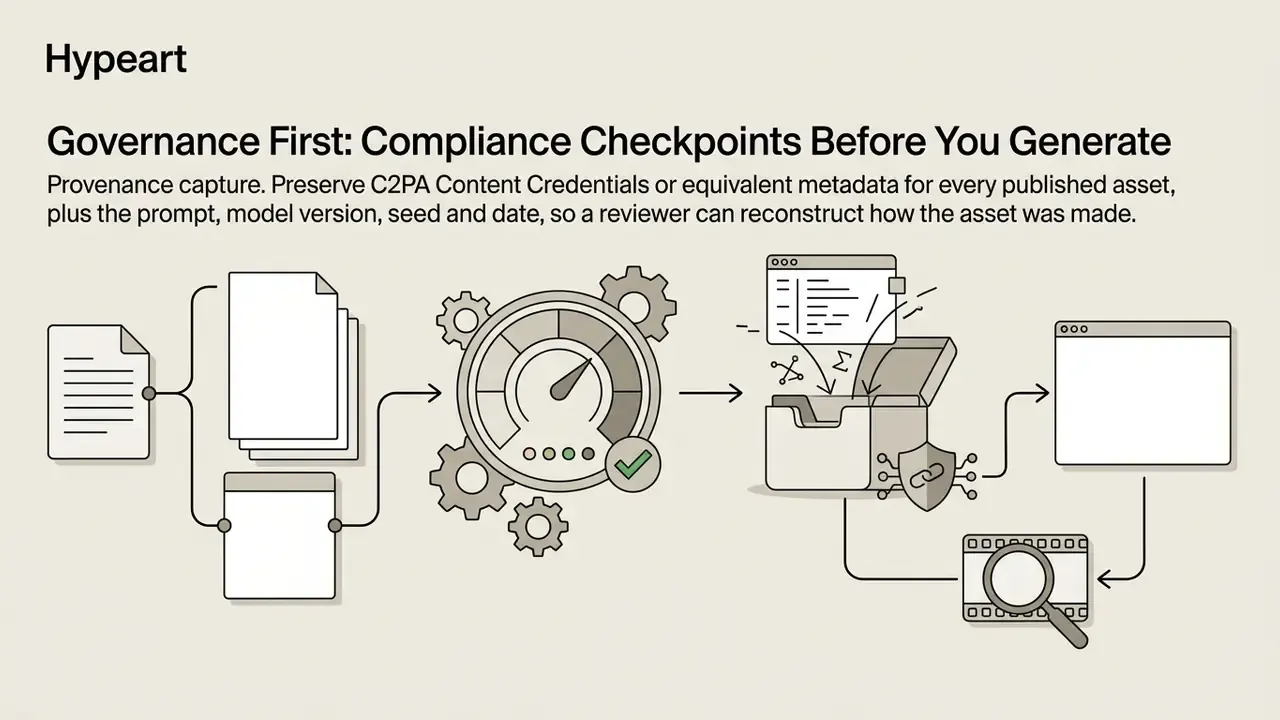
Governance First: Compliance Checkpoints Before You Generate
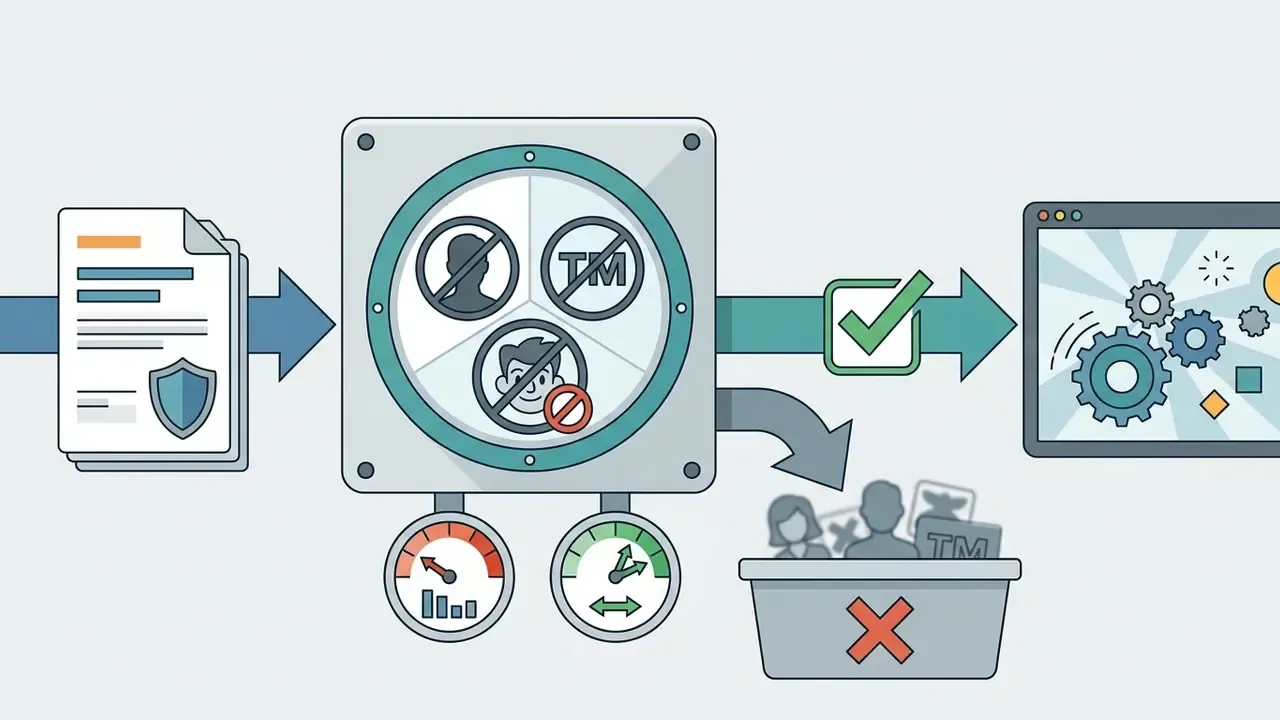
Humor is a low-severity output category with a non-trivial risk profile. Comedic assets travel faster than corporate approval cycles, which is why unmanaged generation ("Shadow AI" run on personal accounts, outside sanctioned tooling) becomes a licensing and brand problem rather than a creative one.
Guardrails worth defining before the first prompt:
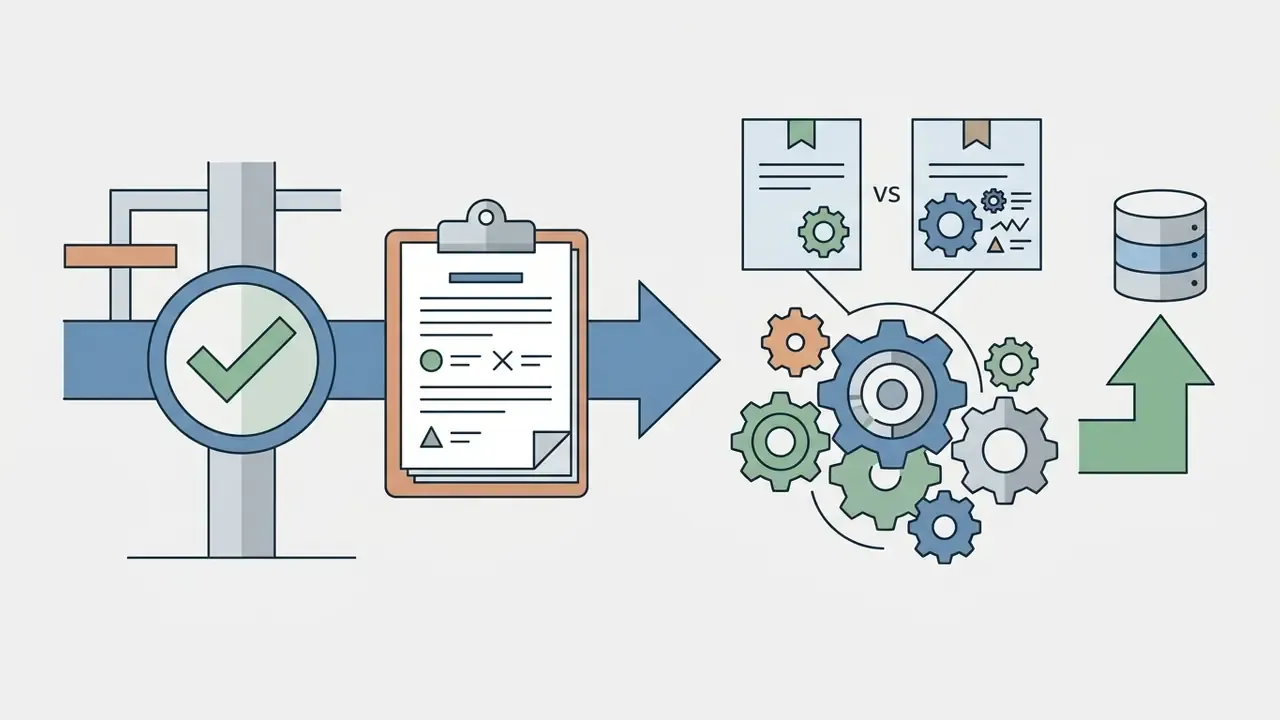
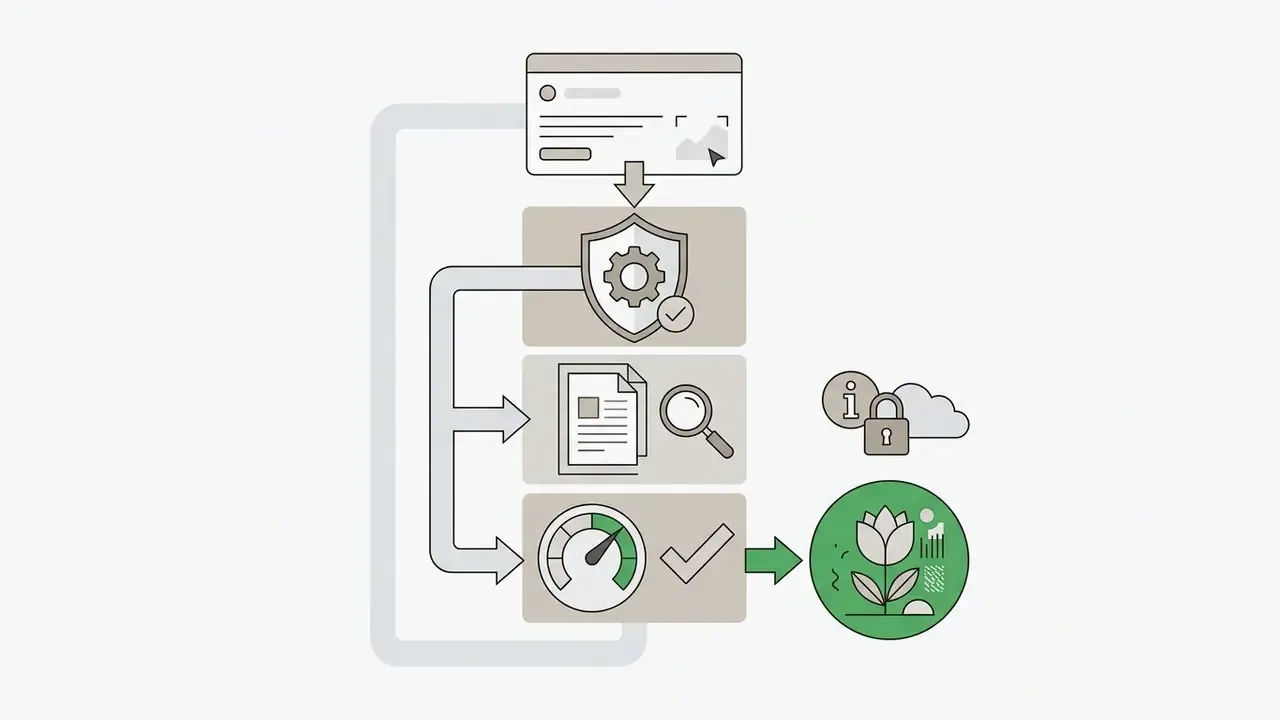
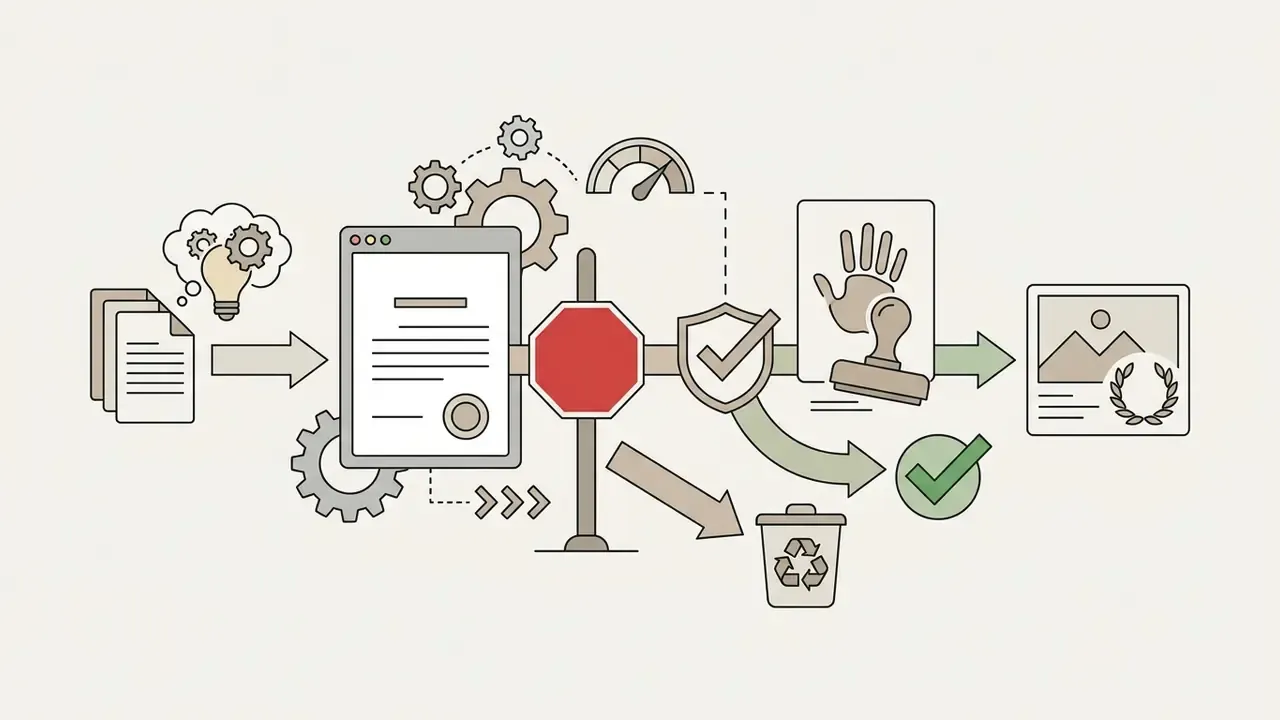
Shadow AI Control for Creative Teams
Checklist0 / 6
Disclaimer: this material is general information and does not replace advice from a qualified specialist.
How to Create Goofy AI Images With an AI Image Generator
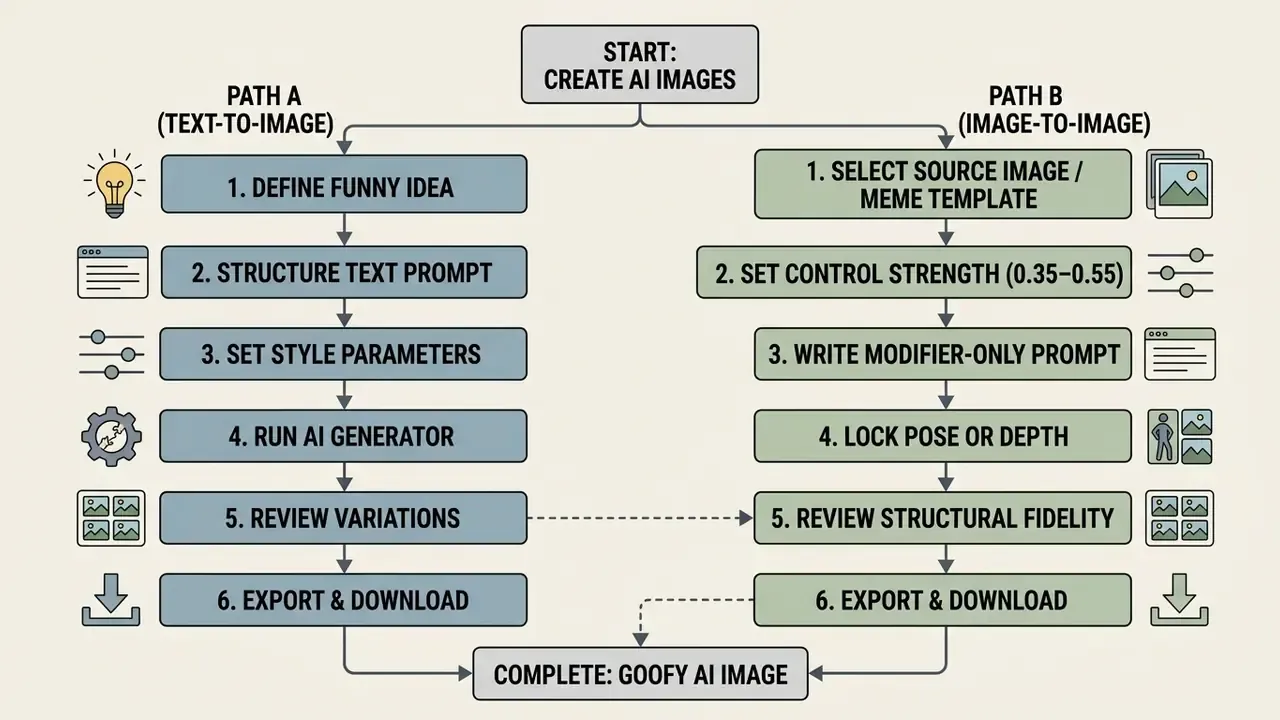
Producing goofy ahh ai generated images through an image generator follows a six-stage workflow, from scene concept to file export. Prompting behaviour in production systems differs measurably from search behaviour, which is why casual keyword habits transfer badly.
«Prompts in image-generation systems are substantially longer than search queries and contain several structural components: subject, form, and intent.»
The same log analysis shows that iterative refinement inside a single session yields noticeably higher coherence than one-shot attempts. With a dedicated ai image generator, an abstract idea becomes a usable asset in a handful of controlled passes. For a primer on generator categories and their capabilities, see our overview of the AI art generator landscape.
Model Selection: Choosing the Right Generator for Goofy Assets
Engines interpret comedic exaggeration, text rendering and anatomy distortion differently. Picking the wrong model is the most common reason a well-written prompt underdelivers.
| Model | Strongest use for goofy assets | Weakness to plan around | Practical note |
|---|---|---|---|
| Midjourney (v6) | Organic textures, claymation, cinematic fisheye distortion, surreal lighting | Literal instruction following on multi-subject scenes | Use --stylize moderately; high values override comedic specifics |
| Ideogram (v2) | Precise in-image captions, signboards, poster text | Photorealistic skin detail | Best choice when the joke depends on readable text |
| Flux.1 (Dev / Schnell) | Anatomy hyperbole, crisp vector and cartoon linework | Can flatten atmospheric lighting | Strong for sticker and avatar outputs needing clean edges |
| DALL·E 3 | Complex natural-language prompts combining subject, action and setting | Style drift toward polished illustration | Ideal for long descriptive briefs written as prose |
| Adobe Firefly | Commercially oriented workflows, integrated editing | Conservative content filters | Non-beta feature outputs are positioned for commercial projects |
| Seedream 4.0 / Nano Banana-class models | Fast iteration and reference-driven edits inside all-in-one platforms | Variable consistency between versions | Useful for high-volume variation testing |
Model choice interacts with budget. Compare subscription economics in our AI Media Pricing Guides and run scenario costs with the AI Media Calculators. For head-to-head evaluations, see Midjourney versus competing image generators and ChatGPT image generation versus alternatives.
Write a Clear Funny Scene Idea Before You Generate
Effective generation starts with a written brief: primary subject, specific action, setting, lighting. Leaning on vague adjectives like "goofy" produces unpredictable output, because generative architectures read abstract terms loosely.
«Across five experiments with 5,493 images, prompts that explicitly separated subject from style consistently received higher quality ratings.»
A structured prompt brief should include:
Using Image-to-Image (I2I) for Meme Transformations
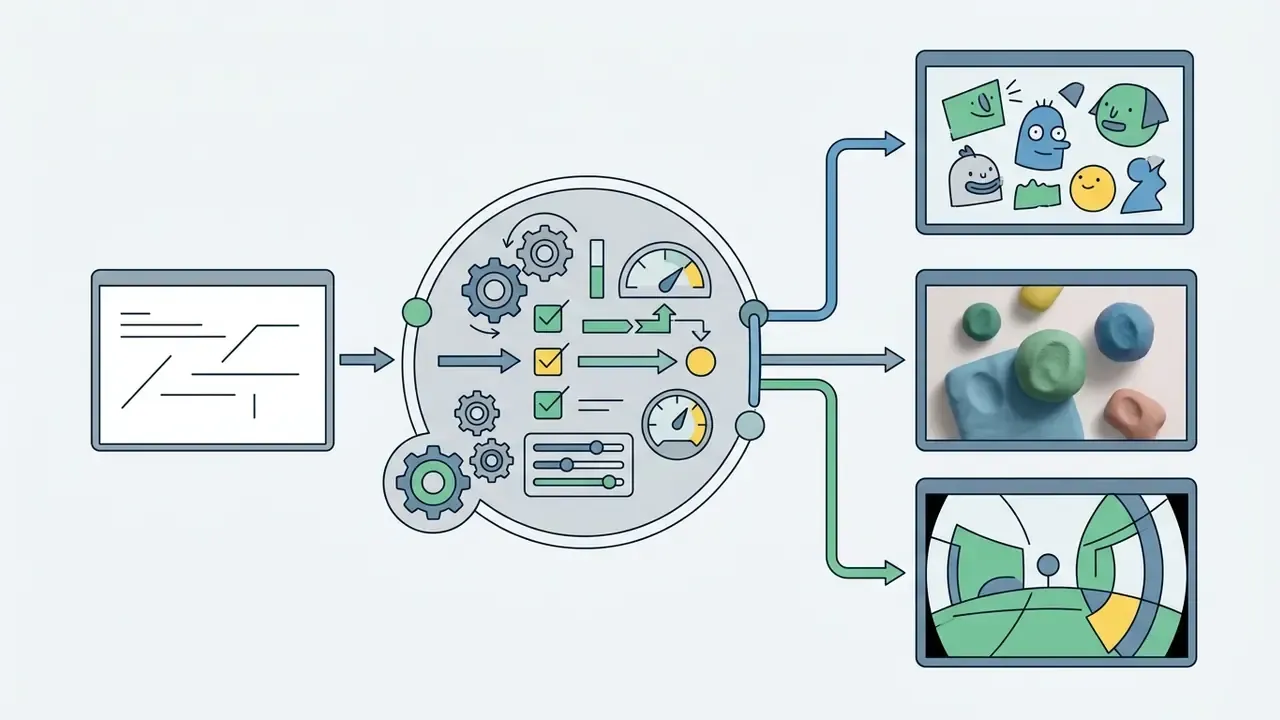
When you convert an existing image into a goofy format, text prompts alone tend to lose the facial angle or the composition that made the source worth using. An image-to-image workflow keeps structural layout while applying stylized exaggeration. It is the correct route when the source is a photo, a brand asset, or a template layout you actually hold rights to.
I2I operational steps:
- Upload the source asset.Set a control strength between
0.35and0.55(labelled Image Weight, Denoising Strength, or Structure Reference depending on the platform). Below0.30the output barely changes; above0.65pose and framing dissolve. - Specify modifiers only.Describe changes, not the whole scene: "Same subject and pose, but with exaggerated massive eyes, 3D cartoon style, claymation texture, glossy highlights."
- Preserve pose and depth.Lock depth maps, pose ControlNets or structure-reference sliders where available. That prevents background warping and keeps limbs traceable even when features go absurd.
- Iterate one variable at a time.Change either the style modifier or the control strength per run, never both, otherwise you cannot attribute the improvement to anything.
- Screen the source.Confirm you hold rights to the input and that it contains no third-party logos, protected characters, or identifiable people whose likeness you cannot use.
For adjacent editing tasks, expanding the frame, cleaning artefacts, or restoring proportions, see our comparison of AI outpainting and image-expansion tools.
Generate, Review and Download Goofy AI Pictures
After the first prompt run, judge the batch against objective criteria before you pick a file to download. Inspect facial rendering, line clarity, hand and limb anatomy, and background clutter, then confirm the joke still reads at thumbnail size. If the batch lacks punch, adjust specific modifier keywords rather than rewriting the whole prompt from scratch.
Humor-evaluation research offers a usable review order: first check whether the image is understandable, then whether it is inoffensive, then whether it actually reads as a joke, and only then rate funniness on a fixed scale. Scoring originality, punchline strength and theme fit separately stops "familiar but flat" output from sliding through.
A simple acceptance metric keeps iteration honest:
Unusable rate = (rejected variations ÷ total generated variations) × 100

Target: below 25% per batch after two prompt revisions.
Internal benchmark (methodology disclosed): in an internal, non-peer-reviewed test, our editorial team reviewed 400 candidate visual concepts for marketing campaigns over four weeks, using three acceptance criteria: legibility at 512 px, anatomical coherence, and single-glance comprehension of the joke. Moving from unstructured keyword prompts to explicit subject-action-style structures cut unusable variations by 62% and roughly halved iteration time. One caveat, and it matters: the test ran on a single model configuration with internal reviewers, so read the figure as directional rather than generalizable.
For multimedia posts that pair goofy visuals with audio, review our guide to AI voice generators and their licensing terms, and, if the post needs an original backing track, the udio ai music generator overview.
Goofy Ahh AI Image Prompts to Try
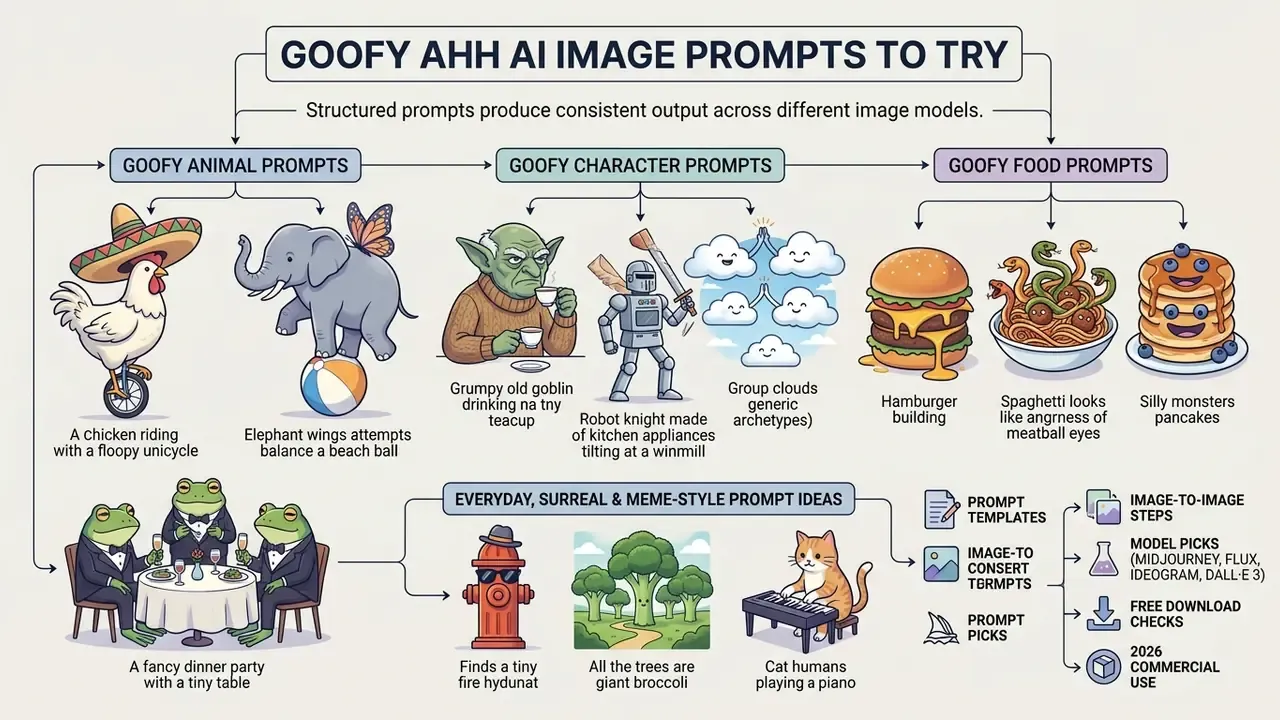
Structured prompts produce consistent output across different image models. Loose ones produce lottery tickets.
«Prompts that explicitly name a style, "cartoon," "caricature," produce more stable stylization than vague adjectives such as "weird" or "funny."»
| Category | Core Concept | Prompt Detail Slots | Style Instruction | Expected Visual Effect |
|---|---|---|---|---|
| Goofy Animal | Dog managing corporate office | Golden retriever wearing glasses, typing on a tiny laptop, cluttered desk | Bright cartoon style, clean vector lines, saturated colors | Playful corporate satire with clear character expression |
| Goofy Character | Executive in oversized attire | Businessman wearing a suit ten sizes too large, tripping over a curb | 3D claymation aesthetic, soft lighting, tactile texture | Physical slapstick humor with a friendly, handcrafted look |
| Goofy Food | Animated breakfast items | Waffle with eyes and arms running a marathon, finish line crowd | Chibi style, exaggerated features, bright morning light | High-energy visual pun optimized for stickers or avatars |
| Everyday Scene | Commuter reading giant newspaper | Person on subway holding a newspaper five feet tall, passengers staring | 1990s comic book illustration, bold ink outlines, halftone dots | Retro humor emphasizing spatial contrast and social awkwardness |
| Surreal Scene | Fish swimming through suburban sky | Goldfish floating between houses, clouds shaped like coral reefs | Surrealist digital painting, vibrant contrast, dreamy atmosphere | Uncanny visual surprise suitable for shareable social posts |
| Viral Meme Style | Exaggerated character evolution | Generic yellow sea-sponge-style cartoon creature evolving from a thin figure into a hyper-muscular glowing giant, motivational poster layout | 1990s retro anime action style, intense aura lines, dramatic shadows | Classic viral "evolution" meme format built on humorous contrast |
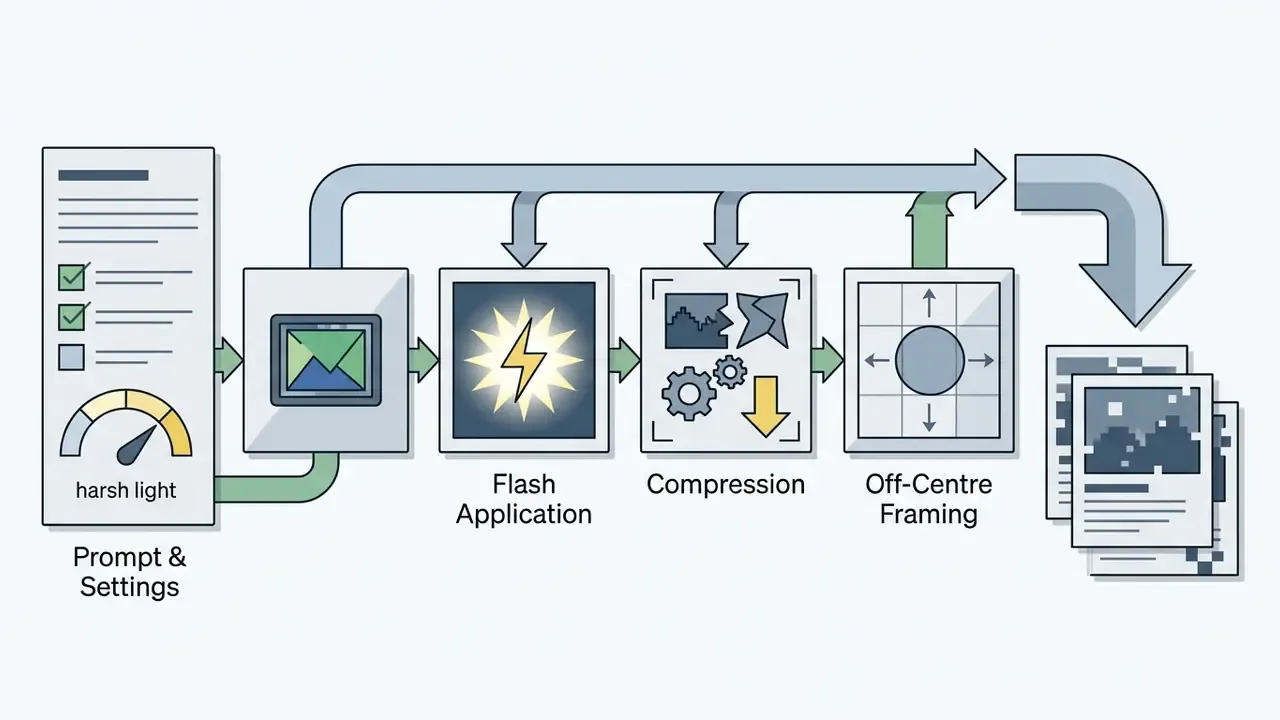
| Absurdist Culture | Puppet character in chaos | Red felt puppet wearing a tiny knight helmet standing calmly in a chaotic burning room, wide shot | Low-res webcam photo filter, harsh flash lighting, chaotic composition | The "chaos" internet aesthetic with high visual contrast |
| Reaction Panel | Deadpan face, absurd object | Close-up of a wide-eyed cartoon figure holding a single tiny rubber duck, empty caption space at the top | Flat cartoon shading, high contrast, plain background | Reusable reaction image for chats, Discord and comment threads |
Note that the last three rows deliberately describe generic archetypes rather than named franchise characters. Prompting for a specific copyrighted or trademarked character reproduces protected expression and creates infringement exposure. The meme structure is reusable; the character design is not. Once you have picked a template, compare engines in our roundup of the best AI art generators.
Goofy Animal, Character and Food Prompts
When you create goofy ai visuals with animals or food, push on anthropomorphic attributes and scale mismatches.
Practical prompt templates to try:
- Animal: "A chubby raccoon wearing a tuxedo, attempting to play a grand piano on a concert stage, wide-angle lens, detailed fur, vibrant stage lighting."
- Character: "An overly enthusiastic chef accidentally tossing a pizza dough so high it covers the entire ceiling, exaggerated expressions, bright studio lighting, 3D render."
- Food: "A grumpy avocado wearing running shoes and sweatbands, sitting exhausted on a gym bench, soft clay texture, clean pastel background."
- Animal: "A serious-looking golden retriever working as a barista, oversized apron, holding three coffee cups at once, confused customers in the background, funny realistic photography."
- Character: "A superhero with extremely short legs and enormous boots posing heroically on a rooftop, windy cape, confused expression, exaggerated proportions, colorful comic-book style."
- Food: "A giant slice of pizza wearing sunglasses arguing with a tiny chef in a restaurant kitchen, spilled ingredients everywhere, dramatic expressions, colorful 3D cartoon style."
Everyday, Surreal and Meme-Style Prompt Ideas
Meme-style prompts reward high-contrast arrangements and one clear emotional focal point. Pair a mundane environment with a completely absurd action, and keep exactly one element impossible. Two impossible elements and the viewer stops reading the joke.
Practical prompt templates to try:
- Everyday: "A cat sitting at an executive desk holding a fountain pen, reviewing financial spreadsheets with extreme concern, cinematic office lighting."
- Surreal: "A giant rubber duck parked in a standard parallel parking spot on a busy city street, traffic passing by normally, realistic afternoon light."
- Meme Panel: "A suburban lawn where the grass is replaced by thousands of tiny plastic spoons, bright sunny day, sharp focus, vibrant greens."
- Everyday: "A tired office worker attending a morning meeting while sitting inside a giant shopping cart, coworkers behaving completely normally, realistic office setting, awkward comedy."
- Surreal: "A confused duck driving a tiny yellow car through a supermarket aisle, shoppers staring in disbelief, floating grocery items, dramatic cinematic lighting."
- Meme Panel: "An exhausted cat sitting on a laptop at 3 a.m. surrounded by empty coffee cups, staring at the screen in disbelief, dramatic lighting, exaggerated expression, meme-style humor."
How to Make Goofy AI Generated Images Look Better
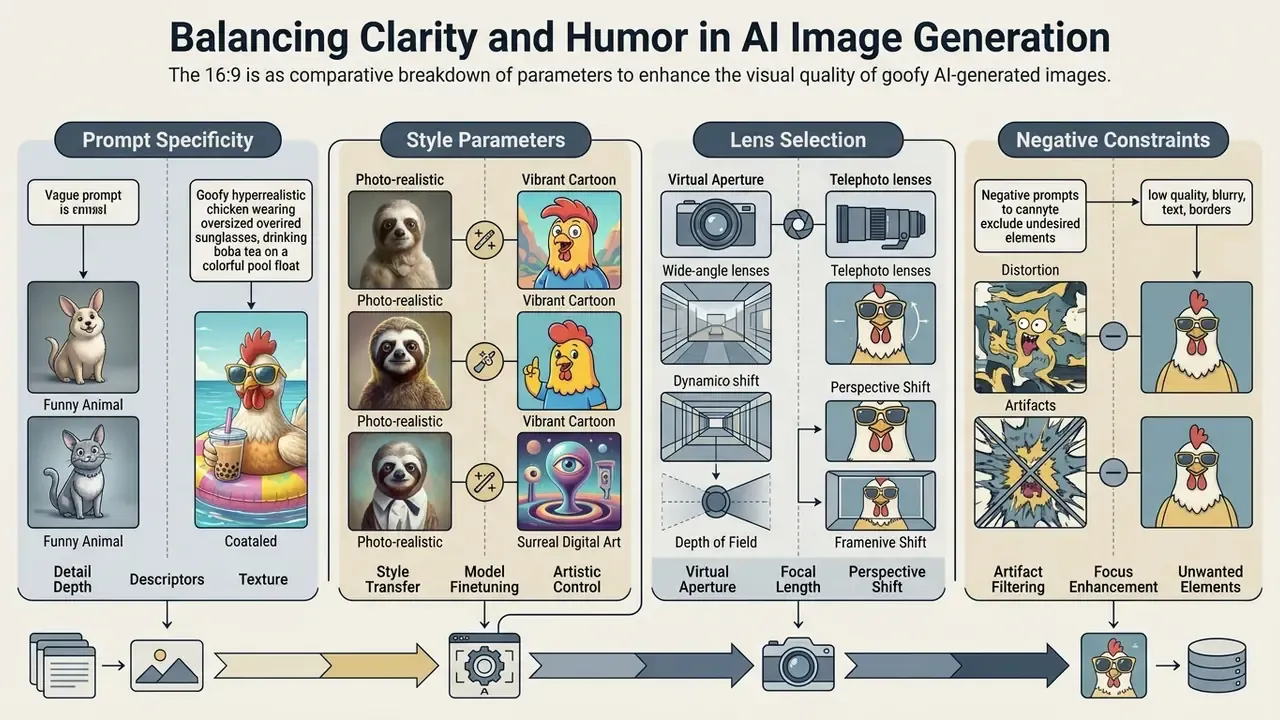
Improving goofy ai generated images comes down to prompt clarity plus targeted style parameters. Quality is not purely technical, though. Originality is now a measurable problem, because prompt language itself has homogenized.
«Repeated prompts account for roughly 40-50% of platform publications, and lexical similarity between prompts correlates with reduced visual diversity on the Vendi score.»
Practically: copying a popular prompt string gives you competent, interchangeable output. Adding concrete detail, a specific prop, an unusual material, a named camera angle, a defined emotional beat, keeps the humor intact while sharpness, composition and distinctiveness all improve.
Add Specific Details Instead of Using Only "Goofy"
Replace abstract descriptors with concrete nouns and physical actions. Instead of a "goofy character," name the physical traits, the clothing anomaly, the facial expression that carries the comedy. Useful substitutes for the word "goofy" include playful, whimsical, quirky, exaggerated, cartoonish, comedic, deadpan, slapstick, grotesque, uncanny. Each pushes the model into a different, controllable register.
- Vague Input "A goofy man in an office."
- Optimized Input "A middle-aged accountant wearing an oversized polka-dot tie, staring in utter shock at a toaster on his desk, bright office fluorescent lighting, crisp focal detail."
Negative constraints matter just as much when comedy has to stay legible. Common exclusions: no extra limbs, no duplicated faces, no text, no watermark, no logos, no blurred foreground. For post-generation cleanup, cropping and colour correction, see our guide to online photo editors. For compressing large exports before upload, see the video compressor guide, and for rescuing soft source footage before an I2I pass, the notes on how to unblur video online.
Use Style Instructions to Control the Final Image
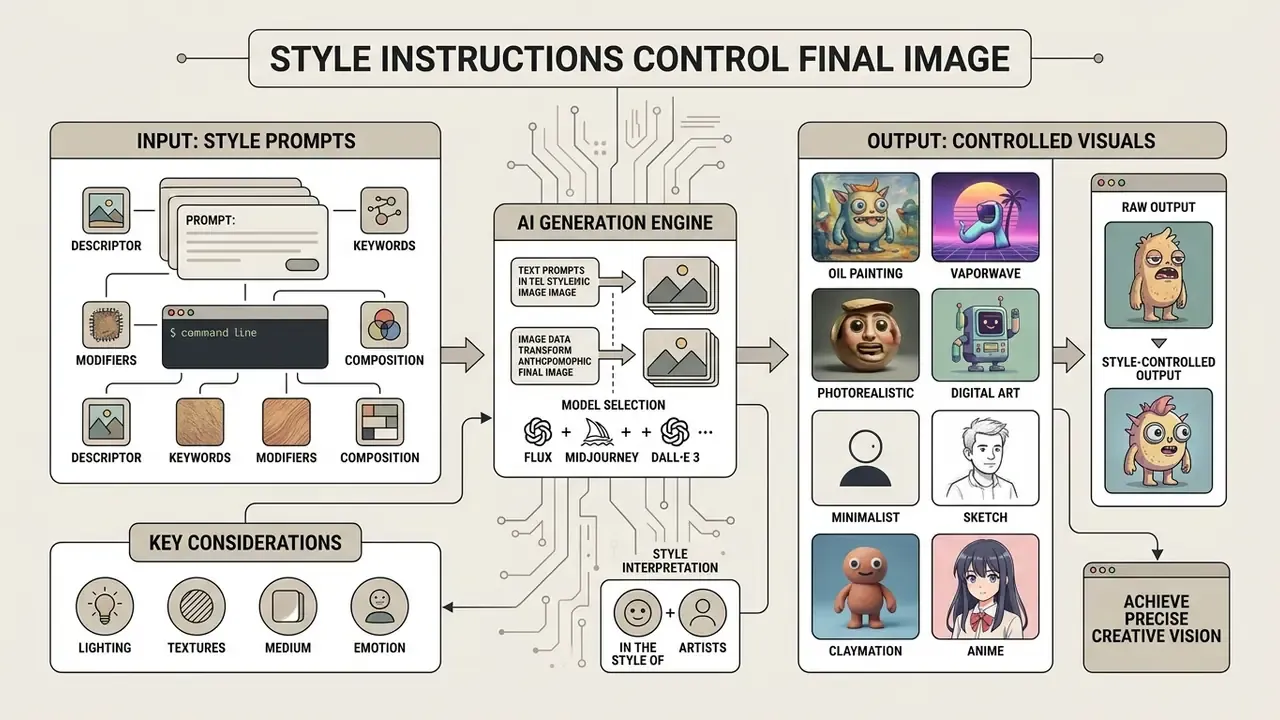
Explicit style keywords dictate how lighting, lines and textures come out. Choosing an aesthetic category also stops the generator falling back on generic, over-processed photorealism. One finding is worth flagging: comic-style rendering reads as informal and tends to reduce perceived credibility, while photo-like rendering preserves it. That trade-off is an asset for entertainment content and a liability next to a serious brand claim.
Common style directions for humorous images:
If you need a recognizable series, hold palette, lighting and camera grammar stable across the set. Consistency work on illustrated sequences points to those three levers as the main drivers of cross-image readability.
Free Goofy Ahh Pictures, Downloads and Generator Access
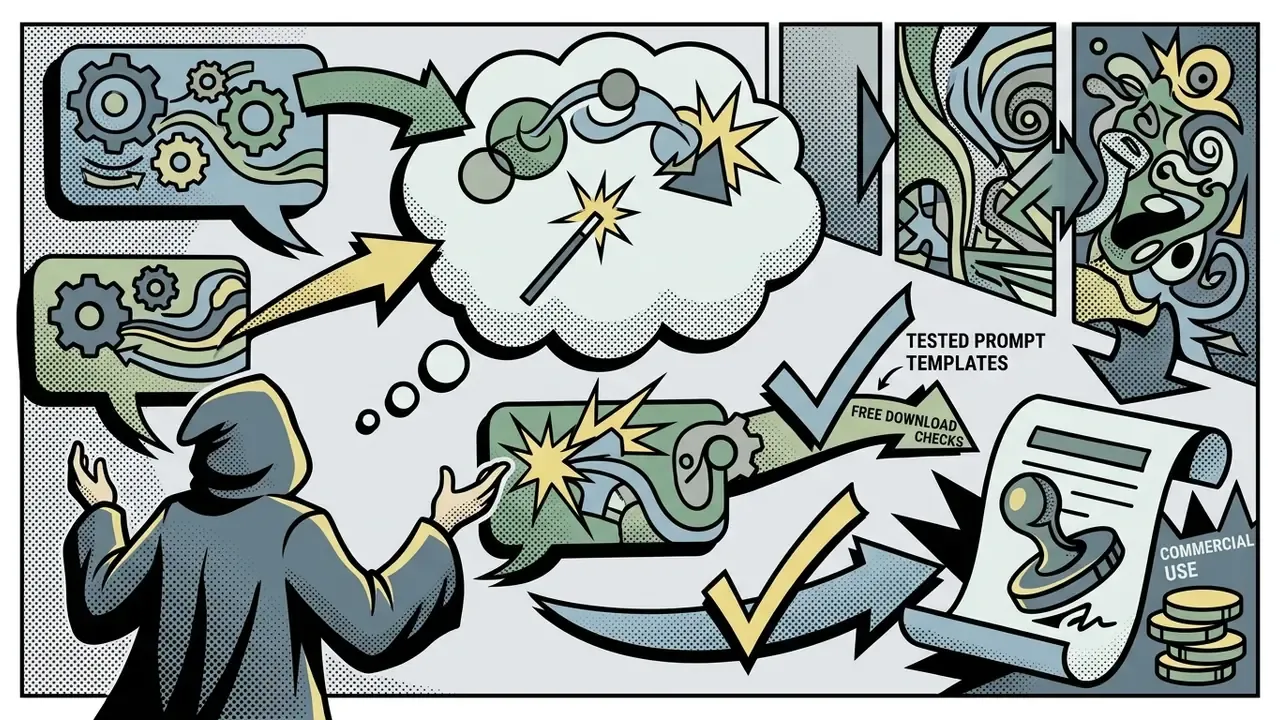
One risk deserves explicit attention before you publish humorous imagery at scale: telling a model to be funnier is not a neutral instruction.
What to Check Before Downloading Goofy AI Images
Before you download any asset, review its technical parameters and usage rights together. Free tiers frequently cap resolution or stamp exports. For a comparison of what free tiers actually permit, see our breakdown of free AI art generators and their watermark and licensing limits.
Key technical and legal elements to inspect:
Need generator access without a paid commitment? Our comparison of free AI art generators documents credit systems, export ceilings and licence conditions side by side. For publishing and file-handling workflows, see the YouTube video editor workflow guide and the practical notes on how to upload video online without losing provenance metadata.
Can You Use Goofy AI Images Commercially?
«When AI technology determines the expressive elements of its output, the output is not copyrightable; human contributions to selection and arrangement may be protected.»
Put plainly: purely AI-generated visuals without human authorship are not eligible for copyright protection, while human-authored contributions (text overlays, manual edits, selection and arrangement into a composite) can be claimed, with the AI-generated portions disclaimed in registration. European guidance lands in a comparable place by a different route, since EU copyright protects works of human intellectual creation, so fully autonomous outputs fall outside protection. Commercial utilization rights, meanwhile, are governed contractually by the generator's subscription terms.
Check the Generator's Commercial-Use Terms Before Publishing
Every ai image generator enforces its own commercial licensing logic, usually tied to account tier and sometimes to company revenue. Paid Midjourney subscribers gain commercial rights to monetize output, while free trial users stay in non-commercial territory. Adobe Firefly permits commercial use for standard non-beta generations but reserves broad licensing rights over images uploaded to public galleries. Revenue-threshold licences, such as Stability AI's community tier, need active monitoring, because a company can outgrow its licence without changing one line of its workflow.
For platform-specific breakdowns of access, restrictions and usage rights, see our reviews of the Canva AI generator, the Microsoft AI image generator, the Google AI image generator and Bing AI image creation.
Data Protection When Prompting Public Generators
Commercial clearance covers what you may publish. It says nothing about what you may send. Before routing a creative brief through a consumer generator, confirm four contractual points: whether inputs and outputs feed model training, how long prompts and images are retained, whether retention can be disabled at the account or API level, and which jurisdiction processes the data. Enterprise agreements typically differ from consumer subscriptions on all four. Where a brief includes unreleased campaign concepts, client names or internal figures, generate on an enterprise endpoint or abstract the brief before submission. If your team has been experimenting with an uncensored ai text generator for caption copy, apply the same data checks there; filter policy and data policy are separate settings.
Separate AI-Generated Images From Downloaded Pictures
There is a real legal difference between generating an image in a licensed account and downloading pre-existing synthetic pictures from a third-party site. Downloaded images stay subject to the original creator's copyright (where human editing was applied) or to the host platform's redistribution terms. Stock images are licensed copyrighted works, so lawful use depends on the licence, not on the act of downloading. "Free to download" gallery pages rarely state whether commercial reuse, modification or redistribution is included.
To evaluate software options and commercial rights across media creation tools, explore the AI Media Commercial-Use Hub and compare features using the AI Media Comparison guide. To trace an asset back to its source before reuse, see our comparison of AI reverse-image-search tools. For legal precedent in generative art, monitor AI Litigation and Case Timelines.
Where to Use Goofy AI Images
Humorous synthetic assets earn their keep across digital marketing, community management, and personal creative work. Their visual exaggeration is simply louder than polished stock imagery in a crowded feed.
Memes, Social Media Posts and Reaction Pictures
Humorous visuals perform well as reaction media and as engagement drivers. Peer-reviewed research on meme marketing (2022) found funny memes outperformed serious images in brand posts, lifting positive attitudes and sharing intention, while also exposing a trade-off: humor perception reduced brand recall. Comedy buys attention. It does not automatically buy memory, so pair goofy assets with a persistent identity cue, a logo lockup, a recurring character, a fixed palette.
Measurement keeps this honest. Track four numbers per asset rather than eyeballing likes:
| Metric | What it tells you | Practical read |
|---|---|---|
| Save and share rate | Whether the joke is worth re-sending | The clearest signal that the visual landed |
| Thumbnail click-through | Legibility at small size | Low CTR usually means composition, not humor |
| Comment sentiment mix | Whether the joke reads as intended | Watch for confusion, not just negativity |
| Assisted brand recall | Whether the humor crowded out the brand | The known weak point of meme formats |
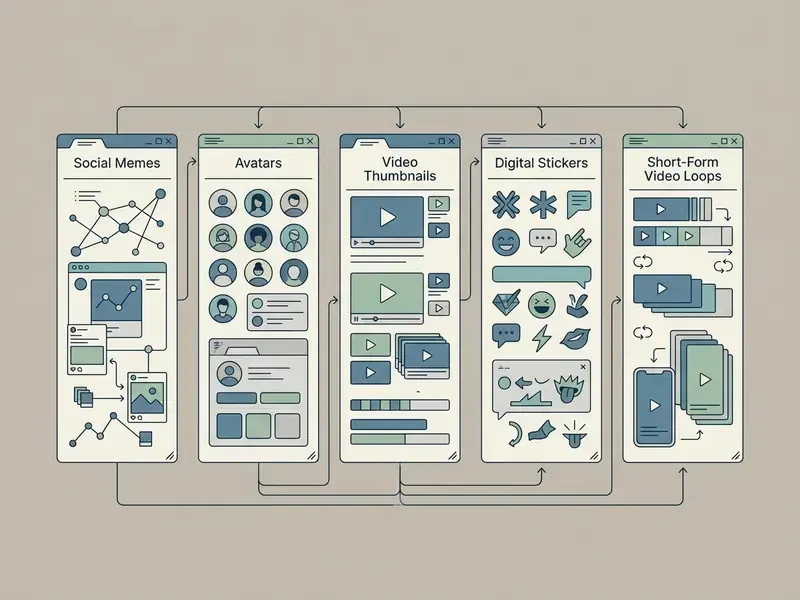
Key social applications:
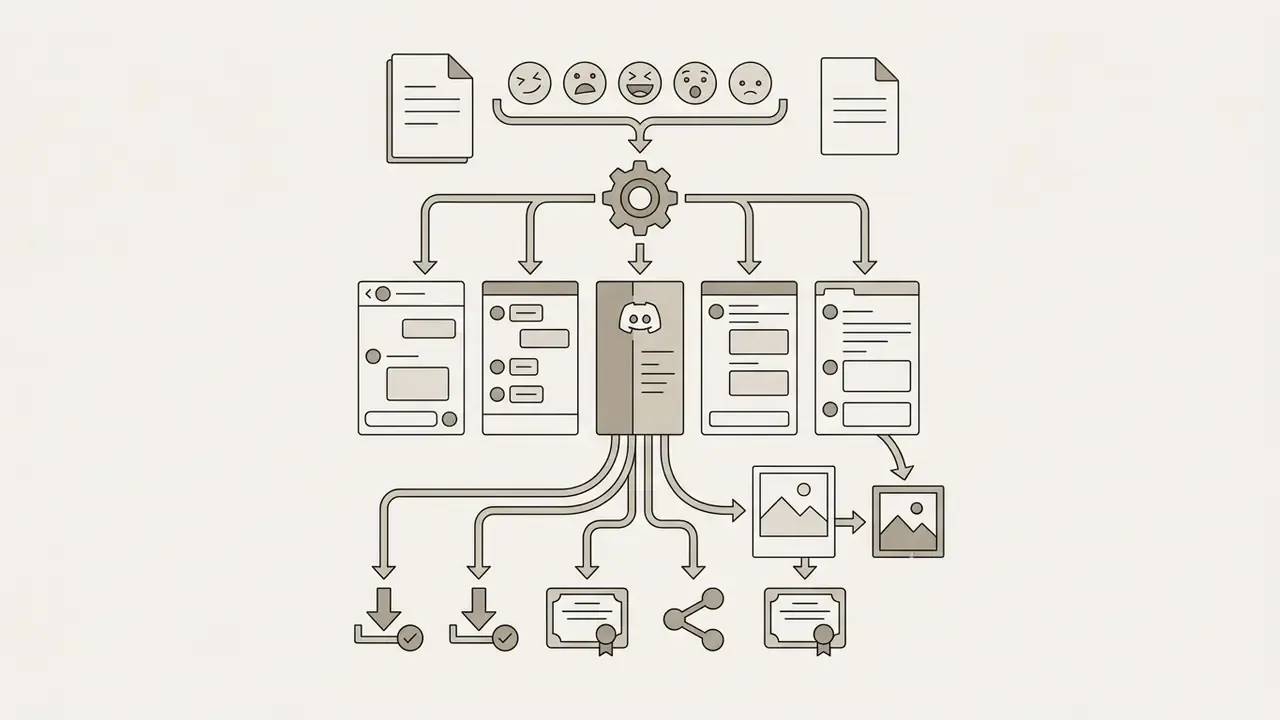
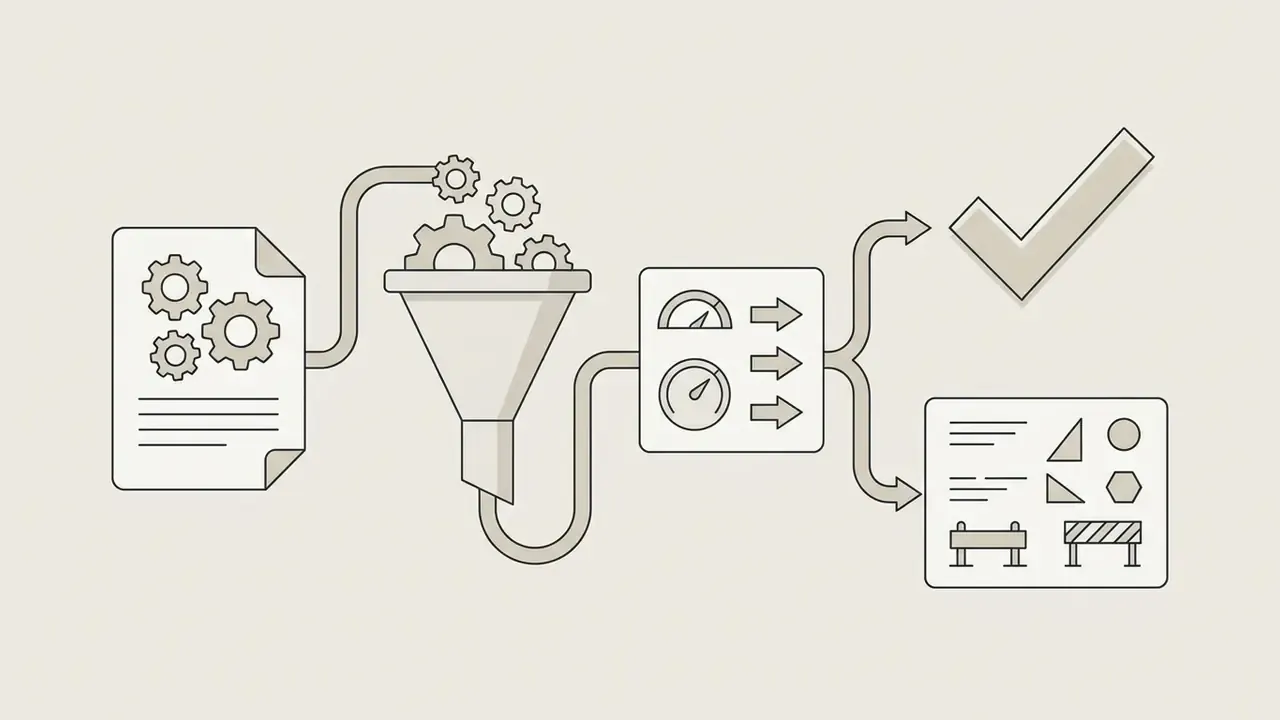


Avatars, Thumbnails, Stickers and Character Concepts
Exaggerated visuals make memorable branding assets for profiles and creators. High-contrast character concepts usually stay legible when scaled down, because strong figure-ground separation survives compression better than fine detail. Worth verifying against your own platform previews rather than assuming, since no standardized legibility study covers meme-format AI assets yet.
Common format applications:
Animating Goofy AI Assets for Short-Form Video (GIFs & Reels)
Static goofy images reach further once they loop. Converting a still into a short video or GIF for TikTok, Instagram Reels, YouTube Shorts and Discord sticker packs takes five steps:
For implementation detail on video model capabilities and costs, see the Google Veo implementation guide and our comparison of free AI video generators. For integration guidance or troubleshooting, consult AI Media Support and Troubleshooting or review the AI Media API Guides.
Goofy Ahh AI Images FAQ
What makes an AI image "goofy ahh"?
A goofy ahh AI image uses deliberate physical exaggeration, unexpected subject-action pairings, and surreal styling to land a comedic, meme-ready effect instead of a realistic render. The distortion is prompted on purpose. It is not a model failure.
Where does the phrase "goofy ahh" come from?
It is an AAVE-derived phonetic spelling of "goofy ass," documented online since at least 2009 and popularized far more widely through TikTok sound-effect and remix culture in 2021 to 2022. Sources disagree on first use, mostly because the earliest traceable post and the viral breakout sit years apart.
Are goofy ahh AI images free to download and use?
Free availability depends on the platform used to generate or host the image. Many generators offer free tiers, yet commercial rights usually require a paid plan or compliance with revenue limits under an open community licence. Free tiers also commonly impose resolution caps or watermarks.
Can I copyright an AI-generated goofy image?
In the United States and the European Union, purely AI-generated images without substantial human creative input cannot be copyrighted. You may still hold rights in original text overlays, manual edits, or a human-authored composition that incorporates the output.
Can I generate goofy AI images of public figures or celebrities?
Most major commercial generators, OpenAI and Adobe Firefly included, restrict or block prompts naming living celebrities and public figures under their content safety policies. Likeness and publicity rights add separate legal exposure. For a similar comedic effect without the risk, use generic descriptions such as "an eccentric wild-haired scientist in a lab coat" instead of a name.
Can I turn an existing photo or meme template into a goofy ahh image?
Yes. Use an image-to-image workflow at roughly 0.35-0.55 control strength, write a modifier-only prompt describing the changes, and lock pose or depth controls where available. Confirm you hold rights to the source and that it carries no protected characters or logos.
Which AI model produces the best goofy images?
It depends on the joke. Midjourney v6 excels at claymation and organic distortion, Ideogram at readable in-image text, Flux.1 at clean cartoon linework and anatomy hyperbole, DALL·E 3 at long natural-language prompts combining several subjects and actions.
Can I animate goofy AI images into GIFs or Reels?
Yes. Export a high-contrast still, import it into an image-to-video tool, and prompt for motion only, blinking, jaw drops, camera zoom, keeping loops to two to four seconds and exporting in the platform's native aspect ratio.
Do I need design skills to create goofy ahh AI images?
No drawing or editing skill is required, but prompt discipline is. One main character, one absurd action, one defined style, one explicit constraint. That combination beats a long unstructured description almost every time.
How do I stop my goofy images from looking generic?
Avoid copying popular prompt strings verbatim. Research on prompt language shows repeated prompts make up a large share of published output and correlate with reduced visual diversity, so change the props, materials, camera angle and emotional beat rather than only the subject.
Appendix A: Asset Evidence Log Template
Reproducibility is what turns a creative experiment into an auditable process. If a reviewer asks how a published asset was produced six months from now, this table answers the question in one row. Keep it wherever your content register already lives.
| Field | Example entry | Why it is captured |
|---|---|---|
| Asset ID | GOOFY-2026-0114 | Links the file to the content register |
| Generation route | Text-to-image / I2I (strength 0.45) | Explains structural fidelity to a source |
| Model and version | Flux.1 Dev, build noted at run time | Model behaviour changes between versions |
| Prompt and negatives | Full string, verbatim | Enables exact re-generation |
| Seed | 1184920 | The single most useful reproducibility field |
| Source rights | Owned photo, internal shoot, release on file | Answers likeness and template questions |
| Screening result | Trademark, logo and likeness check passed | Records the control, not only the outcome |
| Provenance | C2PA Content Credentials retained | Supports downstream labelling requirements |
| Named reviewer | Role and date of sign-off | Human accountability for comedic intent |
| Publication channel | Instagram Reels, 9:16 | Ties licence tier to actual usage |
Two honest limitations. Seeds do not guarantee identical output across model updates or hosted endpoints, and provenance metadata can be stripped by platforms during re-encoding. Log both fields anyway, since partial evidence still beats reconstructing a workflow from memory.
For more terminology, platform breakdowns and compliance guides, visit the AI Media Glossary hub navigation.